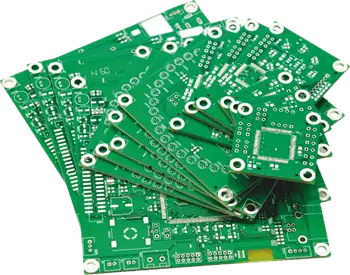
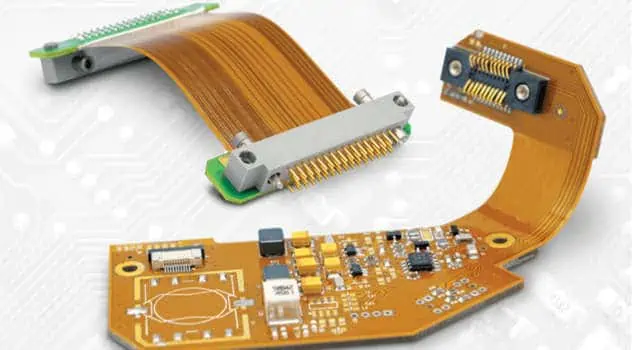
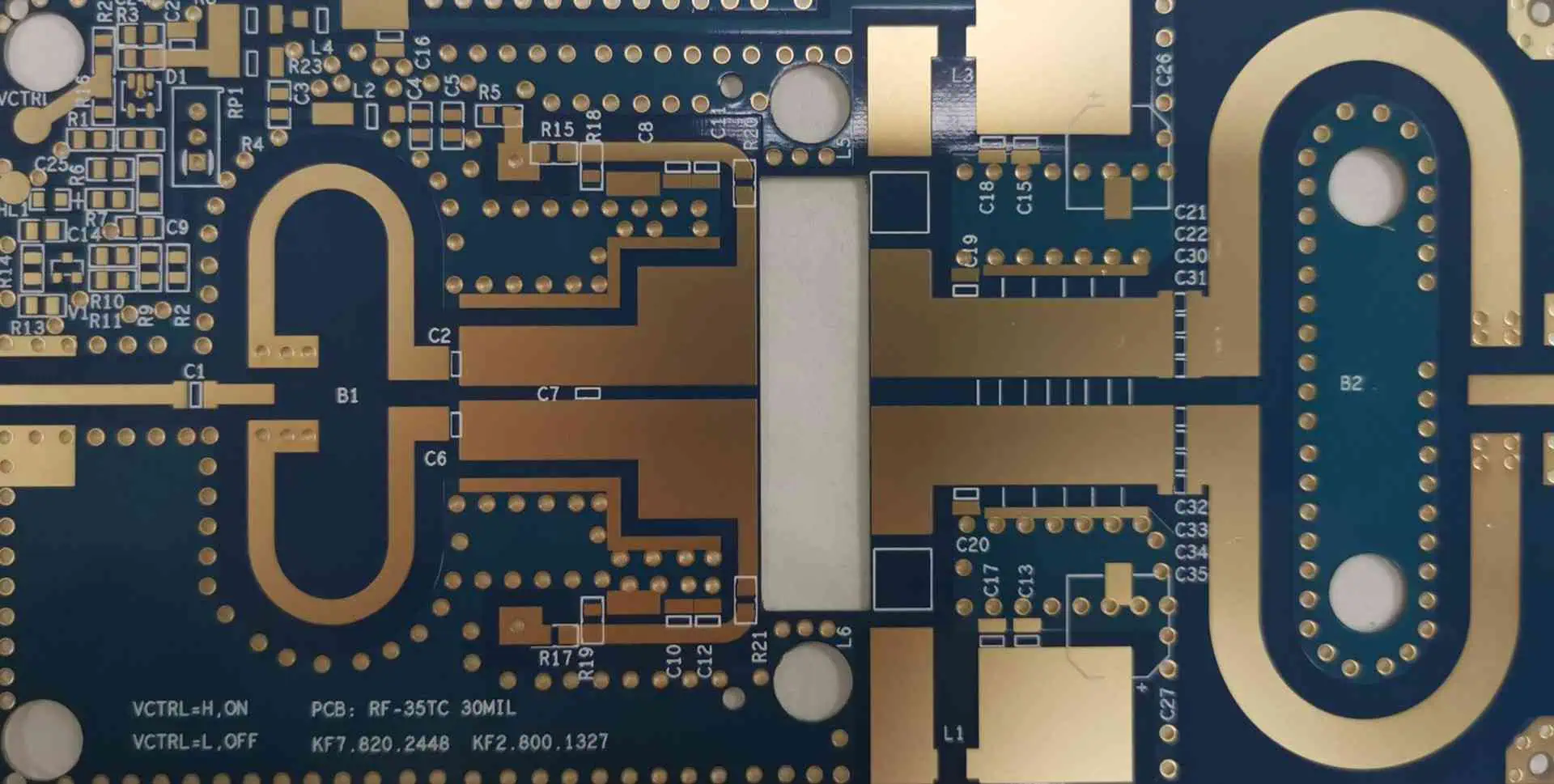
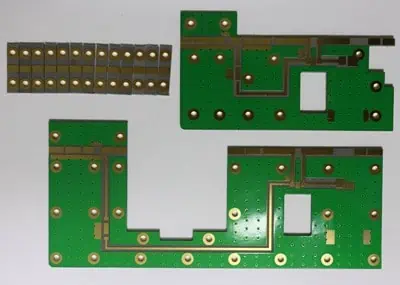
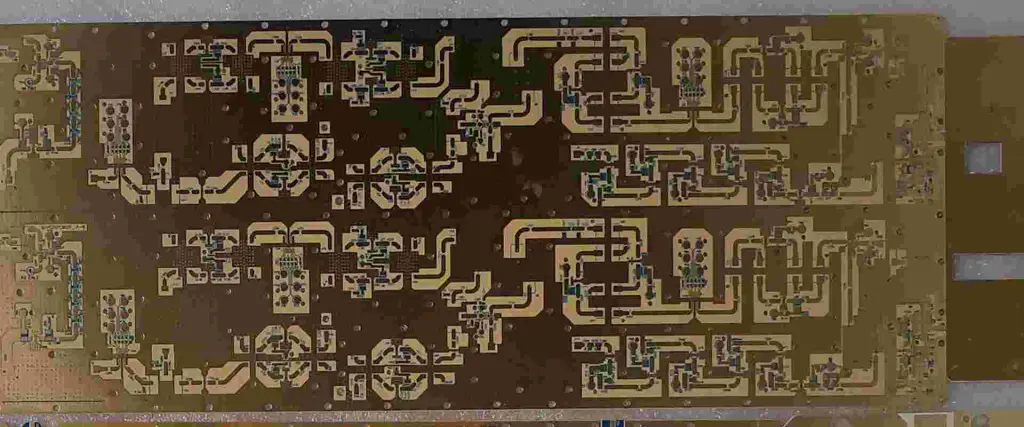
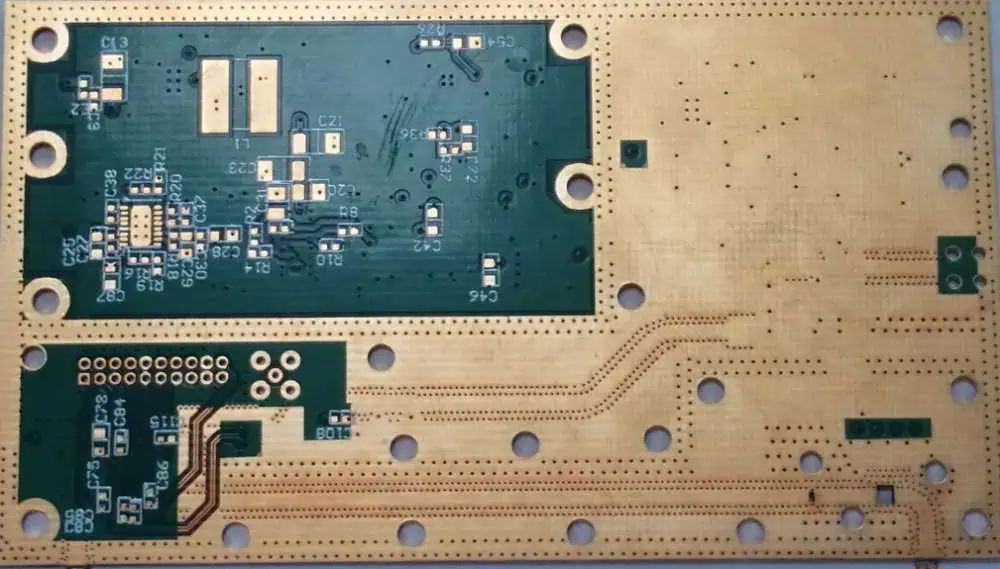
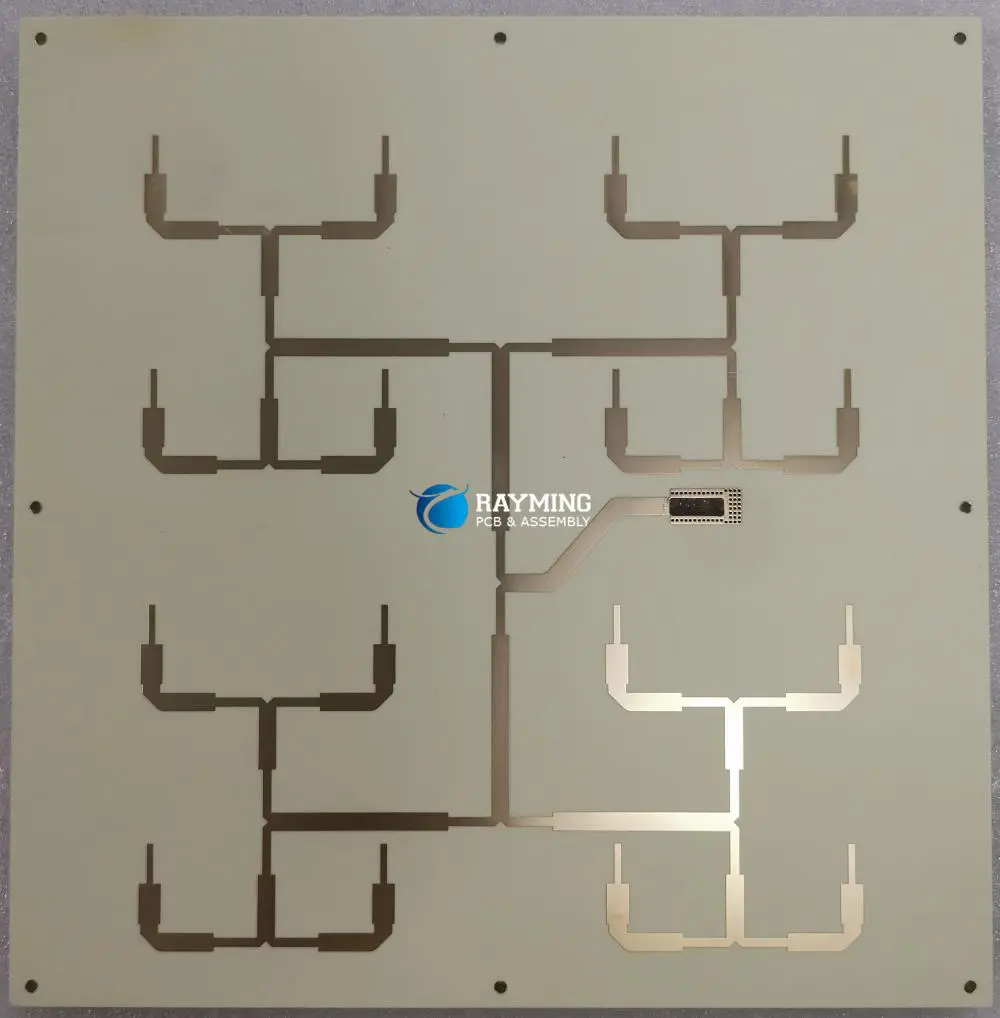
Printed circuit boards (PCBs) used in radar systems for naval ships and submarines require high frequency, precision transmission line characteristics to maintain signal integrity. Rigid-flex PCBs enable integrating rigid board sections containing components with flexible circuits interconnecting modules.
This article provides an overview of design and manufacturing considerations for rigid flex PCBs used in shipborne radar systems operating in tough environmental conditions. We will focus on key electrical, mechanical and testing factors involved in ensuring the reliability and performance needed for these critical defense applications.
Radars are complex electronic systems that detect targets, ascertain bearing and distance, and facilitate navigation and collision avoidance for military vessels. Key types include:
Search radar – Detects surface contacts and provides situational awareness
Fire control radar – Precisely tracks targets to enable weapon aiming
Weather Radar – Monitors conditions like storms; helps plan navigation
These high power systems transmit and receive directional radio frequency signals that are processed to generate visual maps on displays. Operating parameters include:
Frequency bands – L, S, C, X band (1-12 GHz typical)
Peak transmission power – Megawatts
Pulse widths – 0.1 to 250 microseconds
Scan rates – 6 to 60 RPM continuous rotation
The radar PCBs must deliver RF consistency and reliability in harsh shipborne environments.
Rigid-Flex PCB Technology Overview
Rigid-flex PCBs contain interconnected rigid board areas and flexible circuits allowing three-dimensional configuration. Key elements include:
Eliminate copper stubs; provide radius at conductor junctions
Check minimum hole size with stackup thickness
Verify registration capabilities for dense microvia transitions
Take vibration into account for flexible circuit bend radius
Budget for connector spacing and rotations
Simulate thermal expansion mismatches in layout
Partner with manufacturer early to review design
DFM practices tailored to rigid flex boards prevent issues during fabrication and assembly.
Conclusion
Rigid flex PCB technology provides an optimal solution enabling advanced radar systems for naval platforms that require high frequency circuitry combined with ruggedness. Careful design practices including matching transmission line impedances, managing discontinuities, allowance for thermal stresses, and design for manufacturability verification are vital for manufacturing complex boards that perform reliably in harsh conditions over long system lifetimes. Partnering with manufacturers that have demonstrated expertise building high-reliability rigid flex circuits for defense applications helps mitigate risks for these critical programs. With rigorous quality processes that verify fabrication and assembly quality prior to population, smooth integration into radar modules with confidence is achieved.
Frequently Asked Questions
Q: Why are rigid flex PCBs suited for shipborne radars vs. rigid boards?
Rigid flex integration enables optimal electrical performance through flat rigid sections for components while providing flexible interconnections that withstand shock/vibation better without solder joint cracks.
Q: What are some key dielectric materials used for radar PCBs?
Low loss thermoplastic hydrocarbon ceramics like Rogers 3003TM and glass reinforced hydrocarbon/ceramics such as Rogers 4000® series are commonly used for radar boards.
Q: How do standard impedances vary for different PCB stackups?
A 50 ohm transmission line could have width variations from ~9 mils on 5 mil dielectric to ~4.4 mils on 3 mil dielectric depending on stackup.
Q: Why is impedance control important for radar PCBs?
A consistent impedance match to radar components is vital to minimize signal reflections and insertion loss which can reduce operating range and resolution.
Q: What tests validate radar module performance?
Testing focuses on verifying directionality, sidelobe suppression, gain uniformity, noise figure, and mapping radiation patterns in azimuth and elevation.
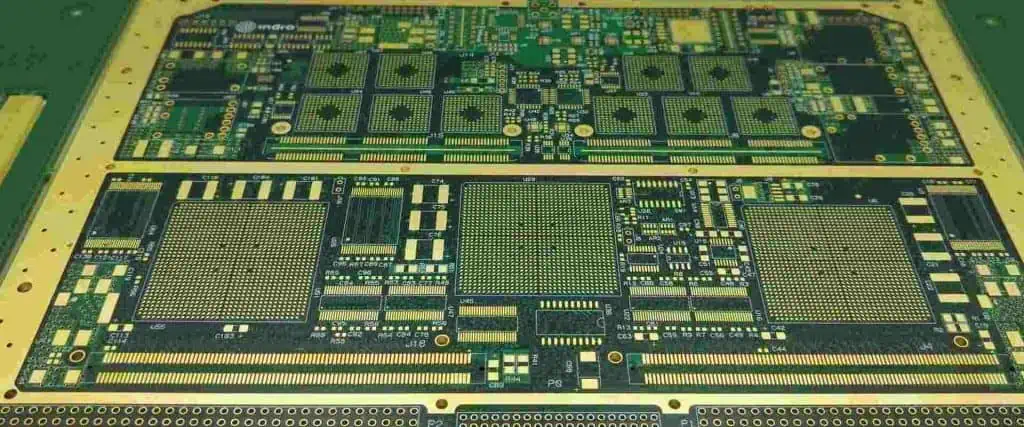
High density interconnect (HDI) PCBs with layer counts greater than 20 are increasingly being used in advanced electronics designs to pack more functionality into smaller form factors. 52 layer PCBs represent leading-edge technology, enabling complex routing in tight spaces not possible with conventional boards.
This article provides an overview of the special manufacturing considerations for fabricating 52 layer boards, with a focus on the importance of flash gold and hard gold plating finishes to ensure solder joint reliability. We also outline key factors in partnering with a capable PCB manufacturer able to reliably produce these dense, advanced boards cost-effectively in lower quantities.
Here are some of the key reasons why electronics products utilize 52 layer PCBs:
Accommodate I/O-intensive complex devices like FPGAs, ASICs, GPUs
Enable length and impedance matching for multi-gigabit interfaces
Tightly integrate various functional blocks within strict height limits
Avoid connector interfaces by routing multilayer daughtercards onto mainboard
Maximize PCB real estate utilization via dense HDI routing
Reduce layer counts versus >100 layer builds using lamination stacking
Lower costs by eliminating packaging interfacing PCBs
With 52+ layers, electrical engineers can break free from routing congestion limitations and optimize board layout for electrical performance, thermal dissipation, manufacturing yields and system miniaturization.
Key Technology Elements of 52 Layer PCBs
Building reliable 52 layer HDI boards requires mastery of various advanced PCB fabrication and plating processes:
Fine Line Capabilities
Tolerances to reliably etch 5/5 mil line/space on external layers
3/3 mil line/space etching on select inner layers
Tighter impedance control using thinner copper traces
High Aspect Ratio Plating
Semi-additive process (SAP) to plate high aspect ratio through-holes
Ensuring uniform plating of via barrels with >10:1 depth to diameter ratio
Microvias
Laser drilling to reliably create 0.10 to 0.15mm microvias
Forming connections between layers using staggered microvia stacks
Registration Accuracy
Tight layer-to-layer alignment of +/- 0.025mm or better
Accumulation of registration error across 50+ layers
Lamination
Balancing pressures to bond large panel sizes with up to 50 foil layers
Eliminating air pockets while curing sheets at up to 200°C
By leveraging advanced processes, 52+ layer count boards with high interconnect densities between layers can be manufactured.
Importance of Flash Gold and Hard Gold Plating
A key process step vital for solder joint reliability of high layer count boards is surface finishing using flash gold over hard gold plating:
Flash Gold
25 to 50 microinches thick gold deposit over nickel barrier
Protects nickel from oxidation during storage and assembly
Provides excellent solderability for component terminations
Hard Gold
Underlying 1 to 2 microns thick gold directly over copper
Prevents copper traces from leaching into tin solder over long usage
Maintains conductive continuity of traces during thermal cycles
Hard gold layer prevents brittle intermetallics between copper and tin-based solders
Reduces risks of opens, intermittent contacts under thermal cycling
Gold layers cost more but are vital for solderability, oxidation resistance and long-term robustness needed in high-reliability, longer lifetime electronics.
Partnering with an Expert 52 Layer PCB Manufacturer
Building dense, thinner 52 layer boards requires know-how, precision process execution and quality focus within the PCB factory. Key capabilities in a manufacturing partner include:
Excellent registration accuracy of +/- 0.025mm or better
Smooth lamination using optimized pressures for layer count
Quality
Process control focus on plating thickness uniformity
Microsectioning and metallography analysis skills
Cross-sectioning vias to validate hole wall plating quality
Attention to electroless nickel thickness under gold
Testing
Specialized bare board electrical testing for shorts between dense circuitry
Microsectioning boards from initial runs to verify plating quality
Coupon testing for solderability per IPC J-STD-003
Precautions
Shielding boards from scratches during handling with 52+ layers
Protection of thin traces from nickel corrosion if flash gold omitted
Eliminating moisture absorption and preventing delamination
Cost Optimization
Maximum panel utilization to batch small run quantitues
Value engineering for cost reduction where possible
Tight process controls to maximize yields on low volumes
Partnering with manufacturers that have a demonstrated track record building and delivering complex, high layer count boards provides assurance that the first articles will meet design expectations.
Key Specification Considerations
Here are some key specifications to review with prospective PCB manufacturers when planning 52+ layer HDI boards:
Parameter
Considerations
Board Thickness
Target thickness with layer count, dielectric materials used
Number of Layers
52-60+ active signal layers are typical range
Line Width/Space
5/5 mil on outer layers, 3/3 mil on selected inner layers
Aspect Ratio
10:1 depth:diameter ratio needs plating process finesse
Limit rapid cooling after reflow to avoid thermally induced stresses
Thoroughly clean any trapped flux residues under components post soldering
Conduct shock/vibration testing for mechanically reliable solder joints
With careful assembly process optimization, reliable soldering and inspection can be achieved.
Conclusion
Advanced 52 layer PCB designs enable packing of high component densities and routing complex signals between layers. Producing these leading-edge boards cost-effectively requires know-how in fabrication using fine line technology, laser microvias, thin dielectrics, and high aspect ratio plating across 50+ layers with tight registration tolerances.
Flash gold over hard gold plating is highly recommended for solder joint integrity. Partnering with expert manufacturers skilled in leveraging automated processes for scale is key while applying stringent process controls on lower volume complex PCBs.
With attention to design, materials, special processes, testing and handling precautions, 52+ layer HDI boards can deliver powerful functionality within tight form factor constraints across long product life cycles.
Frequently Asked Questions
Q: Why are 52 layer boards preferred over boards with 100+ layers?
Stacking 52-60 layers achieves routing density goals while avoiding reliability and cost issues with boards having 100+ layers. Key issues with 100+ layer designs include high thermal stresses, potential for plating folds in ultra-thin dielectrics, limited fabricator expertise and exponential costs.
Q: What drives the need for increasing PCB layer counts?
Key drivers for higher layer counts are integrating more functionality into constrained spaces, accommodating high I/O device pinouts, enabling 3D stair-step routing, and avoiding connectors between boards through vertical system-in-package integration.
Q: What insulating dielectric materials are commonly used?
Common dielectric materials for high layer count boards include FR-4, polyimides, bismaleimides (BT), Isola, ceramics and liquid crystal polymers. Material selection balances cost, performance and manufacturability.
Q: How does the cost scale with layer count increases?
As layer counts increase, raw materials and processes involving handling, preparation, lamination, drilling and plating become exponentially more expensive due to higher precision requirements and yields. Testing costs also rise significantly.
Q: What design guidelines help maximize manufacturability?
Key guidelines aiding manufacturability include maximum utilization of panel area, maintaining symmetry of metal and dielectric thickness across layers, allowing adequate annular rings on microvias, minimizing high aspect ratio plating, and applying finish over all exposed copper.
In today’s digital age, Printed Circuit Boards (PCBs) are the backbone of nearly every electronic device we use. From smartphones to satellites, PCBs play a crucial role in connecting and supporting electronic components. Understanding the PCB manufacturing process is essential for engineers, designers, and anyone involved in the electronics industry. This comprehensive guide will walk you through the intricate steps of PCB manufacturing, providing insights into the technology, challenges, and best practices in this field.
What is PCB Manufacturing?
PCB manufacturing is the process of creating printed circuit boards that mechanically support and electrically connect electronic components using conductive pathways, tracks, or signal traces etched from copper sheets laminated onto a non-conductive substrate. This process involves multiple steps, combining precision engineering, chemistry, and advanced technology to produce boards that meet the exacting standards of modern electronics.
Substrate Material Selection: Choosing the right base material, typically FR-4 (a glass-reinforced epoxy laminate).
Copper Layering: Applying thin copper foils to the substrate.
Circuit Design Transfer: Transferring the designed circuit pattern onto the copper layers.
Etching: Removing unwanted copper to create the circuit paths.
Layering: For multi-layer boards, bonding multiple layers together.
Drilling: Creating holes for component connections and vias.
Surface Finishing: Applying protective coatings and final touches.
Now, let’s dive into the detailed steps of the PCB manufacturing process.
PCB Manufacturing Process Guide | RAYPCB Engineering Tools
PCB Manufacturing Process Guide
RAYPCB Engineering Tools
2-Layer PCB Manufacturing Process
The standard PCB manufacturing process for double-sided circuit boards. This process involves creating conductive patterns on both sides of a substrate with through-hole connections.
12
Main Steps
5-7
Days Lead Time
1.6mm
Standard Thickness
FR-4
Base Material
01
Design Data Preparation CAM
Import Gerber files, drill files (Excellon), and perform Design Rule Check (DRC). Generate tooling holes and panelization for efficient production.
Gerber RS-274X format verification
Aperture list validation
Net connectivity check
Minimum spacing: 3mil/3mil typical
02
Material Cutting & Preparation LAMINATE
Cut copper-clad laminate (CCL) to panel size. FR-4 glass epoxy is standard, with copper foil thickness typically 1oz (35μm) or 2oz (70μm).
FR-4 TG130/TG150/TG170 options
Copper weight: 0.5oz to 6oz
Panel size optimization
Surface cleaning & deburring
03
Inner Layer Imaging PHOTOLITHOGRAPHY
Apply dry film photoresist, expose using LDI (Laser Direct Imaging) or conventional exposure with photomask, then develop to create circuit pattern.
Dry film lamination at 105-115°C
UV exposure: 80-120 mJ/cm²
Na₂CO₃ developer solution 1%
LDI resolution: down to 2mil
04
Etching CHEMICAL
Remove unwanted copper using chemical etchant (typically CuCl₂ or FeCl₃ based), leaving only the protected circuit traces. Strip remaining photoresist.
Acidic cupric chloride etchant
Etch factor control: 2.5-3.5
Temperature: 48-52°C
NaOH stripping solution 3%
05
AOI Inspection QUALITY
Automated Optical Inspection to detect opens, shorts, missing features, and other defects before proceeding to drilling.
Advanced PCB manufacturing for 4+ layer boards requiring lamination of multiple inner layers with prepreg and copper foil. Essential for high-density designs and impedance control.
18+
Main Steps
10-15
Days Lead Time
4-40L
Layer Count
±0.1mm
Registration
01
Design Review & Stackup Definition ENGINEERING
Define layer stackup, material selection, and impedance requirements. Calculate prepreg/core thicknesses for target impedance values.
Impedance modeling (Si9000/Polar)
Dk/Df material characterization
Signal integrity simulation
Thermal analysis for power planes
02
Inner Layer Core Preparation MATERIAL
Cut thin core laminate (typically 0.1-0.5mm) with copper on both sides. Clean and prepare for imaging process.
Core thickness: 0.05-1.0mm
High-Tg FR-4, Rogers, Megtron
Bake out moisture removal
Chemical cleaning & micro-etch
03
Inner Layer Imaging PHOTOLITHOGRAPHY
Apply photoresist, expose inner layer patterns using high-precision LDI, and develop. Critical for layer-to-layer registration.
Negative-acting dry film
Fiducial mark placement
Registration target exposure
Scale compensation for lamination
04
Inner Layer Etching CHEMICAL
Etch away exposed copper to form inner layer circuitry. Etch factor control critical for fine-pitch designs.
Horizontal conveyorized line
Alkaline or acidic etchant
Line width compensation
Under-etch monitoring
05
AOI Inner Layer Inspection QUALITY
100% automated optical inspection of inner layers before lamination. Defects cannot be repaired after lamination.
Opens/shorts detection
Trace width/spacing measurement
Copper residue inspection
Annular ring verification
06
Oxide/Brown Oxide Treatment SURFACE PREP
Create micro-rough copper surface for enhanced bonding with prepreg during lamination. Black oxide or alternative treatments.
Black oxide (CuO) or brown oxide
Alternative: Organic bond enhance
Pink ring prevention
Surface roughness: Ra 0.3-0.5μm
07
Layup & Registration LAMINATION
Stack inner layers with prepreg sheets and outer copper foil in precise alignment using pins or mass lamination systems.
Pin-lam or mass-lam systems
X-ray registration systems
Prepreg selection per Dk target
Cleanroom environment
08
Vacuum Lamination Press LAMINATION
Apply heat and pressure in vacuum press to cure prepreg and bond all layers into solid multilayer structure.
Temperature: 180-200°C
Pressure: 250-350 PSI
Cycle time: 60-90 minutes
Resin flow control
09
X-Ray Drilling & Target Drill ALIGNMENT
Use X-ray to locate inner layer registration targets. Drill precision tooling holes for outer layer alignment.
X-ray target acquisition
4-point registration calculation
Scale/rotation compensation
Accuracy: ±25μm
10
Mechanical & Laser Drilling DRILLING
Drill through-holes mechanically. Use CO₂/UV laser for blind/buried vias and microvias in HDI designs.
CO₂ laser: 70-150μm vias
UV laser: 25-70μm vias
Aspect ratio up to 15:1
Back drilling for high-speed
11
Desmear & Electroless Copper PLATING
Remove drilling smear from hole walls and deposit seed copper layer for subsequent electroplating.
Plasma or wet chemical desmear
Glass fiber treatment for HDI
Direct metallization option
Interconnect reliability focus
12
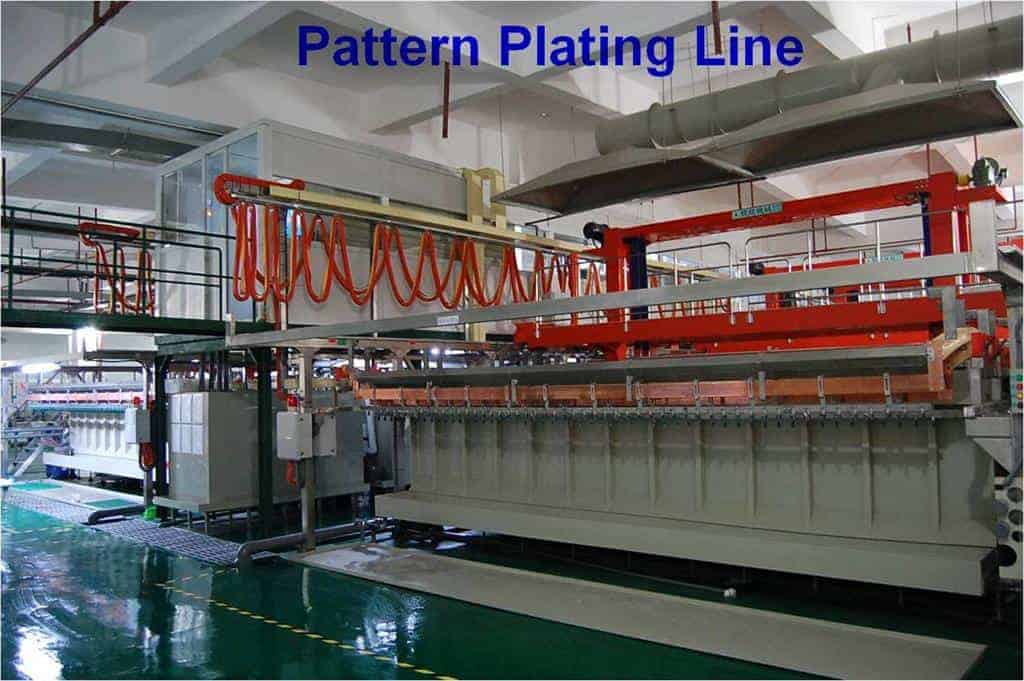
Pattern Plating & Etching PLATING
Image outer layers, electroplate copper and tin, then etch to create final outer layer circuit pattern.
Via fill plating for HDI
Pattern copper plating
Tin etch resist plating
Fine-line capability: 2/2 mil
13
Solder Mask, Finish & Test FINAL
Apply solder mask, surface finish, silkscreen. Electrical test with TDR impedance verification for controlled impedance boards.
Flexible circuit manufacturing using polyimide substrates. Requires specialized handling and processes to maintain dimensional stability and flexibility.
15+
Main Steps
12-20
Days Lead Time
PI
Base Material
1-12L
Layer Count
01
Design Analysis & Material Selection ENGINEERING
Evaluate bend radius, flex cycles, and dynamic vs static flex requirements. Select appropriate polyimide and adhesive system.
Cut copper-clad polyimide laminate. Pre-bake to remove moisture and stabilize dimensional properties.
PI thickness: 12.5-125μm
Copper: ED or RA copper foil
Pre-bake: 150°C, 2-4 hours
Carrier frame attachment
03
Drilling & Plasma Desmear DRILLING
UV laser or mechanical drilling for vias. Plasma treatment removes polyimide smear and improves plating adhesion.
UV laser: 25-100μm holes
O₂/CF₄ plasma process
Etch-back for reliability
Blind via capability
04
Metallization & Plating PLATING
Electroless copper seeding followed by electrolytic copper build-up. Lower temperatures than rigid PCB processes.
Semi-additive process (SAP)
Sputtering for thin flex
Ductile copper deposit
Lower bath temperature
05
Imaging & Etching PATTERNING
Apply photoresist with scale compensation, expose circuit pattern, and etch with precise control for fine features.
LDI with scale compensation
Fine-line capability: 1/1 mil
Puddle-free spray etching
Etch factor: 3-4 for thin Cu
06
AOI & Coverlay Application COATING
Inspect circuits, then apply polyimide coverlay using vacuum lamination. Critical for flex reliability.
Pre-punched coverlay
Vacuum lamination press
Temperature: 160-180°C
Adhesive flow control
07
Stiffener & Surface Finish FINISHING
Attach stiffeners for component support, apply ENIG surface finish (no HASL due to thermal stress).
FR-4/PI/Metal stiffeners
ENIG most common
PSA or thermoset adhesive
No HASL (thermal stress)
08
Electrical Test & Singulation FINAL QC
Flying probe test with soft probes, laser or die cutting for final profiling, flex cycle testing for critical applications.
Soft-touch probe heads
Laser cutting preferred
Flex life testing
IPC-6013 compliance
Flex Specifications
Polyimide Thickness 12.5-125μm
Copper Type ED or RA
Min Bend Radius 1mm
Flex Cycles 1M+ dynamic
Min Trace/Space 2/2 mil
Operating Temp -200 to 400°C
Material Options
Standard PI Kapton®
LCP High-frequency
Adhesive Acrylic/Epoxy
Adhesiveless Best flex life
FR (Flame Retardant) UL 94 VTM-0
Coverlay PI + Adhesive
Applications
Mobile Devices Smartphones
Medical Implants Pacemakers
Aerospace Satellites
Wearables Smartwatches
Automotive Sensors
Industrial Robotics
PCB Manufacturing Process Comparison
Compare key differences between 2-layer, multilayer, and flex PCB manufacturing processes to select the right technology for your application.
Process Parameter
2-Layer PCB
Multilayer PCB
Flex PCB
Base Material
FR-4 Glass Epoxy
FR-4, High-Tg, Rogers
Polyimide (Kapton®)
Layer Count
2 layers
4-40+ layers
1-12 layers
Lamination Process
None (single laminate)
Multiple lamination cycles
Coverlay lamination
Via Types
Through-hole only
Through, blind, buried, microvias
Through, blind vias
Drilling Method
Mechanical CNC
Mechanical + Laser
UV Laser + Mechanical
Min Trace/Space
3/3 mil (75μm)
2/2 mil (50μm)
2/2 mil (50μm)
Protective Coating
LPI Solder Mask
LPI Solder Mask
Polyimide Coverlay
Typical Lead Time
5-7 days
10-15 days
12-20 days
Key Challenges
Limited routing, thermal
Registration, impedance control
Dimensional stability, handling
Cost Factor
1x (baseline)
2-5x (layer dependent)
3-8x (complexity dependent)
IPC Standard
IPC-6012
IPC-6012
IPC-6013
Surface Finish Options
HASL, ENIG, OSP, ImSn, ImAg
HASL, ENIG, OSP, ENEPIG
ENIG, OSP, ImSn (no HASL)
Understanding the PCB Manufacturing Process
The PCB manufacturing process is a complex series of steps that transforms raw materials into functional printed circuit boards. Whether producing simple 2-layer boards, complex multilayer PCBs with high-density interconnects, or flexible circuits for dynamic applications, each technology requires specialized equipment, materials, and expertise.
Key Stages in PCB Board Manufacturing
All PCB fabrication processes share common fundamental stages: design data preparation, substrate preparation, pattern imaging, copper etching, drilling, plating, and surface finishing. However, the specific techniques and equipment vary significantly based on the board type and complexity.
Quality Standards in PCB Fabrication
Professional PCB manufacturers follow strict quality standards including IPC-A-600 for acceptability, IPC-6012 for rigid board qualification, and IPC-6013 for flexible circuit qualification. These standards ensure consistent quality and reliability across the industry.
Choosing the Right PCB Technology
Selection depends on factors including circuit complexity, space constraints, environmental requirements, signal integrity needs, and cost considerations. 2-layer PCBs suit simple designs, multilayer boards enable complex high-speed circuits, and flex PCBs solve space and dynamic flexing challenges.
Ready to Start Your PCB Project?
Get professional PCB manufacturing with fast turnaround, competitive pricing, and engineering support for your 2-layer, multilayer, or flex circuit requirements.
The PCB manufacturing process begins with the design phase. Engineers use Computer-Aided Design (CAD) software to create the circuit layout. This design is then converted into a format that manufacturing equipment can understand, typically Gerber files.
Key Points:
Circuit schematic creation
Component placement and routing
Design Rule Check (DRC)
Generation of Gerber files and drill data
Step 2: PPE – Pre Production Engineering
Before actual production begins, the design undergoes a thorough review to ensure manufacturability and to identify any potential issues.
While the basic principles remain the same, there are significant differences between manufacturing 2-layer and multilayer PCBs.
2-Layer PCB Manufacturing:
Simpler process with fewer steps
No inner layer processing required
Generally faster and more cost-effective
Multilayer PCB Manufacturing:
More complex with additional steps for inner layers
Requires precise layer alignment and bonding
Involves advanced techniques for buried and blind vias
Offers higher circuit density and better EMI shielding
What is the Difference Between PCB Manufacturing and PCB Assembly Process?
It’s important to distinguish between PCB manufacturing and PCB assembly, as they are two distinct processes in creating a functional electronic device.
PCB Manufacturing:
Focuses on creating the bare PCB
Involves all steps from design to final board production
Ends with a bare board ready for component mounting
PCB Assembly:
Begins with a completed bare PCB
Involves placing and soldering components onto the board
Includes processes like solder paste application, component placement, reflow soldering, and testing of the assembled board
8 Best DFM Tips for PCB Manufacturing
Design for Manufacturing (DFM) is crucial for ensuring smooth production and high-quality PCBs. Here are eight essential DFM tips:
Optimize Trace Widths and Spacing: Adhere to manufacturer capabilities for minimum trace width and spacing.
Consider Copper Pour: Use copper pours for ground planes and improved thermal management.
Plan Via Placement Carefully: Avoid vias in pads when possible and use appropriate via sizes.
Mind the Edge Clearance: Leave sufficient space between components and board edges.
Use Standard Drill Sizes: Stick to standard drill sizes to reduce manufacturing costs.
Consider Panelization: Design with panelization in mind for efficient production.
Implement Proper Silkscreen Design: Ensure silkscreen text is readable and doesn’t overlap with solder mask openings.
Follow Stack-up Guidelines: Work with your manufacturer to design an appropriate layer stack-up for multilayer boards.
Trends and Challenges in PCB Manufacturing Technology
The PCB manufacturing industry is constantly evolving, driven by advancements in technology and changing market demands.
Current Trends:
Miniaturization: Increasing demand for smaller, denser PCBs.
Flexible and Rigid-Flex PCBs: Growing popularity in wearable and IoT devices.
High-Frequency Materials: Adoption of advanced materials for 5G and high-speed applications.
Additive Manufacturing: Exploration of 3D printing technologies for PCB production.
Green Manufacturing: Focus on environmentally friendly processes and materials.
Challenges:
Increasing Complexity: Managing the complexity of high-density interconnect (HDI) boards.
Material Limitations: Overcoming the limitations of traditional PCB materials.
Cost Pressures: Balancing cost-effectiveness with advanced manufacturing requirements.
Quality Control: Maintaining high quality standards with increasing miniaturization.
Skilled Labor Shortage: Addressing the need for skilled technicians in advanced PCB manufacturing.
Conclusion
The PCB manufacturing process is a complex, multi-step journey that transforms a simple design into a sophisticated electronic component. From the initial design phase to the final packaging, each step requires precision, expertise, and attention to detail. As technology continues to advance, PCB manufacturers must adapt to new challenges while maintaining the high standards of quality and reliability that modern electronics demand.
Understanding this process is crucial for anyone involved in electronics design or production. By following best practices in Design for Manufacturing and staying abreast of industry trends, engineers and manufacturers can ensure the production of high-quality, cost-effective PCBs that meet the ever-evolving needs of the electronics industry.
As we look to the future, the PCB manufacturing process will undoubtedly continue to evolve, driven by the relentless pursuit of smaller, faster, and more efficient electronic devices. The industry’s ability to innovate and overcome challenges will play a crucial role in shaping the next generation of electronic products that will power our increasingly connected world.
Printed circuit boards (PCBs) are essential components in almost all modern electronic devices. A PCB serves as the base for mounting and electrically connecting electronic components using conductive tracks and pads. While many electronic devices use mass-produced standard PCBs, custom PCBs allow for optimization and innovation in the design of electronic circuits. Custom PCBs are designed to fit the specific needs of a product.
Custom PCB printing involves designing and manufacturing PCBs tailored to an application. It provides flexibility in terms of the board size, number of layers, components placement, and electrical connections. Though more expensive than using standard PCBs, custom PCB printing enables miniaturization, improved performance, and lower production costs at scale.
This article provides an overview of custom PCB printing costs. We’ll look at the key factors that determine the price of custom PCB production. With an understanding of the costs involved, you’ll be able to budget and plan your custom PCB printing projects.
Several variables affect the overall cost of custom PCB production. The major factors are:
Size of the PCB
The size of the PCB influences the raw material costs. Larger boards use more base material. Standard PCB sizes range from around 50 x 50 mm up to 460 x 610 mm. Custom PCB projects typically range from a few centimeters on each side up to around 350 x 250 mm.
Number of Layers
Simple PCBs may just have a single conductive layer. However, multilayer boards with 2, 4, 6, or more layers are common. Additional layers increase complexity and material requirements impacting the cost per unit.
PCB Density
The density of components and connections on the board also affects pricing. More densely packed boards take longer to manufacture.
Material Used
The substrate material and copper traces impact costs. Standard glass-epoxy FR-4 boards are inexpensive. Advanced substrates like Rogers, Arlon, and polyimide are costlier. Thicker copper layers add expense.
Quantity
Economies of scale play a major role in pricing. Small prototype volumes are expensive compared to large production runs in the thousands of units.
Manufacturing Tolerances
The complexity of traces and spaces between them determine fabrication tolerances. Tighter tolerances require more careful manufacturing and increase costs.
Lead Times
Rushed turnaround times can command premium pricing. Typical PCB fabrication lead times range from 2 to 10 business days or more.
Certifications
Special certifications like ITAR, UL, or ISO increase production costs due to additional processes and documentation.
Location
Shipping costs from the PCB manufacturer to the customer also impact pricing.
PCB Printing Cost Estimation
Let’s look at how to estimate custom PCB printing costs based on the factors discussed above. We’ll go through examples for simple hobbyist boards and more advanced professional cases.
Two-Layer Board Cost Example
For a simple two-layer board of size 100 x 150 mm built on standard 1.6 mm thick FR-4 substrate with 1 oz copper and green solder mask:
Board size: 100 x 150 mm = 15,000 mm^2 or 1.5 dm^2
Let’s assume a quantity of 10 pieces
Unit cost for small-scale 2-layer PCB with standard FR-4 at 1.6mm thickness and 1 oz copper is around $5 per dm^2
Therefore, cost per board = Area x Unit cost x Quantity = 1.5 dm^2 x $5 x 10 = $75
Add shipping cost based on location. Within the US, it may be $10-20.
Total cost ~ $85-95 for 10 pieces
This cost can be reduced for larger quantities. For example, 100 pieces may only cost $4 per dm^2 bringing the total down to $600.
Four-Layer PCB Cost Example
For a more complex, high-density board with:
4 layers with inner layers used for power and ground planes
Dimensions 200 x 150 mm = 30,000 mm^2 or 3 dm^2
FR-4 substrate 1.6 mm thick
1 oz copper on outer layers, 2 oz copper for inner layers
So material choice can significantly impact cost for custom PCB projects. In high-frequency, high-speed, or high-temperature applications, the cost premium for advanced materials may be justified by improved performance.
Many PCB manufacturers provide online cost calculators to estimate prices based on your board specifications. These provide a quick and easy way to budget a custom PCB project.
However, the results may not fully reflect final pricing in all cases. It’s best to contact the PCB company directly with your complete design and requirements for an accurate quotation.
Here are some popular online PCB cost calculators:
Here are some tips to optimize costs for your custom PCB printing projects:
Carefully Design Within Panel Size
Aim to maximize board size but fit within standard panel dimensions to minimize waste. Common panel sizes are 18×24 inches, 12×18 inches etc.
Combine Multiple Small Boards into a Panel
For small quantity prototype boards, lay out multiple PCB designs within a single panel. This amortizes fixed costs over more boards.
Request Panelizing Service
Some PCB manufacturers can take multiple PCB files and automatically arrange them for cost-effective panelization.
Maximize PCB Density
Optimize component layout and routing to fill the board area, minimizing unused space. This reduces the number of panels required.
Specify Tolerances Sensibly
Use design rules and tolerances just within your assembly requirements. Overly tight tolerances add cost.
Build with Standard Materials
Use common substrates like FR-4 instead of exotic materials for cost-sensitive applications.
Use Plated Half-Holes Instead of Through-Holes
These minimize drilling costs for multi-layer boards while still allowing soldering.
Consolidate Orders
Batch multiple PCB designs together into a single order instead of separate small orders to benefit from volume discounts.
Allow Adequate Lead Time
Standard ~10-day lead time is cost-effective. Rush orders add premium charges.
Compare Multiple Vendors
Shop around and get quotes from several fabricators. Pick the best price for your requirements.
Conclusion
Custom PCB printing provides a versatile option for building specialized electronics hardware. While costs are higher compared to using standard catalog boards, custom PCBs enable optimizing the electronics design for your specific product.
Cost depends on various factors including board size, layer count, manufacturing tolerances and quantity. Following design and ordering guidelines helps manage costs effectively. With the increasing quality of affordable PCB fabrication globally, custom PCB printing makes customized electronics product development accessible to companies and individual makers alike.
Frequently Asked Questions
Here are some common questions about custom PCB printing costs:
What is the typical cost for a simple 2-layer PCB?
For small quantities, a simple 2-layer board costs approximately $5 – $10 per square inch. For larger volumes in the thousands, cost can drop to $1 – $2 per square inch.
Does PCB cost increase linearly with area?
No, PCB cost doesn’t scale linearly with area. There are fixed costs like setup charges, handling, testing etc. So larger boards have a lower cost per unit area.
How much does additional layers add to cost?
Each additional internal layer can increase PCB cost per unit area by $3 – $5 typically. Complex boards with many layers get exponentially more expensive.
When does it make sense to use an advanced PCB substrate?
For simple, cost-sensitive boards FR-4 is fine. For high-speed or high-frequency analog circuits, RF boards, flex PCBs etc, advanced substrates provide better performance despite higher cost.
How can I get an accurate quote for custom PCB fabrication?
Use online estimator tools to get an approximate quote. For accurate pricing tailored to your design, contact PCB manufacturers directly and request a specific quotation.
Printed circuit boards (PCBs) often require selective protection during surface finishing or assembly to prevent solder from flowing onto contacts, terminals, and plated through-holes (PTHs). Traditionally, manufacturers relied on manually applied heat-resistant tape—a time-consuming process that increased production delays and removal costs.
Peelable solder masks offer a superior alternative, providing reliable protection during wave soldering, reflow soldering, and PCB surface finishing. These masks are especially critical for safeguarding sensitive areas with specialized finishes, such as carbon ink, hard gold, or bondable gold, when other surface treatments like ENIG (Electroless Nickel Immersion Gold) or Immersion Silver are applied.
By replacing outdated manual taping methods (e.g., Kapton tape), peelable solder masks deliver significant time and cost savings while improving process efficiency. Today, they are the preferred choice for high-quality PCB manufacturing.
What is a Peelable Solder Mask?
A peelable solder mask is a temporary protective coating applied to specific areas of a PCB during the manufacturing process. Unlike traditional permanent solder masks, peelable masks are designed to be easily removed after serving their protective purpose.
Key Features of Peelable Solder Masks:
Temporary protection for PCB surfaces
Easy application and removal
Resistant to high temperatures and chemicals
Prevents solder bridging and component misalignment
Leaves no residue upon removal
Peelable solder masks act as a shield, safeguarding critical areas of the PCB from damage, contamination, and unwanted solder during various stages of the assembly process.
Powered By EmbedPress
Why Use Peelable Solder Masks in PCB Manufacturing?
The adoption of peelable solder masks in PCB manufacturing has grown significantly due to the numerous benefits they offer. Let’s explore the key advantages that make peelable solder masks an essential tool in modern electronics production.
1. Precision Protection
Peelable solder masks allow manufacturers to selectively protect specific areas of the PCB, ensuring that only intended areas are exposed to soldering processes. This precision is crucial for:
Preventing solder bridges between closely spaced components
Protecting delicate surface-mount pads
Safeguarding plated through-holes from solder ingress
2. Enhanced Quality Control
By using peelable solder masks, manufacturers can:
Reduce defects caused by excess solder
Minimize component misalignment issues
Improve overall PCB assembly quality
3. Cost-Effective Solution
Implementing peelable solder masks in the PCB assembly process can lead to significant cost savings:
Reduced rework and repair costs
Fewer scrapped boards due to assembly errors
Increased production efficiency
4. Versatility in Manufacturing Processes
Peelable solder masks are compatible with various PCB manufacturing and assembly techniques, including:
Peelable solder masks come in various types, each designed to meet specific manufacturing requirements and PCB designs. Understanding these types can help in selecting the most appropriate mask for a given application.
1. Liquid Peelable Solder Masks
Liquid peelable masks are applied in a liquid form and then cured to create a protective layer.
Advantages:
Can be easily applied using screen printing or spraying techniques
Excellent conformity to PCB surface contours
Suitable for both small and large areas of coverage
These masks offer protection against various chemicals used in PCB manufacturing.
Advantages:
Resistant to flux, cleaning solvents, and other PCB chemicals
Maintains integrity during chemical processes
Prevents chemical ingress into protected areas
Applications:
PCBs undergoing chemical cleaning processes
Boards exposed to harsh environmental conditions
Peelable Solder Mask Materials
peelable mask
The effectiveness of a peelable solder mask largely depends on the materials used in its formulation. Let’s explore some common materials and their properties.
1. Latex-Based Peelable Masks
Properties:
Excellent flexibility
Good adhesion to PCB surfaces
Easy to peel off after use
Advantages:
Cost-effective solution
Environmentally friendly
Suitable for a wide range of applications
2. Silicone-Based Peelable Masks
Properties:
High temperature resistance
Excellent chemical resistance
Superior elasticity
Advantages:
Ideal for high-temperature soldering processes
Leaves minimal residue upon removal
Can withstand multiple heat cycles
3. Polyurethane-Based Peelable Masks
Properties:
Good balance of flexibility and durability
Resistant to many solvents and chemicals
Excellent adhesion to various PCB materials
Advantages:
Versatile application in different PCB assembly processes
Provides good protection against mechanical damage
Easy to remove without leaving residues
4. Water-Soluble Peelable Masks
Properties:
Dissolves in water for easy removal
Environmentally friendly
Compatible with various PCB materials
Advantages:
Simplifies the mask removal process
Reduces the use of harsh chemicals in PCB cleaning
Ideal for high-volume production environments
How PCB Manufacturers Print Peelable Solder Masks
The application of peelable solder masks is a critical step in the PCB manufacturing process. Let’s examine the common methods used by manufacturers to apply these protective coatings.
1. Screen Printing
Screen printing is one of the most widely used methods for applying liquid peelable solder masks.
Process:
A stencil with the desired mask pattern is created
The liquid mask material is forced through the stencil onto the PCB
The mask is then cured using heat or UV light
Advantages:
Precise control over mask thickness and pattern
Suitable for high-volume production
Cost-effective for large batches
2. Spraying
Spraying is another common method, especially for applying masks to larger areas or complex PCB topographies.
Process:
The liquid mask material is loaded into a spray system
The mask is sprayed onto the PCB surface in a controlled manner
The sprayed mask is then cured
Advantages:
Even coverage over irregular surfaces
Quick application for large areas
Adjustable thickness based on spraying parameters
3. Automated Dispensing
For more precise applications or smaller batches, automated dispensing systems are used.
Process:
The mask material is loaded into a dispensing system
The system precisely applies the mask to specified areas of the PCB
The dispensed mask is cured
Advantages:
High precision for intricate PCB designs
Minimal waste of mask material
Easily programmable for different PCB layouts
4. Film Application
For film-based peelable masks, a different application process is used.
Process:
Pre-cut mask films are aligned with the PCB
The films are applied using pressure rollers or lamination equipment
Any air bubbles are removed to ensure proper adhesion
Advantages:
Quick application process
Uniform thickness across the protected area
Ideal for protecting large, flat surfaces
Peelable Solder Mask VS High-Temperature Tape
While peelable solder masks have gained popularity, high-temperature tapes are still used in some PCB assembly processes. Let’s compare these two protective methods:
Peelable Solder Masks
Advantages:
Can be applied in various thicknesses
Conforms well to PCB surface irregularities
Easily customizable for different PCB designs
Leaves minimal to no residue upon removal
Disadvantages:
May require specialized application equipment
Some types may have limited high-temperature resistance
High-Temperature Tape
Advantages:
Quick and easy to apply
Available in pre-cut shapes and sizes
Generally more resistant to very high temperatures
Disadvantages:
Limited conformability to complex PCB surfaces
May leave adhesive residue upon removal
Less customizable for intricate PCB designs
Choosing Between the Two:
For complex PCB layouts with varied surface topographies, peelable solder masks are often preferred
For simple protection of flat areas or when extreme heat resistance is required, high-temperature tapes may be suitable
Many manufacturers use a combination of both methods, depending on specific PCB requirements
Removal of Peelable Solder Masks
The ease of removal is one of the key advantages of peelable solder masks. However, proper removal techniques are crucial to prevent damage to the PCB and ensure a clean surface for further processing.
Manual Removal Methods
Edge Lifting: Carefully lift an edge of the mask using a non-metallic tool
Peeling: Slowly peel off the mask at a 45-degree angle to the PCB surface
Rolling: For larger areas, roll the mask off the surface using gentle pressure
Automated Removal Techniques
Robotic Peeling Systems: Automated machines that precisely peel off masks
Water Jet Removal: For water-soluble masks, high-pressure water jets can be used
Dissolution Systems: For certain mask types, specialized chemical baths can dissolve the mask
Post-Removal Cleaning
After mask removal, it’s essential to ensure the PCB surface is free from any residues:
Inspect the PCB under magnification for any remaining mask material
Use approved cleaning solvents if necessary
Perform a final inspection to ensure the PCB meets cleanliness standards
Applications of Peelable Solder Mask
Peelable solder masks find applications across various sectors of the electronics industry. Their versatility and effectiveness make them valuable in numerous PCB assembly scenarios.
1. Consumer Electronics
Applications:
Smartphones and tablets
Laptops and computers
Smart home devices
Benefits:
Enables miniaturization of components
Protects densely packed PCBs during assembly
Improves yield in high-volume production
2. Automotive Electronics
Applications:
Engine control units
Infotainment systems
Advanced driver-assistance systems (ADAS)
Benefits:
Enhances reliability in harsh environments
Protects sensitive components during wave soldering
Facilitates complex multi-layer PCB assembly
3. Aerospace and Defense
Applications:
Avionics systems
Satellite communication equipment
Radar and sonar systems
Benefits:
Meets stringent quality and reliability standards
Protects critical components from environmental factors
Enables precise assembly of high-performance PCBs
4. Medical Devices
Applications:
Diagnostic equipment
Implantable devices
Patient monitoring systems
Benefits:
Ensures cleanliness and contamination control
Protects sensitive biosensors during assembly
Facilitates production of compact, reliable medical electronics
Enables production of compact, high-performance communication devices
Conclusion
Peelable solder masks have become an indispensable tool in modern PCB manufacturing, offering unparalleled protection and precision in assembly processes. From consumer electronics to aerospace applications, these innovative coatings continue to play a crucial role in producing reliable, high-quality electronic devices.
As PCB designs become increasingly complex and miniaturized, the importance of peelable solder masks is only set to grow. Manufacturers and engineers must stay informed about the latest developments in peelable mask technology to leverage its full potential in their production processes.
By understanding the types, materials, application methods, and removal techniques of peelable solder masks, electronics manufacturers can optimize their PCB assembly processes, reduce defects, and ultimately produce more reliable and high-performing electronic devices.
As we look to the future, ongoing research and development in peelable solder mask technology promise even more advanced solutions, further pushing the boundaries of what’s possible in electronics manufacturing. The continued evolution of peelable solder masks will undoubtedly play a key role in shaping the next generation of electronic devices, enabling innovations that were once thought impossible.
A flexible printed circuit board (PCB) is a type of circuit board that can bend and flex. Flexible PCBs allow connections between electronics in situations where rigid boards would be difficult or impossible to use. They are commonly used in consumer electronics, medical devices, aerospace and defense systems, and other applications where flexibility is required.
Designing a flexible PCB requires special considerations compared to rigid PCBs. The flexible substrate material, conductive traces, components, and assembly process need to be selected appropriately to create a functional and reliable flex circuit. This article provides a step-by-step guide on how to design a flexible PCB.
The flexible substrate, also known as the flex dielectric, is the base material that the conductive traces are printed on. The substrate must be able to withstand bending and flexing without damage. The most common types of flexible substrate materials are:
Polyimide (Kapton) – High temperature resistance, excellent chemical resistance, high cost
Polyester (PET) – Low cost, moderate temperature resistance
Polyamide – High flexibility and tear resistance
Fluoropolymer (PTFE) – Excellent chemical resistance, high frequency applications
Polyimide films like Kapton are most widely used due to their combination of electrical, mechanical, and chemical properties. The thickness of the substrate is also an important factor, with common thicknesses ranging from 12.5 to 100 microns. Thinner substrates are more flexible but less durable.
Substrate Thickness Guidelines
Application
Thickness Range
Consumer electronics
25-50 microns
Medical devices
50-75 microns
High flex applications
12.5-25 microns
Rigid-flex boards
50-100 microns
Designing Circuit Traces
The conductive copper traces carry current through the circuit and transmit signals. Traces on flex boards need to be designed to endure continual bending without damage.
Trace Width and Spacing
Minimum trace width and spacing is typically 125-150 microns
Wider trace widths are needed for higher current carrying applications
Traces should not neck down at bending regions
Spacing between traces should be increased at fold lines
Trace Routing
Traces should follow direction of bend where possible
Avoid traces perpendicular to bend axis
Use curved traces at bending zones instead of angular traces
Stagger traces if crossing bend areas
Pads and Vias
Use tear-drop shaped pads at trace ends to relieve stress
Pads should be larger than on rigid boards with increased spacing
Limit number of vias, use staggered or filled vias at bend areas
Flexible Circuit Components
Special consideration is needed when selecting and placing components on a flexible PCB.
Component Types
Chip components: Resistors, capacitors, diodes work well
Flat components: Ideal for flex circuits to avoid bulges
Bare die components: Epoxy encapsulated dice, no packaging
Stiffeners: Plates added under components to reduce flexing
Component Placement
Place components in areas with minimal bending
Use small components to increase flexibility
Adhere components with flexible epoxy or solder
Avoid placing components where traces change directions
Rogers RT/duroid 5880 is a popular microwave laminate material used as a substrate for designing high frequency printed circuit boards (PCBs). It is widely utilized in applications like radars, satellite communication, 5G systems, automotive electronics and more.
This article provides an in-depth understanding of Rogers RT/duroid 5880 substrate in terms of its composition, key properties, available forms, typical applications and comparisons with other substrates. We also look at some guidelines for designing with RT/duroid 5880 material.
Composition of Rogers RT/duroid 5880
Rogers RT/duroid 5880 is a ceramic-filled, PTFE (Polytetrafluoroethylene) composite substrate designed for exacting high-frequency circuit applications.
The composite matrix is formed using PTFE polymer with a proprietary inorganic ceramic filler. PTFE provides excellent electrical and mechanical stability across a wide temperature range. The filler allows modifying dielectric properties like permittivity while retaining electrical and thermal performance characteristics of PTFE.
Low thermal coefficient of dielectric constant for consistent electrical performance
Tight control of material properties for consistent circuit response
Good flexural strength for thick film metallization and double-sided boards
Low Z-axis thermal expansion coefficient
Rogers RT/duroid 5880 material leverages this composite matrix formulation to achieve a unique combination of properties required in high frequency microwave/RF designs.
Dielectric properties are critical parameters that determine how signals propagate in high frequency PCB substrate materials. Rogers RT/duroid 5880 stands out with its stable low-loss dielectric constant over wide frequency ranges.
Some key dielectric properties of RT/duroid 5880 material are:
Dielectric constant (er) of 2.2 +/- 0.02
Loss tangent (tan δ) of 0.0009 at 10 GHz
This provides consistent performance over microwave and mm-wave frequencies, unlike some materials which demonstrate substantial dielectric variation across frequency bands.
The low dielectric constant facilitates better impedance control compared to traditional microwave substrates. The ultra-low loss tangent enables the design of high Q RF circuits.
These stable dielectric properties make RT/duroid 5880 suitable for broad range of microwave and millimeter wave applications.
$650.00Original price was: $650.00.$625.00Current price is: $625.00.
2 Layer Rogers rt duroid 5880 PCB 1.mm Thickness Dielectric Constan: 2.2 Size: 100×100 mm Rogers 5880 datasheet RT-duroid 5870 – 5880 Data Sheet What is Rogers RT/duroid 5880 ? Rogers RT/duroid 5880 is a high-performance laminate material designed for use in demanding circuit board applications, such as those found in communication systems, radar applications,…
This combination of electrical stability, mechanical rigidity, dimensional stability, thermal conductivity and low expansion behavior makes Rogers RT/duroid 5880 a strong candidate for high reliability RF/microwave PCB applications.
Available Forms
Rogers RT/duroid 5880 laminate is commercially available in sheet stock and roll stock forms in a range of thicknesses.
Sheet Stock
Available sheet sizes:
12 x 18 inches
18 x 24 inches
24 x 36 inches
Standard thicknesses:
0.005 inches
0.010 inches
0.015 inches
0.020 inches
0.025 inches
0.030 inches
0.060 inches
0.125 inches
Other custom thicknesses can also be procured.
Roll Stock
Available roll widths:
12 inches
24 inches
48 inches
Standard roll lengths are 250 feet (76 m)
Thickness range:
0.005 inches to 0.062 inches
This wide range of sheet and roll sizes along with various thickness options allows designers to choose the right RT/duroid 5880 laminate form suited for their PCB fabrication process.
Rogers RT/duroid 5880 laminate can be bonded using either fusion bonding or adhesive bonding techniques to manufacture multilayer boards.
Fusion Bonding
Multiple layers of RT/duroid 5880 material can be fused together into a monolithic structure without adhesives under heat and pressure. This creates a void-free interface for optimum electrical and mechanical performance.
RT/duroid 5880 layers can also be bonded using Rogers’ own RO4000 or RO3000 series bondply adhesives. Thermoset polyimide or epoxy films like FR-4 can also be used.
Adhesive bonding provides high flexibility for:
Combining dissimilar dielectrics
Bonding to metal layers or heat sinks
Selective bonding in multilayers
High yield for complex circuit stacks
Rogers offers a wide range of adhesive options for integration with RT/duroid 5880 material.
Typical Applications
Some typical applications leveraging Rogers RT/duroid 5880 material include:
Radar Systems - Used in radar antennas, phased arrays, T/R modules, filters etc. due to its stable electrical performance and low loss.
Military & Aerospace Electronics - Utilized in avionics systems, satellite payloads, flight termination systems requiring reliable high frequency boards.
Wireless Communications - Employed in 5G NR base stations, small cells, test equipment and broadband communication systems.
Automotive Radar - Used for radars in autonomous vehicles, collision detection and other applications given its thermal and mechanical stability.
High-Speed Digital Circuits - Leveraged in very high speed digital applications up to 20+ Gbps like SERDES, interfaces and interconnects.
Medical Electronics - Used in RF ablation, MRI coils, and imaging systems given its durability and biocompatibility.
How does RT/duroid 5880 Compare to Other Substrates?
Rogers RT/duroid 5880 provides a beneficial combination of electrical and mechanical characteristics. Here is how it compares with some other common microwave substrate materials:
RT/duroid 5880 provides the best combination of low dielectric constant and ultra-low loss tangent enabling exceptional performance in high Q, low loss microwave circuits.
Design Guidelines
Here are some key guidelines to follow when designing PCBs using Rogers RT/duroid 5880 material:
Stackup Design - Use symmetric constructions with balanced lamination ratios to minimize warpage. Follow Rogers' guidelines for layer counts, grain direction and lamination sequences.
Trace Width and Spacing - Maintain at least 3x dielectric thickness spacing between conductors for leakage control. Use wider lines on outer layers if higher current capacity is needed.
Impedance Control - The stable dielectric properties help maintain tight impedance tolerances. But allow for +/- 8% fabrication tolerance.
Signal and Power Integrity - Leverage Rogers' material models for simulation. Use sufficient decoupling and maintain isolation from noisy digital circuits.
Thermal Management - RT/duroid 5880's thermal conductivity helps heat spreading. Use thermal vias under hot components. Allow sufficient air flow.
Fabrication Considerations - Specify workmanship, lamination cycles, drill/rout tolerances etc. clearly. Use Rogers certified circuit facilities.
Following Rogers' guidelines and best practices for the material ensures optimum board performance.
Here are some common questions around Rogers RT/duroid 5880 high frequency laminate material:
Q1. Can Rogers RT/duroid 5880 material be used for multilayer PCBs?
Yes, RT/duroid 5880 laminates can be fabricated into multilayer PCBs using fusion bonding as well as adhesive bonding techniques. Fusion bonding using multiple sheets of RT/duroid 5880 provides highest performance while adhesive bonding offers more flexibility. Rogers offers compatible bonding adhesives like RO4000 and RO3000 series for multilayer boards using RT/duroid 5880.
Q2. Is Rogers RT/duroid 5880 an RF material?
Yes, RT/duroid 5880 is specifically designed as an RF/microwave substrate with excellent high frequency characteristics. Its stable low dielectric constant and ultra-low loss tangent make it suitable for a wide array of RF applications like radars, 5G, satellite communication, automotive sensors etc. It maintains consistent performance across microwave and mmWave bands.
Q3. Can Rogers RT/duroid 5880 be used for flex PCB applications?
RT/duroid 5880 material is too rigid for fabricating flex PCBs which require highly flexible substrates. While it provides good flexural strength, it is not suited for continuous flexing applications. Rogers FlexWave series of polyimide substrates would be a much better fit for high frequency flex PCB needs.
Q4. Is RT/duroid 5880 suitable for space and aerospace applications?
Yes, RT/duroid 5880 is an ideal aerospace grade material. Its stable electrical properties under varying temperature/humidity, mechanical rigidity, dimensional stability, low outgassing and high reliability make it suitable for mission-critical space applications like satellites, flight systems, launch vehicles etc. leading companies regularly utilize RT/duroid 5880 for aerospace PCB needs.
Q5. What are the pros and cons compared to FR-4 material?
Pros vs FR-4:
Far more stable electrical properties under temperature variations
Extremely low loss for high Q RF circuits
Better impedance control thanks to consistent dielectric constant
Withstands higher temperatures than FR-4
Lower moisture absorption
Cons vs FR-4
Significantly more expensive
Special material certification and handling requirements
Fabrication limited to Rogers approved circuit shops
Overkill for many commercial grade PCB needs
So RT/duroid 5880 provides major advantages for mission-critical, high-reliability microwave and mm-wave boards but with higher cost. FR-4 may be adequate for many commercial grade digital and analog PCB needs.
Rogers RO4350B is a popular high frequency circuit board laminate designed for performance-demanding wireless and radar applications from 500 MHz to 77 GHz. This guide provides a detailed overview of RO4350B material properties, key datasheet parameters, design considerations, and dielectric constant specifications that engineers need to know when designing with this high speed PCB substrate.
Rogers RO4350B Overview
RO4350B is a ceramic-filled PTFE composite laminate reinforced with woven glass fabric. It was engineered by Rogers Corporation specifically to meet the needs of high frequency and high data rate PCB applications.
Some key attributes that make RO4350B suitable for RF and microwave boards include:
RO4350B achieves an optimal balance of electrical, thermal, and mechanical properties for precision RF circuit fabrication. Let’s look closer at the RO4350B datasheet specs.
Here are some of the most important characteristics and parameters from the Rogers RO4350B datasheet for PCB design and fabrication:
Parameter
Value
Dielectric Constant (εr)
3.48
Loss Tangent
0.0037
Dielectric Tolerance
±0.05
Dk Tolerance
±0.002 (up to 10 GHz)
Z-Axis CTE
41 ppm/°C
XY CTE
17 ppm/°C
Tg
280°C
Td
340°C
Dissipation Factor
0.0019 (10 GHz)
Breakdown Voltage
1.5 kV/mil
Thermal Conductivity
0.69 W/m/K
Moisture Absorption
<0.2%
Copper Peel Strength
1.3 lb/in
Surface Resistivity
1.5 x 10^13 ohm
Volume Resistivity
1 x 10^15 ohm-cm
Lead-Free Process
260°C Max
These parameters highlight why RO4350B is advantageous for controlled impedance RF boards. Let’s look deeper at some key material properties.
Dielectric Constant and Loss Tangent
The dielectric constant (Dk) indicates how much capacitance a material generates relative to air. Loss tangent quantifies signal loss.
RO4350B provides a stable Dk of 3.48 from 500MHz to over 40GHz with minimal variation versus frequency. This allows engineers to design controlled impedance transmission lines and matching networks that work consistently across the entire frequency range with excellent loss characteristics.
The low loss tangent of 0.0037 ensures minimal signal attenuation as RF energy propagates through the board. It remains under 0.004 up to 77GHz.
Tight Dielectric Tolerances
In addition to stable Dk over frequency, RO4350B also provides tight lot-to-lot dielectric constant tolerances of ±0.05. The variance in Dk from panel to panel is very consistent.
This makes it easier for designers to account for material variations during layout and ensures stable performance across fabricated boards. Tighter εr tolerance provides more margin for meeting impedance targets.
Low Z-Axis CTE
RO4350B has a low coefficient of thermal expansion (CTE) along the z-axis of 41 ppm/°C. This provides reliability by minimizing dimensional changes and movement of dielectric layers during thermal cycling.
High z-axis CTE can lead to copper cracking on inner signal layers which limits board lifetimes. RO4350B resists plating separations and electrical opens caused by excessive z-axis expansion and contraction.
High Thermal Conductivity
With a thermal conductivity of 0.69 W/m/K, RO4350B provides good heat spreading in the dielectric layers to prevent component hot spots. This helps maintain signal fidelity and component lifetime at high RF power levels.
Lead-Free Compatibility
RO4350B is compatible with lead-free soldering processes up to 260°C, meeting the processing needs for modern electronics assembly and manufacturing.
The stable dielectric and low expansion minimizes electrical and physical changes even through multiple reflow cycles at high temperatures.
Excellent Mechanical Strength
The woven glass fabric reinforcement in RO4350B gives the laminate excellent dimensional stability and flexural strength while maintaining low CTE and loss. It also resists microcracking or fracturing during fabrication and assembly handling.
Work with your PCB manufacturer to ensure availability and consistent supply of RO4350B material tailored to your board thickness and copper weight needs.
RO4350B has a low z-axis CTE of 41 ppm/°C which minimizes dimensional changes through temperature excursions to avoid reliability risks.
Can Rogers RO4350B be used at frequencies above 10 GHz?
Yes, RO4350B provides stable dielectric performance up to at least 40 GHz. The VF version extends the upper frequency range to 77GHz and beyond.
Does Rogers RO4350B meet UL flammability ratings?
RO4350B achieves a UL 94 V-0 rating for flame resistance meeting safety requirements for consumer and industrial electronics.
What is the breakdown voltage of Rogers RO4350B?
RO4350B has a high breakdown voltage of 15 kV/mil minimizing risk of electrical punch-through in thin dielectric layers.
Can Rogers RO4350B laminates withstand lead-free soldering?
Yes, RO4350B remains stable through lead-free reflow profiles up to 260°C and multiple soldering cycles.
Conclusion
Rogers RO4350B circuit board laminate provides an ideal microwave substrate solution for precision RF circuits up to 77GHz needing stable dielectric properties and low loss. Its tight tolerances, high thermal conductivity, lead-free process capability, and strong mechanical properties make RO4350B a versatile high frequency PCB material. Careful modeling of impedances and discontinuities when designing on RO4350B results in repeatable RF performance across fabricated boards. For wireless systems requiring precision electrical properties at microwave frequencies, RO4350B delivers.
Eestimate Rogers 4003c and Rogers 3003 PCB Price,Send email to Sales@raypcb.com
RayMing is a rogers 4003c pcb and rogers 3003 PCB manufacturer that can offer high-frequency circuit board manufacturing services with competitive prices. Simply buy a good High-Frequency PCB at a reasonable price from us and get the datasheet from our suppliers who can work for you.
The Rogers RO4003 material can be removed with conventional nylon brushes. Prior to copper plating without electricity, no special treatment is required. The plate must be treated with conventional epoxy/glass processes. Usually, the removal of drilled holes is not necessary because the high TG resin system (280 ° C + [536 ° F]) is not prone to discoloration during drilling. The resin can be removed using a standard CF4 / O2 plasma cycle or a double pass through an alkaline permanganate process if the stain results from aggressive drilling practices.
The surfaces of the plates can be mechanically and/or chemically prepared for photoprotection. Standard aqueous or semi-aqueous photoresists are recommended. Any of the commercially available copper wipers can be used. All filterable or photographic solder masks normally used in epoxy/glass laminates adhere very well to the surface of Rogers RO4003. Mechanical washing of the exposed dielectric surface prior to application of the solder mask and a designated “registered” surface should avoid optimal bonding.
The baking requirements of RO4000 materials are comparable to those of epoxy/glass. In general, equipment that does not bake epoxy/glass plates does not need to bake RO4003 plates. For installations that make epoxy/bake glass as part of the normal process, we recommend cooking at 300 ° F 250 ° F (121 ° C-149 ° C) for 1 to 2 hours. RO4003 contains no flame retardant. It is understood that plates enclosed in an infrared (IR) unit or operating at very low transport speeds can reach temperatures in excess of 700 ° F (371 ° C). RO4003 can start burning at these high temperatures. Systems that still use IR reflow units or other devices that can reach these high temperatures should take the necessary precautions to ensure that there are no risks.
Life of life:
High-frequency laminates can be stored indefinitely at room temperature (55-85 ° F, 13-30 ° C) and humidity. At room temperature, the dielectric materials are inert at high humidity. However, metal coatings such as copper can be oxidized when exposed to high humidity. Standard pre-cleaning of PWB can easily remove corrosion from properly stored materials.
ROUTE:
RO4003 material can be machined using tools and hard metal conditions commonly used for epoxy/glass. The copper foil must be removed from the guide channels to prevent smearing.
Ro3003 is one of Rogers PCB materials are ceramic filled PTFE composites for use in the commercial microwave and RF applications. This family of products is designed to provide exceptional electrical and mechanical stability at competitive prices. Rogers Ro3003 is an excellent dielectric constant stability over temperature, including the elimination of the dielectric constant change that occurs at room temperature with PTFE glass materials. In addition, Ro3003 laminates have a low loss factor of 0.0013 to 10 GHz.
Stable temperature and frequency stable dielectric constant – ideal for bandpass filters, microstrip antennas, and voltage controlled oscillators
Low in-plane Coefficient of Coefficient Coincidence: provides more reliable surface mountings, ideal for temperature-sensitive applications and excellent dimensional stability
Rogers RO3003 is a ceramic-filled PTFE composite/laminate used in commercial microwave and RF applications. It offers excellent stability with a dielectric constant of 3 to 40 GHz at room temperature. The material has a dissipation factor (Df) of 0.0013 to 10 GHz and is ideal for bandpass filters, microstrip antennas, and voltage controlled oscillators. High-performance material for RF and microwave circuits. Rogers RO3003 High-frequency laminate for the generation of microwave prototypes and high-frequency circuits. These materials have a very low dielectric loss to use up to 40GHz. We sell two sizes of 4.5 x 6 inches and 9 x 6 inches to keep the enthusiast’s cost.
Regarding the manufacturing of Printed Circuit Boards, there are different materials to use. Among the most common materials used in producing PCBs are the Rogers 4003 and Rogers 3003. There is a question people frequently ask. Are there differences between Rogers 4003 and Rogers 3003? You should never assume that you can make both materials from the same components. Use a standard and high-frequency material for all PCBs. It is very crucial for us to thoroughly give more explanations on the distinctive characteristics of the Rogers 4003 PCB material. Many often assume its properties are the same as the Rogers 3003.
Here, you’ll get an explanation on the variance between the two components of the Rogers materials. Readers will learn more about the Rogers 4003 and as well as the 3003. Both have properties that you cannot find in some other PCB materials. This is because of their distinctions. You have the right piece in your hands. Simply learn more about PCB designs.
In this part of the article, we will begin with what the Rogers PCB materials are. The Rogers PCBs are majorly high frequency and hydrocarbon ceramic materials. It aids an upgraded development in production and its result is profound. It also decreases cost printed construction that enables its heating steady. Therefore, it diminishes the electrical damage or cost that is some wave loss.
The Rogers PCB has some components made from the Flame Retardant Level 4. This FR4 is present in several PCBs. They are some components of reflector fiber or adhesive which come with amber foil layered on either a particular area or both surfaces.
These PCBs play an essential role in the manufacturing of electronic devices. That is why it is crucial to selectively pick the right components in the production of PCB. Every designer or engineer must become familiar with the right material for PCB. This is because they mostly play a role in the works of designs and construction of electronic products.
These boards possess some high-frequency properties. The Rogers materials are more highly-priced than fiber meth. Also, these materials are about 6.15 DK or 11 DK. The Rogers PCB is always durable. Also, it often comes with a steady temperature. It is not the kind of PCB that has a very unreliable component.
The Rogers PCB elements have about three main groups. These three categories include the laminates, bonding substances, and the metal facing or lining. The metal lining is a type of protective covering for the PCB. It has some resistive settings. The bonding substances include electrically heating glue and prepreg.
You cannot ignore the world of automation as well as aeronautical engineering. In the military, this is important for jamming systems. For amplifiers, and anything related to RF engineering, this is also useful.
The Rogers 4003 Printed Circuit Board is a PCB model that operates on a woven reflecting surface. You support it with either tile or hydrocarbon. Rogers 4003 is a laminate that offers high-speed performance. This is as a result of its low dielectric loss and tolerance. This high-frequency PCB has some great features. These include
A low thermal coefficient of dielectric constant
Great dimensional stability
Other mechanical and electrical properties
This PCB features some stunted thermal measurement of dielectric regularity. It also offers little in-plane extension quantity, and superb depth stability.
The importance of the RO4003 is well known. It is also crucial for designers to know the worth of this PCB to designs. It is useful in FR4 production. This includes multifaceted PCB development. It also has some sturdy lead loose braze modifying compatibility. From the creation along with material expansion, circuit making to the last constituent assembly, engineers see to the fabrication of this PCB.
RO4003 PCB has a small dielectric constant because of the little mislaying of the setting up material. The element is RO4003 C. This element comes with some compact check on top of the DK. This element misplaces extremely tiny heat intensity. However, it is the most essential for production.
Benefits of Rogers 4003
You can use the Rogers 4003 on RF microwaves due to its thermal and electrical properties. This PCB features some very important benefits. These include:
Unfluctuating electrical criteria
This is one of the key features of this particular PCB. Its electrical components are firm. This makes it very solid and durable. This is why designers and engineers can maximally use this PCB for electronic equipment.
Its dielectric resistance and dropping are quite flat
In a way, it becomes fitting for applications that require colossal frequency conduct. This PCB can work perfectly for colossal tech devices that automatically use high frequency.
One can detach the RO4003 PCB component using some regular fiber brushes
Ordinarily, you don’t need any exceptional procedure to precede the copper lamination or covering in the absence of electricity. This PCB serves multiple functions. Generally, you can use it for Microstrip. Also, it is great for cellular radix terminal antennas along with power ampere.
Due to the great properties of Rogers 4003, you can use them for high-frequency applications. This is one good reason why RF microwave circuit engineers prefer it. It also plays a vital role in the military, automobile, and telecommunication industries.
Other Facts about RO4003
There are several other facts about the Rogers 4003, users must know. First, is that an expert electronic designer has to supervise the fabrication process of this PCB. Its features are simple and its design development is straightforward. It possesses some unconventional electromagnetic prevalence. Interestingly, the Rogers 4003 is also useful for applications requiring frequencies more than 300MHz.
High-frequency PCBs were originally helpful in military operations. With development, they gradually become more accessible in medical operations. It is also accessible in contemporary industrial operations. This is seen in all advanced communication applications across the globe.
This PCB is not only appropriately useful for HF applications. It could be present in any application as long as it can work effectively. The RO4003 PCB possesses some excessive aversion to heat. It also comes with low power or current sound. Besides, it has little water receptiveness, close effusiveness related to copper cart as well as low dissolution agent.
Other notable features of this PCB include its possession of high fiber conversion febricity or condition. It also comes with exceptional magnitude steadiness. Above all, it is not so difficult to produce in huge amounts. This makes it so popular in its usage among engineers.
It is paramount to know about the Rogers 4003 dielectric constant of this PCB. The dielectric material of any PCB is some element that encloses the coating of a PCB. This could possess some low electric gravity or voltage. These components are different. They may be some specific alloy oxides, fiber, phlogopite, porcelain, or some ductile.
Limitations of Rogers 4003
The Rogers 4003 has some restrictions. This is owing to the elements used in its fabrication process. The components are fixed on hydrocarbons. The effect primarily is that the hydrocarbon element is prone to certain changes.
This is in relation to its risk to oxidative conditions for an extended period of time. You must not overly expose the RO 4003 to harsh thermal expansion. Its dielectric features start to alter gradually in such a scenario.
The solder mask on Rogers 4003 PCB basically halts terse circuits in the PCB. Although the use of a solder mask is not a must for Roger 4003 PCB. Irrespective of the distribution of shielding to the PCB, the solder mask can also discordantly change the conduct of the PCB. That is the reason one may consider using the liquid form of a solder mask.
The Rogers 3003 is also a high-frequency PCB. Its elements are PTFE compounds meant for use in some materialistic microwave with an RF operation. The Rogers 3003 is common in designs. This is because it is durable and quite affordable.
It gives excellent solidity with some dielectric constant which is about 3 to 40 GHz within room febricity. The element has a dissolution component of not less than 0.0013 to 10 GHz. Also, it is perfect for band pass filters, microstrip antennas, as well as electron-regulated oscillators.
Rogers 3003 is a high-frequency, ceramic-filled PTFE laminate applicable for use in RF and microwave applications. This laminate belongs to the RO3000 series. This is why it possesses consistent mechanical properties irrespective of the dielectric constant needed.
The RO3003 possesses some unique features of a dielectric constant of 3.00. Others include a loss agent of about 0.0013 with its substrate diameter of about 0.02. The density of its copper is within the range of 0.5 ounces.
Its enlargement measurement is equivalent to the extension measurement of copper. This additionally makes the components possess some great proportional firmness. It is noteworthy that its regular plate reduction is not more than 0.5 inches. Its Z center line CTE is about 24 ppm. This is greatly unique to this PCB. Thus, it supplies very good coating via hole dependability irrespective of being in a severe thermal domain.
Benefits and Features of Rogers 3003
Interestingly, there are so many things to know about this PCB. Let us consider where you can use this extensively. You can use it for locomotive sonar systems. Also, you can use it for mobile telecommunication operations which involve power amplifiers as well as antennas. You can also use it for satellites meant for straight transferral. It has a data connection in cord techniques.
This PCB has some superb automatic features against cold. It has trusted manifold plate creation with tape cords or bars. It comes with several advantages for designs. These benefits make it easier for engineers and designers to construct without challenges. It possesses some cost-responsive aerospace systems.
It has invariable and steady mechanical components for an extensive array of dielectric constants. Also, it is most applicable for use with crossed and blended patterns of a multifaceted bond of fiber plates.
This PCB is one of the best for electrical circuits. It allows for the free flow of electrons. It can also regulate the temperature in a certain environment. Among the Rogers PCBs, this is arguably one of the most common types.
One of the major reasons engineers prefer it is its low dielectric loss. This board is good at high temperatures. It can work within a range of not less than 10GHz. This design is also for good mechanical support. It has some polytetrafluoroethylene elements present in it.
Modern industrial science and systems make use of this type of PCB. Selecting the appropriate component is unarguably the most evaluative choice in the fabrication procedure of this PCB. If you don’t use the right material for the fabrication, it will affect the outcome of production.
What Is The Difference Between Rogers 4003 and Rogers 3003?
rogers 4003 pcb board
People sometimes assume that both classes of the Rogers PCBs are the same. As much as they may share few similarities, they have their distinct differences. In this part of the article, we shall focus on what these differences are.
Fabrication
In terms of fabrication, the Rogers 4003 is different from Rogers 3003. As you already know, you can strip off the Rogers 4003 PCB using typical polyester brushes. This is because preceding the copper lamination, you don’t need any peculiar analysis. You can construct the RO4003 component using some tools. Also, some steely foil methods generally used for patterns sealant or glass have their effects on this PCB.
The fabrication procedure requires varying techniques. This is the same way the selection of materials for fabrication is different. Both PCBs do not follow the same production or construction process. The materials used for both are separate components. You can fabricate the Rogers 3003 into the PCB utilizing the processing techniques of the PTFE circuit board.
Temperature Management
The temperature management for both PCBs differ. Although they could have some high dissolution components, the way temperature control happens differs in both PCBs. One ranges between 6.15 to about 11.6. Both do not operate at the same pace.
The Rogers PCB can work even in fierce environmental conditions. The RO 4003 works differently from the R0 3003 as a result of environmental factors; although, both can work in any environment. The Rogers 4003 comes with a better thermal control owing to the high thermal voltage or gravity when weighing the differences with some PTFT constructed PCBs.
Cost of production
Also, the cost of production for both PCBs differs. Although they are both expensive because they both involve the use of technical tools in production, the price of the Rogers 3003 is lower when compared to the Rogers 4003. They have different costs. Some companies focus more on the latter than the former. However, designers cannot neglect both PCBs.
Installation requires strict supervision. Designers should note that basically for the Rogers 4003, they should never install it carelessly. This PCB has some low loss potential with firm control. The installation of both PCBs is different. They may have few similarities. However, you shouldn’t do this following the same instructions.
The glass composites of both PCBs do not share the same materials. Over time, people have always tried to compare the composites of each foil and fiber. They both come with different properties.
Both are mostly present in electrical devices. From the power amplifiers to the direct transmitter to the military applications, you need these PCBs. However, you need to use them in different proportions for their voltage. It is interesting to note that the Rogers 4003 PCB uses the pattern related to the 1080 glass.
Datasheets
Both PCBs have different data sheets that come with their models. People sometimes assume they come with the same PCB sheet. However, due to their different patterns, they have different datasheets.
The datasheets of these PCBs provide information regarding their thermal, electrical, and mechanical properties. When you go through their datasheets, you will realize that these properties differ between both PCBs.
Composite
Rogers 4003 is a ceramic laminate reinforced with glass. This laminate is not PTFE and as such, it is different from Rogers 3003. Rogers 3003 is a PTFE-based laminate that is utilized in radiofrequency and microwave applications. You can use this laminate in applications of about 77 GHz.
Applications
Although you can use the Rogers 4003 and Rogers 3003 in some applications, each of these materials performs better in some applications. Rogers 3003 is suitable for applications such as advanced driver assistance systems, 5G wireless infrastructure (mm wave), and automotive radar (77 GHz).
You can use the Rogers 4003 majorly in high-performance applications. These include LNB’s for broadcast satellites, sensors and radar for automobiles, and RF identification tags among others.
These two Rogers laminates feature different mechanical, thermal, and electrical properties. For instance, Rogers 3003’s thickness ranges between 0.13 to 1.52 mm. The thermal conductivity for RO3003 is 0.50 W/m/K while that of RO4003 is 0.71 W/m/K.
The dissipation factor of RO3003 is 0.0010 at 10GHz. You can measure that of Rogers 4003 at 0.0027 at 10GHz. This shows that the compositions of these laminates differ.
Storage
Users should keep the Rogers 3003 laminates at ambient conditions. Keep it at room temperature.
Testing
All Rogers laminates undergo testing to ensure they meet up the appropriate standards. For Rogers 4003 laminate, some of the IPC standards are IPC-6013, MIL-P-50884, and IPC-6018. These tests help to detect lamination-peel strength, mechanical strength, and electrical conductivity.
For Rogers 3003, advanced testing technology is applied to determine the quality of the laminate. These tests include E-test, impedance control, and X-Ray. Rogers 3003 laminates undergo surface treatment.
Frequently Asked Questions
How Long Does Rogers PCB Last?
Engineers always inquire about the perfect materials for the construction of the PCB. This is because many people are mostly concerned about their durability.
This high-frequency board can last for a very long time. This depends on if you don’t expose it to harmful environmental conditions. This board is really essential to electrical devices. It helps with the life span of your devices. With Rogers PCB, you are sure of its long life.
The most popular component of this board is the glass fiber. This material is essential because the construction of the PCB is solely on it. In certain electrical circuits, this PCB can last an entire lifetime. This is when it has superb dimensional firmness.
Everything starts with the construction and ends with its usage. An expert engineer can build a solid PCB. So far you follow the appropriate fabrication procedures.
Can I use Rogers PCB In any Industry?
Many people assume only specific industries can use this PCB. The truth is, with the advent of technology, there has been more advancement in the production of any PCB. The Rogers PCB may be more common to industries like the military, medical, tech, media, among many others.
However, every industry or person interested in constructing solid PCB can ensure they build one. The most crucial thing is to adhere to the fabrication processes. That is why an expert engineer should always help with installation.
Conclusion
You can use the Rogers PCB properly in various industries. The telecommunication industry is one of the most popular industries to apply the use of this material. It is crucial for all communication systems and every microwave device.
This article has focused on the benefits of both the Rogers 4003 PCB and the Rogers 3003 PCB. Each may have unique features, but they have their differences. The main purpose of this article is to provide detailed information on that.
The fabrication procedure of RO 4003 differs from RO 3003. They have a high frequency. They last long. Different industries may end up using varying Rogers PCB in construction. The airplane industry, as well as the media, has advanced the use of the PCB. The standard glass is paramount to fabrication. It is easy to construct.
In modern electronics, seamless communication between circuit boards is essential for optimal device performance. Gold finger PCB technology serves as the backbone of this interconnection, enabling reliable data transfer and power distribution across countless electronic devices. From smartphones to industrial machinery, gold finger PCBs ensure consistent connectivity that users depend on daily.
What is a Gold Finger PCB?
A gold finger PCB refers to a printed circuit board featuring gold-plated edge connectors along one or more edges. These specialized connectors, also known as edge fingers or edge connectors, create reliable electrical connections when inserted into corresponding slots on motherboards or other PCBs.
The term “gold finger” derives from the appearance of these connectors – they resemble golden fingers extending from the PCB edge. Gold is used for the connecting points along a PCB because of the alloy’s superior conductivity and exceptional resistance to corrosion and wear.
Key Components of Gold Finger PCB Design
Base Material: The PCB substrate, typically FR4, provides structural support and insulation between conductive layers.
Copper Traces: Conductive pathways that connect internal circuits to the edge connector pads.
Nickel Underlayer: Applied before gold plating to enhance adhesion and provide additional corrosion protection.
Gold Plating: The final surface finish that ensures optimal conductivity and durability.
Understanding the different gold plating options is crucial for selecting the right gold finger PCB for your application.
Electroless Nickel Immersion Gold (ENIG)
ENIG is more cost-effective and easier to solder than electroplated gold, but its soft, thin (typically 2-5u”) composition renders ENIG unsuitable for the abrasive effects of circuit board insertion and removal. ENIG works well for applications with minimal connector cycling.
Advantages:
Lower cost compared to hard gold
Excellent solderability
Uniform thickness across complex geometries
Limitations:
Not suitable for frequent insertion/removal
Thinner plating offers less wear resistance
Electroplated Hard Gold
Electroplated hard gold is solid (hard) and thick (typically 30u”), thus more ideal for the abrasive effects of constant PCB usage. This makes it the preferred choice for applications requiring frequent connector cycling.
Advantages:
Superior wear resistance
Supports up to 1,000 insertion cycles
Enhanced durability for high-usage applications
Applications:
Computer expansion cards
Memory modules
Industrial control systems
Gold Finger PCB Manufacturing Process
The manufacturing of gold finger PCBs requires precise control and adherence to industry standards to ensure optimal performance and reliability.
Step-by-Step Manufacturing Process
1. PCB Fabrication The base PCB is manufactured according to design specifications, with careful attention to trace routing and pad placement for the edge connectors.
2. Solder Mask Application The edge finger plating process is performed after the application of the solder mask and before the surface finish. The solder mask must be properly positioned to avoid interference with the gold finger areas.
3. Nickel Plating First, 0.004 to 0.008 mil of nickel is plated onto the connector edges of the fingers. This underlayer provides excellent adhesion for the gold plating while offering additional corrosion protection.
4. Gold Plating Later, 0.04 to 0.08 mil of hard gold is plated over the nickel. The gold is usually mixed with cobalt for increasing the surface resistance.
5. Edge Beveling The connector edges are beveled at specific angles to facilitate smooth insertion into mating connectors. Available beveling angles include 20°, 30°, 45°, and 60°.
Quality Control and Testing
Visual Inspection: Each gold finger PCB undergoes magnified visual inspection to ensure smooth, clean surfaces free from defects.
Tape Test: Adhesion testing using specialized tape to verify proper gold plating adhesion to the substrate.
Thickness Measurement: Precise measurement of gold plating thickness to ensure compliance with specifications.
Design Specifications and Standards for Gold Finger PCBs
Proper design is crucial for manufacturing reliable gold finger PCBs that meet performance requirements and industry standards.
Critical Design Rules
Spacing Requirements: Plated through-holes should not be situated close to them and should maintain adequate clearance to prevent manufacturing issues.
Trace Width: Should be connected with 8 mil conductor traces. It makes manufacturing easier while ensuring proper current carrying capacity.
Solder Mask Clearance: Should be kept at a distance from solder mask or silkscreen printing to prevent contamination during the plating process.
Industry Standards and Specifications
Chemical Composition: The gold plating should consist of 5-10% cobalt for maximum rigidity across the board edges.
Thickness Standards: The plating thickness of gold/edge fingers must fall between 0.002-0.005 mil for optimal performance and durability.
Dimensional Tolerances: Can be easily placed on one or both sides of a board to a depth of 1 inch from the outer edge.
Applications of Gold Finger PCBs Across Industries
Gold finger PCBs enable connectivity solutions across diverse industries and applications, each with specific requirements for performance and reliability.
Computer and Consumer Electronics
Memory Modules: RAM and storage devices utilize gold finger PCBs for high-speed data transfer between memory and the motherboard.
Expansion Cards: Graphics cards, sound cards, and network adapters rely on gold finger connections for power and data transmission.
Mobile Devices: Smartphones and tablets use miniaturized gold finger PCBs for internal component interconnection.
Industrial and Automotive Applications
Control Systems: Industrial control system: Connection to different devices (factory robotarm, high-end consumer electronics, computerized industrial machines, etc.)
Automotive Electronics: Engine control units, infotainment systems, and safety modules utilize gold finger PCBs for reliable operation in harsh environments.
Telecommunications Infrastructure
Network Equipment: Telecommunication industry: Connection for network data transfer (communication adapter) requires robust gold finger PCBs for continuous operation.
Base Stations: Cellular infrastructure equipment depends on gold finger PCBs for signal processing and transmission.
Advantages of Gold Finger PCB Technology
Understanding the benefits of gold finger PCBs helps in making informed decisions for electronic design projects.
Superior Electrical Performance
High Conductivity: Gold’s excellent electrical conductivity ensures minimal signal loss and optimal performance.
Low Contact Resistance: Gold plating maintains consistent electrical contact even after multiple insertion cycles.
Mechanical Durability
Wear Resistance: Hard gold plating withstands repeated insertion and removal cycles without degradation.
Corrosion Protection: Gold’s chemical inertness prevents oxidation and maintains long-term reliability.
Cost-Effective Connectivity
Simplified Assembly: Edge connector design eliminates the need for additional connectors and cables.
Space Efficiency: Compact form factor saves valuable PCB real estate in miniaturized devices.
Choosing the Right Gold Finger PCB Solution with RAYPCB
When selecting a gold finger PCB manufacturer, several factors contribute to project success and long-term reliability.
Design Consultation Services
RAYPCB offers comprehensive design review services to optimize gold finger PCB layouts for manufacturability and performance. Our experienced engineers evaluate trace routing, connector placement, and mechanical constraints to ensure optimal results.
Manufacturing Capabilities
Precision Plating: State-of-the-art electroplating equipment ensures consistent gold thickness and quality across all production volumes.
Quality Assurance: Rigorous testing protocols verify electrical performance, mechanical durability, and adherence to industry standards.
Flexible Production: From prototype quantities to high-volume production runs, RAYPCB accommodates diverse project requirements.
Technical Support
Application Engineering: Expert guidance on gold finger PCB selection, design optimization, and application-specific requirements.
Documentation: Comprehensive technical documentation including specifications, test reports, and compliance certifications.
Future Trends in Gold Finger PCB Technology
The evolution of gold finger PCB technology continues to drive innovations in electronic connectivity and performance.
Miniaturization Advances
As devices become smaller and more complex, gold finger PCBs are evolving to support higher density connections with reduced footprints. Advanced manufacturing techniques enable finer pitch connectors and thinner profiles.
Enhanced Materials
Research into alternative plating materials and substrate technologies promises improved performance characteristics while potentially reducing costs.
Environmental Considerations
Growing emphasis on sustainability drives development of environmentally friendly plating processes and recyclable materials for gold finger PCBs.
Frequently Asked Questions (FAQ)
What is the difference between ENIG and hard gold plating for PCB edge connectors?
ENIG (Electroless Nickel Immersion Gold) is thinner and more cost-effective but suitable only for low-cycle applications. Hard gold plating is thicker, more durable, and designed for applications requiring frequent insertion and removal cycles.
How many times can a gold finger PCB be inserted and removed?
With proper hard gold plating, a gold finger PCB can typically withstand up to 1,000 insertion and removal cycles while maintaining reliable electrical connectivity.
What are the standard thickness requirements for gold finger plating?
The gold plating thickness for PCB edge connectors typically ranges from 0.002 to 0.005 mil (0.05 to 0.127 micrometers), with specific requirements depending on the application and expected duty cycle.
Can gold finger PCBs be manufactured on both sides of the board?
Yes, gold finger PCBs can feature edge connectors on one or both sides of the board, depending on the design requirements and application needs.
What is the purpose of beveling on gold finger PCBs?
Beveling creates angled edges on the connector fingers to facilitate smooth insertion into mating sockets. Common bevel angles include 20°, 30°, 45°, and 60°.
How do I ensure proper spacing between gold fingers and other PCB features?
Maintain at least 1.0mm clearance between gold fingers and plated holes, SMD components, or pads. Keep solder mask and silkscreen printing away from the gold finger areas to prevent contamination.
What industries commonly use gold finger PCBs?
Gold finger PCBs are widely used in computer hardware (memory modules, expansion cards), telecommunications equipment, industrial control systems, automotive electronics, and consumer devices.
How does RAYPCB ensure quality in gold finger PCB manufacturing?
RAYPCB implements comprehensive quality control including visual inspection, adhesion testing, thickness measurement, and electrical testing to ensure each gold finger PCB meets specifications and industry standards.