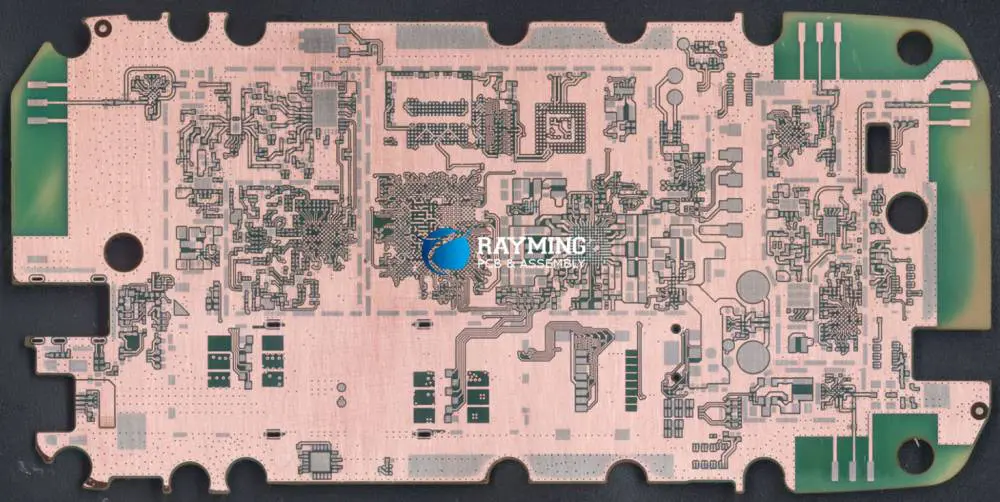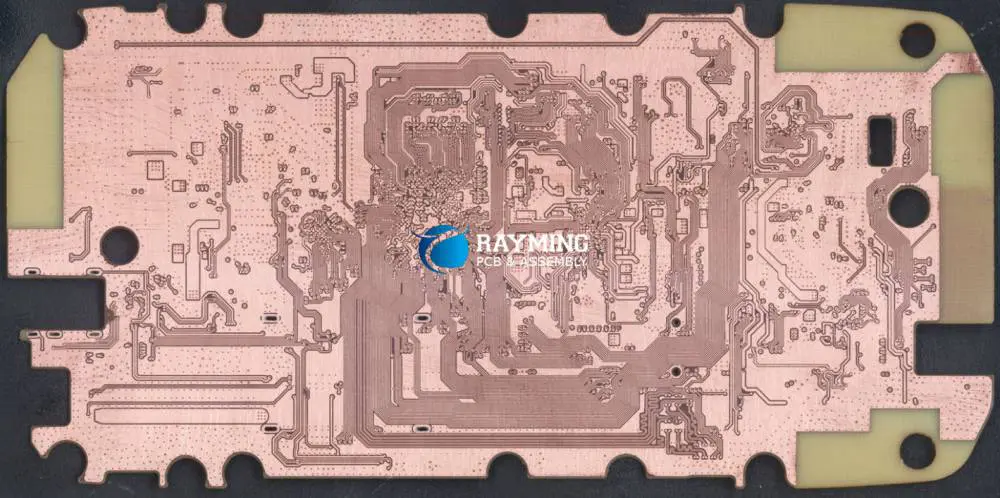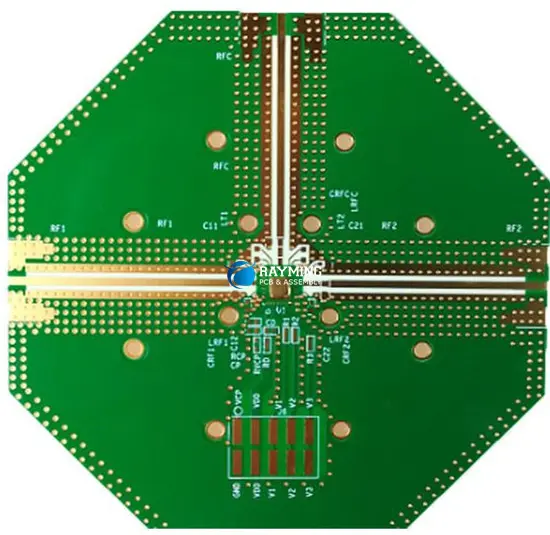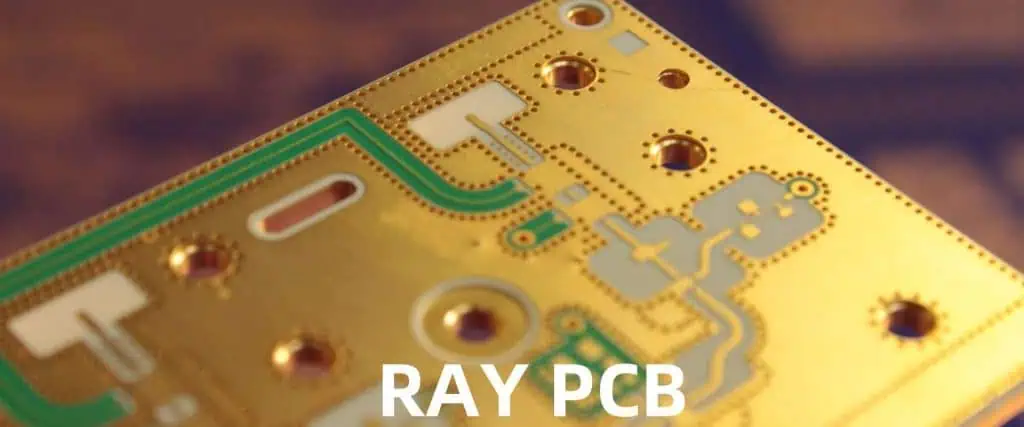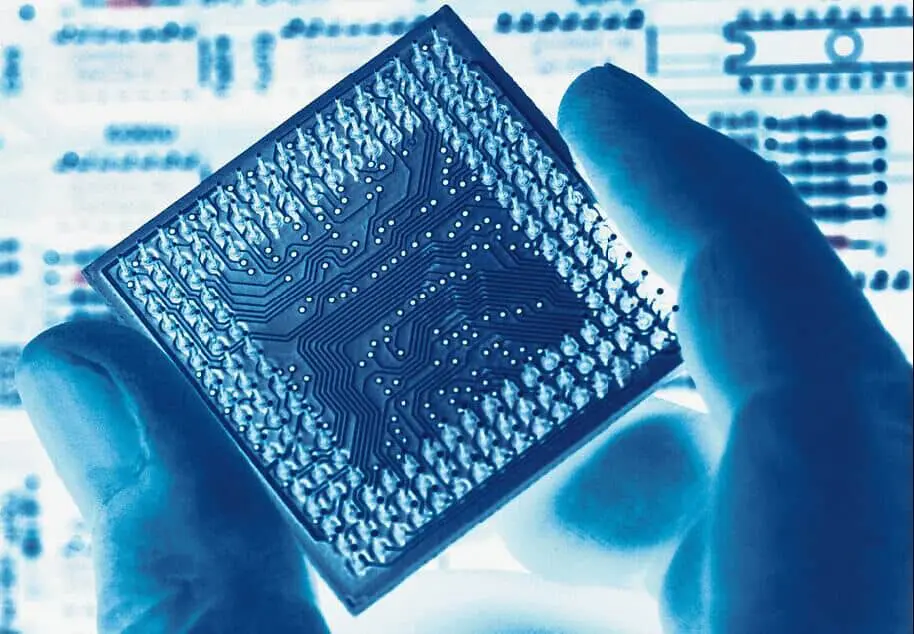
Are you looking for reliable PCB clone and PCB copy services? When you have a physical electronic circuit board but lack the original design files, our professional PCB clone service provides the perfect solution. Whether you need PCB copy for obsolete boards or circuit duplication for production scaling, we deliver precision results.
What is PCB Clone and PCB Copy Technology?
PCB clone, also known as PCB copy or PCB duplication, is an advanced reverse engineering technology that creates exact replicas of existing printed circuit boards. Our PCB clone process analyzes your original board and produces identical copies without requiring original design files or Gerber drawings.
Traditional PCB design from scratch involves significant costs including prototype development, testing, and design optimization. Our PCB clone service eliminates these expenses by reverse-engineering existing boards. PCB copy technology reduces development time and costs by up to 70% compared to original design processes.
Our PCB copy services operate within legal frameworks:
Customer ownership verification
Reverse engineering legality
Confidentiality agreements
Ethical business practices
Protecting Your PCB Clone Investment
We safeguard your PCB copy projects through:
Secure data handling
Non-disclosure agreements
Proprietary information protection
Long-term support commitments
Contact Us for PCB Clone Services
Ready to start your PCB clone or PCB copy project? Our expert team provides comprehensive circuit board duplication services with guaranteed quality and fast delivery. Contact us today for a free consultation and discover how our PCB clone expertise can solve your electronic design challenges.
Email: sales@raypcb.comServices: Complete PCB clone and PCB copy solutions Specialties: Multi-layer boards, high-frequency circuits, legacy system replacement
Transform your electronic projects with professional PCB clone and PCB copy services that deliver precision, reliability, and cost-effectiveness.
PCB reverse engineering (also known as reverse technology) is a process of printed circuit board design technology reproduction, reverse analysis and research of a target PCB board. It is also to deduce and obtain the design of the productโs processing flow, structure, functional characteristics, and technical specification elements to produce products with similar, but not exactly the same, functions. Reverse engineering originates from hardware analysis in the commercial and military fields. Its primary purpose is to directly analyze the finished product and push out its design principle when the necessary production information cannot be easily obtained.
Another service we offer at RayMing is Printed Circuit Board Reverse Engineering. We can take your sample, including components, and completely reverse engineer it. We create all the data you need to make duplicates. We can even reverse engineer boards that include programmed ICโs, custom parts, and obsolete parts.
PCB reverse engineering is the process of analyzing and documenting an existing printed circuit board to recreate its schematic diagram and understand its functionality. This technique involves a combination of visual inspection, electrical testing, and advanced imaging technologies to deconstruct the PCB layer by layer, tracing connections and identifying components.
Common Use Cases
PCB reverse engineering finds applications in various scenarios:
Legacy System Repair: When dealing with obsolete or out-of-production systems, reverse engineering can help create documentation for repairs or replacements.
Competitive Analysis: Companies may analyze competitors’ products to understand their design choices and technologies.
Lost Documentation: In cases where original schematics are lost or unavailable, reverse engineering can recreate essential documentation.
Modernization: Updating older designs to incorporate newer technologies or improve efficiency.
Failure Analysis: Investigating the cause of PCB failures in critical systems.
Ethical and Legal Considerations
While PCB reverse engineering is a powerful tool, it’s essential to consider the ethical and legal implications:
Intellectual Property: Ensure you have the right to reverse engineer a PCB, especially if it’s not your own design.
Patents and Copyrights: Be aware of potential patent infringements or copyright issues.
Non-Disclosure Agreements: Respect any NDAs that may prohibit reverse engineering of certain products.
Ethical Use: Use the knowledge gained responsibly and avoid replicating proprietary designs for commercial purposes without permission.
2. The PCB Reverse Engineering Process: Step-by-Step
To successfully reverse engineer a PCB, follow these key steps:
2.1 Initial Inspection and Documentation
Begin by thoroughly examining the PCB and documenting its physical characteristics:
Measure board dimensions
Note the number of layers
Identify key components and their locations
Photograph the board from multiple angles
2.2 Layer-by-Layer Board Analysis
Carefully analyze each layer of the PCB:
Top Layer: Document visible traces, components, and connections.
Inner Layers: Use X-ray imaging or careful removal of layers to reveal hidden traces.
Bottom Layer: Examine solder joints, vias, and additional components.
2.3 Tracing and Mapping Connections
Systematically trace and map all connections on the PCB:
Use a multimeter to verify continuity between points
Use machine learning algorithms for pattern recognition in complex layouts
8. When to Hire a Professional PCB Reverse Engineering Service
Sometimes, it’s best to leave PCB reverse engineering to the professionals. Consider professional services when:
8.1 Criteria for Outsourcing
The PCB is highly complex or multi-layered
You lack specialized equipment or software
Time is a critical factor
Legal expertise is required to navigate IP issues
8.2 What to Look for in a PCB Reverse Engineering Service Provider
Experience with similar projects
Advanced equipment and software capabilities
Clear communication and project management processes
Confidentiality agreements and security measures
8.3 Typical Service Agreements and NDAs
Ensure clear scope definition in the service agreement
Sign robust NDAs to protect your intellectual property
Clarify ownership of the resulting documentation and designs
Conclusion
PCB reverse engineering is a complex yet rewarding process that bridges the gap between existing hardware and documented designs. From the initial inspection to the final schematic reconstruction, each step requires attention to detail and a combination of the right tools and expertise.
Whether you choose the DIY route or opt for professional services, understanding the full process from board to schematic is crucial. By balancing the use of hand tools and advanced equipment, leveraging appropriate software, and being aware of the potential challenges, you can approach PCB reverse engineering projects with confidence.
Remember to always consider the ethical and legal implications of reverse engineering, especially when dealing with proprietary designs. With the right approach, PCB reverse engineering can be an invaluable skill in your engineering toolkit, enabling you to breathe new life into legacy systems, understand complex designs, and innovate for the future.
We encourage you to share your experiences with PCB reverse engineering or seek expert consultation for your specific projects. The world of PCBs is vast and ever-evolving, and there’s always more to learn and explore in this fascinating field.
FAQ Section
Is PCB reverse engineering legal?
PCB reverse engineering can be legal, depending on the circumstances. It’s generally acceptable for personal use, repair, or interoperability purposes. However, it may be illegal if it violates patents, copyrights, or terms of service agreements. Always check the legal implications before starting a reverse engineering project.
How long does PCB reverse engineering take?
The time required for PCB reverse engineering varies greatly depending on the complexity of the board and the methods used. A simple single-layer PCB might take a few hours, while a complex multi-layer board could require weeks or even months of work.
Can any PCB be reverse engineered?
In theory, most PCBs can be reverse engineered. However, some boards may have anti-tampering measures or be so complex that reverse engineering becomes impractical or prohibitively expensive. Additionally, some cutting-edge or proprietary designs may be challenging to fully understand without insider knowledge.
What skills are needed for PCB reverse engineering?
Successful PCB reverse engineering requires a combination of skills:
Basic understanding of intellectual property laws (for professional work)
By continually developing these skills and staying updated with the latest tools and techniques, you can become proficient in the art and science of PCB reverse engineering.
Military is one sectors that is highly demanding when it comes to their applications. The systems or devices that are used in these sectors have to be of superior quality. The printed circuit boards developed at RayPCB fulfill such quality requirements and thus they are chosen for various applications pertaining to the military sector.
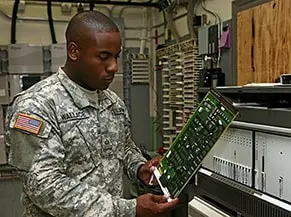
Military Grade PCB require high reliability with long service times under extreme conditions. We produce military PCBs for aviation, ground activities, defense, naval applications, and space weapons. RayMing provides printed circuit boards that offer a wide range of materials, composites, and construction, that are very effective in military applications.
High temperature laminates, copper and aluminum substrates can perform very well in these challenging environments. Anodized aluminum can be utilized to eliminate the effects heat induced oxidation. Aluminum substrates combined with thermally conductive pre-pregs gives the military designer performance with weight advantages.
The following represents a few military applications: Over horizon enforcement networks (Cyber counterintelligence systems) Cross targeting systems (Cryptanalysis systems) Automation networks (Command and control systems) Air cartographic photography (Automatic search jamming systems) Radio communication systems (AMRAAM โ Advanced Medium Range Air to Air Missiles) Radar installations (APU โ Auxiliary Power Units) Power converters (ASRAAM โ Advanced Short Range Air to Air Missiles) Power supplies (AWACS โ Airborne Warning and Control System) LED lighting systems (AEW&C โ Airborne Early Warning & Control) Instrumentation (CIWS โ Close In Weapons Systems) Control tower systems (ECCM โ Electronic Counter-Countermeasures) Temperature sensors (FLIR โ Forward Looking Infrared) Audio interface applications (IADS โ Integrated Air Defense System)
All about the Design Rules and Specifications for Military PCB Manufacturing
Printed circuit boards have diverse applications owing to their significance in electronics. Key among the application areas include the military sector. However, you may know very little about military-grade PCBdue to the nature and sensitivity of this unique sector. So what does it all entail? This article aims at answering all the potential areas of significance you may want to understand about military manufacturing and the military PCB. This is the only article about military-grade capacitors which provides an overview of the PCB industry for military use. It reveals how military prototypes and PCBs have been designed and manufactured with the special requirements that this industry demands. This is a necessary read for anyone interested in designing, manufacturing, or servicing PCBs manufactured for defense applications.
Military-grade components require a very high degree of quality control and rigorous tolerances, which may not be possible to achieve using conventional manufacturing methods. The military PCB industry has evolved to produce components and boards for demanding applications. This section describes state of the art in military PCB manufacturing. In addition to discussing the basics of PCB manufacture, we will also discuss factory layout and design considerations.
The Military PCB
Military applications need printed circuit boards. However, the harsh environment that characterizes the military requires a highly reliable PCB. The typically printed circuit board is unheard of to work in an environment with constant contact and interaction with contaminants, extreme temperatures, and chemicals without problems. It is where the military printed circuit board comes to play.
The military PCB has to meet or exceed the requirements and specifications set by the respective military. Because of this, such printed circuit boards are of diverse types based on the requirements and the specific application area specified by the military. Consequently, the type of military PCB will determine the board specifications. Additionally, you have to consider specific design features from conceptualization all through the manufacturing process.
Additionally, getting the right military PCB manufacturer becomes important. The company will source the materials and components desired for the military PCB design and fabricate and mass-produce the PCB according to your needs. Remember, military-grade PCBs require a high level of quality and reliability, and picking a top manufacturer starts the process.
What better entity to cater to your PCB military manufacturing needs than us at RayMing PCB and Assembly? The company guarantees top-quality military printed circuit boards, including aviation, defense, space, ground activities, and naval military equipment. Whatโs more, the company offers a range of composites, materials, and construction, which are effective in almost every military application.
The conceptualization and design of the PCB often represent the first step in the entire production process of circuit boards, and as such, not any different from a military PCB. It includes diverse aspects that you must consider, including the type of military PCB. So what are these considerations?
Board materials. It is an instrumental part of a military PCB design as you need to ascertain that every material is of a military-grade standard and specification. Materials used for developing military PCBs need to prove heat resistant because of the application of the PCB in harsh weather conditions. Additionally, the deployment of thermal compounds becomes crucial in aiding heat dissipation.
Remember, a printed circuit board needs non-conductive and conductive materials to work. As much as the material considerations need adhering, it should happen in line with base material needs (ceramic or FR-4, comprising glass-reinforced epoxy) and the conductive copper layer. Since most military PCB are high-performance circuits, the base materials will comprise mainly ceramic or PTFE bases.
PCB stack-up. In this case, the printed circuit board stack-up infers to the layer number that a military PCB will need. It is crucial to determine this in the design phase to help you understand the necessary impedance for each layer, besides the correct fabrication process to pursue. Such determinations help figure out the anticipated yield, minimize the cost of production, and ensure reliability.
Copper traces. A printed circuit board circuitโs copper traces are important in transmitting electrical and other types of signals in the PCB. It is vital to comprehend the attributes of the copper traces besides its limitation during the design phase.
Via types
The type of via becomes instrumental in connecting the diverse military components in the military PCB. It includes through-hole, blind, micro, and buried vias. However, all top-quality PCBs have a reduced number of vias. Additionally, the current carrying capacity of the via becomes a crucial factor to consider when designing the PCB.
Picking components. A military PCB contains not only one military component but a myriad of them. Consequently, you will have to factor this in your design requires diverse types of military component types. It becomes crucial to pick the correct components for your military PCB to reduce errors and ensure high standards of PCB quality.
Design rules. It becomes essential to consider the design rules post the considerations already elucidated. Here, aspects such as component placement, DFM, layer allocation cross-talk budgets, and flight time should get considered. Other components that will work in close correlation with the PCB, such as a military grade capacitors, need to be factored in the military PCB design.
A quality military printed circuit board possesses sound power and signal integrity. For this aspect, key considerations should include the signal rise and signal fall times, characteristic impedance, rack lengths, and drive strength. However, the signal integrity simulation has to get underway before and after the layout for a quality performance guarantee. Additionally, the power distributionโs DC and AC performance needs to get considered as well.
Military printed circuit boards, like other PCBs, need a prototyping phase. It should include the following process steps.
Design. It represents an important step, and as discussed above, sets the tone for the prototyping and production process of the military PCB. Here, it becomes pivotal to deploy a relevant printed circuit board design software to make your prototype. Additionally, it is crucial to indicate the design software used when sending the military design file to your prototype contract manufacturer.
Schematic design. The stage encompasses describing useful information that the engineers will use to prototype your military printed circuit board. It is crucial to detail the materials, military components (PCB), component placement, and the circuit boardโs function. Additionally, the panel and grid size needs to get picked at this stage.
While acting as a segment of the initial design phase, this stage also encompasses checks through simulations to ensure the accuracy and functionality of the military PCB design.
Bill of materials. It is crucial to develop a listing of all the components and materials required in the prototyping process. It is especially pivotal when trying to self-sourced for the military PCB materials. The bill of materials also becomes crucial for the contract military PCB prototype manufacturer, especially in sourcing your printed circuit board materials. It enhances your military PCBโs accuracy per the schematic. A BOM encompasses details like:
Value. It specifies the specifications in units of the component. It includes units like ohms, etc.
Quantity. Encompasses the military PCB components needed
Reference designators. It covers codes deployed in the identification of certain parts
Footprint. It is a precise location of particular components on the printed circuit board prototype.
Manufacturer parts number. The number indicates the partโs number according to the component manufacturer.
Upon finalizing the design schematic and BOM, a check to ascertain that you have all the applicable parts becomes necessary. To enlist the assistance of an expert like a component engineer in ascertaining the parts selection vis-ร -vis their suitability to the budget, military PCB prototype design, and size requirements.
Routing design. It is the next step and entails the design of the military PCB prototype routing. It gets accomplished by deploying traces to link or connect diverse PCB components. Additionally, it becomes useful to remember the diverse factors that impact the routing approach. It entails signal noise generation, noise sensitivity, and power levels.
However, you have to note that most PCB designs use the netlist information to plan the military printed circuit board routing. Using a software program, it becomes simple to automatically compute the optimal routes of the printed circuit board using aspects like layer number, etc. However, it can take a long time, especially when the military PCB proves larger than the standard ones besides having a lot of components.
Checks. The fabrication phase can always feature plenty of functionality issues. However, checking the PCB prototype design constantly while undergoing the prototyping phase reduces these issues. Some of the standard printed circuit board problems you must factor in include thermal issues such as heat spots. It is also crucial to maintain the military printed circuit board at consistent temperatures. Therefore, the need to address all arising issues from the design attributes such as thermal paths, copper thickness, the large printed circuit board size, layer number, and inconsistent temperatures.
DRC (Design Rule Check). Besides the DRC, you should also do the LVS (layout-versus-schematic), an antenna check, and ERC (electrical rule check). Additionally, other manufacturers conduct other QAA (quality assurance assessments). Upon the conclusion of this step, you can submit the military printed circuit board prototype design for fabrication.
While this process step ends the design and testing phase, the next phase entails the fabrication stage.
Military Component
Photo film development. Here, RayMing PCB company experts like our engineers will deploy your military prototype design in developing a photo film consistent with your design needs using a printer or plotter. The printer ensures the printing of the military PCB layers and solder mask. Remember, the film often refers to printed photo negative plastic sheet of the board. It marks the conductive copper sections and the non-conductive sections of the military PCB prototype.
Printing the inner layers
It features a stage where a copper layer gets applied to the military grade PCB substrate material. The process commences with the pre-bonding process of the copper on the substrate before applying the photoresist. The photoresist often comes as a photosensitive film, which hardens when exposed to UV light. Additionally, blocked sections (often with black ink) stay soft. The last sub-step entails the removal of the soft photoresist while leaving the hardened sections to shield the copper. It is then followed closely with removing the hardened part or UV-exposed photoresist to expose the copper layers in the designated spots of your military PCB design.
Aligning the military PCB prototypeโs layers
Most military PCBs have multiple layers, and this can exceed ten layers to twenty-eight layers. In such instances, it is prudent to align these layers accurately before proceeding with the precise punching of registration holes. It is significant to ensure accuracy in the alignment process to prevent revision of the process, especially in the inner layers, which proves a tough ask post the fusion of the layers.
Fusing the Military PCB layers
It encompasses the fusion of Prepreg and the original substrate, often clad with copper foil traces. The process step entails two steps. Firstly, the layering up phase, before the bonding phase ensues.
Fusion of the layers begins by putting the Prepreg layer atop the alignment basin. The substrate layers then get stacked before incorporating the copper sheet and another Prepreg layer. Atop the Prepreg sheet, the incorporation of another aluminum layer gets underway before topping it all off with the copper press plate. After the incorporation of the layers, everything gets fitted into the pin-attached steel table.
After this, a computer-controlled bonding press ensues. It heats the PCB stack, applies pressure before cooling it down afresh. After that, the pins get removed to uncouple the pressure plate before unpacking and obtaining your military PCB prototype.
Drilling holes. It is prudent to note that the process continues, and at this point, you have to drill holes into the stack. It is instrumental whenever you begin adding the components. However, precision becomes key, and computer-controlled equipment eliminates the hustle you would otherwise have to go through.
Copper plating. It encompasses the incorporation of a copper layer on the military PCB surface through a chemical bath phase. The copper acts to shield the entire panel, including the holeโs interiors. It is also controlled by programmed machines to increase and ascertain precision.
Outer layer imaging. It follows the copper plating process closely. It entails applying another layer of photoresist on the printed circuit board panel, which allows for the outer layer imaging of the military PCB prototype. Remember, the process proves similar to the already discussed process of creating the inner layerโs inversion.
Tin and copper plating
It follows the outer layer imaging process step and entails the addition of another copper layer. However, unlike in earlier instances, the photoresist will ensure the copper deposition exclusively on the anticipated PCB board sections. After that, the military PCB board receives a round of tin plating to protect the copper layer in subsequent steps.
Final etching. It encompasses the removal of any excess copper by utilizing a chemical process reaction. However, the tin plating protects the fundamental copper traces within the conductive sections. Hooray! You will have successfully established your PCBโs conductive connections.
The process entails the panel or board cleaning before subjecting it to the solder mask application. It then passes through a hardening phase through exposure to UV radiation to toughen up the solderโs photo film. Elimination of undesired soft parts gets carried out at this point.
Surface finish application
It encompasses the deposition of extra gold or silver plating. Whatโs more, the process also involves the hot-air leveling of the pads to ensure uniformity.
Applying silkscreen
The military PCB surface gets a silkscreen through ink-jet writing, ensuring the proper conveyance of vital information concerning the printed circuit board.
Cutting. PCBs often get extracted from a larger panel at this point. To ensure this, it has to get cut from this panel using a router or v-groove cut. However, before you extract the PCB from the larger panel, please ensure that it passes the electrical test, and its functionality is as stipulated in the design. After this, pop the segment cut to obtain your PCB board.
Sourcing. Preparing for the assembly process requires sourcing crucial military PCB components, something you can achieve either by relying on the PCB prototype solutions company or by yourself. The bill of materials becomes crucial as it guides the solutions provider with the sourcing of the military PCB components. Whatโs more? The BOM will ensure that the components sourced are of satisfactory quality according to your military PCB design.
Assembly. It closely follows the component sourcing stage immediately after it finalizes. It encompasses attaching the necessary components to your military circuit board.
Stenciling of the solder paste. The process step entails the solder paste application onto the circuit board. It combines the solder with the flux and proves helpful in melting the solder and bonding it with the circuit board. In this case of stainless steel, the stencil gets placed on the PCB to permit the solder paste application, especially in precise areas where components will get stationed. The stencil ensures the even spread of the solder paste, after which it gets removed to expose the even and correctly applied solder paste.
Pick and place. It ensures the perfect placing components on the prototype boardโs surface through a mechanism of picking and placing, often aided by a computerized machine. It also ensures the placement of the non-connector parts on top of the solder paste in the designated spots.
Reflow soldering. It proves pivotal in attaching the surface-mount components to the military PCB. The process gets carried by placing the circuit board on a conveyor belt before passing it through an oven (reflow). Reflow ovens have heaters that steadily and slowly heat the circuit board to about 480 degrees Fahrenheit. It is essential as the heat ends up melting the solder before cooling and solidifying the solder, which ensures the permanent placement of the SMDs to the military PCB. It is vital to use a stencil before carrying out the reflow process independently for double-sided printed circuit boards.
Quality control and inspection
Accidental movements at times happen during the process of oven reflow, which has the untidy outcome of poor connectivity, electrical shorts, or a lack of connection. Therefore, it is prudent to ascertain that the circuit board possesses no errors after completing the reflow phase. It gets carried out through manual checks, automatic optical inspection, and x-ray inspection. Additionally, checking by testing the functionality and quality of the PCB is crucial.
Slotting in through-hole components
Some military prototype boards require more components aside from the SMDs. It entails the plated through-hole parts, which get plated all over to improve transmission and receptivity of electrical signals, either side of the board. However, please note that solder paste will not work on PTH parts as it runs through the PTH without adhering. It, therefore, requires manual soldering or wave soldering, where the circuit board atop a conveyor passes through the oven to apply molten solder on the boardโs base. The process ensures the simultaneous soldering of the PCB pins. However, it lacks effectiveness when it comes to double-sided boards.
Functionality tests
The last stage of the prototyping process entails a myriad of tests to ascertain the functionality of the military PCB. Here, the board gets tested under the respective simulated setting mimicking the anticipated operating environment of the military PCB, once mass-produced and deployed for use.
Military PCB Manufacturer
Mass manufacturing and assembly of military PCBs come after the prototyping stage. However, it becomes essential to pick an ideal manufacturer for your military PCB needs. Some of the standard considerations you should take into account before picking a military PCB manufacturer include the following.
The military PCB manufacturer needs to have a solid industry reputation. It includes having a demonstrated history and experience of sourcing for military-grade components and materials and producing quality military PCBs. Additionally, the manufacturer must demonstrate a history and reputation of delivering on time and honoring its contractual obligation.
The military PCB manufacturer also needs to have a simple and easily accessible system for making military PCB orders and submitting Gerber files.
The manufacturer will also have to possess top-of-the-range manufacturing equipment and the latest technologies besides skilled personnel to handle your military PCB needs.
What are the Applications of Military Printed Circuit Boards in the Present-Day World?
The military deploys the military printed circuit boards in a myriad of ways. Some of the vital applications of the military PCB include the following.
Military PCB proves crucial in the endeavors of the military to safeguard the national security interests of any country. Because of this, anyone who needs a military-grade PCB has to understand what it all implies, the design, prototyping, and production process, besides the ideal manufacturer for these important electronic pieces. We hope that the article has addressed some of the pertinent areas you had plenty of problems with regarding military PCBs.
In the PCB industry , There are so many different PCB raw material , In order to control product cost,The Designer should know PCB material specication .
Here We list 11 types PCB material specification for your reference,if you want more suggestion for your PCB Design, You are welcome to send emails to Sales@raypcb.com,We will do our best to help .
For more information on Laminates, visit the following websites.
SHENG YI โ www.syst.com.cn ROGERS โ www.rogerscorp.com ISOLA โ www.isola-group.com ARLON โ www.arlon-med.com ITEQ โ www.iteq.com.tw TACONIC โ www.taconic-add.com NAN YA โ www.npc.com.tw DUPONT โ www.dupont.com NELCO โ www.parkelectro.com TAIFLEX โ www.taiflex.com check if the entire unmasked area has been etched or not. In case it is not etched, leave it in the solution for some more time.
Introduction
Printed circuit boards (PCBs) are made up of various raw materials that provide the required electrical, thermal, and mechanical characteristics. Selecting the right base materials is crucial during the PCB design and fabrication process to achieve the desired performance and reliability goals for the end application.
This article will provide an overview of the major types of raw materials used in PCB manufacturing, including:
Substrate materials
Conductive layers
Dielectric layers
Final surface finishes
Solder mask and silkscreen
Through-hole plating
Adhesives
Understanding the properties and trade-offs of common PCB raw materials allows designers to make informed selections when specifying a board stackup.
PCB Substrate Materials
The substrate forms the base laminate material that makes up the core layers of a PCB. Key attributes like dielectric constant and thermal performance are determined by the substrate chosen. Common options include:
FR-4
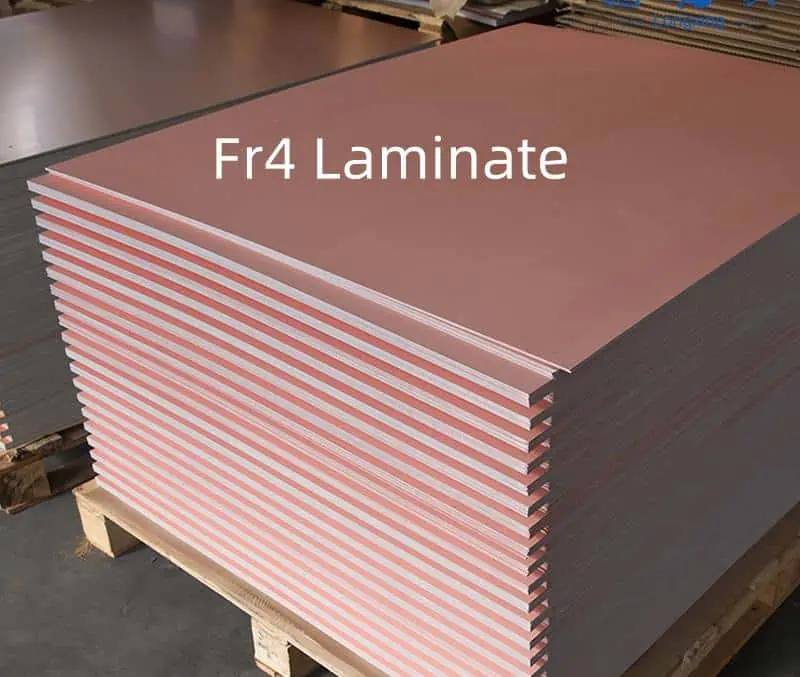
The most common and cost-effective substrate material used in PCBs is FR-4 glass epoxy. It consists of woven fiberglass cloth bonded with flame-resistant epoxy resin. FR-4 provides good mechanical strength and manufacturability. It has a dielectric constant of around 4.5.
High-Tg FR-4
This variant of FR-4 is formulated with a high glass transition temperature resin system. High-Tg FR-4 has improved thermal and mechanical properties compared to standard FR-4. It enhances high-temperature operation.
CEM-1
Cellulose paper reinforced epoxy laminates defined under the NEMA grade CEM-1. It has similar electrical properties to FR-4 but superior thermal performance. The dielectric constant is slightly higher at 4.7.
CEM-3
This NEMA grade denotes woven glass reinforced epoxy. It offers improved mechanical strength over CEM-1 paper composites while maintaining good thermal conductivity. Dielectric constant remains around 4.7.
PTFE (Teflon)
Known for excellent electrical performance at high frequencies, PTFE is a fluoropolymer material with a very low dielectric constant of 2.1. It has exceptional thermal stability but relatively poor mechanical strength.
Polyimide
Used when very high temperature operation is required, polyimide laminates retain properties at over 300ยฐC. The dielectric constant of 3.4 is lower than FR-4, with good signal integrity. Polyimide offers high cost and lower fabrication yields.
Other Exotics
Additional high-performance substrate materials like polyphenylene ether (PPE), liquid crystal polymer (LCP), and quartz glass are used for specialized applications. But cost and manufacturability are concerns.
The trade-offs between cost, electrical performance, thermal management, and mechanical properties must be weighed when selecting PCB substrate materials.
Conductive Layers
Copper foils act as the primary conductive layers for traces, planes, and pads in PCBs. Thicker copper and alloy alternatives provide various advantages:
Rolled Copper
The standard foil used is rolled high purity copper with defined weights measured in ounces per square foot (oz/ft2). Common weights are 1โ2 oz, 1 oz, 2 oz, and 3 oz. Thicker copper improves current handling and reliability.
Rolled Copper Alloy
Foils made from stronger copper alloys including brass, bronze, and copper-iron allow reduced copper thickness while maintaining durability. This lowers costs and weight.
Electrolytic Copper
A very pure copper foil produced through electrodeposition. It provides excellent bond strength to dielectrics but higher cost limits applications mainly to innerlayers only.
ED Copper Alloy
These electrodeposited copper alloys like copper-cobalt and copper-molybdenum offer high tensile strength and temperature resistance compared to standard ED copper foils.
Copper Clad Aluminum (CCA)
CCA uses thin copper foil bonded to an aluminum core for better thermal performance and reduced weight. It trades off electrical conductivity versus pure copper designs.
Matching the conductor materials to the current loads, mechanical requirements, and cost targets of the PCB allows optimization of the stackup.
Dielectric Layer Materials
Dielectrics are the insulating layers between copper foil conductors in multilayer boards. Key material properties impact PCB performance:
FR-4 Prepreg
Glass fabric pre-impregnated with FR-4 epoxy resin that flows during lamination to bond the copper layers together. This is the most common and cost-effective dielectric option.
High-Tg FR-4 Prepreg
Similar to standard FR-4 but engineered with a high Tg resin system for improved thermal and mechanical properties. This enhances PCB reliability.
Polyimide Prepreg
Provides exceptional thermal resistance and stable electrical performance at temperatures above 170ยฐC. Typical dielectrics are aromatic polyimides like Kaptonยฎ. Cost is higher than epoxy.
PTFE (Teflonยฎ) Prepreg
Pure PTFE prepregs have excellent electrical attributes but require special laminating processes like fusion bonding due to limited resin flow properties. Blended versions improve manufacturability.
Cyanate Ester Prepreg
Features low loss, moisture resistance, and good dielectric strength. It has high costs, limited suppliers, and specialized processing requirements.
Ceramic Filled Prepregs
Pre-impregnated dielectric materials with ceramic particle fillers to achieve higher thermal conductivity while maintaining electrical isolation between copper layers.
Selecting compatible dielectric materials with suitable electrical, thermal, and mechanical characteristics allows engineering of robust multilayer PCB stackups.
PCB Surface Finishes
Multiple surface finish options protect exposed copper traces from oxidation and provide improved solderability:
Organic Solderability Preservative (OSP)
A widely used coating that provides good shelf life and minimally impacts assembly process performance. Not suitable for mating connectors.
Immersion Tin (Sn)
Deposits a thin layer of tin which quickly oxidizes to provide an excellent solderable surface. Relatively low cost but prone to whisker growth over time.
Immersion Silver (Ag)
Silver coatings prevent oxidation and maintain consistent solderability long term. Adds cost but provides excellent shelf life with minimal assembly impact.
Electroless Nickel Immersion Gold (ENIG)
A nickel corrosion barrier layer is plated first, followed by a thin gold coating. This finish provides the best wire bondability but higher material expenses.
Similar to ENIG but with an additional palladium layer for improved corrosion resistance. This finish optimizes connector applications but adds cost.
Matching the PCB finish to the soldering process, assembly duration, and performance requirements optimizes the board stackup.
Solder Mask and Silkscreen
Solder mask and silkscreen coatings protect boards and components during assembly and operation:
Liquid Photoimageable Solder Mask (LPISM)
The predominant solder mask consists of epoxy, acrylic, or silicone resins that are selectively exposed and developed to form openings around pads. LPISM provides the best durability, resolution, and performance.
Dry Film Solder Mask
An alternative approach laminates photo-sensitive dry films onto PCBs using heat and pressure. Dry film masks offer faster processing but lower feature resolution versus LPISM.
Epoxy Ink Silkscreen
Solvent-based epoxy inks screened onto the PCB through stencils produce the printed component identifications and polarity markings. These permanent prints withstand fabrication and assembly.
Durable solder mask and markings are essential for PCB protection, legend visibility, and facilitating automated assembly.
Plated Through Hole (PTH) Materials
Metallization of drilled holes electrically connects layers and allows component leads to pass through and mount to boards:
Copper Plating
Electrolytic copper is the standard PTH plating. Thickness ranges from 0.5-2.0 mils depending on hole size and current loads. Copper alone leaves holes prone to oxidation.
Solder Plating
Applying a solder coating over copper PTH plating facilitates component hole insertion and provides environmental protection. Common alloys are tin-lead or tin-silver-copper.
Gold Plating
A thin gold plating over nickel or palladium enhances connectivity and inhibits corrosion for high-reliability PTH boards. Gold also benefits hole-wall solderability.
Choosing the right PTH plating affects hole conductivity, solderability, and reliability when inserting and soldering component leads.
Bonding Films and Adhesives
Various adhesive films bond layers together and provide critical mechanical reinforcement:
FR-4 Bonding Films
Semi-cured FR-4 prepreg layers that flow and cure during lamination to bond core and prepreg layers together into an integrated board.
Reinforced Core Bonding Films
Filled epoxy and polyimide films with fiberglass cloth reinforcement for enhanced layer-to-layer adhesion strength compared to unfilled bond films.
Acrylic and Urethane Adhesives
Used for bonding sheet metal stiffeners, heat sinks, and other enhancements onto board surfaces when high shear and tensile strength is required.
Bonding materials tailored for the substrate materials and intended operating conditions are key to producing multilayer PCBs able to survive thermal cycling, shock, and vibration exposure.
Conclusion
The raw materials used in each layer of a PCB stackup determine the electrical, thermal, and mechanical characteristics that enable the board to function reliably under application operating requirements. Utilizing the right combination of substrate laminates, conductive foils, dielectric prepregs, surface platings, masks, and adhesives allows PCB designers to optimize the materials selection for performance, durability, and cost goals.
Frequently Asked Questions
What are the most important criteria when selecting PCB substrate materials?
Key considerations include dielectric properties, loss characteristics, thermal conductivity, coefficient of thermal expansion, and mechanical stiffness. The requirements depend on the specific application.
How do I know what copper weight to use for my PCB layer stackup?
Thicker copper improves current capacity and thermal performance but increases cost. 1 oz. copper is typical for outer layers and 0.5-1 oz. for inner layers depending on the circuit current demands.
What are the trade-offs between standard and high-Tg PCB materials?
High Tg resins improve thermal performance, dimensional stability, and reliability but have higher costs and more complex lamination requirements.
When would ENIG versus immersion silver be used as a PCB finish?
ENIG provides the best bondability for wire bonding but has higher cost. Immersion silver is more economical and also offers excellent solderability for SMT assembly.
How do I ensure good bonding between PCB layers?
Use compatible prepreg and lamination processes suited for the materials. Filled bonding films enhance mechanical adhesion. Carefully follow lamination press cycles with defined temperature, pressure, vacuum, and ramp rates.
RayMing believes in making your PCB board perfect happen by providing you with quality service and the best FQC inspection. We are proud to stand by our manufacturing management, we are also proud to boast about our high ratio of repeat and loyal customers. When your customers stay with you, you know youโre doing things right.
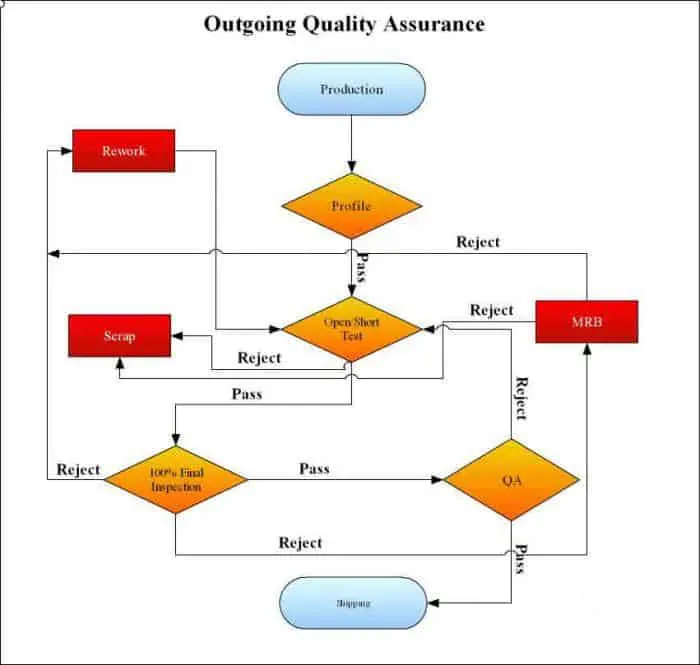
Because we make no compromises on our incoming quality assurance, we refuse to compromise on our outgoing quality. Our professional team maintain constant vigilance over our processes, we know that our products are created with the best possible processes, and that everything we do conforms to the ISO bodies to which we subscribe.We invite you to rely on our service. We value the faith and trust of our customers above everything, and do everything possible to ensure that your expectations are met or exceeded. We have a proven track record of quality that we intend to maintain.
Quality Control Process
1. PCB File Verification Prior to Production
For every order received, our team of professional engineers conducts a thorough review of the Gerber files before they proceed to production. This review ensures the design meets manufacturing feasibility by evaluating critical tolerance constraints, including board edge clearance, drilling accuracy, pad spacing, impedance requirements, and routing specifications. If any issues are identified or potential optimizations are detected, an Engineering Query (EQ) will be raised. Our customer service team will promptly contact you to address the concerns, ensuring a smooth production process without unnecessary delays.
2. Raw Material Quality Assurance
The durability and performance of finished products are directly influenced by the quality of raw materials. At RayMing, maintaining the highest standards of raw material quality is a fundamental principle in our manufacturing process. We collaborate with industry-leading suppliers and rigorously inspect all materials in accordance with international standards and customer-specific requirements. Our trusted suppliers include Shengyi, Rogers, KB (Kingboard) laminates, Rohm & Haas, and TAIYO, known for their high-performance solder mask inks. This commitment ensures that every product we deliver meets exceptional quality and reliability standards.
3. State-of-the-Art Production Equipment
o guarantee the highest quality and reliability of our PCB products, RayMing consistently invests in cutting-edge production equipment. Our advanced machinery includes, but is not limited to:
LDI Exposure Machinesย for precise imaging and high-resolution patterning.
Automatic Solder Mask Production Linesย to ensure consistent and flawless solder mask application.
Fully Automatic PCB Testing Machinesย for rigorous quality control and performance verification.
Fully Automatic PCB Etching Equipmentย to achieve precise and uniform circuit traces.
Automatic Silkscreen Printing Production Linesย for accurate and durable component labeling.
Fully Automatic Electroplating Linesย to enhance conductivity and durability of PCB layers.
By leveraging these world-class technologies, we ensure that every PCB meets the highest standards of precision, reliability, and performance.
4. Pre-Shipment Quality Inspection
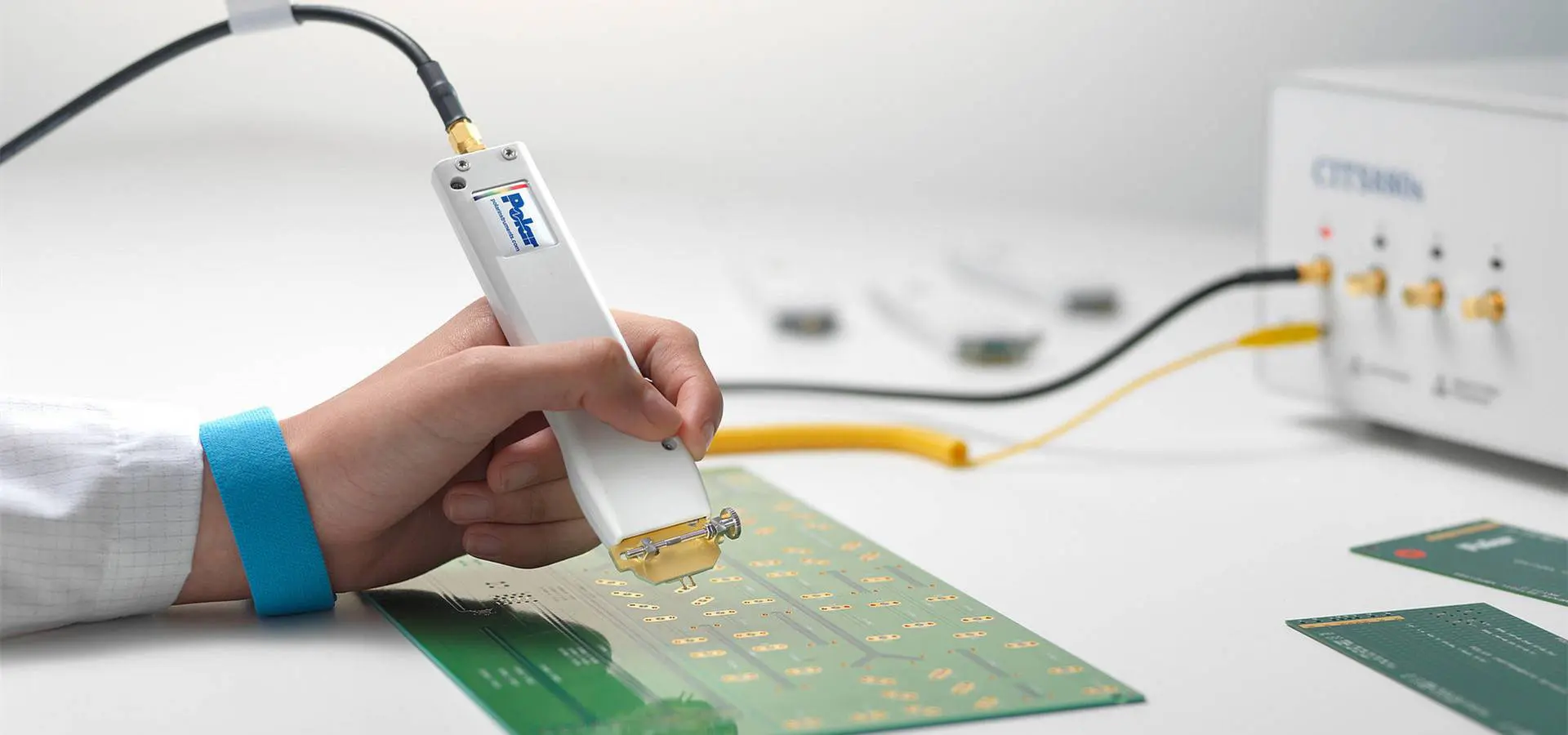
At RayMing, we adhere strictly to ISO9001:2015 standards and ensure all production processes comply with IPC guidelines. Beyond basic visual inspections, every PCB undergoes rigorous electrical testing to guarantee optimal functionality. We utilize industry-leading inspection and testing equipment, including:
Flying Probe Testingย for comprehensive electrical performance verification.
AOI (Automated Optical Inspection)ย to detect any visual or structural defects.
Copper Thickness Testersย to ensure precise and consistent copper layer thickness.
We are committed to delivering PCBs in perfect condition, ensuring they are ready for the next stage of assembly without any concerns. Detailed test reports are available upon request, providing full transparency and confidence in the quality of your products.
5. Rigorous Quality Management
Our quality control systems undergo regular audits and assessments to ensure compliance with industry standards and maintain their effectiveness. With a comprehensive quality control framework and 100% testing procedures for every PCB, we guarantee that every order you place is executed flawlessly. This strict management approach ensures the highest level of reliability and satisfaction in the products we deliver.
PCB Quality Reports
To ensure every order meets the stringent RayMing Manufacturing Standards, we offer comprehensive quality inspection reports tailored to your specific requirements. These reports may include, but are not limited to:
These detailed reports provide full transparency and assurance of the quality and reliability of your PCBs, ensuring they meet your exact specifications and performance expectations.
1. Standard Inspection
This document serves as certification that the order has been delivered in compliance with the specified requirements. RayMing conducts thorough inspections, including dimensional and surface feature checks, based on the drawings provided by the customer. Additionally, each PCB is tested for open circuits and short circuits to ensure electrical integrity and functionality.
2. Default Inspection Report
The standard shipment report includes additional documentation such as theย test reportย andย dimensional inspection report, ensuring comprehensive verification of the PCB’s quality and compliance with specifications.
3. Microsection Inspection Report
Using advanced micro-sectioning technology, printed circuit boards are analyzed to evaluate critical internal features. This inspection includes assessing the thickness of conductive traces, the number of layers, the dimensions of through-holes, and the overall quality of through-hole plating. Additionally, it provides a detailed evaluation of wet process quality, ensuring the integrity and reliability of the PCB’s internal structure.
4. REACH Compliance Certification
This document certifies that the materials used in the manufactured product comply with the European REACH regulation (Registration, Evaluation, Authorization, and Restriction of Chemicals). It confirms that the product contains no more than 0.1% of any Substance of Very High Concern (SVHC) listed under the regulation, ensuring adherence to environmental and safety standards.
5. Thermal Stress Test Report
The thermal stress test evaluates the reliability of PCBs, which serve as the foundational carriers for electronic components. The test ensures that the PCB can withstand thermal fluctuations and stresses, as its durability directly impacts the overall performance and longevity of electronic products. This report verifies the PCB’s ability to maintain structural and functional integrity under varying thermal conditions.
This report provides detailed dimensional measurements to verify the critical dimensions of product components. It includes allowable tolerance ranges for comparison, ensuring that all parts meet the specified design requirements and quality standards.
8. Humidity Indicator Cards
These cards are used to monitor and display the humidity levels within a sealed environment, ensuring that the conditions remain within acceptable limits to protect the integrity of the contents.
A hybrid printed circuit board (PCB) multilayer is a specialized PCB that incorporates dissimilar materials to optimize electrical performance and enhance system reliability, particularly for high-frequency RF applications. The primary challenge in manufacturing such PCBs lies in managing the differing coefficients of thermal expansion (CTE) among the materials used, both during the fabrication process and component assembly.
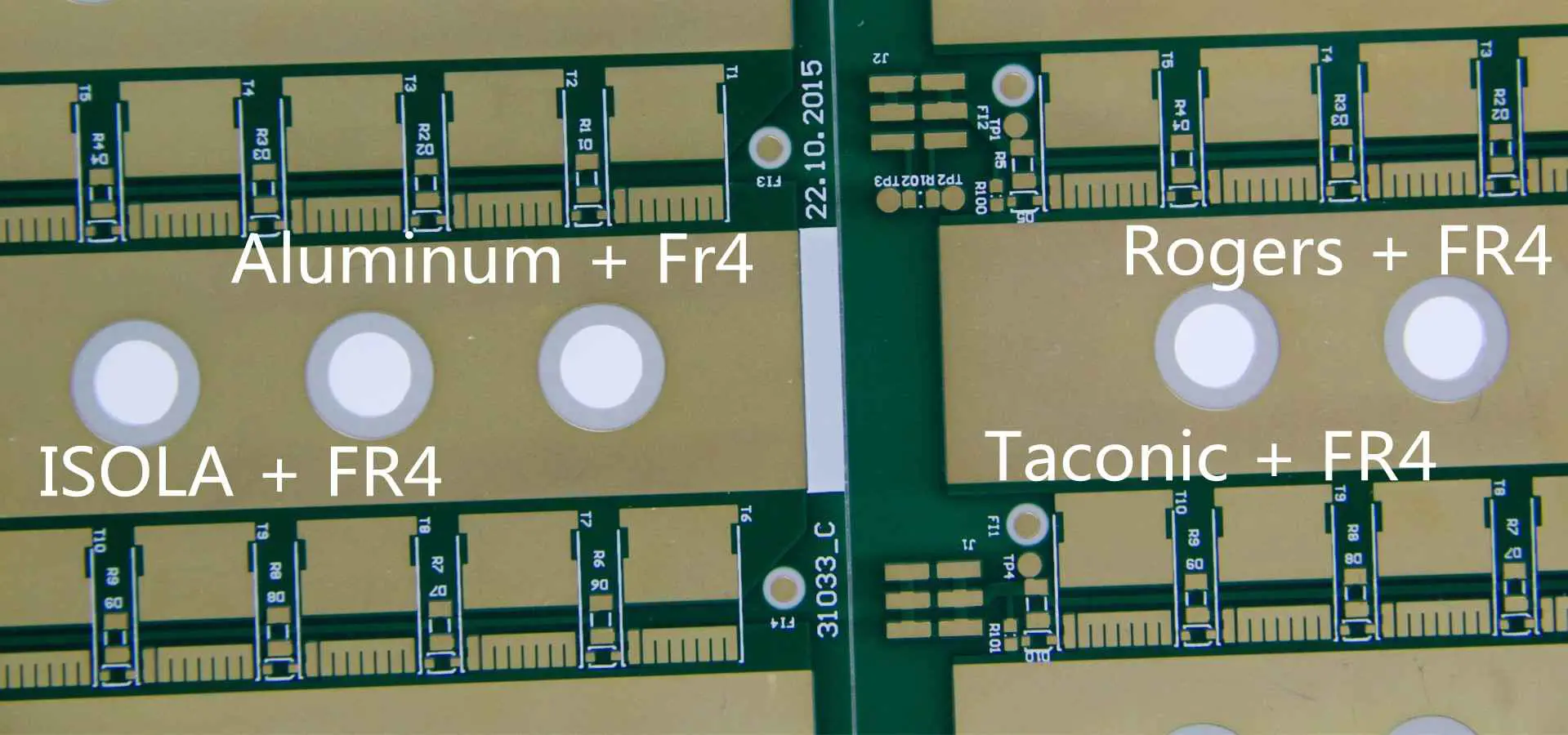
These designs often combine FR-4 material with PTFE laminates, enabling designers to integrate RF functionality and digital circuitry on a single PCB. This integration not only reduces the device’s footprint but also lowers overall costs. Leading laminate manufacturers, such as Isola, Rogers, Arlon, and Taconic, have extensively documented the properties and performance of their materials, providing valuable technical insights for designers.
In the sections that follow, we will highlight key capabilities we offer and outline potential pitfalls to avoid when designing RF hybrid PCBs. Leveraging our extensive experience and investment in advanced production technologies, we are equipped to deliver the most comprehensive circuit board manufacturing services for these complex products.
Key Characteristics
The primary characteristics that set hybrid circuit boards apart include:
Combination of technologies: Hybrid circuits integrate different types of electronic components and manufacturing techniques within a single package.
Customization: They offer greater design flexibility, allowing for tailored solutions to specific application requirements.
Miniaturization: Hybrid circuits often achieve higher component density than standard PCBs.
Performance: In certain applications, hybrid circuits can offer improved electrical performance due to their compact design and specialized components.
Components of Hybrid Circuit Boards
Substrate
The substrate serves as the foundation for the hybrid circuit board. Common materials used for substrates include:
Ceramics (e.g., alumina)
Glass
Metal-core PCBs
The choice of substrate material depends on factors such as thermal management requirements, electrical properties, and cost considerations.
Conductors
Conductors in hybrid circuits are typically made of thick-film or thin-film metal layers that form the circuit paths. Common materials include:
Gold
Silver
Copper
Platinum-gold alloys
The selection of conductor material impacts the circuit’s electrical performance and reliability.
Passive Components
Passive components in hybrid circuits can be either printed directly onto the substrate or attached as discrete components. These include:
Printed passive components offer space savings and improved reliability, while discrete components may be used for higher precision or specific performance requirements.
Active Components
Active components in hybrid circuits are usually semiconductor devices such as:
Transistors
Diodes
Integrated circuits
These components are typically attached to the substrate using wire bonding or flip-chip techniques.
Interconnects
Interconnects form the connections between various components and layers of the hybrid circuit. They may include:
Wire bonds
Conductive adhesives
Solder joints
The design of interconnects is crucial for the overall performance and reliability of the hybrid circuit board.
Protective Enclosure
To shield the circuit from environmental factors, hybrid circuit boards often include a protective package or coating. This may be:
The production of hybrid circuit boards involves several specialized processes:
1. Substrate Preparation
The base material is cleaned and prepared for circuit deposition. This may involve:
Surface polishing
Chemical cleaning
Application of adhesion promoters
2. Thick-film Printing
Conductive, resistive, or dielectric pastes are screen-printed onto the substrate to form circuit patterns and passive components. This process involves:
Preparing the screen or stencil
Applying the paste
Drying the printed layer
3. Firing
The printed layers are fired in a high-temperature oven to cure and bond the materials to the substrate. This process typically involves:
Controlled temperature ramping
Peak temperature hold
Controlled cooling
4. Thin-film Deposition
In some cases, thin-film layers may be added using techniques such as:
Sputtering
Evaporation
Chemical vapor deposition
These methods allow for higher precision components and finer circuit features.
5. Component Attachment
Discrete components and ICs are attached to the substrate using various methods:
Soldering
Wire bonding
Flip-chip bonding
The choice of attachment method depends on the component type and performance requirements.
6. Trimming and Tuning
Laser trimming may be used to adjust the values of printed resistors or capacitors for precise performance. This process involves:
Measuring component values
Selectively removing material to adjust resistance or capacitance
Re-testing to confirm desired values
7. Testing
The completed hybrid circuit undergoes electrical testing to ensure proper functionality. This may include:
Continuity testing
Functional testing
Environmental stress testing
8. Packaging
The circuit is encased in a protective package or coating to shield it from environmental factors. This final step may involve:
Hermetic sealing
Plastic or ceramic encapsulation
Application of conformal coatings
Applications of Hybrid Circuit Boards
Hybrid circuit boards find use in a wide range of applications where high performance, reliability, and miniaturization are crucial:
Hybrid circuit boards offer several advantages over traditional PCBs and monolithic ICs:
Size reduction
Improved performance
Customization capabilities
Enhanced reliability
High-frequency operation
Mixed-technology integration
Improved thermal management
Challenges and Limitations
Despite their advantages, hybrid circuit boards also face some challenges:
Higher production costs
Design complexity
Limited repairability
Scalability issues for high-volume production
Future Trends in Hybrid Circuit Board Technology
As electronics continue to evolve, hybrid circuit boards are likely to see advancements in several areas:
Advanced Materials
New substrate materials and conductive pastes may offer improved performance, reliability, and cost-effectiveness. Researchers are exploring:
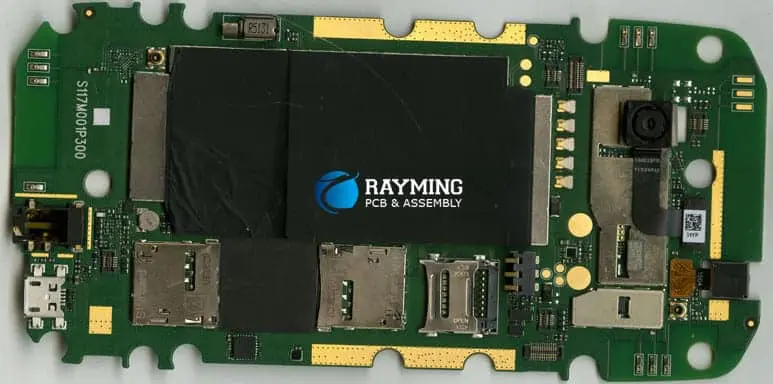
Novel ceramic composites
Polymer-based substrates
Nanomaterial-enhanced conductors
3D Printing Technologies
Additive manufacturing techniques could revolutionize hybrid circuit production, allowing for:
Greater design flexibility
Faster prototyping
Reduced material waste
Integration with Flexible Electronics
Combining hybrid circuit technology with flexible substrates could lead to new applications in:
Wearable devices
Conformable electronics
Stretchable circuits
Enhanced Simulation and Design Tools
Improved software for designing and simulating hybrid circuits will:
Streamline the development process
Optimize performance
Reduce time-to-market
Nanotechnology Integration
Incorporating nanomaterials and nanostructures into hybrid circuits may lead to:
Further miniaturization
Enhanced electrical properties
Novel functionalities
Increased Automation
Advancements in robotic assembly and artificial intelligence could:
Reduce manufacturing costs
Improve consistency in production
Enable more complex designs
Conclusion
Hybrid circuit boards represent a powerful and versatile approach to electronic circuit design and manufacturing. By combining the best aspects of printed circuit boards and integrated circuits, hybrids offer unique advantages in terms of size, performance, and customization. While they may not be suitable for every application, hybrid circuits continue to play a crucial role in industries where high reliability, compact size, and specialized functionality are paramount.
As technology advances, we can expect to see further innovations in hybrid circuit board design and manufacturing. These developments will likely expand the range of applications for hybrid circuits and potentially reduce their cost, making them more accessible for a wider variety of electronic products.
For engineers and designers working on cutting-edge electronic systems, understanding the capabilities and limitations of hybrid circuit boards is essential. As the boundaries between different types of electronic assemblies continue to blur, hybrid circuits stand as a testament to the ingenuity and adaptability of the electronics industry. By leveraging the strengths of multiple technologies, hybrid circuits pave the way for new possibilities in electronic design, pushing the boundaries of what’s possible in miniaturization, performance, and functionality.