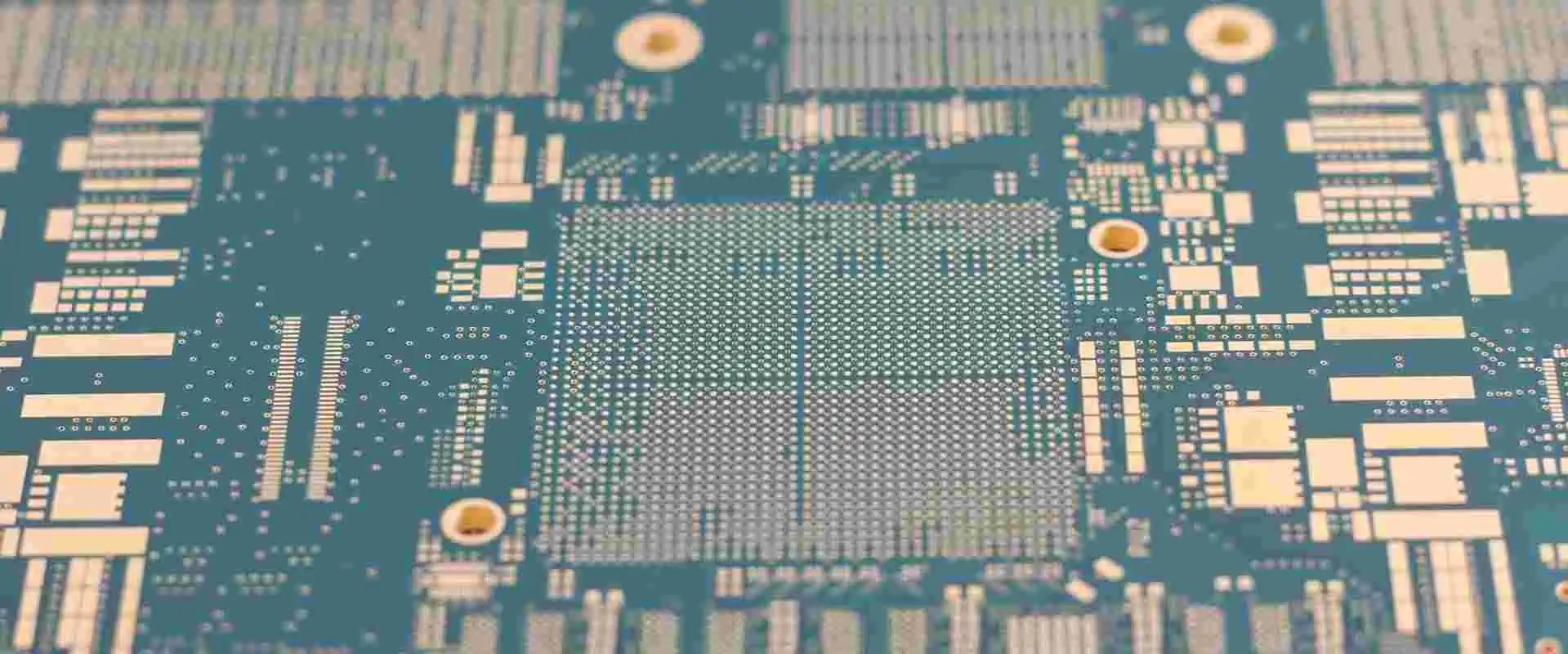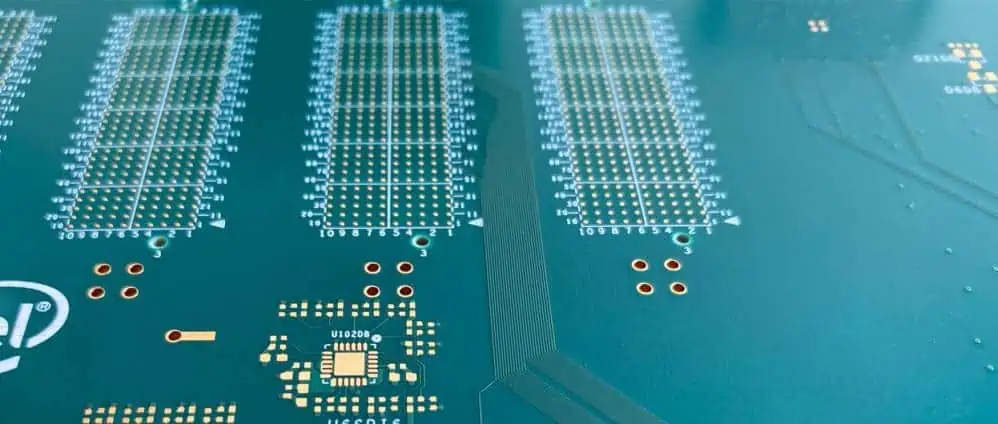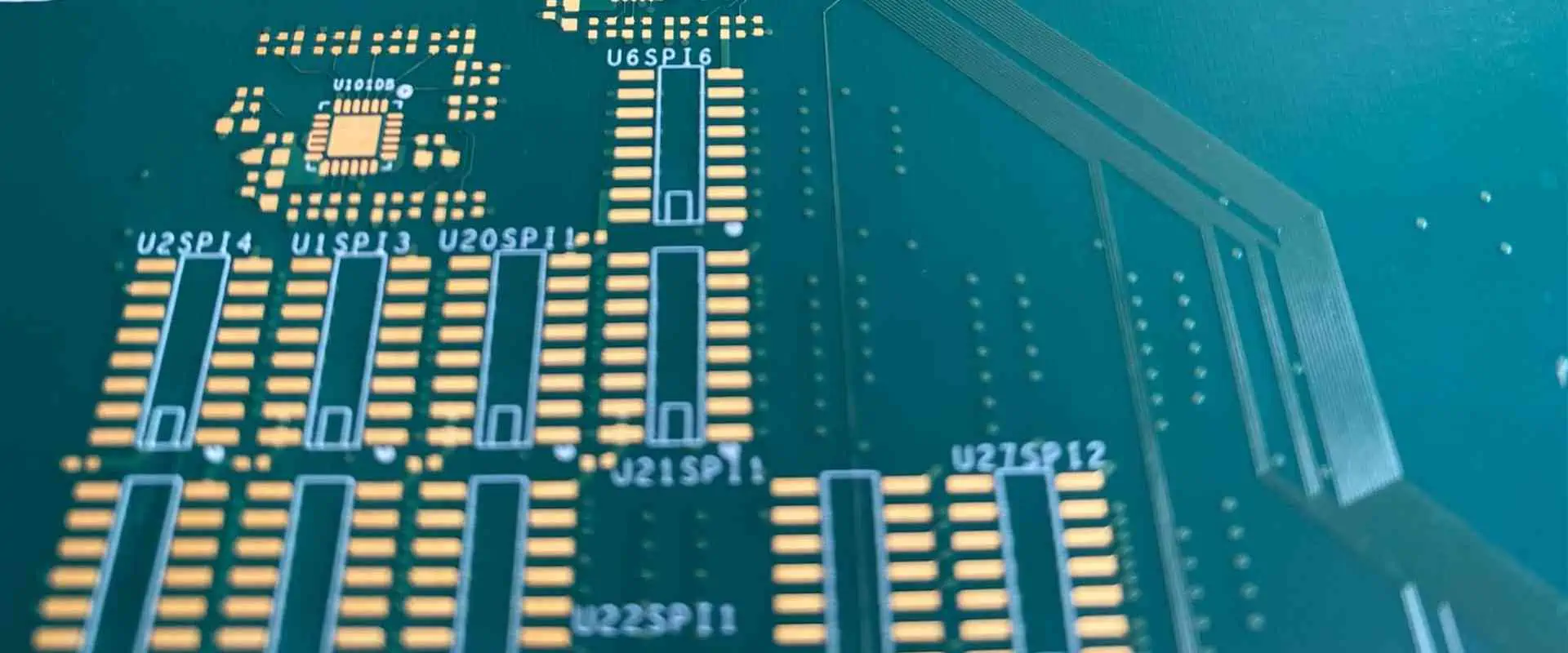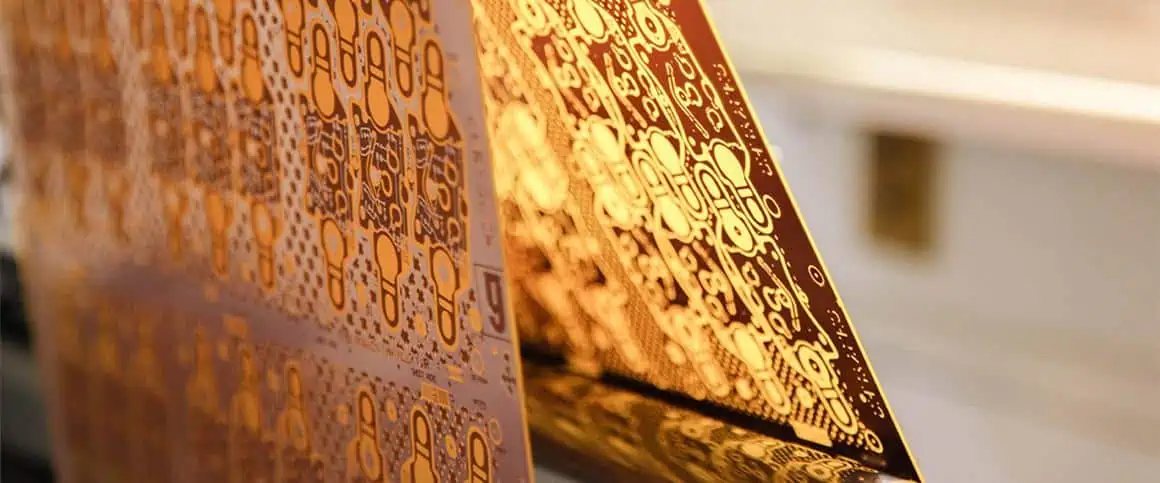
The Performance of ADP5054ACPZ-R7โ€™s DC DC Switching Controller

ADP5054ACPZ-R7

ADP5054ACPZ-R7 is a DC DC switching controller with a transistor driver output. In this article, we break down the concept of a DC DC switching controller and all the technical specifications of ADP5054ACPZ-R7.

How Does a DC DC Switching Controller Work?

DC DC switching controller is a type of Power Management Integrated Circuit (PMIC). The controller plays a significant role in consumer electronics by aiding the voltage regulation process.

Now, voltage or current can be excessive for a number of factors and it is the duty of the DC DC switching controller to keep the performance at the optimum. For this to work, the controller first generates the output supply voltages either below or above the input supply.

By doing that, it helps to balance the voltage of the high-efficient circuits at the best performance through the current alternation between the input and output voltages.

If you are using a DC DC switching controller, you can be sure that the excessive voltage will be regulated using different means. The processes include but are not limited to:

  • Push-pull
  • Buck-boost
  • Half bridge
  • Flyback
  • SEPIC

ADP5054ACPZ-R7โ€™s Features

FULL PCB MANUFACTURING Quote

ADP5054ACPZ-R7 packs a wide range of features or characteristics that make it one of the best DC DC switching controllers.

In this section, we are going to talk about some of these features.

1. Start Function

Voltage or current can be excessively โ€œrushed intoโ€ the circuits depending on how the switching controller starts or boots. That is the reason why ADP5054ACPZ-R7โ€™s start function combines a variety of functions.

First, there is the precharged start-up feature, which prevents the low-side FETs from getting damaged during the boot process.

Second, a majority of ADP5054ACPZ-R7โ€™s buck regulators use a soft start circuitry, which aids in limiting the current of flow of voltage once the controller is started.

2. Direct Connection to High-Input Voltages

ADP5054ACPZ-R7 is by default, equipped with four (4) high-performance buck regulators. These regulators are packed in a 48-lead LFCSP package.

In addition to the optimization according to board space requirements and system performance, the regulators also establish a direct connection without using any of the preregulators. The outcome? A seamless connection to the high-input voltages, up to 15.5 volts.

3. Power Savings Mode (PSM)

Conserving power is also a part of the features that set ADP5054ACPZ-R7 apart from the other DC DC switching controllers.

The Power Savings Mode (PSM) works by enabling a smooth transition of the buck regulators to the variable frequency.

Note that the Power Savings Mode (PSM) is typically activated when the output of the controller falls below the preset or predefined value/threshold of the PSM.

The activation of the Power Savings Mode (PSM) enables the buck regulators to remain the mode for a few oscillator cycles. The buck regulators would only be taken out of the PSM and restored to the default settings after voltage increases to the PSMโ€™s threshold.

4. Technical Specifications

The table below shows some of the technical attributes of the ADP5054ACPZ-R7 DC DC switching controller:

AttributesDescription
Mounting TypeSurface Mount Technology (SMT)
Maximum Duty Cycle50%
Type of OutputTransistor Driver
Operating Temperature (minimum to maximum)40หšC to 125หšC
TopologyBuck
Frequency Switching CapabilitiesBetween 250kHz to 2MHz
Output ConfigurationPositive
Control FeaturesPower Good, Enable and Frequency Control
FunctionStep-Down
Type of Case/Package48-WFQFN Exposed Pad, CSP
Number of Output Phases2
Synchronous RectifierYes
Number of Outputs4

5. ADP5054ACPZ-R7โ€™s Transistor Driver Output

ADP5054ACPZ-R7 uses a transistor driver as the output and this section is dedicated to explaining how it works.

A transistor driver is generally viewed as a โ€œcurrent amplifierโ€ in the sense that it magnifies or increases the current in any consumer electronics or circuit it is placed. It is typically used to โ€œdriveโ€ or provide sufficient current to the target device without necessarily amplifying or increasing the voltage.

Transistor drivers are also designed to drive the โ€œhigh-power applications,โ€ thus, increasing the performance in the process. To that end, you can expect the transistor to get hotter at some point.

A better way to tackle the excessive heat is to use a thermal transfer compound paste, which helps in improving the heatsinkโ€™s efficiency.

You should also consider installing a heatsink. Attaching the heatsink to the transistorโ€™s tab helps in cooling it when it gets hotter.

Important Considerations for the ADP5054ACPZ-R7 DC DC Switching Controller

Before you are sold on the idea of getting the ADP5054ACPZ-R7, we would like to make a few more submissions.

These are some of the additional considerations you may want to make before deciding to get the switching controller:

Thermal Shutdown Capabilities

Everything is not left to chance, as far as the ADP5054ACPZ-R7 is concerned. It keeps the power optimum, while ensuring that the heat dissipation is excellent.

It also has a thermal shutdown capability, designed to oversee the shutting down of the IC. The thermal shutdown feature kicks in when the junction temperature goes above 150หšC.

The junction temperature tends to shoot above the recommended temperature of 150หšC only when certain factors come to play. From the increase in the ambient temperature to a higher current operation and a poor circuit board design; these factors can negatively impact the junction temperature.

Now, when the junction temperature goes above 150หšC, the Thermal Shutdown (TSD) circuit would then kick in to regulate it. The regulation is done in the form of turning off the Integrated Circuit (IC), while keeping the internal linear regulator on.

However, ADP5054ACPZ-R7 is not quick to restore the circuit to operation until certain measures have been put in place. The first measure is to integrate a 15หšC hysteresis to prevent the circuit board from returning to the normal operations.

Once that is done, the ADP5054ACPZ-R7 wouldnโ€™t become operational, until the on-chip temperature has fallen below 135หšC.

It is only when this has been attained that the ADP5054ACPZ-R7 would initiate the soft start function to slowly activate the circuit for operations after exiting the Thermal Shutdown (TSD) mode.

Precision Enabling

ADP5054ACPZ-R7 has a precision enable pin on each of the channels. The pin, among many other things, aid the power-up sequencing of the circuit board.

Final Words

ADP5054ACPZ-R7 uses the DC DC switching controller to regulate (excessive) voltage, protect the circuit and balance the performance of the components.
A Review of AD7606BBSTZ-RL: A Special Purpose Data Acquisition System by Analog Devices

AD7606BBSTZ-RL

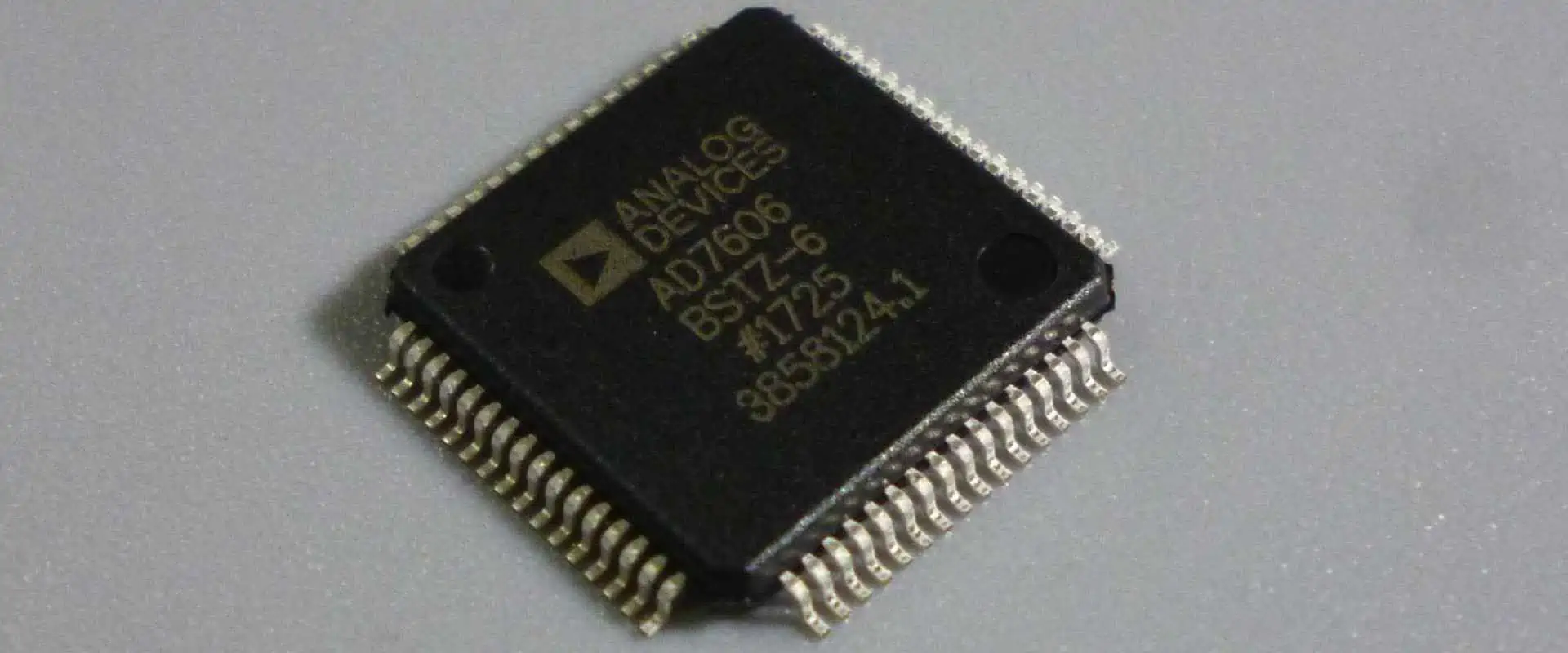
Analog Devices Incorporated (ADI), a leading manufacturer of programmable devices has AD7606BBSTZ-RL on its list of products. It is a 64-lead LQFP FPGA, designed to be a special purpose Data Acquisition System (DAS).

In case you are wondering what a DAS means, how the AD7606BBSTZ-RL functions and every other thing about the FPGA, we answer your questions in this article. In this article, we cover the properties of the AD7606BBSTZ-RL, explain how a DAS functions and compared the ADC and the DAC operations of the circuit.

How does AD7606BBSTZ-RL Function?

Primarily, it is a Field Programmable Gate Array (FPGA) optimized for special purpose or most relevant uses, ranging from analog and digital conversion and providing flexible interfacing.

The AD7606B Family

AD7606BBSTZ-RL belongs to the broader AD7606B family of Field Programmable Gate Arrays (FPGAs). The latter is an 8-channel Data Acquisition System (DAS) with a 16-bit resolution and simultaneous sampling of the Analog-to-Digital Converter (ADC).

AD7606B also provides an 800 kSPS Bipolar Input, which doubles as the sampling rate for the circuit board.

Below are some of the additional properties of AD7606BBSTZ-RLโ€™s family of FPGAs:

1. Monitoring Properties

It is not very often that Field Programmable Gate Arrays (FPGAs) break down or start to malfunction. But when they do, it could be because of a combination of factors, ranging from oversight during the design process and the inability to detect faults earlier.

Either of these two, if left unattended to, could make major damages in the Integrated Circuit. However, the chances of getting damaged is reduced with AD7606BBSTZ-RLโ€™s monitoring and self-diagnostics properties.

These properties combine to help the circuit discover potential threats to the operation and make real-time alerts in that regard.

2. Advanced Error Detection Capabilities

Detecting errors and design challenges is not limited to the monitoring properties. It also has a wide range of advanced error detection capabilities, ranging from:

  • ยฑ21 V input clamp protection with an 8 kV ESD
  • Analog input open circuit detection feature
  • CRC error-checking on both the registers and the read/write data.

3. AD7606B Supports Extra Modes

Looking for an FPGA with multiple modes? Look no farther than the AD7606BBSTZ-RL. It typically supports the hardware mode, which is compatible with the AD7606 device. However, you can also access other modes if you switch to the software mode.

Examples of the additional features supported in the software mode are:

  • Diagnostic multiplexer
  • An additional ยฑ2.5-volt Analog Input Range.
  • Monitoring functions, such as overvoltage and undervoltage events, Serial Peripheral Interface (SPI) invalid read/write, reset detection, and Cyclic Redundancy Check (CRC). The other is the busy truck monitor.

Technical Properties of the AD7606BBSTZ-RL

FULL PCB MANUFACTURING Quote

Below is a table, representing the technical properties of the AD7606BBSTZ-RL Data Acquisition System (DAS):

PropertiesDescription
Data InterfaceSerial and Parallel data interfaces
Mounting StyleSurface Mount Technology (SMT) / Surface Mount Device (SMD)
Number of Supported Pins64
Type of Package/CaseLQFP-64
Voltage Supply SourceAnalog and Digital
Resolution (in Bits)16
Product CategoryAnalog-to-Digital Converter (ADC)
ArchitectureSAR
Number of Channels8
Operating Temperature (minimum to maximum)40หšC to 125หšC
Digital Supply Voltage (minimum to maximum)1.71 volts to 3.6 volts
Analog Supply Voltage (minimum to maximum)4.75 volts to 5.25 volts
Sampling Rate800 kS/s
Differential Nonlinearity (DNL)0.5 LSB
Type of InputSingle-Ended
Type of ProductData Acquisition System (DAS)
Power Dissipation (Pd)255 mW
Signal to Noise Ratio (SNR)89.5 dB

AD7606BBSTZ-RLโ€™s Power Line Improvement Capabilities

At the core of AD7606BBSTZ-RL functionalities is the improvement of the power or current capabilities of the target devices. Worthy of mentioning here is that the manufacturer (Intel) places a premium on improving the functions of the applications that rely on power lines.

What exactly are power lines and what role do they play? To put it simply, power lines are the dedicated current lines that use a combination of resistor divider networks and current transformers to detect the neutral currents, voltages and the major phases in an electronic device.

Therefore, the delegation of the AD7606BBSTZ-RL to that end helps to fast-track those capabilities, while creating additional connections in the process. The external connection creation is done via the AD7606B FPGA capabilities, involving the use of a high-input impedance to establish a direct interface to a sensor. In turn, this pathway paves the way for the AD7606BBSTZ-RLโ€™s Data Acquisition System (DAS) to provide all required building blocks.

Complete Power Line Development

You can also count on the AD7606BBSTZ-RL to build a solid power line, which facilitates the Data Acquisition System (DAS) process.

For emphasis, the power line development involves a combination of the following:

  • A 21-volt analog input clamp protection.
  • Low drift 2.5-volt reference
  • A resistive programmable gain amplifier with 5 Mโ„ฆ input impedance.
  • An optional digital averaging filter up to 256 of oversampling ratios.
  • A first-order antialiasing filter.

Sensor Disconnect Detection

One or more components or parts disconnecting from an FPGA can impact its performance. It is better to have facilities in place to detect these disconnections, even before they happen. That is what the sensor disconnect detection peripheral of the AD7606BBSTZ-RL does.

The idea is to use the traditional pull-down resistor alongside the sensor. The combination of the two allows the users (or the digital circuit designer) to find out in real-time, when any of the sensors disconnect.

The easiest way to detect the disconnection, as per the default configuration, is by monitoring when the output code of the Analog-to-Digital Converter (ADC) drops below 20 LSBs. It is also important to wait for confirmation by checking for a repeat of a number of samples (N) of the same detection.

AD7606BBSTZ-RLโ€™s Direct Sensor Interface

The Direct Sensor Interface, is no doubt, one of the most important attributes of the AD7606BBSTZ-RL. The default design is to increase AD7606BBSTZ-RLโ€™s input impedance; a configuration that allows the FPGA to make real-time interface connection to the supported sensors.

The Direct Sensor Interface also has a role to play in fault detection, especially in the area of decreasing the offset to enable the quicker detection of the sensor detection.

It also helps in reducing the dominance of the gain error, which a variety of external series of resistors introduce to the FPGA.

Final Thoughts

AD7606BBSTZ-RL is to be used for โ€œspecial purposeโ€ designs, especially those requiring the inputs of a Data Acquisition System (DAS).

What are the Features and Properties of the Megtron 8 PCB Laminate?

High Speed PCB

Megtron 8 PCB laminate is a recently launched material from Panasonic that features a multilayer PCB, which enhances and ensures communication networking of high speed for switches and routers.

If you have been wondering if you should make use of the Megtron 8 PCB material, then keep reading to know their benefits, as well as ways where they can make your products better.

What is Megtron 8 PCB Laminate Material?

Recently, Panasonic launched a new material that features a multilayer PCB, which enhances and ensures communication networking of high speed for switches and routers.

Forming the backbone of the internet’s technology, high speed communication equipment has to meet 12 Gbps or 800 GbE, PAM4 as its targets. Compared to the 400 GbE standards used presently, these are two times faster. Though this could become a challenge for the printed circuit boards, it helps to increase the speed as well as the frequency of improving transmission.

Rather than make use of materials that are fluoropolymer-based for your printed circuit board, Panasonic has been able to combine the resin design with a glass cloth with an ultra low dielectric dissipation. Also, its copper foil has a low profile. This helps in improving its dielectric properties that ensures low loss of transmission, which is very necessary for higher performance as well as higher later count present on PCB manufacturingโ€™s future lines.

The Megtron 8 PCB material helps in reducing the loss of transmission for this particular circuit board at a frequency of 286 GHz with as high as 30 percent compared to the Panasonic Megtron7 R-5785 laminate materials, which are referred to as the least available.

The thermoset resin materials which feature heat reliability and resistance, which is similar to the previous generation of Panasonic. Furthermore, this makes sure of the same processability and manufacturability as the conventional PCB product of the laminate. You can manufacture it readily through standard circuitry processes.

What are the Features of the Panasonic Megtron 8 PCB Material?

FULL PCB MANUFACTURING Quote

Panasonic utilized its resin material and design compounding technologies so as to achieve the lowest loss of transmission in the industry

Panasonic has been able to achieve the lowest transmission loss in the industry by making use of its resin material and design compounding technologies so as to achieve great dielectric properties, coupled with incorporating very low dielectric dissipation factor as well as a low profile copper foil.

Furthermore, this adds to the improvement in performance of signal processing of the high speed networking equipment for communication. Making use of circuit board materials having low loss of transmission helps in improving the efficiency of current transmission. This then leads to the reduction of power loss to heat.

Megtron 8 PCB Material possesses great insulation reliability and heat resistance

This is just like the conventional products of Panasonic. In addition it is applicable for high layer count and high performance circuit boards.

The proprietary material compounding and resin design technologies of the company includes both a high temperature for thermal decomposition as well as a high temperature for glass transition. Furthermore, the Megtron 8 PCB material has a high insulation reliability and heat resistance.

All these great properties above ensure there is excellent reliability even in environments with high temperature, even for circuit boards with high layer counts and having over 20 layers like those utilized in routers and high-end servers. All these help in contributing to the equipmentโ€™s stable operation.

The Megtron 8 PCB laminate materials feature the same processability and manufacturability as the conventional product of Panasonic.

Also, you can manufacture it with the general standard fabrication processes of the multilayer circuit boards. Different from the circuit board material that is fluoropolymer based, and making use of PTFE (polytetrafluoroethylene), which is a resin known to offer low loss of transmission, the Megtron 8 PCB laminate is manufactured from this thermoset resin system.

What this means is that the Megtron 8 PCB laminate has the same processability and manufacturability in the standard processes of circuit board offered by the conventional materials.

What are the Applications of the Megtron 8 PCB Laminate?

The Megtron 8 PCB laminate is applicable in the following areas

  • Switches
  • Optical transmission equipment
  • Routers
  • Base stations
  • AI servers
  • Servers
  • Probe cards
  • Semiconductor test equipment

What are the Benefits of Megtron 8 PCB Laminates?

The Megtron 8 PCB laminates offer lots of benefits and serve many different applications. The following are the major advantages of using the Megtron 8 PCB laminates.

Very Durable

The Megtron 8 PCB laminates are very durable. They have great strength which allows them to hold and remain useful for long time periods.

High Efficiency Rates

Working with the Megtron 8 PCB laminates, youโ€™ll see accurate results and then youโ€™ll work more efficiently. This happens without any compromise on its performance standards, especially for high-frequency applications.

High Electric and Thermal Conductivity

The Megtron 8 PCB laminates also serve as great insulators. They have the ability to enhance proper electrical currents. This adds to the reduction of the leakage present in both thermal and electric applications.

Through Hole Reliability

These laminates feature excellent resiliency and through hole reliability. This makes them great for several applications.

Main Features of the Megtron 8 PCB Material

Below are the main features of the Megtron 8 PCB Material

Glass Transition Temperature

This property involves the highest temperature that is necessary for altering the Megtron 8 PCB laminateโ€™s properties. In addition, youโ€™ll need to have heights of around 220 degrees Celsius before this laminate can reach its transition mode.

Dissipation Factor

The Panasonic Megtron 8 PCB laminates are very efficient when it comes to electric transmission. This is possible as a result of its low dissipation factors. Furthermore, the Megtron 8 PCB laminateโ€™s dissipation factor is low with a value of 0.0012. This increases its electric properties.

Dielectric Constants (Dk)

Dielectric constant explains the ability of the Megtron 8 PCB laminates to help in storing electric charge whenever they are placed in-between two metal plates. Furthermore, the Dk of the Megtron 8 PCB material is low. It has a value of 3.1 when tested under a frequency of 14 GHz.

Conclusion

Here comes the end of our article on the Megtron 8 PCB laminate. It is the most recent material of all which should suit your PCB needs.

Properties, Applications, and Types of MEGTRON PCB Laminates

MEGTRON PCB

PCB materials and laminates are available in different types. The MEGTRON PCB laminate was designed by Panasonic. This industry-leading PCB laminate delivers high performance in any application. MEGTRON as a brand of PCB materials provides a suitable range of reliability, quality, and functionality. Also, the MEGTRON series are widely used across industries.

What is MEGTRON PCB Laminate?

MEGTRON PCB laminate is a high-layer count and lead-free PCB material used in high-performance applications. Panasonic developed the MEGTRON series to meet certain demands in the PCB industry. The MEGTRON series include MEGTRON M, MEGTRON 7, MEGTRON 2, MEGTRON 6, and MEGTRON 4. Also, MEGTRON PCB materials come with exceptional dielectric system along side smooth copper to offer low-loss performance.

MEGTRON was specially designed to offer unique properties and features. Due to its excellent thermal properties and high-speed performance, this PCB laminate is highly preferred among PCB manufacturers.

Properties of MEGTRON PCB Laminates

MEGTRON PCB laminates have some main properties that distinguish them from other laminates. These properties are peculiar to MEGTRON PCB materials.

Low dielectric constant (Dk)

Low Dk is crucial for high-frequency and high-power applications since they reduce loss of electric power. MEGTRON laminates features some of the best dielectric properties which help to enhance electrical conductivity. Also, MEGTRON laminates have a range of dielectric constants. For instance, MEGTRON 6 has a Dk value of 3.7.

Heat resistance

MEGTRON laminates feature a high level of heat resistance. Therefore, these PCB laminates can tolerate high heat. When integrating these laminates, you can be sure that they can cope in extreme temperature. Also, due to their high resistance to heat, these laminates are ideal for use in applications exposed to extreme temperatures. These laminated wonโ€™t cause any damage to your surfaces.

Low dissipation factors

Dissipation factor describes the extent at which a material can hold energy. It determines how a PCB laminate can function as an insulator. Low dissipation factor means a material is a more efficient insulator. MEGTRON laminates feature low dissipation factors which ranges between 0.001 and 0.005. Therefore, these laminates offers reduced electric current leakage during operations.

Low transmission loss

All MEGTRON products feature low loss transmission. Most circuit boards need low transmission loss laminates as they minimize conductor and dielectric loss. Low transmission loss material is a property usually demanded by PCB manufacturers.

High thermal conductivity

This is one of the unique properties of MEGTRON laminates. MEGTRON PCB laminates can effectively transmit heat and absorb heat from their environment. Poor thermal conductive materials slowly absorb heat and resist the flow of heat. Such materials arenโ€™t ideal for PCBs. MEGTRON PCB laminates feature high thermal conductivity which makes them ideal for use in applications.

MEGTRON PCB Calculator
RayPCB Engineering Tools
Materials
Impedance Calc
Layer Stackup
Design Tips
Cost Estimator
Select MEGTRON Grade
Material Properties
3.4
Dk (Dielectric Constant)
0.002
Df (Loss Tangent)
200ยฐC
Tg (Glass Transition)
400ยฐC
Td (Decomposition)
12
CTE Z-axis (ppm/ยฐC)
Pass
CAF Resistance
MEGTRON Comparison Chart
Property MEGTRON 4 MEGTRON 6 MEGTRON 7 MEGTRON 7N
Dk @10GHz 3.8 3.4 3.3 3.2
Df @10GHz 0.005 0.002 0.001 0.0008
Tg (ยฐC) 175 200 200 200
Max Frequency 10 GHz 25 GHz 50 GHz 77+ GHz
Application Standard High-Speed Premium Ultra-Low Loss
Transmission Line Calculator
Signal Loss Calculator
Stackup Configuration
Recommended 6-Layer Stackup
Layer Type Material Thickness Copper
L1 Signal (TOP) 1 oz
PP Prepreg MEGTRON 6 4 mil
L2 GND Plane 1 oz
Core Core MEGTRON 6 8 mil
L3 Signal 0.5 oz
PP Prepreg MEGTRON 6 40 mil
L4 Signal 0.5 oz
Core Core MEGTRON 6 8 mil
L5 PWR Plane 1 oz
PP Prepreg MEGTRON 6 4 mil
L6 Signal (BOT) 1 oz
MEGTRON PCB Design Guidelines
1
Choose the Right Grade
Use MEGTRON 4 for โ‰ค10 GHz, MEGTRON 6 for 10-25 GHz, MEGTRON 7 for 25-50 GHz, and MEGTRON 7N for 77+ GHz (automotive radar, 5G mmWave). Higher grades cost more but offer lower loss.
2
Impedance Control
MEGTRON materials have tighter Dk tolerance (ยฑ0.05) than standard FR-4. Specify ยฑ5% impedance tolerance for high-speed designs. Use controlled impedance stackups with consistent prepreg/core combinations.
3
Via Design for High-Speed
Use back-drilling to remove via stubs for signals >10 GHz. Keep via-to-via spacing โ‰ฅ20 mil. Consider microvias (โ‰ค6 mil) for escape routing from fine-pitch BGAs.
4
Trace Width & Spacing
For 50ฮฉ single-ended on MEGTRON 6 (4 mil dielectric): use ~4 mil trace width. For 100ฮฉ differential: 3.5/4/3.5 mil (W/S/W). Avoid trace width below 3 mil for manufacturability.
5
Ground Plane Considerations
Place solid reference planes adjacent to all high-speed signal layers. Avoid splits/gaps under high-speed traces. Use ground via stitching (every 1/20 wavelength) around RF areas.
6
Surface Finish Selection
ENIG recommended for fine-pitch components. Consider ENEPIG for wire bonding. OSP is lowest cost but has limited shelf life. Immersion Silver offers good RF performance at moderate cost.
7
Hybrid Stackup Strategy
Combine MEGTRON with standard FR-4 for cost optimization. Use MEGTRON only for layers with high-speed signals; FR-4 for power/ground cores. Verify compatibility with your manufacturer.
8
Loss Budget Planning
Calculate total channel loss including: conductor loss (~0.5-1 dB/inch @10GHz), dielectric loss (material dependent), via transitions (~0.1-0.3 dB each), and connector losses. Keep total under channel budget.
PCB Cost Estimator
Cost Breakdown
Base PCB (FR-4 equivalent) $45.00
MEGTRON Material Premium $67.50
Layer Count Adder $30.00
Fine Trace/Space $15.00
Surface Finish (ENIG) $12.00
Impedance Control $25.00
Via Processing $35.00
Estimated Total Cost (10 pcs)
$229.50
Unit price: $22.95/pc โ€ข Lead time: 10-15 days

MEGTRON Series

The MEGTRON series comprises different laminates. This includes MEGTRON M, MEGTRON 7, MEGTRON 2, MEGTRON 6, MEGTRON 8, and MEGTRON 4. Here, we will discuss some of these laminates.

MEGTRON 4

MEGTRON 4 PCB laminate is a high resistant and low loss material for multilayer PCBs. This laminate shields circuit boards from the effects of dust, water, and excess heat. Also, this laminate comprises extensive and intensive factors that contribute to how it performs in various environments.

MEGTRON  4 offers very low Df and Dk which are 0.05 and 3.8 respectively. These values enhance it performances in applications.  When used in heat applications, this laminate guarantees excellent performance as it resists excess heat. Furthermore, this MEGTRON PCB laminate works with thermal clads. This helps to transfer heat away from an appliance, thereby making it cool.

Furthermore, this laminate features through hole reliability which is much better than FR-4 Tg materials. MEGTRON 4 allows you to drill a hole in a reliable way. Also, MEGTRON 4 doesnโ€™t allow leakage of electric current when used in electronic devices.

MEGTRON 6

This is a high-speed laminate integrated in PCB fabrication. You will find it in different types of PCBs. Also, MEGTRON 6 is an advanced PCB laminated designed for various high-frequency instruments and IC testers. This low loss laminate has a thick layer count and several layers that help to improve high-speed network equipment.

Also, this PCB laminate features unrivaled electrical properties. It has high processability and improves system performance in various fields like router, telecommunication, and computing applications. Also, this laminate features a low Dk value, increased stability, and high heat resistance. It is a PCB laminate that is compatible with lead-free soldering.

MEGTRON 6 comprises conducting materials and insulating materials. It is an ideal laminate for RF printed circuit boards. Also, it has exceptional through-hole reliability which makes it crucial for through hole applications. Its high durability allows this material to withstand physical, chemical, and mechanical reactions. Therefore, this PCB laminate is suitable for high-priority projects.

MEGTRON 7

MEGTRON 7 is a low-loss PCB laminate with very low dielectric constant and dissipation factor. This laminate is ideal for use in high speed and large data applications. Also, you will find them in PCBs used for servers and routers. It is a multilayer PCB laminate. This PCB is lead-free soldering compatible.

MEGTRON 7 is one of the best low loss material you can opt for in your PCB fabrication. Also, MEGTRON 7 is a family of PCB laminate that comprises MEGTRON 7(GN), MEGTRON 7(GE), and MEGTRON 7(N). these laminates are highly resistant to heat. The integration of high density interconnect (HDI) technology in MEGTRON 7 enhances its efficiency and peel strength.

MEGTRON 8

MEGTRON 8 is a multilayer PCB laminate that features low loss transmission. Therefore, it is ideal for high-speed applications. This PCB laminate is the latest MEGTRON laminate. It is a high-layer count PCB laminate based on thermosetting resin. This indicates that MEGTRON 8 features similar processability and manufacturability in standard PCB processes as offered by conventional materials.

 The integration of proprietary resin design helped to achieve the lowest transmission loss in the industry. Therefore, you can integrate standard multilayer PCB processes. MEGTRON 8 features two different glass cloth products which are laminate and prepreg.

Benefits of MEGTRON PCB Laminates

MEGTRON PCB laminates offer various benefits. These benefits are responsible for their popular demand in the electronics industry.

Great electrical properties

MEGTRON PCB laminates have exceptional electrical properties. For instance, these materials feature very low dissipation factors and dielectric constant. Therefore, these help them to provide good electrical connection when used in devices.

Lead-free soldering

MEGTRON laminates are compatible with lead-free soldering. Therefore, it is an environmentally friendly option for PCB fabrication. These laminates are RoHS compliant, hence, they are safe materials for PCBs.

Exceptional thermal properties

MEGTRON laminates have excellent thermal properties. For instance, they have high resistance to heat and are thermally conductive. Also, they have high glass transition temperature. All of these properties contribute to the performance of these laminates.

Through-hole reliability

This is one of the greatest benefits of MEGTRON laminates. For instance, MEGTRON 4, 7, and 8 have exceptional through-hole reliability. Therefore, this makes these laminates a better option. It is highly preferred to FR-4 materials. Also, you can drill the through-hole properly.

Ideal for multilayer boards

Some MEGTRON laminates are suitable for multilayer boards. For instance, MEGTRON 7 is ideal for multilayer PCB fabrication. Also, this laminate features high density interconnection (HDI) technology which makes it ideal for high-performance applications.

Applications of MEGTRON PCB Laminates

MEGTRON PCB laminates feature excellent properties that make them ideal for use across several industries.

Medical industry

MEGTRON PCB laminates are commonly used in manufacturing medical devices like radiology machines. Due to their thermal properties, these laminates perform well in high thermal applications. Many medical devices integrate HDI boards. MEGTRON 7 features HDI, therefore, it is available in high-performance devices like emergency room monitors and infusion pumps.

Telecommunication industry

Printed circuit boards are core parts of telecommunication devices like telecom towers. The telecommunication industry integrates MEGTRON PCB laminates in its devices. Most communication equipment used in offices comprise PCBs. Devices like modems, phone switching systems, and routers. MEGTRON PCB laminates offer telecom PCBs conduction properties that enable data transfer.

Automobile industry

Automobile manufacturers integrate several electronic components in vehicles. MEGTRON PCB laminates feature great thermal and electrical properties which make them ideal for parts of vehicles. Also, these laminates can withstand extreme vibrations and temperatures. MEGTRON laminates perform well in navigation and control systems of cars.

Consumer electronics

Some consumer electronics like smartwatches, tablets, radios, and smartphones need functional laminates. Circuit boards used for consumer electronics need to have low transmission loss. MEGTRON laminates fall in this category. MEGTRON laminates are ideal for some home appliances such as coffee makers, microwave, and refrigerators.

Aerospace components

Aerospace devices are often exposed to harsh environmental conditions. Most times, these devices function under varying temperatures. Therefore, it is important to use high heat resistant and thermal conductive laminates in manufacturing these devices. Furthermore, aerospace PCBs require laminates that can withstand thermal shock, vibration, and extreme heat.

Industrial equipment

MEGTRON PCB laminates play a crucial role in industrial applications like power equipment, manufacturing equipment, and measuring equipment.

Conclusion

MEGTRON laminates are specially designed for advanced circuit boards. These laminates meet the specification and requirements demanded by high-performance applications.

What are the Features of the Megtron 7 PCB Material?

Megtron 7 PCB

You are reading this article, because you have been searching for the right laminate material to use for your PCB projects. Now, before you decide to choose the Megtron 7 PCB Material, there is a need to read this guide. Contained in it is all the information you need.

Please continue reading as we explain further.

What Is Megtron 7 PCB Material?

The Panasonic Megtron 7 PCB Material is known as multilayer PCB laminates, which helps in exhibiting low loss of transmission.

Furthermore, it is very useful in high speed transmissions and high capacity applications with very little losses of signal.

What are the Benefits of Using the Megtron 7 PCB Laminates for Your Project?

The many benefits of the Megtron 7 PCB Material is one reason why you should make use of the Megtron 7 PCB Material. What we mean is that the Megtron 7 PCB Material has lots of benefits, which helps in improving the efficiency of the application.

Below are the major benefits of making use of the Megtron 7 PCB Material

Competitive Prices

When making use of the Megtron 7 PCB Material, you will surely work with a low budget. This low budget is due to the low cost that comes with the Megtron 7 PCB laminates.

Great Durability

You can use your Megtron 7 PCB Material for long time periods. This is as a result of its high durability even in very rigorous environments. Its extremely high heat resistance is what ensures that they remain strong even in very tough environments.

High Efficiency

The Megtron 7 PCB Material provides the highest possible efficiency level, which promotes a much better performance. Its signal transmission loss is very low as well therefore increasing the efficiency involved in transmitting high data volumes.

Maintenance is Easy

It is very easy to make use of the Megtron 7 PCB Material. This is because you need just little maintenance. It doesnโ€™t absorb too much moisture. Also, it is resistant to the accumulation of dust. This makes cleaning very easy to achieve.

General Properties of the Megtron 7 PCB Laminate Material

The best identification mode you can utilize for the Megtron 7 PCB Material is its properties. These laminates have great properties, which helps in distinguishing them from the other laminate types. Below are the major properties that help in defining the real nature of this laminate

Glass Transition Temperature

This property has to do with the maximum amount of temperature necessary to alter the Megtron 7 PCB laminateโ€™s properties. Furthermore, you will need to attain heights of about 200 degrees Celsius before this laminate can reach its transition mode.

Peel Strength

This property is the highest energy you must apply before you can break whatever bond is formed between the printed circuit board and its laminates. As a result of the high peel strength of the Megtron 7 PCB laminate material, you must apply a force of 0.8 kN/m in order to achieve this peel strength.

Dissipation Factor

The Panasonic Megtron 7 PCB laminates are very efficient when it comes to electric transmission. This is possible as a result of its low dissipation factors. Furthermore, the Megtron 7 PCB laminateโ€™s dissipation factor is low with a value of 0.002. This increases its electric properties.

Dielectric Constants (Dk)

Dielectric constant explains the ability of the Megtron 7 PCB laminates to help in storing electric charge whenever they are placed in-between two metal plates. Furthermore, the Dk of the Megtron 7 PCB material is low. It has a value of 3.4 when tested under a frequency of 12 GHz.

Quality Certifications of the Megtron 7 PCB Laminate Material

Asides from safety precautions, there is a need to ensure the laminates possess quality certifications. These quality certifications will assist you in maintaining safety, as well as ensure a long service life.

Below are the major quality certifications you must check in the Megtron 7 PCB laminates.

  • CE Certifications
  • ANSI Certifications
  • RoHS Certifications
  • UL Certifications
  • International Standards Organization Certifications

Materials Used for Manufacturing the Megtron 7 PCB Laminates

FULL PCB MANUFACTURING Quote

The Megtron 7 PCB Laminate Material will only achieve its working conditions making use of the right materials only. Considering this point, you have to make use of the right or best materials in manufacturing the Megtron 7 PCB laminates.

Below are the materials used in manufacturing the Megtron 7 PCB Laminates.

Lamination Process Using the Megtron 7 PCB Laminates

Youโ€™ll utilize the Megtron 7 PCB laminates in holding the PCB layers altogether tightly ensuring an effective insulation in-between the layers.

Below is the process to follow

Preparation Stage

First, you must wash the panels and then remove the copper surfaces that are corroded as well as possible fingerprints. Asides from this, washing gets rid of the dry fill residues, carbonate residues, and antifoam from the stripping (dry film)

Micro-etching

Apply the condition of having homogenous and appropriate brown or black oxide treatment. Also, it helps in reducing the copper thickness from 0.2 to 0.1 micrometers. After this, youโ€™ll perform your black oxide treatment, which offers better adhesion to prevent delamination issues.

Lamination Process

Here, you will be arranging all the layers altogether and then make sure that they donโ€™t move when the lamination process is on. This panel is then complete with some copper foils attached to the bottom and top and then prepregs present on its outer layers.

Youโ€™ll place it in the lamination machine and then under extremely high pressure and temperature. The inner pressure of the machine is about 180 tons for every square meter, while the process of lamination will take around 2 hours.

Then cure it under some high temperatures, and then cool it while releasing the pressure. This step completes the lamination process

Conclusion

If youโ€™re searching for Megtron 7 PCB laminates of high performance, then RayMing PCB & Assembly is here for you. We will provide the best solution that suits all your PCB fabrication needs.

What are the Capabilities of Sheldahl Material for Flexible Printed Circuit

Sheldahl Material PCB

Flexible circuits have made it possible to manufacture some electronic devices like cameras, wearables, smartphones, and more. Flexible circuit technology keeps growing with applications mainly in the electronic industries. Also, flexible boards offer vast solutions for engineers who need to design electronics with weight and space limitations.

The materials used in fabricating flexible circuits determine their performances. One of the most popular materials for fabricating flex boards is Sheldahl flex material. Also, Sheldahl offers flex technologies which are useful across several industries.

What are the Capabilities of Sheldahl?

Sheldahl is a PCB company that offers a vast range of flexible printed circuit material. some of these materials include polyimide, Teflon, FSR, and more. Also, it delivers flex products like coated film, high-end splicing tapes, and flexible laminates. Sheldahl has more than 30 years experience in delivering quality flexible PCB materials.

Some of Shedhalโ€™s capabilities include coating and lamination of films and foils, web handing, and slitting. Furthermore, Sheldahl laminates are generally classified in two different types which are adhesiveless material and adhesive based materials. Sheldahl has been able to manufacture double and single-sided substrates from these materials.

Also, this company combines various materials to provide interconnect and material solutions. Some of these solutions include Sheldahlโ€™s novaclad alongside PET, polyester, and other substrate materials. In addition, Sheldahl manufactures Transparent Circuits which are widely integrated in several applications which include heaters and capacitive touch.

Sheldahl as a flex technology company has vast experience and quality materials to meet the specifications and requirements of your products. Also, this company can produce large format flexible PCBs. Sheldahlโ€™s thermal management solution helps to minimize thermal impedance while reducing CTE mismatch problems. Also, these solutions are ideal for LED applications where metal-core PCBs have been used.

Sheldahl offers high-end flexible technology solutions that help to create unlimited possibilities for creativity. Also, this highly recognized industry leader offers adhesive formulations, laminations, patterning, and coatings.

Common Types of Sheldahl Flex PCB Material

FULL PCB MANUFACTURING Quote

Sheldahl T1647

Sheldahl T1647 is a polyimide coverlay that features acrylic adhesive. It is a high-temperature, flame retardant, and modified polyimide film. In addition, this flex material is ideal for use in applications where temperature resistance and solderability are very important. Also, this material offers a superior manufacturing process that enables a stable dimensional stability.

Sheldahl splicing tapes

Sheldahl manufactures uncoated slicing tapes that ensure maximum bond strength. This tape comprises reinforced polyester film.

Sheldahl G1932

This Sheldahl material is a polyimide copper laminate featuring epoxy adhesive. The epoxy adhesive is flame retardant. Also, Sheldahl G1932 is a RoHS compliant epoxy adhesive helps to make double sided and single sided composites. The G1932 is specially designed for use in flex circuit applications where flame retardant system is crucial.

Sheldahl  T9032

This is a flat cable insulating tape used for manufacturing flat flexible cable and some adhesives that help users balance product performance during lamination processes.  This tape serves as an insulator against electricity and as such protects circuitry and users. Also, it is heat-resistance and easy to apply to different wires.

Sheldahl Novaclad HDI

This high density interconnect (HDI) material is special built on adhesiveless laminate that integrate photolithography, abd vacuum deposition to ensure fine-line circuitry. Also, Novaclad HDI that comprises laser drilled micro vias can resist extreme temperatures, vibration, and chemical exposure. Also, you can control the copper thickness of this material. Therefore, this gives it an added advantage.

Properties of Sheldahl Material

Sheldahl Material
Sheldahl Material

Improved dimensional stability

Sheldahl flex materials feature great dimensional stability. This means that these materials donโ€™t change in sizes and dimensions in response to temperatures. In addition, they maintain a stable dimension even in elevated temperatures.

Exceptional chemical resistance

One of the best properties of Sheldahl material is the ability to withstand chemical exposure. Chemical resistance is a crucial property of  a PCB material. This is because some PCBs function in environments exposed to various chemicals.

High bond strength

This material features very high bond strength. Bond strength describes the force needed to separate two adjacent board layers by a force upright to the material surface. Also, PCB materials with high bond strength tend to perform well in high-performance applications.

High thermal conductivity

Heat can easily pass through Sheldahl flexible circuit materials. Thermal conductivity helps in measuring the ability of a material to transmit and absorb heat. Also, Sheldahl material is a good thermal conductor as it allows heat to pass through it. Furthermore, it easily absorbs heat from its surroundings.

Applications of Sheldahl Material

Sheldahl is a well-known flex PCB company that produces circuits and materials for various industries. Its products are suitable for use in some applications.

Medical

Sheldahl materials are commonly used in medical devices like X-ray machines, CT scans, and heart rate monitors. These materials offer great flexibility and performance. Also, they offer high chemical resistance and dimensional stability.

Automotive

The automotive industry integrates Sheldahl PCB material in some parts of vehicles. For more than 50 years, Sheldahl has been delivering flexible circuit board materials to the automotive industry. Also, Sheldahl produced the first flexible circuit used in the โ€™65 Ford Thunderbird. You will find these materials in exterior and interior lighting, sensors, and infotainment systems of vehicles.

Aerospace and military

Initially, Sheldahl supplied a wide range of its laminated products to the aerospace and military industries. These industries relied on Sheldahl PCB material. Aerospace and military devices are usually subjected to very harsh conditions. Therefore, it is crucial to integrate materials that can withstand extreme temperatures in the production of these devices. Sheldahl is one of such materials you can rely on.

Consumer electronics

Another use case of Sheldahl flex materials is in the manufacturing of consumer electronics. Consumer electronics such as smartphones, wearables, television, and more comprise Sheldahl materials. In computers, flexible laminates are widely used. Also, calculators, cameras, and exercise monitors comprise Sheldahl materials.

Telecommunication

The Sheldahl Novaclad offers double layer and single layer flexible interconnects that function well in extreme conditions. Also, these Sheldahl materials are ideal for use in computer systems, cellular phones, transmission controls, and peripheral interconnects.

Conclusion

Sheldahl has continued to offer quality and top-notch flexible printed circuits for the past 50 years. Also, Sheldahl materials offer great properties and benefits. These materials are one of the best flexible circuit materials to opt for.

TATSUTA Material for PCB Circuit Board

TATSUTA Material PCB

Electronics manufacturing has followed a production process for the past years. However, this process has changed over time. A huge range of printed circuit boards still comprises materials used by early PCB industry.

Todayโ€™s PCB manufacturing still integrates some old processes. The reason behind this is that the majority of circuit board design procedures are deeply connected to traditional manufacturing methods. Here, we will be discussing TATSUTA material and its impact in electronics manufacturing.

What Does TATSUTA Offer?

TATSUTA is an electric wire and cable manufacturer dedicated to development and research that help meet the demands of customers. This company produces several optical components and electronic materials like conductive paste, EMI shielding film, and FFC film. TATSUTA material is a core part of advanced devices.

This material impacts advanced technology. Also, TATSUTA produces conductive pastes as electronic materials. This company designed the first EMI shielding film in the world. Also, this film is an indispensable material for smartphones. This film helped TATSUTA to win a large global market share.

In todayโ€™s world, TATSUTA material is widely used across a variety of different fields like the medical and semiconductor industries. Since its establishment, TATSUTA has been able to manufacture and supply top quality industrial cables, power cables, and root cables among others. With more than sixty years experience in electric wires and cables manufacturing, TATSUTA has been able to meet several market demands.

Other products manufactured by TATSUTA include communication cables, bare wires, accessories, covered wires, and bonding wires. Also, its services include environmental analysis and equipment system products. TATSUTA developed a cable that is resistant to electrical noise. Also, it produced antimicrobial cables that prevent infection in medical equipment.

Furthermore, the optical fibers produced by TATSUTA can withstand vibration, temperature changes, and electrical noise. Therefore, they can withstand hard environmental conditions. Also, this product detects external force and where it is coming from.

Types of TATSUTA EMI Shielding Film Material

TATSUTA CBF-300/-W6

This is a thermosetting bonding film that utilizes a laminating reinforcing plate as a protective layer. Also, TATSUTA CBF-300/W6 offers exceptional shielding performance within a wide range of frequency. It offers a high level of thermal conductivity which enables stronger grounding when used in applications.

TATSUTA CBF-300/W6 is a halogen free and RoHS compliant material. This conductive bonding film is suitable for flexible printed circuits. Due to its exceptional heat-resistance properties, it is applicable to lead-free soldering.

TATSUTA RPT-150

TATSUTA RP-150 is a heat resistant masking tape with little adhesive residue. Also, this TATSUTA material helps to prevent gold-plated terminals from any form of contamination during solder paste printing or solder reflow. This product features high heat resistance. Therefore, it can withstand extreme temperatures.

You can cut any location on the tape. In addition, TATSUTA RPT-150 features a high peeling strength. It is applicable in lead free reflow soldering. This reflow protection tape is RoHS compliant and as such, it is environmentally friendly.

TATSUTA FGBF-700

This is an auxiliary material that offers electrical connection between a metal plate and the surface of EMI shielding films for flexible printed circuits. The full surface shield of this material offers exceptional shielding performance. Also, it is possible to achieve higher wiring density since it doesnโ€™t require any cover lay opening.

The flat design of FPC offers excellent assembly properties. Also, TATSUTA FGBF-700 is UL94 V-0. It is halogen free and applicable for lead free solder reflow.

What is TATSUTA AE3030?

TATSUTA AE3030 is a silver coated copper paste utilized as a non-conductive or conductive fill material. This paste  is suitable for filling both non-conductive and conductive via holes. Also, AE3030 is a thermal conductive material suitable for the design of thermal vias. Its thermal conductivity is 7,8W/mK. Furthermore, this copper paste offers improved paste penetration.

Its glass transition temperature (tg) is very high. TATSUTA AE3030 is a better cost effective solution. Also, it requires shorter bake cycles since it features no solvent content.  It offers more benefits than other copper paste material like DuPont CB100.  Furthermore, TATSUTA AE3030 comprises 100% solid content. This silver coated copper powder features a CTE value of 40 ppm/C and 86 ppm/C at below Tg and above Tg respectively.

Capabilities of TATSUTA

TATSUTA also deals with the manufacturing and supply of medical products, optical components, and water leakage sensors. Also, this company offers environmental analysis services.

Medical products

TATSUTA offers great innovation in the medical field via the combination of different technologies. The integration of six different technologies has helped TATSUTA to deal with a host of issues in the medical field. Also, these technologies include compounding, fiber optics, liquid detection, thinner film material, alloying, and water drawing. As an OEM, TATSUTA has been able to offer top quality products.

Liquid leakage sensor

Blood leakage usually happens when needle slips. This is a major issue during dialysis treatment. A blood leakage will be easily detected if a plaster with a sensor is fixed on top of the IV needle. Conductive film technology has contributed to medical sensor development. Also, TATSUTA developed a conductive paste technology applied to liquid leakage.

With just an IV tube, the sensor technology counts and displays the drop administered for each minute. Also, liquid leakage is one of major threats of artificial dialysis equipment. However, TATSUTAโ€™s experience in liquid leakage sensor has helped a lot. The liquid leakage sensor detects even the smallest leakage amount and signals a warning.

Optical components

Optical coherence tomography (OCT) changed the game in ophthalmological diagnostics. This technology brought about positive change. Also, OCT now plays a crucial role in areas like cardiology and dermatology. Furthermore, this device offers precise tomographic imaging.  OCT also contributes to cell analysis and the development of new drugs.

TATSUTA integrated light interference to manufacture equipment that offers a clear tomographic image. Also, TATSUTAโ€™s optical fiber reads optical signals within a long distance. Due to its wide bandwidth and low loss, optical fibers allow huge-capacity communications irrespective of distance.

Conclusion

TATSUTA provides a wide variety of cables and wires used across several applications. Also, this OEM offers other services like liquid leakage sensors and optical components. TATSUTA dedicates its efforts and time in providing products that meet the demands of its customers.

Main Types of ThinFlex Materials for flex Board

quick turn flexible PCB prototype

As the demand for flexible PCBs grows, so does the need for flexible materials like coverlays and flexible copper clad laminates. Flexible copper clad laminates are crucial in the manufacturing of flexible circuits. There are different brands of FCCLs. However, some brands offer more reliability and greater performance. An example of such a brand is ThinFlex.

ThinFlex PCB Company has earned a great reputation in the production of quality flexible copper clad laminates. Also, this industry-leading company ensures its products offer the best performance in any application.

What are the Capabilities of ThinFlex PCB Company?

ThinFlex is a PCB company that specializes in the manufacturing of coverlays and flexible copper clad laminates (FCCLs). This Taiwan-based company is an industry leader in FCCL manufacturing. Flexible copper core are a core part of flexible printed circuit boards. ThinFlex has a long term experience in producing coverlays and FCCLs.

With its cutting-edge technology, this company offers the best quality IC packaging and FCCL. It is a leader in the FCCL industry. In the late 1890s, the flexible copper clad laminate comprises wax paper substrate. After some years, engineers used copper foil on thermoplastic film to generate circuit patterns on flexible boards.

ThinFlex Corp. engages in the manufacturing and supply of electronic components, fine chemicals, and synthetic resin. Also, ThinFlex has more than twenty years experience in FCCL manufacturing. This company also produces three-layer flexible CCL.  The 3 layer flexible CCL is also known as adhesive FCCL. On the other hand, the 2 layer FCCL is also known as adhesiveless double-sided PCB.

Main Types of ThinFlex Materials

Flexible copper clad laminates

ThinFlex manufactures adhesiveless double-sided and adhesiveless single sided flexible copper clad laminates. Also, flexible copper clad laminates comprise polyester film or PI film. They are substrate materials that offer a great level of flexibility. FCCL is lightweight and ultra thin. Also, flexible circuit boards that feature FCCL are applicable in a wide range of electronic devices like laptop, cell phone, and automotive GPS among others.

Over the years, FCCL has received recommendations among PCB manufacturers. Also, these laminates are indispensably used in consumer electronics, medical devices, and a lot more. Flexible copper clad is a combination of copper and plastic film. Therefore, it has the qualities of both copper and plastic film. Also, this makes these laminates ideal for use in applications where standard PCBs would fail like uneven or curved surfaces.

FCCL manufacturing process involves depositing a thin copper coating on a flexible substrate. This process refers to tape casting. Polyimide or polyester are types of materials for substrates. Single sided flexible copper clad laminate

Single-sided flexible CCL features excellent dimensional stability, high textural endurance, and high tensile strength.

Double sided flexible copper clad laminate

Double-sided flexible CCL has excellent chemical resistance, finer line etching capabilities, exceptional heat resistance, and high flexural endurance.

Coverlay

Coverlay acts as a solder resist for flexible boards. It comprises a layer of epoxy based adhesive and a layer of polyimide. Also, the adhesive bonds the polyimide to the flex boards. A coverlay is widely used in a flexible PCB to encapsulate and shield the external circuitry of this PCB. Also, this flex PCB material offers similar function as a solder mask used on rigid PCBs.

The major difference here is the level of flexibility offered by coverlays in flex PCB design. ThinFlex Corp. specializes in the production of coverlays for flexible printed circuit boards. Also, a coverlay is usually applied on flexible boards to protect the copper structure of the flexible circuits.

Coverlays feature high resistance to temperature which makes them withstand the heat from ovens and heaters. Also, flexible PCB coverlay offer more ductility than soldermasks. In addition, coverlays are the ideal solution for encapsulating layers of external circuit of a FPC. This material offers a more robust and durable solution.

Benefits of ThinFlex Material

FCCL is a ThinFlex material that offers several advantages. Also, this ThinFlex material comes with unique features which contribute to its performance in flexible printed circuits. Below are some benefits you will enjoy when you use FCCL by ThinFlex.

Lightweight

ThinFlex FCCL is lightweight, thin, and very flexible. Also, it helps in manufacturing very lightweight electronic devices.

High heat tolerance

ThinFlex material is ideal for manufacturing electrical devices subjected to high temperature conditions. Also, this material features high thermal conductivity and as such, it is resistant to high heat. Therefore, ThinFlex flexible copper clad laminate can tolerate very high temperature applications and perform with minimal issues.

Chemical resistance

The double sided flexible CCL by ThinFlex features high chemical resistance. Also, chemical resistance is useful in devices used in applications exposed to chemicals. In addition, this ThinFlex material can protect devices that function in chemically active environments.

Exceptional electrical properties

ThinFlex material features outstanding electrical properties which enhance its overall performance. For instance, the double sided FCCL features high flexural endurance which enhances its flexibility.

Easy storage conditions

It is very easy to store ThinFlex materials. Also, the storage process doesnโ€™t require any refrigeration system.

Applications of ThinFlex Materials

ThinFlex materials are mainly applied in the production of some electronic devices like cell phones, cameras, and more. Also, they are widely used in applications such as:

Consumer electronics

Consumer electronics like cell phones, laptops, cameras, calculators, and more feature ThinFlex materials. Also, these materials feature great electrical and chemical properties which make them ideal for use in these applications.

Aerospace products

Some parts of aerospace devices comprise ThinFlex materials. These materials are commonly used for the flexible parts of these devices.

 Medical equipment

Medical equipment like implantable devices comprise coverlays and flexible copper clad laminate. Also, these materials are important for medical applications especially those that are in the human body.

Automotive

Modern automobiles feature flexible printed circuits. Parts of automobiles like air bag controllers, dash systems, and anti-locking braking systems include flexible copper clad laminates and coverlays.

Conclusion

ThinFlex has earned great reputation in the production of flexible copper clad laminates. These materials can withstand varying environmental conditions. Also, they have excellent electrical, thermal, and mechanical properties. They are suitable for fabricating flexible printed circuits.

How is Ticer Material for PCB

Via in PCB

Searching for the right material for your PCB needs could be a difficult task because there are lots of them out there. However, getting the right one that suits you is the issue. Here is one for you, which is the Ticer material. It boasts great benefits and features and you may wish to try this material for your PCB.

Asides from its being RoHS-compliant, the TCR works fine with different resin systems, which includes high performance, standard, specialty, and lead-free products. In addition, TCR also increases the space that is available for the components. It also helps in reducing the PCBโ€™s weight, and overall, it improves the performance of the product. Also, regarding the thermal stability, it provides an exceptional one.

Before we discuss the properties and benefits of the Ticer material in detail, let us consider what Ticer Technologies as a company is. After that, we will talk about the materials and applications. We will then talk about all the benefits of the Ticer material. Please read on as we guide you through the topic!

About Ticer Technologies

Ticer Technologies was established back in 1884. However, back then it was called Gould Electronic Materials. Now, this company has become one of the best manufacturers of the electrodeposited copper foil.

Later in the year 1999, Gould created TCRยฎ, which is a resistor technology. Furthermore, this material which is included among those of the next-generation offers solutions for aggressive, new applications. Furthermore, it meets the demands relating to performance of the advanced PCBs (printed circuit boards). Letโ€™s go on to consider what the Ticer material is, as well as their applications.

What are the Materials and Applications?

FULL PCB MANUFACTURING Quote

Ticer technologies is known to produce high performance, thin film embedded-resistor copper foils for RF and digital PCBs (printed circuit boards).This next generation technology for embedded resistors is best suited to help in meeting challenges that are posed by new materials and designs ย and increase the performance requirements both for future and current electronic packages.

Enhanced as a result of the reliability and capability of TCR, the solutions of Ticer make use of the most recent with respect to laminate systems that are advanced.

Commonly, many companies make use of TCR during PCB fabrication. The design of the material is done to serve as the embedded resistors layer, which are created making use of the standard PCB etch and print process.

Asides from its being RoHS-compliant, the TCR works fine with different resin systems, which includes high performance, standard, specialty, and lead-free products. In addition, TCR also increases the space that is available for the components. It also helps in reducing the PCBโ€™s weight, and overall, it improves the performance of the product. Also, regarding the thermal stability, it provides an exceptional one.

TCR

TCR is known as the next generation thin film resistor foil, which meets the continuously increasing issues of packaging high-density, high-speed electronic devices.

It is manufactured making use of a thin film vapor deposition that makes sure of the best possible uniformity of the resistor material to ensure higher yields as well as improved tolerances of the resistor in the multilayer packages.

In addition, it helps in reducing the form factor, as well as increasing the space that it presents for the active components. It also improves performance and reduces weight. It is used with already existing chemistries and processes of printed circuit fabrication, TCR eliminates or reduces extra equipment needs. Also, it helps in shortening the learning curves.

What Benefits Does TCR Offer?

Below are the benefits of the TCR

  • Reduces the Overall weight of the PCB
  • RoHS Compliant
  • Great thermal stability
  • Improves product performance
  • Works with different resin systems
  • Reduced steps of fabrication
  • Exceptional thermal stability
  • Increases space for the components
  • Better tolerance of the resistor
  • Versatility of the design

Availability: The availability of TCR is possible through Ticer. It comes as a thin film material as well as through global suppliers of the material as laminated products.

Compatibility: Furthermore, TCRยฎ has been tested and profiled with different types of resin systems. These include high performance, standard, specialty, lead free resins. Another important feature here is that it is ROHS compliant.

Versatility of the Design: The NCAS (nickel chromium aluminum silicon) and NiCr (Nickel chromium) alloys come in different sheet resistivity ranges. This allows the resistor manufacturer values ranging from 10 โ€“ 100k ohms.

Product Predictability & Performance: A low thermal coefficient with respect to resistivity reduces the change in the foil resistance of the TCR during lamination. Consistency and predictability sheet-to-sheet and lot-to-lot are possible via extensive testing and under some varying lamination conditions.

Better Tolerances of the resistor: Precision targets of vacuum metallization helps to make sure that the elements present in your deposited alloy are in uniform ratios. This leads to reduced resistance variation. The last etch tolerances usually benefit from the uniform and thin resistive layer of the TCR.

Reduced Steps of Fabrication: When you couple TCR with NiCr, the fabrication steps can be reduced by getting rid of the need to separate the resistive layer etch.

Great thermal stability: As a result of NCAS, CrSiO (chromium silicon monoxide), and NiCr, there is a little change in resistance after many thermal cycles.

Technical Data of the Ticer Material

TCR thin film integrated resistor foil is usually supplied in different foil thicknesses and width making use of a copper foil of grade 3 that possesses great ductility even at elevated and high temperatures. Also, it withstands stresses without having to crack. The commonly available copper thicknesses are 1 oz and 0.5 oz.

Conclusion

Ticer technologies is known to produce high performance, thin film embedded-resistor copper foils for RF and digital PCBs (printed circuit boards). The Ticer material is RoHS-compliant. The TCR works fine with different resin systems, which includes high performance, standard, specialty, and lead-free products. It also helps in reducing the PCBโ€™s weight, and overall, it improves the performance of the product. Also, regarding the thermal stability, it provides an exceptional one.

What are the Common Ventec Materials for PCB Circuit Boards?

hdi PCB Manufacturers

Ventec is known as a global leader when it comes to producing high performance and high quality copper clad prepregs and laminates. Through its U.S. and European subsidiaries, this company provides local services to its customers through its global reach. It also delivers complete research & development and development capabilities.

Furthermore, these Ventec materials for PCB are very useful in different applications. In this article, we will be considering the materials that Ventec offers, their benefits, areas where they are applicable, and more.

Applications and Materials Offered by Ventec

Ventec offers different products, which serve the copper clad laminate and prepreg markets. These include a complete range of different polyimide products that includes prepregs that suit hole filling (with no-flow and low-flow options).

Commonly, Ventecโ€™s FR-4 material is very useful for daily PCB fabrication. It is possible to manufacture the high quality epoxy glass prepreg and laminate material in custom as well as standard core thicknesses. Typically, they are useful in high and low power applications and they are well known for their great dielectric properties and high Tg.

What are the Common Ventec Materials for Printed Circuit Boards?

FULL PCB MANUFACTURING Quote

Here are some of the well-known Ventec materials for PCB present in the market

Tec-speed 20.0

The Tec-speed 20.0 works with a frequency performance that is unmatched, highest reliability as well as greater loss properties. In addition, this PCB material is manufactured for majority of high frequency PCB applications

 -5A2

The VT-5A2 offers a form of polymer matrix, which is completely feasible with the Ventec PCB, epoxy-based or polyimide-based materials. This is why it is a great option when fabricating low-loss multilayer PCBs.

Furthermore, it has the best thermal conductivity performance, high temperature for glass transition, as well as the best thermal performance

VT-4B Series

The VT-4B series offers the right performance and properties for better heat management of Insulated Metal Substrates that are designed for bending and forming. It has a minimal and tiny radius, which ensures easy installation even in very tight spaces to ensure classic printed circuit board assembly.

This Ventec material for PCB provides a wide thermal performance selection, coupled with a dielectric that is flexible, which won’t crack or peel.

VT-901

This is another important Ventec material for PCB, which is great for applications requiring high mechanical strength and temperature stability. In addition, this polyimide substrate has a high temperature for glass transition (Tg), low coefficient of thermal expansion at the Z-axis, as well as a high flex strength.

In addition, the VT-901 has extended T288 and T260 times, which are necessary for the maintenance of dimensional stability and integrity, even when under some extreme loads. Furthermore, this Ventec material for PCB is a non-MDA and secure formula that features low outgassing and is available as a laminate or as a prepreg.

It has a great electrical performance, which offers high electrical resistance and isolation resistivity to arcing, tracking, and dielectric breakdown. However, the low dielectric constant and low dissipation factor of the VT-901makes sure that there is a better signal integrity for computing and communications.

VT-47

This Ventec material for PCB has a high temperature for glass transition and a great thermal reliability. In addition, it has UV blocking, as well as CAF resistance. Furthermore, it also has a low coefficient of thermal expansion at the Z-axis. It is lead-free compatible and has a phenolic cure system.

In addition, the application of this Ventec material can be seen in Communication Equipment, Computer, Medical, Automotive, Router, Server, Precise Instrument and Apparatus, Instrumentation, etc.

Also, this material is available in different core thicknesses that fall within 0.05 mm (0.002โ€) to 5mm (0.200โ€). You can also find it in either panel or sheet form. Furthermore, the prepregs come in either panel or roll form and its copper foil falls within ยผ oz and 12 oz.

Standard FR4

The high-quality epoxy-glass FR4 prepregs and laminates in custom and standard core thicknesses, and copper foil gauges serving low and high power applications. Its high peel and flex strength, high Td, and high Tg, mixes with its great dielectric properties.

In addition, its low Z-axis, and X-Y axis for coefficient of thermal expansion ensures dimensional stability and solder-joint integrity up to operating temperatures that are high.

What are the Benefits of the Ventec Material for PCB?

The main benefits of the Ventec Material for PCB include the following:

  • Laser fluorescing
  • CAF resistance
  • Low CTE (coefficient of thermal expansion)
  • Great thermal reliability
  • Offers great dimensional stability
  • UV Blocking
  • This material has mechanical features that are uniform, which assists in limiting the PIM
  • High temperature of glass transition (Tg value is 180 degrees centigrade)

Applications of the Ventec Material for PCB

Ventec material for PCBs is useful in these equipment and devices.

  • RFID
  • Automotive radar
  • Antennas used for some cellular base stations
  • Power amplifiers
  • LNB for broadcast satellites

What Electrical Properties are Suitable for the Ventec PCB Material?

Below are the electrical features you have to look for when using the Ventec material for PCB.

Low dielectric constant: This facilitates the quick propagation of signal

Low dissipation factor: This helps in the maximization of power that is delivered. It also permits PCB applications of high power.

Consistent dissipation factor and dielectric constant: There is a uniform dissipation factor and dielectric constant all through the planned applicationโ€™s operating bandwidth. This prevents phase distortion, as well as offers a uniform impedance of the transmission

Also, the dissipation factor and dielectric constant is consistent with changes in temperature.

Quality Certifications of the Ventec Material for PCB

The Ventec material has some quality certifications. These include the following.

  • IPC Certification
  • ITAR Certification
  • Military Certifications
  • PCQR Certifications
  • AS9100 Certification

Conclusion

By now, you must have gained so much knowledge regarding the Ventec material for PCB. With its great properties, you should use this for any of your PCB projects. If you have any questions, we at Rayming PCB & Assembly are here for you!