Impact of CPU PCBA in Computing Devices

CPU PCBA

The CPU is the brain of a computing device. It is the electronic circuitry that carries out instructions in a computer. The central processing unit or central processor carries out basic functions like basic arithmetic, controlling, logic, and input/output operations.

A wide range of devices integrate a CPU. Examples of such devices include smartphones, computers, desktop, flat-screen television set, and laptop. Over the years, the CPU has been described with several names like computer processor, processors, and microprocessor. A modern processor is always small in size and has a square shape.

Without a CPU, a computing device will fail to function. The CPU is the brain behind all the operations performed by your smartphone or PC.

What is a CPU PCB?

CPU PCB

The CPU PCB is the main circuit board of a CPU. This board contains the microprocessor and as such plays a very important role in a CPUโ€™s functionality. According to some computer engineers, the CPU PCB is externally connected to the microprocessor. The motherboard of a computer comes with slots for the external storage devices.

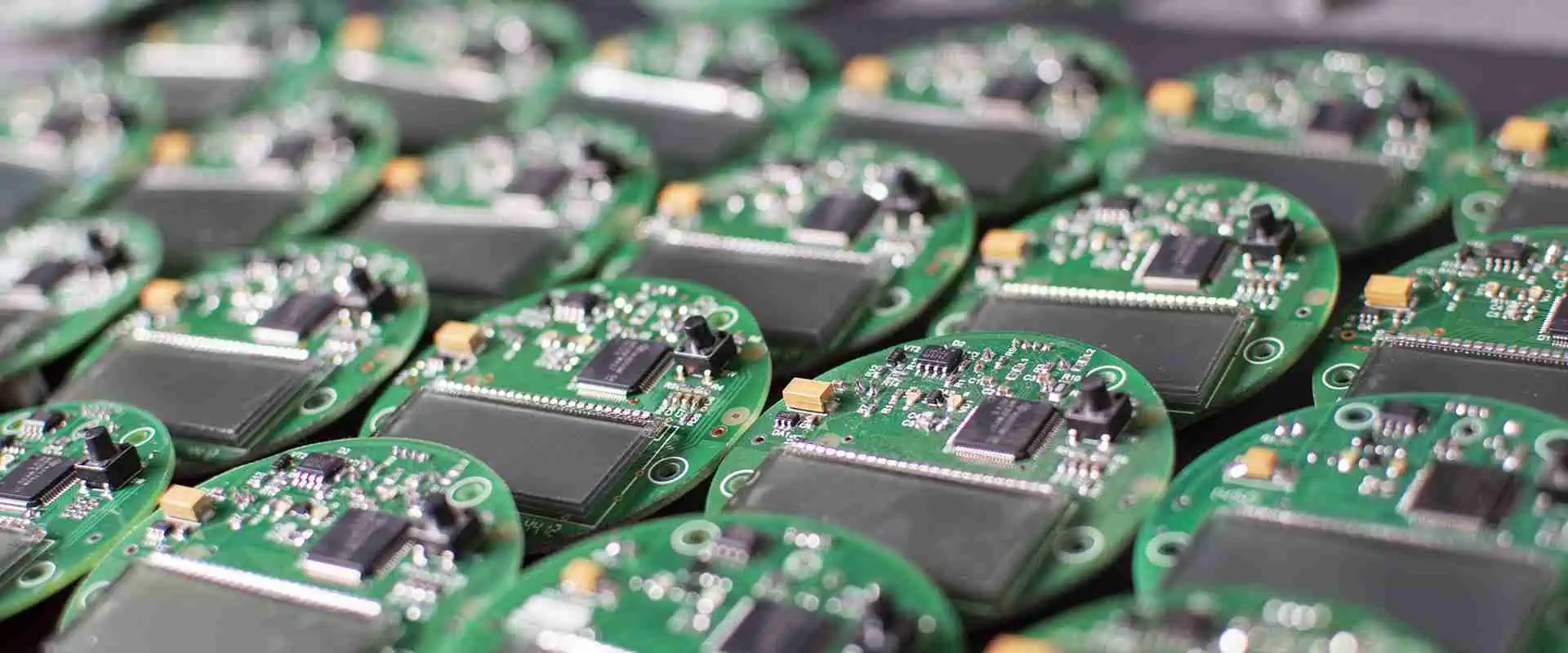
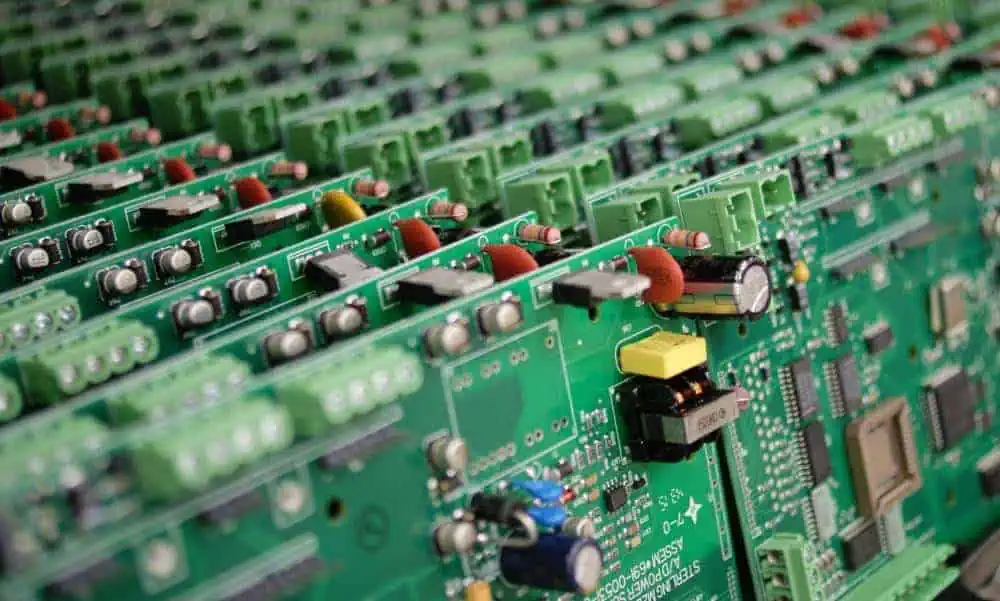
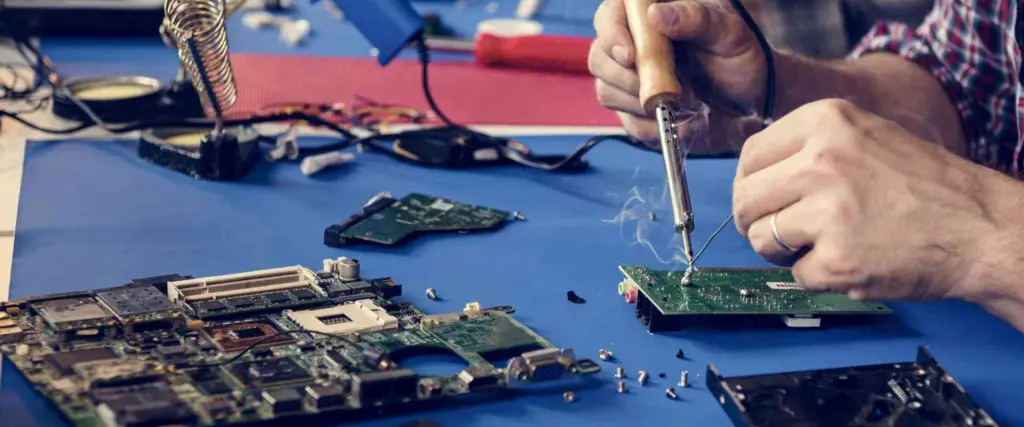
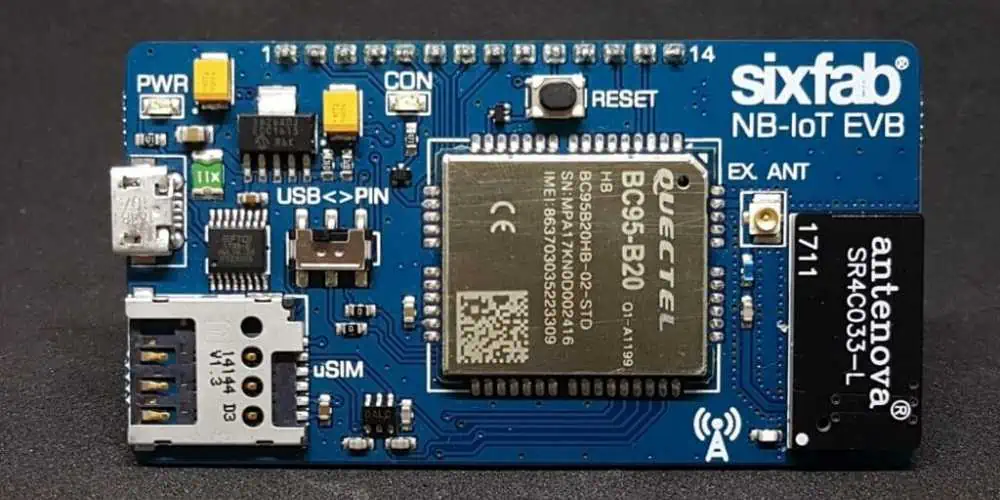
The printed circuit board offers electrical connection and mechanical support to electronic components. A CPU PCBA comprises electronic components which are responsible for functioning of the CPU. This circuit board functions as the platform for the central processor of a computing device. A CPU PCBA comprises peripheral component connection and modular PC cards.

The circuit board of a central processor comprises thousands of capacitors, transistors, and resistors. All of these components play a crucial role in the function of the CPU. The CPU is mounted on a circuit board.

Guidelines for CPU PCBA

The CPU PCB assembly is different from conventional PCB assembly in some ways. When assembling a CPU PCB, strict measures need to be taken. Also, a multilayer PCB is often used in a CPU PCBA.  Here are important guidelines to follow during CPU PCB assembly:

Select the type of mounting technology

In PCB assembly, there are two major technologies for mounting components on a bare board. The surface mount technology (SMT) and through hole technology (THT) are commonly used. SMT makes use of an automated process to mount component on a bare board. This mounting technology is very fast as components are placed by using an automated machine.  Through hole technology, on the other hand, requires drilling of holes in the bare board.

USB to serial converter

There is a need for a central processor to interact with the computerized system. This interaction enables them to function as expected. Therefore, an additional chip is required in order to translate the signals from the central processor.

Determine the microcontroller

The microcontroller is the core of a CPU PCB. Therefore, you need to choose the right microcontroller that meets the requirement of the application. Ensure you choose a microcontroller with appropriate performance requirements as this helps you achieve the best performance for your CPU PCB.

Consider analog to digital peripherals

It is crucial to select an ideal analog-to-digital signal converter for the conversion of analog signal to digital signal. This helps to enhance overall performance.

Evolution of CPU PCB

FULL PCB MANUFACTURING Quote

In the past, electrical relays and vacuum tubes carried out the basic functions of computers. The advent of integrated circuits completely changed the game. ICs reduce the cost and size of electronic components. Soon after, printed circuit boards which comprised the wiring of a device which occupied a whole room were developed.

In the mid 1900s, printed circuit boards became more cost-effective to produce. Therefore, these boards replaced the use of brass. These early circuit boards were integrated for consumer devices. Circuit board design became more complicated around 1970s. At that time, the cost and size of boards began to reduce. The boards became more populated with components.

However, computer-aided design applications helped in the design of these boards.  These days, there are various tools for digital PCB design. These tools are available in a wide range from low-cost and free options to highly-price options. Also, these tools do not only help in PCB design, they also help in testing and manufacturing.

As the PCB design and manufacturing process advanced, PCBAs became compact and smaller. These boards offer great functionality despite their small size. CPU PCB is the foundation of microprocessors used in computing device. This board provides connection among all the components on the board.

The printed circuit board offers more benefits compared to the traditional method of developing electronics. Rather than using large wires to connect every component in a device, PCB integrates a different approach. In a circuit board, electronic components are usually mounted and connected via a small pathway known as traces.

Multilayer PCBs in CPUs

Complex electronic devices usually feature multilayer printed circuit boards. Multilayer PCBs are widely used in CPUs. These boards comprise at least three layers of conductive material. Most times, multilayer PCBs comprise four, six, eight, and ten layers. These layers are usually bonded together to prevent air from trapping between the layers. This process is what is referred to as lamination. The lamination process is usually carried out under high pressure and temperature.

Multilayer boards are commonly used in computing devices. You will find them in computers, mobile phones, laptops, and more. These boards are a great option for microprocessors because of the benefits they offer. Some of these benefits include high component density and smaller space. Furthermore, multilayer boards provide more flexibility and a high degree of freedom as regards routing and the placement of trace.

Conclusion

The CPU PCB is the main circuit board of a CPU. This board contains the microprocessor and as such plays a very important role in a CPUโ€™s functionality. The CPU PCB assembly is different from conventional PCB assembly in some ways. When assembling a CPU PCB, strict measures need to be taken. Multilayer boards are commonly used in computing devices. You will find them in computers, mobile phones, laptops, and more. These boards are a great option for microprocessors because of the benefits they offer.

What does being an Electrical Equipment Assembler entail?

through-hole assembly process

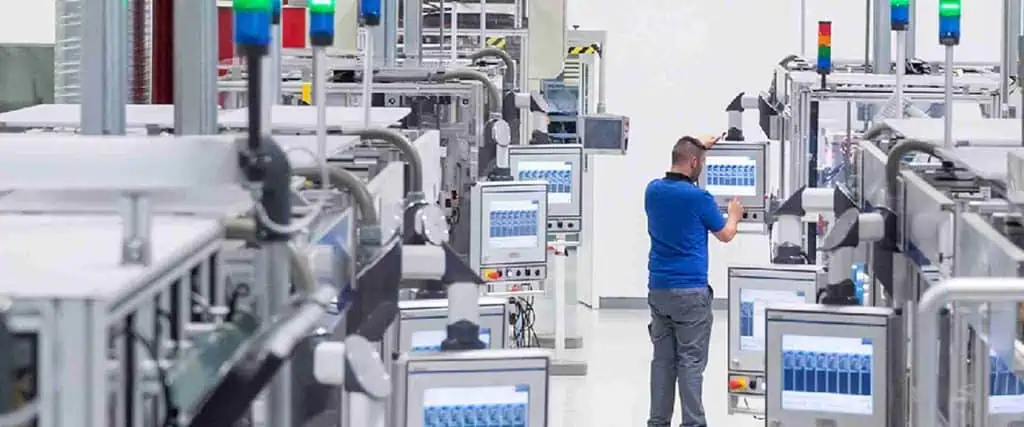
We are in a technological era that has many people developing myths about machines replacing humans in the job market. However, this is not the case. When you consider everything, you’ll find that machines are actually providing many job opportunities to humans. For starters, machines do not just show up out of nowhere. For machines to exist, technicians must bring together various electrical components, such as ICs, printed circuit boards, and sensors. They then have to assemble them to generate the devices we utilize, such as computers and POS gadgets.

For the assembly part of electrical gadgets, manufacturers need electrical equipment assemblers to achieve this feat. As the name dictates, electrical equipment assemblers are technically responsible for the assembly of electrical devices. However, the job of an electrical equipment assembler is not written in black and white. It actually entails more than its name dictates. So what exactly does being an electrical equipment assembler entail? And is this a career worth pursuing?

Electrical Equipment Assembler in a Nutshell

Electronics assemblers have several roles within a manufacturing team which include:

  • Assembling electronic devices
  • Testing the made electronic devices
  • Servicing electronic gadgets
  • Reading and interpreting drawings, reports, work orders, specifications, and diagrams
  • Cleaning parts
  • Reviewing work activities
  • Packing finished goods for shipment
  • Inspecting circuits, assemblies, and wiring installations
  • Correcting defects
  • Testing products to ensure compliance with various specifications
  • Test functional performances

Moreover, electrical equipment assemblers assemble support structures, assembly casings, and units using micro-welding, bolts, or riveting equipment. They also tag components, repair or adjust electrical gadgets, and build various products, for example:

  • Sensing gadgets
  • Electronic control gadget
  • Computers
  • Electric motors

Additionally, when producing electrical gadgets on a small scale, electrical equipment assemblers perform manual assembly of various electronic devices utilized in military systems, medical equipment, and avionic systems.

Electrical equipment assemblers also modify electromechanical gadgets, for example, vending machines, CT scanners, household appliances, et cetera. Moreover, they also verify clearances and dimensions of electrical parts using height gauges, calipers, and micrometers to make sure that manufacturers conform with the specified blueprints during production.

Even though the daily duties of electronics assemblers can vary from one organization to another, generally, their primary responsibilities will include assembling, calibrating, testing, and servicing electrical gadgets.

These crucial duties are typically conducted within production or manufacturing settings.

What is the Job Description of an Electronics Equipment Assembler?

FULL PCB MANUFACTURING Quote

Electronics assemblers have multiple responsibilities. However, these responsibilities don’t fall on the shoulder of one particular person. Actually, these responsibilities tend to vary based on the following:

  • The industry
  • Company
  • Or job

Moreover, there are various types of electrical equipment assemblers which include:

Assemblers

The role of an assembler is pretty much self-explanatory; they basically put together various electrical products. If you decide to take up this career, then you will be working in manufacturing plants. That means you will have to withstand long periods of sitting or standing in one location.

As per the education level requirements, you’ll require to have at least a high school diploma. However, if you are looking to work at a more sophisticated company earning more money, you’ll need a higher education level. Moreover, if you gain a promotion and move on to the advanced assembly process, then you will most probably need more training.

The average salary of an assembler is around 30,849 USD.

Assembly Line Workers

An assembly line worker typically assembles parts or fabricates components to generate electronic products. They also verify the products’ quality to ensure that they meet industry standards.

Assembly line workers also operate various assembly machinery utilized by firms during the assembly process of different electronic products. They also utilize multiple tools to screw, weld or trim various parts together. They are also responsible for complying with numerous safety measures and keeping their working environment clean.

If you are looking to take up this career, you have to be skillful in utilizing your hands. Moreover, it would help if you could endure monotonous and repetitive activities for extended periods. Additionally, mental and physical stamina is necessary to help maintain impeccable attention to detail.

Assembly line workers operate in teams where each person is assigned a specific task. However, these workers usually rotate their duties to avoid extended periods of monotonous tasks. But this rotation does more than curb the issue of repetitive jobs. It also helps you learn multiple parts of the electronics assembly process, which include:

The average salary of an assembly line worker is usually 27,929 USD, and you will need at least a high school diploma to land this job.

Assembly Workers

An assembly worker assembles various components of an electrical product; this entails assembling the finished product or just a single component of a larger project. They primarily work in manufacturing sites or factories, handling the assembly of electrical products.

To be an assembly worker, you’ll require impeccable dexterity. Moreover, you will also need excellent hand-to-eye coordination and be good in basic mathematics.

Being an assembly worker entails reading multiple blueprints which are utilized during the assembly process of electronic equipment. You’ll also have to prepare various parts for the assembly process and then position them in an accurate manner. Moreover, you’ll also have to measure assembled parts and components to ensure they conform with the user requirements. You will also be responsible for logging production activities and maintaining various gadgets.

As far as a consumer society and capitalism is concerned, the AL (assembly line) is an invention that has been around for years. However, over time AL has improved, and now manufacturers can produce high-quality goods at lower prices because of it. Today, assembly workers earn up to 13 USD per hour, totaling an average salary of around 30,331 USD. However, it would help if you had at least a high school diploma to land this job.

Conclusion

People worldwide are complaining about the job market not having enough jobs for the current population. Moreover, the main myth people throw around is that technology is replacing humans in the job market. However, this is not the case. Technology has just shifted the job market, but in turn, it has provided even more job opportunities to the general population. One of the leading career paths that came from technology is the electrical equipment assembler career path. We hope we have provided you with all the information you were looking for regarding electrical equipment assemblers and why you should consider it a career path.

Top 8 industries that use industrial IoT solutions

Industrial iot solutions

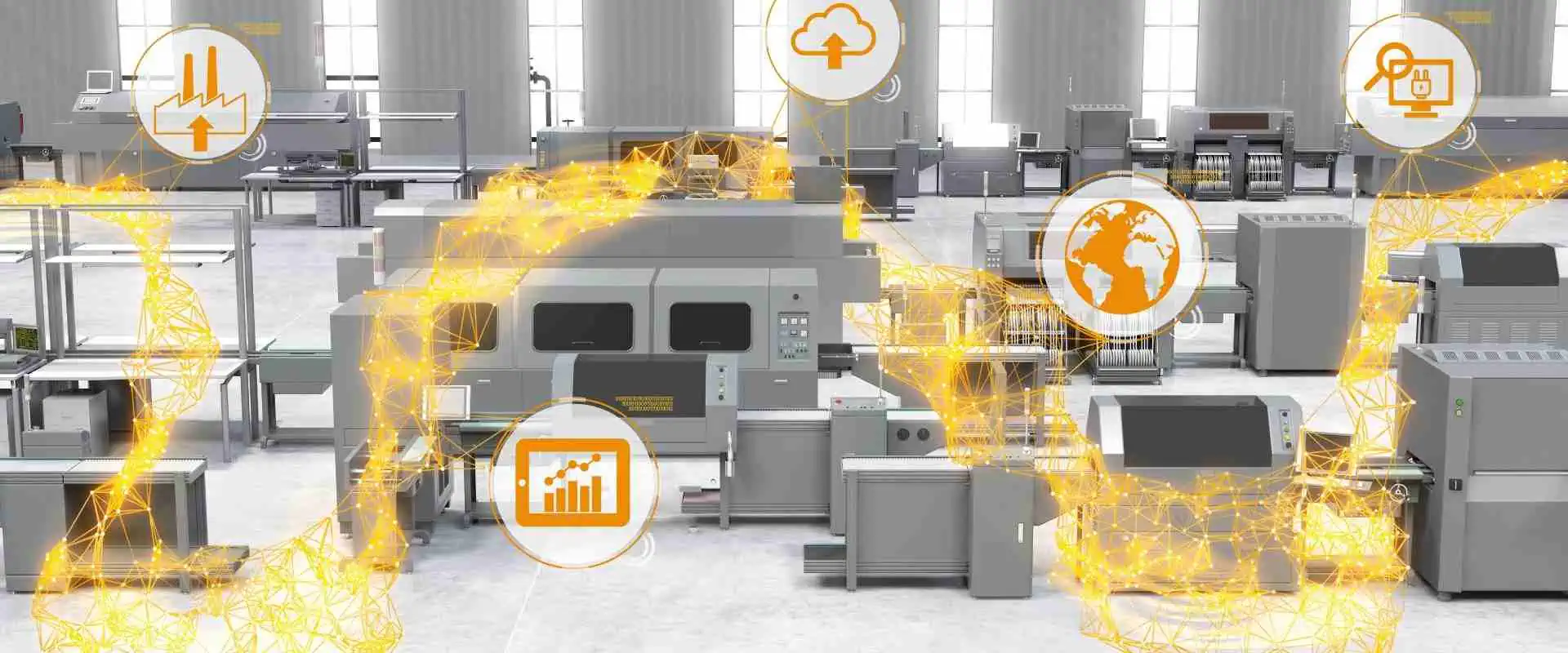
The term “industrial Internet of Things” (IIoT) solutions describes IoT technology in industrial settings to monitor, regulate, and optimize intricate industrial processes. IIoT solutions combine physical equipment and machinery with sensors, software, and network connectivity. As a result, it will create an automated, linked system that boosts productivity and efficiency.

IIoT solutions specifically address industrial operations’ requirements, which could involve sophisticated machinery, dangerous conditions, and stringent laws. These solutions gather and analyze data from diverse sources. Also, it offers operators and managers real-time insights using various technologies, including sensors, edge computing, and cloud computing.

Some of the key features of IIoT solutions include:

Connectivity: Machines, sensors, and other data sources are just a few of the systems and devices with which IIoT solutions connect and communicate.

Data collection and analytics: IIoT solutions gather and analyze data from various sources to offer insights that might aid in boosting productivity, cutting costs, and streamlining operations.

Predictive maintenance: IIoT solutions can keep track of a machine or piece of equipment’s health in real time. As a result, it allows operators to identify possible problems before they become serious and plan maintenance tasks appropriately.

Remote monitoring and control: IIoT solutions allow users to remotely monitor and manage industrial machinery and processes worldwide, increasing productivity and minimizing downtime.

Enhanced safety: IIoT solutions can monitor and manage risky procedures and surroundings, enhancing worker safety and reducing accidents.

IIoT solutions are essential in various industries. They include manufacturing, oil and gas, transportation, and utilities, to increase productivity, cut costs, and optimize operations. As a result, these technologies are revolutionizing industrial operations. They do this by establishing a more automated and connected environment. As a result, it boosts profitability, productivity, and safety.

Top Industries

Industrial electronics manufacturers

Several sectors use Industrial IoT (IIoT) solutions to boost productivity, cut costs, and improve operations. Some of the leading sectors utilizing IIoT solutions are:

Manufacturing:

One of the first sectors to use IIoT technologies was the industrial sector. IIoT is being applied in manufacturing to enhance inventory management, boost production efficiency, and decrease downtime. Manufacturers can spot bottlenecks, anticipate maintenance needs, and make better decisions by utilizing real-time data from sensors and equipment.

Oil and gas:

Another area that has embraced IIoT solutions quickly is the oil and gas sector. IIoT enhances safety, monitors equipment performance, and reduces downtime to optimize exploration, production, and refining processes. Oil and gas businesses can spot possible issues and address them before they significantly impact by gathering data from sensors in pipelines, wells, and other equipment.

Transportation and logistics:

IIoT is utilized in logistics and transportation to enhance supply chain visibility, monitor vehicle performance, and optimize routes. As a result, transportation and logistics businesses may make better judgments, speed up deliveries, and spend less money by gathering data from sensors in cars, warehouses, and other crucial supply chain locations.

Utilities:

To increase grid dependability, decrease downtime, and optimize energy distribution, the utility sector is utilizing IIoT. Utilities can monitor equipment performance, spot possible issues, and make repairs before outages happen by gathering data from sensors in power plants, substations, and other critical infrastructure.

Agriculture:

Agriculture uses IIoT to increase crop yields, use less water, and manage livestock better. Farmers may make better-educated decisions regarding irrigation, fertilizer, and other crucial aspects that affect crop growth by gathering data from sensors in the soil, crops, and livestock.

Healthcare:

IIoT is utilized in healthcare to enhance patient outcomes, lower costs, and streamline hospital operational procedures. Healthcare providers can monitor patient health in real-time, identify possible issues, and address them before they worsen by gathering data from sensors in medical equipment, patient monitors, and other devices.

Construction:

IIoT is used in the construction sector to enhance project management, decrease downtime, and improve safety. For example, construction companies can monitor worker safety, identify potential equipment issues, and streamline project timetables by gathering data from tools and building materials sensors.

Retail:

Retail uses IIoT to enhance customer experiences, lower costs, and improve supply chain management. For example, retailers may track inventory, optimize product placement, and monitor customer behavior to increase sales and marketing efforts by gathering data from sensors in stores, warehouses, and other locations.

Seven benefits of Industrial IoT

FULL PCB MANUFACTURING Quote

Businesses can gain from industrial IoT (IIoT) solutions in various ways, including increased productivity, decreased downtime, and excellent safety. Following are the top seven advantages of IIoT:

Enhanced operational efficiency:

By offering real-time insights into machine performance and other essential parameters, IIoT solutions may assist businesses in maximizing their operations. In addition, IIoT solutions can find inefficiencies, bottlenecks, and other places where changes can be made by gathering data from sensors and other sources. As a result, businesses may benefit from streamlining their operations, cutting waste, and increasing production.

Improved maintenance and reduced downtime:

By delivering real-time data on machine performance and maintenance requirements, IIoT solutions can aid organizations in streamlining their maintenance procedures. In addition, businesses can take corrective action to avoid downtime and lower maintenance costs by utilizing predictive analytics to identify possible issues before they arise.

Enhanced safety:

IIoT solutions can assist businesses in enhancing safety by keeping an eye on working conditions and warning staff of potential risks. For instance, sensors can identify hazardous levels of gases, temperatures, or other circumstances and notify staff so they can take the necessary action.

Increased asset utilization:

By delivering real-time data on equipment usage and performance, IIoT solutions may assist businesses in maximizing their asset utilization. As a result, businesses can cut expenses and boost productivity by identifying underused equipment and optimizing usage patterns.

Improved supply chain management:

By delivering real-time data on inventory levels, shipment timeframes, and other essential parameters, IIoT systems can assist organizations in managing their supply chains better. As a result, businesses can decrease costs, accelerate delivery times, and raise customer satisfaction by streamlining supply chain procedures.

Enhanced customer experiences:

IIoT solutions can assist companies in enhancing customer experiences by supplying real-time data on consumer behavior and preferences. By studying this data, businesses can better cater their goods and services to customers’ wants and preferences.

Improved data analytics:

Due to the abundance of real-time data that IIoT solutions offer, enterprises can enhance their data analytics capabilities. As a result, businesses can learn new things about operations and improve decision-making by utilizing advanced analytics technologies.

The future of industrial IoT

Industrial Applications

Industrial IoT (IIoT) solutions have a bright future ahead of them. They can completely change how businesses function and provide several advantages, from increased productivity and cost savings to greater safety and better customer experiences. Following are some major themes that will probably influence the development of IIoT:

Increased use of edge computing:

A distributed computing approach called edge computing moves data processing and storage closer to the data source. As a result, businesses can lower latency and enhance real-time decision-making capabilities by processing data locally at the network’s edge. This is especially crucial for IIoT applications, which depend on real-time data to optimize operations and increase efficiency.

Expansion of 5G networks:

The rollout of 5G networks will alter how IIoT devices operate and interact fundamentally. 5G networks can host a lot of devices. As a result, it will enable real-time communication between them because of their high bandwidth and low latency. This is crucial for applications that demand quick, dependable communication between sensors and other equipment, such as autonomous automobiles.

Increased use of AI and machine learning:

AI and machine learning are crucial IIoT enablers. They allow the analysis of vast volumes of data and spot patterns and trends. In addition, advanced applications like predictive maintenance and autonomous systems will be made possible as AI and machine learning technologies progress.

The emergence of digital twins:

Digital twins are virtual representations of real-world systems, processes, and equipment using information from sensors and other sources. As a result, organizations may model and optimize processes without expensive physical testing using digital twins. This has the potential to increase production and efficiency significantly.

Greater use of blockchain:

Blockchain is a distributed ledger technology that makes transactions safe, open, and impenetrable. Blockchain is essential in IIoT applications to secure data and transactions between devices, track  and trace products across the supply chain. Businesses can do this to cut expenses, increase transparency, and build client trust…

Increased focus on cybersecurity:

The demand for strong cybersecurity measures will increase as IIoT devices become more widespread. So, IIoT devices are potential targets for cyberattacks because they frequently connect to crucial infrastructure and control systems. Also, businesses must implement robust security measures like encryption and access controls for protection.

Greater adoption of IIoT across industries:

IIoT solutions will be increasingly widely adopted across various industries. They range from manufacturing and logistics to healthcare and agriculture, as they develop and mature. Businesses can do this to streamline operations, cut costs, and enhance consumer experiences. As a result, it will spur more development and innovation.

Why industrial IoT projects fail

embedded iot

Industrial IoT (IIoT) solutions have significant potential benefits. However, implementing these projects can be difficult, and many fall short of expectations. Here are some of the primary reasons why IIoT projects fail:

Absence of defined goals and objectives: A lack of clear goals and objectives is among the most frequent causes of IIoT project failure. Projects that aren’t clear about what they’re seeking to accomplish.

Low-quality data: IIoT projects depend on high-quality data to deliver insightful information and guide reasoned decision-making.

Insufficient infrastructure: IIoT solutions frequently necessitate large infrastructure investments, including sensors, gateways, and systems for data processing and storage. As a result, the projected benefits from IIoT initiatives are unlikely to be realized without the appropriate infrastructure.

Integration challenges: Many systems and technologies must frequently integrate for IIoT projects, which can be difficult and time-consuming. Problems with integration might cause delays and higher expenditures.

Lack of skilled resources: Several specialized skills, such as knowledge of data analytics, cybersecurity, and network management, are needed for IIoT initiatives. A lack of these competencies may make it difficult for organizations to use IIoT solutions successfully.

Security and privacy concerns: IIoT solutions necessitate gathering and analyzing private information, posing security and privacy threats. As a result, organizations must implement robust security and privacy protections; failure could result in project failure.

Lack of stakeholder buy-in: IIoT initiatives demand the backing and commitment of all relevant parties inside the organization, including CEOs, business leaders, and end users.

Inadequate change management:ย IIoT projects require considerable business operations and process adjustments. These modifications might not be helpful without good change management, which includes end-user training and assistance. As a result, it could result in project failure.

Summary

In conclusion, IIoT solutions are being used in various industries to boost productivity, cut expenses, and streamline processes. Companies may make better decisions, identify possible issues, and take corrective action before they have a large impact. They do this by gathering and analyzing data from sensors and machinery. More industries will adopt these solutions as IIoT develops and use them to change their operations.

The potential for IIoT solutions to change how businesses run and offer a range of benefits. They range from increased efficiency and lower costs to improved safety and better customer experiences, is quite promising. IIoT will help firms function more effectively and efficiently in a quickly changing business environment as it develops. As a result, it will spur greater growth and innovation.

How to Measure Impedance Using the Circuit Impedance Formula

impedance control pcb

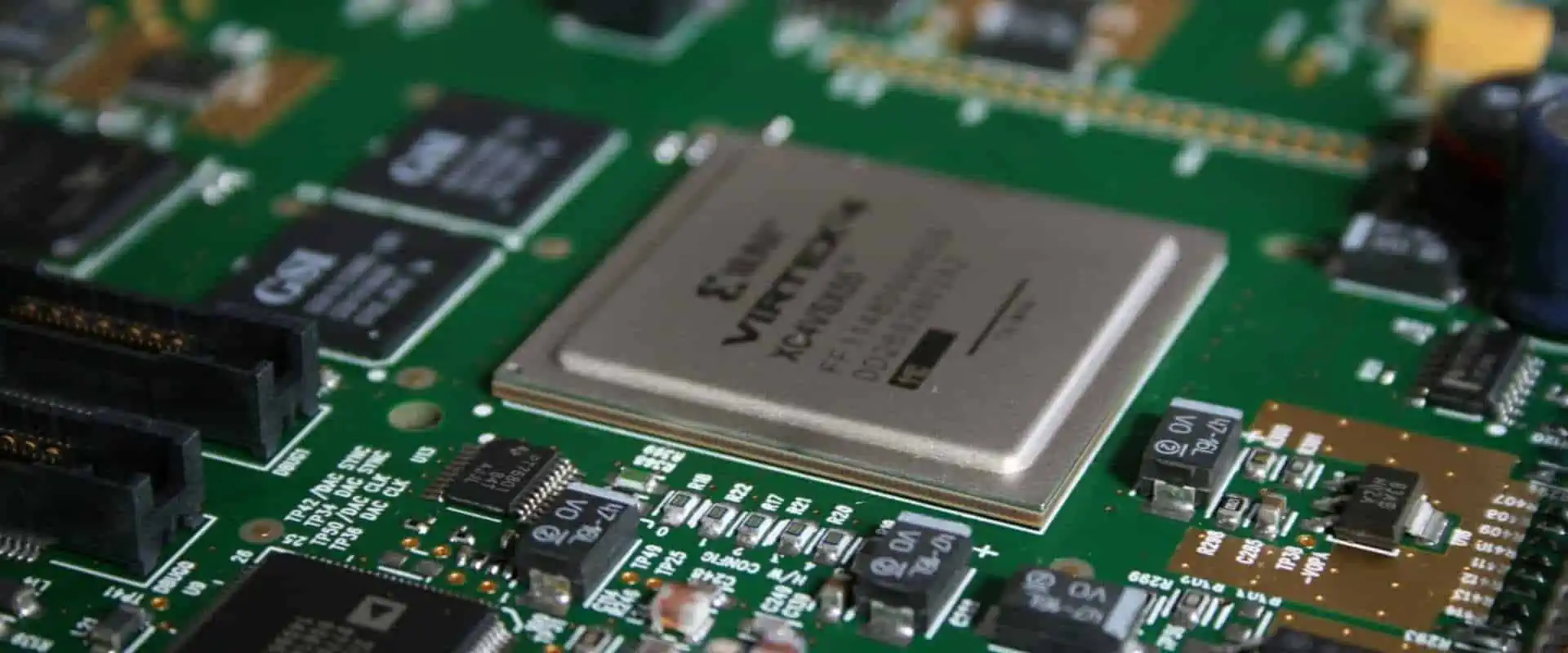
Impedance affects the propagation of signals via a circuit board. Also, it affects the exchange of power between components and the leakage of signals in undesired parts of a circuit board. The impedance of a circuit can be determined in several methods. However, these methods donโ€™t provide realistic results until proper parasitic elements are included in the models.

This article provides an introduction to knowledge about circuit impedance and how to measure impedance.

What is the Importance of Impedance Matching in a Circuit Board?

The traces of circuit board function as transmission lines with certain impedance values at every point. Also, impedance matching remains constant at every point all through the trace.

An impedance that fluctuates in a transmission line causes signal reflection to disturb signal integrity. Controlled impedance is crucial as it ensures signals donโ€™t degrade as they propagate via the trace.

Methods of Calculating the Impedance of a Circuit

pcb impedance control

You can calculate the impedance of a circuit by using different methods.

Online calculators

With the help of online calculators, you can determine the impedance of a circuit. An impedance calculator integrates Maxwellโ€™s equations for circuit board transmission lines. This calculator generates data that are suitable and accurate for PCB manufacture. Also, this tool gives an estimate of trace parameters like effective dielectric constant of the structure, capacitance, and propagation delay for each unit length.

Circuit simulation

This technique confirms the functionality of a PCB design before manufacturing begins. Most PCB design software applications now include impedance calculation. One of the main benefits in this place is that you can modify impedance design parameters to carry out different simulations. Once you carry out the simulations, you can select the best PCB design.

Practical method

This is a practical way of calculating the impedance of a circuit. To arrive at the circuit impedance formula, you need to calculate the rise time for the trace.

Tr=0.35/fmax

fmax represents the maximum operating frequency

After calculating the rise time for the grace, you will calculate the maximum trace length

I=tr x 2 in/ns

Therefore, the circuit impedance formula will be

Z= โˆš(R2 + (XL – XC)2)

Factors that Determine the Impedance of a PCB

FULL PCB MANUFACTURING Quote

The arrangement of components on a circuit board determines the impedance of a circuit. A circuit impedance depends on the inner conductive planes and the PCB substrate. The impedance of a circuit board is determined by several factors.

Transmission line impedance

A number of impedance values can characterize the impedance of transmission lines. However, the characteristic impedance determines the impedance of a transmission line. The characteristic impedance is a transmission lineโ€™s impedance in complete isolation. There are other metrics that quantify transmission line impedance. These are odd and even mode impedances.

Odd mode refers to a transmission line impedance when you operate two traces in a pair differentially. Even mode describes the transmission line impedance when you operate two traces in a pair evenly.

Board stackup and material selection

Stackup simply refers to the arrangement of PVB materials in order. The conducting layers in a board stack up can cause a parasitic effect which influences a circuit impedance. Also, there will be reflections on the traces if impedance mismatch is a result of parasitic. This will eventually cause EMI or crosstalk issues.

Furthermore, stack-up reveals your expectations to the manufacturers. It is also important you select a suitable substrate material. This is because the Dk of your substrate will impact the geometry needed to produce a transmission line with a particular impedance.

Via impedance

Vias in a multilayer circuit will have some parasitic between conductive elements. The inductance of a via depends on its aspect ratio. Also, via impedance ranges between 25 to 35 ohms. Therefore, there is a difference between via impedances and trace impedances. When you place a via hole on conductive traces, there will be noise coupling and this will result in impedance discontinuities in the long run.

How to Measure and Analyze Impedance in a Circuit

Differential Impedance

You can measure circuit impedance using a setup that comprises oscilloscope, the load with impedance, and a signal generator. Also, you will need to analyze the phase shift and output amplitude against the particular frequencyโ€™s input signal. Equipment such as impedance analyzers and impedance meters are ideal for measuring impedance.

However, these measures can only be applied when there is a finished circuit board. You will need to make use of analytical and simulation tools to measure a circuit impedance if you are designing a circuit. The SPICE-based simulator can help you to measure the impedance of a linear circuit by integrating an AC frequency sweep.

Non-linear circuits require the integration of advanced analyses. A DC sweep is the best tool for non-linear circuits. This is because it explains how a DC input voltage propagates a current and an output voltage. Also, make use of small-signal analysis when you are working around AC signals. The harmonic balance analysis is another powerful technique. This  analysis reveals the sinusoidal signal.

Frequently Asked Questions

What Causes Instability when Measuring Impedance?

Since there are different methods of measuring circuit impedance, there may be discrepancies in the values. Below are the causes of instability when measuring impedance

Measurement environment: Various conditions affect impedance measurement. This includes the temperature of resistors, capacitors, and inductors.

Parasitic components: Components with parasitic components can result in instability of the measure values.

What Factors Affect Controlled Impedance?

PCB trace impedance

The dimensions of the trace which includes trace thickness and trace width, dielectric thickness of the PCB material, and the dielectric constant determine the impedance of a trace. The trace impedance is usually within the range of 25 and 125 Ohms. Below are factors that affect the impedance of PCB trace

  • The core materialโ€™s thickness
  • Dielectric constant of the prepreg and core material
  • Thickness and width of the copper signal trace

Controlled impedance is crucial for high-speed applications like RF transmission and telecommunication.

Conclusion

Measuring the impedance of a circuit is crucial in determining the functionality of such circuit. Impedance determines a lot of parameters in circuit boards. The circuit impedance formula helps to determine the impedance value of a circuit.

What is a Copper Shielding Tape?

Copper shielding tape

Simply put, copper tape can be described as a thin copper strip including an adhesive backing. Because of its adaptability and usefulness for a wide range of jobs, it is a well-liked and readily accessible product. Additionally, it is quite malleable and is simple to shape to match intended functions and installation circumstances.

Although it serves as a conductive material, it comes in two different varieties: non-conductive and conductive. Contrary to non-conductive, which is conductive on just one of the sides, the conductive tape may conduct electricity both on its bottom and top surfaces. Because of this, each variety is best suited for a certain application.

How Copper Tape Works

Just like other common forms of tape, copper tape functions similarly. The main distinction is the presence of adhesive backing that must be peeled off in order to apply the tape onto a unique surface.

Copper shielding tape can be readily cut to a specific size using the regular scissors as well as specialized cutting equipment to create a finer, better exact cut. It is often sold in rolls having varied lengths. Copper tape will function in a number of different ways, based on the specific purpose. It is principally utilized for its conductivity, although it is practical and simple to use in a variety of settings.

Uses of Copper Tape

foil shielding

The copper foil tapes could be employed in a variety of settings and applications as a result of its adaptability. Both professionals and amateurs use it for a variety of purposes, as slug repellant, electro-magnetic shielding, as well as do-it-yourself crafts.

The following sections go through a few of the main typical uses:

Copper soldering tape

When operating with the non-conductive tape, soldering copper tape is an option that is frequently used. Soldering separate strips altogether results in a solid connection as well as a more dependable conduit for different electrical connections to travel through various lengths.

Although soldering seems to be a fairly simple process, it is crucial to solder properly and make sure the proper tools as well as soldering iron tips are used to establish a secure and strong join. Always be thoroughly prepared for every task before utilizing soldering equipment since safety is paramount.

Copper Shielding Tape

In some circumstances, electromagnetic interference could become an issue. Shielding can be described as a crucial method of safeguarding and protecting a variety of equipment because it might harm delicate components as well as result in excessive electronic feedback. In essence, shielding works by enclosing the component(s) in a conductive, as well as a grounded enclosure.

In a variety of settings and applications, copper tape can protect components. To insulate the guitar pickguard coming from external interference, this could entail anything from Radiofrequency shielding to the pickguard shielding.

Copper Paint for Shielding

As a substitute to the copper shielding tape, there are copper shielding paints. It is a EMI, RFI, and low-resistance shielding coating to serve plastic electronic housings made of plastic that is provided in the aerosol form.

Copper shielding paints offer many advantages and may be utilized on different substrates since it has improved adhesion, an even covering, and excellent scratch-resistant qualities.

Plant Pot Copper Tape

Gardeners typically use copper tape over plant pots to deter slugs from eating their plants. Many gardeners utilize copper foil tapes to discourage slugs as well as keep plants healthy since slugs can be described as pests that can harm plants if not controlled.

The procedure is as easy as wrapping a copper tape strip around this plant pot just beneath the rim so as to serve as a boundary or barrier. The success of this strategy and if copper tape genuinely deters slugs are topics of debate, although many gardeners choose to try employing copper foil in contrast to alternatives that are less environmentally friendly such as some snail and slug repellants.

Stained Glass Copper Tape

FULL PCB MANUFACTURING Quote

Working with the stained glass in a craft space also calls for the usage of copper tape. Copper foil can be used to wrap these stained glass pieces in the process of making stained glass art, providing a helpful outline for soldering the individual pieces together to form the finished piece. The availability of several copper tape thicknesses makes it simple to choose a specific tape width which fits the scope of the stained glass projects.

Peel this tape off of the backing and adhere it to the edge part of that first glass piece to use. If this glass is jagged or sharp, use particular caution when applying pressure to the shape’s edge. Make sure that each fresh piece of tape you use overlaps the previous one to avoid gaps.

Wall Copper Tape

Even though copper tape wasn’t designed to be used on walls, some individuals have started using it to make lovely, decorative wall artwork. Copper foil has a great degree of adaptability, making it simple to shape and mold to fit a range of shapes and designs.

Although geometric patterns are ubiquitous, your imagination is undoubtedly not limited! As alternatives, wash tape, as well as plain masking tape, can be used to create crisp, accurate lines separating various paint colors or hues on the wall.

Craft-related copper tape

As was already noted, copper tape could be used in a variety of arts and crafts and do-it-yourself projects. This could include wall art and stained glass pieces, as was discussed above, as well as a variety of creative craft ideas.

Adding a glittering border to the artwork, producing textured works of art, as well as combining it with other tape types in creating unique, metallic creations are just some possibilities.

Paper Circuit Copper Tape

Electrical circuits of low voltage known as paper circuits seem to be simple to construct using a variety of accessible materials. Also, they are frequently used in household or DIY contexts, frequently to teach kids about electrical conductivity and circuits.

To transfer current from an area of a circuit towards another, copper tape was employed. For tasks like these, you can utilize a variety of different circuit configurations, but with copper, you have a very reliable addition, which is great for the conduction of electricity of low levels around a circuit.

Conclusion

Copper shielding tape can be described as a crucial method of safeguarding and protecting a variety of equipment because it might harm delicate components as well as result in excessive electronic feedback.

Important Types and Principle of 2.4K Resistor

100K-Resistor

A 2.4k resistor is an electronic component with a resistance value of 2.4 kilo-ohms. It is a type of fixed resistor. It means that its resistance value is not adjustable. Engineers make it of a carbon film or metal film deposited onto a ceramic or plastic substrate.

2.4k resistors, like other resistors, are useful in electronic circuits to limit current, divide voltages, and provide biasing voltages. They are applicable in audio and amplifier circuits, as well as in digital circuits for pull-up and pull-down resistors. The resistance value of 2.4k is also useful in voltage divider circuits to provide a specific voltage output.

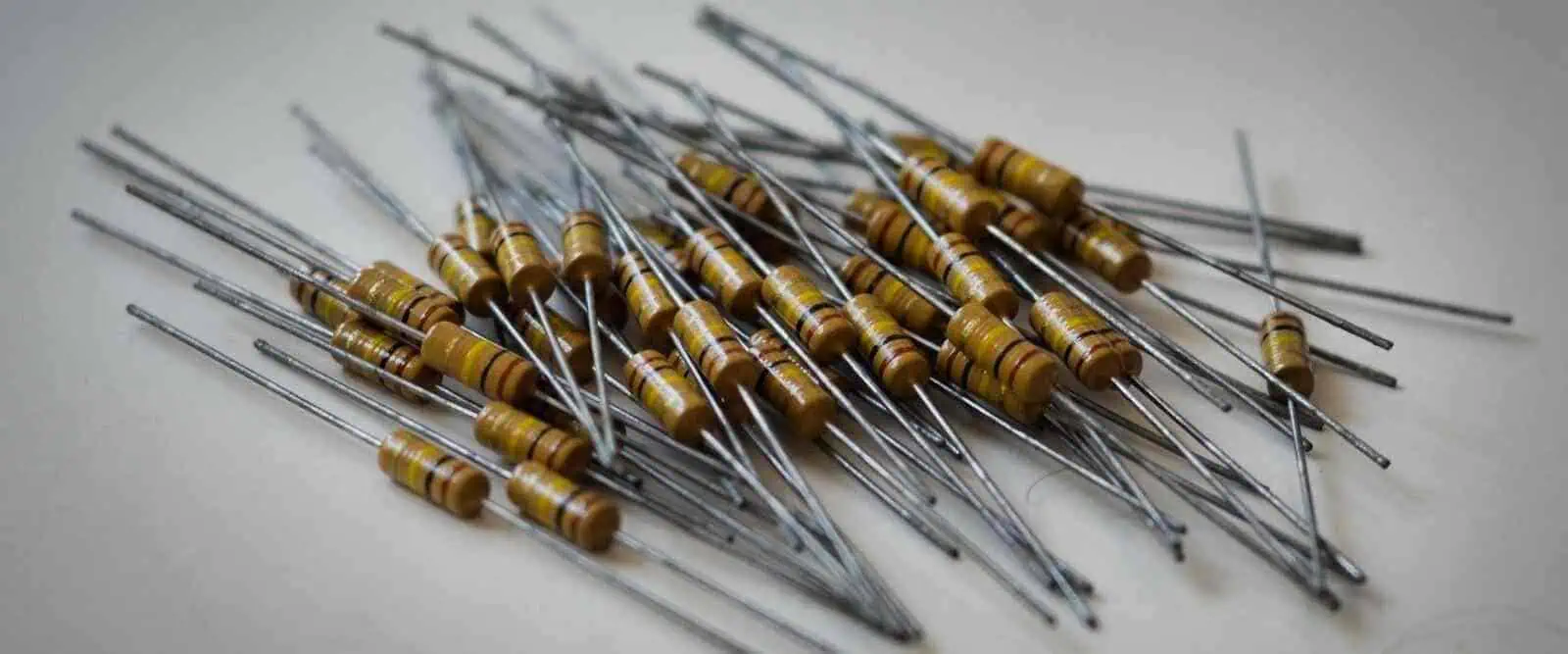
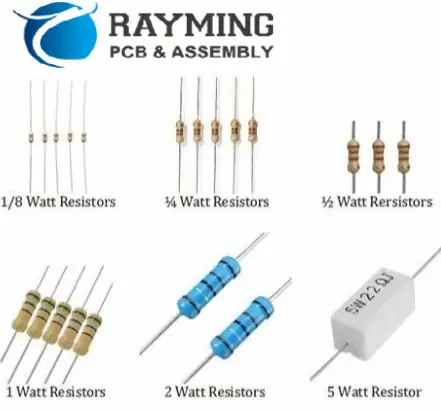
The physical size of a 2.4k resistor depends on its power rating, with higher wattage resistors being physically larger. They typically have color-coded bands or markings that indicate their resistance value and tolerance.

How does a 2.4K Resistor Work?

Resistor Wattage

When you apply a voltage across a 2.4K resistor, it creates an electric field within the resistor that opposes the flow of current through the resistor. This opposition is known as resistance, and it is what makes the resistor useful in electronic circuits. The amount of resistance provided by the resistor depends on its value, which is determined by the material and geometry of the resistor.

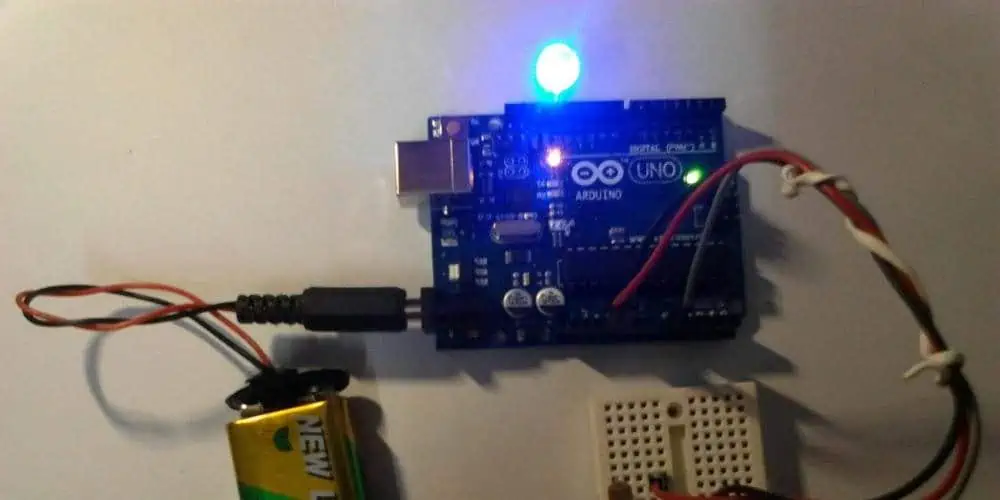
In a simple circuit, you can use a 2.4K resistor to limit the amount of current that flows through a particular part of the circuit. For example, if you connect a light-emitting diode (LED) to a voltage source, it can draw too much current and burn out quickly. By adding a 2.4K resistor in series with the LED, the amount of current flowing through the LED restricts to a safe level.

In more complex circuits, 2.4K resistors work in a variety of ways to control the behavior of the circuit. For example, they can be helpful in voltage dividers, current limiters, and biasing circuits.

What Are the Different Types of 2.4K Resistors and How Do They Differ From Each Other?

There are several types of resistors that can have a resistance value of 2.4K ohms. Here are some of the most common types and how they differ from each other:

ยท Carbon Film Resistor

This is a type of resistor that has a thin layer of carbon film deposited on a ceramic or fiberglass substrate. Carbon film resistors are inexpensive and have a high tolerance. However, they are not as precise as some other types of resistors.

ยท Metal Film Resistor

This is a type of resistor that has a thin layer of metal film deposited on a ceramic or fiberglass substrate. Metal film resistors are more precise and stable than carbon film resistors; however, they are also more expensive.

ยท Wirewound Resistor

FULL PCB MANUFACTURING Quote

This is a type of resistor that is made by winding a wire around a ceramic or fiberglass core. Wirewound resistors have a very low tolerance and can handle high power levels, but they are also more expensive than other types of resistors.

ยท Thick Film Resistor

This is a type of resistor that has a thick layer of resistive material deposited on a ceramic substrate. Thick film resistors are relatively inexpensive and available in a wide range of resistance values. However, they may not be as precise as some other types of resistors.

ยท Thin Film Resistor

This is a type of resistor that has a thin layer of resistive material deposited on a ceramic or silicon substrate. Thin film resistors are very precise and stable, but they are also more expensive than other types of resistors.

ยท SMD Resistor:

This is a type of resistor that is mounted directly onto a printed circuit board (PCB). SMD resistors can be made in various types, such as carbon film, metal film, and thick film, but they are generally smaller in size than through-hole resistors and can be more difficult to handle and replace.

The choice of resistor type depends on the specific requirements of the circuit and the application. Factors such as precision, stability, power handling, and cost can all influence the selection of a particular resistor type.

The Method of Making a 2.4K Resistor

A 2.4k resistor is typically made from a ceramic or metal film resistor element. The resistor element contains a thin film of conductive material, such as carbon or metal, which provides the desired resistance value. Engineers put the resistor element in a cylindrical or rectangular body made from an insulating material, such as ceramic.

To create a 2.4k resistor, you must calculate the thickness and length of the resistive film are to achieve the desired resistance value. The resistive film deposits onto the ceramic or metal substrate through a process called thin-film deposition. It involves depositing a thin layer of material onto the substrate using techniques such as sputtering or evaporation.

After the resistive film is deposited, the resistor is trimmed to the exact resistance value using a laser trimming process. This involves using a laser to cut or remove a small portion of the resistive film to achieve the desired resistance value. The resistor is then coated with a protective layer to prevent damage from moisture or other environmental factors.

Finally, the resistor is tested to ensure it meets the desired specifications for resistance value, tolerance, and power rating. This testing typically involves measuring the resistance value of the resistor using a high-precision multimeter or automated testing equipment.

Conclusion

In conclusion, 2.4K resistors are useful in a wide range of electronic circuits due to their specific resistance value of 2.4 kilohms. Moreover, they work as voltage dividers, current limiters, and pull-up or pull-down resistors. Additionally, their small size, low cost, and reliability make them ideal for use in a variety of applications.

One of the key advantages of 2.4K resistors is their versatility. Specifically, they can serve a lot in a wide range of electronic circuits from simple LED circuits to more complex circuits. Furthermore, the process of manufacturing 2.4K resistors involves the deposition of a resistive film onto a substrate, followed by laser trimming and protective coating. As a result, this precise and controlled manufacturing process ensures that the final product meets the desired specifications for resistance value, tolerance, and power rating.

Overall, 2.4K resistors are an essential component in many electronic circuits, offering versatility, availability, and reliability. Whether used as voltage dividers, current limiters, or pull-up resistors, their specific resistance value makes them an important tool for electronic design and experimentation.

What are the Components, Applications, and Operations of Light Sensors?

light sensor

Light sensors appear to be quite simple. They detect light in the same way as a thermometer detects temperature and the speedometer detects speed. We perceive speed and temperature in a straightforward manner, making them simple concepts. Yet light is incredibly intricate. As speed and temperature are intense qualities, they are independent of an object’s size or mass.

Light could be measured either extensively by dividing it by its area, in which case the amount of light collected determines the collector’s size (for example, a huge solar array gathers more light compared to a little solar charging cable). So what exactly do light sensors do? Before attempting to grasp what light sensors are, it’s crucial to understand the units.

What are the Units of Light Sensors?

light sensors

We must have the ability of quantifying light in order to fully comprehend light sensors coupled with how to utilize them. Regrettably, there are some odd units used to measure light. For instance, whereas light sensors commonly measure light in lux, lightbulbs are typically rated utilizing lumens. Moreover, the candela is a mysterious base unit that serves as the foundation for both lux and lumens.

The Candela

The measurement is used to express the strength of light as it appears to the human eye, or luminous intensity. It really is established on the official SI formula that assigns a weight to each light wavelength inside a beam according to how sensitive it is to human eye. The human eyes are more sensitive when a light’s luminous intensity is higher.

Because the brightness of the beam depends on both the bulb’s output and the amount of output which is focused in a certain direction, candelas are not suitable for comparing flashlights and lightbulbs. The majority of flashlights utilize mirrors to focus more light inside this output direction, making them appear brighter. That means that despite employing the same power consumption and outputting the same overall quantity of light, the bulb’s intensity has grown in that direction. We require a brand-new unit, the lumen, in order to accurately quantify a bulb’s output.

Lumen

The entire luminous flux that related to the light bulb is measured in lumens. This represents the result of a solid angle which the beam will fill (measured in steradians) and the luminance intensity (measured in candelas).

When the whole 4ฯ€ steradians are multiplied by a luminous intensity equaling 10 candelas, that comes from a bulb that emits light from all directions, the result is a 126 lumens luminous flux. Similar to the inside of a flashlight, the mirror solely on a single side of a bulb would reflect half of its output, making its other side to appear brighter.

This solid angle will only be 2ฯ€ steradians, but the light’s intensity would increase to a value of 20 candelas. Even after multiplying the light’s intensity from the mirror’s opposite and newly designed angle, a luminous flux of 126 lumens would still be produced. Regardless of the way in which the reflection of light takes place, the bulb would produce a luminous flux of 126 lumens.

Lux

Why would light sensors need to utilize a separate unit when light bulbs were rated in lumens? Because of it, musicians don’t get blind during performances. When held inches from the eyes of Drake, one flashlight may appear to be blinding, however some phone flashlights aimed at a stage isn’t quite as bright.

Only a limited quantity of light reaches his eyes while on stage since it disperses as it exits the phone. This quantity of light which an object gets decreases with distance from its source. A unit termed lux, which is equivalent to a lumen for every square meter, is used in measuring illuminance, as well as the light that is perceived by the surface.

The sheet’s area as well as the light intensity are both constant, but when more of this solid angle gets occupied, the sheets receive more illumination. Because they are unable to determine whatever solid angle they will be in, light sensors must measure illuminance, which is the amount of light that is cast over the unit area.

What are the Uses of Light Sensors?

FULL PCB MANUFACTURING Quote

Position Detection

Illuminance, which is measured by light sensors, is a more versatile quantity than light source brightness. This light sensor may be employed to determine relative distance to the source since this illuminance diminishes as that sensor travels away from a constant light.

As light sensors typically have a flat, as well as a one-sided surface, the solid angle that the sensor occupies when viewed from a source of light may alter with respect to its orientation. This light sensor is filling the maximum solid angle it can by being perpendicular towards the light’s direction.

While facing away or parallel to such light beams, this light sensor eventually senses no direct illumination. As this light sensor spins away from light, the solid angle lowers and the illumination correspondingly diminishes.

Brightness Management

There are several uses for light sensors. The most typical applications in our everyday lives are on tablets and cell phones. Nowadays, the majority of portable personal gadgets have light sensors for brightness adjustment. In order to conserve power and avoid shocking the user including an overly bright screen, the device lowers its screen brightness whenever it detects that it has now gotten into a dark environment.

Using light sensors to manage the automated lights in cars and streetlamps is another typical application. The little inconvenience of turning the lights on is avoided by using the light sensor for activating a bulb whenever it gets dark outside, and power is conserved during the daytime whenever the sun gets bright sufficiently.

Security

Yet, there are a lot more applications besides consumer convenience. The security application of detecting infiltration into rooms or containers is crucial. Knowing whenever the shipping container is opened might be crucial when transporting expensive cargo since it helps with the resolution of cases concerning product loss. It is possible to establish when robbers plundered the container by using a less expensive photo-resistor to record each time it is opened.

Many other products are light sensitive, but only light sensors can provide accurate information about light. For instance, exposure to sunshine can harm older pieces of art, paintings, as well as photographs printed on paper, therefore it’s crucial to know the quantity of light they receive. The light sensor can be employed to check that a piece of artwork wasn’t exposed to sun for an excessive amount of time before delivery.

Planning

The art can also be permanently installed using the light sensor. The light sensor can be utilized to locate paintings in areas of the museum that aren’t too bright for certain materials like those close to the windows or entrance.

This process is comparable to how solar panels are placed on houses or in the fields. The light sensor can be utilized to determine the ideal location with the greatest direct sunlight because it is pointless to construct as well as install the solar panel inside a location that won’t receive sufficient direct sun.

Agriculture

Agriculture is impacted significantly by sunlight, particularly in the American West where there is a lack of water. Knowing which areas of the land receive the most sunlight is crucial since different crops have varying light requirements. Farmers are under a moral and financial imperative to restrict water use to a minimum while yet ensuring the hydration of their crops as the water supply in regions like Utah grows more constrained.

In order to prevent the scorching sun from burning off of the water even before plants and soil can adequately absorb it, one strategy being used is to give the crops some water in the evening or around afternoon. The sprinkler system might be automatically controlled by the light sensor, watering whenever the sunshine wasn’t at the brightest.

How Does a Light Sensor Work?

We can begin to comprehend how illuminance gets measured utilizing light sensors knowing that you will be familiar with the confusing range of units used to define light.

Photodiode

Illuminance is occasionally measured by light sensors using a part known as a photodiode. Light beams have a propensity to knock free electrons inside photodiodes, which results in the flow of electric current. The strength of electric current increases with light intensity.

The light’s illuminance could then be determined by measuring the current. When the term electric current that is light induced sounds familiar, that’s because it describes how solar panels work to power houses and road signs. In essence, a solar panel seems to be a very large photodiode light sensor.

Photo-resistor

The photo-resistor is another light sensor type. This photo-resistor can be described as a light-dependent resistor, which means that if the intensity of light shining on it changes, so will the resistance.

Conclusion

As explained above, light sensors detect light in the same way as a thermometer detects temperature and the speedometer detects speed.

Properties, Advantages, and Applications of High Voltage Ceramic Capacitors

High Voltage Ceramic Capacitors

Capacitors are crucial components in any electronic device. These components store electrical charge temporarily. Capacitors are available in different types and sizes. The development and advancement of technology has helped to achieve great success in the development of high-voltage ceramic capacitors.

In recent years, these capacitors have become an indispensable component widely used in high voltage and high power electronic devices. Therefore, they are widely known in the electronics manufacturing industry. ย The focus here is on high voltage ceramic capacitors.

What are Ceramic Capacitors?

A ceramic capacitorโ€™s dielectric is made of a ceramic material. Ceramic was initially used in producing capacitors before other materials were used. To data, ceramic is still being used to produce capacitors since it is a good insulator. Ceramic capacitors comprise several geometries which include barrier layer capacitors and ceramic tubular capacitors. However, these capacitors are now obsolete because of their electrical characteristics and size.

The multi-layer ceramic capacitor is commonly integrated in modern electronics. It is also known as ceramic multi-layer chip capacitor (MLCC). This capacitor is the usually produced in large quantities. About 1000 billion of it is produced yearly. Also, MLCC is manufactured as surface mounted devices and is widely integrated in electronic devices because of its small size.

Furthermore, ceramic capacitors have small capacitance values which are usually between 1nF and 1ยตF. However, there can be capacitance values of about 100ยตF. Ceramic capacitors usually have low maximum rated voltage. However, there are some high voltage ceramic capacitors. Ceramic capacitors can connect safely to an AC source.

Furthermore, these capacitors feature a high frequency response because of their low parasitic effects like inductance or resistance.

What are High Voltage Ceramic Capacitors?

Ceramic capacitors can be designed in such a way they can withstand higher voltage. These are high voltage ceramic capacitors. They can withstand voltages within the range of 2Kv and about 100Kv.

High voltage ceramic capacitors comprise high dielectric materials and as such, they feature great volumetric efficiency. These capacitors are usually classified as Class 2 types. They are widely integrated in various applications like electricity distribution networks and therapy power supplies. A particular material solution known as K1700 is integrated in high energy pulse power applications like Pulsed High Voltage Generators.

High voltage ceramic capacitors donโ€™t feature low dissipation factors. Also, they donโ€™t have the stability voltage and temperature featured by Class 1 capacitors. It is important to know that the capacitance will drop for many of these materials. Furthermore, the ageing rate is usually quoted as 0 percent for every 10 hours.

High voltage ceramic capacitors are ideal for use in power circuit breakers, high voltage laser power, and induction furnaces among other. Also, these capacitors can withstand high voltage and they have disc-like shape. These capacitors remove high-frequency interferences. Therefore they are ideal for use in negative ion products like X-ray machines, igniters, power equipment, and X-ray machines.

Properties of High Voltage Ceramic Capacitors

FULL PCB MANUFACTURING Quote

Precision and tolerances

Ceramic capacitors are in two classes, which are Class 1 and Class 2. Class 2 capacitors are high voltage ceramic capacitors. They feature a high capacitance for each volume. Also, these capacitors are widely integrated in applications that are less sensitive. Also, the thermal stability of these capacitors is usually +-15% in operating temperature range.

On the other hand, Class 1 capacitors have a stable capacitance value in terms of applied voltage, frequency, and temperature.  Also, these capacitors are very accurate.

High voltage and high power

Larger ceramic capacitors can tolerate very high voltages and these are known as power ceramic capacitors. These capacitors are usually higher than the common ones integrated on circuit boards. Also, they feature specialized terminals that ensure safe connection to voltage supply. Furthermore, power ceramic capacitors can tolerate voltages within the range of 2kV and 100kV.

Size advantages

When there is a need for high packing densities, MLCC devices have a better advantage than other capacitors. For instance, the โ€œ0402 MLCC package usually measures about 0.4mm x 0.2mm. There are more metal and ceramic layers in this kind of package.

Advantages of High Voltage Ceramic Capacitors

Smaller capacity

High voltage ceramic capacitors are beneficial in several applications. These capacitors are capable of achieving small capacity. The smallest capacity of regular film capacitors is 0.1uf. High voltage ceramic capacitors, on the other hand, are capable of achieving 0.5pf and 1pf.

Smaller pitch

Another advantage of high voltage ceramic capacitors is that they can achieve a small pitch. The pitch of these capacitors can be 7.5mm, 5mm, 2.5mm etc.

Other advantages of these capacitors include:

  • High voltage resistance
  • High stability and good frequency characteristics
  • High rate of current ramp
  • Ideal for non-inductive structure of high current loop
  • Excellent series structure ideal for long-term work
  • High insulation resistance

Applications of High Voltage Ceramic Capacitors

Ceramic Capacitors

High voltage ceramic capacitors are applicable in several areas. These capacitors are available in different types and each of these capacitors has different quality. High voltage ceramic capacitors are widely integrated in stable oscillation circuits as pad capacitors. Due to their ability to get rid of high-frequency interference, they are ideal for negative-ion applications and electromechanical equipment that need high frequency.

High voltage ceramic capacitors are available in a wide range of electronic products. Also, these capacitors are ideal for use in DC converters. High voltage ceramic capacitors are specially designed to stand high voltage. Some of the applications of high voltage ceramic capacitors:

  • Control and measurement equipment
  • Electromechanical equipment
  • X-ray machines
  • Transformers
  • Measurement equipment
  • Electrostatic spraying
  • Igniters
  • Power equipment
  • High voltage power laser
  • Induction furnaces

Conclusion

High voltage ceramic capacitors are available in a wide range of electronic products. Also, these capacitors are ideal for use in DC converters. High voltage ceramic capacitors are specially designed to stand high voltage. Due to their properties and advantages, they are widely integrated in power systems. With the development in technology, high-voltage ceramic capacitors are now widely used in several applications.

How Soldering Machine Price Could Affect Your Soldering Tasks

soldering machine

The soldering iron can be described simply as the instrument that every electronic enthusiast, from novices to experts, uses.

The major purpose of the soldering iron is heating the solder to a melting point and then transport it towards the desired location using the pointed tip. The majority of soldering irons have a heating element that is powered by electricity (and occasionally, direct heat out of a flame) and provides constant heat to the sharp tip whereby the melting of the solder takes place.

A beginner may select a less expensive iron to complete the process of melting the solder and making joints, whereas a professional may require something having interchangeable tips as well as variable temperature that will help perform tasks. The type of soldering iron one possesses is a progression from basic to much more equipped and fully-featured.

What Happens While Soldering?

By applying heat from the iron that is attached to the temperature controller, solder will be melted. About 600 ยฐF is the temperature at which it melts when heated over the melting point. After cooling, the melted material forms the soldered joints.

The desoldering tool can be used to remove solder in addition to forming robust electrical joints.

The metal alloy called solder is used to make solid, long-lasting bonding, like the copper joints found in joints of copper pipes as well as circuit boards. Moreover, it is available in two diameters and types, lead-free and leaded, and in sizes ranging from.032″ to.062″. The flux, which is a substance used to improve and strengthen the mechanical properties of solder, is located inside its solder core.

What Types of Metals are Utilized in Soldering?

Lead-based solder was originally the filler metal of choice for soldering, but due to laws, lead-free solders that can be made of bismuth, antimony, indium, brass, copper, silver, or tin are progressively replacing lead-based solders.

What Uses Do Soldering Irons Offer?

The soldering iron can be described as the hand tool utilized for heating solder at a temperature far above the metal alloy’s melting point, typically from an electrical source. This enables your solder to move easily between those workpieces that need to be connected.

The soldering tool has a pointed heated metal tip and an insulated grip. How clean your soldering iron’s tip is will affect how well it solders. Before soldering components and creating soldered connections, the user will grip a soldering iron then clean the tip with a moist sponge to ensure cleanliness.

Solder suckers form a crucial component of a soldering setup coupled with a soldering iron. These tiny tools are utilized to scrape out excess solder, leaving just the desired amount.

Soldering Machine Price and Types

FULL PCB MANUFACTURING Quote

Hand equipment called soldering irons heat solder over its melting point. They provide a huge range of sizes that is fantastic for many purposes. The iron’s tip comes in a range of shapes and sizes to accommodate various jobs.

In situations where higher temperatures call for more power, the soldering guns have been used. Since it is capable of working in tight spaces, with massive electrical connections, also with metalworking, the soldering gun will heat up more quickly as well as offer greater flexibility.

Soldering stations can be described as multifunctional tools with all the features needed for small projects. Due to their sensors, fuses, alarms, as well as temperature regulation, they are much more durable compared to standard soldering irons.

The soldering machine price depends on the type as well as quality you are looking for. The expensive soldering machine price tend to offer better quality and features than the less expensive soldering machine prices.

How to Choose a Soldering Iron

A minimum power of 30 watts: Low-wattage irons need more time to get heated and recover whenever the heat drops while working with solder.

Stable temperature

This iron must be capable of keeping a suitable temperature over time. Temperature fluctuations can be aggravating as you await the iron to heat up enough to melt solder or disastrous if your iron becomes too hot then damages the circuit board.

Adjusting the Temperature

The heat of the soldering iron should be able to be altered to accommodate various wire or electrical types. Lower temperatures may be required for delicate electronics, like those found in some gadgets or home appliances, and some applications may require solder having lower melting points.

Higher temperatures are necessary for other kinds of solder, such as lead-free variations. Always check what kind of solder that manufacturer initially employed and the recommended soldering temperature if you intend to employ the soldering iron during repair work.

Compatibility of Tips

The iron should be compatible with a variety of tips, especially ones that are replaceable, accessible, and reasonably priced. Depending on your project, you could need a broader, chisel tip to serve through-hole applications that require even heating or a narrower, conical tip that serves sensitive electronics work.

Comfort: To enable control for some delicate tasks, the iron’s handle ought to be thin as well as cushioned, and it must not become uncomfortable hot as you use it.

Portability: As most novices lack an electronics workspace, they must solder in a temporary, well-ventilated space. The iron should have cables that are sufficiently long to reach the outlet, be simple to start picking up, and be small to store whenever it is not used.

Extras: Beginners who prefer not to purchase a large number of accessories separately to begin will appreciate added features including a robust stand that holds the hot iron as you work, the sponge for cleaning the tip, as well as a spool designed for the solder.

What Soldering Types are There?

Three different soldering techniques with each use a temperature that results in progressively much stronger joints:

This lowest filler melting point among all soldering techniques is achieved by soft soldering (this falls between 90 to 450 degrees Celsius). The filler metals are typically alloys having liquidus temperatures below 350 ยฐC, frequently incorporating lead.

Because soft soldering uses low temperatures, it thermally strains components the lowest, but it also produces weak junctions, making it inappropriate for mechanically load-bearing applications. Also, it is not suitable for usage in high temperatures since this kind of solder melts and loses strength.

Soldering with hard silver (over 450 ยฐC) – This bonding metal utilized in this method, which can be either silver or brass, must be heated to the proper temperatures using a blowtorch.

A metal having substantially greater melting point compared to that utilized in soft and hard soldering is utilized in brazing (greater than 450 ยฐC). The metal getting connected is heated rather than melted, akin to the hard soldering. You can go ahead to sandwich your soldering metal, which melts as well as serves as the bonding agent, between the two materials once theyโ€™ve been properly heated onto the right temperature.

Soldering Method

Using safety gear and working in an adequately ventilated location are the initial steps in soldering. Your soldering iron must then be warmed up. You can employ your wet sponge to clean a soldering tip. Likewise, all residues found on your workpiece surface must be wiped.

This base metal needs to be heated utilizing a hot iron to the working temperature after the preparations are complete. By doing this, you can reduce the risk of heat shock, activate your solder, and enhance the joint’s overall quality. When molten solder flows to the junction freely, the metals are likely to be well-heated. The optimal period for inspection is as the filler material cools and solidifies.

Making sure the metals getting connected are clean as well as clear of all oxides as well as other impurities is essential for successful soldering.

Desoldering

Component failures occur occasionally, necessitating replacement. A procedure known as desoldering eliminates the solder that mechanically holds these components in place in a clean and secure manner.

You can manually uninstall all soldered components by melting the solder using soldering iron and perhaps the heat gun. The desoldering pump can be used as vacuum to eliminate any liquid solder, or perhaps the soldering wick can be used to absorb any molten solder.

As an alternative, you might use a forceful technique to blow any liquid solder off with compressed air.

What are the Solder Types?

electronic assembly soldering

Solder made of lead

The majority of soldering tasks are normally carried out with lead solder that has a 60-40 ratio of tin to lead. The ideal choice for the soldering electrical wiring is often this solder, which melts at temperatures between 180 and 190ยฐC.

Non-lead solder

Lead-free solders are created as a solution to reduce the utilization of hazardous materials. Tin, copper, silver, bismuth, indium, brass, and antimony are the metals that make up most of these, which are typically solder wire but have greater melting points.

Flux core

These are filler metals, which are offered as soldering paste or wires with a flux core. Once the flux is consumed, a protective coating that was surrounding the workpiece is released, resulting in clean electronic connections as well as greater wetting capabilities.

Conclusion

Along with having many uses, soldering is essential to the electrical sector. Although the basic idea of soldering is straightforward, advances are changing how the process is carried out and providing more variety and utility. Today’s technology enables automation using various solders based on the specific application, comparable to welding procedures like spot welding and MIG.

Benefits and Applications of IoT smart home

Apa Itu IoT

Some of the future ideas individuals originally had for life in the 21st century have come to pass, even though flying automobiles may not be a reality just yet. The rise of smart homes, which are outfitted with gadgets that automate our regular tasks, is one such example. By 2025, 10% of homes will be smart homes thanks to the Internet of Things (IoT).

An overview of the benefits of IoT solutions in smart homes will be given in this blog article, along with some future business opportunities. Check our blog post on the top 10 industries using IoT applications as well.

How does IoT smart home Work?

If a house has a variety of smart appliances that may be remotely controlled & programmed to automate housekeeping, it can be said to be “smart.” A unified network may also include these devices. Consider using sensors to automatically switch on the lights when you get home or setting your vacuum machine to clean at 11 AM every day.

The Internet of Things (IoT), which enables all devices to connect to the internet and broadens the potential of the home network, is where the real magic of an intelligent home emerges. IoT applications allow objects to connect and function autonomously. For instance, you can use your computer or smartphone to see security cameras in your home. Think about the following scenario: As you drive away from the office parking lot in your car, the air conditioner in your home begins to chill the house, assuring you a calm and pleasant environment when you return home after a hot day.

Benefits of IoT smart home Technologies

embedded iot

You gain more than an excellent place to stay on a hot day. Let’s now examine the main advantages of IoT applications for smart homes.

ยท Control and Monitoring

Significant advancements in home process control and monitoring are made possible by the Internet of Things (IoT). For instance, your refrigerator can automatically add milk to your shopping list or alert you if your yogurt is about to spoil in two days.

Every day, the IoT application collects information about how your home is run, analyses it, and gives you the most crucial insights.

ยท Cost and Energy Savings

IoT apps can provide extensive statistics that help you improve energy use and lower expenses by gathering and processing data on energy use and smart device performance. Additionally, you can program your home kit system to automatically turn off gadgets that are not in use to save energy while no one is home.

ยท Environment Impact

Energy savings can lower your expenses and also benefit the environment and encourage a more sustainable way of life.

ยท Better Security

With complete control over everything inside and outside your home, the smart home security system is an excellent tool for protecting your assets. To notify you of a problem, cameras, door locks, motion, smoke, or other sensors collaborate. You can keep an eye on what’s happening inside and outside your home, whether at home, work, or resting on a beach halfway around the world.

ยท Comfort

People have always sought greater comfort and convenience, and the introduction of IoT technology in smart homes is possibly the most significant step in that direction. Since many household functions may now be carried out independently while you retain overall control, it excels at simplifying & improving your life. Isn’t this the kind of future our forefathers envisioned?

ย Risks to your IoT smart home

FULL PCB MANUFACTURING Quote

The lack of specific rules that address the usage and security of IoT devices is one of the significant obstacles to IoT implementation in intelligent homes. When using these devices, there are worries regarding data privacy and security because there are no set security requirements.

Your smart home’s IoT devices are all built with data collection in mind. This means that unless you want people to know how you spend your life, you need to make efforts to secure every system which stores your data. The deployment of IoT in your smart home carries a sizable risk due to the absence of global security protocols for IoT devices, which raises worries about data protection and privacy.

The extent to which connected equipment, including refrigerators, may track and keep information about users’ actions is a continuing discussion between users and authorities. There are still concerns regarding utilizing the advantages of IoT devices while protecting user privacy.

Manufacturers in the burgeoning IoT market are under a lot of pressure to manufacture many items to benefit from the industry’s expansion. However, as a result, IoT data security and privacy issues have received little attention.

Additionally, there is frequently a minimal effort to update this older device primarily by issuing security patches, as newer gadgets take the place of older ones. These flaws could endanger the security of your personal information.

Each IoT device is continually vulnerable to new attacks since they are all connected to the internet. Hackers with little expertise are attracted to outdated equipment like security footage because they lack the necessary security upgrades and fixes.

Cybercriminals are increasingly exploiting cutting-edge technologies to hijack IoT devices and access your private data. Your cameras, Cctv, baby monitor, and other devices may be hacked, which could result in damage in several different ways. Here are a few instances:

If people aren’t at home, cybercriminals can use flaws in lighting and heating systems to determine it.

Hackers can use voice instructions supplied through voice-based digital assistants such as Amazon Echo to record sensitive information, including bank account information.

By putting ransomware on your IoT gadgets, you can hijack the modern features of your home. Criminals could keep you outside your home until you give them money to let you back in.

Your IoT devices might be taken over by hackers, who would then use them as bots to launch cyberattacks like click fraud, distributed denial of services (DDoS), and password hacking. In addition, they might mine cryptocurrencies or transmit spam using your devices without your knowledge and agreement.

Businesses and people are forced to look for more robust IoT security measures to battle harmful cyber-attacks or fraudulent intrusions into a network of IoT devices due to the implementation of rules by security agencies in North America and Europe.

Types of IoT-Smart Home Devices

There is a growing demand for house security, and the market offers a vast array of devices that can aid you in keeping a watchful eye on your dwelling. Nevertheless, it’s important to note that not all IoT technologies are created equal in terms of potential & features.

Regarding monitoring and safeguarding homes, specific devices offer more functional value than others. Therefore, it’s cruknowaware of the critical components of IoT-based house security systems. Below is a list of such components:

1. Smart cameras

Integrating smart cameras is an essential component of a comprehensive home security system. They function as digital eyes, enabling real-time monitoring of all movements within and around the premises.

Numerous options are available for smart cameras, including wireless IP camera systems that allow for remote access from anywhere with an internet connection. Additionally, door cameras or gate cameras can provide surveillance footage for the monitoring areas surrounding entry points

2. Biometric locks

Biometrics has become a commonplace aspect of our daily lives. For instance, intelligent security locks based on Internet of Things (IoT) technology utilize facial recognition or fingerprints to authenticate users, thereby providing robust security to properties without needing physical keys.

3. Video door entry systems

Video door entry systems offer the combined advantages of comfort & security by allowing you to use your voice & face for access control within your home. These monitoring solutions are also compatible with virtual assistants like Siri, Google Home, and Amazon Alexa.

These devices work together seamlessly, enabling you to take advantage of their interoperability features. By installing these devices, you can remotely monitor your home and even communicate with visitors through video calls.

4. Fire or smoke sensors

It is crucial to install fire or smoke sensors in the house to ensure that you are promptly alerted in case of an emergency. CO detectors are often included in smart homes, which can detect very high levels of this dangerous gas and provide a warning to prevent harm to those inside the house.

In addition, they can initiate an automatic response, such as contacting the fire department or activating sprinklers to help contain the situation and prevent a fire from causing damage to the property or endangering lives.

5. Motion sensors

Motion sensors form a crucial component of any home security system, as they are designed to detect any movement within and around your house. By triggering alarms, they alert you to any activity that may be taking place, thereby enhancing your house’s security. These systems operate by recording & analyzing vibrations or inputs in both 2D & 3D, allowing them to accurately identify and report any suspicious movements in the vicinity of your home.

6. Connected switches

Smart switches play a crucial role in ensuring the security of smart houses. With the ability to be remotely controlled through smartphones, tablets, and virtual assistants like Siri, Google Home, and Amazon Echo, these switches offer a high degree of convenience and enhance the overall user experience. You can effortlessly manage lighting, curtains, and other electrical appliances using these devices, providing you with a comfortable and effortless way to control your home environment.

7. Management panels

Smart tablets could be configured to manage IoT-connected devices. By providing data from linked devices, they aid in managing home security. You may see recorded video and manage the operation of all Internet of Things (IoT) devices, including lighting, heating, and door entry systems.