New Developments in PCB Test and Measurement Techniques

In the ever-evolving landscape of electronics manufacturing, Printed Circuit Board (PCB) testing and measurement techniques play a crucial role in ensuring product quality, reliability, and performance. As PCBs become more complex, with higher component densities, faster signal speeds, and stricter performance requirements, the methods used to test and measure them must also advance. This article explores the latest developments in PCB test and measurement techniques, highlighting innovative approaches that are shaping the future of electronics quality assurance.

The Evolving Landscape of PCB Complexity

Miniaturization and Increased Density

Modern PCBs are characterized by:

  1. Smaller component sizes (e.g., 0201, 01005 packages)
  2. Higher component density
  3. Multi-layer designs (sometimes exceeding 20 layers)
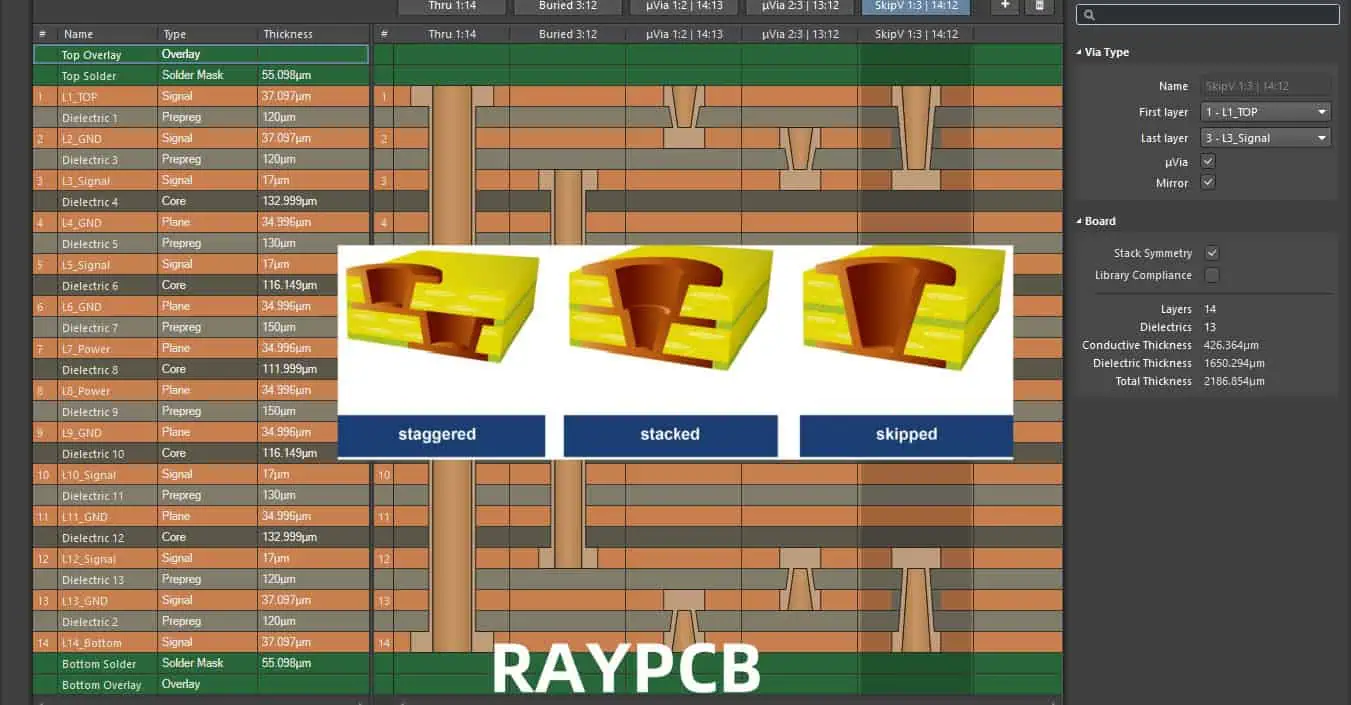
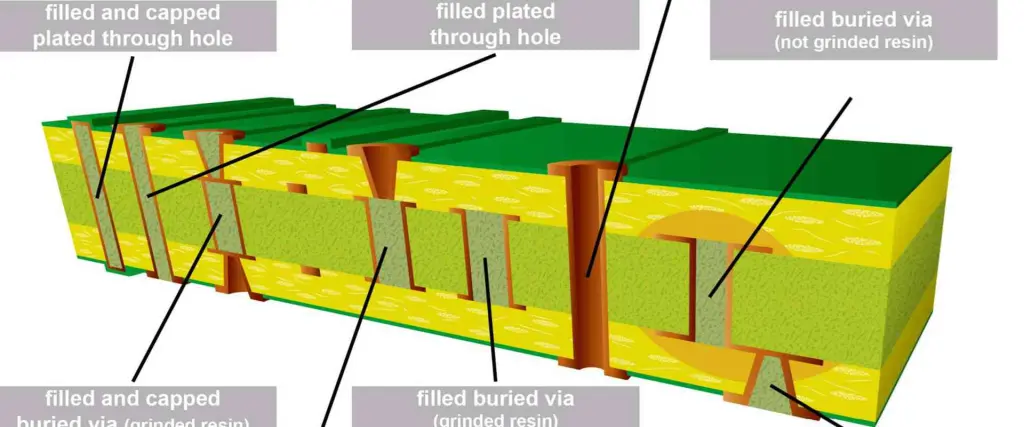
  4. Micro vias and buried vias

These factors create new challenges for traditional test and measurement methods.

Higher Frequencies and Faster Edge Rates

With the advent of 5G, IoT, and high-speed computing:

  1. Signal frequencies now routinely exceed 5 GHz
  2. Edge rates have decreased to picoseconds
  3. Signal integrity has become a critical concern

Advanced Materials and Manufacturing Processes

New PCB materials and manufacturing techniques include:

  1. High-frequency laminates (e.g., PTFE, ceramic-filled hydrocarbon)
  2. Flexible and rigid-flex PCBs
  3. 3D-printed electronics

These advancements require adapted test and measurement approaches.

Emerging Test and Measurement Techniques
Advanced Optical Inspection

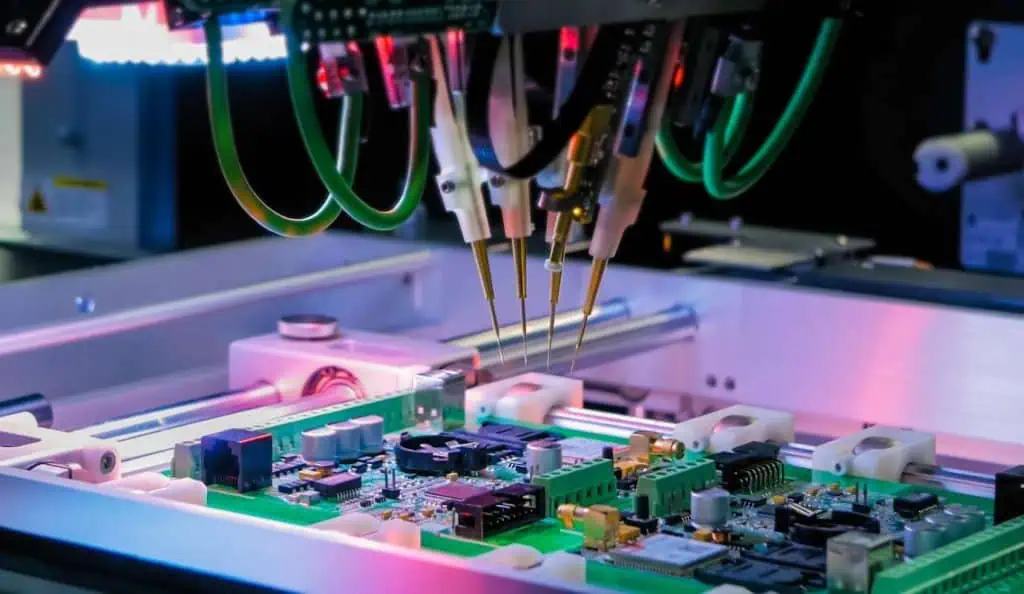
3D Automated Optical Inspection (AOI)

3D AOI systems use multiple cameras and advanced algorithms to create a three-dimensional image of the PCB, allowing for:

  1. Detection of coplanarity issues
  2. Measurement of solder paste volume
  3. Inspection of component placement in three dimensions

AI-Enhanced Defect Detection

Machine learning algorithms are being integrated into optical inspection systems to:

  1. Improve defect detection accuracy
  2. Reduce false positives
  3. Adapt to new defect types without reprogramming

X-ray Inspection Advancements

High-Resolution Digital Tomosynthesis

This technique creates detailed 3D images of PCB layers, enabling:

  1. Inspection of hidden solder joints (e.g., BGAs, QFNs)
  2. Detection of voids in solder joints
  3. Analysis of internal PCB structures

AI-Assisted X-ray Analysis

Machine learning algorithms help in:

  1. Automating void calculation
  2. Detecting subtle defects in complex assemblies
  3. Reducing operator dependency in interpretation

Advanced Electrical Testing

Boundary Scan and JTAG Enhancements

New developments in boundary scan technology include:

  1. Increased test coverage for high-speed interfaces
  2. Integration with functional testing
  3. Improved diagnostics for complex SoC devices

Flying Probe with Thermal Imaging

Combining flying probe testing with thermal imaging allows for:

  1. Detection of thermal anomalies during electrical testing
  2. Identification of power-related issues
  3. Correlation of electrical and thermal performance

High-Frequency and Signal Integrity Testing

Vector Network Analysis (VNA) for PCB Characterization

Advanced VNA techniques are being used for:

  1. S-parameter measurements of high-speed PCB traces
  2. Characterization of differential pairs
  3. Time-domain reflectometry (TDR) analysis

Near-Field Scanning for EMI/EMC

Near-field scanning systems provide:

  1. Detailed maps of electromagnetic emissions
  2. Identification of potential EMI sources on PCBs
  3. Validation of EMI mitigation strategies

Reliability and Environmental Testing

Highly Accelerated Life Testing (HALT)

HALT chambers subject PCBs to extreme conditions to:

  1. Identify design weaknesses rapidly
  2. Determine operational limits
  3. Improve overall product reliability

In-Situ Monitoring During Environmental Testing

Advanced sensors and data logging systems allow for:

  1. Real-time monitoring of PCB performance during environmental stress
  2. Correlation of environmental conditions with failure modes
  3. More accurate prediction of product lifespan

Integration of Test and Measurement Data

Industry 4.0 and Smart Factory Integration

Modern PCB test and measurement systems are being integrated into smart factory environments, enabling:

  1. Real-time data collection and analysis
  2. Predictive maintenance of test equipment
  3. Adaptive manufacturing based on test results

Big Data Analytics for Test Results

Advanced analytics techniques are being applied to vast amounts of test data to:

  1. Identify trends and patterns in defects
  2. Optimize test sequences and coverage
  3. Predict potential quality issues before they occur

Digital Twin Technology

Digital twins of PCBs and assembly lines are being used to:

  1. Simulate and optimize test processes
  2. Predict the impact of design changes on testability
  3. Improve overall manufacturing efficiency

Comparison of Traditional and Emerging Test Techniques

AspectTraditional TechniquesEmerging TechniquesKey Advantages of Emerging Techniques
Optical Inspection2D AOI3D AOI with AIImproved defect detection, reduced false positives
X-ray Inspection2D X-rayDigital Tomosynthesis with AIBetter inspection of hidden joints, automated analysis
Electrical TestingIn-Circuit Test (ICT)Flying Probe with Thermal ImagingIncreased flexibility, correlation of electrical and thermal issues
Signal IntegrityTime Domain ReflectometryAdvanced VNA TechniquesMore comprehensive high-frequency characterization
Reliability TestingThermal CyclingHALT with In-Situ MonitoringFaster identification of weaknesses, real-time performance data
Data AnalysisStatistical Process ControlBig Data Analytics and AIPredictive quality control, trend analysis across multiple parameters

Challenges and Future Directions

Challenges in Implementing New Test Techniques

  1. High initial investment costs
  2. Need for specialized training and expertise
  3. Integration with existing manufacturing processes
  4. Balancing increased test coverage with production throughput

Future Directions in PCB Test and Measurement

Artificial Intelligence and Machine Learning

AI and ML are expected to play an increasingly important role in:

  1. Automated defect classification and prediction
  2. Optimization of test sequences and coverage
  3. Predictive maintenance of test equipment

Non-Contact and Non-Destructive Testing

Advancements in technologies such as:

  1. Terahertz imaging for internal PCB inspection
  2. Acoustic microscopy for solder joint analysis
  3. Advanced electromagnetic field scanning

Integration of Design for Test (DFT) and Test and Measurement

Closer collaboration between PCB designers and test engineers to:

  1. Implement built-in self-test features
  2. Optimize PCB layouts for testability
  3. Reduce overall test time and cost

Quantum Sensing for Ultra-Precise Measurements

Emerging quantum technologies may enable:

  1. Extremely sensitive magnetic field measurements
  2. Ultra-precise time and frequency measurements for high-speed circuits
  3. Novel approaches to defect detection at the atomic scale

Conclusion

The field of PCB test and measurement is undergoing rapid transformation, driven by the increasing complexity of electronic designs and the need for higher quality and reliability. Emerging techniques in optical and X-ray inspection, electrical testing, signal integrity analysis, and reliability testing are pushing the boundaries of what’s possible in PCB quality assurance.

The integration of artificial intelligence, big data analytics, and smart factory concepts is revolutionizing how test data is collected, analyzed, and utilized. These advancements not only improve the accuracy and efficiency of PCB testing but also contribute to overall manufacturing optimization and product innovation.

As the electronics industry continues to evolve, PCB test and measurement techniques will play a crucial role in enabling the next generation of electronic devices. The challenges of implementing these new technologies are significant, but the potential benefits in terms of improved quality, reduced time-to-market, and enhanced product performance make them essential for companies looking to stay competitive in the fast-paced world of electronics manufacturing.

The future of PCB test and measurement lies in the seamless integration of advanced sensing technologies, artificial intelligence, and comprehensive data analysis. As these technologies mature and become more accessible, they will undoubtedly shape the landscape of electronics manufacturing, driving innovation and ensuring the reliability of increasingly complex electronic systems.

Frequently Asked Questions (FAQ)

  1. Q: How do emerging PCB test techniques improve upon traditional methods? A: Emerging techniques offer several improvements, including higher resolution and accuracy in defect detection, ability to inspect hidden or internal features, faster test times, and integration of multiple test modalities (e.g., electrical and thermal). They also leverage AI and big data analytics to provide predictive insights and optimize the testing process.
  2. Q: What are the main challenges in implementing new PCB test and measurement techniques? A: The main challenges include high initial investment costs, the need for specialized training and expertise, integration with existing manufacturing processes, and balancing increased test coverage with production throughput. Additionally, there may be challenges in data management and interpretation given the large amounts of data generated by advanced test systems.
  3. Q: How does artificial intelligence contribute to PCB testing? A: AI contributes to PCB testing in several ways, including enhancing defect detection accuracy in optical and X-ray inspection, automating the analysis of complex test data, optimizing test sequences, predicting potential quality issues, and enabling adaptive testing based on real-time results.
  4. Q: Are these new test techniques suitable for all types of PCBs? A: While many new techniques offer benefits across a wide range of PCB types, their applicability can vary. High-end techniques may be most beneficial for complex, high-value PCBs where the cost of failure is high. However, as technologies mature and become more cost-effective, they are increasingly being adopted for a broader range of PCB types and production volumes.
  5. Q: How do new PCB test techniques address the challenges of testing high-frequency and high-speed circuits? A: New techniques address high-frequency and high-speed circuit challenges through advanced vector network analysis for accurate S-parameter measurements, near-field scanning for EMI/EMC analysis, and improved time-domain reflectometry for signal integrity testing. These methods provide more detailed characterization of high-speed traces, differential pairs, and overall PCB performance at higher frequencies.
Using Machine Learning to Optimize Electronic Circuit Design

In the rapidly evolving field of electronics, the design and optimization of circuits have become increasingly complex. Traditional methods of circuit design, while effective, often struggle to keep pace with the demands of modern technology. Enter machine learning (ML), a powerful tool that is revolutionizing the way we approach electronic circuit design. This article explores the intersection of machine learning and electronic circuit design, discussing how ML techniques can be leveraged to create more efficient, robust, and innovative circuits.

The Challenges of Modern Circuit Design

Complexity and Scale

Modern electronic circuits are far more complex than their predecessors. With the advent of nanotechnology and the push for more functionality in smaller packages, circuit designers face unprecedented challenges:

  1. Increasing number of components
  2. Tighter integration of subsystems
  3. Higher operating frequencies
  4. Stricter power consumption requirements
  5. More stringent reliability standards

These factors combine to create a design space that is often too vast and intricate for traditional methods to explore efficiently.

Time-to-Market Pressures

In today’s competitive market, there is constant pressure to reduce the time-to-market for new electronic products. This puts additional strain on the design process, requiring faster iterations and more efficient optimization techniques.

Performance Optimization

Achieving optimal performance across multiple parameters (speed, power consumption, reliability, cost) is a multi-dimensional problem that often involves trade-offs. Finding the best balance among these factors is a complex task that can benefit greatly from advanced optimization techniques.

Machine Learning: A Game-Changer for Circuit Design

What is Machine Learning?

Machine learning is a subset of artificial intelligence that focuses on the development of algorithms and statistical models that enable computer systems to improve their performance on a specific task through experience. In the context of circuit design, ML can be used to:

  1. Predict circuit behavior
  2. Optimize component values
  3. Generate new design topologies
  4. Automate the design process

Types of Machine Learning Applicable to Circuit Design

Supervised Learning

Supervised learning algorithms learn from labeled data. In circuit design, this could involve training models on existing high-performance circuits to predict the behavior of new designs.

Unsupervised Learning

Unsupervised learning algorithms find patterns in unlabeled data. This can be useful for discovering novel circuit topologies or identifying clusters of similar designs.

Reinforcement Learning

Reinforcement learning involves an agent learning to make decisions by interacting with an environment. In circuit design, this could be applied to optimize circuit parameters iteratively based on performance feedback.

Applications of Machine Learning in Circuit Design

Automated Circuit Synthesis

One of the most promising applications of ML in circuit design is automated circuit synthesis. This process involves:

  1. Defining design specifications
  2. Generating candidate circuit topologies
  3. Optimizing component values
  4. Evaluating performance
  5. Iterating to improve results

ML algorithms can significantly speed up this process by learning from vast databases of existing designs and generating novel solutions that human designers might overlook.

Component Value Optimization

Optimizing component values is a critical step in circuit design. ML techniques, particularly evolutionary algorithms and gradient-based optimization methods, can efficiently explore the design space to find optimal values for resistors, capacitors, inductors, and other components.

Optimization Method Advantages Disadvantages
Genetic Algorithms Can handle discrete and continuous variables May converge slowly for large problems
Particle Swarm Optimization Good for global optimization May struggle with highly constrained problems
Gradient Descent Fast convergence for smooth optimization landscapes Can get stuck in local optima
Bayesian Optimization Efficient for expensive-to-evaluate functions May struggle with high-dimensional problems

Parasitic Extraction and Modeling

As circuits become more compact and operate at higher frequencies, parasitic effects become increasingly important. ML models can be trained to quickly and accurately predict parasitic capacitances, inductances, and resistances, allowing designers to account for these effects early in the design process.

Electromagnetic Compatibility (EMC) Analysis

Ensuring that circuits meet electromagnetic compatibility standards is crucial but often time-consuming. ML models can be trained to predict EMC performance, allowing designers to identify and mitigate potential issues early in the design cycle.

Reliability Prediction

Machine learning can be used to model and predict the long-term reliability of electronic circuits. By analyzing data from accelerated life tests and field performance, ML algorithms can identify factors that contribute to circuit failure and guide designers towards more robust solutions.

Machine Learning Techniques for Circuit Design

Neural Networks

Neural networks, particularly deep learning architectures, have shown great promise in circuit design applications. Some key architectures include:

Convolutional Neural Networks (CNNs)

CNNs are particularly useful for analyzing circuit layouts and predicting performance based on spatial relationships between components.

Recurrent Neural Networks (RNNs)

RNNs can model sequential data, making them suitable for analyzing time-dependent circuit behavior and optimizing dynamic performance.

Graph Neural Networks (GNNs)

GNNs are well-suited for representing and analyzing circuit topologies, as they can capture the interconnections between components naturally.

Evolutionary Algorithms

Evolutionary algorithms, inspired by biological evolution, are powerful tools for circuit optimization. They include:

  1. Genetic Algorithms (GAs)
  2. Differential Evolution (DE)
  3. Particle Swarm Optimization (PSO)

These algorithms can efficiently explore large design spaces and are particularly useful for multi-objective optimization problems common in circuit design.

Bayesian Optimization

Bayesian optimization is a powerful technique for optimizing expensive-to-evaluate functions. In circuit design, it can be used to efficiently tune circuit parameters when each evaluation (e.g., a detailed simulation) is time-consuming.

Integrating Machine Learning into the Design Workflow

Data Collection and Preprocessing

The success of ML-based circuit design heavily depends on the quality and quantity of available data. This includes:

  1. Circuit schematics and layouts
  2. Simulation results
  3. Measurement data from prototypes board
  4. Performance metrics and specifications

Preprocessing this data to ensure consistency and remove noise is crucial for training effective ML models.

Model Selection and Training

Choosing the right ML model for a given circuit design task is critical. Factors to consider include:

  1. The nature of the problem (classification, regression, optimization)
  2. The size and quality of available data
  3. The desired balance between model accuracy and computational efficiency

Integration with Existing EDA Tools

To be truly effective, ML-based circuit design techniques must be integrated with existing Electronic Design Automation (EDA) tools. This integration can take several forms:

  1. ML-enhanced component libraries
  2. Intelligent design rule checking
  3. Automated layout generation and optimization
  4. Smart simulation and analysis tools

Continuous Learning and Improvement

One of the key advantages of ML-based approaches is their ability to improve over time. As more designs are created and more data is collected, ML models can be retrained to become increasingly accurate and efficient.

Challenges and Limitations

While machine learning offers tremendous potential for optimizing electronic circuit design, there are several challenges and limitations to consider:

Data Quality and Availability

ML models are only as good as the data they are trained on. In many cases, high-quality circuit design data may be proprietary or limited in availability, which can hinder the development of effective models.

Interpretability

Many ML models, particularly deep learning models, operate as “black boxes,” making it difficult for designers to understand and trust their decisions. Developing interpretable ML models for circuit design is an active area of research.

Verification and Validation

Ensuring the reliability and correctness of ML-generated circuit designs is crucial. Developing robust verification and validation methodologies for ML-based design tools is essential for their widespread adoption.

Computational Resources

Training and running complex ML models can require significant computational resources, which may not be available to all design teams.

Future Directions

The integration of machine learning into electronic circuit design is still in its early stages, with many exciting developments on the horizon:

Hybrid AI-Human Design Teams

Future design workflows may involve close collaboration between AI systems and human designers, leveraging the strengths of both to create innovative and optimized circuits.

Quantum Machine Learning for Circuit Design

As quantum computing technology advances, quantum machine learning algorithms may offer new capabilities for solving complex circuit design optimization problems.

Neuromorphic Circuit Design

ML techniques may play a crucial role in designing and optimizing neuromorphic circuits that mimic the structure and function of biological neural networks.

Automated Design for Emerging Technologies

As new electronic technologies emerge (e.g., flexible electronics, 3D-printed circuits), ML algorithms can be adapted to optimize designs for these novel platforms.

Conclusion

The integration of machine learning into electronic circuit design represents a paradigm shift in the field of electronics. By leveraging the power of ML algorithms, designers can explore vast design spaces, optimize complex systems, and create innovative solutions that push the boundaries of what’s possible. While challenges remain, the potential benefits of ML-enhanced circuit design are immense, promising faster development cycles, more efficient circuits, and breakthroughs in electronic system performance.

As the field continues to evolve, the synergy between human expertise and machine learning capabilities will likely lead to a new era of electronic design, characterized by unprecedented levels of innovation and optimization. The future of electronic circuit design is intelligent, adaptive, and extraordinarily promising.

Frequently Asked Questions (FAQ)

  1. Q: How does machine learning improve the circuit design process? A: Machine learning improves circuit design by automating complex tasks, optimizing component values, predicting circuit behavior, and exploring vast design spaces more efficiently than traditional methods. This leads to faster design cycles, more optimized circuits, and potentially novel design solutions.
  2. Q: What types of circuits benefit most from ML-based design approaches? A: ML-based approaches are particularly beneficial for complex circuits with many components and stringent performance requirements. This includes RF circuits, high-speed digital systems, power management circuits, and mixed-signal designs. However, ML can potentially improve the design process for a wide range of electronic circuits.
  3. Q: Do ML-based design tools replace human designers? A: No, ML-based tools are not intended to replace human designers but to augment their capabilities. Human expertise is still crucial for defining design goals, interpreting results, and making high-level decisions. ML tools help automate repetitive tasks and explore design options more efficiently.
  4. Q: What skills do circuit designers need to adopt ML-based design methods? A: To effectively use ML-based design methods, circuit designers should have a basic understanding of machine learning concepts, data analysis, and programming (particularly Python). However, as ML tools become more integrated into EDA software, the barrier to entry is likely to decrease.
  5. Q: Are there any risks associated with using ML for circuit design? A: Some potential risks include over-reliance on ML-generated designs without proper verification, bias in ML models due to limited training data, and the “black box” nature of some ML algorithms making it difficult to explain design decisions. These risks can be mitigated through rigorous testing, diverse training data, and the development of more interpretable ML models.

Why is Microvia Better Than Other Via?

In the ever-evolving world of electronics, the demand for smaller, faster, and more efficient devices continues to grow. This push for miniaturization and improved performance has led to significant advancements in printed circuit board (PCB) technology. One such innovation that has revolutionized PCB design and manufacturing is the microvia. This article will explore why microvias are superior to other types of vias, their advantages, applications, and impact on the electronics industry.

Understanding Vias in PCB Design

Before delving into the specifics of microvias, it’s essential to understand what vias are and their role in PCB design.

What is a Via?

A via is a small plated hole that connects different layers of a multi-layer PCB. Vias allow electrical signals and power to be routed between layers, enabling more complex circuit designs and efficient use of board space.

Types of Vias

There are several types of vias used in PCB design:

  1. Through-hole vias
  2. Blind vias
  3. Buried vias
  4. Microvias

Each type has its own characteristics, advantages, and limitations. However, microvias have emerged as a superior option in many applications.

Introduction to Microvias

Microvia PCB

What is a Microvia?

A microvia is a very small via with a diameter typically less than 150 micrometers (ฮผm). These tiny interconnects are usually formed using laser drilling techniques and are designed to connect only adjacent layers of a PCB.

History and Development of Microvias

The concept of microvias was introduced in the late 1980s, but it wasn’t until the mid-1990s that they became commercially viable. The development of reliable laser drilling techniques and advances in plating technology were key factors in making microvias a practical solution for high-density interconnect (HDI) PCBs.

Advantages of Microvias Over Other Via Types

Microvias offer several significant advantages over traditional via types, making them the preferred choice for many modern electronic designs.

1. Increased Circuit Density

One of the primary advantages of microvias is their ability to significantly increase circuit density. Their small size allows for:

Via TypeTypical DiameterTypical Pitch
Through-hole0.3 – 0.8 mm1.0 – 2.5 mm
Blind/Buried0.2 – 0.6 mm0.8 – 2.0 mm
Microvia0.05 – 0.15 mm0.3 – 0.8 mm

As the table shows, microvias allow for much tighter spacing, enabling higher component density and more complex routing options.

2. Improved Electrical Performance

Microvias contribute to better electrical performance in several ways:

  • Reduced parasitic capacitance and inductance
  • Shorter signal paths, leading to faster signal speeds
  • Improved signal integrity due to reduced reflections and crosstalk

These factors are particularly crucial in high-speed digital designs and RF applications.

3. Enhanced Reliability

Contrary to what one might expect from their small size, microvias often offer improved reliability compared to larger vias:

  • Less thermal stress due to smaller size and reduced copper mass
  • Improved plating uniformity, reducing the risk of voids or weak spots
  • Better adhesion to the substrate due to the laser drilling process

4. Design Flexibility

Microvias provide designers with greater flexibility in PCB layout:

  • Ability to place vias directly on component pads (via-in-pad design)
  • Easier routing around densely packed components
  • More options for signal and power distribution

5. Cost-Effective for High-Density Designs

While the initial cost of microvia technology may be higher, it becomes cost-effective for high-density designs:

  • Reduced overall board size
  • Fewer PCB layers required for complex designs
  • Higher yield rates in production due to improved reliability

Microvia Formation Techniques

The superior performance of microvias is largely due to the advanced techniques used in their formation.

Laser Drilling

Laser drilling is the most common method for creating microvias. It offers several advantages:

  • Precise control over via diameter and depth
  • Ability to create very small vias (down to 25 ฮผm in some cases)
  • Clean, consistent hole formation

Photovia Process

Some manufacturers use a photovia process, which involves:

  • Applying a photo-imageable dielectric
  • Exposing and developing to create via holes
  • Plating to form the electrical connection

This process can be cost-effective for large-scale production.

Plasma Etching

Plasma etching is sometimes used for microvia formation, particularly in certain flexible PCB applications. It offers:

  • Good control over via shape
  • Ability to create tapered vias for improved plating

Microvia Structures and Stacking

Microvia Aspect Ratio

Microvias can be used in various configurations to meet different design requirements.

Single-Layer Microvias

The simplest form, connecting two adjacent layers.

Stacked Microvias

Multiple microvias stacked on top of each other, connecting several layers.

Staggered Microvias

Microvias that are offset from each other, useful for complex routing scenarios.

StructureDescriptionBest Used For
Single-LayerConnects two adjacent layersSimple HDI designs
StackedMultiple microvias stacked verticallyHigh layer count boards
StaggeredOffset microviasComplex signal routing

Applications of Microvias

The advantages of microvias make them ideal for a wide range of applications, particularly in industries where size, performance, and reliability are crucial.

Consumer Electronics

  • Smartphones
  • Tablets
  • Wearable devices

Automotive Electronics

  • Advanced driver-assistance systems (ADAS)
  • Infotainment systems
  • Electric vehicle control units

Aerospace and Defense

  • Satellite communications
  • Radar systems
  • Avionics

Medical Devices

  • Implantable devices
  • Portable diagnostic equipment
  • High-resolution imaging systems

Telecommunications

  • 5G infrastructure
  • Optical networking equipment
  • High-speed routers and switches

Challenges and Considerations in Microvia Implementation

While microvias offer numerous advantages, their implementation does come with certain challenges that need to be addressed.

1. Manufacturing Complexity

Producing PCBs with microvias requires specialized equipment and expertise:

  • High-precision laser drilling systems
  • Advanced plating techniques
  • Stringent process control

2. Cost Considerations

The initial investment in microvia technology can be significant:

  • Higher tooling costs
  • More expensive raw materials (high-performance laminates)
  • Potentially longer production times

3. Design Rules and Constraints

Microvia designs must adhere to specific rules to ensure manufacturability and reliability:

  • Minimum via diameter and pitch
  • Aspect ratio limitations
  • Stack-up considerations for multi-layer microvias

4. Testing and Inspection

Ensuring the quality and reliability of microvias requires advanced testing and inspection methods:

  • X-ray inspection for internal structures
  • Electrical testing for connectivity
  • Cross-sectioning for process verification

Future Trends in Microvia Technology

microvia-aspect-ratio

As technology continues to advance, we can expect further developments in microvia technology:

1. Even Smaller Vias

Research is ongoing to develop reliable sub-25 ฮผm vias, enabling even higher density designs.

2. New Materials

Development of new laminate and conductive materials optimized for microvia performance and reliability.

3. Improved Manufacturing Processes

Advancements in laser technology and plating processes to increase efficiency and reduce costs.

4. Integration with Additive Manufacturing

Exploring ways to incorporate microvia technology with 3D printed electronics for novel form factors and applications.

Impact on the Electronics Industry

The adoption of microvia technology has had a profound impact on the electronics industry:

Enabling Miniaturization

Microvias have been a key enabler in the trend towards smaller, thinner electronic devices.

Improving Performance

The electrical characteristics of microvias have contributed to the increased speed and performance of modern electronics.

Enhancing Reliability

The reliability improvements offered by microvias have increased the overall quality and lifespan of electronic products.

Driving Innovation

The capabilities provided by microvia technology have opened up new possibilities in product design and functionality.

Conclusion

Microvias have proven to be superior to other via types in many aspects, particularly for high-density, high-performance electronic designs. Their ability to increase circuit density, improve electrical performance, enhance reliability, and provide design flexibility makes them an invaluable tool in modern PCB design.

While the implementation of microvia technology does come with challenges, particularly in terms of manufacturing complexity and initial costs, the benefits often outweigh these concerns, especially as the technology continues to mature and become more accessible.

As we look to the future, microvias will undoubtedly play a crucial role in enabling the next generation of electronic devices. From ever-smaller consumer gadgets to advanced medical implants and cutting-edge aerospace systems, microvia technology will continue to push the boundaries of what’s possible in electronic design.

The superiority of microvias over other via types is not just about their size; it’s about the new possibilities they open up. As the electronics industry continues to evolve, embracing microvia technology will be essential for companies looking to stay at the forefront of innovation and meet the ever-increasing demands for smaller, faster, and more reliable electronic products.

Frequently Asked Questions (FAQ)

1. Are microvias suitable for all types of PCB designs?

While microvias offer significant advantages, they are not necessary or cost-effective for all PCB designs. Microvias are most beneficial in high-density designs where space is at a premium, or in high-speed applications where signal integrity is crucial. For simpler, low-density boards or those with less stringent performance requirements, traditional through-hole or larger blind/buried vias may be more appropriate and cost-effective.

2. How do microvias affect the overall cost of PCB production?

The impact of microvias on PCB production cost can vary:

  • Initial Costs: Implementing microvia technology often increases initial production costs due to the need for specialized equipment and processes.
  • Volume Production: For high-volume production, the cost per board can decrease as the setup costs are spread over more units.
  • Design Complexity: In complex, high-density designs, microvias can actually reduce overall costs by allowing for smaller board sizes and fewer layers.
  • Long-term Benefits: Improved reliability and performance can lead to cost savings over the product lifecycle.

It’s important to conduct a cost-benefit analysis for each specific application to determine if microvia technology is economically viable.

3. What are the main challenges in designing PCBs with microvias?

Designing PCBs with microvias presents several challenges:

  1. Adherence to strict design rules (minimum diameters, aspect ratios, etc.)
  2. Careful stackup planning to optimize layer transitions
  3. Consideration of manufacturing tolerances and capabilities
  4. Balancing signal integrity requirements with design density
  5. Managing thermal issues in high-density areas

Designers need to work closely with manufacturers to ensure that their designs are both optimal and producible.

4. How reliable are microvias compared to traditional vias?

When properly designed and manufactured, microvias can be more reliable than traditional vias:

  • Less thermal stress due to smaller size
  • Improved plating uniformity
  • Better adhesion to the substrate

However, reliability can be affected by factors such as:

  • Quality of the manufacturing process
  • Design choices (e.g., stacked vs. staggered microvias)
  • Operating conditions of the final product

It’s crucial to follow best practices in design and work with experienced manufacturers to ensure optimal reliability.

5. Can existing PCB designs be converted to use microvias?

Converting existing PCB designs to use microvias is possible, but it’s not always straightforward:

  • Redesign Effort: Significant redesign may be required to take full advantage of microvia capabilities.
  • Performance Gains: The conversion can lead to improved performance and reduced board size.
  • Cost Considerations: The redesign and new manufacturing processes may increase costs initially.
  • Compatibility: Ensure that all components are compatible with the new design.

Before converting, it’s important to assess whether the benefits of microvias justify the redesign effort for the specific application. In many cases, it may be more efficient to incorporate microvia technology in new designs rather than retrofitting existing ones.

Why A Company Needs An Incoming Quality Control Process

In today’s competitive business landscape, maintaining high-quality standards is crucial for any company’s success. One often overlooked but essential aspect of quality management is the Incoming Quality Control (IQC) process. This article will explore the importance of IQC, its benefits, implementation strategies, and how it contributes to overall business success.

Understanding Incoming Quality Control

What is Incoming Quality Control?

Incoming Quality Control, also known as Incoming Inspection or Receiving Inspection, is a systematic process of verifying the quality of raw materials, components, or products received from suppliers before they enter the production process or inventory. It’s a critical step in the supply chain that ensures only high-quality inputs are used in manufacturing or distribution.

The Role of IQC in the Supply Chain

IQC serves as a gatekeeper, preventing substandard materials from entering the production process. It acts as a bridge between suppliers and the company, ensuring that the received goods meet the specified quality standards, specifications, and requirements.

The Importance of Implementing an IQC Process

Ensuring Product Quality

The primary goal of IQC is to maintain and improve product quality. By screening incoming materials, companies can prevent defective or substandard components from being used in their products, thus ensuring the final product meets or exceeds quality expectations.

Cost Reduction

While implementing an IQC process requires an initial investment, it can lead to significant cost savings in the long run. By detecting defects early, companies can avoid the higher costs associated with rework, recalls, or customer returns.

Enhancing Customer Satisfaction

High-quality products lead to satisfied customers. By ensuring that only quality materials are used in production, companies can deliver products that meet or exceed customer expectations, leading to increased customer loyalty and positive brand reputation.

Improving Supplier Relationships

A well-implemented IQC process can help improve relationships with suppliers. It provides clear quality expectations and feedback, allowing suppliers to improve their processes and quality standards.

Compliance with Regulations

Many industries are subject to strict quality regulations. An effective IQC process helps ensure compliance with these regulations, reducing the risk of legal issues or penalties.

Key Components of an Effective IQC Process

1. Clear Quality Standards and Specifications

The foundation of any IQC process is a set of clear, detailed quality standards and specifications for incoming materials. These should be documented and communicated to all relevant parties, including suppliers.

2. Sampling Plans

Determining the appropriate sampling method and size is crucial for an efficient IQC process. Common sampling plans include:

Sampling PlanDescriptionBest Used For
100% InspectionEvery unit is inspectedCritical components or when defect rate is high
Random SamplingUnits are selected randomly for inspectionLarge batches with consistent quality
Acceptance SamplingA predetermined number of defects is allowedBalancing inspection costs with acceptable quality levels
Skip-Lot SamplingPeriodic full inspection with reduced inspection betweenSuppliers with proven track record

3. Inspection Methods and Tools

Depending on the nature of the materials and the industry, various inspection methods and tools may be used:

  • Visual inspection
  • Dimensional measurements
  • Functional testing
  • Chemical analysis
  • Destructive testing
  • Non-destructive testing (e.g., X-ray, ultrasound)

4. Documentation and Record Keeping

Maintaining detailed records of inspections, test results, and any corrective actions taken is essential for traceability and continuous improvement.

5. Trained Personnel

Staff involved in the IQC process should be properly trained in inspection techniques, use of measurement tools, and quality standards.

Implementing an IQC Process

Step 1: Assess Current Situation and Needs

Before implementing an IQC process, assess your current quality control practices, supplier performance, and specific industry requirements.

Step 2: Define Quality Standards and Acceptance Criteria

Clearly define the quality standards and acceptance criteria for each type of incoming material. This may involve collaboration with suppliers and internal stakeholders.

Step 3: Develop Inspection Procedures

Create detailed inspection procedures for each type of material, including sampling plans, inspection methods, and decision criteria.

Step 4: Set Up Infrastructure

Establish the necessary infrastructure, including inspection areas, equipment, and data management systems.

Step 5: Train Personnel

Provide comprehensive training to all staff involved in the IQC process, ensuring they understand the procedures, tools, and importance of their role.

Step 6: Implement the Process

Roll out the IQC process, starting with a pilot phase if necessary. Monitor closely and make adjustments as needed.

Step 7: Continuous Improvement

Regularly review and improve the IQC process based on data, feedback, and changing business needs.

Challenges in Implementing IQC and How to Overcome Them

PCB Quality control
PCB Quality control

1. Resource Constraints

Challenge: Implementing a comprehensive IQC process can be resource-intensive, requiring dedicated personnel, equipment, and space.

Solution: Start with a prioritized approach, focusing on critical components first. Gradually expand the process as resources allow. Consider automating parts of the process to improve efficiency.

2. Resistance to Change

Challenge: Employees and suppliers may resist changes to established processes.

Solution: Communicate the importance and benefits of IQC clearly. Involve stakeholders in the planning process and provide comprehensive training and support.

3. Balancing Speed and Quality

Challenge: IQC can potentially slow down the production process, conflicting with demands for fast turnaround times.

Solution: Optimize the IQC process for efficiency. Use risk-based approaches to focus more resources on high-risk materials. Implement skip-lot inspection for reliable suppliers.

4. Supplier Cooperation

Challenge: Some suppliers may be reluctant to meet new quality requirements or provide necessary documentation.

Solution: Build strong relationships with suppliers. Communicate the mutual benefits of improved quality. Consider implementing supplier development programs.

5. Data Management and Analysis

Challenge: Managing and analyzing large volumes of inspection data can be overwhelming.

Solution: Invest in quality management software that can streamline data collection, analysis, and reporting. Use statistical process control techniques to identify trends and improvement opportunities.

The Impact of IQC on Overall Business Performance

Improved Product Quality and Consistency

By ensuring that only high-quality materials enter the production process, IQC contributes to improved overall product quality and consistency. This leads to:

  • Reduced defect rates
  • Fewer customer complaints and returns
  • Enhanced brand reputation

Cost Savings

While there are upfront costs to implementing IQC, it often results in significant cost savings:

Area of SavingsDescription
Reduced WasteFewer defective materials entering production
Lower Rework CostsLess need to fix or replace defective products
Decreased Warranty ClaimsFewer product failures in the field
Improved EfficiencyLess production downtime due to quality issues

Enhanced Supplier Performance

A robust IQC process can drive improvements in supplier performance:

  • Clear quality expectations encourage suppliers to improve their processes
  • Regular feedback helps suppliers address quality issues promptly
  • Data from IQC can inform supplier evaluations and selection

Increased Customer Satisfaction and Loyalty

High-quality products resulting from effective IQC lead to:

  • Increased customer satisfaction
  • Higher customer retention rates
  • Positive word-of-mouth marketing
  • Potential for premium pricing

Competitive Advantage

Companies with strong IQC processes can gain a competitive edge:

  • Ability to meet stringent quality requirements of customers
  • Faster time-to-market due to fewer quality-related delays
  • Improved ability to enter new markets or industries with strict quality standards

Future Trends in Incoming Quality Control

1. Automation and AI

Advancements in automation and artificial intelligence are set to revolutionize IQC:

  • Automated inspection systems using machine vision
  • AI-powered defect detection and classification
  • Predictive analytics for quality issues

2. Integration with Industry 4.0

IQC is becoming more integrated with broader Industry 4.0 initiatives:

  • Real-time data sharing between suppliers and manufacturers
  • IoT sensors for continuous monitoring of incoming materials
  • Blockchain for enhanced traceability and transparency

3. Sustainability Focus

Growing emphasis on sustainability is influencing IQC practices:

  • Increased focus on inspecting for compliance with environmental standards
  • Quality control of recycled or sustainable materials
  • Evaluating suppliers based on sustainability practices

4. Risk-Based Approaches

More companies are adopting risk-based approaches to IQC:

  • Tailoring inspection intensity based on supplier performance history
  • Focusing resources on high-risk or critical components
  • Dynamic adjustment of sampling plans based on real-time data

5. Enhanced Supplier Collaboration

The future of IQC involves closer collaboration with suppliers:

  • Shared quality management systems
  • Joint quality improvement initiatives
  • Real-time quality data exchange

Conclusion

Implementing an effective Incoming Quality Control process is no longer optional for companies aiming to succeed in today’s competitive business environment. It’s a crucial investment that pays dividends in terms of improved product quality, cost savings, enhanced customer satisfaction, and overall business performance.

While implementing IQC comes with its challenges, the benefits far outweigh the costs. By ensuring that only high-quality materials enter the production process, companies can significantly reduce the risk of quality issues downstream, leading to more efficient operations, satisfied customers, and a stronger bottom line.

As we look to the future, IQC will continue to evolve, embracing new technologies and approaches. Companies that stay ahead of these trends and continuously improve their IQC processes will be well-positioned to thrive in an increasingly quality-conscious market.

Remember, quality is not just about the final product โ€“ it starts the moment materials enter your facility. A robust IQC process is your first line of defense in delivering the quality your customers expect and deserve.

Frequently Asked Questions (FAQ)

1. How does Incoming Quality Control differ from other quality control processes?

Incoming Quality Control focuses specifically on verifying the quality of materials, components, or products received from suppliers before they enter the production process or inventory. It’s the first step in the quality control chain. Other quality control processes, such as in-process quality control or final product inspection, occur during or after production. IQC is unique in that it prevents quality issues before they can impact the production process or final product.

2. Can IQC completely eliminate defects in final products?

While a robust IQC process significantly reduces the likelihood of defects in final products, it cannot guarantee 100% defect-free products. IQC is just one part of a comprehensive quality management system. It helps catch defects in incoming materials, but issues can still arise during production or handling. That’s why it’s important to have quality control measures throughout the entire production process, not just at the incoming stage.

3. How often should IQC procedures be reviewed and updated?

IQC procedures should be reviewed and updated regularly to ensure they remain effective and aligned with business needs. A good practice is to conduct a thorough review at least annually. However, procedures may need to be updated more frequently in response to:

  • Changes in supplier performance
  • Introduction of new materials or products
  • Shifts in regulatory requirements
  • Technological advancements in inspection methods
  • Feedback from production or customers

Continuous monitoring and a willingness to adapt are key to maintaining an effective IQC process.

4. What are the potential drawbacks of implementing an overly strict IQC process?

While a thorough IQC process is important, an overly strict approach can have drawbacks:

  • Increased costs due to excessive testing or inspection
  • Delays in production due to lengthy inspection processes
  • Strained relationships with suppliers if requirements are unreasonably high
  • Reduced flexibility in responding to urgent orders or material shortages

The key is to strike a balance between rigorous quality control and operational efficiency. This often involves using risk-based approaches and continually optimizing the process based on data and experience.

5. How can small businesses implement IQC with limited resources?

Small businesses can implement effective IQC processes even with limited resources:

  1. Prioritize: Focus on critical components or those with a history of issues.
  2. Start small: Begin with basic visual inspections and gradually add more sophisticated methods as resources allow.
  3. Train existing staff: Instead of hiring dedicated QC personnel, train existing employees to perform inspections.
  4. Use simple tools: Many effective inspections can be done with basic, affordable tools.
  5. Leverage supplier relationships: Work closely with suppliers to improve their quality control, reducing the burden on your IQC.
  6. Use software: Implement affordable quality management software to streamline data collection and analysis.
  7. Continuous improvement: Regularly review and refine the process to make it more efficient and effective over time.

Remember, even a basic IQC process is better than none at all. Start with what you can manage and improve incrementally.

ADXL357BEZ: A Comprehensive Guide to Analog Devices’ High-Performance MEMS Accelerometer

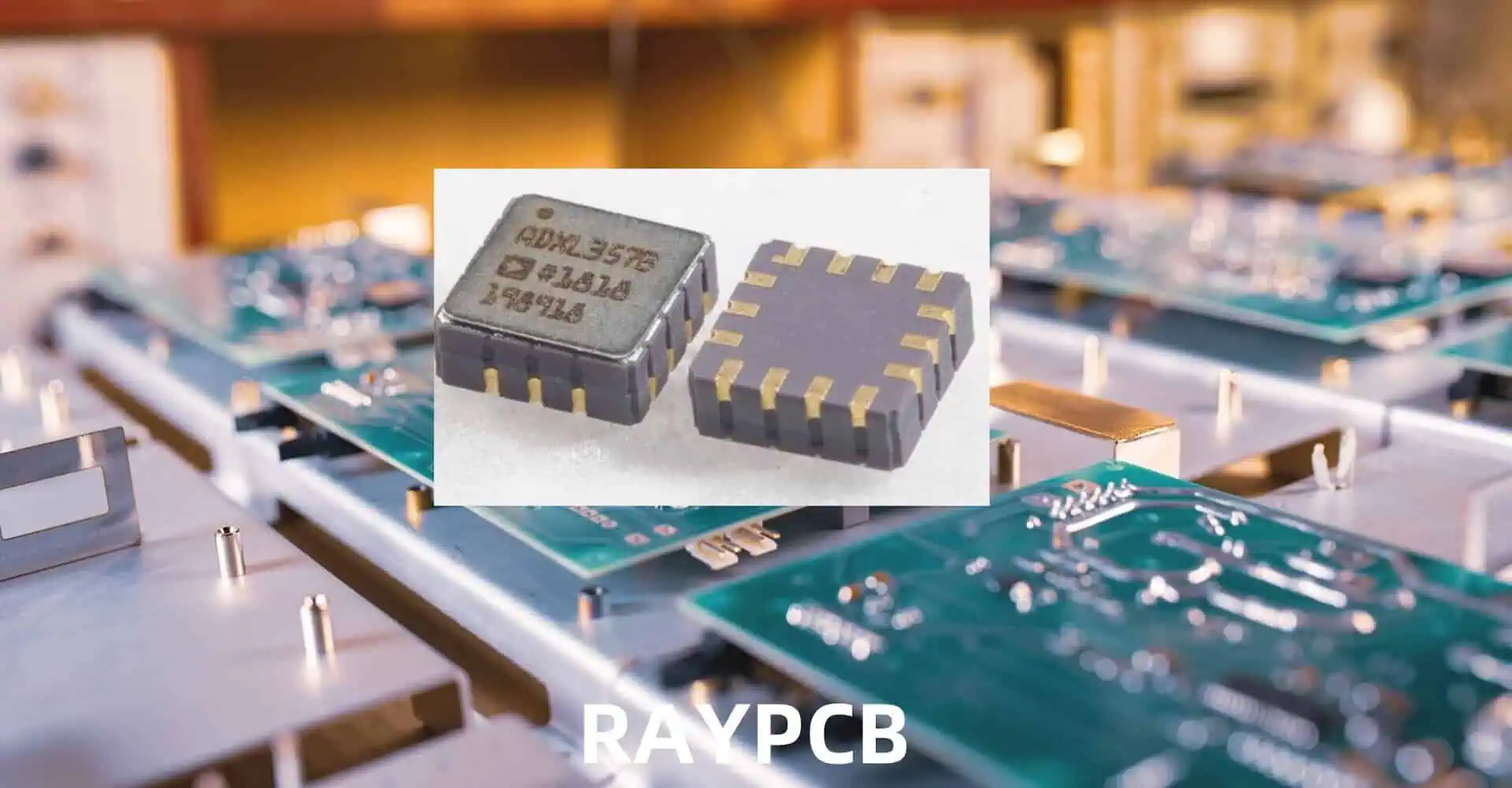
The ADXL357BEZ is a high-performance, 3-axis MEMS accelerometer from Analog Devices that offers exceptional measurement accuracy and stability. This comprehensive guide explores its specifications, design considerations, and practical applications, making it an invaluable resource for engineers and technical professionals working with precision sensing applications.

Technical Specifications and Features

Core Specifications

ParameterValue
Measurement Rangeยฑ20 g, ยฑ40 g selectable
Resolution20-bit
Noise Density80 ฮผg/โˆšHz
BandwidthDC to 1000 Hz
Operating Temperature-40ยฐC to +125ยฐC
Supply Voltage2.25 V to 3.6 V
Package Type14-lead CSPBGA

Key Features

  • Ultra-low noise performance
  • Superior temperature stability
  • Low power consumption
  • Built-in temperature sensor
  • Digital SPI interface
  • Integrated power management
  • Self-test functionality
  • Robust shock survivability

Design Considerations

Power Supply Requirements

The ADXL357BEZ requires careful attention to power supply design for optimal performance. Here are the key considerations:

Supply ParameterRequirement
Operating Voltage (VS)2.25 V to 3.6 V
Supply Current200 ฮผA  (typical)
Power-Down Current1 ฮผA  (maximum)
Voltage Ripple< 50 mV peak-to-peak

PCB Layout Guidelines

Critical Layout Considerations

  1. Power Supply Decoupling
    • Place decoupling capacitors as close as possible to VS and GND pins
    • Use 0.1 ฮผF and 10 ฮผF capacitors in parallel
    • Minimize trace length between capacitors and power pins
  2. Ground Plane Design
    • Implement a solid ground plane beneath the device
    • Avoid ground plane splits under signal traces
    • Use multiple vias for ground connections
  3. Signal Routing
    • Keep digital and analog signals separated
    • Route sensitive signals away from noise sources
    • Maintain symmetrical routing for differential signals

Communication Interface

SPI Protocol Implementation

The ADXL357BEZ uses a 4-wire SPI interface for communication. The following table outlines the key SPI parameters:

ParameterSpecification
ModeSPI Mode 0 or Mode 3
Clock FrequencyUp to 10 MHz
Data FormatMSB First
Word Length8-bit

Register Map Overview

AddressRegister NameDescription
0x00DEVID_ADAnalog Devices ID
0x01DEVID_MSTMEMS ID
0x02PARTIDPart ID
0x03REVIDRevision ID
0x04StatusDevice Status
0x08-0x0AXDATAX-axis Data
0x0B-0x0DYDATAY-axis Data
0x0E-0x10ZDATAZ-axis Data

Applications

Industrial Applications

Condition Monitoring

  • Machine health monitoring
  • Vibration analysis
  • Predictive maintenance
  • Equipment balancing

Structural Health Monitoring

  • Bridge and building monitoring
  • Seismic activity detection
  • Foundation stability assessment
  • Construction site monitoring

Automotive Applications

Vehicle Dynamics

  • Suspension system testing
  • Ride quality analysis
  • Chassis development
  • NVH (Noise, Vibration, Harshness) testing

Safety Systems

  • Crash detection
  • Rollover prevention
  • Active suspension control
  • Emergency brake assistance

Precision Instrumentation

Scientific Research

  • Seismology
  • Motion studies
  • Physics experiments
  • Environmental monitoring

Medical Equipment

  • Patient monitoring systems
  • Medical imaging stabilization
  • Surgical tool tracking
  • Rehabilitation equipment

Performance Optimization

Noise Reduction Techniques

  1. Digital Filtering
    • Implementation of low-pass filters
    • Moving average calculations
    • Kalman filtering options
    • Bandwidth optimization
  2. Mechanical Considerations
    • Proper mounting techniques
    • Vibration isolation
    • Thermal management
    • Shock protection

Calibration Procedures

StepDescriptionParameters
1Zero-g OffsetMeasure and record offset at 0g
2SensitivityCalculate scale factor using known g input
3Cross-AxisMeasure and compensate for cross-axis sensitivity
4TemperatureCharacterize temperature dependence

Data Processing and Analysis

Signal Processing Techniques

  1. Raw Data Collection
    • Sampling rate selection
    • Buffer management
    • Timestamp synchronization
  2. Digital Processing
    • DC offset removal
    • Noise filtering
    • Frequency analysis
    • Integration for velocity/position

Data Analysis Methods

Analysis TypePurposeOutput
FFT AnalysisFrequency contentSpectrum analysis
RMS CalculationVibration intensityOverall magnitude
Peak DetectionImpact eventsMaximum accelerations
Statistical AnalysisLong-term trendsStatistical parameters

Frequently Asked Questions

Q1: What is the recommended power supply voltage for optimal performance?

A: The recommended power supply voltage for optimal performance is 3.3V ยฑ10%. While the device can operate from 2.25V to 3.6V, using 3.3V provides the best balance of performance and power consumption.

Q2: How can I minimize noise in my measurements?

A: To minimize noise:

  • Use proper PCB layout techniques with solid ground planes
  • Implement appropriate digital filtering
  • Place decoupling capacitors close to power pins
  • Shield sensitive traces from noise sources
  • Consider mechanical isolation for vibration reduction

Q3: What is the maximum sampling rate supported by the ADXL357BEZ?

A: The ADXL357BEZ supports a maximum output data rate (ODR) of 4000 Hz. However, the actual usable sampling rate depends on the application requirements and the configured digital filter settings.

Q4: How should I handle temperature compensation in my application?

A: Temperature compensation can be handled by:

  1. Using the built-in temperature sensor
  2. Characterizing the device behavior across temperature
  3. Implementing compensation algorithms in software
  4. Regular recalibration if operating in varying temperature environments

Q5: What is the recommended mounting method for best performance?

A: For optimal performance:

  • Use a rigid mounting surface
  • Ensure proper alignment with measurement axes
  • Apply recommended torque to mounting screws
  • Consider using thermal compounds for better temperature coupling
  • Avoid mechanical stress on the package during mounting

Conclusion

The ADXL357BEZ represents a significant advancement in MEMS accelerometer technology, offering exceptional performance for demanding applications. Its combination of high resolution, low noise, and excellent stability makes it an ideal choice for precision measurement systems. By following the design guidelines and optimization techniques outlined in this article, engineers can maximize the potential of this sophisticated sensor in their applications.

The Role of MCPCB (Metal Core PCB) In The LED Industry

In recent years, the LED industry has experienced exponential growth, revolutionizing lighting technology across various sectors. As LEDs become more powerful and efficient, the need for effective thermal management has become increasingly critical. This is where Metal Core Printed Circuit Boards (MCPCBs) play a crucial role. MCPCBs have emerged as an essential component in LED manufacturing, offering superior heat dissipation properties that significantly enhance the performance and longevity of LED products.

This comprehensive article will explore the vital role of MCPCBs in the LED industry, delving into their structure, benefits, applications, and impact on LED technology advancements.

Understanding MCPCBs

mcpcb manufacturer

What is an MCPCB?

A Metal Core Printed Circuit Board (MCPCB), also known as an Insulated Metal Substrate (IMS), is a specialized type of printed circuit board designed to efficiently transfer heat away from electronic components. Unlike traditional FR-4 PCBs, MCPCBs feature a metal base layer that serves as an excellent heat conductor.

Structure of MCPCBs

MCPCBs typically consist of three main layers:

  1. Metal Base Layer
  2. Dielectric Layer
  3. Circuit Layer

Let’s examine each layer in detail:

Metal Base Layer

The metal base forms the foundation of the MCPCB and is responsible for its superior heat dissipation capabilities.

Common MaterialsThermal Conductivity (W/mยทK)Advantages
Aluminum150-200Cost-effective, lightweight
Copper380-400Excellent thermal conductivity
Copper-Molybdenum-Copper200-300Tailored coefficient of thermal expansion

Dielectric Layer

This thin insulating layer electrically isolates the circuit layer from the metal base while facilitating heat transfer.

PropertyTypical RangeImportance
Thermal Conductivity1-7 W/mยทKHigher values improve heat transfer
Breakdown Voltage1500-3000 V/milEnsures electrical isolation
Thickness50-100 ็ขŒmBalances insulation and heat transfer

Circuit Layer

The topmost layer where the electrical circuits and components are mounted, typically made of copper.

AspectSpecificationPurpose
Copper Thickness1-10 ozDetermines current carrying capacity
Surface FinishENIG, HASL, OSP, etc.Protects copper and enhances solderability

Advantages of MCPCBs in LED Applications

Enhanced Thermal Management

The primary advantage of MCPCBs in LED applications is their superior heat dissipation capabilities.

Comparative Heat Dissipation

PCB TypeThermal Conductivity (W/mยทK)
Standard FR-40.2-0.3
High-Tg FR-40.3-0.5
Aluminum MCPCB1.0-3.0
Copper MCPCB2.0-4.0

Improved LED Performance

Efficient heat dissipation leads to several performance benefits:

  1. Increased Luminous Efficacy
  2. Extended Lifespan
  3. Color Stability
  4. Higher Power Density

Cost-Effectiveness

While MCPCBs have a higher initial cost compared to traditional FR-4 PCBs, they offer long-term cost savings:

  • Reduced need for additional heat sinks
  • Lower failure rates and replacement costs
  • Improved energy efficiency

Design Flexibility

MCPCBs offer various design options to suit different LED applications:

Design AspectOptionsBenefits
ShapeRound, rectangular, customFits various product designs
Thickness0.5mm to 3mm+Balances heat dissipation and weight
Surface FinishWhite solder mask, black solder maskEnhances reflectivity or aesthetics

Applications of MCPCBs in the LED Industry

High-Power LED Lighting

MCPCBs are essential for high-power LED applications where thermal management is critical.

Examples of High-Power LED Applications

  1. Street Lighting
  2. Industrial Lighting
  3. Automotive Headlights
  4. Stadium Lighting

LED Displays and Signage

Large-scale LED displays and digital signage benefit from the thermal management properties of MCPCBs.

ApplicationBenefits of MCPCBs
Outdoor LED BillboardsWithstands environmental stress, maintains brightness
Indoor Video WallsEnables higher pixel density, uniform illumination
Traffic SignalsEnhances reliability, reduces maintenance

Automotive LED Lighting

The automotive industry increasingly relies on LED lighting for both functional and aesthetic purposes.

Automotive LED Applications using MCPCBs

  • Headlights and Taillights
  • Dashboard Illumination
  • Interior Ambient Lighting
  • Daytime Running Lights (DRLs)

Consumer Electronics

MCPCBs are finding their way into various consumer electronic devices that incorporate LED technology.

Device CategoryLED ApplicationMCPCB Advantage
SmartphonesFlash LEDs, Display BacklightingCompact design, efficient cooling
TelevisionsLED BacklightingUniform light distribution, longevity
Computer MonitorsEdge-lit LEDsSlim profile, enhanced brightness

Horticultural Lighting

The growing indoor farming industry relies heavily on LED lighting, where MCPCBs play a crucial role.

  • Enables high-intensity lighting for plant growth
  • Allows for customized spectrum control
  • Improves energy efficiency in controlled environment agriculture

Manufacturing Processes for MCPCBs

Base Material Preparation

The manufacturing process begins with the selection and preparation of the metal core material.

  1. Metal sheet cutting and cleaning
  2. Surface treatment for improved adhesion

Dielectric Layer Application

The dielectric layer is crucial for the MCPCB’s performance.

MethodDescriptionAdvantages
Prepreg LaminationHeat and pressure bond prepreg to metalConsistent thickness, good adhesion
Direct CoatingLiquid dielectric applied and curedThinner layers possible, cost-effective

Circuit Layer Formation

The circuit layer is typically formed through one of two methods:

  1. Subtractive Process (Etching)
  2. Additive Process (Plating)

Surface Finish Application

Various surface finishes can be applied to enhance solderability and protect the copper layer.

Finish TypeCharacteristicsBest For
ENIGFlat surface, good solderabilityFine-pitch components
HASLCost-effective, durableGeneral-purpose applications
OSPThin organic coating, environmentally friendlyShort shelf-life products

Quality Control and Testing

Rigorous testing ensures the reliability and performance of MCPCBs:

  • Thermal conductivity testing
  • Dielectric strength testing
  • Peel strength testing
  • Thermal cycling tests

Challenges and Future Trends

Current Challenges in MCPCB Technology

  1. Cost Reduction: Balancing performance with affordability
  2. Thermal Management for Ultra-High-Power LEDs
  3. Miniaturization: Maintaining thermal performance in smaller form factors
  4. Environmental Concerns: Developing more sustainable manufacturing processes

Emerging Trends and Innovations

Advanced Materials

Research into new materials aims to enhance thermal performance further:

MaterialPotential Advantage
Graphene-enhanced dielectricsSignificantly higher thermal conductivity
Ceramic-metal compositesTailored thermal expansion, improved durability
Nano-particle filled polymersEnhanced thermal conductivity, reduced weight

Intelligent Thermal Management

Integration of smart technologies for active thermal management:

  • Embedded temperature sensors
  • Microcontroller-based thermal regulation
  • IoT-enabled thermal monitoring and control

3D Printing of MCPCBs

Additive manufacturing techniques show promise for creating complex MCPCB designs:

  • Customized thermal paths
  • Reduced material waste
  • Rapid prototyping capabilities

Hybrid PCB Technologies

Combining MCPCB technology with other PCB types for optimized performance:

  • MCPCB and flexible PCB hybrids for wearable LED devices
  • Rigid-flex MCPCBs for automotive applications

The Impact of MCPCBs on LED Industry Advancements

Enabling Higher Brightness LEDs

MCPCBs have been instrumental in the development of increasingly powerful LEDs:

YearTypical LED Brightness (lumens/watt)MCPCB Role
200020-30Limited use of MCPCBs
201070-100Widespread adoption of aluminum MCPCBs
2020150-200Advanced MCPCB materials and designs
2030 (projected)250-300Next-gen MCPCBs with novel materials

Improving Energy Efficiency

The superior thermal management of MCPCBs contributes to overall energy efficiency improvements in LED lighting systems:

  • Reduced energy loss as heat
  • Maintenance of LED efficiency at higher operating temperatures
  • Enabling more compact, efficient lighting designs

Expanding LED Applications

MCPCBs have facilitated the expansion of LED technology into new applications:

  1. High-power projectors and entertainment lighting
  2. UV LEDs for disinfection and curing processes
  3. Infrared LEDs for night vision and sensing applications
  4. Micro-LED displays for augmented and virtual reality devices

Enhancing LED Reliability and Lifespan

The use of MCPCBs significantly impacts the reliability and lifespan of LED products:

AspectWithout MCPCBWith MCPCB
Typical Lifespan30,000-50,000 hours50,000-100,000+ hours
Lumen Maintenance70% at 30,000 hours70% at 50,000+ hours
Failure RateHigher due to thermal stressSignificantly reduced

Conclusion

Metal Core Printed Circuit Boards (MCPCBs) have become an indispensable component in the LED industry, driving innovation and enabling the development of higher-performance, more reliable LED products. Their superior thermal management capabilities have allowed LEDs to push the boundaries of brightness, efficiency, and application diversity.

As the LED industry continues to evolve, MCPCBs will play an increasingly crucial role in addressing the thermal challenges associated with next-generation LED technologies. The ongoing research into advanced materials and manufacturing techniques promises to further enhance the capabilities of MCPCBs, paving the way for even more exciting developments in LED technology.

The symbiotic relationship between MCPCB technology and LED advancements will undoubtedly continue to shape the future of lighting, displays, and numerous other applications, driving us towards a brighter, more energy-efficient future.

FAQ

Q1: Are MCPCBs only used for LED applications?

A1: While MCPCBs are predominantly used in the LED industry due to their excellent thermal management properties, they are not limited to LED applications. MCPCBs are also used in other high-power electronics applications where heat dissipation is critical, such as power supplies, motor drives, and radio frequency (RF) devices. However, their widespread adoption and continuous development have been primarily driven by the LED industry’s demands.

Q2: How do MCPCBs compare to ceramic PCBs for LED applications?

A2: Both MCPCBs and ceramic PCBs offer excellent thermal management for LED applications, but they have different characteristics:

AspectMCPCBsCeramic PCBs
Thermal ConductivityGood (1-3 W/mยทK)Excellent (20-170+ W/mยทK)
CostLowerHigher
ManufacturabilityEasier, more widely availableMore challenging, specialized
Mechanical StrengthGoodBrittle, can be fragile
WeightLighterHeavier

Ceramic PCBs generally offer superior thermal performance but at a higher cost and with some manufacturing limitations. MCPCBs provide a good balance of performance, cost, and ease of manufacturing, making them the preferred choice for many LED applications.

Q3: Can MCPCBs be recycled?

A3: Yes, MCPCBs can be recycled, but the process is more complex than recycling standard FR-4 PCBs due to their multi-layer structure. The recycling process typically involves:

  1. Mechanical separation of components
  2. Shredding or grinding of the MCPCB
  3. Separation of metals (usually aluminum or copper) from the dielectric material
  4. Refining and reuse of the metal content

The metal content, particularly aluminum, makes MCPCBs attractive for recycling. However, the dielectric layer can pose challenges in the recycling process. As environmental concerns grow, research is ongoing to develop more easily recyclable MCPCB materials and improve recycling techniques.

Q4: How do I choose the right MCPCB for my LED application?

A4: Selecting the appropriate MCPCB for your LED application involves considering several factors:

  1. Thermal requirements: Calculate the heat generated by your LEDs and choose an MCPCB with suitable thermal conductivity.
  2. Electrical requirements: Consider voltage isolation, current carrying capacity, and circuit complexity.
  3. Environmental conditions: Factor in operating temperature range, humidity, and exposure to elements.
  4. Mechanical requirements: Consider size constraints, mounting options, and any required certifications.
  5. Cost considerations: Balance performance needs with budget constraints.

It’s often beneficial to work with MCPCB manufacturers or thermal management experts to ensure the optimal selection for your specific application.

Q5: What are the limitations of MCPCBs in LED applications?

A5: While MCPCBs offer significant advantages for LED applications, they do have some limitations:

  1. Cost: MCPCBs are generally more expensive than standard FR-4 PCBs, which can impact overall product cost.
  2. Design complexity: The metal core can limit the ability to create multi-layer designs, potentially restricting circuit complexity.
  3. Weight: MCPCBs are heavier than FR-4 PCBs, which may be a concern in weight-sensitive applications.
  4. Thermal expansion mismatch: The difference in thermal expansion between the metal core and other components can cause stress in some designs.
  5. Limited flexibility: MCPCBs are rigid, making them unsuitable for applications requiring flexible or bendable PCBs.

Despite these limitations, the benefits of MCPCBs often outweigh the drawbacks in many LED applications, particularly those involving high-power LEDs or where thermal management is critical.

The Essential Guide to PCB Heatsink Design and Selection

In the world of electronics, thermal management is a critical aspect of design that can significantly impact the performance, reliability, and lifespan of electronic devices. As electronic components become smaller and more powerful, the need for effective heat dissipation becomes increasingly important. One of the most common and effective methods of managing heat in printed circuit boards (PCBs) is through the use of heatsinks. This comprehensive guide will explore the intricacies of PCB heatsink design and selection, providing you with the knowledge and tools to optimize thermal management in your electronic projects.

Understanding Heat Generation in PCBs

Sources of Heat

Heat generation in PCBs primarily comes from active components such as:

  1. Integrated Circuits (ICs)
  2. Power transistors
  3. Voltage regulators
  4. LEDs (especially high-power variants)
  5. Resistors (particularly when handling high currents)

The Impact of Excessive Heat

Excessive heat can lead to various issues in electronic devices:

IssueImpact
Reduced performanceComponents may not operate at their full potential
Decreased reliabilityHigher failure rates and shorter component lifespans
Thermal runawayA self-reinforcing cycle of heat generation and increased current flow
Physical damageMelting, warping, or delamination of PCB materials
Signal integrity problemsIncreased electrical resistance and signal distortion

Basics of Heat Transfer

Understanding the principles of heat transfer is crucial for effective heatsink design. The three primary modes of heat transfer are:

1. Conduction

Heat transfer through direct contact between materials. In PCBs, this occurs through copper traces, thermal vias, and the PCB substrate itself.

2. Convection

Heat transfer through the movement of fluids (including air). This is the primary method by which heatsinks dissipate heat into the surrounding environment.

3. Radiation

Heat transfer through electromagnetic waves. While less significant in most PCB applications, it can become more important in high-temperature scenarios or space applications.

Heatsink Fundamentals

What is a Heatsink?

A heatsink is a passive heat exchanger that transfers heat from a hot component to a fluid medium, typically air. Its primary function is to increase the surface area available for heat dissipation, thereby improving cooling efficiency.

Key Heatsink Parameters

ParameterDescription
Thermal resistanceMeasured in ยฐC/W, lower values indicate better heat dissipation
Surface areaLarger surface areas generally provide better cooling
Fin designAffects air flow and heat dissipation efficiency
MaterialDetermines thermal conductivity and overall performance
WeightImportant for portable devices or applications with weight constraints

Heatsink Materials

The choice of material significantly affects a heatsink’s performance. Common materials include:

Aluminum

  • Pros: Lightweight, cost-effective, easy to manufacture
  • Cons: Lower thermal conductivity compared to copper

Copper

  • Pros: Excellent thermal conductivity
  • Cons: Heavy, expensive, can be difficult to machine

Composite Materials

  • Examples: Aluminum-graphite, copper-tungsten
  • Pros: Can combine desirable properties of multiple materials
  • Cons: Often more expensive, may have manufacturing limitations

Heatsink Design Considerations

Surface Area Optimization

Increasing the surface area of a heatsink improves its ability to dissipate heat. This is typically achieved through the use of fins or pins. Consider the following:

  1. Fin spacing: Balancing between maximizing surface area and allowing sufficient airflow
  2. Fin height: Taller fins increase surface area but may reduce air velocity
  3. Fin thickness: Thicker fins conduct heat better but reduce the number of fins possible

Airflow Management

Effective heatsink design takes into account the direction and velocity of airflow:

  1. Align fins parallel to the primary airflow direction
  2. Consider using ducting to direct airflow through the heatsink
  3. In natural convection scenarios, vertical fin orientation is generally more effective

Thermal Interface Materials (TIMs)

TIMs are crucial for ensuring good thermal contact between the heat source and the heatsink:

TIM TypeProsCons
Thermal pasteExcellent contact, fills microscopic gapsCan dry out over time
Thermal padsEasy to apply, reusableGenerally lower thermal conductivity
Phase change materialsCombine benefits of paste and padsMore expensive

Mounting Pressure

Proper mounting pressure is essential for optimal heat transfer:

  1. Too little pressure results in poor thermal contact
  2. Excessive pressure can damage components or the PCB itself
  3. Consider using springs or torque-limiting screws for consistent pressure

Heatsink Selection Process

Step 1: Determine Thermal Requirements

  1. Calculate the total power dissipation of the components requiring cooling
  2. Determine the maximum allowable temperature rise
  3. Consider any space or weight constraints

Step 2: Choose Heatsink Type

Select from various heatsink types based on your application:

  1. Stamped heatsinks: Cost-effective for low to medium power applications
  2. Extruded heatsinks: Versatile, good for medium to high power applications
  3. Bonded fin heatsinks: High performance, suitable for high power density applications
  4. Forged heatsinks: Excellent for high-performance computing and telecommunications

Step 3: Evaluate Thermal Performance

Use thermal resistance calculations to determine if a heatsink meets your cooling requirements:

ฮ”T = P * (Rja - Rjc)

Where:

  • ฮ”T = Temperature rise above ambient
  • P = Power dissipation
  • Rja = Junction-to-ambient thermal resistance
  • Rjc = Junction-to-case thermal resistance

Step 4: Consider Manufacturing and Assembly

  1. Assess the ease of integrating the heatsink into your PCB design
  2. Evaluate the cost and complexity of the manufacturing process
  3. Consider any special assembly requirements (e.g., specific mounting hardware)

Advanced Cooling Techniques

Active Cooling

For high-power applications, active cooling methods may be necessary:

  1. Fans: Increase airflow across the heatsink
  2. Liquid cooling: Offers superior heat dissipation but adds complexity
  3. Thermoelectric coolers: Can cool below ambient temperature but require power

Heat Pipes and Vapor Chambers

These advanced heat transfer technologies can significantly improve cooling performance:

  1. Heat pipes: Use phase change to transfer heat over distances
  2. Vapor chambers: Provide more uniform heat spreading across larger surfaces

PCB Layout Considerations for Effective Cooling

Component Placement

  1. Group heat-generating components together when possible
  2. Place high-power components near board edges for better airflow
  3. Consider the impact of component height on overall airflow

Thermal Vias

Use thermal vias to improve heat conduction through the PCB:

  1. Place vias directly under heat-generating components
  2. Use larger diameter vias for better heat transfer
  3. Consider filling vias with thermally conductive material

Copper Planes

Utilize copper planes for improved heat spreading:

  1. Use thicker copper for better thermal conductivity
  2. Minimize thermal breaks in power and ground planes
  3. Consider using internal copper planes for heat dissipation

Thermal Simulation and Testing

Computational Fluid Dynamics (CFD)

CFD software can help optimize heatsink design:

  1. Simulate airflow and heat transfer
  2. Identify hotspots and areas of poor cooling
  3. Iterate designs virtually before physical prototyping

Thermal Imaging

Use thermal cameras to visualize heat distribution:

  1. Identify unexpected hot spots
  2. Verify the effectiveness of your cooling solution
  3. Compare actual results with simulation predictions

Temperature Sensors

Incorporate temperature sensors in your PCB design:

  1. Monitor real-time component temperatures
  2. Implement thermal throttling or shutdown mechanisms
  3. Gather data for long-term reliability analysis

Regulatory Considerations

A heatsink on a graphics chip

Safety Standards

Ensure your thermal management solution complies with relevant safety standards:

  1. UL 60950 (Information Technology Equipment)
  2. IEC 60950 (International Electrotechnical Commission)
  3. JEDEC JESD51 (Thermal measurement standards)

Environmental Regulations

Consider environmental factors in your heatsink selection:

  1. RoHS compliance for lead-free solutions
  2. REACH regulations for chemical substances
  3. Recyclability and end-of-life considerations

Conclusion

Effective PCB heatsink design and selection are crucial for ensuring the reliability and performance of electronic devices. By understanding the principles of heat transfer, considering various design factors, and utilizing advanced cooling techniques when necessary, engineers can create thermal management solutions that meet the demands of modern electronics. Remember that thermal management is an iterative process, often requiring simulation, testing, and refinement to achieve optimal results.

FAQ

Q1: How do I know if my PCB needs a heatsink?

A1: Consider using a heatsink if your components are operating near or above their maximum rated temperature, or if you notice performance issues related to heat. Calculate the power dissipation of your components and compare it to their thermal specifications. If the ambient temperature plus the temperature rise due to power dissipation exceeds the component’s maximum operating temperature, a heatsink is likely necessary.

Q2: Can I use the PCB itself as a heatsink?

A2: Yes, the PCB can act as a heatsink to some extent. Techniques like using thicker copper layers, thermal vias, and copper planes can help spread heat across the board. However, for components with high power dissipation, a dedicated heatsink is usually more effective.

Q3: How do I choose between natural convection and forced-air cooling?

A3: The choice depends on factors such as power dissipation, available space, noise constraints, and cost. Natural convection is simpler and silent but less effective for high-power applications. Forced-air cooling (using fans) is more effective but adds complexity, potential points of failure, and noise. Generally, if natural convection can’t keep components within their rated temperatures, forced-air cooling should be considered.

Q4: Are there alternatives to traditional metal heatsinks?

A4: Yes, there are several alternatives:

  1. Graphite sheets: Lightweight and flexible, good for space-constrained applications
  2. Phase-change materials: Can absorb heat during temperature spikes
  3. Thermally conductive plastics: Lightweight and moldable, suitable for some low to medium power applications
  4. Liquid cooling: Highly effective but more complex to implement

Q5: How does altitude affect heatsink performance?

A5: Altitude can significantly impact heatsink performance, especially for systems relying on natural convection or air cooling. As altitude increases, air density decreases, reducing its ability to carry heat away from the heatsink. At high altitudes, you may need to:

  1. Oversize heatsinks
  2. Use forced-air cooling instead of natural convection
  3. Implement more aggressive thermal management strategies Always consider the intended operating environment when designing your thermal management solution.

Teach You How to Make PCB Milling Boards Step-by-Step

Printed Circuit Boards (PCBs) are the backbone of modern electronics. While many opt for professional PCB manufacturing services, there’s a growing trend among hobbyists and small-scale manufacturers to create PCBs using milling techniques. This article will guide you through the process of making PCB milling boards, offering a comprehensive, step-by-step approach that both beginners and experienced makers can follow.

Understanding PCB Milling

What is PCB Milling?

PCB milling is a subtractive manufacturing process where a CNC (Computer Numerical Control) machine removes copper from a copper-clad board to create the desired circuit pattern. This method offers several advantages over traditional etching techniques, including:

  • Faster prototyping
  • No hazardous chemicals
  • Ability to create double-sided boards
  • Precision in creating fine traces and pads

Tools and Materials Needed

Before we dive into the process, let’s review the essential tools and materials you’ll need:

Parameter Recommendation
Feed rate 100-200 mm/min for copper, 50-100 mm/min for drilling
Plunge rate 30-50 mm/min
Depth of cut 0.1-0.2 mm for isolation routing, full depth for drilling
Tool change positions Safe coordinates for bit changes

Step 1: Designing Your PCB

Choosing PCB Design Software

The first step in creating your PCB is designing it using appropriate software. Some popular options include:

  1. KiCad (open-source and free)
  2. Eagle (free for hobbyist use)
  3. Altium Designer (professional-grade, paid)
  4. Fusion 360 (free for personal use, includes CAM features)

Design Considerations for Milling

When designing your PCB for milling, keep these factors in mind:

  1. Trace width: Aim for wider traces than you might use with professional manufacturing.
  2. Clearance: Leave more space between traces to account for milling tolerances.
  3. Component placement: Consider the milling bit size when placing components.
  4. Edge cuts: Include mounting holes and board outline in your design.

Step 2: Preparing the Design for Milling

Exporting Gerber Files

Once your design is complete, export it as Gerber files. These files contain the information needed to manufacture your PCB. Typically, you’ll need:

  • Top copper layer
  • Bottom copper layer (if double-sided)
  • Drill file
  • Board outline

Generating G-code

Next, convert your Gerber files into G-code, which your CNC machine can understand. Software options for this step include:

  1. FlatCAM
  2. pcb2gcode
  3. CAM processors built into some PCB design software

When generating G-code, consider these settings:

Issue Possible Cause Solution
Incomplete cuts Incorrect depth setting Adjust Z-axis zero or increase cutting depth
Traces lifting Over-milling or board not secure Reduce cutting depth or improve board fixation
Drill holes misaligned Machine not properly zeroed Re-zero the machine and verify G-code
Rough edges Feed rate too high Reduce feed rate in G-code

Step 3: Setting Up the CNC Machine

Choosing the Right Bits

Select appropriate milling bits for your project:

  1. Isolation routing: 0.1mm – 0.3mm V-shaped engraving bit
  2. Drilling: 0.8mm – 1.0mm drill bit
  3. Board outline: 1.5mm – 2.0mm flat end mill

Preparing the Copper-Clad Board

  1. Cut the copper-clad board to size, leaving extra margin around your design.
  2. Clean the surface with isopropyl alcohol and a lint-free cloth.
  3. Secure the board to the CNC machine’s bed using double-sided tape or a vacuum table.

Zeroing the Machine

Proper zeroing is crucial for accurate milling:

  1. Home all axes of your CNC machine.
  2. Use a probe or manually set the Z-axis zero point on the copper surface.
  3. Set the X and Y zero points at a corner of your board.

Step 4: Milling the PCB

Isolation Routing

  1. Load the G-code for copper removal into your CNC control software.
  2. Start with a test run without the bit touching the board to verify the path.
  3. Run the isolation routing program, monitoring closely for any issues.

Drilling

  1. Change to the appropriate drill bit.
  2. Load the drilling G-code.
  3. Run the drilling program.

Cutting the Board Outline

  1. Switch to the larger end mill for the board outline.
  2. Load and run the outline cutting G-code.
  3. Be prepared to catch the board as it’s cut free from the stock material.

Step 5: Post-Processing

PCB Milling

Cleaning the Board

  1. Remove any debris with compressed air or a soft brush.
  2. Clean the board again with isopropyl alcohol to remove any oils or residue.

Inspection and Testing

  1. Visually inspect the board for any shorts or incomplete cuts.
  2. Use a multimeter to check for continuity and shorts between traces.
  3. If necessary, use a fine file or knife to clean up any problem areas.

Applying Solder Mask (Optional)

For added protection and a professional look:

  1. Apply liquid solder mask to areas between traces.
  2. Cure the solder mask according to the product instructions.

Step 6: Component Assembly

Soldering Components

  1. Begin with SMD (Surface Mount Device) components if your design includes them.
  2. Move on to through-hole components.
  3. Double-check component orientation and polarity before soldering.

Final Testing

  1. Perform a visual inspection of all solder joints.
  2. Use a multimeter to check for shorts and proper connections.
  3. If possible, run a functional test of your circuit.

Troubleshooting Common Issues

IssuePossible CauseSolutionIncomplete cutsIncorrect depth settingAdjust Z-axis zero or increase cutting depthTraces liftingOver-milling or board not secureReduce cutting depth or improve board fixationDrill holes misalignedMachine not properly zeroedRe-zero the machine and verify G-codeRough edgesFeed rate too highReduce feed rate in G-code

Conclusion

Creating PCB milling boards is a rewarding process that offers rapid prototyping capabilities for electronics enthusiasts. While it requires some initial investment in equipment and a learning curve, the ability to produce custom PCBs quickly and without chemicals is invaluable. As you gain experience, you’ll be able to create increasingly complex designs and refine your milling techniques.

FAQ

Q1: What’s the smallest trace width I can reliably mill?

A1: With a well-tuned CNC machine and a 0.1mm V-bit, you can achieve trace widths down to about 0.2mm. However, for better reliability, especially when starting out, aim for trace widths of 0.3mm or larger.

Q2: Can I mill double-sided PCBs?

A2: Yes, you can mill double-sided PCBs. This requires careful alignment when flipping the board and potentially the use of alignment pins. Some CNC software offers features to assist with double-sided milling.

Q3: How long does it take to mill a typical PCB?

A3: The time varies greatly depending on the complexity of your design and the size of the board. A simple, single-sided 5cm x 5cm board might take 30-60 minutes to mill, while a complex double-sided board could take several hours.

Q4: Is PCB milling suitable for mass production?

A4: PCB milling is best suited for prototyping and small-scale production. For larger quantities (typically more than 10-20 boards), traditional PCB manufacturing methods become more time and cost-effective.

Q5: What’s the main advantage of milled PCBs over etched PCBs?

A5: The main advantages of milled PCBs are the absence of hazardous chemicals, faster turnaround time for prototypes, and the ability to easily make design changes on the fly. Milling also allows for more precise control over trace impedance, which can be crucial for high-frequency circuits.


Signal and Power Integrity Fundamentals on High Speed

In the realm of high-speed digital design, signal and power integrity have become critical factors that can make or break a system’s performance. As clock frequencies increase and signal rise times decrease, the need for a thorough understanding of signal and power integrity fundamentals becomes paramount. This article delves into the key concepts, challenges, and best practices associated with maintaining signal and power integrity in high-speed designs.

Understanding Signal Integrity

What is Signal Integrity?

Signal integrity refers to the quality of an electrical signal as it travels through a transmission line or a printed circuit board (PCB). In high-speed designs, maintaining signal integrity ensures that digital signals arrive at their destination with sufficient quality to be correctly interpreted by the receiving device.

Key Signal Integrity Challenges

High-speed designs face several signal integrity challenges, including:

  1. Reflections
  2. Crosstalk
  3. Electromagnetic interference (EMI)
  4. Jitter
  5. Attenuation
  6. Impedance discontinuities

Transmission Line Theory

Understanding transmission line theory is crucial for addressing signal integrity issues. Key concepts include:

  1. Characteristic impedance
  2. Propagation delay
  3. Reflection coefficient
  4. Time domain reflectometry (TDR)

Signal Integrity Analysis Techniques

signal integrity PCB

Time Domain Analysis

Time domain analysis involves examining signal waveforms over time. Key metrics include:

  1. Rise time
  2. Fall time
  3. Overshoot
  4. Undershoot
  5. Settling time

Frequency Domain Analysis

Frequency domain analysis examines signals in terms of their frequency components. Important concepts include:

  1. Bandwidth
  2. Nyquist frequency
  3. Harmonics
  4. S-parameters

Eye Diagram Analysis

Eye diagrams provide a comprehensive view of signal quality. Key parameters measured using eye diagrams include:

ParameterDescription
Eye heightVertical opening of the eye
Eye widthHorizontal opening of the eye
JitterTiming variations in the signal
Bit error rate (BER)Probability of bit errors

Signal Integrity Design Techniques

Impedance Matching

Proper impedance matching is crucial for minimizing reflections. Techniques include:

  1. Series termination
  2. Parallel termination
  3. Differential pair routing

Crosstalk Mitigation

To reduce crosstalk, consider the following strategies:

  1. Increasing spacing between traces
  2. Using guard traces
  3. Implementing orthogonal routing on adjacent layers

EMI Reduction

Minimize electromagnetic interference through:

  1. Proper stackup design
  2. Use of ground planes
  3. Implementing EMI shields

Jitter Management

Reduce jitter in high-speed designs by:

  1. Optimizing clock distribution networks
  2. Using low-jitter oscillators
  3. Implementing proper power supply decoupling

Understanding Power Integrity

What is Power Integrity?

Power integrity refers to the quality of the power distribution network (PDN) in a system. It ensures that all components receive clean, stable power at the required voltage levels.

Key Power Integrity Challenges

High-speed designs face several power integrity challenges, including:

  1. Voltage drops
  2. Power supply noise
  3. Switching noise (dI/dt)
  4. Resonances in the PDN
  5. Ground bounce

Power Distribution Network (PDN) Components

A typical PDN consists of:

  1. Voltage regulator modules (VRMs)
  2. Bulk capacitors
  3. Decoupling capacitors
  4. Power planes
  5. Vias and traces

Power Integrity Analysis Techniques

DC Analysis

DC analysis focuses on static voltage drops and current distribution. Key metrics include:

  1. IR drop
  2. Current density
  3. Power consumption

AC Analysis

AC analysis examines the dynamic behavior of the PDN. Important concepts include:

  1. Target impedance
  2. PDN impedance profile
  3. Self-resonant frequency of capacitors

Time Domain Analysis

Time domain analysis for power integrity involves examining:

  1. Voltage ripple
  2. Transient response
  3. Simultaneous switching noise (SSN)

Power Integrity Design Techniques

Decoupling Capacitor Selection and Placement

Proper selection and placement of decoupling capacitors is crucial for maintaining power integrity. Consider:

  1. Capacitor values and types
  2. Placement strategy (local vs. global decoupling)
  3. Effective frequency range of capacitors
Capacitor TypeTypical Value RangeEffective Frequency Range
Bulk10 ยตF – 1000 ยตF< 1 MHz
MLCC0.1 ยตF – 10 ยตF1 MHz – 100 MHz
High-frequency1 nF – 0.1 ยตF> 100 MHz

Power Plane Design

Optimize power plane design by:

  1. Using solid power planes
  2. Implementing proper stackup design
  3. Minimizing splits in power planes

Voltage Regulator Module (VRM) Design

Consider the following factors in VRM design:

  1. Output voltage accuracy
  2. Load regulation
  3. Transient response
  4. Efficiency

Ground Bounce Mitigation

Reduce ground bounce through:

  1. Proper stackup design
  2. Use of multiple ground vias
  3. Implementing ground planes

Signal and Power Integrity Co-Design

Importance of Co-Design

Signal and power integrity are closely interrelated in high-speed designs. Co-design considerations include:

  1. Return path discontinuities
  2. Simultaneous switching noise (SSN)
  3. Power supply induced jitter

Design Tradeoffs

Balancing signal and power integrity often involves tradeoffs:

  1. Trace width vs. impedance control
  2. Decoupling vs. signal routing space
  3. Power plane splits vs. return path continuity

Simulation and Measurement Techniques

Simulation Tools

Various simulation tools are available for signal and power integrity analysis:

  1. SPICE-based circuit simulators
  2. 3D electromagnetic field solvers
  3. System-level simulators

Measurement Equipment

Key measurement equipment for signal and power integrity include:

  1. High-speed oscilloscopes
  2. Vector network analyzers (VNAs)
  3. Time domain reflectometers (TDRs)
  4. Near-field EMI scanners

Design for Signal and Power Integrity

PCB Stackup Design

Proper PCB stackup design is crucial for both signal and power integrity:

  1. Use an even number of layers for symmetry
  2. Alternate signal and plane layers
  3. Keep high-speed signals close to reference planes

Component Placement and Routing

Optimize component placement and routing for signal and power integrity:

  1. Place decoupling capacitors close to ICs
  2. Minimize trace length for critical signals
  3. Use star routing for clock distribution

Design Rules and Constraints

Implement design rules and constraints to ensure signal and power integrity:

  1. Set maximum trace length limits
  2. Define impedance-controlled routing rules
  3. Establish power integrity constraints (e.g., target impedance)

Advanced Topics in Signal and Power Integrity

High-Speed Serial Links

Design considerations for high-speed serial links include:

  1. Equalization techniques
  2. Clock and data recovery (CDR)
  3. Channel modeling and simulation

3D IC and Package Design

Signal and power integrity challenges in 3D IC and package design:

  1. Through-silicon vias (TSVs)
  2. Interposer design
  3. Package-level power distribution

Signal and Power Integrity for RF and Mixed-Signal Designs

Special considerations for RF and mixed-signal designs:

  1. Isolation between analog and digital domains
  2. Substrate noise coupling
  3. Low-noise power supply design

Case Studies

Case Study 1: DDR4 Memory Interface

A designer optimized a DDR4 memory interface for signal and power integrity:

  1. Implemented length-matched differential pairs
  2. Used IBIS-AMI models for simulation
  3. Optimized PDN for target impedance of 1 mฮฉ up to 1 GHz

Results:

  • Achieved data rates of 3200 MT/s with acceptable eye margin
  • Reduced power supply noise by 30% compared to previous design

Case Study 2: 56 Gbps PAM-4 SerDes

A team designed a 56 Gbps PAM-4 SerDes with focus on signal and power integrity:

  1. Implemented continuous-time linear equalization (CTLE)
  2. Used decision feedback equalization (DFE)
  3. Optimized power delivery network for low noise

Results:

  • Achieved bit error rate (BER) of 10^-15 at 56 Gbps
  • Reduced total jitter by 40% compared to previous generation

Conclusion

Signal and power integrity are foundational aspects of high-speed digital design. As data rates continue to increase and voltages decrease, the challenges associated with maintaining signal and power integrity become more pronounced. By understanding the fundamental concepts, applying best practices, and utilizing advanced simulation and measurement techniques, designers can create robust, high-performance systems that meet the demands of modern electronics.

The field of signal and power integrity is constantly evolving, with new challenges emerging as technology advances. Staying current with the latest techniques, tools, and industry standards is crucial for engineers working in this domain. By carefully considering signal and power integrity throughout the design process, from initial concept to final verification, designers can create systems that push the boundaries of speed and performance while maintaining reliability and signal quality.

Frequently Asked Questions (FAQ)

Q1: What is the difference between signal integrity and power integrity?

While both signal integrity and power integrity are crucial for high-speed designs, they focus on different aspects of the system:

Signal Integrity:

  • Focuses on the quality of individual signals
  • Deals with issues like reflections, crosstalk, and jitter
  • Aims to ensure signals are correctly interpreted at the receiver

Power Integrity:

  • Focuses on the quality of the power distribution network (PDN)
  • Deals with issues like voltage drops, power supply noise, and resonances
  • Aims to ensure clean, stable power delivery to all components

While distinct, signal and power integrity are closely interrelated, as power integrity issues can significantly impact signal integrity, and vice versa.

Q2: How does increasing frequency affect signal and power integrity?

As frequency increases, several challenges become more pronounced:

  1. Transmission line effects become significant, leading to more reflections and impedance discontinuities
  2. Crosstalk between adjacent traces increases due to stronger electromagnetic coupling
  3. Skin effect and dielectric losses increase, causing more signal attenuation
  4. Power distribution network (PDN) impedance becomes more critical at higher frequencies
  5. Electromagnetic interference (EMI) issues become more severe
  6. Jitter and timing margins become tighter, requiring more precise design

To address these challenges, designers must employ more advanced techniques, such as impedance-controlled routing, proper stackup design, and careful power integrity management.

Q3: What are some common tools and techniques for measuring signal and power integrity?

Common tools and techniques include:

For Signal Integrity:

  1. High-speed oscilloscopes for time-domain analysis
  2. Vector Network Analyzers (VNAs) for S-parameter measurements
  3. Time Domain Reflectometers (TDRs) for impedance profiling
  4. Bit Error Rate Testers (BERTs) for system-level performance evaluation
  5. Eye diagram analyzers for comprehensive signal quality assessment

For Power Integrity:

  1. DC power analyzers for static voltage and current measurements
  2. AC voltage and current probes for dynamic measurements
  3. Spectrum analyzers for frequency-domain noise analysis
  4. Impedance analyzers for PDN impedance profiling
  5. Near-field EMI scanners for identifying noise sources on the PCB

Additionally, various simulation tools are used for both signal and power integrity analysis, including SPICE-based circuit simulators, 3D electromagnetic field solvers, and system-level simulators.

Q4: How do you determine the appropriate decoupling capacitor strategy for a high-speed design?

Determining the appropriate decoupling capacitor strategy involves several steps:

  1. Estimate the target impedance of the PDN based on voltage tolerance and current draw
  2. Analyze the PDN impedance profile without decoupling capacitors
  3. Select a range of capacitor values to cover the frequency range of interest
  4. Determine the number of each capacitor value needed to meet the target impedance
  5. Place bulk capacitors near voltage regulators for low-frequency decoupling
  6. Place smaller value capacitors near ICs for high-frequency decoupling
  7. Use electromagnetic simulation to verify the effectiveness of the decoupling strategy
  8. Iterate and optimize based on simulation results and physical constraints

The goal is to maintain the PDN impedance below the target impedance across the entire frequency range of interest, typically from DC to 5-10 times the highest clock frequency in the system.

Q5: What are some key considerations for maintaining signal and power integrity in high-speed differential pairs?

Key considerations for high-speed differential pairs include:

  1. Impedance matching: Ensure the differential impedance matches the target value (typically 85-100 ohms)
  2. Length matching: Keep the length of each trace in the pair closely matched (within 5-10 mils)
  3. Coupling: Maintain tight coupling between the traces to improve common-mode noise rejection
  4. Symmetry: Keep the environment around each trace as symmetrical as possible
  5. Transitions: Minimize impedance discontinuities at layer transitions and component connections
  6. Crosstalk: Maintain adequate spacing from other differential pairs and single-ended signals
  7. Return path: Ensure a continuous return path, preferably a solid ground plane
  8. Termination: Use proper differential termination techniques to minimize reflections
  9. Power integrity: Provide clean power and ground references to minimize power-induced jitter
  10. Routing: Use curved or 45-degree routing instead of 90-degree bends to maintain impedance control

By carefully considering these factors, designers can create high-speed differential pairs that maintain signal integrity while minimizing electromagnetic interference and susceptibility to power integrity issues.

Optimize High Current PCB for Motor Controls

In the world of motor control systems, printed circuit boards (PCBs) play a crucial role in managing high currents efficiently and safely. As motors become more powerful and control systems more sophisticated, the need for optimized high current PCBs has never been greater. This article explores the key considerations, design techniques, and best practices for creating PCBs that can handle the demands of modern motor control applications.

Understanding High Current PCBs in Motor Control

PCB Motor
PCB Motor

What Defines a High Current PCB?

Before delving into optimization techniques, it’s essential to understand what constitutes a high current PCB in the context of motor controls. Generally, PCBs handling currents above 10A are considered high current boards. However, in motor control applications, currents can often exceed 100A or more, depending on the motor size and application.

Challenges in High Current PCB Design

Designing PCBs for high current motor control presents several challenges:

  1. Heat generation and dissipation
  2. Voltage drops across traces
  3. Electromagnetic interference (EMI)
  4. Mechanical stress due to thermal expansion
  5. Component selection and placement
  6. Safety and reliability concerns

Addressing these challenges is crucial for creating an optimized high current PCB for motor controls.

Key Design Considerations

Copper Weight and Thickness

One of the most critical factors in high current PCB design is the copper weight and thickness. Increased copper thickness allows for higher current-carrying capacity and better heat dissipation. Common copper weights for high current applications include:

Copper Weight (oz)Thickness (ฮผm)Typical Current Capacity
1 oz35 ฮผmUp to 10A
2 oz70 ฮผm10A – 20A
3 oz105 ฮผm20A – 30A
4 oz140 ฮผm30A – 40A
6 oz210 ฮผm40A – 60A

For very high current applications, even thicker copper (up to 10 oz or more) may be necessary.

Trace Width Calculation

Proper trace width calculation is crucial for ensuring that PCB traces can handle the required current without overheating. The IPC-2152 standard provides guidelines for determining trace widths based on current, temperature rise, and copper thickness. Here’s a simplified table for quick reference:

Current (A)Trace Width (mm) for 10ยฐC Rise (1 oz Cu)Trace Width (mm) for 20ยฐC Rise (1 oz Cu)
10.20.1
510.5
102.51.3
206.43.3
5022.911.7

Note: These values are approximate and should be verified using PCB design software or IPC-2152 calculators for specific applications.

Layer Stack-up Optimization

Optimizing the layer stack-up is essential for managing high currents effectively. Consider the following strategies:

  1. Use thicker outer layers for improved heat dissipation
  2. Dedicate entire layers to power and ground planes
  3. Implement a symmetrical stack-up to minimize board warpage
  4. Use multiple layers in parallel for very high current paths

Thermal Management

Effective thermal management is critical in high current PCBs for motor controls. Implement the following techniques:

  1. Use thermal vias to conduct heat from components to internal or bottom layers
  2. Implement copper pour areas for improved heat spreading
  3. Consider using metal-core or insulated metal substrate (IMS) PCBs for extreme heat dissipation requirements
  4. Strategically place high-power components to optimize heat distribution

EMI Reduction Techniques

Minimizing electromagnetic interference is crucial in motor control applications. Implement these EMI reduction strategies:

  1. Use a ground plane to provide a low-impedance return path
  2. Implement proper component placement to minimize loop areas
  3. Use EMI suppression components such as ferrite beads and common-mode chokes
  4. Consider shielding techniques for sensitive circuits

Component Selection and Placement

PCB motor design
PCB motor design

Power Components

Selecting appropriate power components is crucial for high current motor control PCBs. Consider the following factors:

  1. Current rating: Choose components rated for the maximum expected current with a safety margin
  2. Voltage rating: Ensure components can withstand the maximum voltage in the system
  3. Thermal characteristics: Select components with low thermal resistance and adequate heat dissipation capabilities
  4. Footprint: Consider the PCB real estate required for each component

Driver ICs and MOSFETs

For motor control applications, driver ICs and MOSFETs are critical components. When selecting these components, consider:

  1. Switching frequency: Choose components capable of operating at the desired switching frequency
  2. Gate charge: Lower gate charge MOSFETs reduce switching losses
  3. On-resistance: Lower on-resistance MOSFETs reduce conduction losses
  4. Thermal performance: Select components with good thermal characteristics and consider using additional heatsinks if necessary

Capacitor Selection

Proper capacitor selection is essential for filtering and stabilizing the power supply in motor control circuits. Consider the following:

  1. Capacitance value: Choose capacitors with appropriate values for filtering and decoupling
  2. Voltage rating: Ensure capacitors can withstand the maximum voltage in the system
  3. ESR (Equivalent Series Resistance): Select low-ESR capacitors for improved performance
  4. Ripple current rating: Choose capacitors with adequate ripple current ratings for the application

Component Placement Strategies

Optimal component placement is crucial for high current PCBs. Follow these guidelines:

  1. Place power components close to each other to minimize trace lengths
  2. Use symmetrical layouts for parallel components to ensure even current distribution
  3. Keep sensitive control circuits away from high current paths
  4. Consider the direction of current flow and heat dissipation when placing components

PCB Layout Techniques

Power and Ground Plane Design

Proper power and ground plane design is critical for high current PCBs. Implement the following techniques:

  1. Use solid power and ground planes whenever possible
  2. Minimize splits in power and ground planes
  3. Use star-point grounding for sensitive analog circuits
  4. Implement separate power and ground planes for digital and analog sections

Trace Routing Strategies

Effective trace routing is essential for managing high currents. Consider these strategies:

  1. Use wide, short traces for high current paths
  2. Implement multi-layer routing for very high currents
  3. Avoid 90-degree turns in high current traces; use 45-degree or curved traces instead
  4. Keep high current traces on outer layers for better heat dissipation

Thermal Relief and Stitching Vias

Implement thermal relief and stitching vias to improve heat dissipation and current distribution:

  1. Use thermal relief patterns for component pads connected to large copper areas
  2. Implement stitching vias to connect copper pours on different layers
  3. Use an array of vias for high current connections between layers

Design for Manufacturability and Testing

DFM Considerations

Design for manufacturability (DFM) is crucial for ensuring that high current PCBs can be produced reliably. Consider the following DFM guidelines:

  1. Maintain minimum clearances between high current traces and other elements
  2. Ensure adequate spacing between components for assembly and rework
  3. Use standard drill sizes and avoid blind and buried vias if possible
  4. Implement fiducial marks for automated assembly

Testing and Verification

Proper testing and verification are essential for ensuring the reliability of high current PCBs. Implement the following strategies:

  1. Design in test points for critical signals and power rails
  2. Consider implementing boundary scan (JTAG) for improved testability
  3. Plan for in-circuit testing (ICT) if required
  4. Implement thermal sensors for monitoring during operation

Safety and Regulatory Considerations

Creepage and Clearance

Ensuring adequate creepage and clearance distances is crucial for safety in high current PCBs. Consider the following:

  1. Maintain appropriate creepage distances based on voltage levels and pollution degree
  2. Ensure sufficient clearance between high voltage nodes and other circuits
  3. Use slot cuts or grooves to increase creepage distance when necessary

Regulatory Compliance

Ensure that your high current PCB design complies with relevant safety and regulatory standards, such as:

  1. IEC 60950-1 for IT equipment safety
  2. UL 508C for industrial control equipment
  3. IEC 61800-5-1 for adjustable speed electrical power drive systems

Case Studies

Case Study 1: High Power Motor Drive for Electric Vehicle

A PCB designer optimized a motor drive board for an electric vehicle application with the following specifications:

  • Motor current: 300A peak
  • Supply voltage: 400V DC
  • Switching frequency: 20 kHz

Key optimizations included:

  1. Use of 6 oz copper for main power traces
  2. Implementation of a 10-layer PCB with dedicated power and ground planes
  3. Use of parallel MOSFETs with optimized gate drive circuits
  4. Implementation of a liquid cooling system for thermal management

Results:

  • 25% reduction in PCB size compared to previous design
  • 15% improvement in overall system efficiency
  • Successful operation in harsh automotive environments

Case Study 2: Precision Motor Control for Industrial Robotics

A designer optimized a PCB for a precision motor control application in industrial robotics:

  • Motor current: 50A continuous
  • Supply voltage: 48V DC
  • Position feedback resolution: 0.1 arc-second

Key optimizations included:

  1. Use of a 4-layer PCB with 2 oz copper for power layers
  2. Implementation of star-point grounding for sensitive analog circuits
  3. Use of local power filtering for each drive stage
  4. Implementation of EMI reduction techniques, including ground planes and ferrite beads

Results:

  • 40% reduction in position jitter compared to previous design
  • 30% improvement in overall system accuracy
  • Successful operation in noisy industrial environments

Conclusion

Optimizing high current PCBs for motor controls requires a comprehensive approach that addresses thermal management, EMI reduction, component selection, and layout techniques. By implementing the strategies and best practices outlined in this article, designers can create efficient, reliable, and high-performance motor control systems that meet the demands of modern applications.

As motor control technology continues to advance, the importance of optimized high current PCB design will only increase. Staying up-to-date with the latest design techniques, materials, and components will be crucial for engineers working in this field. By carefully considering all aspects of high current PCB design, from initial concept to final testing and verification, designers can create motor control systems that push the boundaries of performance and reliability.

Frequently Asked Questions (FAQ)

Q1: What is the maximum current that can be safely carried on a PCB trace?

The maximum current capacity of a PCB trace depends on several factors, including copper thickness, trace width, ambient temperature, and acceptable temperature rise. There’s no fixed maximum, but as a general guideline:

  • 1 oz copper traces can typically handle up to 10A with proper width and thermal management
  • 2 oz copper traces can handle up to 20A
  • 4 oz copper traces can handle up to 40A
  • For currents above 50A, it’s common to use multiple layers or copper bars

Always use IPC-2152 standards or PCB design software to calculate exact current capacities for your specific design requirements.

Q2: How can I reduce EMI in high current motor control PCBs?

To reduce EMI in high current motor control PCBs, consider the following techniques:

  1. Use a solid ground plane to provide a low-impedance return path
  2. Minimize loop areas in high current paths
  3. Use differential signaling for sensitive signals
  4. Implement proper component placement to separate noisy and sensitive circuits
  5. Use EMI suppression components like ferrite beads and common-mode chokes
  6. Consider shielding techniques for sensitive circuits
  7. Use snubber circuits to reduce ringing in switching circuits
  8. Implement proper filtering on power inputs and outputs

Q3: What are the advantages and disadvantages of using thicker copper for high current PCBs?

Advantages of thicker copper:

  1. Higher current-carrying capacity
  2. Better heat dissipation
  3. Lower voltage drop across traces
  4. Potentially fewer layers required for high current paths

Disadvantages of thicker copper:

  1. Higher material costs
  2. More difficult to etch fine traces and spaces
  3. Increased overall PCB thickness
  4. Potential for greater thermal expansion mismatch
  5. More challenging to achieve impedance control for high-speed signals

Q4: How do I choose between using wider traces or multiple layers for high current paths?

The choice between wider traces and multiple layers depends on several factors:

  1. Available PCB space: If space is limited, multiple layers may be more efficient
  2. Current requirements: Very high currents may necessitate both wide traces and multiple layers
  3. Thermal considerations: Multiple layers can provide better heat distribution
  4. Impedance control: Wider traces may impact impedance-controlled lines on the same layer
  5. Cost: Adding layers increases PCB cost, while wider traces on existing layers may be more economical
  6. Manufacturability: Very wide traces can be challenging to etch consistently

Generally, for currents up to 20-30A, wider traces on a single layer are often sufficient. For higher currents, a combination of wide traces and multiple layers is typically more effective.

Q5: What are the key considerations for thermal management in high current motor control PCBs?

Key thermal management considerations for high current motor control PCBs include:

  1. Copper thickness and trace width: Use thicker copper and wider traces for better heat dissipation
  2. Layer stack-up: Optimize layer stack-up for heat distribution, using thicker outer layers
  3. Thermal vias: Implement thermal vias to conduct heat from components to internal or bottom layers
  4. Copper pours: Use large copper areas for improved heat spreading
  5. Component placement: strategically place high-power components to optimize heat distribution
  6. Cooling solutions: Consider using heatsinks, fans, or even liquid cooling for high-power designs
  7. Thermal simulation: Use thermal simulation tools to identify and address hotspots
  8. Material selection: Consider using high thermal conductivity PCB materials for better heat dissipation
  9. Power plane design: Implement solid power planes for improved heat distribution
  10. Thermal reliefs: Use thermal relief patterns for component pads connected to large copper areas to balance heat dissipation and solderability