What Is Multilayer Fr4 PCB Substrate Material?

multilayer pcb manufacturers

FR4 serves as a name and a reference rating, &  it is also written as FR-4. For high-quality PCB manufacturing operations, FR4 is the perfect default substrate material because of these characteristics. These characteristics can also serve as the basis for PCBs that are both high-quality and affordable when employed properly.

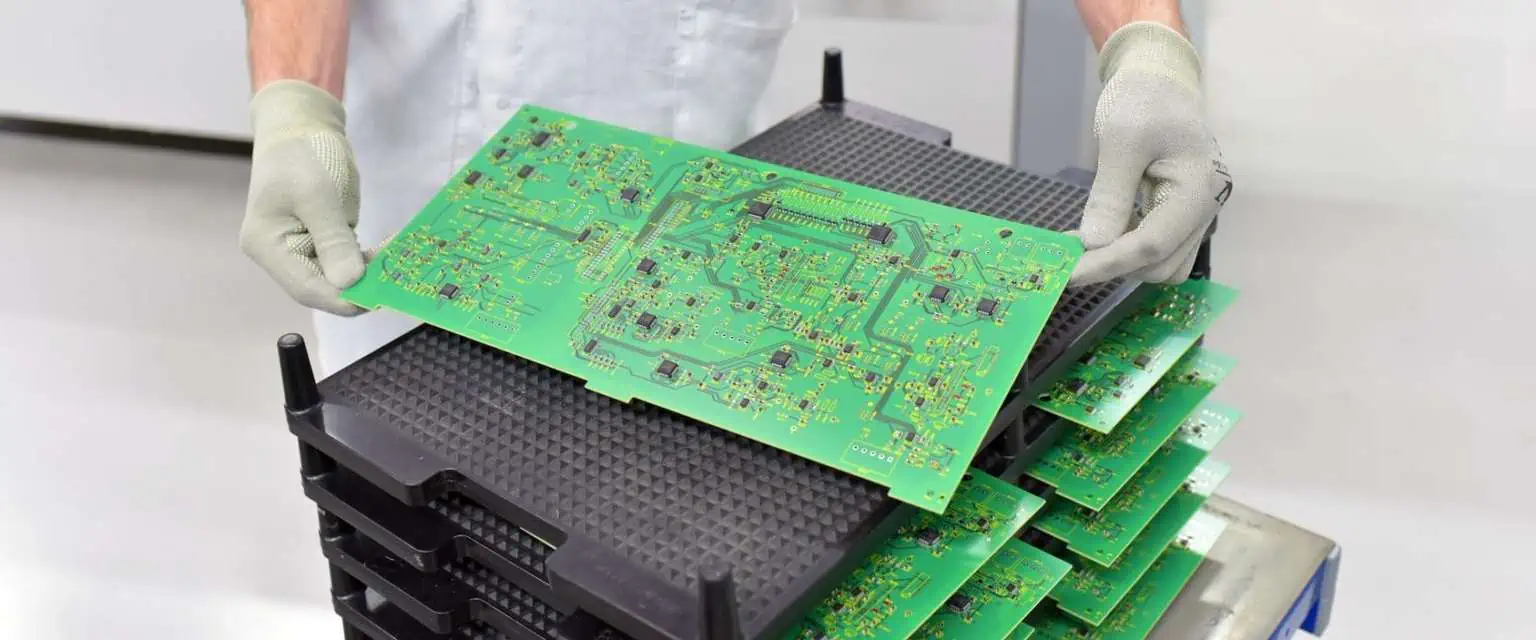
FR4 serves as the main insulating backbone of a PCB. This serves as the foundation upon which the circuit is built by the manufacturer. The FR4 board is prepared and then heated and coated with one or many folds of copper foil applying adhesive. Depending on the board’s design, this copper may wrap one or either side and create the connectors in the final version.

To create more complex circuitry, complex PCBs may layer the electronic circuit or use more than one side. From here, the board is prepared for the last touchscreen layer and the following soldering process by having the circuits designed and filed off before being coated with a modified surface layer.

Ceramic vs. FR4 PCB : When to Use?

multilayer pcb manufacturing

When most people hear the phrase “ceramics,” they immediately think of their primary or secondary school art class when they proudly made their parents a misshapen coffee cup. When you were an engineer, ceramic materials were essential to the creation of electronic components. Knowing how to design a different substrate PCB with transistors can be helpful.

Ceramic PCBs are advantageous for industries that need faster-speed amplitude boards that can survive challenging environments. By transitioning from FR4 to ceramic Boards, heavy industrial and aerospace equipment can experience significant improvements in reliability. The main disadvantage is the price, which can add up in large manufacturing runs.

ยท Ceramic vs. Multilayer FR4 PCB 

Compared to FR4 boards, ceramic boards have several unique features that can be used in specific applications. There is no one “ceramic” substance; rather, the term applies to a class of substances that share a similar chemical makeup and set of physical characteristics. Aluminum oxide, aluminum nitride, and beryllium oxide are ceramic materials utilized as substrates for circuit boards. Other ceramics with comparable properties include those made from substrates like silicon carbide and boron nitride.

The heat conductivity of FR4 and porcelain materials is a significant distinction. Comparatively to the ceramic materials employed for a circuit, FR4 has an appallingly low thermal conductivity. FR4 is roughly 20 times more thermally conductive than aluminum oxide. Beryllium oxide always has greater thermal conductivity than aluminum nitride, which is around 100 times more thermally conductive than silicon carbide. The material with the greatest thermal conductivity is boron nitride.

High thermal demands on FR4 Boards frequently need the use of metal structures to convey heat in order to make up for their poor thermal conductivity. Heat is transferred away from the surface layers through thermal connectors, metal surfaces on the inner surface, active cooling components like blowers, and thermal landings. Except for extreme circumstances, porcelain boards do not need these components, and heat can be simply transferred to a mechanical landing, an effective cooling feature, or device packaging.

Chemistry and physics majors may be aware that materials that carry heat well also make excellent electrical conductors. Ceramics defy this tendency a little. Thus these boards can still be utilized as PCB substrates because their conductivity is so low. Doping, which is also how ceramic resistors’ resistance is set, can be used to change the electrical properties of ceramic boards.

ยท Multilayer FR4 PCB Ceramic Boards

FULL PCB MANUFACTURING Quote

Further advantages of ceramic boards make them particularly beneficial for multilayer boards. Due to more consistent heat transport across the board, the high degree of thermal conductivity helps minimize the development of critical areas on the base and inner circuit layers. Heat waves are more prone to emerge on an FR4 PCB because it depends on metallic structures or aggressive cooling to move heat away from specific areas of the circuit or between layers.

Vias on FR4 boards are prone to fracture during temperature cycling and are used by multilayer boards to access the interior layers of a circuit. Deficiencies in the thermal expansion ratio between copper and FR4 cause the possibility of fracture to exist. These boards experience stress from thermal cycling along the chamber and butt connections within vias. Designers must take additional precautions to prevent failure since these spots are prone to fracture.

Because the thermal expansion coefficients of ceramic circuit boards are closer to those of their conductor structures, less stress builds up during thermal cycling in these structures. The ceramic board’s better overall thermal conductivity guarantees that heat capacity is also more consistent, preventing significant stress from being placed on any vias in a specific area of the board.

Ceramics possess a desirable level of mechanical strength and are capable of withstanding high mechanical loads, such as powerful vibrations and shock. A porcelain board will often distort less than an FR4 for just that applied stress since they have smaller Young’s moduli.

ยท Manufacturing Multilayer FR4 PCB Ceramic Boards

Silver or gold conductive pastes can be used throughout the ceramic board manufacturing process to lay trace connections in each layer. A coat screen printing procedure is commonly used to insert these metal components or substrates in each layer. Furthermore, micro vias can be laser-drilled or physically hammered in an unfired layer.

The complete stack of printed and stacked ceramic layers is then baked in an oven. The ceramic board must be baked at a temperature below 1000 ยฐC, which is the same as the temperature at which gold and silver paste sinter. Gold and silver can be used on ceramic Boards thanks to this cooling bake method.

It is simple to incorporate analog elements directly into the inner layers of a ceramic PCB thanks to the compression molding and sintering process for multilayer PCBs. In a PCB constructed of FR4 material, this is not feasible. Designers are now able to enhance the density of connections and components on inner layers.

How To Select Multilayer Fr4 PCB Thickness?

multilayer circuit board

The designer or electrical engineer should specify the FR4 thickness when placing an order for a laminate board for a PCB project. Based on which is most suitable for the environment, this is determined in inch-based quantities, like a 1,000th of an inch, thou, or millimeters. FR4 sheets can be any thickness. However, they often span from ten through to three inches depending on the project’s requirements.

Although board thickness might not appear to be a crucial element in a PCB’s design, it actually is. In order to determine the width of a plank for design, numerous criteria are taken into account because board thickness impacts a number of the board’s functional characteristics. The following are some of them.

1. Space

If the designer is concerned about space, a smaller FR4 board is typically preferred. This is a key component in the creation of numerous Bluetooth accessories and USB connectors, which are tiny devices. Smaller FR4 PCBs are typically preferred to reduce space inside the device, even for bigger applications.

2. Connections:

An edge connector is necessary to link the two sides of a two-sided PCB design. Since PCB edge connectors can only fit a specific range of PCB thicknesses, this might be a significant limiting factor for the PCB’s final size. To avoid slippage or PCB damage, a connector’s mating component must fit tightly against the edge of the Board. That’s one of the main explanations for why choosing the material for the circuit comes before designing the circuit.

3. Impedance Matching

Each multi-layered board serves as a capacitor for the layers below it. Because the width of the PCB FR4 substance impacts the width of the insulator, which significantly influences the capacitance value, the width of this panel is crucial.

This is a particularly important consideration for some elevated PCB designs, such as Rf/microwave ones. Getting the proper inductance for every layer is vital in high-frequency designs because impedance matching is a crucial element for maintaining good board performance. 

Who are the Best Electronics Suppliers in China?

EMS Electronics Manufacturing Companies

With a purposeful focus on enhancing their products’ quality rather than merely the quantity, the electronic suppliers in China has made a substantial contribution towards our global economy over the past few years. With exports of more than $20,747.10 million in 2017, China’s wholesale market for technology achieved a record high and is predicted to rise much further in years to come.

You won’t feel deflated or defeated any longer whenever you see “made in China” on your electronic devices. Below are the best electronics suppliers in China, who offer high-end products at surprisingly inexpensive costs.

Before we explain further on the best electronics suppliers in China, let us first consider who an electronics supplier is.

Who is an Electronics Supplier?

Electronic suppliers play a crucial role in supply chain that provides manufacturers of electronic equipment with components they need, including surface mount component, leaded components, and different types of semiconductor devices

Getting the correct components in place at proper time is essential for an effective operation since supply could be a hard process.

Distributors were organized to manage the delivery of various components from various manufacturers into a wide number of organizations, but component producers lack the ability of interfering with many businesses, both large and small.

Best Electronics Suppliers in China

China has seen the emergence of a number of electronic manufacturing enterprises over the past several years, and you can now image the abrupt acceleration in the GDP.

Well, the influence of the wholesale electronics business to the economy is always positive.

You may digitally connect to some of the most well-known electronics suppliers in China’s B2B marketplace to buy genuine goods. These Chinese electronic suppliers listed below are among the most reputable and verified, allowing you to invest there without worrying that luck would go against you.

Huaqiang Electronic World

One of China’s biggest markets for consumer electronics is Huaqiang Electronic World. You’ll undoubtedly find whatever you require here, as there are six stories here featuring almost every form of electrical device you can imagine. They even feature some cutting-edge, environmentally friendly technologies; such fully recycled cardboard lamps and chairs.

Due to its most reliable electronic products being offered at wholesale costs, Huaqiang Electronic World is capturing the whole country’s hearts of China. The manufacturers’ interiors are highly opulent, and they creatively display their products there to attract customers. Their whole product line has captured the interest of consumers, and both international and domestic markets are experiencing extremely high demand.

Linbova Technology Co. Ltd

Linbova Technology Co. Ltd seems to be the best place to go if you’re seeking for some high-tech tools as well as electronics at a great price. With the promotion of the high-end products in competitive markets, electronics suppliers in China have taken the lead in the industry. Additionally, the business specializes in products that may be customized and is especially targeted at technical specialists that use these products in their line of work.

Dongguan Sen Dong Electronics

FULL PCB MANUFACTURING Quote

This electronics supplier in China was established in 2003. By consistently expanding the product lineup that is now within the grasp of consumers, manufacturers have contributed to economic progress. This company is known as ISO 9000 certified, which is the strongest argument in favor of it.

While having a limited selection of products, it handles a spectrum of tech-related electronic items, peripherals, and products. This electronics supplier in China must be visited if you’re looking for inexpensive electronic products.

Shenzhen Saiqiao Technology Ltd

Though not too old, its products are valuable investments. Soon just after founding in 2013, the business gained notoriety for manufacturing high-demand wholesale electronic products. It offers a variety of goods at very low costs, includes USB cables, audio cables, HDMI cables, chargers, as well as other types of mobile accessories. Due to their true commitment to placing quality before quantity, an ISO-certified organization can be relied upon for both their products and judgments.

Marvel Electronics Shenzhen Co.

Another reputable brand that handles the efficient and top-notch goods sector of the electronic industry of China. The majority of foreign customers place orders with the business in order to acquire flawless and unrivaled products. The business is well known for making premium LCD modules. Several of its prospective customers are in North America, Europe, East Africa, and Australia, whereby electronic suppliers can export their goods.

Shenzhen Hosing Technological Development

This high technological company specializes in making USB cables, power banks, as well as phone and automobile chargers. Mobile chargers for phones, cameras, and other digital equipment are made of power banks.

They provide a great deal of product versatility in terms of capacity, interoperability, design, and clever safety features. Regarding manufacturing and designing, they operate under the ISO 9001 standard, which is an established system for quality management on a global scaleIts market has expanded to many other parts of the world, including North America, Middle East, and Europe.

Shenzhen Linbova Technologies

A smaller business called Shenzhen Linbova Technologies focuses on making bluetooth speakers, outdoor devices, and game controllers.

This 2017-founded company outperforms its competitors by employing research as well as development engineers that will adapt any product from their inventory to your demands. Also, this business has an ISO-9001 management certificate, as well as the manufacturing process is carefully monitored by trained professionals.

B&K Electronic Technologies

Consumer Electronics Assembly

With just nine employees, trade company B&K Electronic Technologies, which was founded in 2017, is a relative newcomer in a very cutthroat industry. They produce technological devices like wireless phone charger, bluetooth devices, and a variety of phone cases.

Every employee has more than a decade years of business experience and has worked with some innovative tech businesses of modern time, including Apple, Huawei, and Samsung, to bring products to market.

Guangzhou YOUTOP Digital Science Technologies

This electronics supplier in China is dedicated to creating, designing, as well as producing personalized digital gifts to serve commercially-oriented marketing campaigns. This business, which was founded in 2004, will consult with you extensively to identify the ideal product for your requirements. Its staff members are very knowledgeable about development and research and constantly strive to create the most modern technologies.

They have collaborated with a number of well-known businesses worldwide, and their goods are well-liked on all international markets. Also, each product complies with current health standards including RoHS, C3, and CE.

Flying Communication Ltd

Flying Communication Company was founded in 2004 renowned for providing different phone cases, including hybrid cases, waterproof cases, and earphone cases, as well as screen protectors.

Their typical yearly sales range from $200 million to around $500 million. They don’t make electrical devices themselves, but for the last fourteen years, they have been the top choice for phone cases.

Dongguan Sen Dong Electronics

Since its founding in 2003, this company has been engaged in the production, development, and research of mobile devices and related accessories, particularly earphones. This business has ISO 9000 accreditation, which is superior than ISO 9001 certification in that it covers all areas of the quality management systems as opposed to just one.

Shenzhen Marvel Electronics Ltd

The 2012 establishment of Marvel Electronic is dedicated to the production of LCD modules, including alphanumeric, dot-matrix, animated graphics, dot-matrix, as well as TFT LCDs.

In addition, they manufacture products including computer speakers, optical cables, ABS phone casings, LED panel light, specially made USB flash drive, phones, tablets, and Android devices. This business offers its services to customers in Australia, Europe, Africa, Middle East, as well as North America at very affordable costs.

Shenzhen Saiqiao Technology Ltd

Electronics Assembly Companies

This manufacturing company was founded in 2013 that produces digital goods, accessories for mobile phones, and electronic presents. They produce a variety of goods, including chargers, Samsung and iPhone accessories, HDMI cables, audio cables, and USB cables.

 The business appreciates its reputation with clients and is certified under ISO 9000 as well as EICC. It also offers cheap prices, prompt delivery, and excellent service. They employ approximately 100 people and offer free product samples, and provide about 10000 pieces daily.

Dongguan Harbour Technology

Headphones, phone cords, smart watches, and car chargers are all offered by this electronics suppliuer in China.. Saudi Arabia and the United States are where they get most of their business. Despite their recent existence, they are an ISO 9001 as well as 14001 certified diamond member for made-in-china.com.

It’s crucial to assure fast payment to China manufacturers and suppliers when purchasing products made in China. This guarantees that your order will be shipped promptly and that the agreed-upon prices will not change.

Rantle East Electronic Limited

This is another leading Chinese suppliers of electronic components; a  full-service independent distributor of the different electronic components, has been in business since 2003. For OEMs, Service and Repair, as well as Contract Manufacturers, Distributors, Research and development Groups, as well as other businesses that need electronic components, our company offer a comprehensive and affordable sourcing solution.

Also, aside from having a huge choice and selection of components in store, we also provide free sourcing of components for our clients. By combining our online search engine, that collects information both our warehouse stock and the worldwide stock available via our Reliable Supplier Network, with collection of millions of data files out of the major OEMs as well as stockists, we quickly and effectively find both obsolete and current parts.

Win Source Electronics

You are fully aware of how challenging it is to find old electronic parts. Purchasing should always take around 60% of a buyer’s time, which is twice as much time as discovering typical parts.

In response to this problem, WIN SOURCE continuously improves their in-stock inventory as well as a worldwide supplier network to shorten customer procurement cycles, decrease transaction costs, as well as offer high-quality electronic components for affordable prices.

How Do I Pick Electronics Suppliers in China?

Choosing the best and most reliable electrical manufacturing services provider could prove very difficult, particularly in Asia. This is due to the fact that there are lots of them available and selecting one over another may be difficult. Also, due to their abundance, some individuals could find up teaming up with an incorrect provider of electronic manufacturing service. But, you can use the guidelines listed below to stop the occurrence of this.

Before contacting an electrical manufacturing services provider, you must first take into account their rating. The majority of variables and labor influence a company’s ranking. For instance, the ranking of a provider of the electronics supplier in China takes into account manufacturing expertise, scale, and capacity inside the technology, sector, sector certifications, etc.

High ratings indicate a high probability of high-quality product manufacturing for the provider of the electronic manufacturing services. This also applies to exceedingly low ratings. Also, if a firm seems to have no ratings, you should do extra research on it in addition to using other criteria to determine whether it is good fit for all your personal manufacturing needs.

Examine your electronic manufacturing service provider’s internet reviews. Most internet reviewers typically take certain factors into account. Also, they are frequently new or long-time users or clients of the provider of the electronic manufacturing service. That is why customers’ reviews of their interactions with the manufacturer’s goods and services function as an extremely important barometer of the caliber and capability of production from the supplier of the electronic manufacturing services.

In order to assess a supplier’s suitability and capability for your manufacturing requirements, you need also consider other areas of the supplier’s electronic manufacturing service.

Conclusion

One cannot overstate the importance of selecting the appropriate provider of electronic manufacturing service for the electronic needs of companies in Asia. Even if the procedure could be challenging, you simply cannot skip it.

Furthermore, we have provided some recommendations to help you choose wisely. We’ve also provided advice regarding how to pick the best electronics suppliers in China for your requirements. You can contact us here whenever you have further inquiries. We are always available to meet your needs.

Who is a Hardware Development Engineer?

hardware development engineer

The Hardware Development Engineer is someone who develops hardware, and is involved in designing, producing, installing, and upgrading hardware components.  Computer mouse, modems, keyboards, disk drives, circuit boards, as well as other devices are examples of hardware components.

The hardware development engineer will create and produce new prototypes in addition to modifying hardware. You also will supervise the fabrication of new parts and make sure that it follows the previously created pattern. To assess the new items’ functionality, you should test them. Another obligation has to do with assessing the compatibility of new hardware with old software.

Also, the minimum educational prerequisite is a Bachelor of Science degree in electronics, computer programming, engineering, or equivalent subjects. You must also have excellent problem-solving and decision-making abilities, coupled with strong analytical and critical skills for this position.

You ought to be capable of concentrating on details, use deductive reasoning, and be quite imaginative.

What Does Hardware Development Mean?

hardware development

Hardware development involves a complex undertaking that comprises the optimization and creation of the mechanical and electronic system elements which conduct various computational functions. Typically, the hardware interface is used to realize the connection in between objects and elements.

Typically, hardware development involves the following phases:

  • creation of hardware element schematics;
  • implementation of hardware elements (in form of circuit boards or in combination);
  • testing of hardware elements in a lab setting;
  • System integration
  • field testing of hardware

The first phase of the development process of the hardware is incidentally, the most crucial. Since the proper hardware design avoids several potential failures and downtimes, it also lowers the project expense.

The process involves in designing, creating, testing, as well as manufacturing computer systems or other associated physical components is known as hardware engineering. The hardware engineering scope has been broadened to encompass hardware components that enable embedded software engineering within non-computer devices due to a result of technological advancements and R&D developments.

Hardware engineering in embedded systems refers to the process for designing and developing all electronic hardware, including controllers, processors, and sensors. Hardware engineering’s capabilities extend beyond only creating and developing embedded or computer systems and include integrating a variety of hardware components to ensure the smooth operation of the overall business system.

Hardware engineering has become common in more recent domains like robotics and computer vision, mobile computing as well as distributed systems, etc. thanks to technological advancements as well as improvements in R&D.

What are the Duties and Responsibilities of the Hardware Development Engineer?

FULL PCB MANUFACTURING Quote

The study, design, development, as well as testing of the computer components and systems such as memory devices, routers, processors, circuit boards, and networks are the responsibilities of the hardware development engineer.

Hardware engineers create the tools that are used in finished goods to connect to internet and integrate processors as well as other components of the computer. This might apply to more recent cars, home appliances, including medical equipment that feature internet-ready computers built right into them. They make sure that the most recent and cutting-edge software is compatible with the components of the computer hardware.

They develop schematics for computer equipment that will be produced, design the new hardware for the computer, as well as test their designs. They evaluate the test findings and adjust the design as necessary. Although degrees in electrical engineering as well as computer science are typically sufficient; numerous engineering programs must be accredited; entry level type of computer hardware engineer typically have a Bachelor of Science computer engineering degree.

Testing hardware is another duty and requirement placed on hardware designers for testing the completed systems.

Then, in order to improve system stability and performance, they must assess the findings and make any upgrades or modifications that are required. Also, they must record every step of the procedure, from the preliminary design and development phases to the concluding testing and troubleshooting phases.

In order to guarantee functionality, optimize capacity, and remove performance concerns, they change current hardware systems. The hardware development engineer then conducts tests to ensure that the system’s overall performance is not adversely affected by these adjustments.

The hardware designers also must keep an eye on production procedures and make sure that these components are made according to plans.

Job Duties Common to Hardware Development Engineers

RF Hardware Engineer
  • Verify that the most recent design processes, procedures, and methods are used.
  • Control the activities of the electronic lab, new procedures, and incoming work.
  • Manage the test engineering for new process development and tactics.
  • Assist a team in maintaining hardware across its entire life cycle.
  • Speak with suppliers and vendors to confirm that the project and product are in compliance.
  • Assume technical leadership over all the development of the product by overseeing the layout and operation of the machinery.
  • Establish test procedures and run tests to confirm/validate product functionality, dependability, and quality.
  • To test a prototype, create validation processes and establish code specifications.
  • Analyze and assess product risks, then collaborate with the team to take steps to reduce them.
  • As required, coordinate with the other engineering, operations, and maintenance contracts.
  • Assist in the tuning and validation of electronics hardware component with the cross-functional teams.
  • Compile and summarize the design information for team members as well as other clients.
  • Appoint, train, and assess staff to guarantee the group’s smooth operation.
  • Put corrective measures into practice.
  • Attend and take part in important design reviews as well as risk analyses.
  • Establish, direct, and mentor the elite team for validation of autonomous vehicle.
  • Manage the team that constructs and maintains the autonomous drive system’s integration bench.
  • Use procedures and policies to direct the development and caliber of the department.
  • Assure adherence to company and customer standards and rules.

What are the Standard Requirements for Careers as Hardware Engineers?

  • A graduate degree or Bachelor’s degree in electronics engineering, computer science, electrical engineering, or one of these disciplines.
  • Knowledge in the C programming language, PCB design, FPGA, CAD, QUANTUM, and MATLAB systems.
  • Working knowledge of Python, Linux, Baseband, Logic Analyzer, including Verilog hardware and software.
  • Capable of leading, problem-solving, and scripting in addition to debugging.
  • Excellent algorithm and protocol design skills.

Required Qualifications for the Hardware Development Engineer

Flex-Rigid PCB Electronic Engineer

The hardware engineer needs to have a solid foundation in the design of electronics as well as expertise in both analog and digital circuitry. The hardware development engineer additionally needs knowledge using electronics tools such as soldering irons and solder removers, as well as design software like AutoCAD, OrCAD, Altium, and Allegro.

Students must excel in mathematics, particularly in the subject areas of circuits and processing. Understanding of integration procedures, certain software languages, and HDL languages like Verilog and VHDL are also crucial.

Also, the hardware engineer needs to be familiar with production procedures and also have the experience making prototypes. Soft skills including effective communication and being detailed, as well as accuracy, problem solving and critical thinking, are equally as important as technical skills.

  • Strong foundation in the electronics design
  • The mastery of both analog and digital circuitry
  • Proficiency with design tools like Allegro and Altium
  • Working experience with different electronics tools
  • solid command of mathematics, especially math related to processing and circuitry
  • Familiarity with HDL languages such as VHDL
  • Familiarity with integration processes as well as software languages
  • Understand prototyping
  • Familiarity with manufacturing processes
  • and strong communicative skills
  • Highly detailed
  • great precision
  • great skills for problem solving   
  • Excellent analytical thinking

Software vs Hardware Engineering

Working closely using computers is required for both software and hardware engineering in order to create, build, and maintain operating systems. Despite their similarities, these two fields possess important distinctions, including:

Work description  

Although both software and hardware engineering jobs demand a deep understanding of computers, their responsibilities are very different. Think about a player of video games as an illustration. Hardware engineering gives them the tools they need, such as the unit for graphics processing as well as the CPU of their computer, to watch their games as well as carry out orders. They can play such games due to the components created by software engineering.

Skills

To succeed in their areas, software and hardware engineers both require excellent problem-solving, operations analysis, and critical thinking abilities. Despite these commonalities, success in each sector depends on a unique set of skills. The hardware engineers, for instance, need to understand mathematical, physical, as well as mechanical concepts.

Education

Although it is possible to find employment in the areas of software and hardware engineering without the need for any college degree, numerous professionals hold at a minimum of a Bachelor of Science degree in these disciplines. Computer science and engineering are popular academic specialties for the hardware engineers. A degree in software engineering or mathematics is an option for aspiring software developers.

Conclusion

The hardware development engineer is responsible for a variety of tasks. These obligations can change depending on a person’s specific employment, organization, or industry.

What is the Significance of Automated PCB Design?

automated pcb design

High-quality bespoke circuit boards can be obtained within seven days of orderingโ€”in some circumstances, even soonerโ€”whether you’re an experienced or amateur electronics designer. These circuit boards are offered at such low costs that you would wonder how they are produced.

The production’s usage of highly automated PCB design tools, beginning with the procedure for ordering itself, is largely to blame for the solution.

Automated PCB Design Facts

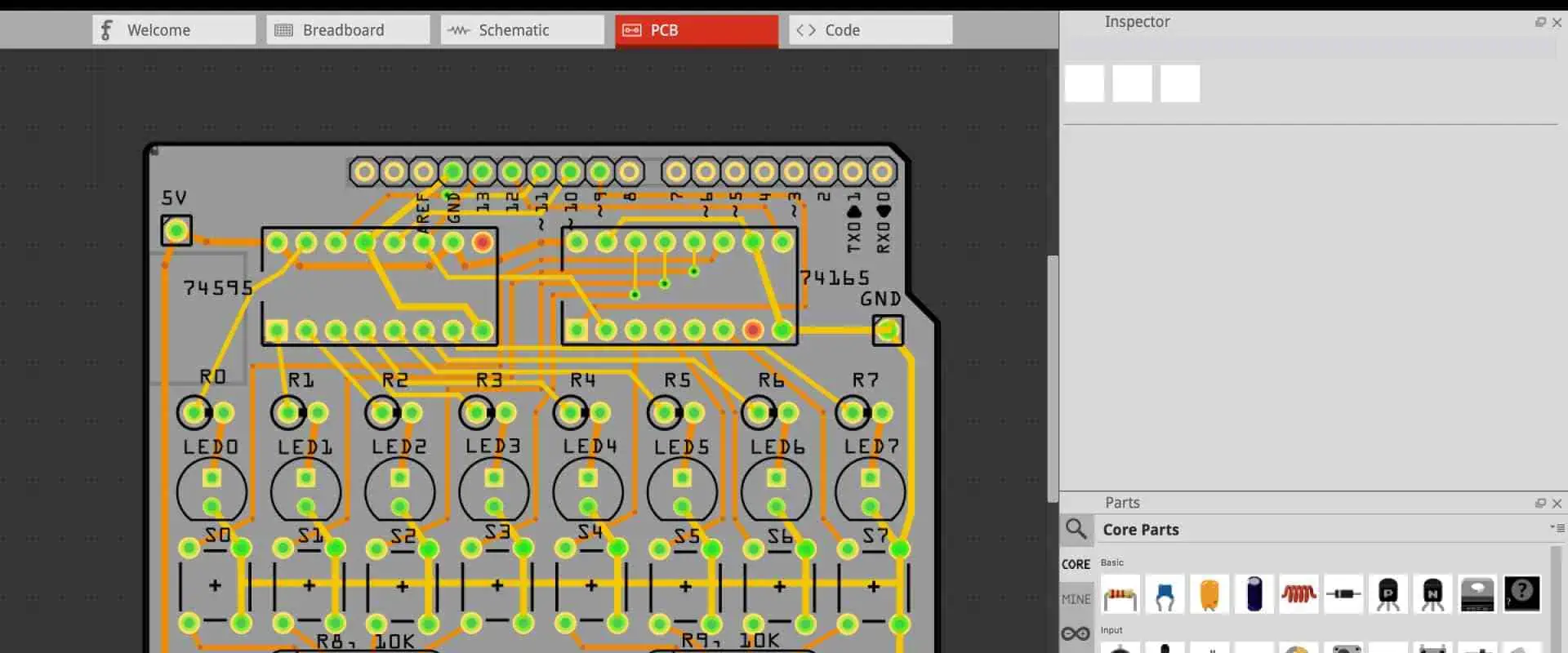
Automated PCB process of manufacturing continues somewhere at circuit board fabricator, also known as “fab,” after designing the circuit board making use of EDA softwares like Eagle, KiCad, or Altium.

Together with drill files, you virtually draw out some instructions, which are commonly Gerber files inside the RS-274X2 or RS-274X format. They are after that uploaded onto your preferred PCB maker. You can order your board from many vendors, like PCBWay and OSHPark, by using the fast quotes they provide.

In order for the PCB to be built properly, manufacturers often review the submitted boards to ensure their design specifications are not broken. Although there is a lot of automation involved, there can still be a need for human interaction or back and forth. Many client boards are integrated onto the single panel after all checks and communications have been completed. These panels typically have an interior of fiberglass (FR4) to offer insulation and strength, as well as an exterior layer of copper that is trimmed to a specified size for a fab’s process.

Automated PCB Design History

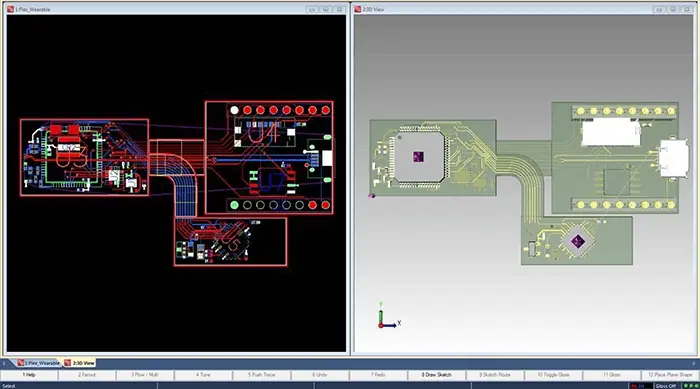
PCB design used to be done manually before automated electronic design came to be. It uses mechanically drawn as well as plotted traces and components traces. EDA has developed over the last ten years to become more than just software that enables PCB designers to convert a schematic to a usable PCB. Current EDA tools provide extensive simulation and management features that PCB designers can use to improve the PCB’s capacity to be manufactured, serviced, and reliable.

Routing and design perfection are no longer the primary responsibilities of the PCB designer. The PCB designers, particularly those that work with small as well as medium-sized businesses, are responsible for a variety of design-related tasks. They may have to accept responsibility for cost control and value engineering by the reuse of comparable components in the multiple designs.

As consumer goods become more competitive, Circuit board designers must optimize their designs for production and assembly in order to significantly reduce costs. The end product’s reliability and serviceability must be considered by PCB designers. This entails collaborating closely with a maintenance crew as well as making educated predictions about likely PCB failure locations.

PCB designers face challenges from the requirement for electronics having smaller, quicker components and decreasing amounts of workspace, in addition to operational issues. Being close neighbors brings about an entirely novel set of issues in the PCB design. In contemporary design, terms like EMI – Electromagnetic Interference, thermal impacts, signal integrity, are used more frequently.

Problems with PCB Design

FULL PCB MANUFACTURING Quote

Incorrect trace geometry

Circuit board traces are in charge of carrying electrical signals in between various circuit components while adhering to exact restrictions on the signal’s frequency, current strength, and speed. Each traceโ€™s geometry is crucial in this situation; in particular, the thickness and width of every trace must be sized correctly. When a trace’s current surpasses the 0.5A indicative value, the current line or line for power transmission is considered to be a high one.

Extraordinary trace length

High-speed signal traces should be straight and brief as possible. In the event that such length gets exceeded, there’s the possibility that major issues like signal reflection (having direct effects on the signal’s integrity), higher sensitivity to EMI, as well as higher costs.

We can refer to a trace as a line of transmission if its length is greater than one-tenth of the signal’s wavelength it carries. In this situation, it becomes crucial to calculate the impedance coupled with the length (using one out of numerous specialized tools now available online) so as to establish impedance coupling and prevent signal power loss.

Decoupling capacitors are in the wrong position.

In the power supply lines of circuit boards, decoupling capacitors were required to guarantee a reliable power supply devoid from oscillations and transients to all the board components. These capacitors must always be located as near as feasible to the components’ pins that need power and connected in the parallel form with a power source.

EMI – Electromagnetic Interference

A poor PCB design is frequently the cause of electromagnetic interference. It is advised to organize PCB components into functional groups, such as digital and analog blocks, power sections, high-speed circuits, low-speed circuits, etc., in order to prevent electromagnetic interference (EMI). In order to reduce or even eliminate interference, it’s additionally required to utilize insulated cables, metal containers, as well as fewer straight angles on these traces.

What Future Awaits Automated PCB Design?

DesignSpark PCB
DesignSpark PCB

Inside the electronics world, increased design process automation does not always result in innovation. In order to enable designers to perform the tasks they do well, it raises the abstraction level at which they operate. Then, design time is able to create value rather than deal with the implementation’s complexities.

Yet, for the automation to become effective, it has to be carried out in a setting that includes all the restrictions required to completely establish the limits of the processes being automated. A wide design space made possible by high-capacity, inexpensive programmable devices makes it easier for software and hardware to converge. This system of PCB design we employ must integrate what are now regarded as distinct design disciplines to deliver efficient automation inside this design area.

Every automated PCB design ultimately aims to maximize the efficiency of a highly useful design asset, which is the designer using the controls. Using the complete spectrum of the electronics design techniques and devices accessible today is made possible by working within a cohesive design environment, which also enables the automation required to function at higher abstraction levels, include rising intelligence levels to products, as well as ensure the job is completed at a faster rate.

Benefits of Automated PCB Design

Many benefits of automation include lower costs, improved quality, quicker circuit assembly, as well as a reduction in human error. Moreover, the automated assembly lines can conduct tasks including component sorting, component placement on bare PCBs, assembled board inspection, functional testing, and final product packaging for deployment.

Often, when people hear the word “automation,” they think of robotics inside the PCB design industry.

Best Software for Automated PCB Design

Top PCB design software

Altium Designer

Altium Designer describes a complete collection of tools for PCB design made for engineers including you, covering all phases of the design process from schematic through layout featuring simulators and productivity-enhancing features. Built on the strong framework that allows for the smooth integration of every one of its tools for design automation into one comprehensive flow of design, its features are straightforward and simple to use.

Altium Designer can be described as the most reliable EDA software for automated PCB design, whether you’re obtaining the most recent component data through your vendors, simulating your ICs, capturing this schematic, as well as laying out of the board, and creating automated files for batch manufacturing.

KiCAD

This can be described as open-source, cost-free EDA suite that is utilized by CERN as well as a large number of other people and businesses. It offers a comprehensive collection of tools, including differential routing, PCB layout and schematic, a stunning 3D viewer, the Python scripting capability, and support for component libraries on Git. Also it features a fantastic calculator applet enabling figuring out various factors, including RF attenuation, track width, as well as transmission line specifications. It has recently undergone a stable release and is currently undergoing intense development.

Allegro

Cadence introduced Allegro as a routing tool for PCB design. Due to Allegro’s robust features, big businesses frequently utilize it, particularly those that produce computer motherboards.

This program occupies a significant share of the market on server motherboards, huge industrial control board, computer motherboards, as well as other large board types due to its benefits in drawing large boards. After fact, a tiny number of businesses will also utilize some tablets as well as mobile phone circuit boards.

EAGLE

This has an appealing user interface and a potent schematic diagram feature. Although it isn’t free, the cost is reasonable. It includes amazing features including an interactive follower, a batch command script file, online negative and positive annotation, and copper cladding. Moreover, EAGLE supports the three platforms – Windows, Mac, and Linux. Also, this software has a fairly extensive library, allows the use of scripts, and includes CAM tools.

Final Thoughts

You should purchase EDA software with a robust library, module for component management, model libraries enabling 3D modeling, as well as SI analysis enabling automated PCB design. Also, you may keep an organized inventory of the parts used in the projects and you can avoid spending time generating components from the start.

You would like EDA softwares that helps keep things very simple as the PCB design becomes more complex. Reusable design elements as well as flexible design restrictions aid in keeping a variety of issues under control while still being effective.

Trends and Future of the Electric Lighting Equipment Manufacturing Industry

Electric lighting equipment manufacturing

The revenue of the electric lighting equipment keeps growing over the last few years. All thanks to the development of high-quality and advanced lighting products. However, this industry has experienced some constraints in terms of revenue growth. This can be attributed to unfavorable demand conditions and import competition in several major construction markets.

Lighting is a crucial part of all building systems. Electric lighting equipment manufacturing plays a crucial role in the development of some electronic products.

What is Electric Lighting Equipment?

Electric lighting equipment produces light through the flow of electric current. This source of light is the commonest form of artificial lightning. Electric lightning offers exterior light for nighttime activities and interior lighting for buildings. The majority of electric lighting is usually powered by electric power. However, battery systems or electric generators can also power lighting.

Since the introduction of incandescent light bulb and arc lamps, electric lightingโ€™s efficiency has radically increased. Examples of electric light equipment include electric lamp, light bulbs, electric light tubes and components. Electric lightning equipment is designed to produce light for electrical products. It is widely integrated for household and commercial applications.

Electrical lighting equipment are available in different types. However, the main types include backlighting, general lighting, and automotive lighting. Automotive lighting system enhances visibility, particularly in low-light scenarios. The global electric lighting equipment manufacturing industry saw a growth from 112.99 billion dollar in 2022 to 121.23 billion dollar in 2023.

Overview of the Electric Lighting Equipment Industry

led pcb

The electric lighting equipment manufacturing industry is involved in the production of tubes and light bulbs, electric lighting fixtures and lighting fixture components, parts and components amongst others. This also includes the production of ceiling fans featuring integrated lighting fixtures.

Furthermore, the electric lighting equipment industry manufactures lighting items like incandescent, infra-red, fluorescent, lamps, and bulbs.  In 2022, the Asia-pacific region was the largest producer of electric lightning equipment while North America was ranked the second largest producer of electric lightning equipment.

As electric lighting continues to become a crucial element for residential, industrial, and commercial, environment in world, electric lighting equipment manufacturing companies has continued to experience some growth.  Also, the LED lighting sector has continued to make impact in the electric lighting industry due to its constant and increasing growth.

The demand for electric lighting equipment across the globe keeps increasing. This could be linked to progress in lighting technology alongside increasing infrastructure and housing contributions across the world. Light emitting diode is the most recent lighting technology which offers a wide range of beneficial features. This lighting equipment now accounts for the biggest market share in the electric lighting equipment manufacturing market.

Furthermore, more top leading electric lighting equipment manufacturing companies are now concerned about the development of new LED lightings to help them remain competitive in the world market. Therefore, this will contribute to the growth and development of the electric lighting equipment industry in the near future.

The Future and Trends of the Electric Lighting Equipment Manufacturing Industry

FULL PCB MANUFACTURING Quote

A recent research report made from Technavio revealed that the size of the global electric lighting equipment market was worth around $121.2 billion in 2019. This growth is projected to get to $151.7 billion by the year 2024. Rapid urbanization and the increasing number of households contributed to this market growth. As a result of this more commercial and residential buildings will be developed around the world.

Asia Pacific remains the biggest electric lighting equipment market in the world, with more than $57.2 billion in the year 2019. According to Technavio, more than 54% of the growth of the global will come from Asia Pacific in the next five years.

There are a number of factors that contributes to the development of the lighting market in the Asia Pacific. Some of these factors include the increasing demand for better and more efficient lighting solutions, presence of so many LED packaging and chip companies, and rapid urbanization in countries like India, China, and Japan.

In terms of production and market growth, the LED lighting segment will keep being the biggest segment in the electrical lighting equipment market in the near future. LED is basically the most recent lighting technology that produces photons via semiconductor materials. Light emitting diodes are usually small and powerful. This makes them widely integrated in a huge range of applications like traffic signals, general lighting, advertising, medical devices, and automotive headlights.

LEDs are a cost-effective lighting solution that saves energy. Their low energy consumption helps to achieve high efficiency. According to the most recent market research report, the worldโ€™s LED market size will get to almost $100 billion by the year 2023. Therefore, this LED market will have a CAGR of about 10%.

Top 7 Electric Lighting Equipment Manufacturing Companies

LED SMT

Samsung LED

Samsung LED is one of the leading electric lighting and LED manufacturing companies in South Korea. As a division of the South Korean multinational electronics company, Samsung LED supplies electric lighting equipment to various industries like automotive, consumer electronics, and more.  Also, this company focuses on delivering innovative and advanced lighting solutions for use in several applications.

This lighting company is one of the top leading providers for LED lighting solutions across the world. Some of its lighting systems include modules for different uses smart lighting solutions, mobile devices, and automotive. Samsung has a vast experience and skills in the manufacturing of semiconductor. This contributed to its continued innovation and production of advanced LED devices.

OSRAM

This German multinational electric lighting equipment manufacturing company has its headquarter in Munich, Germany. Osram is a popular lighting company that mainly focuses on technologies that are semiconductor-based.  As one of the leading supplier for lighting and electronics products in Germany and across the globe, Osramโ€™s product portfolio includes optical sensors,  lamps, automotive LED products, luminaries, lighting and projection systems, infrared LEDs, lighting solutions, and laser diodes for infrared and visible light.  

In the year 2019, the total revenue of this lighting company amounted $3.9 billion. Osram is an innovative electric lighting equipment company that believes in creating new ideas that will transform the global electric lighting equipment market. Over time, this company has continued to integrate new technologies to provide advanced lighting solutions to several applications.

Sharp

Sharp is a Japanese electric lighting equipment company that manufactures a wide range of electric lighting products for various applications. As a global leader in electric lighting technology, this company has a vast experience in the production and development of lighting solutions. One of its best products is the lighting emitting diode (LED). Another popular product of Sharp is luminaries.

The LED luminaires of Sharp provides high standards for the electric lighting industry. Sharpโ€™s lighting products are popular for the benefits they offer. Some of these benefits include optimal lighting design, long service life, visual comfort, and high system efficiency among others. Another great benefit of Sharp electric lighting equipment is its eco-friendliness. The team at Sharp is dedicated to creating innovative lighting solutions.

Signify

Signify is one of the most popular lighting companies in the world. This electric lighting company was formerly referred to as Philips Lighting. Signify has its headquarters in Eindhoven, the Netherlands. As a highly ranked electric lighting equipment manufacturing company, Signify provides high-quality lighting solution to various industries.

To date, Signify still remains a global market leader with vast expertise in the production and application of innovative lighting solutions for commercial and residential purposes. The product portfolio of this company includes Indoor and Outdoor luminaries, Hue personal wireless lighting, Conventional tubes and lamps, Bulbs, and LED lights. ย The total revenue of this company amounted to a whopping $7.2 billion in the year 2019.

Acuity Brands, Inc

LED Aluminum Substrate

Acuity Brands is a popular electric lighting company that focuses on the production and development of lighting solutions in the world. Its headquarters is in Atlanta, GA, United States. This electric lighting equipment manufacturing company has operations across countries in Europe, Asia, and North America. It supplies a wide range of electric lighting widely integrated in various applications.

Acuity Brand provides various outdoor and indoor lighting solutions ideal for different applications and environment. The LED lighting solutions of this company are sold under different brands like Lithonia Lighting, American Electric Lighting, Atrius, Holophane, Healthcare Lighting, Aculux, IOTA, etc. This company has earned a high reputation in the production of electric lighting.  

Everlight

Everlight is a Taiwan based electric lighting company. It is one of the largest LED lighting company in the world based by volume. Everlight supplies a wide range of lighting solutions and products like opto-couplers, high-power LEDs, infrared components, SMD LEDs, digital displays, lamps, LED lighting modules, and lighting components for different industries. In 2019, the annual revenue of this reputable lighting company reached $150 million. Two years after, its annual revenue reached a whopping $897.84 million.

For more than two decades, Everlight has continued to focus on the improvement of electric lighting manufacturing process via research and development. This company provides lighting solutions that feature efficiency and high quality for different applications. Everlight designed a global business contact network where the needs of customers are met.

Cree

This US-based electric lighting manufacturer mainly focuses on the production of LED lighting. Cree is one of the worldโ€™s largest LED lighting companies. Asides LED lighting production, Cree manufactures semiconductor products for different industries. It has been able to install more than 125 million LED lights since 2008. Creeโ€™s integration of cutting-edge technology helps in providing reliable and high-performance lighting for commercial and residential purposes.

The headquarter of this company is in North Carolina, United States. As a large supplier of LED lighting, Cree provides the widest portfolio of advanced and high-quality LED components in the industry. This includes LED modules for displays and lighting, discrete LEDs, and LED arrays. Some of Creeโ€™s LED products are LED Modules, XLamp LEDs, and the J Series LEDs.

Segments of the Electric Lighting Equipment Market

The electric lighting equipment market comprises electrical lighting solutions like lighting fixtures, general indoor lighting, outdoor electric lighting equipment, and lamp shades. The global electric lighting equipment manufacturing industry is in various classifications:

  • By application: commercial, residential, and automotive
  • By mode: offline, online
  • By type: Back lighting, general lighting, and automotive lighting
  • By sales channel: OEM and aftermarket

Sub-segments include:

Halogen, Compact Fluorescent Lamps, High Density Discharge, Bulbs, Linear Fluorescent, Cold Cathode Fluorescent Lamps, Light Emitting Diodes (LED), Compact Fluorescent Lamps, Back Lighting-Light Emitting Diode, Automotive LED, and more.

Importance of Electric Lighting Equipment

Functionality

It is easier to see when there is light. We need light for watching TV, reading, and doing some activities. Electric lighting equipment serves several functions. However, the light levels also determine how we see. For instance, if the light from the TV is too much, it makes it difficult to see the screen.

Security

Electric Lighting equipment provides security. Lighting for security purpose makes you feel safe and as well deters potential buglers. A bugler will more likely target a home in darkness than a well lit home. Homeowners feel safer when they can easily spot an intruder or burglar. Also, potential burglars are afraid of being caught when there is light. Outdoor lighting equipment is usually installed for security and safety purposes.

Mood and ambience

Another benefit of electric lighting is how its elevates our mood. Lighting can help to create a welcoming and warm feeling.

Other applications

Electric lighting equipment is widely used in several applications. For instance, automotive lighting equipment helps drivers and pedestrians to know the direction of  a vehicle. Electric lighting equipment is also integrated in other applications like medical, consumer electronics, and more.

Conclusion

As electric lighting continues to become a crucial element for residential, industrial, and commercial, environment in world, electric lighting equipment manufacturing companies has continued to experience some growth.  Also, the LED lighting sector has continued to make impact in the electric lighting industry due to its constant and increasing growth.

Why Arduino ATmega 32u4 is a Highly Preferred Microcontroller Board?

Arduino ATmega 32u4

The Arduino ATmega32u4 comes with a lot of features. This makes it a widely integrated microcontroller board in several applications. Read further to learn more about Arduino ATmega32u4 and what it offers.

 What is Arduino ATmega32u4?

The Arduino ATmega 32u4 is a family of 8-bit microcontrollers. It shares some similarities with the ATmega328P. However, the Arduino ATmega32u4 internally handles USB communication. The 328P doesnโ€™t communicate with a USB cable. Therefore, boards that integrate 328P requires a USB-to-serial converter to program.

The ATMega32u4 is an 8-bit AVRs that comes with a flash memory of 32kB. Also, it has timers, ADCs, and UARTs among others. One of the benefits of using the Arduino ATmega 32u4 is its low cost. This board is much cheaper than ATmega 328 boards. Also, ATmega 32u4 can execute regular things other Arduino boards canโ€™t. One of these things is the ability to copy a USB mouse or keyboard.

Despite the numerous benefits of ATmega 32u4, this board has its own drawbacks too. It can be more difficult to utilize and can be less reliable. Furthermore, ATmega 32u4 comes with a built-in USB communication. With this feature, there is no need for a secondary processor. There are several microcontroller boards based on the ATmega 32u4. An example of such microcontroller board is the Micro.  

The Micro board works in a similar way with the Arduino Leonardo. This similarity in their operation and functioning is due to the integration of ATmega 32u4.

Since Arduino ATmega 32u4 controls its USB connection, this makes it a more flexible option compared to 328P boards. The ATmega 32u4 can be easily programmed to function as a mouse, MIDI controller, or a keyboard when connected to a computer. These capabilities arenโ€™t possible with 328P boards.

ATmega 32u4 offers support to SPI and 12C communication. Also, this microcontroller board enables CDC communication over the universal serial bus (USB).

Features of Arduino ATmega 32u4

ATmega 32u4

ATmega 32u4 is based on the AVR enhanced RISC architecture. It is a CMOS 8-bit microcontroller. This device provides throughputs of 1 about MIPS per MHz by carrying out strong instructions, enabling the optimization of power. More features of ATmega 32u4 are mentioned below:

High performance

ATmega 32u4 is a high performance and low power 8-bit microcontroller.

Enhanced RISC architecture

The RISC architecture is improved. It includes 135 instructions with single clock cycle execution. Also, it is a fully static operation with 32 x 8 general purpose working registers. This architecture is about MIPS throughput at 16MHz.

Non-volatile program and data memories

ATmega 32u4 features non-volatile data memories and program as it comes with

  • 6/32KB of In-System Self-Programmable Flash
  • 1.25/2.5KB Internal  SRAM
  • 512Bytes/1KB Internal EEPROM

I/O packages

The I/O packages comprise 26 programmable input/output lines, 44 lead QFN package, 44 lead TQFP package and I/O combine LVTTL inputs and CMOS outputs.

Special microcontroller features

ATmega 32u4 comes with an internal calibrated oscillator, programmable brown-out detection, external & internal interrupt sources, and Power-on Reset. Also, it comes with six different sleep modes which are Power-down, Extended Standby, ADC Noise Reduction, Power-save, Standby, and Idle.

IEEEยฎ std. 1149.1 compliant JTAG interface

The JTAG interface has boundary-scan capabilities based on the JTAG standard. Also, this interface allows programming of EEPROM, Lock Bits, and Flash.

Other Features of Arduino ATmega32u4

FULL PCB MANUFACTURING Quote
  • Strictly complies with Universal Serial Bus Specification Rev. 2.0
  • It offers supports to data transfer rates of about 1.5 Mbit/s  and 12 Mbit/s
  • ATmega has six different programmable Endpoints that comes wit In or Out Directions and with Bulk, Interrupt or Isochronous Transfers
  • Features 48 MHz from PLL to enable Full-Speed Bus Operation
  • The size of configurable Endpoints of this microcontroller size is about 256 bytes in double bank mode
  • Fully independent 832 bytes USB DPRAM for endpoint memory allocation
  • Comes with suspend/Resume Interrupts
  • Offers crystal-less operation to enable Low-Speed mode
  • It is possible to execute CPU Reset on USB Bus Reset detection
  • It is equipped with USB Bus Connection/Disconnection on Microcontroller Request

Peripheral Features of Arduino ATmega 32u4

  • Four PWM Channels that has Programmable Resolution ranging from 2 to 16 Bits
  • On-chip Temperature Sensor
  • One 10-bit High-Speed Timer/Counter with PLL (64MHz) and Compare Mode
  • Four 8-bit PWM  Channels
  • Six PWM Channels for High-Speed Operation, with Programmable Resolution from 2 to 11 Bits
  • On-chip PLL for USB and High-Speed Timer : 32 up to 96MHz operation
  • Byte-Oriented 2-wire Serial Interface
  • Output Compare Modulator
  • Two 16-bit Timer/Counter with Separate Prescaler, Compare- and Capture Mode
  • One 8-bit Timer/Counter with Separate  Prescaler  and Compare Mode
  • Programmable Serial USART with Hardware Flow Control
  • 12-channels, 10-bit ADC (features Differential Channels with  Programmable Gain )
  • Master/Slave SPI Serial Interface
  • Programmable Watchdog  Timer with Separate On-chip Oscillator
  • Interrupt and Wake-up on Pin Change
  • On-chip Analog Comparator

Applications of ATmega 32u4

ATmega 32u4 is a low power microcontroller ideal for many applications. Some consumer electronics feature this microcontroller board.

  • Automation and control process
  • Sensors and instrumentation
  • Consumer electronics
  • Appliances
  • Circuitry to control processes
  • Monitoring medical equipment
  • Rectification
  • Motor control
  • DAC applications
  • Power regulation

Boards Based on the ATmega32u4 Microcontroller

There are several boards based on ATmega32u4 microcontroller. Examples of such boards are the Arduino Leonardo board and The Micro.

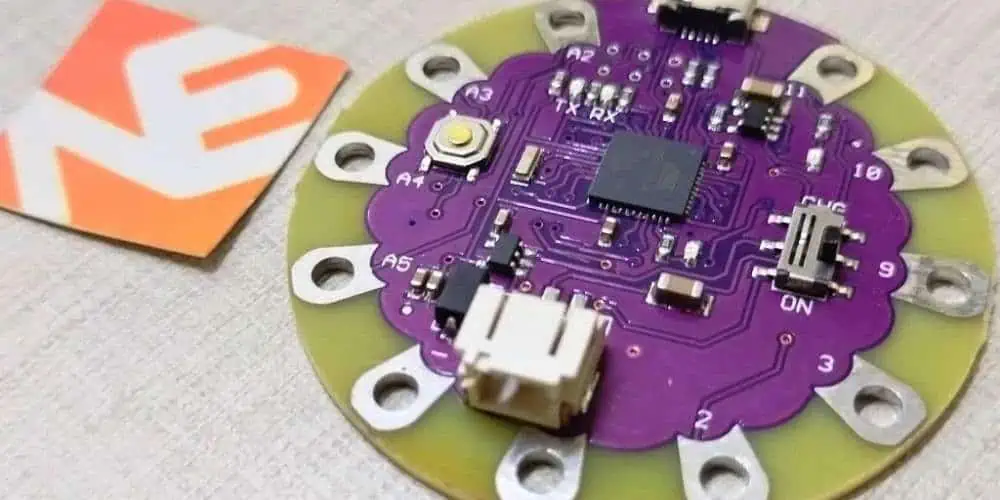
Arduino Leonardo board

This board operates based on ATmega32u4. It features a power jack, a micro USB connection, 20 I/O pins, and in-circuit serial programming. The Leonardo works in a different way from other Arduino boards. This is because of its inbuilt USB 2.0 communication.

Arduino Leonardo board integrates a single microcontroller to communicate with your personal computer. This makes Leonardo a more flexible option for communicating with a computer.

The Micro

This microcontroller board is also based on ATmega32u4. The Micro has an ICSP header, a reset button, a 16 MHz crystal oscillator, and 20 digital I/O pins. This board shares some similarities with Arduino Leonardo due to the built-in USB communication of ATmega32u4. With this, the Micro appears to a computer as a keyboard or a mouse.

The ATmega32u4 integrated in this board is already preprogrammed using a bootloader. This enables users to upload new code without the need for an external hardware programming. Also, users can ignore the bootloader and use the ICSP header to program the microcontroller. You can use a USB connection to power the Micro.

What is the Difference Between Arduino ATmega32u4 and ATmega328P?

The ATmega32u4 and ATmega328P both belong to the AVR family. These two microcontroller boards share some similarities. However, they have some differences. One of the differences is that the ATmega32U4 features a USB device peripheral while the 328P doesnโ€™t.

Furthermore, ATmega32u4 is more expensive than the ATmega328P. The ATmega32u$ offers support to serial while ATmega32u4 only works with USB. If you need a keyboard, the ATmega32u4 is a great option. However, there are some applications that require the use of serial.

For programming, the ATmega328P requires a USB-to-serial converter. This is because this microcontroller board doesnโ€™t communicate with a USB cable. The biggest benefit of ATmega32u4 is the built-in USB which enables it function like a USB keyboard, MIDI or a mouse. Also, ATmega32u4 is widely integrated in Aduino Leonardo and other compatible boards.

Frequently Asked Questions

How can a bootloader be written for ATMEGA32U4?

The built-in USB interface of Arduino ATmega 32u4 is one of its great features. This feature makes it very easy to program. All you just need to do is to connect a USB cable and voila! The Arduino bootloader will need to be burnt to the Arduino sketches to help upload the sketches. You can make use of the Arduino Uno if there is no programmer.

How can a keyboard be connected to the ATMEGA32U4?

The Human Interface Device (HID)is one of the defined USB device classes. Each USB device has a device class. The device class specifies the general purpose of the USB device. There are a wide variety of classes which include speakers, hubs, webcams, and printers among others.

Which microcontroller board is based on ATMEGA32U4?

The Micro is a microcontroller board that integrates the ATmega32u4. It comes with 20 digital I/O pins, a reset button, a 16 MHz crystal oscillator, an ICSP header, and a micro USB connection. The Micro features every important element required to support the microcontroller. All you need to do is to connect the Micro to a computer using a micro USB cable.

How can I recognize the ATmega32U4 via USB?

The ATmeaga32u4 allows the connection of USB pins to a special hardware to perform USB signaling. The hardware pretty supports the electronics, but, it doesn’t control the received or sent data. Also, you need to send and receive the data to identify the device. If the chip has no software, it wonโ€™t send any data. Windows will most likely reveal that one of the connected USB devices has malfunctioned. However, it might not be able to detect it.

Conclusion

Since the Arduino ATmega 32u4 controls its USB connection, this makes it a more flexible option compared to 328P boards. The ATmega 32u4 can be easily programmed to function as a mouse, MIDI controller, or a keyboard when connected to a computer. These capabilities arenโ€™t possible with 328P boards.

Top 9 Applications of Home automation using IoT

IoT Devices

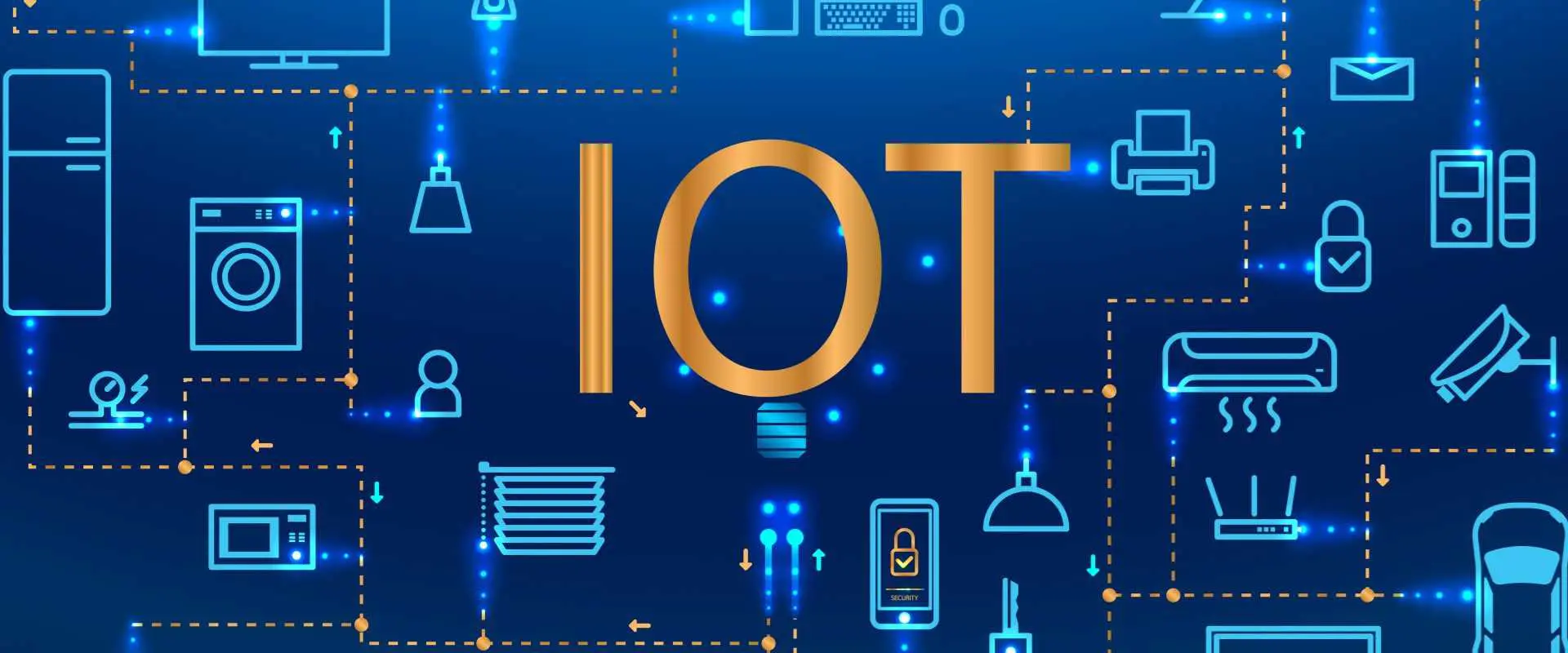
IoT home automation involves utilizing internet-connected devices to control various household appliances. It can include setting up intricate heating & lighting systems and managing home security controls and alarms, all of which are linked to the central hub and can be operated remotely using the smartphone app.

Despite the prevalence of mood-sensing music systems, motorized blinds, intelligent heating & cooling, bright lighting, and automated doors and windows in the constantly connected world of IoT home, there seems to be a lack of dialogue about why consumers have not fully embraced the hype around IoT home or whether it has genuinely enhanced domestic life.

The American Association of Home Builders coined the term “smart house” in 1984. However, IoT smart homes, or home automation using IoT, gained popularity in the 2000s. 

With the advent of several affordable, intelligent technologies, smart houses became a viable option for consumers. The Echo IV, introduced in 1966, was the 1st IoT home automation system.

It lets customers make grocery lists, adjust their house’s temperature, and turn appliances on and off. The kitchen computer, created in the 1960s and developed recipes, was never a commercial success due to its high price.

In an IoT smart home, a central hub connected to the internet manages all the individual devices. The hub is then regulated using a smartphone application. The setup process for an IoT smart home can be complicated as specific add-ons are compatible with particular devices.

Internet-connected home security features like alarm systems and access control are also part of the equation. Once domestic appliances are linked to the internet, they become a significant aspect of the Internet of Things.

Home automation systems typically link controlled devices to a central hub/gateway. The control program for the system can be accessed through a tablet, wall-mounted terminals/desktop computers, phone applications, or an online interface that can be accessed on the internet from a remote location.

Home automation using IoT for Smart Home

IoT technology is poised to permeate nearly every facet of our daily lives, enhancing our comfort and security. According to Statista, there will be an estimated 30.9 billion IoT connections by 2025. In this article, we will examine the most prevalent methods for utilizing IoT technology in intelligent houses. 

Smart IoT sensors are aware of our temperature, music, and lighting preferences, as well as our daily routines, such as waking up, eating, and going to bed. Smart plugs, lights, & security systems work together to simplify our lives. With just a smartphone application, we can easily control our house security even when we’re not there.

Applications of Home automation using IoTSmart Homes

1. Lighting

The lighting in a home can now be adjustable to cater to individual needs. For instance, if people start watching a movie, the lights can be programmed to dim automatically to prevent any disruption to the viewing experience. Similarly, when you enter your house, the lights can switch automatically without requiring you to press a button.

The system can automatically reduce the lights when you leave your house to conserve energy, eliminating the need for you to do so manually. You can use your laptop, smartphone, and other connected devices to control all of the lights in your home. This allows you to schedule your app to turn on the lights when the alarm goes off. 

2. Bathrooms

IoT technology can enhance the convenience and enjoyment of your everyday routine in the bathroom. Intelligent mirrors can connect to other appliances like computers & smartphones, recognize the faces of members standing near them, and display personalized information such as weather forecasts, news articles, and specific websites that interest each individual. 

Special sensors can detect movement and automatically switch off the water in the bathroom if no one is present. Smart shower controls can also recognize individuals and adjust the water temperature and pressure to their preferred settings while limiting the time spent in the shower to conserve water. 

Automated jacuzzi users can relax and enjoy the bath without manually adjusting the temperature, air-jet regime, or music preferences, as the app manages everything for them

3. Gardens

Sensors can be helpful for individuals who desire to grow their vegetables, fruits, and herbs in the house. Users can use the app to check whether the optimal temperature and the plant are adequately hydrated.

The software can monitor the soil’s current condition, check if it has enough moisture, and activate an irrigation system if necessary. 

IoT technology has brought significant advancement in gardening, revolutionizing the way plants are grown. Sensors can detect the ideal moisture level and turn off the watering system, preventing water waste. The software can track the soil’s current status, determine if it has adequate moisture, and activate an intelligent irrigation system if needed.

4. Kitchen

FULL PCB MANUFACTURING Quote

By utilizing AI technologies, IoT devices can make cooking easier and safer. Smart sensors can also monitor smoke & carbon monoxide, as well as the temperature & humidity levels in the kitchen. 

IoT devices incorporating AI technology can make cooking safer and more accessible. Intelligent sensors can monitor the kitchen for smoke, carbon monoxide, and temperature and humidity levels to ensure everything is in working order. Built-in applications can track food availability in your fridge, give recipe suggestions, and reach the nutritional value of meals. Additionally, intelligent spoons can encourage users to eat slowly.

5. Security Systems

Do you consistently verify whether the doors & windows are closed, and the computer, TV, and other electrical devices are switched off before departing your residence? Utilizing specialized sensors, intelligent security systems can perform this task on your behalf.

As you depart from your home, these controllers can lock the entryway, shut the window covers, power down electronic appliances, protection against any human/animal intruders. Using the app on mobile devices, users can remotely monitor their homes and control the temperature, humidity, & lighting. In addition, they can keep a watchful eye on their elderly relatives and assist if required.

6. Safety Sensors

Intelligent safety devices equipped with sensors can identify potential hazards in your home and promptly notify you of any issues. These devices can also take preventative measures to mitigate risks. All that is required to utilize these safety features is a phone with internet access and the installation of the sensors within the household.

Temperature, humidity, or gas controls may regularly check the air in your home and notify you through email if anything is outside the recommended range. 

Safety sensors can prevent fires, explosions, water leaks, and gas leaks. Proximity or video sensors can detect attempted break-ins and immediately activate the alarm or notify the authorities.

7. Temperature Control

With temperature control automation, you can adjust the temperature in your home to a level that is most comfortable for you. Users can program smart thermostats to control the temperature based on their preferences and settings, and they can even recognize your current activity and adjust the temperature accordingly.

For example, users can use the app to automatically raise the temperature in their bath or shower or lower it to help them stay calm during at-home exercises like yoga, pilates, or other physical activities.

8. Doors and Windows

embedded iot

In the future, keys will no longer be necessary for our doors. Doors may utilize facial recognition technology to unlock your house, and anyone entering who is not recognized as a resident will need to be identified. You could even program the doors to open as you approach your home and close as you leave.

Opening a door could trigger a chain reaction in other home appliances, leading to the opening of other doors when authorized users are detected, or the automatic turning on of the TV or coffee maker.

Bright windows can be programmed to respond to various events and signals from other devices. With such a system, the windows can automatically detect and close themselves when necessary, eliminating the need for you to worry about losing them when leaving the house.

9. Home Routine

By utilizing AI and ML technologies, you can manage your home’s temperature, lighting, and security system. The technology can notify you of necessary purchases through an online app, search for information online, provide news updates, order meals, schedule appointments, and even book lodging or travel arrangements.

You can monitor the status of your home automation from anywhere. By using the app, you can verify the functionality of your lighting, security, and other internet-connected devices while you are out and about, visiting your parents or friends.

Sensors for Home automation using IoT

IoT sensors have the potential to significantly elevate our quality of life while also improving home security. Intelligent motion controllers can detect the presence of someone on your property and, through the app, alert users of any intruders, whether human or animal.

Smart controllers within the network ensure that all windows and doors are closed when residents depart the house at night, as well as during certain weather conditions, such as rain or storms.

Using the controls at your disposal, you may adjust the lighting, humidity, and temperature. Smoke controllers help prevent house fires, whereas carbon monoxide detectors help to prevent carbon monoxide poisoning.

Understanding the key fundamentals of Imagineering PCB

imagineering PCB

Imagineering PCB is a term that describes creating custom-designed printed circuit boards (PCBs). PCBs should adhere to strict specifications by combining engineering with imaginative thinking.

We can design the circuit board using sophisticated software tools and produce the actual circuit board via manufacturing. In addition to designing unique circuits not commonly available in commercially available PCBs, Imagineering PCB may also entail this.

Imagineering PCB companies can offer various services, such as design, layout, prototype, and manufacture. Also, they could collaborate with clients to create unique PCBs that address certain issues or demands.

The benefits of Imagineering PCB

Imagineering PCB is a potent tool that combines engineering and imagination to produce specially designed printed circuit boards (PCBs) that adhere to certain specifications. As a result, Imagineering PCB has various advantages, from increased performance and usefulness to more customization and flexibility. We’ll look at some of the significant benefits of Imagineering PCB in this article and how they promote innovation and development in electronics manufacturing.

Custom circuits

Imagineering PCB’s capacity to design bespoke circuits that are not commonly available in off-the-shelf PCBs is one of its main advantages. With the aid of Imagineering PCB, designers and engineers can produce one-of-a-kind, cutting-edge circuits suited to particular applications, enhancing performance and functionality. Imagineering PCB may minimize power consumption, boost processing speed, and enhance signal integrity, among other advantages, by developing bespoke circuits. This customization may be beneficial in sectors like aerospace, medical technology, and industrial automation, where ordinary PCBs might not be able to satisfy unique needs.

Unique designs

The capacity to produce original and cutting-edge designs that can aid in differentiating items in the marketplace is another advantage of Imagineering PCB. We can make products that stand out from the competition. They can provide a better user experience with the aid of Imagineering PCB. This is particularly relevant in consumer electronics, where product success depends on design and aesthetics. Designers may produce goods that are not only useful but also aesthetically pleasing and engaging by employing Imagineering PCB.

Flexibility and adaptability

Moreover, Imagineering PCB provides more adaptability and flexibility during the design process. Imagineering PCB enables simple customization and circuit design change, unlike off-the-shelf PCBs, which are made for specific purposes and cannot be readily modified. This flexibility may be beneficial as design changes, and iterations are frequent in product development. With the aid of Imagineering PCB, designers can rapidly alter circuit designs to satisfy shifting specifications, hastening the creation of new products and their time to market.

Efficiency

The capacity to lower costs and increase production efficiency is another advantage of Imagineering PCB. Imagineering PCB may assist in lowering component counts, minimizing waste, and raising production yields by developing unique circuits tailored for specific applications. As a result, Imagineering PCB can be a cost-effective alternative for many applications due to lower prices and increased manufacturing volumes.

Innovation

With these advantages, Imagineering PCB is advancing various sectors via innovation. Imagineering PCB, for instance, is being utilized to create cutting-edge virtual and augmented reality technologies, which call for high-performance and unique circuit designs. Furthermore, advanced medical gadgets like implanted sensors and remote monitoring and diagnostics tools are products of Imagineering PCB. In addition, Imagineering PCB is used in the aerospace industry to design compact, high-performance circuits for satellites, spaceships, and other types of spacecraft.

What skills are necessary for Imagineering PCB?

FULL PCB MANUFACTURING Quote

A mix of technical expertise and original thought is necessary for the complicated, diverse area of Imagineering PCB. The engineers and designers who work in Imagineering PCB need to have a thorough grasp of electronics, PCB design, and manufacturing procedures, as well as creative thinking and idea generation skills. The following are some of the particular abilities necessary for PCB imaging:

Electronics Design:

An in-depth knowledge of electronics design, including digital and analog circuit design, signal processing, and power management, is required of engineers and designers working in Imagineering PCB. In addition, they need skills in drawing and analyzing schematics and designing circuit boards. They must adhere to strict specifications and troubleshoot problems while designing.

PCB Design:

An understanding of PCB design, including an understanding of PCB layout, component placement, and routing, is also necessary for Imagineering PCB. Designers must create digital circuit board designs using software tools. It ensures that the layout is optimum for the particular application and that they can produce the board quickly and accurately.

Manufacturing Processes:

Understanding manufacturing procedures are also necessary for Imagineering PCB. The materials used in PCB fabrication and the tolerances and specifications for various manufacturing methods must be all friendly to engineers and designers.

Creativity:

Imagineering PCB demands both technical expertise and creative and original thought. Engineers and designers must think creatively and develop fresh approaches to solving challenging issues. They also need to push the limits of what is practical in electrical design.

Communication and Collaboration:

Working with a group of engineers, designers, and other stakeholders is a common part of the collaborative process known as Imagineering PCB. As a result, effective communication and teamwork abilities are crucial for success in this industry. Engineers and designers need to collaborate with others and be receptive to criticism and suggestions from their peers.

What industries use Imagineering PCB?

Printed circuit boards that are specially to satisfy specific needs are helpful in various sectors. These are a few examples of industries that often employ Imagineering PCB:

Aerospace:

The aerospace sector needs Circuit boards that survive severe temperatures and harsh conditions. Imagineering PCB designs and produces custom PCBs for aerospace applications, such as satellites, spacecraft, and avionics systems.

Medical Devices:

Custom PCBs created to fulfill particular specifications for size, power consumption, and signal processing are frequently necessary for medical devices. Custom circuits for various medical devices, such as pacemakers, implantable devices, and diagnostic equipment, are made using Imagineering PCB.

Industrial Automation:

Custom-designed PCBs are essential for managing and controlling robots, automated manufacturing, and other automated systems in the industrial automation sector. PCBs tailored for certain industrial uses, such as high-temperature conditions, vibration, and shock resistance, are designed and produced using Imagineering PCB.

Consumer Electronics:

Companies that make consumer electronics employ Imagineering PCB to build circuit boards specifically for smartphones, tablets, wearables, and other gadgets. By enhancing performance, these bespoke PCBs enable manufacturers to distinguish their goods in a fiercely competitive market.

Automotive:

For usage in bespoke PCBs for car electronics, including safety systems, infotainment systems, and powertrain control systems, the automotive industry employs Imagineering PCB. These customized PCBs must endure extremely high temperatures and severe conditions and adhere to strict size and power specifications.

Summary

Imagineering PCB is a significant component of contemporary electronics design and production.

The Imagineering PCB is essential for innovation and advancement in electronics design and production. Imagineering PCB enables designers and engineers to build unique circuits that adhere to strict specifications. It results in increased performance, functionality, and design. As a result, Imagineering PCB is advancing technology and enhancing the goods and experiences.

Imagineering PCB calls for a special mix of technical and artistic abilities and the capacity for teamwork and good communication. These abilities enable engineers and designers to produce bespoke circuit boards that adhere to detailed specifications and promote innovation in electronic manufacturing.

Last, Imagineering PCB is helpful in various sectors where specialized printed circuit boards are necessary to satisfy demands. These demands include performance, size, power consumption, and environmental considerations.

How to Design Your Own Custom Microcontroller Unit – MCU PCB

MCU PCB

What is an MCU PCB?

A microcontroller unit (MCU) serves as the main processing unit on an MCU PCB, also known as a microcontroller unit printed circuit board. An MCU is a tiny computer with a CPU core, memory, and input/output peripherals on a single chip. The MCU offers system intelligence and control, enabling it to carry out various activities, from straightforward control operations to intricate computations and data processing.

An MCU PCB generally incorporates extra parts including sensors, actuators, communication interfaces, and power management circuits to support the MCU’s capabilities. To provide the necessary electrical connections, these components are placed on the PCB in a specified layout and connected by traces and vias.

MCU PCBs are ideal for various applications, such as consumer electronics, automotive systems, industrial control systems, and medical devices. They are highly appealing because of their adaptability, affordability, and simplicity. Additionally, their capacity to accommodate a variety of peripherals and interfaces is essential.

Microcontrollers, digital and analog circuitry, programming languages, and PCB layout and design are all specialist skills needed while designing an MCU PCB. To assist their clients in creating custom PCBs that fit their unique specifications, many PCB manufacturers provide design services for MCU PCBs.

How do Microcontroller Units Work PCB

MCU Board

Microcontroller Units (MCUs) are integrated circuits that combine memory, input/output peripherals, and communication interface capability with the computational capacity of a central processor unit (CPU) on a single chip. MCUs are designed to carry out particular tasks and do these tasks by carrying out instructions in a predetermined order.

Several programming languages, including C, C++, and assembly language, can be used to create MCUs. We usually program the MCU using a programming device once we create the code on a computer. The MCU executes the instructions in the order the programmer specified once you load the code.

Memory, another component of the MCU, houses the instructions it carries out. The memory may be either non-volatile. As a result, the data remains even when the power is off. On the other hand, when volatile, we lose the data when the power is off.

An MCU’s input/output peripherals enable communication with other electronics or sensors. The features of the peripherals, which can be analog or digital, include pulse-width modulators, timers, analog-to-digital converters, and serial communication interfaces like SPI, I2C, and UART.

The MCU can use input from peripheral devices to conduct computations or other tasks. The output peripherals, such as a motor controller, LED driver, or display, can output the results.

The MCU collaborates with other components on a PCB to carry out the required task. To ensure that the MCU runs appropriately, the PCB designer must consider the power needs, communication interfaces, and other considerations when creating the PCB layout.

System/Preliminary Design

An MCU PCB’s system or preliminary design specifies the system’s general architecture, its functional requirements, component choices, and high-level design considerations.

Determining the system’s functional requirements is the first step in the system design process. This entails determining the system’s inputs and outputs, the needed processing power, and any other constraints the system must satisfy. A system specification document, employed to direct the design process, frequently includes descriptions of the functional requirements.

The next stage is to select the system’s components after establishing the functional requirements. This entails choosing the microcontroller and any additional parts, such as sensors, actuators, communication interfaces, and power management circuits, which may be needed.

While choosing components, it’s necessary to consider the microcontroller’s compatibility, the system’s power needs, and the intended communication interfaces. Along with performance criteria, availability and the cost is also necessary while choosing components.

We can establish the high-level design of the system once we choose the components. This involves figuring out the PCB’s layout, the system’s architecture, and the electrical connections between its many parts. Finally, we depict the system’s components and their relationships in a block diagram, a common form of documentation for high-level designs.

It’s crucial to consider noise, electromagnetic interference (EMI), and power consumption while designing a system. These variables may affect the system’s performance and require additional design aspects or components.

In general, choosing components, defining the high-level architecture and layout of the PCB, and specifying the functional needs of the system are all steps in the system design process for an MCU PCB. The system design guides the PCB’s intricate design and implementation, which entails developing the schematic and organizing the board’s lines and components.

Schematic Circuit Design

FULL PCB MANUFACTURING Quote

An MCU PCB’s schematic circuit design entails visually depicting the circuit’s electrical connections and constituent parts. A schematic capture program is often ideal for this. It enables the designer to position components and create connections between them.

We must choose the microcontroller and any other components utilized in the circuit before creating the schematic circuit design. This entails choosing the right sensors, actuators, communication interfaces, power management circuits, and other parts necessary to fulfill the system’s functional needs.

After choosing them, the components can go into the schematic editor and connect with wires or nets. The schematic should be labeled and organized to read and comprehend.

The electrical properties of the components and how they interact with one another are essential during the schematic design process. This considers required current flows, signal integrity, and noise levels.

A stable power supply for the microcontroller and other components should be ensured by including appropriate power regulation and decoupling circuits in the schematic design. In addition, the schematic design should also contain any essential protective circuits, such as over-voltage or over-current protection.

We can examine and validate the schematic circuit design once finished to ensure it complies with the system’s functional requirements and that there are no mistakes or omissions. This may entail executing simulations or testing to validate the circuit’s performance.

Overall, because it gives a visual representation of the circuit and acts as the foundation for the layout and implementation of the PCB, the schematic circuit design is a crucial phase in the design process for an MCU PCB.

PCB Layout Design

MCU & MPU Modules
MCU & MPU Modules

Making the PCB layout design is the following stage after finishing the schematic circuit design for an MCU PCB. First, the components must be on the board and route the connecting traces.

We choose the physical size and shape of the PCB as the initial stage in the PCB layout design process. The size and location of the components, as well as any mechanical or thermal factors, will determine the PCB’s dimensions and form.

A PCB layout program helps to arrange the components from the schematic circuit design on the board. The components are ideal for optimal signal integrity, power supply, and thermal management. Apart from noisy or high-current components should be located components that are noise-sensitive or need consistent power. Also, heat-generating components must be close to heat sinks or well-ventilated regions.

Routing the traces that connect the components comes after positioning them. We should optimize the routing for signal integrity, power supply, and noise immunity. Onw should route signal traces to reduce cross-talk and interference as much as feasible. Power and ground planes are necessary for reliable power and ground connections.

Adherence to design standards and guidelines during the PCB layout design process is crucial. This covers specifications for component location, clearances, and trace widths.

The finished PCB layout design should go through inspection and validation. It ensures it satisfies the system’s functional requirements and that there are no mistakes or omissions. To check the PCB’s performance can entail executing simulations or testing.

The PCB layout design determines an MCU PCB’s physical implementation. It is a crucial phase in the design process. This is because it may significantly affect the circuit’s performance, reliability, and manufacturing ability.

Gearing Up with the Smart PCB

smart pcb

Circuit boards have come a long way since their invention in the mid-twentieth century. What was once a collection of discrete components soldered together on a flat piece of fiberglass has evolved into a sophisticated and complex system of layers, tracks, and components that power our world. And now, with the advent of smart PCBs, we expect circuit board design to take another giant leap forward.

Smart PCBs consist of more than just conductive lines linking passive parts. On the board, they directly incorporate active components like microprocessors, sensors, and communication interfaces. A wide range of new features is possible due to this integration, including the ability to wirelessly communicate with other devices and monitor and regulate a motor’s performance. In other words, smart PCBs alter how we approach circuit board design.

Applications of Smart PCB

Here are the main applications of smart PCBs:

Smartwatches, smartphones, tablets, and radios

Mobile gadgets like smartphones, smart watches, tablets, and radios all employ smart PCBs because they provide a convenient and effective way to combine several tasks into a small package. They may have Bluetooth, GPS, Wi-Fi, and other sensors built into their design.

Home desktop PCs, laptops, workstations, and satellite navigation

PCBs are a crucial part of most electronic equipment used in offices and homes, including desktop PCs for the home, workstations, laptops, and satellite navigation systems. These gadgets employ smart PCBs with networking capabilities, high-speed data processing, graphics, and video display capabilities.

Bio-imaging

Powering and managing the electronic components of X-ray screens, CT scanners, and ultrasonic scans depend on printed circuit boards (PCBs). Smart PCBs help guarantee the gadgets’ high precision, dependability, and speed.

Other medical applications

Medical gadgets employ PCBs to power and process electronic components that detect and monitor vital signs. These include blood glucose, heart rate, and blood pressure, monitors. Smart PCBs help guarantee the devices’ accuracy, dependability, and patient safety.

Smart textiles

PCBs can be integrated into clothing and bandages to create smart materials to monitor vital signs or deliver drugs. Flexible and stretchable PCBs help ensure that the textiles are comfortable and durable.

Renewable energy

Renewable energy systems employ PCBs in managing and regulating power generation and distribution. These systems include solar power cogeneration equipment and DC-to-AC power inverters. Smart PCBs help ensure the systems are dependable and effective.

Aerospace

The aerospace industry uses accelerometers, pressure sensors, microphones, torque, and force sensors, and others to measure and regulate numerous parameters in airplanes and rockets. Smart PCBs guarantee the accuracy and dependability of the sensors in harsh conditions.

Textile

PCBs can be applicable in clothing and bandages to build smart fabrics that distribute medications or monitor vital signs. The machines utilize flexible and stretchable smart PCBs to ensure strong and sturdy materials.

Benefits of the Smart PCB

FULL PCB MANUFACTURING Quote

Employing the smart PCB in your design rut comes with the following advantages:

  1. Safety and security enhancements: Smart PCBs can enhance the security and safety of electrical equipment. Smart PCBs can assist in defending against cyber threats and guarantee that electronic devices are safe to use by including encryption, authentication, and access control. Additionally, to reduce the possibility of mishaps and malfunctions, we can equip smart PCBs with safety features like fault detection and self-repair.
  2. Cost savings and a quicker time to market: Smart PCBs can aid in cost savings and a faster time to sell electronic gadgets. Smart PCBs reduce the need for extra components and assembly steps by combining multiple functions onto a single board, which expedites production and lowers costs. Additionally, smart PCBs are easy to design and test quickly using computer-aided design (CAD) software, enabling faster prototyping and production.
  3. Functionality and performance gains: Smart PCBs outperform conventional PCBs in terms of functionality and performance. They can combine several functionalities onto a single board, which helps electronic gadgets become smaller and simpler. Smart PCBs can also combine cutting-edge components like wireless connectivity, sensors, and microprocessors to improve the functionality of electrical products.
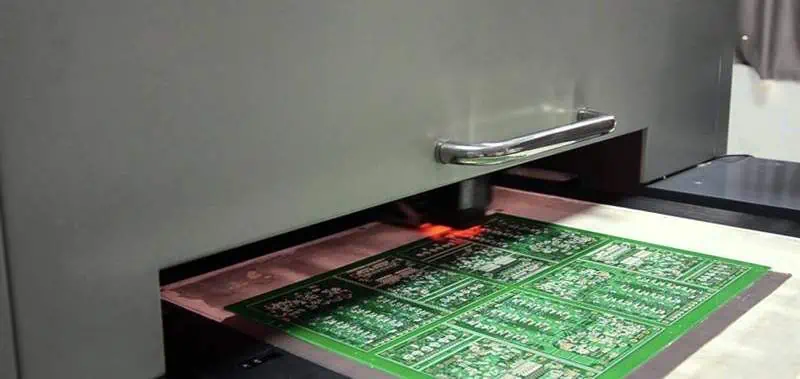
  4. Enhanced energy efficiency: Smart PCBs can assist in lowering the energy requirements of electrical equipment. Smart PCBs can help extend battery life and reduce the overall energy consumption of electrical gadgets by utilizing cutting-edge components like low-power microprocessors and energy-efficient sensors.
  5. Increased dependability and durability: Compared to conventional PCBs, smart PCBs are more dependable and long-lasting. They employ cutting-edge materials and parts that can endure extreme conditions, temperature swings, and mechanical stress. Moreover, smart PCBs can incorporate flaw detection and self-repair functions to guarantee long-term dependability.

The future of Smart PCBs

Smart PCBs’ applications and potential uses will only grow as the technology underlying them develops further. Smart PCBs will probably continue to shrink and get more compact, allowing for application in more wearable and portable gadgets. They also improve their energy efficiency, allowing for more battery-powered devices.

Future developments could also see smart PCBs grow in wit and autonomy. They may be able to pick up on new information and adjust to different contexts, allowing them to carry out increasingly difficult jobs without assistance from a human. In addition, they may make a new degree of automation and control possible through their potential to interface with other systems and devices in novel ways.

Smart PCBs’ integration with other cutting-edge technologies, including artificial intelligence and the internet of things, is an intriguing future potential (IoT). We can develop fully intelligent and interconnected systems that can sense, evaluate, and react to their environment in real time by fusing the intelligence and connectedness of smart PCBs with the strength of AI and the massive IoT device network.

With this promise comes the need for accountability and caution, though. It’s crucial to consider smart PCBs’ moral and societal ramifications, as with any new technology. How, for instance, can we guarantee that these intelligent systems are safe and secure and won’t endanger people’s security or privacy? How do we ensure that they benefit society as a whole rather than just the interests of a few powerful actors?

With this technology’s continued advancement, we might anticipate seeing brand-new, cutting-edge applications arise in various fields and businesses. We must handle this technology with prudence and responsibility to ensure it benefits society. By doing this, we can make the most of smart PCBs’ possibilities and move forward to a future that is intelligent and affluent for everyone.

Conclusion

No one could have imagined all of the amazing possibilities smart PCBs offer during the early stages of their invention. But we have come a long way, and now with the help of smart PCBs, we can take circuit boards to the next level. Whether it’s powering the latest mobile gadgets or regulating renewable energy systems, the applications of smart PCBs are endless. But, with that, we must continue using them responsibly to ensure a safe and prosperous future for all. So, let’s all be smart and use smart PCBs!