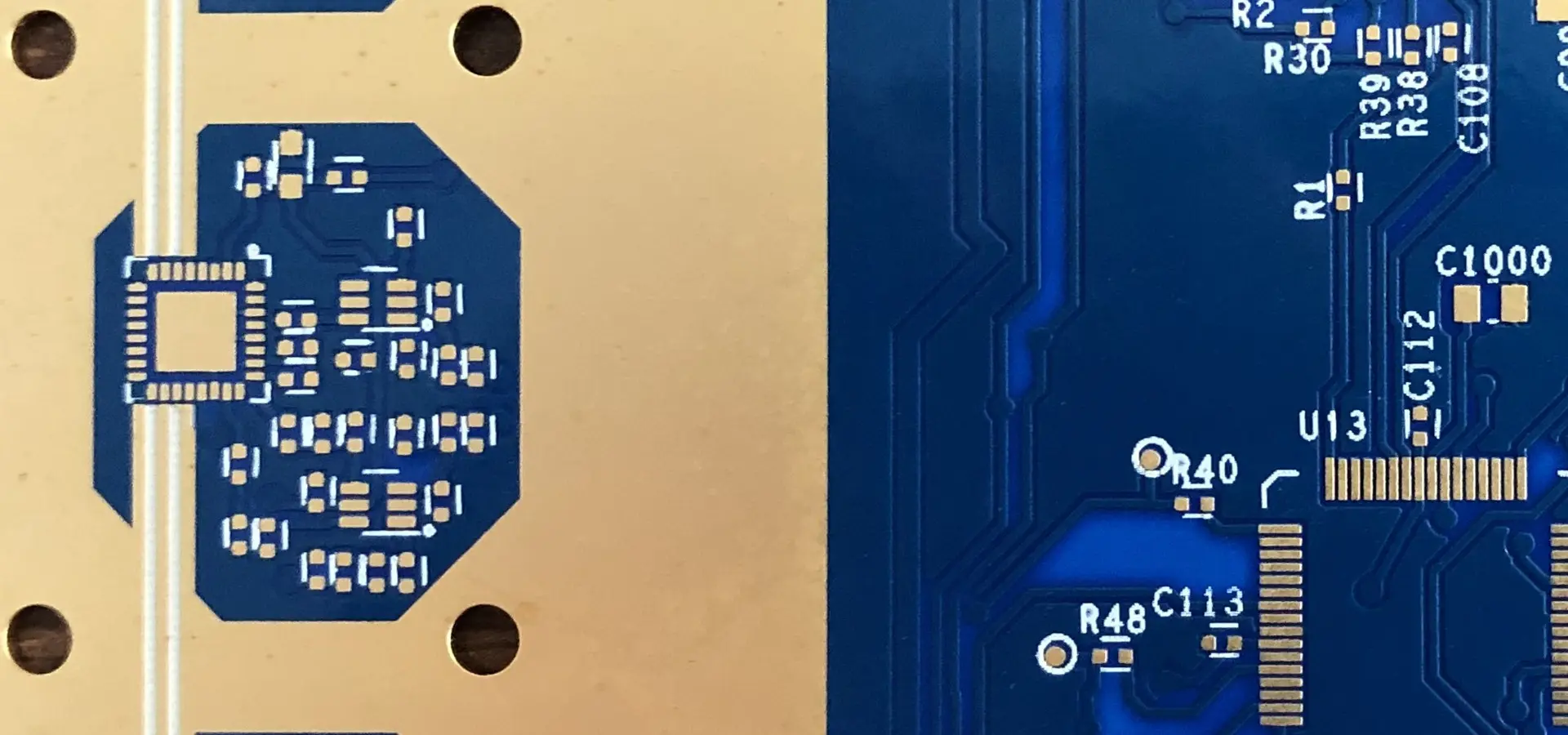
High Frequency Electronics Product Selector Guide

military rogers pcb board

Introduction

In the rapidly evolving world of high-frequency electronics, choosing the right materials for circuit boards and components is crucial. Rogers Corporation, a global leader in engineered materials solutions, offers a wide range of high-performance laminates and substrates designed for demanding high-frequency applications. To help engineers and designers navigate their extensive product line, Rogers provides a comprehensive Product Selector Guide. This article delves into the key features and benefits of the Rogers High Frequency Electronics Product Selector Guide, exploring how it can streamline material selection and optimize design processes.

Powered By EmbedPress

Understanding the Rogers Product Selector Guide

Purpose and Scope

The Rogers High Frequency Electronics Product Selector Guide is an invaluable resource for engineers, designers, and procurement specialists working in industries such as:

  1. Telecommunications
  2. Aerospace and defense
  3. Automotive electronics
  4. Industrial IoT
  5. Medical devices

This guide is designed to simplify the process of selecting the most appropriate high-frequency materials for specific applications, ensuring optimal performance and reliability.

Key Features of the Guide

1. Comprehensive Product Listings

The guide provides detailed information on Rogers’ extensive range of high-frequency laminates and substrates, including:

  • RO3000ยฎ Series
  • RO4000ยฎ Series
  • RT/duroidยฎ
  • CLTE-XTโ„ข
  • AD Series

Each product is presented with its key specifications, making it easy to compare and contrast different materials.

2. Application-Specific Recommendations

One of the standout features of the Rogers Product Selector Guide is its application-specific recommendations. The guide categorizes materials based on their suitability for various applications, such as:

This categorization helps users quickly identify the most suitable materials for their specific project requirements.

3. Performance Characteristics

The guide provides detailed information on critical performance characteristics, including:

These parameters are essential for engineers to consider when designing high-frequency circuits and systems.

4. Comparative Charts and Graphs

To facilitate easy comparison between different materials, the guide includes visual aids such as:

  • Property comparison charts
  • Performance graphs
  • Application suitability matrices

These visual tools allow users to quickly assess and compare multiple materials side by side.

5. Processing Guidelines

The Product Selector Guide also offers valuable information on material processing, including:

  • Recommended fabrication methods
  • Drilling and routing guidelines
  • Plating recommendations
  • Bonding and assembly techniques

This information helps ensure that the selected materials can be effectively integrated into the manufacturing process.

Read more about:

Benefits of Using the Rogers Product Selector Guide

Rogers pcb circuit board

1. Time and Cost Savings

By providing a centralized resource for material selection, the Rogers Product Selector Guide can significantly reduce the time and effort required to identify the most suitable materials for a project. This efficiency can translate into substantial cost savings in the design and development process.

2. Improved Design Optimization

With detailed performance characteristics and application-specific recommendations at their fingertips, engineers can make more informed decisions about material selection. This leads to better-optimized designs and improved overall system performance.

3. Reduced Risk of Material Incompatibility

The comprehensive information provided in the guide helps designers avoid potential pitfalls associated with material incompatibility. By understanding the full range of material properties and processing requirements, engineers can minimize the risk of issues arising during manufacturing or in the final product.

4. Enhanced Innovation

Access to a wide range of high-performance materials and their properties can inspire innovative design solutions. The Rogers Product Selector Guide exposes designers to cutting-edge materials that may open up new possibilities for their projects.

5. Streamlined Procurement Process

For procurement specialists, the guide serves as a valuable reference for understanding material specifications and requirements. This can help streamline the procurement process and ensure that the correct materials are sourced for each project.

Navigating the Rogers Product Selector Guide

Online vs. Print Versions

The Rogers High Frequency Electronics Product Selector Guide is available in both online and print formats. The online version offers the advantage of real-time updates and interactive features, while the print version provides a handy reference for offline use.

Search and Filter Functionality

The online version of the guide typically includes advanced search and filter functionality, allowing users to quickly narrow down their options based on specific criteria such as:

  • Dielectric constant range
  • Operating frequency
  • Thermal performance
  • Mechanical properties

Technical Support and Resources

In addition to the product information, the guide often provides links to additional technical resources, including:

  • Material datasheets
  • Application notes
  • Design guidelines
  • Technical articles

Users can also find contact information for Rogers’ technical support team, should they need further assistance in material selection or have specific questions about product performance.

Conclusion

The Rogers High Frequency Electronics Product Selector Guide is an essential tool for anyone working with high-frequency electronic materials. By providing comprehensive, easily accessible information on a wide range of high-performance laminates and substrates, the guide empowers engineers and designers to make informed decisions that optimize their designs and improve overall system performance.

As the demand for high-frequency applications continues to grow across industries, tools like the Rogers Product Selector Guide become increasingly valuable. By leveraging this resource, professionals in the field can stay at the forefront of material technology, driving innovation and excellence in high-frequency electronic design.

Whether you’re developing next-generation 5G infrastructure, advanced radar systems, or cutting-edge medical devices, the Rogers High Frequency Electronics Product Selector Guide is an indispensable resource for navigating the complex world of high-performance materials. By making material selection more efficient and informed, Rogers Corporation continues to support the advancement of high-frequency electronics across a diverse range of industries and applications.
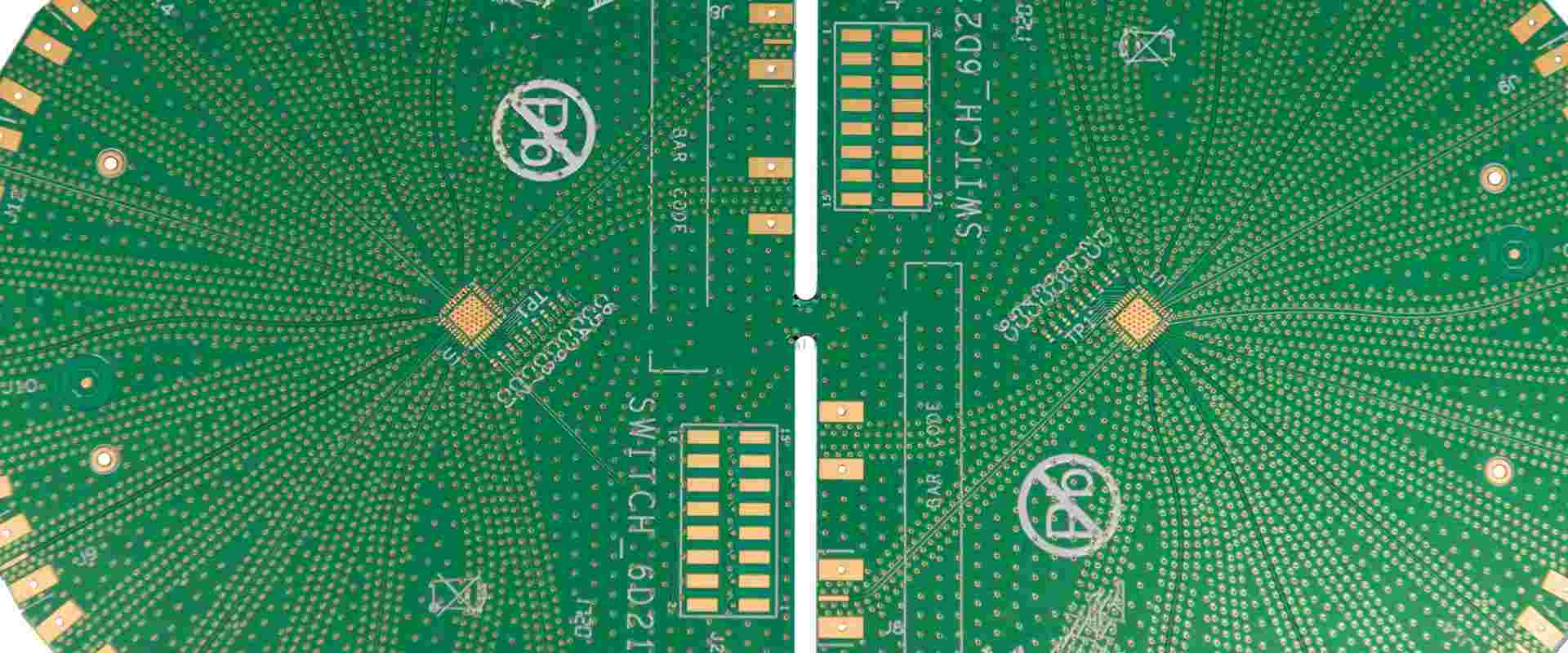
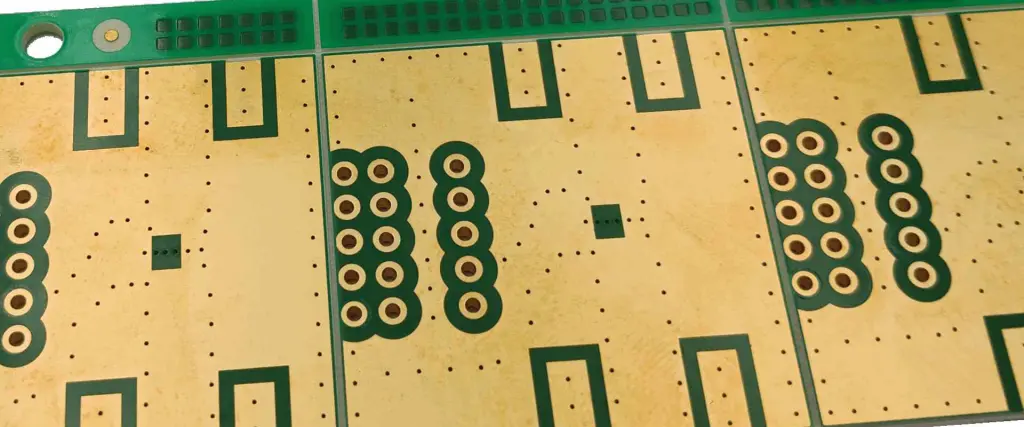
Temperature Rise Estimations in Rogers High Frequency Circuit Boards Carrying Direct or RF Current (PDF Download)

Rogers RO4360

In the realm of high-frequency electronics, Rogers Corporation’s circuit board materials have become a go-to choice for engineers and designers. These materials offer excellent electrical and thermal properties, making them ideal for applications ranging from telecommunications to aerospace. However, as frequencies increase and power densities rise, thermal management becomes a critical concern. This article delves into the methods and considerations for estimating temperature rise in Rogers high-frequency circuit boards when carrying direct or RF current.

Understanding Rogers High Frequency Materials

Before diving into temperature rise estimations, it’s crucial to understand the characteristics of Rogers’ high-frequency materials.

Key Properties of Rogers Materials

Rogers Corporation offers several product lines designed for high-frequency applications, including:

  1. RO4000ยฎ Series
  2. RT/duroidยฎ
  3. CLTE-XTโ„ข
  4. AD Series

These materials are known for their:

Thermal Conductivity

Thermal conductivity is a key factor in heat dissipation. Rogers materials typically have thermal conductivity values ranging from 0.3 to 1.5 W/mยทK, depending on the specific product. This property significantly influences how heat is distributed across the board.

Powered By EmbedPress

Factors Affecting Temperature Rise

Several factors contribute to temperature rise in high-frequency circuit boards:

  1. Current density
  2. Frequency of operation
  3. Trace geometry
  4. Substrate thickness
  5. Copper thickness
  6. Ambient temperature
  7. Presence of thermal vias or heat sinks

Current Density and Its Impact

Current density, measured in amperes per square meter (A/mยฒ), is a primary driver of temperature rise. As current density increases, so does the heat generated in the conductor due to resistive losses.

Frequency Considerations

At high frequencies, additional phenomena come into play:

  • Skin effect: Current tends to flow near the surface of conductors, effectively reducing the cross-sectional area and increasing resistance.
  • Dielectric losses: The substrate material absorbs some energy, converting it to heat.

Methods for Estimating Temperature Rise

Rogers ULTRALAM 3850

Several approaches can be used to estimate temperature rise in Rogers circuit boards:

  1. Analytical calculations
  2. IPC-2152 standard
  3. Finite Element Analysis (FEA)
  4. Empirical testing

Analytical Calculations

For simple cases, particularly with DC current, analytical methods can provide a good starting point. The basic equation for temperature rise (ฮ”T) due to power dissipation is:

ฮ”T = (P * ฮธ) / A

Where:

  • P is the power dissipated (W)
  • ฮธ is the thermal resistance (ยฐCยทmยฒ/W)
  • A is the area of heat dissipation (mยฒ)

For a PCB trace, we can estimate the power dissipation using:

P = Iยฒ * R

Where:

  • I is the current (A)
  • R is the resistance of the trace (ฮฉ)

The resistance R can be calculated based on the trace dimensions and the resistivity of copper.

IPC-2152 Standard

The IPC-2152 standard, “Standard for Determining Current-Carrying Capacity in Printed Board Design,” provides charts and equations for estimating temperature rise based on current, trace width, and copper thickness. While not specifically designed for high-frequency applications, it can serve as a useful reference point.

Finite Element Analysis (FEA)

FEA software allows for more complex and accurate simulations, taking into account:

  • 3D geometry of the board and components
  • Material properties of all elements
  • Heat sources (including RF losses)
  • Cooling mechanisms (conduction, convection, radiation)

Popular FEA tools for PCB thermal analysis include ANSYS, COMSOL Multiphysics, and Siemens Simcenter.

Empirical Testing

While simulation and calculations are valuable, empirical testing remains crucial, especially for high-frequency applications. Methods include:

Read more about:

Estimating Temperature Rise for DC Current

For DC current, the process is relatively straightforward:

  1. Calculate the resistance of the trace based on its dimensions and copper resistivity.
  2. Determine the power dissipation using P = Iยฒ * R.
  3. Estimate the area of heat dissipation, considering both the trace surface and the surrounding board area.
  4. Use the thermal resistance of the Rogers material to calculate the temperature rise.

Example Calculation:

Let’s consider a 50 mm long, 1 mm wide trace on RO4350B material with 1 oz copper thickness, carrying 2A DC.

  1. Trace resistance: R โ‰ˆ 8.9 mฮฉ (calculated based on trace dimensions)
  2. Power dissipation: P = 2ยฒ * 0.0089 = 0.0356 W
  3. Dissipation area: A โ‰ˆ 100 mmยฒ (assuming some spread beyond the trace)
  4. Thermal resistance: ฮธ โ‰ˆ 0.5 ยฐCยทinยฒ/W (from Rogers datasheet, converted to metric)
  5. Temperature rise: ฮ”T = (0.0356 * 0.5) / (100 * 10^-6) โ‰ˆ 178ยฐC

This simplified calculation suggests a significant temperature rise, highlighting the importance of proper thermal management even for DC applications.

Estimating Temperature Rise for RF Current

Estimating temperature rise for RF current is more complex due to additional factors:

  • Skin effect
  • Dielectric losses
  • Radiation losses

Skin Effect Considerations

At high frequencies, current flows primarily near the surface of the conductor, effectively increasing its resistance. The skin depth (ฮด) can be calculated as:

ฮด = โˆš(ฯ / (ฯ€ * f * ฮผ))

Where:

  • ฯ is the resistivity of copper
  • f is the frequency
  • ฮผ is the magnetic permeability

For frequencies above 1 GHz, the skin depth in copper is less than 2 ฮผm, significantly increasing the effective resistance.

Dielectric Losses

The loss tangent (tan ฮด) of the Rogers material determines the dielectric losses. These losses contribute to overall heating and can be significant at high frequencies.

The power loss in the dielectric (Pd) can be estimated as:

Pd = 2ฯ€ * f * C * Vยฒ * tan ฮด

Where:

  • f is the frequency
  • C is the capacitance of the structure
  • V is the voltage
  • tan ฮด is the loss tangent of the material

Radiation Losses

At high frequencies, some power is lost through radiation. While this doesn’t directly contribute to board heating, it reduces the overall efficiency and can indirectly affect thermal performance.

Practical Approach to RF Temperature Rise Estimation

For RF applications, a combination of methods is often most effective:

  1. Use analytical methods to get a baseline estimate.
  2. Employ specialized RF simulation software (e.g., Ansys HFSS, CST Microwave Studio) to model EM fields and losses.
  3. Use thermal simulation software to convert RF losses into temperature distributions.
  4. Validate results through empirical testing.

Thermal Management Strategies

Once temperature rise has been estimated, various strategies can be employed to manage thermal issues:

  1. Increase copper weight: Thicker copper reduces resistance and improves heat spreading.
  2. Widen traces: Increases the cross-sectional area, reducing current density.
  3. Use thermal vias: Helps conduct heat to other layers or a ground plane.
  4. Implement heat sinks: Increases the surface area for heat dissipation.
  5. Forced air cooling: Improves convection cooling.
  6. Use of thermally conductive materials: Fills air gaps and improves heat transfer.

Case Study: High-Power RF Amplifier Board

Consider a high-power RF amplifier operating at 2.4 GHz on a Rogers RO4350B substrate. The amplifier outputs 50W of RF power, with an efficiency of 60%.

Approach:

  1. Calculate total power dissipation: 50W * (1/0.6 – 1) = 33.3W
  2. Use EM simulation to determine current distribution and losses in traces.
  3. Apply thermal simulation to estimate temperature distribution.
  4. Validate through infrared thermography.

Results might show hotspots near the amplifier output, requiring strategies like:

  • Increasing copper thickness on output traces
  • Adding thermal vias under the amplifier
  • Implementing a heat sink on the amplifier and critical trace areas

Conclusion

Estimating temperature rise in Rogers high-frequency circuit boards carrying direct or RF current is a complex but crucial aspect of high-frequency design. While analytical methods provide a starting point, the complexity of high-frequency effects often necessitates advanced simulation techniques and empirical validation.

Key takeaways:

  1. Consider both conductive and dielectric losses, especially at high frequencies.
  2. Use a combination of analytical, simulation, and empirical methods for accurate estimations.
  3. Implement appropriate thermal management strategies based on your estimations.
  4. Always validate your designs through testing, especially for critical high-frequency applications.

As frequencies and power levels continue to increase, thorough thermal analysis and management will remain essential for ensuring the reliability and performance of high-frequency circuits built on Rogers materials.

Device Attachment Methods and Wirebonding Notes for RT/duroid and RO4000 Series High Frequency Laminates (PDF Download)

Rogers RO4700 PCB

1. Introduction

RT/duroid and RO4000 series high-frequency laminates, produced by Rogers Corporation, are widely used in advanced RF and microwave applications. Proper device attachment and wirebonding techniques are crucial for ensuring optimal performance and reliability in circuits using these materials. This comprehensive guide explores various device attachment methods and provides detailed wirebonding notes specific to RT/duroid and RO4000 series laminates.

2. Overview of RT/duroid and RO4000 Series Laminates

2.1 RT/duroid Laminates

RT/duroid laminates are PTFE-based composites designed for high-frequency, low-loss applications. Key features include:

Common RT/duroid variants:

2.2 RO4000 Series Laminates

RO4000 series laminates are hydrocarbon ceramic-based materials offering a balance between performance and processability. Key features include:

  • Dk values ranging from 3.38 to 3.55
  • Low loss tangent
  • Stable electrical properties over frequency
  • FR-4-like processing capabilities

Common RO4000 variants:

Powered By EmbedPress

3. Device Attachment Methods

3.1 Soldering

Soldering is a common method for attaching devices to RT/duroid and RO4000 series laminates. However, special considerations are necessary due to the materials’ unique properties.

3.1.1 Solder Selection

  • Use high-temperature solders (e.g., Au80/Sn20, Au88/Ge12) for RT/duroid laminates to withstand subsequent assembly steps.
  • For RO4000 series, standard Sn63/Pb37 or lead-free alternatives like SAC305 can be used.

3.1.2 Surface Preparation

  • Ensure the laminate surface is clean and free from oxidation.
  • For RT/duroid, plasma cleaning or chemical etching may be necessary to improve adhesion.
  • RO4000 series typically requires standard FR-4 preparation techniques.

3.1.3 Temperature Control

  • For RT/duroid, use a temperature-controlled soldering iron set below the material’s maximum operating temperature (typically 280ยฐC).
  • RO4000 series can withstand standard soldering temperatures up to 280ยฐC for short durations.

3.1.4 Flux Selection

  • Use no-clean or easily removable fluxes to prevent residue-related issues.
  • For RT/duroid, choose fluxes compatible with PTFE surfaces.

3.2 Epoxy Attachment

Epoxy attachment is often preferred for sensitive devices or when precise positioning is required.

3.2.1 Epoxy Selection

  • For RT/duroid, use PTFE-compatible epoxies with good thermal and electrical properties.
  • For RO4000 series, standard conductive or non-conductive epoxies suitable for FR-4 can be used.

3.2.2 Application Techniques

  • Use automated dispensing equipment for precise epoxy placement.
  • Control epoxy thickness to ensure consistent electrical and thermal performance.
  • Consider using stencils for repeatable epoxy deposition.

3.2.3 Curing Process

  • Follow the epoxy manufacturer’s recommended curing profile.
  • For RT/duroid, ensure the curing temperature doesn’t exceed the material’s maximum operating temperature.
  • RO4000 series can typically withstand standard epoxy curing temperatures.

3.3 Eutectic Die Attach

Eutectic die attach is often used for high-reliability applications and provides excellent thermal and electrical conductivity.

3.3.1 Material Selection

  • Gold-tin (Au80/Sn20) and gold-germanium (Au88/Ge12) are common eutectic alloys used with RT/duroid and RO4000 series laminates.

3.3.2 Surface Metallization

  • Ensure proper metallization of both the die and the laminate surface.
  • For RT/duroid, specialized metallization techniques may be required to achieve good adhesion to the PTFE surface.

3.3.3 Process Control

  • Use precise temperature control to achieve proper eutectic bonding.
  • Implement inert atmosphere or forming gas to prevent oxidation during the bonding process.

Read more about:

4. Wirebonding Notes

Rogers RO4835 PCB

Wirebonding is a critical process for connecting devices to the circuit traces on RT/duroid and RO4000 series laminates. Proper techniques are essential for achieving reliable connections.

4.1 Surface Preparation for Wirebonding

4.1.1 RT/duroid Laminates

  • PTFE surfaces require special treatment to achieve good bondability.
  • Plasma etching with oxygen or CF4/O2 mixture can improve surface energy.
  • Chemical treatment using sodium naphthalene solution can also enhance bondability.

4.1.2 RO4000 Series Laminates

  • Standard cleaning procedures used for FR-4 materials are typically sufficient.
  • Plasma cleaning can be used to remove organic contaminants and improve bond strength.

4.2 Metallization Considerations

4.2.1 RT/duroid Laminates

  • Direct bonding to copper may be challenging due to the soft PTFE substrate.
  • Recommend using additional metallization layers:
    • Nickel (1-5 ยตm) as a barrier layer
    • Gold (0.5-1 ยตm) as a bondable surface

4.2.2 RO4000 Series Laminates

  • Standard metallization schemes used for FR-4 are generally suitable.
  • Typical stack-up: Copper > Nickel (2-5 ยตm) > Gold (0.05-0.1 ยตm)

4.3 Wirebonding Parameters

4.3.1 Gold Wire Bonding

  • Wire diameter: Typically 18-33 ยตm (0.7-1.3 mil)
  • Bonding force: 15-30 gf for RT/duroid, 20-40 gf for RO4000 series
  • Ultrasonic power: Adjust based on substrate hardness (lower for RT/duroid)
  • Bond time: 10-20 ms

4.3.2 Aluminum Wire Bonding

  • Wire diameter: Typically 25-33 ยตm (1-1.3 mil)
  • Bonding force: 20-40 gf for RT/duroid, 30-50 gf for RO4000 series
  • Ultrasonic power: Higher than gold wire, adjust based on substrate
  • Bond time: 15-30 ms

4.4 Temperature Considerations

  • For RT/duroid, maintain substrate temperature below 200ยฐC during bonding.
  • RO4000 series can typically withstand temperatures up to 280ยฐC for short durations.

4.5 Loop Profile Optimization

  • Optimize loop height and shape to minimize wire length and inductance.
  • Consider the coefficient of thermal expansion (CTE) mismatch between wire and substrate when designing loop profiles.

4.6 Bond Pad Design

  • Minimum pad size: 3-4 times the wire diameter
  • Recommended pad thickness: 3-5 ยตm for gold, 5-10 ยตm for aluminum
  • Include fiducials for automated bonding systems

5. Reliability Considerations

5.1 Environmental Factors

  • Both RT/duroid and RO4000 series laminates offer good resistance to humidity and chemicals.
  • For high-reliability applications, consider hermetic packaging to protect wirebonds and devices.

5.2 Thermal Management

  • RT/duroid laminates with high thermal conductivity (e.g., RT/duroid 6010.2LM) can aid in heat dissipation.
  • For RO4000 series, consider additional thermal management strategies for high-power applications.

5.3 Stress Mitigation

  • Use stress-relief loops in wirebonds to accommodate CTE mismatches.
  • Consider underfill materials for large devices to distribute stress.

5.4 Testing and Qualification

  • Perform pull and shear tests to verify bond strength.
  • Conduct environmental stress tests (temperature cycling, humidity, etc.) to ensure long-term reliability.

6. Advanced Techniques

6.1 Ribbon Bonding

  • Useful for high-current applications or where lower inductance is required.
  • Typically easier to implement on RO4000 series due to its higher rigidity compared to RT/duroid.

6.2 Automated Bonding

  • Both RT/duroid and RO4000 series are compatible with automated bonding equipment.
  • Proper fixturing and temperature control are critical, especially for RT/duroid laminates.

6.3 Flip-Chip Bonding

  • Can be used with both laminate series for reduced parasitics and improved thermal performance.
  • Requires careful consideration of underfill materials, particularly for RT/duroid laminates.

7. Troubleshooting Common Issues

7.1 Poor Bond Adhesion

  • For RT/duroid: Verify surface treatment effectiveness, consider alternative metallization.
  • For RO4000 series: Check for surface contamination, adjust bonding parameters.

7.2 Wire Breakage

  • Examine loop profile for stress concentrations.
  • Verify wire quality and bonding parameters.

7.3 Pad Lifting

  • Check metallization adhesion to the laminate.
  • Adjust bonding force and ultrasonic power.

7.4 Inconsistent Bond Quality

  • Ensure consistent surface preparation across the substrate.
  • Verify equipment calibration and maintenance.

Conclusion

Successful device attachment and wirebonding on RT/duroid and RO4000 series high-frequency laminates require a thorough understanding of the materials’ properties and careful process control. By following the guidelines outlined in this document and considering the unique characteristics of each laminate series, engineers and technicians can achieve reliable and high-performance RF and microwave assemblies.

It’s important to note that specific applications may require further optimization of these general guidelines. Always consult with Rogers Corporation’s technical support and conduct thorough testing for your particular use case to ensure optimal results.

Quick Reference Processing Guidelines RO4000 LoPro Laminates (PDF Download)

The Rogers RO4000 LoPro series of laminates are high-performance materials designed for advanced RF and microwave applications. These guidelines provide a quick reference for PCB fabricators and designers working with RO4000 LoPro laminates, ensuring optimal performance and reliability in the finished product.

1. Material Handling and Storage

1.1 Environmental Conditions

  • Store RO4000 LoPro laminates in a clean, dry environment.
  • Maintain temperature between 20ยฐC to 25ยฐC (68ยฐF to 77ยฐF).
  • Keep relative humidity between 40% to 60%.

1.2 Handling Precautions

  • Handle laminates with clean, lint-free gloves to prevent contamination.
  • Avoid bending or folding the material to prevent damage to the copper foil.
  • Use appropriate support when moving large panels to prevent flexing.

1.3 Acclimatization

  • Allow laminates to acclimatize to room temperature for 24 hours before processing.
  • This step helps prevent dimensional changes during subsequent processes.

Powered By EmbedPress

2. Inner Layer Preparation

2.1 Scaling and Artwork

  • Compensate for thermal expansion and contraction in the artwork.
  • Use the CTE (Coefficient of Thermal Expansion) values provided in the RO4000 LoPro data sheet.

2.2 Laminate Cutting

  • Use sharp, clean cutting tools to minimize stress and delamination.
  • Ensure cutting surfaces are smooth and burr-free.

2.3 Drilling

  • Use high-quality, sharp drill bits designed for FR4 materials.
  • Recommended drill speeds: 150 to 300 surface meters per minute.
  • Recommended chip loads: 0.05 to 0.10 mm/revolution for mechanical drilling.

2.4 Hole Wall Preparation

  • Desmear using plasma or chemical processes.
  • Optimize desmear time to avoid excessive removal of resin.

3. Copper Plating

3.1 Electroless Copper Deposition

  • Use standard FR4 processes for electroless copper deposition.
  • Ensure proper adhesion by optimizing the pre-treatment steps.

3.2 Electrolytic Copper Plating

  • Follow standard plating procedures used for FR4 materials.
  • Maintain uniform current distribution for even copper thickness.

4. Outer Layer Imaging and Etching

4.1 Photoresist Application

  • Ensure the laminate surface is clean and dry before applying photoresist.
  • Use standard dry film or liquid photoresists compatible with FR4 processes.

4.2 Exposure and Development

  • Optimize exposure times based on the resist manufacturer’s recommendations.
  • Develop using standard alkaline developers.

4.3 Etching

  • Use standard etchants such as ammoniacal or cupric chloride.
  • Monitor and control etch rates to prevent undercut.

Read more about:

5. Multilayer Lamination

5.1 Prepreg Selection

  • Choose appropriate Rogers prepreg materials compatible with RO4000 LoPro laminates.
  • Consider the final thickness and electrical requirements of the PCB.

5.2 Layup

  • Ensure all layers are clean and free from debris.
  • Use proper registration techniques to align layers accurately.

5.3 Lamination Parameters

  • Recommended lamination temperature: 182ยฐC to 199ยฐC (360ยฐF to 390ยฐF).
  • Recommended lamination pressure: 200-350 PSI (14-24 kg/cmยฒ).
  • Heating rate: 3ยฐC to 5ยฐC per minute (5.4ยฐF to 9ยฐF per minute).
  • Cool down rate: 3ยฐC to 5ยฐC per minute (5.4ยฐF to 9ยฐF per minute).

6. Final Fabrication Steps

6.1 Routing and Scoring

  • Use sharp, clean router bits to minimize burrs and stress.
  • Recommended router speed: 200 to 300 surface meters per minute.
  • Feed rate: 1.5 to 3 meters per minute.

6.2 Final Cleaning

  • Use alkaline or neutral cleaners compatible with RO4000 LoPro materials.
  • Avoid prolonged exposure to strongly alkaline solutions.

6.3 Solder Mask Application

  • Use standard solder masks compatible with high-frequency materials.
  • Follow the solder mask manufacturer’s recommended curing profile.

7. Surface Finish

7.1 HASL (Hot Air Solder Leveling)

  • Use lead-free HASL process if required.
  • Control temperature and exposure time to prevent excessive heat stress.

7.2 ENIG (Electroless Nickel Immersion Gold)

  • Follow standard ENIG processes used for FR4 materials.
  • Ensure proper thickness control for optimal RF performance.

7.3 Immersion Tin and Immersion Silver

  • These finishes are compatible with RO4000 LoPro laminates.
  • Follow standard process parameters for FR4 materials.

8. Special Considerations for High-Frequency Applications

8.1 Impedance Control

  • Use appropriate stackup design tools that account for the RO4000 LoPro material properties.
  • Consider frequency-dependent dielectric constant in calculations.

8.2 Signal Integrity

  • Maintain consistent copper thickness and line widths for critical traces.
  • Use proper grounding and shielding techniques to minimize EMI.

8.3 Thermal Management

9. Quality Control and Testing

9.1 Dimensional Stability

  • Verify final dimensions against design specifications.
  • Account for potential shrinkage or expansion during processing.

9.2 Electrical Testing

  • Perform standard electrical tests (continuity, isolation) as per IPC standards.
  • For high-frequency boards, consider additional RF performance testing.

9.3 Microsection Analysis

  • Conduct periodic microsection analysis to verify internal structure.
  • Check for proper resin fill, copper plating thickness, and layer alignment.

10. Troubleshooting Common Issues

10.1 Delamination

  • Possible causes: Inadequate lamination pressure, contamination, or improper handling.
  • Solution: Review lamination parameters and material handling procedures.

10.2 Poor Copper Adhesion

  • Possible causes: Insufficient surface preparation or improper etching.
  • Solution: Optimize desmear process and review copper treatment steps.

10.3 Inconsistent Impedance

  • Possible causes: Variations in etching, copper thickness, or laminate thickness.
  • Solution: Tighten process controls and verify material consistency.

Conclusion

These quick reference processing guidelines for RO4000 LoPro laminates provide a comprehensive overview of the key steps and considerations in PCB fabrication. By following these guidelines, manufacturers can ensure optimal performance and reliability in high-frequency applications using RO4000 LoPro materials. Always refer to the latest technical data sheets and consult with Rogers Corporation for specific project requirements or advanced processing techniques.

Rogers Dielectric Materials: A Guide to High-Frequency PCB Laminates for RF & Microwave Applications

Rogers RO4700 PCB

In the rapidly evolving world of high-frequency electronics, choosing the right printed circuit board (PCB) laminate is crucial for achieving optimal performance in radio frequency (RF) and microwave applications. Among the industry leaders in this field, Rogers Corporation stands out for its innovative and high-performance dielectric materials. This comprehensive guide explores the world of Rogers dielectric materials, their properties, applications, and why they are the go-to choice for engineers working on cutting-edge RF and microwave projects.

Understanding Rogers Dielectric Materials

Rogers Corporation has been at the forefront of engineered materials for high-performance electronics for decades. Their dielectric materials are specifically designed to meet the demanding requirements of high-frequency applications, offering a unique combination of electrical, thermal, and mechanical properties.

What Sets Rogers Dielectric Materials Apart?

Rogers dielectric materials are known for their:

  1. Low dielectric loss
  2. Excellent electrical stability over a wide range of frequencies
  3. Consistent dielectric constant
  4. Superior thermal management capabilities
  5. Dimensional stability

These properties make Rogers materials ideal for applications where signal integrity, reliability, and performance are paramount.

Key Product Lines in Rogers Dielectric Materials

Rogers Corporation offers several product lines, each tailored to specific application needs. Let’s explore some of their most popular high-frequency laminate families.

1. RO3000ยฎ Series

The RO3000 series is designed for high-frequency, low-loss applications.

Key Features:

  • Low dielectric loss
  • Tight dielectric constant tolerance
  • Low moisture absorption
  • Suitable for multilayer board constructions

Applications:

  • Automotive radar systems
  • Military communications
  • Satellite TV receivers
  • Cellular base station antennas

2. RO4000ยฎ Series

The RO4000 series combines the electrical performance of PTFE-based materials with the ease of fabrication of standard epoxy/glass laminates.

Key Features:

  • Excellent high-frequency performance
  • Low moisture absorption
  • Good thermal conductivity
  • Compatible with standard FR-4 fabrication processes

Applications:

  • Power amplifiers
  • Patch antennas
  • RF identification tags
  • Phased array antennas

3. RT/duroidยฎ Series

The RT/duroid series is known for its exceptional electrical and mechanical properties, making it ideal for the most demanding high-frequency applications.

Key Features:

  • Extremely low loss
  • Excellent dimensional stability
  • Low moisture absorption
  • Available with various filler systems for enhanced performance

Applications:

  • Satellite communications systems
  • Military radar systems
  • Ground-based and airborne antenna systems
  • Space flight hardware

4. CLTE Series

The CLTE series offers a unique combination of electrical and mechanical properties for high-reliability applications.

Key Features:

  • Low loss at high frequencies
  • Excellent dimensional stability
  • Good thermal conductivity
  • Resistant to harsh chemical environments

Applications:

  • Airborne antenna systems
  • Missile guidance systems
  • Radar warning receivers
  • Electronic warfare systems

Read more about:

Choosing the Right Rogers Dielectric Material

Selecting the appropriate Rogers dielectric material for your application involves considering several factors. Here’s a guide to help you make the right choice:

1. Frequency Range

Different Rogers materials are optimized for specific frequency ranges. Consider the operational frequency of your application when selecting a material.

  • For lower GHz ranges (1-10 GHz): RO4000 series
  • For higher GHz ranges (>10 GHz): RO3000 or RT/duroid series

2. Dielectric Constant (Dk)

The dielectric constant affects the electrical length of traces and the size of antenna elements. Choose a material with a Dk that suits your design requirements.

3. Loss Tangent

For applications requiring minimal signal loss, choose materials with a low loss tangent.

  • Ultra-low loss: RT/duroid 5880 (0.0009)
  • Very low loss: RO4350B (0.0037)
  • Low loss: RO4003C (0.0027)

4. Thermal Management

For high-power applications or those operating in challenging environments, consider materials with better thermal properties.

  • High thermal conductivity: RT/duroid 6010 (0.87 W/m/K)
  • Good thermal conductivity: RO4350B (0.62 W/m/K)

5. Dimensional Stability

For applications where maintaining precise dimensions is critical, such as large antennas or multilayer boards, choose materials with excellent dimensional stability.

  • Highest stability: RT/duroid 5880
  • Very good stability: RO4350B

6. Ease of Fabrication

If your manufacturing process requires compatibility with standard FR-4 processes, consider the RO4000 series for easier fabrication.

Applications of Rogers Dielectric Materials in RF and Microwave Systems

Rogers RO4500 PCB

Rogers dielectric materials find use in a wide range of high-frequency applications. Let’s explore some key areas where these materials excel:

1. 5G and Wireless Infrastructure

The rollout of 5G networks demands materials that can handle higher frequencies and provide low loss for efficient signal transmission.

How Rogers Materials Contribute:

  • Low-loss RO3000 series for base station antennas
  • RO4000 series for power amplifiers in small cells
  • RT/duroid materials for massive MIMO antennas

2. Aerospace and Defense

Military and aerospace applications require materials that offer high performance and reliability in harsh environments.

Rogers Materials in Aerospace and Defense:

  • RT/duroid series for airborne radar systems
  • CLTE series for missile guidance systems
  • RO3000 series for electronic warfare equipment

3. Automotive Radar

Advanced driver assistance systems (ADAS) rely on high-frequency radar systems for object detection and collision avoidance.

Rogers Materials in Automotive Radar:

  • RO3000 series for 77 GHz automotive radar sensors
  • RO4000 series for 24 GHz radar modules

4. Satellite Communications

Satellite systems operate at extremely high frequencies and require materials with exceptional performance and reliability.

Rogers Materials in Satellite Communications:

  • RT/duroid 5880 for satellite antennas
  • RO4000 series for ground station equipment
  • CLTE series for space-qualified hardware

5. Industrial IoT and Smart Cities

The growth of industrial IoT and smart city infrastructure demands reliable, high-performance RF materials for sensors and communication systems.

Rogers Materials in IoT Applications:

  • RO4000 series for IoT gateways
  • RO3000 series for smart meter antennas

Best Practices for Working with Rogers Dielectric Materials

To get the most out of Rogers dielectric materials, consider the following best practices:

1. Design Considerations

  • Use the latest material models provided by Rogers for accurate simulation
  • Consider the anisotropic nature of some Rogers materials in your designs
  • Pay attention to impedance control, especially in high-layer count boards

2. Fabrication Tips

  • Follow Rogers’ recommended processing guidelines for each material
  • Use proper handling and storage procedures to avoid contamination
  • Consider working with PCB fabricators experienced in Rogers materials

3. Testing and Validation

  • Perform thorough testing across your device’s operating temperature range
  • Validate material performance at the highest frequencies of your application
  • Consider environmental testing for applications in harsh conditions

The Future of Rogers Dielectric Materials

As technology continues to advance, the demand for high-performance RF and microwave materials is only set to increase. Rogers Corporation is continuously innovating to meet these future challenges.

Emerging Trends and Developments:

  1. Higher Frequency Materials: As applications move into the millimeter-wave and terahertz ranges, expect new Rogers materials optimized for these extreme frequencies.
  2. Enhanced Thermal Management: With the increasing power densities in RF circuits, Rogers is likely to develop materials with even better thermal properties.
  3. Eco-Friendly Options: As sustainability becomes more critical, watch for environmentally friendly versions of popular Rogers materials.
  4. Integration with Additive Manufacturing: The potential integration of Rogers materials with 3D printing technologies could revolutionize RF and microwave component manufacturing.

Conclusion: Rogers Dielectric Materials – Enabling the Future of RF and Microwave Technology

Rogers dielectric materials have established themselves as a cornerstone of high-frequency PCB design. Their unique combination of electrical, thermal, and mechanical properties makes them indispensable in pushing the boundaries of what’s possible in RF and microwave applications.

From 5G infrastructure to advanced radar systems, satellite communications to IoT devices, Rogers materials are enabling engineers to create more efficient, reliable, and high-performance systems. As we move towards an increasingly connected and high-frequency world, the importance of advanced dielectric materials like those offered by Rogers Corporation cannot be overstated.

By understanding the properties, applications, and best practices associated with Rogers dielectric materials, engineers and designers can make informed choices that lead to better performing, more reliable RF and microwave systems. As technology continues to evolve, Rogers dielectric materials will undoubtedly play a crucial role in shaping the future of high-frequency electronics.

Why RO4730G3 is the Top Choice for 5G and mmWave Antennas: Key Benefits & Applications

In the wireless communication, the demand for high-performance materials that can meet the stringent requirements of 5G and millimeter-wave (mmWave) technologies is at an all-time high. Among the materials that have emerged as frontrunners in this space, RO4730G3 stands out as a top choice for antenna designers and manufacturers. This article delves into the key benefits and applications of RO4730G3, exploring why it has become the go-to material for cutting-edge 5G and mmWave antennas.

Understanding RO4730G3: A Game-Changer in Antenna Design

RO4730G3 is an advanced laminate material developed by Rogers Corporation, a global leader in engineered materials for high-performance electronics. This innovative material has been specifically designed to address the unique challenges posed by 5G and mmWave applications, offering a combination of properties that make it ideal for high-frequency, high-performance antennas.

What Sets RO4730G3 Apart?

RO4730G3 boasts a unique set of characteristics that make it particularly well-suited for 5G and mmWave antenna applications:

  1. Low dielectric constant (Dk)
  2. Low dissipation factor (Df)
  3. Excellent thermal stability
  4. Consistent electrical properties
  5. Superior dimensional stability

These properties collectively contribute to the material’s exceptional performance in high-frequency applications, making it a preferred choice for antenna designers worldwide.

Powered By EmbedPress

Key Benefits of RO4730G3 for 5G and mmWave Antennas

1. Enhanced Signal Integrity

One of the primary advantages of RO4730G3 is its ability to maintain signal integrity at high frequencies. This is crucial for 5G and mmWave applications, where even minor signal degradation can significantly impact overall system performance.

How RO4730G3 Ensures Signal Integrity:

  • Low dielectric constant minimizes signal reflection
  • Low dissipation factor reduces signal attenuation
  • Consistent electrical properties across a wide frequency range

By utilizing RO4730G3, antenna designers can create systems that deliver clearer, stronger signals, ultimately improving the end-user experience in 5G networks.

2. Improved Thermal Management

As 5G and mmWave systems operate at higher frequencies and power levels, thermal management becomes increasingly critical. RO4730G3 addresses this challenge head-on with its excellent thermal properties.

Thermal Advantages of RO4730G3:

  • High thermal conductivity for efficient heat dissipation
  • Low coefficient of thermal expansion (CTE) for dimensional stability
  • Stable dielectric constant across a wide temperature range

These thermal characteristics enable antennas made with RO4730G3 to maintain consistent performance even under challenging environmental conditions, enhancing reliability and longevity.

3. Design Flexibility and Miniaturization

The unique properties of RO4730G3 offer antenna designers greater flexibility in their designs, particularly when it comes to miniaturization โ€“ a key requirement for many 5G and mmWave applications.

How RO4730G3 Enables Design Flexibility:

  • Low dielectric constant allows for larger antenna elements in a given space
  • Excellent dimensional stability supports complex, multi-layer designs
  • Compatibility with standard PCB manufacturing processes

These features allow designers to create compact, high-performance antennas that meet the stringent size and weight requirements of modern wireless devices.

4. Cost-Effective Manufacturing

While performance is paramount, cost considerations are also crucial in the competitive world of wireless technology. RO4730G3 offers a balance of high performance and cost-effective manufacturing.

Cost Benefits of RO4730G3:

  • Compatible with standard PCB manufacturing processes
  • Reduces the need for exotic and expensive materials
  • Enables higher yields due to consistent material properties

By choosing RO4730G3, manufacturers can produce high-quality 5G and mmWave antennas without incurring excessive production costs, helping to drive down the overall cost of 5G implementation.

Read more about:

Applications of RO4730G3 in 5G and mmWave Technologies

The versatility and high performance of RO4730G3 make it suitable for a wide range of applications within the 5G and mmWave ecosystem. Let’s explore some of the key areas where this material is making a significant impact.

1. 5G Base Station Antennas

As the backbone of 5G networks, base station antennas require materials that can deliver exceptional performance and reliability. RO4730G3 is increasingly being used in these critical components.

Why RO4730G3 Excels in Base Station Antennas:

  • High efficiency for improved coverage and capacity
  • Thermal stability for consistent performance in outdoor environments
  • Ability to handle high power levels required for long-range transmission

By utilizing RO4730G3 in base station antennas, network operators can build more efficient and reliable 5G infrastructure, leading to improved coverage and user experience.

2. Small Cell Antennas

Small cells are crucial for delivering high-capacity 5G coverage in urban and densely populated areas. RO4730G3’s properties make it an excellent choice for these compact yet powerful antennas.

Benefits of RO4730G3 for Small Cell Antennas:

  • Enables miniaturization without compromising performance
  • Supports multi-band operation for flexible deployment
  • Low loss characteristics improve overall system efficiency

The use of RO4730G3 in small cell antennas allows for more discreet and effective 5G deployment in challenging urban environments.

3. Millimeter-Wave Radar Systems

Beyond communications, RO4730G3 is also finding applications in mmWave radar systems, which are becoming increasingly important in automotive and industrial applications.

RO4730G3 Advantages in mmWave Radar:

  • High frequency stability for accurate sensing
  • Low loss for improved range and resolution
  • Consistent performance across temperature ranges for reliable operation

These properties make RO4730G3 an attractive option for developing high-performance, reliable mmWave radar systems for applications such as autonomous vehicles and industrial sensing.

4. Satellite Communication Systems

As satellite communications move towards higher frequencies to increase capacity, materials like RO4730G3 become crucial for antenna design.

RO4730G3 in Satellite Communications:

  • Low loss for improved link budgets in space-to-ground communications
  • Thermal stability for reliable operation in the harsh space environment
  • Light weight to reduce launch costs

The use of RO4730G3 in satellite antennas can help improve the performance and efficiency of next-generation satellite communication systems.

Best Practices for Designing with RO4730G3

To fully leverage the benefits of RO4730G3 in 5G and mmWave antenna design, engineers should consider the following best practices:

1. Accurate Modeling and Simulation

Use the latest material models provided by Rogers Corporation to ensure accurate simulation of RO4730G3’s behavior at high frequencies. This is crucial for optimizing antenna performance before physical prototyping.

2. Proper Stack-up Design

When using RO4730G3 in multi-layer designs, pay careful attention to the stack-up to minimize losses and optimize performance. Consider factors such as layer thickness, copper weight, and the use of bonding materials.

3. Impedance Control

Leverage RO4730G3’s consistent dielectric properties to achieve precise impedance control, which is critical for maintaining signal integrity in high-frequency designs.

4. Thermal Management Considerations

While RO4730G3 offers excellent thermal properties, it’s still important to implement proper thermal management techniques, especially in high-power applications. Consider heat sinking and thermal vias where necessary.

5. Manufacturing Process Optimization

Work closely with your PCB manufacturer to optimize the manufacturing process for RO4730G3. This may include adjustments to drilling, etching, and lamination parameters to ensure the best possible results.

The Future of 5G and mmWave Antennas with RO4730G3

As we look to the future of wireless technology, the role of advanced materials like RO4730G3 becomes increasingly important. The ongoing evolution of 5G and the emergence of 6G technologies will likely push the boundaries of what’s possible in antenna design.

Emerging Trends and Applications

  1. Beam-forming Arrays: RO4730G3’s properties make it ideal for advanced beam-forming antenna arrays, which will be crucial for maximizing the efficiency and coverage of future 5G and 6G networks.
  2. Integrated Antenna Systems: As devices become more compact, there’s a growing trend towards integrated antenna systems. RO4730G3’s ability to support miniaturization while maintaining performance makes it a strong candidate for these applications.
  3. Terahertz Communications: Looking beyond mmWave, terahertz communications represent the next frontier in wireless technology. The low-loss characteristics of RO4730G3 position it as a potential key player in this emerging field.
  4. Smart Surfaces: The concept of smart surfaces that can dynamically control and manipulate electromagnetic waves is gaining traction. RO4730G3 could play a role in realizing these advanced antenna systems.

Conclusion: RO4730G3 – Enabling the Future of Wireless Communication

In conclusion, RO4730G3 has established itself as a top choice for 5G and mmWave antennas due to its unique combination of low loss, thermal stability, and design flexibility. As the demand for high-performance wireless systems continues to grow, materials like RO4730G3 will play an increasingly critical role in shaping the future of communication technology.

From base stations to small cells, satellite systems to advanced radar, RO4730G3 is enabling engineers to push the boundaries of what’s possible in antenna design. Its ability to balance high performance with cost-effective manufacturing makes it an attractive option for a wide range of applications in the 5G and mmWave space.

As we move towards an increasingly connected world, with higher data rates, lower latency, and more devices than ever before, the importance of advanced materials like RO4730G3 cannot be overstated. By choosing RO4730G3 for their antenna designs, engineers and manufacturers are not just solving today’s challenges โ€“ they’re laying the groundwork for the wireless technologies of tomorrow.

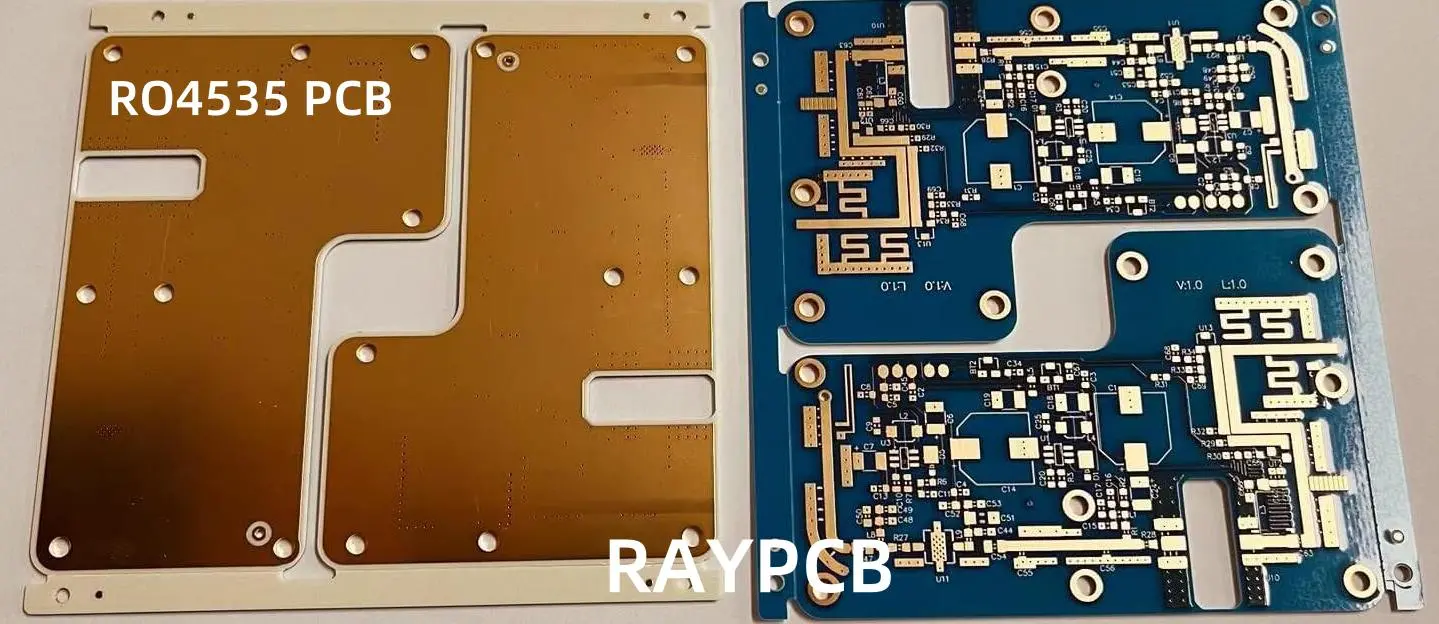
RO4535 Material Properties: Low Insertion Loss and Enhanced Thermal Stability for High-Frequency Circuits

In the ever-evolving world of high-frequency circuit design, engineers are constantly seeking materials that can meet the demanding requirements of modern applications. One such material that has gained significant attention is RO4535. This advanced laminate offers a unique combination of low insertion loss and enhanced thermal stability, making it an ideal choice for high-frequency circuits. In this comprehensive article, we’ll delve into the properties of RO4535 and explore how it’s revolutionizing the field of RF and microwave circuit design.

Understanding RO4535: A Game-Changer in High-Frequency Circuit Materials

RO4535 is a high-performance laminate material developed by Rogers Corporation, a leader in engineered materials for advanced electronics. This innovative material has been specifically designed to address the challenges faced by engineers working with high-frequency circuits, particularly in applications where low loss and thermal stability are crucial.

What Sets RO4535 Apart?

RO4535 stands out from other materials in its class due to its exceptional combination of properties:

  1. Low insertion loss
  2. Enhanced thermal stability
  3. Consistent electrical performance
  4. Excellent dimensional stability

These characteristics make RO4535 an attractive option for a wide range of high-frequency applications, from telecommunications to aerospace and defense.

Powered By EmbedPress

The Importance of Low Insertion Loss in High-Frequency Circuits

Defining Insertion Loss

Insertion loss refers to the loss of signal power that occurs when a component is inserted into a transmission line or signal path. In high-frequency circuits, minimizing insertion loss is crucial for maintaining signal integrity and overall system performance.

How RO4535 Achieves Low Insertion Loss

RO4535 achieves its low insertion loss through a carefully engineered material composition and manufacturing process. The material’s dielectric constant and loss tangent are optimized to minimize signal attenuation, especially at high frequencies.

Benefits of Low Insertion Loss

  1. Improved signal quality
  2. Reduced power consumption
  3. Extended range for wireless applications
  4. Enhanced overall system efficiency

By utilizing RO4535 in their designs, engineers can create high-frequency circuits that maintain signal integrity over longer distances and operate with greater efficiency.

Read more about:

Enhanced Thermal Stability: A Key Advantage of RO4535

The Challenge of Thermal Management in High-Frequency Circuits

As frequencies increase, so does the heat generated within circuit components. This heat can lead to performance degradation, reliability issues, and even system failure if not properly managed. Thermal stability is therefore a critical consideration in high-frequency circuit design.

RO4535’s Thermal Stability Properties

RO4535 offers exceptional thermal stability, which is crucial for maintaining consistent electrical performance across a wide range of operating temperatures. This stability is achieved through:

  1. Low thermal coefficient of dielectric constant
  2. Low thermal expansion coefficient
  3. High thermal conductivity

Advantages of Enhanced Thermal Stability

  • Consistent electrical performance across temperature ranges
  • Reduced risk of thermal-induced failures
  • Improved reliability in harsh environments
  • Simplified thermal management design

By incorporating RO4535 into their designs, engineers can create high-frequency circuits that perform reliably in a variety of thermal conditions, from extreme cold to high heat.

Applications of RO4535 in High-Frequency Circuits

The unique properties of RO4535 make it suitable for a wide range of applications in the high-frequency domain. Some key areas where this material excels include:

1. 5G and Beyond

As the world moves towards 5G and future wireless technologies, the demand for high-performance materials like RO4535 is increasing. Its low insertion loss and thermal stability make it ideal for:

  • Base station antennas
  • Phased array systems
  • Millimeter-wave circuits

2. Aerospace and Defense

The aerospace and defense sectors require materials that can withstand extreme conditions while maintaining optimal performance. RO4535 finds applications in:

  • Radar systems
  • Electronic warfare equipment
  • Satellite communications

3. Test and Measurement Equipment

Precision is paramount in test and measurement applications. RO4535’s consistent electrical properties make it suitable for:

  • Network analyzers
  • Signal generators
  • High-frequency probes

4. Industrial IoT

As industrial systems become more connected, the need for reliable high-frequency circuits grows. RO4535 can be used in:

  • Industrial sensors
  • Wireless control systems
  • Smart factory infrastructure

Designing with RO4535: Best Practices and Considerations

To fully leverage the benefits of RO4535 in high-frequency circuit design, engineers should keep the following best practices in mind:

1. Impedance Matching

Proper impedance matching is crucial for minimizing reflections and maximizing power transfer. RO4535’s consistent dielectric properties make it easier to achieve and maintain precise impedance matching across a wide frequency range.

2. Thermal Management

While RO4535 offers excellent thermal stability, proper thermal management techniques should still be employed to ensure optimal performance, especially in high-power applications.

3. Manufacturing Processes

RO4535 is compatible with standard PCB manufacturing processes, but care should be taken to follow recommended guidelines for drilling, etching, and lamination to maintain the material’s properties.

4. Simulation and Modeling

Accurate simulation and modeling are essential for high-frequency design. Use the latest material models provided by Rogers Corporation to ensure your simulations accurately reflect RO4535’s behavior.

The Future of High-Frequency Circuit Design with RO4535

As technology continues to advance, the demand for high-performance materials like RO4535 is only expected to grow. The material’s unique combination of low insertion loss and enhanced thermal stability positions it as a key enabler for future innovations in high-frequency circuit design.

Emerging Technologies and RO4535

Looking ahead, RO4535 is likely to play a significant role in emerging technologies such as:

  1. 6G wireless systems
  2. Terahertz communications
  3. Advanced radar and sensing systems
  4. Quantum computing interfaces

By staying at the forefront of material science, RO4535 continues to push the boundaries of what’s possible in high-frequency circuit design.

Conclusion: RO4535 – Enabling the Future of High-Frequency Electronics

In conclusion, RO4535 represents a significant advancement in material technology for high-frequency circuit design. Its low insertion loss and enhanced thermal stability make it an ideal choice for engineers working on cutting-edge applications in telecommunications, aerospace, defense, and beyond.

As we continue to push the limits of what’s possible in high-frequency electronics, materials like RO4535 will play a crucial role in enabling new technologies and improving existing ones. By understanding and leveraging the unique properties of RO4535, engineers can create more efficient, reliable, and high-performing circuits that meet the demanding requirements of modern high-frequency applications.

Whether you’re designing the next generation of 5G infrastructure, developing advanced radar systems, or pushing the boundaries of industrial IoT, RO4535 offers the performance and reliability needed to turn your high-frequency circuit designs into reality.

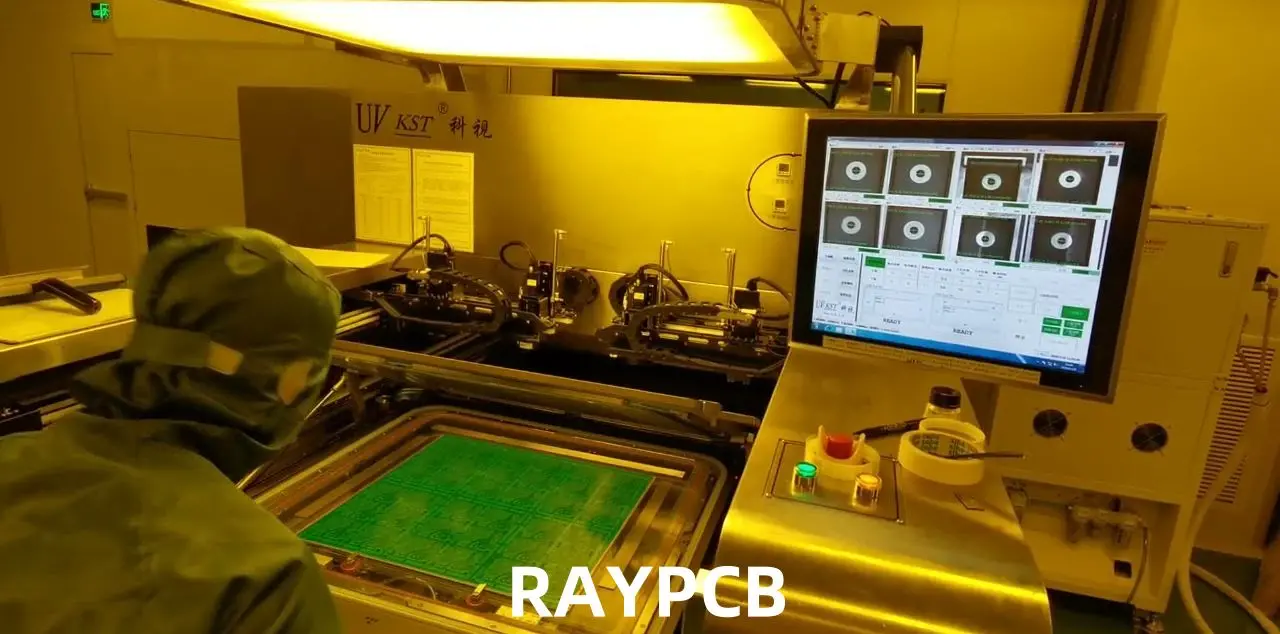
What is Taiyo PSR 4000 Solder Mask?

Introduction to Taiyo PSR 4000

Taiyo PSR 4000 is a high-performance liquid photoimageable solder mask widely used in the printed circuit board (PCB) manufacturing industry. Developed by Taiyo Ink Manufacturing Co., Ltd., a leading company in the field of solder mask technology, the PSR 4000 series has gained significant popularity due to its exceptional properties and versatility in various PCB applications.

In this comprehensive guide, we’ll explore the characteristics, applications, and benefits of Taiyo PSR 4000 solder mask, providing valuable insights for PCB manufacturers, engineers, and electronics enthusiasts.

Understanding Solder Masks

Before diving deep into Taiyo PSR 4000, let’s briefly discuss what a solder mask is and its importance in PCB manufacturing.

What is a Solder Mask?

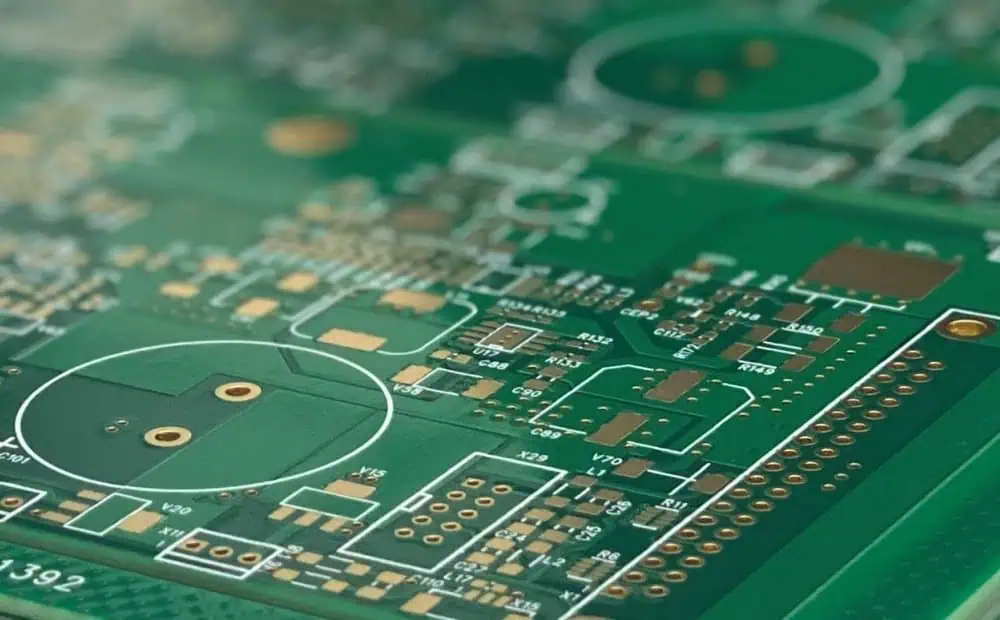
A solder mask is a thin layer of polymer applied to the copper traces of a printed circuit board. Its primary functions are:

  1. To protect the copper traces from oxidation
  2. To prevent solder bridges between closely spaced solder pads
  3. To improve the board’s appearance and readability
  4. To protect the board from environmental factors

Types of Solder Masks

There are several types of solder masks available in the market:

  1. Liquid Photoimageable (LPI) solder masks
  2. Dry Film solder masks
  3. Epoxy-based solder masks

Taiyo PSR 4000 falls under the category of Liquid Photoimageable (LPI) solder masks, which are known for their high resolution and excellent performance.

Powered By EmbedPress

Taiyo PSR 4000: Features and Characteristics

Taiyo PSR 4000 stands out among other solder masks due to its unique features and exceptional characteristics. Let’s explore what makes this product a preferred choice for many PCB manufacturers.

Key Features of Taiyo PSR 4000

  1. High Resolution: Taiyo PSR 4000 offers excellent resolution, allowing for fine line definition and small dam formation.
  2. Excellent Chemical Resistance: The mask provides superior resistance against various chemicals used in PCB manufacturing processes.
  3. Thermal Stability: It exhibits good thermal resistance, making it suitable for high-temperature applications.
  4. Fast Curing: The PSR 4000 series features rapid curing times, enhancing production efficiency.
  5. Low Odor: Compared to conventional solder masks, Taiyo PSR 4000 has a significantly reduced odor, improving working conditions.
  6. Environmental Friendliness: The product is formulated to be more environmentally friendly, aligning with global sustainability efforts.

Technical Specifications

To better understand the capabilities of Taiyo PSR 4000, let’s look at some of its technical specifications:

  • Color: Available in various colors, including green, black, red, and blue
  • Solid Content: Typically around 75% (ยฑ2%)
  • Viscosity: Approximately 150-250 dPaยทs (25ยฐC)
  • Exposure Energy: 300-500 mJ/cmยฒ
  • Resolution: Can achieve fine lines down to 50 ฮผm
  • Hardness: Pencil hardness of 6H or higher after curing

Read more about:

Applications of Taiyo PSR 4000

Taiyo PSR 4000 solder mask finds applications in a wide range of PCB manufacturing scenarios. Its versatility and high performance make it suitable for various industries and product types.

Common Applications

  1. Consumer Electronics: Smartphones, tablets, laptops, and other portable devices
  2. Automotive Electronics: Engine control units, infotainment systems, and advanced driver-assistance systems (ADAS)
  3. Industrial Control Systems: PLCs, HMIs, and other industrial automation equipment
  4. Aerospace and Defense: Avionics, communication systems, and military-grade electronics
  5. Medical Devices: Patient monitoring systems, diagnostic equipment, and implantable devices
  6. Telecommunications: Routers, switches, and cellular base stations

Specialized Applications

  1. High-Density Interconnect (HDI) Boards: Taiyo PSR 4000’s high resolution makes it ideal for HDI PCBs with fine lines and small vias.
  2. Flexible and Rigid-Flex PCBs: The mask’s flexibility and adhesion properties make it suitable for flexible circuit applications.
  3. High-Frequency PCBs: Its low dielectric constant and loss tangent make it appropriate for RF and microwave applications.
  4. LED Lighting: The mask’s reflective properties can be utilized in LED PCB manufacturing to enhance light output.

Benefits of Using Taiyo PSR 4000

Implementing Taiyo PSR 4000 in PCB manufacturing processes offers numerous advantages. Let’s explore the key benefits that make this solder mask a popular choice among manufacturers.

1. Enhanced PCB Quality

Taiyo PSR 4000’s high resolution and excellent chemical resistance contribute to improved overall PCB quality. The mask’s ability to form fine dams and maintain sharp edges results in better solder mask definition, reducing the risk of solder bridges and other defects.

2. Increased Production Efficiency

The fast curing time of Taiyo PSR 4000 allows for quicker processing, reducing overall production time. This increased efficiency can lead to higher throughput and improved productivity in PCB manufacturing facilities.

3. Improved Thermal Performance

With its excellent thermal stability, Taiyo PSR 4000 helps protect PCBs from heat-related issues during soldering processes and in high-temperature operating environments. This characteristic is particularly valuable in automotive and industrial applications where thermal management is critical.

4. Environmental and Health Considerations

The low-odor formulation of Taiyo PSR 4000 contributes to a more pleasant working environment for PCB manufacturing staff. Additionally, its environmentally friendly composition aligns with global efforts to reduce the use of harmful chemicals in electronics production.

5. Versatility in Applications

The wide range of applications supported by Taiyo PSR 4000 makes it a versatile choice for PCB manufacturers. Its ability to perform well in various scenarios, from consumer electronics to aerospace applications, reduces the need for multiple solder mask types in production facilities.

Best Practices for Using Taiyo PSR 4000

To maximize the benefits of Taiyo PSR 4000 solder mask, it’s essential to follow best practices during the application and curing processes. Here are some tips for optimal results:

1. Proper Surface Preparation

Ensure that the PCB surface is clean and free from contaminants before applying the solder mask. Proper cleaning and microetching can improve adhesion and overall mask performance.

2. Controlled Application

Use appropriate equipment and techniques to apply the solder mask evenly. Screen printing or spray coating methods are commonly used, depending on the PCB design and production requirements.

3. Optimal Exposure and Development

Follow the recommended exposure energy and development parameters provided by Taiyo. Fine-tuning these parameters based on your specific equipment and requirements can help achieve the best results.

4. Adequate Curing

Ensure proper curing of the solder mask by following the recommended temperature and time profiles. Incomplete curing can lead to reduced performance and reliability issues.

5. Regular Maintenance

Maintain and clean the application equipment regularly to ensure consistent quality in solder mask application.

Conclusion

Taiyo PSR 4000 solder mask has established itself as a high-performance solution in the PCB manufacturing industry. Its exceptional features, including high resolution, excellent chemical resistance, and thermal stability, make it an ideal choice for a wide range of applications, from consumer electronics to aerospace and defense.

By implementing Taiyo PSR 4000 in their production processes, PCB manufacturers can benefit from enhanced board quality, increased efficiency, and improved thermal performance. The mask’s versatility and environmentally friendly formulation further contribute to its popularity in the industry.

As the electronics industry continues to evolve, with increasing demands for miniaturization and higher performance, solder mask technologies like Taiyo PSR 4000 will play a crucial role in meeting these challenges. By staying informed about the latest developments in solder mask technology and following best practices in application and curing, PCB manufacturers can ensure they deliver high-quality, reliable products to meet the needs of various industries.

Copper Core PCB: High Thermal Conductivity at a Competitive Cost

A standard printed circuit board (PCB) typically uses a fiberglass base layer, which performs well under normal conditions but is prone to damage in high-power applications. Metal core circuit boards, such as copper core PCBs, provide the durability and thermal conductivity required for high-temperature environments.

At RAYMING, we specialize in crafting copper core PCBs tailored to your project, ensuring exceptional performance and reliability at a competitive cost.

What is a Copper Core PCB?

A copper core PCB, or copper core printed circuit board, is a specialized type of PCB that incorporates a thick copper layer at its core. This copper core serves as an efficient heat spreader, dramatically improving the board’s thermal management capabilities. Unlike traditional PCBs that rely solely on copper traces and thermal vias for heat dissipation, copper core PCBs leverage the excellent thermal conductivity of copper to quickly and effectively distribute heat across the entire board.

The copper core is typically sandwiched between layers of dielectric material and outer copper layers, creating a multi-layer structure that combines thermal efficiency with electrical functionality. This unique construction allows copper core PCBs to handle higher power densities and operate at cooler temperatures compared to standard PCBs, making them ideal for applications that generate significant heat.

Learn More about:

Types of Copper Based PCB

The world of copper core PCBs is diverse, with several variations designed to meet different thermal and electrical requirements. Let’s explore the main types:

1. Standard Stack-up Copper Core PCB

The standard stack-up copper core PCB is the most common type, featuring a thermal conductivity of up to 12 W/m.K. This configuration typically consists of:

  • A thick copper core (ranging from 0.5mm to 3mm)
  • Dielectric layers on both sides of the core
  • Outer copper layers for circuit traces

This structure provides a good balance between thermal management and circuit design flexibility, making it suitable for a wide range of applications.

2. COB Copper PCB (Chip on Board Copper PCB)

COB Copper PCBs take thermal management a step further by directly mounting semiconductor chips onto the copper core. This approach:

  • Eliminates the need for a separate chip package
  • Reduces thermal resistance between the chip and the heat sink
  • Allows for higher power density and improved performance

COB Copper PCBs are particularly beneficial for high-power LED applications and other heat-intensive semiconductor devices.

3. Direct Thermal Path Copper PCB

This variant of copper core PCB features no dielectric layer under the thermal path pad. By removing the insulating layer beneath critical components, it creates a direct thermal connection to the copper core. Benefits include:

  • Significantly reduced thermal resistance
  • Faster heat dissipation from heat-generating components
  • Improved overall thermal performance

This design is ideal for applications where rapid heat transfer is crucial, such as power electronics and high-frequency RF circuits.

4. Aluminum-Copper Hybrid PCB with Direct Thermal Path

This innovative design combines the benefits of copper and aluminum to create a cost-effective thermal management solution. It features:

  • A copper core for superior heat spreading
  • An aluminum base for additional heat sinking
  • No dielectric layer in the thermal path

This hybrid approach offers excellent thermal performance at a lower cost compared to all-copper designs, making it an attractive option for cost-sensitive applications that still require robust thermal management.

5. Embedded Copper Core PCB

Embedded copper core PCBs take thermal management to the next level by integrating the copper core directly into the PCB structure. This design:

  • Allows for thinner overall board thickness
  • Provides superior thermal performance
  • Enables more complex circuit designs

Embedded copper core PCBs are particularly useful in applications where space is at a premium, such as mobile devices and aerospace electronics.

6. Hybrid Copper Core PCB

Hybrid copper core PCBs combine multiple PCB technologies to meet specific performance requirements. For example, a hybrid design might include:

  • A copper core PCB base
  • Additional layers of high-frequency material (e.g., Rogers 4350B)
  • Controlled depth milling and drilling for precise impedance control

This type of PCB is ideal for applications that require both excellent thermal management and high-frequency performance, such as advanced telecommunications equipment and radar systems.

Copper Core PCB Design Guide

Copper-Clad-Board-Material

Designing with copper core PCBs requires careful consideration of several factors to maximize their thermal and electrical performance. Here are some key guidelines to follow:

Thermal Management Considerations

  1. Component Placement: Place high-power components directly over the copper core for optimal heat dissipation.
  2. Thermal Vias: Use an array of thermal vias to create efficient heat paths from the surface to the copper core.
  3. Copper Thickness: Choose an appropriate copper core thickness based on your thermal requirements.
  4. Thermal Simulations: Conduct thermal simulations to optimize heat spreading and identify potential hotspots.

Electrical Design Considerations

  1. Impedance Control: Account for the copper core’s impact on impedance when designing high-speed signals.
  2. EMI Shielding: Utilize the copper core as an EMI shield by properly connecting it to ground.
  3. Power Distribution: Leverage the copper core for power distribution to reduce resistance and improve current handling.

Manufacturing Considerations

  1. Material Selection: Choose appropriate dielectric materials that can withstand the higher processing temperatures of copper core PCBs.
  2. Layer Stack-up: Work closely with your PCB manufacturer to design an optimal layer stack-up that balances thermal and electrical performance.
  3. Surface Finish: Select a surface finish that complements the thermal properties of the copper core PCB.

By following these guidelines, designers can fully leverage the advantages of copper core PCBs while mitigating potential challenges.

Aluminum vs Copper Core PCB

While both aluminum and copper core PCBs offer improved thermal management compared to standard FR-4 boards, they have distinct characteristics that make them suitable for different applications.

Thermal Conductivity

  • Copper: ~400 W/m.K
  • Aluminum: ~200 W/m.K

Copper’s superior thermal conductivity makes it the preferred choice for applications requiring the highest level of heat dissipation.

Cost

Aluminum core PCBs are generally less expensive than copper core PCBs, making them a popular choice for cost-sensitive applications that still require improved thermal management.

Weight

Aluminum is lighter than copper, which can be an advantage in applications where weight is a critical factor, such as aerospace and portable electronics.

CTE (Coefficient of Thermal Expansion)

Copper has a lower CTE than aluminum, which can lead to better reliability in applications that experience significant temperature fluctuations.

Electrical Conductivity

Copper offers better electrical conductivity than aluminum, which can be beneficial in designs that use the core for power distribution or grounding.

The choice between aluminum and copper core PCBs ultimately depends on the specific requirements of the application, balancing factors such as thermal performance, cost, weight, and reliability.

Applications of Copper Core PCBs

Copper core PCBs find use in a wide range of applications where efficient thermal management is crucial. Some key areas include:

1. LED Lighting

High-power LED applications, such as automotive headlights and industrial lighting, benefit greatly from copper core PCBs’ ability to efficiently dissipate heat and maintain optimal LED performance.

2. Power Electronics

Devices like motor controllers, inverters, and power supplies utilize copper core PCBs to manage the high heat generated by power semiconductor components.

3. RF and Microwave Circuits

The excellent thermal and electrical properties of copper core PCBs make them ideal for high-frequency applications in telecommunications and radar systems.

4. Automotive Electronics

As vehicles incorporate more electronic systems, copper core PCBs help manage the increased heat generation in engine control units, infotainment systems, and advanced driver assistance systems (ADAS).

5. Industrial Control Systems

Copper core PCBs enhance the reliability and performance of industrial control equipment operating in harsh environments with high temperatures.

6. Medical Devices

Certain medical imaging equipment and diagnostic devices benefit from the thermal management capabilities of copper core PCBs, ensuring accurate and reliable operation.

7. Aerospace and Defense

The combination of high thermal performance and potential weight savings makes copper core PCBs attractive for various aerospace and defense applications.

Conclusion

Copper core PCBs represent a significant advancement in thermal management for printed circuit boards. By offering high thermal conductivity at a competitive cost, they enable designers to push the boundaries of electronic performance and reliability. From standard stack-ups to innovative hybrid designs, the variety of copper core PCB options allows for tailored solutions to meet specific application requirements.

As electronic devices continue to evolve, becoming more powerful and compact, the importance of efficient thermal management will only grow. Copper core PCBs, with their superior heat dissipation capabilities, are well-positioned to play a crucial role in shaping the future of electronics across various industries.

By understanding the types, design considerations, and applications of copper core PCBs, engineers and product designers can make informed decisions about incorporating this technology into their projects. As the demand for high-performance, thermally efficient electronic systems continues to rise, copper core PCBs will undoubtedly remain at the forefront of thermal management solutions in the PCB industry.

Thin Film Ceramic PCB: An Overview

Aluminum nitride ceramic circuit board

Printed Circuit Boards (PCBs) are the backbone of modern electronics, providing the necessary platform for electrical connections and mechanical support for electronic components. As technology advances, the demand for more efficient, reliable, and miniaturized PCBs has grown significantly. One of the emerging solutions to meet these demands is the Thin Film Ceramic PCB. This type of PCB is gaining traction in various high-performance applications due to its unique properties and advantages over traditional PCB materials. In this article, we will explore what Thin Film Ceramic PCBs are, their manufacturing process, key characteristics, applications, and the benefits they offer.

What is a Thin Film Ceramic PCB?

A Thin Film Ceramic PCB is a type of printed circuit board that uses a ceramic substrate, typically made from materials like aluminum oxide (Al2O3), aluminum nitride (AlN), or beryllium oxide (BeO), combined with thin-film deposition techniques to create conductive traces and other circuit elements. Unlike conventional PCBs that use organic materials like FR-4 (a glass-reinforced epoxy laminate), Thin Film Ceramic PCBs leverage the superior thermal, electrical, and mechanical properties of ceramics.

The “thin film” aspect refers to the deposition of conductive and insulating layers on the ceramic substrate using advanced techniques such as sputtering, evaporation, or chemical vapor deposition (CVD). These layers are extremely thin, often in the range of nanometers to micrometers, allowing for high precision and miniaturization in circuit design.

Thick Film Ceramic PCB Manufacturer
2 Layer Aluminum Oxide HTCC Ceramic Circuit Boards
2 Layer Ceramic Immersion PCB Circuit Board

Manufacturing Process of Thin Film Ceramic PCBs

The manufacturing process of Thin Film Ceramic PCBs is highly specialized and involves several key steps:

  1. Substrate Preparation: The process begins with the selection of a ceramic substrate. The substrate is cleaned and polished to ensure a smooth surface, which is crucial for the subsequent deposition of thin films.
  2. Thin Film Deposition: Conductive materials such as gold, silver, copper, or aluminum are deposited onto the ceramic substrate using techniques like sputtering or evaporation. These materials form the conductive traces, pads, and other circuit elements. Insulating layers may also be deposited to create multi-layer circuits or to protect certain areas of the board.
  3. Patterning: Photolithography is commonly used to pattern the thin films. A photoresist is applied to the substrate, exposed to UV light through a mask, and then developed to create the desired circuit pattern. The exposed areas are then etched away, leaving behind the conductive traces.
  4. Annealing: After patterning, the PCB may undergo an annealing process to improve the adhesion of the thin films to the ceramic substrate and to enhance the electrical properties of the conductive traces.
  5. Component Assembly: Once the thin film layers are in place, electronic components are mounted onto the PCB using surface-mount technology (SMT) or other assembly techniques. The components are then soldered to the conductive pads.
  6. Testing and Inspection: The final step involves rigorous testing and inspection to ensure the PCB meets the required electrical and mechanical specifications. This may include electrical continuity tests, thermal cycling, and visual inspections.

Key Characteristics of Thin Film Ceramic PCBs

Thin Film Ceramic PCBs exhibit several unique characteristics that make them suitable for high-performance applications:

  1. High Thermal Conductivity: Ceramic materials like aluminum nitride (AlN) and beryllium oxide (BeO) have excellent thermal conductivity, allowing for efficient heat dissipation. This is particularly important in high-power applications where heat management is critical.
  2. Low Thermal Expansion: Ceramics have a low coefficient of thermal expansion (CTE), which means they expand and contract less with temperature changes compared to organic materials. This property reduces the risk of thermal stress and improves the reliability of the PCB, especially in environments with fluctuating temperatures.
  3. Excellent Electrical Insulation: Ceramic substrates provide superior electrical insulation, reducing the risk of short circuits and improving the overall performance of the PCB.
  4. High Precision and Miniaturization: The thin-film deposition process allows for extremely fine traces and small feature sizes, enabling the creation of highly compact and complex circuits. This is particularly beneficial in applications where space is at a premium, such as in medical devices or aerospace electronics.
  5. Chemical and Mechanical Stability: Ceramics are chemically inert and mechanically robust, making Thin Film Ceramic PCBs resistant to corrosion, wear, and environmental degradation. This enhances the longevity and reliability of the PCB in harsh operating conditions.

Applications of Thin Film Ceramic PCBs

Thin Film Ceramic PCBs are used in a wide range of applications where high performance, reliability, and miniaturization are required. Some of the key application areas include:

  1. Aerospace and Defense: The aerospace and defense industries demand electronics that can withstand extreme temperatures, vibrations, and radiation. Thin Film Ceramic PCBs are ideal for these applications due to their thermal stability, mechanical strength, and resistance to environmental stressors.
  2. Medical Devices: In medical electronics, such as implantable devices and diagnostic equipment, reliability and precision are paramount. Thin Film Ceramic PCBs offer the necessary performance and miniaturization to meet the stringent requirements of medical applications.
  3. High-Power Electronics: Power electronics, such as inverters, converters, and motor drives, generate significant heat and require efficient thermal management. Thin Film Ceramic PCBs, with their high thermal conductivity, are well-suited for these applications.
  4. Telecommunications: The telecommunications industry relies on high-frequency and high-speed electronics, where signal integrity and minimal loss are critical. Thin Film Ceramic PCBs provide the necessary electrical performance and stability for these demanding applications.
  5. Automotive Electronics: With the increasing electrification of vehicles, automotive electronics require PCBs that can operate reliably under high temperatures and harsh conditions. Thin Film Ceramic PCBs are increasingly being used in electric vehicles (EVs) and advanced driver-assistance systems (ADAS).
  6. LED Lighting: High-power LED lighting systems generate significant heat, and efficient thermal management is essential to maintain performance and longevity. Thin Film Ceramic PCBs are commonly used in LED modules to ensure effective heat dissipation.

Read more about:

Advantages of Thin Film Ceramic PCBs

Thin Film Ceramic PCBs offer several advantages over traditional PCBs, making them a preferred choice for high-performance applications:

  1. Superior Thermal Management: The high thermal conductivity of ceramic substrates allows for efficient heat dissipation, reducing the risk of overheating and improving the reliability of electronic components.
  2. Enhanced Reliability: The low thermal expansion and chemical stability of ceramics contribute to the long-term reliability of Thin Film Ceramic PCBs, even in harsh environments.
  3. Miniaturization: The ability to create fine traces and small feature sizes enables the design of compact and lightweight PCBs, which is essential for applications where space is limited.
  4. High-Frequency Performance: Thin Film Ceramic PCBs exhibit excellent electrical properties, including low dielectric loss and high signal integrity, making them suitable for high-frequency and high-speed applications.
  5. Durability: Ceramic materials are inherently durable and resistant to wear, corrosion, and environmental degradation, ensuring the longevity of the PCB.

Challenges and Considerations

Despite their numerous advantages, Thin Film Ceramic PCBs also present some challenges:

  1. Cost: The manufacturing process for Thin Film Ceramic PCBs is more complex and expensive compared to traditional PCBs. The cost of ceramic substrates and the specialized equipment required for thin-film deposition contribute to the higher price.
  2. Fragility: While ceramics are mechanically robust, they can be brittle and prone to cracking under mechanical stress. Care must be taken during handling and assembly to avoid damage.
  3. Limited Flexibility: Unlike flexible PCBs, Thin Film Ceramic PCBs are rigid and cannot be bent or flexed. This limits their use in applications where flexibility is required.

Conclusion

Thin Film Ceramic PCBs represent a significant advancement in PCB technology, offering superior thermal management, reliability, and miniaturization compared to traditional PCBs. Their unique properties make them ideal for high-performance applications in industries such as aerospace, medical devices, telecommunications, and automotive electronics. While they come with higher costs and some limitations, the benefits they offer in terms of performance and durability make them a valuable solution for demanding electronic applications. As technology continues to evolve, Thin Film Ceramic PCBs are likely to play an increasingly important role in the development of next-generation electronics.