What is DFM?

design for manufacturing

DFM or design for manufacturing operations has to do with the process involved in the designing of products, components, or parts to ensure manufacturing operations come easy. The end goal is to have a better product and reduce manufacturing costs. You can achieve this by refining, optimizing, and simplifying your product design. At times, DFMA, which is also design for manufacturing and assembly process can be used interchangeably with the DFM.

There are five main principles you should examine when dealing with DFM. These include process, material, testing/compliance, design, and environment. Ideally, DFM needs to take place very early during the manufacturing design process, even before you start tooling. Furthermore, a DFM that is well executed will have to include the entire stakeholders, which include the contract manufacturer, designers, engineers, material supplier, and mold builder.

What is DFM?

The intention of the design for manufacturing method is challenging the design stage. It will check the design at all levels. These include the system, subsystem, holistic levels, and the component. This is to make sure of the optimization of the design and that no cost is embedded into it.

As there is a progress in the design through the lifecycle of the product, changes will be more expensive. Also, implementing it will be more difficult. With early DFM, it allows the quick execution of design changes, at a location that is least expensive.

The pulling together of stakeholders early during the design becomes easier when developing the new product. However, even if you are handling a product that is established, a very important element of a well and thorough DFM is challenging the initial design.

In many cases, errors in a specific design can be repeated when the previous design is replicated. Look into all aspects of the design.

  • Check the initial or original drawings
  • Next, tear the product down
  • Check out near-neighbor and competitive products, as well as lead users like automotive and medical
  • Speak with the contract manufacturer. He or she may have solved a similar issue with another customer
  • Has this problem ever been solved in a different way by someone else?
  • Anyway to make this better?

So much effort, time, and thoughts goes into a DFM.

DFM Applications
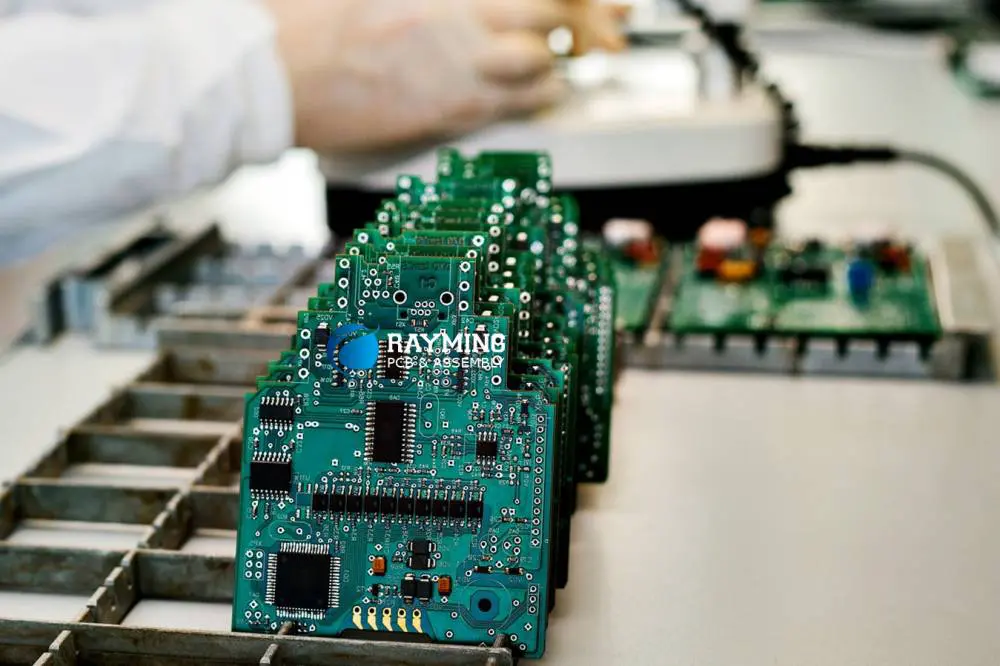
design-for-manufacturing-pcb

There are different reasons why the use of design for manufacturing is very invaluable as far as today’s competitive market is concerned. Let’s consider how the design for manufacturing principles can help deliver efficient designs as well as additive manufacturing setup. Below are the things you can achieve with DFM.

  • Building of a realistic cost model coupled with the objectives of the product
  • Reduces issues related to manufacturability, ensuring the quick manufacturing of the product and to achieve this more economically.
  • Creation of a good and efficient design which allows for potential changes in the design in the end or latter stages excluding the huge cost.
  • Determination and elimination of design features that are not necessary, but only add to the cost.
  • Drive down the bids of suppliers via the design modification making use of DFM principles.

What are the DFM Principles?

Here, we will be discussing the avenues that the designer has to focus on, during the creation of any DFM-friendly product.

When you optimize each of the areas, it will make sure that the entire product becomes the best vision possible. The five major areas of focus include product material, additive manufacturing processes, product design, compliance, and testing with different standards and service environment.

Manufacturing Process

Making use of the right or best manufacturing processes plays a huge role in the product’s success. There are factors you need to look into, which includes the surface finish, volume, product material, cost, post-processing tolerances and needs to choose the best manufacturing process that suits the product.

Take for instance, the choice of injection modules for a product that should be manufactured in little volumes is not sustainable as a result of the large upfront overheads and investments. For cases like this, an individual may prefer thermoforming or additive manufacturing processes.

The processes make cheaper manufacturing possible with lesser or fewer parts instead of putting huge investments in tools and molds.

A company must complete the processes involved in manufacturing very quickly because the four factors left out depends on them.

Furthermore, for the right manufacturing process, the product design might suggest many options. You must analyze each choice making use of DFM principles to ensure optimum selection.

Also, the viability overall is useful as a determinant rather than as manufacturing cost. Also, it could happen that the manufacturing process features a lower cost of production in contrast to another. However, the total cost could rack up greatly all through the distribution.

Furthermore, another aspect which could affect the cost of the end product is the tolerances, which is usually assigned onto the product. In addition, specifying tolerances that are unnecessarily tight could raise production costs taking the form of additional machining time. Also, it may include the need to get a different and secondary machining process.

In some cases, the company could alter the process of manufacturing in order to work in line with certain specifications. In addition, the designers have to set the loosest possible tolerances when meeting the product’s fundamental requirement.

Design of the Product

Probably, this is one of the major factors having huge implications on the operation’s feasibility. With efficient designs, there will be a remarkable reduction in production costs, as well as lead times. At times, this may happen through minor modifications. Moreover, the opposite can happen and also hold true.

So many things may go wrong when designers don’t understand what manufacturing is; one reason why design for manufacturing tools are really needed by the designers in analyzing how their choices of design affects production.

Let’s take for instance, a plastic product, which has been designed with the help of different wall thicknesses. When you take a first glance at it, this may seem like it is a good or wise decision to reduce manufacturing costs and the costs of raw material wherever possible, so far there are no compromise difficulties present with plastic product manufacturing with different thickness, you’ll soon see that maintaining uniform thickness is much more feasible.

The Material of the Product

Engineers have to choose raw materials, the form, and grade very early during the process of developing the product. This selection is dependent on the product’s expectations.

Different aspects like surface finish, opacity, flammability, electrical/thermal resistance, machinability, and strength guides the engineers to have a better choice. As this material becomes harder, there is a reduction in the machinability. Furthermore, when picking the right model, the form and material grade may have a huge impact on the cost of the final part.

When we talk of the form, we refer to the size and shape of that raw material before taking it for machining. For instance, metals can become supplied as sheets, strips, bar stocks, and plates. Usually, you can make use of more than one form. However, there are differences in their properties and rates. For example, the cost of bar aluminum is just half that of the aluminum plate when referring to weight. Therefore, it is very important and necessary to evaluate and check how the preference of one form of raw material over the other will affect the true scheme of everything.

Service Environment

One important step to ensure that the DFM process is conducted effectively is by evaluating that particular service environment that aids in creating a very functional product that will cost low in production. A product meant to function in dusty areas cannot come with the same specifications as that designed to work under water.

Furthermore, DFM indicates seeking product quality coupled with the usual working conditions the product uses. You must consider the effect and intensity of the environmental factors like abrasives, moisture, salt, wind, snow, and rain during the DFM process.

In addition, it is necessary to know the difference between unrealistic and realistic expectations so as to reduce the costs of manufacturing. Products utilized in dry areas alone throughout it’s lifetime will not require marine-grade specifications.

Take for example, the 5083 aluminum (marine-grade) is very important for marine applications. This is because of its superior resistance properties , especially to corrosion. However, it will not be rational to utilize this grade in any environment having medium or low chance of corrosion.

When DFM is on, you consider the usual operating conditions alone in order to get rid of manufacturing costs that are unnecessary.

Compliance and Testing with Different Standards

While conducting design for manufacturing (DFM), the manufacturing engineers have to continue compliance and testing requirements. This should be kept in our minds in order to avoid issues later. Products manufactured at a fraction of the initial cost but fail to pass certifications won’t get to the market.

Different certifications and standards exist. These include 3rd-party standards, industry standards, as well as standards that have been set by a specific company to ensure high-quality products.

Furthermore, for a good number of products, the regulatory agencies can set these regular standards. To comply with these standards needs the manufacturer to possess the testing capabilities for each and everyone of them.

In addition, when working with design for manufacturing (DFM) procedures, you should test the design of the product for compliance even before you start mass production. If you wait till the end before developing the product can result in huge costs. Also, you may have to return this product to its design stage.

What are the Main Benefits of DFM?

Companies investing in DFM may find poor manufacturing and design decisions in the products, which could have been avoided with ease. Some of the main benefits of DFM include

  • Quick time to the market
  • Reduction in costs (increase in profits)
  • Improvement in the quality of the product
  • Streamlined product development process
  • Smoother process of manufacturing
  • Easy scale up of production

Quick time to the market

Most manufacturing and design issues are usually addressed during the beginning stages of your design. There will be fewer issues during the actual process of manufacturing. Also, it consumes less time. This ensures quick time to the market for the new product.

Reduction in costs

Design for manufacturability (DFM) can reduce costs of production significantly. This successful operation that is cost-effective can also improve profitability. It will achieve this by raising the ROI. Alternatively, these companies could transfer this low cost benefit to customers in competitive markets.

Improvement in the quality of the product

DFM makes sure that your product meets or works in line with the necessary quality standards that have been set in the design phase. It ensures that the tolerances, surface finish, performance, conformance, perceived quality, serviceability, durability, features, aesthetics, and reliability of the product matches the expected specifications.

Streamlined process for product design

DFM begins with having the big picture already in mind. This defines or explains the part’s manufacturing process, ease of distribution, component materials, final quality, design, etc. This leads to a production process that is well-managed and considers all aspects. Therefore, designing products with DFM helps in creating a solid plan for the product development process.

Smoother process of manufacturing

This is the main goal of DFM. Due to a proper and in-depth planning of the entire manufacturing process, contract manufacturers and/or manufacturing companies are usually clear on what they deliver. This leads to a very smooth setup for production.

Easy scale up of production

When there is an effective DFM process, this makes sure that when you are set to raise the production levels, you will easily scale up the manufacturing setup. Working with the guidelines ensures that you can source the components utilized for the assembly easily. Also, it ensures that the line of production can deliver an assembly process that comes with increased qualities and uninterrupted manufacturing.

Conclusion

By now, you should understand what design for manufacturability is. We have also explained its benefits. This is very necessary to ensure you come out with the best product possible.

Factors that Impact Xilinx FPGA Price

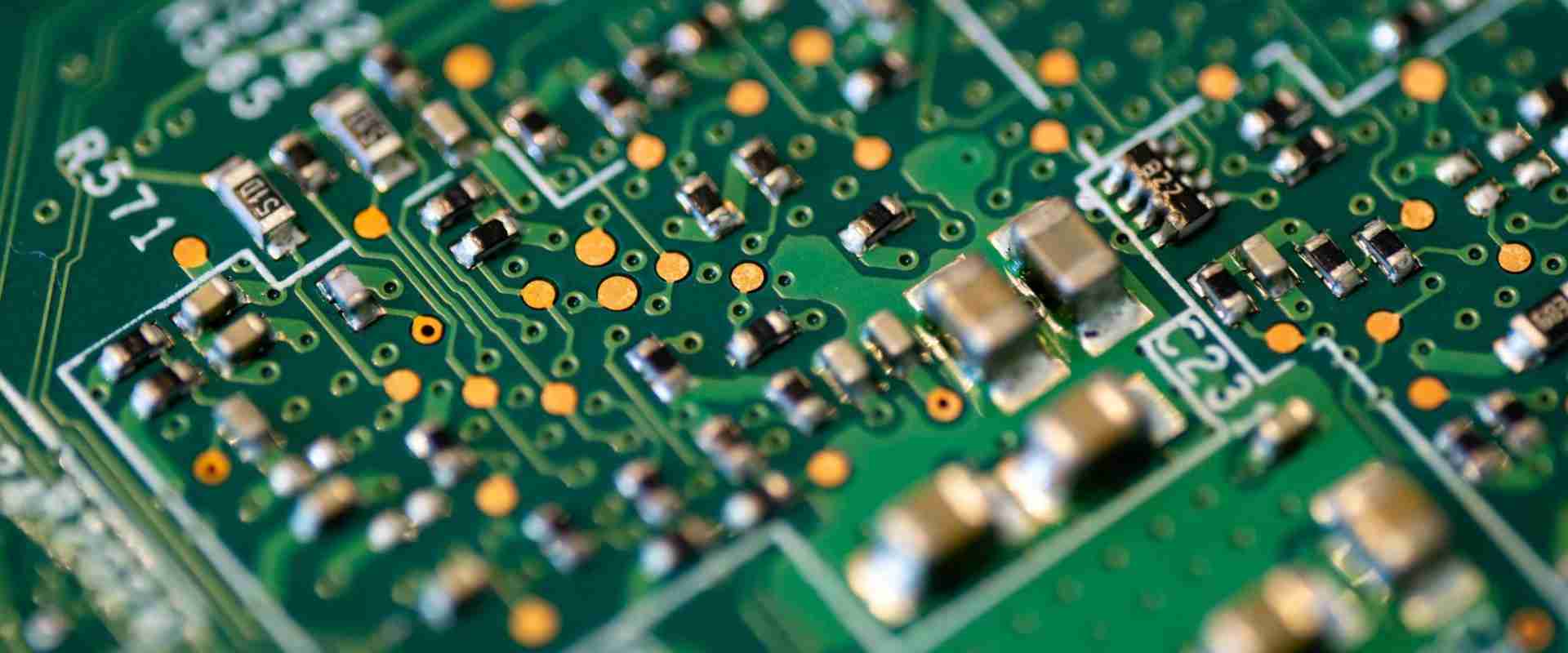
Xilinx XC7Z015-1CLG485C

FPGAs are being used in more and more applications over time. Field programmable gate arrays have gained popularity over time. However, the prices of FPGAs differ based on their features and structure. Also, the type of brand you choose determines the price of an FPGA. There are several vendors for FPGAs. Xilinx and Altera are two main large vendors of FPGA.

If you are new in the embedded world and you are not sure of FPGA price, then this article is for you. Here, weโ€™ll be explaining the prices of Xilinx FPGA devices. Also, we will discuss factors that influence the price of these FPGAs.

What is an FPGA?

An FPGA is known as a unique integrated circuit that can perform several tasks when reconfigured. For instance, you can configure an FPGA to act as a processor and you can reconfigure it to function as GPU. This means that FPGAs can act as any other Digital Integrated Circuit when theoretically programmed.

FPGA stands fir Field Programmable Gate Array. Also, the Field Programmable means that you can program an FPGA anywhere. The Gate Array implies that FPGAs comprise several flip-flops and logic gates. Users can connect these elements according to design requirements to enable the FPGA act according to the desired design goal.

The flip-flops and gates are typically grouped into Configurable Logic Blocks. There are several CLBs on an FPGA. These blocks interconnect with each other to integrate certain circuit functionality with the use of a programmable interconnect matrix.

An FPGA is like a breadboard for Digital Circuits. FPGAs feature several flip-flops and gates and there are wires passing through the complete chip. Circuits comprise wires connected to the relevant flip-flops or gates according to intended design.

FPGAs feature programmable interconnects instead of using a physical wire as in breadboards. Also, FPGAs feature dedicated routes or wires for clock signals. Only selected FPGA pins can drive these global clock routing wires. Also, the designs that run on FPGAs use Hardware Description Languages like SystemVerilog and VHDL.

FPGA devices are widely used in several applications like communication systems and military radars. Also, FPGAs are ideal for use in applications that require a high level of parallelism. In addition, they are functional in applications where traditional CPUs might fail. These days FPGAs are useful in Software Defined Networking and Software Defined Radio.

What Do Xilinx FPGAs Offer?

FPGAs were very expensive in those days. Therefore, this limited the use of FPGAs in some applications. As the prices of FPGAs continue to decrease, more advanced industrial machines took advantage of this price drop. Also, FPGAs are well structured and can be easily scaled and developed.

The Xilinx FPGAs are technology-oriented. Also, they provide more chips with custom circuits that integrate specific functions.  Therefore, they have better connections to applications. Also, Xilinx has been a leading supplier of FPGA for many years. In terms of cost and performance, Xilinx features a good range of FPGAs.

Furthermore, Xilinx develops FPGAs for the cost-sensitive, high-volume electronics market. Therefore, this FPGA company has used custom chips with fixed architectures like ASICs due to their cost and performance advantages.

How much does Xilinx FPGA Cost?

The price of FPGA varies based on the features it offers. Xilinx FPGAs are available from $5 onwards and go beyond $100,000.  Also, Xilinx offer a wide range of FPGAs with different prices. You can buy some FPGAs at a cheaper rate by buying an off-the-shelf FPGA development board.

FPGAs need individual testing before sale. Also, this helps to ensure several logic cells and routing interconnects remain functional. However, this verification involves speed grade binning and characterization. Therefore, testing contributes to cost of Xilinx FPGAs. Also, verification requires more time and cost.

FPGAs with high market share are specially designed with cutting edge technology. Some FPGAs comprise special features. Also, these features impact their price. For example, Xilinx Virtex 7 28nm price ranges from $2500 to $3200. The type of Xilinx FPGA you choose determines the price you will pay. For example, Xilinx Spartan 7 FPGA price ranges from $774 to $900.

Xilinx Spartan 3 FPGA is one of the lowest cost FPGAs. Also, the Spartan 3 starter kit is available at $99. The price of Xilinx FPGAs varies.

Factors that Determine Xilinx FPGA Price

There are several Xilinx FPGA devices available in the market today. These devices differ in terms of their prices.  There are several factors that determine the cost of an FPGA. Also, these factors include number of LUTs, maximum clock speed, and more.

Number of gates

In the early stage of an FPGA development, it is more difficult to estimate the early stages. However, you can determine the number of gates as you progress with development. As regards gates or resources, there are different FPGA sizes in the market.

IO count

This is another factor that impacts the price of FPGAs. FPGAs feature different IO count. Therefore, the number of IOs would affect the price of an FPGA. You need to calculate the number of IOs your FPGA design needs. Basically, this means the number of pins required to connect from the FPGA. You will pay less for a smaller FPGA.

FPGA speed

The design architecture of an FPGA will influence its price. Also, FPGA implementation needs to meet the specifications of an application. Xilinx FPGA is more engineered for high speed interface. The availability of high speed differential transceivers allows high bandwidth in data reception/ transmission off-chip.

End of life

End of life occurs when a vendor halts the production of an FPGA device due to several reasons. This unfortunate situation happens. However, there are ways by which you can reduce the chances that your FPGA will fall victim. Ensure you choose an FPGA family that isnโ€™t too old.

Conclusion

Xilinx delivers cost-optimized performance FPGAs at a wide range of prices. Also, Xilinx maintains a balance between price and performance. Therefore, this FPGA device is highly preferred among other FPGA brands. There are factors which contribute to the price range in Xilinx products. Some of these factors include the number of I/O pins and the number of gates. It is necessary to understand and know your budget and your application requirement before opting for a Xilinx FPGA.

How Surface Mounted Components Contribute to the Success of Surface Mount Technology

Surface Mounted Components

The surface mount technology SMT is a popular mounting technique in PCB assembly. PCB assembly majorly focuses on component mounting. Surface mount devices are electronic components mounted directly on a bare PCB. In the PCB industry, the surface mount technology has replaced the through-hole technology.

Most  modern electronic equipment comprise minute devices.  Surface mount technology was specifically introduced to minimize production costs while making good use of PCB space. Therefore, the introduction of this technology has enabled the production of highly complex electronic circuits.

What is Surface Mount Technology?

The surface mount technology is a type of mounting technique in PCB assembly. It involves the mounting of electrical components directly on a PCB surface without any drilling. Also, these components feature no leads or smaller leads. Also, SMT components are smaller than through-hole components.

Surface mount electronic components are more suitable and compact for higher routing density since they donโ€™t require drilled holes. Electronic devices that incorporate SMT are more beneficial. The surface mount technology process involves several steps. Also, this PCB assembly involves the use of automation. It uses pick and place machines to place electronic components on bare boards.

SMT involves the use of components that are compact in structure and high in safety density. Also, SMT involves the use of reflow soldering.

Steps Involved in SMT Process

There are several steps involved in the surface mount process. Each of these steps determines the success of surface mount technology. Therefore, it is crucial to pay attention to each of these steps.

Solder paste printing

This step involves the application of solder paste on a PCB surface. The PCB assembler uses stencil and squeegees to apply solder paste. Also, solder paste is a mixture of tin and flux. The solder paste helps to connect the SMT components and solder pads on the PCB. Solder paste printing prepares the electronic components for welding.

It is crucial that every pad has the right amount of paste. Otherwise, there wonโ€™t be any connection when melting the solder in the reflow process. Therefore, it is crucial to control the quality of the solder paste printing process.

Component placement

Once the PCB assembler has applied solder paste, the next step is components placement. Component placement involves mounting every component on the PCB. Here, the pick and place machine places the component in its programmed location. Also, the pick and place machine can place about 80,000 surface mount electronic components per hour.

Automated optical inspection

It is important to inspect all individual components after placing then on the PCB board. This helps to ensure these components are properly placed. Therefore, this step helps to detect any placement error and solder the parts into the right position.

Reflow soldering

After making all the necessary checks, the PCB assembler will move the PCB into a machine. The reflow soldering machine helps to create electrical solder connections between the PCB and components. Here, the PCB goes through a conveyor belt where it is heated. The assembler inspects the PCB again after it has gone through reflow soldering.

Different Types of SMD Components

There are different types of surface mount devices (SMDs). SMDs need to withstand high soldering temperatures. Therefore, you must carefully select, place, and solder them in order to achieve great manufacturing result.  The two major types of surface mount electronic components are passive and active components.

Passive SMD components

The shapes of passive SMD components are cylindrical and rectangular.

  • Surface mount resistor networks

These SMD components are widely used as replacement for discrete resistors. Therefore, this helps to save placement time. Generally, surface mount networks are available in 16 to 20 pins with about 2 watts power per package.

  • Surface mount discrete resistors

Surface mount discrete resistors are available in two main types which are thin and thick film. Also, the construction of thick film resistors involves screening resistive film on a high purity alumina substrate surface. Thin film resistors have a resistive element on a ceramic laminate with protective coating solderable terminations. These terminations feature an adhesion layer on the ceramic substrate.

  • Surface mount tantalum capacitors

The dielectric of surface mount capacitors can be tantalum or ceramic. Surface mount tantalum capacitors provide high capacitance-voltage product for each unit volume. Also, the wrap-under lead capacitors feature leads rather than terminations as a polarity indicator. When utilizing the molded plastic tantalum capacitors, there are no concerns for placement or soldering.

These capacitors are in two case sizes which are extended and standard range. Also, the capacitance value for these capacitors varies. Furthermore, these capacitors can be custom made based on the applicationโ€™s requirement.

  • Surface mount ceramic capacitors

Surface mount capacitors are suitable for high frequency applications since it doesnโ€™t have leads. Also, 8mm tape and reel is the most commonly used packaging for ceramic capacitors. Surface mount ceramic capacitors are ideal for use in frequency control and decoupling capacitors. Furthermore, multilayer monolithic ceramic capacitors have enhanced volumetric efficiency.  

Active SMD components

  • Plastic leaded chip carriers (PLCC)

PLCC have leads that offer the compliance required to withstand the solder joint stress. Therefore, this prevents cracking in the solder joint. PLCC is a much cheaper version of ceramic chipcarrier. Also, PLCCs having large die-to-package ratios may be prone to package cracking as a result of moisture absorption. Therefore, they require proper handling.

These are surface mount packages that feature large number of leads and very fine pitch. Also, fine pitch packages feature thinner leads and demand thinner land pattern designs.

  • Leadless ceramic chip carriers (LCCC)

Leadless chip carriers feature no leads. Rather, they feature groove-shape terminations that offer shorter signal paths that enable higher operating frequencies. Leadless ceramic chip carriers are in different families based on the pitch of the package. The 50 mil family is the most common. However, they are other families like 20, 25, and 40 mils.

  • Small outline Integrated Circuit (SOIC)

SOIC is a shrink package that features leads on 0.050 inch centers. Also, the small outline integrated circuit helps to house larger integrated circuits. SOIC comprises leads on two sides that are created outward. This is generally known as gul wing lead. Also, SOICs need careful handling to avoid any lead damage. SOICs are available in two different body widths which are 150 mils and 300 mils.

  • Small outline J packages (SOJ)

The SOJ packages feature pins on only two sides. The small outline J package is a hybrid of PLCC and SOIC. Also, the SOJ packages combine the space efficiency of SOIC and handling benefits of PLCC. SOJ packages are widely used for high density DRAMSs.

What is the Difference Between SMT and SMD?

Surface mount technology (SMT) refers to the entire process of mounting and soldering electronic components directly on a PCB. SMD also known as surface mount device is the component mounted on the PCB surface. PCB assemblers soldered components by hand in the early stages. At that time, the pick and place machines could handle just a few simple components.

The introduction of surface mount components gave birth to a new era. While surface mount technology is a process of PCB assembly, a surface mount device is an actual component. People usually confuse SMT and SMD. Both surface mount devices and surface mount technology are intertwined. Both SMT and SMD work hand in hand to obtain reliable and functional PCBs.

Surface mounting helps to eliminate the need to pass leads through a printed circuit board. Also, surface mounting saves spaces and allows the installation of more components on a smaller circuit board. Surface mount technology is responsible for the production of smaller electronic devices.

The production of a functional electrical device requires the selection of SMDs and the adoption of SMT. This is why SMT and SMD overlap. Surface mount devices like integrated circuits are components mounted on a printed circuit board. The more recent SMDs now utilize pins you can solder directly onto circuit boards. With SMDs, PCB assemblers can fit more components on a smaller printed circuit board.

Proper selection of SMDs is crucial for SMT. Therefore; SMT is a strategy for working effectively with SMDs. SMT machines can mount thousands of SMDs on circuit boards within a short time. Also, the type of SMDs used for the PCB production process will determine the effectiveness of the entire SMT assembly process.

Difference Between Surface Mount Technology and Through Hole Technology

Surface mount technology and through hole technology are the two major techniques in PCB assembly process. These two technologies are commonly used in installing electronic components on PCB surface. However, the technique and the processes of these technologies differ.

Through hole mounting involves the process of placing component leads into drilled holes on a PCB board. This mounting process was initially introduced before the advent of surface mount technology. Also, through-hole technology involves the use of through-hole components.  However, SMT uses surface mount components. These components are well-secured by the solder on the PCB surface.

SMT involves mounting components directly on the surface of a circuit board. Most electronic devices use SMT. One of the major differences between SMT and THT is that SMT doesnโ€™t need the drilling of holes through a circuit board. Also, surface mount electronic components are much smaller than THT components.

Furthermore, SMT uses reflow soldering while THT uses wave soldering. SMT helps to produce more complex and compact devices since it allows the placement of thousands of components on a PCB. Also, SMT has more pin count than through-hole technology.

SMT offers higher packing density than through-hole mounting since SMT components are more compact. Also, SMT components are less expensive than through-hole components. While SMT adopts assembly automation, THT adopts manual assembly. Therefore, SMT is more ideal for high volume productions.

The capital needed for investing in machinery for SMT is higher that of THT. Furthermore, the process and technology demanded by SMT is more advanced than that of THT. Through-hole technology is ideal for bulky and large components subjected to high and frequent mechanical stress.  

Advantages and Disadvantages of Surface Mount Technology

Surface mount technology offers a lot of benefits and disadvantages.

Advantages

  • Reduced board size

SMT helps to save more space when used in PCB manufacturing. Also, this technology ensures the placement of more components on a PCB. With SMT, PCB manufacturers can now design compact and complex boards. These boards are then used for the production of advanced electronic devices.

  • High frequency and signal transmission

SMT supports high density on multilayer boards. Also, SMD components feature short leads or no lead. Therefore, it reduces RF interference. In addition, SMT offers more resistance to vibration.

  • Automated production

The use of automation makes SMT assembly process easier. Also, the pick and place machine makes component placement easier.

  • Reduced material cost

SMT doesnโ€™t require drilling of holes. Drilling holes on a circuit board is a time consuming and costly effort. Also, SMD components are less expensive than through hole components. Therefore, all these help to reduce the cost of manufacturing. Also, there is reduced cost as regards handling and packaging since surface mount assemblies are smaller.

  • PCB flexibility

Surface mount technology provides more flexibility as regards PCB design and material. Also, surface mount electronic components are directly soldered on the PCB surface. Therefore, this offers great flexibility for PCB boards.

Disadvantages

  • Difficult to inspect

SMD components are very small and have several solder joints. Therefore, this can make PCB inspection difficult. BGA packages have solder joint problems that can be difficult to inspect. Several solder joint types make inspection difficult to perform.

  • High cost

SMT is a very costly process. Also, it requires large investment in equipment and high training costs. Most SMT equipment are very expensive. In addition, these pieces of equipment need to be handled by a professional due to their technical complexity.

  • Prone to damage

SMD components are prone to damage when they drop. Therefore, these components need proper care when handling and packaging them.

Conclusion

SMT is a commonly used assembly technique in the PCB industry. Also,this mounting technology is widely used in applications like automotive and communications electronics. SMDs play a crucial role in surface mount technology. Surface mount technology has contributed to the development in the electronics industry.

Micro via in PCB: Essential Techniques for HDI Boards

Microvia PCB

How do engineers pack so much functionality into today’s tiny electronics? The secret lies in HDI (High-Density Interconnect) design and microvia technology. These microscopic pathways enable ultra-compact routing between layers, allowing for unprecedented component density in modern PCBs.

While not new, microvias have become essential for multi-functional devices where space is at a premium. If your design requires traces smaller than 6 mil to accommodate all components, you’ve officially entered microvia territory – these tiny interconnects will be crucial for successful layer transitions.

Let’s examine how microvias are created and what every designer should know about implementing them effectively in PCB layouts.

What is a Micro via in PCB?

A micro via is a tiny hole drilled in a PCB that connects different layers of the board. Unlike standard vias, micro vias are significantly smaller, typically measuring less than 150 micrometers (ฮผm) in diameter. These miniature connections play a vital role in creating more compact and efficient circuit designs, particularly in HDI boards.

Key Characteristics of Micro Vias

  • Diameter: Usually less than 150 ฮผm
  • Aspect ratio: Typically 1:1 or less
  • Depth: Often limited to connecting adjacent layers
  • Manufacturing method: Laser drilling or photo-defined processes

Micro vias have revolutionized PCB design by allowing for higher component density and improved signal integrity, making them indispensable in modern electronics manufacturing.

Powered By EmbedPress

Advantages of Using Micro Vias

The incorporation of micro vias in PCB design offers numerous benefits that have made them increasingly popular in the electronics industry. Let’s explore some of the key advantages:

1. Increased Circuit Density

Micro vias allow for more components to be placed on a board, significantly increasing circuit density. This is particularly crucial for compact devices like smartphones and wearables.

2. Improved Signal Integrity

By reducing the length of signal paths, micro vias help minimize signal distortion and improve overall signal integrity. This is especially important for high-frequency applications.

3. Enhanced Thermal Management

The smaller size of micro vias allows for better heat dissipation, contributing to improved thermal management in densely packed boards.

4. Reduced Layer Count

In some designs, micro vias can help reduce the total number of layers required in a PCB, potentially lowering manufacturing costs.

5. Flexibility in Design

Micro vias offer designers more flexibility in routing traces and placing components, enabling more efficient and optimized layouts.

Microvia vs Via: Understanding the Differences

PCB Vias
PCB Vias

While micro vias and standard vias serve similar purposes, there are significant differences between the two. Understanding these distinctions is crucial for PCB designers and manufacturers.

Standard Vias

  • Diameter: Typically 300 ฮผm or larger
  • Depth: Can span multiple layers
  • Manufacturing method: Mechanical drilling
  • Applications: Suitable for most conventional PCB designs

Micro Vias

  • Diameter: Less than 150 ฮผm
  • Depth: Usually limited to connecting adjacent layers
  • Manufacturing method: Laser drilling or photo-defined processes
  • Applications: Essential for HDI boards and compact designs

The choice between micro vias and standard vias depends on factors such as board density, signal integrity requirements, and manufacturing capabilities.

Read more about:

What are the Types of Microvias?

Micro vias come in several types, each with its own characteristics and applications. Understanding these variations is crucial for optimizing PCB design.

1. Blind Microvias

Blind microvias connect an outer layer to one or more inner layers but do not extend through the entire board.

Advantages:

  • Increased routing density on outer layers
  • Improved signal integrity for high-speed signals

Applications:

  • High-frequency circuits
  • Mobile devices

2. Buried Microvias

Buried microvias are internal connections that do not reach any outer layer of the PCB.

Advantages:

  • Maximizes available space on outer layers
  • Reduces electromagnetic interference (EMI)

Applications:

  • Complex multilayer boards
  • Designs requiring high signal isolation

3. Stacked Microvias

Stacked microvias are a series of micro vias placed directly on top of each other, connecting multiple layers.

Advantages:

  • Enables connections across multiple layers
  • Reduces the number of vias required

Applications:

  • Very high-density designs
  • Boards with limited surface area

4. Staggered Microvias

Staggered microvias are offset from each other rather than stacked directly on top of one another.

Advantages:

  • Improved reliability compared to stacked microvias
  • Better distribution of thermal stress

Applications:

  • Designs requiring a balance between density and reliability
  • Boards subject to thermal cycling

5. Via-In-Pad Microvias

Via-in-pad microvias are placed directly in the pad of a component.

Advantages:

  • Reduces required board space
  • Improves signal integrity by shortening signal paths

Applications:

  • Ball Grid Array (BGA) components
  • Ultra-compact designs

How to Manufacture Micro Via Holes

The manufacturing process for micro via holes is a critical aspect of HDI board production. The most common methods include:

1. Laser Drilling

Laser drilling is the primary method for creating micro vias. It offers several advantages:

  • Precision: Capable of creating very small, accurate holes
  • Speed: Can drill thousands of holes per second
  • Flexibility: Can be used on various materials

The process involves using a computer-controlled laser to ablate the material, creating the micro via hole.

2. Photo-Defined Vias

This method uses photosensitive materials and UV light to create micro vias:

  1. Apply photosensitive dielectric material
  2. Expose to UV light through a mask
  3. Develop the material to reveal the micro via holes

Photo-defined vias offer excellent precision but are generally slower than laser drilling.

3. Plasma Etching

While less common, plasma etching can be used to create micro vias in certain materials:

  • Uses ionized gas to remove material
  • Can create very small, high-aspect-ratio vias
  • Typically used in specialized applications

Resin Filling and Copper Plating for Microvias

After creating micro via holes, two crucial steps follow: resin filling and copper plating.

Resin Filling

Resin filling involves:

  1. Applying epoxy resin to fill the micro via holes
  2. Curing the resin to create a solid, flat surface
  3. Planarizing the surface to ensure evenness

Benefits of resin filling:

  • Improves structural integrity
  • Enhances thermal management
  • Provides a flat surface for subsequent layers

Copper Plating

Copper plating is essential for creating electrical connections:

  1. Apply a thin layer of copper using electroless plating
  2. Build up copper thickness using electrolytic plating
  3. Pattern and etch the copper to create the desired circuitry

Importance of copper plating:

  • Creates reliable electrical connections
  • Enhances current-carrying capacity
  • Improves signal integrity

Design Guidelines for Micro Via in PCB

Designing PCBs with micro vias requires careful consideration of several factors:

1. Via Size and Aspect Ratio

  • Keep aspect ratios (depth to width) at 1:1 or less for reliability
  • Consider manufacturing capabilities when specifying via sizes

2. Via Placement

  • Avoid placing micro vias in high-stress areas
  • Consider signal integrity when determining via locations

3. Stack-Up Design

  • Plan layer stack-up carefully to minimize the number of micro vias required
  • Consider using hybrid designs with both micro vias and standard vias

4. Thermal Management

  • Be aware of potential heat concentration in areas with many micro vias
  • Consider thermal vias for improved heat dissipation

5. Signal Integrity

  • Use simulation tools to verify signal integrity in designs with micro vias
  • Consider impedance control for high-speed signals

6. Manufacturing Tolerances

  • Work closely with your PCB manufacturer to understand their capabilities and tolerances
  • Design with manufacturing yield in mind to reduce costs

Applications of Microvia PCB

Micro via technology has found applications in various industries and products:

1. Consumer Electronics

2. Automotive Industry

  • Advanced driver-assistance systems (ADAS)
  • Infotainment systems
  • Electric vehicle control units

3. Aerospace and Defense

  • Satellite communications
  • Radar systems
  • Avionics

4. Medical Devices

  • Implantable devices
  • Portable diagnostic equipment
  • Imaging systems

5. Telecommunications

  • 5G infrastructure
  • High-speed networking equipment
  • Optical transceivers

6. Industrial Applications

Conclusion

Micro via technology has become an essential component in the world of PCB design, particularly for HDI boards. By enabling higher circuit densities, improved signal integrity, and more flexible designs, micro vias have paved the way for the development of smaller, faster, and more complex electronic devices.

As technology continues to advance, the importance of micro vias in PCB design is only expected to grow. PCB designers and manufacturers must stay abreast of the latest developments in micro via technology to remain competitive in the rapidly evolving electronics industry.

By understanding the types, manufacturing processes, design guidelines, and applications of micro vias, electronics professionals can harness the full potential of this technology to create innovative and high-performance products that meet the demands of today’s market and beyond.

LED Light Assembly: The Future of Lighting Systems

led pcb

Just when lighting enthusiasts were in a severely dark place, LED came to their rescue. For the past 10 years, LED technologies have innovated the lighting industry by providing excellent features such as durability, long life, and efficiency.

Despite the monumental growth, engineering researchers and experts have illuminated another path for LED technologies by improving the production of light sources made with crystalline substances.

Light-emitting diode (LED) technology shows a major technological advancement in the world of public outdoor lighting. It offers numerous advantages and new prospects to society at large. The energy savings are significant because of LEDโ€™s high energy efficiency.

The implementation of LED lighting can save a huge amount of energy used for lighting and other energy costs thereby reducing maintenance costs. Knowing full well that almost half of the energy consumed in the cities is channeled to public lighting, it is evident that LED light assembling will help to achieve national and local environmental goals.

LED Light Outlook

LED Aluminum Substrate

The growth rate of the technologies associated with LED assembly has been on a continuous rise among manufacturers, end-users, and developers. This rise in popularity is a result of low energy consumption, high efficiency, and versatile designs. Many manufacturers employ solid-state lighting technology in designing, assembling, and producing light-emitting diode systems.

LED light provides high lumen strength by offering excellent service life, consuming less power, and eliminating the possibility of flickering in electronic devices. No wonder the world LED lighting market size is expected to reach 59.8 billion United States Dollars at the end of 2022 from 55.5 billion Dollars in 2021.

Consequently, LED is expected to replace the conventional Compact Florescent Lamp due to its advanced and innovative features. Besides, the manufacture of LED-based products entails employing different kinds of technologies. Components and chips are the primary materials needed to fabricate and assemble LED light products.

Some industries produce LED tools, components, and tools while others take up the role of manufacturing lamps and fixtures. The LED value chain does not stop here as some other light assembly companies take the final products to the consumers.

Many factors drive the growth of the LED lighting market including lower energy requirements which boost financial savings, being environmentally friendly because of lower mercury use leading to a healthy environment as well as low production cost which makes the LED market more lucrative.

What is LED Light Assembly?

LED is the acronym for Light Emitting Diode. It is a semiconductor that gives or displays light when electric current flows through it. LED has become so famous and widely used because it gives light to your home, workshop, street, and everywhere it is installed.

Little wonder that light-emitting diodes have replaced the age-long traditional lighting systems that are very costly and consume much energy. LED has proven to be long-lasting, durable, reliable, and efficient. However, a combination of more LEDs is needed to illuminate a particular area especially when more lighting is needed.

Simply put, a single light-emitting diode cannot illuminate to a large extent. Thereโ€™s a need for multiple LEDs based on the requirements for usage. In this regard, SMD LEDs (surface-mounted devices) can be used owing to their ability to work in a small space and provide wonderful brightness or lumens.

This arrangement can come in either manual (hand) or automated fashion.

In the manual method, a well-trained technician uses a precision tool and other specialized tools to strategically place LED components individually onto circuit boards. On the other hand, the automated fashion uses a surface mount technology (SMT) tool to accurately and efficiently place numerous light-emitting diodes onto printed circuit boards.

There is a unique kind of SMD LED PCB board that is placed on a printed circuit board, it is called LED PCB and has gained wide acceptance and usage. An SMD LED has a long shelf-life and can last for about 100,000 hours or more.

Having said that, the LED assembly is the process of selecting, placing, and soldering light-emitting diodes on a board to produce a working electronic device. In other words, it is the production of solid-state lighting products by applying the light-emitting diode technology in combination with the printed circuit boards and other electronic components.

Uses and Applications of LED Light Assembly and LED PCB

There are many advantages of LED light assembly technology for both home and industrial use. Solid-state lighting is more efficient than conventional lighting technology. Incandescent and fluorescent lights have a shorter service life and consume more power than LED lights.

Several applications that use LED light assembly technology are numerous and more are coming up. It is plausible that LED light will dominate the industry by replacing all other forms of light currently in use. LED light assembly can be applied in solid-state technology applications like signage, backlighting, bandoliers, LED modules, and many more.

In the same vein, LED PCB is used in virtually every industry in human existence. They are applied in the following areas such as automobiles, streetlights, traffic lights, airport runway lights, and other areas. These LED PCBs are excellent in saving energy (energy efficiency) thereby lowering the cost of operation.

Manufacturers can design a LED PCB board based on requirements. They can achieve any design that can match different lighting devices depending on the needs of luminous flux in the place under consideration.     

PCB Board for LED

Metal-core PCBs are expensive but still the most preferable light-emitting diode in the market. The reason is not far-fetched. LED discharges too much heat energy and as such requires a good heat discharging strength.

Aluminum can discharge heat efficiently as its base material is more than enough to do the job. The process is quite simple, the dielectric layer of the LED sends the heat energy to the aluminum layer, and the circuit board can effectively discharge the heat effortlessly.

 An LED PCB is strong and lasts long. Moreover, the aluminum content makes it capable of withstanding high temperatures without bending or getting damaged easily. This is the reason, it can serve you for an extended time.

LED PCB is the Heart of LED Lighting

The key feature of LED printed circuit board is that light-emitting diodes produce light without generating heat. This unique feature is a great advantage because it leads to low energy loss. Since LED contains a diode, it means itโ€™s a semiconductor device. Thatโ€™s the reason why LEDs are soldered onto printed circuit boards.

LED circuit boards are applicable in virtually every technological sector of human existence. The products you use in your daily life such as computers, cars, medical equipment, etc, all come with PCBs. However, not all LED PCBs are the same. Many of them use different materials of production for attractive purposes.

The major function of the LED printed circuit board is to monitor effectively how heat is transferred. Light-emitting diodes work well with them due to the attractive qualities of aluminum.  

LED light circuit board differs from other boards in the following ways:

It consists of three different layers. The first layer is the circuit layer positioned at the top, the second layer is the dielectric layer, and the thermal conduction layer is the last. The key difference is that LED light circuit board finds application in the lighting industry, while the dielectric layer is applicable in all electronic industries.

LED PCB boards are always an outline or description for the production of a definite product. They come in 3.5 SDCM color quality/stability. There are many of them the industry can work with.

In a nutshell, LED bulbs are preferable to traditional incandescent light bulbs as they produce light for more time and at a cheaper rate. Therefore, using an LED bulb is a cool and great investment. Many industries treasure the use of LED bulbs because they are made of top-quality materials.

LED printed circuit boards are important for the modernization and manufacture of lighting products. Several light assembly companies produce PCBs for the self-assembly of LEDs and also the board with already installed light-emitting diodes and connectors. Thereโ€™s a high demand for printed circuit boards with LEDs because they offer the best price on the market for LED lighting.

Still, there is a wide range of LED light bulbs and LED displays in the market which are products of ready-made LED strips and modules. Therefore, using LED circuit boards manufactured by any reputable circuit board manufacturer can produce excellent and affordable LED products such as:

LED PCB Assembly

LED is the first choice when it comes to lighting technology. Based on this, the demand for LED PCB assembly and LED light assembly have increased tremendously over the years, with the assembly technology changing with time.

The base surface material for LED PCB is always aluminum because aluminum can efficiently discharge heat energy and lower the temperature of the printed circuit board. But aluminum causes poor soldering during the LED assembly process owing to its high thermal conductivity. However, there are many reliable and professional PCB manufacturing companies that deliver custom services based on request.

They can offer various LED PCB manufacturing and assembly services such as metal-core PCB assembly, LED PCB prototype production, etc.      

Benefits of Using LED Aluminum PCB

Aluminum offers several benefits thatโ€™s why it is commonly used in the manufacture of LED circuit boards. Some of these advantages include:

  • It occupies less space

Due to the compact nature of aluminum LED PCBs, they can be used in applications of different sizes. This means that LED PCB manufacturers can easily connect LEDs to any device ranging from computers, and cars, to traffic lights, and many more.

  • It can last long without getting damaged

The reason why metal-core PCBs are used in streetlights, automobiles, and other outdoor jobs is that they are strong and can withstand any form of wear and tear. Besides, the shelf or service life of LED bulbs can be over three years of steady use. Thus, you can save time, money, and even strength of purchasing and installing a new bulb when the need arises.

  • It is less expensive

The aluminum LED PCB is a cost-effective solution for high-volume heat discharge. The cost is lower when compared to other metal-core PCBs in the market. Furthermore, it doesnโ€™t use heat sinks making it cheaper to use.

  • It is stable and light in weight

One of the great features of aluminum is the incredible dimension stability it has. The effect of high temperature does not cause LED PCB to bend or increase in size, but instead, the components on the board remain untouched. Still, aluminum is a lightweight metal and its overall weight impacts little on the final product.   

  • It is environmentally-friendly

Conventional bulbs contain mercury that is harmful to the environment and even require difficult procedures to dispose of. LED bulbs do not contain any mercury, they have less impact on the environment, and are easier to handle.  

SMD LED PCB Board: What is it?

A surface-mounted device is a small component that can be soldered directly unto the printed circuit board. It doesnโ€™t require a hole as the components do not possess any lead or might have little leads. But it has small contacts at the ends of the device to make connections.

Surface-mounted devices are connected to the circuit board by way of reflow soldering. You first apply the solder paste on the bare board, then pick the components and place them where they ought to be. Finally, pass the board through the reflow oven and the components are soldered or mounted with ease.   

The emergence of surface mount technology (SMT) has made the through-hole technology obsolete. As a result, surface mount LED PCB has become very famous. But, through-hole technology is still utilized for electronic components that cannot be mounted on the surface.

SMD LEDs have gained wider acceptability in recent times. They offer higher brightness which helps to boost the level of illumination anywhere they are used. This is the major reason why SMD LED PCBs are popular and highly preferred. An SMD LED PCB board contains SMD light-emitting diodes that are smaller than the through-hole counterpart.

The Role of PCB in LED Lighting

When you solder the light-emitting diode to the printed circuit board, the PCB will connect, illuminate, and give out light thereby forming the LED PCB. It has a ceramic pedestal which ensures the board is firmly fixed and helps the PCBโ€™s channel operate very smoothly. Since LEDs generate a lot of heat which might harm the board, a heat sink is needed to conduct the heat away.

LED PCB uses metal surfaces as its production material owing to the excess heat generated by the LED. Those metallic substances that can discharge heat faster are the best choice. Therefore, an aluminum PCB is the best choice whenever an LED PCB is designed. The reason is aluminum PCB has a thin layer of dielectric that can discharge heat quickly.

More so, LED PCB performs other roles in addition to providing general lighting. It can provide ultraviolet and infrared light and a higher amount of energy.

Transformation of Circuit Technology

Circuit technology has passed through various levels of technological advancements and PCB is one of the innovations or outcomes of this change. The printed circuit board is unique in the sense that it takes up less space and materials for both small and large-scale productions.

PCB is such a wonderful ingenious invention as it makes electrical components more accurate, compact, flexible, and tolerant to heat and temperature changes. These excellent features can be seen in devices like Flexible PCB, Multilayer PCB, and many more.

Though LED begins with devices that display low-intensity light, the technology has been around for several years. Modern LED provides high-intensity bright light that can be used even in hospital operating rooms.

LED is the Future of Light   

LED lights have come to stay, they are not going anywhere. Their versatility and efficiency will continue to increase as more designers, engineers, and manufacturers turn into this efficient, energy-saving, and cost-effective light output. With the ingenuity applied in the production process and better ways of using LED in both domestic and industrial areas. It is time to fully adopt the LED light assembly technology.

You can become part of this lumen future revolution by learning how it can transform your home or business. It is not too late to join the vanguard.  

A Complete Guide on How to Solder Electronics

electronic assembly soldering

Having a good understanding of the best soldering techniques is a useful and fundamental skill that all makers must master. Here, we will be outlining the fundamentals of soldering stations, soldering irons, safety tips, desoldering, and solder types. Whether you decide to build a robot or you work with Arduino, it is very important that you know how to solder.

What is Soldering?

Imagine you need to take a specific electronic device apart containing a circuit board, then you will see some soldering components that have been attached with the help of some soldering techniques and soldering equipment. Now, soldering refers to the process necessary when joining at least two electronic parts. This is possible by melting solder about and around that connection.

Also, solder is known as a metal alloy and anytime it cools, it helps in creating a strong electrical bond. Although soldering can help create some permanent connection, you can reverse it by making use of a desoldering tool.

What are the Soldering Tools?

One great thing concerning learning ways of soldering is that to begin, you donโ€™t need too much. Here, we will be outlining the important materials and tools necessary to achieve success in your soldering projects and jobs.

Soldering Iron

Soldering iron is referred to as a specific hand tool, which plugs into an AC outlet of 120v. It also heats up, so as to melt the solder surrounding the electrical connections. Soldering irons are a very important tool for soldering. You can find it in different forms and variations like gun form or pen form.

For all beginners, it is advisable that you work with the pen form soldering iron that falls within the 15W to the 30W range. Majority of soldering irons also feature interchangeable tips, which is useful for any soldering applications. Also, when making use of any soldering iron type, be very careful. This is because it can become extremely hot, heating to about 886โ€™F.

Soldering Iron Tip

SMT-Through-Hole-Soldering

Found at the end of majority of soldering iron is a part that is interchangeable called soldering tip. This soldering tip comes in different variations and they also come on different sizes and shapes. Each soldering iron tip is useful for a unique purpose. It also provides a great benefit over another. Two main soldering iron tip that will serve your electronic projects include chisel tip and conical tip.

For chisel tip, it works best for soldering wires, as well as other larger components. This is due to the broad flat tip it features. On the other hand, conical tip is useful for precision electronics soldering. This is due to the fine tip of the iron. It has a pointed end, and can deliver heat to very small areas, without having to affect its surroundings.

Soldering Station

This version is a more advanced type of the basic soldering pen.  Note that, if you have much soldering to do, then having a soldering station is necessary because it will provide you with more control and more flexibility.

The soldering station offers a major benefit, which is its ability to adjust the soldering iron temperature or soldering temperature precisely. This adjustable temperature soldering iron is great for different projects. Also, these stations help in creating a much safer workplace, because some feature alert settings, temperature sensors, as well as password protection to ensure safety.

Brass Sponge

Making use of sponge ensures that the tip of the soldering iron is kept clean. It achieves this by getting rid of whatever oxidation forms. Furthermore, tips having oxidation tends to turn into bland and doesnโ€™t accept lead free solders the way it did when new.

Furthermore, you can use a wet sponge; however, using a wet sponge drips the soldering tip temperature temporarily when it is wiped. The much preferred alternative to the wet sponge is a brass sponge.

 Soldering Iron Stand

This iron stand is basic but useful and important to have. The iron stand prevents the tip of the iron from touching the flammable materials or leading to accidental injury to the hand. Majority of soldering stations feature this and also comes with a brass sponge to clean the soldering tip.

Helping Hand

This is also called the third hand. This is a device featuring at least 2 alligator clips. At times, it features a magnifying light/glass attached. The clips assist by firmly holding those items you want to solder as you use the solder and soldering iron. This tool is very helpful in the makerspace.

Safety Goggles

You may not be used to this, but when soldering, it is a very good idea to work with safety goggles. This is because little molten solder bits can fly out when feeding inside the solder. If this molten solder gets into the eyes, it wonโ€™t give a good feeling.

Solder

This metal alloy material is usually melted to help in creating a strong and permanent bond in between the electrical parts. This comes in lead free solder and lead solder variations, with the most common of then having 0.062 and 0.032 in diameter.

There is a material in the solder core called flux. This helps in improving the mechanical strength and the electrical contact. Concerning electronics soldering, rosin core lead free solder is the most frequently used. This lead free solder type is made of a copper/tin alloy.

You can make use of a rosin core leaded 60/40 solder. This means 60% tin and 40% lead. However, this is now less popular as a result of health concerns. If you are making use of leaded solder, ensure that there is proper ventilation and wash your hands properly after use. When purchasing lead free solder, ensure that you donโ€™t make use of acid core solder. This can damage your components and circuits.

 As we have mentioned before, solder comes in different diameters. 0.062โ€ is known as the thicker diameter for the solder and it is great for soldering larger joints quickly. However, when soldering small joints, it can be difficult. This is one reason why it is nice that you possess both sizes for different projects.

What are the Soldering Safety Measures to Take?

Now, you know the materials and tools necessary for soldering. Itโ€™s time you learn how to stay safe when soldering.

Know that soldering iron temperature can reach 800 degrees Fahrenheit, therefore it is important to know the soldering temperature all the time. Also, we recommend that you always make use of a soldering iron stand. This prevents damage or accidental burns.

Ensure that the area you are soldering is well ventilated. When heating solder, fumes are released, which could be harmful to the lungs and eyes. This is where a fume extractor comes in. This is a fan featuring a charcoal filter absorbing the solder smoke.

Also, another great idea is using protective eye wear. This is necessary for accidental hot solder splashes. Lastly, ensure that after soldering, you wash your hands, most especially when using lead solder.

Tinning the Tip of the Soldering Iron

 Before soldering begins, there is a need to prepare the soldering iron simply by tinning of the soldering tip using solder. With this, it transfers heat from that iron to whatever you wish to solder. With tinning, you will also be able to reduce wear and protect the soldering tip.

  • Start by ensuring the tip is properly attached into the iron. Also, make sure that it is well screwed into place.
  • Turn the soldering iron on and allow it to heat up. For those having a soldering station featuring an adjustable temperature control, ensure you set it to 752 degrees Fahrenheit or 400 degrees Celsius.
  • Next, wipe the tip of the iron on a wet or damp sponge, and then use it to clean it. Then, wait for some seconds to ensure the tip heats up again.
  • Use one hand to hold your soldering iron, and the use the other to hold the solder. Next, touch your solder to the iron tip and ensure there is an even flow of the solder around the tip.

Also, tin your ironโ€™s tip after and before every soldering session. This helps in extending its life. In the end, all the tips will definitely war out and you will have to replace when it is pitted or rough.

Steps on How to Solder

 In order to explain what solder is, letโ€™s demonstrate using real world application. Here, we will be soldering an LED to circuit board.

Mount your component

Start by the insertion of the LED leads to the circuit board holes. Then flip over the board and then bend these leads outward at an angle of 45 degrees. This helps to ensure a better connection for the component with copper pad. Also, it ensures it doesnโ€™t fall out when you are soldering.

Heat the Solder Joint

Turn on the soldering iron and if it features an adjustable heat control, you can set it to about 400 degrees Celsius. Then, touch the ironโ€™s tip to the resistor lead and copper pad at once (same time). For three to four seconds ensure that the soldering iron is held in place. This ensures the heating of the lead and the pad.

Application of Solder to the Solder Joint

Jeep holding your soldering iron on the lead and copper pad and then touch the solder onto the joint. Make sure you prevent the solder from touching the iron tip directly. You want this joint to be very hot so that solder melts whenever it is touched. When the joint is very cold, this results in a bad connection.

Snip the leads

The next step is to take out the soldering iron, then allow the solder to cool down on its own (naturally). Avoid blowing on the solder; this will lead to a bad solder joint, and what we want is to create great solder joints. Immediately it cools, you can go ahead to snip that extra wire from the leads.

Furthermore, a good solder joint is shiny, smooth, and has a similar shape to a cone or volcano. You wish to have more than enough solder to help in covering the entire solder joint. However, take caution to ensure that the solder isnโ€™t too much causing spills or a ball close to a solder joint or lead.

Important points when soldering on Circuit Boards

You need more attention and care when soldering on your circuit board. However, you can still do this. From your spare resistors and LEDs, you can push some leads through some of the open holes present in any circuit board. You can then solder the leads to the bottom part of your circuit board whereby these electrodes can push through. We call this plated through hole soldering.

During the soldering of leads in circuit boards, you should heat the contact of the metal on the board coupled with the lead. When you apply too much heat, this could cause damage on your circuit board.

How to Solder Wire

The next step of our article is to explain to you the best way of soldering wire together. This process highly recommends that you make use of helping hands as well as other clamp device types.

Start by taking out the insulation from the end of the solder wires that youโ€™ll be soldering together. Note that, if this thin wire becomes stranded, you twist these strands together using your fingers.

Furthermore, ensure that the soldering iron is properly heated and then touch the soldering iron tip to the end of any of the solder wire. For three to four seconds, hold it to the solder wire.

Ensure the iron remains in place and then touch your solder onto the braided copper wire till it is fully coated. Then continue the process on the second solder wire.

Hold both tinned solder wires on the top of themselves and then touch that soldering iron to both soldering wires. The soldering process ought to melt that solder and then coat the two solder wire evenly.

Next, remove the soldering iron, wait for some seconds and then allow that soldered connection to cool and then harden. Also, make use of heat shrink in covering the connection.

Soldering Using a Lighter

From what we have said so far, soldering has to do with joining things in order to establish a connection. If the necessary tools for soldering are absent, and you still wish to solder, them can try something called bare bones soldering.

Bones soldering is very useful in cases where you are lost on a desert. Here, you need to repair your headphones to help you watch as the sun goes down. All you need to do is to pick some wire pieces and then strip them using your teeth; you can use your molars. Next, grab the insulation using your teeth and then sever this insulation a little, then pull on that wire.

Working with the braided wires make things easier, and you will need some practice to help apply the best tension so that you wonโ€™t end up ripping the wire apart.

After stripping and twisting the wires together, you get a lighter and some solver and then heat up the wires you wish to join. It took the same time for the lighter to heat the wires up as it took the iron. Then you can feed some solder in the joint and continue to heat the wire till you see that things have smoothened out. Next, turn the flame off.

This works perfectly fine, just the same way you use an iron. Though it is not as easy as the soldering iron, but it does the job for sure. There are cases as well where people have used matches to solder the wires.

What is Desoldering?

There is a very important think to know concerning the use of solder. The fact is, you can remove it using a technique called desoldering. This is important in cases where you need to take out a component or make corrections to an electronic circuit. To help in desoldering the solder joint, thereโ€™s a need for solder wick. This solder wick is also called desoldering braid. Below are the steps necessary for desoldering.

Place just a piece of your desoldering braid on the top of the solder or solder joints you wish to remove.

Next, heat the soldering iron, and then touch the braid topโ€™s tip. This helps in heating the solder underneath. This is then absorbed in your desoldering braid. The next step is to take out the braid and then see that the solder is removed and extracted. Take care when touching your braid during heat because it can become hot.

You can work with this also. If you wish to take out much solder or excess solder, then use solder sucker. A solder sucker is a mechanical vacuum with a handle that helps to suck up any hot solder just by pressing a button.

In order to use, press down the plunger at the end of your solder sucker. Next, heat that joint using the soldering iron, then place the solder sucker tip over your hot solder. Next, press its release button to help in sucking the liquid solder up. To ensure the solder sucker is empties, press the plunger down.

What is Flux?

For your soldering, think of a prepping agent and flux. When you join the surfaces of two metals together using solder, then there is a need to have a strong metallurgic bond available. This prevents the solder joint from breaking loose and the electrical continuity wonโ€™t fluctuate with temperature, mechanical, as well as other stresses.

Also, flux helps in reducing any oxidation, which may be included. It also etches that surface slightly to help in promoting wetting. Wetting refers to solder flowing over the contacts and soldering tip surfaces.

This is very necessary for soldering

Types of Flux to Use

One great choice when soldering is the no clean flux. You can leave the light flux residue on the board, or remove it using any flux remover. The rosin activated flux helps in providing great solderability through different applications. The best thing is removing the residue when done with aesthetics soldering and to prevent possible corrosion.

Water soluble flux is active and it is engineered to be taken off with ease using DI water. You can also remove it using IPA โ€“ Isopropyl alcohol. Cleaning of water soluble flux is very necessary. This is because of their highly corrosive nature.

In addition, you may see other options for zero halogens or halogen free. These classifications work for companies having green initiatives and need to work with halogen restrictions as a result of customer or regulatory restrictions. Examples of halogens include astatine, bromine, iodine, and fluorine elements.

Also, these can appear like trade-offs such as cleanability. Therefore, if you donโ€™t need to get rid of halogens during the process, then you can remain with the standard fluxes containing halogens.

Is Adding Extra Flux Necessary During Soldering

When you are soldering simple connections, such as 2 wires, the flux present in the flux core solder is more than enough. However, when dealing with a very complex surface mount soldering technique, such as drag soldering of multiple leads on the surface mount component, then you may need to add more flux.

You can activate and consume the flux when it initially flows from that core. Note that when working on the solder further, such as drag across the multiple leads, then there is a risk of having cold joints as well as bridging without more flux. Though, more flux needs to get removed, most especially if you donโ€™t activate it fully.

Conclusion

The fastest way of learning how to solder or becoming an expert here is to practice using lots of circuits. You can get yourself soldering kits immediately to help with your practice. Another thing you can do is to find some circuits and then solder them to a stripboard. Let us know if there are questions on your mind concerning soldering.

What are PCB Tolerances for Drilling, Routing, and Chemical Plating?

PCB Tolerances

Having gotten involved in printed circuit board for a long time, Iโ€™ve seen a whole lot of errors and similar drawing mistakes. During the declaration of PCB tolerances for a specific design, the PCB designer has to consider the board manufacturing itself.

Here, we will consider some problems usually seen in printed circuit board (PCB) designs, which prevent the right and proper dielectric thickness tolerances and inner layer clearances for plating, drilling, and routing processes.

Drilling

It is not possible to have a standard size with a plated hole with a +/-0.001โ€ finished dimensional tolerance width, dielectric thickness, and adhesive thickness. At times, I see drill charts having tolerances of +/-0.000โ€ and or +/-0.001โ€ for the finished holes. In addition, for standard plated through holes, the drilled hole size must have about 0.006โ€ more compared to the finished size. This permits 0.0008โ€ โ€“ 0.001โ€ copper that needs plating within that hole.

In addition, the table whereby the printed circuit board sits will hold down the board with little movement. However, drill wander happens. Therefore, there is a need to ensure that these tolerances could be important for all these processes.

Anytime there is an order for a large quantity of circuit boards, manufacturing will end up stacking the panels of production on the top of each other and themselves. In addition, you may find three panels present on each otherโ€™s top and held down on a drill table.

Therefore, if there are about 4 drill heads that are set up using the necessary tools to drill your pre-plated holes, as well as three panels held underneath each of the drill heads, which would result in 12 production panels that have been drilled at once. You must conduct this process for better and efficient use of your production time.

One issue with the scenario above is, the drill bit has to drill via the backer board utilized in the cutting down on burrs and smear. Also, this drill passes through the three panels of production that is made of 0.062โ€ FR4 as well as other material. Once the drill bit isnโ€™t as sharp as this new deal, then its drill size is already off from the nominal.

Routing

When the hole sizes are at 0.250โ€ and more, this drilling now becomes a more mechanical process. This leads you to what we call routing. This process of routing a printed circuit board (PCB) needs more of tolerance compared to drilling.

Furthermore, if the circuit board design requires 0.250โ€ plated hole that is finished, a router will have to cut a 0.256โ€ diameter open for the plated hole. This will have a preferred tolerance of +/-0.005. Once again, for this case, the completed 0.250โ€ size has to have a tolerance of +/-0.005. Once again, asides the chemistry of having the variables, the hole size will add another variable. Importantly, the small holes will plate faster compared to the large holes.

These printed circuit boards (PCBs) are held onto the table with little movement of the board. Moreover, with bit wander, in addition to the router bitโ€™s tolerances is needed, most especially the +/-0.005โ€. Furthermore, as mentioned earlier, when the volumes of mass production are needed, the panels will become more stacked compared to one high. When a shift in the panel stack happens, the end routed size will become affected.

Cutouts and slots either plated or not, needs the same or similar router tolerance placed on them. Also, as you use the router bits, they also wear down, and these cut openings become smaller. This holds true for production environments whereby the use of heavy routing is necessary.

Chemical Plating

When you plate the copper, the size of the hole shrinks to a finished size. The solder mask is also important here. Also, plating isnโ€™t a complete science, same way a tolerance of +/- isnโ€™t practical. In addition, it is preferable to use a tolerance of +/-0.003โ€ which can reach 0.249โ€ on the hole sizes.

Also, the process of copper plating usually requires time necessary for the plating tanks, the tankโ€™s temperature, as well as the amps that have been sent to the printed circuit boards.

Furthermore, the standard time for plating will take about 45 minutes to one hour 30 minutes, to ensure that enough copper gets into those holes. Due to the variables coupled with the time taken in those plating tanks, then the tanksโ€™ temperature coupled with the amps required, the plated holesโ€™ finished size will required that +/-0.003 tolerance.

The panels of the circuit board production enter the department of copper plating when the images of the circuit become available and the holes are already pre-plated. The panels of the PCB pass through a process of cleaning. This again slightly etches the hole sizes. Note that before the panels in the tanks for plating, you must calculate several variables.

You must calculate the area requiring copper plating to know the necessary amperage to send via the chemistry without having to burn the boards. Also, you must rack the production panels specially to even the current flow out the best way possible.

Internal Cutouts and Non Plated Slots

Cutouts and slots is another factor affecting the process of plating meeting the right drilling tolerances. These slots and holes and plated cutouts behave in a different way within the process of plating. The chemistry has to flow via the plated holes and adhesive thickness. You can achieve this through panels moving within the tanks back and forth, as well as air agitation that moves the chemistry round, thereby ensuring that it is evenly mixed.

Though chemistry will find it very difficult flowing via small holes, the small holes plate faster. These large slots and holes, though the chemistry flows easily through, it plates slower.

Conclusion

Here comes the end of our article. There is a need for PCB tolerances to ensure the product is properly processed. Using the right base material thickness tolerances for the non-plated and plated features plays a very important and relevant role. If you have any questions concerning the topic, please reach out to us here. You can also contact us to order printed circuit boards.

How to Make Use of Robotics for the Future

robotics for the future

How will robotics industry change the world? Why are some countries ahead of the rest in robotics adoption? Is humanity still smarter than robots? And what will the future hold for the various types of robots? Let’s find out. We will also look at what each type of robot can do. This article will discuss these questions and more. After all, humans are smarter than robots. So, why is it important to understand what each type of robot can do?

In the field of Industrial Robotics, robots are used to perform various tasks in factories. Typically, industrial robots replace humans in certain operations. These robots must be programmed with detailed instructions to prevent them from malfunctioning.

What Are Robots?

To answer the question, “What are robots?” you must first understand how they work. Robots are programmable machines. They receive signals from an outside source, such as light, sound, or vibrations, and process them using a controller. The controller then relays the signals to the body parts required to complete the task. While the brain of a human controls and directs its actions, robots can also process and interpret signals from various sensors.

Today, robotics is a field that integrates science, engineering, and other fields to build machines that perform certain manual tasks without the assistance of human beings. These machines may be programmable, guided by an external control device, or autonomous systems. Most robots are task-performing machines designed for stark functionality. They are commonly useful in law enforcement, healthcare, and automotive manufacturing industries. As a result, they are not only a source of labor but also a source of excitement.

An industrial robot is a programmable machine that follows pre-defined instructions. They function in a controlled environment and perform simple monotonous tasks. Mechanical arms, for example, are a type of pre-programmed robot. They perform a single function faster than humans can. They can perform different tasks like welding and assembling. Automation is a key element in today’s world. In the near future, robots will do virtually any job that requires manual labor.

The Industrial Revolution and the Industrial Robots

future robotics

In the middle of the 1970s, the industry for industrial robots was on a growth spurt, with predictions for a 30% annual growth rate. As a result, the industry never looked back, and automotive companies lavished massive investments on robotics companies. Unfortunately, the enthusiasm didnโ€™t match understanding. Instead, it led to numerous robotic fiascos, including a plant in Hamtramck, Michigan, where a robot smashed windows. Ultimately, the premature introduction of robotics created a financial crisis and instability.

While many economists have noted that the rise of industrial robots will change jobs, there are some cautions about what they can and cannot do. While robots will not completely take over the world, they will dramatically alter the nature of work. The Industrial Revolution first came into the limelight in Europe in the 18th century. The invention of the steam engine and machines enabled the mass production of goods in factories. In the process, people began to move from farming to factory work. The industrial robot revolution resulted from a change in society that made goods more affordable for the masses.

While the industrial robot of today bears little resemblance to the androids that were immortalized in Star Wars movies, they are already in use on factory assembly lines. As robot technology improves, there will be the development of more intelligent versions, extending the range of robot applications and benefits. This computer-controlled equipment will complete a production process and be a valuable asset for businesses. Regardless of size, being prepared for this transition is essential to staying competitive and boosting your bottom line.

How will the future of robotics change the world?

Robots can be first responders, companions, and problem solvers. We can see robots in our living rooms, underwater, and in the military. Technological advancements in artificial intelligence have allowed them to perfect their functions and perform different tasks that humans cannot. As they become more advanced, they could replace human workers in some jobs. In the near future, we can expect robots to be a part of almost every aspect of human life.

Robots are already replacing humans in many industries, including manufacturing and assembly lines. They are also useful in medicine, with some robots already equipped with sensors that are superior to humans. In the future, robots could also serve as receptionists, allowing humans to focus on other tasks. Another potential use for robots is in entertainment, where they can replace workers who may become redundant. Disney, for example, is developing a stunt robot.

The aging population is one of the biggest challenges for most developed economies. Robots could help solve this global economy problem by taking on some jobs. Some countries have begun developing robot caregivers and automated house cleaning. However, these robots are not yet ready to take on the job of a human caregiver.

In the health care industry, robotics are already in use in surgeries. Robots can perform new jobs that are dangerous to human workers and combine with computers to analyze data. We can use healthcare robots to carry out tedious tasks like surgery. In addition, robots can handle heavy loads, toxic substances, and repetitive tasks, saving humans valuable time. Robots can even help doctors perform intricate surgeries. They can reach hard-to-reach places and fit objects more accurately than human hands. It can result in a reduction in pain for patients.

Why do some countries lead in robot adoption?

It’s difficult to answer the question, “Why do some countries lead in robot adoption?” Survey responses do not provide enough information to understand the reasons behind this pattern, but we can speculate on what may be at play. One possible explanation is that manufacturers in small-batch processes may not have the capital to invest in robots. Another possibility is that robots aren’t yet up to the task of manufacturing products classified as durable. In this case, artisanal manufacturers may market their production process rather than their actual product. Robots may also dilute the claim that artisanal products are handcrafted.

A cumulative advantage plays a role at the regional and establishment levels. The more robots a place has, the more likely it is to become roboticized, while regions with weaker robot adoption risk falling behind. Likewise, certain technologies, such as machine vision, increase the likelihood of robotic adoption. These emerging technologies require similar operational key skills and often complement each other. This suggests that a region’s ability to develop and implement advanced technology may be critical in its own robotics development.

Another factor that may explain the difference between countries is their aging populations. According to Acemoglu and Restrepo, a study of 700 U.S. metros from 1990 to 2015 revealed that robot adoption has increased faster in areas where the workforce is older. The researchers found that when considering ageing populations, there was a 6.45 percent increase in robot integration in a region with an aging population.

The Relationship Between Artificial Intelligence and Robots

The relationship between robots and Artificial Intelligence has long been debated, but how does the two technologies intersect? The discussion will focus on how Artificial Intelligence affects the role of humans. Although both technologies will become increasingly important in the future of robotics, the debate is still ongoing. For now, however, the relationship between AI and robots is as important as ever.

The concept of artificially intelligent robots raises several ethical and legal questions. For one, robots are considered legal entities with rights and duties and may have a duty to obey human commands. In other words, robots may not necessarily serve the interests of humans, but they may be attracted to people who are uncomfortable around humans. But, if humans develop an emotional attachment with robots, they might improve their overall utility.

Before the advent of AI, robots were usually not artificially intelligent. This is because industrial robots were limited to performing repetitive tasks and programmed with a single set of instructions. However, more complex tasks require AI algorithms, such as picking up objects or recognizing them. For example, in a supermarket, a robot with computer vision can search the Internet for items it’s interested in. While this is a significant advancement, further developments are required to improve the capabilities of robots and AI.

But humans are still smarter than robots

We are indeed faster at adapting to new situations than computers and robots. While our capabilities are not incomparable, humans are more flexible and to define new categories than machines. This means that in the next decade from now, humans will harness cloud computing to enhance their natural abilities. And when this happens, the future will be bright for humanity. But robots aren’t going to make us do everything we want to do.

Types of Robots

The field of robotics focuses on developing machines that can mimic and substitute human actions. We can use robots in many scenarios, including the construction industry, manufacturing processes, and hazardous environments. Because robots can mimic human behavior, they are also often made to look like humans. Some robots even attempt to emulate human behaviors, such as walking, lifting, speech, and cognition. However, some of these robots may not be as advanced as humans.

While robots have long existed, they have only recently gained popularity and complexity. They have a variety of practical robot applications, including welding, assembly line processes, and picking and packing. They have also been in use by military forces in surveillance and triage. The future of robotics is just around the corner, and you’ll soon find many of these machines in the workplace. In addition to civilian use, these machines can also help with security in warehouses, helping to protect the people inside of them and prevent accidents.

While many robotic systems base on animal models, nature inspires others. Bio-inspired robotics is a growing field of research. For example, bionic suits are currently in development for soldiers. In addition, wearable exoskeletons can also assist motor-impaired patients.

The use of robots in the healthcare industry has been increasing exponentially over the past decade, and the possibilities are truly limitless. While most robots follow a design to work independently, a few can work together with human workers. Cobots, for instance, can share workspaces with humans and do tasks that humans aren’t capable of. In addition to this, cobots can mimic human behavior and learn from human movements. Hybrid solutions often combine various types of robots into a single robotic system, which helps them to perform complex tasks.

Pre-Programmed Robots

Pre-programmed robots are a great way to make your daily life easier while achieving your goals. They can perform repetitive tasks that humans find difficult, but robots can do them more quickly and efficiently.

Some of the tasks that these machines can do include welding, packaging, assembly, and many other routine tasks. The best example of pre-programmed robots in the automotive industry is an assembly line. For example, there are pre-programmed robotic arms that can do welding on different automobile parts, and undergo programming to paint the vehicles. These robots have several advantages over humans in their field and are highly efficient, accurate, and productive.

Humanoid Robots

The humanoid Robots are programmable artificial intelligences designed to mimic the human form. These machines are often in experiments and functional purposes, including bipedal locomotion and human-like facial expressions. Some have the design to perform routine cleaning and maintenance tasks. And many tech companies have begun developing industrial robots to aid in manufacturing. Although the future of the market is uncertain, companies in China are making rapid progress in developing these machines.

The field of humanoid robots is an emerging field that has received tremendous attention in recent years. In particular, humanoid robotics is a way to understand and emulate the human brain, including its processes for processing information.

A Roundup of the Best Robotic Companies to Consider

Best Robotic Companies

Robotics combine technology and science to breed robots that can undertake jobs humans can’t or won’t do. These robots undertake the most tedious, dirtiest, and dangerous tasks, leaving humans to expand their knowledge in other things.

Even though robots aren’t taking over our planet, they are quickly becoming prevalent in many industries. From healthcare and defense to manufacturing and education. The utilization of manufacturing robots, particularly, has become popular in the manufacturing industry.

Reports show that, as of 2022, this industry employs about 126 industrial robots per 10,000 human workers on average.

The Automotive industry, in particular, relies heavily on semiautomatic and automatic robots. So far, this industry accounts for about 42% of installed units in the manufacturing industry.

Recent advancements in computer science, mechanical and electronics engineering have helped robot manufacturing companies develop robots that can carry out:

–          Military tasks

–          Domestic tasks

–          Commercials jobs

Moreover, these robots carry out these jobs with super precision and unmatched speed, breeding high-quality results at minimal labor costs. But which companies are behind this robotics success?

Here is a list of the best robotics companies in the world as of 2022:

iRobot

iRobot company

Three individuals who worked in the MIT artificial intelligence lab founded the iRobot company in 1990. Currently, the company is located in Massachusetts in the United States of America.

The iRobot company manufactures and designs consumer robots of all sorts.

So far, this company has been able to successfully sell around 31 million units, and they have also deployed around five thousand security and defense robots.

The most successful iRobot Robotic Systems

Braava

They are special bots that mops the floor. The braava robots operate on both hard and soft surfaces efficiently.

Roomba

It features a unique series of automatic vacuum cleaner robots. These robots are equipped with sensors and other obstacle avoidance systems to operate efficiently.

The iRobots company has also worked with the Intouch Health organization to build medical bots known as RP-VITA. By using this robot, medical professionals can provide their services remotely.

In addition, we term the RP-VITA robots as cloud-connected, which means they can easily access a patient’s medical records anytime, anywhere.

Moreover, due to the cloud connection feature, you can also connect these robots with various diagnostic devices such as stethoscopes and otoscopes.

Intuitive Surgical

The Intuitive Surgical Company started back in 1995. It is located in California in the USA and mostly deals with robots that optimize clinical outcomes via minimally invasive surgeries.

Their most popular product is called as the da Vinci Surgical System. Surgeons utilize this robot to repair cardiac valves, remove parts of the prostate gland, and undertake gynecological surgeries.

Having an annual revenue that stands around 4.5 billion dollars, Intuitive Surgical Company is actually part of NASDAQ-100 and the S and P 500.

As of 2022, Intuitive has successfully installed around 5,600 units of da Vinci Surgical robots, including 800+ units in Asia, 1000+ units in Europe, and 3700 units in the USA.

Additionally, Intuitive Surgical has also created an endoluminal platform known as Ion, which is robotic-assisted. The platform is useful in undertaking minimally invasive peripheral lung biopsy.

Due to Ion’s ultra-slim catheter, shape sensing tech, and flexible needle, improves the precisions of a biopsy immensely. Additionally, Ion helps surgeons reach even hard-to-access nodules found outside airways.

In general, intuitive surgical products’ consistent interface, upgradable architecture, and flexible configurations have all helped make this company stand out.

Boston Dynamics

Marc Raibert, a famous computer science and electrical engineering professor at MIT started Boston Dynamics in 1992. However, as of 2022, the owner of the company Hyundai Motor. It is present in Massachusetts in the USA, and it mostly focuses on the production of dynamic autonomous mobile robots and mobile devices.

Their most famous products include:

–          Spot

–          Cheetah

–          LittleDog

–          Handle

–          Atlas

–          BigDog.

Most of these robots are configured to handle challenging terrains easily and to handle automated tasks under harsh environments.

In 2019, the Boston Dynamic Company began developing bots for commercial use. Spot, a four-legged bot, was their trial robot in this endeavor. During their launch to the public, spot robots had a price tag of 74,500 dollars.

However, as of 2022, spot bots are mostly utilized by the fire department and police officers to gain remote visibility of areas that are potentially dangerous. Using these robots, these two departments have been able to make more informed decisions which have, in most cases, saved many lives.

Denso Robotics

Denso Robotics

Denso Robotics Company started in 1949 and is situated in California in the USA. The company manufactures and develops tiny assembly bots and software. As of 2022, Over 50,000

Denso bots are very essential in the auto industry, and 16,000 more are useful in Denso companies worldwide.

Denso Robotics offers a wide range of high-speed, compact robots, which include 5-axis and 6-axis articulated bots and 4-axis SCARA bots. These robot variations come bearing a precision of around 0.015, and they can handle a maximum weight of 88 pounds.

Moreover, manufacturers utilize these robots for:

–           Inspecting

–          Machine tending

–          Screwing, processing

–          Assembly applications

Denso bots function properly in damp, dusty, and clinical environments. Moreover, you can easily program and manipulate every model using an intuitive interface.

Denso robots are ANSI and CE compliant, which means you can deploy them globally, with UL-listed bot models already available in Canada and the USA.

Kawasaki Robotics

Kawasaki Robotics Company started back in 1968 in Akashi, Japan. The company created its first manufacturing robot in 1969, breeding a new era of commercially produced industrial robots in Japan. Since then, Kawasaki Robotics Company has shipped over 220,000 units worldwide.

 Kawasaki bots offer multiple services in various sectors. These bots are mainly for:

  • silicon wafer handling
  • Spot welding
  • Arc welding
  • Dispensing
  • Painting
  • Palletizing
  • Material handling
  • Assembly

In addition to developing top-notch manufacturing robots, Kawasaki Robotics also provides various robotics solutions catered to clients’ requirements for labor-saving measures and automation.

These incredible solutions help clients improve their product’s quality and also optimize their worker’s productivity.

Yaskawa Electric Corporation

Yaskawa Electrical Corp started in 1915 in Kitakyushu, Japan. The company mainly manufactures:

–          Servos

–          Motion controllers

–          Industrial robots

–          AC motors

Back in 1977, Yaskawa Electric Corp created Japanโ€™s very first all-electric manufacturing robot known as Motoman. Since then, Yaskawa Electric Corp has delivered over 500,000 units globally.

Motoman bots are powerful manufacturing bots utilized for:

–          Coating

–          General automation

–          Assembly

–          Welding

Many industries including logistics, medical, electronic equipment, and semiconductor manufacturing use these robots.

On average, Yaskawa Electric Generates an annual revenue of around 3.5 billion dollars, of which 1 billion dollars come from robots and robotic products alone.

Intending to present tech trends such as IoT and AI, Yaskawa Electric is now focusing on a new concept solution known as i3 Mechatronics. By using this technology, the company is looking to revolutionize industrial automation. The goal of this project will be to collect and then analyze data to boost productivity and optimize the assembly line process.

Kuka

KUKA

Kuka was founded in 1898, and its headquarters is in Bavaria, Germany. The company focuses on producing multiple industrial robots, all of which have varying payload reaches and capacities.

In addition, the Kuka Company also creates application-specific bot peripheral equipment, for example:

–          End effectors and

–          Linear units.

Kuka bots are mostly utilized by automotive manufacturing companies. Their top clients include BMW, Chrysler, Ford, GM, Volvo, and Volkswagen.

Kuka also offers services and products for the automation of tasks in the manufacturing process of non-metallic and metallic materials. These components are utilized in multiple industrial sectors, including:

–          Agriculture machinery

–          Aerospace

–          Railways

The Kuka robot package usually encompasses a robot, an operator control element, a controller, and software. Moreover, the Kuka has also generated a proprietary programming language known as the KUKA Robot language. By utilizing this language, users can easily configure their robots precisely.

Fanuc

Fanuc was founded back in 1958, and it is situated in Yamanashi, Japan. The company’s name Fanuc is short for the Fuji Automatic Numerical Control company.

Fanuc is a successful Japanese company that offers various automation services and products, including computer numerical control systems and robots. With over 25 million robots installed globally, this company is currently the largest robot manufacturing company in the world.

 Fanuc designs and produces all robot components, including:

–          Software, controllers

–          Sensors

–          Mechanical arms

–          Servos motors

Moreover, Fanuc has over one hundred bot models specifically designed to tackle generic applications. These generic models support a payload of around 5000 pounds, maximum reaches of about 4.7 meters, and straightforward integration.

The robot series known as I, in particular, encompasses robots equipped with sophisticated enhanced controllers. The robots also feature networking capabilities to easily handle diverse tasks.

Fanuc has also created a simulation software known as ROBOGUIDE. The simulation software lets users accurately evaluate and design robot systems of all kinds.

ABB

ABB was founded in 1988 and is situated in Zurich, Switzerland. The company mainly deals with machine automation services and robotics.

Since its founding, ABB has been offering technologically innovative solutions to multiple industries which include:

–          Healthcare

–          Logistics

–          Automotive

–          Electronics

The organization is home to over 11,000 employees across 53 different countries.

ABB has a huge portfolio in collaborative robots (cobots) and industrial bots. The IRB 5720 and 5710, for instance, are utilized in industries for metal fabrication, forging, and EV manufacturing.

As of 2022, the company has successfully shipped over 500,000 bot solutions globally.

The company has also generated a software solution that helps optimize the speed and precision of assembling electronics. The high-speed alignment software lets manufacturers increase the accuracy of the 6-axis bot by around 50%. The software also boosts this robot’s speed by around 70%, significantly reducing the assembly time of the product while increasing the precision of the process.

Thriving Industrial Robotics Companies

Epson

When most people hear the word Epson, the first thing that comes to mind is desktop printers. However, this company has also developed a robotic arm that plays a major role in the manufacturing industry.

The company was founded in 1942 and is situated in Nagano, Japan. Epson first introduced its robots to the south and North American robotic market in 1984. Since then, their robots have found multiple applications in various industries making Epson one of the most productive industrial robotics companies.

As of 2022, the company bears an annual revenue of about 9.6 billion dollars. Out of this annual revenue, 1.32 billion dollars mostly comes from industrial and wearable products.

Staubli

Staubli is an industrial robotics company that was founded in 1892 and is situated in Switzerland. The company began by manufacturing weaving automation. However, as time passed, Staubli grew and opted to diversify into the robotics industry.

Since the company hit the robotics market, it grew rapidly, becoming a popular brand in the robotics industry.

As of 2022, the company now has an annual revenue of about 1.2 billion dollars.

Universal Robots

Universal Robots is a robotics manufacturing company that was founded back in 2005. The company is situated in Odense, Denmark, and primarily focuses on collaborative robots (cobots).

Since the time that it was founded, universal robots have grown tremendously. Now the company earns annual revenue of about 219 million dollars.

Advantages of having Robotics companies and Robotic systems around

Industrial robots help maximize throughput and increase productivity

Manufacturing companies work day in and day out trying to figure out ways that they can help manufacturers maximize throughput and productivity.

As of the 21st century, they have been able to develop robots that can operate 24/7. That is because robots do not require shifts or breaks. Once they start working, you can shut them down when you complete the job.

What’s more, robots work at a higher speed, ultimately increasing throughput.

Better consistency and Quality for Companies utilizing Industrial automation

Robotics Companies provide manufacturing companies with industrial robots that manufacture products with better precision when compared to human workers. What’s more, these robots can maintain this precision every time they produce a product; this breeds consistency of good quality.

Due to this aspect, manufacturing companies can produce multiple high-quality goods in a short period.

Moreover, since robots maintain this consistency throughout the manufacturing period, they rarely produce defective goods. Hence, you can divert time that could have been spent fixing defective goods to carry out more important things.

Improve safety for Humans

When humans undertake highly repetitive jobs for an extended period, they become prone to a condition known as musculoskeletal. However, monotonous operations can’t affect robots. On the contrary, they actually thrive in them. Due to this, Robotic companies have found ways to generate robots that can tackle highly repetitive tasks. With robots handling such tasks, human workers can focus on things like scaling upwards on the company’s ladder.

Robots are also useful in the manufacturing industry to tackle dangerous tasks and tasks that need to be undertaken under pretty hostile conditions. In addition, managers can monitor these processes remotely.

Lower labor costs

The initial cost of purchasing a robot from a robotics companies can be pretty high. However, after procuring the robot, youโ€™ll find that it is pretty beneficial in terms of cutting labor costs. That is because a robot can handle tasks faster and with more precision. Plus, the robots can operate 24/7 without resting.

Job Opportunities

Robots need to be maintained, operated and programmed, only humans can achieve all these tasks. Therefore, robots also provide job opportunities to human.

Additionally, robotic companies require human employees to manufacture robots. That also generates job opportunities to many workers.

Disadvantages of Robotic and Robotic Companies

Even though robot manufacturers have brought a lot of benefits to the human race and the planet as a whole, this industry still has some downsides. Some limitations of having robotic companies around include:

Expensive Robots

After manufacturing robots, Robotic companies slam a huge price tag on the bot. What’s more, you must pay extra money for configuration and installation after procuring the bot. These cost factors deter small businesses from purchasing robots to utilize in their companies.

However, larger companies can procure these machines and utilize them to optimize their production process.

With no means to fight back in terms of market competition, small businesses mostly shut down and leave larger companies running the show. 

Lack of Sufficient Experts to Run Robotic Company Products

Robots require sophisticated programming, operation, and maintenance. Even though the number of experts in this department is growing steadily, as of 2022, it is still limited. Due to this limitation, companies have to mostly employ new, specifically robotic experts, to manage the robots. That adds to the company’s budget.

However, some companies also opt to train their employees to help them operate the robots. Though this is a relatively cheaper alternative, managers still must utilize resources to train their existing staff.

Ongoing Costs

Even though robots tend to reduce the production cost of a company, they also come bearing their expenses which include maintenance.

In addition, bot users must ensure that their robots are safe from cyber-attacks.

Conclusion

The field of robotics has grown tremendously over time. In this growth period, different companies have found a niche in the industry and stuck on to it, breeding incredible machines that we utilize today. So now, when surgeons are performing surgery, they mostly turn to robots to achieve more precision. If you need a phone, you’ll find that a company utilizes a bot to make that phone. In one way or another, these companies have brought change to everyday life; that goes without saying.

How have Robots changed Manufacturing Sector?

ROBOT Manufacturing

Robots in the manufacturing industry might be a new concept in some areas. However, this technology has been around for a while. By merging traditional manufacturing methodologies with new technology, manufacturing plants boost their output rate exponentially. By utilizing this trick, many business owners and managers have been able to catapult their companies to success.

Robots have impacted the manufacturing industry positively in several ways. The change brought about by robots in this industry spread wide, boosting productivity and breeding success in many companies. However, unlike what many people assume, robots are not replacing the human workforce. On the contrary, robots are developed to perform tasks that are complex for humans and easy for machines. With these tasks out of the way, humans can focus on developing new ideas and methods to improve their knowledge. When robots are implemented correctly, they catapult an organization to success.

An overview of Manufacturing Robots

The term robot is derived from the word “Robotnik,” a Czech word that means “to slave.” Industries began to utilize robots back in 1960 to tackle mundane or dangerous tasks which humans did not want to undertake. However, these machines did more than fill unwanted factory jobs. When utilized correctly, they tackled these tasks at lightning speed and with great precision.

In the 21st century, robots are utilized to undertake all sorts of tasks which can be categorized using various criteria, for example:

As the cost of labor increases, more manufacturers are turning to robot technologies. Actually, ninety percent of modern robots are found in industries that utilize them to optimize production.

The Main Components of Industrial Robots

arm-Robots-
arm-Robots-

Industrial robots feature four main components:

  • The manipulator
  • A controller
  • A Human interface device
  • A Power supply unit

The robotโ€™s manipulator is simply the arm of the machine. It is called so because it can move in various directions. On a V5 work cell, the manipulator moves from an intelligent motor that acts as an actuator. The actuator provides the arm with the force it requires to move around. However, on a manufacturing bot, the force mostly comes from fluid pressure, air pressure, and electric motors.

The controller acts like the system’s brain. It holds the system’s program and receives input signals from the system. After receiving input signals, the controller process the signal and then transmits an output signal to the bot. That is how the system efficiently communicates with various components and with the surgeons.

The power supply provides energy to the robotโ€™s actuators and controller. The energy is usually electrical energy. The industrial bot then takes this energy and utilizes it to make various movements.

The Evolution of Robots

Over the last couple of decades, robots have rapidly evolved. Their evolution has seen them gain application in many different sectors. What’s more, with time, the efficiency and precision of machines have gone up immensely.

Even though most people view robots as a science fiction, they have been around for some time. The first person to file a patent to develop an industrial robot was George Devol back in 1954. Devol then released a working prototype back in 1961. The bot functioned and even looked like a modern robotic arm. The bot could easily carry up to five hundred pounds and could also undertake tasks that most people thought only humans could handle.

Since the invention of this robot, machines have become pretty popular in various industries, for example, automotive industries and agricultural industries.

As per the 21st century, robots now have multiple capabilities and features that automatically make them more productive, flexible, and unique. For example, Cobots (collaborative robots) can work alongside humans on factory floors for improved productivity. Moreover, most cobots can even handle physical interaction. For example, when a worker adjusts the robot’s movement, the machine can quickly memorize and then repeat the adjustment steps automatically.

Robots outside and within the manufacturing industry are slowly gaining senses, for example, vision and touch. These significant innovations have significantly impacted how robots are utilized in the production industry and have also boosted the robot’s application scope.

How have Robots gaining Senses Impacted the Manufacturing Industry and Human Workers?

The Sense of Touch

Due to robots gaining the sense of touch, now various recycling facilities are utilizing them to identify and then separate trash using texture variations. The robots simply “touch” the trash, and then depending on the trash’s texture, they separate it from the lot. Moreover, by combining touch with vision-based ML (machine learning) and artificial intelligence, robots become more efficient and undertake sorting tasks faster than humans. The best part is that, due to machine learning, their precision and speed, companies can entirely rely on machines to sort garbage relieving humans of these dangerous tasks.

Machine Vision

Some industrial robots have LiDAR (Light Detection and Ranging) sensors that help them judge various distances using laser reflections. LiDAR sensor functionality can be compared to how animals, animal-like dolphins, and bats “see” using echolocation. These animals utilize sound waves to pinpoint objects in varying locations. They simply send out sound waves and then estimate the location of an object according to how long it take for the waves to bounce back. Using laser reflections, advanced robotics can imitate this behavior and utilize it to โ€œseeโ€ objects.

The Sense of Hearing

Much like echolocation and LiDAR, some machines utilize vibrometry to efficiently detect vibrations. By utilizing this technology, these robots can “hear” conversations and basic sounds with ease. However, this technology is, for now, primarily found in various consumer electronics, for example, smart gadgets. But with more innovations coming in, it will not be long before you find “hearing” robots in the production industry.

Robot Variations

There exist six significant variations of robots that are utilized to undertake various tasks. They include:

Articulated

These robots bear rotary joints, which help them move in a full range of motion. Due to this full range of motion property, these robots can achieve controlled and precise movements of advanced dexterity and flexibility.

Cartesian

Cartesian robots or gantry/rectilinear robots bear three linear joints. These joints move in three different axes, the x-axis, y-axis, and z-axis. Due to their rigid and unique structure, these robots can make simple movements with enhanced repeatability and precision. Moreover, these robots are cheap because they don’t require extensive movement. Plus maintaining this robots comes at a cheap cost due to the same feature.

Cartesian robots are primarily utilized to carry out assembly tasks, for example, picking and moving bottles from one location to another.

Cylindrical

As the robot’s name suggests, the cylindrical robots bear a working area that is cylindrical. In addition, these robots have a robotic arm attached to the bot via one joint. The arm’s links are then connected using another linear joint to ensure perfect functionality.

The robotic arm connected to the bot can move up and down, and it can also move around a cylindrical pole. Just like gantry robots, manufacturers mainly utilize cylindrical robots to handle assembly operations. Manufacturers prefer cylindrical robots over gantry robots since they can move in between various points faster.

Spherical

These robots are like a complex variation of cylindrical and Cartesian robots. Spherical robots can tackle operations that require 3-dimensional space movement.

These robots have a complex robotic arm attached to their base using a twistable joint. Due to the placement of the robot arm and its movement, the robot has a work area that is spherically shaped.

SCARA (Selective Compliance Assembly Arm)

SCARA robots bear a robot arm that imitate the human wrist movement. These arms have joints that help them make both horizontal and vertical movements. Due to the “Wrist” like movement, these robots are significant in terms of handling assembly operations, for example, packaging, kitting, et cetera.

Delta Manufacturing Robotics

The Delta bots are built using multiple jointed parallelograms, all attached to one base. Delta industrial robots have a spider-like structure which helps them make precise and delicate movements which are crucial in:

–          The food industry

–          The pharmaceutical industry

–          The electronic industry

Delta robots can efficiently complete highly repetitive operations, for example, parts assembly very fast and with high precision every time. What’s more, manufacturing jobs that are highly repetitive tend to bring about a disorder known as musculoskeletal to human employees when done for an extended period. Therefore delta bots do not just increase productivity of a company. They also help in terms of keeping human employees healthy.

Tasks undertaken By Industrial Robots

Since multiple industrial bot variations exist, their application areas in the manufacturing industry are also vast. Typically most robots in this sector are required for:

–          Buffing

–          Grinding

–          Polishing

–          Painting

–          Packaging and labeling

–          Pick and place

–          Assembly and disassembly

–          Product testing

–          Product inspection

Whatโ€™s more, robots undertake all these tasks with incredible precision and speed that canโ€™t be matched by human workers.

Manufacturing Companies that utilize Robotic Technology

The robotics industry is rapidly advancing, with new and innovative ideas coming in each day to try and further optimize the manufacturing process. Due to this growth, the following industries have opted to rely on robotics:

Electronics Manufacturing Sector

The demand for Flat-screen televisions, smartphones, and other electronic devices is pretty high. Therefore, for most manufacturers to stay afloat in this competitive market, they must deliver electronic devices at a rate that matches the demand. However, this is not possible when relying on human labor alone. Due to this, manufacturing organizations opt to utilize automation technology to optimize the manufacturing process.

By using industrial robots, electronics Manufacturing organizations can increase production rates without compromising on space. The electronics industry specifically utilizes Cobots due to their variability while handling challenging tasks. Plus, these robots function perfectly alongside employees.

Automotive Industry

The automotive manufacturing sector heavily relies on the automation brought about by robots. For over fifty years, this industry has steadily utilized robots to optimize the assembly process and test the finished products.

Most automotive manufacturing facilities merge robots with humans to speed up the rate of production. Moreover, since robots do not need rest and are more flexible, they can undertake repetitive tasks with accuracy and unmatched speed.

Medical Industry

The medical industry/community has reaped tremendous benefits since the introduction of robotics in the sector. Surgeons are now utilizing robots to perform complex surgeries requiring a high level of precision. Actually, in a particular past occurrence, a semi-autonomous surgical robot performed surgery better than a human surgeon. The robot had more accuracy plus the surrounding tissues were less damaged. The precision of robots in performing surgeries ensures higher success rates during delicate medical operations. However, robots do not replace human workers. Instead, surgeons work together with the robots to achieve success.

Food Manufacturing Industry

Robots in this industry are utilized to boost the production quality of foods and beverages by detecting any errors in the entire manufacturing process. Robots use cameras, machine sensors, and vision plus processing software algorithms and hardware to detect mistakes.

The results of robots in this industry include better and consistent quality of drinks and food products and safer food products for human consumption.

Agriculture Industry

The main aim of utilizing robots in the agriculture industry is to boost production rates while at the same time lowering production costs. Using sensor tech, farmers can now monitor pests and diseases that impact the yield of crops negatively. In addition, autonomous systems which handle tasks such as weed removal, pruning, and spraying are also rapidly gaining popularity in this industry.

How Robotics Technology has helped Manufacturers in Term of Cost savings

Industrial robots provide a lot of benefits which include cost savings. However, some may argue that this is not the case because purchasing an industrial bot can be expensive. It is due to this reason that many small-scale businesses tend to avoid utilizing robots in their manufacturing process. Even though the initial purchase cost of a robot can be pretty high, the benefits of owning one tend to outweigh the price tag. Over time, this robot saves the manufacturer a lot of time by reducing manual labor costs and improving productivity. So after a while, robots prove to be a worthy investment.

No compensation

The first way that robots help manufacturers save in terms of manufacturing costs is by not requiring compensation. Even though purchasing a robot to incorporate in a company can leave a dent in your pocket. Most organizations view them as investments that have a long-term return; this is because:

–          A robot can function 24/7 with little to no interruptions required

–          They don’t need lights to be switched on for them to operate. They, therefore, reduce energy consumption

–          High precision when undertaking repetitive tasks reduces the amount of time spent fixing errors

Quality and accuracy

Manufacturing robots provide manufacturers with better quality and consistency when undertaking monotonous tasks. They have predictable behaviors and precise movements, which boosts their accuracy immensely. What this means is that the manufacturer gets to produce pretty high-quality goods with great consistency and minimal variation.

Moreover, robotic workers don’t require constant breaks while undertaking tasks. They can hence function for 24 hours without interruptions or shift changes, unlike humans who get worn out and need to take breaks to work efficiently.

When a robot is correctly programmed to undertake a specific task, it can easily speed up the production of goods by reducing part cycle times. By doing so, robots generate more efficient manufacturing processes that help catapult an organization’s profits.

How has Manufacturing Robotic Technology helped Businesses become more Competitive?

The utilization of robots in any organization, small or big, is destined to breed more profits at reduced production costs. For example, rather than relying on overseas companies to manufacture assembly parts, now small-scale companies can utilize robotics to generate their parts. In doing so, these companies significantly reduce the cost of production and boost the quality of the products they produce.

Using robots has helped many organizations stay afloat in competitive markets, for example, the automotive industry and the electronics industry. In fact, most companies in the USA are now relying on robots to generate more job opportunities while they also stay competitive.

Advantages and Disadvantages of Robotics in the Manufacturing Industry

When manufacturers start to utilize robots in their manufacturing process, they instantly begin to reap the following benefits:

–          Improved reliability

–          Decreased energy and operating costs

–          Higher ROI (returns on investments)

–          Greater objectivity and higher precision when undertaking complex and detailed tasks

–          Employees start to develop new ideas to help them scale up the company ladder to higher roles

However, even though robots are beneficial in the manufacturing industry, they still bear some disadvantages. These disadvantages include:

–          Job loss to robots

–          High initial purchasing costs of the robot

–          A lot of resources and time go into training employees to work with the robots efficiently

–          Higher safety risks befall employees who work near enormous powerful robots

–          Robots tend to have limited capabilities in terms of executing human tasks

What is the Future of Manufacturing Robots?

Robots are already pretty efficient. However, robot manufacturing companies are still looking for ways to improve them. Here is a list bearing some advancements that you are likely to view in the near future:

Lights-out Production

Lights-out production lets robots function with minimal to no interference. The lights-out production trend is common in companies with few human workers. In this production process, robots handle the manufacturing process from start to end. As a result, manufacturers who have implemented this production process have reported increased production rates and decreased labor costs. Moreover, these companies experience less energy utilization, saving on power costs. Also, since robots are not affected by climatic changes, the manufacturers do not have to worry about climate control strategies.

Capability to Handle Internet of Things

Internet of Things (IoT) simply connects various physical devices with internet apps, for example, the cloud, to make the machines more intelligent. By using this technology, various devices can now become more aware of their surroundings and adapt to them.

Robotic companies are now trying to integrate this technology into robots to help them adapt to their environment. By utilizing various sensors, robots can now scan their environment, send the data to external tools, and gain feedback on what action to take next. By utilizing this technology, robots can now make “wise” decisions on what to do when faced with a new problem.

Enhanced applications of IoT include location tracking and predictive analysis. Integrating this technology into existing machine sensors can propel robots to undertake more complex tasks autonomously. For example, a robot can start to predict the imminent breakdown of another machine or even start to prompt the production manager on its maintenance schedule. With this technology, the manufacturing industry could start to reap higher profits with minimal labor costs in the near future.

Cyber Security Transformation

Utilizing cloud-connected and artificial intelligence robotics in your company can boost your company’s production without a doubt. However, using this sort of technology will also make your company more prone to cyber-attacks. Therefore as more organizations turn to IoT and artificial intelligence to boost their productivity, they will also have to upgrade their defenses against cyber-attacks. Furthermore, when companies lag in cyber-security, they risk losing crucial and confidential information to hackers. Due to these reasons, cyber security has become a growing trend in the robotics sector.

Cyber security responsibilities mostly fall on the shoulders of three different groups:

–          The manufacturer of the robot โ€“ this are the people that manufacture the robots from scratch

–          The integrator of the robot โ€“ this are the people that integrate industrial robots into the manufacturing process

–          And lastly, the human operator โ€“ this are the people that operate the industrial robots in an organization

Robotic software and firmware can be pretty vulnerable to cyber-attacks. Due to this reason, robot manufacturing companies have to install the bots with safety systems before selling them to manufacturers.

Defensive and offensive security that involves thoroughly testing for various vulnerabilities and then installing systems to protect the system helps keep the bots safe. However, for this tactic to become successful, operators and integrators have to work together.

Adjusting your Company to Feature Robotics in your Manufacturing Process

Due to the introduction of robots in the manufacturing industries, this field has grown immensely. What’s more, Robotic companies are still working on ways to make robots more efficient and intelligent. What this means is that the robots will become more efficient and productive with time. Therefore, handling complex tasks will become easier as time passes, and the production cost will also go down. With these two factors dealt with, many businesses will become more competitive. Therefore, if your company is left out, you might have trouble catching up with them.

To avoid being left out, try to seek guidance from experts who deal with robots that handle your company’s type of manufacturing process. You can find this experts online or even around your areas. These experts will guide you on the robot to utilize in your company to improve productivity. What’s more, they might even advise you on the price of new robots so that you can make a perfect purchase. Either way, you have nothing to lose.

Conclusion

Robotics has, without a doubt, transformed the manufacturing industry. From optimizing the production line process to boost productivity to decreasing the production costs of manufacturing products. Robotics has also allowed small-scale companies to compete in various industries. What’s more, robots are also generating job opportunities for people while shielding them from doing jobs that might cause harm to them, like waste management. We hope more innovations from robot manufacturers will make robots better and more efficient in handling challenging tasks automatically and with great precision. If this happens, then we can expect cheaper high-quality products.