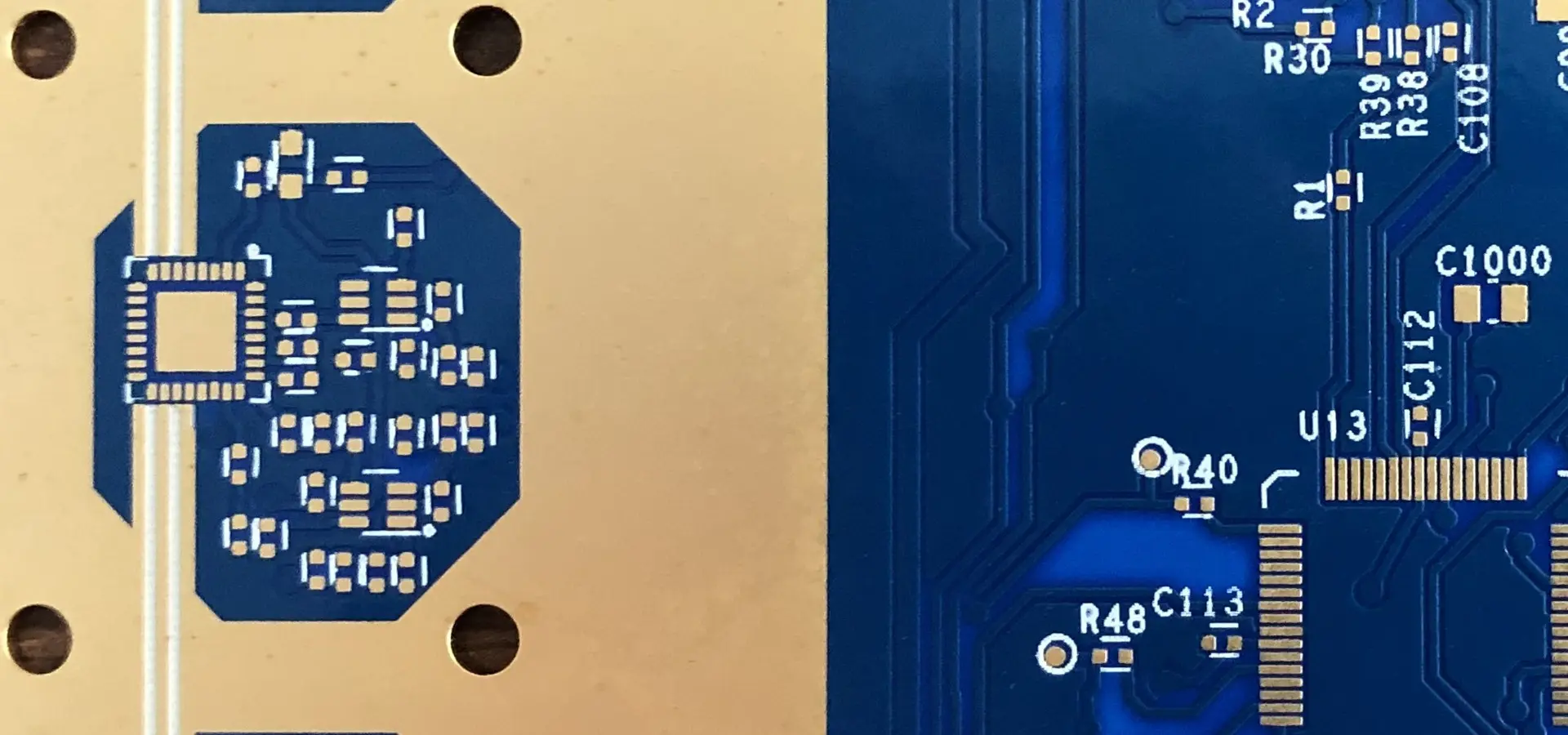
Best Flux for Circuit Boards: Liquid Solder, Cleaning Tips & Solvents

In the world of electronics manufacturing and repair, flux plays a crucial role in ensuring high-quality solder joints and overall circuit board performance. Whether you’re a professional engineer or a hobbyist, understanding the importance of flux in PCB (Printed Circuit Board) assembly and maintenance is essential. This comprehensive guide will delve into the world of flux for circuit boards, exploring liquid solder, cleaning techniques, and the best solvents to use. By the end of this article, you’ll have a thorough understanding of how to choose and use the best flux for your PCB projects.

YouTube video

What is Flux and Why is it Important?

The Role of Flux in Soldering

Flux is a chemical cleaning agent used in the soldering process to improve the quality of solder joints. Its primary functions include:

  1. Removing oxides from metal surfaces
  2. Preventing oxidation during the soldering process
  3. Improving wetting and flow of molten solder

Without flux, solder would not adhere properly to the metal surfaces, resulting in weak or faulty connections. This makes flux an indispensable component in PCB manufacturing and repair.

Types of Flux for PCBs

There are several types of flux available for use in PCB assembly and repair:

  1. Rosin Flux
  2. No-Clean Flux
  3. Water-Soluble Flux
  4. Organic Acid Flux

Each type has its own set of advantages and applications, which we’ll explore in detail later in this article.

Liquid Solder Flux: The Game-Changer in PCB Assembly

soldering flux

What is Liquid Solder Flux?

Liquid solder flux is a specially formulated flux that comes in a liquid form, making it easy to apply and control during the soldering process. It’s designed to work with various types of solder and can be used in both manual and automated soldering applications.

Advantages of Liquid Solder Flux

  1. Precise application
  2. Excellent wetting properties
  3. Compatibility with a wide range of solders
  4. Reduced flux spattering
  5. Improved thermal stability

How to Apply Liquid Solder Flux

Applying liquid solder flux requires attention to detail and the right technique:

  1. Clean the PCB surface thoroughly
  2. Use a fine brush or dispenser to apply a thin, even layer of flux
  3. Allow the flux to settle for a few seconds
  4. Apply solder and heat as needed
  5. Clean excess flux after soldering (if required)

Read more about:

Choosing the Best Flux for Your PCB Project

Factors to Consider

When selecting the best flux for your circuit board project, consider the following factors:

  1. PCB material and components
  2. Soldering method (manual or automated)
  3. Operating environment of the final product
  4. Cleaning requirements
  5. Regulatory compliance

Rosin Flux: The Traditional Choice

Rosin flux is derived from pine tree sap and has been a popular choice for decades. It’s available in various formulations:

  1. R (Rosin): Mildly activated, suitable for easily soldered metals
  2. RMA (Rosin Mildly Activated): Moderately activated, good for most applications
  3. RA (Rosin Activated): Highly activated, used for difficult-to-solder metals

Pros:

  • Good shelf life
  • Effective on most metals
  • Leaves minimal residue

Cons:

  • May require cleaning in some applications
  • Can be corrosive if not properly cleaned

No-Clean Flux: The Convenient Option

No-clean flux is designed to leave minimal, non-conductive residue after soldering, eliminating the need for cleaning in many cases.

Pros:

  • Reduces production time and costs
  • Suitable for densely packed PCBs
  • Environmentally friendly

Cons:

  • May leave visible residue
  • Not ideal for all applications

Water-Soluble Flux: Easy to Clean

Water-soluble flux is formulated to be easily removed with water after soldering.

Pros:

  • Highly effective for difficult-to-solder metals
  • Easy to clean with water
  • Compatible with automated cleaning processes

Cons:

  • Requires thorough cleaning to prevent corrosion
  • Not suitable for water-sensitive components

Organic Acid Flux: The Eco-Friendly Alternative

Organic acid flux is made from natural, biodegradable materials and is gaining popularity due to its environmental benefits.

Pros:

  • Environmentally friendly
  • Good wetting properties
  • Leaves minimal residue

Cons:

  • May have a shorter shelf life
  • Can be more expensive than traditional options

Best Practices for Flux Application and Cleaning

Proper Flux Application Techniques

  1. Use the right amount: Apply just enough flux to cover the area to be soldered
  2. Ensure even distribution: Use a brush or applicator for uniform coverage
  3. Avoid contamination: Keep flux and applicators clean and sealed when not in use
  4. Consider temperature: Some fluxes work best within specific temperature ranges

Flux Cleaning Methods and Solvents

Proper cleaning of flux residue is crucial for long-term PCB reliability. Here are some effective cleaning methods and solvents:

  1. Isopropyl Alcohol (IPA): A common and effective solvent for most flux types
  2. Deionized Water: Used for water-soluble flux
  3. Specialized Flux Removers: Commercial products designed for specific flux types
  4. Ultrasonic Cleaning: Ideal for removing stubborn flux residues
  5. Vapor Degreasing: Effective for large-scale PCB cleaning

Tips for Effective Flux Cleaning

  1. Clean immediately after soldering when possible
  2. Use appropriate personal protective equipment (PPE)
  3. Ensure proper ventilation when using solvents
  4. Test cleaning methods on a small area first
  5. Use lint-free wipes or brushes to avoid leaving fibers on the PCB

Common Flux-Related Issues and How to Avoid Them

Flux Spattering

Flux spattering occurs when flux heats up too quickly, causing it to splatter and potentially contaminate nearby components.

Prevention:

  • Use flux with appropriate activation temperature
  • Apply flux in thin, even layers
  • Control soldering temperature and time

Flux Residue Corrosion

Some flux residues can become corrosive over time, especially in high-humidity environments.

Prevention:

  • Use no-clean flux when appropriate
  • Ensure thorough cleaning of flux residues
  • Apply conformal coating to protect against moisture

Cold Solder Joints

Insufficient flux or improper application can lead to cold solder joints, which are weak and unreliable.

Prevention:

  • Use adequate amounts of flux
  • Ensure proper heating during soldering
  • Choose the right flux for your specific application

Advanced Flux Technologies and Innovations

Lead-Free Soldering Flux

With the shift towards lead-free soldering in many industries, specialized fluxes have been developed to work effectively with lead-free solder alloys.

Key features:

  • Higher activation temperatures
  • Improved wetting properties
  • Compatibility with various lead-free alloys

Nano Flux Technology

Nano flux incorporates nanoparticles to enhance performance and reduce the amount of flux needed.

Benefits:

  • Improved wetting and spreading
  • Reduced flux residue
  • Enhanced thermal stability

UV-Curable Flux

UV-curable flux hardens when exposed to ultraviolet light, offering unique advantages in certain applications.

Advantages:

  • Precise curing control
  • Reduced thermal stress on components
  • Improved production speed

Environmental and Health Considerations
VOC Emissions and Regulations

Volatile Organic Compounds (VOCs) in some fluxes can be harmful to the environment and human health. Many regions have regulations limiting VOC emissions in manufacturing processes.

Tips for compliance:

  • Use low-VOC or VOC-free flux formulations
  • Implement proper ventilation systems
  • Stay informed about local and international regulations

Halogen-Free Flux Options

Halogen-free fluxes are becoming increasingly popular due to environmental and health concerns associated with halogenated compounds.

Benefits:

  • Reduced environmental impact
  • Improved worker safety
  • Compliance with stricter regulations

Flux in Rework and Repair

Choosing the Right Flux for PCB Rework

When repairing or reworking PCBs, selecting the appropriate flux is crucial:

  1. Consider the original flux used
  2. Evaluate the condition of the PCB and components
  3. Choose a flux that’s easy to apply and clean in limited spaces

Flux Application Techniques for Delicate Components

Working with sensitive components requires special care:

  1. Use precision applicators for targeted flux placement
  2. Opt for low-residue or no-clean fluxes when possible
  3. Control flux quantity to prevent excess spreading

Future Trends in PCB Flux Technology

Smart Flux Systems

Emerging technologies are leading to the development of “smart” flux systems:

  • Self-regulating activation temperatures
  • Integrated indicators for optimal application and cleaning
  • Compatibility with Industry 4.0 and IoT manufacturing systems

Biodegradable and Sustainable Flux Options

As environmental concerns grow, the industry is moving towards more sustainable flux options:

  • Plant-based flux formulations
  • Recyclable packaging and applicators
  • Reduced energy consumption in flux production and application

Conclusion: Mastering Flux for Superior PCB Performance

Choosing and using the right flux is crucial for achieving high-quality, reliable solder joints in PCB manufacturing and repair. By understanding the various types of flux available, their applications, and best practices for use and cleaning, you can significantly improve the quality and longevity of your electronic projects.

Remember to consider factors such as PCB material, soldering method, and environmental conditions when selecting flux. Always follow proper application and cleaning techniques to ensure optimal performance and reliability of your circuit boards.

As technology continues to advance, stay informed about new flux innovations and environmental regulations to keep your PCB manufacturing processes efficient, effective, and compliant. With the knowledge gained from this comprehensive guide, you’re well-equipped to make informed decisions about flux selection and usage in your PCB projects.
Understanding IPC-A-630: Inspection & Testing Standards for Electronic Housings (PDF Download)

Introduction

In the rapidly evolving world of electronics manufacturing, ensuring the quality and reliability of electronic housings is paramount. The IPC-A-630 standard plays a crucial role in this process, providing comprehensive guidelines for the inspection and testing of electronic housings. This article delves deep into the intricacies of IPC-A-630, exploring its scope, key components, and significance in the electronics industry.

Powered By EmbedPress

What is IPC-A-630?

Definition and Purpose

IPC-A-630, titled “Acceptability Standard for Manufacture, Inspection, and Testing of Electronic Enclosures,” is a set of guidelines developed by the IPC (Institute for Printed Circuits). This standard establishes the criteria for visual, mechanical, and functional acceptability of electronic enclosures and housings.

YouTube video

Historical Context

The development of IPC-A-630 stems from the need for standardized quality control in the electronics manufacturing industry. As electronic devices became more complex and prevalent, the demand for reliable and consistent housing standards increased, leading to the creation of this comprehensive guideline.

Scope and Application of IPC-A-630

ipc-6012-class-2

Types of Electronic Housings Covered

IPC-A-630 applies to a wide range of electronic housings, including:

  1. Consumer electronics enclosures
  2. Industrial equipment housings
  3. Automotive electronic enclosures
  4. Aerospace and defense electronic housings
  5. Medical device enclosures

Industries Impacted

The standard is crucial for various sectors:

  • Consumer Electronics
  • Automotive Industry
  • Aerospace and Defense
  • Medical Devices
  • Industrial Automation
  • Telecommunications

Key Components of IPC-A-630

1. Visual Inspection Criteria

Surface Finish Requirements

  • Uniformity: Guidelines for consistent surface appearance
  • Defect Tolerances: Acceptable limits for scratches, dents, and other visual imperfections
  • Color Matching: Standards for color consistency across housing components

Dimensional Accuracy

  • Tolerances: Specified dimensional tolerances for various housing types
  • Measurement Methods: Recommended techniques for accurate dimensional verification

2. Mechanical Testing Standards

Durability Tests

  • Impact Resistance: Procedures for testing housing resilience to impacts
  • Vibration Testing: Methods to assess housing stability under vibration
  • Thermal Cycling: Evaluating housing performance under temperature fluctuations

Structural Integrity

  • Load Bearing Capacity: Standards for weight-bearing capabilities
  • Stress Testing: Procedures to assess housing resistance to mechanical stress

3. Environmental Testing Guidelines

Ingress Protection (IP) Ratings

  • Dust Resistance: Testing methods for dust ingress prevention
  • Water Resistance: Procedures for assessing water ingress protection
  • IP Code Interpretation: Understanding and applying IP ratings

Temperature and Humidity Testing

  • Extreme Temperature Performance: Evaluating housing integrity in extreme hot and cold conditions
  • Humidity Resistance: Assessing housing performance in high-humidity environments

4. Electromagnetic Compatibility (EMC) Considerations

Shielding Effectiveness

  • EMI Shielding: Standards for electromagnetic interference protection
  • RF Leakage: Testing procedures for radio frequency containment

Grounding and Bonding

  • Electrical Continuity: Requirements for proper grounding of housing components
  • Bonding Methods: Approved techniques for ensuring electrical continuity

5. Material Compliance and Safety

Material Selection Criteria

  • Flammability Ratings: Requirements for fire-resistant materials
  • Toxicity Standards: Guidelines for using non-toxic materials in housing construction

Safety Certifications

  • UL Compliance: Aligning with Underwriters Laboratories safety standards
  • CE Marking: Ensuring conformity with European safety standards

Read more about:

Inspection Methodologies in IPC-A-630

Visual Inspection Techniques

Naked Eye Inspection

  • Lighting Conditions: Specified lighting requirements for accurate visual inspection
  • Inspection Angles: Recommended viewing angles for comprehensive surface examination

Magnification Methods

  • Microscope Usage: Guidelines for using microscopes in detailed inspections
  • Digital Imaging: Utilizing digital cameras and image analysis for defect detection

Non-Destructive Testing (NDT) Methods

X-ray Inspection

  • Internal Structure Analysis: Using X-rays to examine internal housing components
  • Defect Detection: Identifying hidden flaws or inconsistencies

Ultrasonic Testing

  • Thickness Measurement: Assessing housing wall thickness uniformity
  • Void Detection: Identifying internal voids or delaminations in housing materials

Functional Testing Approaches

Electrical Continuity Tests

  • Conductivity Checks: Ensuring proper electrical pathways in metal housings
  • Insulation Resistance: Testing the insulating properties of non-conductive housing materials

Thermal Imaging

  • Heat Distribution Analysis: Evaluating heat dissipation properties of housings
  • Hotspot Detection: Identifying areas of thermal stress or poor heat management

Importance of IPC-A-630 in Quality Assurance

Ensuring Product Reliability

Longevity and Durability

  • Lifecycle Predictions: Using IPC-A-630 standards to estimate product lifespan
  • Failure Rate Reduction: Minimizing product failures through stringent testing

Performance Consistency

  • Batch-to-Batch Uniformity: Ensuring consistent quality across production runs
  • Environmental Adaptability: Guaranteeing product performance in various environments

Regulatory Compliance

Meeting Industry Standards

  • ISO Compliance: Aligning with International Organization for Standardization requirements
  • Industry-Specific Regulations: Adhering to sector-specific regulatory frameworks

Legal and Liability Considerations

  • Product Safety Assurance: Minimizing legal risks associated with product failures
  • Warranty Support: Providing a basis for comprehensive warranty policies

Implementing IPC-A-630 in Manufacturing Processes

Integration into Quality Control Systems

Training and Certification

  • Inspector Certification: Programs for training and certifying quality control personnel
  • Continuous Education: Keeping staff updated on standard revisions and updates

Documentation and Record-Keeping

  • Inspection Logs: Maintaining detailed records of all inspection and testing procedures
  • Traceability Systems: Implementing methods to track housing components through production

Automated Inspection Technologies

Machine Vision Systems

  • Automated Visual Inspection: Utilizing AI and machine learning for defect detection
  • High-Speed Imaging: Incorporating rapid imaging techniques for production line inspection

Robotic Testing Systems

  • Automated Mechanical Testing: Using robots for consistent and repeatable mechanical tests
  • Integrated Testing Stations: Designing production lines with built-in testing capabilities

Challenges in Adhering to IPC-A-630

Balancing Cost and Quality

Investment in Testing Equipment

  • Cost-Benefit Analysis: Evaluating the return on investment for advanced testing equipment
  • Scalability Considerations: Adapting testing processes for different production volumes

Training and Skill Development

  • Workforce Upskilling: Costs associated with training personnel in IPC-A-630 standards
  • Expert Consultation: Engaging industry experts for complex implementation challenges

Keeping Up with Standard Updates

Revision Management

  • Standard Versioning: Tracking and implementing updates to the IPC-A-630 standard
  • Legacy Product Considerations: Managing older products against updated standards

Industry Collaboration

  • Participation in Standards Development: Engaging with IPC and industry peers in standard evolution
  • Feedback Loops: Providing industry feedback for future standard improvements

Future Trends in Electronic Housing Standards

Advancements in Material Science

New Composite Materials

  • Lightweight Alloys: Exploring advanced alloys for improved strength-to-weight ratios
  • Smart Materials: Incorporating materials with self-healing or adaptive properties

Sustainable Manufacturing

  • Eco-Friendly Materials: Developing standards for environmentally sustainable housing materials
  • Recyclability Guidelines: Incorporating end-of-life considerations into housing design

Integration with Internet of Things (IoT)

Smart Housing Features

  • Embedded Sensors: Standards for integrating diagnostic sensors into housing designs
  • Connectivity Requirements: Guidelines for housing designs compatible with IoT ecosystems

Data Security Considerations

  • Physical Tampering Prevention: Standards for tamper-evident and tamper-resistant housings
  • Electromagnetic Security: Enhanced EMI shielding for data protection

Case Studies: IPC-A-630 in Action

Automotive Electronics

Electric Vehicle Battery Housings

  • Thermal Management: Applying IPC-A-630 principles to EV battery enclosure design
  • Safety Standards Compliance: Ensuring housings meet stringent automotive safety requirements

In-Vehicle Infotainment Systems

  • Durability in Varied Conditions: Testing housings for resistance to temperature extremes and vibrations
  • EMC Compliance: Ensuring infotainment system housings meet automotive EMC standards

Aerospace Applications

Avionics Housings

  • Extreme Environment Testing: Applying IPC-A-630 guidelines for high-altitude and space environments
  • Weight Optimization: Balancing durability with weight constraints in aerospace applications

Satellite Components

  • Radiation Resistance: Incorporating additional testing for radiation-hardened housings
  • Thermal Cycling in Vacuum: Specialized testing procedures for space-bound electronics housings

Conclusion

The IPC-A-630 standard plays a vital role in ensuring the quality, reliability, and safety of electronic housings across various industries. By providing comprehensive guidelines for inspection and testing, it helps manufacturers produce housings that meet the rigorous demands of modern electronic devices.

As technology continues to evolve, the importance of standards like IPC-A-630 will only grow. Manufacturers, quality control professionals, and engineers must stay abreast of these standards to ensure their products meet the highest quality benchmarks. The future of electronic housing design and manufacturing will likely see even more stringent standards, incorporating new materials, smart technologies, and environmental considerations.

Adhering to IPC-A-630 not only ensures product quality but also drives innovation in the field of electronic housings. As we move towards more complex and demanding electronic applications, the role of robust, reliable, and well-tested housings becomes increasingly critical. By understanding and implementing these standards, industry professionals can contribute to the advancement of electronic technology while ensuring the safety and satisfaction of end-users.

XC7A100T-1CSG324C FPGA: Datasheet, Pinout, Features & Pricing

Xilinx Artix 7

Introduction

In the ever-evolving world of digital electronics, Field-Programmable Gate Arrays (FPGAs) have become indispensable components for designers and engineers. Among the myriad of FPGA options available, the XC7A100T-1CSG324C stands out as a powerful and versatile choice. This comprehensive guide delves into the details of this Xilinx Artix-7 FPGA, exploring its datasheet, pinout configuration, key features, and pricing information. Whether you’re a seasoned engineer or a curious enthusiast, this article will provide valuable insights into the capabilities and applications of the XC7A100T-1CSG324C.

Understanding the XC7A100T-1CSG324C

Overview of the Xilinx Artix-7 Family

The XC7A100T-1CSG324C is part of the Xilinx Artix-7 FPGA family, known for its balance of low power consumption and high performance. Artix-7 FPGAs are designed to meet the needs of cost-sensitive applications while delivering impressive processing capabilities.

Decoding the Part Number

Let’s break down the part number to understand its specifications:

  • XC7: Indicates it’s a 7-series Xilinx FPGA
  • A: Denotes the Artix-7 family
  • 100T: Represents the device size (100K logic cells)
  • 1: Speed grade (standard performance)
  • CSG324: Chip-Scale Ball Grid Array (CS-BGA) package with 324 pins
  • C: Commercial temperature grade (0ยฐC to 85ยฐC)

XC7A100T-1CSG324C Datasheet Highlights

The datasheet for the XC7A100T-1CSG324C provides crucial information for designers and engineers. Here are some key specifications:

Logic Resources

  • Logic Cells: 101,440
  • CLB Flip-Flops: 126,800
  • CLB LUTs: 63,400
  • Maximum Distributed RAM (Kb): 1,188

Memory Resources

  • Block RAM Blocks: 135
  • Block RAM (Kb): 4,860
  • Total Block RAM (Mb): 4.9

Clock Management

  • MMCMs: 6
  • PLLs: 6

DSP Resources

  • DSP Slices: 240

I/O Resources

  • Maximum Single-Ended I/O: 210
  • Maximum Differential I/O Pairs: 100

Transceiver Resources

  • GTP Transceivers: 4

Package Information

  • Body Size: 15 x 15 mm
  • Ball Pitch: 0.8 mm
  • Total Pins: 324

Read more about:

Pinout Configuration

Xilinx Artix-7 FPGA

Understanding the pinout of the XC7A100T-1CSG324C is crucial for proper PCB design and integration. The 324-pin CSG package offers a compact form factor with ample I/O capabilities.

Key Pinout Sections

  1. Power Supply Pins: Multiple VCC and GND pins for core, auxiliary, and I/O power.
  2. Configuration Pins: Dedicated pins for device configuration and programming.
  3. Clock Input Pins: Specialized pins for high-speed clock inputs.
  4. User I/O Pins: General-purpose input/output pins, configurable for various standards.
  5. Transceiver Pins: High-speed serial I/O pins for GTP transceivers.
  6. JTAG Interface Pins: For boundary scan and device programming.

Pinout Considerations

  • Bank Organization: I/O pins are organized into banks, each supporting different voltage standards.
  • Differential Pairs: Certain pins can be configured as differential pairs for high-speed signaling.
  • Special Function Pins: Some pins have dual functionality, serving as both user I/O and special functions like configuration or clocking.

Key Features of the XC7A100T-1CSG324C

The XC7A100T-1CSG324C boasts a range of features that make it suitable for various applications. Let’s explore some of its standout capabilities:

1. Low Power Consumption

One of the hallmarks of the Artix-7 family is its energy efficiency. The XC7A100T-1CSG324C incorporates several power-saving features:

  • Intelligent Clock Gating: Automatically reduces dynamic power consumption by disabling unused clock networks.
  • Flexible Power Management: Allows designers to optimize power usage based on performance requirements.
  • Low-Power Gigabit Transceivers: GTP transceivers offer high-speed communication with minimal power overhead.

2. High-Performance DSP Capabilities

With 240 DSP slices, the XC7A100T-1CSG324C excels in digital signal processing applications:

  • Advanced DSP48E1 Slices: Support a wide range of symmetric and asymmetric filter structures.
  • High-Speed Arithmetic: Capable of performing up to 930 GMACs (Giga Multiply-Accumulate Operations per Second).
  • Flexible Precision: Supports various data widths, from 8-bit to 48-bit operations.

3. Versatile Memory Options

The XC7A100T-1CSG324C offers a variety of memory resources to suit different application needs:

  • Block RAM: 4.9 Mb of fast, on-chip memory configurable as single or dual-port RAM.
  • Distributed RAM: Up to 1,188 Kb of RAM implemented using LUTs for small, distributed memory structures.
  • Shift Register LUTs: Efficient implementation of shift registers and delay lines.

4. Advanced Clocking Technology

Precise clock management is crucial for high-performance designs. The XC7A100T-1CSG324C provides:

  • Mixed-Mode Clock Managers (MMCMs): 6 MMCMs for flexible clock synthesis and jitter reduction.
  • Phase-Locked Loops (PLLs): 6 PLLs for additional clock management options.
  • Low-Jitter Clock Networks: Ensures precise timing across the device.

5. High-Speed Serial Connectivity

The inclusion of GTP transceivers enables high-speed serial communication:

  • 4 GTP Transceivers: Support data rates up to 6.6 Gb/s.
  • Integrated PCIeยฎ Endpoint Block: Simplifies implementation of PCI Express interfaces.
  • Flexible Protocol Support: Compatible with a wide range of serial protocols, including SATA, DisplayPort, and JESD204B.

6. Robust I/O Capabilities

With up to 210 single-ended I/O pins, the XC7A100T-1CSG324C offers extensive connectivity options:

  • SelectIOโ„ข Technology: Supports a wide range of I/O standards, including LVCMOS, LVDS, and SSTL.
  • High-Performance Memory Interfaces: Capable of interfacing with DDR3 SDRAM at speeds up to 1066 Mb/s.
  • Flexible I/O Banking: Allows mixing of different I/O standards within the same bank.

Applications of the XC7A100T-1CSG324C

The versatility of the XC7A100T-1CSG324C makes it suitable for a wide range of applications across various industries:

  1. Industrial Automation: Used in motor control systems, robotics, and process control equipment.
  2. Medical Devices: Enables high-performance image processing and data analysis in medical imaging systems.
  3. Consumer Electronics: Powers advanced features in smart home devices and entertainment systems.
  4. Telecommunications: Facilitates signal processing and protocol implementation in network equipment.
  5. Automotive: Supports advanced driver assistance systems (ADAS) and in-vehicle infotainment.
  6. Aerospace and Defense: Used in radar systems, secure communications, and electronic warfare applications.

Pricing and Availability

The pricing of the XC7A100T-1CSG324C can vary based on factors such as quantity, supplier, and market conditions. As of [current year], the typical price range for this FPGA is:

  • Single Unit: 80โˆ’80โˆ’120 USD
  • Volume Pricing (1000+ units): 60โˆ’60โˆ’90 USD per unit

It’s important to note that prices can fluctuate, and it’s best to consult with authorized distributors or Xilinx directly for the most up-to-date pricing information.

Availability Considerations

  • Lead Time: Typical lead times range from 8 to 16 weeks, depending on demand and production capacity.
  • Authorized Distributors: Purchase through authorized channels to ensure genuine products and proper support.
  • Lifecycle: As part of the Artix-7 family, the XC7A100T-1CSG324C has a long product lifecycle, ensuring availability for extended periods.

Design Tools and Resources

To fully leverage the capabilities of the XC7A100T-1CSG324C, Xilinx provides a comprehensive suite of design tools and resources:

1. Vivado Design Suite

  • Integrated Design Environment: Offers a complete toolset for RTL-to-bitstream design flow.
  • High-Level Synthesis: Enables C, C++, and SystemC designs to be directly implemented in the FPGA.
  • IP Integrator: Simplifies the process of integrating various IP cores into your design.

2. Vitis Unified Software Platform

  • AI Development: Tools for implementing machine learning algorithms on the FPGA.
  • Acceleration Libraries: Pre-optimized libraries for common functions to speed up development.

3. Documentation and Support

  • User Guides: Comprehensive documentation covering all aspects of the device and design process.
  • Application Notes: Detailed guides for implementing specific features and interfaces.
  • Reference Designs: Pre-built examples demonstrating common use cases and best practices.

Conclusion

The XC7A100T-1CSG324C FPGA represents a powerful and versatile solution for a wide range of applications. Its combination of low power consumption, high-performance DSP capabilities, and robust I/O options make it an excellent choice for designers seeking a balance of cost and functionality.

By understanding the datasheet specifications, pinout configuration, key features, and pricing considerations, engineers can make informed decisions about incorporating the XC7A100T-1CSG324C into their designs. Whether you’re developing industrial automation systems, medical devices, or cutting-edge consumer electronics, this Artix-7 FPGA provides the flexibility and performance needed to bring innovative ideas to life.

As FPGA technology continues to evolve, the XC7A100T-1CSG324C stands as a testament to the ongoing pursuit of higher performance, lower power consumption, and increased design flexibility in the world of programmable logic devices.

Low Outgassing Characteristics of Rogers Laminates Approved for Spacecraft Applications

12 Layer Rogers+FR4 PCB circuit board

Introduction

In the demanding field of spacecraft design and construction, every component must meet exacting standards to ensure reliability and longevity in the harsh environment of space. One critical aspect of materials selection for space applications is the control of outgassing – the release of trapped gases from materials when exposed to the vacuum of space. Rogers Corporation, a leader in engineered materials solutions, has developed a range of laminates specifically designed to meet the stringent outgassing requirements for spacecraft applications. This article explores the low outgassing characteristics of Rogers laminates and their importance in space technology.

Powered By EmbedPress

Understanding Outgassing in Space Applications

What is Outgassing?

Outgassing is the release of gas that was dissolved, trapped, frozen, or absorbed in some material. In the context of spacecraft, outgassing occurs when materials are exposed to the vacuum of space, causing them to release trapped gases, moisture, and other volatile compounds.

Why is Low Outgassing Important?

  1. Equipment Functionality: Released gases can condense on sensitive surfaces like optical lenses, solar cells, and thermal control surfaces, degrading their performance.
  2. Contamination: Outgassed materials can contaminate other spacecraft components or scientific instruments, potentially compromising mission objectives.
  3. Structural Integrity: Excessive outgassing can lead to material degradation and dimensional changes, affecting the structural integrity of spacecraft components.
  4. Thermal Control: Outgassing can alter the thermal properties of materials, impacting the spacecraft’s thermal management systems.

Rogers Laminates: Engineered for Low Outgassing

Rogers Corporation has developed a range of high-performance laminates specifically designed to meet the stringent outgassing requirements for spacecraft applications. These laminates are engineered to minimize the release of volatile materials in vacuum environments.

Key Features of Rogers Low Outgassing Laminates

  1. Material Composition: Rogers uses carefully selected raw materials and proprietary formulations to ensure minimal volatile content.
  2. Manufacturing Process: The laminates undergo specialized manufacturing processes designed to reduce trapped gases and moisture.
  3. Quality Control: Rigorous testing and quality control measures are implemented to ensure consistency in low outgassing performance.
  4. Versatility: Rogers offers a range of laminates with low outgassing properties, suitable for various spacecraft applications.

Specific Rogers Laminates for Space Applications

Rogers AD255C PCB

RT/duroidยฎ 6002

RT/duroid 6002 is a high-frequency laminate that offers excellent electrical and mechanical properties combined with low outgassing characteristics.

  • Composition: PTFE composite with reinforcing glass microfibers
  • Dielectric Constant: 2.94 ยฑ 0.04 (10 GHz)
  • Outgassing Performance: Meets NASA outgassing specifications
  • Applications: Antenna systems, phased array antennas, beam-forming networks

AD1000โ„ข

AD1000 is a thermoset, ceramic-filled laminate designed for high reliability in space applications.

  • Composition: Ceramic-filled, non-PTFE thermoset resin system
  • Dielectric Constant: 10.0 ยฑ 0.3 (10 GHz)
  • Outgassing Performance: Exceptionally low outgassing
  • Applications: GPS and communication satellite antennas, high-frequency circuit elements

RO3000ยฎ Series

The RO3000 series laminates offer a range of dielectric constants with excellent electrical and mechanical stability.

  • Composition: Ceramic-filled PTFE composite
  • Dielectric Constant: Various options (3.0, 3.38, 3.55, 6.15, 10.2)
  • Outgassing Performance: Meets NASA outgassing specifications
  • Applications: Satellite communication systems, radar systems, high-frequency circuit elements

Read more about:

Outgassing Testing and Certification

To ensure compliance with spacecraft requirements, Rogers laminates undergo rigorous outgassing testing according to established standards.

ASTM E595 Test Method

The ASTM E595 test is the industry standard for evaluating outgassing properties of materials for spacecraft use. The test involves:

  1. Sample Preparation: Precise cutting and cleaning of laminate samples.
  2. Conditioning: Samples are conditioned at 50% relative humidity and 23ยฐC for 24 hours.
  3. Vacuum Exposure: Samples are exposed to high vacuum (โ‰ค5 x 10^-5 Torr) at 125ยฐC for 24 hours.
  4. Measurement: Total Mass Loss (TML) and Collected Volatile Condensable Materials (CVCM) are measured.

NASA Outgassing Specifications

NASA has established the following criteria for low outgassing materials:

  • Total Mass Loss (TML) โ‰ค 1.0%
  • Collected Volatile Condensable Materials (CVCM) โ‰ค 0.1%

Rogers laminates approved for spacecraft applications meet or exceed these stringent requirements.

Benefits of Rogers Low Outgassing Laminates in Spacecraft Design

1. Reliability in Extreme Environments

Rogers laminates maintain their electrical and mechanical properties in the harsh space environment, ensuring long-term reliability of spacecraft systems.

2. Minimal Contamination Risk

The low outgassing characteristics significantly reduce the risk of contamination to sensitive spacecraft components and instruments.

3. Dimensional Stability

With minimal outgassing, Rogers laminates maintain excellent dimensional stability, crucial for precise antenna and circuit designs.

4. Versatility in Applications

The range of available laminates allows designers to select the optimal material for specific spacecraft applications, from high-frequency antennas to power distribution systems.

5. Compliance with Space Agency Standards

Rogers laminates meet the stringent outgassing requirements set by NASA and other space agencies, simplifying the material approval process for spacecraft designers.

Case Studies: Rogers Laminates in Space

Satellite Communication Systems

Rogers RT/duroid 6002 has been successfully used in the construction of high-gain antennas for communication satellites, providing excellent performance and reliability over extended missions.

Mars Rover Components

Certain Rogers laminates have been utilized in the construction of circuit boards for Mars rover missions, where the extreme temperature variations and harsh environment demand materials with exceptional stability and low outgassing.

International Space Station (ISS) Applications

Rogers materials have found applications in various systems aboard the ISS, where long-term reliability and minimal contamination are paramount.

Future Developments in Low Outgassing Laminates

Rogers Corporation continues to invest in research and development to further improve the outgassing characteristics and overall performance of their laminates for space applications. Some areas of focus include:

  1. Advanced Material Formulations: Developing new resin systems and fillers to achieve even lower outgassing levels while maintaining or improving electrical properties.
  2. Enhanced Manufacturing Processes: Refining production techniques to further reduce trapped gases and volatile compounds in the laminates.
  3. Expanded Testing Capabilities: Investing in state-of-the-art testing equipment and methodologies to provide more comprehensive outgassing data and analysis.
  4. Customization for Specific Space Applications: Working closely with spacecraft designers to develop tailored laminate solutions for unique mission requirements.

Conclusion

The low outgassing characteristics of Rogers laminates make them an essential component in the design and construction of reliable spacecraft systems. By meeting stringent outgassing requirements while offering excellent electrical and mechanical properties, these materials enable engineers to create high-performance, long-lasting spacecraft components. As space exploration continues to advance, the importance of low outgassing materials like Rogers laminates will only grow, supporting the development of more sophisticated and capable spacecraft for future missions.

IPC-6018 Standard Explained: High-Frequency/Microwave PCB Qualification for Aerospace & Military (PDF Download)

PCB IPC standards

Introduction to IPC 6018

The IPC-6018 standard is a crucial document in the world of high-frequency and microwave printed circuit boards (PCBs), particularly for aerospace and military applications. This standard, developed by the Association Connecting Electronics Industries (IPC), sets forth the qualification and performance requirements for PCBs used in high-reliability electronic systems operating at high frequencies.

The Importance of IPC 6018

In an era where electronic systems are becoming increasingly complex and operating at higher frequencies, the IPC 6018 standard plays a vital role in ensuring the reliability and performance of PCBs in critical applications. This standard is especially important for aerospace and military sectors, where failure is not an option, and performance must be guaranteed under extreme conditions.

Powered By EmbedPress

Understanding the IPC-6018 Standard

What is IPC 6018?

IPC 6018 is a standard that specifies the qualification and performance requirements for high-frequency (RF, microwave, and millimeter-wave) printed boards. It covers both rigid and flexible PCBs used in high-reliability electronic systems, with a particular focus on aerospace and military applications.

Scope of IPC 6018

The standard encompasses various aspects of PCB manufacturing and testing, including:

  1. Material requirements
  2. Electrical performance specifications
  3. Mechanical properties
  4. Environmental durability
  5. Quality assurance measures

Evolution of IPC 6018

The IPC 6018 standard has evolved over time to keep pace with advancements in PCB technology and the increasing demands of high-frequency applications. The current version, IPC-6018D, was released in 2019, incorporating the latest industry knowledge and best practices.

Key Components of IPC 6018

Material Requirements

Substrate Materials

IPC 6018 specifies the types of substrate materials suitable for high-frequency PCBs. These materials must exhibit specific electrical and mechanical properties to ensure optimal performance at high frequencies.

  1. Low dielectric constant (Dk)
  2. Low dissipation factor (Df)
  3. Consistent electrical properties across frequencies
  4. Thermal stability
  5. Dimensional stability

Conductor Materials

The standard also outlines requirements for conductor materials, typically copper, used in high-frequency PCBs:

  1. Surface roughness specifications
  2. Purity requirements
  3. Thickness tolerances

Electrical Performance Specifications

Impedance Control

One of the critical aspects of high-frequency PCB design is impedance control. IPC 6018 sets forth stringent requirements for impedance tolerances, typically ยฑ10% or tighter, depending on the application.

Insertion Loss

The standard specifies maximum allowable insertion loss values across different frequency ranges, ensuring signal integrity in high-frequency applications.

Return Loss

IPC 6018 also defines acceptable return loss values, which are crucial for minimizing signal reflections in high-frequency circuits.

Mechanical Properties

Dimensional Stability

Given the critical nature of aerospace and military applications, IPC 6018 places great emphasis on the dimensional stability of PCBs. This includes:

  1. Strict tolerances for board thickness
  2. Flatness requirements
  3. Bow and twist limitations

Thermal Management

The standard addresses thermal management considerations, crucial for high-power RF and microwave applications:

  1. Thermal conductivity requirements
  2. Coefficient of thermal expansion (CTE) specifications
  3. Guidelines for thermal vias and heat-sinking techniques

Environmental Durability

Temperature Extremes

Aerospace and military applications often involve exposure to extreme temperatures. IPC 6018 specifies requirements for PCB performance across a wide temperature range, typically from -55ยฐC to +125ยฐC or beyond.

Humidity Resistance

The standard includes specifications for humidity resistance, ensuring that PCBs can maintain their electrical and mechanical properties in high-humidity environments.

Vibration and Shock Resistance

Given the harsh conditions often encountered in aerospace and military applications, IPC 6018 sets forth requirements for vibration and shock resistance:

  1. Vibration testing protocols
  2. Shock testing specifications
  3. Requirements for component attachment strength

Read more about:

Quality Assurance in IPC 6018

Inspection and Testing Requirements

Visual Inspection

IPC 6018 outlines detailed visual inspection criteria for high-frequency PCBs, including:

  1. Surface finish quality
  2. Conductor width and spacing tolerances
  3. Via and hole quality
  4. Solder mask and legend requirements

Electrical Testing

The standard specifies a range of electrical tests to ensure PCB performance:

  1. Impedance testing
  2. Insertion loss measurements
  3. Return loss testing
  4. Time-domain reflectometry (TDR) analysis

Reliability Testing

IPC 6018 includes requirements for various reliability tests:

  1. Thermal cycling
  2. Thermal shock
  3. Humidity aging
  4. Salt spray resistance

Documentation and Traceability

Manufacturing Process Documentation

The standard requires detailed documentation of the manufacturing process, including:

  1. Material certifications
  2. Process control records
  3. Inspection and test results

Traceability Requirements

IPC 6018 emphasizes the importance of traceability in high-reliability applications:

  1. Unique identification for each PCB
  2. Lot traceability for materials and processes
  3. Record retention requirements

Implementing IPC 6018 in PCB Manufacturing

Design Considerations

Layout Guidelines

To meet IPC 6018 requirements, PCB designers must adhere to specific layout guidelines:

  1. Controlled impedance routing techniques
  2. Proper grounding and shielding practices
  3. Minimization of crosstalk and electromagnetic interference (EMI)

Material Selection

Choosing the right materials is crucial for compliance with IPC 6018:

  1. Selection of appropriate substrate materials
  2. Consideration of copper foil properties
  3. Evaluation of surface finish options

Manufacturing Process Controls

Process Capability Analysis

Manufacturers must demonstrate process capability to consistently meet IPC 6018 requirements:

  1. Statistical process control (SPC) implementation
  2. Ongoing monitoring of critical parameters
  3. Continuous improvement initiatives

Employee Training and Certification

IPC 6018 emphasizes the importance of skilled personnel:

  1. IPC certification requirements for key personnel
  2. Ongoing training programs
  3. Demonstration of proficiency in high-frequency PCB manufacturing

Challenges in Meeting IPC 6018 Requirements

Technological Challenges

Increasing Frequencies

As applications push into higher frequency ranges, meeting IPC 6018 requirements becomes more challenging:

  1. Increased sensitivity to material properties
  2. Stricter tolerances for manufacturing processes
  3. More complex testing and measurement requirements

Miniaturization Trends

The trend towards smaller, more densely packed PCBs presents challenges:

  1. Maintaining impedance control in tighter spaces
  2. Balancing thermal management with size constraints
  3. Ensuring reliability in more compact designs

Economic Considerations

Cost of Compliance

Meeting IPC 6018 requirements often involves significant investments:

  1. Advanced manufacturing equipment
  2. Specialized testing and measurement tools
  3. Higher-grade materials

Balancing Quality and Cost

Manufacturers must find ways to meet stringent requirements while remaining cost-competitive:

  1. Process optimization strategies
  2. Investment in automation technologies
  3. Continuous improvement initiatives to reduce waste and rework

Future Trends and Developments in IPC 6018

Emerging Technologies

5G and Beyond

As 5G technology rolls out and research into 6G begins, IPC 6018 will likely evolve to address new challenges:

  1. Higher frequency requirements
  2. More complex antenna designs
  3. Integration of RF and digital circuits

Additive Manufacturing

The adoption of additive manufacturing techniques in PCB production may lead to updates in IPC 6018:

  1. New material specifications
  2. Modified testing protocols
  3. Revised manufacturing process requirements

Sustainability Considerations

Environmental Regulations

Future revisions of IPC 6018 may incorporate more stringent environmental considerations:

  1. Restrictions on harmful substances
  2. Requirements for recyclable or biodegradable materials
  3. Energy efficiency standards for manufacturing processes

Life Cycle Assessment

The standard may evolve to include life cycle assessment criteria:

  1. Carbon footprint considerations
  2. End-of-life disposal guidelines
  3. Repairability and upgradability requirements

Conclusion

The IPC 6018 standard plays a crucial role in ensuring the reliability and performance of high-frequency and microwave PCBs in aerospace and military applications. By setting forth comprehensive requirements for materials, electrical performance, mechanical properties, and quality assurance, IPC 6018 helps manufacturers produce PCBs that can withstand the rigorous demands of these critical sectors.

As technology continues to advance and new challenges emerge, the IPC 6018 standard will undoubtedly evolve to address these changes. Manufacturers, designers, and engineers working in the high-frequency PCB domain must stay abreast of these developments to ensure continued compliance and maintain their competitive edge in this demanding field.

By adhering to the IPC 6018 standard, the industry can continue to push the boundaries of what’s possible in high-frequency and microwave electronics, enabling new advancements in aerospace, military, and other high-reliability applications. The ongoing collaboration between industry stakeholders and standards bodies like IPC will be crucial in shaping the future of high-frequency PCB technology and ensuring its continued success in meeting the ever-increasing demands of modern electronic systems.

XCKU060-1FFVA1517I Xilinx Kintex UltraScale FPGA – Datasheet, Pinout & Design Guide

Introduction

The XCKU060-1FFVA1517I is a high-performance Field-Programmable Gate Array (FPGA) from Xilinx’s Kintex UltraScale family. This powerful device offers an excellent balance of performance, power efficiency, and cost-effectiveness, making it ideal for a wide range of applications in telecommunications, data centers, medical imaging, and more. In this comprehensive guide, we’ll explore the key features, specifications, pinout details, and design considerations for the XCKU060-1FFVA1517I.

Overview of the Xilinx Kintex UltraScale FPGA Family

The UltraScale Architecture

The Xilinx Kintex UltraScale FPGA family, including the XCKU060-1FFVA1517I, is built on the advanced UltraScale architecture. This architecture offers significant improvements over previous generations, providing enhanced performance, reduced power consumption, and increased design flexibility.

Key Features of Kintex UltraScale FPGAs

  1. High-performance DSP slices
  2. Increased memory bandwidth
  3. Improved clock management
  4. Enhanced security features
  5. Scalable interconnect technology

XCKU060-1FFVA1517I Specifications

Device Overview

The XCKU060-1FFVA1517I is a mid-range device within the Kintex UltraScale family, offering a balance of resources suitable for a variety of applications.

Key Specifications

  1. Logic Cells: 725,550
  2. CLB Flip-Flops: 663,360
  3. CLB LUTs: 331,680
  4. Maximum Distributed RAM (Mb): 10.9
  5. Block RAM Blocks: 1,080
  6. Total Block RAM (Mb): 38.9
  7. UltraRAM Blocks: 0
  8. DSP Slices: 2,760
  9. CMTs: 12
  10. Maximum HP I/O: 520
  11. Maximum HD I/O: 96
  12. System Monitor: 1

Package Information

The XCKU060-1FFVA1517I comes in an FFVA1517 package, which is a flip-chip fine-pitch ball grid array (BGA) package with 1,517 pins.

Datasheet Highlights

Xilinx Kintex UltraScale FPGA Board

Power Management

The XCKU060-1FFVA1517I features advanced power management capabilities, including:

  1. Multiple Power Domains: Allows for fine-grained control of power consumption
  2. Power Gating: Ability to shut down unused portions of the chip
  3. Intelligent Clock Gating: Reduces dynamic power consumption

Clock Management

Efficient clock management is crucial for high-performance designs. The XCKU060-1FFVA1517I offers:

  1. Mixed-Mode Clock Managers (MMCMs): 12 MMCMs for flexible clock synthesis and manipulation
  2. Phase-Locked Loops (PLLs): 24 PLLs for precise clock synchronization
  3. Global Clock Buffers: 544 global clock buffers for distributing clock signals

I/O Capabilities

The device provides versatile I/O options to support various interfaces:

  1. High-Performance (HP) I/O: Up to 520 user I/O pins
  2. High-Density (HD) I/O: Up to 96 user I/O pins
  3. GTH Transceivers: 48 GTH transceivers supporting up to 16.3 Gb/s

Read more about:

Pinout Details

Pin Configuration

The FFVA1517 package used by the XCKU060-1FFVA1517I has a 40 x 40 ball grid array layout. The pins are arranged in a manner that optimizes signal integrity and minimizes crosstalk.

I/O Bank Organization

The I/O pins are organized into banks, each supporting different voltage standards:

  1. HP I/O Banks: Support a wide range of single-ended and differential I/O standards
  2. HD I/O Banks: Offer high-density connectivity for memory interfaces and other applications
  3. GTH Transceiver Banks: Provide high-speed serial connectivity

Power Supply Pins

The XCKU060-1FFVA1517I requires multiple power supply voltages for different parts of the chip:

  1. VCCINT: Core voltage supply
  2. VCCAUX: Auxiliary voltage supply
  3. VCCBRAM: Block RAM supply voltage
  4. VCCIO: I/O bank supply voltage (varies depending on I/O standard)

Ground Pins

Proper grounding is essential for signal integrity and power distribution. The XCKU060-1FFVA1517I has numerous ground pins distributed across the package.

Design Guide

Design Flow Overview

Designing with the XCKU060-1FFVA1517I involves several key steps:

  1. Requirements Analysis: Define the project requirements and constraints
  2. Architecture Design: Create a high-level design of the system
  3. RTL Development: Write the VHDL or Verilog code for the design
  4. Synthesis: Convert the RTL code into a netlist of FPGA primitives
  5. Implementation: Place and route the design on the FPGA fabric
  6. Timing Analysis: Verify that the design meets timing requirements
  7. Bitstream Generation: Create the configuration file for the FPGA

Tools and Software

Xilinx provides a comprehensive suite of tools for designing with the XCKU060-1FFVA1517I:

  1. Vivado Design Suite: The primary integrated development environment (IDE) for UltraScale FPGAs
  2. Vitis: Unified software platform for developing embedded software and accelerated applications
  3. System Generator for DSP: High-level tool for DSP design on FPGAs

Best Practices for High-Performance Design

To achieve optimal performance with the XCKU060-1FFVA1517I, consider the following best practices:

  1. Efficient Use of DSP Slices: Leverage the high-performance DSP slices for arithmetic operations
  2. Memory Optimization: Use the appropriate mix of distributed RAM, block RAM, and UltraRAM
  3. Clock Domain Management: Carefully plan and implement clock domains to minimize skew and maximize performance
  4. Power Optimization: Utilize power gating and clock gating features to reduce power consumption
  5. I/O Planning: Carefully plan I/O assignments to minimize signal crosstalk and maximize signal integrity

Debugging and Verification

Xilinx provides several features and tools to aid in debugging and verifying designs on the XCKU060-1FFVA1517I:

  1. Integrated Logic Analyzer (ILA): On-chip debug tool for real-time signal monitoring
  2. Virtual I/O (VIO): Allows for dynamic probing and control of internal signals
  3. Vivado Simulator: Integrated simulator for functional and timing simulation
  4. Hardware Manager: Tool for programming and interacting with the FPGA

Application Areas

The XCKU060-1FFVA1517I is suitable for a wide range of applications, including:

  1. Telecommunications: 5G infrastructure, network processing, and packet processing
  2. Data Centers: Network interface cards, storage controllers, and compute acceleration
  3. Medical Imaging: Image processing and analysis for MRI, CT, and ultrasound systems
  4. Industrial Automation: Motion control, robotics, and machine vision
  5. Aerospace and Defense: Radar systems, electronic warfare, and secure communications

Performance Benchmarks

DSP Performance

The XCKU060-1FFVA1517I excels in DSP-intensive applications:

  1. Symmetric FIR Filter: Up to 2,760 GMACs (Giga Multiply-Accumulate operations per second)
  2. FFT Performance: Capable of processing large FFTs with low latency

Memory Bandwidth

With its extensive memory resources, the XCKU060-1FFVA1517I offers impressive memory bandwidth:

  1. Block RAM: Up to 4,503 Gb/s peak bandwidth
  2. Distributed RAM: Additional low-latency memory option for small data structures

Transceiver Performance

The GTH transceivers in the XCKU060-1FFVA1517I support high-speed serial communication:

  1. Maximum Data Rate: Up to 16.3 Gb/s per transceiver
  2. Aggregate Bandwidth: Up to 782.4 Gb/s (48 transceivers)

Comparison with Other Kintex UltraScale Devices

XCKU060-1FFVA1517I vs. XCKU040

  1. Logic Cells: XCKU060 has 725,550 vs. XCKU040’s 530,250
  2. DSP Slices: XCKU060 has 2,760 vs. XCKU040’s 1,920
  3. Block RAM: XCKU060 has 38.9 Mb vs. XCKU040’s 21.1 Mb

XCKU060-1FFVA1517I vs. XCKU095

  1. Logic Cells: XCKU060 has 725,550 vs. XCKU095’s 1,176,000
  2. DSP Slices: XCKU060 has 2,760 vs. XCKU095’s 4,100
  3. Block RAM: XCKU060 has 38.9 Mb vs. XCKU095’s 54.8 Mb

Conclusion

The XCKU060-1FFVA1517I Xilinx Kintex UltraScale FPGA offers a powerful and flexible platform for a wide range of high-performance applications. With its balanced mix of logic, memory, and DSP resources, coupled with high-speed transceivers and advanced power management features, this device is well-suited for demanding tasks in telecommunications, data centers, medical imaging, and more.

By leveraging the comprehensive tools provided by Xilinx and following best design practices, engineers can fully utilize the capabilities of the XCKU060-1FFVA1517I to create innovative and efficient solutions. As the demand for high-performance, low-power computing continues to grow, the XCKU060-1FFVA1517I stands as a compelling choice for designers looking to push the boundaries of what’s possible with FPGA technology.

XC7K410T-2FFG900I Xilinx Kintex-7 FPGA – Datasheet, Pinout & Design Resources

Introduction

The XC7K410T-2FFG900I is a high-performance Field-Programmable Gate Array (FPGA) from Xilinx’s Kintex-7 family. This powerful device offers a blend of performance, power efficiency, and versatility, making it an excellent choice for a wide range of applications in telecommunications, data centers, medical imaging, and more. In this comprehensive guide, we’ll explore the features, specifications, and design resources available for the XC7K410T-2FFG900I, providing valuable insights for engineers and developers working with this advanced FPGA.

XC7K410T-2FFG900I: An Overview

Key Features of the Kintex-7 FPGA

The XC7K410T-2FFG900I is part of the Kintex-7 family, known for its balance of performance and cost-effectiveness. Some standout features include:

  1. High-performance DSP slices
  2. Advanced memory interface solutions
  3. High-speed serial connectivity
  4. Low power consumption
  5. Partial reconfiguration capabilities

XC7K410T-2FFG900I Specifications

Let’s delve into the specific specifications of the XC7K410T-2FFG900I:

  • Logic Cells: 406,720
  • CLB Flip-Flops: 508,400
  • CLB LUTs: 254,200
  • Maximum Distributed RAM (Kb): 5,663
  • Block RAM/FIFO (Kb): 28,620
  • DSP Slices: 1,540
  • CMTs (Mixed-Mode Clock Managers): 10
  • Maximum User I/O: 500
  • Maximum HP I/O Banks: 17
  • Maximum HR I/O Banks: 5
  • Package: FFG900 (31 x 31 mm)
  • Speed Grade: -2

These specifications highlight the device’s substantial resources, making it suitable for complex, high-performance designs.

Datasheet Analysis

DC and Switching Characteristics

The XC7K410T-2FFG900I datasheet provides detailed information on DC and switching characteristics. Key parameters include:

  • Supply Voltages:
    • VCCINT: 1.0V (Core voltage)
    • VCCAUX: 1.8V (Auxiliary voltage)
    • VCCO: 1.2V to 3.3V (I/O voltage, bank-specific)
  • Power Consumption:
    • Static power consumption varies based on design and configuration
    • Dynamic power consumption depends on resource utilization and switching frequency
  • Timing Characteristics:
    • Minimum clock period: 2.564 ns (390 MHz)
    • Setup time: 0.13 ns (typical)
    • Hold time: 0.17 ns (typical)

Environmental Specifications

The XC7K410T-2FFG900I is designed to operate reliably under various conditions:

  • Operating Temperature Range:
    • Commercial (C-grade): 0ยฐC to +85ยฐC
    • Industrial (I-grade): -40ยฐC to +100ยฐC
  • Storage Temperature Range: -65ยฐC to +150ยฐC
  • Relative Humidity: 5% to 95% (non-condensing)

Pinout and Package Information

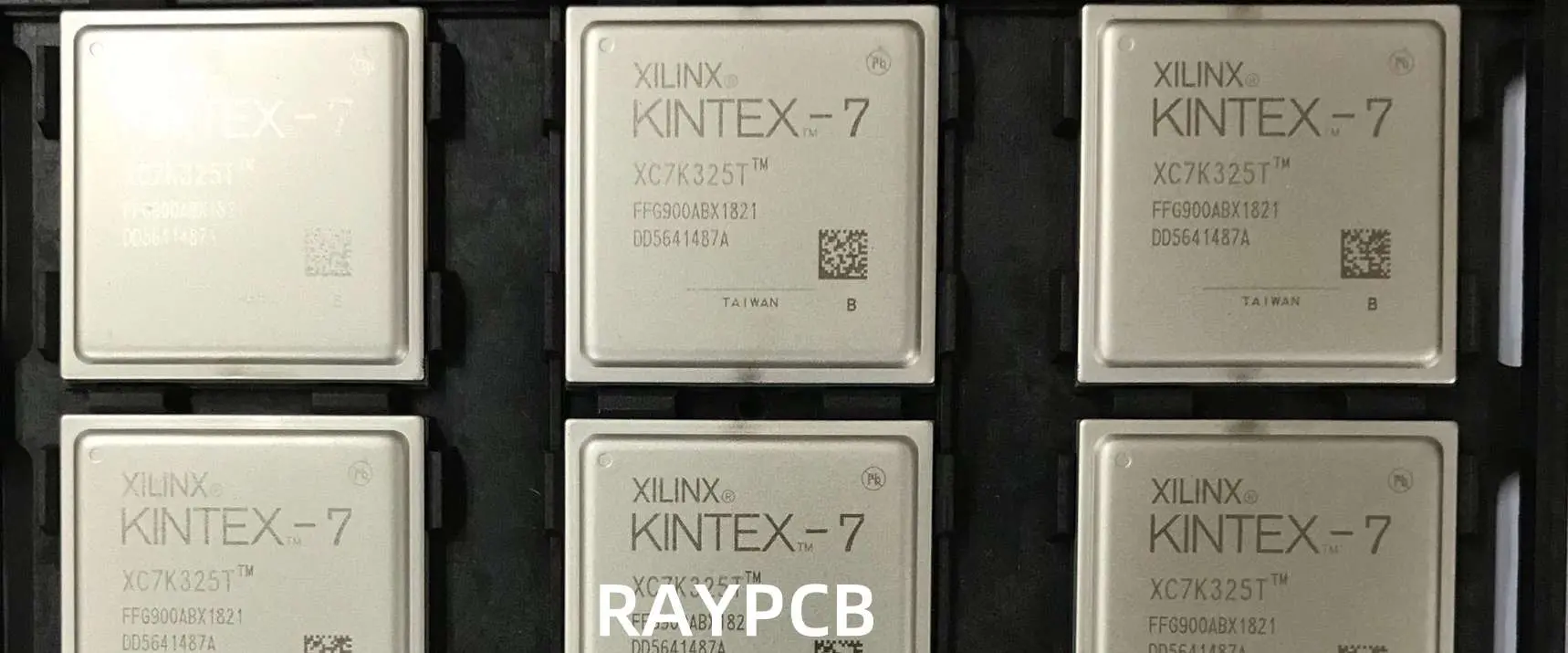
Xilinx Kintex-7 FPGA price

FFG900 Package Overview

The XC7K410T-2FFG900I comes in a Flip-Chip Fine-Pitch Ball Grid Array (FFG) package with 900 pins. This package offers:

  • High pin count for extensive I/O capabilities
  • Excellent thermal performance
  • Compact footprint (31 x 31 mm)

Pin Categories

The pins of the XC7K410T-2FFG900I are categorized into several groups:

  1. User I/O pins
  2. Configuration pins
  3. Power supply pins (VCCINT, VCCAUX, VCCO)
  4. Ground pins
  5. JTAG interface pins
  6. MGT (Multi-Gigabit Transceiver) pins

I/O Banking Structure

The XC7K410T-2FFG900I features a flexible I/O banking structure:

  • 17 High-Performance (HP) I/O banks
  • 5 High-Range (HR) I/O banks

Each bank can be configured with different I/O standards, allowing for versatile interfacing with various external devices.

Design Resources for XC7K410T-2FFG900I

Xilinx Vivado Design Suite

The primary design tool for the XC7K410T-2FFG900I is Xilinx Vivado Design Suite. Key features include:

  • RTL-to-bitstream design flow
  • High-level synthesis capabilities
  • Advanced timing analysis and optimization
  • Power analysis and optimization tools
  • Integrated simulation environment

IP Cores and Reference Designs

Xilinx provides a rich ecosystem of IP cores and reference designs compatible with the XC7K410T-2FFG900I:

  1. DSP IP cores (FFT, FIR filters, etc.)
  2. Memory interface solutions (DDR3/DDR4 controllers)
  3. PCIe interface cores
  4. Ethernet MAC and PHY solutions
  5. Video processing IP

These resources significantly accelerate development time and reduce design risks.

Documentation and Support

Comprehensive documentation is available for the XC7K410T-2FFG900I, including:

  • Product datasheets
  • User guides
  • Application notes
  • Errata documents
  • White papers on specific design techniques

Xilinx also offers technical support through their website, forums, and direct customer support channels.

Read more about:

Application Areas

The XC7K410T-2FFG900I is well-suited for a variety of applications, including:

Telecommunications Infrastructure

  • 5G base stations
  • Network switches and routers
  • Software-defined networking (SDN) equipment

Data Center and Cloud Computing

  • High-performance computing (HPC) accelerators
  • Network interface cards (NICs)
  • Storage system controllers

Medical Imaging

  • MRI and CT scan image processing
  • Ultrasound systems
  • Digital X-ray equipment

Industrial Automation

  • Industrial vision systems
  • Robotics controllers
  • High-speed data acquisition systems

Aerospace and Defense

  • Radar signal processing
  • Electronic warfare systems
  • Satellite communication equipment

Performance Optimization Techniques

To get the most out of the XC7K410T-2FFG900I, consider the following optimization techniques:

Efficient Use of DSP Slices

The 1,540 DSP slices in the XC7K410T-2FFG900I are powerful resources for implementing arithmetic operations. To optimize their use:

  1. Leverage DSP inference in your HDL code
  2. Use Xilinx DSP IP cores for complex operations
  3. Pipeline DSP-heavy designs for higher throughput

Memory Optimization

With 28,620 Kb of Block RAM, efficient memory usage is crucial:

  1. Use appropriate memory structures (distributed RAM vs. Block RAM)
  2. Implement memory partitioning for parallel access
  3. Utilize Xilinx Memory Interface Generator (MIG) for external memory interfaces

Clock Domain Management

Proper clock domain management is essential for high-performance designs:

  1. Use Mixed-Mode Clock Managers (MMCMs) for flexible clock generation
  2. Implement proper clock domain crossing (CDC) techniques
  3. Utilize clock gating for power optimization

I/O Planning and Optimization

With 500 user I/O pins, careful I/O planning is necessary:

  1. Group related signals in the same I/O bank
  2. Use appropriate I/O standards for each interface
  3. Implement proper termination schemes for high-speed interfaces

Power Management Strategies

The XC7K410T-2FFG900I offers several power management features:

Dynamic Power Reduction

  1. Clock gating unused portions of the design
  2. Implementing power-efficient coding practices
  3. Utilizing power-optimized IP cores

Static Power Reduction

  1. Using power gating techniques for unused blocks
  2. Implementing partial reconfiguration to time-share resources
  3. Optimizing device configuration for power efficiency

Debugging and Verification

Integrated Logic Analyzer (ILA)

The Xilinx Integrated Logic Analyzer (ILA) is a powerful tool for on-chip debugging:

  1. Real-time signal monitoring
  2. Trigger-based data capture
  3. Integration with Vivado debug features

JTAG-based Debugging

The JTAG interface provides access to various debugging features:

  1. Boundary scan testing
  2. In-system programming
  3. Readback and verification of configuration data

Simulation and Verification

Xilinx provides comprehensive simulation and verification tools:

  1. Mixed-language simulation support (VHDL, Verilog, SystemVerilog)
  2. Integration with third-party simulators
  3. Formal verification tools for critical design components

Conclusion

The XC7K410T-2FFG900I Xilinx Kintex-7 FPGA is a powerful and versatile device suitable for a wide range of high-performance applications. With its extensive logic resources, high-speed I/O capabilities, and advanced features like partial reconfiguration, it offers engineers and developers a robust platform for implementing complex digital systems.

By leveraging the comprehensive design resources provided by Xilinx, including the Vivado Design Suite, IP cores, and reference designs, developers can efficiently create optimized solutions for their specific application requirements. The device’s balance of performance and power efficiency makes it an excellent choice for applications in telecommunications, data centers, medical imaging, and more.

As FPGA technology continues to evolve, the XC7K410T-2FFG900I remains a strong contender in the mid-range FPGA market, offering a compelling combination of features, performance, and cost-effectiveness. Whether you’re designing a high-speed signal processing system, a complex network interface, or an advanced medical imaging device, the XC7K410T-2FFG900I provides the resources and capabilities to bring your innovative ideas to life.

XC95144XL-10TQG100C Xilinx CPLD: Datasheet, Pinout & Features Explained

Introduction

The XC95144XL-10TQG100C is a Complex Programmable Logic Device (CPLD) manufactured by Xilinx, a leader in the field of programmable logic devices. This article provides a comprehensive overview of the device, including its key features, pinout details, and an explanation of its datasheet. Whether you’re an engineer considering this CPLD for your next project or a student learning about programmable logic, this guide will help you understand the capabilities and specifications of the XC95144XL-10TQG100C.

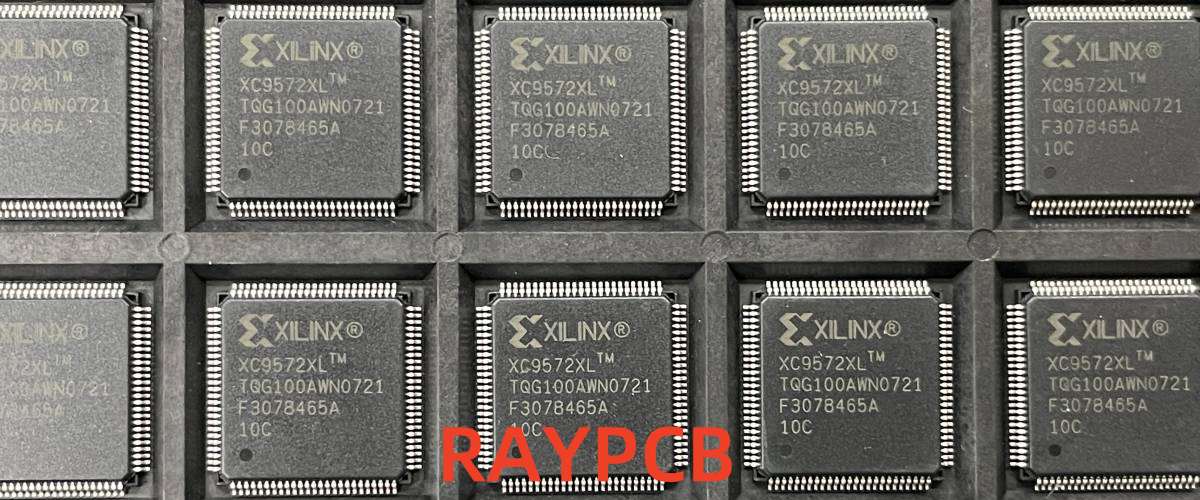
Overview of the XC95144XL-10TQG100C

The XC95144XL-10TQG100C is part of Xilinx’s XC9500XL family of CPLDs. It offers a balance of high performance, low power consumption, and a rich set of features, making it suitable for a wide range of applications in digital systems design.

Key Specifications:

  • Logic Cells: 144
  • Macrocells: 144
  • I/O Pins: 81
  • Package: TQFP-100 (TQG100)
  • Speed Grade: -10 (10 ns pin-to-pin delay)
  • Operating Voltage: 3.3V

Datasheet Analysis

The datasheet for the XC95144XL-10TQG100C provides detailed information about the device’s specifications, performance characteristics, and operating conditions. Let’s break down some of the key sections:

Absolute Maximum Ratings

This section outlines the extreme limits beyond which damage to the device may occur. Key parameters include:

  • Storage Temperature: -65ยฐC to +150ยฐC
  • Ambient Temperature: -40ยฐC to +85ยฐC
  • Supply Voltage (Vccint): -0.5V to +4.0V
  • Supply Voltage (Vccio): -0.5V to +4.0V

It’s crucial to note that these are absolute maximum ratings, and the device should be operated within the recommended operating conditions for reliable performance.

Recommended Operating Conditions

These conditions specify the ranges within which the device is guaranteed to function correctly:

  • Supply Voltage (Vccint): 3.3V ยฑ5%
  • Supply Voltage (Vccio): 3.3V ยฑ5%
  • Operating Temperature: 0ยฐC to +70ยฐC (Commercial) or -40ยฐC to +85ยฐC (Industrial)
  • Input Voltage: 0V to Vccio

DC Characteristics

This section provides information about the device’s electrical characteristics under static conditions. Key parameters include:

  • Input Leakage Current (IIL/IIH): ยฑ10 ยตA max
  • Output High Voltage (VOH): 2.4V min
  • Output Low Voltage (VOL): 0.4V max
  • Quiescent Supply Current (ICCQ): 100 ยตA typ, 500 ยตA max

AC Characteristics

AC characteristics describe the device’s dynamic performance. For the XC95144XL-10TQG100C, key timing parameters include:

  • Pin-to-pin delay (tPD): 10 ns max
  • Clock to Output (tCO): 6.5 ns max
  • Setup Time (tSU): 5.0 ns min
  • Hold Time (tH): 0 ns min
  • Maximum Clock Frequency (fMAX): 178 MHz

These timing parameters are crucial for ensuring proper operation in high-speed digital systems.

Read more about:

Pinout and Package Information

The XC95144XL-10TQG100C comes in a TQFP-100 package, which stands for Thin Quad Flat Pack with 100 pins. Understanding the pinout is essential for proper PCB design and interfacing with other components.

Pin Configuration:

  • Total Pins: 100
  • User I/O Pins: 81
  • Dedicated Input Pins: 3 (including global clock)
  • Power Pins (Vccint): 4
  • Power Pins (Vccio): 4
  • Ground Pins: 8

Key Pin Functions:

  1. User I/O (Pin 1-81): These pins can be configured as inputs, outputs, or bidirectional pins based on the programmed logic.
  2. GCK1, GCK2, GCK3 (Pins 91, 93, 95): Global clock inputs, which can be used to distribute clock signals throughout the device with minimal skew.
  3. TCK, TMS, TDI, TDO (Pins 88, 87, 89, 90): JTAG interface pins for programming and debugging.
  4. Vccint (Pins 14, 39, 64, 86): Core voltage supply pins (3.3V).
  5. Vccio (Pins 20, 45, 70, 96): I/O bank voltage supply pins (3.3V).
  6. GND (Pins 7, 32, 57, 82, 21, 46, 71, 97): Ground pins.

When designing a PCB layout, it’s crucial to place decoupling capacitors close to the Vccint and Vccio pins to ensure stable power supply and reduce noise.

Features Explained

The XC95144XL-10TQG100C offers a range of features that make it a versatile choice for many applications. Let’s explore some of these key features in detail:

1. FastCONNECT II Architecture

The XC95144XL uses Xilinx’s FastCONNECT II architecture, which provides a balance between speed and routability. This architecture includes:

  • 144 macrocells organized into 9 function blocks
  • High-speed, low-power CMOS technology
  • Predictable pin-to-pin delays

The FastCONNECT II switch matrix allows any function block to drive any I/O pin, providing excellent flexibility in design.

2. In-System Programmability (ISP)

The device supports in-system programmability, allowing for:

  • Programming and reprogramming directly in the target system
  • Easy design updates and field upgrades
  • Reduced time-to-market and development costs

ISP is achieved through the JTAG (IEEE 1149.1) interface, which uses the TCK, TMS, TDI, and TDO pins.

3. Power Management

The XC95144XL incorporates several power management features:

  • Low static power consumption
  • Programmable ground pin on unused I/Os
  • Sleep mode for further power reduction

These features make the device suitable for power-sensitive applications.

4. I/O Features

The I/O pins of the XC95144XL offer several advanced features:

  • Programmable slew rate control
  • Optional pull-up resistors
  • Hot-swap capability
  • 3.3V to 5V tolerant inputs

These features provide flexibility in interfacing with various other devices and standards.

5. Security

To protect intellectual property, the XC95144XL includes:

  • User-programmable security bit
  • Permanent read protection option

Once enabled, these features prevent unauthorized reading or copying of the device configuration.

6. Wide Operating Conditions

The device is designed to operate reliably across a wide range of conditions:

  • Commercial (0ยฐC to +70ยฐC) and industrial (-40ยฐC to +85ยฐC) temperature ranges
  • 3.3V core and I/O voltage

This flexibility makes the XC95144XL suitable for various environmental conditions and applications.

Application Areas

The XC95144XL-10TQG100C is versatile and can be used in a wide range of applications, including:

  1. Glue Logic: Interfacing between different digital components or bus standards.
  2. State Machines: Implementing complex control logic and sequencing operations.
  3. Address Decoding: Managing memory and peripheral addressing in microprocessor systems.
  4. Protocol Bridging: Translating between different communication protocols.
  5. I/O Expansion: Extending the I/O capabilities of microcontrollers or processors.
  6. High-Speed Control Systems: Implementing fast control loops in industrial automation.

Programming and Development

To program the XC95144XL-10TQG100C, you’ll need:

  1. Xilinx ISE WebPACK: Free software for designing with Xilinx CPLDs.
  2. JTAG Programmer: Hardware to connect your computer to the CPLD for programming.

The development process typically involves:

  1. Describing the desired logic in VHDL or Verilog
  2. Synthesizing the design
  3. Fitting the design to the CPLD architecture
  4. Generating a programming file
  5. Downloading the configuration to the device through the JTAG interface

Comparison with Other Xilinx CPLDs

The XC95144XL-10TQG100C sits in the middle of Xilinx’s XC9500XL family. Here’s how it compares to some other devices in the lineup:

DeviceLogic CellsMacrocellsUser I/OsMax. Frequency
XC9536XL363634222 MHz
XC9572XL727252208 MHz
XC95144XL14414481178 MHz
XC95288XL288288192166 MHz

The XC95144XL offers a good balance of resources and performance, making it suitable for medium-sized designs that require more logic than the smaller devices but don’t need the extensive resources of the larger ones.

Conclusion

The XC95144XL-10TQG100C is a versatile and powerful CPLD that offers a good balance of performance, power efficiency, and features. Its 144 macrocells, 81 user I/O pins, and fast pin-to-pin delays make it suitable for a wide range of digital design applications.

Key advantages include:

  • In-System Programmability for easy updates
  • Low power consumption with sleep mode
  • Flexible I/O features for easy integration
  • Robust security options to protect designs

When considering the XC95144XL-10TQG100C for your project, be sure to carefully review the datasheet and consider factors such as logic resource requirements, I/O count, speed requirements, and power constraints. With its combination of features and performance, this CPLD can be an excellent choice for many medium-complexity digital designs.

As with any complex electronic component, proper PCB design practices, including careful attention to power supply decoupling and signal integrity, are crucial for achieving optimal performance from the XC95144XL-10TQG100C.

Copper Foils for High Frequency Circuit Materials

Rogers RO4534

Introduction

In the world of high-frequency circuit design, every component plays a crucial role in determining the overall performance of the system. Among these components, copper foils stand out as a critical element in the fabrication of printed circuit boards (PCBs) for high-frequency applications. Rogers Corporation, a global leader in engineered materials solutions, offers a range of specialized copper foils designed to meet the exacting demands of high-frequency circuit materials. This article delves into the significance of copper foils in high-frequency applications and explores Rogers’ innovative offerings in this domain.

Powered By EmbedPress

The Importance of Copper Foils in High-Frequency Circuits

Role in Signal Transmission

Copper foils serve as the primary medium for signal transmission in PCBs. In high-frequency applications, the quality and characteristics of the copper foil directly impact:

  1. Signal integrity
  2. Insertion loss
  3. Return loss
  4. Electromagnetic interference (EMI)

As frequencies increase, the behavior of signals traveling through copper traces becomes more complex, making the selection of appropriate copper foils crucial for optimal performance.

Impact on PCB Performance

The choice of copper foil can significantly affect several key performance metrics of high-frequency PCBs:

  1. Skin Effect: At high frequencies, current tends to flow near the surface of the conductor. The surface roughness of the copper foil influences this effect.
  2. Signal Loss: Smoother copper surfaces generally result in lower signal losses, especially at higher frequencies.
  3. Impedance Control: The thickness and consistency of the copper foil play a role in maintaining consistent impedance across the board.
  4. Thermal Management: Copper foils contribute to heat dissipation in high-power applications.

Rogers’ Copper Foil Offerings

Rogers Corporation provides a variety of copper foils tailored for high-frequency circuit materials. These offerings are designed to address the specific needs of different applications and frequency ranges.

Standard Copper Foils

Rogers offers traditional electrodeposited (ED) copper foils in various weights, typically ranging from 1/4 oz to 2 oz per square foot. These foils are suitable for a wide range of applications and provide a good balance of performance and cost.

Low-Profile Copper Foils

For applications requiring improved signal integrity and reduced losses, Rogers provides low-profile copper foils. These foils feature a smoother surface finish, which helps to mitigate skin effect losses at high frequencies.

Key benefits of low-profile copper foils include:

  1. Reduced insertion loss
  2. Improved signal integrity
  3. Better consistency in impedance control

Reverse-Treated Copper Foils

Rogers offers reverse-treated copper foils, which are designed to enhance the bond between the copper and the dielectric material. This treatment helps to:

  1. Improve peel strength
  2. Enhance reliability in harsh environments
  3. Reduce the risk of delamination during thermal cycling

Ultra-Thin Copper Foils

For applications requiring extremely thin copper layers, Rogers provides ultra-thin copper foils. These foils are particularly useful in:

  1. High-density interconnect (HDI) designs
  2. Flex and rigid-flex circuits
  3. Applications requiring precise impedance control

Read more about:

Tailoring Copper Foils for Specific High-Frequency Materials

Rogers Corporation takes a holistic approach to high-frequency circuit materials, ensuring that their copper foils are optimized for use with specific substrate materials. This tailored approach results in several product lines designed for optimal performance in different applications.

RO3000ยฎ Series Compatible Foils

For use with Rogers’ RO3000ยฎ series laminates, which are popular in high-frequency, low-loss applications, Rogers offers copper foils specifically designed to:

  1. Maintain the low-loss characteristics of the substrate
  2. Provide excellent adhesion to the RO3000ยฎ materials
  3. Support the thermal stability requirements of these high-performance laminates

RO4000ยฎ Series Optimized Foils

The RO4000ยฎ series laminates, known for their excellent high-frequency performance and processability, are paired with copper foils that:

  1. Complement the electrical properties of the substrate
  2. Enhance the overall PCB fabrication process
  3. Support the cost-effective nature of the RO4000ยฎ series

RT/duroidยฎ Compatible Foils

For the high-performance RT/duroidยฎ laminates, Rogers provides copper foils that:

  1. Maintain the exceptional electrical properties of the substrate
  2. Offer superior adhesion to PTFE-based materials
  3. Support the extreme low-loss requirements of millimeter-wave applications

Advanced Technologies in Rogers’ Copper Foils

Rogers Corporation continually invests in research and development to enhance the performance of their copper foils for high-frequency applications. Some of the advanced technologies incorporated into their copper foil offerings include:

Micro-Roughening Techniques

Rogers employs sophisticated micro-roughening techniques to optimize the surface profile of their copper foils. This process aims to:

  1. Improve adhesion to the substrate
  2. Minimize signal losses at high frequencies
  3. Enhance the overall reliability of the PCB

Barrier Layers

For certain high-performance applications, Rogers incorporates barrier layers into their copper foils. These layers serve to:

  1. Prevent copper migration into the dielectric
  2. Improve long-term reliability
  3. Enhance performance in harsh environmental conditions

Customized Surface Treatments

Rogers offers a range of surface treatments for their copper foils, allowing customers to select the optimal finish for their specific application. These treatments can:

  1. Improve solderability
  2. Enhance resistance to oxidation
  3. Optimize adhesion to different types of dielectric materials

Selecting the Right Copper Foil for High-Frequency Applications

Choosing the appropriate copper foil for a high-frequency application involves considering several factors:

  1. Frequency Range: Higher frequencies generally benefit from smoother, low-profile copper foils.
  2. Loss Requirements: Applications with stringent loss budgets may require specialized low-loss copper foils.
  3. Power Handling: High-power applications may need thicker copper foils for improved thermal management.
  4. Fabrication Process: Consider the compatibility of the copper foil with your PCB fabrication process, including etching and plating requirements.
  5. Environmental Conditions: For harsh environments, consider copper foils with enhanced adhesion and resistance to thermal cycling.
  6. Cost Considerations: Balance the performance requirements with budget constraints when selecting copper foils.

Conclusion

Copper foils play a critical role in the performance of high-frequency circuit materials, influencing everything from signal integrity to thermal management. Rogers Corporation’s range of specialized copper foils for high-frequency applications demonstrates their commitment to advancing PCB technology and meeting the evolving needs of the electronics industry.

By offering tailored solutions for different substrate materials and application requirements, Rogers enables engineers to optimize their high-frequency designs for peak performance. As the demand for higher frequencies and more challenging applications continues to grow, the importance of selecting the right copper foil becomes increasingly critical.

Whether you’re designing next-generation 5G infrastructure, advanced radar systems, or high-speed digital circuits, Rogers’ copper foil offerings provide the foundation for pushing the boundaries of high-frequency PCB performance. By leveraging these advanced materials, engineers can create more efficient, reliable, and high-performing electronic systems that drive innovation across a wide range of industries.

As technology continues to evolve, Rogers Corporation remains at the forefront of materials science, continuously refining and expanding their copper foil offerings to meet the challenges of tomorrow’s high-frequency applications. By choosing Rogers copper foils for high-frequency circuit materials, designers and engineers can ensure they have the best possible foundation for their cutting-edge electronic designs.

High Frequency Electronics Product Selector Guide

military rogers pcb board

Introduction

In the rapidly evolving world of high-frequency electronics, choosing the right materials for circuit boards and components is crucial. Rogers Corporation, a global leader in engineered materials solutions, offers a wide range of high-performance laminates and substrates designed for demanding high-frequency applications. To help engineers and designers navigate their extensive product line, Rogers provides a comprehensive Product Selector Guide. This article delves into the key features and benefits of the Rogers High Frequency Electronics Product Selector Guide, exploring how it can streamline material selection and optimize design processes.

Powered By EmbedPress

Understanding the Rogers Product Selector Guide

Purpose and Scope

The Rogers High Frequency Electronics Product Selector Guide is an invaluable resource for engineers, designers, and procurement specialists working in industries such as:

  1. Telecommunications
  2. Aerospace and defense
  3. Automotive electronics
  4. Industrial IoT
  5. Medical devices

This guide is designed to simplify the process of selecting the most appropriate high-frequency materials for specific applications, ensuring optimal performance and reliability.

Key Features of the Guide

1. Comprehensive Product Listings

The guide provides detailed information on Rogers’ extensive range of high-frequency laminates and substrates, including:

  • RO3000ยฎ Series
  • RO4000ยฎ Series
  • RT/duroidยฎ
  • CLTE-XTโ„ข
  • AD Series

Each product is presented with its key specifications, making it easy to compare and contrast different materials.

2. Application-Specific Recommendations

One of the standout features of the Rogers Product Selector Guide is its application-specific recommendations. The guide categorizes materials based on their suitability for various applications, such as:

This categorization helps users quickly identify the most suitable materials for their specific project requirements.

3. Performance Characteristics

The guide provides detailed information on critical performance characteristics, including:

These parameters are essential for engineers to consider when designing high-frequency circuits and systems.

4. Comparative Charts and Graphs

To facilitate easy comparison between different materials, the guide includes visual aids such as:

  • Property comparison charts
  • Performance graphs
  • Application suitability matrices

These visual tools allow users to quickly assess and compare multiple materials side by side.

5. Processing Guidelines

The Product Selector Guide also offers valuable information on material processing, including:

  • Recommended fabrication methods
  • Drilling and routing guidelines
  • Plating recommendations
  • Bonding and assembly techniques

This information helps ensure that the selected materials can be effectively integrated into the manufacturing process.

Read more about:

Benefits of Using the Rogers Product Selector Guide

Rogers pcb circuit board

1. Time and Cost Savings

By providing a centralized resource for material selection, the Rogers Product Selector Guide can significantly reduce the time and effort required to identify the most suitable materials for a project. This efficiency can translate into substantial cost savings in the design and development process.

2. Improved Design Optimization

With detailed performance characteristics and application-specific recommendations at their fingertips, engineers can make more informed decisions about material selection. This leads to better-optimized designs and improved overall system performance.

3. Reduced Risk of Material Incompatibility

The comprehensive information provided in the guide helps designers avoid potential pitfalls associated with material incompatibility. By understanding the full range of material properties and processing requirements, engineers can minimize the risk of issues arising during manufacturing or in the final product.

4. Enhanced Innovation

Access to a wide range of high-performance materials and their properties can inspire innovative design solutions. The Rogers Product Selector Guide exposes designers to cutting-edge materials that may open up new possibilities for their projects.

5. Streamlined Procurement Process

For procurement specialists, the guide serves as a valuable reference for understanding material specifications and requirements. This can help streamline the procurement process and ensure that the correct materials are sourced for each project.

Navigating the Rogers Product Selector Guide

Online vs. Print Versions

The Rogers High Frequency Electronics Product Selector Guide is available in both online and print formats. The online version offers the advantage of real-time updates and interactive features, while the print version provides a handy reference for offline use.

Search and Filter Functionality

The online version of the guide typically includes advanced search and filter functionality, allowing users to quickly narrow down their options based on specific criteria such as:

  • Dielectric constant range
  • Operating frequency
  • Thermal performance
  • Mechanical properties

Technical Support and Resources

In addition to the product information, the guide often provides links to additional technical resources, including:

  • Material datasheets
  • Application notes
  • Design guidelines
  • Technical articles

Users can also find contact information for Rogers’ technical support team, should they need further assistance in material selection or have specific questions about product performance.

Conclusion

The Rogers High Frequency Electronics Product Selector Guide is an essential tool for anyone working with high-frequency electronic materials. By providing comprehensive, easily accessible information on a wide range of high-performance laminates and substrates, the guide empowers engineers and designers to make informed decisions that optimize their designs and improve overall system performance.

As the demand for high-frequency applications continues to grow across industries, tools like the Rogers Product Selector Guide become increasingly valuable. By leveraging this resource, professionals in the field can stay at the forefront of material technology, driving innovation and excellence in high-frequency electronic design.

Whether you’re developing next-generation 5G infrastructure, advanced radar systems, or cutting-edge medical devices, the Rogers High Frequency Electronics Product Selector Guide is an indispensable resource for navigating the complex world of high-performance materials. By making material selection more efficient and informed, Rogers Corporation continues to support the advancement of high-frequency electronics across a diverse range of industries and applications.