How to Understand Nelcote E-765 Epoxy Prepreg, 120 E-Glass Reinforced

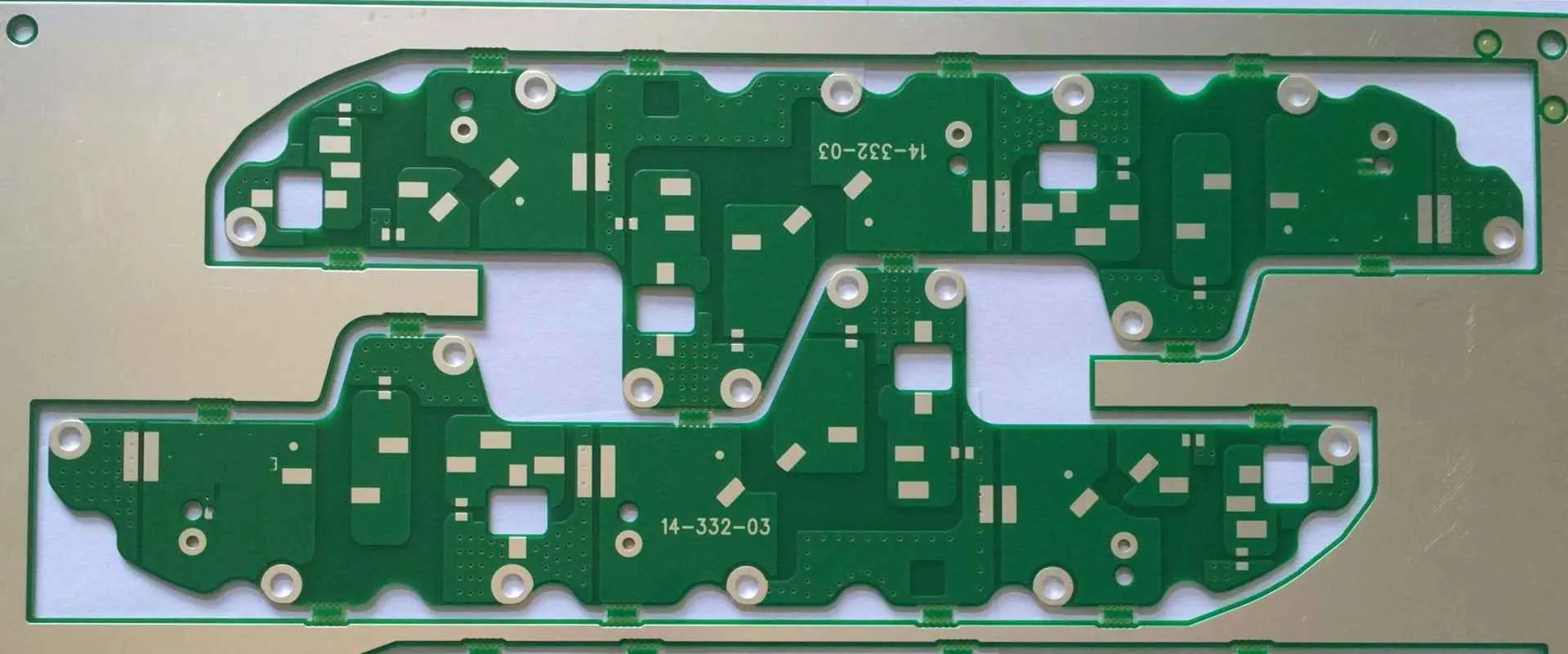
Isola FR408 PCB

Today, working with epoxy resin is easier than ever. Rayming PCB & Assembly use it for bonding metal, plastic, or rubber. The epoxy resin has been pre-mixed with epoxide hardeners and stabilizers when we deliver it to you in the form of prepreg sheets. Then, we cut the sheet length. One side contains the low viscosity binder, while the other side has high viscosity binder and optional fillers that we can mix into either side depending on your needs.

The epoxy resin’s high resistance to heat and solvents and low cost make epoxy resin a good choice for use in cabinetry, automotive, and construction applications. In addition, epoxy resin can be helpful to repair cracked glass or plastic panes. Finally, we can incorporate it into a laminate product for added strength and durability. The epoxies are especially useful in any situation where you need to bond small or large glass areas together.

Depending on the size and appearance of the repairs you need to make, you will need to order up to a quarter or half of a ton. Nelco offers prepreg panels that we can cut into any shape and thin braid and fiberglass reinforcement ideal for tough situations. You also have the choice of using different types and quantities of filler. If you use epoxy resin in layered construction, you can even add metal sheeting to your project.

Why use Reinforced E-Glass

Building with reinforced glass can be one of the most satisfying, convenient, and secure ways of transforming your building or home. Installation is simple, removal can be expensive and challenging, and the material is virtually unbreakable.

The main reasons that people choose reinforced glazing are:

1. Security

Unless you deal with a high-tech, high-powered laser beam, there is no way of “peeling” or breaking through the reinforced glass. This makes it ideal for bank and retail installations. If you find yourself in the unfortunate situation of being robbed, you can safely retreat behind your reinforced windows and doors until the police arrive to apprehend the criminal.

2. Cost-Effective

The cost of reinforced glazing is relatively low compared with other security solutions. However, you will find that even the most expensive windows are still significantly cheaper than installing metal bars or grilles.

3. Easy to Install

The most common method of installing reinforced glass is using a product called glass-reinforced epoxy (GRE). We can do this in a few hours without any need for special tools.

4. Durable

Once installed, reinforced glazing will last forever and is virtually unbreakable. With proper maintenance and cleaning, reinforced glazing never needs replacing. Even if we expose the glass to extreme temperatures, it has a long-lasting surface. This means that your window will be able to withstand heat, frost, or rain in winter or heat during the summer months. Your glass will not crack, and therefore there will be no sharp edges.

5. Low Maintenance

There is no need for paint or preservatives as the surface of the glass is permanently sealed. If you want to change or update your window or door, you can replace the glass without having to change any of its other components.

6. Environmental

As a 100% natural product, glass-reinforced can be recycled and is 100% recyclable. The glass itself is over 90% sand and has zero impact on the environment. This material is non-toxic, waterproof, will not rot or mold, and will not lose strength in extreme temperatures. As it does not contain any additives that conventional glazing does, this material does not release harmful gases when exposed to fire or extreme temperatures.

Properties of Nelcote E-765

1. Shelf Life:

When you get the Nelcote E-765, it can last for up to 10 years if stored in a cool and dry location. Nelcote E-765 is often helpful in applications that require quick curing epoxy adhesives where high-performance durability and maximum bond strength are necessary. We determine the shelf-life of any resin by how soon we must use it after delivery by the manufacturer. If the user wants a longer-lasting product, it is essential to store Nelcote E-765 under the recommended conditions.

2. Gel Time:

The gel time indicates the consistency of the resin. We should mix the resin until it is viscous (almost like a syrup). If the epoxy is too thick, sand or grit can be helpful to thin it. If it is too thin, we can add more resin. In most cases, a 24-hour period is sufficient for curing.

3. Glass Transition Temp, Tg, Dry; DMA

The glass transition temperature indicates the melting point of the epoxy system and its susceptibility to heat. The glass transition temperature is a critical measurement because it can help decide if the resin is suitable for use in applications where we encounter high temperatures. For example, Nelcote E-765 has a Tg of 105ยฐC, making it suitable for hot climate areas.

4. Dissipation Factor, Df

The dissipation factor (DF) indicates how much the epoxy system changes temperature with time. The higher the DF, the more the epoxy system will absorb and lose heat. As a result, the resin could become too thick and harden while curing or shrink while cooling

5. Dielectric Constant, e

The dielectric constant is a measurement used to describe the effectiveness of an insulator, particularly electrical insulation. Nelcote E-765 has a high dielectric constant of 4.3. This means Nelcote E-765 will not conduct electricity. However, it contains an electrically insulating material to protect the electrical components from short circuits or damage.

6. Shear Strength

Nelcote E-765 has a shear strength of 250 psi. Shear strength is the measurement of the force that the resin can withstand when pulled apart in a direction parallel to its surface. It is important to note that shear strength is not a measurement of tear resistance.

7. Compressive Modulus

This describes the force required to deform a material/substance (i.e., compress it). For example, if you were to apply a load in a direction parallel with the surfaces of the resin, then it would require a certain amount of force to compress it. Compressive modulus is essential in conjunction with the shear strength and elongation to determine the strength(s) and weakness(es).

8. Compressive Strength

This describes the amount of force that a material can withstand when placed under a load. It is important to note that shear and compressive strength are two separate measurements used for different purposes.

9. Tensile Modulus

This describes the force required to deform a material/substance (i.e., elongate it). For example, if you were to apply a load in a direction perpendicular to the surfaces of the resin, then it would require a certain amount of force to elongate it.

10. Tensile Strength

This describes the amount of force that a material can withstand when placed under a load. It is important to note that shear and tensile strength are two separate measurements used for different purposes.

11. Thickness, cured, per ply

We describe the thickness of the cured epoxy in terms of the amount of pressure required to be applied before the epoxy system reaches its maximum compressive/tensile strength.

12. Volatiles

Volatiles refers to compounds used in the epoxy resin. Amounts and volatiles can cause problems curing or imbuing their properties on the epoxy system. We should consider this when evaluating the potential for problems with a particular resin.

Conclusion

Glass-reinforced plastic consists of glass fibers embedded in epoxy resin to produce a rigid but lightweight material. The fibers are sustained in the resin by being coated in resin from the outside. Nelcote E-765 Epoxy Prepreg, 120 E-Glass Reinforced, is used for making non-structural glass-reinforced plastic parts. We should store this in an environment with stable temperatures and relatively low humidity.

Nelcote E-763 Epoxy Prepreg, the 3K 2×2 Twill Carbon Reinforced

Isola FR406N PCB

We refere to Nelcote E-763 as a 3K woven carbon reinforced prepreg with a high modulus and strength. We ensure the excellent mechanical properties of this epoxy by using the highest quality raw materials available in the prepreg industry. We can use this material for either wet or dry areas.

The carbon content and density influence the mechanical properties of the prepregs. Nelcote E-763 Epoxy Prepreg is a high-performance prepreg that can be helpful in various applications. It offers outstanding tensile strength and is available in extremely large widths, up to three full sheets. This material can be beneficial for either wet or dry areas. Nelcote E-763 Epoxy Prepreg is helpful in automotive and aerospace applications where we need high tensile strength or stiffness.

This is because it offers outstanding tensile strength and is available in extremely large widths, up to three full sheets.

What is Twill Carbon Reinforced?

The Twill weave consists of a series of X-shaped cables (laid in alternating directions) on the diagonal instead of the regular weave, which consists of a series of straight and parallel lines.

Interlacing successive layers of fiberglass develop the Twill structure in the longitudinal direction. The carbon fiber yarns are then woven back and forth over the diagonals. We repeatedly repeat this to create a very strong material with higher tensile strength than woven carbon fiber.

What’s Special About Epoxy Prepregs?

The prepreg can be produced from high-grade fibers, like aramid and glass fiber resins, thus offering higher tensile strength than traditional fabrics. Prepregs are being used more and more by Rayming PCB & Assembly since they show much better performance than woven fabrics.

We can do webbing, sleeves, and other types of weaving from prepregs to obtain custom-shaped parts that are not possible with woven fiber fabrics.

What are the Benefits of Epoxy Prepregs?

The epoxy prepreg composite’s tensile strength is higher than the tensile strength of traditional fabrics, such as spun-bonded polypropylene. In addition, the flexibility and water resistance (up to 60 minutes) obtained by using this material can allow for custom manufacturing processes in aerospace applications.

1. Good low-pressure consolidation:

Epoxy prepregs exhibit good low-pressure consolidation. The high air pressures will not damage the materials. It can be a problem when using other types of fibers. In addition, this material has excellent dimensional stability, which is essential in applications like bonding or adding reinforcements to various parts of aircraft.

2. Good oxidation resistance:

The epoxy prepreg composite has excellent oxidation resistance and shows no embrittlement over time. This material offers superior resistance to oxidation compared to natural fibers or urethane resins.

3. Excellent handling characteristics and out-time

We can fabricate epoxy prepregs on various production equipment, including conventional fiberglass layup tools. In addition, these materials offer excellent handling characteristics and have a high out-time for composite parts.

4. High strength and elongation to break:

Epoxy prepreg composite material is well suited for aerospace applications due to its high strength and elongation to break. This material also has excellent temperature resistance, with some epoxy resin systems able to withstand temperatures up to 200ยฐC (392ยฐF).

5. 250ยฐF cure epoxy system

A 250ยฐF cure epoxy system is available to meet the requirements of BFRAP type certification. This system is a unique prepreg with low out-time and significantly improved dimensional stability.

6. 3K Carbon prepreg material

Combining the high modulus, low density, and high tensile strength of the 3K carbon fabric ensures that load transfer applications are possible.

7. Clear surface finish for an excellent cosmetic appearance on finished parts

We can obtain a clear surface finish on the parts using a cold-curing system. This improves the structure’s visual appeal and makes it very clear, which is not possible using other types of tools.

8. Low CTE (coefficient of thermal expansion)

The low coefficient of thermal expansion makes this material much more suitable for applications where temperature fluctuations occur over a wide range.

Physical Properties

The physical properties of epoxy prepregs are dependent on the resin system. The tensile strength and elongation to break values presented below are typical values obtained using the MCS matrix with low-density carbon cloth. The volatiles in the resin system reduces to a minimum in the MCS matrix. The MCS matrix is a “lightweight” epoxy resin system with low prepreg density.

Mechanical Properties

The carbon content and density influence the mechanical properties of epoxy prepregs. The mechanical properties of this material are higher than the properties of woven fabrics and most other types of prepreg materials.

1. Tensile Strength, Yield:

The tensile strength and yield values of epoxy prepregs are similar to woven fabrics, but they exhibit much better elongation to break. As a result, the material’s mechanical performance is superior compared to other non-woven fabric resins.

2. Tensile Modulus:

The modulus for the material is higher than that of woven fabrics and most other types of prepreg materials. This feature makes the epoxy prepregs material more adaptable to custom manufacturing processes.

3. Flexural Strength

The flexural strength is better than that of woven fabrics and most other types of prepreg materials. The material is also able to withstand high degrees of elongation without damage.

4. Flexural Modulus:

The flexural modulus is higher than that of woven fabrics and most other types of prepreg materials. This feature makes the epoxy prepregs material more adaptable to custom manufacturing processes.

5. Compressive Strength

The compressive strength is higher than that of woven fabrics and most other types of prepreg materials.

6. Compressive Modulus:

The compression modulus is higher than that of woven fabrics and most other types of prepreg materials. This feature makes the epoxy prepregs material more adaptable to custom manufacturing processes.

Processing Properties

The properties of the epoxy prepregs are superior to those of woven fabrics and most other types of prepreg materials. The processability is comparable to woven fabrics, except this material doesn’t need to be wetted out before processing. In addition, the difference in surface conditions between the two materials does not affect processing since we process the fabric in a deckle-less manner.

1. Gel Time and Heat Build-up: The gel time of epoxy prepregs is intermediate between woven fabrics and most other prepreg materials. The material does not require an extended period for the resin to reach the desired viscosity. In addition, this material exhibits a low heat build-up during cure. This makes it possible to use short cycle times in large lamination processes where we complete the cure at the end of the lamination process.

Applications

Epoxy prepregs are suitable for many aerospace applications, including:

Recreational Applications

Most recreational craft such as personal watercraft, sailboats, and canoes utilize epoxy surfboards to construct the hull. These boards are very lightweight and have superior strength compared to glass fiber surfboards. Ester resin-based epoxy prepreg is also helpful to construct kayaks because it is a material that is highly resistant to damage, has good stiffness, and has low weight.

Industrial Applications

Industrial applications of epoxy prepregs include the manufacture of tooling, molds, and fixtures. Since this material has a low heat build-up and can withstand high degrees of elongation without damage, it is suitable for large lamination processes. This material also has applications in constructing components that require high stiffness, low weight, and good thermal properties.

Conclusion

The Japan Epoxy Resins Association (JERA) classified the prepregs as an environmentally friendly material because of their low environmental impact. In addition, the epoxy prepregs have excellent mechanical properties, chemical resistance, and the ability to withstand high temperatures.

The Japan Epoxy Resins Association (JERA) classified the prepregs as an environmentally friendly material because of their low environmental impact. In addition, the epoxy prepregs have excellent mechanical properties, chemical resistance, and the ability to withstand high temperatures.

What is Nelcote E-761 PCB ?

Isola IS420 PCB

This is an architectural grade resin that can help fabricate components in a wide range of industries, including aerospace and wind turbine manufacturing. Additionally, Nelcote E-761 Epoxy Prepreg offers exceptional formability, high shear strength, excellent surface hardness, and corrosion resistance. The resilient material also exhibits low viscosity for easy handling with no shrinkage or gel at room temperature.

Nelcote E-761 Epoxy Prepreg works well with Nelcoteโ€™s solvent-based 2K polyurethane topcoat and a polyester/polyamide prepreg as the substrate.

Nelcote E-761 Epoxy Prepreg is a high-speed resin with an epoxy equivalent weight of approximately 280. The material features three components that combine to form a material with good physical and thermal properties. As a result, Nelcote E-761 Epoxy Prepreg is compatible with a wide range of resins. We can use it for various adhesive applications, including adhesives for luggage tags, magnetic tape, and electric wire insulation.

Why use reinforced E-Glass?

Reinforced epoxy is ideal for advanced composite processing, industrial applications, and large-scale manufacturing. Reinforced formulations improve the strength of the material without increasing weight or altering the formability. As a result, E-Glass offers high mechanical strength and provides abrasion, impact, and fracture-resistance benefits.

Nelcoteโ€™s reinforced epoxy can provide significant improvements in mechanical strength. Furthermore, the material is compatible with a wide range of resins, including silicones, epoxies, and unsaturated polyesters. Nelcoteโ€™s reinforced epoxy prepreg also offers excellent electrical properties and thermal stability.

What additional properties can I expect from reinforced E-Glass?

The addition of glass fibers creates a stiffer, more uniform composite material with improved physical properties. E-Glass reinforced epoxy is ideal for creating a wide range of industrial composites and applications for the aerospace, automotive, and general manufacturing sectors. Therefore, the material offers superior strength, durability, and electrical properties.

The addition of 20 percent glass fibers improves the ultimate tensile strength and fracture toughness of epoxy by approximately 50 percent compared to conventional un-reinforced (non-reinforced) epoxy.

Product Forms

Nelcote E-761 Epoxy Prepreg, 120 E-Glass Reinforced contains a prepreg of 90 percent E-Glass fiber and 10 percent polyester fiber. The material has an epoxy equivalent weight of approximately 280, and it can be helpful in a wide range of applications. In addition, the material offers exceptional formability and high shear strength, along with excellent surface hardness.

Compatible with Autoclave, Vacuum Bag/Oven, or Press Cure processes:

We can cure E-761 in an autoclave, vacuum bag, or oven. Additionally, it has a pot life of approximately 7 hours at room temperature, which means users can begin to process the material as soon as it is delivered. Nelcoteโ€™s updated curing literature offers specific guidance on the curing process based on material composition and thickness. In addition, users can consult Rayming PCB & Assembly for more information about their available curing processes and material delivery options.

b)  Also available on aluminized fiberglass (TEF-7):

Nelcote also offers a version of E-761 prepreg adhered to an aluminized fiberglass carrier. This material has the same properties as the standard E-761 prepreg. As a result, it is available in varied thicknesses.

c)  Solution coated fabrics up to 60 inches wide:

Nelcote E-761 Epoxy Prepreg, 120 E-Glass Reinforced can be applied to various fabrics. Its properties are like those of conventional epoxy coatings. However, users need to care about the fabric and the curing process (as described above). Users should consult Nelcote sales representatives for available fabrics and coating thicknesses.

d)   Available on a wide variety of reinforcements:

Nelcote also offers a range of reinforced epoxies available on various reinforcements, including glass, quartz (including Astroquartzยฎ), graphite, aramid, and various laminates. So, these epoxies are available in varying thicknesses, and they exist in various colors and sheens.

How do I get started with reinforced E-Glass?

Thermally cured property refers to the materialโ€™s thermal and mechanical properties. We usually describe it by high-temperature strength; glass fibers in reinforced epoxy (E-Glass) are comparable to Kevlarยฎ in terms of high-temperature tensile strength, leading to a greater ability to withstand heat exposure during manufacturing /or transportation. In addition, reactive fiberglass in E-Glass is generally easier on the coated fabric than conventional fiberglass.

Nelcote E-761 Epoxy Pre-Preg, 120 E-Glass Reinforced is a high-speed material used to create advanced composite composites, which are lightweight and impact resistant. In addition, the material offers excellent formability. As a result, it can be helpful for various applications, including adhesives for luggage tags, magnetic tape, and electric wire insulation.

Applications

1. Widely specified on commercial and military aircraft programs:

Nelcoteโ€™s reinforced epoxy appears on several commercial and military aircraft programs. The material creates various structural panels, fuel cells, and interior components.

2.   MRI Resonators:

Nelcote reinforced epoxy is also used to create MRI resonators and nuclear spin couplings. The material features excellent stiffness and strength to resist heat/stress while maintaining mechanical properties that ensure good signal quality.

3. Sandwich Panels:

Nelcote reinforced epoxy is also used to create structural panels (e.g., sandwich panels in manufacturing, structures in military and critical infrastructures). The material offers high mechanical properties, improved strength, and superior abrasion resistance.

4.   Secondary Aircraft Structures:

Nelcoteโ€™s reinforced epoxy helps create secondary aircraft structures like fuel cells, wall and floor assemblies, and interior components. The material offers superior thermal, water, chemical, and electrical properties.

5.   Aircraft Interiors:

Nelcote reinforced epoxy also creates interior components such as bulkheads and fuselage skins. The material has excellent thermal, water, chemical, and electrical properties.

6.    Radomes:

Nelcote reinforced epoxy is also used to create radomes for the aerospace, defense, and satellite industries. The material offers excellent resistance against impacts, heat, and chemicals.

Features and benefits

1. Wet service temperatures up to 180ยฐF:

Nelcote reinforced epoxy is available in a variety of thicknesses and colors. In addition, the material has excellent thermal, water, and chemical resistance (IP 45 ratings) and electrical properties. As a result, the material can be helpful in applications ranging from liquid nitrogen to high-temperature brazing (1200ยฐF).

2.   Flame and fire retardant per FAR 25.853

Nelcote reinforced epoxy is rated for flame and fire retardant per FAA/DOT/FAR 25.853. In addition, the material has a UL94 V-0 rating when cured, which means we can use it in electrical panel insulation and wire harnesses.

3. Good electrical properties

Nelcote reinforced epoxy is an in-house developed material that offers excellent electrical properties in various applications.

4.   Flexible cure temperature range of 180ยฐF to 250ยฐF

Nelcote reinforced epoxy has a fully flexible cure temperature range of 180ยฐF to 250ยฐF. It means we can process it in various applications.

5. Controlled flow for ease of processing

Nelcote reinforced epoxy offers controlled flow for ease of processing. This allows the material to be processed at lower temperatures, preventing overheating and distortion.

6. Highly recyclable

Nelcote reinforced epoxy is highly recyclable. We can regenerate it at up to 90% of the original resin content, and it has excellent mechanical properties (e.g., temperature strength). The material also features a long storage life, making it cost-effective for its users.

7. Lightweight and lower density

Nelcote reinforced epoxy is a lightweight material that we can use to create in-house produced components with reduced weight. The material has lower density and tensile strength than carbon fiber, which makes it more cost-effective for its users.

8. High strength and stiffness resistance

Nelcote reinforced epoxy has high strength and stiffness resistance compared to conventional reinforced glass fibers.

9. Excellent physical and electrical properties

Nelcote reinforced epoxy has excellent physical properties (e.g., flexural modulus, tensile strength, hardness). The material has good surface flatness and smoothness due to the low coefficient of thermal expansion. The material also offers good electrical properties (e.g., high dielectric strength, resistivity, and thermal stability).

Conclusion

Reinforced epoxy is ideal for advanced composite processing, industrial applications, and large-scale manufacturing. Reinforced formulations improve the strength of the material without increasing weight or altering the formability. E-Glass offers high mechanical strength and provides abrasion, impact, and fracture-resistance benefits.

Nelcoteโ€™s reinforced epoxy can provide significant improvements in mechanical strength. In addition, the material is compatible with a wide range of resins, including silicones, epoxies, and unsaturated polyesters.

Nelcote E-752 Epoxy Prepreg, 12K PW HTS Reinforced

Rogers AD300D pcb

This is a very sturdy and high-end epoxy resin material used to make various types of products. The big issue that this product has is the cost compared to other similar epoxies on the market. If you are looking for something cheaper but still of high quality, this will not be an option. However, if you are willing to spend more money on your project, this should be your next choice. The extra money you spend will pay for itself in the strength of your product.

Overall, Nelcote epoxy resin is one of the best materials on the market. Rayming PCB & Assembly use it to make various products because of its extreme strength and durability. However, it does come with a high price tag, making it difficult for some businesses to afford. If you want to use this material on your project, we recommend that you spend more time looking at alternative materials. You will find something more affordable. Nelcote E-752 Epoxy Resin is great if you have the money to invest, but some more cost-efficient options are worth looking into.

If you want to learn more about Nelcote E-752 Epoxy Resin and its cost-effectiveness, you can read our in-depth article here. You’ll learn more about this fantastic epoxy resin and its applications for your project.

What is HTS Reinforcing?

HTS is high tensile strength. This is an excellent material to use when building products that need to be incredibly durable and sturdy. While this epoxy resin will be more expensive, it will last you much longer than many other epoxy.

The 12K means that this resin is guaranteed to have an ultimate tensile strength of 12,000 psi. This is important because it means that the resin will be much more durable than many other options on the market. To better understand how strong this resin is, you can compare it to this high-end PVC piping – it has an ultimate strength of 900 psi. This means that the resin will be much sturdier and stronger than PVC.

The PW stands for polyester reinforcement. This is one of the most popular materials used to reinforce epoxies on the market because of its strength and durability. It is a blend of polyester and high-strength fibers combined with epoxy resin to make a much stronger product. To give you an idea of how strong this material is, it has an ultimate strength of over 16,000 psi. It means that your product will be more than capable of standing up to any conditions.

This E-752 resin has very high bonding strength. It means that it will hold your object together better than many of the other materials on the market.

Why use the Nelcote E-752 Epoxy Prepreg, 12K PW HTS Reinforced

This epoxy resin is one of our favorite options because of its strength and durability. It is an excellent option if you have the money to invest, as it will make your product more durable. However, this product can be quite expensive if you don’t have the money to spend. If you are looking for something cheaper but still of high quality, this will not be an option. However, if you are willing to spend more money on your project, this should be your next choice. The extra money you spend will pay for itself in the strength of your product.

The high tensile strength makes it a great choice if you need to build a product that can withstand heavy damage and destruction.

The polyester fibers used in this epoxy resin provide a lot of reinforcement. It means that the final product will be a stronger and more durable version of what it was initially.

This epoxy has very high bonding strength. It means that it will hold your object together better than many of the other materials on the market. It will still be durable but won’t crack under heavy impacts or forces. This epoxy resin is excellent if you need to build something strong and tough.

How to Use Nelcote E-752 Epoxy Resin?

When using this epoxy resin, you must not mix it with any other types of materials. Use those that are on the more volatile end of the spectrum (such as paint). This can cause some issues with the consistency of the resin and may create bubbles in the final product. It is one of the most sensitive epoxies on the market, and it depends on its consistency to create high-quality products.

This baked product can be helpful in high-temperature applications. This is because of its high heat capabilities. However, to use this product, you need to give it enough time so that it can completely harden and cure completely before using it. This will ensure that you get a strong, durable product that will last for a long time.

This Epoxy is UV Resistant. This means that you will be able to get a product that is still effective even when we leave it in the sun. This is something that not all epoxies can boast.

How much will Nelcote E-752 Epoxy Resin Cost me?

This material is usually more pricey than others on the market, so you will need to make sure that this is a worthwhile investment before you buy it. However, if you will be using it for a large project that needs a sturdy material, it should be worth your money.

While this material is expensive, you will be able to get a much more robust product than many of the other alternatives. This could allow you to use this epoxy resin on more projects.

When considering how much this product will cost you, we recommend considering its durability and longevity. You will be getting a much stronger product that will last for ages if it has such amazing durability and strength. You can’t go wrong with this option if you are willing to spend the money on it.

How long will this product last?

This product has a huge shelf life, and we can store it for years without issues. You won’t need to worry about replacing it quickly or having waste as there is no chance of any degradation happening with this resin. The shelf life of this product is around 15 years, so you can expect to use it for several years and get a lot of use from it.

This product is more expensive than many of the other materials on the market, but you will find that it is well worth the money.

This material is UV resistant and has a long shelf life, making it a great option if you are looking for something that you can use for a lot of years or something that you can use to create high-quality products.

Is there anything better than Nelcote E-752 Epoxy Resin?

Nelcote E-752 Epoxy Resin is one of the top products on the market for strength and durability. Therefore, it is an excellent option for those who need to build a durable, high-quality product. However, if you are looking for something cheap and easily available, this may not be the best choice.

Other epoxy resins are out there that can give you similar products but are cheaper and easier to find. The polyurethane resin alternatives offer similar strength and durability without the high cost of this product.

Conclusion

If you want to build anything from scratch, this will be one of your best options for construction materials. If you are willing to spend the money on it, you will get a product that will be more durable than anything else you can buy on the market.

Nelcote E-746 Epoxy Prepreg, 3k 5HS Carbon Reinforced

Shengyi Synamic8G PCB

Nelcote E-746 Epoxy Prepreg, 3k 5HS Carbon Reinforced is a high strength, prepreg material compatible with all types of resins. It has a tensile strength of 7200 PSI and a flexural modulus at 76% elongation of 3600 psi. The grade has a carbon content of 2.5%, and no formaldehyde as a binder is present. It has a glass transition temperature of 22 ยฐF at 73% humidity.

Nelcote E-746 is ideal for pressure vessels where we need high strength, lightweight, and semi-rigid material. This material has an epoxy resin castable into a fiber-reinforced, biaxial interlaminar fiber mat. We taper and connect the fiber with varying amounts of core reinforcing fibers. As a result, the carbon content in the primers reduces to 2.5%.

The material is of high strength and stiffness. However, it is also lightweight, significantly expanding the membrane area for use in lightweight structures where weight savings are critical.

Carbon Reinforced Nelcote E-746

The material has two phases, the outer microfibers, and the inner matrix. The fibers in this combination provide excellent strength and stiffness largely due to their high volume weight. As a result, Nelcote can be helpful in very lightweight structures.

Nelcote E-746 material is an interlaminar fiber prepreg with a woven structure of biaxially oriented rays of pre-impregnated carbon fiber mats with a maximum of 1% carbon content. Rayming PCB & Assembly strengthen and make the structure semi-rigid by adding a resin-reinforced glass mat binder into the mass. The fibers also have glass fibers and epoxy resin reinforcement.

The material can help in light to medium weight structures because of its high tensile strength, stiffness values, and low weight. We can find two types of applications. The first is a carbon fiber reinforced polymer composite, where the carbon reinforcement is between 0.2% and 3%, and the prepreg content is between 15% and 25%. This material can be helpful for pressure vessels in aircraft, rockets, spacecraft, and oil rigs. The other application is a structural material where we require low weight and minimal strength.

Nelcote E-746 mechanical properties

The material has two phases, the outer microfibers, and the inner matrix. The fibers in this combination provide excellent strength and stiffness largely due to their high volume weight. As a result, Nelcote can be helpful in very lightweight structures.

As with all carbon fiber materials, Nelcote E-746 consists of carbon fibers produced by pyrolyzing organic compounds such as polyacrylonitrile (PAN) or rayon or carbonizing cotton or wool. We refer to these organic compounds as “precursors.” Carbon fibers also come from pitches derived from pine and other sources. We carbonize the precursors to produce “raw” carbon blacks (RCB). These RCBs are then purified by “capping,” which reacts with an acidic solution to create carbonates, waxes, and other materials.

Once the RCB is fully purified, we process it into large quantities of thinly rolled fibers in a process known as spinning. Spinning occurs when we force a polymer solution through a cylinder of fibers at high pressure and temperatures to draw them into fine threads. We then collect the resulting fibers into bales for processing into carbon fibers.

Nelcote E-746 electrical properties

Unlike most carbon fiber prepregs, E-746 is not a two-phase material. Nelcote E-746 fibers are polyimide and phenolic impregnated and interwoven with the epoxy resin used to hold the fibers together in a cohesive matrix. This matrix is then reinforced by impregnating the fiber core with resin. The fibers are highly conductive, so we use them in electrical products. The high electrical conductivity of carbon fiber makes it possible to achieve a high degree of electrical isolation between components in a multi-layered printed circuit. We can cure the epoxy resin by heat or UV light.

Due to the micro-layered construction of E-746, it is essential in 4 layer PCBs and, more recently, in 3 layer PCBs at several companies and universities, including MIT, Intel, the University of Michigan, and Ford Motor Company.

Nelcote E-746 Physical properties

Nelcote E-746 is an interlaminar fiber prepreg with a woven structure of biaxially oriented rays of pre-impregnated carbon fiber mats with a maximum of 1% carbon content. The structure is strengthened and made semi-rigid by adding a resin-reinforced glass mat binder into the mass.

Volatiles: Less than 2% (approximate)

Nelcote E-746 Thermal properties

When we cure Nelcote E-746 as a one-side laminate in an oven, it has a glass transition temperature of approximately 230 ยฐC.

This process involves heating the material above its glass transition temperature. When we apply heat to the material, the resin becomes viscous and flows through the fiber weave to create a uniform cross-linked structure throughout the laminate. This process is called autoclave cure.

In a resin transfer molding (RTM) process, we force the cured prepreg into a mold and then heated. The heat causes the resin to flow through the fiber structure and cure.

Key Features and Benefits:

1. Meets MIL-R-9300B Type II requirements: Carbon Fiber-Reinforced Plastic (CFRP) and Carbon Fiber-Reinforced Polymer (CRFP).

2. Good electrical properties for RF applications: conductivity 25.6ร—10 S/m, dielectric constant (dielectric strength) 6.5, tensile and compressive strengths > 15 MPa and > 2 GPa respectively, loss tangent < 0.03.

3. Long ambient out-time for maximum process flexibility: stable for at least 60 days at >140 ยฐC.

4. Soft tack and drape properties: perfect for functional and aesthetic laminate adhesion.

5. Meets flammability requirements: UL94 flame retardant, ASTM D-3843 Type I and II.

6. Excellent retention of mechanical properties: 1% carbon content and maximum 25% resin-reinforced glass mat binder.

Application

Nelcote E-746 is up to six times stronger than steel, with a higher strength-to-weight ratio, and could exceed current regulations. The material has also been very lightweight due to the layers of glass fibers in the fiber structure. However, this weight advantage is offset by the material’s high density, making it less suitable for pressurized applications.

Carbon fiber composites have already found their way into the aerospace industry and are helpful in aircraft and rockets. This is due to their lightweight, high stiffness, and low-density properties. These properties make carbon composites ideal for aircraft like the Lockheed Martin F-35 Lightning II, which requires a high strength-to-weight ratio. They are also helpful as payload fairings on rockets because they can be lightweight enough to carry small satellites into orbit.

1. Fairings:

Small satellites such as CubeSat and MicroSat are very small because they do not require a lot of structure. However, they are still large enough to place it into orbit. Carbon fiber composites are a good option for making these lightweight payload fairings because they can make these fairings stiff enough to hold the satellite but make them light enough for the rocket to carry into orbit.

2. Inlet Ducts:

The inlet ducts of aircraft are suitable to speed up the airflow from the engine inlet towards the engine. However, because the airflow has a high velocity, it can create a lot of drag. Carbon fiber composites can be helpful to make these inlet ducts because they are light enough for the aircraft to carry but stiff enough to reduce drag.

3. Nacelles:

The nacelles of aircraft are suitable to house the engines and control systems. However, these components are very heavy so they can create a lot of drag. Carbon fiber composites can be helpful to make these nacelles because they are light enough for the aircraft to carry and stiff enough to reduce the drag created by these components.

4. Radomes:

Radomes are typically helpful to protect electronic components on aircraft. We can use carbon fiber composites for radomes because they are light enough for the aircraft to carry and stiff enough to reduce the drag created by these components.

5. Secondary Aircraft Structures:

The wings and fuselage of an aircraft carry most of the load of the aircraft. Because these components have a high weight, they can create a lot of drag. Carbon fiber composites can be helpful to make these components because they are light enough for the aircraft to carry and stiff enough to reduce the drag created by these components.

Carbon fiber composites are helpful in military vehicles such as tanks and land vehicles to make these vehicles lighter in weight while maintaining their safety.

Conclusion

Nelcote E-746 has a high strength-to-weight ratio and can be helpful for various military and civilian applications. In addition, carbon fiber composites have found their way into the automotive industry and are making their way into many different vehicle parts. These parts include the roof, engine, and transmission of automobiles and safety components such as automotive airbags and crash absorbers.

Nelcote E-722 Epoxy Prepreg, 120 Aramid-Reinforced

Shengyi Synamic 6N PCB

NELCOTE E-722, a semi-rigid epoxy prepreg, is a reinforced resin with aramid fiber. This product is resistant to chemical and environmental exposure and has good mechanical strength. NELCOTE E-722 can help manufacture printed circuit boards, electronic equipment housings, and composite plates for aircraft structures.

What is Aramid-Reinforced

Aramid fibers have been helpful to construct aircraft and space vehicles for more than 60 years. Aramid fibers provided increased structural weight and strength reduced weight and cost and enhanced reliability.

Owing to their unique properties, aramid fabrics are being used extensively in military gear, such as bullet-proof vests and helmets. Now aramid fibers are also finding their way into automobile seats, eyeglasses, and structural parts of airplanes, including the Boeing 787. In addition to providing increased strength and resiliency in these parts, Aramid is often helpful in creating lightweight components that support the load put on them.

Aramid fibers consist primarily of synthetic polyamide materials called “nylons” or “polyamides.” These fibers have long been helpful in heavy-duty rope, fabric, coatings, and tire cord applications. Nylons and polyamides are very strong materials, but they are also prone to melting if exposed to very high temperatures (roughly 400ย ยฐC / 750ย ยฐF). Aramid fibers achieve the necessary melt resistance and thermal stability in several aerospace applications using chemical treatment. They include brakes, landing gear, harnesses and bullet-proof vests.

Aramid Reinforced Nelcote E-722

Aramid fiber reinforcement provides significant benefits to Nelcote E-722 resin. Almost all epoxy resins (including NELCOTE E-722) do not have aramid fiber reinforcement. However, reinforcing NELCOTE E-722 with aramid fibers gives greater mechanical strength and stiffness. The result is that NELCOTE E-722 is much stronger and lasts longer. As a result, NELCOTE E-722 becomes more durable and functional over time. This means longer service life for the finished product or system in which we use NELCOTE E-722 components.

Other Benefits of NELCOTE E-722 Epoxy Prepreg

Aramid helps to reinforce other materials that hold electrical properties. Electrical properties are not affected by changes in ambient temperature, making aramid fiber an excellent choice for electrical insulation. However, some electrical applications require added strength and stiffness. For example, NELCOTE E-722 can reinforce heat shield materials (such as unidirectional carbon fibers) in aircraft and rockets to improve the structural integrity of thermal protection systems.

Aramid fiber offers other benefits as well. Aramid fiber’s high conductivity and high strength-to-weight ratio make it a good choice for component applications where weight is critical. In addition, its high-temperature stability makes it an excellent thermal conduit for electronics and other electrical systems. Because Aramid is non-conductive, Aramid reinforced NELCOTE E-722 does not need to be helpful in electronic applications that require sturdy conductors (such as power lines or data lines). Aramid fiber can also be beneficial in electrical applications requiring ceramic material, such as high-temperature conduits and components.

How to make NELCOTE E-722 Epoxy Prepreg

We produce Aramid reinforced NELCOTE E-722 by adding aramid fibers to a basic epoxy resin. We mix the epoxy resin with the aramid fibers, heated to 600ยฐC / 1050ยฐF, which activates the aramid fibers, and then cooled. The resulting epoxy prepreg is then formed into sheets and cured in an oven at 180ยฐC / 355ยฐF for 4 hours.

Features and properties

NELCOTE E-722 can withstand blast and corrosion, have good mechanical strength, and resist high temperatures. We control the fiber reinforcement in NELCOTE E-722 by the epoxy resin’s fiber-crosslinking agent (CaF2). When used as a printed circuit board material, the fibers are mechanically crosslinked, forming a honeycomb pattern of randomly distributed aramid fibers. This type of reinforcement has been used in composite materials for many years in the aerospace industry, including fuselage and wing skins. The fibers also resist stress rupture and do not produce stress cracks. The mechanical properties of this material are better than those of glass composites but less than those of carbon fiber reinforced plastics. The epoxy resin used in NELCOTE E-722 is an acrylate-styrene copolymer with a dry softening point of 288ยฐC.

Physical Properties

We produce NELCOTE E-722 by the polymerization of styrene and acrylate esters, followed by the addition of fibers. The fiber content is up to 20 percent in the product. Rayming PCB & Assembly use NELCOTE E-722 to produce printed circuit boards and electronic equipment housings. When used in composite plates, it provides a high modulus of elasticity with a density of 2.6 g/cm3.

NELCOTE E-722 is available as 60 or 120 fiber shavings (the fiber can be over 200 mesh). Resin content is 4 or 5 percent by weight and free-flowing when cold. The resin viscosity is 10 to 30 seconds at 100ยฐC. Yield strength is about 30 N/mm2. Tensile strength is about 27 N/mm2, and elongation at break is 50 percent after 1,000 cycles, with a 100 percent elongation rate in the first three cycles.

NELCOTE E-722 has an average tensile modulus of 27 GPa, an average elongation of 50 percent, and a density of 2.6 g/cm3. The tensile strength is about 30 N/mm2, and the elongation at break is 50 percent after 1,000 cycles. Yield strength is about 30 N/mm2, and fiber elongation at break is 50 percent after 1,000 cycles. The resin has a typical hardness of 10 to 15 GPa and an average density of 2.6 g/cm3.

Electrical properties

When used as a printed circuit board (PCB) material, NELCOTE E-722 has good electrical properties and chemical resistance. As a result, NELCOTE E-722 can be helpful in industrial applications requiring high mechanical strength and good temperature resistance.

NELCOTE E-722 is available in 1200 x 75 mm or 1000 x 65 mm rolls. We can supply it as a powder packed in drums or unfilled liquid in 20-liter containers. NELCOTE E-722 is available in Colorless, Brilliant Yellow, Red/Orange, Brown, Blue, and Clear. NELCOTE E-722 has a dry softening point of 288ยฐC and is stable at room temperature. We can use it in air or an inert atmosphere, such as nitrogen.

NELCOTE E-722 is helpful as a reinforcement or reinforcement agent in composites and other applications. For example, it can be used to produce printed circuit boards and electronic equipment housings and in composite plates for aircraft structures. NELCOTE E-722 is not soluble in the solvent used to polymerize resin components. As a result, NELCOTE E-722 has good mechanical strength, even at high temperatures. In addition, the high modulus of elasticity and the low density of NELCOTE E-722 enhance its mechanical properties.

Mechanical Properties

We control the fiber reinforcement in NELCOTE E-722 by the epoxy resin’s fiber-crosslinking agent (CaF2). When used as a printed circuit board material, the fibers are mechanically crosslinked, forming a honeycomb pattern of randomly distributed aramid fibers. The epoxy resin used in NELCOTE E-722 is an acrylate-styrene copolymer with a dry softening point of 288ยฐC.

NELCOTE E-722 gives good mechanical strength, even at high temperatures. In addition, the high modulus of elasticity and the low density of NELCOTE E-722 enhance its mechanical properties. The tensile stress-rupture strain curves of NELCOTE E-722 (unfilled) and glass fiber reinforced plastics come from cyclic tests at room temperature.

NELCOTE E-722 has a hardness of 10 to 15 GPa, an average density of 2.6 g/cm3, and a tensile modulus of 27 GPa. The elongation at break is 50 percent after 1,000 cycles. The yield strength is about 30 N/mm2, and the elongation at break is 50 percent after 1,000 cycles. NELCOTE E-722 (unfilled) resin has 1000 mm x 65 mm x 12.5 mm. It is solid at room temperature, and we must melt it for processing. At 100ยฐC, the product is a viscous solution that we can process by injection or compression molding.

Chemical Properties

NELCOTE E-722 has good chemical resistance and excellent temperature resistance. NELCOTE E-722 is stable at high temperatures, and we can use it to produce aerospace structures at high temperatures, such as in jet engines. At a temperature of 235ยฐC, the material shrinks at 42 percent after 12 hours, while it shrinks at a rate of 21 percent after 0.5 minutes. When used as a composites material, NELCOTE E-722 has a low density of 2.6 g/cm3 and a high modulus of elasticity and strength. No of 288ยฐC.

Conclusion

Nelcote E-722 Epoxy Prepreg, 120 Aramid-Reinforced Fibers is a thermoplastic material with excellent mechanical properties, including high strength, elasticity, and high modulus of elasticity. In addition, it has good chemical resistance and excellent heat resistance, making it suitable for all applications.

Nelco N8000Q Cyanate Ester โ€“ Understanding the Epoxy Laminate and Prepreg

Isola I-Tera MT40 PCB

Nelco N8000Q Cyanate Ester blend the convenience of a prepreg with the performance of a laminating resin. As a result, this product provides an economical answer to the material purity requirements of printed circuit boards and electronic assemblies. Nelco N8000Q Cyanate Ester Epoxy are essential for use with copper foil, copper-clad laminates, and electroless nickel-plated (ENEP) laminates.

Nelcoโ€™s Cyanate Ester resin system provides high-strength bonds when used with either a barrier film or a surface primer. As a result, it is ideal for plated copper products and when high thermal or electric power dissipation is a factor.

Rayming PCB & Assembly uses Nelco N8000Q Cyanate Ester Epoxy to manufacture printed circuit boards. This is because it has a low outgassing rate, exhibits excellent conformability, resists plating lift-off. Additionally, it provides good adhesion to copper foil and supports. Also, it has excellent electrical insulating properties up to 600 volts per mil (V/mil). Finally, it retains its strength at elevated temperatures.

Features of Nelco N8000Q Cyanate Ester Epoxy

Nelco N8000Q Cyanate Ester Epoxy are compatible with most barrier materials. Therefore, it provides a low-outgassing alternative to aliphatic, aromatic, and highly saturated resins.

1. High Thermal Performance:

The high electrical resistance and the absence of outgassing give the material excellent thermal stability. So, the Tg of Nelco N8000Q Cyanate Ester is -60ยฐC to +250ยฐC, approximately ten times that of standard epoxy resins. In addition, low Z-axis expansion allows for use at extremely high temperatures.

2. Superior Electrical Properties:

The Cyanate Ester resin retains its strength and insulating properties up to 600 V/mil at 250ยฐC. In addition, surface conductivity is excellent and has excellent creep resistance.

3. Typical Cyanate Ester Processing:

Nelco N8000Q Cyanate Ester Epoxy are mixed by weight. Then, we apply it to the copper foil, copper-clad laminate, or ENEP laminate using a standard screen printing process. As a result, a heated cure of 180ยฐC to 200ยฐC for four hours (or at the minimum temperature needed to achieve full cure) gives maximum bond strength.

4. S-glass and Quartz options:

S-glass reinforcement combined with Nelco N8000Q Cyanate Laminate and Prepreg produces a laminate that retains its flexural strength at high temperatures. Also, Quartz fibers provide high thermal stability, dimensional stability, and excellent electrical properties.

5. Vacuum laminated:

Vacuum lamination of Nelco N8000Q Cyanate Ester Epoxy with S-glass-reinforced Nelco V5000E or CibaGeigy LCP-1020 laminates is an excellent method for assembling printed circuit boards. So, the combined thermal conductivity of the laminates provides excellent tracking resistance. Vacuum pressure pulls the epoxy resin into all voids and gives a smooth, flat surface.

6. N8000 achieves specifications of IPC-4101/70 (s-glass), UL 94V-0 and /71 (e-glass) specifications:

Nelco N8000Q Cyanate Ester comply with UL 94V-0 (S-glass) and IPC 4101/70 (S-glass) and /71 (e-glass), which are standards for ignition sources.

7. N8000Q attains the specifications of IPC-4101/61:

Nelco N8000Q Cyanate Ester Epoxy meet IPC-4101/61 requirements for epoxy and laminates. IPC-4101/61 classifies materials according to flammability, outgassing, solvent content, and general processing.

8. RoHS compliant:

The Cyanate Ester resin is compliant with the European Restriction of Hazardous Substances directive (RoHS). It is equivalent in the United States. This means that Nelco N8000Q Cyanate Ester meet the directiveโ€™s requirements in Europe and North America.

Properties

Physical Properties

Density: NELCO N8000Q is a lightweight, stiff, and impact-resistant material. It amounts to 1.73g/cm3.

Mechanical Properties

The peel strength of NELCO N8000Q resin is 1.75 kN/m. Therefore, it indicates a high value for peel strength. NPK curves of NELCO N8000Q below 0.6, indicating that it has a high Mooney Viscosity Index (MVI). The modulus of elasticity of NELCO N8000Q resin is 15.9 GPa.

Thermal Properties

The thermal conductivity at 25 ยฐC~50 ยฐC is 0.340 W/mยทK, which is lower than other epoxy resins in the market. Furthermore, the specific heat capacity of NELCO N8000Q is 0.9991 J/(kgยทK). Therefore, the CTE linear of NELCO N8000Q is 70.0 ยตm/m-ยฐC at a Temperature of 50.0 – 250 ยฐC, which is higher than other epoxy resins in the market.

Electrical Properties

Volume Resistivity: The volume resistivity at 23ยฐC is 1.00e+13 ohm-cm, which is lower than other epoxy resins. Surface Resistance: The surface resistance of NELCO N8000Q is 1.00e+13 ohm at 23ยฐC and increases as the temperature rises. Constant: The dielectric constant of NELCO N8000Q is 3.2. Arc Resistance: Additionally, the Arc resistance of NELCO N8000Q is 125 secs. The dielectric strength of NELCO N8000Q is 59.1kV/mm. Dielectric Breakdown of NELCO N8000Q resin is >= 50000 V. Dissipation factor of NELCO N8000Q is 0.006.

Applications

NELCO N8000Q Cyanate Ester are helpful as a component in most laminated electronic substrates and printed circuit boards. Additionally, it is beneficial in high-temperature applications. Examples include heaters, resistive heating elements, and ceramic capacitors for resistive circuitry. As a result, the Cyanate Ester resin also has a high thermal and excellent creep resistance.

NELCO N8000Q Cyanate Ester Epoxy can fill the void in high-end markets with Cyanate ester resin formulations. However, it did not replace mainstream Cyanate ester resins already on the market today.

1. Radomes and Secondary Aerospace Structures:

NELCO N8000Q is helpful in the radome and other critical applications. As a result, it is also used to replace high-temperature epoxy resin in various Space Shuttle components. In addition, we use them on many NASA satellites, and they work well during splashdown operations.

NELCO N8000Q Cyanate Ester Epoxy have been active over the years. But, it is not yet a mainstream commodity.

2. High-Speed Computing:

High performance and high power chips, such as microprocessors, memory chips, and embedded devices, require high speed and high power conductive adhesives. Unfortunately, cyanate Ester resins generally have poor thermal stability at high temperatures.

3. Vfireless Communications:

Vfireless communication is also known as fiber optic communication. However, it is not yet a mainstream technology. NELCO N8000Q Cyanate Ester Epoxy have low thermal shock resistance.

4. Underhood Automotive:

Electronics, such as airbag sensors and climate control systems, have found their way into modern automobiles. Therefore, the engine compartment components require NELCO N8000Q Cyanate Ester Epoxy.

5. Direct Chip Attach:

The performance required from optics in aerospace applications has advanced and continues to advance at a rapid pace. Therefore, electronics and optics have become interdependent. For example, direct chip attaches have become the mainstream technology for high-speed data communication, such as fiber optics. NELCO N8000Q Cyanate Ester are also helpful in this application.

6. NICWLs:

NICWL is a term used to describe Nano-scale Integrated Circuit Wafer-Levels. NELCO N8000Q Cyanate Ester have excellent adhesion to glass, silicon, and difficult-to-be-bonded metals.

7. BGA Multilayers:

NELCO N8000Q Cyanate Ester Epoxy are essential in multilayers commonly found in the radio frequency industry.

They have phase-change properties that affect materialsโ€™ mechanical, electrical, and thermal properties. High-temperature environments require attention to this phase change, which drives engineers to explore new materials.

โ€œPhase Changeโ€: There are two-phase changes: adiabatic and isothermal.

8. Fine-Line Multilayers:

Multilayers consist of a barrier layer, a spacer layer, and an active (mechanical) layer. The thicknesses between the layers are very small. In many cases, itโ€™s necessary to design interlayer electrical connections using the diffusion model. This means that the electrical properties of all three layers must be analyzed.

Conclusion

NELCO N8000Q Cyanate Ester have gained a reputation for their ability to operate in various applications. They range from high-temperature aerospace components to low-temperature, high-power devices. In addition, the Laminate and Prepreg also gain a reputation for being an effective replacement for mainstream Cyanate ester resin formulations.

What is Nelco N5000-30/32 BT PCB ?

16 layer pcb stackup

The N5000-30/32 BT is a high-speed, low hold time nitrocellulose epoxy package. It is necessary for medium to heavy-duty bonding applications. The N5000-30/32 BT utilizes a light-cured, no mixing essential synthetic resin. Therefore, it allows the package to be quickly and easily dispensed and applied in an even coat by hand or with any standard glue gun.

After curing, the N5000-30/32 BT is fully cured and exhibits excellent adhesion to various substrates. It includes plastics, rubber, ceramics, and wood. We can achieve a standard hand gluing application at room temperature without hot or cold temperatures. When using the N5000-30/32 BT, we must use a compatible adhesive dispenser system. So, we can dispense this package through a Scapa Glue Gun with a standard 7/16 orifice. Any gun nozzle that provides a steady application of 120 mils of adhesive per minute will work. For heavier applications, we recommend the Nelco Z4000-30/32 Control Glue Gun with a 1″ orifice and nozzle tip # NG18.

Adhere to the desired substrate using Nelco Z4000 Dispenser Gun with a nominal output of 90 mils/minute or less and standard nozzle # NG18.

When using the N5000-30/32 BT, we must use a compatible adhesive dispenser system. As a result. this package can dispense through a Scapa Glue Gun with a standard 7/16″ orifice. Any gun nozzle that provides a steady application of 120 mils of adhesive per minute will work.

Properties

The N5000-30/32 BT is suitable for medium to heavy-duty bonding applications. Upon curing, the N5000-30/32 BT consists of a light-cured, dry blend of a synthetic resin modified with self-setting black epoxy. This epoxy acts as a catalyst. As a result, it allows the dispensing and application of the package in an even coat by hand or with any standard glue gun.

Physical Properties

  1. Water Absorption: The N5000-30/32 BT will absorb approximately 0.05% of its weight in water (at room temperature).

Mechanical Properties

  1. Modulus of Elasticity: The room temperature modulus of elasticity of the cured N5000-30/32 BT is 3,300 ksi. So, this value is the sum of the moduli due to the resin and epoxy. Therefore, it is not suitable for processing or bonding applications.
  2. Poissons Ratio: The room temperature Poisson’s ratio of the cured N5000-30/32 BT is 0.21. So, this value reflects the bonding material’s ability to “trap” motion. It reduces movement rates in an applied joint without decreasing bond strength.
  3. Shear Modulus: The room temperature shear modulus of the cured N5000-30/32 BT is 551370-1400 ksi. This value represents the bonding material’s ability to resist and maintain a relatively uniform shear load on an applied joint without decreasing bond strength.
  4. Peel Strength: The cured N5000-30/32 BT has a peel strength of 1.53 kN/m, measured in a tensile testing machine at 300% of the applied shear force.

Thermal Properties

  1. CTE, linear: The room temperature CTE (-40 ยฐC to 125 ยฐC) of the cured N5000-30/32 BT is 211.3 x 10 K-1 (using ASTM E8).
  2. Glass Transition Temp, Tg: The room temperature Tg of the cured N5000-30/32 BT is 205 ยฐC.
  3. Decomposition Temperature: The room temperature decomposition temperature of the cured N5000-30/32 BT is 344 ยฐC.
  4. Flammability, UL94: The room temperature UL94 flammability rating for the cured N5000-30/32 BT is non-flammable.

Chemical Properties

  1. Biological Properties: The N5000-30/32 BT is a synthetic biologic material. It is not considered hazardous in concentrations up to 50% by the weight of the dry blend.

Optical Properties

  1. Density (g/cm): The room temperature density of the cured N5000-30/32 BT is 1.23 g/cm. The resin has a density of 1.20 gm/cm, and the modification consists of a void space, causing a calculated density value of 1.23 gm/cm. So, this value is constant for all volumes and modified for any temperature changes.

Electrical Properties

  1. Volume Resistivity: The room temperature volume resistivity of the cured N5000-30/32 BT is 1.00e+15 ohm-cm.
  2. Dielectric Constant: The room temperature dielectric constant of the cured N5000-30/32 BT is 4.1 at Frequency 1.00e+9 Hz
  3. Surface Resistance: The room temperature surface resistance of the cured N5000-30/32 BT is 1.00e+14 ohm.
  4. Dielectric Strength: The room temperature dielectric strength of the cured N5000-30/32 BT is 68.9 kV/mm.
  5. Dielectric Breakdown: The room temperature dielectric breakdown voltage of the cured N5000-30/32 BT is >= 50000 V.
  6. Dissipation Factor: The room temperature dissipation factor of the cured N5000-30/32 BT is 0.0090 at a Frequency of 1.00e+6 Hz
  7. Arc Resistance: The room temperature arc resistance of the cured N5000-30/32 BT is 145 sec.

Evaluation

The N5000-30/32 BT evaluation provides information regarding its actual performance compared to a specified value or range. Of course, the best-known measure is the ultimate pull strength. Not all loads are predictable. However, we require the tables of recommended load capabilities. In addition, it is necessary to use a more appropriate adhesive for loads beyond these values.

Theoretical Joint Shear Strength:

Theoretical is a mathematically calculated value from a general formula. It does not always represent an average of actual field performance. Therefore, it is available for comparison purposes only.

We should multiply the theoretical field shear strength by 0.67 to factor in the weight of the substrate. For example, if you were gluing two 2″ x 12″ boards, you would multiply 100 lbs by 0.67 to get 67 lbs.

Theoretical Drill Penetration Strength:

Theoretical is a mathematically calculated value from a general formula. It does not always represent an average of actual field performance. Therefore, it is available for comparison purposes only.

Adhesion Properties:

This data represents adhesion by surface tension only. Actual adhesion on the workpiece may vary.

To determine the adhesive in use, measure its dry weight by dividing by 270. Then, divide this number by the N5000-30/32 BT’s dry weight to find how many grams of N5000-30/32 BT are in one gram of adhesive.

This data represents the adhesive’s peel strength under very small tensile forces. It depends on the value of the peel strength published by the manufacturer. Therefore, actual performance over a large surface area may vary.

The sustainability of adhesives is currently an area of intense research and development. The following properties come from recognized standards, guidelines, and test methods. However, not all manufacturers test using these protocols or publicly release this data for their adhesive products.

Rayming PCB & Assembly provides a general test method for determining the toxicity of a material. Specifically, it looks at the potential effects on aquatic organisms after 24 hours of in vitro exposure to a material and testing for genotoxicity, mutagenicity, and general systemic toxicity. As a result, the test can evaluate materials before using them and requires testing of multiple exposures to the materials.

Application and Storage Instructions

To maintain its shelf life, we must store the N5000-30/32 BT in a cool and dry area. You should not store the package in direct sunlight or scorching locations. So, it is best to store the package in a cool, clean container with a tightly fitting lid.

The following storage conditions apply:

Temperature: At temperatures less than or equal to 5 ยฐC.

Relative Humidity (RH): At relative humidities less than 95%.

For the maximum shelf life, it is necessary to store the product at room temperature (25 ยฐC) and 50% Relative Humidity.

Packing and Storage: The adhesive should be tightly sealed in a moisture-proof container to prolong its shelf life. As a result, you should not store the package in direct sunlight or extremely hot locations.

Biological Safety:

The N5000-30/32 BT is a synthetic biologic material and is not considered hazardous in concentrations up to 50% by weight of the dry blend.

PARACETAMOL:

The maximum paracetamol level permitted in the N5000-30/32 BT is 500 mg/kg. Therefore, Paracetamol used in this adhesive blend should be helpful according to the manufacturer’s directions.

PHTHALATES:

The maximum level of phthalates permitted in the N5000-30/32 BT is 5.0% total. The individual phthalate levels are not specified.

CHLOROPHENOLS:

The maximum level of chlorophenols permitted in the N5000-30/32 BT is ten ppm (0.035%).

Conclusion

The Nelco N5000-30/32 BT is a thermosetting acrylic braze. It has a very low cure temperature, high adhesion, and excellent mechanical properties. It can be helpful in many applications where we need an adhesive/brazing combination. The Nelco N5000-30/32 BT has proven to replace other brazing products effectively.

What is Nelco N4380-13 RF PCB ?

Advanced PCB 14 layers board

Ever heard the expression โ€œKiss like you mean it?โ€ With the Nelco N4380-13 RF Microwave Performance Modified Epoxy sealing solution, youโ€™ll get an excellent idea. The seal delivers high performance and reliability to keep your product airtight and on the shelf. Itโ€™s a game-changer for anyone looking to take their industrial sealing up a notch.

โ€œHaving a high-quality seal is a key component to maintaining the integrity of your product for the life of its intended use. Whether youโ€™re sealing carrier bags, cases, or pallets, you want to ensure your product is monitored and maintained on the shelf,โ€ said Steve Marty, president at Nelco Energetic Materials Solutions. โ€œSeals are helpful in various industries, so thereโ€™s no question that quality should be extremely critical. Weโ€™ve seen firsthand the success of high-performance seals, but we didnโ€™t want to settle for just good enough. Instead, we wanted to build a seal that would deliver exceptional results and set new standards in performance and reliability. The Nelco N4380-13 RF Microwave Performance, Modified Epoxy is the answer.โ€

The seal features a patented high-performance epoxy to ensure your product remains secure. As with all its products, Rayming PCB & Assembly stands behind the quality and reliability of its sealing solutions. This goes above and beyond the standard four-year warranty accompanying all of its industrial seaming products.

Why use it?

Are the benefits worth it? Absolutely. When designing a seal for a product, its integrity is key to maintaining airtight and moisture-free storage conditions. In addition, a good seal will help your product maintain its freshness and make sure that consumers are getting the best possible product when they purchase it.

The Nelco N4380-13 RF Microwave Performance Modified Epoxy seal is an innovative seal solution great for high-quality products that must maintain a perfect seal for longer periods.

This seal can deliver:

– A high-quality seal that keeps your product fresh

– First-in, first-out production โ€“ no last-minute shipment or storage issues

– Secure storage conditions from the moment of manufacture through the point of sale and beyond

The Nelco N4380-13 RF Microwave Performance Modified Epoxy seal features a high-performance epoxy that can withstand heat and extremely low temperatures for transportation.

Features of the Nelco N4380-13 RF Microwave Performance, Modified Epoxy

The Nelco N4380-13 RF Microwave Performance Modified Epoxy comes with enhanced epoxy and a locking mechanism to keep your product used in the case of a possible compromise. Here are some other features:

RoHS compliant:

The companyโ€™s products are registered to meet standards set by the RoHS – Restriction of Hazardous Substances Directive, responsible for restricting the utilization of materials or elements containing Mercury, Cadmium, Lead, and Hexavalent Chromium. This is because the company uses only the highest-quality resins. However, the seal must meet these standards to keep the customerโ€™s end product safe from any possible contamination.

Vacuum laminated:

An extremely thin layer of aluminum is essential for laminating the product. This process further protects it from any damage. The aluminum laminate also eliminates any puncturing that could compromise the integrity of the seal.

High-performance epoxy:

The seal can keep your product in the case for years. The company uses its high-performance epoxy for this purpose. This does away with the more common techniques of adhesives that create a seal that cannot maintain integrity for more than a few months. Instead, the companyโ€™s epoxy canto maximizes shelf life, increases reliability, and keeps your product intact even in an accidental puncture.

High-Tg FR-4 processing:

The material itself is processed using a technique that entails high-temperature resistance. The Nelco N4380-13 RF Microwave Performance Modified Epoxy demonstrates this through the efficient use of FR-4 with additional layers of silver. In addition, this materialโ€™s superior thermal capacity allows the effective dissipation of non-static energy. It further adds to the sealโ€™s ability to withstand damage.

N4000-13 based material:

We formulate Nelcoโ€™s epoxy resin with the companyโ€™s N4000-13 epoxy. This product is used for various applications and remains robust after being subjected to tremendous heat and cold, making it the perfect choice for sealing your products.

Tightly controlled electrical properties:

The seal also features a tight match between the glass transition temperature and electrical properties. This means that it will not experience any changes in shape even if subjected to extreme temperatures. In addition, using this material requires no additional processing, making it easy for companies to produce their seals.

CAF* Resistant:

The seal is CAF* resistant so that it wonโ€™t degrade because of the heat. It also stays airtight after being exposed to any form of chlorine. Also, the seal does not possess any UV light absorption, which means that it wonโ€™t compromise the integrity of airtight industrial products after being exposed to the sun.

Recommended for use in high-temperature and high-humidity environments:

The N4380-13 RF Microwave Performance Modified Epoxy is suitable for high-pressure environments and extreme temperatures. However, itโ€™s also ideal for use in extremely moist environments, which means that youโ€™ll be able to seal products under severe weather conditions.

Lead-free assembly compatibility:

The seal can work with lead-free assembly, so youโ€™ll have no problem using it.

Applications

The Nelco N4380-13 RF Microwave Performance Modified Epoxy is an ideal solution for various applications. It can be helpful in conjunction with a wide range of products, maintaining its integrity. Here are just some of the ways you can use it:

Lead-Free Assembly Substrates:

The seal is approved for use in lead-free assembly to help in virtually any environment. However, itโ€™s ideal for use in applications where the seal will be subject to extreme temperatures and high pressure.

Commercial RF Applications:

The N4380-13 RF Microwave Performance Modified Epoxy is ideal for commercial and military use for some of the most sensitive applications.

High-Speed Computing:

Applications that require high-performance computing will significantly benefit from the sealโ€™s ability to maintain tight integrity. Additionally, the seal is guaranteed not to degrade because of humidity and sunlight exposure.

Sensors and Instruments:

This seal works well with sensors, instruments, and other devices used to measure motion, pressure, position, and other physical parameters.

Medical Applications:

The product can be helpful in various medical applications where the integrity of sensitive instruments is concerned. Itโ€™s also ideal for general industrial applications where devices need to remain airtight even under tough environmental conditions.

Telecommunications:

The seal is designed to work well with telecommunication equipment, including microwave transmission systems and radar equipment. In addition, it can protect electronic devices from electromagnetic irradiation.

Hybrid RF Multilayers:

Microwave hybrid multilayer coatings are an ideal solution in RF applications. This means the seal will work well with a wide range of applications. Itโ€™s also resistant to high temperatures, moisture, and UV radiation.

Power Amplifiers:

The seal can work with any power amplifier. Itโ€™s suitable for use in applications that remain airtight even in extreme conditions. Further, its microwave properties help with transmitting signals at high frequencies.

802.11 a, b, and g Antennas:

The seal can work in conjunction with all types of 802.11 a, b, and g antennas. So, itโ€™s ideal for use in applications where we find these antennas. It can also help with high-performance computing applications that employ custom antennas.

Conclusion

The Nelco N4380-13 RF Microwave Performance Modified Epoxy has numerous applications across various industries. For example, it can help to ensure that sensitive electronic devices remain airtight and protected from moisture and UV radiation. In addition to this, it can also be helpful for low loss, which means that it will not compromise the transmission of signals.

Like all Nelcoโ€™s products, the seal consists of the finest materials possible.

Benefits of the Nelco N4350-13 RF Modified Epoxy Series

24 layer pcb

The RF microstrip-line, manufactured by Nelco, is a superior choice for high-performance multilayer printed circuit boards. The enhanced epoxy resin system offers tight electrical properties and is RoHS compliant. Using this series in your design will make creating components with the highest layer counts easier. Here are the benefits of this product: o It is a lead-free alternative to standard PCBs.

A high-Tg FR-4 material makes processing easier than conventional methods. During a 90-minute press at 193 C, most epoxy prepregs adhere to the surface of high-Tg FR-4. The peel strength is measured after the board has been exposed to a process solution and subjected to elevated temperature. In addition to this, the FR-4 is resistant to CAF.

The high-Tg FR-4 material is an excellent choice for high-speed applications. The material has excellent adhesive properties and is suitable for most epoxy prepregs. The high-Tg FR-4 is a good choice for this microwave circuit board, as it offers excellent RF performance. The RF microstrip also has a high-quality finish, enabling you to use it in various applications.

How it works

Unlike other materials, high-Tg FR-4 allows for a simpler, faster processing process. The process temperature is 193 C, which means that most epoxy prepregs will bond to it. After exposure to process solutions, we test the peel strength, and the solder floats at an elevated temperature. In addition, high-Tg FR-4 is highly durable. The Nelco N4350-13 RF provides a highly versatile and flexible solution to the design engineer when it comes to RF Microwave Performance.

Besides its RF Microwave Performance, the RF Microwave Technology by Rayming PCB & Assembly can meet the challenges of the electronics industry. We achieve this by employing high-Tg FR-4 for RF applications, enabling a low-cost, low-loss IC. In addition, these two components have a high-frequency response, which is crucial for radio frequency equipment manufacturing.

High-Tg FR-4 is a versatile material. Its optimum temperature for processing FR-4 is 193 C. The RF Microwave Process is easier than the conventional process, and most epoxy prepregs adhere to it. First, we test the peel strength after exposure to process solutions. Then, the N4350-13 RF has a higher Tg than the N4380-13.

The N4350-13 RF Microwave Performance is a great value and an excellent option for a microstrip. The RF-MIC-PLUS-CORE material can be helpful for high-speed digital applications. In addition, it has a high-layer count and is available in different types of resin. The RF-Pulse-Line is a versatile, cost-effective solution for a wide range of microstrip needs.

Features

Nelco N4350-13 RF is an enhanced epoxy resin system for PCBs. Its unique combination of tight electrical properties and mechanical stability is distinct from traditional FR-4 materials. With a high-temperature Tg, it is ideally suitable for lead-free applications. In addition, it is RoHS-compliant and has low-stress and high-strain tensile strength.

Thermal performance and mechanical stability

The material offers excellent thermal performance and mechanical stability and is available in several layers. It is a good option for power amplifiers and other RF circuitryย andย is a low-cost, environmentally-friendly alternative. It is a versatile option for printed circuit boards that require excellent EMI, EMC, and EMC performance. The high-temperature FR-4-based material is also RoHS-compliant and suitable for use in other high-frequency systems.

Suitable for RF, MW, and MW applications

Nelco N4350-13 RF-Modified Epoxy Series is suitable for RF, MW, and MW applications. They manufacture new materials using processes without lead element. As a result, it offers high-temperature stability, a conductive path, and excellent thermal stability. The resulting material is an environmentally-friendly alternative for RF, microwave, and MW applications.

Compatible with RoHS and lead-free solder

ECCOSORB(R) MF-117 magnetically-loaded epoxy compatible with RoHS and lead-free solder. Additional benefits are its excellent thermal conductivity, 0.2 W/m-K, and thermal stability at low temperatures. The MF-117 is suitable for RF, microwave, and millimeter-wave applications and compatible with RoHS.

The RO4350B material is a proprietary woven glass reinforced hydrocarbon/ceramic with low thermal conductivity. Its electrical properties are similar to PTFE. Its dielectric properties are excellent, and it can achieve UL 94V-0 rated for RF/MW devices. The FR-4 material is RoHS compliant and offers a wide range of compatibility with lead-free solder processes.

Low loss tangent

TC600 RF-MME is a highly efficient polymer with a low loss tangent. It has a dielectric constant of 6.15 at 10 GHz and a loss tangent of 0.0022 at the same frequency. The TC600 material is similar to AD600 but offers significantly improved thermal properties. The coefficient of thermal expansion of TC600 is eight PPM/C in both X and Y directions and seventeen in the Z direction.

RF Modified Epoxy FR408 is an epoxy-based laminate and prepreg. It is produced using the same process as FR-4 and does not require expensive upgrades. Typically, we employ RF408 for multilayer PCB with a high-frequency dielectric constant. Several advantages of RF408 are listed below.

Applications of Nelco N4350-13 RF Modified Epoxy Series

The applications of the Nelco N4350-13 RF modified epoxy series are wide-ranging. The materials have excellent electrical properties and can withstand high temperatures. In addition, the materials are RoHS compliant and have a long life span. They are also environmentally friendly, thanks to their low toxicity levels. This article provides an overview of the different applications of the RF-modified epoxy series.

IF processing module

The RF unit comprises the RF portion and the IF processing module. The DDS adds most of the propagation effects with a resolution of 1 Hz. We then add the noise figure to get the desired value of the spectral power. The length of the slots must grow from the center to the edge of the antenna, achieving maximum coupling in the last slot. In addition, the length of the slots must grow from a predefined point on the FR-4 antenna to its border. The angle of the slot tilt can change to compensate for this lower efficiency.

Antennas

The Nelco N4350-13 RF modified epoxy series is helpful in antennas. This material can also be helpful in other applications requiring good electrical properties, such as cellular phones. These RF Modified Epoxy Series products are available in different thicknesses. In addition, they are RoHS compliant. If you are looking for a new high-frequency antenna, then the Nelco N4350-13 is great.

Electronic devices

High-TG FR-4 is a common substrate for a wide range of electronic devices. The RF Modified Epoxy Series is suitableย for use in these applications. Unlike traditional epoxy, this material is resistant to RF exposure at elevated temperatures. However, its stub is open, which may limit the device’s swivel speed. Nevertheless, the high-temperature-resistant FR-4 materials are suitable for various electrical and mechanical applications.

The Nelco N4350-13 RF MODED EPoxy Series is a versatile material for various industries. Its high-tech properties make it an ideal choice for high-tech applications. However, the RF Modified Epoxy Series is also useful for various industrial applications. Listed below are the advantages of this epoxy. So, if you’re looking for an epoxy coating, this product is the best option for you.

RF Modified Epoxy applications

Its high-tg properties allow for RF Modified Epoxy applications. The flexible structure of the N4350-13 RF Modified Epoxy Series makes it an ideal choice for industrial and laboratory uses. In addition, its high-tg features make it an ideal choice for a wide range of applications. These products are available in various colors and are highly compatible with various substrates.

The RF Modified Epoxy Series is a high-temperature material. It is suitable for industrial and medical applications. However, it can be helpful in all industries. Its high-temperature capabilities make it the perfect choice for many applications. In addition, it is also ideal for tough lead-free environments. Its tg property allows it to withstand higher temperatures than standard epoxy.

The N4350-13 RF Modified Epoxies are an excellent choice for various applications. It can be used in various environments and is a flexible material for rigid circuit boards. As a result, it is suitable for various RF and microwave products. In addition, it can be helpful for multiple-solder reflow with temperatures approaching 260ยฐC.

Wideband RF

Another advantage of the N4350-13 RF Modified Epoxies is that they can be helpful in wideband RF. Its low-frequency properties make it ideal for multi-band radio and broadband communications. In addition, it can be helpful in a variety of RF and microwave circuits. Its tunable properties also make it an ideal choice for antennas.

MMIC CAMP is the main component of the N4350-13 RF Modified Epoxies. Its tunable properties are compatible with the majority of frequencies. The MMICs consist of an array of polyimide. During manufacturing, the components are coated with epoxy resin to prevent heat diffusion. We can mold the resins into different shapes, including a cylindrical shell.