What You Should Know About the Arlon 45NK PCB Material

Arlon 45NK PCB

The Arlon 45NK PCB material is a kind of laminate that gives some in-plane Coefficient of Thermal Expansion benefits in applications or circuit boards. This prepreg system gives compatibility with low extension surface-mount devices. It is a woven epoxy material that comes with aramid fiber.

In this article, you shall learn more about this prepreg system. If you want to broaden your understanding about Arlon 45NK, then you have the right material already. At the end of this article, you would know more about the various properties of this laminate material.

What Are The Various Properties of Arlon 45NK PCB Material?

The Arlon 45NK PCB material has a lot of properties that make-up its features. These properties are what you consider when you plan on using this prepreg material on your application. Therefore, these properties are major components of Arlon 45NK PCB material.

Electrical Properties

There is no way you use a laminate material on circuit boards or any devices that you would not have to consider the electrical components. Hence, the electrical properties indicate how best the Arlon 45NK can react to the electric field. This occurs after you expose this laminate to current that may cause some changes in it. Therefore, electrical properties of this prepreg system can’t be ignored.

Chemical Properties

This is to figure out the type of modification that occurs when you expose Arlon 45NK to chemical elements. As a result of this, there is a specific reaction that takes place. Therefore, you must be on the lookout for features that are liable to change after chemical reaction takes place.

Physical Properties

The physical properties of this laminate material include both the intensive and extensive elements that make up the physical buildup. As an engineer, you need to measure how these intensive and extensive elements don’t change from any exposure to external factors or surfaces.

Mechanical and Thermal Properties

Both properties are important to Arlon 45NK PCB material. The thermal properties involve the changes that may possibly occur as a result of exposure to temperature in this laminate. This is because you need to test this prepreg system with various degrees of temperature.

When you exert pressure or force on this laminate, there are physical properties which include the intensive and extensive elements that may change. This has to do with the mechanical properties.

Do You Need to Measure the Flexural Strength of the Arlon 45NK PCB Material?

When we talk about flexural strength, what does this mean? First, for every laminate material one has to test its resistance to many factors. These factors include internal and external conditions which include environmental factors.

However, flexural strength is the potential of any laminate material to withstand breakage during testing. During testing, a lot of pressure goes into this. As a result of this, some laminates begin to break or modification that deforms them starts to occur.

Therefore, the flexural strength shows how strong the laminate is to resist stress, pressure or any form of force during testing. To simply put, flexural strength is a bending test on the Arlon 45NK PCB material. You need to ensure you conduct a maximum bending test so that you know the capacity to which this laminate can strain.

What Safety Measures Should Always Be in Place When Handling Arlon 45NK?

It is very vital to follow safety measures when you are handling Arlon 45NK PCB material. These measures help to protect you from any particles that may later have negative effects on your skin. Also, it helps to store this laminate the right way. Therefore, you need to package this prepreg system in a way that there won’t be any contamination on it.

For safety measures, you need gloves. Some designers don’t wear gloves during fabrication. Note that this is not healthy enough for you. Also, you need to wear an apron, safety glasses, and boots. The environment may be toxic during fabrication because of dust mites. That is why it is advisable to reinforce circuit boards in well ventilated space.

Also, ensure that you dry the laminate material before packaging. Some designers make the mistake of sealing up the prepreg system when it is still very wet. When choosing the Moisture Barrier Bag, please ensure that you have adequate drying desiccant which certainly helps prevent moisture absorption. This happens during prolonged or extended storage duration.

What Other Specifications Should You Check Out For When Choosing Arlon 45NK PCB Material?

There are certain specifications one has to check out for when choosing this PCB material. Also, these specifications can affect the durability of Arlon 45NK. Note that, these have to include standard specifications according to industrial approvals for them to last long. These specifications are the following. The foil which sometimes is available as either roll or panel form in some laminates.

Also, remember the thickness of the laminate. You need to specify how thick you want your laminate material to be.

What Determines the Stabilization Period for Arlon 45NK PCB Material?

As an engineer, you need to know about the stabilization time for each laminate you are using. However, one basic thing that determines the stabilization period for this prepreg system is the maximum temperature for storage.

The temperature for storage can highly influence the stabilization time. That is why the degrees of temperature range differ for each storage of laminates. The right degree of temperature is a major requirement for storage during stabilization time. Don’t open the seal whenever you are not ready to make use of this laminate.

Conclusion

The Arlon 45NK is a durable prepreg system that engineers use for various applications. However, one needs to ensure to comply with safety measures when handling this type of laminate. Also, when you wear aprons and gloves, it helps to prevent any skin irritation that may occur during the soldering process.

Also, the stabilization time requires you know about the temperature range for storage. As an engineer, there are many things you should consider when using laminates. For this, consider each property that makes up the buildup of this laminate.

What are the Properties, Advantages, and Applications of the Isola P95/P25 PCB Material?

Isola P95 P25 PCB

The fabrication of printed circuit boards requires some raw materials. The PCB laminate serves as the building block of PCBs. Therefore, quality and performance are important factors to consider when using laminates. Some laminates are specially designed to meet the needs of high-performance applications. The Isola P95/P25 is one of such laminates. In this article, we will look further into what the Isola P95/P25 PCB material offers.

What is Isola P95/P25?

 Isola P95/P25 PCB is a core material (P95) and a polyimide-based prepreg (P25). This material is specifically designed for high temperature PCB applications. Also, Isola P95/P25 PCB material features a polyimide resin system. This system has HB flammability ratings. Therefore, it is ideal for industrial or commercial applications that demand superior performance.

Furthermore, this PCB laminate uses a thermoplastic and polyimide blend resin. Therefore, its curing doesnโ€™t require Methylenedianiline. Furthermore, this produces a polymer featuring a high Tg value. Also, it has no difficult brittleness. Isola P95/P25 PCB features no low initial peel strength associated with regular thermoset polyimides.

Isola P95/P25 PCB material features a high Tg value and Td value. With a Tg value of 260 degrees Celsius, this material offers great thermal performance. Also, this material features a low dielectric constant and dissipation factor.

Properties of the Isola P95/P25 PCB Material

High glass transition temperature

Isola P95/P25 PCB material features a high Tg value. This value is 260 degrees Celsius. Therefore, this material can withstand high temperatures. Also, it offers exceptional thermal performance. This high Td value offers enhanced chemical and mechanical resistance to heat

Low dissipation factor

The Df of this material is 0.021 at 10GHz. However, the dissipation factor varies across a frequency range. For instance, the Df of this material is 0.0135 at 100 GHz.

Very high decomposition temperature

The decomposition temperature of Isola P95/P25 is 416 degrees Celsius. Also, this Td value is extremely high. The more the Td value, the better the materialโ€™s performance.

Low coefficient of thermal expansion

Isola P95/P25 PCB material features a low CTE. Also, this material can hardly expand when exposed to varying temperature degrees. Therefore, this PCB material can survive in high temperatures in an operational environment.

Peel strength

The peel strength of Isola P95/P25 PCB material after thermal stress is 1.25 (7.0) N/mm(Ib/inch). After process solutions, the peel strength is 1.14 (6.5) N/mm (Ib/inch).

Low moisture absorption

The moisture absorption of this material is 0.5%. Also, Isola P95/P25 PCB material rarely absorbs water and can withstand a humid environment.

Low dielectric constant

The dielectric constant of Isola P95/P25 PCB material is 3.73 at 5 GHz and 10 GHz. Also, this value is very low. Materials with low dielectric constant have a good insulator system.

The Impact of High Tg Value on Isola P95/P25 PCB Material

Changes in temperature can impact the reliability and functionality of a PCB material. Increase in temperature makes PCB materials expand. However, PCB materials feature different thermal properties.  Tg, is a thermal property that reveals the glass transition temperature.

Therefore, this property reveals the temperature at which a PCB material transforms to a rubber-like state. When a material operates beyond its Tg value, it changes to a rubbery-like state.

The Tg value of Isola P95/P25 is 260 degrees Celsius. Therefore, this material is resistant to high temperatures. Also, the high Tg value of this material helps to guarantee PCB proper functioning. Also, it provides thermal and mechanical stability. Furthermore, Isola P95/P25 features a low thermal expansion.

This PCB material offers enhanced chemical resistance to moisture and heat. Therefore, it performs better in a thermal environment.

Advantages of Isola P95/P25 PCB material

There are so many benefits PCB manufacturers get from Isola P95/P25 PCB material. Also, these benefits make it a highly preferred material for PCB fabrication.

High thermal reliability

Isola P95/P25 is a reliable material when it comes to thermal performance. Also, the property of this material contributes to its high thermal reliability. For instance, this material has a high Tg value and Td value. Also, this material features a low CTE value. All of these properties are responsible for its thermal reliability.

Industry recognition

This material is approved by some regulatory standards in the PCB industry. Isola P95/P25 PCB material is RoHS compliant. Also, it has a UL file number:E41625. Therefore, this material is highly recommended for PCB fabrication.

Lead-free assembly compatible

Isola P95/P25 PCB material is compatible with lead-free assembly processes. This means that the processing of this material doesnโ€™t involve the use of lead.

Environmentally friendly

Another great benefit of using this material is its environmental friendliness. This material is harmless to the environment. Also, it contains no toxic substances like lead and halogen.

Applications of Isola P95/P25 PCB Material

Aerospace and defense

Isola P95/P25 PCB material is ideal for aerospace and military applications. This is because this material provides all properties that meet the demands of these applications. For example, Isola P95/P25 offers high Tg and Td value. This material is widely used in advanced weaponry systems and flight controls.

Automotive and transportation

In the automotive and transportation industries, thermal reliability is very crucial. The Isola P95/P25 PCB material offers thermal endurance. This material features properties that meet the requirements of engineers in this field. Isola P95/P25 is a cost effective option for PCBs used in these industries.

Frequently Asked Questions

What are the copper foil types used in Isola P95/P25 PCB material?

Isola P95/P25 PCB material uses two different types of copper foil. The reverse treat foil and HTE Grade 3 copper foils are widely used for Isola P95/P25. HTE grade 3 features a semi-matt outer face. Also, this copper foil has an anti-tarnish treatment. This helps to reduce corrosion during storage.

What type of glass fabric is available?

The type of glass fabric used for Isola P95/P25 is E-glass. This glass fabric is widely used for PCB materials. Also, it is the industry-standard. E-glass offers a good balance between performance and cost.

Conclusion

Isola P95/P25 is a reliable material that features great thermal and electrical performance. This article has provided well-detailed information about this PCB material. It explained how this material impact the PCB industry.

Why the Arlon 49N PCB Material Is Useful In High Temperature or High Performance Applications

Arlon 49N PCB

PCB materials are very important today because they play a huge role in the overall reliability of the product. There are several PCB materials out there. However, we will be focusing on one from Arlon.

Arlon is known for the development and manufacturing of prepreg materials for bonding, and copper clad materials and laminates. This is majorly to fabricate frequency dependent and high performance printed circuit boards.

For this article, we will be focusing on the Arlon 49N PCB. We will be talking about the features, general properties, applications and benefits of using the Arlon 49N PCB Material. Please continue reading as we widen your knowledge in this regard.

What is the Arlon 49N PCB Material?

The Arlon 49N PCB Material is an epoxy low-flow prepreg, which is engineered for the bonding of multilayer rigid-flex epoxy, as well as attachment of heat sinks to epoxy multilayer printed circuit boards.

This material has a high temperature for glass transition of 170 degrees Celsius and it is useful in high temperature or high performance applications in contrast to the standard epoxy low-flow, which is difunctional.

Also, the Arlon 49N PCB Material is great for any rigid flex application of high layer count where the expansion of the z-axis has become an issue. Furthermore, it meets the requirements of the IPC-4101/26.

What are the Properties of the Arlon 49N PCB Material?

You can divide the properties of this material into four.

Physical Properties

The Arlon 49N PCB Material has the following physical properties

  • It has a density of about 1.65 g/cm3
  • Flammability rating of V0
  • Thermal conductivity of 0.25 W/mk
  • Water absorption of 0.1%

Electrical Properties

The Arlon 49N PCB Material has the following electrical properties.

  • Its dielectric constant is 4.3 at 1 MHz
  • Also, at 1 MHz, it has a dissipation factor of 0.022
  • It has a volume resistivity of 5.1 ร— 107 Mฮฉ-cm for C96/35/90, while at E24/125, it has a volume resistivity of 7.4 ร— 107 Mฮฉ-cm
  • Its surface resistivity at E24/125 and C96/35/90 is 1.5 ร— 106 Mฮฉ and 8.8 ร— 106 Mฮฉ respectively
  • Also, this pcb material has an electrical strength of 39.4 kV/mm

Mechanical Properties

The Arlon 49N PCB Material has the following mechanical properties.

  • Poissonโ€™s Ratio of 0.17
  • Its youngโ€™s modulus for CD/MD is 2.6 Mpsi
  • Tensile strength is 45 Mpa
  • The Poissonโ€™s Ratio along the X, y axis is 0.17

Thermal Properties

The Arlon 49N PCB Material has the following thermal properties.

  • It has a temperature for glass transition of 170 degrees Celsius at DSC.
  • Also, its decomposition temperature is 296 degrees Celsius at the initial
  • For the X, Y axis it has a CTE of 16 ppm/C.
  • At a temperature of 325 degrees Celsius, the Arlon 49N PCB Material loses 5% of the initial weight
  • At T260, it takes about 18 minutes

What are the Processing Conditions of the Arlon 49N PCB Material?

First, ensure that the inner layers are processed through strip, etch, and develop making use of the standard practices of the industry.

The inner layers should be baked for about sixty minutes. This baking should be done in a rack at a temperature between 107 degrees Celsius and 121 degrees Celsius or within 225 degrees Fahrenheit and 250 degrees Fahrenheit. Furthermore, the prepreg should be vacuum desiccated for about 8 to 12 hours before you laminate.

Lamination Cycle of the Arlon 49N PCB Material

The lamination cycle for the Arlon 49N PCB Material is as follows.

  • Pre-vacuuming should last for thirty to forty-five minutes
  • Then, control the rise in heat to 4.5 degrees Celsius to 6.5 degrees Celsius every minute between 100 degrees Celsius and 150 degrees Celsius. It is preferable to use vacuum lamination
  • Also, set the cure temperature to stand at 218 degrees Celsius. Furthermore, the cure time for this temperature is 2 hours. In addition, cool down at a pressure of 5 degrees Celsius per minute maximum.
  • Furthermore, drill between 350 and 400 SFM. You should use undercut bits for vias 0.0 and smaller.
  • Utilizing plasma or alkaline permanganate, desmear with settings, which are great for polyimide. To get a positive etchback, plasma is preferable.
  • Make use of standard parameters for profiling
  • Bake for one to two hours at a temperature of 121 degrees Celsius before you start soldering.

What are the Main Features of the Arlon 49N PCB Material?

The benefits of this material is as follows

  • The Arlon 49N PCB Material is RoHS/WEEE compliant
  • Also, its mechanical and electrical properties meet the IPC 4101/26 requirements, which is modified to become โ€œlow-flowโ€
  • The materialโ€™s temperature for glass transition has an expansion characteristics that is similar to that of polyimide, which increases the reliability of the PTH greatly
  • Comes in different fiberglass styles and flow ranges for the best process flexibility
  • It has an epoxy resin system with many functions having a temperature for glass transition of 170 degrees Celsius. This delivers great PTH reliability and high temperature

What are the Applications of the Arlon 49N PCB Material?

The following are the typical applications of the Arlon 49N PCB Material

  • Attachment of heat sinks to the polyimide MLBs
  • Bonding the epoxy rigid-flex (adhesiveless)
  • Bonding epoxy rigid-flex (multilayer)

Benefits of the Arlon 49N PCB Material

Below are the benefits of the Arlon 49N PCB Material

Industry approval

Arlon 49N PCB material adheres strictly to industry standards. The mechanical and electrical properties of this material meet the requirements of IPC-4101/26. In addition, it meets the requirements of V-0 flammability and it is RoHS/WEEE compliant.

Environmentally friendly

When environmental safety is a crucial factor, Arlon 49N is the right material to use. This material doesnโ€™t contain any MDA. The non-MDA chemistry helps to resist drill cracking. Also, there are no carcinogenic materials in it. It is bromine and lead-free. Therefore, it is safe for humans and their environments.

Conclusion

We hope we have been able to explain in detail what the Arlon 49N PCB Material offers. If you have any more questions, feel free to ask here.

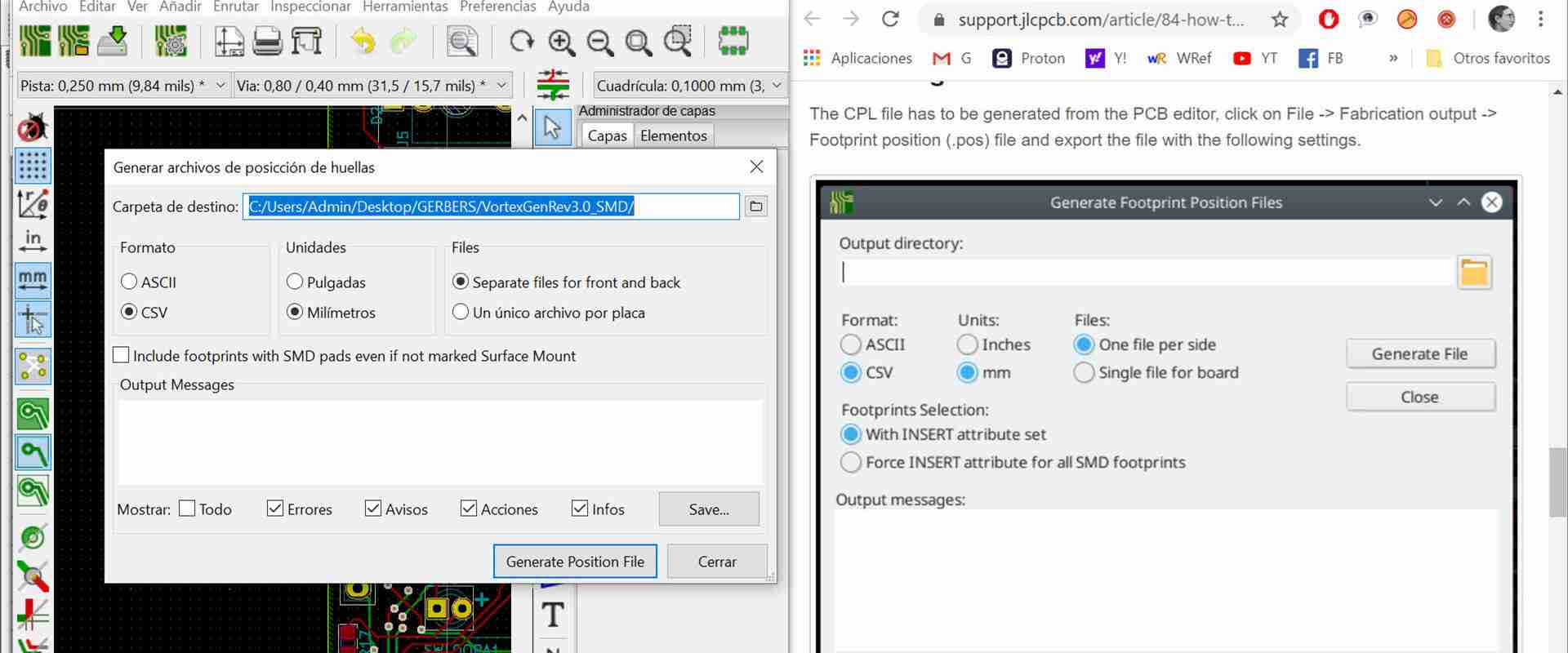
What is .Pos File ?

.Pos File

It is possible that you are here because you have a file having an extension that ends in .pos. Now, you can only launch files having the .pos file extension with some applications. There’s a probability that the .POS files are just data files instead of media or documents. This means that you shouldn’t be able to view them in the first place.

What is .Pos File?

This is a frequently asked question. Files having this extension have text descriptions of a specific position, which is created by the GPS devices of Trimble Navigation or GPS receivers.

Furthermore, Trimble Navigation, which is a company that offers solutions for advanced positioning is notable for its range finders, GPS receivers, and navigation systems. Also, in a .pos file, you can have an ID, with each ID having at least one location both in latitude and longitude.

In addition, it locates well by offering a list which reveals the different coordinates describing the source point, which was defined in the ATT file. In order to take a look at the pos format, the user may need to install some necessary programs like My Topo POS2MXF.

If the case is that this program isn’t present in the system of the user, then there’s another option. This involves the conversion into a different file format. Also, users may decide to convert the file into a PDF format to ensure easier viewing.

Programs that help in Opening and Converting POS Files

Trimble’s GPS Pathfinder Office

POS files are usually called data files of the GPS Pathfinder Office. This is because this file type is mainly used or created using this software.

WinHex

This one is by X-Ways. When we talk about WinHex, it is a hexadecimal editor known universally that works well for IT security, data processing of low data, data recovery, and computer forensics. This tool also serves emergencies like editing and inspecting files, as well as the recovering of lost data or deleted files from any hard drive having file systems that are corrupt.

Furthermore, .pos files are useful in storing disk offsets or selected files coupled with a text description. The file format is under the โ€œDataโ€ category.

Notes

This one is by HCL. This is a collaborative system which serves functions of business collaboration such as user directives, instant messaging, discussion forums, blogs, file showing, contact management, to-do lists, emails, and calendars.

Lotus initially developed it, before IBM took ownership, and as of today, HCL owns it. Index data of fill text is present in a .POS file. This format is under the “Data” category.

POSTER

This was designed by Poster. It is a software that helps to create signs, murals, posters, banners, newsletters, presentations to serve desktop publishing purposes. Furthermore, these posters have the ability to measure 100 x 100 ft making use of the desktop printer of the user. You can also make use of any large format printer around you.

POSTER also brings together all the features of desktop publishing, graphics, and word processing will special features for banners and large posters. Also, there are saved posters in a .pos file. The file format is under the โ€œGraphicsโ€ category.

Paint Shop Pro

This is by Corel. This digital photo manager and editor is useful in creating compositions, retouching photos, and them sharing them on net. Jasc initially published it and then Corel ended up purchasing it. This .POR file has polished preset data. The file format is under the โ€œGraphicsโ€ category.

4 Simple Ways by Which You Can Open a .POS File

This has happened to us one way or the other. You tap the file twice and it fails to open the right way. This becomes a common issue. You can open many file extensions using multiple programs, and vice versa.

However, if you have been experiencing issues with opening .pos files, below are some ways for you to make it happen.

Try Another Program

You can try to open it making use of a different program if you cannot open it using the .pos file. There are very popular programs for opening any .pos file. You can try any of the programs above and see which one works for you. Also you can download more than one of these programs, update them, and then try again.

Reach out to a Developer

No one is more knowledgeable about file extensions than the software developers. If your POS file fails to open by making use of the normal programs, then you should call the software developer of the program requesting for help.

Check the File Type to Get a Clue

You can use a single file extension for different files. Knowing the file type will give you some ideas on how you can open it. Majority of .pos files are usually grouped under data files that you can open using many software packages. Check to know if you have an already-installed program on your computer that can open the data files. Then, hopefully, this should also open the .pos file.

Ways by which you can solve issue relating to .POS Files

To easily solve this issue all you need to do is to associate the .pos file with the appropriate application. Also, to achieve this, visit Windows, then right-click on the .pos file you desire and then select โ€œOpen Withโ€, then โ€œSelect another app.โ€ Then, choose a different program and then tap the box that reads โ€œalways make use of this app when opening any .pos filesโ€.

Secondly, you can also try to update the software which should open the description files. This is because the present version alone backs the latest format of the .pos file. Search the website of the Trimble manufacturer to know if thereโ€™s an update of the GPS Pathfinder Office.

To ensure that the .pos file is virus-free or not corrupted, take the file once again and then use the virustotal.com of Google to scan it.

Conclusion

By now you should understand what the .pos file is. If you have any questions, please contact us here.

Technical detail of xilinx XA2S100E-6TQ144Q Fpga

xilinx spartan 3

If you are looking to buy an Integrated Circuit (ICs), search no further because the Xilinx XA2S100E-6TQ144Q is one of the best out there. This is an embedded design of IC that is categorized under the Field Programmable Gate Array (FPGA).

Like many other Integrated Circuits (ICs), the Xilinx XA2S100E-6TQ144Q is designed with a series of interconnected materials, such as coppers and complex layering of semiconductors.

In this article, you will learn more about this IC and how it can be helpful to your next electronic product design.

Properties of the Xilinx XA2S100E-6TQ144Q

This Integrated Circuit (IC) has some innovative features that make it one of the best from the Xilinx brand. The features include:

Logic Cells

Logic Cells are peculiar to Field Programmable Gate Arrays (FPGAs). These cells are used for configuring certain elements in the board. Before this can be done, each of a large number of Logic Cells in the board must be configured to align with the desired function that is to be implemented.

The Xilinx XA2S100E-6TQ144Q uses the Memory-Based Logic Cells that are peculiar to FPGAs designed by Xilinx. Like other Xilinx FPGA Logic Cells, it implements the configured functions via the k-input LUT.

The LUT stands for Look-Up Table and it serves as the memory of the Logic Cell. The idea is that any of the functions up to the K variables can be configured and implemented on the FPGA via the memory (LUT).

It is also possible to make additional modifications, such as implementing sequential circuits. In that case, the D flip-flops will be added to the Xilinx XA2S100E-6TQ144Qโ€™s Look-Up Table (LUT).

Applications

One would expect that the use case or application of the Xilinx XA2S100E-6TQ144Q would be limited to electronics. On the contrary, the Integrated Circuit (IC) is used across several industries.

These are some of the possible applications:

1. Automotive

The Xilinx XA2S100E-6TQ144Q can be used to hold hundreds of capacitors, transistors, and resistors on a semiconductor material. It is usable in the automotive industry, where it is used in the following regards:

Hybrid, Electric, and Powertrain Systems

The Xilinx XA2S100E-6TQ144Q can be used to hold together the transistors and capacitors on hybrid vehicles. It is also used to do the same on powertrain systems and electric vehicles.

Advanced Driver Assistance Systems (ADAS)

The automotive industry has been undergoing some relevant changes, and one of those improvements is the introduction of the Advanced Driver Assistance System (ADAS).

By design, the Xilinx XA2S100E-6TQ144Q is used to modify and improve the safety of the ADAS, to help the driver navigate the road/path with ease. The ADAS also increases the road safety of the driver and the car, as well as helping the driver with driving and parking functions.

The Xilinx XA2S100E-6TQ144Q is also used in the following automotive applications:

  • Body electronics & lighting
  • Infotainment & cluster

2. Industrial Applications

The industrial use cases of the Xilinx XA2S100E-6TQ144Q Integrated Circuit (IC) cut across:

Industrial Transportation

The IC is used to control the interconnected materials inside the industrial transportations, such as non-light trucks and non-cars.

Aerospace and Defense

The Integrated Circuit is also used to control the electronic components inside aerospace and defense appliances, including aircraft and military-grade equipment.

Factory Automation

Equipment in a factor can also be automated and controlled with the Xilinx XA2S100E-6TQ144Q.

The Xilinx XA2S100E-6TQ144Q can also be applied to these industrial aspects:

  • Power delivery
  • Electronic Point of Sale (EPOS)
  • Medical
  • Test & measurement
  • Grid infrastructure
  • Motor drives
  • Building automation
  • Lighting

Communications

Communication gadgets can also be designed with the Xilinx XA2S100E-6TQ144Q IC. The core areas of implementing these are:

  • Wired networking
  • Broadband fixed-line access
  • Datacom module
  • Wireless infrastructure

Operating Temperature

The operating temperature of the Xilinx XA2S100E-6TQ144Q is -40หšC ~ 125หšC. The operating temperature of the Integrated Circuit (IC) has a role to play in its overall performance, as it pertains to the application context.

Also, the operating temperature can differ to the suitability of the deviceโ€™s application, as well as the power dissipation from the device.

The operating temperature of the Xilinx XA2S100E-6TQ144Q falls under the Automotive temperature grade. From a broader perspective, it can be said to be a hybrid operating temperature that combines the -40หšC ~85หšC rating of Industrial grades and the -55หšC to -125หšC of the Military temperature grade.

Moisture Sensitivity Level (MSL)

The MSL of the Xilinx XA2S100E-6TQ144Q falls under the third category, which is MSL 3 which has 168 hours.

By default, the Moisture Sensitivity Level (MSL) is used to specify the standard electronic time or the maximum timeframe that a sensitive device (like a semiconductor) can be exposed to ambient room conditions.

There are 8 different levels of the Moisture Sensitivity Level (MSL) and the Xilinx XA2S100E-6TQ144Q falls under the third category, which has 168 hours. What this means is that the semiconductor can only have a floor life out of the bag duration of 168 hours for the electronic components to be mounted on top of it.

Type of Packaging

Xilinx XA2S100E-6TQ144Q is packaged as a tray. By this design, the semiconductorโ€™s tray is constructed from plastic. Also, the tray measures 12.7 by 5.35 inches.

The duo of the Moisture Sensitivity Level (MSL) and ElectroStatic Discharge (ESD) are considered before making the tray-packaging for the semiconductor. This is a dedicated effort to prevent overt exposure of the semiconductor to ambient room conditions during which the components ought to be mounted atop it.

In addition, the tray-packaging for the Xilinx XA2S100E-6TQ144Q is designed as a JEDEC matrix, where slots are made for the easy, vertical passage of air.

Xilinx XA2S100E-6TQ144Q is Obsolete; What Can be Done?

The introduction of newer technologies and innovative designs in the Field Programmable Gate Array (FPGA) can facilitate the โ€œretirementโ€ or obsolescence of older FPGAs. The Xilinx XA2S100E-6TQ144Q is one of those obsolete semiconductors.

You may be wondering about the option you can explore since you want to get your hands on it. Your best bet is to contact a Field Programmable Gate Array (FPGA) vendor to see if you can get replacement parts for the semiconductor.

RayPCB has all the solutions to your FPGA needs. So, call on us today with your requirements and get a quote in the shortest time possible.

Nelcote V-376 Cyanate Ester Epoxy Prepregs 4503 Quartz PCB

Nelcote V-376 PCB

The Nelcote V-376 series of cyanate ester epoxy prepregs is a unique blend of polymers with high mechanical and thermal properties. The new blend contains a high level of agglomerated cyanate ester, which provides a superior bond strength. In addition, it has very low water absorption, making it a very suitable choice for use in a wide range of applications.

Nelcote V-376 is an innovative product of Kordsa US. The formulation is suitable for textile applications. It is highly resistant to UV rays and abrasion. It is available in various colors, including a unique tan tone. Its resin content makes it easy to work with and has a smooth surface. A lack of loose fibers characterizes it. Its high resin content makes it easy to process. It assumes a cylindrical shape before contact with a bar. This reduces the number of bubbles and changes the microstructure. Compression occurs at the nip.

How it works

This coating is easy to work with. It is an ideal choice for composite and textile applications. It can be helpfulย on both surfaces and ribbed surfaces. Its high resin content creates a smooth surface with no loose fibers. It also possesses low bubbles and excellent bonding strength. The coatings are UV-curable. Its unique properties enable it to workย on various substrates, including glass, metal, and wood.

The cyclic composition of Nelcote V-376 Cyanat Ester Epoxy Prepregs gives the material increased flexibility and strength. As a result, it is a versatile, high-resin-content material. In addition, we alter its microstructure, and its density is higher than traditional two-dimensional composites. This polymer-based coating is also tougher than other epoxy-based materials.

The high-resin content of this material allows it to withstand the rigors of aerospace and automotive applications. In addition to this, the material is resistant to UV radiation. In contrast to a two-dimensional composite, two prepregs have a higher resin content. This means that we can apply it to various industries and applications.

Properties

The Nelcote V-376 Cyanat Ester Epoxy Prepregs are a composite material whose properties make it more durable than two-dimensional alternatives. They consist of a polymer capable of being molded into various shapes. Moreover, they are lightweight, allowing them to be shaped easily without losing strength. In addition, the two pregs have high resin content, which makes them a perfect choice for the structural needs Rayming PCB & Assembly.

Compared to conventional two-dimensional composites, two prepregs have higher resin content and are less brittle than two-dimensional composites. This compound has a smooth surface and no loose fibers. When we prepare the towpreg for use in composites, it has a high resin content. The two pregs are a flexible and pliable material, compatible with the most common adhesives.

The polymeric towpregs are a type of thermoplastic composites that have a high resin content. These prepregs are an excellent option for textile applications. They have excellent resistance to chemicals and are suited for various industries. These materials can be helpful in automotive, aerospace, and aerospace applications. If you’re looking for a flexible, durable material, look no further. You’ve come to the right place.

Composition

The chemistry of towpregs is crucial to its overall strength and durability. Because of its high resin content, it has a smooth surface and no loose fibers. Its microstructure changes as fabricated, and the towpregs are very resilient. We can compress a towpreg to form a complex-shaped structure.

The chemistry of the Nelcote V-376 Cyanat Ester Epoxy Prepregs is a product ofย Takao Takekoshi, a polymer scientist who was part of the J. E. Kochanowski group. These prepregs were developed for structural and architectural applications and are available in pre-and post-formed forms.

This unique material combines a graphite bench with a special glass fiber matrix. The combination of both materials serves as a high-precision stable truss for the ACS, which we expect to increase discovery efficiency by ten. As a result, the ACS has twice the viewing field and five times the sensitivity of the Faint Object Camera. The material also provides high thermal stability, essential for astronomical observations.

This product is a cyanate ester epoxy with high adhesion strength. It is suitable for high-density foam applications. Its high-quality performance will help the material endure tough conditions. It also enables you to mix and match a wide range of materials. This product is widely used in the construction industry and is available in many colors.

The Nelcote V-376 Cyanat Ester Epoxy Prepregs offer outstanding properties. The product is necessary for all kinds of structural applications. They are easy to use and have a high adhesion rate. Its colorant is available in different formulations and colors, and finishes. It is ideal for various applications and can be helpful in a wide variety of industries.

Advantages of Nelcote V-376

Nelcote V-376 is a highly versatile, accurate, and precise chromatographic detector. Its advantages make it an excellent choice for analytical applications. The system has various features, including a convenient, user-friendly interface. Its versatility is another major benefit, making it a popular choice for laboratories.

Accuracy

Nelcote V-376 is a high-end detector that provides accurate and precise results. It has excellent sensitivity and speed in detecting samples. So, you can use it with various antibodies, including those engineered to bind shed epitopes or other peptides associated with the analyte. In addition, the system provides information on the specific target online, which helps you get more accurate results.

This detector can help you achieve greater precision in analytical applications. The system enables you to get a broad spectrum of information on the sample, including chemical analysis.

Convenience and Compatibility

Nelcote V-376 is easy to operate. You can use it in a variety of applications. The detector has an automatic mode that requires little adjustment. It also provides real-time information on the analyzed sample. As a result, this helps you understand the nature of your sample better during testing. The detector has excellent sensitivity, reproducibility, and accurate analysis of your sample.

The detector is compatible with a wide range of antibodies that can bind to the analyte. In addition, the system provides information on the specific target in real-time, which helps you get high-quality results in a short period.

It is easy to assemble and operate the Nelcote V-376 chromatographic detector. Since it has an automated system, you can quickly detect samples using the detector. Moreover, it can analyze samples accurately with consistency and precision.

Easy to Use

The controller is a highly advanced system that provides instant feedback on the sample. It can control up to 10 sample cells, and each has a specific address. This helps you keep track of your samples in real-time. In addition, you can monitor the sample in the same channel you are using for analysis. The system also provides a high-quality output that maintains consistency with the chromatogram.

This detector has an automatic mode for automated processes, making it easy to operate and maintain. It can determine the mass spectrometer for a specific sample using a specific address. This helps you keep track of your samples. In addition, you can use it with a wide range of antibodies, including those engineered to bind shed epitopes or other peptides associated with the analyte.

It is easy to integrate the Nelcote V-376 chromatographic detector into your system. It has an automated mode, which allows you to run multiple experiments simultaneously in a short period. This detector has a multi-mode interface that we can program for various analyses. The system is easy to set up and start using for various applications.

The detector has an automatic mode that requires little adjustment. It also provides real-time information on the analyzed sample, which helps you better understand your sample’s nature during testing. As a result, the system has excellent sensitivity, reproducibility, and accurate analysis of your sample.

Cost-Effective

Nelcote V-376 chromatographic detector is an excellent choice for pharmaceutical and biopharmaceutical applications. It is also useful for quality control in different industries. The detector helps you achieve a high detection level in your experiments, assays, and analyses.

The system is compatible with many antibodies that can bind to the analyte. This helps you identify protein sequences associated with the target analyte. In addition, the system provides information on the specific target in real-time, which enables you to get high-quality results in a short period.

Conclusion

Nelcote V-376 is a highly versatile, accurate, and precise chromatographic detector. It is easy to set up and operate for various applications. This detector can help you achieve greater precision in analytical applications with reproducibility and accuracy. The system provides the best quality output that maintains consistency with the chromatogram. It also has an automated mode that requires little adjustment during operation.

What is QuickLogic Eclipse II FPGA ?

QuickLogic ArcticLink III

The use of chips globally has grown. With this increase in usage comes an increase in the demand for faster and better chips. This begs the question, the future of what? Whether youโ€™re in the semiconductor industry, you might be interested in knowing that the QuickLogic Eclipse II Family will solve many problems.

The current technology is the critical component in this current time of fast-paced technology changes. Although it has its benefits, it can be challenging to implement. The QuickLogic Eclipse II Family is an efficient solution to end this problem.

The chip was constructed with the best components and has undergone testing in the various stages of product development. As a result, fast speeds, low power consumption, and unique integrated capabilities have made this multitalented chip.

The chips can work together with other QuickLogic products, and they have created the QuickLogic Eclipse II Families. The main purpose of this chip is to connect the system to the outside world and allow it to send and receive information.

The top of the chip contains many components that provide connectivity. It also provides one-on-one communication and even an Ultra-Fast Embedded Flash Memory. These are all on top of a wireframe structure. It allows for adjustments in all directions without any hindrances.

What is the QuickLogic Eclipse II Family?

The QuickLogic Eclipse II Family is a family of integrated circuits. It depends on a common chip core design manufactured by many different foundries. It also uses a tiny number of processing technologies. As a result, it has all the features needed for a small- or medium-sized processor.

The QuickLogic Eclipse II Family interacts with other chips that use the same core to maintain speed and efficiency. A family of this kind makes it easier for customers to assemble complex solutions quickly and conveniently.

Each QuickLogic Eclipse II Family contains unique capabilities. We can add them individually or combine them with other products. In addition, the chip comes with a set of standard communication interfaces. They are helpful for both serial and parallel communications. It also has a programmable interface for communications using other families of chips.

These diverse capabilities provide customers with a range of individual chips and chips options. In addition, they have different combinations of the coreโ€™s capabilities. So, they can choose the options that meet their specific needs.

What is Fusion?

The QuickLogic Eclipse II Family is an example of QuickLogicโ€™s Fusion program. It combines many features into one product. As a result, applications can be designed by picking and choosing just the right features and functions to get precisely whatโ€™s needed.

Fusion products offer a leaner, faster way to create applications.

The QuickLogic Eclipse II Family provides customers with a vast range of capabilities and features at a minimum number of pins. It makes this chip the ideal solution for many applications and markets. Rayming PCB & Assembly can use the same basic platform to build different systems, such as routers, gateway, or modems. This is because the QuickLogic Eclipse II Family is versatile. As a result, we can use it in communication systems, software infrastructures, and other related uses.

This chip is suitable for high-performance and low power consumption applications. It can achieve a maximum speed of over 100 million instructions per second (100 MIPS) at less than 500 mW. In addition, it has embedded flash memory and external serial EEPROM. The QuickLogic Eclipse II Family also works with the Eclipse IDE development environment. It increases application development efficiency.

The QuickLogic Eclipse II Family is suitable for systems that require good connectivity capabilities. It also needs easy handling of multiple communications channels. This allows it to interact with other chips that perform a given function without lag or delay.

The QuickLogic Eclipse II Family is a powerful solution easy on the system. A great thing about the QuickLogic Eclipse II Family is that we can use it in all different applications. It offers wide opportunities for customization to meet individual customersโ€™ requirements. It doesnโ€™t matter if you want to connect it to one component or several.

QuickLogic Eclipse II Family design

The QuickLogic Eclipse II Family runs on a serial interface, making it easy to handle because all its operating systems wonโ€™t need to change. This means that you donโ€™t need to worry about any compatibility issues. In addition, the chip is highly efficient and works well with a power-efficient architecture. It allows it to work in as little as 1 mA of current at 60 MHz.

Floorplanning enables resource allocation to take place. It is possible to find the FlexLayout option that provides both low power and good area. This makes it possible to design your floor plan between a few other components without wasting any space. The QuickLogic Eclipse II Family also contains a unified clock distributed to all the peripheral subsystems for maximum integration. We call it a single-phase clock distribution (SPCD).

Constraints can easily work with only parts of the core that need them, so you can optimize the chip to meet your specific needs. This will make your system more efficient and flexible.

Critical aspects of designs include:

1. Logic blocks

They are the basic building blocks to build larger logic functions. Generally, all the routing channels are helpful to process different signals, making them a very flexible feature. They are also the main parts of the chipโ€™s architectural blocks.

2. Hard blocks

They contain pre-assigned functions and configurations. Examples include the FlexDMA block or the ChipScope block. The ChipScope tool is helpful to collect data and debug system issues. Higher-end FPGAs can contain high-speed DDR memories.

3. Softcore blocks

They are the basic building blocks that QuickLogic has developed. They provide APIs and mechanisms for extending the core into high-level applications, such as PTC, CPLD, or ASICs. The FlexScale option creates custom configurations independently of the clock domain settings.

The family integrates a serial interface between two independent Clock Domains, the Sync Cores. When multiple synchronous lanes are helpful, the clocks are synchronized to ensure a stable data flow.

The QuickLogic Eclipse II Family comes with several options that we can use depending on your need.

4. Integration

This allows designers to develop complex systems using different blocks. In addition, they have a simple way to access the functionality. It includes an 800 MHz dual-core ARM Cortex-A9 MPCore that provides high performance and efficiency. In addition, the block integrates a DDR2 flash memory and serial port. As a result, it allows designers to have more features without needing a separate integrated flash device.

5 Clocking

It manages the clock requirements to prevent the system from having clock skew. The clock domain block has two independent clocks. It keeps the two clocks associated with logic and routing channels separate.

6. 3D architectures

The 3D architecture allows designers to develop large and complex systems. In addition, the QuickLogic Eclipse II Familyโ€™s flexible layout and simple architecture assist in creating high-level applications. Also, the QuickLogic Eclipse II family has an 800 MHz dual-core ARM Cortex-A9 MPCore. It integrates a DDR2 flash memory and serial port that provides more features. You do not need a separate integrated flash device from the chip.

QuickLogic Eclipse II Family design flow

The QuickLogic Eclipse II Family offers a complete set of options, so it is quite easy to develop using this hardware and software.

The flexibility of this chip lies in its ability to meet your needs when youโ€™re designing a platform or application. It has all the necessary components. As a result, they offer an optimized solution for different applications. It does not matter what system is needed. As a result, this solution can be helpful in many kinds of systems. They range from high-performance routers to low-power cell phones or even Bluetooth Low Energy devices.

The QuickLogic Eclipse II Family can be designed with all the different systems and platforms you need, depending on your needs. The chip is compatible with the most popular industrial design tools. Additionally, it is an industry best-in-class package.

The QuickLogic Eclipse II Family also includes a unique option called SPUM (System Support Package). This package can allow designers to upgrade the functionality of existing applications. To do so, they use the existing block options. The SPUM option enables designers to add any functionality that works without redesign. It also includes features like input/output (I/O) and a clock manager, which allows it to handle other functions used optimally.

The QuickLogic Eclipse II Family is also compatible with various software options, such as Xilinxยฎ Vivadoโ„ข and ISE. In addition, the chip also has a support status based on SSTL (System Support Technology Library). As a result, it makes it possible to have access to a wide range of libraries that are updated regularly.

Programming

1. This is the โ€œcontrol centerโ€ for the QuickLogic Eclipse II Family. It allows designers to manage all the different operations performed using the tool. This is one of the essential functions of this library. It can create macros, graphs, and functions to manage, monitor, and control all the different blocks in its hardware architecture.

2. The QuickLogic Eclipse II Family project includes a simple interface. They include mainly graphic and text options to help you visualize your design and simplify complex tasks when programming them in a simulator. It also has an editor with options that provide basic text editing capabilities.

3. The QuickLogic Eclipse II Family has a utility that allows you to manage all the different components of the system and export the results. For example, it is possible to select which block and channels work with your project, as well as your final output and I/O options. You can also set your programming options. They include high-performance or low-power mode or adaptive clock management. The software also has options for controlling all the designโ€™s different options.

The QuickLogic Eclipse II family has a simple yet powerful architecture. It allows designers to create any system they need, depending on what kind of functionality they need. It includes features like a high level of performance and efficiency, integrated DDR2 flash memory, Serial Port interface, and IEEE 802.11 b/g/n. They are essential, especially when used in smartphones or IoT devices. In addition, the chip has a wide support status that makes it possible to have access to a wide range of libraries that are updated regularly.

Continuous Development

This is a unified hardware and software hardware for all the applications that need a built-in system-on-chip solution with various design options. It connects any system with an industry-standard connector (SPI or USB), allowing easy integration into any design.

The QuickLogic Eclipse II Family provides designers with all the functions required for a complete system-on-chip solution. It offers excellent flexibility. So, it is possible to access different devices and features to provide the optimal solution for your design. The chip is compatible with all the popular design tools and is an industry best-in-class package. It can allow its users to develop applications with a high level of performance that are easy and simple to use.

The QuickLogic Eclipse II Family is a unified hardware and software platform. We can use it to solve any system-on-chip (SoC) design problem. It is also known as a โ€œone-stop-shopโ€ for SoC development teams that want to integrate an innovative, high-performance SoC into their design. The chip has all the necessary components that offer an optimized solution for different applications, no matter what system you use.

The QuickLogic Eclipse II Family provides all the necessary elements. It allows designers to create any applications they need from a single chip solution. It also has a wide support status that makes it possible to have access to a wide range of libraries that are updated regularly.

The design depends on a hard macro core, a soft microcontroller (SMCU), and a DMA channel. In addition, it includes a wide range of customization options for the user interface. Also, it provides interface communication between the application processor and peripherals.

Technical features

The QuickLogic Eclipse II Family has a powerful yet simple architecture that allows a wide range of features. The chip is easy to use. It has all the required components to access all the different types of functionality. In addition, we can manage all the peripheral and I/O devices by a common interface for easy integration in any system or design.

The platform includes all the different peripherals and interfaces used in modern SoC designs. Examples include USB, TTL serial port, and I2C interfaces. It also integrates with DDR2 Flash memory for efficient data storage and fast transfer rates between main memory or flash memory and peripherals.

1. Security Features

The QuickLogic Eclipse II Family can help secure designs to connect devices in a network. This is particularly useful for secure networks and mobile devices that require a high level of wireless security. The library includes 802.11i and WPA2 encryption, a built-in AES crypto engine, 128-bit hardware random number generator, and an integrated hardware security coprocessor (HWSC) with a real-time network protocol processor.

2. Embedded Computational Units (ECUs)

The QuickLogic Eclipse II Family features a powerful embedded device engine with a wide range of computational units that the main processor can access. This means that it has all the different functions needed for modern SoC designs. This design, known as an Embedded Block, was initially designed to access all the essential computational units needed in modern systems and applications.

The QuickLogic Eclipse II Family can work with Xilinx development tools. It includes Vivado IP, ISE, and Quartusยฎ Design Suite software and tools. It also has a wide range of software for communication protocols. Examples include Bluetoothยฎ Low Energy (BLE), Ethernet, Wi-Fi, or ZigBee protocols.

3. Advanced Clock Network

The QuickLogic Eclipse II Family features an advanced clock network. It allows a wide range of different types of applications and designs to use. This design comprises a set of programmable phase-locked loops and programmable clock generators. This part allows for high levels of efficiency and performance while keeping the overall power consumption to a minimum.

A PLL multiplier unit generates multiple clocks with very narrow frequency dividers. It also includes a PCG channel that we can use in many ways. Examples include generating high operating frequencies or supporting complex digital interface standards and protocols like PCI Express, SDRAM memory controllers, or SATA/USB 2.0 Serial ATA.

a) User programmable Phase-Locked Loops (PLL):

The QuickLogic Eclipse II Family features various PLLs programmed and used in different applications. It includes PLLs for single- and multi-spindle operation unipolar and bipolar PLLs. It has recommended performance specifications for high efficiency. This design also allows for easy customization of the clock frequency or phase. In addition, they have advanced algorithms and simple control elements available in the user interface.

b) Quadrant-based segmentable clock networks

The QuickLogic Eclipse II Family has a segmentable Clock network. As a result, it allows advanced flexibility in applications like multiplexed digital signal processing and multi-core parallelism. This behavior is helpful in many networks and systems, but it is relatively new. In addition, it allows very low-power designs with minimal degradation.

The design allows for the easy generation of quadrants based on the systemโ€™s transfer characteristics and specific interests. It also provides complete flexibility in communication between the peripheral modules and PLLs.

c) High drive input-only networks

The QuickLogic Eclipse II Family has an advanced high-frequency PLL and a clock generator attached to an input-only network. It allows for very low power consumption, with high efficiency at the same time. Additionally, it eliminates the need for jitter reduction, which we use in traditional PLLs. This design can also be helpful in critical applications where we need low-temperature operating conditions.

d) Multiple dedicated low skew clock networks

The QuickLogic Eclipse II Family has four different clock networks. It can improve the overall performance of systems with high-speed data transfer rates. These networks also have low skew and high-performance frequency dividers. So, it guarantees a reliable operation at very low power consumption.

4. Programmable I/O

The QuickLogic Eclipse II Family has a wide range of programmable I/O. They easily integrate peripherals and devices into different SoC designs. We can use it in various applications. They include Motor Drive controllers, Industrial Control Systems, Portable Medical Devices, and Instrumentation. The library consists of I/O like UART, USB 2.0 Host/Device, USB OTG HS, High-Speed SPIโ„ข Master/Slave, and other special-purpose interfaces. This library also includes peripheral control modules and registers and a variety of system modules.

a) Programmable I/O standards:

The library includes different I/O standards, like USB 2.0, Serial Interfaces, Ethernet, and other serial interfaces. Also, it consists of a variety of general-purpose I/O-like sixteen-bit timers. In addition, it interrupts controllers for better control over the system.

b) Programmable slew rate control

The QuickLogic Eclipse II Family has a series of different low-skew input-only PLLs. As a result, we can use it to produce a slew rate for any system or application. This makes it an ideal solution for data transfer applications in which system response time is crucial. Examples include high-speed communication systems and digital signal processing.

c) High-performance I/O cell

The QuickLogic Eclipse II Family provides a high-performance version of the I/O blocks. It allows for a higher density configuration in different applications, like multi-core systems or GPGPUs. This design also features flexible power management options. Examples include pre-driver error-correction buffers and automatic configuration for different electrical specifications.

5. Embedded Dual Port SRAM

The QuickLogic Eclipse II Family has a highly integrated embedded dual-port SRAM. As a result, they have high performance and low power consumption. This type of module would often be helpful for higher levels of performance and smaller sizes in various designs like communication modules, digital signal processors, or other systems where a high level of speed is needed.

It has good endurance, allowing for multiple memory devices soldered to the same board and very low power consumption.

a) Configurable and cascadable aspect ratio

The QuickLogic Eclipse II Family supports new and advanced high-speed interfaces, like PCI Express. However, it requires a specific aspect ratio to guarantee its performance. In addition, this solution allows for the configuration and cascading of different SRAM memory devices into larger structures with a programmable aspect ratio.

b) RAM/ROM/FIFO wizard for automatic configuration

This technology allows for automatic configuration of the part using a programmable memory device. It also allows for integrated RAM/ROM/FIFO structures. These configurations guarantee easy data management and flexible high-performance applications. Examples include motor controllers used in industrial automation systems or professional robotics.

c) Up to twenty-four 2,304 bit dual-port high-performance SRAM blocks

The QuickLogic Eclipse II Family has a floating-point memory structure that supports a wide range of different high-performance applications. The dual-port structure has a programmable input-output mechanism. In addition, it has up to twenty-four 2,304 bit blocks and customized options.

6. Flexible Programmable Logic

The QuickLogic Eclipse II Family also features flexible programmable logic. It allows the easy integration of additional functionalities. Examples include analog to digital converters (ADCs). It also supports advanced signal conditioning layers and other peripherals. As a result, they easily connect with high performance and low power consumption.

a) IEEE compliant

The QuickLogic Eclipse II Family is IEEE 1149.1 boundary-scan compliant and supports design for testability. It also has various peripherals, like PLLs. We can easily configure it. They include clock networks, high-performance I/O cells, multiple dedicated low-skew clock networks, dual-port SRAM memory blocks, and flexible programmable logic.

b) System gates:

This technology uses logic that presents up to 320 K logic gates through programmable Input/Output blocks. This design allows for the easy integration of custom-built systems. In addition, it provides all the required blocks to configure and build customized applications.

c) User pins:

The QuickLogic Eclipse II Family has many available user pins. As a result, we can support any analog signal and other different applications. In addition, we can use these pins to interface the logic with numerous different peripherals. Examples include analog-to-digital converters (ADCs), ADCs, digital signal processors (DSPs), and other types of signal conditioners.

d) I/O:

The QuickLogic Eclipse II Family provides up to 310 I/O. This solution is ideal for communication systems, portable medical devices, industrial automation systems, and other applications where many peripheral interfaces are needed.

e) Embedded SRAM bits:

The QuickLogic Eclipse II Family has a floating-point memory structure supporting high-performance applications. It also comes with an integrated floating-point accelerator, supporting integer or floating-point data types. In addition, the embedded SRAM has up to 55.3 K bits for 1024 full 32-bit words or 512 full 64-bit words to support high-density applications.

f) Dedicated flip-flops:

The QuickLogic Eclipse II Family has a flexible architecture that allows 4,002 dedicated flip-flops. These flip-flops can support various applications. Examples include industrial control systems, medical devices, and other necessary systems.

g) 1.8 V VCC, 1.8/2.5/3.3 V drive capable I/O:

The QuickLogic Eclipse II Family has a wide range of I/O voltages. It depends on the systemโ€™s application and necessary electrical specifications. The I/O is capable of 1.8 V, 1.8/2.5/3.3 V drive voltages, and TTL or ECL inputs and outputs. We can use it for high-speed communication systems in industrial automation or robotics applications.

h) 14 ยตA standby current:

The QuickLogic Eclipse II Family has a low standby current, which allows the device to operate with low power consumption. It also has a reduced leakage current, which reduces unwanted power consumption. This design allows for a high-performance system with low energy consumption and high reliability.

Eclipse II Family Devices

QL8325-6PTN280I, QL8150-6PUN196C, QL8150-6PQ208C, QL8150-6PTN196I, QL8050-6PT196C, QL8150-6PTN196C, QL8325-6PQN208C, QL8150-6PT280C, QL8050-6PFN144I, QL8150-6PT196I, QL8050-6PV100M, QL8150-6PT196C, QL8325-8PQN208C, QL8150-6PQ208I, QL8325-8PQ208M, QL8150-6PF144I, QL8325-8PQ208C, QL8050-TQFP144C, QL8325-6PT280C, QL8050-ESPV100C, QL8325-6PS484C, QL8050-EEPV100C, QL8325-6PF208C, QL8050-8PV100I, QL8325-3PT280C, QL8050-8PF144M, QL8250-7PT280C, QL8050-6PV100I, QL8250-7PQ208C, QL8050-6PV100C, QL8250-6PQ208C, QL8050-6PTN196C, QL8150-ESPF144C, QL8050-6PT196I, QL8150-8PT196C, QL8050-6PF144C, QL8150-7PV100C, QL8025-ESPV100C, QL8150-7PT484C, QL8025-6PV100C, QL8150-7PQ208C, QL8025-6PF144C, QL8150-6PUN196ES


Conclusion

In conclusion, the QuickLogic Eclipse II Family has various features. They include dual-port memory and programmable logic, beneficial for various applications. Furthermore, the QuickLogic Eclipse II Family has a flexible configuration. It allows customized systems to integrate easily. Finally, this family allows for the easy design of high-performance applications. A good example is communication systems at high speeds and low energy consumption.

Is the Shengyi WLM1 PCB Material Suitable For You?

Shengyi WLM1 PCB

In this article, we will be revealing to you another material suitable for printed circuit boards. This is called the Shengyi WLM1 PCB Material.

You may be wondering what this is all about and if this PCB material is going to suit your PCB needs. We will be discussing the properties of this material, its features and its applications. Also, we will discuss the processing guidelines of the Shengyi WLM1 PCB Material.

Please continue reading if you wish to gain vast knowledge on this PCB material.

What are the Characteristics of the Shengyi WLM1 PCB Material?

The following are the characteristics of the Shengyi WLM1 PCB Material.

Halogen-free Material

When a material is halogen-free, this means that there are no halogens present. Examples of halogens include Chlorine, Fluorine, Bromine, etc. What this means is that halogen-free printed circuit boards possess reduced polarity in contrast to materials containing them.

Also, this is why the Shengyi WLM1 PCB Material has the ability to withstand high electric shock. They also have smaller coefficient of thermal expansion

Reduced discoloration after light irradiation and heat treatment

The Shengyi WLM1 PCB Material is a top-quality one and is very useful for printed circuit boards. This is because even after undergoing heat treatment or light radiation, there will be a reduction in the discoloration.

High Temperature for Glass Transition

The temperature for glass transition, Tg is high at 200 degrees centigrade. This makes their thermal expansion lower. Furthermore, their printed circuit boards undergo dimension changes that are lesser at higher temperatures.

Furthermore, with this high Tg, the Shengyi WLM1 PCB Material has better moisture and heat resistance. Also, you can expect thus material to have better chemical and mechanical resistance in contrast to the normal FR-4 PCB material.

Applications of the Shengyi WLM1 PCB Material

Below are the applications of the Shengyi WLM1 PCB Material.

IC Package Material

The Shengyi WLM1 PCB Material is useful in IC package material. This is because the material is useful in advanced packaging. Its usefulness is seen due to its heat resistance, moisture, and mechanical strength.

COB

This is also known as chip on board. The Shengyi WLM1 PCB Material is very important for chips on board. This is because the strength to weight ratio is great.

LED

The Shengyi WLM1 PCB Material is also applicable to LED applications. This is because the material supports these LEDs physically and helps in transferring heat from bulbs so as to increase their performance, and also prevent any damages coming to them.

What are the Properties of the Shengyi WLM1 PCB Material?

The Shengyi WLM1 PCB Material boasts of the following properties.

Coefficient of Thermal Expansion (Z-axis)

Before Tg, the Shengyi WLM1 PCB Material has a CTE of 20 ppm/โ„ƒ. After Tg, the value changes, making it become 125 ppm/โ„ƒ. Also, at a temperature of 50 to 260 degrees centigrade, the value stands at 1.2%.

Coefficient of Thermal Expansion (X and Y-axis)

For Wrap-ฮฑ1, the Shengyi WLM1 PCB Material has a CTE of 11 – 13 ppm/โ„ƒ. While for Fill–ฮฑ1, the value remains the same having a CTE of 11 โ€“ 13 ppm/โ„ƒ.

Thermal Stress

Another property of this material is thermal stress. Here, the Shengyi WLM1 PCB Material gets a pass. This value is possible with two conditions. Also, it occurs at a temperature of 288 degrees centigrade and with solder dip.

Flammability Rating

The Shengyi WLM1 PCB Material has a HB flammability rating. This means that the testing of this material was done on any horizontal position. This is called horizontal burn. The burning was also done at a lesser rate compared to a specific maximum.

Arc Resistance

This material also has an arc resistance of 180s. This refers to the materialโ€™s resistance to effects of low-current, high voltage, as well as resisting the formation of any conducting path along the surface. Also, this value is affected by the ionization degree, the arcโ€™s cross section and the arcโ€™s length.

Flexural Strength

Furthermore, another great property of the Shengyi WLM1 PCB Material is its flexural strength. It has a value of 480/370 MPa.

Water Absorption

The Shengyi WLM1 PCB Material has a water absorption value of 0.08%. This shows that this PCB material has a low rate of water absorption. Therefore, you can be sure that this material will not absorb water easily and that is why it is very useful for different applications.

Peel Strength

The Shengyi WLM1 PCB Material also has peel strength of 0.93 N/mm. This value signifies the average load for every unit bond line width which is necessary for the separation of materials that are bonded having a separation angle of 180 degrees.

What are the Storage Conditions of the Shengyi WLM1 PCB Material?

Note that the Shengyi WLM1 PCB Material must be stored at room temperature and in a ventilated place.

Furthermore, avoid this material from having direct contact with rain and sunlight. Also, avoid any corrosive gas erosion.

Also, for the Shengyi WLM1 PCB prepreg, store it in its initial packaging form and avoid stress. In addition, donโ€™t allow any deformation to come to the sheet caused as a result of an inappropriate condition for storage.

Drilling Conditions when Processing the Shengyi WLM1 PCB Material

For mechanical drilling, we recommend a new drilling bit. Use 1 stack/panel. Furthermore, make sure that the hole wall is of good quality. The drilling head and new drillsโ€™ life should have a reduced life of about 300 to 1000 hits.

Also, regarding the drilling parameters of this material, decrease the feed speed by about 10 to 20%. In addition, let it undergo a trial test. This will help you to work out the drilling parameter properly.

Conclusion

After reading through this article, you will surely understand that the Shengyi WLM1 PCB Material has lots of properties. Its features are great as well. Furthermore, choosing it for your PCB material will surely ensure you get the very best quality. If after reading through, you have some questions, do well to ask them here. We will surely attend to you.

Nelco N4000-6 FC PCB Multifunctional Epoxy Laminate and Prepreg

Nelco N4000-6 FC PCB

If you are in the market for a fiberglass material and have been looking for something easy to work with, then Nelco N4000-6 FC Multifunctional Epoxy may be just the thing for you. This fabric is a strong, durable material that is water-resistant and hard to damage. So, if you are looking for a durable product that will help make your job easier, then this is a good choice.

Why You Should Buy Nelco N4000-6 FC

If you are looking for a material that will help you work faster and make the job easier, this fiberglass laminate is suitable. This is because it is strong, durable and will help ensure your job stays as neat as possible. The fabric also has plenty of uses. For example, we can sue it to cover anything you want to protect it or keep it safe from exterior factors.

Features of Multifunctional Nelco N4000-6 FC

The fiberglass fabric is easy to work with. For example, it is resistant to ultraviolet light, water, and other factors. It also can be used on all surfaces, including outdoors. This material is also lightweight. This means you will be able to use it just about anywhere you want to go.

This fiberglass laminate is easy to apply as well. In addition, we can apply it by hand in some cases, so you do not need a large machine to get the job done.

1. Enhanced Standard FR-4 processing:

The Nelco N4000-6 FC can be processed into enhanced version FR-4 using CNC machines. This method provides good processing of electronic components. As a result, the material becomes smoother and more durable.

2. Superior electrical properties:

In addition to the characteristic FR-4 process, the Nelco N4000-6 FC Laminate and Prepreg provide many excellent electrical properties. As a result, you will be able to use this product in hundreds of different projects, such as high-frequency power amplifiers.

3. Robust Thermal Properties:

The Nelco N4000-6 FC is a kind of polyimide resin laminate. The core resin thermal expansion coefficient is the highest in the polyimide industry. Therefore, the material can be helpful in a high-temperature working environment.

a) Design Department: With our advanced design department, we can provide drawings according to customers’ specific requirements.

b) Raw materials: We start by choosing the best raw materials. We use high-quality resin, fiberglass, and so on.

c) Inspection: We have strict inspection rules for every process and product to ensure high-quality control.

d) Finished products: After all inspections, finished products will be packed separately for easy transportation and shipping to customers.

4. A Proven High-Tg Substrate:

The Nelco N4000-6 FC is a high-temperature resistant laminate. The conventional FR-4 is less than 11oC. However, we can process the Nelco N4000-6 FC up to 120oC. As a result, this product can help in aerospace or defense fields.

Applications/Qualifications:

1. Meets IPC-4101/24 and /26 Specifications:

Applications requiring extreme surface finishes and control of low-k dielectric are ideal for N4000-6 FC. In addition, we can use the system with non-conductive fillers for ceramic (Al2O3) or composite applications. As a result, N4000-6 FC is an ideal candidate for both water barrier and flame retardant applications.

2. RoHS Compliant:

N4000-6 FC meets the requirements of RoHS (Restriction of Hazardous Substances) Directive 2002/95/EC and REACH (Registration, Evaluation, Authorization, and Restriction of Chemical Substances) Regulation 1907/2006. Typical applications include electronic devices, photovoltaic (PV) cells and solar cells, medical and defense equipment, structural applications, aerospace and defense, telecommunications and communications equipment, and antennas

3. High-End Servers:

The Nelco N4000-6 FC is a high-end material. As a result, it is ideal for servers, motherboards, and other related applications. The fabric can also be helpful to make multiple layers without any problems.

4. Network Storage:

N4000-6 FC is also an excellent material for use in-network storage cases. It is water-resistant, flame retardant, and contains no harmful substances.

a) Anti-static: N4000-6 FC contains an epoxy resin system with excellent anti-static properties. As a result, this fabric is ideal for electronic and electrical components applications. It can also make panels and cases for computers, televisions, and other related devices.

b) High-End Servers: The Multifunctional Nelco N4000-6 FC Epoxy is a high-end fabric. As a result, it is ideal for servers, motherboards, and other related applications. Additionally, the fabric can also make multiple layers without any problems.

c) Network Storage Cases: Another useful quality of the Nelco N4000-6 FC is its water resistance. In some cases, it can protect over six (6) hours. As a result, this material is ideal for network storage cases such as servers and motherboards.

5. Infrastructure:

As a result of the high-tech nature of infrastructure applications, N4000-6 FC is ideal for use in such projects. Furthermore, the fabric is also an ideal candidate for telecommunications equipment and antennas.

a) N4000-6 FC has excellent mechanical and electrical properties with high-end applications.

b) The fiberglass fabric is easy to work with as well as it is resistant to multiple factors such as water, ultraviolet light, humidity, and other temperatures.

c) Finishing, like tight weaves or machine processing, the N4000-6 FC can provide excellent results.

6. Wireless Communications:

The Nelco N4000-6 FC can be used to make wireless communication devices, such as Bluetooth devices. It is also suitable for high-end cell phones, computers, and other related applications.

7. Underhood Automotive:

The Nelco N4000-6 FC can be helpful in cars. As a result, it can help to make fuel tanks, fenders, spoilers, and more. The fabric also is an excellent choice for use in aerospace and defense projects to help protect the vehicle’s electrical and electronic components.

8. CSP Attachment:

The Nelco N4000-6 FC are suitable for high-end CSP applications. The fabric can also make antennas, waveguides, and other equipment. In addition, the material can be helpful for well drilling applications.

9. BGA Multilayers:

The Multifunctional Nelco N4000-6 FC are also suitable for making BGA multilayers. In addition, this material can make various transistors and sensor circuits. As a result, it is an ideal choice for cell phones, cameras, GPS devices, and security systems.

10. Surface-Mount Multilayers:

The Nelco N4000-6 FC can make surface-mount multilayers. As a result, it is a good choice for use in military aircraft, satellites, and other aerospace projects. In addition, Rayming PCB & Assembly produces an ideal choice for high-end electronic devices and instruments.

11. Backplanes:

The Nelco N4000-6 FC is a good choice for use in backplanes. The fabric also can be used in high-end applications.

12. Fine-Line Multilayers:

The Nelco N4000-6 FC are suitable for fine-line multilayers, such as multiplexer/demultiplexer (MDM) high-definition television (HDTV), computers, servers, and communication systems.

Conclusion

Nelco N4000-6 FC is a good choice in a wide range of applications. The fabric can be helpful to make high-end electronics and antennas, cabinets, and more. In addition, it is an ideal choice for use in aerospace projects, thanks to its high thermal properties.

The 50 Most Useful Arduino Projects for 2023

Arduino Projects

Introduction

Arduino is an incredibly versatile open-source electronics platform used by millions for DIY tech projects. The simple microcontroller boards can interface with all kinds of sensors, displays, motors, and modules. This enables building all sorts of useful gadgets, robots, instruments, and more.

This article highlights 50 of the most practical and impactful Arduino project ideas that anyone can build in 2023. We cover fun gaming gadgets, useful instruments, robots, home/garden helpers, interactive art, and educational projects. With an Arduino board, some common components, and free software, you can construct these useful devices yourself. Let’s get started!

Gaming and Entertainment

Fun Arduino-based gadgets to build for gaming, recreation, and entertainment:

1. DIY Arduino Game Controller

Convert buttons, joysticks, and sensors into customized game controllers for PCs, consoles, tablets, or mobile phones. Great for gaming or controlling drones and robots.

2. Reaction Time Tester

Test your reflexes with this Arduino game that measures reaction times in milliseconds and keeps high scores. See how you compare against friends.

3. Arduino Magic 8-Ball

Recall the classic Magic 8-Ball toy with this digital version, using a character display and gyroscope to give randomized answers to your questions.

4. Arduino Spotify Jukebox

Control Spotify music playback from your PC using Arduino buttons and display. An IR remote lets you skip tracks and select playlists from across the room.

5. Arduino Laser Tag Game

Face off in this DIY indoor laser tag game with infrared transmitters and receivers that you can craft using LEDs, sensors, and sound effects.

Interactive Lights and Art

Arduino Python Projects

Illuminate your creativity with these Arduino projects for unique lighting displays, art installations, and room enhancements:

6. Mood Lighting

Program RGB LED strips to glow different colors and brightness levels based on time of day, music, noise levels, or other input sources.

7. Laser Light Show

Orchestrate your own laser light show art installation with dancing laser beam effects using fast mirror galvos driven by an Arduino.

8. Kinetic Sculpture

An Arduino can bring dynamic motions to artistic sculptures by controlling motors, lights, and mechanical elements that respond to sensors and user input.

9. Persistence of Vision (POV) Globe

Harness persistence of vision with a ring of RGB LEDs swept by a motor to create a glowing three-dimensional floating display.

10. Word Clock

Display the time as floating words using a matrix of LEDs – a unique centerpiece for any room.

Learning and Education

These Arduino creations help teach programming, electronics, and other STEM topics in an engaging hands-on manner:

11. Code Learning and Games

Simple Arduino games like LED die rolls and number guessing games are great for learning coding fundamentals.

12. Morse Code Trainer

Learn Morse code and test your skills with an Arduino transmitter and receiver for practicing. Can be extended to radio communications projects.

13. Digital Logic Gate Simulator

Breadboard TTL logic chips like NAND/NOR gates to an Arduino and write code to demonstrate their logical functions on LED outputs.

14. Brainwave EEG Project

Interface with mind controlling headsets to visualize your own brain signals on a graph using Arduino’s analog inputs.

15. Microscope Image Capture

Record images from a microscope, telescope, or other optical device using Arduino and a CMOS camera module. Enhance experiments.

Music, Sound, and Radio

These auditory projects create unique musical instruments, noisemakers, or wireless communications with Arduino:

16. Arduino Synthesizer

Code your own synth tones and sound effects using Arduino’s PWM outputs to drive a speaker, headphones, or amplified speakers. Add features like effects and sequencers.

17. Internet Radio Receiver

Pull in audio streams from internet radio stations around the world with an Arduino and Ethernet shield pulling audio from the web. Listen anywhere.

18. Robot DJ Machine

Program servo motors to autonomously move the disk and tonearm of a real turntable based on soundReactive LEDs and proximity sensors let your bot DJ like a human.

19. LED Music Visualizer

Pulse multi-colored LEDs in sync to music by analyzing audio signals from a headphone output or sound sensor using Fourier transforms in code.

20. LoFi Noisebox Synth

Generate chaotic synth tones, bleeps, and glitches from analog circuits like 555 timers and LM386 amplifier modules driven by Arduino.

Sensors and Data Logging

Collect, record, and visualize data from the environment using Arduino’s analog/digital IO:

21. Home Weather Station

Monitor temperature, pressure, rainfall, wind speed and direction using wired sensors and log data to SD card for long-term weather tracking.

22. WiFi Sensor Node

Post sensor readings like temperature to the cloud over WiFi using ESP modules. Then plot trends on digital dashboards accessible anywhere.

23. Aquarium Monitor

Sense aquarium water conditions with sensors submerged in the tank, then report statistics like pH and temperature on a display. Configurable alerts protect fish.

24. Seismometer

Sense vibrations in structures by measuring oscillations of a mass suspended by a spring. Detect earthquakes, traffic, or drilling activity from kilometers away.

25. Spectrometry

Analyze the spectrum of light sources using Arduino and a diffraction grating. Characterize emission from lasers, bulbs, or chemical compounds.

Home and Garden Automation

The following projects help automate, monitor, and control elements around your residence for fun and convenience:

26. Automatic Pet Feeder

Build an Arduino gadget to dispense measured amounts of pet food on a schedule for reliable feeding when away from home.

27. Household Robot Butler

Have a little robot zip around your house on tank treads following lines and responding to voice commands or sensor triggers to perform helpful tasks.

28. Garden Watering Controller

Save watering time and grow better plants by automatically watering your garden only when soil moisture sensors indicate it’s needed.

29. RFID Door Lock

Unlock doors with an RFID card or fob. Store authorized RFID codes in Arduino and control electromagnetic locks, relays, or deadbolts.

30. Voice-Controlled Lights

Control lamps and lights in your home with voice commands using Arduino, microphones, and relays to switch AC fixtures on and off.

Wearable Technology

These DIY wearable builds put microcontroller superpowers on your body:

31. Wearable Notifications Smartwatch

Craft a stylish watch that buzzes when your phone receives a text, email, or call. Use Bluetooth modules to connect.

32. Customizable LED Clothing

Illuminate your wardrobe by sewing colorful LED strips and circuits into jackets, hats, shoes and more. Code custom light animations.

33. Fitness Tracker Watch

Log steps, estimate calorie burn, and track activity trends with an accelerometer-based fitness watch reporting stats to a mobile app.

34. Wireless Cosplay Props

Add lighting, motion, and special effects to cosplay creations; control them wirelessly from a prop “magic wand” using nRF24 radios.

35. Arduino Nerf Gun Sentry Turret

Construct an automatic servo-controlled sentry that detects opponents via IR sensor and fires foam darts at them during NERF battles.

Cars, Drones, and Robotics

drone pcb design

These ambitious Arduino creations let you exercise your engineering skills:

36. Obstacle Avoiding Robot

Whiz around objects and through mazes with ultrasonic range-finders or IR/lidar modules feeding Arduino to steer around.

37. Arduino RC Car

Take control of a store-bought RC car by sending steering and throttle signals from an Arduino controller with joystick. Add telemetry readouts.

38. Self-Balancing Robot

Balance an inverted two-wheeled robot using a gyroscope and accelerometer for sensing, with motor drivers controlled by Arduino to stay upright.

39. Automated Solar Tracking

Maximize solar panel efficiency by moving the panels to follow the sun across the sky based on light sensor input and date/time.

40. Drone Autopilot Module

Augment a drone with programmable waypoint navigation and telemetry reporting by interfacing Arduino to the flight controller over serial.

User Interfaces and Displays

For projects needing vivid visual interfaces, screens, readouts and indicators:

41. Digital Dashboard Display

Monitor real-time sensor data like system temperatures and network status on a custom graphical LCD or LED matrix display.

42. Retro Pong Game

Code a vintage Pong video game with paddles, score keeping, and sound effects on a tiny OLED or LCD display module.

43. Video Game Emulator Console

Construct your own vintage game console playing emulated classics on a color TFT screen with buttons and joystick for input.

44. POV Globe Persistence of Vision Display

Amazing floating 3D display using a ring of RGB LEDs swept by a motor – harnesses persistence of vision.

45. Interactive Wall Panel

Embed a touchscreen or environmental sensors into a decorative wall fixture to view status or control smart home devices.

Networking and Communication

These projects interconnect devices and provide remote access:

46. IoT Home Status Display

Monitor temperature, motion, appliances, and more around your home from a central status screen – remotely configurable via WiFi.

47. Bluetooth Mobile Robot Car

Control a robot car from your smartphone wirelessly over Bluetooth. Add streaming video.

48. RFID Access Control

Manage secure access to rooms in a workspace or makerspace using RFID cards and Arduino with electric strikes/maglocks.

49. Long-Range Wireless Sensor Hub

Collect sensor data from remote locations like fields, forests, or construction zones using long-range radio modules paired with Arduino.

50. Alexa Voice Controlled LEDs

Tie multicolor addressable LED strips to virtual assistants like Alexa or Google Home for voice-controlled lighting effects.

Conclusion

arduino FPGA PCBA
arduino FPGA PCBA

This compilation highlights the incredible variety of useful and fun devices that can be constructed using the inexpensive and beginner-friendly Arduino platform. Everything from gaming gadgets to art installations to IoT solutions can be brought to life through Arduino’s capabilities. We hope these project examples have sparked ideas for your own Arduino creations this year and expanded your knowledge about putting this versatile technology to work. The possibilities are endless – now it’s time to start building!

Frequently Asked Questions

Here are some common questions about useful Arduino projects:

What are the most popular types of Arduino projects?

Some of the most common and accessible Arduino projects include LED lighting displays, sensor data loggers, simple robots, RC and drone controllers, gaming gadgets, instruments and audio effects, and interactive art installations.

What components do I need besides an Arduino board?

Common components include jumper wires, resistors, buttons/switches, pots, LEDs, character LCDs, motor drivers, power supplies, solderless breadboards, and prototype shields. Optional modules add capabilities like wireless, motor control, displays, etc.

Which Arduino board should I start with?

The classic Arduino Uno or Arduino Nano boards are great starting points with abundance of tutorial resources. For projects needing wireless connectivity, the ESP8266 or ESP32 boards are popular.

How much does it cost to get started?

You can begin most simple Arduino projects for $50 or less in parts if you already have a soldering iron, basic tools, and a computer. Costs scale up for complex projects involving displays, lots of sensors, 3D printing, etc.

Are any programming skills required?

Even programming beginners can start by using the Arduino IDE and modifying simple example code. But knowledge of C++ fundamentals helps tackle advanced capabilities as you progress through projects.

Conclusion

Arduino provides an amazingly flexible toolbox for constructing all kinds of gadgets, devices, instruments, and more. We hope these project examples have inspired you to start building unique Arduino-powered creations that are useful for work, play, art, or just making life a bit easier. With a wealth of components and knowledge resources available, anyone can tap into the potential of this versatile open-source electronics platform.