Harness the Power of Rectangular Patch Antennas Today!

Rectangular Patch Antennas

Antennas, which also go by the name Aerial are crucial components of radar systems, television, and radio systems. These components operate by directing outgoing and incoming radio waves. Antennas are primarily metallic, and they bear a lot of configurations. From the parabolic reflector that technicians use to receive incoming radio waves and satellite signals to the mast-like gadget, they use for television and radio broadcasting.

Antennas are crucial components, especially in this technological era that relies on sending and receiving signals. The Rectangular patch Antenna, which also goes by the name microstrip, has recently become particularly useful. That is because technicians can print this antenna directly onto a PCB (Printed Circuit Board). Due to these features and more, rectangular patch Antennas have become widespread in the mobile phone industry. Moreover, these antennas are easy to fabricate and are not expensive, making them perfect for building high-quality budget gadgets. But are these the only features that make the Rectangular Microstrip Patch Antennas unique? Or do this antenna still have some aces up its sleeve?

Antennas history in a Nutshell

Rectangular Patch Antennas DESIGN

A German Scientist by the name of Heinrich Hertz created the very first antenna back in the 1880s. To develop the antenna, Hertz had to conduct a lot of experiments to try and test the idea of James Clerk Maxwell that states:

–          Visible light is a straightforward example of a broader class of electromagnetic effects that may travel through the air as a series of waves.

While conducting the experiments, Hertz created a working transmitter for these kinds of waves that consist of 2 square, flat metallic plates that link to a specific rod. The rods in the setup, in turn, connect to the closely spaced metal spheres. For the transmitter to function, sparks jump over the distance to a coil of induction attached to the transmitter’s spheres creating an oscillating current in the antenna’s rods. A spark leaping across a chasm in a wire loop signifies the receipt of a wave at a remote location. Hence the antennas were functional.

On the other hand, Guglielmo Marconi is an Italian scientist responsible for the invention of wireless telegraphy. Moreover, this scientist is also responsible for generating a variety of signal-sending and receiving antennas. Furthermore, he is also the reason why we utilize tall antenna designs to deliver low-frequency information.

A scientist named Howel invented patch antennas in 1972. After this discovery, the antenna industry has never been the same again.

Rectangular Patch Antennas

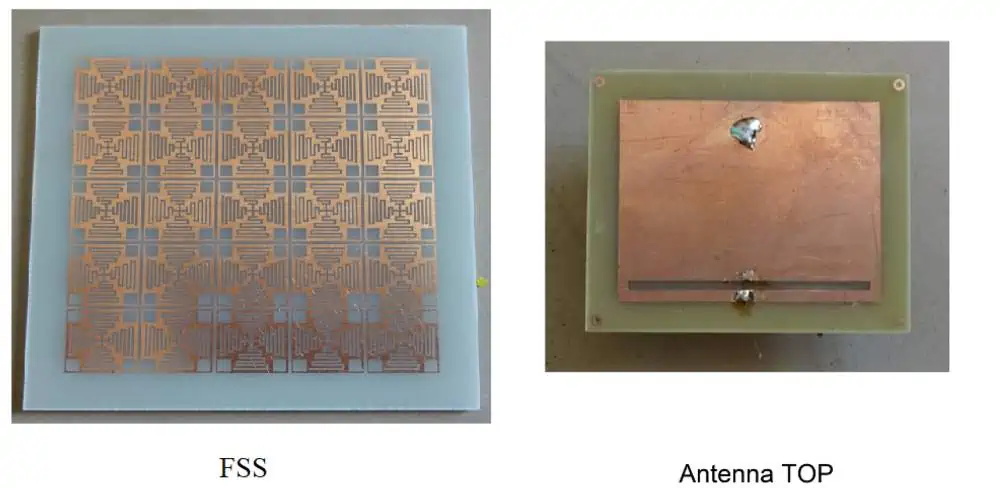
Rectangular patch antennas are a type of antenna we use in a variety of applications, ranging from wireless communications to satellite navigation. These antennas are highly versatile, able to be designed to provide a range of radiation patterns and gain values. A rectangular patch antenna gets its name from its rectangular shape, typically forming by a metallic conductor etched onto a substrate material. This type of antenna is known for having a relatively low profile, which makes it well-suited for use in applications with limited space. Additionally, rectangular patch antennas are often used in applications that require a high level of directivities, such as satellite communications and radar systems.

Rectangular Patch Antenna Radiation Generation

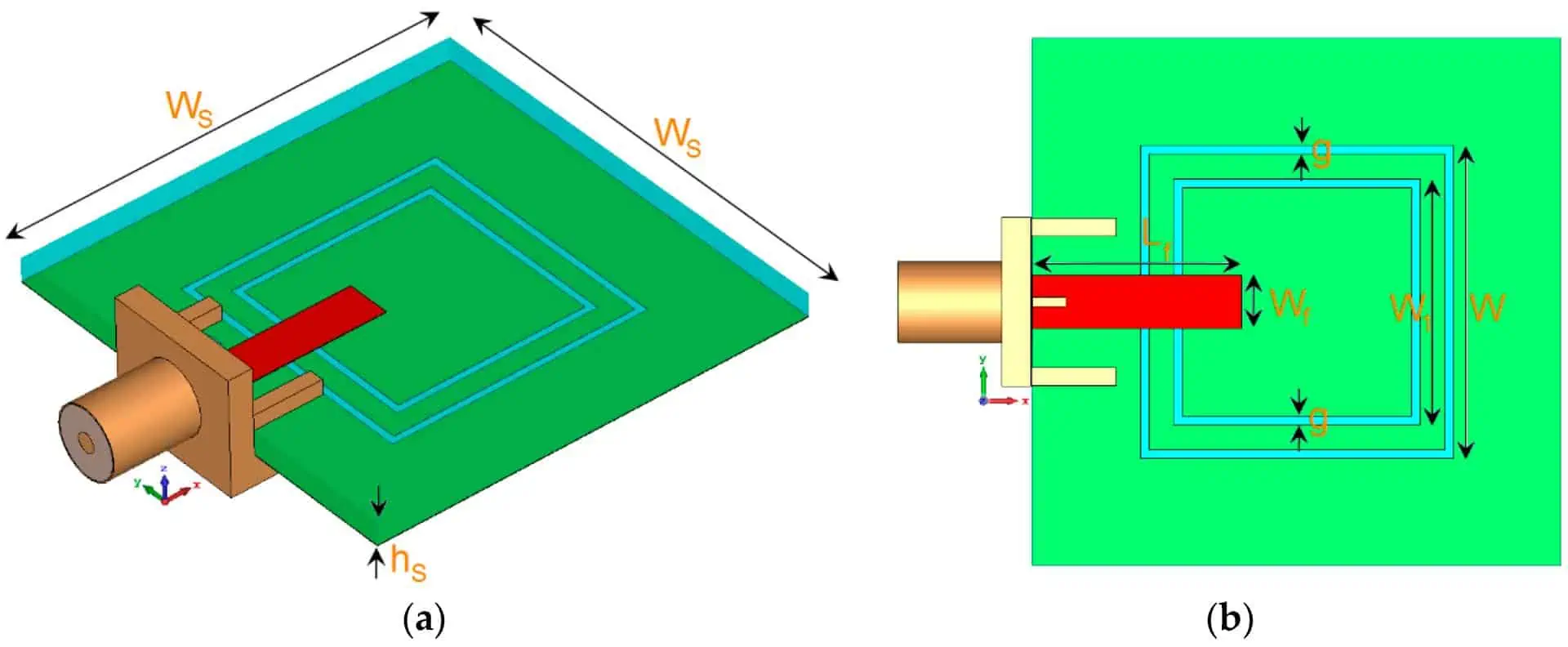
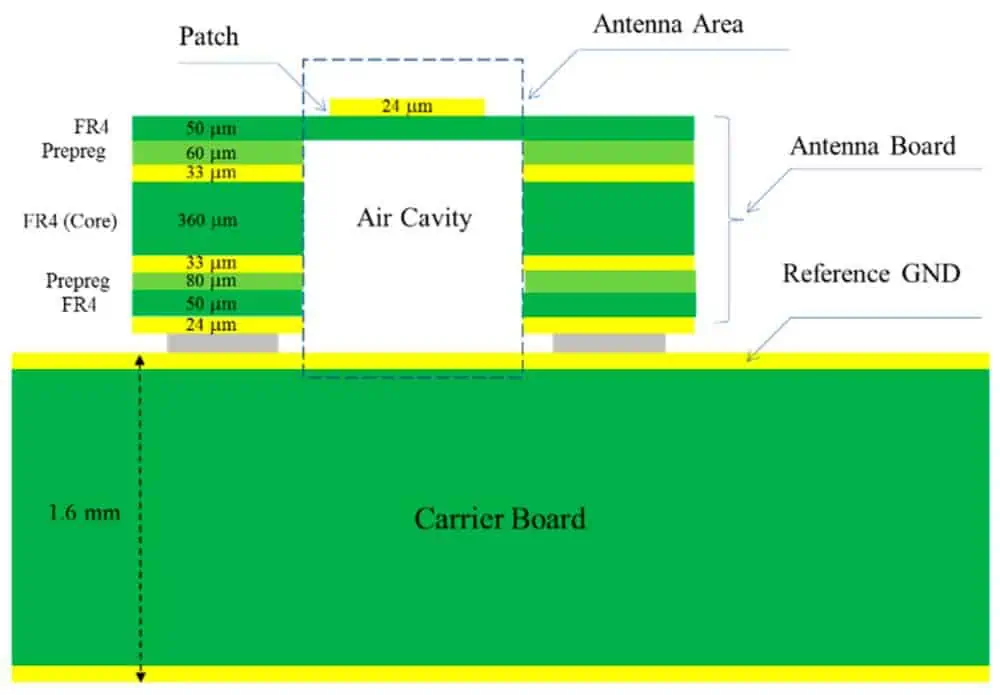
The design of rectangular patch antennas starts with the selection of the patch size and shape, which can be tailored to optimize the radiation pattern and gain of the antenna. The patch is typically constructed from a dielectric material such as FR4 or other PCB materials, which can be coated with a conductive layer such as copper. The patch is then suspended above a ground plane, which is also typically made from a dielectric material. The microstrip line is then connected to the patch via a probe, such as a coaxial cable.

A rectangular Patch Antenna’s radiation tends to be produced by two edges that have two equal slots. However, if the feed location is near the radiating edge’s center, the remaining opposing edges tend not to radiate.

Therefore we can conclude that the radiating patch of a rectangular patch antenna can be created using two slot split by a simple transmission line. Moreover, each of these slots can be well represented using a conductance G and a susceptance X circuit.

Mircostrip Antenna Varieties

Microstrip Antennas bear so many physical parameters. Moreover, they come in varying geometrical dimensions and shapes. Furthermore, you can group these antennas into four different categories:

E-Slot Patch Antennas

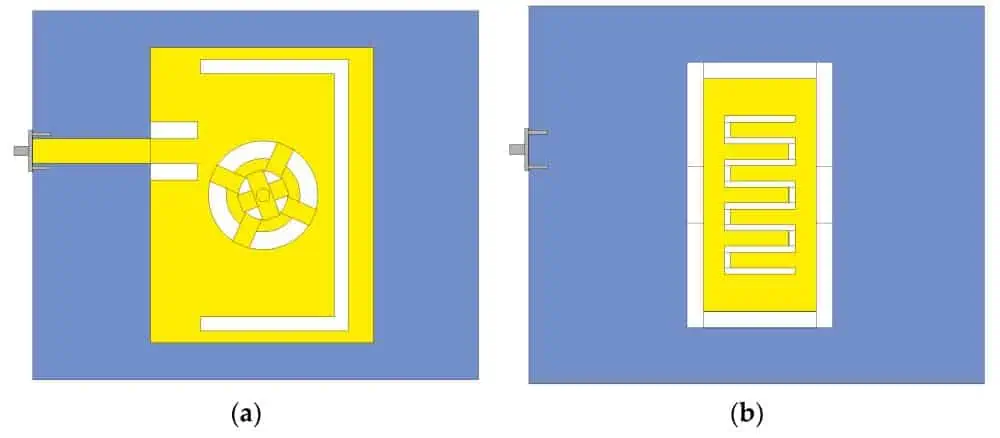
The E-slot Patch Antennas is a patch antenna that is E shaped. These types of antennas offer broadband characteristics. Moreover, to efficiently match the feed line to the antenna’s input impedance, technicians must utilize open-ended stubs at the very end of each antenna’s feed line. Moreover, the dimensions of these antennas are 42 mm by 28 mm. Their frequency range lies between 2.40 GHz to around 2.86 GHz, making them efficient at their functionality.

The patch and the feed substrate constitute a dielectric substrate having a thickness of about 6.7 mm and a Dk (dielectric constant of 2.2.

While the antenna’s symmetrical arms produce a dual-band antenna, the asymmetrical arms, on the other hand, produce broadband antennas. As a result, each antenna offers excellent directivity and Gain.

H-Slot Patch Antennas

FULL PCB MANUFACTURING Quote

The H-Slot Patch Antenna gains its name due to the shape of the slots that form after the technician cut three slots off a rectangular Patch Antenna. However, due to this shape, these type of antenna has enhanced:

–          Gain

–          Bandwidth

Moreover, the antenna’s ground plane size is approximately 90 by 100 mm (L by W). Moreover, the dielectric thickness of this antenna is about 3.2 mm.

These antennas operate on one narrow frequency band, which has circular polarization.

U โ€“ Slot Patch Antenna

Technicians create these straightforward single-band Patch Antennas by coupling microstrip patch antennas to a rectangular patch. While in the antenna’s patch, technicians carve out a U-slot which offers dual-band functioning. The dimensions of these antennas are 32 by 40 mm (L by W).

Moreover, this patch substrate’s Dk (dielectric constant) lies at around 4.4, while its resonance frequencies are 5.2GHz and 3.6GHz.

To produce dual-band antennas, technicians carve out one U slot. However, they must add another U slot to the patch to make triple-band antennas. Both slots should have satisfactory directivity and Gain values.

S-slot Patch Antennas

S-slot patch antennas are patch antennas with s shape slots cut in them to offer triple band functionality. To control the antenna’s frequency ratio, technicians adjust the sโ€“shaped slot arm. Moreover, these antennas are 115 by 110 (L by W), and their dielectric substrate stands at 1.06.

These types of antennas provide low-frequency ratios and high directivity and Gain.

Feeding Techniques

Rectangular patch antennas can be fed using a variety of techniques. Both non-contacting and contacting techniques can do the trick.

While using the contacting approach, technicians ensure the transfer of RF power occurs via the connecting elements or the microstrip line.

On the other hand, through the utilization of electromagnetic coupling, electricity flows from the connecting line to the antenna radiating patch while using the non-contact approach.

Four feeding methods exist:

–          Coaxial Probe

–          Microstrip line

–          Aperture coupling

–          Proximity coupling

Microstrip line
Patch Antennas

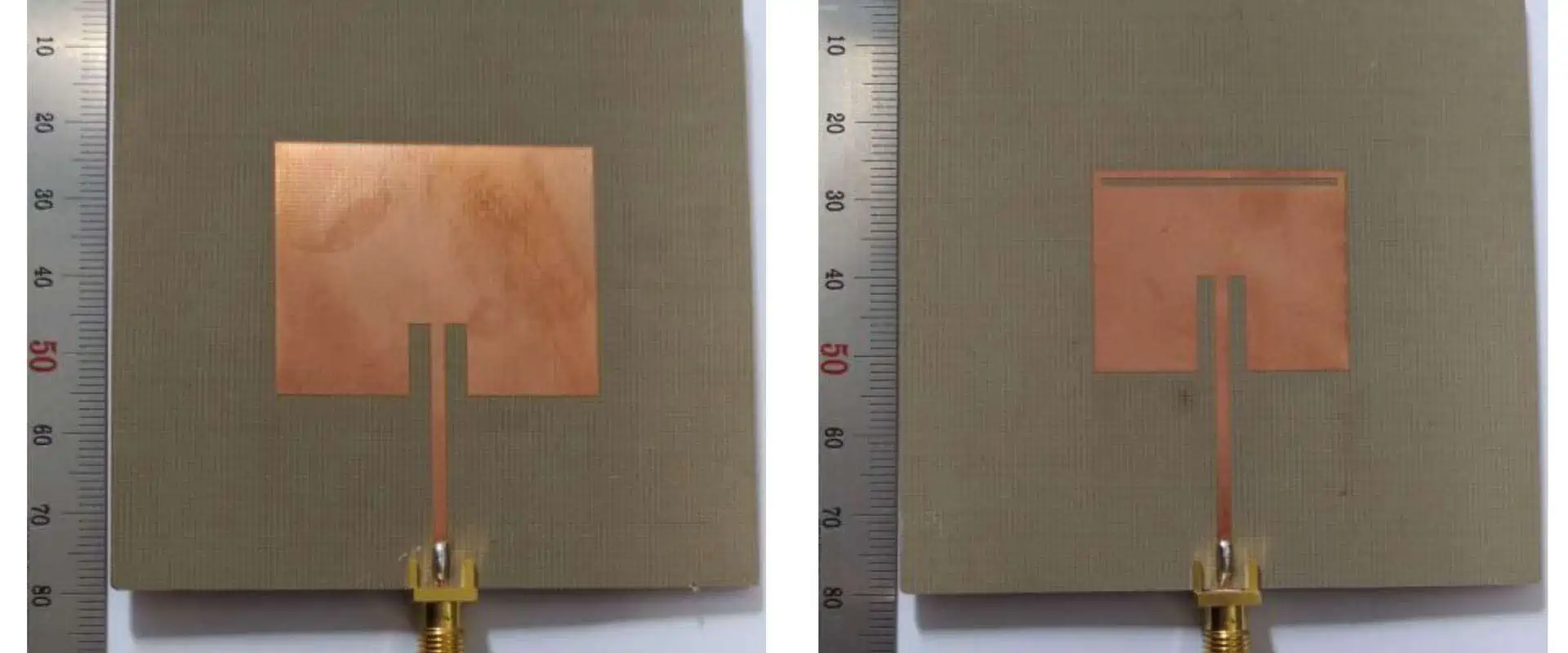
In this method, technicians link a tiny microstrip patch directly to a conducting strip. However, using this feeding method has one significant upside:

–          Technicians can create the flat structure by etching it up on the same substrate to generate a planar structure.

Coaxial Feed

The coaxial connector’s inner conductor extends and connects to the antenna radiating patch. Moreover, the antenna’s outer conductor attaches to the G (ground) plane.

While using this technique, you are going to benefit in the following way:

–          You can place the coaxial feed at any one of the twenty-six locations in the patch to match the input impedance of the antenna.

However, using this method also comes with some cons, which include the following:

–          The design tends to be pretty complex

–          With this feedback mechanism, you gain a narrow bandwidth

Aperture Coupled Feedback

In this feed technique in Rectangular Patch Antennas, the microstrip feed line and the radiating patch are split via the ground. However, they then couple up via a slot in the G plane.

While utilizing this method, you will enjoy the benefit of low cross-polarization since the slot tends to be centered directly below the antenna’s patch. Moreover, due to this feature, technicians can minimize radiation.

However, the disadvantage of using this feeding technique is that these designs are pretty challenging to fabricate because of their multiple layers, which ultimately increase the antenna’s thickness.

Proximity Coupled Feed

The proximity couple feed also goes by the name electromagnetic coupling scheme. In this method, technicians utilize two dielectric substrates and a feed line between the substrates. Moreover, the antenna’s radiating patch should be on the top part of the upper substrate for this technique to function accordingly.

The advantage of using this technique is that you get to eliminate feed radiation. Moreover, this technique yields a high bandwidth, making it efficient.

However, this method also has a disadvantage:

–ย ย ย ย ย ย ย ย ย  These designs are challenging to fabricate due to the dual dielectric layers that require a pitch-perfect alignment for the design to be effective.

Rectangular Patch Antenna Parameters

Directivity

Directivity is the antenna’s ratio of radiation strength coming from a specific direction to its overall radiation intensity. Moreover, you divide the total amount of power that the antenna radiates by four to determine the average intensity of the radiation. After all this is over, technicians presume the direction taken by the greatest radiation intensity if it wasn’t specified.

Simply put, a non-isotropic source’s directivity tends to be equal to the simple ratio of the:

–          Non-isotropic source radiation intensity in a specific direction, placed over

–          The isotropic source radiation intensity in a particular direction

Gain

Another crucial rectangular Patch Antennas parameter that describes how it performs is its Gain. However, you should note that although Gain and directivity tend to have some connection, they are not the same. Gain is a metric that accounts for the antenna’s efficiency and bidirectional capabilities. Directivity, on the other hand, only caters to the bidirectional capabilities of the antenna.

Technicians define Gain as โ€œThe intensity ratio in a specific direction to the intensity of the radiation thatโ€™d be gained if the accepted power by the patch antennas was radiated isotropically.โ€œ

Designing Microstrip Antennas

To develop a rectangular Patch Antenna, technicians must utilize complex formulations to achieve all the details and functionality principles. Moreover, the designing process tends is complicated, and it assumes some specified information which includes:

–          The antennaโ€™s dielectric constant

–          The antenna resonant frequency

–          The substrateโ€™s height

The designing procedure of a rectangular Patch Antenna follows the following steps:

–          Specify the following variables โ€“ the dielectric constant, resonant frequency, and the substrate height

–          Determine โ€“ W and L where L is half of the free space wavelength dividing it through by the effective dielectric constant of the boards material.

Application Areas of Rectangular Patch Antennas

The Rectangular Patch antennas are most famous due to their robust design and excellent performance. Due to this feature, these antennas have made their way into many industries, and their application areas grow daily.

We can utilize these antennas for military and civilian applications such as missile guidance, remote sensing, direction founding, radar systems, surveillance systems, satellite communication, vehicle collision avoidance systems, MIMO (multiple input and multiple outputs) systems, GPS, television, mobile systems, broadcasting radio, and radio frequency identification.

Satellite and Mobile Communication Applications
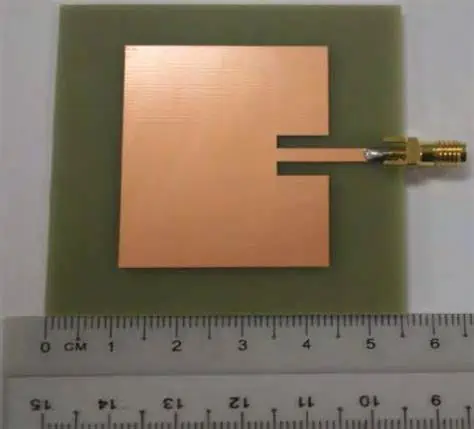
Patch Antennas PCB

Small, affordable, and low-profile antennas are necessary for mobile communication. Rectangular Patch antennas satisfy all these specifications making them the perfect fit for this application.

Moreover, while carrying out satellite communication, technicians require polarized radiation patterns. However, you can only achieve these patterns using circular or rectangular patches. Therefore you can work with rectangular Patch Antennas.

Radar Applications

Using radar, you can easily detect moving objects from a far distance. These systems are crucial for military operations.

Radar systems, however, operate on lightweight, low-profile antennas. Therefore, rectangular patch antennas are a perfect fit for this type of application.

GPS Applications

Microstrip patch antennas bear high substrate elements for GPS (global positioning systems) applications. Moreover, these antennas tend to be circularly polarized not linearly polarized, making them efficient in terms of GPS applications.

Radio Frequency Identification

RFID is beneficial in so many areas, for example, in health care, transportation, manufacturing, logistics, and mobile communication. These systems utilize frequencies that are between 5.8 GHz and 30 Hz. Moreover, RFID systems act as transceivers and transponders.

Medical Applications

Microwave radiations are the most efficient approach to generating induced hyperthermia when treating tumors. However, the radiator doctors use for this functionality should be lightweight for maneuverability. Due to these reasons, most technicians utilize rectangular patch antennas for this application.

Benefits of Rectangular Patch Antenna

The benefits of rectangular patch antennas include their low profile, which makes them well-suited for use in applications where there is limited space. They also have a high directivity level, allowing them to focus their signal in a specific direction, making them well-suited for use in applications requiring precise signal targeting. Additionally, rectangular patch antennas are relatively simple and inexpensive to manufacture, which makes them a cost-effective choice for many applications.

More benefits of Rectangular Patch Antennas include:

–          They function perfectly at some microwave frequencies, which traditional antennas don’t support.

–          These antennas are tiny; therefore, they help manufacturers develop small gadgets.

–          They can easily support more than one frequency band (triple, dual)

–          These antennas are robust

–          They are lightweight; hence they account for the generation of lightweight gadgets, which are a significant hit in the market today.

–ย ย ย ย ย ย ย ย ย  Moreover, due to their feeding techniques, these antennas have minimized excitation of undesired modes.

Drawbacks of Rectangular Patch Antennas

Even though Rectangular Patch Antennas are efficient in terms of performance and functionality. They still have some drawbacks, which include:

–          These antennas offer relatively lower bandwidth impedance

–          They also provide lower gains

–          Moreover, these antennas don’t have impeccable power-handling abilities

–          They offer low efficiency because of their conductor and dielectric losses

Simulation Software Programs for Microstrip Patch Antenna

For more efficient designs and optimized Antennas, you should first utilize simulation software to test your concept. Doing so brings in a lot of advantages which include:

–          Lowering the cost of production by cutting costs on fixing errors at later stages

–          Identifying mistakes at an early stage

–          Optimizing your design and so much more

Some simulation software programs that you can utilize to achieve this feat include:

IE3D

IE3D is an easy-to-use electromagnetic optimization and simulation software that is useful for rectangular microstrip antenna and circuit designs. The IE3D interface incorporates menus and graphics for easy delivery of content. Moreover, the interface also has auto-meshing and utilizes an efficient field solver.

CST Microwave Studio

The CST Microwave Studio software is a Rectangular and square Patch Antenna simulation software for 3D simulations. CST’s MWS enables fast and accurate analysis of HF (higher frequencies) gadgets, for example, antennas, planar, couplers, and filters.

Conclusion

Rectangular Patch Antennas are, without a doubt, a marvel of engineering. Their efficiency, reliability, and performance have made them crucial components in the tech industry. Moreover, technicians are still working on improving this technology over time. Additionally, the utilization of simulation technology takes this technology to a whole new level. Now you can simulate your antenna prototype before developing it, helping you catch errors at early stages and optimize your design.
Getting Your Bearings with the GPS patch Antenna

GPS Patch Antenna

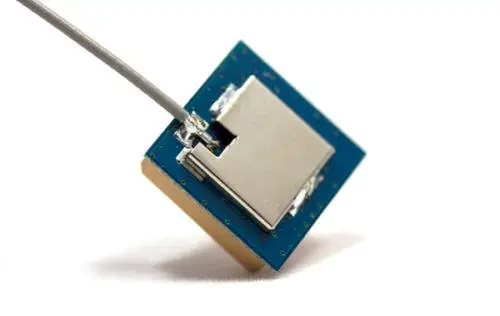
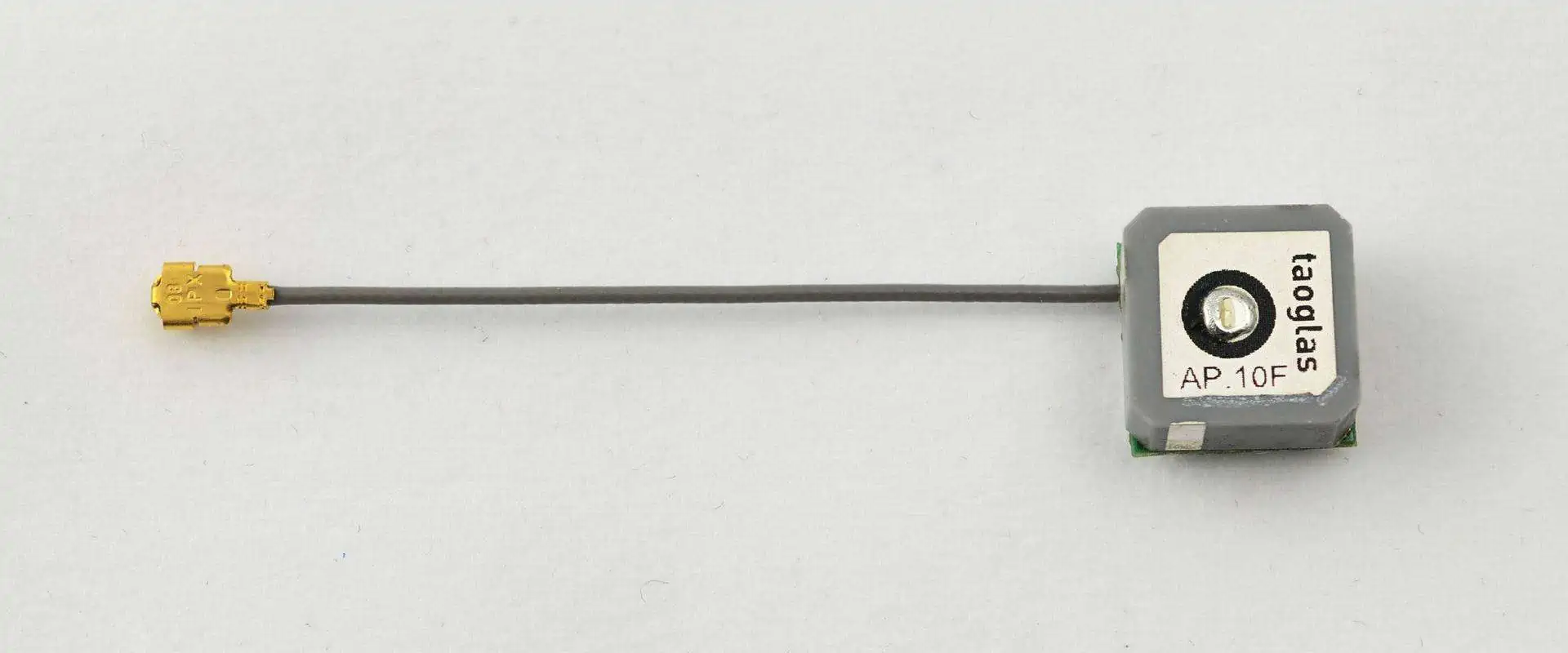
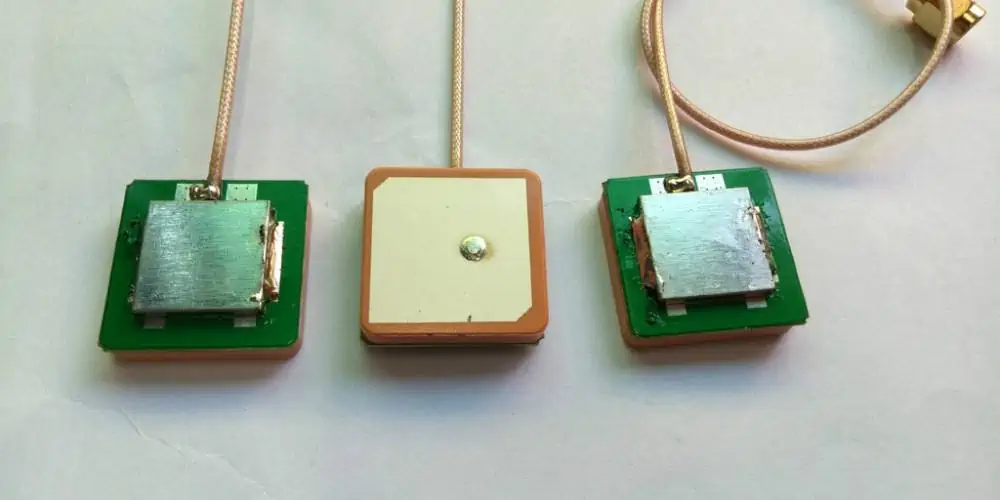
The GPS patch antenna technique is a ground-breaking antenna design improvement. It has revolutionized the reception of satellite signals and the application of positioning, navigation, and timing (PNT) systems. GPS patch antennas are a type of antenna explicitly built for use with GPS systems. Typically, it is a tiny, flat antenna directly installed on a PCB or other surface. These antennas offer superior performance and dependability compared to conventional GPS antennas or ceramic patch antennas.

 They have become a vital component of contemporary navigation systems, delivering precise and dependable positioning and navigation data.

Factors Favouring High Radiation Efficiency Performance in a Patch Antenna

The following factors are essential for a high radiation efficiency performance:

1. Dimensions of the Antenna

Smaller antennas can achieve greater radiation efficiency than larger ones. This achievement is because the size of the antenna controls the aperture size, which in turn defines the antenna’s emission pattern. Therefore, the narrower apertures of smaller antennas, such as GPS patch antennas, resulting in a more focused beam and greater radiation efficiency.

2. Design

For GPS patch antennas to have a high radiation efficiency performance, you must design them with various factors that promote this efficiency. These characteristics include the antenna’s form, number of components, and material composition. In addition, engineers can increase the antenna’s radiation efficiency by optimizing the antenna’s radiation pattern through meticulous antenna design.

3. Material

Common GPS patch antenna construction materials include metal, plastic, and dielectric; each material. Typically, metal and plastic are applicable for the antenna’s metallic components that establish electrical contact, while dielectric is helpful for the antenna’s dielectric and radiating elements. Each material has a unique impact on the antenna’s radiation efficiency, necessitating that engineers pick the most suitable material for their GPS applications to obtain a high radiation efficiency performance.

4. Functional Frequency

High frequency allows for a high gain, enabling the antenna to focus its energy more effectively, resulting in a more focused beam and increased radiation efficiency.

Categorizations of Antenna

patch antennas

Active and passive antennas are the two primary types of antennas.

Active antennas are antennas that can increase incoming signals before transmission or reception. An externally powered amplifier, such as a battery or an AC power supply, amplifies the signal. A low mass active antenna has many uses, including radio broadcasting and satellite communications.

A passive antenna function without the need for an external power source. Instead, they rely on the received signal to produce an electromagnetic field. Instead of amplifying the signal, passive antennas only transform it into an electrical signal. As a result, they are suitable for providing cubesat platforms, radio reception, wireless communication, and other GPS applications.

Active antennas are often more costly than passive ones but offer more performance and versatility. Active antennas can receive a wider variety of signals and may be adjustable to specific frequencies. They are also capable of signal amplification, which is advantageous in applications such as satellite communication and radio broadcasting.

The benefits of a Patch antenna

  Listed below are many benefits of GPS patch antennas:

Versatility:

GPS patch antennas are very adaptable and applicable in many different applications. They are compatible with personal navigation devices, cell phones, and other wireless devices such as tablets and wearables. In addition, GPS patch antennas are helpful in vehicle tracking systems, uncrewed aerial vehicles (UAVs), and other applications that need precise position data. Due to their tiny size and low profile, GPS patch antennas are suitable for interior and outdoor applications.

Lightweight

GPS patch antennas are often smaller and lighter than other antenna types, making them simple to install and move. This nature makes them excellent for low-weight and volume applications, such as drones and mobile devices. GPS patch antennas are also far more resilient than other antenna designs, making them perfect for usage in severe locations.

Cost-effective:

GPS patch antennas are available at a more reduced cost than other antennas. For instance,  low mass active antenna requires fewer components and are less complicated to build. In addition, they are often significantly less expensive to install than other antennas, which require costly mounting brackets.

High Efficiency 

GPS patch antennas for maximizing the amount of energy they collect from a GPS signal, making them very efficient. This characteristic enables them to deliver more excellent and dependable signal reception, making them less susceptible to signal deterioration or interference. For instance, a low mass active antenna is suitable for providing cubesat platforms, rhcp polarization power supply, automated placement, and other GPS applications.

Better Performance

GPS patch antennas offer superior performance compared to other antenna types due to their distinctive shape, and precise positioning capabilities, they can catch a broader spectrum of frequencies and signals. In addition, the enhanced performance allows for excellent laser structuring precision, the highest gain, and a precise positioning.

GPS Applications in PCBs

FULL PCB MANUFACTURING Quote

In Printed Circuit Board (PCB) designs, GPS patch antennas help to deliver location information. They are compact due to the double sided adhesive, lightweight, and give a high level of GPS tracking precision allowing for an automated placement. GPS patch antennas are often composed of copper or aluminum and are suitable for PCB integration since they enable a robust electrical contact. Typically, they are situated on the board’s top or bottom and connected to it by a trace, for example in rogers PCB.

GPS patch antennas consist of an inside high frequency rf circuitry that amplifies and filters all propagated  GPS signals, enhancing the location data’s precision, and enabling the highest gain. The antenna is also resistant to electromagnetic wavesโ€™ interference from neighboring objects. Consequently, the GPS signal can travel greater distances and offer more precise positioning. They also convert unguided electromagnetic waves and produce guided electromagnetic waves in most demanding GPS applications.

Additionally, GPS patches have a high gain, meaning they can receive more signals than other antennas. It, therefore, allows a more precise positioning. Gain can also be changeable, providing cubesat platforms and improving or decreasing the antenna’s sensitivity.

GPS patch antennas are also helpful in car navigation systems. They are often mounted on the dashboard or windshield and assist the motorist in finding their location. In addition, they aid in tracking systems, such as those employed by police or security organizations.

GPS patch antennas are also applicable in cell phones and other mobile devices. They are often located on the device’s rear and offer location information. Additionally, they are helpful in GPS applications such as surface facing, drones and robotics.

Again, it may be easy to include GPS patch antennas in PCB layouts. For example, in rogers PCB, the low-mass active antenna takes minimum space, withstands high reflow temperatures, and may fit in any area on the board. Additionally, they are affordable and require minimal upkeep.

Conditions unfavorable to patch antenna in GPS applications

1. Interference

GPS Antenna

GPS patch antennas may be susceptible to interference from guided electromagnetic waves, and other radio frequency (RF) signals, such as cellular or Wi-Fi.

2. High-powered sources of RF

 High-frequency rf circuitry, such as radar installations, can degrade GPS patch antenna reception and hinder a consistent rf performance.

3. Barriers

Physical barriers such as trees, buildings, and mountains can limit GPS patch antenna signal strength and reception quality.

4. Low signal-to-noise ratio

A low signal-to-noise ratio can result in poor GPS patch antenna reception.

5. Installation error

A proper installation of GPS patch antennas might result in better reception.

6. Poor weather circumstances

 Poor weather conditions, such as rain, fog, or snow, can diminish signal strength and cause GPS patch antennas to get a weak signal and a lower gain.

Conclusion

In conclusion, GPS patch antennas have grown in popularity for GPS-enabled devices in recent years due to their small size, high radiation efficiency performance, reduced cost, excellent laser structuring precision, and adaptability. In addition, they are dependable, has a consistent rf performance,  and can withstand high reflow temperatures. Furthermore, they are a cost-effective option for a range of GPS applications and can convert unguided electronic waves into guided electromagnetic waves. and their usage is likely to grow much more prevalent in the near future as new technologies continue to be developed.

Want the Best Electronic Card Manufacturer? โ€“ Understand the Details

Vietnam Electronic Manufacturing

Electronic cards have gained popularity and increased significance in recent years. But with overwhelming reliance on tech and electronic devices also comes security and privacy concerns.

Therefore, getting a reliable electronic card becomes pivotal, and requires sourcing from a top and credible manufacturer.

The abundance of electronic card manufacturers can often make it challenging to pick the right fit. But understanding the types of electronic cards available, their features, capabilities, manufacturing process, cost, target use, etc., simplifies your choice criterion. How, then, can you get a secure and reliable electronic card?

First things first, let us understand what an e-card entails.

The Electronic Card

An e-card is a device or card that contains an embedded IC (integrated circuit). The integrated circuit comes either as a microcontroller or an alternative with equivalent intelligence โ€“ mainly possessing a memory chip or an internal memory.

You connect the e-card to a reader through direct physical contact or a virtual contactless RF interface. All this becomes possible because of the embedded microcontroller within the card.

It is instrumental in access control, card-to-reader communication, storage of data, and other on-card functions such as mutual authentication and encryption.

Different forms of electronic cards exist; your choice will always depend on the intended end use. The most common include electronic credit cards, purchasing cards, virtual credit cards, smart cards, RFID cards, SIM cards, and stored-value money cards.

Features of an Electronic Card

Most electronic cards come either as memory or microprocessor cards. However, a microprocessor smart card has more qualities, implying a broader application.

For example, it allows for access, deletion, addition, and manipulation of data in the card’s memory unlike a memory card.

Smart cards possess both memory and a microprocessor aspect, therefore finding applications in telecommunication (SIM cards), banking and finance (through payment automation), security as access control cards, transportation (e-passport), etc.

A smart card’s miniature nature, portability, and security make it a convenient tool for secure transactions in diverse applications. For instance, you can fit the card in your wallet or phone and make a payment while on the go.              

Components of Electronic Cards

Memory

Electronic cards can store and secure vital information like biometrics, PINs, etc. 

An Integrated Circuit (IC)

It is critical in communicating with the smart card reader besides other electronic components. Further, access control helps in identifying and authenticating your ID.

Encryption is a huge part of access control and is pivotal in securing stored data. Hence, you may need biometrics, such as your fingerprint, to keep your data safe.

Small and Portable Form

An electronic card comes in a small, portable form that makes it efficient and convenient. In most cases, the industrial standard dimensions are the ISO/IEC 7810 defined size of 85.60×5398 mm with rounded edges.

It mostly comes with PVC, PET, polycarbonate, metal, and eco-friendly PLA cards.

It can also come in ISO/IEC 7816 and ISO/IEC 14443 standards, depending on whether it is contactless or with contacts.

The Electronic Card Manufacturing Process โ€“ Smart Card in Perspective

An e-card manufacturer is a company that specializes in the production of electronic cards, also known as printed circuit boards (PCBs). These are the thin, flat boards to mount and connect electronic components in various electronic devices, including smartphones, medical equipment, computers, aerospace systems, and other consumer and industrial products. Electronic card manufacturers use a combination of advanced technologies, including photolithography, etching, drilling, and soldering, to produce high-quality PCBs that meet their clients’ specific design and performance requirements.

The most competent electronic card manufacturers’ process encompasses four principal phases: module production of the smart card, body production, personalization, and card fulfillment.  

Module Production

It starts with the production of the silicon wafer, where photolithography produces a silicon wafer populated with smart card chips. In ROM-based card chips, the card’s OS and some apps are engraved or burned permanently into every silicon wafer’s chip. 

Wafer Initialization

It is an optional step that pre-personalizes and activates the chips while on the silicon wafer.

Dicing of the Silicon Wafer

The process splits the chips from the silicon wafer. It happens by laser cutting or mechanical sawing. However, before the cutting exercise, every wafer gets attached to an adhesive tape to avoid the movement of chips.

The process also entails the customization of the micro-connectors before electroplating with semi-precious and precious metals.

FULL PCB MANUFACTURING Quote

Die Bonding

It entails the application of the epoxy glue on the micro connectors pad area. After that, inline thermal curing ensues, dries, and strengthens the bonds between the micro-connector tape and the chip.

Wire Bonding

The electrical connection of the die’s contact pads and that of the micro-connector using a thin wire happens. Thermosonic bonds attach the 30um aluminum or gold wire to the pads permanently.

Techniques in thermos bonding can include wedge wire or ball bonding.

Encapsulation of the Chip Module

Here, adhesives, mostly UV-curing epoxy resin, get applied to avoid the breakage of chips and wire contacts from environmental and mechanical stress.

Tape Inspection

It occurs visually, with the identification and marking of non-compliant modules

Electrical Test

The tape then has to pass an electrical test. Here the smart chip gets powered for a simple I/O test.

Initialization of the Chip Module

All the non-marked micro-modules during the electrical test and tape inspection get initialized and pre-personalized.

Shipment to Card Body Production

It is the final step where the modules get shipped for card body production in flexible module carriers. 

Body Production

In most cases, card bureaus or producers undertake this process. You must provide your smart card draft or card artwork as a customer. The stepwise process includes the following.

Customers provide their smart card artwork which then passes through the pre-press process. Here, optimization of the card draft ensures compliance with the preferred printing technique.

Once the customer approves the prototype or optimized version of their card artwork, the CTP plate production begins.

Sheet printing and inspection of the printed sheets then ensues. After that collating the diverse sheets becomes necessary. For instance, the PVC foils, clear overlay, security overlay, magnetic stripes, signature panels, and contactless antenna sheets need to follow a specific order.

Lamination becomes necessary before striping and punching the card body. After that, sim plug-in, cavity milling, and chip module implanting happen.

Quality inspection of the chip module becomes critical as you want to avoid pre-personalization and chip module testing on a faulty card.        

Card Personalization

It is the next phase of the e-card manufacturing process and makes every card distinctive from the rest.

The process involves data generation and encryption through an automated process. It then passes through a personalization system, the key’s management, and the application’s loading. However, specific process optimization and features can demand a mix of both industrial modular equipment and small specialized units.

Card Fulfillment

It is the last phase of the card manufacturing process. Mainly, it occurs through a modular machine but sometimes a mixture of automated and manual steps.

It entails the packaging of the e-card, besides shipping to the customer.

Want the Best E-Card Manufacturer?

As clearly illustrated, the manufacturing process often involves more than one company. Picking a suitable manufacturer like Rayming Technologies implies defining and understanding your card needs. Aspects like technology, competence, delivery time, affordability, and quality play a huge role.

Therefore, select the best manufacturer offering competitive prices at each manufacturing phase to ensure value for money.                

5G Microstrip Antenna Optimizes Network Performance

5G Microstrip Antenna

The arrival of 5G antenna technology has transformed our interactions and mobile communications with electrical engineering in the digital age. As the globe shifts toward more efficient and dependable mobile communication networks, the 5G microstrip antenna plays a crucial role in allowing the next generation of wireless communication.

5G microstrip antennas transmit and receive electromagnetic radiation through radio waves in 5G wireless communication technology networks. It is an essential component of any 5G network since it ensures reliable communication between its many features. Microstrip patch antenna technology has existed since the 1970s, but their exceptional antenna performance and low cost have made them more desirable in the 5G era.

Microstrip patch antennas are usually compact, lightweight, and low-profile, making them excellent for a MIMO system and mobile devices like smartphones and tablets. In addition, they have a cheap production cost and can be readily incorporated into existing infrastructure, which makes them a viable option for broader deployment in 5G networks.

Characterization of 5G Microstrip Antennas

The frequency range, polarization, and emission pattern of 5G microstrip antennas help to categorize them.

  • Operating Frequency

5G microstrip antennas can be low-frequency, mid-frequency, or high-frequency depending on their operating frequency band. Low-frequency 5G microstrip antennas work between 600 MHz and 1 GHz, whereas mid-frequency (center frequency) 5G microstrip antennas run between 1 GHz and 6 GHz. High-frequency 5G microstrip antennas function at frequencies greater than 6 GHz, which is sometimes the resonant frequency.

  • Polarization

An electromagnetic wave with linear polarization has a constant direction and amplitude of the electric field. An electromagnetic wave with circular polarization has a constant amplitude but a spinning electric field.

  • Emission Pattern

5G microstrip antennas can have an omnidirectional, directional, or adaptive radiation pattern. Compared to directional antennas, omnidirectional antennas emit equally in all directions. However, adaptive antennas can alter their emission pattern due to shifting environmental factors.

Microstrip 5G antenna types

Ultra Wide Band (UWB) Antenna PCB

Patch antennas, slot antennas, printed dipole antennas, and printed monopole antennas are a few of the several varieties of 5G microstrip antennas.

  1. Microstrip patch antenna

A flat conductive patch on a dielectric substrate makes up the microstrip patch antenna. Furthermore, microstrip patch antennas are a standard option for 5G applications because of their low profile and large antenna bandwidth, which make them suitable for a greater operating frequency in wireless communication devices.

  • Microstrip Slot Antenna

The slot antenna consists of a tiny slit or slot carved out of a conductive surface. Slot antennas, available in various sizes and forms, are frequently employed in applications that demand a broad antenna bandwidth and high gain.

  • Printed Dipole Antenna

Two conducting strips (dipoles) printed onto a dielectric substrate create a printed dipole 5G microstrip antenna. These antennas are helpful when both a large bandwidth and a low profile are necessary.

  • Printed Monopole Antennas

Printed monopole antennas consist of a single conducting strip, or monopole, installed on a ground plane. Applications that call for a low profile and compact construction frequently employ these antennas.

Considerations for a 5G microstrip antenna

When picking a 5G microstrip antenna, performing a performance analysis and examining several aspects is essential. Among the most important considerations are the following:

Suitability

Low-frequency, mid-frequency, and high-frequency 5G microstrip antennas are available in various frequency ranges. Therefore, selecting an antenna with an appropriate operating frequency range for the intended application is essential. For instance, if the antenna functions in a low-band 5G network, a low-frequency antenna may be preferable, but a high-frequency one may be preferable for a high-band network. The higher the antenna suitability, the lower the antenna’s return loss.

Polarization:

5G microstrip antennas have either linear or circular polarization. Linear polarization is appropriate for applications requiring a constant amplitude and direction of the electric field. In contrast, circular polarization is suitable for applications requiring a constant amplitude and a revolving electric field. The appropriate polarization type should depend on the application’s unique needs.

Radiation pattern:

5G microstrip antennas can have omnidirectional, directional, or adaptive radiation patterns. Omnidirectional antennas emit equally in all directions, but directional antennas radiate more intensely in one direction. Adaptive antennas can modify their emission pattern in response to varying environmental circumstances. Therefore, choosing the optimal radiation pattern should depend on the radiation elements and the application’s requirements.

Gain

Gain measures an antenna’s ability to direct the radiated power in a particular direction. Antennas with a more significant gain can transmit a more robust signal for a specific order but may have a smaller beam width. Conversely, low-gain antennas offer a larger beamwidth, but their signal strength in a single direction may diminish. The right degree of gain should depend on the application’s unique requirements.

Dimensions

5G microstrip antennas are available in an assortment of sizes and weights. Therefore, picking an antenna compatible with the installation specifications is essential. For instance, a smaller and lightweight antenna may be preferable if the antenna is positioned in a tight location.

Durability and dependability:

ย 5G microstrip antennas are frequently helpful in harsh conditions, such as outdoor or industrial settings, that apply MIMO antennas. Therefore, it is essential to select an antenna that is sturdy, dependable, and capable of withstanding the circumstances of the installation site.

Microstrip antenna uses throughout 5G networks.

FULL PCB MANUFACTURING Quote

In 5G networks, microstrip antennas are helpful in various applications. These antennas will suit the demanding needs of 5G networks due to their low profile, wide bandwidth, and high gain characteristics. Among the most important uses for 5G microstrip antennas are:

Wireless connectivity:

Widespread usage of 5G microstrip antennas enables wireless communications between various portable devices, including smartphones, tablets, and laptops. These antennas can handle the high data rates and low latencies required by 5G networks. It is easy to install them into mobile devices such as smartphones, tablets, and laptops to allow appropriate network connectivity and signal processing.

Data Transmission:

5G microstrip antennas are vital for transmitting and receiving data, audio, and video signals across 5G networks. These antennas help to accommodate a broad spectrum of 5G network frequencies and can transmit and receive signals over many kilometers. 5G networks allow high-speed data transfer and low-latency communication due to 5G microstrip antennas. Furthermore, 5G microstrip antennas accommodate multiple frequencies, making them ideal for 5G network coverage and wearable applications. 5G networks employ various low-band and high-band frequencies, which must be within the 5G network infrastructure.

Small cell networks construction:

Small cell networks are a crucial antenna element of 5G networks, as they boost capacity and coverage in densely populated locations. In addition, small cell networks frequently employ 5G microstrip antennas because they are suitable for the small form factor and low profile required by these systems.

Promoting beamforming and other cutting-edge technologies:

Microstrip antennas for 5G networks are frequently applied in conjunction with sophisticated technologies like beamforming, which can increase the performance of 5G networks by concentrating the transmission and reception of signals in specified directions. This aspect enables the adoption of sophisticated technologies such as massive MIMO systems (multiple-input, multiple-output) and complete duplex transmission, which can boost the capacity and coverage of 5G networks.

How 5G Microstrip Antennas Have Improved the Efficiency of 5G Networks

With its engineering and emerging technologies, 5G microstrip antennas have improved the performance of 5G networks. Included are:

Increased antenna Bandwidth:

The increased gain of 5G microstrip antennas enables them to deliver more significant amounts of bandwidth. In addition, this increased gain allows the transmission and reception of more data at any given moment, enhancing the network’s speed and dependability.

Signal Decongestion

The directional nature of 5G microstrip antennas enables them to give enhanced coverage in particular places. This improved coverage can assist in lessening signal congestion in some areas and enhance network performance generally.

Reduced Interference

5G microstrip antennas are less likely to create interference with other devices due to their low profile. As a result, it can assist in enhancing the network’s dependability and decreasing the likelihood of lost connections in communication devices.

Reduced Power Consumption:

Due to their diminutive size, 5G microstrip antennas require less power than conventional antennas. As a result, they can minimize the energy needed to power the network and increase radiation efficiency, making them suitable for communication technologies.

Microstrip Patch antenna

A microstrip patch antenna is an antenna that emits or receives electromagnetic waves using a conductor or dielectric patch. Due to its simple construction, low cost, and ease of production, it is one of the most often used antennas.

Components of the microstrip patch antennas

The microstrip patch antenna has several distinct elements collaborating to produce the desired radiation pattern. The components are the components of the patch, dielectric substrate, conductive ground plane, feed line, matching network, and antenna housing.

Patch element

The patch is the radiating antenna’s basic element., typically constructed of copper or aluminum. The rectangular patch is generally etched into the surface of the dielectric substrate. Typically, the length and breadth of the patch are a fraction of the target frequency’s wavelength.

Dielectric Substrate

The dielectric substrate provides structural support and separates the patch and ground plane. Several millimeters in thickness, it often comprises either foam or plastic. The antenna’s electrical parameters depend on the substrate’s dielectric constant, which, if chosen carefully, maximizes the radiation pattern.

Conductive Ground Plane

The conductive ground plane is the component that supplies the patch with an electrical connection. It frequently comprises a metal, such as copper or aluminum, and is typically more extensive than the patch itself. The ground plane also helps to create a sizeable electrical ground for the antenna, which aids in reducing losses and enhancing radiation efficiency.

Feed Line

The feed line connects the antenna to the radio frequency source. Typically, it is a coaxial cable or a two-wire line. The feed line transmits radio frequency energy from the start to the antenna.

Matching Network

The matching network aids in impedance matching. It, therefore, matches the antenna’s impedance to the radio frequency source’s impedance. It typically consists of capacitors and inductors and helps transmit the maximum power from the start to the antenna, enhancing the device’s impedance-matching ability.

Housing

The antenna enclosure is the antenna’s last component and shields the antenna components from the surroundings. It typically consists of metal and may be either sealed or vented. The enclosure also helps decrease the unwanted radiation the antenna emits.

Microstrip Patch Antenna Design Methodology

The following is the design methodology for microstrip patch antennas:

Substrates

A microstrip patch antenna’s substrate is the material on which the antenna is printed. The substrate should give the appropriate electrical and mechanical properties. Common microstrip patch antenna substrates include FR4, Rogers RO4350, and Polyimide (Kapton).

Due to its low price and availability, FR4 is a popular substrate. It is an epoxy-fiberglass composite with an approximate dielectric constant of 4.40 and a loss tangent of 0.02. It is rigid and appropriate for tiny antennas.

Owing to its low dielectric constant (2.2) and low loss tangent, Rogers RO4350 is a common substrate for high-frequency antennas (0.002). Additionally, it is relatively rigid, making it appropriate for compact antennas and propagation.

Polyimide is a flexible substrate frequently used for mounting big antennas on curved surfaces or large antennas on flexible substrates. The dielectric constant is 3.20, and the loss tangent is 0.002.

Antenna Design

After selecting the substrate, generating the proposed antenna design can be more manageable. Typically, the patch antenna is easy to create using a computer-aided design (CAD) tool. Patch, feed line, ground plane, and matching components make up the proposed antenna’s design. The patch is the antenna’s radiating element and is commonly configured as a square or rectangle. This connection connects the antenna to the transmitter or receiver. The ground plane is a metal sheet used to reflect radio waves. The matching components then help to tune the antenna to the appropriate resonant frequency.

Printing

We may print the antenna circuit on the substrate using several processes. The most prevalent printing processes are screen printing, photolithography, and inkjet printing.

Screen printing is a low-cost method that involves transferring a pattern onto the substrate using a screen. The screen is covered with a photosensitive emulsion, and the design is imprinted using a light source. After washing away the emulsion, the pattern is left on the substrate.

Photolithography is a more accurate printing technology that transfers a pattern onto the substrate using a photomask. The photomask is a translucent plate having a way of light-transmitting holes. The substrate is then imprinted with the design while exposed to light.

Inkjet printing is a printing method that sprays tiny droplets of an electrically conductive substance onto the substrate using a printhead. This method is suitable for small antennas due to its precision and rapidity.

Assembly

After printing the proposed antenna design onto the substrate, the antenna must be assembled. Attaching the feed line and ground plane and matching components to the substrate is required. Typically, the feed line is soldered to the substrate, whereas the ground plane and corresponding elements are bonded with epoxy or glue.

Testing

Once the antenna has been built, it must be tested to confirm the correct functionality. Typically, this entails evaluating the antenna’s radiation characteristics and impedance-matching capability. The radiation pattern measures the antenna’s efficiency, while impedance measures the antenna’s compatibility with the transmitter or receiver.

Array antenna

The phased array antenna is a form of antenna that consists of numerous radiating elements coupled via a network of electrical components. The phased array antenna’s primary function is to enhance the antenna’s beamwidth, which may be used to receive or broadcast signals in numerous directions. The phased array antenna offers a significantly larger coverage area than other antennas. Consequently, it permits substantially larger data speeds and improved signal quality.

A Brief Overview of Phased Array Antennas

5g ANTENNAS

Multiple radiating elements coupled via a network of electrical components constitute the phased array antenna’s fundamental design. The network of features enables the antenna to focus the beam in various directions. Each array unit has a phase-shift circuit for controlling the phase of the radio waves being sent or received. As a result, the antenna’s beamwidth is created by adjusting the frequency of the radio waves so that they all arrive at the same spot simultaneously.

The design of a phased array antenna can be extremely complicated, as its parts must be properly aligned and spaced for it to function correctly. For the beamwidth to be optimized, the phase of the radio waves must also be precisely regulated. To guarantee the correct operation of the designed array antenna, the phase-shift circuits for each array element must be meticulously calibrated.

Varieties of Phased Array Antennas

Linear antenna, planar antenna, and circular are the two primary phased array antennas. The linear components of linear phased array antennas are placed in a straight microstrip line. The Planar antenna is a two-dimensional array that might be circular, rectangular, or triangular in configuration. On the other hand, circular phased array antennas consist of a circular arrangement of elements.

Typically, radar, navigation, and mobile communication systems employ linear phased array antennas. However, circular phased array antennas are generally helpful in satellite communications, radio astronomy, and other applications requiring a narrower beam width.

Phased Array Antennas’ Applications

In addition to radar, navigation, communications, satellite communications, and radio astronomy, phased array antennas are used for several other purposes.

Radar:

Phased array antennas are used to identify objects using radar systems. The phased array antenna helps to scan the region to detect any items in the path of the radar beam.

Navigation Systems:

To detect the direction of a vehicle, navigation systems utilize phased array antennas. The phased array antenna scans the surrounding environment to identify the vehicle’s speed and direction.

Mobile Communications:

Phased array antennas are helpful in mobile communications systems to send and receive signals. The phased array antenna sends signals in several directions to cover a larger region.

Satellite Communications:

Phased array antennas are utilized in satellite communications systems to send signals to and from satellites. The phased array antenna broadcasts signal in numerous directions to cover a larger region. WIFI systems and Satellite transmission dishes are two practical implementation cases.

Radio Astronomy:

Phased array antennas are utilized in radio astronomy to detect radio signals emitted by distant objects. The phased array antenna searches the sky for signals to detect any that may be there.

Prospects of the 5G microstrip antenna and the array antenna

The array antenna and the microstrip antenna appear to have extremely bright futures. Research and development in the area of proposed antenna design will advance as 5G networks spread and become more common. While we expect the array antenna system to take over as the favored option for high-performance applications, we also expect the microstrip antenna to continue being a popular option for both low-cost and high-performance applications.

Additionally, we anticipate that with time, both the array antenna and the microstrip antenna will get smaller and more effective, achieving a compact form. New materials and technological developments in antennas will make it possible to create smaller, more effective designs. This improvement will make it possible to create smaller, easier-to-integrate designs for mobile devices and other tiny form factors.

Given its capacity to deliver high-performance, low-cost solutions, we look forward to seeing the microstrip and array antenna gain even more popularity over time in the 5G industry. Furthermore, more research and development in antenna design is among the key technology developments we anticipate to result from the growing popularity of 5G networks. Consequently, this will enhance the performance and capacities of both the microstrip antenna and the array antenna.

Why One Should Go for the Array Antenna Instead of the 5G Microstrip antenna

The array antenna is superior to the 5G microstrip antenna in several ways.

The gain of the array antenna is more significant than that of the microstrip antenna due to the array antenna’s numerous elements, each of which may be altered to change the antenna’s gain.

Over a microstrip antenna, the array antenna provides better directivity. This directivity is so that the array antenna may direct its radiation in a specific direction by independently adjusting each antenna element. This aspect is helpful when focusing the antenna’s energy on a particular target is crucial. In addition, the array antenna may also create several beams in various directions, which is advantageous for 5G applications since it enables the antenna to accurately guide signals in multiple directions, improving the radiation efficiency.

The array antenna is furthermore more effective than the single microstrip antenna. This is possible because the array antenna can keep a high signal-to-noise ratio throughout a broad frequency range. For 5G applications, this is crucial since the antenna must be able to send and receive data across a wide frequency range. In addition, the array antenna may also minimize signal interference, which boosts the antenna performance specifications since interference can impair transmission.

Finally, the antenna array is more dependable compared to the microstrip antenna. This dependability results from the array antenna’s capacity to preserve the signal quality over a broad frequency range, which is crucial for 5G applications since the antenna must successfully communicate across a wide frequency range. In addition, the array antenna’s ability to maintain a strong signal-to-noise ratio over a broad frequency range is also advantageous for 5G applications since it enables the antenna to broadcast and receive data more precisely.

Conclusion

Microstrip antennas are suitable for usage in 5G networks due to their many benefits. They are tiny in size, inexpensive, simple to deploy, and easily customizable to match the network’s unique requirements. However, deploying microstrip antennas in 5G networks has significant obstacles, such as their fragile construction, restricted antenna bandwidth, and directed emission pattern, enabling technologies to better their performance. On the other hand, electrical engineering and many microstrip antenna technology advancements in recent years might enhance their performance in 5G networks. Multi-band antennas, reconfigurable antennas, and active antennas are examples. In conclusion, microstrip single-patch antennas have the potential to improve the performance of 5G networks considerably, and their deployment is anticipated to increase shortly.

When deciding on the most suitable microstrip antenna for 5G applications, there are other aspects to consider. It is essential to select an antenna suited to the particular requirements.

How to Choose the Best Electronic Assembly Contract Manufacturer

Subcontract PCB Assembly

Electronics assembly is offering a contract to assemble electronic components for another company. This is known as ECM (Electronic Contract Manufacturing) and is a service often used by OEM companies.

Instead of manufacturing complex components and motherboards, OEMs outsource their manufacturing tasks to electronic component manufacturing companies. ECM companies do not label their ingredients in any way. Instead, the component remains unbranded and bears the name of the OEM company offering the contract.

Today, many ECM companies exist, and this can make it challenging for users to determine how to choose the best electronic manufacturing services. If you need electronic manufacturing services and do not know where to start, this guide offers you everything you should know about electronic contract manufacturing services.

What Is An OEM Contract Manufacturer?

Simply put, an OEM contractor is an outsourcing company that manages the creation of equipment that the rental company cannot manufacture. OEM contract services exist in almost every industry and allow major manufacturers to expand their product or service line with minimal additional expense.

OEMs can offer significant advantages and customization options over in-house manufacturing management.

What Is the Difference Between Electronic Contract Manufacturing Services and OEM?

PCB assembly Bay Area

While electronic contract manufacturing and original equipment manufacturer for printed circuit board assembly are always misunderstood to be similar, they are different. Some of the differences between these two are seen in how electronic assemblies are conducted by expert engineers involved.

โ— Original Equipment Manufacturer (OEM)

OEMs design and sell parts that other companies and customers use in their products and industries. Companies, customers, and industries that buy OEM parts are value-added resellers (VAR) who specialize in a particular electronic product, galvanized steel or offer design assistance for those who build to print.

OEMs and VARs, who are customers or industries, work together to ensure quality conformal coating of lead time and other electro-mechanical or industrial tools used in the assembly process.

โ— Contract Manufacturer (CM)

Small businesses can hire other companies or contract manufacturers (CMs) with quality certifications to manufacture their products using cutting-edge technology for fulfillment services while ensuring functional testing when they want to harness assemblies before the surface mount is done in electronics manufacturing

These manufacturers ensure rapid prototyping for electronic assembly, PCB assembly, circuit board assembly, and other contract manufacturing services like electro-mechanical assemblies; they offer seamless deliveries of wire harnesses and electronic products for commercial industries.

For electronic assemblies of printed circuit boards or a printed circuit board assembly, cable assemblies are done by ensuring supply chain management, surface mount technology, and manufacturing technology.

What Companies Use Contract Manufacturing?

FULL PCB MANUFACTURING Quote

Any company specializing in PCB assembly, electro-mechanical assembly solutions, box builds, consumer electronics, sophisticated electronic products, wire harnesses, box build assembly, and mixed technology can use contract manufacturing. The services these original equipment manufacturers offer guarantee high-quality products and customer satisfaction for all box builds.

Other companies that can use electronic manufacturing, asides from those that harness assemblies for box builds, include:

  • Parts require large capital investment in equipment, such as metal stamping, machining, aerospace, automotive, industrial, and distribution equipment.
  • Parts require highly specialized manufacturing expertise, such as printed circuit board assembly.

Reasons Why Companies Utilize Electronic Manufacturing Services

Sometimes, you may wonder why people opt for electronic contract manufacturing for printed circuit board assembly or packaging control instead of considering other options for customers. Yes, the other packaging or control options may be cheaper, but the benefits of electronics manufacturing and the electronic assembly project are numerous.

1. Reduce Capital Investment And Risk

Building a factory or renovating an aerospace or industrial production line on specifications requires a large capital investment and many other resources. In addition to capital, the following resources will be required:

  • Construction management
  • Production engineering
  • aerospace and industrial engineering
  • Sources of financial analysis
  • Project management

In addition to the resources mentioned above, the automotive project will take some time, depending on its specifications. Investing large resources may be wise to create a stable and low-risk product with great ability. Contract manufacturing makes much sense for lesser-known and more speculative automotive products.

2. Flexibility

Running your factory requires an investment of capital and human resources with the right ability for maximum delivery or prototyping services and quality electro-mechanical services. Once that commitment is made, change is very difficult to make. It is very difficult to change:

  • Manufacturing process
  • Production technology
  • Tools
  • Suppliers of raw materials
  • Place of production

No business wants to deal with the headache of changing factories. When you contract with a manufacturer, you don’t have to worry about internal changes they make. The electronic contract manufacturer is responsible for fulfilling its part of the contract with you. This is when they can devote their time and energy to the core of their business, such as sales.

3. Approval of Cost and Time

Low-Volume High Mix PCB Assembly

Even if your company has enough capital to build a factory, the cost of the final product still needs to be determined. If cost overruns occur during construction or production, labor costs are higher than anticipated; this will increase the cost of the product. Production schedules are also at risk with any new project. Several elements can negatively affect production time:

  • Construction delays
  • Delays in the delivery and installation of production equipment
  • Selection and training of new production workers

If you want to know exactly how much your product will cost and when it will be delivered, hire a proven contract manufacturer. They will calculate the figure for you and specify the cost and delivery time in the contract.

4. Experience and Expertise

There is a popular saying, “Do what your business does best and outsource the rest.” Is manufacturing not your company’s forte? Therefore, it makes sense to outsource to an experienced contract manufacturer. A manufacturing company needs time to solve problems before it becomes good and streamlined as a stable manufacturer. Its:

  • Impact on your business results
  • Achieve the quality of your product

If you want to make a good first impression on your clients, choose a qualified electronic contract manufacturer who:

  • Has experience in manufacturing your product or a similar product
  • Can start production quickly
  • Produce quality products
  • Employ qualified employees

Experienced contractors of PCB assembly know the ins and outs of electronics manufacturing. Instead of reinventing the wheel, most companies are better off hiring existing and experienced manufacturers for PCB assembly or harness assemblies of quality electro-mechanical prototyping.

Advantages of OEM

Whether it is for printed circuit boards assembly solutions, cable assemblies, circuit boards restructuring, electro-mechanical assembly solutions, or electronic manufacturing services, here are some of the benefits of OEM:

  1. Using an OEM, you can customize the service or product as long as it is technically possible.
  2. As long as you have the right contract and cover. You own the intellectual property.
  3. You will have an exclusive product in the market.

Disadvantages of OEM

It is not always enough to focus on the capabilities and benefits of OEM alone; you must note some of its advantages and include:

  1. Buyers will have to cover the costs of tooling and molding, which can be very high.
  2. Creating molds and making new tools takes at least a month, usually longer.

The Benefit of Using OEM Contract Manufacturing

In the medical line, contract manufacturing presents an opportunity that helps medical companies to keep up with the rapid technological development of medical devices and bring new and necessary products to market with efficiency, speed, and increased profitability.

โ— Specialization

The medical device OEM industry includes a wide range of products that need electronic contract manufacturing, from basic patient-operated devices. These devices range from small enough to be held in hand to large and complex electronic consoles designed for physicians and healthcare professionals within the hospital or office settings. With the right contract manufacturing services for PCB assembly, quality electronics and services can be made available in the medical industry.

โ— Scale

Due to specialization, industries offering contract manufacturing to established companies benefit from economies of scale in quality labor, materials, and services. This allows contract manufacturers often to purchase bulk materials and services at discounted prices, and delivery of finished and specialized parts is done quickly.

โ— Savings

OEM electronic contract manufacturers’ dual specialization and economies of scale provide overall cost savings for medical device OEMs. Not only do they save on labor, materials, and equipment, but they also reduce the time it takes to get from concept to finished product.

How to Choose the Right Contract Manufacturing Partner

If you’re looking for a contract manufacturing service for the partnership to optimize your production, here are some tips to help you search. Good CM:

  • Understand customer, statutory and regulatory requirements
  • Meet and exceed these expectations without compromise
  • Deliver goods without defects, on time, every time

Regardless of the type or complexity of your relationship, your contract manufacturer should still be concerned with quality service and customer satisfaction.

Conclusion

Electronics contract manufacturing is a business model where OEMs hire EMS companies to complete hardware construction. Both parties benefit from creating an electronic contract, which is why seeking the best, like those offered by Rayming PCB assembly, which you can access when you click here.

What is EMI Protection?

pcb emi

If radio signals and waves were tangible and visible, then it will be impossible to move between two ends of your apartment without tripping.

Now, what are those things that keep the signals from coming in contact or crossing? How is it possible to pick up your phone without this signal interfering with your laptopโ€™s WiFi connection and cause some disruptions? This disruption is what we refer to as electromagnetic interference.

The truth is that we hardly see them due to an efficient electromagnetic interference protection or shielding, which is also called EMI protection. Before we go into details, we will explain what EMI means, what EMI protection means, and the types.

Please continue reading to comprehend all you should know regarding EMI protection as well as those materials that gives these signals a proper check.

What Does EMI Mean?

EMI Protection

EMI, described simply, involves the transmitting of undesirable electromagnetic radiation into an electronic or electrical device. The signals interfere with the operation of the device, which could cause great harm. Also, EMI can come up or originate from different sources, which could be both man-made and natural. EMI takes place anytime one source disturbs or disrupts the signal of another source.

Engineers also call it RFI, which means radio frequency interference. Although the above instance explains a negative result of the EMI, this form of interference could lead to more issues than make you mis your bars on some favorite songs.

In addition, EMI shouldn’t even emanate from a specific outside source. Also, internal EMI, where one of the components of the device generates interference in a different component, is known as a usual source of issues. Upstream issues having the conditioning and quality of different power sources are also well-known common culprits. Also, these internal EMI types working hand in hand can cause real issues for device builders and designers.

As if the sources havenโ€™t caused enough issues, nature itself could also generate EMI. Some atmospheric phenomena such as solar systems and thunderstorms are all natural emitters of an electromagnetic radiation. Also, they could have some negative effects on the electrical devices.

What is EMI Protection?

With all the issues caused by EMI, EMI protection is very important. Our devices require some protection and safety from picking the wrong signals up, and security for choosing the appropriate and right signals. With EMI protection, you will be able to increase this success.

EMI protection involves a material that stops electromagnetic interference. This is made up of a specific metallic screen, which helps in absorbing any interference that has been transmitted via air. In addition, EMI protection exists to help protect your deviceโ€™s electronics.

Furthermore, as these signals get to your device, this screen goes ahead to absorb them. This causes a current in its body. This current is then absorbed by a ground connection. This EMI shield helps in absorbing any transmitted signals even before they get to the deviceโ€™s sensitive circuits. It also helps in ensuring the cleanliness of the protected signal.

One important example of why the EMI shield is very necessary is your Smartphone. You have different intricate, sensitive, electronics working at one to ensure that the display says exactly what it is saying. With an EMI shield, it helps in preventing random waves and signals form frying sensitive electronics. Devices like key fobs and Wi-Fi routers require the ability of transmitting the RF signals wirelessly.

Metal enclosures, as well as other enclosures blocking EMI could also block any transmission relied on by these devices. A wise and effective choice for all these applications is polycarbonate enclosures. Gaps or seams that are not well secured can compromise the performance of the enclosure shielding.

Even the small apertures present in any enclosure can serve as antennas, which allows the entering or leaving of EM radiation. To fight this, designers of enclosures will specify the enclosures with continual body designs.

Types of EMI

Narrow-band EMI

This usually happens to radios, TV stations, as well as mobile phones. This is because it happens over a specific discrete frequency. Anytime signals cross, devices malfunction. The customer can simply tune out that disruption, which wonโ€™t bring any damage to the equipment.  

Broadband EMI

This takes place over a broader spectrum because it occupies a massive part of the electromagnetic spectrum. Broadband EMI is a form of EMI which can cause maximum harm to devices. Also, you notice this form of interference at its peak while using a device featuring a specific digital data link.

Furthermore, something as easy as a motorโ€™s worn brush can lead to EMI. Also, a fluorescent light having defects implies EMI. This similar interference could appear from a jet engineโ€™s igniter. Defects present in a power line will lead to interference too.

Taking a look at each case mentioned above, the devices you are trying to utilize can have varying transmitted frequencies, blend them up, after which they are sent out over a very broad spectrum.

How is EMI Generated?

FULL PCB MANUFACTURING Quote

EMI or Electromagnetic interference is a disturbance that is created through the changes in voltages and currents that result due to three main sources.

Natural EMI

Some natural events happening in space or on earth could cause natural EMI. Humans have no hand in the creation of EMI. This occurs as a result of weather changes like rain, snowstorms, thunderstorms, etc. Also, some natural sources such as cosmic noise and solar radiation also create EMI. In addition, the natural EMI has an effect on older equipment and to a larger extent on RF communication. Notably, the modern equipment isnโ€™t just affected a little by the natural EMI in contrast to the human made EMI.

Human-made EMI

All the electrical devices manufactured usually release EMI that are human-made. This interference is usually caused whenever two signals come near or whenever many signals meet themselves at just one frequency. All this helps in obstructing the devicesโ€™ operation whenever they have a contact with an EMI.

Also, this EMI is majorly seen in devices such as igniters, generators, power lines, radio transmitters, electric motors, phones, etc. Such devices and equipment are usually known to result in dangerous EMI levels.

Internal or Inherent EMI

For inherent EMI, this electromagnetic energy that is released from a device can cause its breakdown. That noise caused internally or inside is from the electronโ€™s thermal agitation which is moving through its circuit resistor.

How to Reduce or Eliminate EMI

Shielding

This is the most preferred way for containing coupling or radiation in victim or source devices. Usually, it is made up of encasing its circuit in a well sealed enclosure, like a metallic box. Furthermore, shielding is important because it helps in reflecting electromagnetic waves in the enclosure as well as absorbs waves which arenโ€™t reflected.

For majority of cases, a very little radiation somehow penetrates the shield, if this shield isnโ€™t very thick. Practically common metals will serve this shielding purpose (e.g. aluminum, steel, and copper).

Filtering

This is a direct way of eliminating any undesirable signals, and for this case, passive filters function effectively, and theyโ€™re useful in majority of new equipment in minimizing EMI. Also, filtering usually begins with the AC line filter, which stops the entering of bad signals into the powered circuits or power supply. It also stops the addition of the internal signals to the AC line.

Furthermore, filtering is usually used with connectors and cables on the lines out of and into a circuit, and there are special connectors which have low-pass built-in filters where their major function is softening the digital waveforms to help in increasing the fall and rise tomes as well as reduce the harmonic generation, with respect to electronic design.

Grounding

This has to do with establishing of electrically conductive paths in-between an electronic or electrical element of any system as well as a reference point, according to the DAU. Also, it could indicate electrical connections that are created to Earth.

Significance of EMI Protection

It is very crucial to understand the need for EMI protection for numerous reasons. As regards the development side of the spectrum, the product of a company is only as effective as it functions once it gets to the end user. For instance, if an electronic device malfunctions continuously, that is a bad indication for the company.

Developers are experiencing greater challenges as regards combating EML. This is because faster operating electronics makes it difficult to manage interference. However, the inability of engineers and designers to account for EMI will most likely result in a faulty product.

Furthermore, workers who often handle large amounts of big data could find it difficult to handle EMI  as interference can disrupt the mediums through which they gain access to such information. EMI is something that needs serious attention, both from the workplace environment side  and product development side.

EMI protection is very important irrespective of the product.  In as much as conductive silicones and gaskets are an ideal option in terms of product, another consideration may be the right type of window film to shield office locations from interference.

Also, EMI protection is crucial in shielding sensitive electronic designs from external signals and as well preventing the interference of stronger signals with nearby electronics. With a PCB design checklist, you can figure out what needs protection and how to achieve it.

Electromagnetic interference impacts sensitive electronics and has an impact in different sectors, including industrial electronics, and mission-critical military electronics. Therefore, it is important to ensure that the electronic systems get enough protection against EMI.

Common Tools and Techniques in EMI Protection

emi emc shielding materials

EMI protection simply involves the integration of different countermeasures to shield electronic and electrical devices from EMI. There are methods of EMI protection, this includes:

  • The majority of electrical device designers will build an enclosure box made from material like steel or aluminum. These metals feature natural EMI shielding. Also, a well constructed metal enclosure can retain and redirect the interruption instead of allowing it to get to the device inside. Silver, copper, aluminum, and other kinds of steel are materials widely integrated due to their natural resistance to EMI.
  • Installing an electronic enclosure having an EMI-shielded gasket reduce or prevent EMI in a device. Also, these gaskets comprise standard materials such as neoprene. However, they comprise conductive metallic linings such as wire mesh that transform the gasket into a conductive barrier that fights EMI.
  • Another great alternative for including EMI resistance in an enclosure is the use of conductive spray coatings. Also, these coatings feature metals such as nickel or copper in a spray-on format. Therefore, one could apply it to non-conductive materials and as such, offering a great way to include EMI resistance to various types of device enclosure.
  • EMI-shielded cables can combat various EMI-transferring properties features by electrical cables. Furthermore, cables can generate and receive EMI. Shielded cables can as well minimize vulnerability to both. Therefore, this makes them an effective and crucial part of the solutions toolbox that helps to enhance the EMI resistance of a device.
  • The majority of device designers usually include electronic filter circuits to the most crucial components of a device to minimize their susceptibility to EMI. There are several filter designs available. Filters are a popular and versatile choice for regulating EMI in different devices. This is because you can calibrate them to accept particular frequencies and reject others.

Guidelines for Regulating EMI

When governmental bodies realized the importance of EMI, they enforced equipment compatibility via regulations. For example, IEC 61000-4, standardizes test methods. The relevant sections to this discussion are IEC 61000-4-5 for high-energy transients (SURGE), IEC 61000-4-4 for fast transients (FTB), and IEC 61000-4-2 for electrostatic discharge (ESD). These are test methods that depend on only realistic models for electrical noise.

Before the application of protective elements, you need to consider these rules:

  • Consider EMI protection while designing the circuit, not after designing the circuit.
  • Ensure you block interruptions that are near to the source, do this before they reach the equipment; you can redirect them to ground.
  • Locate all sections that can expose to EMI disturbance from sensitive circuitry.

Since signal circuitry canโ€™t resist kilovolt-level voltages, you need to exclude these disturbances from the input, convert to current, and heat them. Isolation is of great importance for the occurrence of high ground-loop currents and longer lines in industrial systems.

Also, an ESD current pulse with 30A peak may only generate tens of millivolts of resistive voltage drop. Skin effect is important at these high frequencies as it helps to dramatically increase wire resistance by ensuring current flows within microns of the conductor surface. You need a large surface area for ground connections to counteract this effect. This helps in maintaining low resistance.

Common EMI Protection Components

Gas arrestor

A Gas arrestor is a type of dish-shaped capacitor that contains gas, most especially neon. If there is an voltage in excess of ~100V, this will create a plasma that reduces the voltage at low levels. Also, gas arrestors retain high-level transients.  However, they are not ideal for fast transients since the emergence of plasma is time-consuming. They are also not ideal for mains protection. Gas arrestors are very difficult to utilize with low-source impedances.

Varistor

Varistor is an arrestor that comprises metal oxide (mostly zinc). This component looks like a tablet having two connectors, one on each side. It has similar characteristics with a zener diode. Therefore, it reacts much faster than the gas arrestor. However, it possesses high leakage currents particularly when the signal reaches the clamping voltage.

Capacitors

Capacitors are the most crucial protective component. The important properties of capacitors include voltage capability, inductance, equivalent series resistance (ESR), and high-current capability. Placing the capacitors in the right location in the layout helps to reduce EMI. When capacitors are properly used, they usually create a high-frequency ground to create a lowpass filter.

Series resistors

Series resistors are important and low cost protective components. These EMI protection components can replace more expensive components if properly selected based on power dissipation and resistance.

EMI Protection Materials

There are different materials for EMI protection. These materials should feature some particular electrical and magnetic properties. Also, they should retain or discharge the radiation generated by communication equipment and electronic devices. Also, the absorption shield type is more effective as it becomes safe for the environment. Most times, non-intrusive materials are used for EMI protection.

Pre-Tin Plated Steel

This material usually less expensive than the other type of metals integrated in EMI protection. However, it is a perfect option for lower frequencies, particularly in the kHz range. In particular, carbon steel, offers low-frequency shielding characteristics that other metal options donโ€™t offer. Also, it shields the steel from any form of corrosion.

Copper Alloy 770 / Nickel Silver

This is also commonly referred to as alloy 770. Copper alloy 770 comprises nickel, Zinc, and copper. It is often used due to its resistance to corrosion. Furthermore, copper alloy 770 is a perfect option for EMI shield used for mid kHz range up into GHz. Copper alloy features a permeability of 1. This shows that it is ideal with MRI machinery.

Copper

Copper is a totally different material. It is the most reliable metal used for EMI protection because it reduces both electrical and magnetic waves. Also, copper is widely available. You can find it anywhere EMI protection is necessary from hospital equipment to basic consumer appliances.

Copper is more expensive than pre-tin plated steel or copper alloy 770. However, it has a greater rate of conductivity. This makes it a very effective option for an EMI shield.

Aluminum

Due to high conductivity and its strength-to-weight ratio, this material can function well as an EMI protection material. Aluminum has almost 60% of conductivity.

Application Areas of EMI Protection

EMI-shield-PCB

The increasing use and demand for electronic devices and mobile wireless communications has made manufacturers to seek for ways to shield their products from interruption.

Automotive

The automotive industry as a whole is experiencing a new wave of autonomous cars and electric vehicles across the globe. Also, these vehicles come with sophisticated features such as hands-free systems, touchscreen systems , onboard GPS navigation systems, and Bluetooth. The electronics present in these vehicles resulted in some challenges when combating EMI. Therefore, there is a higher demand for EMI shielding in autonomous and electronic vehicles.

Telecommunications

The telecommunications industry is another industry experience rapid growth globally with the rising adoption of smartphones and the introduction of new and sophisticated technologies such as 5G. Also, the towers and components utilized require effective protection to enable smooth transfer of data. Furthermore, there is high requirement for EMI shielding in the telecommunication sector. This requirement will increase even further in the future.

Defence

 The defence industry needs a high level of EMI protection in its operation. EMI shielding is now one of the relevant technologies in the military sector. It offers protection to trucks, drones, control panels, and helicopters. This helps to safeguard sensitive components. Also, the quality of EMI shielding is very important in fighting against strong disruptions.

Aerospace

It has become crucial to minimize the vulnerability of aerospace equipment to EMI. When aerospace equipment experiences electromagnetic interference, it must not generate radiation that impedes operations. As a result, the integration of EMI filtering materials has rapidly increased in the aerospace industry. Also, the increasing number of space exploration missions is a reason.

Conclusion

By now, you should understand what EMI protection is all about. We donโ€™t live in a perfect world. Therefore, our electronic and electrical devices can become susceptible to negative impact by EMI. We know have a clear understanding of how EMI affects electronic and electrical devices. Also, we now know the measures to adopt to help prevent or reduce EMI.  We have, therefore, created guidelines to help us control acceptable limits of EMI. Furthermore, modern technology has offered various options made from various materials to prevent unwanted interference.

A Comprehensive guide to Custom Electronic Manufacturing Services

through-hole assembly process

The magnitude of the domain of electronics and their production is much higher. However, there is a factor of outsourcing these products, pertinent services, and the electronics counterparts that are also linked with the fabrication and production of printed circuit boards. There have been several reports that show that the industry of electronics has much capacity to generate bigger revenue in forthcoming years. 

There is no doubt that technology and its demand in the market are escalating at a rapid pace. It means there are more opportunities in this domain that need to be explored yet. There is still a need for agencies that leverage technology to offer solutions that address consumer-based problems and daily issues. 

In this case, electronic manufacturing services make their way into providing feasibility to consumers. In this guide, we will discover some important aspects of such services in detail.ย 

What Is Electronics Manufacturing Services?

Electronics manufacturing is related to the production of electronics on small and large scales as per the demands of consumers in the market. The production of electronics is a crucial factor that determines the smooth flow of this service to a large extent. 

It also includes the assembling of electronics like printed circuit boards as well. Most associates of electronic manufacturing services are those who specialize in fabrication. In this way, huge and important contracts always exist in this field. 

It is important to understand the responsibilities of these agencies and manufacturers. These companies offer after-services which are crucial for the consumers. These offer other services like designing, prototyping, and inspecting the electronics being produced. 

There is a wide range of suppliers linked with this field that offer flawless electronics and their components. Different phases of the process these seasoned manufacturers have to follow for non-faulty production. Two prominent portions of this process are there. First is the one which covers electronic products, and second is the electronic parts of these devices. 

Expected Services from Electronic contract manufacturing company

Following is the detail of the services offered by an electronics manufacturing company.

1.    PCB Assembling and custom electronic product development process

There are two major techniques to develop printed circuit boards. One is by using the through-hole technique, and the second is by using surface mount technology. Both methods are different and have their own advantages and downsides. 

The SMT includes small to big circuit parts like capacitors, resistors, and transistors, which are attached to the upper surface of the circuits with the help of a solder paste

After that, proper wiring and routing take place to administer power through the entire circuit. However, the through-hole method is time-consuming, and there are more chances of human error in this technique. Due to this reason, SMT is a viable method useful in upcoming electronic launches and different gadgets related to this field. 

2.    Cable Assembly factory and manufacturing capabilities

Cable assembly service is another major factor of electronic manufacturing service. Different products also require cable assembling due to the inclusion of filaments, wires, and cables in their structures. Another type is called harsh-environment cable assembly, including harnesses cable assembly and mechanical assembly. 

These are some major types and have major applications in different domains for clients and buyers. There are three basic services offered by a seasoned and experienced service provider. These include the production of electronics, an inspection of these products, and engineering-based tasks. 

The designs require manual soldering for a flawless finish. These services need to be offered by a certified and authorized service provider. The steps of injecting and molding are also essential to consider. These help in producing one component at a time but more than one production material is used for its development. 

The skill of a producer is often evaluated and assessed by its molding technique by different buyers and clients. An important way to garner a strong relationship with the consumers on all counts.ย 

3.    Electromechanical Assembly

This is another important service related to EMS. There are different types of electronics for this service, such as box builds. There are also several designs of tech-based enclosures produced by the same technique. Metals like steel, iron, and aluminum and non-metals like plastics are important raw materials for this kind of production. There is a special team for this assembly. Their responsibilities also include electromechanical assembly. Additional services are functional inspection, 3d modeling, refining, and encapsulation. Furthermore, packaging, shipping, and customization are also major services of service providers. 

4.    Contract and Electronic Design

Contract design is a service that is in high demand from the consumer end. Different companies which lack these contract designers need to outsource to external contract designers. These are engineers in this domain and help clients with different projects. These offer services of DFX analysis, which is an affordable technique. 

Validation and inspection are also important to approve the spotless designs of the electronics and products. Environmental testing, software deployment, and inspection are all such services in this field. These services should be documented, and there must be tangible proof of the purchase of these services with the clients. 

There are also different experts that deal with the regulation and management of the materials. Additional services are circuit simulation, costing exercises, prototyping, product reviewing, and final inspection. 

Applications Of Custom Design Electronic Manufacturing Services 

pcba box build assembly

1.    Telecom

Telecom and data processing are two intense applications of EMS. Knowledge and education about these domains are important to keep the technical complications at bay. The network-based system is also essential to consider in this aspect of telecom. 

2.    Aerospace and Defence

Aerospace and defense are also executing EMS to a large extent. There should be no negligence in the inspection of the equipment. It also works in fluctuating climates. EMS is useful for the process of electrification of aircraft that are useable in the military and defense. 

3.    Industrial

Industrial operations are all relying on electronic manufacturing services. This service is for maintaining the entire lifecycle of the products being useful in different sectors of the globe. Scope and specification are important terms related to the industrial application of EMS. Additional services are prototype development, inspection, and last-minute assembling as well. 

4.    Medical

The medical domain also looks up to these services. These are reliable for executing flawless production methods and other techniques. They are able to maintain the quality benchmark as well. The experience of these service providers is also important to consider being a client since customer satisfaction should be the first goal of every service related to this field.

Challenges & Future Of Custom Electronic Manufacturing Services 

FULL PCB MANUFACTURING Quote

Commercial services like electronics contract production are always fluctuating. This is not only beneficial but also has some major challenges to face upfront. However, this sector has a bright future with convincing opportunities for everyone. It is important to dig deeper into the challenges confronted by this domain to have a better knowledge about it in all the aspects possible. 

The Challenges Of Custom Electronic Manufacturing Services 

These problems that EMS has been facing for many years are not recent and unique. Instead, these have been growing in size due to the lack of solutions provided to alleviate these problems. There are also different solutions that can help reduce these challenges for every associate of this domain. One prominent factor is the service charges. 

Custom electronics are not for halting earlier; instead, these keep varying from one service to the other. Another challenge is business rivalry and competition, which can be a nuisance for many budding service providers. The dumping of waste is also a big challenge in the EMS domain. 

The waste materials are directly disposing into the environment, which is causing serious and alarming environmental threats. Some issues are related to traceability and compliance. Another problem is automation, and there have been several reports that show the complications related to automation. 

The investment is made in the infrastructure, and the support system is on the verge of disruption due to ignorance of the solutions offered to address this challenge. Different industries like medical and aerospace are being compromised due to this one issue. The product lifecycle and its issues are another major downside of this domain. 

The management system is also important in regulating the product lifecycle, which cannot be ignored. All these challenges can either have a positive or negative impact as per the fashion of regulation and execution from the service providers.ย 

The Future Of Custom Electronic Manufacturing Services 

The future of EMS lies in the novelty of solutions and new inventions in terms of automation. So that This can create a healthy influence on the robotics industry and other relevant domains; in this way, this industry will become simpler, and everyone will have equal access. The future development of the EMS also relies on environment-friendly solutions. 

It is important to keep in mind that the progress and propagation of technology must not harm the environment at all. Future tech-based innovations would consume less energy, thus regulating energy consumption on all counts. If this happens, there will be more admirers of this industry in the forthcoming years. There will be more businesses in this sector, and the products will be more vigilant in energy usage. 

Final Thoughts

The fact that EMS is the future of different domains around the world cannot be more accentuated. It is the same influence of EMS on the field of engineering. In this way, there will be more development in the field of technology. 

Owing to this fact, this post contains all the sides of the picture to give you a vivid knowledge about the pros and cons of the EMS and its significance in different domains of the world and for different clients. 

New PCB Technology Supports the Higher Precision Requirements of Touch Sensing

Touch Sensing

With the introduction of new technologies, the need for efficient and precise touch sensing in the printed circuit board (PCB) manufacture has increased. Over the past few decades, PCB manufacturing has advanced significantly. Despite the continued widespread use of conventional production techniques, PCB fabrication has received a technological boost.

Touch-sensing technology is one of the most intriguing recent breakthroughs in this area. With the help of this technology, a PCB may be easier to produce with a better degree of accuracy and precision by being able to detect slight differences in its surface. In this article, we’ll examine touch sensing’s application to PCB manufacture and how it might raise the overall standard of the final product. We will go through the many kinds of touch-sensing technologies that are out there, the advantages of employing them, and the difficulties involved in integrating them into the manufacturing process. We’ll also look at a few of this technology’s applications and how they might help make PCBs more dependable and effective.

What is Touch Sensing?

Touch Sensing board

Touch sensing refers to a class of technologies that allows machines and other devices to recognize when they have come into contact with an object. Robotics, automation, and smart home systems are examples using this form of sense. In addition, touch sensing helps to identify when a person has made actual contact with an object. For example, it may determine whether or not a thing is there, its dimensions and form, and the intensity of any touch. It can also pick up on changes in temperature and motion. There are two primary categories of touch-sensing technology:

  1. Active touch sensing
  2. Passive touch sensing

Active Touch Sensing

Active touch sensing utilizes mechanical or electrical signals to assess an item’s physical features or forces that would be difficult or impossible to detect in any other way. It is essential to comprehend the physical world around us and manage the environment. Active touch sensing employs active sensing techniques to measure an object’s or surface’s characteristics. It is a type of non-destructive testing that enable us to learn more about how materials, parts, and products’ surfaces behave.

Types of Active touch sensing

Different types of active touch sensing detect various aspects and perform multiple functions. The following are the most prevalent of these types:

Force Sensing: 

It is a type of active touch sensing that detects the force exerted on a surface or object. The characteristics of a surface, such as its stiffness, flexibility, or elasticity, may be easy to measure via force sensing. To identify items or dangers, force sensing may also help to determine whether a surface can withstand a given threshold of force. In industrial automation, force sensing helps to determine if a tool or component is in the correct position.

Pressure Sensing: 

This sort of active touch sensing senses the pressure exerted on a surface. For example, the characteristics of a PCB, such as its hardness, density, or compressibility, may be easy to analyze via pressure sensing. To identify items or dangers, pressure sensing may also help to determine whether a surface has attained a given threshold of pressure. When a tool or component is in the correct position, industrial automation can employ pressure sensing to determine this.

Torque Sensing: 

A form of active touch sensing, torque sensing calculates the torque imparted to a surface. The characteristics of a surface, such as its resistance to rotation or its capacity to withstand torsional loads, can be measured via torque sensing. To identify items or dangers, torque sensing may also help to determine whether a surface has received a given threshold of torque. In industrial automation, torque sensing can aid in determining if a tool or component is in the correct position.

Moment Sensing: 

A form of active touch sensing, moment sensing gauges the force applied to a surface. Moment sensing can help us measure a surface’s characteristics like torque, stiffness, or bending resistance. It may also help determine whether a surface has experienced a given threshold of the moment, which helps spot things or dangers. Moment sensing is a technique that may be used in industrial automation to determine whether a tool or component is in the correct position.

Vibration Sensing: 

Vibration sensing is a technique that gauges surface vibration. The characteristics of a surface, such as its resonance frequency or natural frequency, may be measured via vibration sensing. Vibration sensing can also help to identify items or dangers when a surface has received vibrations that meet a predetermined threshold. For example, when a tool or component has sat in its correct position, industrial automation can employ vibration sensing to determine this.

Passive Touch Sensing

Passive touch sensing is a technique that employs mechanical or electrical sensors instead of an external power source to detect contact with an item. In addition, this method uses many sensing techniques to detect and quantify physical signals such as pressure, temperature, and vibration. It is a crucial tool for the human-machine interface since it allows for a natural and intuitive approach to communicating with digital systems.

Types of Passive touch sensing

The following are some of the most frequent passive touch-sensing methods:

Resistive Touch Sensing:

Two thin layers of material separated by an insulating layer are useful for resistive touch sensing. The two layers come into contact and connect when subjected to pressure. This link helps to identify a touch’s presence. This touch sensing is often applicable in touch displays, game consoles, and other consumer electronics.

Capacitive Touch Sensing:

Capacitive touch sensing employs an insulated, low-voltage electric field-charged surface. The electric field is interrupted when a surface is touched, enabling the gadget to detect the contact. This touch sensing is typically helpful in medical applications, such as blood pressure monitors, touch displays, and other consumer devices.

Infrared Touch Sensing:

To detect the existence of a touch, infrared touch sensing employs an array of infrared LEDs and photodetectors. When a finger or item contacts the surface, it blocks a portion of the infrared light detected by photodetectors. This touch-sensing technique is frequently applicable in huge touch panels, video game consoles, and other consumer devices.

Ultrasonic Touch Sensing:

To detect a touch, ultrasonic touch sensing employs an array of ultrasonic transducers. When an object comes into contact with the surface, it reflects part of the ultrasonic waves, which are then detectable by the transducers. This touch sensing is often helpful in medical applications, such as blood pressure monitors and consumer electronics.

Piezoelectric Touch Sensing:

A tiny material wafer is attached to an electrode and coupled to a power source for piezoelectric touch sensing. The wafer creates a small electrical charge when subjected to pressure, which the gadget detects. This touch sensing is often helpful for medical applications, such as blood pressure monitors and consumer electronics.

Typical Applications of Touch Sensing

Touch Sensing PCB

Medical Devices

Touch-sensing technology can be helpful in medical equipment such as prostheses and assistive devices. For instance, it may be excellent in prosthetic limbs to sense pressure and strain, allowing for more precise control by the user. In addition, it helps to measure the skin’s temperature, providing a more accurate health assessment of the user. Finally, it helps to assess the pressure of the user’s grip in assistive devices such as wheelchairs and walking frames, allowing for more precise device control.

Consumer Electronics

In addition to smartphones, tablets, and wearables, touch-sensing technology may also apply to consumer electronics. For instance, it can detect the user’s touch, enabling the gadget to reply correctly. It may correspondingly apply to gaming gadgets to study the user’s movements, allowing the device to respond appropriately. Wearables may help to measure the user’s heart rate, enabling the device to deliver more precise health information.

Automation in Industry

Touch sensing technology can also implement industrial automation applications, such as robotic arms and assembly lines. For example, it can detect the location and pressure of the robot arm, allowing for more precise control over the arm’s movement. Additionally, it may help to detect the location and pressure of pieces on a production line, enabling more efficient production operations.

Automotive

Automotive applications like in-vehicle infotainment systems may utilize touch-sensing technology. It can sense the user’s touch, enabling the system to react correctly. It may also help detect the user’s motions, allowing the system to understand the user’s orders more precisely. In addition, it may help assess the user’s grip pressure, allowing the system to respond appropriately.

Automation of Buildings

Touch-sensing technology can also implement building automation applications, such as door locks and security systems. In addition, touch-sensing is also applicable in lifts and conveyors. For example, the system detects that the user has gone inside the elevator, closes the door automatically, and initiates a motion in the specified direction. Similarly, it determines the correct floor using sensors and stops on arrival.

Sports

Sports applications like golf clubs and tennis racquets can also utilize touch-sensing technology. For example, it may detect the user’s grip, enabling the gadget to respond accordingly. Additionally, it can measure the force of the user’s swing, allowing for more precise evaluations of the user’s performance. Additionally, it may monitor the acceleration of the user’s swing, enabling more exact measures of the user’s power.

Background and Introduction of Touch Sensing in PCB Production

Since the first touch-sensitive gadgets were created in the late 1950s and early 1960s, touch sensing has been around. These devices were most helpful in the medical sector, such as blood pressure and heart rate monitoring. However, the technology has evolved and developed to be applicable in several other applications.

The first touch-sensitive switches appeared in consumer devices in the 1970s. Notably, these switches were standard in video games and other interactive devices. Later in the 1980s, touch-sensitive screens started appearing in various gadgets, including digital watches and calculators. Touch-sensitive displays were applicable in mobile phones and other portable devices by the middle of the 1990s. In the late 1990s, touch sensing in PCB manufacturing first gained traction. Initially, this technology was for industrial uses, including the management of machinery and robots. However, consumer electronics are among the many applications for which the technology has modified and developed throughout time.

Furthermore, to provide touch sensing in PCB manufacture, engineers have incorporated specialized sensors within the PCB. Typically, these sensors are easy to construct from various substances, including metal, plastic, and ceramic. The engineers then attach a configurable controlling circuit to the sensors to react to touch.

The deviceโ€™s application determines the most suitable kind of sensor. For instance, capacitive sensors, which are sensitive to the presence of a finger or other conductive substance, are frequently applicable in consumer electronics. These sensors can react rapidly and precisely because they can identify even the most minor change in capacitance. Optical sensors are also often useful since they can recognize an object’s existence even in dim lighting.

Most Applicable Touch Sensing Types in PCB Manufacture

FULL PCB MANUFACTURING Quote

The manufacture of PCBs may involve many touch-sensing kinds, including:

  1. Inductive sensing
  2. Resistive sensing
  3. Capacitive sensing

Inductive Sensing

When anything touches the surface of a PCB, inductive sensing uses the material’s inductance to detect changes in electrical impulses. The inductive sensor consists of a coil and an inductor. The inductance of the material increases when an item, like a finger, makes contact with the surface. The sensor notices this change and converts it into an electrical signal. This touch sensing is suitable for applications that require the detection of changes in magnetic fields.

Resistive Sensing

When any object touches the surface of a PCB, the resistive sensor uses the material’s resistance to detect changes in electrical impulses. A small layer of resistive material sits between two thin layers of conductive material to make up the sensor. The surface resistance varies when an item, like a finger, touches it. The sensor notices this change and converts it into an electrical signal. This style of touch sensing works well for applications that require the detection of significant changes in pressure.

Capacitive Sensing

Capacitive sensing employs a capacitive touchpad or sensor to detect changes in electrical impulses when an item touches the surface of a PCB. A thin dielectric layer and a pair of electrodes make up the sensor. The capacitance of the electrodes varies when anything, like a finger, touches the surface. The touchpad detects this change and converts it into an electrical signal. This touch sensing is suitable for applications where minute changes in pressure are crucial.

Significance of Touch Sensing in PCB Manufacturing

In recent years, the use of touch sensing in PCB fabrication has risen dramatically. Touch sensing offers various benefits over conventional production techniques. For instance, it enables more precise and accurate measurements of components and quicker manufacturing times. In addition, it may help discover mistakes and flaws in the production process, reducing the cost of rework and scrap.

Capacitive sensing, the most frequent form of touch sensing utilized in PCB fabrication, measures the capacitance between two electrodes. The capacitance changes when pressure increases on the electrodes, and the PCB electronics detect this change. Consequently, it enables exceptionally exact and accurate component measurements, essential for creating high-quality printed circuit boards.

PCB fabrication also uses optical sensing, a method that uses optical fibers to detect the presence of a substance, such as a solder paste or flux. The optical fibers detect light intensity variations, which may help determine the material’s thickness or other qualities. In addition, optical sensing is highly effective for detecting component flaws since it can detect even minute fluctuations in the material.

Mechanical sensing, another touch sensing, detects the presence of a substance by using mechanical switches. Typically, mechanical switches help detect the presence of flux, solder paste, and other substances. Additionally, they detect the presence of resistors and capacitors. Mechanical sensing is suitable for detecting minute flaws and defects in components due to its high precision.

Touch sensing also helps engineers to identify assembly process faults and flaws. For instance, it makes it easier to determine improper soldering of components or inappropriate partsโ€™ positioning. Consequently, it reduces the cost of rework and scrap by detecting and correcting mistakes before delivery of the PCB to the client.

Advantages of Using Touch Sensing Technology in PCB Production

Utilizing touch-sensing technology in PCB fabrication offers several benefits.

Firstly, it helps minimize the cost of creating PCBs. Touch sensing technology can detect flaws in the manufacturing process fast and precisely, avoiding the need for costly rework and scrap.

Secondly, touch-sensing technology aids in the reduction of PCB assembly time. Significantly, manufacturers may spend less time on production with rapid and precise flaws identification.

Lastly, touch-sensing technology can contribute to the enhancement of the quality of the final output. Touch sensing technology may detect any flaws in the manufacturing process fast and precisely, guaranteeing the manufacture of only high-quality PCBs.

The Drawbacks of Employing Touch Sensing Technology in PCB Production

Touch Sensing components
  1. High Cost: Because touch sensing technology often involves the implementation of sophisticated hardware and software components, its cost is typically greater than that of other sensing technologies.
  2. Intricacy: Due to its complexity, touch-sensing technology can be challenging to deploy and may take a lot of work to set up properly.
  3. Less Flexibility: Touch sensing technology could not be as adaptable as other sensing technologies and might have fewer options for reacting to human input or alterations in the environment.
  4. Accuracy: Touch sensing technology could not be as precise as other sensing technologies and might be prone to mistakes because of faulty calibration or other circumstances.
  5. Security Problems: Like other sensing technology, touch sensing systems are subject to security problems including data leaks and malicious attacks.

The Potential of Touch Sensing in PCB Production

Research and development in the domain of touch sensing for PCB manufacture are advancing quickly. In the PCB manufacturing sector, touch-sensing technology is growing in popularity. In addition, it has several applications, including precise and repeatable measurements, defect identification, and automated procedures. Due to its ability to speed up manufacturing, produce goods of more excellent quality, and improve business procedures, this technology is essential to developing the PCB sector.

Innovation

With the development of the industry and the creation of new products, the usage of touch-sensing technology in PCB production will increase. Therefore, touch sensing will become more and more crucial for PCB production as technology advances. Thus, touch sensing integration into the design and production process and increased automation are our expected future developments in this field.

Capacitive Sensors

The creation of capacitive touch sensing helps measure numerous PCB components with greater precision and reproducibility. Additionally, as it can identify minute differences in component size, shape, and spacing, it enhances fault identification. However, circuit board testing, inspection, and manufacturing are only a few of the present applications of this technology.

Optical Sensors

The PCB manufacturing sector is also seeing an increase in the usage of optical sensors. With this technology, it is possible to measure component size, spacing, and shape precisely. It may also help engineers find flaws in parts that are too tiny to find using more conventional techniques. In addition, automated procedures, including inspection, testing, and manufacturing, can employ optical sensing.

3D Touch Sensing

Currently, manufacturers have introduced 3D printing in touch sensing for PCB manufacture. Rapid component prototyping and creating unique components are possible with this technology. In addition, it may help manufacturers to efficiently and precisely design intricate 3D structures. High-density interconnects only one example of the many characteristics that we can produce with this technology.

Prototyping

The creation of PCBs will still be easier with touch-sensing technologies in the future. Furthermore, it will become crucial for creating high-quality goods and effective procedures. Touch sensing will probably be applicable in more applications as technology advances. PCB makers will be able to develop more precise and dependable goods because of the usage of this technology.

Fast Operation

The production process’s cost and duration will also reduce due to using touch-sensing technology in PCB fabrication. As a result, the technique can assist in lowering the cost of materials and components and the number of hours needed to make a product. Additionally, it will reduce the time and expense required for testing and quality assurance.

Conclusion

Touch sensing during PCB manufacture is a potent tool for producing precise and dependable goods. It enables accurate measurements, sophisticated diagnostics, and increased performance. Touch sensing has many uses and is a crucial step in creating PCBs. We may anticipate additional technological improvements due to its rising popularity. Touch sensing will play a significant part in manufacturing as the demand for precise and trustworthy PCBs rises. Due to touch sensing technology, PCBs may now be easier to make with higher accuracy and dependability than ever. Notably, PCB makers may produce more accurate and dependable goods with the correct methods and tools than ever.

Additionally, the usage of touch sensing in PCB manufacture adds a degree of interactivity and control to gadgets. With this technology, producers of electronic devices may rapidly add features like touch screens, buttons, and switches. Touch sensing may help develop more dependable and economic goods with the correct knowledge and skills. It’s crucial to make sure that they apply the proper methods and supplies during the fabrication process to optimize the advantages of this technology.

Unlocking the Potential of PCBs with Smart Grid Technology

Smart Grid control

The creation of the modern energy grid has fundamentally changed how we get and utilize power. The grid used to be a largely static network with few communication and control capabilities. However, new opportunities have opened up with the development of the smart grid. Smart grids use cutting-edge computer and communication technology to allow better management and operational efficiency. The printed circuit board is a smart grid’s essential component. PCBs are the heart of  most modern electronics. They enable manufacturers to quickly design, create, and deploy sophisticated systems. This article will examine some of the possible uses and advantages of the smart grid technology and how PCBs may be used in this technology.

A Brief Overview of PCB Smart Grids

In the late 1990s, when the electrical sector began adopting digital technology for controlling the power grid, the notion of a smart grid began to develop. The transformation was necessary to comply with government rules requiring utilities to provide customers greater control over their energy consumption. As a result, utilities began to create sophisticated technologies such as advanced metering infrastructure (AMI) and supervisory control and data acquisition (SCADA) systems to manage their electricity grids better.

In the late 1990s, the first widely accepted smart grid technology was the Programmable Logic Controller (PLC). In industrial automation, PLCs are specialized computer-controlled devices that monitor and manage energy flow in a power grid. Initially, they helped to automate the monitoring and management of industrial operations, but they also enabled utilities to manage energy grids effectively.

In the early 2000s, utilities began adopting Powerline Communication, a new smart grid technology. PLC transmits data and control signals between devices using the existing power connections. This technology lets utilities better monitor and regulates power flow via their networks, enabling consumers to remotely access and control their energy consumption.

The creation of smart grids continued as digital technology continued to grow. Utilities began investing in technology such as advanced metering infrastructure (AMI) and supervisory control and data acquisition (SCADA) systems in the middle of the 2000s. These technologies allowed utilities to automate their power systems and collect information on energy use and price. This information will give clients more control over their energy use.

PCBsโ€™ Introduction in Smart Grids

Smart meter PCB

In the late 2000s, utilities began using Printed Circuit Board-based smart grid technologies (PCB). PCBs are a type of circuit board used for designing, constructing, and testing electronic systems. PCBs enabled utilities to create more complex designs for controlling their power networks. In addition, they helped create energy management systems (EMS) that allow utilities to monitor and regulate their energy use in real time.

The invention of PCBs has contributed significantly to the rapid development of smart grid technologies. Today, utilities can construct very sophisticated technologies that enable them to control their electrical networks more precisely and efficiently. Additionally, these systems let clients remotely view and manage their energy use, granting them greater control over their energy consumption.

What is Smart Grid?

Smart Grid is an improved power distribution system that uses digital technology to enhance the electric grid’s dependability, security, efficiency, and sustainability. The technology employs the most advanced communication, sensor, and control technologies to enable the power grid to adapt to fluctuations in demand and supply in a secure, efficient, and cost-effective manner. Smart Grid also permits the integration of dispersed renewable energy sources such as solar and wind power.

In PCB production, Smart Grid is a sophisticated, automated technology that enables producers to generate printed circuit boards (PCBs) of more excellent quality more effectively and economically. It has transformed PCB production, allowing businesses to make PCBs with higher precision and quicker turnaround times. Furthermore, Smart Grid is a collection of computer hardware and software that automates and regulates the production of printed circuit boards (PCBs). ย 

Types of PCB Smart Grids

The type of PCB Smart Grid utilized depends on the system’s unique requirements and the operating environment.

1. Static PCB Smart Grid

 The Static smart grid is a communication network requiring no extra hardware. Instead, it employs a single-board computer with all the essential communication components. This form of Smart Grid is the most fundamental and cost-effective power system solution. It is typically valuable for household and modest business settings. The primary benefit of this sort of Smart Grid is its dependability and low cost.

2. Wireless PCB Smart Grid

 The wireless PCB smart grid is a communication network that uses radio frequencies for data transmission. This sort of Smart Grid is more complicated than a static PCB Smart Grid and requires extra gear, including antennae and receivers. This sort of Smart Grid is primarily applicable in industrial settings. This form of Smart Grid provides better flexibility and scalability than a static PCB-based Smart Grid.

3. Networked PCB Smart Grid

A networked PCB smart grid is a communication network that interconnects numerous power systems. Typically, this Smart Grid is helpful in more extensive commercial and industrial settings. The primary benefit of this sort of Smart Grid is that it enables greater integration across diverse power systems, allowing for more effective energy management and monitoring.

4. Hybrid PCB Smart Grid

 A hybrid PCB combines a static PCB Smart Grid and a wireless PCB Smart Grid. This form of Smart Grid is a sophisticated power system solution. It permits both wireless and static communication, enabling the transmission and reception of data from diverse power systems. In addition, this sort of Smart Grid is more dependable and efficient than static and wireless Smart Grids.

5. Microgrid PCB Smart Grid

 The microgrid smart grid is a form of communication network intended for use in small-scale applications. This Smart Grid type is typically applicable in residential and small-scale business settings. The primary advantage of this sort of Smart Grid is its high reliability and low cost.

6. Smart Meter PCB Smart Grid

 A smart meter PCB Smart Grid is a communication network that measures the amount of power utilized in a given region. This sort of Smart Grid is typically helpful in industrial settings. This form of Smart Grid provides accurate energy use measures and helps minimize energy bills.

7. Distributed Energy Resources (DER) PCB Smart Grid

The DER Smart Grid PCB is a communication network that controls the energy flow from numerous sources. Typically, this sort of Smart Grid is appropriate in more extensive commercial and industrial settings. The primary benefit of this sort of Smart Grid is its ability to cut energy prices, increase energy efficiency, and lower carbon emissions.

The primary characteristics of a PCB Smart Grid are:

FULL PCB MANUFACTURING Quote

1. Automated Power Management

A PCB Smart Grid can manage the power system of a PCB automatically. It may supply power to various PCB components, including microcontrollers, memory chips, and other integrated circuits. The power system is configurable to turn elements on and off, regulate voltage and current, and monitor power use.

2. Intelligent Control

A PCB Smart Grid can supply a PCB with an intelligent control system. For example, it may identify system errors and offer users feedback. In addition to monitoring and controlling the power system, it provides an innovative and automated power system.

3. Remote Control

A PCB Smart Grid is accessible from a distance. It allows the user to monitor and operate the power system remotely. Additionally, the user may configure the power system, allowing them to remotely modify the power usage and power on/off components.

4. Fault Detection:

A PCB Smart Grid can identify system defects and give the user feedback. In addition, the intelligent control system may identify system issues and offer helpful feedback.

5. Flexibility:

A PCB Smart Grid is adaptable and may be utilized for various purposes. As a result, it has multiple applications, including medicinal, industrial, automotive, and consumer uses.

6. Cost-Effective:

A PCB Smart Grid is a cost-effective method for equipping a PCB with an intelligent and automated power system. A PCB Smart Grid’s components are very affordable, making it a cost-effective option for various applications.

7. Safety

A PCB Smart Grid is a secure method for offering an intelligent and automated power system. PCB Smart Grid components ensure safety and dependability. The parts also comply with safety rules and standards.

8. Scalability

A PCB Smart Grid is exceptionally scalable and applicable to various applications. It is suitable for small, medium, and large-scale applications. Connecting and configuring the components of a PCB Smart Grid’s features to satisfy the application’s needs is simple.

9. Compatibility

A PCB Smart Grid is compatible with several protocols, including I2C, SPI, and CAN. It, therefore, facilitates the integration of PCB Smart Grid components into several applications.

Applications of PCB Smart Grids

Smart grid PCB

Automotive

PCB Smart Grid technology is applicable in the automobile sector to add extra power to different electrical components. Lowering the total power demand and raising the system’s overall efficiency is feasible by interconnecting many components. For electric and hybrid cars, in particular, this is advantageous since it increases range and lowers general energy use. Additionally, it is possible to monitor each component’s current draw via the Smart Grid, allowing for the early detection of any potential issues.

Aviation

The aviation sector is also utilizing PCB Smart Grid technology to raise the reliability and efficiency of aircraft equipment. It is feasible to lower the total power demand and boost the system’s overall efficiency by interconnecting many components. Consequently, it helps reduce overall energy consumption and enhance system dependability and safety, which is especially advantageous for airplanes always in the air. Additionally, monitoring each component’s current draw via the Smart Grid is feasible, allowing for early detection of potential issues.

Energy

PCB Smart Grid technology is suitable for the energy sector to add electricity to various energy-producing systems. Lowering the total power demand and raising the system’s overall efficiency is feasible by interconnecting many components. It is especially advantageous for renewable energy sources since it lowers overall energy consumption and raises system dependability and safety. Additionally, monitoring each component’s current draw via the Smart Grid is feasible, allowing for early detection of potential issues.

Military

PCB Smart Grids technology has transformed the military’s energy and power use. For instance, military activities frequently occur in isolated regions that are difficult to reach with dependable electricity. With PCB Smart Grids, the military might deploy tiny power plants to produce electricity on-site, with the ability to turn down portions of the grid and cut power use when not required. Thus, they help minimize fuel expenditures and improve electricity reliability and resilience.

Additionally, the military might utilize PCB Smart Grids to monitor energy consumption on base and in forward operational locations. Consequently, they assist guide decisions on effectively managing energy use and finding places to enhance efficiency. As a result, the military might minimize its dependency on fossil fuels and cut its carbon impact by implementing PCB Smart Grids into its operations.

Medicine

Medical applications for PCB Smart Grids include telemedicine, remote patient monitoring, medical imaging, and medication delivery. First, PCB Smart Grids are applicable in medical imaging to provide comprehensive pictures of the body, facilitating faster and more accurate illness detection and diagnosis for medical professionals. Second, PCB Smart Grids are helpful in telemedicine to link doctors with patients far away, enabling them to monitor and administer care in real time. Third, PCB Smart Grids aid in remote patient monitoring to gather and store medical data from patients in far-flung locales, such as vital signs and medical histories, and communicate it to medical experts for examination. Finally, PCB Smart Grids may be used to precisely manage the release of medication, ensuring that each patient receives the correct amount.

Consumer Electronics

Consumer devices can benefit from the usage of PCB Smart Grids by performing and operating more effectively. Smart grids monitor energy use, manage energy resources, and regulate energy distribution in real-time using advanced sensing and communication technology. By maximizing energy consumption, decreasing energy waste, and enhancing energy management, this technology can aid in improving the energy efficiency of consumer devices. Smart grids can be used, for instance, to detect when a gadget is not in use and turn it off automatically or to change the power levels of a device following how much energy it requires. Smart grids may also help track household appliances’ energy use and other equipment, giving users more information to make energy-related decisions.

Market Trends of PCB Smart Grids

The following are the current and future market trends for PCB smart grids:

Current Market Trends

The smart grid business has had consistent growth in recent years, which we expect to continue in the following years. According to a study by MarketsandMarkets, we expect the worldwide smart grid market to develop at a CAGR of 13.8% from 2020 to 2027, reaching USD 208.3 billion by 2027. Consequently, we can ascribe the expansion to the increased need for a dependable and efficient electricity supply, the rising investments in renewable energy sources, and introduction of new technologies such as blockchain and artificial intelligence (AI).

In addition, we expect the PCB smart grid industry to expand in the upcoming years. Allied Market Research predicts that the worldwide PCB smart grid market will develop at a CAGR of 8.7% between 2021 and 2028, reaching USD 11.4 billion by 2028. This expansion is due to the increasing use of modern technologies such as artificial intelligence (AI), the Internet of Things (IoT), and cloud computing, as well as the increased need for energy-efficient and dependable electrical supply.

Future Market trends

In the future, the smart grid business will continue to expand as more nations embrace this technology to improve the dependability and efficiency of their electrical supply. According to a survey by Worldwide Industry Insights, the global smart grid market will reach US$262.5 billion by 2030.

In addition, the market for PCB smart grids will expand in the following years as more businesses use this technology to increase their energy efficiency. Research and Markets research shows that the worldwide PCB smart grid market will reach USD 17.2 billion by 2024, expanding at a CAGR of 10.1% during the projected period. This expansion is due to the rising need for energy-efficient and dependable electrical supplies and the introduction of new technologies, such as AI and IoT.

Future Prospects of PCB Smart Grid

The electrical grid provides electricity to power homes, businesses, and public facilities, constituting the backbone of contemporary civilization. However, as the globe transitions to renewable energy sources, the grid must adapt to accommodate new needs. Creating intelligent electricity networks, or “smart grids,” is one of the most crucial stages toward achieving this objective.

A smart grid is a sophisticated version of the conventional electrical grid that incorporates digital information, communication, and automation technology. This technology offers bidirectional communication between the power grid and its customers, allowing for enhanced energy monitoring, control, and optimization. Smart grids may also adapt automatically to fluctuations in energy demand, such as unexpected spikes or decreases in consumption. As a result, it contributes to a more dependable electricity supply and minimizes the need for costly power generation and transmission infrastructure investments.

PCBs in Smart Grids

Printed circuit boards (PCBs) are rising in smart grid systems. In a smart grid system, PCBs integrate and operate numerous components, including power converters, meters, and sensors. As a result, engineers may develop a more compact and efficient system using PCBs while decreasing installation and maintenance costs.

Nevertheless, PCB application in smart grids remains in their infancy. Therefore, there is a need for more research and development to fully fulfill the potential of a smart grid, despite the availability of several technologies and components. Specifically, power converters and other parts that may be part of a PCB-based system require additional research. Furthermore, to maximize efficiency and dependability, there is a need for more study into the optimal techniques for integrating the various components of a smart grid system.

The usage of PCBs in smart grids will become more widespread in the future, and the advantages of such a system will become more evident. Smart grids will become more efficient, dependable, and cost-effective as new research prevails and new technologies emerge. In addition, as technology grows more pervasive, it will become more accessible to individuals, corporations, and governments.

The future of PCB smart grids is inspiring. PCB-based systems will reach their full potential as more research continues and new technologies arise. In turn, this will result in developing energy networks that are more efficient, dependable, and cost-effective, to everyone’s advantage.

Benefits of PCB Smart Grid

Among the several benefits of adopting a PCB Smart Grid are the following:

Improved Efficiency

The smart gridโ€™s information can assist utilities in managing their energy resources more effectively and reducing energy waste. In addition, the better connection between grid components enables quicker power transfer, resulting in a more efficient system.

Increased Dependability 

The smart Grid can help utilities prepare for and respond to power outages more effectively, resulting in fewer service interruptions.

Lower Costs

PCB Smart grids provides information that can aid utilities in budget management and cost reduction. In addition, better communication between grid components enables utilities to notice possible problems before they become costly or create an outage, reducing the cost of repairs and allowing them to act swiftly.

Better Security

Better security and communication between grid components can assist in detecting and responding to possible security threats promptly, lowering the likelihood of a successful assault.

Higher sustainability

Increasing the efficiency of energy distribution decreases the quantity of wasted energy, resulting in a drop in emissions. In addition, the enhanced communication between grid components can assist utilities in better monitoring and managing their energy resources, resulting in the more effective use of renewable energy sources.

Demerits of PCB Smart Grids

1. Cost: PCB Smart Grid technology is expensive to establish and can be considerably more costly to maintain. The system also costs more to operate since it needs specialist employees.

2. Intricacy: The complexity of PCB Smart Grid technology makes it difficult to handle. The system has several parts, each with its protocols and algorithms. As a result, it might make the plan challenging to use and comprehend, and it can make it challenging to debug if a problem arises.

3. Interoperability: Because of the system’s complexity, it might be challenging for various components to work together. Parts may be unable to interact effectively, which might cause issues with the power supply.

4. Privacy Concerns: Using sophisticated monitoring and control systems might lead to privacy issues. It is possible to learn information about customers’ actions by monitoring their power use, which might pose privacy concerns.

Conclusion

Energy production, distribution, and consumption have all changed significantly due to the integration of smart technologies into the power grid. The management and use of energy will revolutionize due to the development of smart grids to replace the current power systems. Smart grids make it possible to use energy more effectively and to include renewable energy sources.

To ensure the success of the technology, PCBs must be part of smart grids. PCBs are useful to enhance safety, save costs, and boost the effectiveness of the smart grid. Additionally, they help facilitate the usage of distributed energy storage and renewable energy sources like solar and wind. As a result, PCB-equipped smart grids are anticipated to save prices overall, increase energy supply security and reliability, and minimize energy loss.

Top Electrical Cable Single Supplier and Benefits

cable assembly

Power distribution and transmission systems rely heavily on cables and wires. Electricity is distributed to businesses and homes via cables. High voltage distribution and transmission rely on cables and conductors. Many companies worldwide produce these cables and wires, including some well-known names.

What Is an Electrical Wire Cable Single?

In the context of cable terminology, single core refers to cables with just one wire within. These cables are different from the more common multicore designs. The insulation around the conducting wires in a single-core cable can be made of aluminum or copper jacket.

A single-core cable is not always thicker, more flexible, or thinner than a multicore cable, despite what some people may believe. The thinness, rigidity, flexibility, or thickness of a single-core cable are normally determined by the size of the cable being used in a given application. The diameter and width are both determined by the cable’s gauge. Cables with a large diameter are less pliable than those with a smaller one.

What Is the use of Electrical Cable Single?

There are few places in our stores, homes, enterprises, or industrial installations where you won’t find at least one single conductor cable or telecommunication equipment. The transmission of electricity is by far the most prevalent application of one-core strand cables. Single-core cables are typically useful for cabling electric equipment. But their scope of use might expand based on the length of the cable needed.

Single-core unarmored cable is commonly useful for computer and device powering. Also, it finds applications in control system panels.

You can also find a single-core cable with built-in shielding. Especially for situations where electromagnetic interference is a concern. Flexible multiple cores cables may also have access to shielding of a similar form. The braided cable is another name for this type of covered cable.

Cables that are braided or shielded are highly effective at preventing interference. They prevent interference from outside sources. For example, radio waves or electromagnetic impulses from high-powered electronic or electrical appliances.

Benefits of Electrical Cable Single Wiring

  • Inter-phase installation simplicity
  • Reduced potential for electrical arcing among phases
  • Simpler transportation across greater distances. Single-core cables, such as those on a ten-millimeter spool, are more convenient (and take up less space) than their multicore counterparts.
  • Supply simple design and assembly.
  • When compared to multiple-core cables, single-core cables can be utilized for longer distances while still delivering the same amount of power.

Customers select wires based on their expected use, so it’s important to consider things like design details, capacity ratings, and the reputation of the manufacturer while shopping for wires.ย 

Top 7 Electrical Cable Single Suppliers 

FULL PCB MANUFACTURING Quote

There are some top suppliers of single cable electronics such as: 

1.    V-GAURD INDUSTRIES LTD.

When it comes to quality electrical goods, V-Guard is the market leader in India. In 1977, Kochouseph Chittilappilly, an electrical engineer, started the company. The company got its start making industrial and domestic appliances. But it has since expanded into the wire and cable industries. And it saw rapid growth in its sales of wires for Indian homes.

The company produces a wide range of electrical components, such as motors, pumps, devices, wires, cables, stabilizers, and more. Stocks of this company have reasonable prices, and it dominates the Indian electrical industry. In the electrical industry, the V-Guard is worth about 1.45 billion dollars.

2.    NEXANS โ€“ FRANCE

Multinational corporation Nexans S.A. holds a special position in the electrical industry. As a leading producer of coaxial fiber, this firm has earned a stellar reputation for its products. This firm started up in the year 2000 and maintained its headquarters in France. Aside from being the best-selling wires and cables manufacturer in Europe, this company also holds a prominent position in the global rankings.

The current market capitalization of the firm is 1.74 billion dollars. Wires and cables, electrical items, and fiber optics constitute the company’s bread and butter.

3.    FURUKAWA ELECTRIC COMPANY โ€“ JAPAN

A producer of electrical and electronic equipment based in Japan, Furukawa Electric L.T.D. Furukawa Ichibel established this publicly traded corporation in 1884. When it comes to the sale of electrical capital goods, this company is right up there with the best of them. Wire and cables, capital equipment, and electronic devices are the mainstays of this firm’s output. The total market capitalization of the company is 1.80 billion dollars.

4.    HENGTONG OPTIC โ€“ ELECTRIC โ€“ CHINA

China is home to Hengtong, the company that makes electrical cables and wires. In 1993, Cui Genilang, an electrical engineer, established the firm. The eastern United States is where this firm sees the most successful thanks to the popularity of its many wire design options. Hengtong is currently worth 4.08 billion dollars in the stock market.

5.    HAVELLS INDIA LTD โ€“ INDIA

Established in 1958 by Qimat Rai Gupta, Havells India is among the country’s longest-running electrical manufacturers. The Havells corporate offices are in Noida. Havells India began making fans and lights and later expanded into the cable and wire industry in 1970. The Havells Group also includes subsidiaries that manufacture specific types of electronic and electrical products.

Havells India is currently at 6.23 billion dollars on the market. When it comes to home electrical products, this brand is well-known worldwide.

6.    PRYSMIAN โ€“ ITALY

The Italian firm Prysmian S.P.A. produces electrical equipment. This Italian company primarily produces electrical wires and cables. Founded in 1879 with the name Pirelli Cavi e Sistemi. The company changed its name to Prysmian in 2011. When it comes to designing cables for renewable power units, this company is the best in the world.

The Electrical division of this corporation, which specializes in cables and cables, is worth 6.43 billion dollars.

7.    SUMITOMO ELECTRIC INDUSTRIES โ€“ JAPAN

In Japan, you’ll find the headquarters of Sumitomo Electric Industries, a company that makes cables and wires. Since its inception in 1987, the firm has made the creation of novel electronic goods its primary mission. It has five primary areas of operation, with electrical cables and wires being it’s most lucrative.