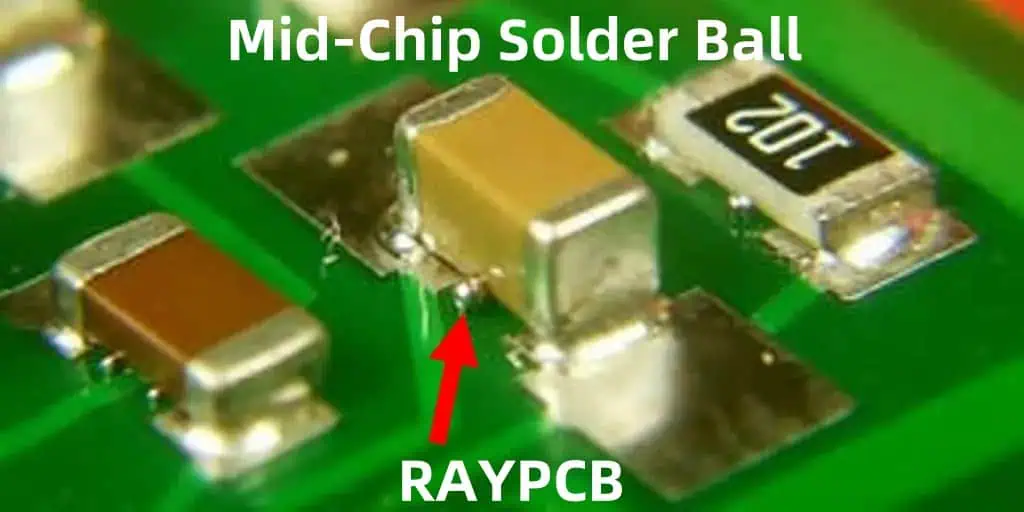
What are Mid-Chip Solder Balls?

In the ever-evolving world of electronics manufacturing, innovative packaging technologies continue to emerge to meet the demands of smaller, faster, and more powerful devices. One such innovation is the use of mid-chip solder balls, a technique that has gained significant attention in recent years. This article delves into the intricacies of mid-chip solder balls, exploring their purpose, benefits, challenges, and impact on the semiconductor industry.

Understanding Mid-Chip Solder Balls

Definition and Concept

Mid-chip solder balls, also known as under-bump metallization (UBM) or redistribution layer (RDL) balls, are small spheres of solder placed on the active surface of a semiconductor chip. Unlike traditional peripheral solder balls used in ball grid array (BGA) packages, mid-chip solder balls are positioned across the entire surface of the chip, including its central area.

Purpose and Functionality

The primary purposes of mid-chip solder balls include:

  1. Increasing I/O density
  2. Improving electrical performance
  3. Enhancing thermal management
  4. Enabling advanced packaging techniques

The Evolution of Chip Packaging

Traditional Packaging Methods

To understand the significance of mid-chip solder balls, it’s essential to consider the evolution of chip packaging:

  1. Through-hole technology
  2. Surface-mount technology (SMT)
  3. Ball Grid Array (BGA)
  4. Flip Chip

The Need for Advanced Packaging

As chip complexity increases and device sizes decrease, traditional packaging methods face limitations:

  • I/O density constraints
  • Signal integrity issues
  • Thermal management challenges
  • Size and form factor limitations

Mid-Chip Solder Ball Technology

Composition and Structure

Mid-chip solder balls typically consist of:

ComponentPurpose
Solder AlloyProvides electrical and mechanical connection
Under-Bump Metallization (UBM)Enhances adhesion and prevents diffusion
Redistribution Layer (RDL)Reroutes chip connections to desired locations

Manufacturing Process

The process of creating mid-chip solder balls involves several steps:

  1. Wafer preparation
  2. Redistribution layer deposition
  3. Under-bump metallization
  4. Solder ball placement
  5. Reflow and inspection

Size and Pitch Considerations

Mid-chip solder balls come in various sizes and pitches:

FeatureTypical Range
Ball Diameter50-300  ยตm
Pitch100-500  ยตm
Ball Height50-250  ยตm

Advantages of Mid-Chip Solder Balls

Increased I/O Density

By utilizing the entire chip surface, mid-chip solder balls significantly increase the number of possible connections.

Improved Electrical Performance

Shorter connection paths reduce signal delay and improve overall electrical performance.

Enhanced Thermal Management

Mid-chip solder balls can facilitate better heat dissipation from the active areas of the chip.

Enabler for Advanced Packaging

This technology supports various advanced packaging techniques, including:

  • 2.5D and 3D IC packaging
  • System-in-Package (SiP) solutions
  • Heterogeneous integration

Challenges and Considerations

Manufacturing Complexities

Implementing mid-chip solder balls introduces several manufacturing challenges:

  1. Precise alignment requirements
  2. Potential for solder bridging
  3. Increased complexity in inspection and testing

Reliability Concerns

Reliability issues that need to be addressed include:

  • Thermal cycling stress
  • Drop test performance
  • Electromigration risks

Cost Implications

The adoption of mid-chip solder ball technology may lead to:

  • Higher initial manufacturing costs
  • Increased investment in specialized equipment
  • Potential for long-term cost reductions through miniaturization

Applications of Mid-Chip Solder Balls

High-Performance Computing

Mid-chip solder balls are crucial for:

  • Advanced CPUs and GPUs
  • AI and machine learning accelerators
  • High-bandwidth memory interfaces

Mobile Devices

This technology enables:

  • Smaller, more powerful smartphones
  • Wearable devices with advanced functionality
  • Compact IoT devices

Automotive Electronics

Applications in the automotive sector include:

  • Advanced driver assistance systems (ADAS)
  • In-vehicle infotainment systems
  • Electric vehicle power management

5G and RF Devices

Mid-chip solder balls support:

  • High-frequency RF components
  • Compact 5G infrastructure equipment
  • Phased array antennas

Design Considerations for Mid-Chip Solder Balls

Layout and Routing

Designing for mid-chip solder balls requires careful consideration of:

  • Signal integrity
  • Power distribution
  • Thermal management paths

Material Selection

Critical material choices include:

  • Solder alloy composition
  • Under-bump metallization materials
  • Substrate and interposer materials

Thermal Management Strategies

Effective thermal management may involve:

  • Strategic placement of thermal balls
  • Integration with advanced cooling solutions
  • Use of thermally enhanced substrates

Testing and Inspection of Mid-Chip Solder Balls

X-ray Inspection

X-ray inspection is crucial for:

  • Detecting voids and bridging
  • Ensuring proper ball alignment
  • Identifying hidden defects

Acoustic Microscopy

This technique helps in:

  • Detecting delamination
  • Assessing solder joint quality
  • Identifying internal cracks or voids

Electrical Testing

Comprehensive electrical testing includes:

  • Continuity and short circuit tests
  • High-frequency performance validation
  • Burn-in and stress testing

Reliability and Failure Modes

Common Failure Mechanisms

Key reliability concerns include:

  1. Solder joint fatigue
  2. Electromigration
  3. Intermetallic compound growth
  4. Thermal cycling stress

Reliability Enhancement Techniques

Strategies to improve reliability include:

  • Underfill materials
  • Optimized solder alloy compositions
  • Stress-relieving package designs

Future Trends in Mid-Chip Solder Ball Technology

Miniaturization

Ongoing efforts focus on:

  • Reducing ball size and pitch
  • Improving alignment accuracy
  • Enhancing inspection capabilities

Materials Innovation

Research is being conducted on:

  • Novel solder alloys with improved properties
  • Advanced underfill materials
  • Environmentally friendly alternatives

Integration with Emerging Technologies

Mid-chip solder balls are being adapted for:

  • Chiplets and disaggregated architectures
  • Photonic integrated circuits
  • Quantum computing devices

Industry Standards and Regulations

IPC Standards

Relevant IPC standards include:

  • IPC-7095: Design and Assembly Process Implementation for BGAs
  • IPC-A-610: Acceptability of Electronic Assemblies

JEDEC Standards

JEDEC standards addressing this technology:

  • JESD22-B111: Board Level Drop Test Method of Components for Handheld Electronic Products
  • JESD22-A104: Temperature Cycling

Environmental Regulations

Compliance with regulations such as:

  • RoHS (Restriction of Hazardous Substances)
  • REACH (Registration, Evaluation, Authorisation and Restriction of Chemicals)

Economic Impact and Market Trends

Market Growth Projections

The mid-chip solder ball market is expected to grow significantly, driven by:

  • Increasing demand for advanced packaging solutions
  • Growth in 5G, AI, and IoT applications
  • Adoption in automotive and industrial sectors

Supply Chain Considerations

The adoption of this technology affects:

  • Semiconductor manufacturing equipment suppliers
  • Materials suppliers (solder, underfill, substrates)
  • Packaging and assembly service providers

Conclusion

Mid-chip solder balls represent a significant advancement in semiconductor packaging technology. By enabling higher I/O densities, improved electrical performance, and better thermal management, they play a crucial role in the development of next-generation electronic devices. While challenges in manufacturing and reliability persist, ongoing research and development efforts continue to address these issues.

As the electronics industry moves towards more compact, powerful, and efficient devices, mid-chip solder ball technology will likely play an increasingly important role. Its ability to support advanced packaging techniques and emerging technologies positions it as a key enabler for future innovations in electronics.

The successful implementation of mid-chip solder balls requires a holistic approach, considering design, materials, manufacturing processes, and reliability testing. As the technology matures, we can expect to see further refinements in ball size, pitch, and materials, along with improved manufacturing techniques and reliability enhancement strategies.

For engineers, designers, and manufacturers in the electronics industry, staying abreast of developments in mid-chip solder ball technology will be crucial for remaining competitive in a rapidly evolving market. As this technology continues to advance, it will undoubtedly open new possibilities for electronic device design and functionality, pushing the boundaries of what’s possible in the world of semiconductor packaging.

FAQ

  1. Q: How do mid-chip solder balls differ from traditional BGA solder balls? A: Mid-chip solder balls are placed across the entire surface of the chip, including the central area, while traditional BGA solder balls are typically arranged around the periphery. Mid-chip solder balls allow for higher I/O density, shorter signal paths, and better thermal management.
  2. Q: Are mid-chip solder balls more reliable than traditional packaging methods? A: Mid-chip solder balls can offer improved reliability in some aspects, such as better thermal management and shorter signal paths. However, they also introduce new reliability challenges, including potential issues with thermal cycling stress and electromigration. Overall reliability depends on proper design, materials selection, and manufacturing processes.
  3. Q: What are the main challenges in manufacturing devices with mid-chip solder balls? A: Key challenges include precise alignment requirements, potential for solder bridging, increased complexity in inspection and testing, and the need for specialized equipment. Additionally, managing thermal stress and ensuring uniform solder ball height can be challenging.
  4. Q: Can mid-chip solder ball technology be applied to all types of semiconductor devices? A: While mid-chip solder ball technology is versatile, it’s not necessarily suitable or cost-effective for all devices. It’s most commonly used in high-performance applications that require high I/O density, improved electrical performance, or advanced packaging techniques. Simpler, less demanding devices may still use traditional packaging methods.
  5. Q: How does the cost of mid-chip solder ball packaging compare to traditional methods? A: Initially, mid-chip solder ball packaging can be more expensive due to the need for specialized equipment and more complex manufacturing processes. However, it can lead to cost savings in the long run through increased functionality, improved performance, and the ability to create smaller, more integrated devices. The cost-effectiveness depends on the specific application and production volume.
What is a Desoldering Braid?

In the world of electronics repair and manufacturing, precision tools are essential for maintaining and modifying circuit boards. Among these tools, the desoldering braid stands out as a simple yet highly effective solution for removing solder from electronic components. This article delves into the intricacies of desoldering braids, exploring their composition, uses, and importance in electronics work.

Understanding Desoldering Braids

Definition and Purpose

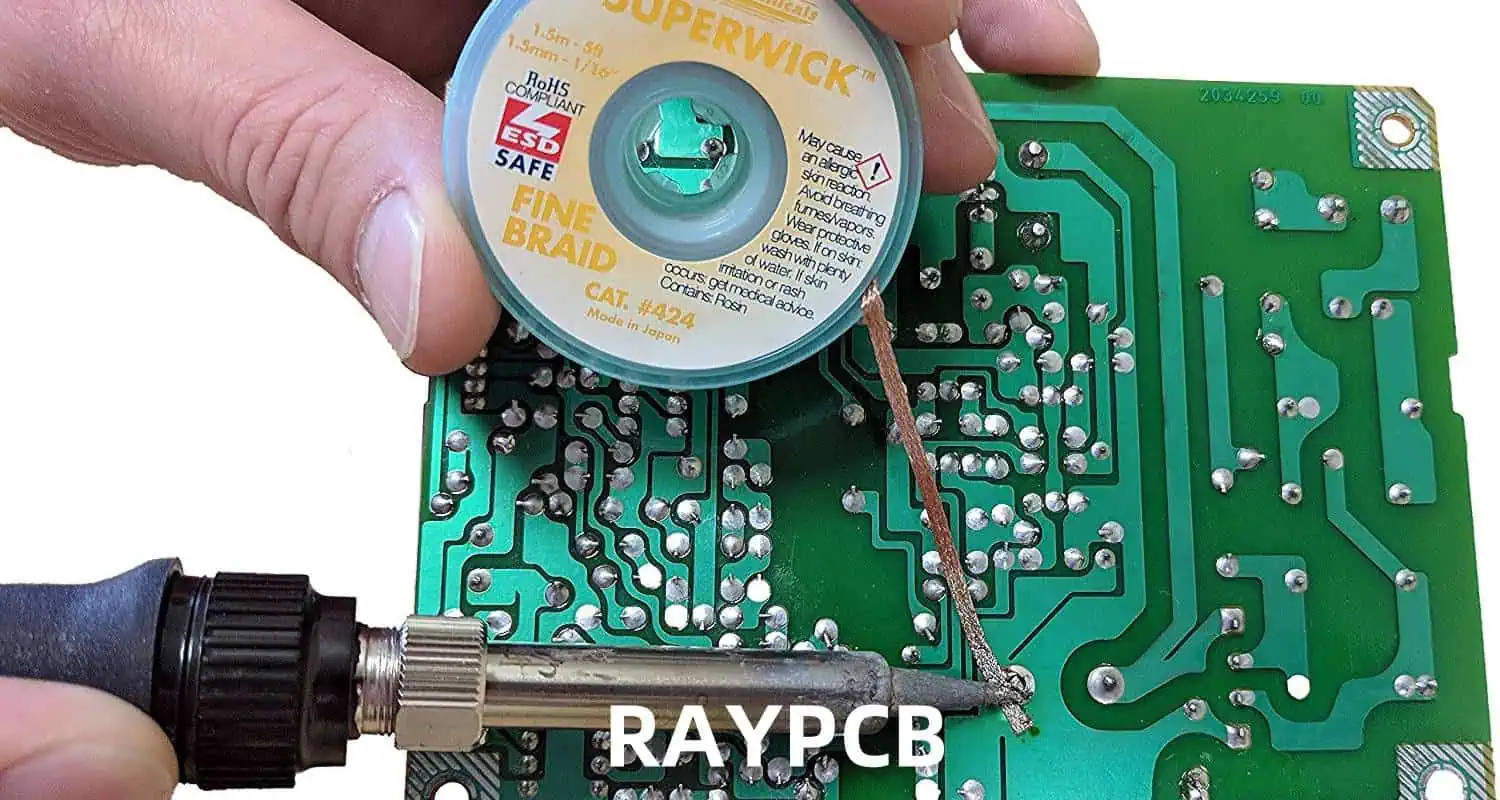
A desoldering braid, also known as solder wick or solder remover, is a fine copper mesh designed to remove excess solder from electrical connections. It’s a crucial tool for repairing, reworking, or salvaging electronic components on printed circuit boards (PCBs).

Composition

Desoldering braids are typically made of:

  • Fine copper wire strands
  • Flux coating (usually rosin-based)

The combination of copper and flux creates an effective tool for solder removal through capillary action.

How Desoldering Braids Work

Desoldering Wick
Desoldering Wick

The Science Behind Solder Wicking

  1. Capillary Action: The fine mesh structure of the braid creates tiny spaces that draw in molten solder.
  2. Heat Conduction: Copper’s excellent thermal conductivity helps in quickly melting the solder.
  3. Flux Activation: The flux coating aids in solder flow and prevents oxidation during the process.

Step-by-Step Process

  1. Place the braid over the solder joint
  2. Apply heat with a soldering iron
  3. As solder melts, it’s drawn into the braid
  4. Remove heat and braid simultaneously
  5. Cut off and dispose of the used portion of the braid

Types of Desoldering Braids

Desoldering braids come in various types, each suited for different applications:

TypeWidthBest For
Fine0.8mm – 1.5mmDelicate work, SMD components
Medium1.5mm – 2.5mmGeneral-purpose desoldering
Wide2.5mm – 4.0mmLarge solder joints, ground planes

Flux Types

  1. Rosin Flux: Most common, suitable for general use
  2. No-Clean Flux: Leaves minimal residue, ideal for applications where cleaning is difficult
  3. Water-Soluble Flux: Easy to clean with water, but more corrosive

Advantages of Using Desoldering Braids

Precision

  • Allows for targeted solder removal
  • Minimizes risk of damage to surrounding components

Ease of Use

  • Simple to handle and apply
  • Requires minimal additional equipment

Versatility

  • Effective on various solder types and joint sizes
  • Useful for both through-hole and surface-mount technology (SMT)

Cost-Effectiveness

  • Inexpensive compared to powered desoldering tools
  • No maintenance required

Limitations and Considerations

Single-Use Nature

  • Each section of the braid can only be used once
  • Requires proper disposal of used sections

Heat Management

  • Careful temperature control needed to avoid damaging PCBs
  • Risk of overheating sensitive components

Residue Concerns

  • Some flux types may leave residues requiring cleaning
  • Potential for copper residue on PCB if overheated

Choosing the Right Desoldering Braid

Factors to Consider

  1. Width of the braid
  2. Type of flux coating
  3. Compatibility with solder type
  4. Application (fine work vs. large joints)

Quality Indicators

  • Consistent weave pattern
  • Even flux coating
  • Reputable manufacturer

Best Practices for Using Desoldering Braids

Preparation

  1. Ensure clean working surface
  2. Select appropriate braid width
  3. Set soldering iron to correct temperature

Technique

  1. Use fresh section of braid for each joint
  2. Apply gentle pressure – let capillary action do the work
  3. Move braid slightly during heating for even solder removal

Safety Considerations

  1. Work in a well-ventilated area
  2. Use eye protection
  3. Be cautious of hot solder and tools

Comparing Desoldering Methods

MethodProsCons
Desoldering BraidPrecise, inexpensive, versatileSingle-use, requires skill
Solder SuckerQuick for large amounts, reusableLess precise, can damage pads
Desoldering StationEfficient for high-volume workExpensive, bulky
Hot Air ReworkGood for SMD componentsRisk of component damage, expensive

Applications in Electronics

Desoldering Wick vs. Pump

PCB Repair

  • Removing solder bridges
  • Replacing faulty components

Component Salvage

  • Recovering parts from old or damaged boards

Prototype Development

  • Modifying circuits during testing phases

Manufacturing Rework

  • Correcting soldering errors in production

Environmental Considerations

Disposal

  • Used braids should be disposed of as electronic waste
  • Some facilities offer recycling for copper content

Eco-Friendly Options

  • Braids made from recycled copper
  • Biodegradable flux coatings

Advanced Techniques with Desoldering Braids

Multi-Layer PCB Desoldering

  1. Use wider braid for better heat distribution
  2. Apply heat from both sides if possible
  3. Be patient – heat takes longer to penetrate multiple layers

Fine Pitch SMD Desoldering

  1. Choose the narrowest braid possible
  2. Use magnification for precision
  3. Consider using flux pen for additional flow

Desoldering Ground Planes

  1. Use a wide braid for maximum coverage
  2. Apply plenty of heat – ground planes act as heat sinks
  3. Be prepared to use multiple sections of braid

Maintenance and Storage of Desoldering Braids

Proper Storage

  • Keep in a cool, dry place
  • Store in sealed packaging to prevent flux degradation

Shelf Life

  • Typically 1-2 years when properly stored
  • Check for discoloration or hardening of flux

Handling

  • Use clean hands or gloves to prevent contamination
  • Avoid touching the flux-coated areas unnecessarily

Troubleshooting Common Issues

Braid Not Wicking Solder

  • Ensure proper heat application
  • Check if braid is saturated or flux is degraded
  • Consider adding external flux

Damage to PCB Pads

  • Reduce heat or duration of application
  • Use narrower braid for more precise control
  • Consider alternative desoldering methods for sensitive areas

Flux Residue Problems

  • Choose no-clean flux for minimal residue
  • Use appropriate cleaning solutions for the flux type
  • Consider using a flux remover pen for spot cleaning

Future Trends in Desoldering Technology

Eco-Friendly Materials

  • Development of biodegradable flux coatings
  • Increased use of recycled copper in braid manufacturing

Integration with Smart Tools

  • Braids with temperature-sensitive indicators
  • Possible integration with soldering stations for optimal heat control

Specialized Formulations

  • Braids designed for specific solder types (lead-free, high-temperature alloys)
  • Custom widths and shapes for unique applications

Training and Skill Development

Importance of Proper Technique

  • Correct use of desoldering braids can prevent board damage
  • Efficient desoldering saves time and materials

Learning Resources

  1. Online tutorials and videos
  2. Hands-on workshops and classes
  3. Practice kits for beginners

Certifications

  • Some electronics repair certifications include desoldering techniques
  • Industry-specific training programs may offer specialized instruction

Conclusion

Desoldering braids are an indispensable tool in the world of electronics repair and manufacturing. Their simplicity, effectiveness, and precision make them a go-to solution for removing solder in a wide range of applications. While they require some skill to use effectively, the benefits of desoldering braids far outweigh their limitations.

As electronics continue to evolve, with components becoming smaller and more densely packed, the role of precise desoldering tools like braids becomes even more critical. Whether you’re a hobbyist tinkering with DIY projects or a professional in electronics manufacturing, mastering the use of desoldering braids is a valuable skill that can enhance your ability to work with and repair electronic devices.

The future of desoldering braids looks promising, with ongoing developments in materials and techniques aimed at improving their effectiveness and environmental impact. As we move towards more sustainable practices in electronics, tools like desoldering braids will likely see innovations that make them even more eco-friendly and efficient.

In the end, the humble desoldering braid remains a testament to the power of simple, well-designed tools in the complex world of electronics. Its continued relevance in an age of advanced technology underscores the enduring value of fundamental skills and tools in electronic repair and modification.

FAQ

  1. Q: Can desoldering braid be reused? A: Desoldering braid is generally not reusable. Once a section of the braid has absorbed solder, it loses its effectiveness. Always use a fresh section of braid for each desoldering operation to ensure optimal performance.
  2. Q: Is desoldering braid safe to use on all types of electronic components? A: While desoldering braid is generally safe for most components, care should be taken with heat-sensitive parts. For delicate or expensive components, it’s best to use the narrowest braid possible and control heat application carefully. Some extremely sensitive components may require alternative desoldering methods.
  3. Q: How do I clean up flux residue left by desoldering braid? A: The cleaning method depends on the type of flux used in the braid. For rosin-based flux, isopropyl alcohol is usually effective. Water-soluble flux can be cleaned with warm water. For no-clean flux, cleaning is often unnecessary, but if required, specialized flux removers can be used. Always check the manufacturer’s recommendations for specific cleaning instructions.
  4. Q: Can desoldering braid remove lead-free solder? A: Yes, desoldering braid can remove lead-free solder, but it may require higher temperatures and a bit more patience. Some manufacturers offer braids specifically designed for lead-free solder, which may be more effective. Always ensure your soldering iron is set to the appropriate temperature for the type of solder you’re working with.
  5. Q: How does desoldering braid compare to a solder sucker in terms of effectiveness? A: Both tools have their strengths. Desoldering braid is generally more precise and better for small joints or surface-mount components. It’s also quieter and doesn’t risk damaging pads with suction. Solder suckers, on the other hand, are often faster for removing large amounts of solder, especially from through-hole components. Many professionals use both tools, selecting the most appropriate one for each specific task.

What is Halogen-Free Solder Paste?

In the ever-evolving world of electronics manufacturing, environmental concerns and regulatory pressures have led to significant changes in materials and processes. One such innovation is the development and widespread adoption of halogen-free solder paste. This article delves into the composition, benefits, and applications of halogen-free solder paste, as well as its impact on the electronics industry.

Understanding Solder Paste

Definition and Composition

Solder paste is a crucial material in electronics assembly, consisting of tiny metal alloy particles suspended in a flux medium. It is used to connect electronic components to printed circuit boards (PCBs) during the surface mount technology (SMT) process.

Traditional Solder Paste Composition

Traditionally, solder pastes contained halogenated compounds, particularly in their flux component. These halogens, often chlorine or bromine, were valued for their ability to remove oxides and promote good wetting of the solder.

The Shift to Halogen-Free

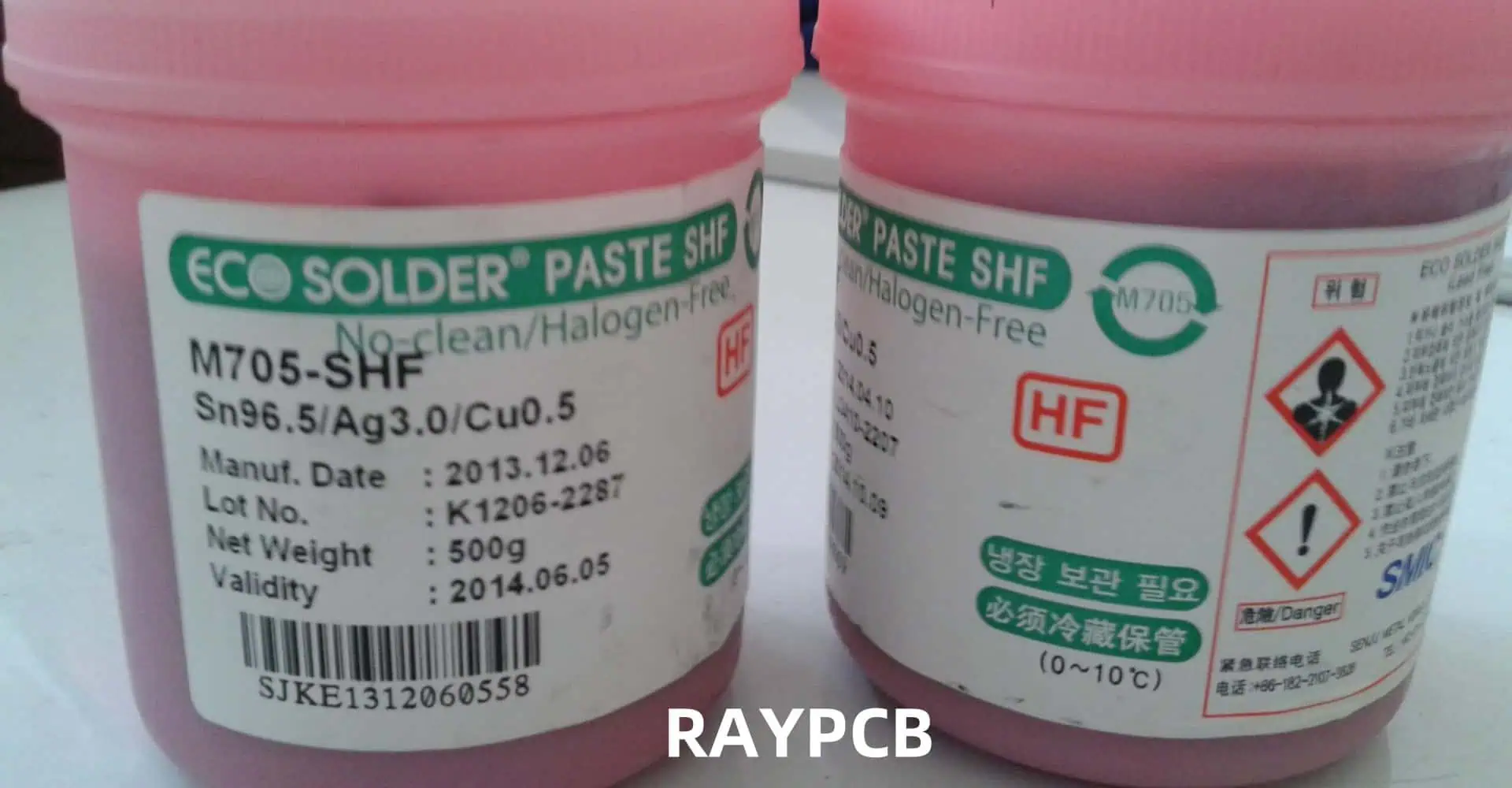
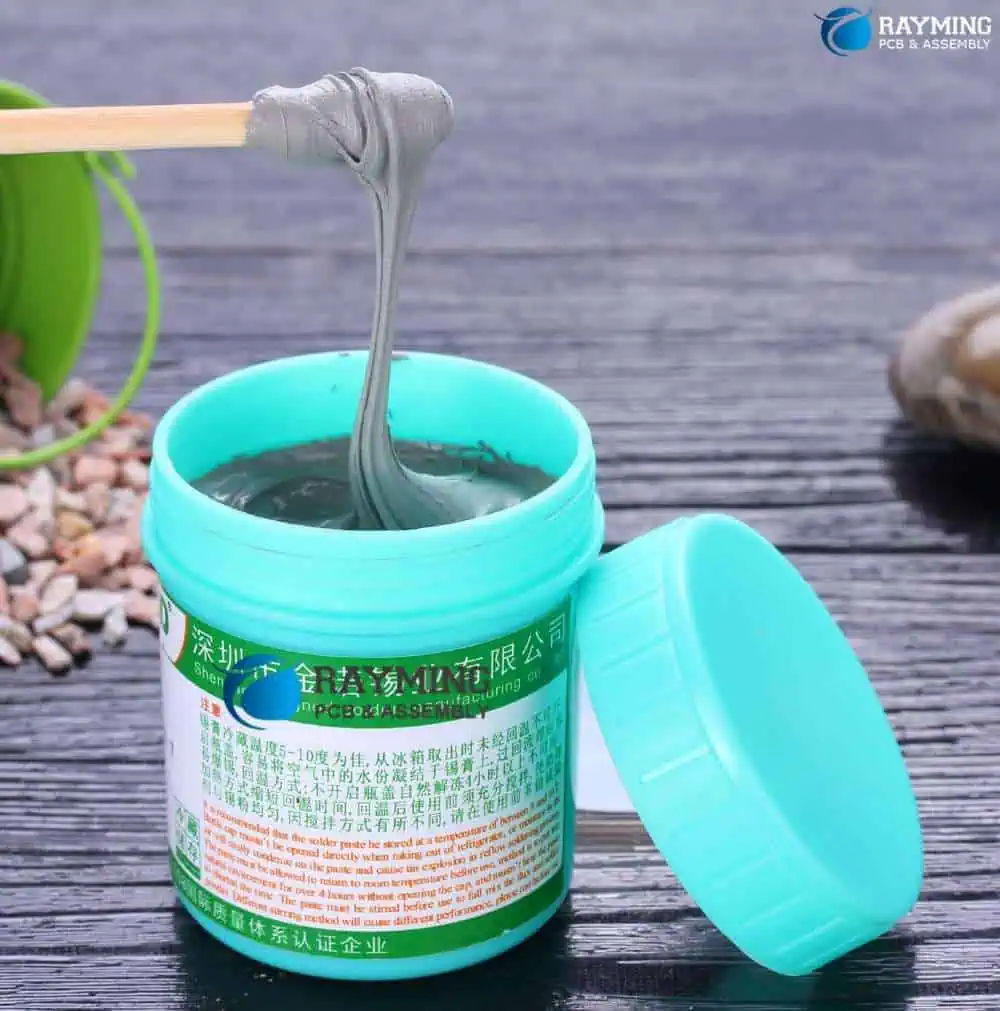
soldering flux paste

Environmental and Health Concerns

Halogenated compounds have been associated with various environmental and health issues, including:

  • Potential to form toxic substances when incinerated
  • Contribution to acid rain
  • Bioaccumulation in ecosystems
  • Potential health risks to workers and consumers

Regulatory Pressures

Several regulations and directives have pushed for the reduction or elimination of halogens in electronic products:

  • RoHS (Restriction of Hazardous Substances)
  • WEEE (Waste Electrical and Electronic Equipment)
  • Various regional and industry-specific standards

Halogen-Free Solder Paste Composition

Metal Alloy Component

The metal alloy in halogen-free solder paste typically consists of tin, silver, and copper (SAC alloys). Common compositions include:

AlloyTin (Sn)Silver (Ag)Copper (Cu)
SAC30596.50%3%0.50%
SAC38795.50%3.80%0.70%
SAC40595.50%4%0.50%

Flux Component

The flux in halogen-free solder paste is formulated without halogenated activators. Instead, it may contain:

  • Organic acids
  • Amine compounds
  • Rosin or modified resins
  • Solvents and rheological additives

Properties of Halogen-Free Solder Paste

Melting Point

Halogen-free solder pastes typically have slightly higher melting points compared to traditional tin-lead solders:

Solder TypeMelting Point Range
Traditional Tin-Lead (63/37)183ยฐC
SAC305 (Halogen-Free)217-220ยฐC
SAC387 (Halogen-Free)217-219ยฐC

Wetting Characteristics

While early halogen-free formulations struggled with wetting, modern versions have significantly improved:

  • Good spread on various surface finishes
  • Capable of forming reliable solder joints

Shelf Life and Storage

Halogen-free solder pastes generally have:

  • Shelf life of 6-12 months when refrigerated
  • Requirement for proper temperature control during storage and use

Advantages of Halogen-Free Solder Paste

Environmental Benefits

  • Reduced environmental impact during production and disposal
  • Lower potential for harmful emissions during reflow and rework processes

Regulatory Compliance

  • Meets various global environmental regulations
  • Simplifies compliance documentation for manufacturers

Improved Reliability

  • Reduced risk of corrosion in high-humidity environments
  • Potentially better long-term reliability in certain applications

Health and Safety

  • Reduced exposure risks for manufacturing workers
  • Lower potential for harmful off-gassing in finished products

Challenges and Considerations

Higher Reflow Temperatures

The higher melting point of halogen-free alloys necessitates:

  • Higher reflow temperatures
  • Potential stress on components and PCBs
  • Need for temperature-resistant manufacturing equipment

Cost Considerations

Halogen-free solder pastes can be more expensive due to:

  • Higher material costs (especially silver content)
  • Potentially lower manufacturing yields during transition periods

Process Adjustments

Switching to halogen-free solder paste may require:

  • Reflow profile optimization
  • Adjustment of printer parameters
  • Potential changes in cleaning processes

Applications of Halogen-Free Solder Paste

Consumer Electronics

  • Smartphones and tablets
  • Laptops and desktop computers
  • Home appliances and entertainment systems

Automotive Electronics

  • Engine control units
  • Infotainment systems
  • Advanced driver assistance systems (ADAS)

Industrial Electronics

  • Control systems
  • Robotics
  • Power distribution equipment

Aerospace and Defense

  • Avionics systems
  • Satellite components
  • Military communication equipment

Manufacturing Process with Halogen-Free Solder Paste

Solder Paste Printing

  1. Stencil design optimization
  2. Proper storage and handling of solder paste
  3. Control of print parameters (pressure, speed, separation speed)

Component Placement

  1. Accurate placement of components on the solder paste deposits
  2. Consideration of placement force to avoid disturbing the paste

Reflow Soldering

  1. Profile optimization for halogen-free alloys
  2. Typically higher peak temperatures (230-250ยฐC)
  3. Careful control of ramp rates and soak times

Post-Reflow Inspection and Cleaning

  1. Visual and automated optical inspection (AOI)
  2. X-ray inspection for hidden solder joints
  3. Cleaning process adjustment if required

Quality Control and Testing

Solder Paste Inspection (SPI)

  • Volume and height measurement of solder paste deposits
  • Detection of bridging, insufficient paste, or misalignment

Joint Quality Assessment

  • Visual inspection for good wetting and fillet formation
  • Cross-sectioning for internal structure analysis

Reliability Testing

  • Thermal cycling to assess joint integrity over time
  • Drop and vibration testing for mechanical reliability

Future Trends in Halogen-Free Solder Paste

Low-Temperature Alloys

Development of halogen-free alloys with lower melting points to reduce thermal stress on components and substrates.

Nano-Enhanced Formulations

Incorporation of nanoparticles to improve wetting and mechanical properties of solder joints.

Bio-Based Flux Systems

Research into environmentally friendly, bio-based flux components to further reduce environmental impact.

Industry Standards and Certifications

IPC Standards

  • IPC J-STD-004B: Requirements for soldering fluxes
  • IPC J-STD-005A: Requirements for soldering pastes

JEDEC Standards

  • JESD97: Marking, symbols, and labels for identification of lead-free assemblies, components, and devices

Environmental Certifications

  • REACH (Registration, Evaluation, Authorisation and Restriction of Chemicals) compliance
  • Various eco-labels and green certifications

Best Practices for Implementing Halogen-Free Solder Paste

Thorough Evaluation

  • Conduct comprehensive testing with various component types and board designs
  • Evaluate multiple halogen-free solder paste options

Process Optimization

  • Fine-tune reflow profiles for each product
  • Optimize stencil design and printing parameters

Staff Training

  • Educate operators on the specific handling requirements of halogen-free pastes
  • Train quality control personnel on new inspection criteria

Supply Chain Management

  • Ensure consistent supply of compatible components and PCB surface finishes
  • Communicate changes to suppliers and customers

Conclusion

Halogen-free solder paste represents a significant step forward in the electronics industry’s efforts to reduce environmental impact and improve product safety. While challenges exist in terms of process adjustment and potentially higher costs, the benefits of regulatory compliance, reduced environmental impact, and potential reliability improvements make halogen-free solder paste an increasingly attractive option for many manufacturers.

As technology continues to advance, we can expect further improvements in halogen-free formulations, addressing current limitations and expanding their applicability across various sectors of the electronics industry. Manufacturers who successfully navigate the transition to halogen-free solder pastes will be well-positioned to meet evolving regulatory requirements and consumer expectations for environmentally friendly electronics.

FAQ

  1. Q: Is halogen-free solder paste more difficult to work with than traditional solder paste? A: Initially, halogen-free solder pastes were more challenging due to different wetting characteristics and higher reflow temperatures. However, modern formulations have significantly improved, and with proper process optimization, they can perform comparably to traditional pastes.
  2. Q: Does using halogen-free solder paste require new equipment? A: In most cases, existing equipment can be used, but it may require adjustments. Reflow ovens need to handle higher peak temperatures, and printers may need parameter adjustments. It’s important to ensure that all equipment can handle the slightly higher processing temperatures.
  3. Q: Are halogen-free solder joints as reliable as those made with traditional solder pastes? A: When properly implemented, halogen-free solder joints can be as reliable as or even more reliable than traditional joints, especially in high-humidity environments. However, reliability can depend on various factors including alloy composition, joint design, and operating conditions.
  4. Q: How can I determine if a solder paste is truly halogen-free? A: Look for solder pastes that comply with standards like IEC 61249-2-21, which defines halogen-free as containing less than 900 ppm chlorine, less than 900 ppm bromine, and less than 1500 ppm total halogens. Reputable manufacturers will provide this information in their product documentation.
  5. Q: Is cleaning necessary after using halogen-free solder paste? A: The need for cleaning depends on the specific formulation of the solder paste and the requirements of your application. Many modern halogen-free solder pastes are designed to be “no-clean,” leaving minimal residues that don’t require removal. However, for high-reliability applications or when using certain flux types, cleaning may still be necessary.

What is a PCB Test Coupon?

In the world of printed circuit board (PCB) manufacturing, quality control is paramount. One of the essential tools used to ensure the reliability and performance of PCBs is the test coupon. This article delves into the concept of PCB test coupons, their importance, types, and how they contribute to the overall quality assurance process in PCB production.

Understanding PCB Test Coupons

Definition

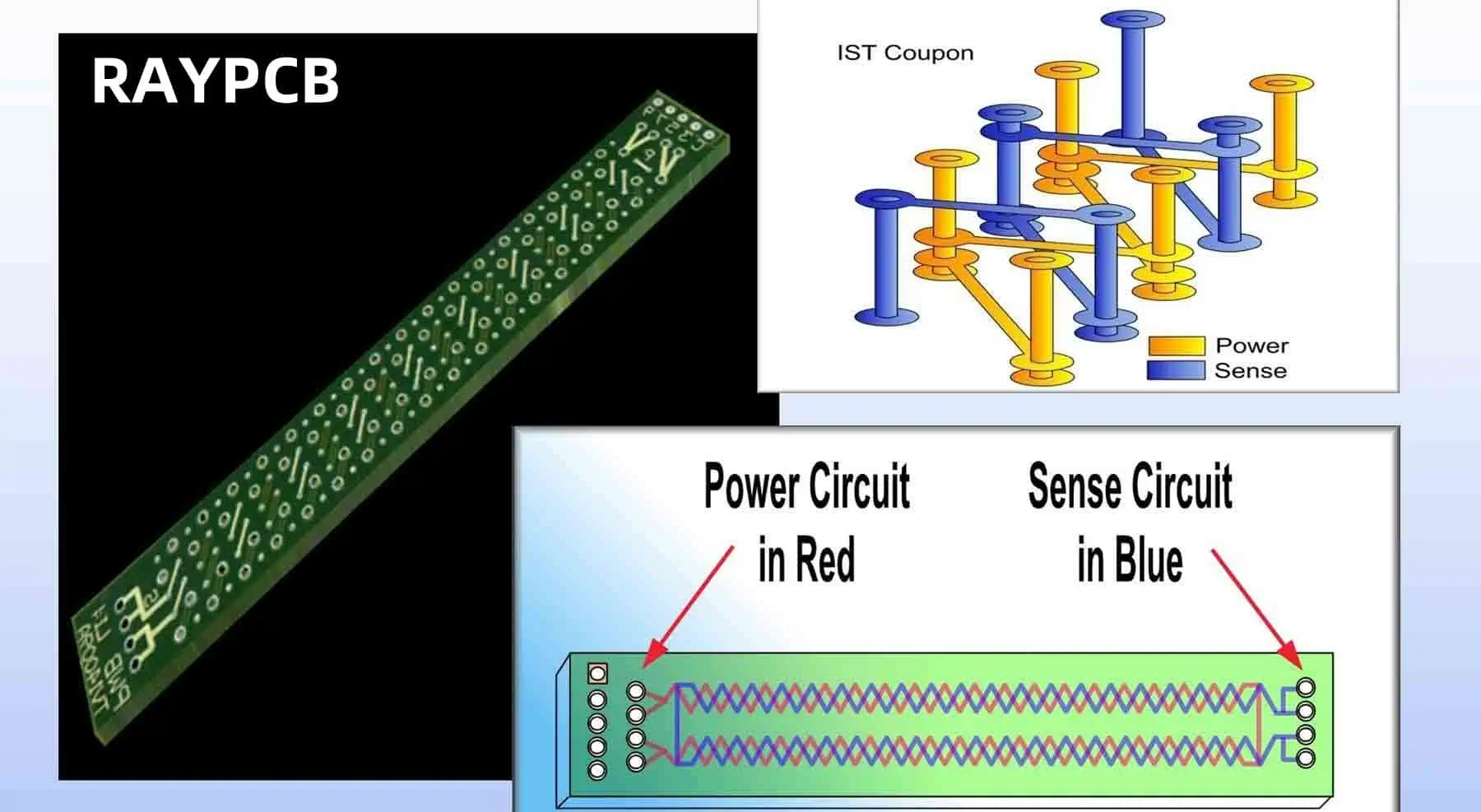
A PCB test coupon, also known as a quality conformance coupon or QC coupon, is a small, representative sample of a PCB that is manufactured alongside the main board. It is designed to undergo various tests and inspections to verify the quality and characteristics of the entire PCB batch without damaging the actual product.

Purpose

The primary purpose of a test coupon is to provide a means for destructive and non-destructive testing of PCB characteristics without compromising the integrity of the finished product. This allows manufacturers to assess the quality of their production process and ensure that the PCBs meet the required specifications.

Importance of PCB Test Coupons

Quality Assurance

Test coupons play a crucial role in the quality assurance process, helping manufacturers identify potential issues before they affect the final product.

Regulatory Compliance

Many industries, especially those dealing with high-reliability applications like aerospace and medical devices, require the use of test coupons to meet regulatory standards.

Process Optimization

By analyzing test coupon results, manufacturers can fine-tune their production processes to improve quality and yield.

Cost Reduction

Identifying and addressing issues early in the production process through test coupons can significantly reduce the cost of scrapped or reworked boards.

Types of PCB Test Coupons

Test coupons come in various types, each designed to evaluate specific aspects of the PCB. Here are some common types:

1. A/B Coupon

  • Purpose: General evaluation of PCB quality
  • Location: Typically placed on opposite corners of the panel
  • Tests: Layer registration, etching quality, plating thickness

2. Innerlayer Coupon

  • Purpose: Evaluate the quality of inner layers in multilayer PCBs
  • Location: On each innerlayer of the PCB
  • Tests: Conductor width and spacing, dielectric thickness

3. Thermal Stress Coupon

  • Purpose: Assess the PCB’s ability to withstand thermal stress
  • Location: Usually on the panel border
  • Tests: Plated through-hole reliability, solder mask adhesion

4. Impedance Coupon

5. Microsection Coupon

  • Purpose: Evaluate internal structure and plating quality
  • Location: On the panel border
  • Tests: Plating thickness, layer alignment, via formation

Structure of a Typical PCB Test Coupon

A typical PCB test coupon includes several elements designed to facilitate various tests. Here’s a breakdown of common features:

FeaturePurpose
Plated Through-HolesEvaluate plating quality and thickness
Surface Mount PadsAssess solder mask registration and pad definition
Fine-Pitch TracesCheck etching quality and minimum trace width capabilities
Solid Copper AreasEvaluate copper thickness and plating uniformity
Alignment TargetsCheck layer-to-layer registration
Solder Mask WindowsAssess solder mask quality and adhesion

PCB Test Coupon Standards

Several industry standards govern the design and use of PCB test coupons:

IPC-2221

This standard provides guidelines for the general design of printed boards, including recommendations for test coupon design and placement.

IPC-6012

Focused on rigid PCBs, this standard outlines specific requirements for qualification and performance of rigid printed boards, including test coupon specifications.

IPC-6013

Similar to IPC-6012, but specifically for flexible and rigid-flex printed boards.

MIL-PRF-31032

A military standard that includes detailed requirements for test coupons used in high-reliability PCBs for defense applications.

Test Methods for PCB Coupons

Various test methods are employed to evaluate PCB coupons, including:

Visual Inspection

A thorough visual examination of the coupon to check for obvious defects or inconsistencies.

Microsectioning

Cross-sectioning the coupon to examine its internal structure under a microscope.

Electrical Testing

Conducting electrical tests to verify continuity, impedance, and insulation resistance.

Environmental Stress Testing

Subjecting the coupon to thermal cycles, humidity, and other environmental stresses to assess reliability.

Chemical Analysis

Analyzing the materials used in the PCB to ensure compliance with specifications.

Interpreting PCB Test Coupon Results

Interpreting the results of test coupon analysis is crucial for maintaining PCB quality. Here are key aspects to consider:

Acceptance Criteria

Manufacturers establish acceptance criteria based on industry standards and customer requirements. Test results are compared against these criteria to determine if the PCB batch meets the required quality standards.

Statistical Analysis

For high-volume production, statistical analysis of test coupon results can help identify trends and potential process issues.

Correlation with Board Performance

It’s important to establish a correlation between test coupon results and the actual performance of the finished PCBs to ensure the relevance of the testing process.

Advantages of Using PCB Test Coupons

Non-Destructive Evaluation

Test coupons allow for destructive testing without sacrificing actual product boards.

Process Control

Regular analysis of test coupons helps maintain consistent production quality.

Customer Confidence

The use of test coupons demonstrates a commitment to quality, enhancing customer trust.

Traceability

Test coupons provide a traceable record of PCB quality for each production batch.

Limitations and Challenges

Representativeness

Ensuring that the test coupon accurately represents the entire PCB can be challenging, especially for complex designs.

Cost and Time

Implementing a comprehensive test coupon program adds to production costs and time.

Interpretation Complexity

Analyzing test coupon results requires expertise and can be subject to interpretation errors.

Future Trends in PCB Test Coupons

Miniaturization

As PCBs become more compact and dense, test coupons are also evolving to represent these advanced designs accurately.

Automation

Increased use of automated systems for test coupon analysis to improve efficiency and reduce human error.

Advanced Materials

Development of new test coupon designs to accommodate emerging PCB materials and technologies.

Best Practices for PCB Test Coupon Usage

Design Integration

Integrate test coupon design into the overall PCB layout process to ensure representativeness.

Regular Calibration

Maintain and calibrate test equipment regularly to ensure accurate results.

Staff Training

Invest in training for staff involved in test coupon analysis to improve interpretation accuracy.

Documentation

Maintain detailed records of test coupon results for traceability and process improvement.

Conclusion

PCB test coupons are indispensable tools in the quality assurance process of PCB manufacturing. They provide a means to verify the quality and reliability of PCBs without compromising the actual product. As PCB technology continues to advance, the role of test coupons in ensuring product quality and reliability remains crucial. By understanding and effectively utilizing test coupons, manufacturers can maintain high standards of quality, meet regulatory requirements, and build customer confidence in their products.

FAQ

  1. Q: Are PCB test coupons always necessary? A: While not always mandatory, test coupons are highly recommended, especially for complex or high-reliability PCBs. They provide valuable data on board quality without risking the actual product.
  2. Q: How many test coupons are typically included on a PCB panel? A: The number of test coupons can vary depending on the panel size and complexity of the PCB. Typically, there might be 2-4 coupons per panel, but this can increase for larger or more complex designs.
  3. Q: Can test coupon results guarantee the quality of every PCB on the panel? A: While test coupons provide a good indication of overall quality, they cannot guarantee the perfection of every individual PCB. They are representative samples and should be used in conjunction with other quality control measures.
  4. Q: How long should test coupon results be retained? A: Retention periods can vary based on industry standards and customer requirements. Generally, it’s advisable to keep results for at least the expected lifetime of the product, which could be several years for some applications.
  5. Q: Can PCB test coupons be customized for specific applications? A: Yes, test coupons can and often are customized to reflect specific design features or critical aspects of a particular PCB. This customization ensures that the most relevant characteristics are being tested.

What is Lead-based (non-RoHS) Soldering?

Lead-based soldering has been a cornerstone of electronics manufacturing for decades. Despite recent regulations and shifts towards lead-free alternatives, lead-based soldering continues to play a crucial role in certain industries and applications. This article delves into the intricacies of lead-based soldering, its properties, applications, and the ongoing debate surrounding its use in the age of environmental consciousness.

The Basics of Lead-based Soldering

Definition and Composition

Lead-based solder is an alloy primarily composed of tin (Sn) and lead (Pb). The most common composition is 63% tin and 37% lead, known as 63/37 solder. This particular ratio is favored for its eutectic properties, meaning it has a single, low melting point.

Historical Context

Lead-based solders have been used for centuries in various applications, from plumbing to electronics. Their popularity in electronics stems from their excellent electrical conductivity, low melting point, and ease of use.

Properties of Lead-based Solder

Melting Point

One of the key advantages of lead-based solder is its relatively low melting point. The eutectic 63/37 solder melts at 183ยฐC (361ยฐF), which is significantly lower than many lead-free alternatives.

Electrical Conductivity

Lead-based solders offer excellent electrical conductivity, crucial for creating reliable connections in electronic circuits.

Mechanical Strength

While not as strong as some modern lead-free alternatives, lead-based solders provide adequate mechanical strength for many applications.

Wetting Properties

Lead-based solders have superior wetting properties, allowing them to flow easily and create strong bonds with various metals.

Comparison of Lead-based and Lead-free Solders

To better understand the differences between lead-based and lead-free solders, let’s compare their key properties:

PropertyLead-based Solder (63/37)Lead-free Solder (SAC305)
Melting Point183ยฐC (361ยฐF)217-220ยฐC (423-428ยฐF)
Electrical ConductivityExcellentGood
Mechanical StrengthGoodVery Good
Wetting PropertiesExcellentGood
CostLowerHigher
Environmental ImpactHigherLower

Applications of Lead-based Soldering

Military and Aerospace

The military and aerospace industries continue to rely on lead-based solders due to their proven reliability in harsh environments and long-term stability.

Medical Devices

Some medical devices still utilize lead-based solders, particularly in applications where long-term reliability is critical.

Automotive Electronics

While many automotive manufacturers have transitioned to lead-free solders, some specialized applications still use lead-based solders.

High-Reliability Electronics

Certain high-reliability electronics, such as those used in industrial control systems or telecommunications infrastructure, may still employ lead-based solders.

The RoHS Directive and Lead-based Soldering

Overview of RoHS

The Restriction of Hazardous Substances (RoHS) directive, implemented by the European Union in 2006, restricts the use of certain hazardous materials in electrical and electronic equipment.

Impact on Lead-based Soldering

RoHS has significantly reduced the use of lead-based solders in consumer electronics. However, it includes exemptions for certain applications where lead-free alternatives are not yet feasible or reliable.

Exemptions

Some exemptions to the RoHS directive include:

  1. High-melting temperature solders (>85% lead)
  2. Servers, storage, and storage array systems
  3. Network infrastructure equipment for switching, signaling, transmission, and network management

Advantages of Lead-based Soldering

Lower Melting Point

The lower melting point of lead-based solders reduces thermal stress on components during the soldering process.

Cost-effectiveness

Lead-based solders are generally less expensive than their lead-free counterparts.

Proven Reliability

Decades of use have demonstrated the long-term reliability of lead-based solders in various applications.

Ease of Use

Lead-based solders are known for their excellent wetting properties and ease of application, making them user-friendly for both automated and manual soldering processes.

Disadvantages and Environmental Concerns

Health Risks

Lead is a known neurotoxin, posing health risks to workers and potentially to end-users if not properly managed.

Environmental Impact

Improper disposal of lead-containing electronics can lead to environmental contamination.

Regulatory Restrictions

Increasing regulations worldwide are limiting the use of lead-based solders, requiring manufacturers to adapt their processes.

Techniques and Best Practices for Lead-based Soldering

Desoldering Wick vs. Pump

Temperature Control

Proper temperature control is crucial for achieving high-quality solder joints. The optimal soldering temperature for 63/37 solder is typically between 315-370ยฐC (600-700ยฐF).

Flux Selection

Choosing the right flux is essential for removing oxides and promoting good wetting. Rosin-based fluxes are commonly used with lead-based solders.

Proper Ventilation

Adequate ventilation is crucial to minimize exposure to lead fumes during the soldering process.

Cleaning and Inspection

Thorough cleaning and inspection of solder joints are necessary to ensure reliability and remove any flux residues.

Lead-based Soldering Equipment

Soldering Irons

Temperature-controlled soldering irons are essential for precise and consistent results.

Solder Baths

Solder baths or pots are used for dip soldering applications, particularly in through-hole assembly.

Wave Soldering Machines

Wave soldering machines are used for high-volume production, particularly for through-hole components.

Future of Lead-based Soldering

Ongoing Research

Research continues into lead-free alternatives that can match or exceed the performance of lead-based solders.

Regulatory Trends

Global regulations are likely to further restrict the use of lead-based solders, even in currently exempt applications.

Industry Adaptation

Industries still relying on lead-based solders are actively seeking alternatives and adapting their processes to comply with evolving regulations.

Conclusion

Lead-based soldering, while facing increasing regulatory pressure, continues to play a vital role in specific industries and applications. Its unique properties, proven reliability, and cost-effectiveness make it difficult to replace entirely. However, the ongoing shift towards lead-free alternatives is driven by valid environmental and health concerns. As technology advances, it’s likely that lead-based soldering will become increasingly niche, reserved only for the most demanding applications where no suitable alternatives exist.

FAQ

  1. Q: Is lead-based soldering illegal? A: Lead-based soldering is not illegal globally, but its use is restricted in many countries, particularly for consumer electronics. Certain industries and applications are exempt from these restrictions.
  2. Q: What are the main differences between lead-based and lead-free solders? A: The main differences include melting point (lead-based is lower), cost (lead-based is generally cheaper), environmental impact (lead-free is better), and ease of use (lead-based is typically easier to work with).
  3. Q: Can I use lead-based solder for hobby electronics projects? A: While it’s still possible to obtain lead-based solder for hobby use, many hobbyists are transitioning to lead-free alternatives due to health and environmental concerns. Always check local regulations and handle lead-based solder with proper safety precautions.
  4. Q: Why do some industries still use lead-based solder despite the known risks? A: Some industries, particularly those requiring high reliability in extreme conditions (like aerospace or military applications), continue to use lead-based solder due to its proven long-term reliability and performance characteristics that are challenging to match with current lead-free alternatives.
  5. Q: How can I safely dispose of electronics containing lead-based solder? A: Electronics containing lead-based solder should be disposed of as electronic waste (e-waste) through proper recycling channels. Many communities have dedicated e-waste collection points or events. Never dispose of these items in regular trash to prevent environmental contamination.

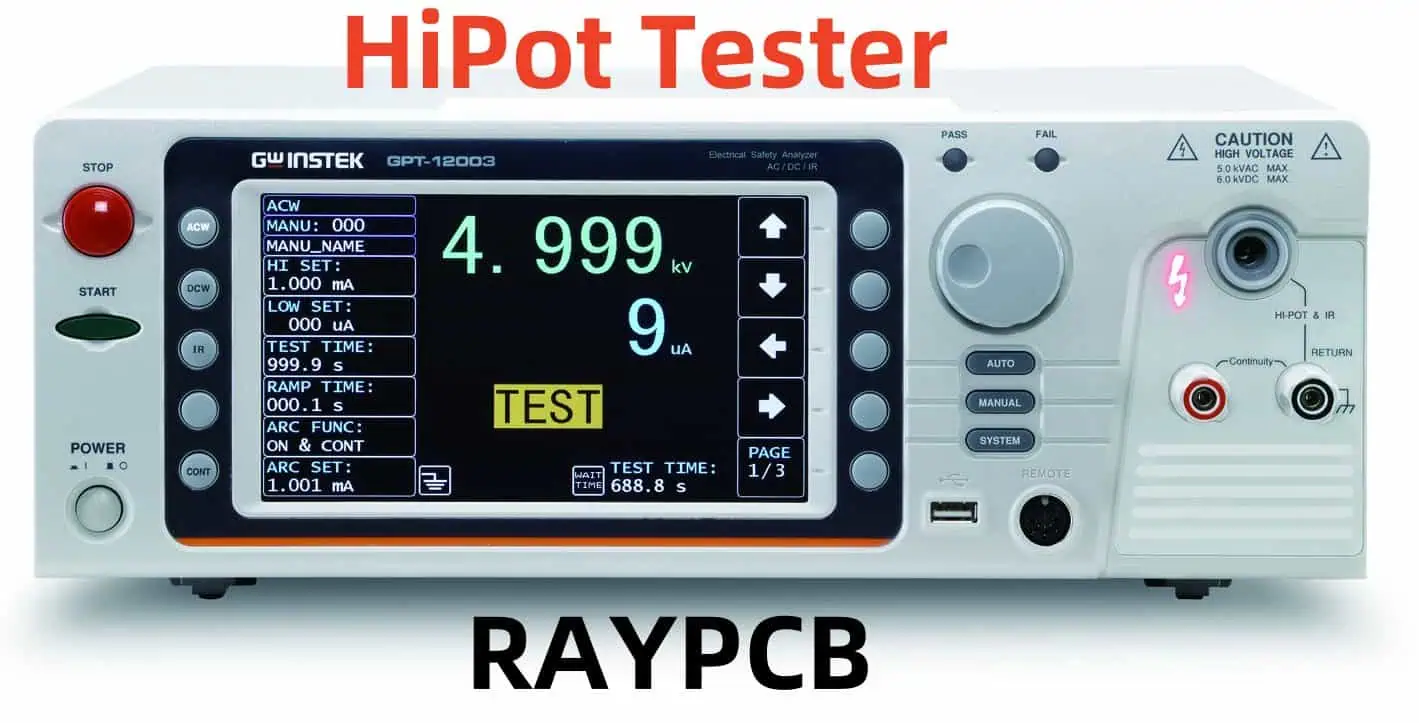
What is High Potential (HiPot) Testing?

In the realm of electrical safety and quality assurance, High Potential (HiPot) testing stands as a critical procedure. This essential test, also known as Dielectric Withstand Testing or Voltage Breakdown Testing, plays a crucial role in ensuring the safety and reliability of electrical and electronic products. From consumer electronics to industrial machinery, HiPot testing is a fundamental step in verifying the integrity of electrical insulation and the overall safety of devices that rely on electrical power.

Understanding High Potential (HiPot) Testing

Definition and Purpose

High Potential testing is a non-destructive test method used to verify the electrical insulation of a device or component. The primary purpose of HiPot testing is to ensure that the insulation can withstand high voltage levels without breakdown, thereby preventing electrical hazards such as short circuits, arcing, or electrical shocks.

Basic Principles

HiPot testing operates on a simple yet effective principle: applying a high voltage between the conducting parts of a device and its external conductive surfaces or ground. This test voltage is significantly higher than the normal operating voltage of the device, typically ranging from 1000V to several thousand volts, depending on the application and safety standards.

Types of HiPot Tests

  1. AC HiPot Test
  2. DC HiPot Test
  3. Impulse (Surge) HiPot Test

The HiPot Testing Process

Equipment Setup

  1. HiPot Tester: The main testing device
  2. Test Fixtures: Custom-designed for specific products
  3. Safety Interlocks: To prevent accidental exposure to high voltages
  4. Monitoring Devices: For measuring leakage current and breakdown events

Test Procedure

  1. Device Under Test (DUT) Connection
  2. Safety Check and Parameter Setting
  3. Voltage Ramp-Up
  4. Hold Time at Test Voltage
  5. Monitoring and Measurement
  6. Voltage Ramp-Down
  7. Result Analysis and Recording

Safety Considerations

  1. Operator Training
  2. Proper Grounding
  3. Use of Personal Protective Equipment (PPE)
  4. Test Area Isolation
  5. Emergency Shutdown Procedures

Applications of HiPot Testing

Industries Utilizing HiPot Testing

  1. Consumer Electronics
  2. Medical Devices
  3. Automotive
  4. Aerospace
  5. Industrial Equipment
  6. Power Distribution

Specific Use Cases

  1. Household Appliance Safety Verification
  2. Electric Vehicle Battery Insulation Testing
  3. Aircraft Wiring Harness Validation
  4. Medical Imaging Equipment Certification
  5. Power Transformer Insulation Checking
  6. Industrial Motor Winding Inspection

Advantages of HiPot Testing

Early Defect Detection

HiPot testing can identify insulation weaknesses before they lead to product failure or safety hazards.

Quality Assurance

It provides a reliable method for verifying the manufacturing quality of electrical products.

Regulatory Compliance

Many safety standards and regulations require HiPot testing as part of product certification.

Cost-Effective

Detecting insulation issues early in the production process can prevent costly recalls and liability issues.

Versatility

HiPot testing can be applied to a wide range of electrical and electronic products.

Limitations and Challenges of HiPot Testing

Potential for Product Damage

Improper testing parameters can stress or damage the insulation of the device under test.

False Positives and Negatives

Incorrect test setup or interpretation can lead to erroneous results.

Time Consumption

HiPot testing can be time-consuming, especially for complex products or high-volume production.

Specialized Equipment and Expertise

Proper HiPot testing requires specific equipment and trained personnel.

Limited Information

While HiPot testing can detect insulation weaknesses, it may not provide detailed information about the nature or location of the defect.

Best Practices for HiPot Testing

Test Parameter Selection

Carefully choose voltage levels, ramp rates, and hold times based on product specifications and relevant standards.

Regular Equipment Calibration

Ensure HiPot testers are regularly calibrated to maintain accuracy.

Comprehensive Test Plans

Develop detailed test plans that cover all critical insulation points of the product.

Environmental Control

Conduct tests in controlled environments to minimize the impact of temperature and humidity on results.

Data Recording and Traceability

Maintain detailed records of test results for quality control and regulatory compliance.

Comparison of HiPot Testing Methods

To better understand the different approaches to HiPot testing, let’s compare the three main types:

CharacteristicAC HiPot TestDC HiPot TestImpulse HiPot Test
Voltage TypeAlternating CurrentDirect CurrentHigh-Voltage Pulse
Test DurationShort (seconds)Longer (minutes)Very Short (microseconds)
Stress on InsulationHighLower than ACVery High
Leakage Current MeasurementEasyMore ComplexChallenging
Typical ApplicationsProduction TestingField Testing, CablesSurge Protection Devices
Sensitivity to Capacitive EffectsHighLowModerate
Equipment CostModerateLowerHigher
Suitability for Capacitive LoadsLimitedGoodExcellent

HiPot Testing Standards and Regulations

International Standards

  1. IEC 60950: Information Technology Equipment
  2. IEC 61010: Measurement, Control, and Laboratory Equipment
  3. IEC 60601: Medical Electrical Equipment

Regional Standards

  1. UL 1012 (North America): Power Units Other Than Class 2
  2. EN 50191 (Europe): Erection and Operation of Electrical Test Equipment
  3. AS/NZS 3760 (Australia/New Zealand): In-service Safety Inspection and Testing of Electrical Equipment

Industry-Specific Standards

  1. DO-160 (Aerospace): Environmental Conditions and Test Procedures for Airborne Equipment
  2. ISO 6469-3 (Automotive): Electrically Propelled Road Vehicles – Safety Specifications
  3. IEC 62477-1 (Power Electronics): Safety Requirements for Power Electronic Converter Systems and Equipment

Future Trends in HiPot Testing

Integration with IoT and Industry 4.0

Incorporating HiPot testers into connected factory systems for real-time monitoring and data analysis.

Advanced Data Analytics

Utilizing machine learning algorithms to improve defect detection and predict potential insulation failures.

Automation and Robotics

Developing automated HiPot testing systems to increase efficiency and reduce human error.

Non-Contact Testing Methods

Exploring new technologies for performing HiPot tests without direct electrical contact.

Eco-Friendly Testing Solutions

Developing more energy-efficient and environmentally friendly HiPot testing equipment.

Economic Impact of HiPot Testing

To illustrate the potential economic benefits of implementing HiPot testing in a manufacturing environment, consider the following hypothetical scenario:

FactorWithout HiPot TestingWith HiPot Testing
Annual Production Volume1,000,000 units1,000,000 units
Defect Rate0.50%0.10%
Cost per Defective Unit$100 $100 
Annual Defect Cost$500,000 $100,000 
HiPot Testing Equipment Cost$0 $50,000 
Annual Testing Cost$0 $100,000 
Total Annual Cost$500,000 $250,000 
Annual Savings$250,000 

This simplified example demonstrates how the implementation of HiPot testing can lead to significant cost savings through reduced defect rates and associated expenses, despite the initial investment in equipment and ongoing testing costs.

Frequently Asked Questions (FAQ)

1. What is the difference between AC and DC HiPot testing?

AC and DC HiPot testing differ in several key aspects:

a) Voltage Type: AC HiPot uses alternating current, while DC HiPot uses direct current.

b) Test Duration: AC tests are typically shorter (seconds) compared to DC tests (minutes).

c) Stress on Insulation: AC testing generally stresses the insulation more than DC testing.

d) Leakage Current Measurement: AC leakage current is easier to measure accurately compared to DC.

e) Applications: AC testing is more common in production environments, while DC testing is often used for field testing and testing of cables or capacitive loads.

f) Sensitivity to Capacitive Effects: AC testing is more sensitive to capacitive effects in the device under test.

g) Equipment Complexity: DC HiPot testers are generally simpler and less expensive than AC testers.

The choice between AC and DC HiPot testing often depends on the specific application, product characteristics, and relevant safety standards.

2. How is the HiPot test voltage determined for a given product?

The HiPot test voltage is typically determined based on several factors:

a) Safety Standards: Many industry-specific standards specify the required test voltage based on the product’s normal operating voltage.

b) Operating Voltage: The test voltage is usually set at a multiple of the product’s maximum operating voltage. Common multipliers range from 1.5 to 2.5 times the operating voltage.

c) Insulation Type: Different insulation materials have varying breakdown voltages, which influence the test voltage selection.

d) Product Design: The physical construction and spacing between conductive parts can affect the appropriate test voltage.

e) Environmental Factors: Products intended for use in harsh environments may require higher test voltages.

f) Historical Data: Previous testing experience with similar products can inform voltage selection.

g) Margin of Safety: A balance must be struck between ensuring safety and avoiding damage to the product.

h) Regulatory Requirements: Some regions or industries may have specific requirements for HiPot test voltages.

It’s crucial to consult relevant safety standards and product specifications when determining the appropriate HiPot test voltage. Over-testing can damage the product, while under-testing may fail to identify potential safety hazards.

3. Can HiPot testing damage the device under test?

While HiPot testing is designed to be non-destructive, there is a potential for damage to the device under test (DUT) if not performed correctly:

a) Overvoltage: Applying a voltage significantly higher than the specified test voltage can break down the insulation.

b) Extended Test Duration: Prolonged exposure to high voltage can stress and degrade insulation materials.

c) Repeated Testing: Excessive retesting of the same unit can cumulatively stress the insulation.

d) Moisture Presence: Testing in high humidity conditions can lead to partial discharges and insulation degradation.

e) Improper Connections: Poor contact or incorrect wiring during testing can cause arcing or localized damage.

f) Voltage Transients: Rapid voltage changes, especially during ramp-up or ramp-down, can stress sensitive components.

g) Component Sensitivity: Some electronic components, particularly in modern, low-voltage circuits, can be sensitive to high voltages.

h) Insulation Aging: Older products or those exposed to harsh environments may have weakened insulation more susceptible to damage.

To minimize the risk of damage:

  1. Follow manufacturer guidelines and relevant standards for test parameters.
  2. Ensure proper training for test operators.
  3. Regularly calibrate and maintain test equipment.
  4. Implement appropriate safety measures and interlocks.
  5. Consider the specific characteristics and sensitivities of the DUT when designing the test protocol.

4. How often should HiPot testing be performed in a production environment?

The frequency of HiPot testing in a production environment depends on several factors:

a) Regulatory Requirements: Some industries mandate 100% testing of all units produced.

b) Product Complexity: More complex products may require more frequent testing.

c) Safety Criticality: Products with high safety requirements often need more frequent or even 100% testing.

d) Production Volume: High-volume production might use statistical process control to determine testing frequency.

e) Historical Quality Data: Products with a history of insulation issues may require more frequent testing.

f) Manufacturing Process Stability: More stable processes might allow for reduced testing frequency.

g) Cost Considerations: Balancing testing costs with potential risks and liabilities.

h) Customer Requirements: Some customers or markets may specify testing frequency.

Common approaches include:

  1. 100% Testing: Every unit is tested before shipping.
  2. Batch Testing: A sample from each production batch is tested.
  3. Periodic Testing: Testing is performed at regular intervals (e.g., hourly, daily).
  4. Start/End of Run Testing: Testing the first and last units of a production run.
  5. Statistical Sampling: Testing based on statistical quality control methods.

It’s important to develop a testing strategy that ensures product safety and quality while considering production efficiency and costs. Regular review and adjustment of the testing frequency based on quality data and process changes is recommended.

5. What are the key safety precautions for performing HiPot tests?

Ensuring safety during HiPot testing is crucial due to the high voltages involved. Key safety precautions include:

a) Operator Training: Ensure all personnel are properly trained in HiPot testing procedures and safety protocols.

b) Personal Protective Equipment (PPE): Use appropriate PPE such as insulating gloves and safety glasses.

c) Test Area Isolation: Designate and clearly mark the HiPot testing area, restricting access to authorized personnel only.

d) Safety Interlocks: Implement fail-safe interlocks that cut power if safety barriers are breached.

e) Proper Grounding: Ensure all equipment and the operator are properly grounded to prevent electric shock.

f) Emergency Shutdown: Install easily accessible emergency stop buttons near the test area.

g) Warning Signs: Display clear warning signs indicating high voltage hazards in the test area.

h) Equipment Inspection: Regularly inspect and maintain HiPot testers and associated equipment.

i) No Lone Working: Implement a buddy system or supervision for HiPot testing operations.

j) Discharge Procedures: Follow proper procedures for discharging devices after testing, especially for DC HiPot tests.

k) Ventilation: Ensure adequate ventilation to dissipate ozone produced during AC HiPot testing.

l) Flammable Materials: Keep flammable materials away from the test area to prevent fire hazards.

m) Test Fixture Design: Use properly insulated and guarded test fixtures to prevent accidental contact with high voltage.

n) Regular Safety Audits: Conduct periodic safety audits of the HiPot testing process and equipment.

o) Documentation: Maintain clear, up-to-date safety procedures and ensure they are readily accessible to all operators.

By adhering to these safety precautions, organizations can minimize the risks associated with HiPot testing and create a safer working environment for their employees.

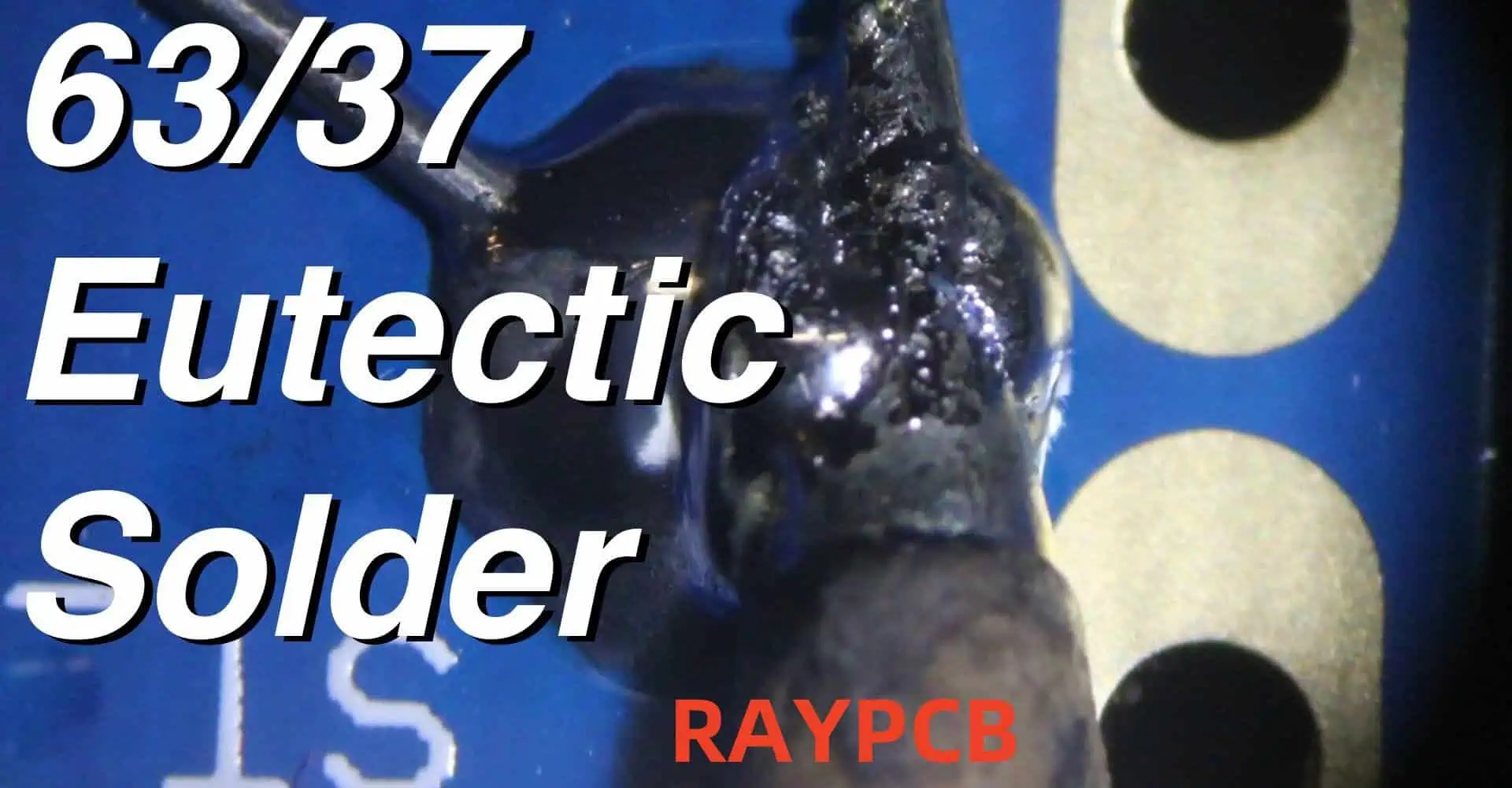
What is Eutectic Solder?

In the world of electronics manufacturing and metallurgy, the term “eutectic solder” is frequently encountered. This crucial material plays a vital role in creating reliable electrical and mechanical connections in a wide range of applications. To fully appreciate its importance and unique properties, we need to delve deep into the science behind eutectic solder, its composition, characteristics, and applications.

Understanding Eutectic Alloys

Definition of Eutectic

The term “eutectic” comes from the Greek word “eutฤ“ktos,” meaning “easily melted.” In metallurgy, a eutectic composition refers to a mixture of two or more components that melts and solidifies at a single temperature, which is lower than the melting points of the individual components.

The Eutectic Point

The eutectic point is a specific composition and temperature at which a eutectic mixture exhibits its unique properties. At this point, the liquid and solid phases of the alloy are in equilibrium.

Phase Diagram Basics

To understand eutectic alloys, it’s essential to be familiar with phase diagrams. These graphical representations show the relationships between temperature, composition, and the phases present in an alloy system.

Eutectic Solder Composition

Common Eutectic Solder Alloys

Several eutectic solder compositions are used in various industries. Here are some of the most common:

Alloy CompositionEutectic Temperature (ยฐC)Primary Applications
63% Sn / 37% Pb183Electronics (legacy)
96.5% Sn / 3.5% Ag221Lead-free electronics
91% Sn / 9% Zn199Aluminum soldering
52% In / 48% Sn118Low-temperature applications
80% Au / 20% Sn280High-reliability electronics

Lead-Based vs. Lead-Free Eutectic Solders

Lead-Based Eutectic Solder

Traditionally, the most widely used eutectic solder was the tin-lead (Sn-Pb) alloy with a composition of 63% tin and 37% lead. This alloy has a eutectic temperature of 183ยฐC (361ยฐF).

Lead-Free Eutectic Solder

Due to environmental and health concerns, lead-free alternatives have been developed. The most common lead-free eutectic solder is the tin-silver (Sn-Ag) alloy, typically composed of 96.5% tin and 3.5% silver, with a eutectic temperature of 221ยฐC (430ยฐF).

Properties of Eutectic Solder

Melting Behavior

The defining characteristic of eutectic solder is its sharp melting point. Unlike non-eutectic alloys that melt over a range of temperatures, eutectic solders transition directly from solid to liquid at a specific temperature.

Mechanical Properties

Eutectic solders generally exhibit:

  1. Good tensile strength
  2. Excellent ductility
  3. Resistance to fatigue

Electrical Properties

Eutectic solders are chosen for their:

  1. Low electrical resistance
  2. Good conductivity
  3. Stability under various operating conditions

Wetting Characteristics

Eutectic solders typically display excellent wetting properties, which is crucial for forming strong and reliable solder joints.

Applications of Eutectic Solder

Electronics Manufacturing

  1. Printed Circuit Board (PCB) Assembly
  2. Component Attachment
  3. Ball Grid Array (BGA) Soldering

Automotive Industry

  1. Engine Control Units
  2. Sensor Connections
  3. Power Electronics

Aerospace and Defense

  1. Satellite Components
  2. Avionics Systems
  3. Military Communication Equipment

Medical Devices

  1. Implantable Devices
  2. Diagnostic Equipment
  3. Surgical Instruments

Renewable Energy

  1. Solar Panel Connections
  2. Wind Turbine Control Systems
  3. Battery Management Systems

Advantages of Using Eutectic Solder

Precise Melting Point

The sharp melting point of eutectic solder allows for more precise control during the soldering process, reducing the risk of component damage due to excessive heat exposure.

Improved Joint Reliability

Eutectic solders tend to form stronger, more reliable joints due to their consistent microstructure and lack of a “mushy” zone during solidification.

Enhanced Production Efficiency

The predictable behavior of eutectic solders can lead to faster production times and reduced defect rates in manufacturing processes.

Better Thermal Cycling Performance

Eutectic solder joints often exhibit better resistance to thermal fatigue, which is crucial in applications subject to temperature fluctuations.

Challenges and Considerations

Higher Melting Points of Lead-Free Alternatives

Many lead-free eutectic solders have higher melting points compared to traditional tin-lead solders, requiring adjustments to manufacturing processes and potentially affecting heat-sensitive components.

Cost Factors

Some eutectic solder compositions, particularly those containing precious metals like silver or gold, can be more expensive than traditional alloys.

Compatibility Issues

Certain eutectic solder compositions may not be compatible with all substrate materials or surface finishes, requiring careful selection and testing.

Environmental and Regulatory Compliance

The shift towards lead-free solders is driven by environmental regulations, but ensuring compliance while maintaining performance can be challenging.

Eutectic Solder in the Manufacturing Process

Solder Paste Application

  1. Stencil Printing
  2. Dispensing
  3. Jet Printing

Reflow Soldering

  1. Preheat Zone
  2. Soak Zone
  3. Reflow Zone
  4. Cooling Zone

Wave Soldering

  1. Fluxing
  2. Preheating
  3. Wave Contact
  4. Cooling

Hand Soldering

  1. Flux Application
  2. Heat Application
  3. Solder Introduction
  4. Joint Formation

Future Trends in Eutectic Solder Technology

Development of New Alloys

Researchers are continuously working on developing new eutectic solder compositions with improved properties and lower environmental impact.

Nanotechnology Integration

The incorporation of nanoparticles into eutectic solder alloys is being explored to enhance mechanical and electrical properties.

Low-Temperature Soldering

There is growing interest in developing low-temperature eutectic solders for heat-sensitive applications and energy-efficient manufacturing.

Advanced Simulation and Modeling

Improved computational methods are being used to predict the behavior of eutectic solders in various applications, leading to more efficient alloy development and process optimization.

Comparison of Eutectic and Non-Eutectic Solders

To better understand the advantages of eutectic solders, let’s compare them with non-eutectic alternatives:

CharacteristicEutectic SolderNon-Eutectic Solder
Melting BehaviorSharp melting pointMelts over a temperature range
SolidificationRapid, consistentGradual, may have a “mushy” zone
Joint StrengthGenerally higherCan vary depending on composition
Process ControlMore preciseMay require tighter control
Thermal Fatigue ResistanceOften betterCan be more susceptible
CostCan be higherOften lower
AvailabilityLimited compositionsWide range of compositions

Frequently Asked Questions (FAQ)

1. Why is eutectic solder preferred in many electronic applications?

Eutectic solder is often preferred in electronic applications for several reasons:

a) Precise melting point: The sharp melting and solidification temperature allows for better process control and reduces the risk of component damage due to prolonged heat exposure.

b) Consistent joint quality: Eutectic solders tend to form more uniform and reliable joints due to their homogeneous microstructure upon solidification.

c) Improved thermal cycling performance: The lack of a “mushy” zone during solidification often results in joints that are more resistant to thermal fatigue, which is crucial in applications subject to temperature fluctuations.

d) Enhanced production efficiency: The predictable behavior of eutectic solders can lead to faster production times and reduced defect rates in manufacturing processes.

e) Better wetting characteristics: Eutectic solders typically exhibit excellent wetting properties, which is essential for forming strong and reliable solder joints.

2. How does the transition to lead-free eutectic solders affect manufacturing processes?

The transition to lead-free eutectic solders has several impacts on manufacturing processes:

a) Higher melting temperatures: Most lead-free eutectic solders have higher melting points than traditional tin-lead solders, requiring adjustments to reflow profiles and potentially new equipment.

b) Narrower process windows: Lead-free solders often have a smaller temperature range for optimal performance, necessitating tighter process control.

c) Component compatibility: Some components may need to be redesigned or replaced to withstand the higher temperatures associated with lead-free soldering.

d) Surface finish considerations: Certain PCB surface finishes may interact differently with lead-free solders, requiring evaluation and potential changes.

e) Flux chemistry adjustments: New flux formulations may be needed to accommodate the wetting characteristics of lead-free solders.

f) Increased energy consumption: Higher processing temperatures typically result in increased energy use during manufacturing.

g) Inspection and quality control: Different defect types and appearance may require updates to inspection criteria and methods.

3. Can eutectic solder be used for all soldering applications?

While eutectic solder is versatile and suitable for many applications, it may not be ideal for all soldering scenarios:

a) Temperature-sensitive components: In cases where components cannot withstand the melting temperature of common eutectic alloys, lower-temperature alternatives may be necessary.

b) High-temperature applications: Some environments require solder joints that can withstand temperatures above the melting point of typical eutectic solders.

c) Specific material compatibility: Certain base metals or surface finishes may not be compatible with all eutectic solder compositions.

d) Regulatory restrictions: Some industries or regions may have specific requirements that preclude the use of certain eutectic solder compositions.

e) Cost considerations: In some high-volume, cost-sensitive applications, non-eutectic solders may be preferred due to lower material costs.

f) Mechanical stress requirements: Some applications may benefit from the properties of non-eutectic solders, such as improved creep resistance in certain alloys.

g) Rework and repair: In some cases, non-eutectic solders with a wider melting range may be preferred for easier rework of assemblies.

4. How does the microstructure of eutectic solder affect joint reliability?

The microstructure of eutectic solder plays a crucial role in joint reliability:

a) Uniform composition: Eutectic solders solidify with a consistent, fine-grained microstructure throughout the joint, leading to more uniform mechanical and electrical properties.

b) Absence of dendrites: Unlike non-eutectic alloys, eutectic solders don’t form dendritic structures during solidification, which can be weak points in the joint.

c) Intermetallic compound (IMC) formation: The uniform microstructure can lead to more controlled IMC growth at the solder-substrate interface, which is critical for long-term reliability.

d) Grain boundary distribution: The fine, evenly distributed grain structure in eutectic solders can improve resistance to creep and fatigue.

e) Reduced segregation: The simultaneous solidification of all constituents in eutectic alloys minimizes elemental segregation, which can lead to localized weaknesses in non-eutectic solders.

f) Void formation: The sharp melting and solidification behavior of eutectic solders can result in fewer voids within the joint, improving overall strength and conductivity.

g) Thermal cycling performance: The homogeneous microstructure often translates to better performance under thermal cycling conditions, as stress is more evenly distributed throughout the joint.

5. What are the environmental implications of using eutectic solders?

The use of eutectic solders has several environmental implications:

a) Lead reduction: The shift to lead-free eutectic solders has significantly reduced the use of lead in electronics, decreasing potential environmental and health hazards.

b) Energy consumption: Higher melting temperatures of some lead-free eutectic solders can lead to increased energy use during manufacturing.

c) Raw material sourcing: Some eutectic solder compositions rely on less abundant elements, potentially impacting resource extraction and availability.

d) Recyclability: Different solder compositions can affect the recyclability of electronic products at end-of-life.

e) Longevity of products: Improved joint reliability from eutectic solders can lead to longer-lasting products, potentially reducing electronic waste.

f) Manufacturing waste: The precise melting behavior of eutectic solders can result in less waste during the manufacturing process.

g) Toxicity of alternatives: While lead-free, some alternative elements used in eutectic solders (e.g., silver) may have their own environmental considerations.

h) Life cycle assessment: The overall environmental impact of eutectic solders should be considered from raw material extraction through disposal or recycling.

i) Regulatory compliance: The use of specific eutectic solder compositions helps manufacturers comply with environmental regulations such as RoHS (Restriction of Hazardous Substances).

What is Pin-in-Paste (PIP) Technology?

In the ever-evolving world of electronics manufacturing, efficiency and reliability are paramount. One technology that has gained significant traction in recent years is Pin-in-Paste (PIP), also known as Through-Hole Reflow (THR) or Intrusive Reflow Soldering (IRS). This innovative approach combines the strengths of through-hole technology with the efficiency of surface mount assembly processes. In this comprehensive article, we will explore the intricacies of Pin-in-Paste technology, its applications, advantages, challenges, and its impact on the electronics manufacturing industry.

Understanding Pin-in-Paste Technology

Definition and Basic Principles

Pin-in-Paste technology is a soldering process that allows through-hole components to be soldered using the same reflow process as surface mount components. This method involves printing solder paste into and around through-holes on a printed circuit board (PCB), inserting through-hole components, and then passing the entire assembly through a reflow oven.

Key Components of PIP Technology

  1. Solder Paste: Special formulations designed for through-hole applications
  2. Stencil: Custom-designed for precise paste deposition
  3. Pick-and-Place Equipment: For accurate component placement
  4. Reflow Oven: Provides controlled heating for solder melting and cooling

The PIP Process

  1. Solder Paste Printing: Applying paste to PCB using a stencil
  2. Component Placement: Inserting through-hole components into paste-filled holes
  3. Reflow Soldering: Passing the assembly through a reflow oven
  4. Cooling and Inspection: Allowing solder joints to cool and checking quality

Comparison with Traditional Soldering Methods

Pin in Paste smt

To better understand the position of Pin-in-Paste technology in PCB assembly, let’s compare it with other common soldering methods:

Soldering MethodProcess SpeedComponent CompatibilityThermal StressSolder Joint ReliabilityCost-Effectiveness
Pin-in-Paste (PIP)HighThrough-hole and SMTMediumHighHigh
Wave SolderingMediumPrimarily through-holeHighMediumMedium
Hand SolderingLowAll typesLowVaries (operator-dependent)Low
Selective SolderingMediumThrough-holeLowHighMedium
Reflow Soldering (SMT)HighSurface mountMediumHigh

Advantages of Pin-in-Paste Technology

Increased Manufacturing Efficiency

PIP allows for simultaneous soldering of through-hole and surface mount components, reducing overall production time and simplifying the assembly process.

Cost Reduction

By eliminating the need for separate wave soldering or hand soldering processes, PIP can significantly reduce equipment, labor, and energy costs.

Improved Solder Joint Quality

The controlled heating profile of reflow ovens often results in more consistent and reliable solder joints compared to wave soldering.

Enhanced Design Flexibility

PIP enables designers to freely mix through-hole and surface mount components on the same side of the PCB, offering greater layout options.

Environmentally Friendly

The PIP process typically uses less solder and flux compared to wave soldering, reducing waste and environmental impact.

Challenges and Considerations in PIP Implementation

Component Selection

Not all through-hole components are suitable for PIP. Factors such as lead length, component mass, and thermal sensitivity must be considered.

Paste Volume Calculation

Determining the correct amount of solder paste for each through-hole is crucial and can be complex for varied component types.

Stencil Design

Creating an effective stencil design is critical for proper paste deposition and requires expertise and often specialized software.

Process Parameter Optimization

Reflow profiles must be carefully optimized to ensure proper solder melting and wetting without damaging components.

Quality Control

Inspection of PIP solder joints can be challenging, often requiring X-ray or other advanced inspection techniques.

Applications of Pin-in-Paste Technology

Industries Utilizing PIP

  1. Automotive Electronics
  2. Consumer Electronics
  3. Industrial Control Systems
  4. Aerospace and Defense
  5. Telecommunications Equipment
  6. Medical Devices

Specific Use Cases

  1. Power supply units with large through-hole capacitors
  2. Connectors in automotive control modules
  3. High-reliability aerospace circuit boards
  4. Mixed-technology designs in consumer electronics
  5. Industrial sensors with specialized through-hole components
  6. Medical implant devices requiring robust solder joints

Best Practices for Implementing PIP Technology

Design for PIP

  1. Optimize component placement for paste printing and reflow
  2. Consider thermal characteristics of components
  3. Design PCB layout to facilitate proper paste deposition

Process Optimization

  1. Develop and refine paste printing parameters
  2. Fine-tune reflow profiles for specific board designs
  3. Implement robust inspection and quality control measures

Material Selection

  1. Choose appropriate solder paste formulations
  2. Select compatible flux chemistries
  3. Ensure PCB materials can withstand reflow temperatures

Equipment Considerations

  1. Invest in high-precision stencil printing equipment
  2. Use pick-and-place machines with accurate component placement
  3. Select reflow ovens with precise temperature control

Training and Expertise

  1. Provide comprehensive training for operators and engineers
  2. Develop in-house expertise in PIP process optimization
  3. Stay updated on industry best practices and standards

Economic Impact of PIP Implementation

To illustrate the potential economic benefits of implementing Pin-in-Paste technology in a manufacturing environment, consider the following hypothetical scenario:

FactorTraditional AssemblyPIP Assembly
Annual Production Volume1,000,000 units1,000,000 units
Assembly Time per Unit15 minutes10 minutes
Labor Cost per Hour$20 $20 
Annual Labor Cost$5,000,000 $3,333,333 
Equipment Investment$1,000,000 (Wave + Reflow)$800,000 (Reflow Only)
Annual Energy Cost$100,000 $70,000 
Annual Material Cost$2,000,000 $1,800,000 
Total Annual Cost$7,100,000 $5,203,333 
Annual Savings$1,896,667 

This simplified example demonstrates how the implementation of PIP technology can lead to significant cost savings through reduced labor, equipment, energy, and material costs.

Future Trends in Pin-in-Paste Technology

Advanced Paste Formulations

Development of solder pastes with improved reflow characteristics and reliability for PIP applications.

Automation and AI Integration

Implementing machine learning algorithms for optimizing paste deposition and reflow profiles.

Enhanced Inspection Technologies

Advancements in automated optical inspection (AOI) and X-ray systems for improved quality control of PIP assemblies.

Miniaturization Challenges

Adapting PIP technology for increasingly dense and complex PCB designs.

Environmental Considerations

Further reducing the environmental impact of PIP processes through material innovations and energy efficiency improvements.

Frequently Asked Questions (FAQ)

1. What types of components are best suited for Pin-in-Paste technology?

Pin-in-Paste technology is most suitable for through-hole components that can withstand the high temperatures of reflow soldering. Ideal candidates include:

  • Connectors with short pins
  • Small to medium-sized capacitors and inductors
  • Certain types of switches and relays
  • Some semiconductor packages (e.g., TO-220)

Components that may not be suitable for PIP include:

  • Large, heavy components that may fall out during reflow
  • Heat-sensitive components that can’t withstand reflow temperatures
  • Components with very long leads that may cause shadowing effects

The suitability of a component for PIP often depends on its specific characteristics and the overall PCB design.

2. How does Pin-in-Paste affect the reliability of solder joints compared to wave soldering?

Pin-in-Paste technology generally produces solder joints that are as reliable as, or in some cases more reliable than, those created by wave soldering. This is due to several factors:

  1. Controlled heating profile: Reflow ovens provide a more precise and consistent heating cycle compared to wave soldering, resulting in better solder wetting and fewer defects.
  2. Reduced thermal stress: PIP subjects components to a single heating cycle, whereas wave soldering often requires preheating followed by the wave process, potentially causing more thermal stress.
  3. Flux activity: The flux in solder paste remains active throughout the entire reflow process, promoting better wetting and cleaner joints.
  4. Void reduction: Properly optimized PIP processes can result in fewer voids in the solder joints compared to wave soldering.

However, the reliability of PIP solder joints can be affected by factors such as paste volume, component characteristics, and reflow profile optimization. Proper process control and design considerations are crucial for achieving high reliability.

3. What are the main challenges in transitioning from wave soldering to Pin-in-Paste?

Transitioning from wave soldering to Pin-in-Paste can present several challenges:

  1. Process knowledge: Developing expertise in PIP-specific aspects such as paste volume calculation and stencil design.
  2. Equipment investment: Acquiring or upgrading to suitable stencil printing and reflow equipment.
  3. Design modifications: Adapting PCB layouts and component choices to suit PIP requirements.
  4. Quality control: Implementing new inspection methods suitable for PIP assemblies.
  5. Material selection: Choosing appropriate solder pastes and flux formulations for PIP.
  6. Thermal management: Ensuring all components can withstand reflow temperatures.
  7. Training: Educating staff on new processes and best practices.
  8. Process optimization: Fine-tuning parameters for consistent, high-quality results.

Overcoming these challenges often requires a systematic approach, investment in resources, and a commitment to continuous improvement.

4. How does Pin-in-Paste technology impact the overall cost of PCB assembly?

Pin-in-Paste technology can significantly impact the overall cost of PCB assembly in several ways:

  1. Reduced equipment needs: Eliminating the need for separate wave soldering equipment can lower capital investment and maintenance costs.
  2. Increased throughput: PIP allows for simultaneous soldering of through-hole and SMT components, potentially increasing production speed.
  3. Labor savings: The more automated PIP process typically requires less manual intervention compared to wave or hand soldering.
  4. Material efficiency: PIP often uses less solder and flux compared to wave soldering, reducing material costs.
  5. Energy savings: Reflow ovens used in PIP are generally more energy-efficient than wave soldering machines.
  6. Improved yield: With proper implementation, PIP can result in fewer defects, reducing rework and scrap costs.
  7. Simplified logistics: Combining through-hole and SMT assembly steps can streamline production flow and reduce work-in-progress inventory.

While there may be initial costs associated with transitioning to PIP, many manufacturers find that the long-term cost savings outweigh the initial investment, especially for high-volume production.

5. Are there any limitations to the complexity of PCB designs when using Pin-in-Paste?

While Pin-in-Paste technology offers many advantages, it does have some limitations when it comes to PCB design complexity:

  1. Component density: Very high-density designs may be challenging due to the space required for paste deposition around through-holes.
  2. Component mix: Boards with a wide variety of through-hole component sizes and types can be difficult to optimize for PIP.
  3. Thermal considerations: Complex designs with heat-sensitive components near large through-hole parts may require careful thermal management.
  4. PCB thickness: Very thick boards may be challenging due to the need for sufficient paste volume to fill the holes.
  5. Double-sided assembly: While possible, PIP can be more challenging for boards requiring through-hole components on both sides.
  6. High-power components: Large, high-power through-hole components may not be suitable for PIP due to their mass and thermal requirements.
  7. Fine-pitch components: Combining very fine-pitch SMT components with PIP can be challenging due to stencil design limitations.

Despite these limitations, many complex designs can still be successfully implemented using PIP with careful planning and process optimization. In some cases, a hybrid approach combining PIP with selective or wave soldering may be used for very complex assemblies.

What is PCB Interconnect Stress Testing (IST)?

In the ever-evolving world of electronics, the reliability and durability of printed circuit boards (PCBs) are paramount. As devices become more complex and are subjected to increasingly demanding environments, the need for rigorous testing methodologies has never been greater. One such critical testing procedure is PCB Interconnect Stress Testing, commonly known as IST. This article delves deep into the world of IST, exploring its principles, applications, and significance in ensuring the quality and longevity of PCBs.

Understanding PCB Interconnect Stress Testing

Definition and Purpose

PCB Interconnect Stress Testing (IST) is a specialized testing method designed to evaluate the reliability and durability of interconnections within printed circuit boards. The primary purpose of IST is to simulate thermal and mechanical stresses that a PCB might encounter during its operational lifetime, allowing manufacturers to identify potential weaknesses or failures before the board is integrated into a final product.

Key Principles of IST

  1. Thermal Cycling: Rapid heating and cooling of the PCB
  2. Current Application: Passing controlled current through the board
  3. Resistance Monitoring: Continuous measurement of electrical resistance
  4. Failure Detection: Identifying changes in resistance that indicate interconnect failure
  5. Accelerated Aging: Simulating long-term use in a compressed timeframe

The Importance of Interconnect Testing

Interconnects, which include vias, plated through-holes, and other conductive pathways, are critical components of PCBs. They provide electrical connections between different layers of the board and are essential for the proper functioning of the circuit. However, these interconnects are also among the most vulnerable parts of a PCB, subject to stress from thermal expansion, mechanical vibration, and electrical current flow.

The IST Testing Process

Equipment and Setup

Key Components of an IST System:

  1. Temperature Chamber: Controls the ambient temperature around the PCB
  2. Power Supply: Provides controlled current for heating the board
  3. Resistance Measurement System: Monitors changes in electrical resistance
  4. Control and Data Acquisition System: Manages the test and records results
  5. Test Fixture: Holds the PCB and provides electrical connections

Test Preparation

  1. PCB Design Review: Ensuring the board layout is suitable for IST
  2. Coupon Creation: Fabricating test coupons representative of the full PCB
  3. Fixture Design: Developing custom fixtures for secure electrical contact
  4. Test Parameter Definition: Setting temperature ranges, current levels, and cycle counts

Test Execution

  1. Initial Resistance Measurement: Establishing a baseline
  2. Thermal Cycling: Alternating between high and low temperatures
  3. Current Application: Passing controlled current through the board
  4. Continuous Monitoring: Measuring resistance changes throughout the test
  5. Failure Detection: Identifying when resistance exceeds predefined thresholds
  6. Data Analysis: Evaluating results to determine board reliability

Types of IST Tests

Standard IST

The basic form of IST, involving thermal cycling and resistance monitoring.

Current Induced Thermal Cycling (CITC)

A variation that uses higher current levels to induce more rapid temperature changes.

Interconnect Stress Test to Failure (ISTF)

An extended test that continues until the board fails, providing data on long-term reliability.

Combined Environmental Stress Testing

IST combined with additional environmental factors such as humidity or vibration.

Applications of IST in Various Industries

Aerospace and Defense

  1. Testing PCBs for avionics systems
  2. Evaluating boards for satellite communications
  3. Qualifying PCBs for military equipment

Automotive Electronics

  1. Validating PCBs for engine control units
  2. Testing boards for in-vehicle infotainment systems
  3. Evaluating reliability of automotive safety systems

Telecommunications

  1. Assessing PCBs for cellular base stations
  2. Testing boards for network routers and switches
  3. Validating reliability of data center equipment

Medical Devices

  1. Evaluating PCBs for diagnostic equipment
  2. Testing boards for patient monitoring systems
  3. Validating reliability of implantable medical devices

Industrial Controls

  1. Assessing PCBs for factory automation systems
  2. Testing boards for power distribution equipment
  3. Evaluating reliability of process control systems

Advantages of IST

Accelerated Reliability Testing

IST can simulate years of thermal cycling in a matter of days or weeks, providing rapid insights into long-term reliability.

Cost-Effective Evaluation

By identifying potential failures early in the development process, IST can significantly reduce the costs associated with field failures and product recalls.

High Sensitivity to Defects

IST is capable of detecting subtle changes in interconnect resistance, allowing for the identification of even minor defects or weaknesses.

Standardized Testing Method

IST has become a widely accepted industry standard, facilitating communication and comparison of results across different manufacturers and suppliers.

Customizable Test Parameters

The ability to adjust temperature ranges, current levels, and cycle counts allows for tailored testing to match specific product requirements and operating conditions.

Limitations and Challenges of IST

Sample Size Limitations

IST is typically performed on small coupons, which may not always be fully representative of the entire PCB.

Complexity in Result Interpretation

Analyzing IST data and correlating it to real-world performance can be challenging and requires expertise.

Initial Investment

Setting up an IST system and developing appropriate test fixtures can be costly, particularly for smaller manufacturers.

Test Duration

While faster than real-time aging, IST can still require significant time, especially for high-reliability applications.

Potential for Over-Stressing

There is a risk of applying stresses that exceed realistic operating conditions, potentially leading to overly conservative designs.

Best Practices for IST Implementation

Design for Testability

Incorporate IST considerations into PCB layout and design to facilitate effective testing.

Coupon Design Optimization

Develop test coupons that accurately represent the critical features of the full PCB.

Correlation with Field Data

Continuously refine IST parameters based on real-world performance data.

Comprehensive Data Analysis

Utilize advanced statistical techniques to extract meaningful insights from IST results.

Integration with Other Testing Methods

Combine IST with other reliability tests for a more complete assessment of PCB quality.

Future Trends in IST

Integration with AI and Machine Learning

Leveraging advanced algorithms for predictive failure analysis and test optimization.

Enhanced Environmental Simulation

Incorporating additional stress factors such as humidity, vibration, and electromagnetic interference.

Miniaturization of Test Equipment

Developing more compact and portable IST systems for in-house testing by smaller manufacturers.

Real-Time Monitoring and Analysis

Implementing advanced sensors and data processing for instantaneous feedback during testing.

Standardization and Industry Collaboration

Establishing more comprehensive industry standards and sharing of best practices for IST.

Comparison of PCB Reliability Testing Methods

To better understand the position of IST in the broader context of PCB reliability testing, let’s compare it with other common methods:

Testing MethodSpeedCostStress FactorsReliability PredictionSuitability for High Volume
ISTMedium-FastMediumThermal, ElectricalExcellentGood
Thermal ShockFastLow-MediumThermalGoodExcellent
Highly Accelerated Life Test (HALT)FastHighMultipleVery GoodPoor-Medium
Temperature CyclingSlowLowThermalGoodExcellent
Vibration TestingMediumMediumMechanicalGood

Economic Impact of IST Implementation

To illustrate the potential economic benefits of implementing IST in a manufacturing environment, consider the following hypothetical scenario:

FactorWithout ISTWith IST
Annual Production Volume1,000,000 units1,000,000 units
Field Failure Rate0.50%0.10%
Cost per Field Failure$1,000 $1,000 
Annual Field Failure Cost$5,000,000 $1,000,000 
IST Equipment and Implementation Cost$0 $500,000 
Annual Testing Cost$0 $200,000 
Total Annual Cost$5,000,000 $1,700,000 
Annual Savings$3,300,000 

This simplified example demonstrates how the initial investment in IST equipment and ongoing testing costs can lead to significant savings through reduced field failures and associated expenses.

Frequently Asked Questions (FAQ)

1. How does IST differ from other thermal cycling tests?

IST is unique in that it combines thermal cycling with electrical current flow and continuous resistance monitoring. While traditional thermal cycling tests only subject the PCB to temperature changes, IST also stresses the board electrically, providing a more comprehensive evaluation of interconnect reliability. Additionally, IST can detect failures in real-time during the test, whereas other methods often require post-test inspection to identify failures.

2. What determines the number of cycles in an IST test?

The number of cycles in an IST test is typically determined by several factors:

  1. Industry standards or specifications
  2. Customer requirements
  3. Expected product lifetime
  4. Previous experience with similar designs
  5. Desired confidence level in reliability predictions

Common cycle counts range from a few hundred to several thousand, depending on the application. High-reliability products, such as those used in aerospace or medical devices, often require more cycles to ensure long-term durability.

3. Can IST detect all types of PCB defects?

While IST is highly effective at detecting many types of interconnect defects, it is not a comprehensive test for all possible PCB issues. IST is primarily designed to identify problems related to thermal stress and electrical performance of interconnects, such as:

  • Cracked or fatigued vias and plated through-holes
  • Delamination between PCB layers
  • Poor copper plating adhesion
  • Conductive anodic filament (CAF) formation

However, IST may not detect other types of defects like:

For this reason, IST is often used in conjunction with other testing methods to ensure comprehensive quality assurance.

4. How do you interpret IST results?

Interpreting IST results involves analyzing the resistance measurements collected throughout the test. Key factors to consider include:

  1. Initial resistance values
  2. Rate of resistance change over time
  3. Sudden spikes or drops in resistance
  4. Number of cycles to failure (if failure occurs)
  5. Comparison to predefined failure criteria

Generally, a stable resistance or slow, gradual increase over many cycles indicates good reliability. Sudden increases or high variability in resistance may suggest potential issues. Results are often analyzed statistically to determine the overall reliability of the design and to predict field performance.

5. Is IST suitable for all types of PCBs?

While IST is a valuable tool for many PCB applications, it may not be suitable or necessary for all types of boards. IST is most beneficial for:

  • High-reliability applications
  • Multi-layer PCBs with complex interconnect structures
  • Boards subjected to frequent thermal cycling in operation
  • Products with long expected lifetimes

IST may be less suitable or cost-effective for:

  • Simple, single-layer PCBs
  • Boards with very low production volumes
  • Disposable or short-lifetime products
  • Flexible PCBs (which may require modified test methods)

The decision to use IST should be based on a careful consideration of the product requirements, operating environment, and potential risks associated with interconnect failure.

What is PCB Grid Testing / Bed of Nails Testing?

In the world of electronics manufacturing, quality control is paramount. One of the most crucial steps in ensuring the reliability and functionality of printed circuit boards (PCBs) is thorough testing. Among the various testing methods available, PCB Grid Testing, also known as Bed of Nails Testing, stands out as a highly efficient and widely used technique. This article will delve deep into the intricacies of PCB Grid Testing, exploring its principles, applications, advantages, and limitations.

Understanding PCB Grid Testing

Definition and Basic Principles

PCB Grid Testing, commonly referred to as Bed of Nails Testing, is an automated testing method used to verify the electrical integrity of printed circuit boards. The name “Bed of Nails” comes from the appearance of the test fixture, which consists of a plate with numerous spring-loaded pins (probes) arranged in a grid pattern that corresponds to specific test points on the PCB.

Key Components of a Bed of Nails Tester

  1. Test Fixture: The main structure that holds the PCB and test probes
  2. Spring-Loaded Probes: Pins that make contact with the PCB test points
  3. Test Points: Designated areas on the PCB for probe contact
  4. Control Unit: Manages the testing process and analyzes results
  5. Power Supply: Provides necessary voltage and current for testing
  6. Interface: Allows communication between the tester and operator

How PCB Grid Testing Works

  1. PCB Placement: The board is placed on the test fixture
  2. Probe Contact: Spring-loaded probes make contact with test points
  3. Test Execution: Electrical signals are applied and measured
  4. Data Analysis: Results are compared against expected values
  5. Pass/Fail Determination: The PCB is classified based on test results

Types of PCB Grid Testing

In-Circuit Test (ICT)

ICT is a comprehensive testing method that examines individual components on a populated PCB.

Characteristics of ICT:

  • Tests components in isolation
  • Detects manufacturing defects
  • Identifies incorrect component values
  • Verifies proper component placement

Manufacturing Defect Analyzer (MDA)

MDA focuses on identifying manufacturing defects rather than testing component functionality.

Key Features of MDA:

  • Faster than full ICT
  • Detects shorts, opens, and wrong components
  • Suitable for high-volume production
  • Less expensive than ICT

Flying Probe Test

A more flexible alternative to traditional bed of nails testing, using moving probes instead of a fixed fixture.

Advantages of Flying Probe Test:

  • Reduced fixture costs
  • Faster setup time
  • Suitable for prototypes assembly board and small production runs
  • Can test hard-to-reach points

Applications of PCB Grid Testing

Industries Utilizing Bed of Nails Testing

  1. Consumer Electronics
  2. Automotive
  3. Aerospace and Defense
  4. Medical Devices
  5. Telecommunications
  6. Industrial Automation

Specific Use Cases

  1. Smartphone PCB Testing
  2. Automotive Engine Control Unit Verification
  3. Avionics System Board Inspection
  4. Medical Implant Circuit Validation
  5. Telecommunications Equipment Quality Assurance
  6. Industrial Control Panel Testing

Advantages of PCB Grid Testing

Speed and Efficiency

Bed of Nails Testing allows for rapid testing of multiple points simultaneously, significantly reducing overall test time.

High Accuracy and Repeatability

The fixed nature of the test fixture ensures consistent probe placement and reliable results across multiple boards.

Cost-Effectiveness in High-Volume Production

While initial fixture costs can be high, the method becomes highly cost-effective for large production runs.

Comprehensive Testing Capabilities

PCB Grid Testing can perform a wide range of electrical tests, including continuity, short circuit detection, and component value verification.

Early Defect Detection

By identifying issues early in the production process, manufacturers can reduce waste and improve overall product quality.

Limitations and Challenges

Initial Setup Costs

The development and production of custom test fixtures can be expensive, especially for complex PCBs.

Limited Flexibility

Once a fixture is created, it’s specific to a particular PCB design, making changes costly.

Access to Test Points

Modern PCB designs with high-density components may limit access to necessary test points.

Potential for Probe Damage

Repeated use can lead to wear and tear on the spring-loaded probes, requiring regular maintenance.

Not Suitable for All PCB Types

Flexible PCBs or boards with sensitive components may not be compatible with the pressure applied during testing.

Best Practices for PCB Grid Testing

Design for Testability (DFT)

Incorporate test points and access features into PCB designs to facilitate easier testing.

Regular Fixture Maintenance

Implement a routine maintenance schedule to ensure probe alignment and functionality.

Proper Training for Operators

Ensure that personnel are well-trained in operating the test equipment and interpreting results.

Integration with Other Testing Methods

Combine Bed of Nails Testing with other techniques like optical inspection for comprehensive quality control.

Continuous Process Improvement

Regularly analyze test data to identify trends and optimize the testing process.

Future Trends in PCB Grid Testing

Integration with Industry 4.0

Incorporating IoT and data analytics for smarter, more connected testing processes.

Advanced Materials for Probe Technology

Development of more durable and precise probes to improve testing accuracy and longevity.

Artificial Intelligence in Test Analysis

Implementing AI algorithms to enhance defect detection and predictive maintenance.

Miniaturization of Test Equipment

Creating more compact and portable bed of nails testers for flexible manufacturing environments.

Environmental Considerations

Developing eco-friendly testing methods and materials to reduce environmental impact.

Comparison of PCB Testing Methods

To better understand the position of PCB Grid Testing in the larger context of PCB quality assurance, let’s compare it with other common testing methods:

Testing Method Speed Cost Flexibility Accuracy Suitability for High Volume
PCB Grid Testing (Bed of Nails) High Medium-High Low High Excellent
Flying Probe Medium Low-Medium High High Poor-Medium
Automated Optical Inspection (AOI) High Medium High Medium-High Excellent
X-ray Inspection Low-Medium High High High Poor-Medium
Functional Testing Low-Medium Medium-High Medium High Medium

Economic Impact of PCB Grid Testing

To illustrate the potential economic benefits of implementing PCB Grid Testing in a manufacturing environment, consider the following hypothetical scenario:

Factor Without Grid Testing With Grid Testing
Defect Detection Rate 85% 98%
Average Cost per Defect $50ย  $10ย 
Production Volume (units/year) 1,000,000 1,000,000
Defective Units 150,000 20,000
Total Defect Cost $7,500,000ย  $200,000ย 
Testing Equipment Cost $0ย  $500,000ย 
Annual Savings $6,800,000ย 

This simplified example demonstrates how the initial investment in PCB Grid Testing equipment can lead to significant cost savings through improved defect detection and reduced rework expenses.

Frequently Asked Questions (FAQ)

1. What is the difference between ICT and Functional Testing?

In-Circuit Testing (ICT) focuses on verifying individual components and connections on a PCB, while Functional Testing examines the overall performance of the assembled board under operating conditions. ICT is typically faster and more precise in identifying specific defects, whereas Functional Testing ensures the PCB works as intended in its final application.

2. How long does it take to set up a Bed of Nails test fixture?

The setup time for a Bed of Nails test fixture can vary significantly depending on the complexity of the PCB and the number of test points. For a moderately complex board, fixture design and production can take anywhere from a few days to several weeks. However, once the fixture is created, the actual testing process is very quick, often taking only seconds per board.

3. Can PCB Grid Testing detect all types of defects?

While PCB Grid Testing is highly effective at detecting many types of defects, including shorts, opens, incorrect components, and faulty connections, it may not catch all issues. Some defects, such as hairline cracks in PCB traces or intermittent faults, might be missed. This is why it’s often used in conjunction with other testing methods like optical inspection or functional testing for comprehensive quality assurance.

4. Is PCB Grid Testing suitable for small production runs or prototypes?

Traditional Bed of Nails Testing is generally more cost-effective for large production runs due to the initial investment in creating custom test fixtures. For small production runs or prototypes, alternative methods like Flying Probe Testing might be more economical. However, if a company anticipates scaling up production in the future, investing in a Bed of Nails fixture could be beneficial in the long term.

5. How often should Bed of Nails test fixtures be maintained?

The maintenance frequency for Bed of Nails test fixtures depends on factors such as usage volume, environmental conditions, and the complexity of the fixture. As a general guideline, probes should be inspected daily for visible damage or misalignment, with more thorough maintenance performed weekly or monthly. Many manufacturers recommend a complete fixture overhaul or replacement after a certain number of test cycles, typically ranging from 500,000 to 1,000,000 cycles.