full introduction of Rogers RO4000 LoPro Series of Laminates

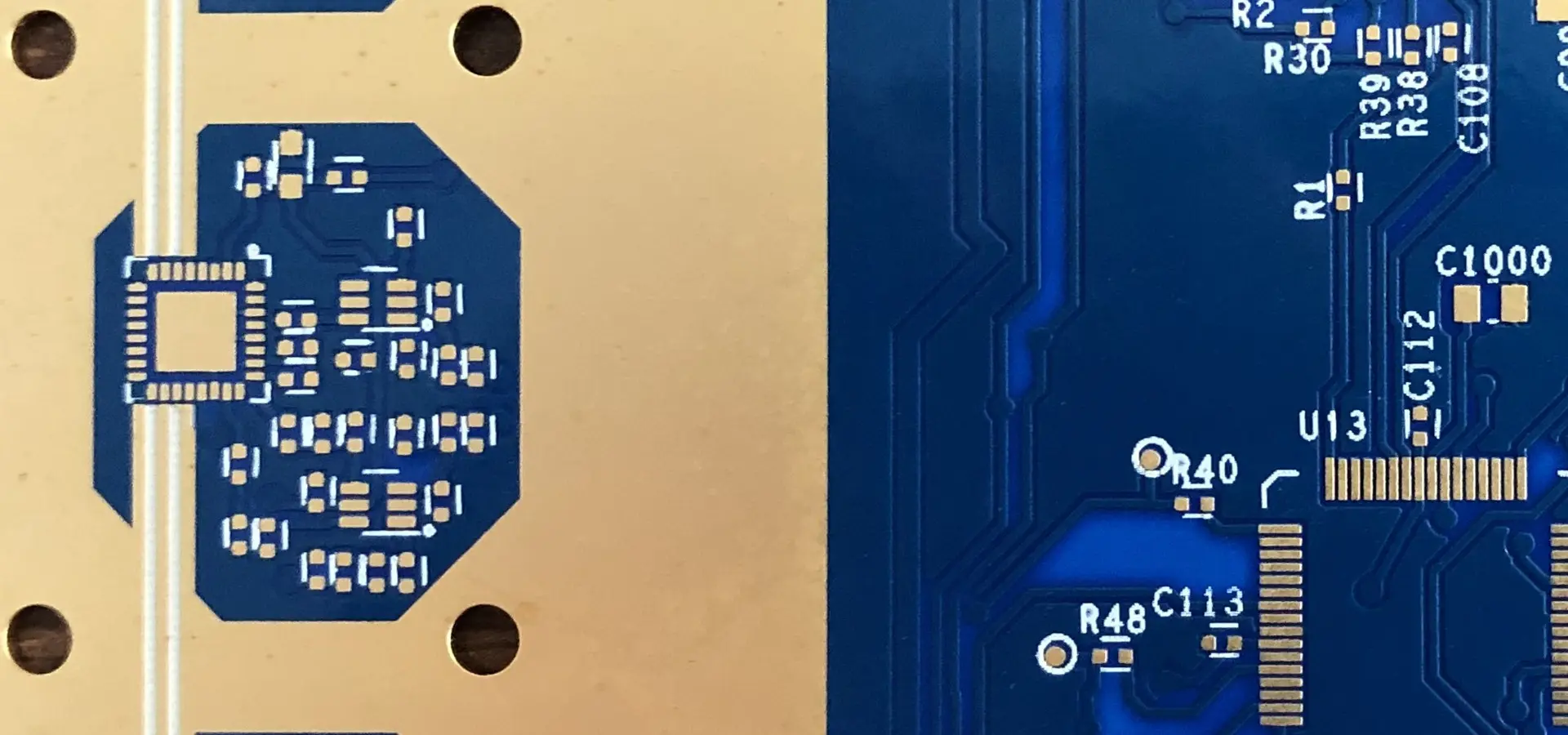
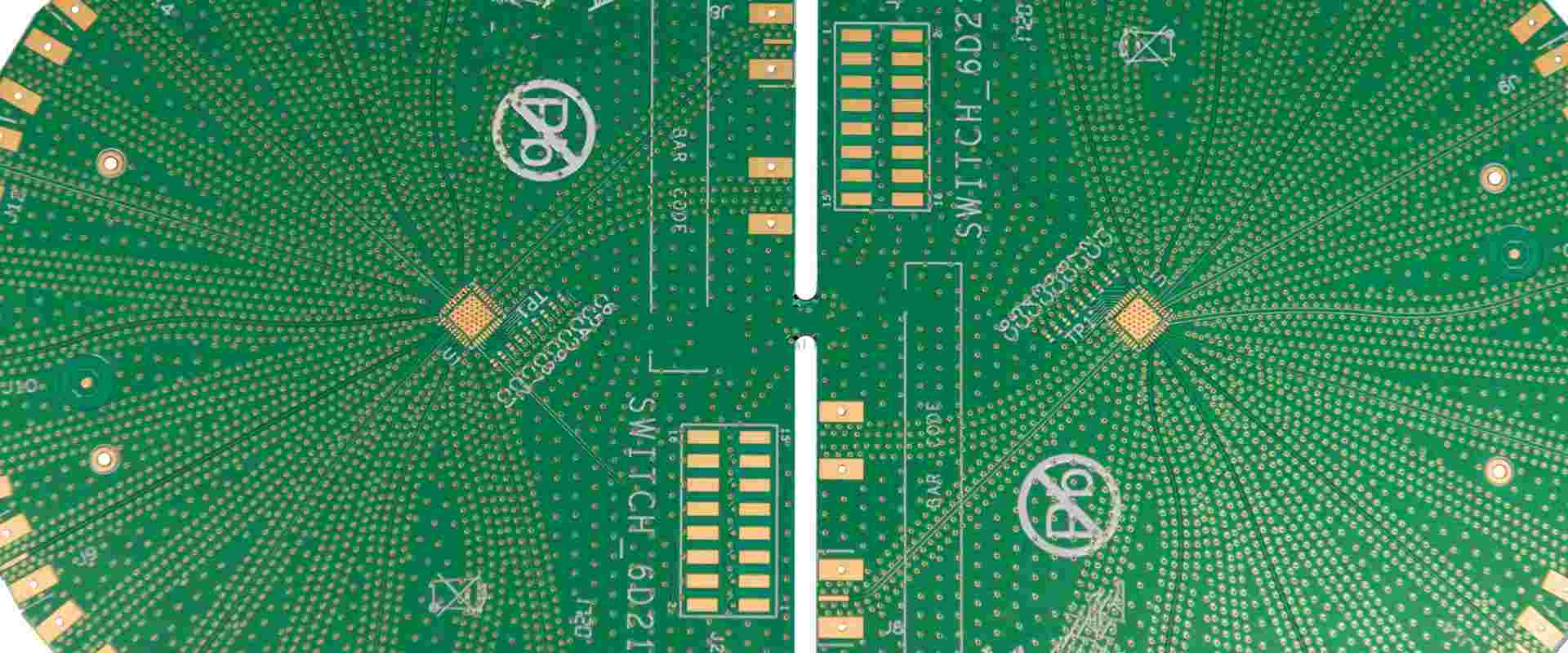
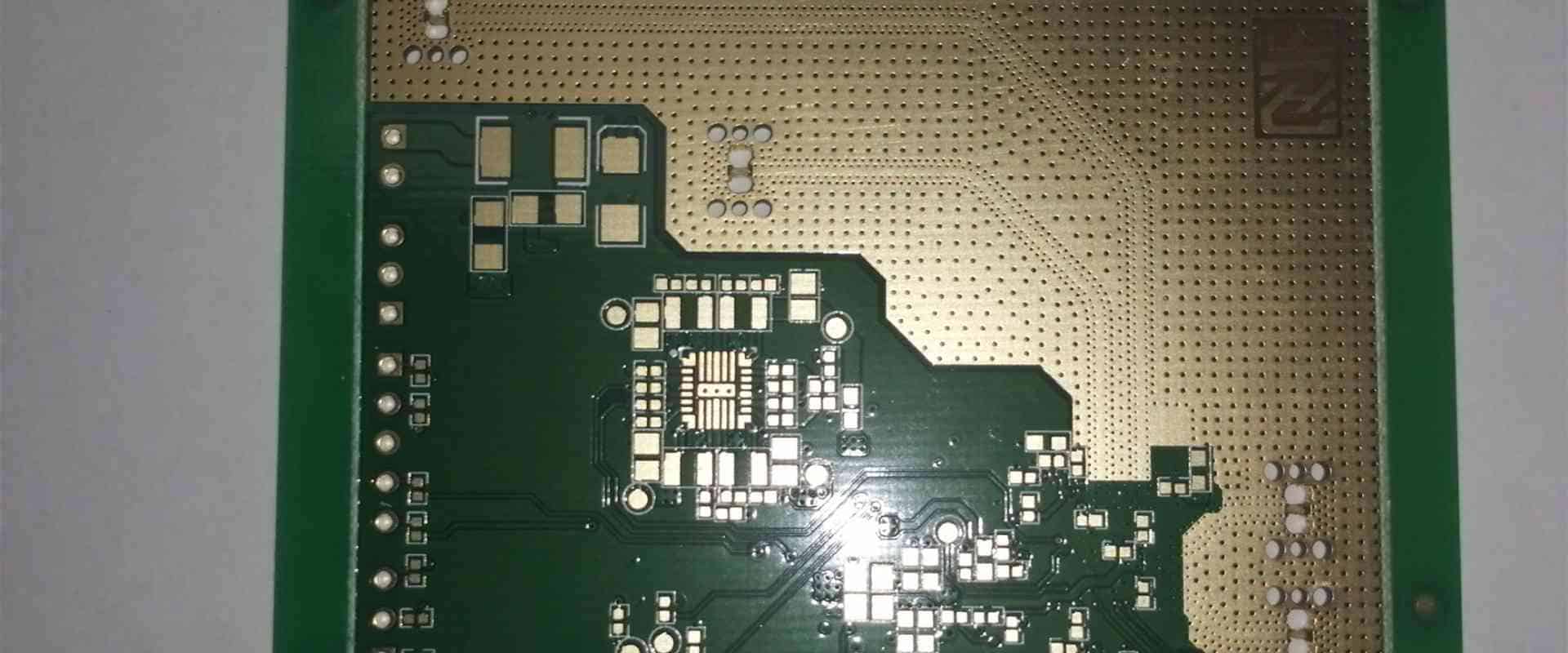
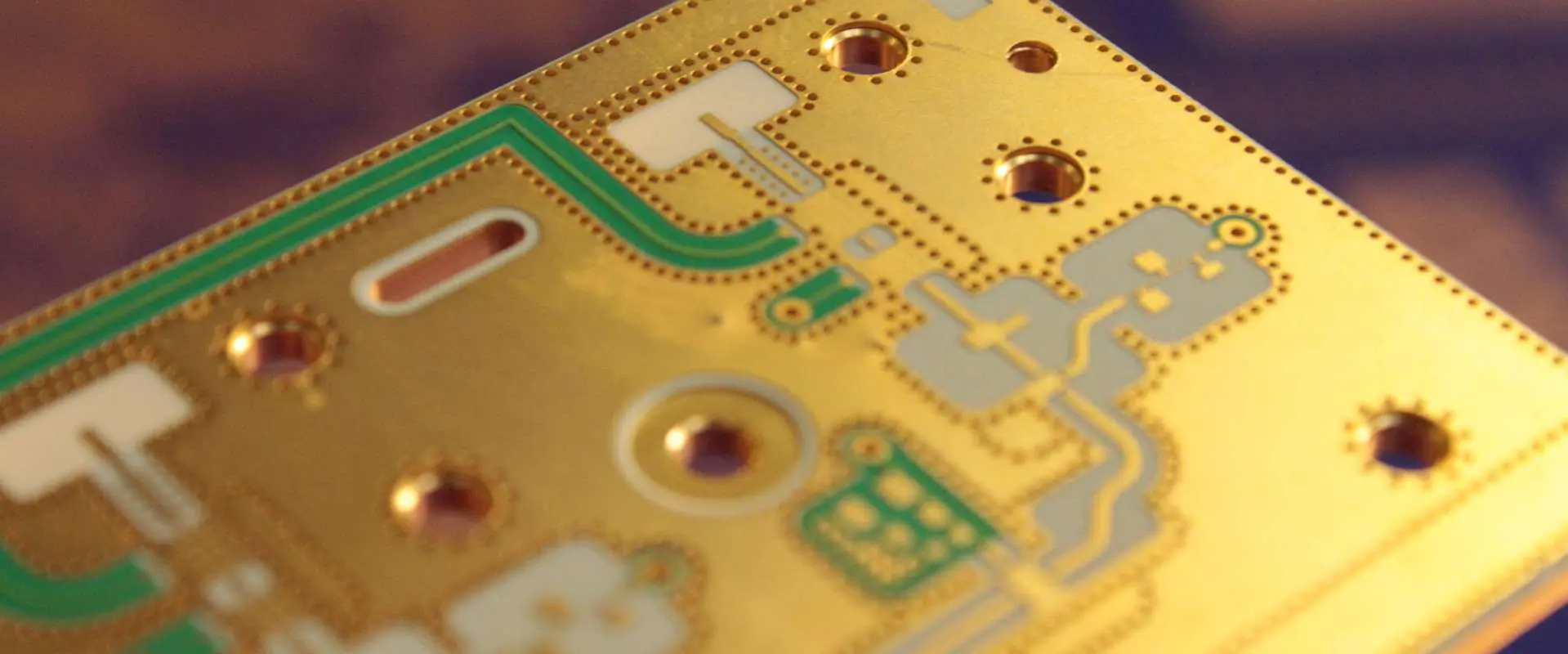
12 Layer Rogers+FR4 PCB circuit board

The RO4000 LoPro laminates from Rogers are a versatile and efficient way to enhance the electrical performance of your circuit boards. These laminates are compatible with lead-free PCB manufacturing processes while providing excellent electrical performance. The high-quality materials enable you to design and manufacture circuit boards with higher circuit densities and higher speed. Additionally, these materials have a low dissipation factor, essential for antenna designs.

The RO4000 LoPro laminates consistย of proprietary Rogers’ technology. The foil is reverse treated, resulting in a low conductor loss. This minimizes insertion loss and improves signal integrity. These laminates’ low-cost and superior high-frequency performance make them a good choice for high-frequency applications. The RO4000 hydrocarbon ceramic laminates consistย of epoxy/glass (FR-4) processes. Moreover, they do not require special preparation. It makesย them a viable option for multiple applications.

Features of Rogers RO4000 LoPro

The new Rogers RO4000 LoPro laminates extend the company’s lineup of high-performance materials. These laminates offer improved electrical performance and increased yields while enabling higher circuit densities. These materials are also compatible with lead-free PCB manufacturing processes and are ideal for a wide range of analog and digital applications. Read on to learn more about these materials. They are an excellent choice for all-in-one PCB solutions.

Low z-axis expansion

RO4000 laminates exhibit a low Z-axis coefficient of thermal expansion. In addition, they have low z-axis expansion, which makes them compatible with lead-free processes. The RO4000 LoPro is UL 94 V-0 flame retardant. Therefore, we can use it in various circuit applications. Its unique materials provide the highest degree of insulating performance for base station antennas and other high-speed applications.

Compatible with standard epoxy/glass processes

The RO4000 series of laminates is compatible with standard epoxy/glass processes. The RO4450T bondply supports the use of lead-free processes. The RO4835T laminates provide excellent Dk control. The CU4000 foil provides high outer layer adhesion. This makes them a perfect choice for sequential laminations. These laminates are suitable for many applications, including microwave and millimeter-wave frequencies.

The RO4000 LoPro laminates dependย on proprietary Rogers’ technology. They use reverse-treated foil to achieve a low conductor loss. This material is also compatible with standard epoxy/glass processes. It also offers superior high-frequency performance while enabling low-cost circuit fabrication. Achieving these properties allow you to optimize your designs.

Flame-retardant rating

The RO4000 LoPro has a UL 94 V-0 flame-retardant rating, ideal for base station antennas. Its low z-axis coefficient of thermal expansion and high glass transition temperature makes it suitable for multilayer applications. These materials are RoHS compliant and provide good performance. The RO4000 laminates are also suitable for base station antennas. The UL-94-V0 flame-retardant rating of the material makes it ideal for base station applications.

The RO4000 high-frequency laminates depend on the RO4000 platform. They feature improved insertion loss, low Dk variation, and low-profile ED copper. Its 1.3dB/inch insertion loss is a good value and compatible with many products. Designed to meet customers’ needs in the automotive industry, these high-performance products are available in numerous other fields.

Low-temperature coefficient

The Rogers RO4000 LoPro laminates feature a low-temperature coefficient of expansion (CTE), high glass transition temperature, and high Z-axis thermal conductivity. They are also RoHS compliant and are the ideal material for base station antennas. Additionally, these products offer reduced fabrication costs. As a result, we can sue them for a variety of applications.

The low profile reverse-treated copper foil in Rogers RO4000 LoPro laminates improves copper peel strength while allowing the laminates to maintain the same mechanical and thermomechanical reliability. With this material, Rayming PCB & Assembly offers the highest level of insertion loss and superior passive intermodulation characteristics. In addition, this new RO4000 LoPro laminate is suitable for easy PCB design. This new material is perfect for RF and wireless circuit designs.

Easy to design

The new Rogers RO4000 LoPro laminates are easy to design. Their dielectric constant and low Z-axis thermal expansion allow consistent circuit performance and support longer drill tool life. Furthermore, the RO4000 LoPro laminates are RoHS compliant. The RO4000 LoPro is an excellent option for base station antennas with a high glass transition temperature and excellent electrical reliability.

The RO4000 LoPro laminates offer the same benefits as the standard RO4000 materials. Reverse-treated copper foil increases the strength of the laminate and provides the best combination of electrical, mechanical, and thermomechanical reliability. In addition, we can fabricate the laminates using standard epoxy/glass (FR-4) processes. ACMs made of RO4450T have a 3.2-3.3 DK and are available in 3 mils.

Increased electrical reliability and thermal conductivity

The RO4000 LoPro laminates have reverse-treated copper foil for increased electrical reliability and thermal conductivity. The RO4000 LoPro is compatible with FR-4, which means it is compatible with the latter. The laminates’ high-quality copper foils are compatible with FR-4. The RO4000 LoPro has a low insertion loss and excellent passive intermodulation characteristics. Its superior electrical performance makes it a preferred choice for various applications.

The Rogers RO4000 LoPro laminates are an excellent choice for high-frequency applications. Its proprietary technology allows a reverse-treated foil to bond to a standard RO4000 dielectric. The results of this bonding process are low conductor loss and improved insertion and signal integrity. As a result, the RO4000 hydrocarbon ceramic laminates are suitable for high-frequency, low-voltage, and low-cost circuit fabrication.

Benefits of Rogers RO4000 LoPro

The new Rogers RO4000 LoPro laminates provide improved electrical performance and higher yields for printed circuit boards (PCBs). The materials are also compatible with lead-free PCB fabrication processes. The result is an optimized range of analog and digital applications. The benefits of the new RO4000 LoPro materials include the following. In addition, this article will cover some of the key features and benefits of this material.

Compared to standard PTFE, Rogers’ hydrocarbon ceramic laminates provide superior low-frequency performance and reduced fabrication cost. As a result, they are suitable for millimeter and microwave frequencies. In addition, we can process them using the standard glass/epoxy (FR-4) process without special vias. So, these advantages make Rogers RO4000 hydrocarbon ceramic laminates an excellent choice for high-frequency and low-frequency applications.

This unique material reduces stress on the PCB and prevents unwanted changes in the shape of the PCB. Its glass transition temperature is close to 280degC, making it ideal for projects that are temperature sensitive. The reverse-treated foil bonds to a standard RO4000 dielectric, resulting in low conductor loss. It is an excellent choice for use in the microwave and millimeter-wave frequencies.

Another notable benefit of Rogers RO4000 hydrocarbon ceramic laminates are minimizing insertion loss while maintaining the copper peel strength of standard RO4000 materials. As a result, this laminate offers unsurpassed thermal, mechanical, and electrical reliability while achieving better insertion loss. Additionally, it exhibits outstanding passive intermodulation characteristics. As a result, the RO4000 LoPro laminates provide better RF performance than standard PTFE.

The Rogers RO4000 LoPro hydrocarbon ceramic laminates are ideal for microwave and millimeter-wave frequencies. The patented reverse-treating foil bonding technique ensures a low conductor loss, improving signal integrity. Moreover, the RO4000 hydrocarbon ceramic laminates are ideal for high-frequency and low-frequency circuits.

Conclusion

The introduction of Rogers RO4000 LoPro laminates further demonstrates the company’s expertise in developing high-performance materials. These laminates have a low z-axis coefficient of thermal expansion, which improves circuit performance while boosting yield. In addition, the products are lead-free, which makes them ideal for a variety of analog and digital applications. This article will discuss the benefits of RO4000 LoPro.

The Rogers RO4000 LoPro has excellent electrical and mechanical properties. Its minimal dispersion rate promotes high-speed performance. The Rogers RO4000 LoPro is an ideal choice for high-frequency applications. The materials are suitable to be compatible with FR-4. The two materials are compatible and are often helpful in different applications. If you’re looking for a high-quality board for your next project, this material should be your first choice.

The Rogers RO4000 LoPro is a good choice for high-performance applications. The product uses reverse-treated copper foil, which has the same copper peel strength as standard RO4000 laminates. This results in high-quality, low-cost products with improved insertion loss and passive intermodulation. However, you should be careful when choosing a laminate. Ensure that the one you choose is suitable for the application.
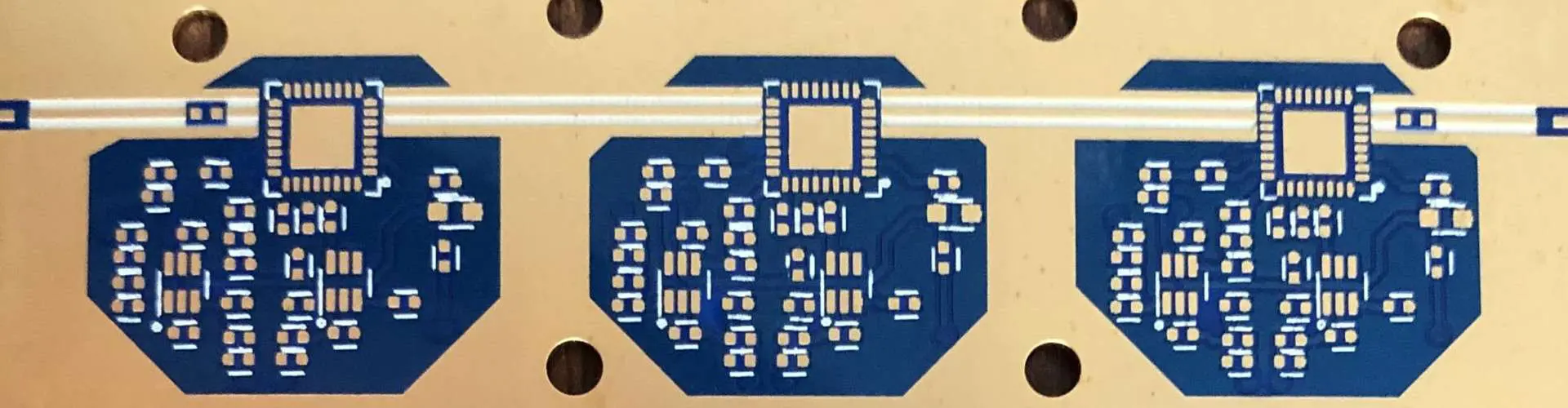
How to Use ROGERS CuClad 217 PCB PTFE laminates

military rogers pcb

Are you anxious about Polytetrafluoroethylene (PTFE)? Would you like to learn more about the Rogers CuClad 217 PTFE? It is a lamination with cross-plied, intertwined fiberglass and easily controlled PTFE compound laminates that outputs low dielectric constant values of 2.17 or 2.20. In addition, it provides in-plane mechanical and electrical isotropy. Rogers CuClad 217 utilizes a low fiberglass/PTFE ratio, providing the lowest dielectric constant (Dk) and dissipation factor compared to other fiberglass reinforced PTFE-based laminates. Consequently, there is a higher signal/noise ratio, facilitating a faster signal transmission.

How do we identify CuClad Series Laminates?

In identifying CuClad 217, we can use its trade name, CuClad Series laminates. It is of the Polytetrafluoroethylene Composite chemical family and has an HMIS rating of H1 F1 R0. It has a dielectric constant (Dk) of 2.17 or 2.20, low moisture absorption and gas emission, a dissipation factor of 0.009 at 10 GHz, and a stable Dk over various frequencies. We apply the product to printed circuit boards (PCBs).

What are the physical and chemical properties of CuClad 217?

CuClad 217 exists as a solid board that may be of various colors, clad with copper. The board is insoluble in water and has a melting point of 327ยบC. It has a specific gravity of 2.3, which is higher than that of water, which is 1. The PH, auto-ignition temperature, flammability, viscosity, decomposition temperature, vapor pressure, vapor density, freezing point, relative density, partition coefficient, boiling point, and evaporation rate do not apply to this product. So far, experts have not determined the product’s flashpoint.

What ingredients do we need in the fabrication of CuClad 217?

The product combines three chemicals; Polytetrafluoroethylene of CAS No. 9002 โ€“ 84 โ€“ 0 and EINECS/ELINCS of 204 โ€“ 126 โ€“ 9. For Polytetrafluoroethylene, we have not established the OSHA PEL and ACGIH TLV. Copper Foil (dust) of CAS No. 7440 โ€“ 50 โ€“ 8, EINECS/ELINCS of 231 โ€“ 159 โ€“ 6, OSHA PEL of 1mg/m3, and ACGIH TLV of 1mg/m3. Fiberglass of CAS No. 659997 โ€“ 17 โ€“ 3, EINECS/ELINCS of 266 โ€“ 046 โ€“ 0, OSHA PEL of 5mg/m3, and ACGIH TLV of 1 f/cc. The percentage of each chemical varies.

How can we describe the reactivity and stability of CuClad 217?

CuClad 217 is a stable product. However, above a temperature of 500 ยบF, it may start decomposing. The decomposition may increase at temperatures above 750 ยบF. Experts, therefore, do not recommend processing at such high temperatures for long periods. CuClad 217 does not exhibit hazardous polymerization. However, its decomposition may emit tetrafluoroethylene, hydrofluoric acid, carbonyl fluoride, perfluroisoburylene, and hexafluoropropylene.

Is it healthy exposing CuClad 217, or are there hazards associated with this?

 In case of over-exposure, we expect no effect if we handle this product normally. However, you should ensure proper ventilation and personal protection when carrying out such operations as cutting and final touches/ finishing of the product, as these activities generate a lot of dust. When this dust gets into contact with the eyes, it may cause irritation. Experts, therefore, advise that if the dust gets into contact with the eyes, we should flush them with water as soon as possible for about 15 to 20 minutes and seek medical attention if need be.

Moreover, in the case of inhalation, this dust may cause respiratory effects such as irritation. When this happens, we should remove it to fresh air and consult a physician if it is necessary. We may also experience metal or Polymer Fume Fever symptoms when we expose CuClad 217 to PTFE decomposition of copper fumes. Flu-like symptoms such as fever, muscle aches, chills, etc., characterize the Polymer fume fever. The symptoms can last for as much as 24 hours. The contact of this dust with the skin may equally irritate. If this happens, you should take off all the contaminated clothing and immediately wash the skin thoroughly with soap and running water for about 15 to 20 minutes. Despite these effects, CuClad 217 has no known chronic effects or reproductive hazards and is not carcinogenic to human beings.

What advantages do we enjoy with CuClad 217?

Rogers CuClad 217 has low circuit losses at relatively high frequency and soft Dk, enabling it to support wider line widths with lower insertion loss. Moreover, its design is accessible and flexible during PCB manufacture due to improved stable dimensions. Consequently,  the designers will meet strict product specifications.

How can we protect ourselves while working on CuClad 217 to avoid affection?

Due to the above hazards caused by the dust, we should use gloves while working on CuClad 217 to avoid contact with the dust with the hands. Additionally, we should use safety eyeglasses with side shields to protect our eyes from contact with this dust. We have also to ensure that running water and soap are available in the area of operation in case any dust happens to touch the body.

What do we do in the case of a fire accident and the product ignites?

Fire may cause decomposition of the product, leading to the production of toxic fumes. Therefore, firefighters should wear protective gear and equip themselves with self-contained breathing apparatus, ensuring that they breathe no dust. They should also carefully eliminate ignition sources to prevent more damage from occurring. CuClad 217 does not have any known unusual fire and explosion hazards.

How to inhibit the spread of these chemicals

To ensure that the chemical does not get into contact with the soil, surface water, and sewer systems, we should sweep it into appropriate containers before disposing of it. By so doing, we ensure that we do not create nuisance dust. The product’s disposal method will depend on the applicable federal, state, provincial, or local laws and regulations. To ensure the product’s safety, we should store it in a cool, dry, and well-ventilated area.

In which areas is this PTFE currently applied?

We apply Rogers CuClad 217 in communication systems, handheld portable cellular devices, WIFI receivers, and antenna systems such as television antenna, and radar receivers.

Conclusion

We live in a world where technology is becoming the central pillar of day-to-day activities. We, therefore, need to work towards the betterment of it by improving the communication and data transmission sector. From the above information, PTFE is a vital requirement in signal delivery. Rogers CuClad 217 has become the best PTFE in the laminates market.

PTFE provides a low dielectric constant, reducing circuit losses by a large percentage. It, therefore, increases the efficiency of a designed PCB by boosting signal propagation. While fabricating this PTFE, there must be an interaction between the component and the technician. The whole process may expose the technician to some hazards, whose details we have covered above. The way we store the PTFE is also significant as it determines the product’s lifespan. With the above information, we have all we need to know about the properties, chemical configuration, handling, hazards, applications, and storage of the Rogers CuClad 217 PTFE.

Rogers CU4000 and CU4000 LoPro Foil Features and specification

Arlon 84HP PCB

Rogers CU4000 and CU4000 LoPro Foil – If you are a Rogers customer, two new foil styles are out. The first is the Rogers CU400 loPro foil, a black and pink version of the companyโ€™s current model, the Rogers CU400. This newest version has a longer handle and includes a free 1-year warranty extension. The second new model is the Rogers CU4000 foil, a black and blue version of the Rogers CU3000. This newest version has an extra ounce of weight within the handle, making it more durable.

The new models are both similar to the CU400 in length and width. However, they do use two types of foil within the sizes in different weights. The blades consist of โ€œhyper carbon technology.โ€ The most exciting part of these new models is that they are only $40 and $30, respectively, after a $10 mail-in rebate.

The Rogers CU4000 has an MSRP of $45, and the Rogers CU400 has an MSRP of $35.

Features and specification

The handle has an index finger that enables the fencer to grip the foil more comfortably than regularly used Foil handles. The handle also has a weight balancing system to ensure the balance point is even throughout the blade. This is an excellent way for fencers to make sure that their swords are perfectly balanced for every shot and are not too top-heavy, making them easier to control. The handles also have knurling that helps ensure that there is a good amount of grip on the handle.

Enables HDI and build-up technology

We make the blades especially to use on the fence. They are hand-crafted by experts. The process requires machine direction carbon fibers that we layer into biaxial paraffin impregnated carbon cloth laid on 100% Unidirectional CELLULAR graphite tape. A special bonding agent is then used to hold the layers together. The result is a blade that performs equally well on both sides, allows for higher extension amounts, and makes touch shots more consistent than the average product.

Simplifies MLB registration

The new Rogers CU4000 and CU400 are both complete blades. They include a blade that consists of carbon fiber composite. It includes the same national wide 5-year warranty offered on other Rogers model foils. Of course, these new models are from Rayming PCB & Assembly in China for Rogers. So, you may have to wait for a few weeks to receive your order. Additionally, you can register the new blades with MLB, making it easier to cross over to other Fencing Association.

New H1 (High) model delivers more speed, power, and aggressiveness, while the H2 (Standard) model provides agility and finesse. The new CU4000 and CU400 have a retail price of $45 each. Both models are compatible with the Rogers Hyper Carbon Blades System. The blades are hand-crafted from machine direction carbon fibers laid on top of 100% Unidirectional CELLULAR graphite tape.

Reduces prepreg fill requirements

One of the primary advantages of using carbon fiber is its ability to be much lighter than aerospace alloys. This results in a more efficient and lighter weapon system, which translates into reduced prepreg fill requirements. Currently, there are no regulatory or compliance issues regarding foils with less than 2 grams of prepreg or foam.

Rogers, established in 1990, is a leading manufacturer of high-quality Fencing products. With the Rogers Hyper Carbon blades systems, fencers can now own quality carbon foils at prices within reach of almost any budget. The Rogers Hyper Carbon line has been designed from scratch to focus on safety and durability.

Superior adhesion to RO4400 series prepregs

The Hyper Carbon foil system provides superior adhesion to RO4400 series prepregs with no glue layers to contend with. This is a significant advantage as it reduces prepreg fill requirements, thus providing significant weight savings. As a result, Hyper Carbon foils are approximately 25% lighter than steel foils. This results in a faster weapon system which is also easier to handle.

Hassle-free replacement for custom-built foils

While Hyper Carbon is suitable for custom-built foil production, it can be a hassle-free replacement for the traditional stitched steel foil. Hyper Carbon performs exceptionally well in this role: it is more durable, has a longer service life than steel foil, and requires much less maintenance than the average handmade carbon blade.

 Enables foil lamination of RO4000 MLBs

As with any modern weapon system, Hyper Carbon foils are suitable for foil lamination of RO4000 MLBs. This allows for superior performance characteristics and weight savings and translates into a faster and more powerful foil.

Superior adhesion to RO4400 Series prepregs

The Hyper Carbon foil system provides superior adhesion to RO4400 series prepregs with no glue layers to contend with. This is a significant advantage as it reduces prepreg fill requirements, thus providing significant weight savings. As a result, Hyper Carbon foils are approximately 25% lighter than steel foils. This results in a faster weapon system which is also easier to handle.

IPC-4562 Grade 3, high-temperature elongation copper foil

High-performance, high-reliability foil with a maximum elongation of 5000% and a minimum compression set of 100%. Foil is essential for impact compressive loads, as well as leading-edge impacts.

Hyper Carbon foils can work with IPC-4562 high-temperature elongation copper foils. This allows for a wide range of performance characteristics and weight savings, translating into a faster and more powerful foil.

Properties

High-modulus professional-grade carbon fibers are helpful in the construction of Hyper Carbon foils. These fibers are good for their:

1. Nominal Thickness: 18 mils, which is consistent with the design requirements of single-ply blades

2. Area Weight: 2.9 g/ใŽก (22.5 g/mยฒ). The equivalent area weight of this material is approximately 1300-1500 gsm

3. Tensile Strength: 870 MPa. This is higher than the required value of 800 MPa.

4. Elongation: ~38%

5. Roughness (Rz): 9.3 ฮผm, less than the required value of 12 ฮผm.

Application

The Hyper Carbon blade is a single-ply blade with an adhesive bonding agent to hold the layers together. The result is a blade that performs equally well on both sides of the blade. In addition, because this layer already matches the elongation of the copper foil, prepreg quantities are much less than when using other carbon blades.

Product Life Cycle

The Rogers Hyper Carbon foil system is suitable for low maintenance and long life. Each blade can last over a full five-year period. At the end of this period, you can install a new blade.

The Hyper Carbon blade is suitable for easy modification. The foil can be sliced, sheared, or twisted at any point in the blade. This allows for custom modifications, such as increasing/decreasing the thickness of the blade to increase/decrease resistance.

The Rogers Hyper Carbon blades include a 5-year warranty and registration with MLB. This allows Fencing Associations and individuals to use these blades in complex weapon systems without going through a lengthy registration and testing processes with each weapon system manufacturer.

Rogers Hyper Carbon blades can focus on safety and durability. For example, the high-density foam core and core wrap of the blade help to absorb impact and reduce transmission of vibrations to the hand. The Hyper Carbon blade can also handle impacts at high velocities, resulting in greater impact resistance and durability.

Conclusion

In conclusion, Rogers Hyper Carbon blades do not require additional testing or registrations for IPC sanctioned fencing events. In addition, the ease of use and safety features built into these blades make them ideal for beginners in the sport and elite competitors.

What is Rogers CLTE-XT PCB?

military rogers pcb board

The Rogers CLTE-XT is a composite laminate that is filled with tiny-dispersed filler ceramics. It is reinforced with woven fiberglass and PTFE to boost its durability and stability. Its design helps it improve on the tangent loss while at the same time maintaining impeccable dimensional stability. But is this the only feature that makes the Rogers CLTE-XT laminate one of a kind? Does the Rogers CLTE-XT laminate entail more in terms of features, benefits, and properties? And lastly, should you opt to use this laminate in your project over other laminates on the market today?

About the Rogers CLTE-XT laminate and why you should definitely try it out

The Rogers CLTE-XT laminates utilize extended tech to boost their performance and efficiency. They also feature PTFE and ceramics which lowers their insertion loss.

The Rogers CLTE-XT is pretty reliable as it maintains most of its properties even when you expose it to a wide temperature range. You can hence utilize it in operations that require the use of high temperatures without causing damage to the laminate or the PCB.

Rogers CLTE-XT laminates also have impeccable performance. Their performance makes them suitable for airborne and ground-based radar and communication systems.

Benefits and features of the Rogers CLTE-XT laminate

The Rogers CLTE-XT laminates have the following benefits and features that make them stand out.

A tangent loss of about 0.0010 at a bandwidth of 10GH

The Rogers CLTE-XT laminate features a tangent loss of about 0.0010 at a bandwidth of 10GHz. Due to this bandwidth, the laminate manages to have low circuit losses while still maintaining impeccable dimensional stability.

A low CTE (Z-axis) of about 20 ppm/0C

The Rogers CLTE-XT laminate bears a pretty low CTE (Z-axis), which improves its reliability in THT assemblies.

A stable dielectric constant

The Rogers CLTE-XT laminate feature a stable dielectric constant over a wide temperature range.

Heavier metal backing variations

The Rogers CLTE-XT laminates feature a โ€œheavier metal backing” series variation. These variations have a great design that features networks of embedded resistors.

Applications of the Rogers CLTE-XT laminate

The Rogers CLTE-XT laminate has the following applications:

  1. They come in handy in the creation of patch antennas
  2. They help manufacturers create phased array antennas
  3. Power amplifiers utilize this laminate
  4. And lastly, Advanced Driver assistance systems also utilize this laminate

Properties of the Rogers CLTE-XT laminate

The Rogers CLTE-XT laminate features the following properties:

Electrical properties

Electrical conductivity is a pretty crucial aspect to consider when choosing a laminate for your PCB. Hence let us look at the electrical properties of the Rogers CLTE-XT laminate to see how it conducts electric current.

Dielectric current

When you place the Rogers CLTE-XT laminate under the following test conditions:

  • A temperature of 230C
  • An RH of 50% and,
  • A bandwidth of 10GHz

It brings out a dielectric current of 2.98

Dissipation factor

By placing the Rogers CLTE-XT laminate under the following test conditions:

  • A temperature of 230C
  • An RH of 50% and,
  • A bandwidth of 10GHz

The dissipation factor of the Rogers CLTE-XT laminate hits 0.0021

Dielectric constant

The Rogers CLTE-XT laminate has a dielectric constant of:

  • 2.98 when you place it under a bandwidth of 10 GHz

Thermal coefficient of dielectric constant

The thermal coefficient of the Rogers CLTE-XT laminate stands at 6 ppm/0C under the following conditions:

  • A temperature range of -50 to 1500C and,
  • A bandwidth of 10GHz

Volume resistivity

The volume resistivity of the Rogers CLTE-XT laminate is 1.40 x 10⁹ Mohm-cm under the following test conditions:

  • C-96/35/90

Surface resistivity

The Rogers CLTE-XT laminate bears a surface resistivity of 1.30 x 10⁶ Mohm under the following test conditions:

  • C-96/35/90

Electrical strength

The Rogers CLTE-XT laminate has the following electrical strength under normal conditions:

  • 1100 V/mil

Dielectric breakdown

The dielectric breakdown of the Rogers CLTE-XT laminate is 64 kV under the following test conditions:

  • X/Y direction
  • D-48/50

Thermal properties of the Rogers CLTE-XT laminate

Print Circuit boards undergo a lot of heating during their assembly phase. They also function under machines that eject a lot of heat. Hence having a laminate that has impeccable thermal properties is crucial.

The Rogers CLTE-XT is one of those laminates that bear remarkable thermal properties. These properties include:

Decomposition temperature

The decomposition temperature of the Rogers CLTE-XT laminate stands at 5.38 under the following test conditions:

  • Exposure to a temperature of 1050C for about 2 hours and,
  • A weight loss of 5%

Coefficient of thermal expansion

Under the following test conditions:

  • A temperature range of -55 – 2880

The x coefficient of thermal expansion stands at 9.9 ppm/0C.

The y coefficient of thermal expansion, on the other hand, stands at 9.4 ppm/0C.

And lastly, the z coefficient of thermal expansion shoots up to 57.9 ppm/0C.

Thermal conductivity

The thermal conductivity of the Rogers CLTE-XT laminate is 0.5 W/mK under the following test conditions:

  • Z-direction

Delamination time

The Rogers CLTE-XT laminate has a delamination time of >60 minutes when you place it under a temperature of 2880C.

Mechanical properties of the Rogers CLTE-XT laminate

The Rogers CLTE-XT laminate brings out the following properties when you apply force onto it:

Copper strength

After exposing this laminate to thermal stress (using a temperature of about 2880C) for 10 seconds. It exhibits the following copper strength:

  • 1.2 N/mm

Flexure strength

The Rogers CLTE-XT laminate has the following flexure strength under a temperature of 250C (+/- 30C):

  • 92.4, 86.9 MPa

Tensile strength

The tensile strength of the Rogers CLTE-XT laminate is 73.8 and 71.0 under the following test conditions:

  • A temperature of 230C and,
  • 50 RH

Dimensional stability

Rogers CLTE-XT laminates have dimensional stability of -0.07 and -0.02 mm/m when you place them under the following conditions:

  •  A temperature of 1050C for about 4 hours

Physical properties

The Rogers CLTE-XT laminate bears the following physical properties:

Flammability

The Rogers CLTE-XT laminate has a flammability rating of V-o under the following test conditions:

  • C4B/23/50 and
  • C168/70

Moisture absorption rate

These laminate have a pretty low moisture absorption rate of 0.04% under the following test conditions:

  • E1/105+D24/23

Specific heat capacity

When you place the Rogers CLTE-XT laminate under the following test conditions:

  • Exposure to high temperatures reaching up to 1050C for about 2 hours

Its specific heat capacity hits:

  • 0.60 J/gK

Density

The Rogers CLTE-XT laminate has the following density:

  • 2.31 g/cm3

Conclusion

The Rogers CLTE-XT laminate has been one of the best laminates for a pretty long time. Its end game lies in its features and properties, which are just incredible. It offers durability, efficiency, and outstanding performance every time. Hence if you are looking for a laminate to utilize in your PCB, you should try this one out. It will not disappoint.

The New Technology of Rogers CLTE-MW PCB Laminate

Rogers RO3206

The Rogers CLTE-MW is a ceramic-filled PTFE composite laminate that is reinforced using woven glass for that extra durability. These features give this laminate enough efficiency to handle 5G plus other wave applications. In addition, it has several features and properties that make it unique and special. But is this laminate worth trying out? And if so, which other features does it bring to the table?

About the Rogers CLTE-MW laminate, what makes them unique?

Rogers CLTE-MW laminates offer PCB assemblers a cost-effective, high-performance material. They bear electrical and physical constraints, making them great for applications with thickness limitations. What’s more, this laminate comes in seven different thickness options. You can choose from a thickness of 3 – 10 mils according to your project’s requirements. With this thickness feature, you get that ideal and perfect signal to ground spacing which is essential for 5G transmission.

The Rogers CLTE-MW laminate has woven glass reinforcement and a fillers loading that is pretty high. These two features help the laminate propagate electromagnet waves efficiently. They also improve the laminate’s durability and stability, making it one of a kind.

Features of the Rogers CLTE-MW laminate

The Rogers CLTE-MW laminates have a pretty low moisture absorption rate of about 0.03%. Due to this feature, you get optimal performance from this laminate over a wide range of application environments.

The Rogers CLTE-MW laminates are also great in terms of thermal conductivity. Their thermal conductivity stands at 0.42 W/mK, which allows heat dissipation to take place aggressively. The laminate also has a higher dielectric strength when you compare it to other laminates. Its dielectric strength hits a whooping 630 V/mil. You can hence ensures that an excellent z-axis insulation exists between the conductor layers.

The Rogers CLTE-MW laminate has a flammability rating of UL94 V-0. You can hence utilize this laminate for commercial applications.

Other features and benefits that make the Rogers CLTE-MW one of a kind

Great dimensional stability

The Rogers CLTE-MW laminate has incredible dimensional stability.

A low Z, X, and Y-axis CTE

The Rogers CLTE-MW laminate has a low Z, X, and Y-axis CTE. Its mechanical performance is hence reliable even when put in an environment that is thermally challenging.

Low loss tangent

The Rogers CLTE-MW laminate has a loss tangent that is pretty low; this reduces circuit losses, improving the PCB’s efficiency.

Applications of the Rogers CLTE-MW laminate

The Rogers CLTE-MW laminate has a couple of applications which include:

  1. Creating commercial avionics and communication devices
  2. Aerospace/military applications
  3. Satellite communication applications
  4. Building networks that feature microwave feeds
  5. Creating electronic structures that are phase sensitive
  6. Generating passive components (baluns, filters, and couplers)

Properties that make up the Rogers CLTE-MW laminate

The Rogers CLTE-MW laminate has some unique properties that make it stand out. These properties include:

Electrical properties

When it comes to PCB laminates, electrical properties are a great factor to consider. These properties bring out a component’s ability to conduct electricity.

Rogers CLTE-MW laminates bear the following electrical properties:

Dielectric constant

When you place the Rogers CLTE-MW laminate under a temperature of 230C, a bandwidth of 10GHz, and an RH of 50%, the dielectric constant hits:

  • 2.94 to 3.02 (plus or minus 0.04)

If you switch up the test conditions and replace the 10 GHz bandwidth with a bandwidth within 8 โ€“ 40 GHz. And then switch the temperature and RH test conditions with the C-24/23/50 test conditions, you get the following dielectric constant:

  • It lies in between the range of 3.03 to 3.10

Dissipation factor

When you place the Rogers CLTE-MW laminate under a temperature of 230C, a bandwidth of 10GHz, and an RH of 50%, you get the following dissipation factor:

  • 0.0015

Thermal coefficient of dielectric constant

The thermal coefficient of dielectric constant of the Rogers CLTE-MW laminate is:

  • – 35 ppm/0C

In this test, utilize a temperature range of 0 โ€“ 100 0C and bandwidth of 10GHz.

Volume resistivity

The volume resistivity of the Rogers CLTE-MW laminate under the C-96/35/90 test conditions is:

  • 1.3 x 10⁷ Mohm-cm

Surface resistivity

The Rogers CLTE-MW laminate bears the following volume resistivity when you place it under the C-96/35/90 test conditions:

  • 2.5 x 10⁴ Mohm

Electrical strength

The Rogers CLTE-MW laminate has the following electrical strength under normal conditions:

  • 6.30 V/mil

Dielectric breakdown

The dielectric breakdown of the Rogers CLTE-MW laminate under the D-48/50 test conditions is:

  • 44 kV

Comparative tracking index

Rogers CLTE-MW laminate has the following comparative tracking index under c-40/23/50 test conditions:

  • 600V/ PLC o class/volts

Thermal properties of the Rogers CLTE-MW laminate

Thermal properties are also pretty crucial to consider when choosing a laminate for your PCB. You do not want a laminate that melts off quickly when you expose it to heat.

The Rogers CLTE-MW laminate has the following thermal properties:

Decomposition temperature

The decomposition temperature of the Rogers CLTE-MW laminate is as follows:

  • When you place the laminate under a temperature of 1050C for 2 hours at a weight loss of 5%, the decomposition temperature hits 5000C.

Coefficient of thermal expansion

The (X/Y) coefficient of thermal expansion of the Rogers CLTE-MW laminate is:

  • 8 ppm/0C when you place it under a temperature range of -55 โ€“ 2880C

The Z coefficient of thermal expansion of the Rogers CLTE-MW laminate, on the other hand, is:

  • 30 ppm/0C with the same test conditions in place

Delamination time

The delamination time of the Rogers CLTE-MW laminate under a temperature of 2880C is:

  • >60

Thermal conductivity

The thermal conductivity of the Rogers CLTE-MW laminate is:

  • 0.42 W/mK

Mechanical properties of the Rogers CLTE-MW laminate

PCBs are sometimes put under a lot of pressure during assembly. You hence require a laminate that is durable under the application of force. Therefore, mechanical features are also crucial properties to consider.

The Rogers CLTE-MW laminate has the following mechanical properties:

Copper peel strength

After the applications of thermal stress, the copper peel strength of the Rogers CLTE-MW laminate hits:

  • 1.1 N/mm

Flexure strength

The Rogers CLTE-MW laminate has the following flexure strength:

  • 113 MPa

To carry out this test, place the laminate under a temperature of 250C +/- 30C.

Dimensional stability

The Rogers CLTE-MW laminate has the following dimensional stability (after etching and baking)

  • 0.22 mil

Physical properties

The Rogers CLTE-MW laminate has the following physical properties:

Moisture absorption

Rogers CLTE-MW laminate has a pretty low moisture absorption rate of:

  • 0.03%

Specific heat capacity

The specific heat capacity of the Rogers CLTE-MW laminate under C-24/23/50 test conditions is:

  • 2.1 g/cm3

Conclusion

The Rogers CLTE-MW laminate is one of a kind. It bears special features that boost its durability, stability, and performance. All this makes it one of the best laminates on the market today. If you are looking to utilize this laminate in your project, we assure you that it will not disappoint.

What is Rogers CLTE-AT PCB ?

Taconic RF-35HTC PCB

The Rogers CLTE-AT is a special laminate that features tiny-dispersed ceramics found inside a PTFE-based composite. They are reinforced using woven glass to boost their durability and efficiency. Due to this unique features, the Rogers CLTE-AT has become pretty popular in the tech market. It has multiple uses and provides durability and efficiency each time. In addition, its insertion loss falls under the best-in-class category making it one of the best laminates to utilize in your projects. But are these the only benefits and features that make the Rogers CLTE-AT unique? Are there more features that make the Rogers CLTE-AT stand out? And if so, is it worth trying out considering the many options in the market?

About the Rogers CLTE-AT, what makes it unique?

The Rogers CLTE-AT laminate bears beneficial features that help it optimize the performance to cost ratio. On top of that, they also provide a pretty consistent and reliable dielectric constant even though they are thick.

The Rogers CLTE-AT laminates have a pretty low loss tangent and a low conductive loss, making them more efficient in their job.

When utilizing the Rogers CLTE-AT laminate, you will most probably note the impact of the copper foil’s roughness on the conductor loss. Well, this happens because of an increase in resistance on the transmission line due to the “skin effect.”

The Rogers CLTE-AT laminate provides incredible peel strength. Moreover, it does so in such an efficient way that it does not turn to utilize the rougher, lossier coppers prevalent materials.

The Rogers CLTE-AT laminates bear low TCEr and CTE XYZ. It is hence great for the applications that need Dk stability, mechanical stability, and electrical phase stability that is over an operating temp range of -55 to 1500C. On top of this incredible stability, these laminates have low moisture and chemical absorption. They also have ease of processability, and dimensional stability. These features make the Rogers CLTE-AT one of a kind in the tech market to date.

The Rogers CLTE-AT laminate has a high thermal conductivity, which immensely improves its heat transfer rate.

Features of the Rogers CLTE-AT

The Rogers CLTE-AT laminate bears the following features:

Rogers CLTE-AT laminate has a thermal conductivity that is pretty high

They bear a PTFE/Ceramic microwave composite

Their tangent loss is low (it stands at 0.0013, which is pretty low when you compare it to other laminates)

They have a thick tolerance and a pretty reliable dielectric constant

As per insertion loss, the Rogers CLTE-AT falls under the “best-in-class,” which is the lowest in the commercial class

Lastly, the Rogers CLTE-AT is dimensionally stable and more robust mechanically

Benefits of utilizing the Rogers CLTE-AT

The Rogers CLTE-AT laminates are unique, as their features dictate. These same features make them pretty beneficial in the tech world.

Here are some of the benefits that you are likely to reap out of utilizing the Rogers CLTE-AT laminate:

Incredible thermal stability (Df and Dk)

Excellent Z, X, and Y CTE

High dimensional stability which is essential for multilayer board

Phase stability

Typical applications of the Rogers CLTE-AT

You can apply the Rogers CLTE-AT laminate in the following areas:

In RF/Microwave applications

To make adaptive cruise control and automotive radar applications

To create Temperature/phase-sensitive antennas

In Microwave and RF filters

Properties of the Rogers CLTE-AT laminate

Under this section, we shall be looking at the properties that make up the Rogers CLTE-AT laminate. Properties exist in different forms. For example, we have electronic properties, thermal properties, mechanical properties, et cetera. Each of these properties makes the Rogers CLTE-AT laminate distinct.

Electronic properties

The Rogers CLTE-AT bears the following electronic properties:

Dielectric constant

The dielectric constant of the Rogers CLTE-AT laminate might vary according to the laminate thickness. However, under standard instance, the dielectric constant is as follows:

  • At 1 MHz, their dielectric constant stands at 3.00
  • When you raise the bandwidth to 10 GHz, the dielectric constant remains stagnant at 3.00

Dissipation factor

The dissipation factor of the Rogers CLTE-AT laminate is as follows:

  • At 1 MHz, the dissipation factor of this laminate stands at 0.0013
  • When you boost the bandwidth to 10 GHz, you will not no change in the dissipation factor as it remains 0.0013

Dielectric temperature coefficient

The dielectric temperature coefficient of the Rogers CLTE-AT laminate at a temperature range of -40 to 1500C and a bandwidth of 10 GHz is:

  • -10 ppm/0C

Volume resistivity

Rogers CLTE-AT laminate bears the following volume resistivity value under normal circumstances:

  • 4.25 x 10⁸ Mฮฉ-cm (C96/35/90)

Surface resistivity

Rogers CLTE-AT laminates have the following surface resistivity:

  • 2.02 x 10⁸ Mฮฉ-cm (C96/35/90)

Dielectric breakdown

Dielectric breakdown is a crucial feature in the making of the Rogers CLTE-AT laminate. Under standard conditions, the dielectric breakdown of this laminate stands at:

  • 58 kV

Arc resistance

The arc resistance of the Rogers CLTE-AT laminate is:

  • 250 sec

Thermal properties

Thermal properties play a significant role in the efficiency of a component. The Rogers CLTE-AT laminate bears the following thermal properties:

Decomposition temperature

The decomposition temperature of the Rogers CLTE-AT laminate follows the following pattern:

  • At the initial stage, decomposition temperature stands at 4870C
  • However, at 5%, the decomposition temperature goes up to 5290C

T260, T288, and T300

The Rogers CLTE-AT laminate has the following T260, T288, and T300 values:

  • The T260 value is >60min
  • On the other hand, the T288 is also >60 min
  • And lastly, the T300 is also >60 min

Thermal expansion

Rogers CLTE-AT laminates have the following thermal expansion rates at different CTE positions.

  • At a temperature range of 50-1500C and CTE (x, y), the thermal expansion of the Rogers CLTE-AT laminate is 8, 8 ppm/0C
  • However, when you maintain the temperature range (50 โ€“ 1500C) and switch the CTE to (z), the thermal expansion rate goes up to 20 ppm/0C

Mechanical properties of the Rogers CLTE-AT laminate

Peel strength to copper

The Rogers CLTE-AT laminate has the following peel strength to copper variations:

  • After undergoing thermal stress, the Rogers CLTE-AT laminate bears a peel strength to copper of 7 lb/ln
  • When you expose this laminate to a pretty high temperature (say 1500C), the peel strength to copper goes up to 9 lb/ln
  • Lastly, when you expose it to the process solutions, the peel strength to copper goes down again to 7 lb/ln (1.2 N/mm)

Physical properties of the Rogers CLTE-AT laminate

The Rogers CLTE-AT laminate has the following physical properties:

Water absorption

Rogers CLTE-AT laminates absorb water at a pretty low rate of:

  • 0.03%

Density ambient

At a temperature of 230, the Rogers CLTE-AT laminate bears the following density ambient:

  • 2.06 g/cm3

Thermal conductivity

The thermal conductivity of a Rogers CLTE-AT laminate is:

  • 0.64 W/mK

Conclusion

The Rogers CLTE-AT laminate is one of a kind. It bears features and benefits that make it stand out in the tech market. What’s more, it is cost-effective as per productivity and performance, and its durability is incredible. Hence if you are looking for a laminate to utilize in your PCB, then the Rogers CLTE-AT laminate is worth trying.

What is Rogers CLTE PCB ?

Rogers RO3203

Rogers CLTEs are laminates that are PTFE-based. They have incredible features that help them provide a stable dielectric constant and a low TE (thermal expansion). Since its debut in the market, the Rogers CLTE laminate has been one of the best laminates to use in PCBs. But what feature make up this laminate? What properties set this laminate apart from other laminates in the market today? And why should you consider using this laminate?

About the Rogers CLTE and why you should consider using it

The Rogers CLTE laminate has great dimensional stability and a planar CTE that is pretty low. These two features help this laminate offer consistent performance.

Rogers CLTE laminate also features properties that make them great to utilize with various resistor foils. They also feature different cladding type variations, which include reverse treated and electrodeposited.

Rogers CLTE laminates have incredible performance and durability. These two features make this laminate an excellent choice for applications in airborne and ground-based radar and communication systems.

Features of the Rogers CLTE laminates

The Rogers CLTE laminate bears the following feature that makes it stand out when you compare it to other laminates. These features don’t just make this laminate unique; they also make it efficient.

  1. The Rogers CLTE laminate features a thermal expansion that is pretty low in the Z, X, and Y of  34, 12, and 10 ppm/0C
  2. These laminates provide a consistent thin, reliable laminate solution (0.003″). Hence if you are looking to create a lightweight gadget, then this is the laminate to utilize
  3. The Rogers CLTE laminate also features a pretty stable dielectric constant under a wide temperature range
  4. Lastly, these laminates feature rubber backing variations of heavy metal. You can hence choose the variation that best suits your project.

Benefits of utilizing the Rogers CLTE laminate

Since its debut in the tech market, the Rogers CLTE laminate has brought in tremendous benefits. These benefits have made them pretty popular.

Some of the most popular benefits of utilizing the Rogers CLTE laminate include:

  1. High plated THT reliability โ€“ these laminates provide outstanding reliability in THT assemblies. Hence if you are planning on assembling your print circuit board using the THT process, then this is the laminate to utilize
  2. Less stress on ceramic active gadgets โ€“ these laminate bear features help them attach well onto ceramic active devices.
  3. A pretty reliable design โ€“ The Rogers CLTE laminate has a great design. What’s more, it features a network of embedded resistors that boost its efficiency.
  4. Supports for boards with multiple layers โ€“ These laminate support complex boards with many layers.

Applications of the Rogers CLTE laminate

Rogers CLTE laminates have a lot of applications due to their unique feature. Some of these applications include:

  1. To create power amplifiers
  2. To create patch antennas
  3. In ADA (advanced driver assistance) systems
  4. To generate antennas that have a phased array

Properties of the Rogers CLTE laminate

Properties define a component. They bring out the component’s electrical, thermal, mechanical, and physical properties. Using these features, you can tell whether or not the component is suitable for your projects. They also define the component’s efficiency, which makes them crucial.

The Rogers CLTE laminate hence bears the following properties:

Electrical properties

These properties bring out a component’s ability to efficiently conduct electric current. The Rogers CLTE laminate has the following electrical properties:

Dielectric constant

At a temperature of 230C, a bandwidth of 10GHz, and an RH of 50%. The dielectric constant of the Rogers CLTE laminate stands at:

  • 2.98

Dissipation factor

Under a temperature of 230C, a bandwidth of 10 GHz and an RH of 50%. The dissipation factor of the Rogers CLTE laminate is:

  • 0.0021

Dielectric constant

When you place a Rogers CLTE under C-24/23/50 test conditions, it has the following dielectric constant:

  • 2.98

The bandwidth in this experiment is still 10 GHz, just like the previous tests.

Thermal coefficient of dielectric constant

Under a temperature range of -500C to 1500C and bandwidth of 10GHz. The thermal coefficient of the dielectric constant of this laminate is:

  • 6 ppm/0C

Volume resistivity

The volume resistivity of the Rogers CLTE laminate is:

  • 1.40 x 10⁹ Mohm-cm

We utilize the C-96/35/90 test conditions to carry out this test.

Surface resistivity

Under C-96/35/90 test conditions, the Rogers CLTE laminate bears the following surface resistivity:

  • 1.30 x 10⁶ Mohm

Dielectric strength

The Rogers CLTE laminate has the following dielectric strength under normal conditions:

  • 1100 V/mil

Dielectric break down

The Rogers CLTE laminate has the following dielectric breakdown under X/Y direction and D-48/50 test conditions:

  • 64 kV

Thermal properties of the Rogers CLTE laminate

Thermal properties are the properties that show up when you heat a gas, a liquid, or a solid component. The response may be a change in the component’s phase transition, volume or length, or even temperature increases.

The Rogers CLTE laminate bears the following thermal properties:

Decomposition temperature

When you place the Rogers CLTE laminate under a temperature of 1050C for 2 hours then apply a weight loss of 5%. The decomposition temperature of the laminate hits:

  •  5.38 0C

Coefficient of thermal expansion

When you place the Rogers CLTE laminate under a temperature range of -55 โ€“ 2880C. The x coefficient of thermal expansion of the laminate becomes:

  • 9.9 ppm/0C

The y coefficient of thermal expansion, on the other hand, hits

  • 9.4 ppm/0C

Lastly, the z coefficient of thermal expansion shoots up to:

  • 57.9 ppm/0C

Thermal conductivity

The thermal conductivity of the Rogers CLTE laminate under the z-direction test conditions hits:

  • 0.5 W/mk

Delamination time

Delamination time of a PCB that utilizes a Rogers CLTE laminate is usually:

  • >60 minutes

However, for this to occur, you have to expose the laminate to a high temperature of about 2880C.

Mechanical properties of the Rogers CLTE laminate

Mechanical properties are the properties exhibited by a component once you apply a force upon them. The properties include modulus elasticity, fatigue limit, hardness, et cetera.

The Rogers CLTE laminate bears the following mechanical properties:

Copper peel strength

After exposing the Rogers CLTE laminate to thermal stress using a temperature of 2880C for about 10 sec. you will note that the copper peel strength hit:

  • 1.2 N/mm

Flexure strength

When you expose the Rogers CLTE laminate to a temperature of 250C (plus or minus 30C). The flexure strength of the laminate is:

  • 92.4, 86.9 MPa

Tensile strength

The tensile strength of the Rogers CLTE laminate under 23C/50RH test conditions is:

  • 73.8 and 71.0 MPa

Physical properties of the Rogers CLTE

Physical properties are the properties that we can observe without altering the identity of a component.

The Rogers CLTE laminate bears the following physical properties:

Moisture absorption

The Rogers CLTE laminate has a pretty low moisture absorption rate of:

  • 0.04%

Specific heat capacity

The specific heat capacity of a Rogers CLTE laminate under a temperature of 105 0C for 2 hours is:

  • 0.60 J/gK

Conclusion

The Rogers CLTE laminate provides a stable dielectric constant and a thermal expansion rate that is pretty low. These two features make this laminate pretty efficient. However, this is not the only feature that makes this laminate one of the best laminates in the world, as we have seen. Hence if you are looking to up your laminate game, you can try out this laminate and note the difference.

Do you Understand the Rogers AD1000 Laminates?

Rogers RO4360

The Rogers AD1000 has become pretty popular in the market due to the many features that make it unique. Features such as woven glass reinforcement and signal integrity make it pretty useful in the tech world. However, this is just the tip of the iceberg as to what the Rogers AD1000 entails. So what marvelous make up the Rogers AD1000? And is it worth trying out?

About the Rogers AD1000

The Rogers AD1000 is a substrate laminate whose dielectric constant is pretty high. The substrate allows circuit miniaturization, making the Rogers AD1000 more efficient than the traditional materials, which had low loss. Rogers AD1000 substrates are especially great for:

  • Power filters
  • The Power amplifiers
  • Power coupler
  • Other components which utilize low impedance

The Rogers AD1000 is reinforced using woven glass, which makes it have:

  • Greater mechanical robustness and
  • Dimensional stability

It also has pretty large panels, which are great for “multiple-circuits per panel” assembly.

The Rogers AD1000 is a soft substrate, which means that if you apply vibrational stress onto it, it becomes relatively insensitive. However, this unique feature lets manufacturers make miniaturized circuitry, excluding:

  • Special handling and,
  • Complicated processing

These two features are necessary when dealing with other ceramic hydrocarbon materials. However, when dealing with the Rogers AD1000, you do not have to consider them.

You can utilize the Rogers AD1000 in processes that utilize standard PTFE PCB substrates.

The Rogers AD1000 has a Z-axis thermal expansion that is pretty low; this improves its reliability in terms of plated THT (through-hole). In addition, its X-Y thermal expansion is also low, making this laminate a perfect match for ceramic chip carriers.

Features of the Rogers AD1000

The Rogers AD1000 substrate bears the following features:

  1. The moisture absorption rate of the Rogers AD1000 is pretty low
  2. It is reinforced using woven glass, which improves its stability
  3. The thermal stability of these laminates falls under the “best-in-class” category
  4. They have a high copper peel strength which allows for pretty thin etched lines (per width)
  5. These substrates have a low insertion loss variation available
  6. They also have a large panel size variation (usually panels that are larger than the standard panels)
  7. These substrates have a great CTE value which makes them pretty reliable PTH and ceramic attachments

Benefits of utilizing the Rogers AD1000

If you choose to utilize the Rogers AD1000, then you will be getting the following benefits:

  1. These substrates have heat management and dissipation
  2. They have incredible dimensional stability (when you compare them to other substrates)
  3. They are lightweight due to circuit miniaturization
  4. The signal integrity of these substrates is pretty high due to the component that makes up the Rogers AD1000
  5. These substrates maintain their low loss feature even when you place them in an environment that is high in humidity
  6. And lastly, they are cost-effective as per the boards:
  7. Processing and
  8. Layout

Typical applications of the Rogers AD1000

You can apply the Rogers AD1000 substrate in the following areas:

  1. Radar surveillance that is based on the ground
  2. In miniaturized patch and circuitry antennas
  3. To make amplifiers that have low noise
  4. In power amplifier
  5. To create systems that detect and provide information that helps avoid aircraft collision
  6. In manifolds and radar modules

Typical properties of the Rogers AD1000

The Rogers AD1000 bears the following properties:

Electrical Properties of the Rogers AD1000

Dielectric constant โ€“ The Rogers AD1000 bears the following dielectric constant:

  • At 10 GHz, it stands at 10.20

Dissipation factor โ€“ The Rogers AD1000 has the following dissipation factor:

  • At 10 GHz, it stands at 0.0023

Temperature coefficient of dielectric โ€“ The Rogers AD1000 has the following dielectric temperature coefficients:

  • At 10 GHz and a temperature range of -40 to 1500C, the temperature coefficient of dielectric of the Rogers AD1000 stands at -380 ppm/0C

Volume resistivity โ€“ The volume resistivity of the Rogers AD1000 is as follows:

  • 1.40 x 10⁹Mฮฉ (C96/35/90)
  • 5.36 x 10⁷Mฮฉ (E24/125)

Surface resistivity โ€“ as per volume resistivity, the Rogers AD1000 takes on the following values:

  • 1.80 x 10⁹Mฮฉ (C96/35/90)
  • 3.16 x 10⁸Mฮฉ (E24/125)

Electrical strength โ€“ The electrical strength of the Rogers AD1000 substrate stands at:

  • 622 (24.5) Volts/mil (kV/mm)

Dielectric breakdown โ€“ The dielectric breakdown of the Rogers AD1000 is:

  • >45kV

Arc Resistance – Rogers AD1000 substrates have an arc resistance that is:

  • >180 sec

Thermal properties of the Rogers AD1000

The Rogers AD1000 bears the following thermal properties:

Decomposition temperature โ€“ The decomposition temperature of the Rogers AD1000 is as follows:

  • At the initial stages, the decomposition temperature is >5000C
  • At 5%, the decomposition temperature is still >5000C

T260 โ€“ Rogers AD1000 substrates have a T260 value that is:

  • >60 min

T288 โ€“ The T288 of the Rogers AD1000 substrates is:

  • >60 min

T300 โ€“ The T300 of the Rogers AD1000 is:

  • >60

Thermal expansion โ€“ The Rogers AD1000 bears the following thermal expansion values:

  • At a temperature range of 50 โ€“ 1500C and CTE (x,y), the thermal expansion of the Rogers AD1000 substrate is 8,10 pmm/0C
  • At a temperature range of 50 โ€“ 1500C and CTE (z), the thermal expansion of the Rogers AD1000 goes up to 20ppm/0C

Mechanical properties of the Rogers AD1000

The Rogers AD1000 bears the following mechanical properties:

Peel strength to copper โ€“ The Rogers AD1000 has the following peel strength to copper:

  • After Thermal stress, the peel strength to copper of the Rogers AD1000 is >12 (2.1) lb/in
  • At high temperature (1500C), the peel strength to copper of the Rogers AD1000 is 13.6 (2.4) lb/in

Youngโ€™s modulus โ€“ The Rogers AD1000 has the following youngโ€™s modulus:

  • 200 (1.38) kpsi (MPa)

Flexure strength โ€“ The Rogers AD1000 has the following flexure strength:

  • 9.97/7.5 kpsi

Tensile strength – Rogers AD1000 substrates have the following tensile strength:

  • 5.1/4.3 kpsi

Compressive modulus โ€“ The compressive modulus of the Rogers AD1000 is:

  • >425kpsi

Poisson’s ratio โ€“ The Poisson’s ratio of the Rogers AD1000 is:

  • 0.16

Physical properties of the Rogers AD1000

Rogers AD1000 substrates have the following physical properties:

Water absorption โ€“ Rogers AD1000 absorb water at a pretty low rate of:

  • 0.03%

Density, ambient – Rogers AD1000 substrates have a density of:

  • 3.20 g/cm3

Thermal conductivity โ€“ The thermal conductivity of the Rogers AD1000 is:

  • 0.81 W/mK

Flammability โ€“ As per flammability, the Rogers AD1000 substrate:

  • Meets V0 class

Nasa Outgassing โ€“ The Rogers AD1000 has the following NASA outgassing :

  • Total mass loss has a NASA outgoing value of 0.01%
  • On the other hand, the NASA outgoing of collected volatiles stands at 0.00%
  • Water vapor recovered has a NASA outgoing of 0.00 % too

Conclusion

The Rogers AD1000 substrate provides a miniaturized circuit solution which is crucial in the modern world. It also offers high stability, signal integrity, and so on, as we have seen earlier on. All these features make this substrate great to utilize. So, if you are looking for a substrate to laminate your PCB, look no further because the Rogers AD1000 has got you.

Rogers AD250C – A Closer Look at a Low-Cost Microwave PCB

Rogers RO3210

If you’re looking for a new microwave PCB material, check out the Rogers AD250C. This microwave high-frequency PCB material is made from ceramic hydrocarbons, has a dielectric layer, and is relatively inexpensive. Let’s take a closer look at this material. What makes it so effective? Read on to discover more! Also, remember that it is only slightly more expensive than its predecessor.

Rogers AD250C is an insulating layer

The Rogers AD250C insulating layer is a high-performance insulating material that you can make from a blend of FR-4 and a durable, cost-effective composite. The insulating layer is an excellent choice for multilayer circuit boards, as it offers low thermal expansion coefficients and minimal dielectric losses. In addition to its excellent thermal management, it features a high dielectric constant range and a lamination of ceramic hydrocarbons.

When comparing FR-4 and Rogers materials, you will notice that the former has a higher dielectric constant range, which results in less signal loss and greater dissipation factor. Rogers material is also more stable at high temperatures, so it is better for many applications. If you need the highest sensitivity for your radio, Rogers is a better option for high-frequency devices.

This dielectric material also exhibits good thermal conductivity, making it an excellent choice for circuit boards. However, because it’s dielectric, it’s a poor conductor of electricity. Materials that have a high dielectric constant are good for insulating layers. However, materials with higher dielectric loss are unsuitable for conducting high currents. This phenomenon is known as dielectric breakdown and Rogers AD250C is less likely to show this effect than similar materials.

Another type of PCB can come from Rogers AD250C insulating layer. This insulating material comes from a fluoroplastic base, but it is better for RF and microwave applications. The Rogers laminates are more expensive than FR4 materials, but they have better high frequency properties. In addition, compared to fiber glass, they are less lossy and provide greater electrical performance.

It has ceramic hydrocarbons

The industry-leading, low-cost RO4000 series of ceramic hydrocarbon laminates are an excellent choice for controlled or coordinated impedance transmission lines and RF microwave circuits. These materials offer various dielectric constants, low thermal conductivity, and high electrical signal integrity. As a result, this laminate is suitable for a wide range of applications, including power amplifiers for cellular base station, automotive sensors, microwave point-to-point links, RFID tags, etc.

This dielectric PCB material is good for high-frequency applications. The high dielectric constant of the Rogers material allows the PCB to achieve better results in the electronics industry, while maintaining low fabrication costs. As a result, the Rogers PCB material is compatible with FR-4 and has a wide range of dielectric constants (DK) from 2.50 +/-.04.

Because the CTE of this material is less than that of copper, it is ideal for multiple-layer designs. As a result, the Rogers PCB suffers less thermal strain when the CTEs of different layers are mismatched. In addition, its dimensional stability is similar to that of copper, but it does not contain lead. Further, Rogers AD250C laminates are available in both traditional and custom laminates.

The high dielectric constant of the Rogers material makes it ideal for high-frequency PCBs. With minimal signal losses, this material also offers good thermal management. Its high-temperature stability is also a plus for temperature-sensitive projects. A large range of dielectric constants means that the Rogers PCB is ideal for use in various environments, including high-temperature areas.

It has a dielectric layer

The dielectric layer of Rogers AD250C is responsible for minimizing signal losses and a considerable range of dielectric constant values. Despite its low conductivity, the material is a good insulator that provides excellent thermal management. The Rogers material also exhibits good control of impedance and minimizes signal outgassing. Unlike FR-4 material, Rogers PCBs have a higher dielectric constant than FR-4 material.

A typical Rogers AD250C has a dipole moment of 0.010 m. This dipole moment is equivalent to about one thousand kV, an extremely low temperature. You can typically make a Rogers AD250C board with the FR4 material, an epoxy composite / glass fiber alongside copper foil lamination. You can get FR-4 laminates with high frequency features. While they cost more compared to fiber glass, they become less lossy when exposed at high frequencies.

FR-4 is another common material for PCBs. This material is used for single-sided, double-sided, and multilayer boards, and is ideal for various applications. FR-4 also has decent mechanical strength, and it can be modified to eliminate lead usage. The dielectric layer of Rogers PCBs comes from a thin film of FR-4, which has excellent thermal properties and low dielectric loss.

Another type of PTFE-compatible PCB material is Rogers AD250C. It combines a fluoropolymer resin’s thermal and mechanical properties with glass fiber reinforcement. Combining these materials results in an RF laminate material with a lower loss, lower thermal expansion, and reduced passive intermodulation. A Rogers AD255C is compatible with both PTFE and glass fiber-reinforced base platens.

It is cost-effective

Among the many benefits of the Rogers AD250C is its low price. In addition, this model features an automatic level sensor, a cutting bed that securely holds the material, and a routing tool that shapes the part.

Rogers PCBs are usually FR4 or standard FR4 materials. These boards have a Tg of one hundred to two hundred and eighty degrees Celsius. The Rogers 4003C and 4350B have higher Tg ratings. These PCBs are common for high-frequency applications, including RF PCBs at frequencies 6 GHz and higher. The FR4 material minimizes electrical noise.

The Rogers AD250C is an excellent choice for microwave high-frequency applications. Its chemistry and construction make it a cost-effective choice. In addition, its outstanding performance is present in a wide range of applications. The AD250C is suitable for high-frequency and high-gain applications, while the AP-Series and DuPont AP-series products offer superior thermal and mechanical properties.

A high-frequency PCB needs a good material with good RF properties. The AD250C is a cost-effective option for high-frequency PCBs. It offers high-frequency performance while minimizing dielectric loss. And it is compatible with PTFE printed circuit boards. In addition, it has excellent mechanical toughness and a low z-axis thermal expansion. This PCB material also features high-frequency dielectric and thermal resistance.

Besides its competitive price, the AD250C also features low dielectric loss. The company claims that its RO4830 high-frequency laminate is cost-effective while maintaining competitive performance. It is processed using standard epoxy/glass (FR-4) circuit fabrication techniques. In addition, Rogers’ RO4830 high-frequency laminates have the mica material, which provides a higher-frequency range at a lower cost. The laminate also features a wider dielectric constant range than other laminates.

It has greater temperature stability than FR4

A PCB’s dielectric constant is crucial in the RF and Microwave industry, and Rogers PCBs are made on a fluoroplastic base. Because Rogers PCBs have greater thermal-mechanical stability than FR4, they are ideal for high-frequency circuit designs. These PCBs are also cheaper than FR4 materials, making them ideal for complex high-frequency circuit designs.

Compared to FR-4, Rogers material exhibits better thermal management and dielectric constant range. Moreover, it has a lower dissipation factor than FR-4, resulting in less signal loss and better temperature stability. These factors are critical when designing driver circuits, especially for high-frequency applications. In addition, the Rogers material operates at 50O impedance for high-frequency circuits, ensuring maximum power transfer. Moreover, a high-frequency circuit should not exhibit standing waves or low-waves, ensuring optimum power transfer.

Besides FR-4, Rogers material is more durable. It’s also more durable, with better temperature stability than FR4. Rogers AD250C is also easier to work with, making it an ideal choice for PCB manufacturing. First, you form the conductive layers directly on the surface of the PCB. Then, there is depositing of the conductive layers using an electro-less copper process. The Rogers 4835b support this process.

In addition, Rogers materials are compatible with FR-4. The dielectric constant, indicates how well a material conducts electrical charge. Hence, a higher dielectric constant means more electrical charge capacity. In other words, a higher dielectric constant means greater capacitance. This translates into greater power and voltage handling. In addition, a higher dielectric constant means a higher temperature stability.

Benefits and Applications of Rogers DiClad 870/880 Series Laminates

Rogers 7000

The benefits of the Rogers DiClad 870 and 880 series laminates include low dielectric constant values, low moisture absorption, and a unique routing design. The two-layer, woven PTFE laminates are also available in 48″ x 54″ sizes. They are ideal for PCB applications that require high frequency and registration stability. Read on to learn more.

Unique routing design

A unique routing design is necessary for specific PCB circuitry applications, including those requiring high-speed RF performance. For example, encapsulation and edge plating of PCB circuitry need a particular pattern of routing, and this unique design is equally essential for non-standard Rogers laminates without glass reinforcement. The routing design also must be compatible with the fabrication process of the panel, as part processing may be done during fabrication while the panels are in a carrier panel.

Both the DiClad 870 and 880 laminates use low-density, woven-fiberglass composites reinforced with woven fiberglass. These materials are ideal for high-frequency PCB applications requiring low dielectric constants and improved registration and dimensional stability. In addition, for a more reliable and complex routing process, Rogers offers TMM and IsoClad laminates.

In addition to their unique routing design, Rogers PCB materials are essential in various technologies. The latest advancements in semiconductor technology have made signal processing possible at higher frequencies. The high-frequency Rogers laminate is ideal for digital PCB applications requiring high-speed performance at 10 GHz. High-frequency PCB applications may also require FR-4 materials. If your design calls for a high-frequency PCB, Rogers DiClad laminates are the best choice.

When determining the right thickness for your PCB, you should also consider how many circuits your design needs. Naturally, the higher the number of layers, the higher the overall price. However, you should never forget that custom designs may require specialized skills. In addition, these custom designs may require special equipment or tools. Once you have determined what thickness you need, you can select the suitable substrate for your needs.

Low dissipation factor

The low dissipation factor of Rogers DUREL(r) drivers enables these high-performance laminates in automotive and aerospace applications. DiClad 870 and 880 laminates feature a controlled PTFE/glass ratio for superior low-loss properties and a lower dissipation factor. These materials are also flame retardant and are lead-free solder compatible.

Rogers DiClad 870/881 laminates feature a low dissipation factor, or Dk, than other materials available on the market. Compared to conventional PTFE laminates, these materials feature greater thermal conductivity and are suitable for multilayer PCBs. They also have the highest embedded resistor constancy in the PCB semiconductor industry.

The low dissipation factor of Rogers laminates is an advantage when processing high-frequency applications. High-frequency laminates are best for PCBs exhibiting broad electrical or mechanical variations. Compared to FR-4 substrates, Rogers laminates have a constant Df value of 0.004 or 0.020. In addition, unlike FR4 substrates, Rogers laminates exhibit a low Df.

The low dissipation factor of Roger’s dielectric materials is an advantage for microwave and radio frequency circuits. In addition, the dielectric constant of Rogers DiClad 870/880 allows for a smaller physical size. This factor is a key benefit of Rogers dielectric laminates, as they can reduce the size of the circuit board. If this factor is crucial to a particular application, the Rogers DiClad laminate is the ideal choice.

The high-frequency Rogers PCB material features excellent temperature stability, low moisture absorption, and a uniform coefficient of thermal expansion. These properties make Rogers DiClad 870/880 an ideal choice for RF/microwave applications. In addition, when it comes to reliability, Rogers DiClad 870/880 offers unrivaled performance and reliability.

Low dielectric constant

DiClad laminates are PTFE with woven fiberglass composite materials used for PCB substrates. The unique blend of fibers and composite materials provides dissipation factor flexibility and low dielectric constant. These properties make Rogers DiClad materials the ideal choice for various applications, including aerospace, automotive radar sensors, and 5G wireless communication.

While FR-4 laminates are cheap and easy to work with, their dielectric constants vary when exposed to high temperatures. While Rogers materials are relatively expensive, they can produce high-quality circuit boards. High-frequency PCB applications require a material with a higher dielectric constant, making Rogers materials ideal for this use. Rogers DiClad 870/880 laminates are available in various dielectric constants.

The Rogers DiClad 870/870/80 laminates are ideal for high-reliability plated through-hole applications. The combination of glass-reinforced and PTFE laminates offers the benefits of both high-frequency materials while minimizing the risks of outgassing in extreme conditions. High-frequency PCBs are also more sensitive to heat than other materials, and Rogers DiClad 870/880 laminates are highly flexible and easy to fabricate.

Because of the high dielectric constant, Rogers diClad, 870/880 laminates are essential in high-frequency PCB applications. These PCB substrates are typically 24″ x 18″ in size. Therefore, the size of the panels depends on the Rogers laminates used and their dielectric constants. If they do not match, the filter’s operation will be a problem.

The dielectric constant of Rogers DiClaD 870/880 laminates is 2.60 nm. These materials are suitable for microwave and millimeter-wave applications. The thin metal cladding used in these laminates helps improve thermal stability. In addition, the materials are compatible with standard PTFE-based printed circuit board substrates. These materials are ideal for use on high-reliability PCBs.

Thermal conductivity

The composite material that is PTFE-based and woven with reinforcement of fiberglass used to manufacture Rogers DiClad laminates provides low dielectric constants. In addition, we control the fibers and PTFE content ratios, resulting in a high-performance material with low dissipation factors, improved reinforcement, and superior dimensional stability. These laminates are available in sizes up to 48″ x 54″.

In addition to the thermal conductivity, Rogers offers a broad range of bonding and adhesion materials that complement their high-frequency circuit materials. The range includes Prepregs and Bondply. These materials feature high-frequency compatibility, making them ideal for multilayer PCBs. They are also available in large-format-sized sheets. And they are extremely strong – the same properties as copper!

The Rogers Corporation is a global corporation with manufacturing facilities in the United States, China, Belgium, Hungary, and South Korea. In addition, it has sales offices and joint ventures in many countries. The company has two divisions, Advanced Connectivity Solution and Rogers Technologies (Suzhou) Co., Ltd., which process high-frequency copper-clad laminate materials in China. The company also has several high-frequency PCB manufacturing partners, including Rayming PCB & Assembly.

The electrical properties of Rogers DiClad 870/80 material play an essential role in high-frequency PCB design. The highest-frequency PCB applications require high-frequency laminates. The dielectric constant measures the material’s capacity to store electrical charge. The higher the dielectric constant, the better. The dielectric constant of Rogers DiClad 870/880 material means less signal loss in high-frequency PCB applications.

Thermal stability

The thermal stability of Rogers DiClad 880 and 870 laminates is comparable. The primary differences between the two materials are their compositions and dielectric constants. DiClad 880 uses fewer woven fiberglass layers and higher PTFE content. As a result, both materials offer lower dielectric constants and dissipation factors. In addition, they are available in both standard and large-size sheet sizes.

The thermal stability of Rogers DiClad 880 and 850 laminates is the key to its application. When used in electronics, it must be able to handle a wide temperature range. For example, FR-4 laminates exhibit substantial temperature variations (Td), while Rogers DiClad 870/880 laminates show no temperature variation. Therefore, high-frequency Rogers laminates are so popular.

A variety of materials are available for high-frequency PCB applications. The RO4000 and TMM laminates do not feature thick metal cladding. Thick metal cladding is available in several thicknesses. Some types are compatible with FR-4, which is a low-temperature material. Copper foil is also compatible with FR-4 and DiClad 870/880 laminates.

In high-frequency PCB applications, it is essential to match the dielectric constant of a Rogers material with that of the substrate. If the two materials are not compatible, it can result in a weakened solder joint or de-lamination of the PCB. Rogers DiClad 870/880 PCBs are compatible with other materials requiring different fabrication processes.