Top 7 Manufacturers of PCB design in Canada

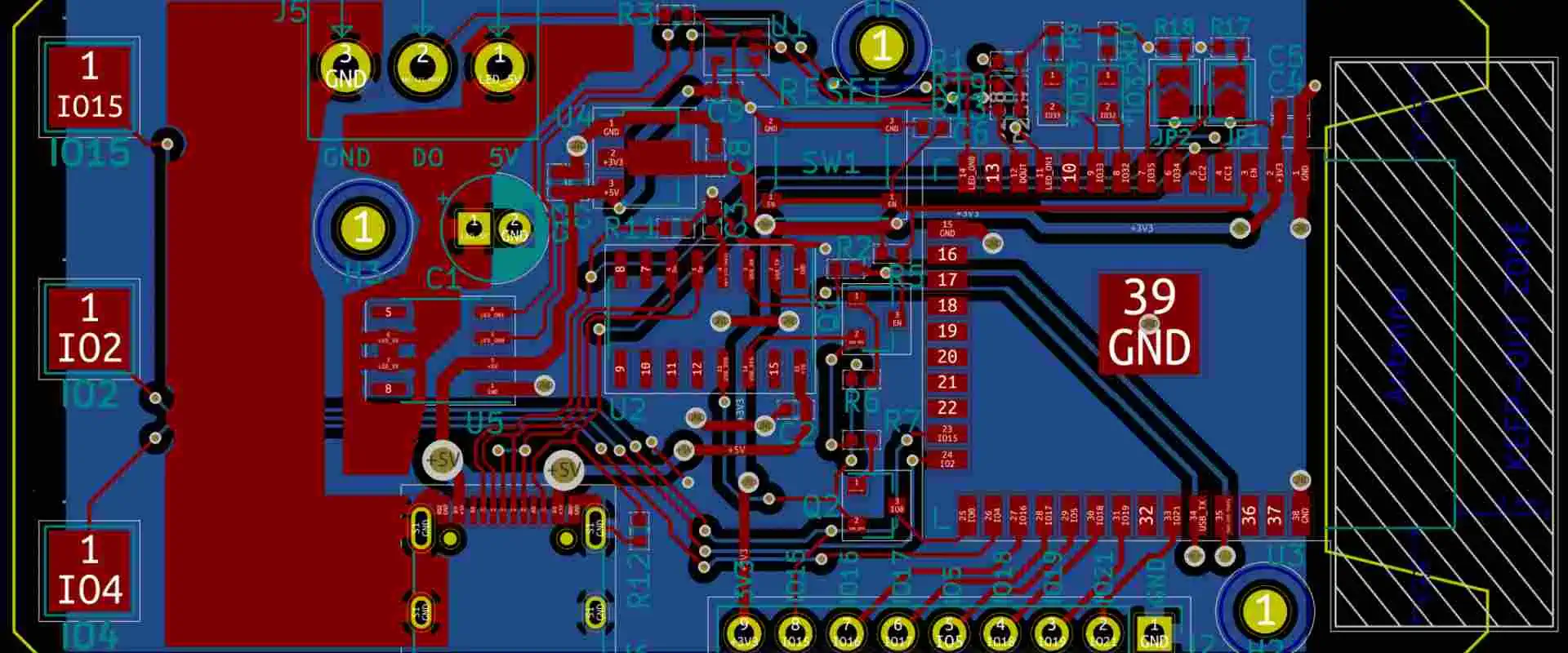
esp32 pcb design

PCB manufacturing is not an easy job. The producers are always sweating to maintain precision and recruit highly skilled professionals in this regard. PCB production holds great importance in the industry. It helps the producers meet the market and consumer needs on all counts. Due to this reason, you cannot afford any negligence in PCB production at all.

Other than this, the skills of a PCB producer matter a lot here. It is because you only want to collaborate with a professional PCB producer. We have picked some perfect fit of producers for you in this post. We have PCB producers in Canada.

There is no doubt that the Canadian government particularly invests in the PCB industry and uplifts these producers. You can easily scour through Canadian PCB producers for your needs. 

PCB Design Industry in Canada

Canada is not behind stepping up in terms of using technology in different domains. PCB production and usage is one of them. It is a hub of highly professional PCB producers that come together to keep the industry afloat. These producers can handle different types of PCBs impressively as well. Due to the facilities given by the Canadian government, we are seeing rapid growth and progress in the PCB industry. Different producers are finding it safe to invest in this industry and trusting the government on all counts. We are going to take a look at the best Canadian PCB producers for you in this post in a while. Hold tight!

Essential Required PCB Design Certificates in Canada For PCB Manufacturers
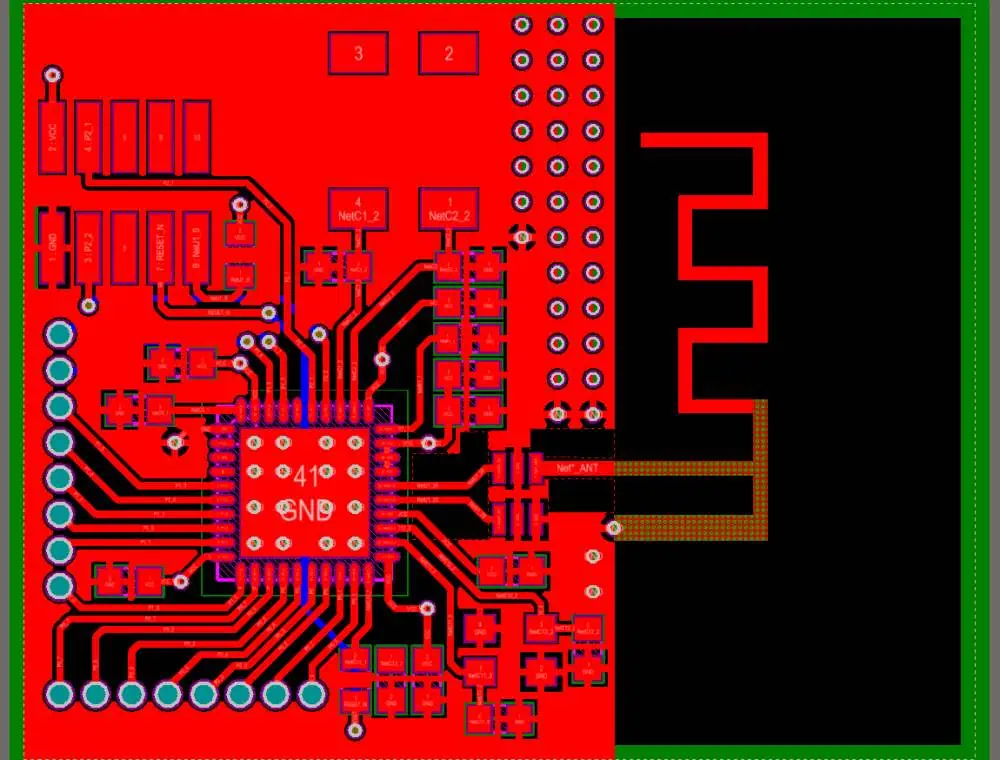
PCB Antenna Layout
PCB Antenna Layout

Nobody wants to trust a PCB producer who lacks certifications and background knowledge of the PCB industry. Due to this reason, every PCB producer in Canada is required to gain certifications from the authorities that regulate the industry at a deeper level. It is because the government strictly implies them for the certifications to prove their caliber and reliability among the customers. It reduces the chances of fraudulence and mishaps. The government checks the merit and then allows the operations. We are going to discuss some important PCB certifications for the producers like you below:

ยท        ISO โ€“ Intertek: It is theOrganization for International Standardization (ISO) which is recognized globally and sets the rules and regulations for PCB producers. All PCB producers need to meet the standards of ISO 9001:2015 in order to continue their operations in Canada. The ISO also collaborates with the CCI to ensure intensive regulation on all counts. 

ยท        Controlled Goods Program โ€“ Control Commodities Program (CGP) is for the regulation and checking of the banned or restricted raw materials for the PCB industry under the supervision of the Canadian government. The firm basically works for the safety of PCB products that often work with hazardous materials. 

ยท        Underwriter Laboratories: The firm is useful for the global inspection and calibration of PCB producers. The firm is there to regulate the production of flammable parts and regulates the delamination of PCB parts as well. 

ยท        ITAR โ€“ Regulations on International Arms Trade (ITAR) deals with arms and keeps an eye on the dealing of weapons for the sake of American national security. It showcases a set of regulations and rules for this purpose. 

ยท        IPC โ€“ IPC Guidelines is a trading firm that sets standards for electronics and PCBs so that the producers can abide by these rules to ensure safe and sound PCB production for the users. It deeply collaborates with the IPC for the PCB quality control 

Factor to consider before Selecting the Best Manufacture of PCB design in Canada 

In the Canadian market alone, there are different PCB producers, and the market is brimming with them. Due to this reason, it becomes highly important to collaborate with a suitable PCB maker so that you dont have to suffer later. Therefore, it is best to evaluate your options based on some factors to find the best PCB maker for your collaboration. 

  1. Quality โ€“ The quality of PCBs is the first thing that you should look for. It is because if a company does not know how to execute quality control on its PCBs, then it can make you suffer from loss later. Due to this reason, you need to analyze them based on the quality of PCBs. Check their portfolio and see if their products are of quality or not before hiring them. 
  2. Manufacturing cost โ€“ A good PCB maker is one that offers affordability to garner good relations with the customers. It does not always look to make money off you. Therefore make sure to check the pricing and see if investing in them is really worth it or not. 
  3. Timescale โ€“ You need to see how fast and efficient they are. Also, can they deal with the bulk orders and pressure or not? There are some producers that cannot work under pressure and ruin the quality of PCBs in the end. Therefore, if you want to save yourself from such a dilemma, it is important that you consider the production time and delivery time of these producers beforehand. 
  4. Collaborative โ€“ Collaborating with a PCB maker needs complete communication. You need to see if they are open to discussions or not. Sometimes you need to share your ideas and order some changes. Therefore the collaborative nature of these PCB producers is crucial for you. 
  5. Materials used โ€“ A perfect PCB is one that is made from exceptional raw materials. Therefore you have to figure out what types of materials these producers use for PCBs. If these are cheap, start looking for other options. 

Top Manufactures of PCB design in Canadaย 

FULL PCB MANUFACTURING Quote

1.    CANADIAN CIRCUITS

CCI Canadian Circuits Inc. has been operational for many years. These are one of the oldest PCB makers in Canada. There is no doubt that their services have fetched a decent amount of customers over the years. They are a highly integrated firm functioning in Canada. Their collaborators are huge in numbers. CCI basically deals with all types of PCBs for their customers. They have also been awarded by different authorities due to their quality PCBs and exceptional services. They also specialize in quick turn PCBs, if you are looking for them in case. 

2.    RLX SOLUTIONS

RLX Solutions is another Canadian PCB producer and produce a large range of PCB equipment for their partners. Their services include custom cable production, component assembling, and developing mechanical PCB components. They love to improve themselves, and therefore, their services and the quality of their products have dramatically changed over the years. Their services are now much more attractive to global partners out there. Their turkey solutions are also useful for implementing and addressing different producers regarding PCB production and the PCB industry as well. They feature active customer support and also have been accredited by different Canadian authorities. 

3.    CRIMP CIRCUITS

CRIMP has been one of the most famous PCB makers in the whole of Canada. It is a family business, and generations have served the people with PCB services. The firm has been functional for many years, and due to this reason, people trust CRIMP on the whole. They never compromise on their products and services at all. From procurement to production, everything at CRIMP is of quality and speaks for itself. They have highly professional and adept professionals for the sake of effortless PCB development. 

4.    CAMPTECH II CIRCUITS

It is another remarkable PCB producer actively functioning in Canada. They work efficiently for their parents and value their time and investment. Plus, they can easily deal with prototype development. The CAMPTECH circuits are reliable when you want to test them with bulk orders. They exceed your expectations on all counts and in all areas. You can also consult them in person for further inquiries about their services. 

5.    ENIGMA INTERCONNECT

Enigma Interconnect has no parallel when it comes to intricate PCB development. These are quick with PCB production and save your time to a large extent. These are famous in the western region of Canada and deeply study the market and meet its needs impressively. They make sure that their PCBs are of quality and faultless. So that the users can be protected from possible damage from cheap and defective PCBs. With ENIGMA INTERCONNECT, you never go wrong with the results and performance. Some partners might find their services expensive, but it’s all worth it. It is because the raw materials, production, and PCB assembly are exceptional. Other than this, they make sure to deliver orders on time and meet the deadlines as well. 

6.    BITTELE ELECTRONICS

Bittele Electronics Inc. basically deals with electronics. Therefore, you can trust this multifaceted firm for the PCB development and production of electronics. They equally perform well in both areas. Their professionals make sure that everything is in place in terms of quality, inspection of electronics and PCBs. In case of defects, they use the latest inspecting methods to rule out the flaws and problems in PCBs. They adhere well to the regulations of the authorities and make sure their products meet international and Canadian standards. 

7.    MIS ELECTRONICS

MIS Electronics specifically specializes in PCB production. They pass their PCBs through rigorous tests to ensure quality. MIS ELECTRONICS shares your burden and takes off much from your plate so that you can completely rely on them for industrial-grade products and exceptional services. They deeply execute your details and requirements in their PCB designs and make sure everything meets your needs. Also, they easily deal with the PCB assembly and inspection on all counts. 

Conclusion

We understand your PCB needs. Therefore if you will go out and find yourself a suitable PCB maker, then it will take a lot of time.

Due to this reason, problems can occur in your collaboration if you donโ€™t how to evaluate a PCB producer. You can find the factors for this in our post. Also, we have discussed some of the top Canadian PCB makers for you in this post. So that researching on them will be much easier for you now.

You can consult IBE for your PCB needs. We make sure that we provide you with your desired PCB in terms of designs, assembly, and performance. You can even come to us for further discussions in case you have any doubts. PCBs are crucial; therefore, you need professionals to bring your PCB ideas to life on all counts. 

What are the Features and Applications of the TU 768 PCB Materials?

TU 768 PCB

So many materials are utilized in PCB manufacturing. An important example of these materials is the PCB laminate. The PCB laminates are known to form the basis for circuit board manufacturing. This is why you need to check the quality as well as the performance of your desired material before making your final decision.

During PCB fabrication, one of the well-known laminates to use is the TU 768 PCB material. The material has gained wide recognitions in the entire printed circuit board industry because of its great properties.

For the purpose of this article, we will be focusing on the TU 768 PCB material. We will also work with the TU 768 datasheet so as to give you some important information regarding its excellent properties.

What Does the TU 768 PCB Material Offer?

TU 768
TU 768

The TU 768 PCB material is a laminate composed of a woven E-glass that has a coating made of epoxy resin. Furthermore, due to the high quality of this material, it has lots of great features. In addition, this option is very reliable for printed circuit boards which usually get exposed to different chemicals and vibrations

Also, this material works well with the process involved in automatic optical inspection. For applications requiring thermal cycles as well as additional assembly, this PCB material is very useful

Important Features of the TU 768 PCB Material

Below are some of the major features of the TU 768 PCB material.

It can resist chemicals

During the manufacturing as well as assembly of circuit boards, they could become exposed to harsh chemicals. Furthermore, the environment where the manufacturing takes place could be a corrosive one. This is why it is advisable to make use of a PCB material like the TU 768, which has the ability to resist chemicals.

Excellent thermal performance

TU-768P material comes with excellent thermal properties. This is why they perform excellently and serve as a reliable material for your PCB projects.

Anti CAF property

Conductive Anodic Filament, which is denoted as CAF is widely known as a huge reason to worry especially durig the manufacturing of printed circuit boards and different electronics. CAF can be described as a condition whereby conductive salt that includes copper is formed inside a given circuit board. Most of the time, PCB manufacturers prefer to choose materials having anti-CAF property; this saves them the stress and time of solving further issues during the manufacturing of PCBs.

Resistance to Moisture

With time, the presence of moisture can lead to low-quality circuit boards. This is why it is important that you choose a PCB material with great ability to resist moisture. The TU 768 material can function effectively in very humid environments because of its high resistance to moisture.

Applications of the TU 768 PCB Material

Consumer Electronics

The TU 768 material is very useful in the manufacturing of different consumer electronics. These include computer systems, as well as smartphones. These consumer electronics are very important in our everyday lives and our day to day activities.

Furthermore, the TU768 PCB material is known to function properly in different consumer electronics. Its chemical resistance and thermal properties makes it a great choice for many electronics manufacturers.

Automotive

The TU 768 PCB material is very popular in our automotive industry. The material is known to have great mechanical as well as thermal properties, which are great for the different components and parts of automotives.

Industrial Devices

Different industrial devices need a PCB material of high quality. These industrial devices are usually exposed to different harsh environments as well as different chemicals. In addition, users may need them to work under extreme shocks and vibrations. This is why choosing a reliable PCB material, which has chemical resistance and has the ability to withstand any vibrations. This is the category where the TU-768P material falls into

Medical devices

One great and well-known material for use in medical devices is the TU 768. Medical PCBs usually need materials of high quality because they are utilized in different life saving devices.

Some other applications of the TU 768 are lighting management applications, high end computing, back panel computing, telecommunication, mobile communication, infrastructure, etc.

Properties of the TU 768 PCB Material

FULL PCB MANUFACTURING Quote

The TU 768 PCB material comes with unique properties.

Low thermal expansion coefficient

This material thermal expansion coefficient falls between 11 and 15 ppm per ยฐC at the X and Y axis. With this value, it has a low thermal expansion coefficient. Materials having low CTE hardly expand whenever it is made to pass through high temperatures.

Low absorption of water

Working with the TU 768 datasheet, the rate of water absorption of this PCB material stands at 0.18%. With this value, it is clear that its ability to absorb water is low

Temperature of Glass Transition

There is a variation in the glass transition temperature of this material. This is based on the analysis type. At DMA, it has a Tg value of 190 degrees Celsius, while at DSC, it is 180 degrees Celsius. However, its highest possible Tg value stands at 350 degrees Celsius at TGA.

Factors Responsible for the Cost of the TU Laminate

There are some factors which can have an effect on the TU PCB material cost.

Size

Because these laminatesโ€™ sizes are different, they will come with different prices as well. Larger-sized TU laminates are usually more expensive in contrast to the smaller laminates. Why this happens is than it takes additional materials, efforts, and time to manufacture larger laminates

Quantity

You should be prepared to spend more if you are buying the TU 768 PCB material in bulk

Complexity

Producing some of the TU PCB materials could be complex. These materials can pose several difficulties during the manufacturing and this is why it needs more procedures and attention.

Conclusion

At the end of this article, it is clear that the TU 768 material is highly ranked among the best PCB materials. The material has great properties and this is why it is a very reliable option for different applications.

Types and Functions of RF Multiplexer

RF Multiplexer

RF multiplexers play a crucial role in several applications. The main function of this device is to combine RF signals in a port. There are different types of multiplexers. We have the quadplexer, duplexer, and triplexer. This classification is mostly based on the number of their input and output.

What is a RF Multiplexer?

RF multiplexer is a device that combines many RF signals in a port or divides a signal from a port into multiple signals on different paths. The reason it is commonly referred to as a multiplexer is that this device puts many signals together as a single output. However, a device which divides a signal input into various signal outputs is a demultiplexer.

Multiplexers are available in different types. We have CDM, FDM, and TDM. One of the major functions of a multiplexer is that it enhances a channelโ€™s ability to transmit data. RF multiplexers work in a similar way with the RF switch as regards routing RF signals. However, multiplexers make use of more ports. They enable the routing of several RF signals into a single port.

The main purpose of an RF multiplexer is that it distributes and multiplexes high-frequency signals. The operating frequency of this device is between hundreds of MHZ to ten GHz. An RF mux differs based on the number of output and input ports. A 1 input 16 output is a 1X16 multiplexer while a 1 input and 4 output is referred to as 1 x4 multiplexer.

For faster signal processing, RF multiplexer transforms from analog signals to digital signals. Due to this the high-speed digital multiplexer also known as digital multiplexer was invented. High speed multiplexers are ideal for distributing high-speed digital signals. Also, they are well suited for use in multi-band operation.

Through the digital communication system, it is easy to reduce signal error and physical energy loss.

Working Principle of RF Multiplexers

RF Multiplexer Board

The filtering technology and switching technology determine the working principle of an RF multiplexer. In an RF signal input port, electronic switch control devices realize the switching between various ports. Filters suppress stray signals and interference signals. There is a need for a matching network between the signal output port and input port. This helps in ensuring transmission efficiency and proper signal matching.

In most cases, the appearance is in styles of 1 input with 3 outputs (1×3),  1 input with 8 outputs (1 X8), and 1 input with 2 outputs (1X2).  For instance, there is a need to connect multiple antennas to an RF module in wireless communication systems. In such a scenario, the RF multiplexer has the capability to multiplex the signals antennasโ€™ signals to an input port.

RF multiplexers distribute these signals to various outputs via the port to determine the signal transmission and interconnection between various antennas. These devices are applicable in common fields like satellite communication, radar, wireless communication, and more. Also, you can make use of RF multiplexers in different applications like in the construction of test instruments and communication systems.

In these applications, the multiplexer can enhance system performance, and the efficiency of signal transmission.

There are RF multiplexers that have multiple frequency bands. These multiplexers are primarily designed for use in radio frequency applications. They have the capability to combine several RF signals in one output signal.

Types of RF Multiplexers

RF multiplexers are classified as analog and digital multiplexers. The analog RF multiplexer is further categorized as wavelength division multiplexing (WDM) and frequency division multiplexing (FDM). Furthermore, the digital RF mux features a time division multiplexing (TDM).

There are different types of RF mux for analog signal sources. However, the most common types are triplexer multiplexer and quadplexer multiplexer. A Triplexer has 1 input and 3 output while a quadplexer has 1 input and 4 output. These multiplexers are categorized based on the number of RF inputs and outputs.

A Triplexer Multiplexer

RF triplexer is a device that puts together signals of three frequency bands and then separates them. This type of multiplexer features a single input port and three different output ports. Every output port can transfer signals within a particular range of frequency. A RF triplexer is applicable in wireless communications systems. This is because this device can make use of three various frequency bands to carry out data, voice, and video transmission. RF triplexer is also referred to as 1 input 3 output (1×3) multiplexer.

A quadplexer multiplexer

RF quadplexer combines signals of four various frequencies and then separates them. This device is similar to how RF triplexer work. Both devices are designed for signal transmission and processing of various frequency bands simultaneously. The only difference between a quadplexer and triplexer is that a quad can process four different signal sources at the same time.

Asides from quadplexers and triplexers, there are other RF multiplexer types. These are RF pentaplexer and RF hexaplexer.

Parameters to Consider in RF Multiplexer Design

There are some design parameters to consider during RF multiplexer design.

Insertion loss

Impedance mismatch and the loss of the device are factors that cause insertion loss. It is therefore crucial to minimize the insertion loss in order to enhance the signalโ€™s transmission efficiency. Doing this determines a lot of things in the RF multiplexer design.

Phase balance

An RF multiplexer has different output ports and each of these ports has a different signal phase. Therefore phase balance describes the difference of the signal phase between these ports. Phase balance affects the transmission efficiency of distributed and multiplexed signals.

Working frequency range

In RF multiplexer design, the working frequency range is an important parameter to consider. This is because this range has to match with the applicationโ€™s signal frequency range. Also, there is a need to consider the center frequency and Bandwidth value.  

Number of channels

This refers to the number of output ports and input ports an RF multiplexer comprises. The capabilities of signals to distribute and multiplex will depend on the number of channels. In the long run, this will have an impact on the complexity of the RF multiplexer design.

Isolation

This is the impact of signal isolation between various output ports or input ports. In reality, the mutual interference between signals becomes smaller when the isolation is higher.

Regardless of the type of multiplexer, it is crucial to note the value of parameters in a range of frequency.

What is the Difference between an RF Switch and RF Multiplexer?

FULL PCB MANUFACTURING Quote

An RF multiplexer differs from an RF switch based on some parameters. The RF switch is capable of switching between various RF paths. This switch is commonly used for automatic routing of signals, turning On and OFF of RF signals, Tx/Rx switching, and wireless test.

RF switches have some specifications which include return loss, rise time, frequency range, isolation, insertion loss, and power handling capacity. There are two main type of RF switches based on mechanical layout. These are drop-in and connectorized.

On the other hand, RF multiplexers combine many RF signals in a port or divide signal from a port into several signals. When routing RF signals, both RF switch and RF multiplexer work in the same way.  RF switches that are in higher output modes like 8X1 are known as RF multiplexers. On the other hand, RF switches that are lower output are known as relays.

The summary of this is that an RF switch switches RF signals while RF multiplexers mix RF signals and put them in one output.

What is RF Channel Multiplexing?

This process involves dividing a radio transmission path into many parts in which multiple communication channels can be transferred. Multiplexing can be in the form of code division, frequency division, and time division. Time division refers to dividing into time slots while frequency division divides radio transmission path into frequency bands. Code division involves dividing the radio transmission path into coded data that overlaps.

Furthermore, code division multiplexing (CDM) enables multiple users to transmit radio channels by including codes to every data signal sent to and received from the radio transceivers. The codes transmit the data signal to a much wider bandwidth. This bandwidth is more than what is needed to transfer data signals without the code.

You can make use of several coded channels on a similar RF channel without disrupting each other. It achieves this by combining channelization codes that can detect every physical channel. RF channel transmission involves developing a radio communication channel that takes up a radio channel bandwidth. This bandwidth is greater than the frequency bandwidth needed to transmit the signal.

It is possible to develop bigger RF channels. You will need to multiply the information by channel codes. When the proportion of chips to information bits changes in a spectrum communication system, this is referred to as variable spreading rate.

Conclusion

During RF multiplexer design it is important to take note of some parameters. Parameters such as isolation, number of balance, and phase balance determine a lot. RF multiplexers are often used in wideband systems. In this application, there is a need to increase the bandwidth in order to enhance a down-conversion scheme.

Features, Benefits, and Applications of Through Hole Mount Antenna

Through Hole Mount Antenna

Antennas play a crucial function when it comes to wireless communication. They are primary components of an electrical unit and they offer interconnection between receivers and transmitters. We have various types of antennas with distinguished functions. The through hole mount antenna is hardly discussed.

They are several reasons antennas are used in various applications. However, the main function these antennas offer is the transmission of signals. The through hole antenna offers this function and a lot more. Antennas are classified based on their functions, design, mounting style, and more. Through hole antennas called through hole based on their mounting style.

What is a Through Hole Mount Antenna?

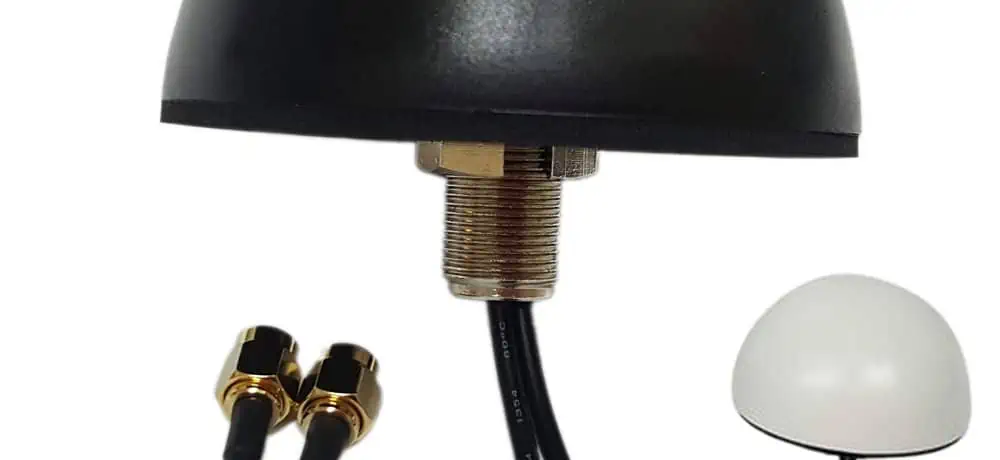
Through hole mount antenna has a stud that can go through an already drilled hole via the surface you are mounting it. This antenna can be mounted in wall panels or ceiling panels. You can mount them on the roof of a vehicle, drywall, and enclosure wall. The stud enables the antenna cable to function due to its hollow center.

Therefore, the cables are just in a side of the surface while the antenna is installed in the other side. Installing a through hole mount antenna involves creating a hole via the mounting surface. The hole must be of a diameter which can contain the stud. The stud must perfectly fit through the hole.

Through hole antennas are also referred to as screw mount antenna or through-hole screw mount antenna. These antennas can direct signal toward the horizon. Due to this, these antennas are suitable for use in applications in flat regions where there are sparse signals. These signals need to cover a large area in such a case.

Furthermore, these antennas have a gasket, washer, and a bolt. All of these help the antenna mount to screw firmly. The gasket seals the hole and as such, protects the cable-side of the antenna from water and the weather. One of the benefits of through hole mount antennas is that they are very rigid and weather proof.

They can withstand any form of shock and vibrations. You can mount these antennas on buildings, vehicles, roofs amongst others. However, you need to ensure the surface you are mounting this antenna on has the appropriate material and thickness in which the mount can screw through. Surface made of materials like plastic, sheet metal, wood, and plastic can accommodate these mounts.

Features of Through Hole Mount Antenna

Through Mount Antenna

Gain: The Gain of this antenna is within the range of 1dBi and 25 dBi. It is ideal to choose an antenna with higher gain since its radiation pattern is effective. Gain describes the extent of the directivity of the radial pattern of an antenna.

VSWR: The voltage standing wave ratio (VSWR) is an important property of the through hole mount antenna. This property reveals the mismatch between this antenna and the feed line. It talks about impedance matching between the transmission line and the through hole antenna. For multiband frequencies, the VSWR of a through hole mount antenna is less than or equal to 3.0, while that of dual band frequencies is less than or equal to 2.0

Frequencies: Through hole mount antennas have various frequencies. These include 900 MHz, 1561 MHz, 698-960 MHz, 433 MHz, 5150-5800 MHz, 868 MHz, and more. The type of frequencies you opt for depends on the requirements of your application.

Direction: These antennasโ€™ directions are omnidirectional. This means that these antennas radiate their signal in all directions. Therefore, they have a wider coverage. Since through hole antennas are omnidirectional, they are great options for wireless networking and transmission.

Polarization: Polarization is an important property of an antenna. When choosing an antenna type, this property is often considered. Just like how VSWR and gain determine a lot in an antenna, so does polarity. Through hole mount antennas are vertically polarized. These antennas feature less loss when you install them close to a side wall.

The method of mounting these antennas is through-hole screw mounted.

Benefits of Through Hole Mount Antennas

As a low profile antenna, the through hole mount antenna offers a lot of benefits. With its distinct features, one can easily tell that this antenna is very beneficial in various applications.

High gain

This antenna has a high gain. It is ideal for use in applications where you need to focus in a preferred direction. Due to this, through hole mount antenna offers better coverage while minimizing low-band congestion. The signal of this antenna goes far, which is beneficial in flat terrain environment.

Durability

As a sturdy antenna, it can stand the test of time. A through hole mount antenna can resist vibration and shock. So, it is a great alternative for various antennas.

Low loss

A through hole mount antenna experiences low loss of energy. Low loss describes the low attenuation or loss of an antenna over distance.

Good impact resistance

This antenna can resist any impact event. Through hole mount antennas have good impact resistance. It can easily withstand intense shock and vibration without experiencing any breaking or damages. Through hole antennas can function well in applications that are exposed to extreme shock.

High efficiency

With its high level of efficiency, through hole antennas have optimized dimensions. Most of the power in the input of through hole mount antenna is usually discharged. Antennas that feature high efficiency discharge a great proportion of the energy applied to it.

Low VSWR

This indicates that through hole mount antennas are well-matched to the feed line. Therefore, more power gets to these antennas.ย  A low VSWR antenna provides an improved impedance match.

Applications of Through Hole Mount Antennas

FULL PCB MANUFACTURING Quote

IoT

In the next few years the Internet of Things (IoT) would connect billions of devices. Low-power and low-cost solution will be the foundation for most applications of IoT devices. Through hole mount antennas for IoT devices must be integrated in the devices or products.

Machine to Machine communication

The IoT ecosystem consists of big part which is the machine to machine communication (M2M). This part of IoT is capable of connecting machines in a cost-effective and easy way. However, the choice of antenna to use in M2M is a controversial topic.

LoRa

Through hole mount antennas are great for LoRa modules due to their low loss and low VSWR. Also, their high gain and good impact resistance is a great benefit for LoRa modules.

GSM

Since these antennas can be easily mounted on roofs and ceilings, they are useful in GSM applications.

Other applications of through hole mount antennas include 2G, 4G LTE, GPRS, NB-IoT, ADS-B, and UMTS.

How to Install a Through Hole Mount Antenna on the Roof

Most times, people complain of damaging their antenna during installation on the roof. If you follow the necessary guidelines, you can easily install a through hole mount antenna without causing any damage to your roof. In all you are doing, avoid drilling holes in the roof to attach the antenna.

Here are spots you can install your through hole mount antenna.

On a gable

The gable is really a good spot to install your antenna as it doesnโ€™t require any drilling of holes in the roof. You can place the antenna very high and direct it at South Mountain.

Chimney

The chimney is another great location to install your antenna. Get a kit that allows you strap the antenna. However, you need to understand that your signal can be interrupted due to ash and smoke. Therefore, this option is ideal if you have no fireplace.

Fascia

Since you may not have a gable or chimney, you can mount the antenna to the fascia. Be sure your fascia is working well and screw in the solid wood. 

Avoid installing your antenna in certain places like plumbing vent. This antenna has a waterproof casing with gasket to prevent water from getting through.

Frequently Asked Questions

How much is a through hole mount antenna?

The cost of a through hole mount antenna varies. Since there are various models of these antennas in the market, cost is determined by these models.

Do through hole mount antennas have various sizes?

Yes, the sizes of these antennas differ. The size of your antenna should depend on the application for which it is intended to be used.

What are the safety standards through hole mount antennas adhere to?

These antennas are compliant to the RoHS or CE standards. Therefore, their safety and functionality have been fully tested.

What range of temperature should through hole antennas be stored?

These antennas have a storage temperature which is within the range of -40 degrees Celsius and +800C. It should be noted that the operating temperature of this antenna ranges between -400C and +850C.

Conclusion

Through hole mount antennas are available in different brands. The type of brand you choose will determine the size and weight of these antennas. As an omnidirectional and vertically polarize antenna, through hole antenna functions well in some applications. Also known as screw mount antennas, these antennas have high sensitivity and optimized dimensions.

What are the Types of RF Filters?

RF Filters

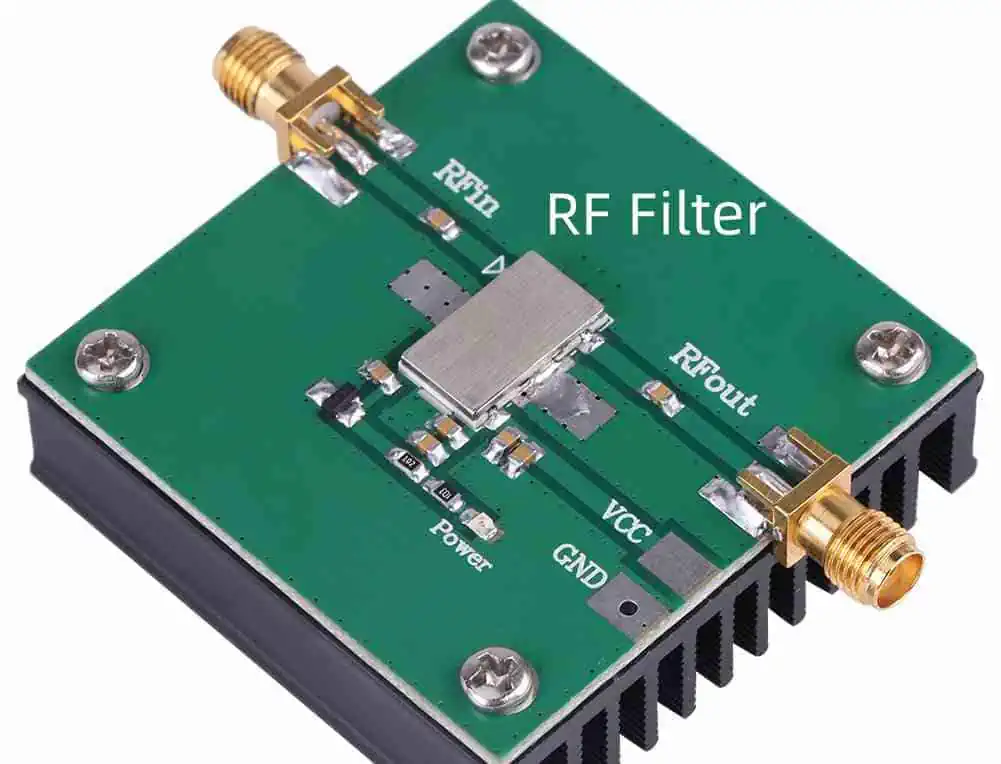
Filters play a very useful role in different aspects of electronics. One important area is the RF or radio frequency domain. These RF filters are useful in accepting or removing signals which fall in some certain radio spectrum areas.

They are useful in different instances. Its application list is nearly infinite. Most times, they are used inside the radio receivers so as to offer selectivity coupled with enabling proper frequencies to enter into the set’s latter parts. Also, they are useful in transmitters to make sure that spurious or unwanted mixers get passed to the following stages. This list continues.

What are RF Interference Filters?

RF Filter PCB
RF Filter PCB

Radio-frequency interference or RFI filters can be described as a circuit or electrical device which mitigates the high-frequency electromagnetic noise that is present on signal and power lines. This high-frequency noise can be generated by different electronic and electrical devices like inverters, power supplies, electronic devices, appliances, microprocessors, clock circuits, etc.

The noise usually falls within the frequency range of 9 KHz and 10 GHz and it could prevent or degrade the transmission of signals and/or electronic/electrical equipment’s performance. Furthermore, the quality of power can be affected by the EM noise’ low-frequency components.

Furthermore, an industrial EMI filter offers low impedance lath to a high-frequency noise. It also reduces it by grounding or canceling its neutral components or line. The EMI/RFI filter effectiveness measures as an insertion loss. EMI filters that are very appropriate for electromagnetic noise fall within a frequency range of 9 KHz and 30 MHz that is conducted via the wires.

Frequencies higher than 30 MHz are radiated requiring shielding as well as output/input isolation. For any radiated frequency, its filter mounting is usually more critical compared to its performance of insertion loss.

You can use the EMI filters widely in applications like Computers, Energy Management Systems, Aerospace/Military subsystems and systems, equipment for factory automation, exercise equipment, MRI rooms, shielded rooms/test chambers, automotive battery charger, medical imaging/patient/diagnostic devices and others.

What are the Types of RF Filters?

RF Filter
RF Filter

Filters come in four main types. Each of the types accepts or rejects signals in different ways. When you make use of the right RF filter, you can accept these signals and then reject the undesired ones. Below are the four main types.

Low pass filters

From the name, rf low pass filters are filters that can only allow lower frequencies through. Typically, it stays nominally flat till the point of cut-off and then rolls off.

The roll off’s actual rate is mainly dependent on what is referred to as the filter’s order. The low pass filter has a very simple principle. It makes use of the principle that a capacitor passes high frequency in order to block any low frequency, while the inductor will pass through low frequency in order to block any high frequency.

For any high frequency which has to be cut off, make use of the capacitor for absorbing the inductance as well as prevent its passing. Also, for any low frequency requiring release, the rf low pass filter makes use of the capacitor’s high resistance characteristics and the inductance’s low resistance to allow it to pass.

High pass filters

In so many ways, they are the inverse of low pass filters. It allows only signals which are higher compared to the cut-off frequencies. Asides from this point, it comes nominally flat and less that the cut off frequency of the RF filter, the response will fall away at a specific rate, which is determined by the filter’s order.

The high pass filter’s features are expressed by first order linear differential equations. Its left side is similar to the 1st order low pass filters. Just the right side is the excitation source’s derivative rather than the source of the excitation itself.

RF Bandpass filters

Rf bandpass filters allow only through signals in specific frequencies. Below and above the cut-off frequency, the signals have to be attenuated as well as within the radio frequency’s accepted band, signals will pass through it.

Band Reject Filters

This opposes the band pass filters because it rejects the signals in a specific radio frequency band. The RF filter form is usually used for removing unwanted signals, which are known to be present in the system.

Classification of RF Filters

The ideal filters whether high pass, band pass or low pass filter would exhibit no loss in the pass band, which is the frequency that is below the usual cut-off frequency. When it is above the frequency which is called stop band, these filters could reject the signals.

Frankly speaking, achieving a perfect pass filter isn’t possible and the pass band usually has some loss within it. Also, achieving an infinite rejection in stop bands isn’t possible. Also between the stop and pass bands, a transition exists, whereby a response curve will fall away, and the rejection level rises as frequency moves from its ass bands into the stop bands.

Filter Technology

One important indicator of the radio frequency filter includes insertion loss and quality factor. In the present communication protocol, differences in frequency between the different bands of frequency are becoming smaller. This is why it requires good selectivity to allow the passband’s signals to pass and then block those signals outside of the passband.

When the Q is larger, the filter’s passband bandwidth will be narrower and then you can achieve better selectivity. Aside from the quality factor, another important parameter is the insertion loss. This deals with the passband signal’s attenuation by the filter, which is loss of the signal power.

Presently, one of the major mainstream methods of implementing the RF filters is BAW and SAW. The rf SAW filter refers to surface acoustic RF filters which make use of piezoelectric effect. Also, whenever you apply voltage onto the crystal, this crystal will pass through mechanical deformation, thereby converting the electrical energy to mechanical energy.

Whenever this crystal becomes mechanically extended or compressed, this mechanical energy becomes converted to electrical energy. The charges will be formed on the two sides of the structure of the crystal. This permits the flow of current through its terminals or creating a voltage in-between the terminals. For solid materials, the mechanical deformations alternative could create sound waves with velocity between 3000 and 12000 meters every second.

Reasons Why the RF Filter is Important?

FULL PCB MANUFACTURING Quote

As applications relating to wireless communication continue to develop, people tend to have higher data transmission speed requirements.

2G

During the 2G period, just a few people used their phones to use the internet as well as browse the web’s WAP version, and the data rate required was around 1 kb per second.

3G

During the 3G period when smartphones became popular, the utilization of networks of operators for sending and receiving emails, as well as the utilization of different applications has led to a sudden increase in the network traffic. The data rate required here is around 50 kb per second.

4G

During the 4G period, applications like live broadcast have greatly increased phone communication’s bandwidth requirements, and the data rate required has gotten to 1 mb per second.

5G

Now, talk of the 5G era, which is just coming in, which requires larger and faster data transmission amounts.

Also, corresponding to the data rate increase is the high use of different spectrum resources as well as the complexity of the communication protocols. Both problems are complementary. This is due to the limited resources of the spectrum, to meet the data rate demand of the people, this spectrum has to be completely used.

This is why a phone should be able to cover a very wide range of frequency so that the devices of different people can be utilized in any crowded situation. Only by this can enough allocation of spectrum bandwidth be possible. Also, in order to meet the requirements of data rate, the technology for carrier aggregation has been utilized since 4G. This ensures that devices can make use of different spectrums for their carrier frequency to help in the transmission of data.

When it comes to RF front end modules, RF filters play a significant role. This could filter the noise and out-of-band interference out in order to meet the radio frequency communication and systems protocolsโ€™ signal to noise ratio requirements.

Furthermore, as we have already mentioned, as communication protocols get more complex, the communication protocol demand outside and inside this frequency band will become higher. This will also make the filterโ€™s design more challenging.

Also, as the frequency bands which mobile phones require to support keeps increasing since every frequency band which mobile phones must support keeps increasing since every frequency band must have a filter, the amount or number of filters required for use in mobile phones is increasing as well.

Conclusion

The significance of RF filters can never be overemphasized. They are useful in different instances. Its application list is nearly infinite. There are four main types. Each of the types accepts or rejects signals in different ways. When you make use of the right RF filter, you can accept these signals and then reject the undesired ones.

Top 10 Hardware Startups in 2023

Hardware Startups

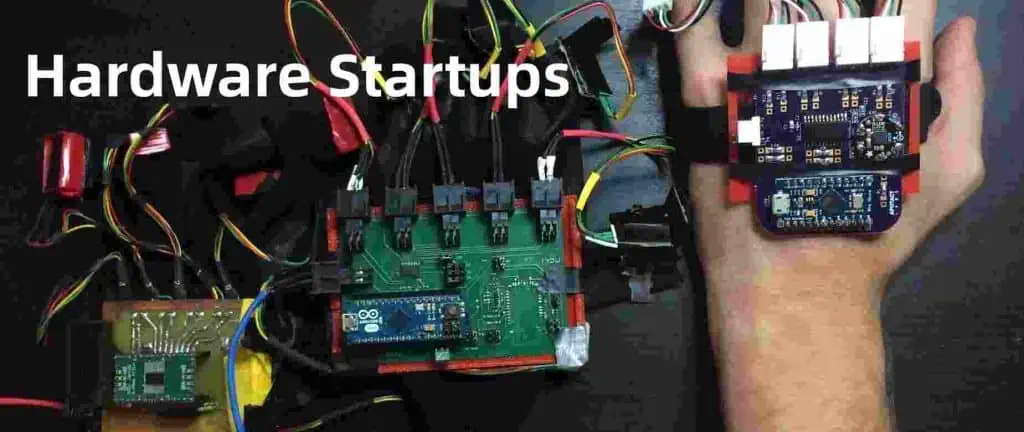
Startups are projected to grow if the team of founders are assiduous with marketing their products and services. Usually, it takes anywhere between 3 and 5 years to determine the lifespan of a startup โ€“ hence, the reason why most startups pack up within this period.

Hardware startups are the rave of the moment, thanks to the increasing demands in computer-related products. In this article, we reveal some of the leading startups that are set to make some impressive moves in the global hardware market.

What is a Hardware Startup?

A hardware startup is a new business that is poised to offer hardware-related services. It is also a techn1. ology company that is focused on the following areas:

  • The delivery of its services in the form of physical electronic devices.
  • The creation of software solutions to enhance the performance of the hardware-related products.
  • Creation of unique and laser-focused products and services designed to serve the needs of a targeted market.

A startup typically gains traction if it offers relatively new products, especially if they could explore creative angles to the promotion. In the hardware market, startups have moved from the conventional design and manufacturing of physical parts and have moved on to offer a plethora of other solutions.

The List of Hardware Startups

Examples of hardware startups are goTenna, Smart Eye and MacroFab. Read this section to the end to find out other top hardware startups to watch out for.

1.    IQM

This startup prefers to be referred to as โ€œthe European leader in quantum computers.โ€ IQM is committed to changing the face of the quantum computing market and making it holistic. This is based on the startupโ€™s resolve to provide quantum computing solutions across different industries, such as supercomputing centers and research laboratories.

Quantum Computing for Europe

The team started the startup based on the decades of research from the Quantum Computing and Devices (QCD) laboratory.

IQMโ€™s goal is to become a leader in the European quantum computing marketing โ€“ a goal it is already working towards by assembling a team of industrial experts from Europe.

On-Premises Quantum Computer

This is one of the startupโ€™s products, designed for the national laboratories and research institutions.

It has the following attributes:

  • Fitted with the required hardware, which is also built around the GPU.
  • The hardware comes with enabled technology leveraged for cryogenic conditioning of both the GPU and the electronics needed for the systemโ€™s operation.

2.    Withings

Everyone deserves access to good health, but it can be expensive. Going for routine checkups requires consistency and this also comes with additional costs. This is why Withings has thrown the hat into the ring to provide sustainable health solutions to the teeming population in the world.

As a healthcare startup, Withings has a single goal โ€“ โ€œbelieving in a world where everyone can see their path to better health, and feel supported to pursue it.โ€

It is this vision that drives the startupโ€™s heavy investments in the production of a variety of healthcare products, ranging from BP Monitors, smart watches and wristbands.

The Withings Products

Withings create technology that chart a better course for the customers to have access to better health. The solutions in this regard include:

ScanWatch

This is one of the startupโ€™s digital health and wellness smart devices. The ScanWatch is designed to be a hybrid smartwatch that makes it simpler to monitor oneโ€™s health. For example, you could use it for a wide range of purposes, including activity tracking, heart health monitoring, sleep analysis and breathing disturbances tracking.

As an advanced health wearable, ScanWatch is what you need to be up-to-date with your health.

Steel HR

This is a clinically-tested hybrid smartwatch with up to 25 days of batter life. It can be used for a near-holistic health monitoring, such as automated sleep monitoring, heart rate monitoring and sports monitoring.

Withings Plus

Withings+ is an advanced, health improvement services, designed to gather and track health-related data. It helps in the following ways:

  • Helping you build long-term, and sustainable health habits.
  • A complete health assessment.
  • Provision of exclusive health content, such as educational articles, recipes and workouts.

3.    CorWave

This is another hardware startup to watch out for. CorWave is in the business of developing innovative heart pumps. The mission is to โ€œprovide solutions to healthcare professionals to save heart failure patients and offer them an active life.โ€

Underlying Technology

CorWave has developed two patent technologies โ€“ CorWave LAD and Nemo. By utilizing the wave membrane technology, the CorWave LAD solution offers the following:

  • Recreating the (systole) ejection and diastole (filling) phases. This is done without necessarily exposing the blood to similar damages triggered by the use of the commercially-available rotary pump LVADs.
  • Preservation of high-fidelity pulsatility.
  • Blood flow restoration.

The CorWave LAD is also designed to provide advanced heart failure solutions via the delivery of an average flow rate of 5 to 6L/min.

The Nemo patent technology is optimized to be an implantable and minimally-invasive cardiac pump. It is designed for the following purposes:

  • Provision of chronic and partial support for patients who are ineligible for LVADs.
  • It is also used to support the heart failure patients who are not currently undergoing treatments.

4.    C12

C12 is a โ€œspin-off from the Physics Laboratory of the Ecole Normale Supรฉrieure in Paris.โ€ It is now poised to power the laboratoryโ€™s promising quantum technology, hence, the dedication to โ€œleading the next materials leap in quantum computing.โ€

Working Processes

The effectiveness of C12โ€™s approach is in the powering the next revolution in computer via the reimagination of quantum hardware development.

Here is how it works:

Qubit Operation

This involves the combination of spins and the C12 hybrid quantum architecture to create high-frequency microwave components and long coherence times. These two aid faster operations in quantum computing.

Ultracapture Carbon Nanotube Growth
FULL PCB MANUFACTURING Quote

This entails the growing of isotopically-pure carbon nanotubes. The nanotubes are designed to contain the 12C isotope of carbon, which helps to suppress unwanted noise from nuclear-electron spin coupling.

Nano-Assembly Process

This entails the use of C12โ€™s patented nano-assembly technology to form quantum circuits via the integration of ultra-pure nanotubes into silicon chips.

5.    Acurable

Acurable specializes in wearable medical device development. These devices are designed to make an accurate diagnose of respiratory conditions and to recommend helpful ways to manage the situation.

The startup has developed quite a number of products to fast-track respiratory conditionsโ€™ management.

Among the products are AcuPebble RE100. It is a wearable device designed to provide the following solutions:

  • A continuous monitoring of breathing and cardiac biosignals for research.
  • Remote measurement of cardiac and breathing signals.
  • Usage of clinically-verified physiological biomarkers and parameters.

The AcuPebble SA100 is an FDA-cleared wearable device for home sleep apnea testing. It is a non-evasive device that also in automating the detection of OSA.

6.    Kinexon

Kinexon is a hardware startup, specializing in the provision of real-time location intelligence for the Internet of Things (IoTs).

The core functionality of the hardware services is powered by the UWB Technology. It is an Ultra-Wideband (UWB) technology that supports the integration of UWB sensors into the consumer electronics. This is also why the range of Kinexon solutions are compatible with Apple watches and Samsung smartphones.

As a localized approach to location intelligence, the UWB technology helps in these ways:

  • Low-power consumption
  • Providing radio-based communication technology for the fast and stabilized transmission of data.
  • It is used to enabling indoor location intelligence gathering for the movement of assets in both the space-constrained and complex environments.
  • Parallel operation with other technologies.
  • Large bandwidth and;
  • Improved security against interception and interferences.

7.    Wallbox

Wallbox is a hardware startup specializing in the development and production of intelligent energy solutions, especially for the Electric Vehicle (EV) market.

Established in 2015, the startup now has a presence of its products in over 80 countries and has office locations in 9 countries.

One of the outstanding products is the public charging stations; an example being the Supernova EV charger. Capable of charging up to 150 kilowatts, Supernova also has a light and modular design that makes public charging of Electric Vehicles (EVs) easier.

Hypernova is another public EV charging solution, capable of charging up to 400 kilowatts. When it is released to the public in 2024, it will bring succor to American EV owners who cannot deal with the current deficiencies in public EV chargers.

Other hardware solutions offered by Wallbox are:

  • Pulsar Plus 48A: this is a compact EV charger that charge any electric-powered car. The features include voice control, adjustable charging capacity and smart performance โ€“ via the use of Bluetooth and Wi-Fi connections to control and monitor the charger.
  • Quasar 2: this is a bidirectional, Direct Current (DC) EV charger. With a compact and versatile design, it allows for easy installation and multiple usage. You could use it to power your electric cars, and power some home appliances in the event of power outage.

Wallbox also makes it EV charging hardware solutions for both individual and multi-usages. These chargers can now be used for the following:

  • Dealerships
  • Multi-unit dwellings and;
  • Fleets

The business or multi-usage option also supports organized charging and power-sharing โ€“ supporting the charging of multiple Electric Vehicles (EVs) at once.

8.    Flow Engineering

Flow Engineering is a startup founded by a group of engineers committed to delivering better solutions to the hardware market. They aim at โ€œproviding the same kind of tools that have revolutionized the software industry.โ€ These solutions would make the development of complex engineering systems, such as autonomous vehicles, launch vehicles, and fusion generators easier.

Here are some of the solutions that will change the traditional engineering methods to a modernized one:

  • Use the Flow Engineeringโ€™s Open API to make a seamless derivation of data across different platforms. Some of the supported tools are Github, Excel, Fusion 360, Jira and Ansys.
  • Provision of advanced IT and compliance solutions. Examples are backup and recovery of customer data, enterprise-grade encryption (using RSA-2048 and AES-256 algorithms), and provision of dual deployment options (On-Premise Software and Compliant Cloud SaaS).

9.    Novelda

Novelda is a hardware startup disrupting the sensor market with the unique offering of UWB sensing solutions. These solutions are powered by the Ultra-Wideband (UWB) short-impulse radar sensors and are optimized to provide an โ€œaccurate, reliable and intelligent sensor solution for human presence detection.โ€

UWB for Everyone and Everything

The Ultra-Wideband (UWB) sensing solutions are available for a wide range of users and applications. From consumer electronics to automating home appliances and building automation โ€“ these solutions are usable across different industries.

The Novelda UWB Occupancy Sensor

RF Hardware Engineer

This is a dedicated sensor for monitoring and reporting even the tiniest of human motions. The Novelda UWB Occupancy Sensor has the following capabilities:

  • Automates the turning off of the lights.
  • Range configuration.
  • Simple integration, thanks to the hardwareโ€™s direct placement on LED circuit boards and the suitability for the pick-and-place engineering processes.

10. ICEYE

ICEYE is the โ€œchoice for persistent monitoring.โ€ Established in 2012, the startup has consistently invested in the development of technology for an all-around monitoring of the earth.

It operates a synthetic-aperture radar satellite constellation, which has been designed to provide robust monitoring capabilities around the earth.

For context, ICEYE takes a pride in offering persistent monitoring via the unlocking of relevant pieces of data through the clouds and at different times in the day.

Access is also offered to the SAR images of the earth โ€“ and this data is provided every few hours in the day.

ICEYE also developed a full range of products and solutions designed to collectively tackle the issues of access, reliability and timeliness, associated with observing data around the earth.

The solutions include:

  • Flood briefing
  • Wildfire monitoring
  • Natural Catastrophe (NATCAT) monitoring and;
  • Flood monitoring.

Conclusion

Hardware startups have a major role to play in the futured growth of our industries. By offering modernized solutions to these industries, they provide real-time resolutions to some of the persistent issues.

The best hardware startups have unique product and service offerings, have excellent marketing strategies for promotion โ€“ and of course, raise adequate funding to make the solutions accessible to the target market.

How to Test Electronic Components on a Circuit Board?

Test Electronic Components

Today circuits have great importance in our lives due to their benefits and features. A circuit comprises different components, and due to this reason, their testing becomes highly important. Therefore testing the parts of a circuit can be done in different ways.

However, you should always opt for the appropriate method. When we test PCBs or other types of circuits, we come to know about their current state and real-time defects.

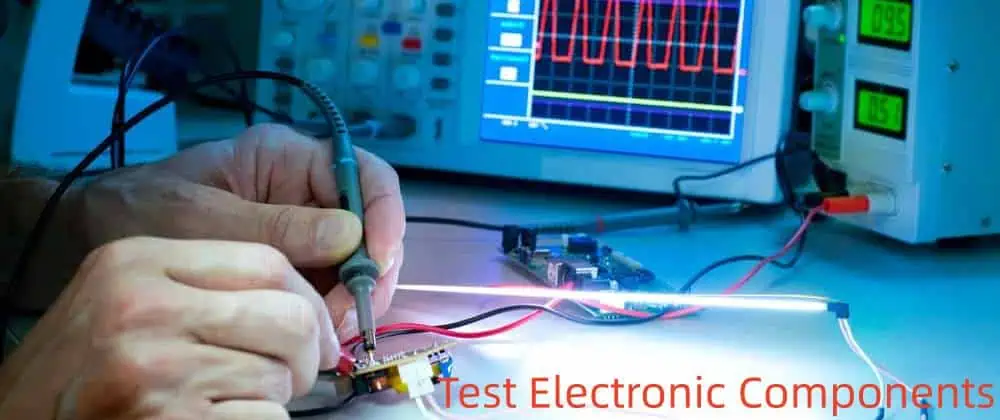
Testing a circuit needs practice. For the method, we need to get our hands on the specific equipment so that we can drive accurate results from these tests. There are also PCB testing tools like an ohmmeter, a multimeter, and a capacitance meter available that make this inspection feasible for us. We are going to take an extensive look at the testing of circuits and their electronic components in this post.

Stay tuned to find out more and clear your doubts completely as well. 

Resistor testing

Test Electronic Components on a Circuit Board

If you are considering testing the resistors, then you need to stick to some general guidelines. People often mess up the method, and due to this reason, the results are not accurate. Resistors are important in physics. Therefore these are important to test to ensure their fine performance. The resistors have basically two terminals, and their purpose is to resist the current from flowing through a system. We can easily rely on the resistors in special cases. If you want to reduce the chances of current overflow, resistors can help. You will find a huge range of resistors in the market. These differ in pricing and structures. Therefore their potential is different as well. We are going to see how we can test a resistor by using different methods. Letโ€™s get started!

Method 1: 

Visual Inspection

The first method for resistor testing is Visual inspection. You can check the circuits and resistors manually through visual inspection. However, this does not guarantee to point out all the possible defects in the resistors. Check the structure of the resistor. Look for burns, scratches, or if a component has been chipped off.

Look for cracks among the components. Also, see if the components are loosely attached to it. Also, sometimes peculiar color changes of the resistor can indicate problems. If you have extensive knowledge of resistors, a visual inspection can help you with this purpose. However, there are higher chances that VI will not provide positive results in all cases. If a visual inspection does not prove to be handy, you can rely on multimeter testing.

Method 2: 

Using a multimeter

The role of a multimeter is to measure the current, voltage, resistance, and capacitance of a circuit. Therefore you can use it for different measurements. A multimeter will fully test your resistor by giving you accurate readings. Other than this, you need to know how you can use this multimeter for testing your resistor. Before you proceed further, you need to set it to resistor mode. After this, connect its probes to the resistor. Take the reading. If you check the color code of your resistors, it will help you determine the accurate reading. Now compare the given reading with the resistorโ€™s color code.

If the reading matches the tolerance, then there is nothing wrong with your resistor. In case it does not match, then the resistors are definitely defective. A multimeter only works for individual resistors. You cannot test the resistors attached to an existing circuit. Therefore make sure of this in order to get the precise results. In case you have an in-circuit resistor, then detaching it from the setup will be a good option. Once you have tested it, you can go for re-soldering it later. If you find using a multimeter not suitable, then there is another option of using a component tester for inspecting the resistors.

Method 3: 

Component tester

You might find component testing much more interesting than other inspecting methods. What you need to do is that use a component tester and switch it on. After this, place the resistor in its socket. Now push the test button.

The tester will display the reading at once. A component tester displays the reading if there is nothing wrong with your tester and displays โ€œbadโ€ if it’s defective. This is, again, only reliable for the individual resistors. This method is not only quick and easy to use, but you get the results promptly as well. 

Capacitor testing

FULL PCB MANUFACTURING Quote

If you are into physics, then you would know capacitors really well. A capacitor is an electrical component in the devices, and its role is to store energy. Normally, we learn about two basic types of capacitors. One is the electrolytic capacitors, and the other is ceramic capacitors. There is no role of polarity in the performance of ceramic capacitors.

Ceramic capacitors also give you enough room while testing because you donโ€™t have to follow their individual terminals during connection. There are different methods that allow us to test a capacitor. Letโ€™s check them out below:

Method 1: 

Visual inspection

Just like resistor testing, you can test a capacitor through visual inspection. Basically, visual inspection is a common testing method, and experts recommend following it before proceeding with the other techniques. When following VI for capacitor testing, you need to check and identify the structural defects in the capacitor. Also, check the upper side of the capacitor and see if it’s damaged or not. You also need to check for cracks and leakages. It is because these can lead to electrical fires and short circuits later.

You can also look for bumps and dents in the capacitorโ€™s body. Hereโ€™s a fun fact: We assemble capacitors at the front of most of the electronics because they are good at noise-filtering the device. Capacitors are also beneficial in terms of receiving smooth signals and avoiding distortion. There is no doubt that the function of capacitors is intensive, and there are higher chances that these can undergo defects. Therefore VI is a great method to see their real-time issues. In most cases, the capacitors present at the front of the devices are more likely to undergo damage and faults. 

Method 2: 

Multimeter 

As we have talked about it earlier, a multimeter is a good testing tool for off-circuit capacitors. In case you want to test in circuit capacitors, then desoldering them would be reliable. In both cases, you need to follow a proper process for inspection. Or else you will not receive the desired results at all. When we are using a multimeter for testing the individual capacitors, then we need to switch the multimeter to the capacitor mode.

Connect the black probe of the multimer to the negative side while the red probe goes with the positive side. Now you will find a default value of the capacitor mentioned on its structure. You will compare the multimeterโ€™s reading with that value. If the values are alike, then the capacitor is fine. If not, then the capacitor is defective. 

Diode testing

Diodes are important for the routing of the flow of the current. So that the current only follows a single direction throughout the system. Diodes are also good for power supply to the devices. It comprises two terminals and allows the current in a single direction when we have successfully established a forward bias condition. Diodes are important in physics because they are energy-efficient and switch between conditions quite promptly. Therefore, these save time and power at the same time. We can also test diodes through different methods. The details are below:

Method 1: 

Visual inspection

We can start with VI, just like for a resistor and a capacitor. The purpose is to manually check the diode for defects and problems. It can be anything, broken wiring, damaged structure, dents, cracks, and leakage. Some diodes indicate problems through color changes. It means you need to consider an immediate replacement and discard this defective diode as well. Sometimes the terminals of a diode also undergo damage, and their color changes to black. If the diode is heating up often, then it signals a problem.

There are still some problems that can be missed out through visual inspection. It is because when we manually do something, there are chances of human error. In this case, experts recommend using a multimeter. It is a digital diode testing device and leaves no room for error. Therefore relying on a multimeter for diode testing will prove to be effective in this regard. 

Method 2: 

Multimeter

By far, you would have a general idea of using a multimeter for diode testing. Get a multimeter and set it to diode mode. After this, connect the probes of the multimeter with the diode and check it. The reading will give you an idea of the state of the diode.

Now you need to switch the probes and re-connect them to get the final and accurate results. Using a multimeter is handy and quick. Plus, it delivers precise results without making you struggle for accurate readings. 

LED testing

LEDs are nothing but a sort of diode used in different devices. There should be different appliances in your home that have an LED attached to them. Did you know that we can test these LEDs as well? LEDs are diodes, and therefore, these have two terminals. Besides, LEDs are available in different shapes and colors, and you can choose from a wide range of sizes as well. LEDs work with power and glow when we supply power to them.

Circuits that work with LEDs use their colors to indicate different phases. Therefore when a device is ON, its LED will glow, and in case it’s OFF, its LED will not glow. Similarly, if a deviceโ€™s battery is low, the LED will glow in a different color showing that the user needs to charge the device. 

Transistor testing

Transistors are another important physics component that we use in our home appliances and electronics. Transistors are also a part of the latest and innovative technical devices that we often use in our routine lives. It has three terminals in total, and these are variable as per the incoming signals.

You can identify the defects in a transistor by simply using the VI method. It is because the natural shape, performance, and structural quality of a transistor normally give you a general idea regarding its state. Also, you can use another suitable alternative for testing transistors at your convenience. 

Advantages of Component testing

The field of electronics and PCBs both cannot ignore the importance of component testing. It is because a professional PCB producer or an electronics provider deeply understands the significance of component testing for the sake of the safety and quality of circuits and electronics. In this section, we are going to have a look at some of the salient benefits of Component testing for you:

  • It enhances the confidence of a producer in its products
  • It increases the component quality
  • The tested and verified products meet industrial standards
  • The inspected products are more reliable
  • The component testing makes the components safe to use at home
  • The tested components are also durable and show perfect quality 

Conclusion

Electrical components inspection is highly important if we want to produce industrial-grade devices. Any small defect in the abovementioned and other components can incur a big loss not only to users but also tarnishes the reputation of the producers. Therefore, before delivering them, a producer has to make sure that all the components are working fine and are in a perfect state to serve longer.

Testing comes in handy because it saves us from loss of investment. Plus, our devices remain protected from potential damage at the same time. There is no doubt that some testing methods are highly expensive, and high-end producers can think of using them only. However, with a little research, we can learn about affordable alternatives easily. 

Low Temperature Solder Paste: Benefits, Melting Points & Best Uses

Low Temperature Solder Paste

Solder paste is a homogeneous mixture of finely powdered metal solder particles and flux, essential forย printed circuit board (PCB) assembly and manufacturing. Its primary function is to form aย reliable electrical and mechanical bondย between the PCBโ€™s plated connection pads and the mounted components, ensuring a functional circuit. Theย particle size, alloy composition, and flux activityย critically influence the pasteโ€™s performance, directly affecting theย quality and efficiency of the soldering process.

Low-temperature solder pastes also enableย multi-stage assembly processes. In applications where components must be attached sequentially, aย higher-temperature pasteย (e.g.,ย 250ยฐC) can secure the first set of parts, while aย low-temperature pasteย (e.g.,ย 138โ€“180ยฐC) is used in subsequent stages. This ensures the initially placed components remain unaffected during later reflow cycles, preserving their integrity and alignment.

What is Low Temperature Solder Paste?

Low temperature solder paste is a specialized type of solder that melts and solidifies at lower temperatures compared to conventional lead-free or leaded solders. This unique property makes it ideal for use in applications where heat-sensitive components or substrates are involved.

Composition

The composition of low temperature solder paste typically includes a mixture of metals with low melting points. Common alloys used in these pastes include:

  1. Tin-Bismuth (Sn-Bi)
  2. Tin-Bismuth-Indium (Sn-Bi-In)
  3. Tin-Bismuth-Silver (Sn-Bi-Ag)

These alloys are carefully formulated to achieve the desired low melting point while maintaining adequate strength and reliability for electronic connections.

Key Properties

Low temperature solder pastes possess several key properties that set them apart:

  1. Low melting point: Typically ranging from 138ยฐC to 180ยฐC (280ยฐF to 356ยฐF)
  2. Good wettability: Ensures proper adhesion to component leads and PCB pads
  3. Fine particle size: Allows for precise dispensing and printing
  4. Flux compatibility: Often includes no-clean or water-soluble flux for easy post-soldering cleaning

Common Forms

Low temperature solder paste is available in various forms to suit different application methods:

  1. Jars or syringes: For manual dispensing or use with automated dispensing equipment
  2. Stencil printing: Pre-packaged in cartridges for use with stencil printers
  3. Solder wire: For manual soldering applications
  4. Solder preforms: Pre-shaped pieces for specific component types or sizes

Benefits of Low Temperature Solder Paste

The use of low temperature solder paste offers numerous advantages in electronics manufacturing and repair processes.

Prevents Thermal Damage to Heat-Sensitive Components

One of the primary benefits of low temperature solder paste is its ability to protect heat-sensitive components from thermal damage. Many modern electronic components, such as plastic connectors, LEDs, and certain semiconductors, can be easily damaged by excessive heat exposure. By using a solder paste with a lower melting point, manufacturers can reduce the risk of component warping, delamination, or complete failure during the soldering process.

Energy-Efficient

The lower melting point of these solder pastes translates to reduced energy consumption during the soldering process. Reflow ovens and other soldering equipment can operate at lower temperatures, resulting in significant energy savings over time. This not only reduces operational costs but also contributes to a more environmentally friendly manufacturing process.

Easier Rework

When it comes to rework and repair, low temperature solder paste shines. The lower melting point allows technicians to remove and replace components with less risk of damaging surrounding parts or the PCB itself. This is particularly beneficial in densely packed boards where precision is crucial.

Compatibility with Mixed Assemblies

In assemblies that combine traditional and heat-sensitive components, low temperature solder paste offers a solution for uniform soldering. It allows for the simultaneous soldering of various component types without subjecting heat-sensitive parts to potentially damaging temperatures.

Safer for Prototyping

For engineers and hobbyists engaged in prototyping, low temperature solder paste provides a safer alternative. The reduced heat requirements make it easier to work with, especially when using hand-soldering techniques. This can lead to more successful prototypes and a reduced learning curve for those new to soldering.

Read more about:

Melting Points of Low Temp Solder Pastes

Understanding the melting points of different low temperature solder pastes is crucial for selecting the right product for your specific application.

Comparison Table

Alloy CompositionMelting Point RangeCommon Applications
SN42Bi58138ยฐC – 140ยฐC (280ยฐF – 284ยฐF)General-purpose, heat-sensitive components
SN58Bi42138ยฐC – 140ยฐC (280ยฐF – 284ยฐF)Improved strength, slightly higher working temperature
SN48Bi32In20118ยฐC – 135ยฐC (244ยฐF – 275ยฐF)Ultra-low temperature applications
Lead-Free (e.g., SAC305)217ยฐC – 220ยฐC (423ยฐF – 428ยฐF)Standard lead-free soldering (for comparison)

Why Melting Point Matters

The melting point of solder paste is a critical factor in electronics manufacturing and repair for several reasons:

  1. Process compatibility: The melting point determines the required reflow profile and equipment settings.
  2. Component protection: Lower melting points reduce the risk of thermal damage to sensitive parts.
  3. Energy efficiency: Lower melting points generally require less energy during the soldering process.
  4. Rework considerations: Lower melting points facilitate easier component removal and replacement.

Choosing the right melting point for your application involves balancing these factors with the specific requirements of your project.

Best Uses for Low Temperature Solder Paste

Low temperature solder paste finds applications across various industries and projects. Here are some of the best uses for this versatile material:

Electronics Rework & Repair

In the field of electronics repair, low temperature solder paste is invaluable. It allows technicians to remove and replace components on densely packed PCBs with minimal risk of damaging adjacent parts. This is particularly useful in repairing high-value electronics like smartphones, tablets, and laptops.

LED Assembly

LED manufacturing benefits greatly from low temperature solder paste. LEDs are notoriously sensitive to heat, and excessive temperatures can affect their color output and lifespan. By using low temperature solder, manufacturers can ensure consistent quality and longevity in LED products.

Flexible PCBs

Flexible printed circuit boards (PCBs) are increasingly common in modern electronics, from wearable devices to automotive applications. These boards are often made from heat-sensitive materials that can warp or delaminate under high temperatures. Low temperature solder paste allows for reliable connections without compromising the integrity of the flexible substrate.

Medical & Aerospace Electronics

In critical applications like medical devices and aerospace electronics, reliability is paramount. Low temperature solder paste offers a way to create robust connections while minimizing the risk of thermal stress on sensitive components. This can lead to improved long-term reliability in these demanding environments.

Prototyping & Hobbyist Projects

For electronics enthusiasts and makers, low temperature solder paste opens up new possibilities. It allows for easier hand-soldering of surface mount components, which can be challenging with traditional solders. This makes it an excellent choice for prototyping and small-scale production runs.

How to Choose the Right Low Temp Solder Paste

Selecting the appropriate low temperature solder paste for your project involves considering several factors:

Alloy Type

The choice of alloy affects the paste’s melting point, strength, and compatibility with different metals. Consider the specific temperature requirements of your project and the materials you’ll be working with when selecting an alloy.

Flux Core vs. No-Clean Pastes

Flux is essential for proper wetting and oxide removal during soldering. Some low temperature solder pastes come with a flux core, while others are formulated as no-clean pastes. No-clean pastes are convenient for applications where post-soldering cleaning is difficult, but may leave slight residues. Flux core pastes may require cleaning but can offer better wetting in some cases.

Viscosity & Application Method

The viscosity of the solder paste should match your application method. For stencil printing, a slightly lower viscosity is often preferred for smooth deposition. For dispensing applications, a higher viscosity may be necessary to maintain precise control.

Brand Comparisons

While there are many brands of low temperature solder paste available, some popular options include:

  1. Chip Quik: Known for their low-temperature removal alloys and repair kits
  2. AIM: Offers a range of low-temperature alloys for various applications
  3. Indium Corporation: Provides specialized low-temperature solders for demanding applications

Research and compare different brands based on your specific needs, budget, and availability.

Common Challenges & Solutions

While low temperature solder paste offers many advantages, it’s important to be aware of potential challenges and how to address them:

Brittleness

Some low temperature alloys, particularly those with high bismuth content, can be more brittle than traditional solders. This can lead to joint cracking under stress.

Solution: Choose alloys with added strengthening elements like silver, or design joints to minimize mechanical stress.

Oxidation

Low temperature solders can be more prone to oxidation, which can affect joint quality and appearance.

Solution: Use pastes with effective flux formulations and store unused paste properly to prevent oxidation.

Compatibility Issues

Not all component finishes and PCB surface treatments are fully compatible with low temperature solders.

Solution: Verify compatibility with your specific materials and consider surface treatments or alternative finishes if necessary.

Conclusion

Low temperature solder paste has revolutionized many aspects of electronics manufacturing and repair. Its ability to protect heat-sensitive components, improve energy efficiency, and facilitate easier rework makes it an invaluable tool in the modern electronics industry. By understanding its benefits, melting points, and best uses, you can make informed decisions about incorporating low temperature solder paste into your projects.

Whether you’re working on cutting-edge flexible electronics, repairing delicate devices, or prototyping your next big idea, low temperature solder paste offers a versatile solution. As with any technical material, success lies in choosing the right product for your specific application and following best practices for its use.

As technology continues to advance, we can expect to see further innovations in low temperature solder paste formulations, expanding its capabilities and applications. By staying informed about these developments, you’ll be well-equipped to tackle the soldering challenges of today and tomorrow.

Flexible Heater Design, Manufacturing and Types

Introduction

Flexible heaters are versatile heating elements designed to conform to various shapes and surfaces, making them ideal for a wide range of applications across industries. These innovative heating solutions offer numerous advantages over traditional rigid heaters, including improved heat distribution, space-saving designs, and adaptability to complex geometries. In this comprehensive article, we will explore the intricate world of flexible heater design, manufacturing processes, and the various types available in the market.

Flexible Heater Design

Design Considerations

When designing flexible heaters, several factors must be taken into account to ensure optimal performance and longevity:

  1. Temperature requirements: Determine the desired operating temperature range and maximum temperature limits.
  2. Power density: Calculate the required wattage per unit area to achieve the desired heating output.
  3. Substrate material: Select an appropriate flexible substrate that can withstand the operating conditions.
  4. Heating element: Choose the most suitable heating element material and configuration.
  5. Insulation: Determine the necessary insulation to prevent heat loss and ensure safety.
  6. Size and shape: Design the heater to fit the specific application requirements.
  7. Environmental factors: Consider moisture, chemicals, and other environmental conditions the heater may encounter.

Design Process

The flexible heater design process typically involves the following steps:

  1. Requirements gathering: Collect all necessary information about the application, including temperature requirements, power constraints, and environmental conditions.

  2. Material selection: Choose appropriate materials for the substrate, heating element, and insulation based on the gathered requirements.

  3. Heating element layout: Design the heating element pattern to ensure even heat distribution and optimal power density.

  4. Thermal analysis: Conduct thermal simulations to verify the design’s performance and identify potential hot spots or cold areas.

  5. Electrical design: Determine the appropriate voltage, current, and resistance values for the heating element.

  6. Prototyping: Create a prototype of the flexible heater for testing and validation.

  7. Testing and refinement: Evaluate the prototype’s performance and make necessary adjustments to improve the design.

  8. Documentation: Create detailed design specifications and manufacturing instructions.

Manufacturing Processes

The manufacturing of flexible heaters involves several specialized processes, depending on the type of heater being produced. Here are some common manufacturing methods:

1. Etched Foil Heaters

Etched foil heaters are manufactured using a process similar to printed circuit board (PCB) production:

  1. Foil lamination: A thin metal foil (usually copper or nickel) is laminated onto a flexible substrate.
  2. Pattern application: The desired heating element pattern is applied to the foil using photoresist.
  3. Etching: The exposed foil is chemically etched away, leaving the desired heating element pattern.
  4. Insulation: An additional layer of insulation is applied over the etched pattern.
  5. Termination: Electrical connections are added to the heating element.

2. Wire-Wound Heaters

Wire-wound flexible heaters are produced using the following steps:

  1. Wire preparation: The heating wire is wound into the desired pattern.
  2. Substrate application: The wire pattern is placed onto a flexible substrate.
  3. Bonding: The wire is bonded to the substrate using adhesives or vulcanization.
  4. Insulation: An additional layer of flexible insulation is applied over the wire pattern.
  5. Termination: Electrical connections are added to the heating element.

3. Screen Printed Heaters

Screen printed heaters are manufactured using a process that involves:

  1. Screen preparation: A screen with the desired heating element pattern is created.
  2. Ink application: Conductive ink is applied to the flexible substrate through the screen.
  3. Curing: The ink is cured to create a stable heating element.
  4. Insulation: An insulating layer is applied over the printed heating element.
  5. Termination: Electrical connections are added to the heating element.

4. Carbon Fiber Heaters

Carbon fiber heaters are produced using the following process:

  1. Fiber preparation: Carbon fibers are arranged in the desired pattern.
  2. Substrate application: The carbon fiber pattern is placed onto a flexible substrate.
  3. Bonding: The fibers are bonded to the substrate using resin or other adhesives.
  4. Insulation: An insulating layer is applied over the carbon fiber heating element.
  5. Termination: Electrical connections are added to the heating element.

Types of Flexible Heaters

Flexible heaters come in various types, each with its own unique characteristics and applications. Here’s an overview of the most common types:

1. Silicone Rubber Heaters

Silicone rubber heaters are versatile and widely used in many industries.

Characteristic Description
Temperature Range -60ยฐC to 230ยฐC
Flexibility Excellent
Chemical Resistance Good
Moisture Resistance Excellent
Typical Applications Medical devices, aerospace, food service equipment

2. Polyimide (Kapton) Heaters

Polyimide heaters are known for their high temperature resistance and thin profile.

Characteristic Description
Temperature Range -269ยฐC to 400ยฐC
Flexibility Good
Chemical Resistance Excellent
Moisture Resistance Good
Typical Applications Aerospace, electronics, semiconductor processing

3. Polyester (Mylar) Heaters

Polyester heaters offer a cost-effective solution for low-temperature applications.

Characteristic Description
Temperature Range -60ยฐC to 120ยฐC
Flexibility Good
Chemical Resistance Fair
Moisture Resistance Good
Typical Applications Consumer products, automotive, packaging equipment

4. Mica Heaters

Mica heaters provide high temperature capabilities and excellent electrical insulation.

Characteristic Description
Temperature Range Up to 600ยฐC
Flexibility Limited
Chemical Resistance Excellent
Moisture Resistance Good
Typical Applications Industrial processes, laboratory equipment, food service

5. Polymer Thick Film (PTF) Heaters

PTF heaters offer a thin profile and can be easily customized for various applications.

Characteristic Description
Temperature Range -40ยฐC to 150ยฐC
Flexibility Excellent
Chemical Resistance Good
Moisture Resistance Good
Typical Applications Automotive, medical devices, consumer electronics

Applications of Flexible Heaters

Kapton Flexible Heaters

Flexible heaters find applications across numerous industries due to their versatility and adaptability. Some common applications include:

  1. Medical devices: Patient warming blankets, blood warmers, and diagnostic equipment.
  2. Aerospace: De-icing systems for aircraft wings and sensors.
  3. Automotive: Seat heaters, mirror defrosters, and battery warmers.
  4. Food service: Food warming trays and containers.
  5. Industrial processes: Drum heaters, satellite dish de-icing, and pipe freeze protection.
  6. Consumer electronics: LCD displays, touchscreens, and wearable devices.
  7. Scientific instruments: Laboratory equipment and analytical instruments.

Advantages and Limitations of Flexible Heaters

Advantages

  1. Conformability: Can be easily applied to curved or irregular surfaces.
  2. Space-saving: Thin profile allows for use in confined spaces.
  3. Uniform heat distribution: Customizable designs enable even heat distribution.
  4. Fast response time: Thin construction allows for quick heating and cooling.
  5. Customizability: Can be tailored to specific application requirements.
  6. Lightweight: Ideal for applications where weight is a concern.

Limitations

  1. Temperature limitations: Some flexible materials have lower maximum temperature ratings compared to rigid heaters.
  2. Cost: Custom designs can be more expensive than standard rigid heaters.
  3. Durability: May be more susceptible to damage from bending or flexing in certain applications.
  4. Power density: Some types may have lower power density compared to rigid heaters.

Future Trends in Flexible Heater Technology

Flexible Heaters
Flexible Heaters

As technology continues to advance, several trends are emerging in the field of flexible heaters:

  1. Smart flexible heaters: Integration of sensors and control systems for improved temperature regulation and energy efficiency.
  2. Printable electronics: Advancements in printed electronics technology enabling more complex and efficient heating element designs.
  3. Nanomaterial-based heaters: Development of flexible heaters using nanomaterials like carbon nanotubes or graphene for improved performance.
  4. Biodegradable flexible heaters: Research into environmentally friendly materials for disposable or short-term use applications.
  5. Wearable heating solutions: Integration of flexible heaters into clothing and wearable devices for personal comfort and medical applications.

Frequently Asked Questions (FAQ)

  1. Q: What is the typical lifespan of a flexible heater? A: The lifespan of a flexible heater can vary greatly depending on the operating conditions, materials used, and quality of manufacturing. Under normal operating conditions, many flexible heaters can last 5-10 years or more. However, factors such as frequent thermal cycling, exposure to harsh environments, or operation at maximum temperatures can reduce the lifespan.

  2. Q: Can flexible heaters be cut or modified after manufacturing? A: In general, it is not recommended to cut or modify flexible heaters after manufacturing, as this can damage the heating element or compromise the insulation. Some manufacturers offer custom-shapeable heaters that can be trimmed to size, but this should only be done following the manufacturer’s specific instructions.

  3. Q: How do I choose the right flexible heater for my application? A: Selecting the right flexible heater involves considering several factors, including:

    • Temperature requirements
    • Power density needs
    • Environmental conditions (moisture, chemicals, etc.)
    • Size and shape constraints
    • Flexibility requirements
    • Budget It’s often best to consult with a flexible heater manufacturer or specialist who can help you select the most appropriate solution for your specific application.
  4. Q: Are flexible heaters energy-efficient? A: Flexible heaters can be very energy-efficient when properly designed and implemented. Their ability to conform closely to the surface being heated reduces heat loss and improves heat transfer efficiency. Additionally, their fast response times and customizable designs allow for precise temperature control, further improving energy efficiency.

  5. Q: Can flexible heaters be used in explosive environments? A: Some flexible heaters can be designed for use in explosive environments, but this requires special considerations in terms of materials, construction, and certification. If you need a flexible heater for use in a potentially explosive atmosphere, it’s crucial to work with a manufacturer experienced in producing heaters that meet the necessary safety standards and certifications (e.g., ATEX, IECEx) for such environments.

How to Apply the Copper Weight of PCBs Perfectly

Bare Copper PCB

PCBs can be included among some very complicated components of electrical devices. Some things are combined to create a well-functioning PCB. The copper weights are included among the important things that should be properly understood and also micromanaged during the manufacturing of PCBs.

Due to its being an intense conductor, it is highly regarded as one of the important PCB components. Also, if you fail to calculate as well as apply the copper weight appropriately, a lot of things could go wrong.

Measuring as well as calculating standard PCB copper weight isn’t an easy and straightforward process. Also, you will find much information regarding the copper weight PCB available. We will be gathering all the necessary information in this article

What Does PCB Copper Weight Mean?

As mentioned before, copper is a huge conductor. Also, creating a reliable PCB which works and functions consistently without measuring the weight of copper is almost impossible. This is when the question comes up – what does copper weight PCB mean?

Some calculations help in determining the copper weight. This will then be applied to the remaining parts of the printed circuit board as well as connected to every other thing. This PCB is then set for manufacturing after the analyses are correctly performed.

This sounds simple; however, there are some things that should be known regarding copper which contributes to the calculations of copper weight.

Copper as an alloy

Just like other metals, copper is an alloy and this makes it function as a conductor. You can find alloys in different forms. However, copper is regarded as the most common during PCB construction.

Alloys can come in the tube, sheet, or bar form. This is the first thing you have to consider before you determine the PCB copper’s weight. Understanding the form and grade copper takes are just two of the things that help in calculating the base copper weight. The remaining pertains to the physical measurements that involve copper itself.

Also very important, is that these measurements and calculations have to be perfect. When you fail to do this, it doesn’t mean significant problems, it means you have to return and remeasure things which will take long and be very stressful.

The worst scenario is applying copper into the PCB after you’ve made some wrong calculations. For cases like this, undoing what was done becomes difficult and could be impossible.

Use of Heavy Copper in PCB Design Considerations

Ok the last section, we discussed the PCB copper weight. Here, we will be exploring the use of heavy copper in enhancing PCB design.

Heavy copper could have a thickness of 19 ounces for every square foot. This makes it a well-known option for many printed circuit boards since the majority of the electronics of today are smaller compared to electronics used in the past.

Although other copper sizes can still be used, heavy copper is now the most popular and most common. With heavy copper, you get more options for your PCB design. PCB manufacturing and design experts have found ways of improving the looks of printed circuit boards because of the high versatility of heavy copper.

Also, copper is only responsible for small spaces on circuit boards in PCB manufacturing. With this, it becomes possible to make circuit boards which function effectively and look more desirable that usual.

As a result of this, you can now create artworks from PCBs like this. Achieving this isn’t as difficult as you think. This requires great understanding of the copper weights, measuring as well as weighing copper, coupled with some soldering techniques.

Specifications of the PCB Copper Weight

FULL PCB MANUFACTURING Quote

In this section, we will be considering the specifications of the PCB copper weight. Copper has three main weight classes. Every one of these classes is useful in circuit board manufacturing. The pcb copper weight to thickness can be measured in ounce per sq ft.

Since copper is a strong conductor, which yields predictable mils and amps, measuring it for every square inch is not necessary. It ensures the accuracy of other calculations.

Standard Copper

Standard copper can be described as copper having a plating of a quarter of an ounce for every square foot to about four ounces for every square foot. This used to be the industry standard (defacto) for the building of all PCBs for long periods, as there was a risk of failure whenever it is used for plating printed circuit boards.

In so many cases, standard copper is still used. When a specific copper size isn’t specified, many distributors of materials would assume the manufacturer wants 1.2 ounces for every square foot copper plating.

Heavy Copper

Heavy copper can be described as any copper that is between 5 โ€“ 10 ounces for every square foot. Designers and testers have utilized heavy copper over the years for experimenting their designs. Today, you can now create a printed circuit board using heavy copper and in most cases, it is better, compared to the standard copper.

Over the years, this was seen as a risky approach, because many people believed that copper was a very strong conductor and shouldnโ€™t be plated on circuit boards without a terrible result.

This has been proved wrong recently, because lessening the chargeโ€™s amp value produced from the heavy copper is possible. This is achieved by exposing this copper before it is plated on a surface.

Conclusion

In summary, copper is an intense conductor and it is highly regarded as one of the important PCB components. Also, if you fail to calculate as well as apply the copper weight appropriately, a lot of things could go wrong. Alloys can come in the tube, sheet, or bar form. This is the first thing you have to consider before you determine the copper weight pcb. Understanding the form and grade copper takes are just two of the things that help in calculating the base copper weight pcb. Also, measurements and calculations have to be perfect. When you fail to do this, it means you have to return and remeasure things which will take long and be very stressful.