Auditing Your PCB Supplier: A Strategic Approach to Quality Assurance

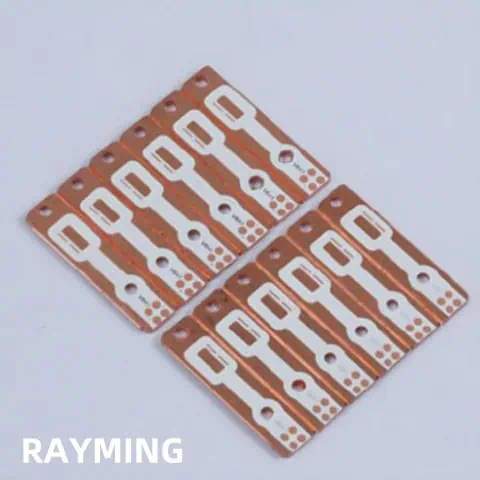
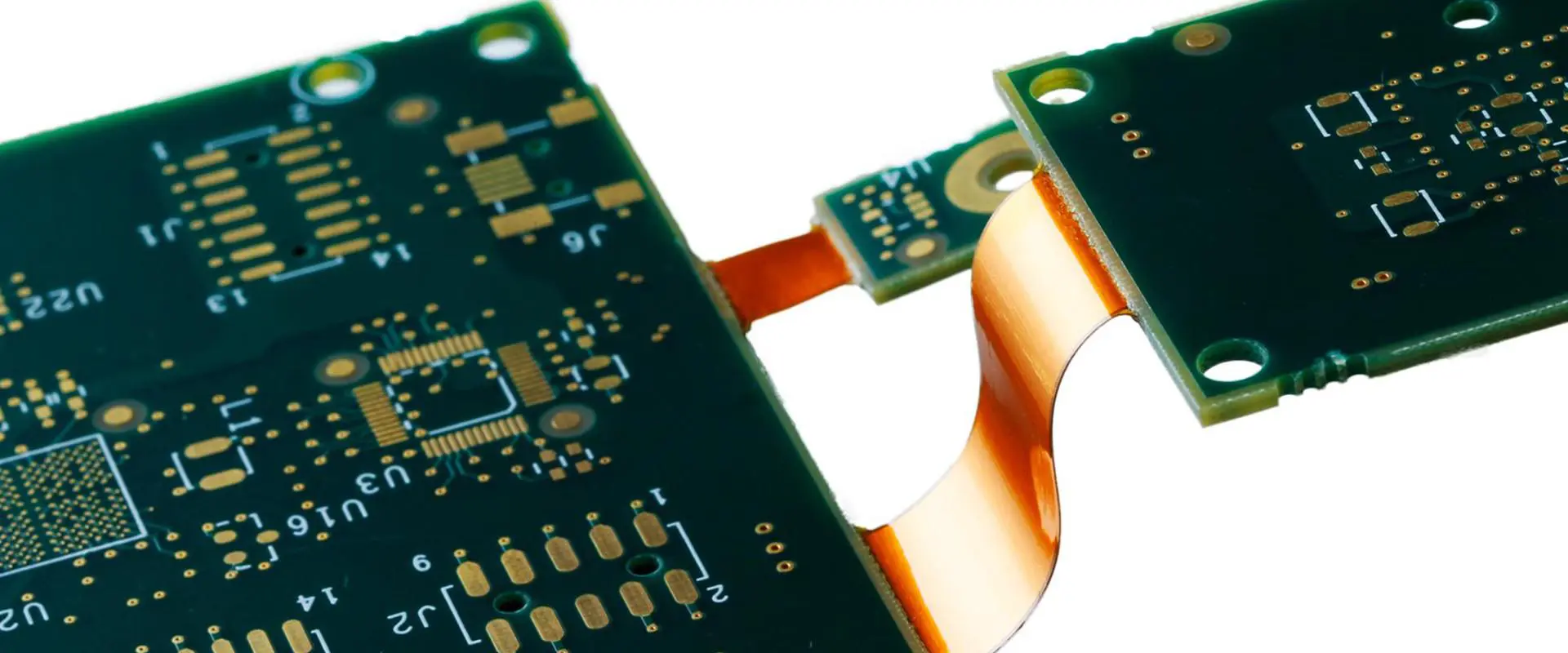
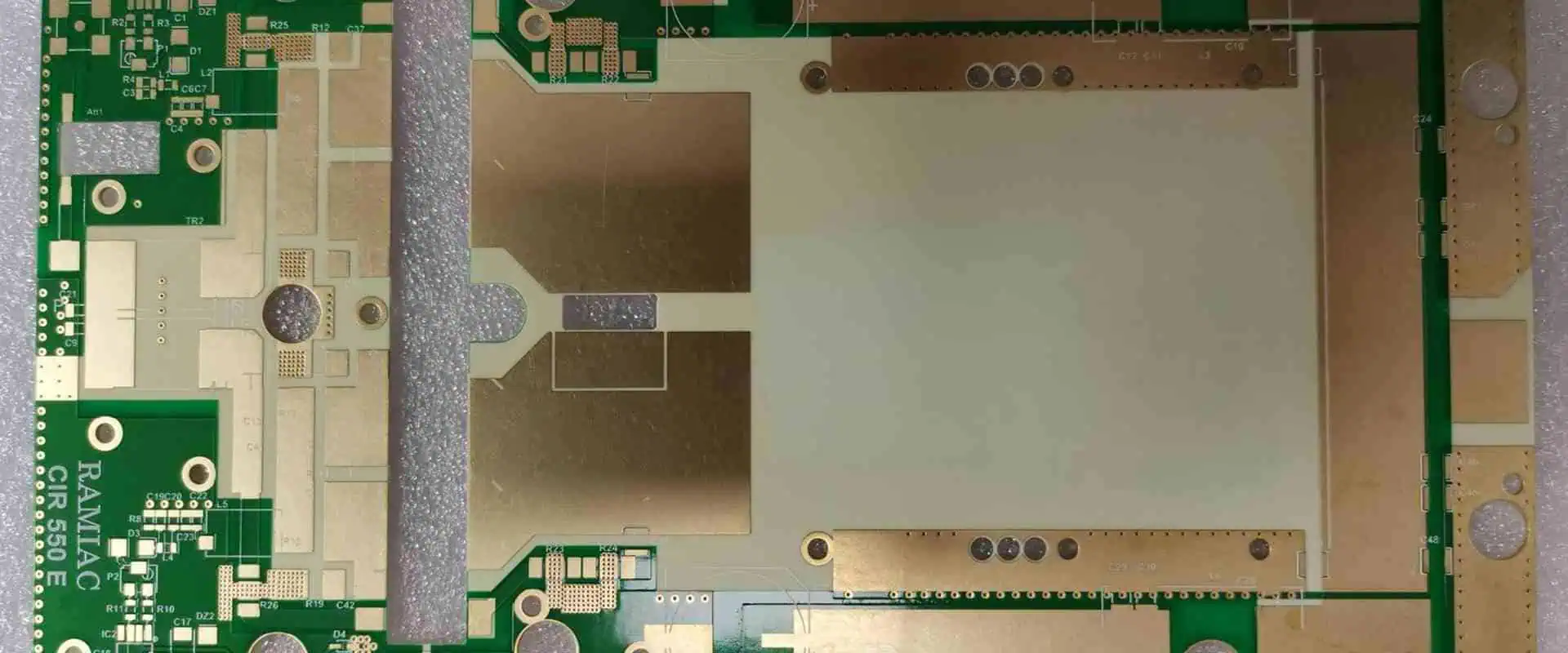
Rogers RO4500 PCB

The printed circuit board (PCB) forms the backbone of virtually every electronic device, making supplier selection and ongoing auditing critical to product success. A systematic supplier audit process protects against quality failures, delivery delays, and compliance risks that can devastate product launches and damage brand reputation.

Preparing for the Audit

Effective PCB supplier auditing begins long before stepping onto the factory floor. Develop a comprehensive audit checklist covering quality systems, manufacturing capabilities, supply chain management, and regulatory compliance. Review the supplier’s certifications, including ISO 9001, IPC standards, and industry-specific requirements like AS9100 for aerospace or ISO 13485 for medical devices.

Gather documentation beforehand, including process flow diagrams, quality manuals, and recent customer audit reports. This preparation enables auditors to focus on verification rather than discovery during the on-site visit.

Quality Management System Assessment

The foundation of any reliable PCB supplier lies in their quality management system (QMS). Examine how they implement design review processes, incoming material inspection, and statistical process control. A mature QMS demonstrates systematic approaches to problem-solving, continuous improvement, and customer satisfaction measurement.

Pay particular attention to their corrective and preventive action (CAPA) system. Review recent CAPA records to understand how effectively they identify root causes and implement lasting solutions. Strong suppliers maintain detailed records and can demonstrate measurable improvements resulting from their CAPA activities.

Manufacturing Capability Evaluation

Modern PCB manufacturing requires sophisticated equipment and precise process control. Assess the supplier’s technical capabilities against your specific requirements, including layer count, via technology, surface finishes, and tolerances. Verify their equipment maintenance programs and calibration procedures for critical measurement tools.

Examine their process documentation and work instructions. Well-documented processes indicate mature manufacturing operations and reduce variability between operators and shifts. Look for evidence of process validation, especially for critical parameters like plating thickness, drill accuracy, and impedance control.

Supply Chain and Material Control

PCB quality depends heavily on incoming materials, from substrate materials to surface finishes and solder masks. Evaluate the supplier’s incoming inspection procedures and their qualification process for sub-suppliers. Understanding their supply chain helps identify potential risks and ensures material traceability.

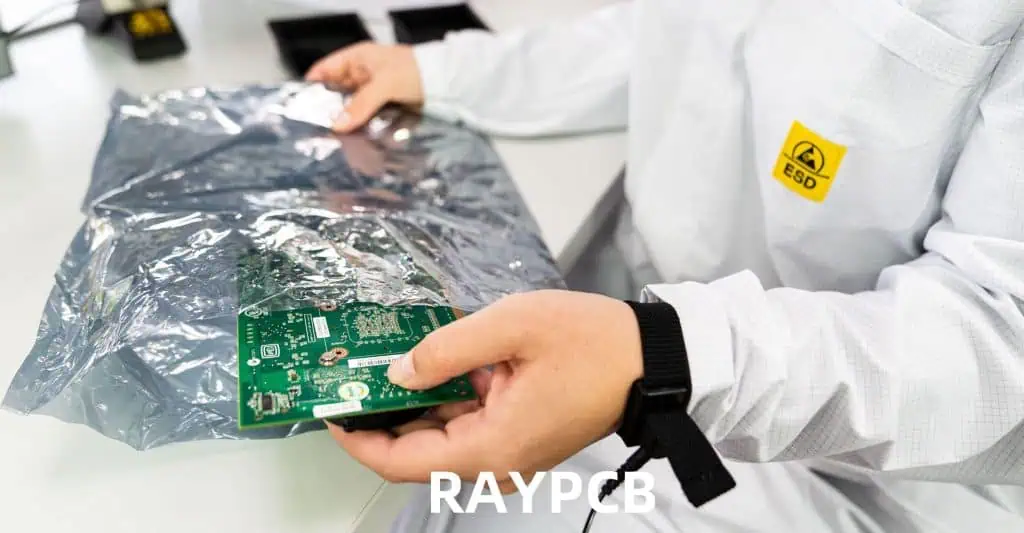
Review material storage conditions and handling procedures. Moisture-sensitive materials require controlled environments, and proper electrostatic discharge (ESD) protection is essential throughout the manufacturing process. Inadequate material control often manifests as quality issues in finished products.

Testing and Inspection Capabilities

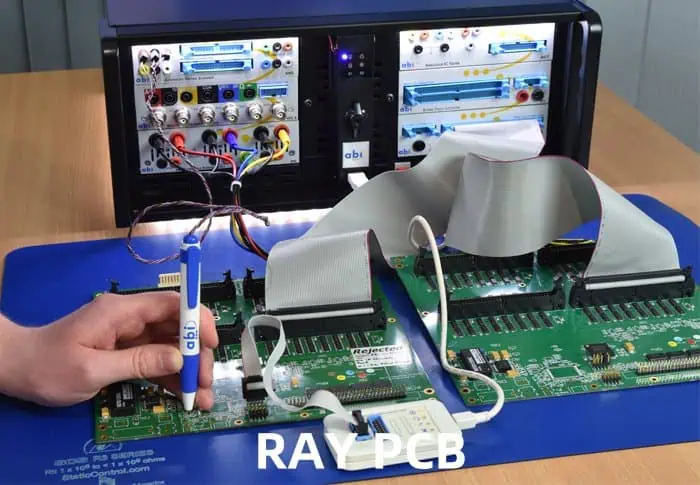
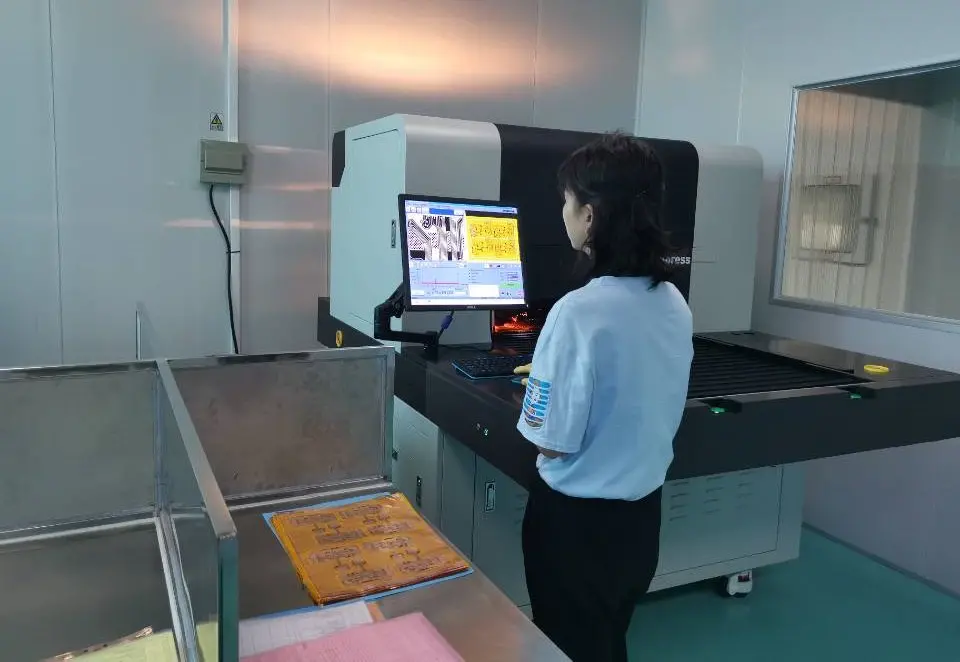
PCB E-test machine
PCB E-test machine

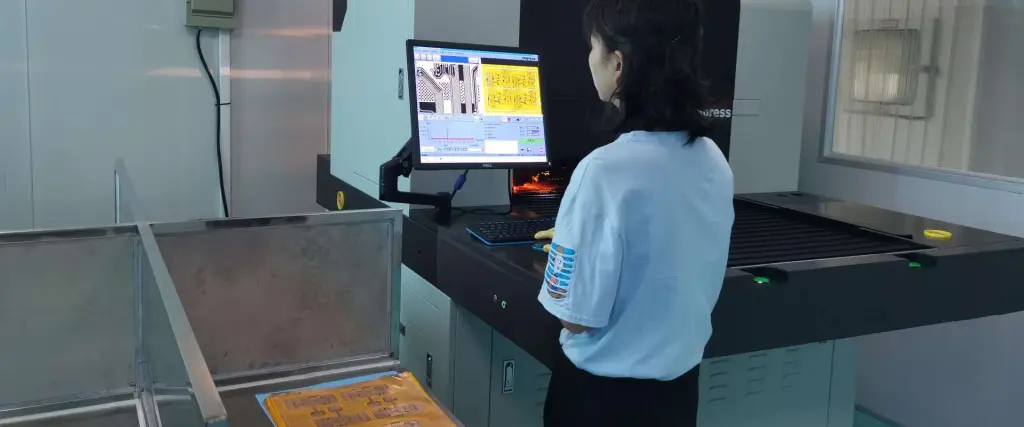
Comprehensive testing separates reliable suppliers from those offering seemingly attractive pricing. Assess their electrical testing capabilities, including in-circuit testing, flying probe testing, and functional testing where applicable. Modern PCB manufacturing should include automated optical inspection (AOI) and automated X-ray inspection for hidden defects.

Evaluate their testing protocols and acceptance criteria. Suppliers should demonstrate statistical sampling plans appropriate for your volume and quality requirements. Review test data retention policies and their ability to provide test results with shipments.

Environmental and Regulatory Compliance

PCB manufacturing involves numerous environmental and regulatory considerations. Verify compliance with RoHS directives, REACH regulations, and conflict minerals reporting requirements. Many applications require additional certifications such as UL recognition or military specifications.

Examine their environmental management systems and waste handling procedures. Responsible suppliers maintain proper permits, conduct regular environmental monitoring, and demonstrate commitment to sustainable manufacturing practices.

Logistics and Communication

Reliable delivery performance requires effective production planning and logistics capabilities. Assess their order management systems, production scheduling processes, and shipping procedures. Understanding their capacity utilization helps predict their ability to meet your delivery requirements, especially during peak demand periods.

Evaluate communication protocols and responsiveness. Effective suppliers provide regular updates on order status, proactively communicate potential issues, and maintain accessible technical support. Language barriers and time zone differences can significantly impact project success.

Financial Stability Assessment

Supplier financial stability affects their ability to invest in equipment, maintain inventory, and weather economic downturns. While detailed financial analysis may require specialized expertise, basic indicators include facility conditions, equipment age, and employee retention rates. Suppliers struggling financially often reduce maintenance, delay equipment upgrades, or experience high turnover rates.

Documentation and Continuous Monitoring
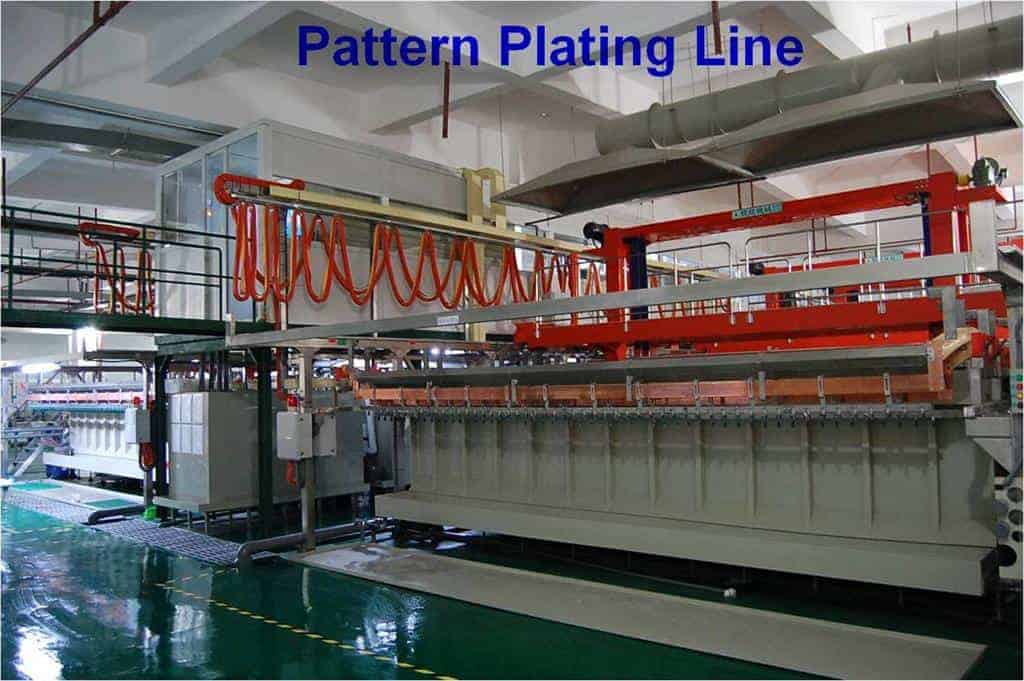
PCB pattern plating line

Document audit findings systematically, including photographic evidence where appropriate. Develop supplier scorecards that track key performance indicators such as on-time delivery, quality metrics, and responsiveness to issues. Regular performance reviews based on actual delivery data provide ongoing insight into supplier capabilities.

Establish clear expectations for improvement plans where deficiencies are identified. Effective suppliers welcome feedback and demonstrate commitment to addressing identified issues within agreed timeframes.

Building Long-term Partnerships

The most successful PCB supplier relationships extend beyond transactional interactions to strategic partnerships. Suppliers invested in your success provide valuable design feedback, suggest cost reduction opportunities, and prioritize your requirements during capacity constraints.

Regular communication, fair payment terms, and reasonable volume commitments encourage suppliers to invest in capabilities that benefit your products. These partnerships often yield innovations and cost savings that purely price-focused relationships cannot achieve.

Conclusion

Thorough PCB supplier auditing requires significant investment in time and expertise, but the cost of supplier failures far exceeds audit expenses. A systematic approach covering quality systems, manufacturing capabilities, compliance, and communication establishes the foundation for reliable supply chain performance.

The audit process should evolve based on experience and changing requirements. Regular reassessment ensures suppliers continue meeting your needs as products and technologies advance. In an increasingly complex electronics landscape, rigorous supplier auditing represents essential risk management and competitive advantage.

Remember that auditing is not a one-time activity but an ongoing process that strengthens supplier relationships and protects product quality. The investment in comprehensive supplier assessment pays dividends through reduced quality issues, improved delivery performance, and enhanced product success in the marketplace.
PCBs for Harsh Environments: Design Considerations and Material Selection

Printed Circuit Boards (PCBs) operating in harsh environments face numerous challenges that can compromise their functionality, reliability, and lifespan. Understanding which PCB designs, materials, and construction techniques work best under extreme conditions is crucial for applications ranging from aerospace and military systems to industrial automation and automotive electronics. This comprehensive overview examines the key factors that make PCBs suitable for demanding environmental conditions.

Environmental Challenges and Their Impact

Harsh environments present multiple simultaneous stressors that can degrade PCB performance. Temperature extremes cause thermal expansion and contraction, leading to mechanical stress on solder joints, component packages, and the PCB substrate itself. High humidity and moisture exposure can cause corrosion, delamination, and electrical leakage paths. Chemical exposure from industrial processes, salt spray in marine environments, or corrosive gases can attack copper traces, component leads, and protective coatings.

Mechanical stress from vibration, shock, and acceleration forces can cause solder joint fatigue, component displacement, and PCB flexing that leads to trace cracking. Radiation exposure in space applications or nuclear environments can alter semiconductor characteristics and degrade organic materials. Each of these factors requires specific design considerations and material selections to ensure reliable operation.

High-Temperature PCB Solutions

For applications requiring operation above standard commercial temperature ranges (typically -40ยฐC to +85ยฐC), specialized materials and construction techniques become essential. Polyimide substrates offer excellent thermal stability, maintaining their mechanical and electrical properties at temperatures exceeding 200ยฐC. These flexible and rigid-flex PCBs using polyimide can withstand repeated thermal cycling without delamination or dimensional instability.

Ceramic substrates, particularly aluminum oxide (alumina) and aluminum nitride, provide exceptional thermal performance for extreme high-temperature applications. These materials offer excellent thermal conductivity, low thermal expansion coefficients, and stability at temperatures reaching 300ยฐC or higher. However, ceramic substrates require specialized manufacturing processes and are typically more expensive than traditional FR-4 options.

High-temperature FR-4 variants, designated as Tg (glass transition temperature) materials, offer improved performance over standard FR-4. These materials maintain their structural integrity at elevated temperatures, with some formulations rated for continuous operation at 130ยฐC to 170ยฐC. The selection of appropriate solder alloys becomes critical in high-temperature applications, with lead-based solders generally offering better performance than lead-free alternatives at extreme temperatures.

Moisture and Corrosion Resistance

Protecting PCBs from moisture and corrosive environments requires both material selection and protective coating strategies. Conformal coatings serve as the primary defense against environmental contaminants. Acrylic coatings provide good moisture protection and are easily repairable, while polyurethane coatings offer superior chemical resistance. Silicone coatings excel in extreme temperature applications but may be difficult to remove for repairs.

Parylene coatings, applied through a vapor deposition process, create an extremely thin, pinhole-free protective layer that conforms to complex geometries. This coating type provides excellent moisture and chemical barrier properties while adding minimal thickness or weight to the assembly. For the most demanding applications, multiple coating layers or combination coating systems may be employed.

Substrate selection plays a crucial role in moisture resistance. Traditional FR-4 can absorb moisture, leading to dimensional changes and reduced electrical performance. Low-moisture-absorption materials such as PTFE-based substrates or specialized polyimide formulations maintain stable properties in high-humidity environments. These materials typically exhibit moisture absorption rates below 0.1%, compared to 0.15-0.20% for standard FR-4.

Mechanical Durability and Shock Resistance

PCBs subjected to high levels of vibration, shock, or mechanical stress require robust construction techniques and appropriate material selection. Thicker PCB substrates, typically 1.6mm or greater, provide improved mechanical strength compared to thinner boards. However, this must be balanced against weight and space constraints in many applications.

Component selection and mounting techniques significantly impact mechanical durability. Surface-mount components generally offer better shock and vibration resistance than through-hole components due to their lower mass and profile. However, through-hole mounting may be preferred for larger, heavier components or in applications where repair access is important.

Solder joint reliability becomes critical in mechanically demanding environments. Careful attention to pad design, solder joint geometry, and thermal management helps prevent fatigue failures. The use of underfill materials around critical components provides additional mechanical support and stress distribution. Potting compounds can encapsulate entire PCB assemblies, providing maximum protection against mechanical stress while also offering environmental sealing.

Chemical and Radiation Resistance

Chemical resistance requirements vary widely depending on the specific environment. Industrial process control equipment may encounter acids, bases, solvents, or other reactive chemicals. Marine applications face salt spray and chloride exposure. Selection of appropriate substrate materials, conductor finishes, and protective coatings must consider the specific chemical threats present.

PTFE-based substrates offer excellent chemical inertness but present manufacturing challenges due to their non-adhesive properties. Specialized pretreatment processes or adhesive systems are required to achieve reliable conductor adhesion. Polyimide substrates provide good chemical resistance while maintaining easier manufacturability compared to PTFE materials.

Radiation-hardened PCBs for space or nuclear applications require careful material selection to minimize radiation-induced degradation. Glass-filled epoxy substrates generally show better radiation tolerance than purely organic materials. Metal core PCBs using aluminum or copper substrates can provide improved radiation shielding while also offering superior thermal management.

Advanced Construction Techniques

Embedded component technology places passive components within the PCB substrate layers, reducing profile height and improving mechanical robustness. This technique eliminates traditional solder joints for embedded components, reducing potential failure points in harsh environments. However, embedded components cannot be easily replaced if failures occur.

Metal core PCBs incorporate aluminum or copper substrates to provide superior thermal dissipation and mechanical strength. The metal core acts as both a heat spreader and structural reinforcement, making these boards well-suited for high-power applications in harsh environments. Thermal interface materials between the dielectric layer and metal core optimize heat transfer while maintaining electrical isolation.

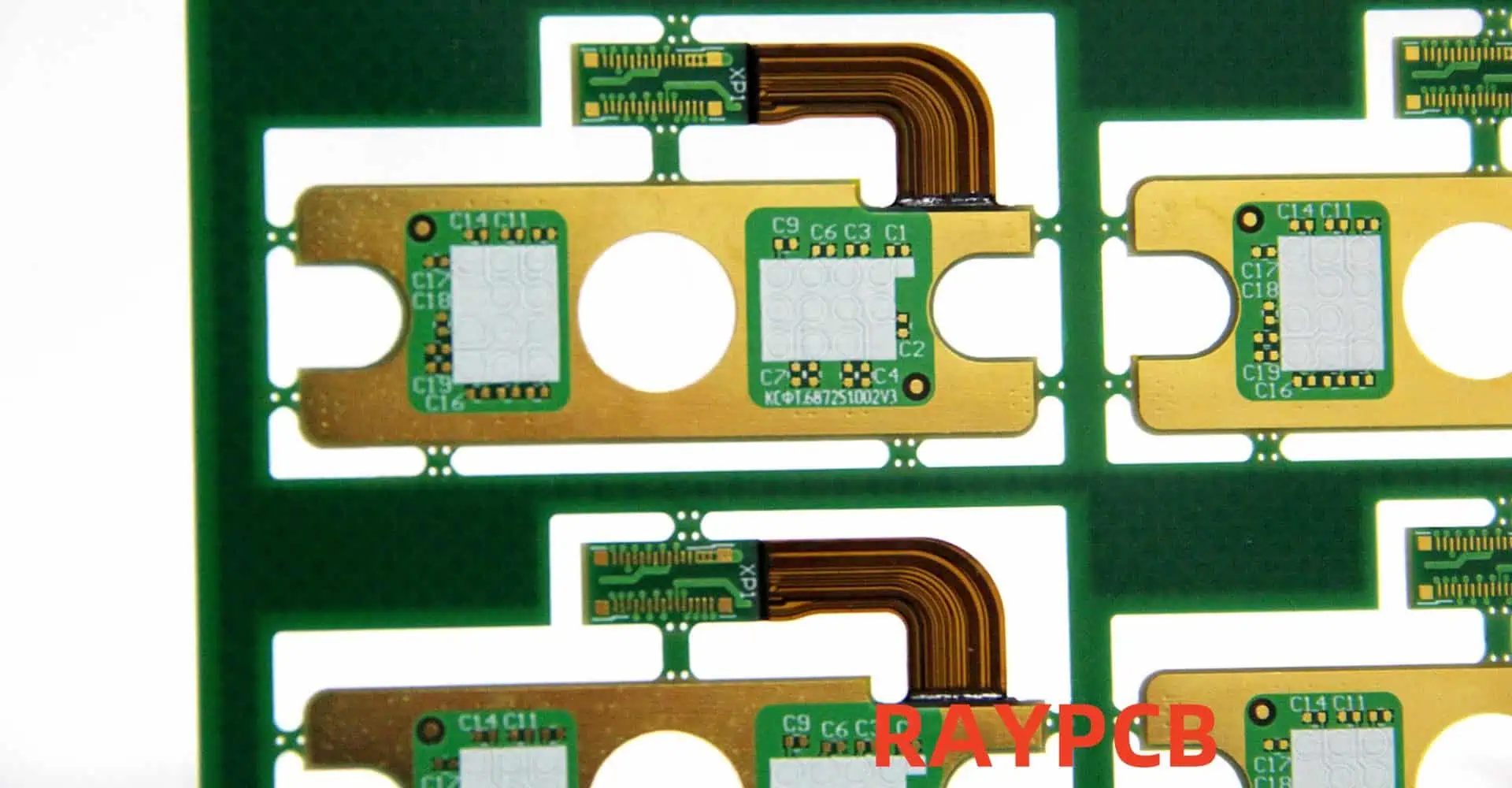
Rigid-flex PCB construction combines the mechanical robustness of rigid sections with the flexibility needed for dynamic applications or complex three-dimensional packaging. The flexible sections can absorb mechanical stress that might otherwise damage rigid PCB areas. Proper design of the rigid-flex transitions and appropriate material selection for the flexible sections are critical for long-term reliability.

Testing and Qualification Standards

Validation of harsh environment PCB performance requires comprehensive testing protocols that simulate real-world conditions. Thermal cycling tests evaluate the ability to withstand repeated temperature excursions, typically following standards such as IPC-9701 or MIL-STD-202. These tests identify potential failure modes including solder joint fatigue, delamination, and component package cracking.

Salt spray testing per ASTM B117 evaluates corrosion resistance for marine or industrial applications. Humidity testing following IPC-9693 assesses moisture resistance and insulation properties under high-humidity conditions. Vibration and shock testing per MIL-STD-810 validates mechanical durability under dynamic loading conditions.

Combined environment testing, where multiple stressors are applied simultaneously, provides the most realistic assessment of harsh environment performance. These tests may combine temperature cycling with vibration, humidity exposure with thermal stress, or other combinations relevant to the intended application.

The selection of PCBs for harsh environments requires careful consideration of all environmental factors, application requirements, and cost constraints. Success depends on the integration of appropriate materials, construction techniques, protective measures, and validation testing to ensure reliable operation throughout the intended service life. As electronic systems continue to expand into increasingly demanding applications, the development of more robust PCB technologies remains an active area of research and development.

LINE EFFICIENCY OF A PCB MANUFACTURER

EMS Contract Manufacturing

Line efficiency is a crucial metric in PCB manufacturing that directly impacts productivity, cost-effectiveness, and overall business success. This comprehensive guide explores the various aspects of line efficiency in PCB manufacturing, including measurement methods, optimization strategies, and best practices for maintaining high productivity levels.

Understanding Line Efficiency Metrics

Basic Efficiency Calculations

The fundamental formula for line efficiency is:

MetricFormulaTarget Range
Basic Line Efficiency(Actual Output / Planned Output) ร— 100%85-95%
Machine Utilization(Actual Running Time / Available Time) ร— 100%80-90%
First Pass Yield(Good Units / Total Units Processed) ร— 100%98-99.5%
Overall Equipment EffectivenessAvailability ร— Performance ร— Quality85-95%

Key Performance Indicators (KPIs)

Production Metrics

KPIDescriptionIndustry Standard
Throughput RateBoards per hourVaries by complexity
Cycle TimeMinutes per boardProcess-dependent
Setup TimeMinutes per changeover15-30 minutes
DowntimeHours per month<5% of total time

Factors Affecting Line Efficiency

Equipment-Related Factors

Machine Performance

FactorImpact LevelOptimization Priority
Age of EquipmentHighMedium
Maintenance StatusCriticalHigh
Technology LevelHighMedium
Calibration AccuracyCriticalHigh

Process-Related Factors

  • Material flow management
  • Setup procedures
  • Quality control processes
  • Operator training
  • Workplace organization

Line Balancing Techniques

Workstation Analysis

Time Study Results

Process StepStandard Time (min)Variance (%)Bottleneck Risk
PCB Loading1.2ยฑ5Low
Solder Paste2.5ยฑ8Medium
Component Placement3.8ยฑ10High
Reflow4.2ยฑ7High
Inspection2ยฑ6Low

Line Balance Optimization

  • Workload distribution
  • Buffer management
  • Process synchronization
  • Operator assignment

Production Planning and Control

Capacity Planning

Production Capacity Matrix

Shift TypeHoursTheoretical OutputPractical Output
Single Shift81000 boards850 boards
Two Shifts162000 boards1650 boards
Three Shifts243000 boards2400 boards

Schedule Optimization

  • Order sequencing
  • Batch size optimization
  • Change-over reduction
  • Material availability

Quality Management Impact

Quality Metrics

Defect Analysis

Defect TypeFrequency (%)Impact on EfficiencyPrevention Priority
Solder Issues35HighCritical
Component Placement25HighCritical
PCB Quality20MediumHigh
Process Control15MediumHigh
Other5LowMedium

Quality Control Measures

  • Inspection protocols
  • Testing procedures
  • Documentation requirements
  • Corrective actions

Workforce Management

Training and Skill Development

Operator Competency Matrix

Skill LevelTraining HoursCertificationProductivity Impact
Entry40Basic70-80%
Intermediate80Advanced85-95%
Expert120+Master95-100%

Performance Management

  • Skill assessment
  • Cross-training
  • Motivation programs
  • Performance tracking

Technology and Automation

Automation Levels

Implementation Matrix

Process AreaAutomation LevelROI TimelineEfficiency Gain
Component PlacementHigh1-2 years30-40%
InspectionMedium2-3 years20-30%
Material HandlingLow3-4 years15-25%
TestingMedium2-3 years25-35%

Industry 4.0 Integration

  • Data collection systems
  • Real-time monitoring
  • Predictive maintenance
  • Process optimization

Cost Analysis and Efficiency

flex pcb manufacturing process aoi

Cost Breakdown

Manufacturing Cost Components

Cost ElementPercentageEfficiency Impact
Materials45-55%High
Labor20-25%Medium
Equipment15-20%High
Overhead10-15%Low

Efficiency Improvement ROI

  • Investment analysis
  • Cost reduction strategies
  • Payback calculations
  • Resource optimization

Environmental Considerations

Energy Efficiency

Energy Usage Analysis

ProcessEnergy Consumption (kWh/day)Optimization Potential
Reflow Ovens150-200High
Pick and Place80-100Medium
Testing Equipment50-70Low
Auxiliary Systems30-50Medium

Waste Reduction

  • Material utilization
  • Process optimization
  • Recycling programs
  • Green initiatives

Continuous Improvement Strategies

Implementation Framework

Improvement Projects

Project TypeTimelineResource RequirementsExpected Impact
Process Optimization3-6 monthsMedium15-20%
Equipment Upgrade6-12 monthsHigh25-30%
Training Programs2-4 monthsLow10-15%
Quality Systems4-8 monthsMedium20-25%

Monitoring and Control

  • Performance tracking
  • Feedback systems
  • Corrective actions
  • Progress evaluation

Frequently Asked Questions

Q1: What is the most important factor in maintaining high line efficiency?

A: The most critical factor is maintaining a balanced production line with minimal bottlenecks. This requires careful attention to equipment maintenance, operator training, and process optimization. Regular monitoring of KPIs and quick response to efficiency drops are essential components of maintaining high line efficiency.

Q2: How can setup times be reduced to improve line efficiency?

A: Setup time reduction can be achieved through several methods: implementing SMED (Single-Minute Exchange of Die) techniques, standardizing setup procedures, using quick-change fixtures, maintaining organized workstations, and ensuring all necessary tools and materials are readily available. Proper training and documentation are also crucial.

Q3: What role does preventive maintenance play in line efficiency?

A: Preventive maintenance is crucial for maintaining high line efficiency as it helps prevent unexpected breakdowns and reduces unplanned downtime. A well-planned preventive maintenance schedule can increase equipment reliability, extend machine life, and ensure consistent production quality.

Q4: How does batch size affect line efficiency?

A: Batch size has a significant impact on line efficiency. Larger batches typically result in higher efficiency due to fewer changeovers, but they can also lead to increased inventory costs and reduced flexibility. The optimal batch size should balance setup time, inventory costs, and customer demand requirements.

Q5: What are the key indicators that line efficiency is declining?

A: Key indicators of declining line efficiency include increased cycle times, rising defect rates, more frequent equipment stoppages, increased setup times, and decreased throughput. Regular monitoring of these metrics helps identify efficiency issues before they become serious problems.

Conclusion

Line efficiency in PCB manufacturing is a complex interplay of various factors including equipment performance, process optimization, workforce management, and quality control. Success in maintaining high efficiency levels requires a systematic approach to monitoring, analysis, and continuous improvement. By focusing on key metrics, implementing proper controls, and maintaining a well-trained workforce, PCB manufacturers can achieve and maintain optimal line efficiency levels.

HOW TO WORK WITH SMALL PARTS LIKE 0201?

Working with 0201 components and other miniature electronic parts has become increasingly common in modern electronics manufacturing. These ultra-small components, measuring just 0.6 x 0.3 mm (0.024 x 0.012 inches), present unique challenges for handling, placement, and soldering. This comprehensive guide will walk you through everything you need to know about working with these tiny components effectively and reliably.

YouTube video

Understanding 0201 Components

Size Classification

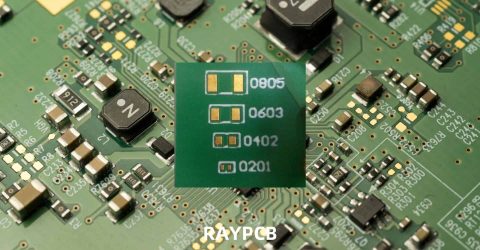
The 0201 designation refers to the imperial measurements of the component: 02 represents 0.02 inches in length, and 01 represents 0.01 inches in width. Here’s a comparison of common SMD component sizes:

Size CodeImperial (inches)Metric (mm)Common Applications
6030.06 x 0.031.6 x 0.8General purpose electronics
4020.04 x 0.021.0 x 0.5Mobile devices, wearables
2010.02 x 0.010.6 x 0.3Smartphones, ultra-compact devices
10050.016 x 0.0080.4 x 0.2Advanced miniature electronics

Types of 0201 Components

0201 SMD

Different types of components are available in the 0201 package size:

  • Resistors
  • Capacitors
  • Inductors
  • LEDs
  • Ferrite beads

Essential Equipment and Tools

Microscopes and Vision Systems

Required Specifications

  • Magnification: Minimum 10x-30x
  • Working distance: 4-6 inches
  • Built-in LED illumination
  • Optional digital camera integration

Pick and Place Equipment

Manual Tools

  • Vacuum pickup tools
  • Anti-static tweezers
  • Component presenters

Automated Systems

  • Entry-level pick and place machines
  • High-speed automated assembly systems
  • Vision alignment capabilities

Storage and Handling Solutions

  • ESD-safe component storage
  • Humidity-controlled cabinets
  • Automated feeders
  • Component tape and reel handlers

Proper Handling Techniques

ESD Protection

Essential ESD Equipment

  • Wrist straps
  • ESD mats
  • Ionizers
  • ESD-safe clothing and shoes

Environmental Controls

  • Humidity maintenance (40-60% RH)
  • Temperature control (20-26ยฐC)
  • Air filtration systems

Component Management

  • Use of vacuum tools
  • Proper lighting conditions
  • Clean workspace maintenance
  • Component orientation tracking

PCB Design Considerations

Layout Guidelines

Pad Design Specifications

ParameterRecommended ValueAcceptable Range
Pad Length0.30 mm0.25-0.35 mm
Pad Width0.30 mm0.25-0.35 mm
Pad Spacing0.30 mm0.25-0.40 mm
Solder Mask Clearance0.05 mm0.03-0.07 mm

Component Placement

  • Maintain minimum 0.2mm spacing between components
  • Align components in the same orientation when possible
  • Consider automated assembly requirements
  • Plan for adequate thermal relief

Design for Manufacturing (DFM)

  • Use of fiducial markers
  • Adequate thermal considerations
  • Proper copper balancing
  • Appropriate solder mask defined (SMD) pads

Soldering Techniques

Reflow Soldering

Temperature Profile

StageTemperature (ยฐC)Duration (seconds)
Preheat150-20060-120
Soak200-21760-90
Reflow230-25030-60
CoolingBelow 15060-120

Process Controls

  • Use of nitrogen atmosphere
  • Proper solder paste selection
  • Stencil thickness optimization
  • Placement pressure control

Manual Soldering

Hot Air Rework

  • Temperature control
  • Airflow management
  • Component alignment
  • Proper flux application

Fine-Tip Soldering

  • Temperature selection
  • Tip maintenance
  • Flux application
  • Component positioning

Quality Control and Inspection

Visual Inspection

Key Inspection Points

  • Solder joint formation
  • Component alignment
  • Bridge detection
  • Void identification

Automated Inspection

  • AOI systems
  • X-ray inspection
  • 3D solder paste inspection
  • Electrical testing

Common Challenges and Solutions

Placement Issues

Problem Prevention

ChallengePrevention MethodSolution
Component ShiftingUse tacky fluxImmediate placement correction
TombstoningBalanced pad designRework affected components
Missing ComponentsProper feed setupComponent verification
MisalignmentVision system usePlacement adjustment

Soldering Defects

Best Practices for Production

Process Control

  • Regular equipment calibration
  • Environmental monitoring
  • Material handling procedures
  • Quality metrics tracking

Documentation

  • Work instructions
  • Quality control records
  • Process parameters
  • Training materials

Future Trends and Developments

  • Increased automation
  • Smaller component sizes
  • Advanced inspection methods
  • New soldering technologies

Frequently Asked Questions

Q1: What is the minimum equipment needed to work with 0201 components?

A: The essential equipment includes a stereo microscope (minimum 10x magnification), ESD protection equipment, precision tweezers or vacuum pickup tools, and appropriate soldering equipment with temperature control. A good lighting system is also crucial.

Q2: How can I prevent losing 0201 components during handling?

A: Use proper ESD-safe vacuum pickup tools, work under adequate magnification, maintain a clean and well-lit workspace, and use component presenters or tape feeders. Always handle components over an ESD-safe surface to catch any dropped parts.

Q3: What are the most common defects when soldering 0201 components?

A: The most common defects include tombstoning (component standing on end), solder bridging between pads, insufficient solder joints, and component misalignment. These can be prevented through proper PCB design, correct solder paste application, and controlled reflow profiles.

Q4: Is it possible to hand-solder 0201 components?

A: Yes, but it requires significant skill, proper equipment, and patience. It’s recommended to use a microscope, fine-tip soldering iron with temperature control, and appropriate flux. However, reflow soldering is generally preferred for production volumes.

Q5: What is the recommended storage method for 0201 components?

A: Store components in their original moisture-barrier bags with desiccant and humidity indicators. Use ESD-safe containers in a controlled environment with 40-60% relative humidity. For opened reels, use proper component storage systems with humidity control.

Conclusion

Working with 0201 components requires attention to detail, proper equipment, and well-controlled processes. Success depends on following established guidelines for handling, placement, and soldering while maintaining appropriate quality control measures. As electronics continue to miniaturize, these skills become increasingly valuable in modern electronics manufacturing.

PCB Screen Printing Stencil Making Process

Printed Circuit Board (PCB) manufacturing is a complex process that involves multiple steps, one of which is the application of solder paste or other materials onto the board. This is often accomplished through screen printing, a technique that requires a high-quality stencil. The PCB screen printing stencil making process is a crucial part of prototype PCB assembly, as it directly affects the quality and reliability of the final product. This article will delve into the intricacies of this process, exploring the materials, methods, and considerations involved in creating effective PCB stencils.

Understanding PCB Stencils

What is a PCB Stencil?

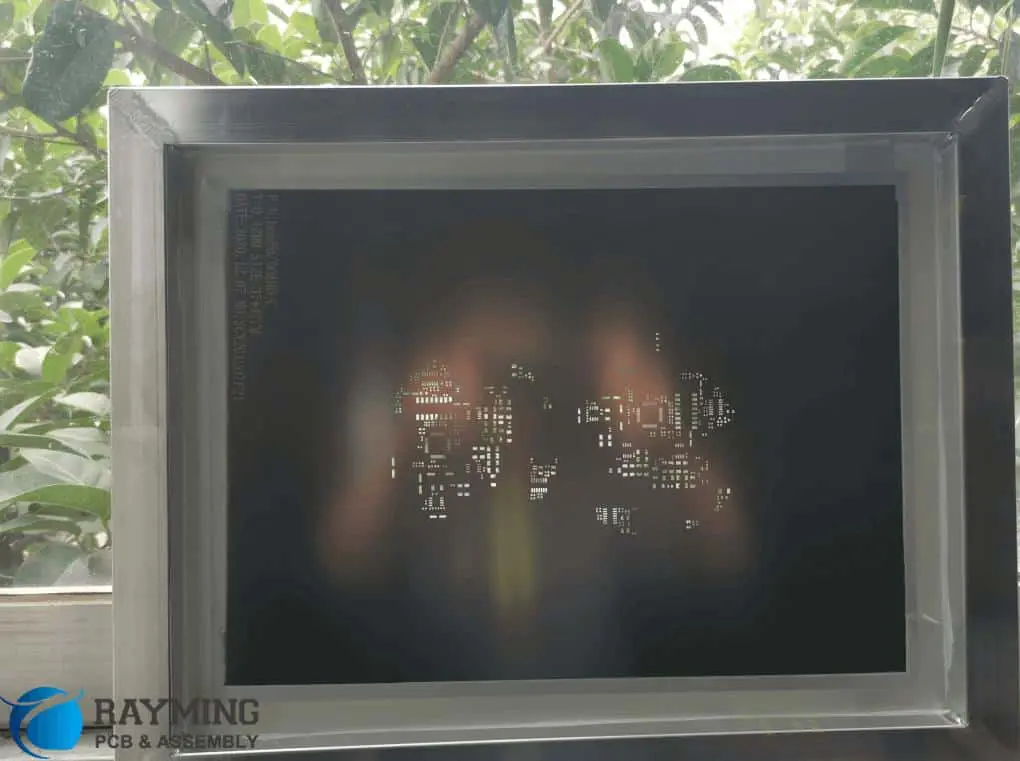
A PCB stencil is a thin sheet of material with precisely cut apertures that correspond to the areas on a PCB where solder paste or other materials need to be applied. When the stencil is placed over the PCB and solder paste is spread across it, the paste passes through the apertures and onto the designated areas of the board.

Importance of Stencils in PCB Manufacturing

Stencils play a critical role in the PCB assembly process for several reasons:

  1. Precision: They ensure accurate placement of solder paste on the PCB.
  2. Consistency: Stencils help maintain uniform solder paste volume across all components.
  3. Efficiency: They significantly speed up the paste application process compared to manual methods.
  4. Quality: Well-made stencils contribute to higher-quality solder joints and fewer defects.

Materials Used in PCB Stencil Making

smd stencil

The choice of material for a PCB stencil is crucial as it affects the stencil’s performance, durability, and suitability for different applications. The most common materials used are:

  1. Stainless Steel
  2. Nickel
  3. Polyimide (Kapton)
  4. Molybdenum

Let’s compare these materials in a table:

| Material | Advantages | Disadvantages | Best For | |———-|————|—————|———-| | Stainless Steel | Durable, cost-effective, suitable for fine-pitch applications | Can be heavy for large stencils | High-volume production, fine-pitch applications | | Nickel | Flexible, resistant to warping | More expensive than stainless steel | Stepped stencils, areas with high paste deposit requirements | | Polyimide | Very flexible, ideal for prototype runs | Limited lifespan, not suitable for high-volume production | Prototyping, low-volume production | | Molybdenum | Extremely durable, maintains shape well | Expensive, can be brittle | High-precision, high-volume production |

The Stencil Making Process

The process of making a PCB screen printing stencil involves several steps, each crucial to the final quality of the stencil. Let’s explore these steps in detail.

1. Design and Data Preparation

The first step in creating a PCB stencil is preparing the design data. This typically involves:

  • Extracting the solder paste layer from the PCB design file
  • Adjusting aperture sizes based on component requirements
  • Optimizing the design for the stencil cutting process

Design Considerations

When preparing the design, several factors need to be considered:

  • Aperture size and shape
  • Component pitch
  • Solder paste volume requirements
  • Board panelization

2. Material Selection

Based on the requirements of the PCB and the production run, an appropriate stencil material is selected. Factors influencing this choice include:

  • Production volume
  • Required stencil lifespan
  • Component density and pitch
  • Budget constraints

3. Cutting Method Selection

There are several methods for cutting PCB stencils, each with its own advantages and limitations:

Laser Cutting

Laser cutting is the most common method for creating PCB stencils. It offers high precision and is suitable for a wide range of materials.

Advantages of Laser Cutting:
  • High precision (typically ยฑ0.0005″)
  • Suitable for fine-pitch applications
  • Can cut complex shapes
  • No tool wear
Disadvantages of Laser Cutting:
  • Higher initial equipment cost
  • Potential for heat-affected zones in some materials

Chemical Etching

Chemical etching is an older method that is still used in some applications.

Advantages of Chemical Etching:
  • Can produce large stencils
  • No heat-affected zones
Disadvantages of Chemical Etching:
  • Less precise than laser cutting
  • Environmental concerns due to chemical use
  • Longer production time

Electroforming

Electroforming is used for creating high-precision stencils, particularly for ultra-fine pitch applications.

Advantages of Electroforming:
  • Extremely high precision
  • Smooth aperture walls
Disadvantages of Electroforming:
  • More expensive than other methods
  • Longer production time

4. Stencil Cutting Process

Once the cutting method is selected, the actual stencil cutting process begins. For the most common method, laser cutting, the process typically involves:

  1. Loading the stencil material into the laser cutting machine
  2. Importing the prepared design data
  3. Setting up laser parameters (power, speed, focus)
  4. Executing the cutting process
  5. Inspecting the cut stencil for quality

5. Post-Processing

After cutting, the stencil often undergoes additional processing steps:

Cleaning

The stencil is thoroughly cleaned to remove any debris from the cutting process. This may involve:

  • Ultrasonic cleaning
  • Chemical cleaning
  • Manual cleaning with specialized solvents

Surface Treatment

Some stencils undergo surface treatments to improve their performance:

  • Electropolishing: Smooths the aperture walls for better paste release
  • Nano-coating: Applies a non-stick coating to improve paste release and ease cleaning

Tensioning

For frame-mounted stencils, the cut foil is stretched and mounted onto a frame. This process, known as tensioning, ensures the stencil remains flat during use.

6. Quality Control

Quality control is a critical step in the stencil making process. It typically involves:

  • Visual inspection for defects
  • Dimensional verification using high-precision measurement tools
  • Aperture size and position verification
  • Test prints to ensure proper paste deposition

Stencil Design Considerations

Solder paste stencil frame

Creating an effective PCB stencil involves more than just cutting holes in a sheet of metal. Several design considerations can significantly impact the stencil’s performance:

Aperture Size and Shape

The size and shape of the stencil apertures are crucial for proper solder paste deposition. Some key points:

  • Aperture size is typically 10-20% smaller than the pad size
  • Shape can be square, rectangular, circular, or custom
  • Aspect ratio (thickness to width) should be considered for reliable paste release

Area Ratio

The area ratio is the ratio of the aperture area to its wall area. It’s a crucial factor in determining how well solder paste will release from the aperture.

| Area Ratio | Paste Release | |————|—————| | > 0.66 | Excellent | | 0.5 – 0.66 | Good | | < 0.5 | Poor |

Step Stencils

Step stencils have different thicknesses in different areas of the stencil. They’re used when components on the PCB require significantly different amounts of solder paste.

Home Plate Design

For components with large thermal pads, a “home plate” aperture design can help prevent solder balling and tombstoning.

Stencil Lifecycle and Maintenance

Proper care and maintenance can significantly extend the life of a PCB stencil:

Cleaning

Regular cleaning is crucial for maintaining stencil performance:

  • Clean after each use
  • Use appropriate cleaning solvents
  • Consider ultrasonic cleaning for thorough results

Storage

Proper storage helps prevent damage and contamination:

  • Store in a clean, dry environment
  • Use protective covers or cases
  • Avoid stacking heavy items on stencils

Inspection and Replacement

Regular inspection can catch issues before they affect production:

  • Check for wear, warping, or damage before each use
  • Replace stencils when signs of degradation appear
  • Keep backup stencils for critical production runs

Advanced Stencil Technologies

As PCB technology advances, so do stencil technologies. Some cutting-edge developments include:

Nano-Coated Stencils

Nano-coatings can significantly improve paste release and ease cleaning:

  • Hydrophobic coatings repel moisture
  • Oleophobic coatings repel oils
  • Can extend stencil life and improve print quality

3D Printed Stencils

While not yet widely used in production, 3D printed stencils show promise for rapid prototyping:

  • Quick turnaround for prototype runs
  • Potential for complex, custom designs
  • Currently limited by material properties and precision

Smart Stencils

Emerging “smart” stencil technologies incorporate sensors or markers:

  • Can detect misalignment or wear
  • May integrate with automated inspection systems
  • Potential for real-time process optimization

Conclusion

The PCB screen printing stencil making process is a critical aspect of PCB manufacturing that requires careful consideration of materials, design, and manufacturing techniques. A well-made stencil can significantly improve the quality and efficiency of PCB assembly, while a poor stencil can lead to defects and rework.

As PCB technology continues to advance, with components becoming smaller and boards more densely populated, the importance of high-quality, precision stencils will only increase. Staying informed about the latest stencil technologies and best practices is crucial for anyone involved in PCB manufacturing.

Frequently Asked Questions (FAQ)

1. How long does a typical PCB stencil last?

The lifespan of a PCB stencil can vary greatly depending on the material, usage, and maintenance. A well-maintained stainless steel stencil used in a high-volume production environment might last for 10,000 to 50,000 prints or more. However, factors like the complexity of the design, the abrasiveness of the solder paste, and the cleaning methods used can all affect the stencil’s lifespan.

2. Can I reuse a stencil for different PCB designs?

While it’s possible to reuse a stencil for different PCB designs in some cases, it’s generally not recommended. Each stencil is designed for a specific PCB layout, and using it for a different design could lead to misaligned solder paste deposits and potential defects. However, if the new design is a minor revision that doesn’t affect the areas where solder paste is applied, reuse might be possible.

3. What’s the difference between framed and frameless stencils?

Framed stencils are mounted on a rigid frame, usually made of aluminum. They maintain tension and flatness well, making them ideal for high-volume production. Frameless stencils, also known as foil stencils, are more flexible and can be easily stored, making them suitable for low-volume production or when storage space is limited. Frameless stencils typically require a separate tensioning system on the printer.

4. How do I choose between a laser-cut and a chemically etched stencil?

The choice between laser-cut and chemically etched stencils depends on several factors:

  • Precision: Laser-cut stencils generally offer higher precision, making them better for fine-pitch components.
  • Cost: Chemical etching can be more cost-effective for larger stencils or lower volumes.
  • Turnaround time: Laser cutting is typically faster, especially for small to medium-sized stencils.
  • Environmental concerns: Chemical etching involves hazardous chemicals, which may be a concern in some situations.

In most modern PCB manufacturing, laser-cut stencils are preferred due to their precision and versatility.

5. What’s the importance of the area ratio in stencil design?

The area ratio is crucial in stencil design as it directly affects how well the solder paste will release from the aperture. It’s calculated by dividing the area of the aperture by the area of its walls. A higher area ratio (generally above 0.66) ensures better paste release, resulting in more consistent solder paste deposits. For small components or fine-pitch applications where the area ratio might be low, special considerations in stencil design or manufacturing may be necessary to ensure proper paste release.

Manufacturing PCBs for Industrial Businesses: A Comprehensive Guide

Industrial IoT

Printed Circuit Boards (PCBs) serve as the backbone of modern industrial equipment, powering everything from factory automation systems to heavy machinery control units. For industrial businesses, understanding PCB manufacturing is crucial for developing reliable, cost-effective electronic solutions that can withstand harsh operating environments and meet stringent performance requirements.

Understanding Industrial PCB Requirements

Industrial PCBs differ significantly from consumer electronics boards in their design specifications and manufacturing requirements. These boards must operate reliably in extreme temperatures, resist chemical exposure, withstand mechanical vibrations, and maintain performance over extended periodsโ€”often decades. Industrial applications demand boards that can function in temperatures ranging from -40ยฐC to +125ยฐC, humidity levels up to 95%, and environments with significant electromagnetic interference.

The complexity of industrial PCBs varies considerably based on their application. Simple control boards might require only two layers, while sophisticated industrial computers or motor drives may need twelve or more layers to accommodate dense component placement and complex signal routing. High-power applications often require thick copper layers to handle substantial current loads, while precision measurement equipment demands exceptional signal integrity and minimal noise interference.

Key Manufacturing Considerations for Industrial PCBs

Material selection forms the foundation of successful industrial PCB manufacturing. FR-4 remains the most common substrate material due to its excellent balance of mechanical strength, electrical properties, and cost-effectiveness. However, specialized industrial applications may require alternative materials such as polyimide for flexible circuits, ceramic substrates for high-frequency applications, or metal-core boards for superior thermal management in power electronics.

Copper thickness represents another critical specification for industrial boards. Standard consumer boards typically use 1-ounce copper, but industrial applications often require 2-ounce or even 4-ounce copper to handle high current loads safely. Heavier copper weights improve current-carrying capacity and thermal dissipation but increase manufacturing complexity and cost.

Component placement and routing strategies must account for the harsh industrial environment. Critical components should be positioned away from high-heat areas, and sensitive analog circuits must be isolated from switching power supplies and digital circuits. Proper grounding techniques, including ground planes and strategic via placement, help minimize electromagnetic interference and improve overall system reliability.

The Industrial PCB Manufacturing Process

The manufacturing process for industrial PCBs follows similar steps to consumer boards but with enhanced quality control measures and specialized techniques. The process begins with design verification, where engineers review the board layout for manufacturability, ensuring trace widths can handle required currents, via sizes are appropriate for the layer count, and component footprints match actual parts.

Substrate preparation involves cutting the base material to size and drilling holes for component mounting and layer interconnection. Industrial boards often require precision drilling with tight tolerances to ensure proper component fit and reliable electrical connections. Advanced drilling techniques, such as laser drilling for microvias, may be necessary for high-density designs.

Layer stack-up and lamination require careful attention to impedance control and thermal management. Industrial boards frequently incorporate controlled impedance traces for high-speed signals, requiring precise control of trace geometry and dielectric properties. Multiple pressing cycles may be necessary for thick, multi-layer boards, with careful temperature and pressure control to prevent delamination or warpage.

Surface finishing plays a crucial role in industrial PCB reliability. While HASL (Hot Air Solder Leveling) remains common for cost-sensitive applications, many industrial boards benefit from more advanced finishes like ENIG (Electroless Nickel Immersion Gold) or OSP (Organic Solderability Preservative) for improved solderability and corrosion resistance.

Quality Control and Testing Standards

Industrial PCBs must meet rigorous quality standards that exceed typical consumer electronics requirements. IPC-A-600 provides the acceptability criteria for printed boards, while IPC-6012 establishes qualification and performance specifications. Many industrial applications also require compliance with specific industry standards such as IEC 61131 for programmable controllers or ISO 26262 for automotive safety systems.

Electrical testing encompasses continuity checks, insulation resistance measurements, and high-voltage testing to ensure the board can withstand operational stresses. Advanced testing may include impedance verification for high-speed signals, time-domain reflectometry for signal integrity analysis, and thermal cycling to validate solder joint reliability.

Visual inspection using automated optical inspection (AOI) systems helps identify manufacturing defects such as solder bridges, missing components, or improper component placement. X-ray inspection may be necessary for boards with ball grid array (BGA) components or other hidden solder joints that cannot be visually verified.

Cost Optimization Strategies

INDUSTRIAL Control Board

Managing costs while maintaining quality requires strategic planning and collaboration between design and manufacturing teams. Design for manufacturability (DFM) principles can significantly reduce production costs by minimizing layer count, using standard via sizes, and avoiding unnecessary tight tolerances.

Volume considerations play a major role in cost optimization. Industrial businesses should carefully forecast their requirements to take advantage of volume pricing breaks while avoiding excess inventory costs. Many manufacturers offer flexible scheduling options that allow customers to commit to annual volumes while releasing smaller quantities as needed.

Supplier selection involves balancing cost, quality, and service capabilities. While offshore manufacturing often provides the lowest unit costs, domestic suppliers may offer advantages in communication, shorter lead times, and better quality control for critical applications. Establishing relationships with multiple suppliers provides flexibility and reduces supply chain risks.

Supply Chain Management and Lead Times

Industrial PCB manufacturing requires careful supply chain management to ensure consistent availability of materials and components. Raw material shortages, particularly for specialized substrates or surface finishes, can significantly impact production schedules. Successful industrial businesses often maintain strategic inventory of critical materials or establish long-term supply agreements with key suppliers.

Lead times for industrial PCBs vary significantly based on complexity, quantity, and supplier capacity. Simple boards may be available in one to two weeks, while complex multi-layer boards with specialized materials might require four to eight weeks. Rush services are available but typically carry substantial cost premiums that may not be justified except for emergency situations.

Communication with manufacturing partners throughout the production process helps identify potential issues early and maintain schedule adherence. Regular design reviews, prototype validation, and production status updates ensure that both parties understand requirements and expectations.

Future Trends and Technologies

The industrial PCB manufacturing landscape continues to evolve with advancing technologies and changing market demands. Embedded components, where passive components are built directly into the PCB substrate, offer space savings and improved reliability for high-density applications. Advanced materials like low-loss dielectrics enable higher frequency operation for industrial IoT and wireless communication systems.

Additive manufacturing techniques, including 3D printing of conductive traces and embedded electronics, promise new possibilities for industrial PCB design and manufacturing. While still in early development stages, these technologies may eventually enable rapid prototyping and small-volume production of complex three-dimensional circuits.

Environmental considerations are driving development of lead-free processes, halogen-free materials, and recyclable substrates. Industrial businesses increasingly must consider the complete lifecycle environmental impact of their electronic products, from raw material extraction through end-of-life disposal.


Frequently Asked Questions

What makes industrial PCBs different from consumer electronics boards?

Industrial PCBs are designed to operate in much harsher environments with extreme temperatures, humidity, vibration, and chemical exposure. They typically require heavier copper layers, more robust materials, and enhanced quality control measures to ensure reliable operation over extended periods, often 10-20 years or more.

How do I determine the right copper weight for my industrial application?

Copper weight selection depends on the current requirements of your circuits. Use online current-carrying capacity calculators or consult IPC-2221 standards. Generally, 1-ounce copper handles up to 1-2 amps per trace, 2-ounce copper supports 2-4 amps, and 4-ounce copper can handle 4-8 amps, depending on trace width and temperature rise limits.

What are typical lead times for industrial PCB manufacturing?

Lead times vary from 1-2 weeks for simple, two-layer boards to 6-8 weeks for complex, multi-layer boards with specialized materials. Factors affecting lead time include layer count, board size, material availability, surface finish requirements, and manufacturer capacity. Always plan for potential delays and consider maintaining some safety stock for critical applications.

Should I choose domestic or offshore PCB manufacturing?

The choice depends on your priorities. Offshore manufacturing typically offers lower unit costs but may have longer lead times, communication challenges, and quality consistency issues. Domestic manufacturing provides better communication, shorter lead times, and often superior quality control, but at higher unit costs. Consider the total cost of ownership, including logistics, inventory, and potential quality issues.

What quality standards should industrial PCBs meet?

Most industrial PCBs should comply with IPC-A-600 for acceptability criteria and IPC-6012 for qualification requirements. Depending on your industry, additional standards may apply, such as IEC 61131 for industrial automation, ISO 26262 for automotive applications, or DO-254 for aerospace systems. Discuss specific requirements with your manufacturer to ensure compliance.

How can I reduce PCB manufacturing costs without compromising quality?

Focus on design for manufacturability by using standard materials, minimizing layer count, avoiding tight tolerances unless necessary, and designing for volume production. Consider panelization to improve manufacturing efficiency, standardize board sizes across products, and establish long-term supplier relationships for better pricing. Regular design reviews with your manufacturer can identify cost-saving opportunities.

What surface finish is best for industrial applications?

ENIG (Electroless Nickel Immersion Gold) is often preferred for industrial applications due to its excellent corrosion resistance, flat surface for fine-pitch components, and long shelf life. OSP is cost-effective for simple applications, while HASL remains common for through-hole components. The choice depends on your specific requirements for component types, environmental exposure, and shelf life needs.

Manufacturing PCBs for the Telecommunication Industry

The telecommunications industry represents one of the most demanding sectors for printed circuit board (PCB) manufacturing, requiring exceptional precision, reliability, and performance standards. As the backbone of modern communication infrastructure, telecommunication PCBs must operate flawlessly in diverse environments while handling complex signal processing, high-frequency transmissions, and stringent regulatory requirements. This comprehensive overview explores the specialized manufacturing processes, materials, and considerations essential for producing PCBs that meet the exacting demands of telecommunication applications.

Unique Requirements and Challenges

Telecommunication PCBs face distinctive challenges that set them apart from consumer electronics or standard industrial applications. These boards must maintain signal integrity across a wide frequency spectrum, often ranging from low-frequency control signals to high-frequency radio transmissions exceeding several gigahertz. The industry demands exceptional reliability, as network downtime can result in significant economic losses and service disruptions affecting millions of users.

Environmental resilience stands as another critical requirement. Telecommunication equipment operates in cellular towers exposed to extreme weather conditions, underground installations with high humidity, and data centers with varying temperature conditions. PCBs must withstand temperature fluctuations from -40ยฐC to +85ยฐC while maintaining consistent electrical performance. Additionally, these boards often require extended operational lifespans, sometimes exceeding 20 years, demanding superior material selection and manufacturing processes.

Signal integrity becomes particularly crucial in high-speed digital communications and RF applications. Telecommunication PCBs must minimize electromagnetic interference (EMI), crosstalk, and signal distortion while maximizing transmission efficiency. This requires precise impedance control, careful layer stack-up design, and specialized manufacturing techniques to achieve the necessary electrical characteristics.

Specialized Materials and Substrates

The selection of appropriate materials forms the foundation of successful telecommunication PCB manufacturing. Traditional FR-4 materials, while suitable for many applications, often prove inadequate for high-frequency telecommunication circuits. Instead, manufacturers typically employ advanced dielectric materials with lower dielectric constants and dissipation factors to minimize signal loss and maintain performance at high frequencies.

Rogers materials, including RO4000 and RO3000 series, have become industry standards for high-frequency applications. These materials offer excellent electrical properties, including stable dielectric constants across frequency ranges and low loss tangents that preserve signal integrity. For extremely demanding applications, manufacturers may utilize PTFE-based materials or specialized ceramic-filled composites that provide superior performance but require modified processing techniques.

Metal core PCBs find applications in power amplifier circuits and base station equipment where thermal management is critical. These boards utilize aluminum or copper cores to efficiently dissipate heat generated by high-power components, ensuring reliable operation and extended component lifecycles. The thermal interface materials and manufacturing processes for metal core boards require specialized expertise and equipment.

Flexible and rigid-flexible PCBs address space constraints and mechanical requirements in modern telecommunication equipment. These boards enable compact designs while accommodating movement and vibration in mobile applications. The manufacturing of flexible circuits requires specialized polyimide substrates and modified processing techniques to maintain flexibility while ensuring reliable electrical connections.

Manufacturing Process Considerations

Telecommunication PCB manufacturing demands enhanced process control and precision compared to standard PCB production. Layer stack-up design requires careful consideration of signal layers, power planes, and ground planes to achieve optimal electrical performance. Manufacturers must precisely control dielectric thickness to maintain impedance requirements, often requiring specialized prepreg materials and controlled pressing cycles.

Via technology plays a crucial role in high-frequency designs. Blind and buried vias minimize signal path lengths and reduce parasitic effects, while microvias enable high-density interconnections. The drilling and plating processes for these features require advanced equipment and tight process control to ensure consistent results. Manufacturers often employ laser drilling for microvias and mechanical drilling for larger features, each requiring specific parameter optimization.

Plating processes for telecommunication PCBs often involve specialized finishes to enhance performance and reliability. While traditional HASL (Hot Air Solder Leveling) may suffice for some applications, high-frequency circuits often require more sophisticated finishes such as ENIG (Electroless Nickel Immersion Gold) or OSP (Organic Solderability Preservative) to minimize signal loss and ensure consistent electrical properties.

Surface mount technology (SMT) considerations become critical when manufacturing PCBs for telecommunication applications. Fine-pitch components, ball grid arrays (BGAs), and high-power devices require precise pad geometries and solder mask design. The manufacturing process must accommodate these requirements while maintaining electrical performance and thermal management capabilities.

Quality Control and Testing

Quality control in telecommunication PCB manufacturing extends far beyond standard electrical testing. High-frequency performance verification requires specialized test equipment capable of measuring parameters such as insertion loss, return loss, and crosstalk across the operational frequency range. Time-domain reflectometry (TDR) testing helps identify impedance discontinuities that could degrade signal quality.

Environmental testing becomes particularly important for telecommunication applications. Thermal cycling tests verify board reliability across temperature extremes, while humidity testing ensures performance in challenging environmental conditions. Vibration and shock testing confirm mechanical integrity for mobile and outdoor applications.

Automated optical inspection (AOI) and automated X-ray inspection (AXI) systems help identify manufacturing defects that could compromise performance or reliability. These systems must be programmed with appropriate algorithms and acceptance criteria specific to telecommunication applications, considering the critical nature of these circuits.

Statistical process control (SPC) implementation helps manufacturers maintain consistent quality while identifying trends that could indicate process drift. Regular capability studies and process validation ensure that manufacturing processes remain within specification limits and continue to meet customer requirements.

Regulatory Compliance and Standards

Telecommunication PCBs must comply with numerous industry standards and regulatory requirements. IPC standards, including IPC-2221 for generic PCB design and IPC-6012 for qualification and performance specifications, provide fundamental guidelines for manufacturing quality. However, telecommunication applications often require compliance with additional standards specific to the industry.

EMC (Electromagnetic Compatibility) requirements demand careful attention to PCB design and manufacturing processes. Proper grounding techniques, shielding considerations, and layout optimization help ensure compliance with regulatory limits for electromagnetic emissions and susceptibility. Manufacturing processes must maintain these design intentions while avoiding practices that could compromise EMC performance.

Safety standards, including UL recognition and international safety certifications, may apply depending on the specific application and market requirements. These standards often dictate material selection, construction methods, and testing requirements that influence manufacturing processes.

RoHS compliance and other environmental regulations restrict the use of certain materials and processes in PCB manufacturing. Telecommunication equipment manufacturers increasingly demand lead-free processes and environmentally friendly materials, requiring manufacturers to adapt their processes accordingly.

Future Trends and Innovations

The telecommunication industry continues to evolve rapidly, driving new requirements for PCB manufacturing. The rollout of 5G networks demands PCBs capable of operating at millimeter-wave frequencies with minimal loss and exceptional thermal performance. This requires continued advancement in materials science and manufacturing techniques.

Embedded component technology, where passive components are integrated directly into the PCB substrate, offers opportunities for miniaturization and improved electrical performance. However, these technologies require specialized manufacturing processes and equipment that many manufacturers are still developing.

Advanced packaging technologies, including system-in-package (SiP) and 3D integration, present new challenges and opportunities for telecommunication PCB manufacturers. These approaches require close collaboration between PCB manufacturers, component suppliers, and equipment manufacturers to develop integrated solutions.

The increasing emphasis on sustainability and environmental responsibility drives innovation in materials and processes. Biodegradable substrates, recycling programs, and energy-efficient manufacturing processes represent areas of active development that will influence future telecommunication PCB manufacturing.

Conclusion

Manufacturing PCBs for the telecommunication industry requires specialized expertise, advanced materials, and precise process control to meet the demanding requirements of modern communication systems. Success in this market depends on understanding the unique challenges of high-frequency design, environmental resilience, and long-term reliability while maintaining compliance with industry standards and regulatory requirements. As the telecommunication industry continues to evolve with 5G deployment and future technologies, PCB manufacturers must continue to innovate and adapt their processes to meet these emerging challenges while maintaining the highest standards of quality and performance.

Selecting the Most Suitable PCB Contract Manufacturer

Choosing the right printed circuit board (PCB) contract manufacturer is one of the most critical decisions in bringing an electronic product to market. The quality, reliability, and cost-effectiveness of your final product largely depend on this partnership. With the global PCB manufacturing market valued at over $70 billion and continuing to grow, the number of available manufacturers can be overwhelming. Making an informed decision requires careful evaluation of multiple factors that align with your specific project requirements and business objectives.

Understanding Your PCB Requirements

Before evaluating potential manufacturers, you must clearly define your project specifications. PCB complexity varies dramatically, from simple single-layer boards used in basic electronics to complex multi-layer boards with high-density interconnects required for advanced computing applications. Consider the number of layers needed, trace width and spacing requirements, via sizes, surface finishes, and any special materials like high-frequency substrates or flexible circuits.

Volume requirements significantly impact manufacturer selection. Low-volume prototyping demands different capabilities than high-volume production runs. Some manufacturers excel at quick-turn prototypes with minimal setup costs, while others are optimized for large-scale production with economies of scale. Your projected volumes over the product lifecycle should guide this evaluation.

Quality standards represent another crucial consideration. Industries like aerospace, medical devices, and automotive have stringent requirements that mandate specific certifications and quality management systems. Understanding which standards apply to your application ensures you select a manufacturer capable of meeting these requirements consistently.

Evaluating Manufacturing Capabilities

Technical capabilities form the foundation of manufacturer evaluation. Assess whether potential partners can handle your specific PCB requirements, including minimum trace widths, via sizes, layer counts, and board thicknesses. Advanced applications may require capabilities like blind and buried vias, controlled impedance, or specialized surface finishes like ENIG or OSP.

Manufacturing capacity and scalability are equally important. A manufacturer might handle your initial volumes effectively but struggle to scale up for mass production. Evaluate their production capacity, equipment availability, and ability to accommodate growth in your orders. Consider their backup plans for equipment failures and their ability to maintain consistent delivery schedules during peak demand periods.

Geographic location affects logistics, communication, and supply chain resilience. Domestic manufacturers often provide better communication, shorter lead times, and reduced shipping costs, but may have higher labor costs. Overseas manufacturers, particularly in Asia, frequently offer competitive pricing but may present challenges in communication, quality control, and intellectual property protection.

Quality Assurance and Certifications

Quality management systems provide insight into a manufacturer’s commitment to consistent production standards. Look for certifications like ISO 9001 for general quality management, AS9100 for aerospace applications, ISO 13485 for medical devices, or TS 16949 for automotive applications. These certifications indicate established processes for quality control, continuous improvement, and risk management.

Testing capabilities are crucial for ensuring PCB reliability. Evaluate the manufacturer’s testing equipment and procedures, including automated optical inspection (AOI), in-circuit testing (ICT), functional testing, and environmental stress testing. Advanced manufacturers offer comprehensive test reports and statistical process control data to demonstrate quality consistency.

Traceability systems become critical for regulated industries and complex supply chains. Manufacturers should maintain detailed records of materials, processes, and test results for each batch or individual board. This capability proves essential for quality investigations, recalls, or regulatory audits.

Supply Chain and Materials Management

Material sourcing capabilities directly impact cost, quality, and delivery reliability. Manufacturers with strong supplier relationships can often secure better pricing on raw materials and components while maintaining consistent quality. Evaluate their approved vendor lists, material qualification processes, and inventory management systems.

Supply chain resilience has become increasingly important following recent global disruptions. Assess the manufacturer’s risk management strategies, including multiple supplier relationships, inventory buffers, and contingency planning. Manufacturers with diversified supply chains are better positioned to maintain production during supply disruptions.

Obsolescence management represents a long-term consideration for products with extended lifecycles. Understanding how manufacturers handle component obsolescence, alternative sourcing, and design modifications ensures continued production availability throughout your product’s market life.

Cost Considerations and Pricing Models

Understanding pricing structures helps make informed cost comparisons. Some manufacturers use tooling charges, setup fees, and minimum order quantities that significantly impact total costs, especially for low-volume orders. Others operate with all-inclusive pricing that simplifies cost calculations but may be less competitive for large volumes.

Hidden costs can substantially impact total project expenses. Consider expenses beyond the basic manufacturing cost, including tooling, setup charges, testing fees, shipping costs, and potential expedite charges. International manufacturers may present additional costs like customs duties, currency fluctuations, and extended logistics expenses.

Value engineering services from experienced manufacturers can reduce overall costs through design optimization recommendations. Manufacturers familiar with cost-effective design practices can suggest modifications that maintain functionality while reducing manufacturing complexity and costs.

Communication and Project Management

Communication effectiveness directly impacts project success, particularly for complex designs or tight schedules. Evaluate the manufacturer’s communication channels, response times, and technical support capabilities. Language barriers, time zone differences, and cultural factors can complicate international partnerships.

Project management capabilities become crucial for complex projects with multiple stakeholders and tight deadlines. Look for manufacturers with dedicated project managers, established milestone tracking systems, and proactive communication regarding potential issues or delays.

Documentation standards affect both initial development and ongoing production support. Manufacturers should provide comprehensive fabrication drawings, assembly instructions, test procedures, and quality reports. Clear documentation reduces misunderstandings and supports consistent production quality.

Building Long-term Partnerships

Successful PCB manufacturing relationships extend beyond individual projects to long-term strategic partnerships. Evaluate potential manufacturers as partners who will support your business growth, provide technical expertise, and contribute to product development success.

Flexibility and responsiveness become important as market conditions change and new opportunities arise. Manufacturers who can accommodate design changes, adjust production schedules, and support new product introductions provide valuable competitive advantages.

Technology roadmaps and investment in advanced capabilities indicate a manufacturer’s commitment to staying current with industry developments. Partners who invest in new equipment, processes, and certifications can support your products as technology requirements evolve.

Frequently Asked Questions

Q: How do I determine if a PCB manufacturer can handle my specific requirements? A: Request detailed capability sheets showing their technical specifications, including minimum trace widths, via sizes, layer counts, and material options. Ask for samples of similar complexity boards they’ve produced and discuss any unique requirements during initial consultations.

Q: What’s the difference between choosing a domestic versus overseas PCB manufacturer? A: Domestic manufacturers typically offer better communication, shorter lead times, easier quality control, and stronger IP protection, but usually at higher costs. Overseas manufacturers often provide competitive pricing but may present challenges in communication, quality oversight, and logistics.

Q: How important are industry certifications when selecting a PCB manufacturer? A: Industry certifications are crucial, especially for regulated industries. ISO 9001 demonstrates basic quality management, while specialized certifications like AS9100 (aerospace), ISO 13485 (medical), or TS 16949 (automotive) are often mandatory for those applications.

Q: Should I choose a manufacturer based primarily on price? A: Price is important but shouldn’t be the sole deciding factor. Consider total cost of ownership, including quality, reliability, delivery performance, and potential rework costs. A slightly higher-priced manufacturer with better quality and service often provides better overall value.

Q: How can I protect my intellectual property when working with PCB manufacturers? A: Use comprehensive non-disclosure agreements, work with manufacturers in countries with strong IP protection laws, limit design information sharing to essential details, and consider using trusted domestic manufacturers for sensitive designs.

Q: What should I expect in terms of lead times for PCB manufacturing? A: Lead times vary significantly based on complexity, volume, and manufacturer capacity. Simple prototypes might be completed in 3-5 days, while complex multi-layer boards could require 2-3 weeks. Production volumes typically require longer lead times for setup and manufacturing.

Q: How do I evaluate a manufacturer’s quality before placing orders? A: Review their certifications, request customer references, ask for sample boards of similar complexity, visit their facilities if possible, and start with small prototype orders to evaluate their quality and service before committing to larger volumes.

Selecting the right PCB contract manufacturer requires balancing multiple factors including technical capabilities, quality systems, cost considerations, and long-term partnership potential. Taking time to thoroughly evaluate these factors upfront pays dividends in product quality, cost-effectiveness, and successful market introduction.

Best Practices for Solder Resist on PCBs

Solder resist, also known as solder mask, is one of the most critical protective layers in printed circuit board (PCB) manufacturing. This thin polymer coating serves as a barrier between the copper traces and the external environment while providing precise openings for component soldering. Understanding and implementing best practices for solder resist application can significantly impact the reliability, manufacturability, and longevity of electronic assemblies.

YouTube video

Understanding Solder Resist Fundamentals

Solder resist primarily functions as an insulating layer that prevents solder bridges between adjacent copper features during the assembly process. Beyond its protective role, it also shields copper traces from oxidation, contamination, and physical damage. The material typically consists of epoxy-based polymers with photoinitiators that allow for precise patterning through photolithographic processes.

The most common solder resist colors include green, blue, red, black, white, and yellow, with green being the industry standard due to its excellent contrast for inspection and testing. The choice of color can affect both manufacturing processes and end-use applications, with darker colors potentially causing thermal management challenges and lighter colors offering better optical inspection capabilities.

Design Considerations for Optimal Performance

Proper solder resist design begins with understanding minimum feature sizes and clearances. Most PCB manufacturers specify minimum solder resist opening sizes, typically ranging from 0.10mm to 0.15mm depending on the fabrication process. Designing openings smaller than these specifications can result in incomplete resist removal, leading to soldering difficulties and potential assembly failures.

Solder resist expansion and contraction relative to copper pads requires careful consideration. The resist opening should be larger than the underlying copper pad to ensure complete exposure and account for registration tolerances during manufacturing. A typical expansion of 0.05mm to 0.10mm beyond the copper pad perimeter provides adequate margin for most applications.

Web width between adjacent solder resist openings represents another critical design parameter. Insufficient web width can cause resist to tear or lift during thermal cycling, compromising protection. Industry standards typically recommend minimum web widths of 0.10mm to 0.15mm, though this varies based on resist thickness and substrate material.

Application Methods and Process Control

Screen printing remains the most widely used method for solder resist application, offering excellent control over thickness and coverage. The process involves forcing resist material through a mesh screen onto the PCB surface, followed by tacking and developing stages. Proper screen selection, squeegee pressure, and printing speed directly influence the final resist quality.

Curtain coating provides an alternative application method suitable for high-volume production. This technique involves passing PCBs through a curtain of liquid resist, resulting in highly uniform thickness distribution. While offering excellent repeatability, curtain coating requires precise process control and may not be suitable for all board geometries.

Spray coating applications offer advantages for prototyping and low-volume production, providing good coverage of complex three-dimensional features. However, achieving consistent thickness and avoiding overspray requires careful equipment setup and environmental control.

Thickness Optimization and Uniformity

Solder resist thickness significantly impacts both protection and soldering performance. Typical thickness ranges from 20 to 40 micrometers, with thicker applications providing better protection but potentially causing soldering difficulties due to reduced heat transfer to component pads.

Achieving uniform thickness across the entire PCB surface requires attention to several factors. Board warpage can cause thickness variations during application, necessitating proper substrate handling and support. Edge effects often result in thicker resist buildup at board perimeters, which may require process adjustments or design modifications.

Non-uniform thickness can also result from inadequate surface preparation. Copper surface roughness, contamination, or oxide layers can interfere with resist adhesion and leveling. Proper cleaning and surface treatment protocols ensure optimal resist performance and uniformity.

Adhesion and Surface Preparation

Excellent adhesion between solder resist and the underlying substrate is essential for long-term reliability. Surface preparation plays a crucial role in achieving optimal adhesion, beginning with thorough cleaning to remove oils, fingerprints, and other contaminants that could interfere with bonding.

Mechanical surface treatment through micro-etching or abrasive cleaning creates microscopic texture that enhances mechanical bonding. However, excessive surface roughening can trap air bubbles and create uneven resist surfaces, requiring careful process optimization.

Chemical surface treatments, including coupling agents and adhesion promoters, can significantly improve bonding between organic resist materials and inorganic substrates. These treatments modify surface chemistry to create stronger chemical bonds while maintaining compatibility with subsequent processing steps.

Curing Process Optimization

PCB solder mask expose machine

Proper curing transforms liquid resist into a cross-linked polymer network with optimal mechanical and electrical properties. UV curing systems must provide adequate energy density across the entire spectrum required for complete photoinitiator activation. LED-based curing systems offer advantages in energy efficiency and spectral control compared to traditional mercury vapor lamps.

Thermal post-curing following UV exposure ensures complete cross-linking and removes residual solvents that could affect long-term performance. Temperature profiles must be carefully controlled to avoid thermal shock while achieving complete cure. Typical post-cure temperatures range from 140ยฐC to 160ยฐC for durations of 30 to 60 minutes.

Oxygen inhibition during UV curing can prevent complete surface cure, resulting in tacky or incompletely cross-linked surfaces. Nitrogen blanketing or other inert atmosphere techniques eliminate oxygen interference and ensure consistent cure quality.

Development and Imaging Precision

Accurate pattern development requires precise control of developer concentration, temperature, and contact time. Over-development can cause undercutting and loss of fine features, while under-development leaves resist residues that interfere with soldering and component placement.

Developer solution maintenance involves monitoring concentration through titration or conductivity measurements. Spent developer solutions lose effectiveness and can deposit contaminants on PCB surfaces, necessitating regular replacement or reconstitution.

Imaging precision depends on proper mask-to-substrate contact and adequate UV exposure. Contact printing requires uniform pressure distribution to ensure sharp edge definition, while projection imaging systems offer advantages for high-resolution features but require careful optical alignment.

Quality Control and Inspection Methods

Visual inspection remains the primary quality control method for solder resist, examining coverage completeness, color uniformity, and defect presence. Automated optical inspection (AOI) systems provide consistent, high-speed evaluation of resist quality while documenting results for process control.

Dimensional measurements verify that resist openings meet design specifications and manufacturing tolerances. Coordinate measuring machines or optical measurement systems provide accurate dimensional data for statistical process control.

Adhesion testing through tape pull or cross-hatch methods evaluates bonding quality between resist and substrate. These destructive tests provide quantitative data on adhesion strength but require sampling plans that balance quality assurance with production efficiency.

Common Defects and Prevention Strategies

Resist lifting or delamination typically results from poor surface preparation, contamination, or thermal stress during processing. Prevention strategies include improved cleaning protocols, surface treatment optimization, and thermal profile adjustments to minimize stress.

Pinholes and voids in resist coverage can expose copper traces to environmental attack and create potential reliability issues. These defects often originate from trapped air bubbles during application or inadequate surface wetting. Vacuum deaeration and proper rheological properties help eliminate bubble formation.

Color variations and mottling can result from incomplete mixing, contamination, or uneven curing. Maintaining consistent material properties through proper storage and handling prevents most color-related defects.

Environmental and Reliability Considerations

Long-term exposure to temperature cycling, humidity, and UV radiation can degrade solder resist properties over time. Material selection should consider the intended operating environment and expected service life. High-temperature applications may require specialized resist formulations with enhanced thermal stability.

Chemical resistance becomes important in harsh environments where PCBs may encounter solvents, acids, or other aggressive chemicals. Testing protocols should evaluate resist performance under expected exposure conditions to ensure adequate protection throughout the product lifecycle.

Thermal cycling reliability depends on the coefficient of thermal expansion matching between resist and substrate materials. Mismatched expansion rates can create stress concentrations that lead to cracking or delamination during temperature excursions.

Future Trends and Advanced Technologies

Emerging solder resist technologies focus on improved performance characteristics and environmental compatibility. Halogen-free formulations address environmental concerns while maintaining electrical and mechanical properties. Low-temperature cure systems reduce processing energy requirements and enable temperature-sensitive substrate compatibility.

Advanced application techniques, including inkjet printing and selective coating methods, offer potential advantages in precision and material efficiency. These technologies may enable new design possibilities while reducing waste and processing costs.

Integration with additive manufacturing processes represents an emerging application area where solder resist properties must be optimized for three-dimensional circuit structures and novel substrate materials.

Implementing these best practices for solder resist application ensures optimal PCB performance, reliability, and manufacturability while supporting the demanding requirements of modern electronic systems.

How to Make PCBs More Reliable

rigid flex PCB

Printed Circuit Board (PCB) reliability is fundamental to the success of any electronic product. Whether designing consumer electronics, automotive systems, or critical infrastructure equipment, engineers must prioritize reliability from the earliest design phases through manufacturing and deployment. A reliable PCB ensures consistent performance, reduces warranty costs, and maintains customer trust while minimizing field failures that can be costly and dangerous.

Understanding PCB Reliability Fundamentals

PCB reliability encompasses the board’s ability to perform its intended function without failure over its expected operational lifetime under specified environmental conditions. Reliability failures can manifest as intermittent connections, complete circuit failure, component degradation, or physical board damage. These failures often result from thermal stress, moisture ingress, mechanical fatigue, electrical overstress, or manufacturing defects that compound over time.

The key to reliable PCB design lies in understanding failure mechanisms and implementing preventive measures during design, material selection, manufacturing, and testing phases. Reliability engineering requires a systematic approach that considers the entire product lifecycle, from initial specifications through end-of-life disposal.

Design Considerations for Enhanced Reliability

Proper design forms the foundation of PCB reliability. Circuit layout decisions significantly impact long-term performance, making careful consideration of trace routing, component placement, and thermal management essential from the project’s inception.

Trace design plays a crucial role in reliability. Wide traces reduce resistance and heat generation, while maintaining appropriate spacing prevents crosstalk and reduces the likelihood of electrical shorts. Designers should avoid sharp angles in trace routing, instead using curved or 45-degree angles to minimize stress concentrations that can lead to copper cracking. Via placement requires careful attention, as excessive via density can weaken the board mechanically, while inadequate via coverage can create thermal bottlenecks.

Component placement strategy directly affects reliability outcomes. Heat-generating components should be distributed evenly across the board to prevent thermal hotspots, with adequate spacing for heat dissipation. Critical components require protection from mechanical stress points, while sensitive analog circuits need isolation from digital switching noise sources. Power distribution networks must be designed with sufficient copper area and multiple paths to ensure stable voltage delivery under varying load conditions.

Thermal management represents one of the most critical aspects of reliable PCB design. Elevated temperatures accelerate most failure mechanisms, making effective heat dissipation paramount. Thermal vias help conduct heat away from components to ground planes or heat sinks, while copper pours provide additional thermal mass. Strategic component placement keeps temperature-sensitive devices away from heat sources, and thermal simulation during design validation helps identify potential problem areas before manufacturing.

Material Selection and Quality

The choice of PCB materials significantly influences reliability outcomes. Standard FR-4 materials work well for many applications, but high-reliability designs may require specialized materials with enhanced thermal, mechanical, or electrical properties.

Substrate materials must match the application’s thermal expansion requirements. Coefficient of thermal expansion (CTE) mismatches between the PCB and mounted components create mechanical stress during temperature cycling, potentially leading to solder joint failures or component cracking. High-temperature applications may require polyimide or ceramic substrates that maintain dimensional stability across wider temperature ranges.

Copper quality and thickness affect both electrical performance and mechanical reliability. Higher copper weights provide better current-carrying capacity and thermal conductivity but increase manufacturing costs and board thickness. The copper foil type and surface roughness influence adhesion to the substrate material, with smoother surfaces generally providing better high-frequency performance but potentially reduced mechanical bonding.

Solder mask and surface finish selections impact long-term reliability. Quality solder masks protect copper traces from oxidation and provide insulation between conductors, while appropriate surface finishes ensure reliable solderability over extended storage periods. HASL (Hot Air Solder Leveling), ENIG (Electroless Nickel Immersion Gold), and OSP (Organic Solderability Preservative) each offer different advantages depending on the application requirements and assembly processes.

Manufacturing Process Controls

FQC inspection

Consistent manufacturing processes are essential for reliable PCB production. Process variations can introduce defects that may not manifest as immediate failures but can reduce long-term reliability through accelerated aging mechanisms.

Drilling operations require precise control to maintain hole quality and dimensional accuracy. Dull drill bits can cause rough hole walls or delamination around via sites, creating potential failure points. Proper drill bit selection, feed rates, and spindle speeds help maintain hole quality throughout production runs. Debris removal and desmearing processes ensure clean hole walls for reliable plating adhesion.

Plating processes must be carefully controlled to achieve uniform copper thickness and adhesion. Bath chemistry, temperature, and current density all affect plating quality. Non-uniform plating can create weak points in conductors, while poor adhesion between plating layers can lead to delamination failures. Regular bath analysis and test coupon evaluation help maintain consistent plating quality.

Etching processes require precise timing and chemistry control to achieve accurate trace dimensions without undercutting or rough edges. Over-etching can narrow traces below design specifications, increasing resistance and reducing current-carrying capacity. Under-etching may leave copper residues that can cause shorts between adjacent conductors.

Lamination processes must achieve proper bonding between layers while maintaining dimensional stability. Incorrect temperature, pressure, or timing can result in delamination, void formation, or warpage that affects component mounting and long-term reliability. Prepreg selection and handling procedures significantly influence lamination quality.

Environmental Stress Testing

Comprehensive testing validates PCB reliability under expected operating conditions and helps identify potential failure modes before product deployment. Environmental stress testing should simulate the actual operating environment as closely as possible while accelerating aging mechanisms to predict long-term performance.

Thermal cycling tests subject PCBs to repeated temperature excursions that simulate power cycling or environmental temperature variations. These tests reveal solder joint fatigue, component lead fatigue, and thermal expansion-related failures. Test parameters should reflect actual operating conditions, including temperature ranges, ramp rates, and dwell times.

Humidity testing evaluates moisture resistance and helps identify potential corrosion or electrical leakage issues. High humidity environments can cause conductor corrosion, insulation resistance degradation, and electrochemical migration between conductors. Combined temperature and humidity testing provides more realistic stress conditions than either test alone.

Vibration and shock testing assess mechanical robustness under transportation and operational stresses. These tests can reveal weak solder joints, component mounting issues, or board flexure problems that might not appear under static conditions. Test frequencies and amplitudes should represent actual mechanical environments the product will encounter.

Quality Control and Inspection

An electronic technician working on computer motherboard, inspection electronic connections and electronic parts with a microscope

Rigorous quality control throughout the manufacturing process helps identify and eliminate defects before they reach customers. Multiple inspection points allow for early defect detection and process correction.

Automated optical inspection (AOI) systems can detect many surface defects including missing components, incorrect component placement, solder bridging, and insufficient solder joints. These systems provide consistent inspection capability and can identify defects that might be missed during manual inspection. However, AOI systems require proper programming and maintenance to remain effective.

In-circuit testing (ICT) verifies electrical connectivity and component values but may not detect all reliability-related issues. Flying probe testing offers flexibility for prototype and low-volume production but may not achieve the throughput required for high-volume manufacturing. Functional testing provides the most comprehensive verification but requires custom test fixtures and procedures.

X-ray inspection reveals hidden defects in ball grid array (BGA) components, through-hole solder joints, and internal via connections. This non-destructive testing method can identify voids, insufficient solder, and other defects that affect long-term reliability but may not cause immediate functional failures.

Design for Manufacturability and Reliability

Integrating manufacturability considerations into the design process improves both production yields and long-term reliability. Design rules that facilitate consistent manufacturing typically also enhance reliability by reducing process-induced stress and defects.

Component selection should consider not only electrical performance but also package reliability and supply chain stability. Packages with proven reliability records and established manufacturing processes typically exhibit fewer field failures than newer, less mature technologies. Standard component footprints and orientations simplify assembly processes and reduce the likelihood of placement errors.

Design rule compliance ensures compatibility with manufacturing capabilities while minimizing process-induced defects. Minimum trace widths, via sizes, and spacing requirements should align with manufacturing capabilities while providing adequate margins for process variations. Consistent design practices across multiple projects facilitate manufacturing learning and process optimization.

Documentation quality directly impacts manufacturing consistency and reliability outcomes. Clear assembly drawings, comprehensive bill of materials, and detailed fabrication specifications help ensure that manufacturing processes align with design intent. Regular communication between design and manufacturing teams helps identify potential issues early in the development process.

The pursuit of PCB reliability requires a comprehensive approach that encompasses design methodology, material selection, manufacturing process control, and validation testing. Success depends on understanding failure mechanisms, implementing appropriate preventive measures, and maintaining rigorous quality standards throughout the entire product development and manufacturing lifecycle. By following these principles and continuously improving processes based on field experience and advancing technology, engineers can achieve the high reliability levels demanded by today’s sophisticated electronic systems.