Top Semiconductor Chip Manufacturers in the World

manufacture semiconductor

As the world becomes more digital, devices are now assisting us to carry out our daily activities. Therefore, semiconductor chips are becoming smarter, faster, and smaller. This makes it easier to carry out analog tasks digitally. Cars are becoming electric, humans activities are carried out digitally, and commerce is becoming digital

Semiconductors play a key role in the technology world and the modern economy at large. These very tiny electronic circuits are the brain of millions of devices. Even the most powerful and most advanced device features semiconductors. Machines and devices like space vehicles, medical equipment, car computers, and smartphones among others feature semiconductors. As the use cases of semiconductors continue to increase, the manufacturing of semiconductors keep improving and manufacturers keep prospering.

The semiconductor chip industry is indeed a competitive one as semiconductor chip manufacturers keep producing faster, smaller, and more powerful semiconductor chip. Semiconductors are in four primary categories which include commodity integrated circuits, microprocessors, systems on a chip, and memory chips. The semiconductor industry keeps growing at a gradual pace since the advent of the microchip. Here, we will have an indepth study of the semiconductor industry and the manufacturers there.

What are the Functions of a Semiconductor Chip?
us semiconductor companies

A semiconductor chip serves as the foundation for electronic devices. This chip is also known as microchip or integrated circuit. It is usually made from materials like silicon or germanium. Semiconductor chips are known to play a crucial role in the manufacturing of electronic devices. Therefore, these chips are an important aspect of our daily lives.  

The semiconductor technology has experienced developments and growth for the past 50 years. This growth and development have resulted in the manufacturing of more reliable and powerful electronic devices. A semiconductor chip features many transistors. This chip is around us. It is available in the computer used in conducting businesses, the mobile phones used in communicating, and the vehicles that transport us from place to place.

Also, these chips are available in the machines that treat diseases, the electronic gadgets we use in playing games, and more. Semiconductor chips donโ€™t just make it possible to produce these electronic devices, they are responsible for the compactness and functionalities of these devices.

Which Industries Integrate Semiconductors?

Semiconductor chips are widely integrated across several industries. A lot of industries rely on this small and powerful chip. Examples of these industries include:

Telecommunication

Semiconductor chips control the functions of telecommunication devices. A wide range of technologies rely on telecommunication semiconductors.

Consumer electronics

The washing machine, refrigerator, air conditioner, and microwaves in our homes feature semiconductor chips. These chips control timers, temperatures, and other parameters.

Healthcare

Semiconductor chips are available in machines used in the healthcare system. These machines have reduced the risk associated with surgeries. Also, they have made surgeries safer since they operate with a high level of precision.

Computing

Microchips are widely integrated in computers. Based on the chip type, a semiconductor chip makes use of binary code to carry out the commands you give.

Top Semiconductor Chip Manufacturers

FULL PCB MANUFACTURING Quote

TSMC

TSMC is an abbreviation for Taiwan Semiconductor Manufacturing Co. Ltd. This semiconductor chip manufacturer is highly ranked among the best semiconductor foundry in the world. With a market cap of $400.1 billion and net income of $30.53 billion, this company produces powerful and small semiconductor chips.

TSMC produced the 5-nanometer processed chips. The demand for these chips increased in applications for 5G and computing devices. Taiwan Semiconductors received 2,807 patents only in the U.S. This slightly falls behind Intel.  Since 1994 TSMC has experienced rapid growth, with a 17.4% compound annual growth rate (CAGR) in revenue.

Taiwan Semiconductors works with more than 50,000 employees. This semiconductor manufacturer produces more than 10 million semiconductor wafers every year. Some devices feature semiconductors produced by TSMC. These include Apple products. Apple is one of the customers of TSMC. The majority of TSMCโ€™s clients in Europe are automakers.  In 2021, Taiwan revealed plans to increase their capacity by investing in a huge plant in Japan. This plant will cost a whooping $7 billion.

Micron Technology Inc

This is an American-based semiconductor chip manufacturer. As a prominent semiconductor manufacturer in the U.S, this manufacturer offers high quality memory chips and re-writable disc storage solutions. Micronโ€™s semiconductors are widely used in communications, computers, servers, automobiles and consumer electronics.

Micron is a global leader and manufacturer of memory chips. Also, this semiconductor manufacturer has experienced a large increase in the demand for its semiconductors. Its memory chips are widely used in 5G networks and cloud computing. This manufacturerโ€™s major target is the memory aspect of the semiconductor market.

With its headquarter in Boise, Idaho, Micron produces advanced semiconductor chips. As one of the few companies that supply memory products, Micron ensures it operates in an oligopoly where there are barriers to entry as regards capital expenditures and technological requirements. The core offering of Micron is DRAM. However, the demand for DRAM has reduces since Cloud solutions gained popularity among people.

Samsung Electronics

Samsung Electronics offer semiconductor solutions which include processors, DRAM, SSD with various portfolio of modern technologies. This company revealed its plans for 2025. According to Samsung, it will start manufacturing chips with a 2 nanometer. In the past few years, this company has been ranked among the best semiconductor companies by sales revenue.

Samsung designs chips for data centers, smartphones, and other applications. The company which was established in 1969 is one of the largest manufacturers of semiconductors in the world. This South Korean company employs more than 200,000 people across the globe. Their operations are in 74 countries. The Samasung Galaxy devices feature semiconductor chips produced by Samsung.

As of May 2021, this company revealed plans to increase its foundry production capacity. This plan was triggered due to the present chip shortage impacting the electronics industry. Also, this plan will include increasing its capacity in South Seoul.

 In November 2022, Samsung Electronics revealed its plan to build a semiconductor manufacturing facility worth $17 billion in Texas. This is its most significant investment in the United States. This huge investment will improve Samsungโ€™s manufacturing of high-performance semiconductor chips. Furthermore, this semiconductor facility will produce chips for Artificial intelligence, high-performance computing, and 5G applications.

SK Hynix

SK Hynix is a top leading semiconductor  chip manufacturer in the world. This South Korean semiconductor manufacturer produces multi-chip package, DRAM, and NAND Flash. Also, it produces system semiconductors like CSMOS Image Sensors. As part of its plans to provide great semiconductor solutions to electronic companies, SK Hynix has plans to expand its 8-inch water foundry business.

Also, this company revealed its plans to partner with some subsidiaries of the SK group. SKY Hynix Inc has branches in China, the U.S, and Taiwan. As a company that majorly specializes in the production of memory semiconductors, this companyโ€™s semiconductors are widely used in consumer electronics like cell phones and DVD players. Some of their various customers include Dell, Apple, and Asus among others.

To diversify their company, SK Hynix may consider establishing a chip factory in the U.S. As one of the largest employer of labor in South Korea, SKY Hynix works with more than 22,000 people.

Intel Corp
Intel Corp is one of the most popular semiconductor manufacturers in the world. This semiconductor chip manufacturer has more than two decades of experience in semiconductor manufacturing. Due to its integration of advanced technologies and procedures in its semiconductor manufacturing, Intel Corp earns a top spot in the worldโ€™s best semiconductor chip manufacturers.

Over the past years, Intel has outperformed several chip makers. Also, this semiconductor company has invested in expanding its capacity in order to address the issue of chip shortage. In response to this, they would be investing a huge amount on chip packaging facilities in Malaysia. In the United Sates, Intel is investing on the expansion of a $3 billion factory in Oregon.

This multinational company supplies its semiconductor chips to clients like HP Inc, Dell Inc, and Lenovo Group Limited. Intel has its headquarter in Santa Clara, California. As a semiconductor chip manufacturer, Intel delivers communications and computing industries with systems and chips. The mission of this company is to create a better future for the technology world.

Broadcom Corporation

Broadcom has great expertise and skills in the production of semiconductors used in applications that ranges from smartphones to computers. This semiconductor company was founded in 1991. With its headquarter in California, Broadcom has been delivering quality to several clients across the U.S and beyond. Some its clients include Logitech, Apple, Dell, Nokia, IBM, Motorola, and Apple among others.

Broadcom has been able to earn the trust of its customers by building a strong reputation. This company delivers quality semiconductor chips. Also, it manufactures the โ€œBCM43โ€ series chips that offer WiFi support in various smartphones. Broadcomโ€™s chips are ideal for use in both Android and Apple devices.

As a global leader in semiconductor manufacturing, Broadcom develops and supplies a wide array of infrastructure software and semiconductor solutions. One of the benefits of partnering with this company is its top-notch customer support. Broadcom produces semiconductor chips to meet the requirement of its various clients.

Qualcomm

When you need a reliable semiconductor chip manufacturer to handle your semiconductor project, Qualcomm is the right manufacturer for you. As a reputable semiconductor manufacturing company, Qualcomm specializes in the production of semiconductors that meets the demands of its clients. This company integrates advanced technologies and procedures in its semiconductor manufacturing.

Qualcomm produces semiconductors for various devices like laptops, watches, WiFi, and more. It is an innovative company that invests hugely in the production of high-quality semiconductor chips. The company venture into the production of PC server chip. In 2017, it built Centriq 2400, its first ever PC serve chip. This project was a success. Therefore, it led to the development of more PC semiconductors. Also, Qualcomm was among the first company that developed 5G technology. Qualcommโ€™s semiconductor products are widely integrated in devices like smartphones, IoT gadgets, and even cars.

In 2020, the total asset of Qualcomm amounted to $23.53 billion. This company has been able to increase its revenue due to its huge investment in expanding its capacity.

Applied Materials

With its headquarter in Santa Clara, California, Nividia Corporation has been providing electronic companies with high-quality semiconductor chips. This company specializes in the manufacturing of semiconductors for a wide range of electronic devices like smartphones, computers, and televisions. This American-based company was established in the year 1967.

It works with a team of professional engineers who are dedicated to innovating ideas that contribute to developing quality semiconductors. Applied Materials produces valuable equipment needed for chips manufacturing. For example, the equipment supplied by this company helps in manufacturing coatings for flexible electronics. Also, this company supplies liquid crystal display (LCD) screens.

The technology of this company is widely integrated in manufacturing silicon wafers. Applied Materials Inc. is one of the most popular semiconductor chip manufacturers that are transforming the future of semiconductors. ย In 2021, this company became the largest supplier of wafer fabrication equipment. As at that time, it raked 418.57 billion revenue.

Frequently Asked Questions

semiconductor manufacturer

Which Company is the largest Producer of semiconductor chips?

TSMC is the largest semiconductor chip manufacturer. This company produces about 90% of high-performance chips across the globe. Also, it controls over 50% of the global semiconductor foundry market in terms of revenue.

Which Country produces the largest amount of semiconductors?

China produces the largest amount of semiconductors. This country accounts for about 24% of semiconductor manufacturing in the world. After China, Taiwan and South Korea is the second and third largest manufacturer of semiconductor respectively. Based on the most recent report, Taiwan accounts for about 21% of the semiconductor production in the world while South Korea accounts for 19% of the semiconductor manufacturing in the world.

Conclusion

The semiconductor chip industry is indeed a competitive one as semiconductor chip manufacturers keep producing faster, smaller, and more powerful semiconductor chip. The semiconductor technology has experienced developments and growth for the past 50 years. This growth and development have resulted in the manufacturing of more reliable and powerful electronic devices.
Stay in Control of Your Energy Costs with Smart Prepayment Meter

Smart prepayment meter

Are you tired of endless energy bills at the end of the month? Does keeping track of your energy consumption feel like a full-time job? If yes, then a smart prepayment meter is here to save the day! This revolutionary system allows you to pay for energy in advance, monitor your energy consumption, and easily switch energy suppliers. The following article will explore more about the smart prepayment meter.

Smart prepayment meter

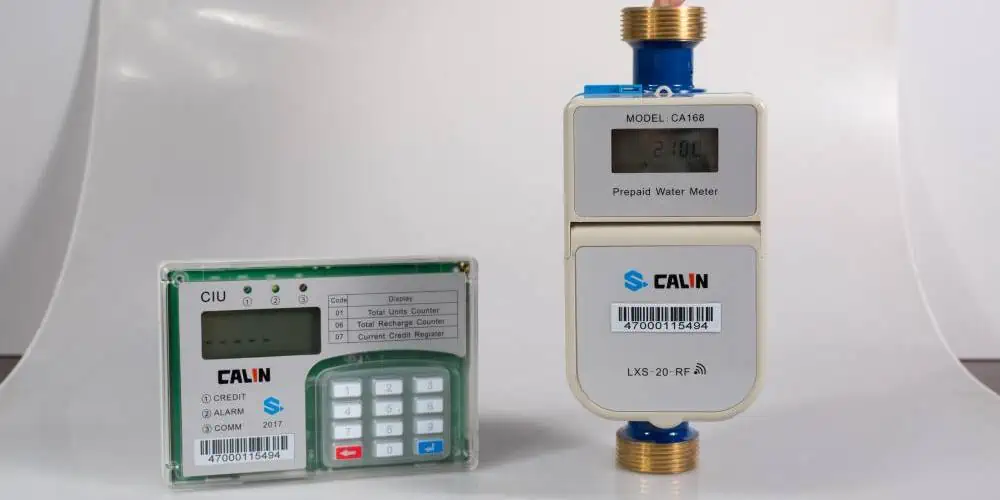
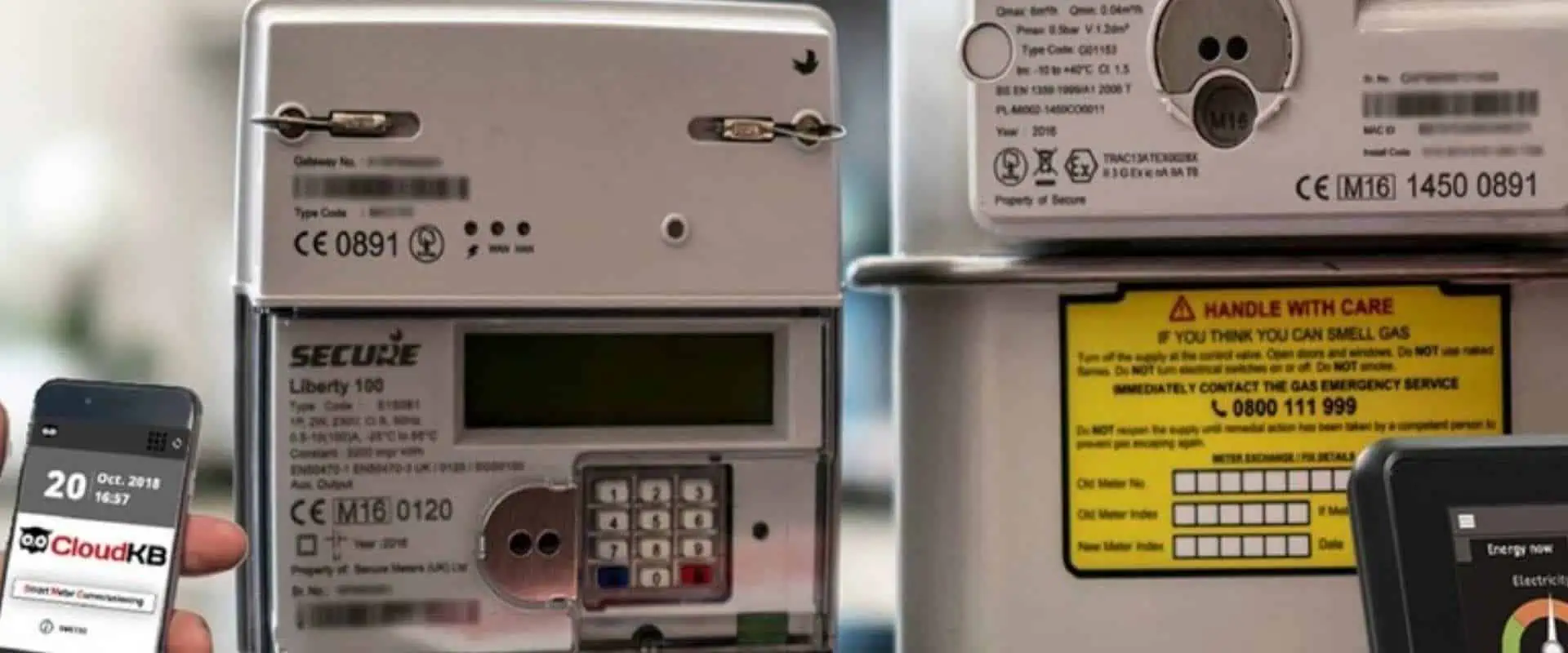
A smart prepayment meter is a type of energy meter that records and monitors energy consumption in a home or business. It allows the users to pay for energy in advance rather than paying a hefty bill at the end of the month. Additionally, the meter keeps track of the amount of energy consumed and deducts the cost of the energy used from the money deposited onto the meter. This system enables users to manage their finances and energy consumption better. Moreover, intelligent prepayment meters provide functions like remote top-ups, remote energy consumption monitoring, and energy efficiency guidance.

How does Smart Repayment Meter work?

Prepayment Meter

A Smart Prepayment Meter uses advanced technology to measure energy consumption, provide real-time data on usage, and allow consumers to top up their meter remotely. Here are the basic steps involved in how a Smart Prepayment Meter works:

  1. Measurement of energy consumption:

 Smart prepayment meters use advanced sensors and monitoring technology to measure energy consumption. This information is then transmitted to the energy supplier.

  • Display of consumption data:

Smart prepayment meters have an integrated display that provides real-time data on energy use, including how much energy has been consumed and how much credit is still available on the meter.

  • Top-up functionality:

Customers have a variety of ways of topping up their smart prepayment meters, including internet portals and mobile apps and buying top-up cards from a merchant. The revised credit amount is then updated in the meter.

  • Remote monitoring:

Energy suppliers can monitor Smart prepayment meters remotely, allowing them to identify potential issues and provide support if necessary. This action reduces downtime and ensures that consumers have a reliable energy supply.

  • Integration with smart home technology:

Users can integrate Smart prepayment meters with smart home technology, allowing consumers to control their energy usage using voice commands or a smartphone app.

Benefits of Smart prepayment meter

FULL PCB MANUFACTURING Quote

The following are the merits of the Smart prepayment meter:

1. Reducing energy usage:

Smart prepayment meters are a great way to save both money and energy. The system enables you to monitor your energy usage in real-time with the design, making you more conscious of your use. This aspect allows you to adjust your lifestyle or utilize products to lower your energy usage by enabling you to make more educated decisions about when and the amount of energy to consume.

2. Prepay friendly:

Smart prepayment meters are the perfect solution for those who prefer the flexibility of prepayment. With smart meters, you can make payments at any time, and your meter will update immediately, giving you up-to-date information on your energy balance. This capability makes managing your energy budget and controlling your energy costs much more manageable.

3. Closely track usage and spending:

Smart prepayment meters allow you to monitor your energy usage and expenditure closely. Additionally, you can view your current balance and energy usage in real-time, helping you to keep track of your energy usage and make adjustments to ensure you don’t overspend.

4. No need of submiting meter readings:

With a smart prepayment meter, you no longer need to submit meter readings, as the meter automatically sends readings to your energy supplier. Thus, your bills are always accurate and up-to-date, so you won’t be charged for any energy you haven’t used.

5. More excellent selection of the tariffs:

Smart prepayment meters give you access to a greater selection of the tariffs, allowing you to find the best deal for your energy needs. Moreover, you can compare different tariffs and switch to a better deal anytime, helping you save money on your energy bills.

6. Highlights faulty appliances:

Smart prepayment meters help you to identify any faulty appliances in your home. In addition, by monitoring your energy usage, you can see if any of your devices are using more energy than they should be, helping you to identify any problems and take action to resolve them.

7. Accurate bills:

These systems provide accurate bills, eliminating the need for estimated readings. Therefore, you will no longer be charged for more energy than you have used, helping you to save money and ensure your bills are always accurate.

Drawbacks of Smart prepayment meter

Water Prepayment Meter

Smart prepayment meter has many advantages. However, the system also has several advantages. The following are some of its disadvantages:

  1. Older Smart Meters Becoming โ€œDumbโ€ on Switching:

Once you switch suppliers, the meter can become “dumb,” meaning that it wonโ€™t transmit data. Therefore, you will not benefit from smart features like automatic top-ups and remote monitoring. Older smart meters may also be incompatible with the new supplier; hence, you may have to install a new meter.

  • In-Home Display Being Inaccurate:  

This statement means that although the meter will send the correct data to the supplier, the data displayed on in-home display may need correction. As a result, the said figure can be unclear and lead to you paying too much or too little for the energy you are using.

  • Poor Signal:

Smart prepayment meters rely on a strong signal to transmit data. If the signal is weak, the meter may not be able to send data correctly and will not benefit from the smart features. This can be a problem in rural areas where the signal may need to be stronger.

  • A Smart Meter Doesnโ€™t Reduce Bills by itsellf:

Although a smart meter helps monitor your energy consumption and may help you reduce your bills, it will not automatically reduce your bills. Instead, you will need to actively monitor your energy usage and take steps to reduce it to save money.

  • Some Suppliers have no Support for Smart Meters:

Some suppliers may need help to support smart meters. Therefore, you may not be able to benefit from them. This inefficiency could be due to the technology used by the supplier or simply because they need to offer an upgrade to their current meters.

Smart prepayment meter market trends

The smart prepayment meter market has seen significant growth in recent years, driven by several key trends:

  1. Increasing demand for energy efficiency:

Demand for energy efficiency rises as consumers hunt for methods to save money on electricity bills and reduce their energy usage. Real-time information on energy usage is provided by smart prepayment meters, enabling consumers to keep tabs on their use and modify their habits as necessary.

  • Government initiatives and regulations:

Governments worldwide are enacting measures and legislation to improve energy efficiency and lowering carbon emissions. As energy providers seek ways to accomplish these goals, this has resulted in a rise in the use of smart prepayment meters.

  • Technological advancements:

Smart prepayment meters are now more widely available at reasonable prices due to technological developments. In addition, installing and administrating smart prepayment meters have become simpler for energy providers. We can attribute this to advancements in wireless communication and remote monitoring technology.

  • Increasing use of renewable energy sources:

As consumers look to produce their energy and keep track of their usage, renewable energy sources like solar and wind power have increased. The move is creating a greater need for smart prepayment meters.

  • Growing adoption of smart home technology:

The growing adoption of smart home technology has also contributed to the popularity of smart prepayment meters. Consumers are increasingly looking for ways to control their energy usage using voice commands or a smartphone app. Such is making smart prepayment meters an attractive option.

Conclusion

Smart prepayment meters are an excellent approach to reducing energy costs and monitoring energy use. The device lets users top off their meters remotely, monitor energy consumption in real-time, and pay for energy in advance. In addition, the market for smart prepayment meters is expanding due to rising government efforts and regulations, rising technological breakthroughs, and rising usage of smart home technologies.

Why the SIM800C Price Differs?

Sim800C

IoT projects integrate GSM modules since these modules can send and receive data remotely. Also, these modules donโ€™t have much dependencies; however, they have long-range and reliability.

What is the SIM800C GSM Module?

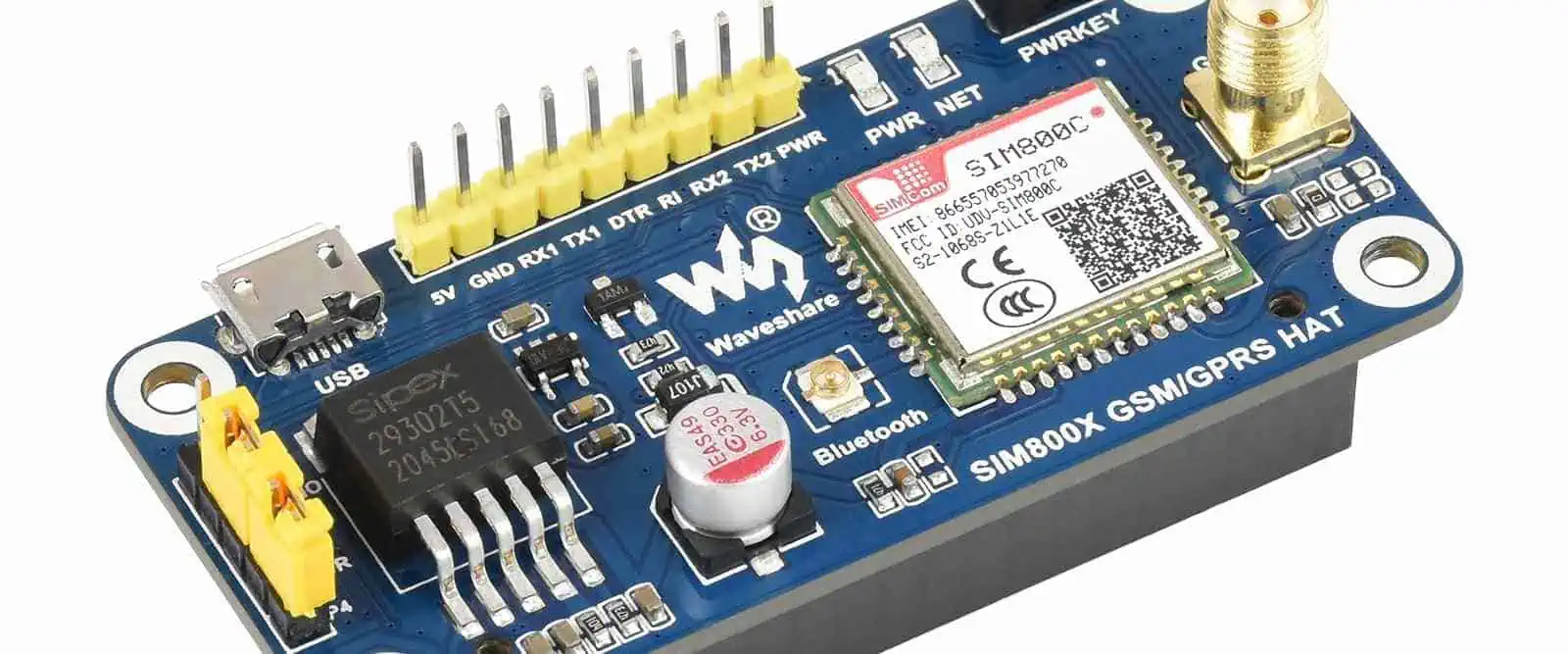
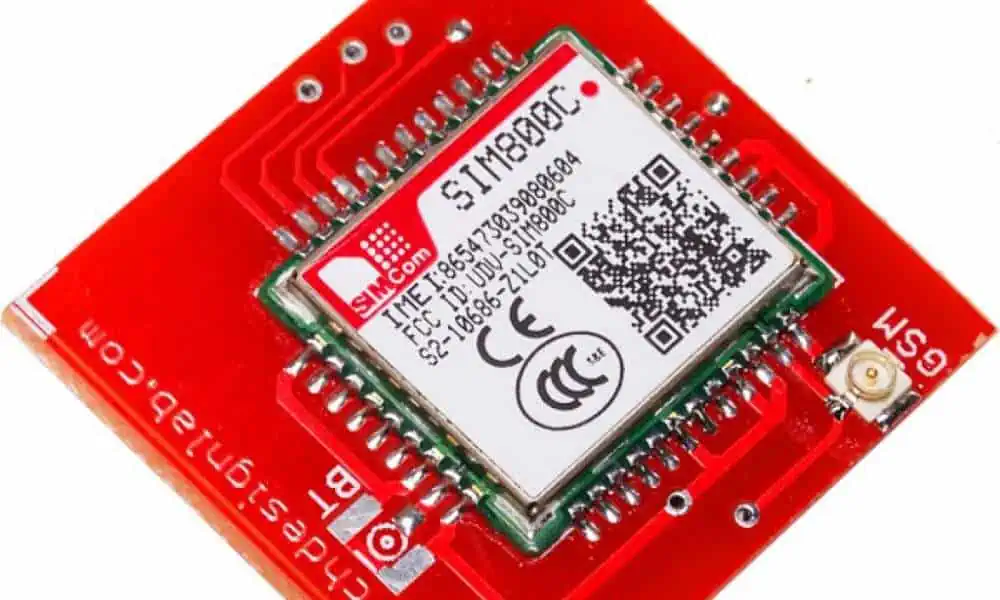
SIM800C is a GSM module that features a serial interface modem. This modem runs between the range of 3.4V to 4.4V. SIM800C is module designed for embedded applications where there is a need for remote data transfer. Also, this module operates on 850/900/1800/1900MHz. Also, it can transmit SMS, Voice Call with low energy consumption.

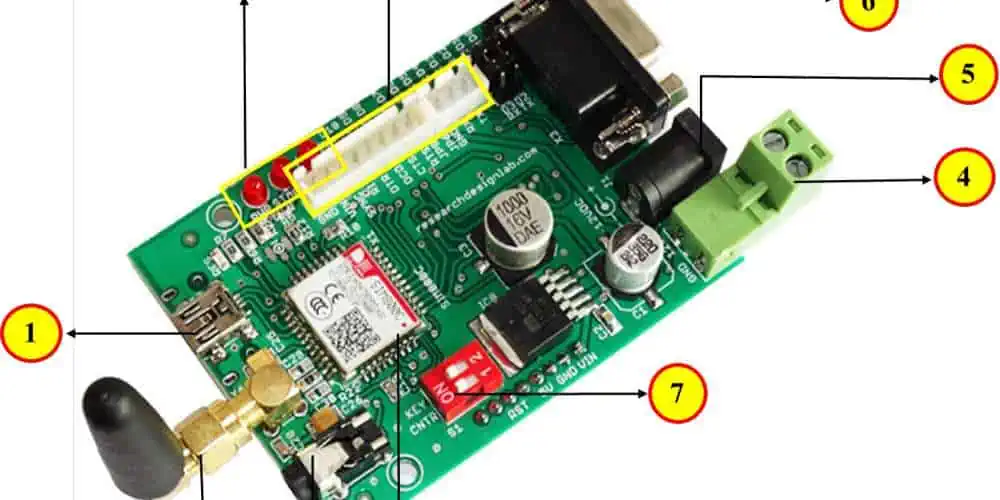
With the integration of AT commands, this module is controlled. SIM800C provides support to one SIM card interface. Also, this module has UART pins alongside RS232 Serial Protocol. These can be interface with various microcontrollers. The AT commands helps in accessing the functions of SIM800C module like receiving and sending calls.

The SIM800C module is powered by a DC power adapter. This module doesnโ€™t support 4G as it only works on 2G. SIM800C price is 200 rupees per piece on IndiaMart.

Specification of SIM800C Module

Sim800C PRICE
  • It operates on quad-band 850/900/1800/1900MHz
  •  GPRS multi-slot class 12/10
  •  It features GPRS mobile station class B
  •  It is compliant to GSM phase 2/2+

 Class 4 (2 W @ 850/900MHz)

 Class 1 (1 W @ 1800/1900MHz)

  •  The dimension of this module is 17.6*15.7*2.3mm
  •  Also, this module weighs  1.3g
  •  This module can be controlled through AT commands
  •  (3GPP TS 27.007, 27.005 and SIMCom enhanced AT Commands)
  • The supply voltage range of SIM80C module is 3.4 ~ 4.4V
  • It features low power consumption
  • Operation temperature is within the range of -40โ„ƒ ~85โ„ƒ

What is the SIM800C cellular module?

SIM800C cellular module is capable of making calls, sending email, and connecting to the internet. This module is specially designed to function like a mobile phone. However, the SIM800C cellular module requires external peripherals to operate well.

Integrating the SIM800C cellular module with an Arduino helps in developing several innovative projects. This module isnโ€™t only ideal for maker projects, but it is also an affordable option for a cellular communication module.

The SIM800C Cellular communication module was produced by SimCom. SimCom provides other communication modules which includes the SIM868. The SIM800C is a multi-purpose cellular module that offers high performance.

Power Supply for SIM800C Cellular Module

SIM800C is usually powered by 3.7V, a standard for most cellular modules. It is not advisable to use 5V and 3.3V supply from Arduino. Furthermore, SIM800C is designed to integrate a power supply that ranges from 3.4V to 4.3V. Therefore, SIM800C module could become damaged if integrated with 5V.

The power source for the SIM800C module is the external 3.7V Li-on polymer battery. It is preferred to include a power decoupling circuit to the input supply. SIM800C price is around Rs.280.

Use Cases of SIM800C

FULL PCB MANUFACTURING Quote

You can embed the SIM800C cellular module in a hand-held or small products like wearables. Furthermore, you can design a remote wireless sensor or a simple home automation system. Since this module can detect the location of a device. You can have a rough estimate of location, although it isnโ€™t as accurate as GPS.

SIM800C is a great choice for delivering 2G cellular functionality to production products and project makers. This is because of its small size and capability to interact through a simple UART interface. Therefore, this makes it ideal for use in various applications.

SIM800C is a great module which has the support of product developers which can help you find solutions to any technical problems. This module is widely available from various suppliers. Also, there are various development kits that can help you get started on the SIM800C module.

What is SIM800C Modem?

SIM800C modem is an SMT package that features 42 pads and offers all hardware interfaces between Customerโ€™s boards and the module. This modem features a power saving technique which makes the consumption of current as low as 0.6mA in sleep mode.

The SIM800C modem features a USB interface that can be debugged, a full modem serial port, an audio channel that has a speaker output and a microphone input.

The SIMCOM modem has two different LEDS. LED1 represents the power status while LED2 is GPRS status GPRS status LED.

How to use SIM800C Module to Download a Simple Web Page from the Internet

The SIM800C module is capable of downloading a web page from the internet. All you need to do is to carry out several AT commands using the serial monitor. The first thing you do is to evaluate the quality of the signal. At times, you canโ€™t connect to a network internet. In this case, you need to check the signal level by using the AT+CSQ command.

However, this is not necessary for creating a connection to the internet. It will only help you monitor the signal level. Use the command AT+CSQ to check the signal quality.

It is surprising to see the way this SIM800 module has the ability to download a specific web page. Also, you can achieve this via the execution of some AT commands via a serial monitor.

Pros of SIM800C

  • The SIM800C is an easy-to- develop module and a great choice among product developers and hobbyists
  • It has got extensive features such as internet access, voice calls, and SMS
  • Its small size makes it suitable for use in wearable tech and portable devices
  • SIM800C is an affordable module produced a Chinese manufacturer
  • There are several communication modules offered by SIMCom, the producer of SIM800. This includes SIM868.

Cons of SIM800C

  • SIM800C doesnโ€™t work with 3G and 4G. It is an older 2G technology that features limited data speeds (GSM/GPRS). Also, this cellular communication module is almost being phased out.

Conclusion

The SIM800C is not the only smallest and highest performance cellular communication module produced by SIMCom.  However, the SIM800C module offers several functions. Also, this module offers cellular functionality to developers. With the integration of AT commands, this module is controlled. SIM800C provides support to one SIM card interface. Also, this module has UART pins alongside RS232 Serial Protocol. These can be interface with various microcontrollers.

PCB Design Guidelines For EMI EMC

PCB Design Guidelines For EMI EMC

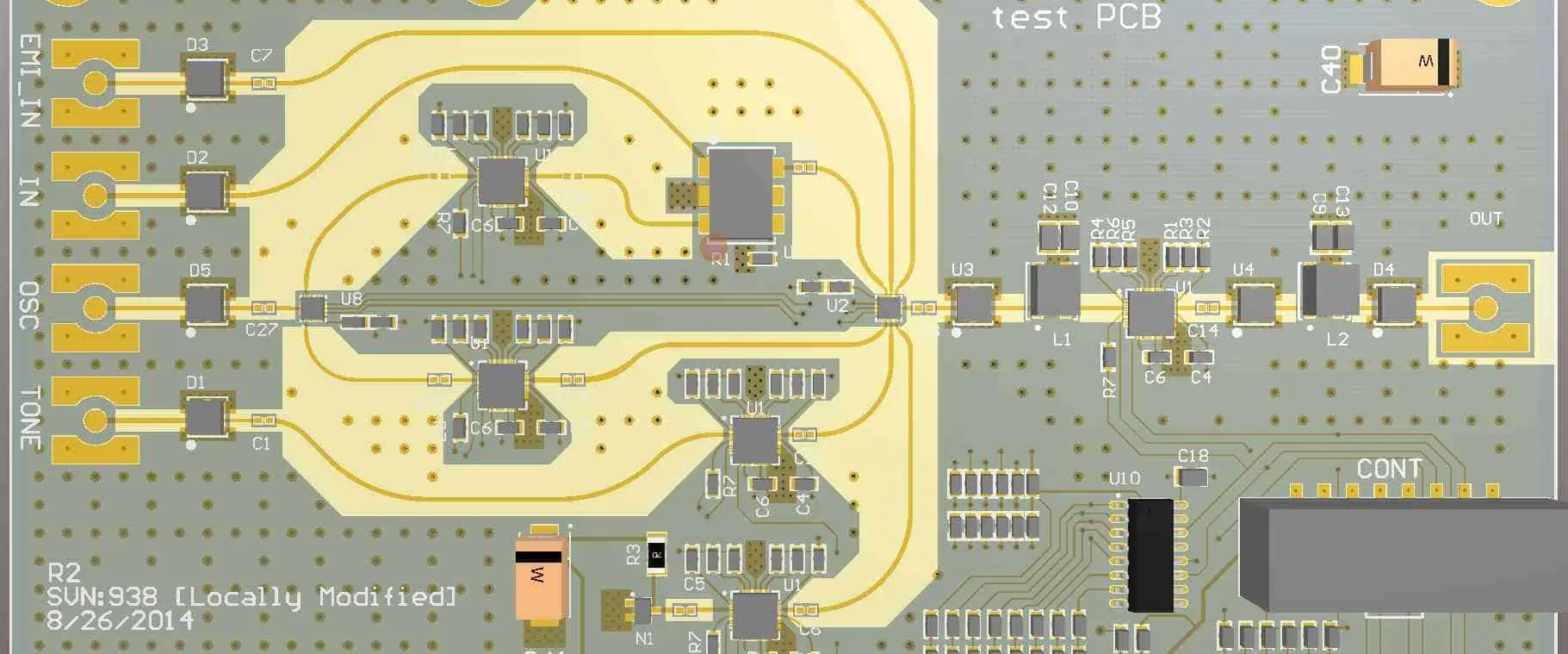
The quantity of noise and electromagnetic interference (EMI) produced greatly depends on the PCB’s design. Thus, adhering to some fundamental PCB design principles will enable you to reduce any potential EMC problems your circuit may cause.

Signal traces should generally be kept separate from power and ground traces. This lessens radiation and cross-talk.

Partitioning

The phrase “partitioning” describes dividing or separating something into different portions. For example, restrict access to certain areas of your software or content management system (CMS) to particular users or groups. This can be a useful organizational technique.

Similarly, divisions are necessary for PCB design. They help to prevent interference and guarantee that all components are in the correct position. This is particularly crucial if you want to limit EMI and comply with EMC requirements.

We can accomplish partitioning on a circuit board by separating analog and digital signal tracks. Also, this technique gets rid of any potential cross-talk between these signals.

Grounding

Electromagnetic interference, or EMI, can result from a variety of causes, including both man-made and natural sources. It may affect sensitive equipment, medical devices, and communication systems. Also, it can restrict the operation of other gadgets and harm electronics.

Fortunately, an effective EMC design can minimize EMI issues. Several methods for reducing EMI in PCBs include shielding, grounding, and power and signal routing.

Signal routing:

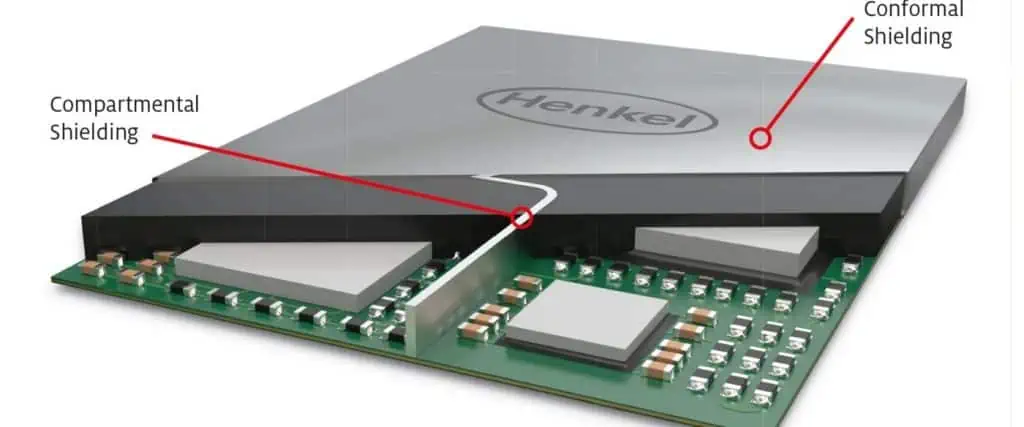
low-frequency EMI shielding

As much as feasible, route signals from the exterior to the inside layers. However, keep them apart to prevent cross-talk between traces. Using differential protocols and avoiding connecting two signals to the same trace are the two greatest ways to reduce cross-talk.

Minimize trace length:

Traces should be roughly equal in length and as brief as possible. Long traces may result in too-slow current propagation, resulting in EMI problems.

Mind spacing:

To reduce cross-talk, we should space apart traces by at least twice their breadth. Moreover, it is essential to maintain a minimum gap between parallel traces of ten-thousandths of an inch.

Use a strong ground plane:

Regarding multi-layer boards, a solid ground plane is extremely helpful in reducing loop inductance. Moreover, it offers a ground return channel beneath each signal wire, lowering impedance and enhancing board performance.

Each layer should have its ground plane: It is crucial to keep the analog and digital components apart when using several layers by using shielding, numerous layers, and distinct grounds. Cross-talk, which can be detrimental to the device’s overall performance, can also be avoided by keeping analog and digital components on different grounds.

Gridding:

Grid as many layouts as possible while creating a PCB with just a few layers. By creating a network of connections between the traces that convey ground, this technique reduces the loop area by filling in vacant space and providing a ground return path underneath each signal trace.

Routing

FULL PCB MANUFACTURING Quote

When we transmit data packets from one network to another, routing identifies the optimum route for them to take. A router employs a set of rules and techniques to choose the optimum paths for each packet. Additionally, it can decide which paths need to be blocked.

The routing process is crucial in EMI design because it can stop conducted EMI and radiated noise from propagating across the board or to neighboring devices. Therefore, designers should utilize it to reduce the total EMI of their boards. This is because it frequently appears as the first step in meeting EMC regulations.

To begin with, it is essential to keep power and other traces as far away from signals (audio, video, and clocks) as feasible. For clean signal propagation over the PCB, we should route traces with the maximum clearance and creepage distances possible.

Similar to how we should not unintentionally couple signal pathways and ground planes, power planes should be positioned on the appropriate layer of the board and placed close together. In addition, to avoid cross-talk between various signal types, the PCB’s capacitance and inductance should be kept as low as feasible.

We must also send high-frequency signals close to an altered reference plane. Depending on the design, this can be a ground plane or a power supply plane.

As a result, switching noise that manifests as radiated peaks at harmonics of the clock frequency and may result in EMI issues will be less likely to occur. Switch-mode power supplies and digital communications operating at extremely high data rates can contribute to this issue.

Stackup

It’s critical to comprehend the EMI/EMC standards you must follow when designing a product. Your device must meet these requirements, and it must also not interfere with nearby systems or devices. To accomplish these objectives, your PCB and circuit design must be EMC-friendly.

You must think about how EMI/EMC may impact your device and the environment it will function while building a PCB. In addition, other nearby components may be affected by EMI, resulting in subpar performance or even full failure.

Fortunately, numerous approaches to controlling EMI don’t compromise the functionality or safety of your equipment. Using a board stackup, which helps restrict electric and magnetic fields and reduce voltage transients, is one of the most popular and efficient techniques.

PCB designs can use various board stack-ups, each intended to achieve a particular goal. For example, we should design the stackup to help with bypassing/decoupling the power bus, reduce voltage transients on planes, and contain the electric and magnetic fields from signals and power, regardless of the technology, thickness, or layer count you pick.

Although multi-layer stack-ups are a common method for reducing EMI emissions, choosing the best configuration for your particular application is crucial. These designs ensure that we insulate each ground and power plane by having numerous of each.

For improved EMI suppression and decoupling in high-speed systems, it is essential to have the power and ground planes close to one another. Also, the surface-to-volume ratio in this configuration is lower, which can enhance thermal performance and lower

How to Resolve EMI Issues in PCB Design

Electronic equipment inevitably produces electromagnetic interference (EMI), a serious issue. Following specific design concepts will help PCB designers reduce EMI.

Routing traces in a way that minimizes radiated EMI is one of the most popular strategies to reduce EMI. For example, we can make traces to avoid straight angles and angles of 45 degrees or greater.

High-Speed Components

As standard practice, manufacturers need to carefully design PCB’s high-speed components. Therefore they must pay special attention. This is due to the potential for conductive channels, also known as traces, to act as antennas and broadcast unwanted electromagnetic interference (EMI).

Designing trace layouts with rounded edges and angles smaller than 45 degrees is the key to avoiding this problem. So they will reduce reflections and EMI danger.

Also, it’s crucial to divide signals into analog and digital types and reduce their return paths. Both signal loss and EMI will decrease as a result.

Ensuring that signal lines are not losing too much conductance due to series resistance or shunt conductance in the dielectric is another technique to prevent EMI. These losses may deteriorate the signal and cause data mistakes.

Split Planes

It’s crucial to use caution while designing split planes for PCBs. Routing digital and analog signals through these splits will result in interference. Thus designers must make efforts to avoid cross-talk between these regions.

Because a split ground plane might result in higher EMI emissions, it is especially crucial to exercise caution while utilizing one. The RF noise, known as fringing, will be allowed to leak around the edges of your board due to a divided ground plane.

Devices close by may also be affected by the radiation that results. Parasitic capacitance and inductance are just two causes of this kind of EMI.

Thankfully, we can resolve these problems using a single ground plane, which most mixed-signal PCB designs use. Although split ground planes are challenging to execute correctly, designers should adhere to some fundamental routing principles to reduce interference.

Traces

Traces, tiny metal wires used to convey signals, are one of the most crucial components of PCB construction. To guarantee the performance and dependability of a circuit board, traces must have the appropriate size, construct to withstand heat, and be able to handle various current loads.

The widths and thicknesses of copper traces are typically carefully controlled to permit current passage without scorching the copper. This is a crucial problem for precise and effective manufacturing since a significant trace might act as a heat sink and lead to subpar soldering outcomes.

The type of laminate used to create a PCB is another important factor since it provides more variable dielectric constants, which can affect trace impedance and propagation skews.

Unwanted electrical energy transmission by electromagnetic waves, or EMI, can come from various sources. Although we cannot always eliminate EMI, design strategies like trace layout and ground plane composition can significantly minimize it.

Autorouters

Being cautious when building autorouters is one of the most crucial things you can do to address EMI problems in your PCB design. This is especially true when working with complex trace topologies or components with a high pin count.

Although autorouters are often essential design tools, if you don’t set them up correctly, they could cause problems. You can obtain a board that does not suit your requirements and has damaged connections or erroneous traces.

The most effective PCB design programs have an auto-route capability that incorporates PCB design guidelines for EMI EMC and criteria into the routing procedure. By doing this, you can ensure that your board’s traces match in length and adhere to design requirements such as differential pair coupling, symmetric meandering, and trace spacing.

Factors that Contribute to CPU Reballing Cost

CPU Reballing Cost

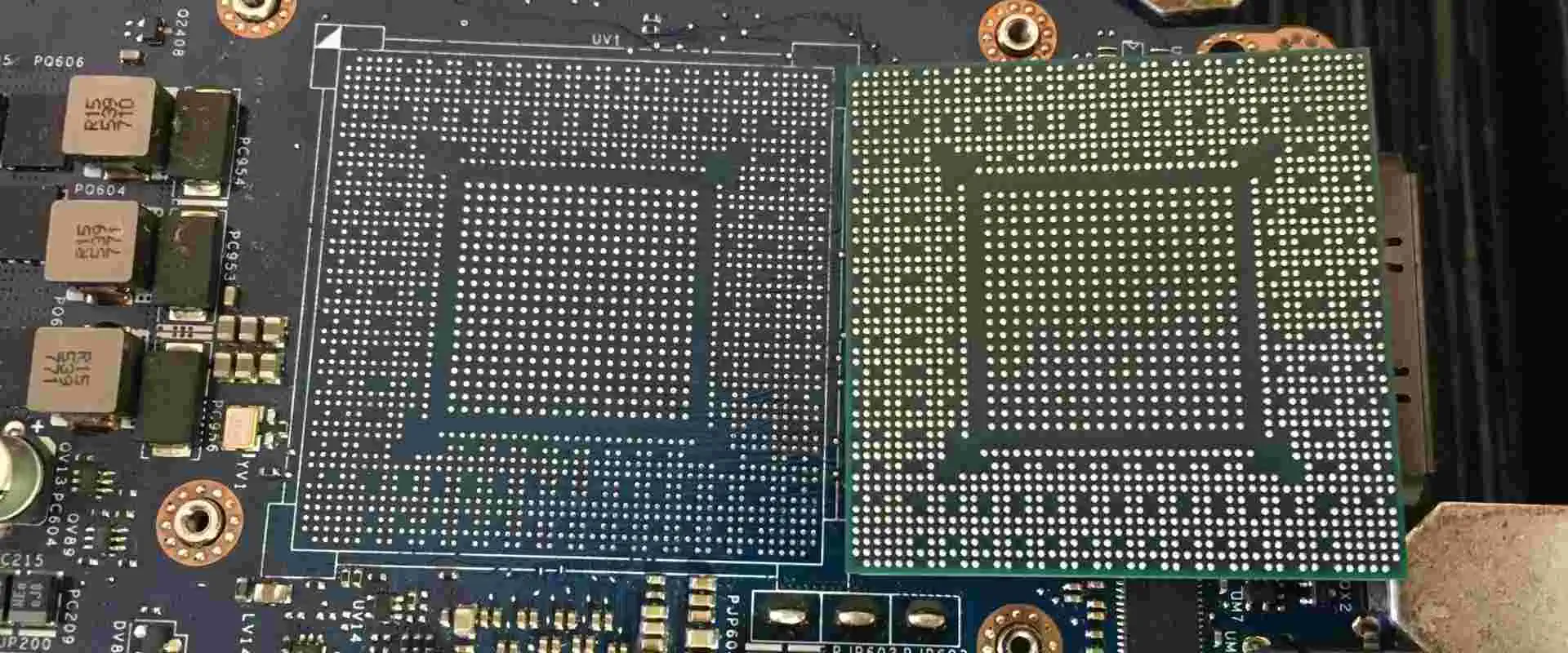
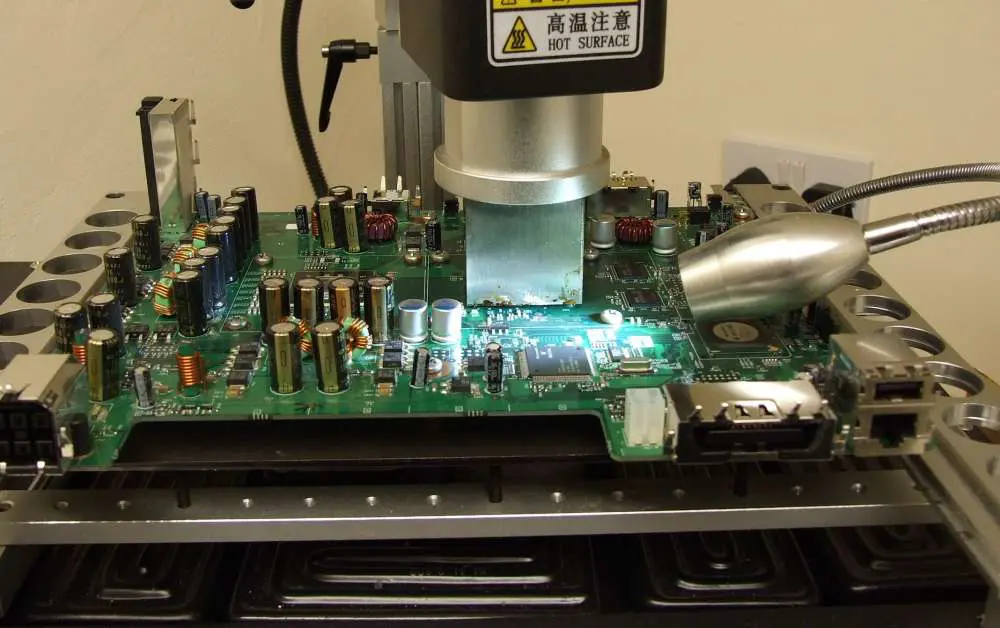
CPU reballing is the process of swapping out a CPU’s solder balls. We must replace the original solder balls when they deteriorate or break, which can cause several problems like overheating, crashing, or other faults.

CPU reballing is viable if you’re looking for a low-cost phone repair solution. Yet, this procedure is difficult and calls for numerous supplies and tools.

It takes a lot of time, too. As a result, doing it at home is not something that anybody can do. Thus, the CPU reballing cost is quite considerable.

The price of CPU reballing may differ depending on several variables. The following elements affect the CPU reballing cost:

Type of CPU:

One of the most crucial elements influencing the price is the type of CPU that we are rebalancing. The CPU reballing cost increases with CPU complexity. This is so that reballing on more complicated CPUs with more pins may be done with greater accuracy and competence. For instance, an Intel Core i7 processor will cost more to reball since it is more complex than an Intel Core i3 chip.

Accessibility of the CPU:

CPU Reballing

The accessibility of the CPU is a significant aspect that affects the CPU reballing cost. The expense of reballing will be less if the CPU is rapidly and easily accessible. On the other hand, the cost will be higher if the CPU is challenging to reach and necessitates substantial disassembly.

Complexity of the BGA:

Another element that may have an effect on the price of reballing is the complexity of the ball grid array (BGA). Reballing BGAs with more layers, smaller pitches, and finer traces costs more since it takes more accuracy and ability. This is because it takes more dexterity and experience to remove and replace the solder balls on a more sophisticated BGA.

Type of solder:

Costs may vary depending on the solder used in the reballing procedure. For example, leaded solders typically cost less than lead-free solders. This is because lead-free solders are more challenging to use and require greater accuracy and experience. On the other hand, the cost of the reballing procedure may increase since lead-free solders are more expensive to buy than leaded solders.

Quantity of CPUs:

Another element that could affect the price is the number of CPUs we are rebalancing. The cost per CPU will decrease the more CPUs we need to rebalance. This is due to the fact that reballing numerous CPUs at once makes the procedure more effective.

Age of the CPU:

The price of reballing may also depend on the CPU’s age. For example, older CPUs might be more expensive to reball since they might be harder. In addition, changing the solder balls on older CPUs may be more challenging due to their increased wear and tear.

Condition of the CPU:

The price of reballing may also depend on the state of the Processor. For example, before reballing, damaged or corroded CPUs might need to undergo extra repairs. The cost of the reballing procedure may increase as a result of this additional repair work.

Required tools:

FULL PCB MANUFACTURING Quote

The final cost may also depend on the price of the tools needed to complete the reballing procedure. Specialized equipment is necessary for reballing, including soldering flux, soldering irons, and reflow machines. Depending on the quality and quantity required, these instruments might range in price.

Training and experience of the technician:

The technician executing the reballing process’s training and experience may impact the price. More educated and experienced technicians typically charge more for their services. This is so that they can produce work of a higher caliber and work more effectively.

Cost of Stencil

In essence, stencils are plates that are usually made of metal and include tiny holes corresponding to the size and spacing of solder balls on computer chips. They simplify array device placement so that reballing teams can cut their time spent reworking an array by up to 50%.

Both specialized and universal varieties are available. The former are rectangular matrices, whereas the latter are square matrices with holes that match the BGA chip pin configuration.

We specially adjust the pattern to the pitch and diameter of the particular chip for a specialized stencil. Most reballing kits come with at least one specific stencil, perfect for reballing various chips.

The design and size of the pattern, whether it is reusable or disposable after a single use, and the print quality all affect how much the stencil costs. It also relies on the operator’s squeegee abilities and how flat the circuit board is.

Cost of Soldering Paste

We can join wires and other components using the soldering paste, a mixture of flux and solder powder. Moreover, we may repair a broken circuit board using it. However, until they are reflow-soldered, components are held in place by the solder paste’s tactility. As a result, we may apply solder to components with greater accuracy, which improves the parts’ dependability and performance.

Soldering paste requires the right chemistry and ingredients to be effective. It should be resistant to high temperatures during the soldering process and free of substances that can corrode or be toxic. It should also have sufficient metal to provide a solid solder bond and form an electrical connection.

Soldering pastes come in various forms, each having a unique rheological composition and quantity of metal powder. The quality of a solder paste’s printing, drying, and bonding with the PCB pads depends on its rheology.

Thicker pastes can be applied using an ink-jet printing technique, whereas thinner pastes are often screen printed onto the pads using a stencil. These techniques are more precise for small pads and less expensive than stencil printing.

Cost of Desoldering Wire

bga-reballing-station

Desoldering may be necessary while removing or changing components from a computer or other electrical device. First, heat the solder joints to remove the component from the circuit board and then remove the molten solder.

Many instruments, such as a soldering iron and desoldering pump, can be used for this. A desoldering pump is a hand-operated device that draws molten solder away from a component connection using suction. Applications for this kind of equipment include component replacement and repair, among many others.

A hand-held device called a soldering iron heats up the connections between your board components. Desoldering is made simpler by the heat-assisted transmission of molten solder to the other components of the circuit.

You should choose the soldering iron that best suits your needs from the various varieties available. To prevent the iron from overheating, the temperature setting may need to be changed depending on the sort of component you’re trying to remove.

Cost of Tin

Many electronics depend on the presence of tin. For example, electric vehicles (EVs), solar panels, circuit boards, and other items use it. Moreover, it contributes to creating metal alloys like pewter and brass.

Tin is a rare metal, though. Moreover, it isn’t easy to mine since it is only present in the Earth’s crust at a rate of roughly two parts per million.

Supply problems, particularly in China and Indonesia, where lockdowns halted manufacturing, were to blame for the price increase. In addition, the Covid-19 outbreak, which disrupted international trade and led to a shortage of shipping containers, increased demand.

Tin prices, like most non-ferrous metals, are influenced by general market trends and limitations on supply and demand. As a result, they frequently change in response to cyclical economic situations, natural calamities, and major world economies.

How Electronic Product Development Will Revolutionize Business

Electronic Product Development

The growth of electronic products has long transformed business, and this tendency will remain. In this article, we’ll look at how the growth of electronic products is altering the business landscape, what advantages it brings, and how businesses may adjust to keep up.

What is Electronic Product Development?

Designing and producing new electronic products is known as electronic product development. Some phases involve concept development, product design, prototyping, testing, and production. Electronic product development aims to create new, useful, and high-quality goods that satisfy consumer needs.

Who are the electronic product development Ecosystem Players?

Electronic Product design

The ecosystem for developing electrical devices includes various participants, including businesses, people, and groups that contribute to the process. The following are some of the major actors in the ecosystem for developing electronic products:

Designers: Designers are in charge of developing the product’s visual and user interface design, as well as its overall layout, usability, and physical look.

Engineers: Engineers are in charge of designing and creating the technical parts of the product, such as the hardware and software.

Manufacturers: Manufacturers are in charge of mass-producing the product. This entails locating components, assembling the product, and controlling manufacturing.

Suppliers: Suppliers offer the parts and supplies required to create and develop the product.

Software developers: Software developers are responsible for designing, developing, and testing the product’s software components.

Testing and quality assurance experts: Experts in testing and quality assurance put the product through testing to ensure it complies with technical requirements and quality standards.

Regulators and certification organizations: Regulators and certification organizations ensure the product conforms to all applicable rules and specifications. This involves ensuring the product complies with ethical and environmental standards and is safe.

Consultants and advisers: Consultants and advisors offer professional advice and support throughout the product development process. This could include guidance on market trends, technological problems, and legal requirements.

Consumers and end users: These groups offer opinions and insights that can help develop a product. These suggestions may help to enhance the product’s usability, design, and user experience.

To launch a successful product, all players must work effectively together. Close communication and collaboration among the participants can ensure that the product satisfies the demands and expectations of the market. In addition, each participant adds specific skills and knowledge to the product development process.

7 Stages of the Electronic Product Development Process

FULL PCB MANUFACTURING Quote

From ideation to commercialization, developing an electrical device often goes through multiple stages. The following seven stages of the creation of electrical products are generally acknowledged. However, particular businesses and industries may use somewhat different titles for each stage:

Concept creation: Creating the electrical product’s concept is the initial step. This includes determining the goal, target audience, and distinctive qualities of the product. In addition, brainstorming sessions, market research, and prototyping may take place at this stage.

Feasibility analysis: The second step examines the concept to ascertain its viability. Factors like technical capability, cost, time-to-market, and competition will determine the idea is good.

Design and prototyping: The third phase entails the product’s design and the production of prototypes. This includes drafting schematics, deciding which parts to use, and building a real prototype that we can evaluate for performance and usefulness.

Testing and validation: The fourth step entails testing the product’s functionality and performance. This involves testing for technological problems, legal compliance, and customer feedback.

Manufacturing preparation: Preparing for mass production is the fifth stage of the manufacturing process. This includes picking a producer, locating components, and developing assembly guidelines. At this point, we devise production procedures and quality control mechanisms.

Production and launch: The sixth stage consists of both. This comprises putting the product together, finishing the testing, and wrapping it. In addition, to promote the product, marketing, and advertising initiatives are also launched at this time.

Post-launch monitoring:ย The last step entails tracking the product’s performance after its release. This entails getting client feedback, keeping an eye on product quality, and handling any problems that may come up. Based on client feedback, the product may receive updates and changes.

How is Electronic Product Development Revolutionizing Business?

Electronic Product Testing

Globalization

The growth of electronic products is also facilitating commercial operations on a worldwide scale. The internet, cloud computing, and mobile devices are examples of electronic items that have allowed businesses to connect with clients around the globe. In addition, electronic items can organize activities across several sites and manage supply chains.

Increased Innovation

The development of electronic products is encouraging more innovation. Businesses that invest in developing electronic items can produce new goods that adapt to changing consumer demands. Additionally, new business models that were previously impractical, like subscription services, can be developed using electronic devices. Also, the utilization of electronic items may result in the development of new markets and industries.
Improved Customer Experience

The growth of electronic products is also enhancing the client experience. Smartphones, tablets, and other electronic devices are essential to people’s daily lives. As a result, they serve as a means of entertainment, communication, and other activities. As a result, businesses that invest in creating electronic products may offer their customers better, more practical, and more customized experiences.

Cost Reduction

Costs are reducing as a result of the development of electronic products. Various consumers may now purchase electronic products because of their decreasing cost. In addition, electronic items are helpful in manufacturing and other sectors, which lowers labor expenses and results in cost savings for companies. Also, using electronic items reduces waste and other inefficiencies, which can lead to additional cost savings.

Increased Efficiency

The development of electronic products is driving efficiency gains across a range of industries. Electrical items are growing more advanced, and they can complete difficult tasks faster. This is especially clear in the manufacturing sector, where automation takes over. Robots, sensors, and automated devices replace human labor in the workplace, resulting in faster and more precise manufacturing processes.

How Businesses Can Adapt to Electronic Product Development

Box Build ASSEMBLY

Electronic product development is quickly redefining the commercial landscape by enabling businesses to build cutting-edge products that satisfy consumers’ shifting needs. Businesses must, however, adjust to the shifting environment of electronic product creation if they want to stay ahead of the curve. We will look at how firms can adjust to the development of electronic products.

Manage Risks

Businesses must be willing to manage the risks associated with developing electronic products. Developing a risk management plan that identifies potential risks and provides solutions for reducing those risks is necessary to achieve this.

Companies should set up transparent risk management communication standards and ensure that all stakeholders know their roles in risk management. If a serious problem materializes, this entails creating a crisis communication plan. Moreover, the strategy should include a distinct line of command, appointed spokespeople, and pre-approved messaging.

Risk management is crucial for a corporation to be successful during the creation of electrical products. Businesses can reduce potential risks and guarantee the success of their electronic product development initiatives. They do so by conducting a thorough risk assessment, creating a risk management plan, thoroughly testing the product, adhering to industry standards and best practices, and maintaining communication and transparency.

Adapt to Changing Technologies

Businesses must be ready to adapt to shifting technology because electronic product creation is evolving quickly. This entails keeping up with the most recent developments in electrical product production and investing in new technologies as they become available.

By making research and development investments, businesses may stay abreast of the most recent developments in the production of electrical products. This entails staying current with the most recent developments in technology and market trends. In addition, to stay current with the most recent advancements, businesses can also collaborate with industry specialists.

Also, businesses must be ready to make investments in emerging technology. Investigating cutting-edge technology like artificial intelligence, machine learning, and the Internet of Things is one way to do this. By investing in new technologies, businesses can develop cutting-edge products that cater to evolving consumer needs.

Invest in Talent

Businesses must invest in talent to succeed in developing electrical products. This necessitates the employment of qualified experts who can design, develop, and test electrical products. Continual training is also necessary to keep staff members abreast of emerging trends and technologies.

Businesses can invest in talent by cultivating a culture of learning and development. This entails giving workers the opportunity for continual training and growth. In addition, to keep up with the most recent developments in the production of electrical products, companies should also urge their staff to attend industry conferences and events.

Also, businesses should employ qualified experts with electronic product development knowledge. This entails employing engineers, software developers, and product designers with the knowledge and expertise to produce cutting-edge goods.

Focus on Customer Needs

While creating electronic products, businesses must put the client’s demands first. This entails understanding how consumer requirements evolve and making products that address those needs. In addition, companies must be ready to modify their goods and services as consumers’ needs evolve.

Businesses must keep up with the most recent developments in electronic product creation to stay ahead. To comprehend the shifting needs of consumers and produce products that address those needs, businesses need to spend on research and development. Also, businesses can use consumer input to enhance their goods and services.

Also, businesses should concentrate on developing items that are simple to use and available to various clients. Companies should aim to build intuitive and simple products. This entails spending money on user research and testing to ensure that products are user-friendly.

Embrace Innovation

Businesses must embrace innovation if they want to adapt to the development of electronic products. Exploring fresh concepts, taking calculated risks, and developing novel goods are all examples of innovation. To develop outstanding cutting-edge, businesses must be ready to experiment with new technologies and methodologies.

Companies can stimulate innovation by developing an organizational culture that values experimentation and creativity. This fosters an atmosphere where workers are motivated to collaborate and share their thoughts. Businesses can also form innovation teams to develop fresh goods and services.

Businesses can also work with other firms and organizations to develop or enhance new products. Sharing knowledge and resources can speed up product development and save costs for collaborating businesses. In addition, companies can expand their reach and explore new markets by working with other companies.

Summary

Developing new electronic devices, from initial concept and design to final manufacture and launch, is called electronic product development. It involves several steps: creativity, feasibility analysis, design and prototype, testing and validation, manufacturing planning, production, launch, and post-launch monitoring. To produce and improve the product design, test its functionality and performance, and ensure it complies with technical requirements and quality standards, it incorporates various technologies and tools, including CAD, simulation software, and testing equipment. Effective electrical product creation involves technical expertise, market insight, and successful stakeholder collaboration.

Best Desoldering Guns for 2025: Reviews of Top Models (YIHUA, Engineer, and More)

desoldering gun

In the world of PCB repair and modification, a reliable desoldering gun is as crucial as a high-quality PCB soldering iron. As we look ahead to 2025, the market is filled with innovative desoldering tools designed to make your work easier and more efficient. In this comprehensive guide, we’ll review the top desoldering guns available, with a special focus on models from YIHUA, Engineer, and other leading brands. Whether you’re a professional technician or a DIY enthusiast, this article will help you choose the best desoldering gun to complement your PCB soldering iron setup.

Why a Good Desoldering Gun Matters

Before we dive into the reviews, let’s understand why investing in a quality desoldering gun is crucial for anyone working with PCBs.

The Role of Desoldering in PCB Work

  1. Component Removal: Essential for replacing faulty parts
  2. PCB Rework: Allows for circuit modifications and upgrades
  3. Salvaging Components: Helps in recovering parts from old boards
  4. Correcting Mistakes: Enables easy removal of incorrectly placed components

Desoldering Gun vs. PCB Soldering Iron

While a PCB soldering iron is used for making connections, a desoldering gun is specialized for removing solder. Here’s how they complement each other:

  • PCB Soldering Iron: Applies solder to create connections
  • Desoldering Gun: Removes solder to break connections
  • Combined Use: Both tools are essential for comprehensive PCB work
YouTube video

Top Desoldering Guns for 2025

Now, let’s explore the best desoldering guns available for 2025, categorized by brand and type.

YIHUA Desoldering Guns

YIHUA has established itself as a reliable brand in the soldering and desoldering world. Here are their top models for 2025:

1. YIHUA 8786D-I 2-in-1 Soldering Station

Features:

  • Integrated soldering iron and desoldering gun
  • Digital temperature control
  • ESD safe design

Pros:

  • Versatile 2-in-1 design
  • Precise temperature control
  • Suitable for professional use

Cons:

  • Higher price point
  • May be overkill for casual users

2. YIHUA 968DA+ SMD Rework Station

Features:

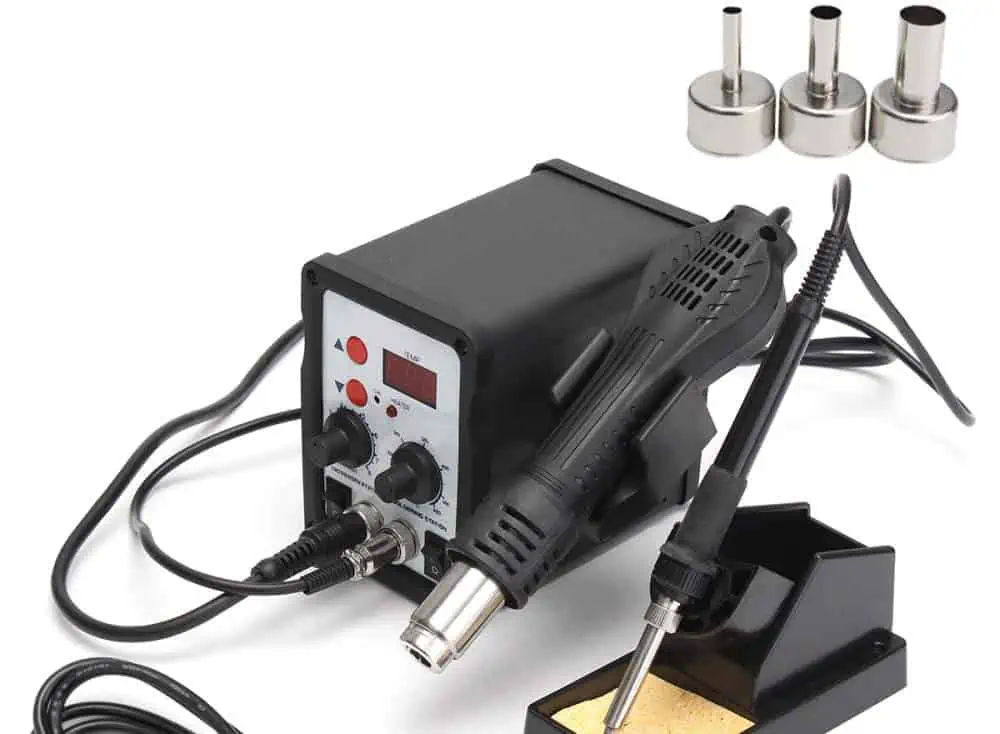
  • Hot air gun and desoldering gun in one unit
  • LCD display for easy monitoring
  • Wide temperature range

Pros:

  • Ideal for SMD work
  • Comprehensive tool for various desoldering needs
  • User-friendly interface

Cons:

  • Bulky setup
  • Steep learning curve for beginners

Engineer Desoldering Tools

Engineer, a Japanese brand known for quality, offers some excellent desoldering options:

1. Engineer SS-02 Solder Sucker

Features:

  • Manual desoldering pump
  • Durable aluminum body
  • Self-cleaning mechanism

Pros:

  • Highly portable
  • No power required
  • Excellent for quick, small jobs

Cons:

  • Requires more skill than electric options
  • Not suitable for large-scale desoldering tasks

2. Engineer SS-04 Desoldering Gun

Features:

  • Electric desoldering gun
  • Ceramic heating element
  • Easy-to-clean nozzle

Pros:

  • Efficient for repetitive desoldering tasks
  • Comfortable grip for extended use
  • Quick heat-up time

Cons:

  • More expensive than manual options
  • Requires power outlet

Other Top Brands and Models

1. Hakko FR-301 Portable Desoldering Tool

Features:

  • Handheld, cordless operation
  • High vacuum pressure
  • Ceramic heating element

Pros:

  • Extremely portable
  • Powerful suction for efficient desoldering
  • Suitable for professional use

Cons:

  • High price point
  • Battery life may be limited for extended use

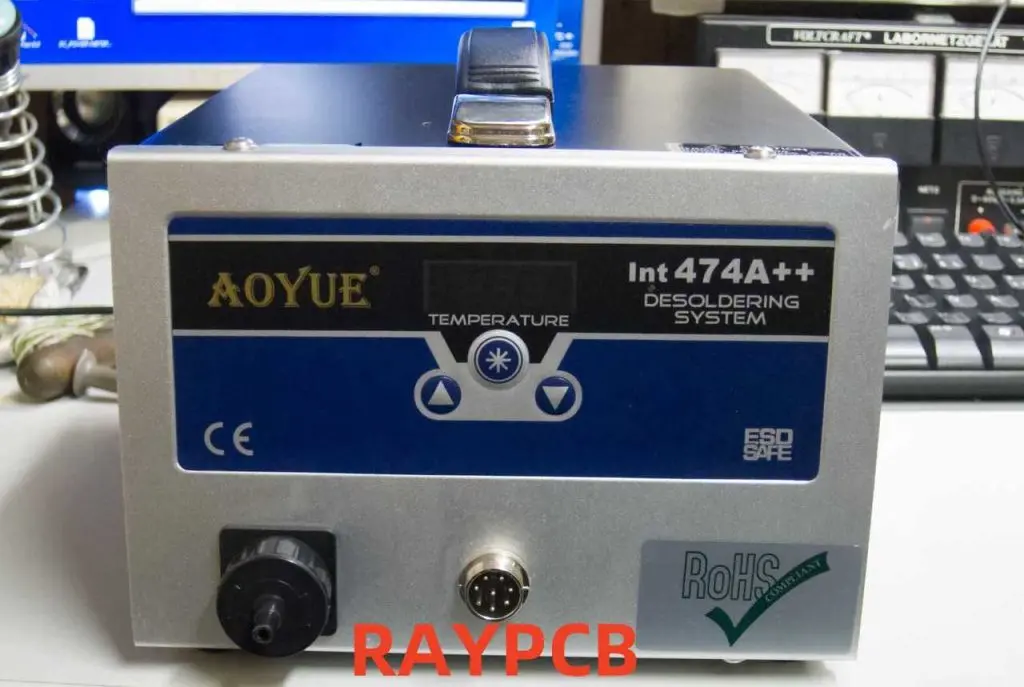
2. Aoyue 474A++ Digital Desoldering Station

Features:

  • Digital temperature control
  • Integrated soldering iron holder
  • Auto-sleep function

Pros:

  • Precise temperature adjustments
  • Energy-efficient design
  • Good value for money

Cons:

  • Less portable than some alternatives
  • May have a learning curve for temperature settings

Read more about:

Choosing the Right Desoldering Gun

When selecting a desoldering gun to pair with your PCB soldering iron, consider these factors:

1. Type of Work

  • Through-hole Components: Basic desoldering pump may suffice
  • Surface Mount Devices (SMD): Consider a hot air station or specialized SMD tools
  • Mixed Projects: Look for versatile, multi-function stations

2. Frequency of Use

  • Occasional Use: Manual tools or entry-level electric models
  • Regular Use: Invest in a durable, high-quality electric desoldering gun
  • Professional Use: Consider advanced stations with multiple functions

3. Power and Temperature Control

  • Adjustable Temperature: Essential for working with different components
  • Power Rating: Higher wattage for faster heat-up and better heat retention
  • Temperature Stability: Look for models with good temperature regulation

4. Ergonomics and Ease of Use

  • Weight and Balance: Important for comfort during extended use
  • Grip Design: Should feel comfortable and secure in your hand
  • Cord Lengthย (for electric models): Ensure sufficient reach for your workspace

5. Maintenance and Durability

  • Cleaning Ease: Look for models with easily replaceable filters and tips
  • Build Quality: Durable materials for longevity
  • Availability of Spare Parts: Ensures long-term usability

6. Budget Considerations

  • Entry-Level:ย 20โˆ’20โˆ’50 for basic manual tools
  • Mid-Range:ย 50โˆ’50โˆ’150 for good quality electric desoldering guns
  • Professional Grade:ย 150โˆ’150โˆ’500+ for advanced desoldering stations

Tips for Effective Desoldering

To get the most out of your desoldering gun and PCB soldering iron, follow these tips:

  1. Prepare Your Workspace: Ensure good lighting and ventilation
  2. Use Flux: Apply flux to improve heat transfer and solder flow
  3. Proper Temperature: Set the right temperature for your specific solder type
  4. Clean Your Tools: Regularly clean the tip of your desoldering gun and PCB soldering iron
  5. Practice on Scrap Boards: Hone your skills before working on valuable PCBs
  6. Combine Techniques: Use your PCB soldering iron to add fresh solder before desoldering for better results

Safety Considerations

Safety is paramount when working with desoldering guns and PCB soldering irons. Keep these points in mind:

  1. Wear Safety Glasses: Protect your eyes from solder splatter
  2. Use a Fume Extractor: Avoid inhaling harmful solder fumes
  3. Handle with Care: Desoldering guns and PCB soldering irons can cause severe burns
  4. Proper Storage: Store tools in a safe place, away from flammable materials
  5. Electrical Safety: Ensure your tools are properly grounded and cords are in good condition
  6. First Aid: Keep a first aid kit nearby for minor burns or injuries

Maintaining Your Desoldering Gun and PCB Soldering Iron

Proper maintenance ensures the longevity and effectiveness of your tools:

  1. Regular Cleaning: Clean tips after each use
  2. Replace Consumables: Change filters and nozzles as needed
  3. Check for Damage: Regularly inspect cords and housing for wear
  4. Calibration: Periodically check and calibrate temperature settings
  5. Storage: Store in a cool, dry place to prevent oxidation

Future Trends in Desoldering Technology

As we look towards 2025 and beyond, several trends are shaping the future of desoldering technology:

  1. IoT Integration: Smart desoldering guns with mobile app connectivity
  2. Improved Energy Efficiency: More powerful tools with lower power consumption
  3. Advanced Materials: New tip materials for better heat transfer and longevity
  4. Ergonomic Designs: Lighter, more comfortable tools for extended use
  5. Multi-function Tools: Increased integration of soldering, desoldering, and hot air functions

Conclusion: Choosing the Best Desoldering Gun for Your Needs

Selecting the right desoldering gun is crucial for efficient PCB work, complementing your PCB soldering iron setup perfectly. Whether you opt for a YIHUA model, an Engineer tool, or another brand, consider your specific needs, budget, and the type of projects you typically handle.

Remember, the best desoldering gun for you is one that fits your work style, meets your technical requirements, and falls within your budget. By investing in a quality desoldering tool and mastering its use alongside your PCB soldering iron, you’ll be well-equipped to tackle any PCB repair or modification project that comes your way in 2025 and beyond.

Stay safe, keep practicing, and enjoy the satisfaction of clean, professional-quality PCB work with your new desoldering gun!

What Are 10k Resistors and Their Advantages?

Resistor color

Resistors play a passive but important role in the circuits. You cannot complete a circuit without resistors. May it appear unimportant to you, but it enables the designer to design circuits according to their requirements. Resistors not only divide the current but also help to manage the voltage. Several resistors are viable in the market. You can choose according to your needs. A 10k resistor is one of the most demanded resistors. Let’s dig deeper to know more about the 10k resistors. What are its uses, and how is it different from the rest of all resistors?

 What Is A 10k Resistor?

ย A 10k resistor is a passive resistor but is a great help in controlling the flow of electric current in the circuit. It is called a 10k ohm resistor due to the resistance of 10,000 Ohms. Its recognition is easy with the help of its color band.

Color Band of 10k Resistor

THT Resistor
THT Resistor

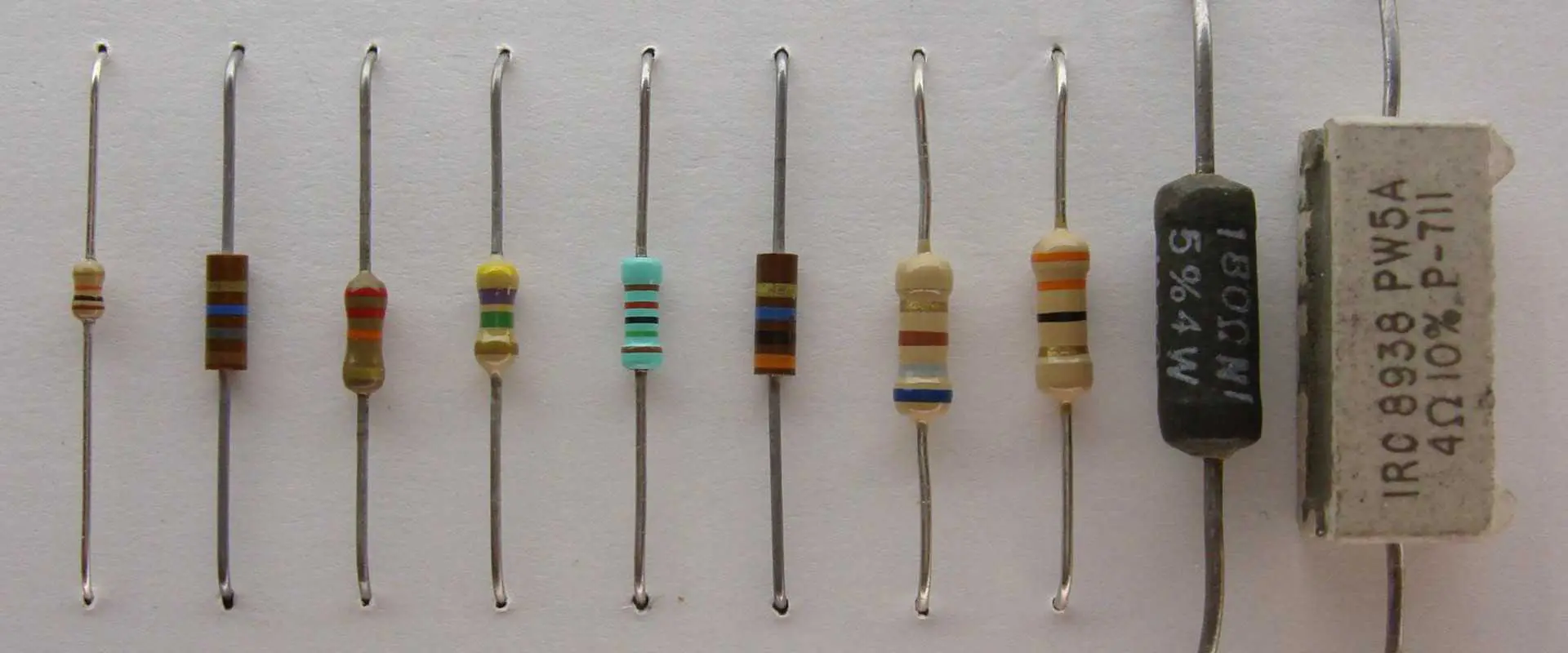
 The color band indicates the resistance of a specific resistor. Resistor color codes can be formed with three, four, and five color bands. Each band has its own number to form a resistance number. 

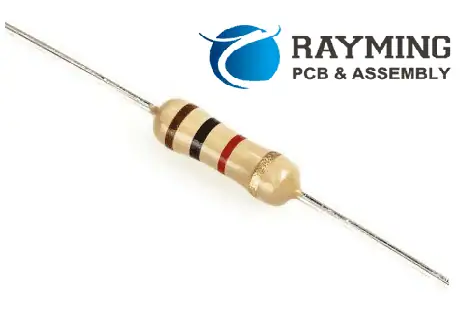
A 10k ohm resistor has 4 color bands: brown, black, orange, and gold for 5% tolerance, respectively.

The first two bands signify the digits while the third one is the multiplier while fourth are tolerance. This is true in the case of four bands 10k resistors. If there is a fifth band, then the fifth band shows tolerance. Every color band has a specific value. You can easily get these values from Google. If you are buying a 10k resistor, then you can find all the necessary information in the package. For many people, these codes are confusing, but they are so simple. Once you learn the codes and values then, calculating the resistance eyes is easy.

If your four-band 10k resistor has brown, black, orange, and gold stripes. Then the brown strip has 1 value, the brown strip has 10 values, and the orange strip has 1000.  Fourth is ยฑ5%. That’s why it is 1ร—10ร—1000=10kยฑ5% ohm.

Uses Of 10k Resistor

 10k resistor has many uses, but the following are some popular uses of a 10k resistor

1. Voltage Divider Circuits

Voltage divider circuits are one of the basic circuits in electronics. They help to divide large voltage into small and constructible voltage. That’s why 10k resistors are suitable for the voltage dividers. Sometimes high power voltage or current can disturb all circuit functions. As a result, your device may not perform well.  This 10k resistor has a small and compact design. That’s why it is suitable to use in circuit protection devices. 

2. Breadboards And Perf Boards,

ย Breadboards are also known as plug blocks. That’s why it is helpful in setting up temporary circuits. Perfboards, aka strip board, is useful in prototyping electronic crust.

 Both boards serve as a base for different PCBs. Ten k ohm resorts go well in such boards. 10k resistors have a slim appearance, that’s why they occupy less space. This resistor fits snugly into a breadboard with very little movement, so you should have few to no issues using them in your next project! 

3. As A Current Limiters

ย Certain parts of circuits require little current flow from properly functioning. At such times resistors play an important role. 10k ohm resistors go well for current limiters. In a circuit where you want to limit the current flow, this resistor will work wonders. It limits the current flow, and only desired voltage passes through it. As a result, their circuits work like a pro.

 Some Frequently Asked Questions.

FULL PCB MANUFACTURING Quote

ยท Are 10k Resistors And 1 K Resistors Both the Same?

10k resistors and 1 k resistors both are not the same. Many people confuse resistors and consider every resistor the same. A 10k resistor has more resistance value as compared to 1 k. Both serve differently in different devices.

 How to recognize 10k resistor

 It is easy to recognize a 10k resistor. It has a sleek and smart appearance. It has four color bands: brown, black, orange, and gold for a five percent tolerance. 

That’s why it is easy to identify the resistor with the help of color bands. The third orange band is a multiplier. If a 10k resistor is a five-band resistor, then its 5th band is made of gold. If you are new to the resistor world, then you may ask an experienced person.

ยท From Where Can I Get 10k Resistors?

There are several online and physical stores selling these resistors in bulk. You can also find them on eBay and Amazon. They provide cash on delivery facilities. That’s why you don’t need to worry. Always choose a reliable vendor for electronic parts purchase. 

ยท How To Put A 10k Resistor In The Circuit?

It is simple to put it in circuit. You can put 10k resistors both in series and paler in the circuit. Designers and engineers put it in the circuit according to their requirements. In this way, they get the desired results. 

ยท Can I Combine Two Or More Two 10k Resistors to Get More Resistance?

Yes, you can do it. It is the most common way to get the resistance of your desire. Combining resistors in a specific way produces a different equivalent resistance. For instance: by combining two tank resistors and arranging them in series, you can obtain an effective resistance of 20K. This is quite a practical way because it is not feasible to manufacture resistors for each possible resistance. That’s why you don’t find the resistor of every possible value.

Conclusion

10k ohm resistor is extremely helpful in designing some specific circuits. It serves the purpose best. It has a sleek and slim design, that’s why it is easily adjustable in complex and compact circuits. Color code is helpful in identifying the 10k resistor. It is also crucial to buy all electronic components, including 10k resistors, from a reliable vendor. As a result, you can work with ease.

How Does a Relay Work

What is a Relay

Relays are used in many applications, such as test equipment, automotive, industrial, and home automation. This article will examine what a relay is, how it works, and some of its uses.

What is a Relay?

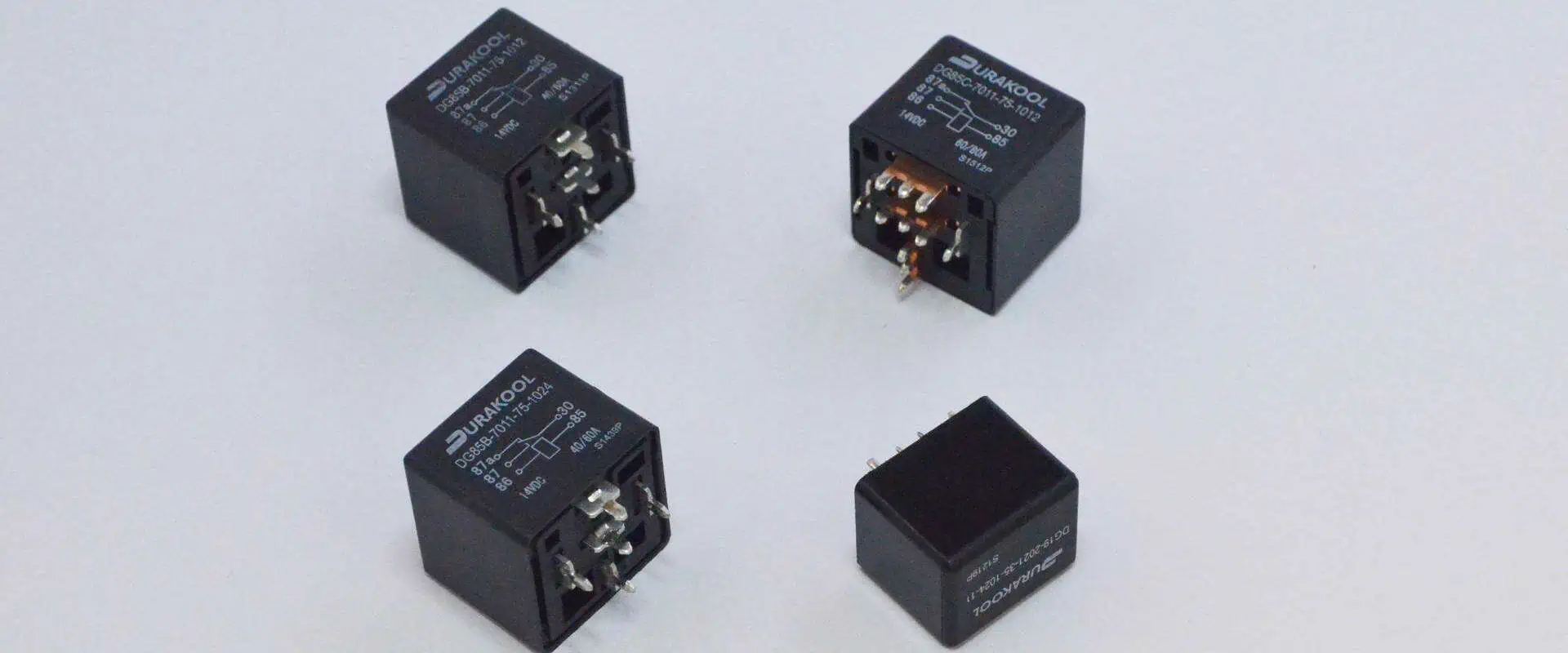
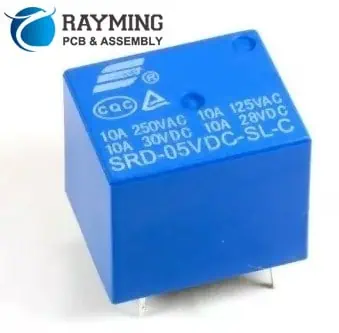
A relay is an electromagnetic switch that controls an electromagnet to join or disconnect two circuits using an electrical signal. Relays function without any need for manual intervention, unlike manual switches.

By employing an electrical signal to drive an electromagnet, a relay functions as an electromechanical switch that connects or disconnects two circuits. Unlike manual switches, relays work without the need for any manual input.

Each electrically powered relay consists of

  1. Mechanically movable contact
  2. Electromagnet
  3. Switching points
  4. Spring
Relay
Relay

A copper coil twisted around a metal core creates an electromagnetic in an electromechanical relay. The coil’s two ends are linked to the relay’s two DC supply pins.

To connect large ampere loads, two additional links, referred to as due to diversity, are often present, along with a single contact to connect the switching points. 

The contacts are designated as commonly used (COM), typically open (NO), and typically closed (NC) connections.

Relays can accommodate all AC and DC circuits; however, with AC relays, there is a risk of ongoing circuit disruption since the relay demagnetizes at every present zero state.

To solve this problem, unique mechanisms that sustain constant magnetic, such as circuit design layouts or shaded coil mechanisms, are incorporated into the design of AC relays.

How does a Relay Work?

  • Through electromagnetic induction, the relay functions. 
  • The electromagnet produces a magnetic field whenever electricity is applied. 
  • A switch is used to deliver DC to a load in a relay, as shown in the image above.
  • The iron core and copper coil of a relay act as an electromagnet.
  • The energizing of the relay is the process of applying a DC to the coil, which attracts the contact, as shown in the image. 
  • This de-energizing of the relays is when the contact returns to its initial position after the supply is shut off.

Some relays operate reversely, with their contacts initially being closed and then opening when power is applied.

 Solid-state relays, on the other hand, feature a device that senses the input voltage and employs opto-coupling to activate the output.

Types of Relay Contact 

Relays act as switches, as was previously mentioned, and are classified to use the “poles and thrown” terminology according to the number of connections and circuits they switch.

We must first appreciate the poles and throws of a relay switch to understand the categorization of relay contacts.

ยท Poles & Throws

Each switch on a relay is known as a pole, and it can regulate one or more circuits. The throws of a relay show how many circuits it connects, categorized according to their throws and poles, which include

ยท Single Throw

A single pole, single throws (SPST) relay has only one output and controls one circuit. Applications that need the On or OFF state make use of it.

ยท Double Throw

A one-pole double throw (SPDT) relay, commonly known as a changeover relay, links one input circuit to one of 2 output circuits. 

Even though SPDT has two output places, depending on the design and application requirements, it may include more than two throws.

ยท Double pole and single throw

A dual pole single throws (DPST) relay connects two endpoints of a single path simultaneously and has two poles or a single throw. For instance, it can connect the load’s phase and neutral terminals simultaneously.

ยท Double pole and double throw

The double pole, double throw (DPDT) relay consists of two poles, each with two throws, for a total of 4 throws. It is frequently employed in motors direction control for period or polarity reversal.

These relays execute the switching motion between contacts whenever the coil is energized.

Types of Relays

FULL PCB MANUFACTURING Quote

Relays can be categorized according to their use, structure, functioning, etc. Here are a few prevalent kinds of relays.

  • Latching
  • Electromagnetic
  • Non-Latching
  • Electronic
  • Reed
  • High-Voltage
  • Time delay
  • Small Signal
  • Multi-Dimensional
  • Thermal
  • Distance
  • Differential
  • Automotive
  • Frequency
  • Rotary
  • Polarized
  • Sequence
  • Moving Coil
  • Safety
  • Buchholz
  • Supervision
  • Ground Fault

Please see our comprehensive guide on the Classes of Relays for more information on the many forms of relays.

Applications of Relay 

Relays protect the electrical system and lessen the risk of overcurrents or overvoltages harming connected equipment. They are used to safeguard the linked equipment.

They are used to regulate the lower voltage signal that powers the high-voltage power circuit in power amplifiers and some types of modems.

These relays are used in applications like car starter solenoids to control extensive current connections with a lower power signal. In electricity transmission and distribution networks, they can also find and isolate issues. Relays typically find use in the following contexts:

  • Lighting control systems
  • Telecommunication
  • Industrial process controllers
  • Traffic control
  • Motor drives control
  • Protection systems of electrical power system
  • Computer interfaces
  • Automotive
  • Home appliances

Importance of Relay

Relays are adaptable parts that work well in both simple and complex systems. They can be used in place of other switch types or to meet specific specifications like amperage restrictions.

Switching the Level of Current

Relays are frequently employed when an application transitions from high to lower current or simultaneously inside the same circuit. For instance, HVAC temperature sensors need more amperage than their cabling can supply. To increase the current from a small one to a larger one, relays amplify it.

Complex Applications

A single fact in the circuit is not the only place relays can change a single input into a single output. In some applications, they can turn on several circuits, allowing a single input to start various effects. Relays can also be used in conjunction with each other to execute Boolean logic operations that may be less expensive than using other components. 

Furthermore, specific relays are more advanced than other electronic components. For instance, time-delay relays let systems operate for a predetermined amount or start after a predetermined amount of time. This gives rise to more advanced design alternatives for electronic systems.

Benefits of Relay 

Even though a relay is not technically necessary for an application, using one can still be helpful. High-amperage cabling and switches may require less money and room if relays are used. 

Relays in electronic devices allow manufacturers to pack more functionality into an amount of area while using thinner, lighter housing.

How to Identify a Wrong Relay?

relay-circuit-board

Although they are often reliable, relays can malfunction like other mechanical parts. However, using a multimeter to find a lousy relay is not too difficult. 

To find a bad relay, find the wires where the connections enter and leave the relay. Then, using a multimeter, examine the voltage of each of those points.

1. Check to see whether there is voltage in which the relay is connected. If there’s no voltage, look for flaws in the fuse or switch. 

2. To verify a solid ground relation on the opposite side of the relay, use the multimeter’s continuity function if there are volts at the connection point.

3. Examine the voltages where the relay attaches to a battery or another power source if Steps 1 and 2 are unsuccessful in identifying the issue’s root cause. When there’s no voltage at this location, a fuse and circuit breaker may be faulty. 

4. To confirm that the relay or the component is connected correctly, use the multimeter’s continuity function. It might be necessary to replace your relay if the connection is present and the previous stages did not indicate a different problem.

Conclusion

We looked at the definition and operation of a typical electromechanical relay in this overview of relays. We also introduced a few different relay types and gave examples of how they might be used in various situations. In addition, we covered severe testing techniques.

Top 8 Applications of Industrial IoT Devices

Smart Manufacturing IoT

Industrial IoT refers to the integration of intelligent sensors & actuators into industrial and manufacturing processes. It is also commonly called the industrial internet/Industry 4.0. IIoT has utilized real-time analytics and the power of advanced machines to leverage the data generated by traditional “dumb machines” in industrial settings for many years. IIoT is based on the idea that intelligent applications are not only capable of capturing & analyzing data in real-time more efficiently than humans, but they also excel in communicating vital information(data) that can be leveraged to make faster and more accurate business decisions.

IIoT is built on the concept that connected sensors & actuators can enhance industrial processes by capturing and analyzing real-time data. This allows companies to quickly detect inefficiencies and issues, ultimately saving time and money and improving business intelligence. Manufacturing is a sector that stands to benefit significantly from IIoT, with potential applications in quality control, sustainable & environmentally-friendly practices, supply chain efficiency, and overall supply chain traceability. IIoT plays a vital role in various industrial processes, including PdM, improved field service, asset tracking, and energy management.

Top 8 Applications of Industrial IoT Devices

1. ABB

ABB, a leading company in power & robotics, has adopted predictive maintenance using sensors to monitor the maintenance needs of its robots across five continents & trigger repairs before parts break. The company has also developed collaborative robotics, such as the YuMi model, which accepts input through Ethernet & industrial protocols such as Profibus & DeviceNet. These efforts demonstrate ABB’s embrace of IoT and its potential for enhancing industrial processes.

2. Airbus

Airbus has launched a digital manufacturing initiative known as the Factory of the Future to streamline operations and boost production capacity for commercial jetliners. With millions of components & tens of thousands of assembly steps, assembling a jetliner is a highly complex process where mistakes can have serious consequences. By using advanced digital technologies, Airbus is aiming to optimize its manufacturing processes and enhance its capabilities to meet the growing demands of the aviation industry. Airbus has implemented a digital manufacturing program called Factory of the Future to improve efficiency and increase production capacity in the assembly of commercial jetliners. This initiative integrates sensors into shop floor tools and machines and provides workers with wearable technology, including industrial smart glasses, to enhance workplace safety and reduce errors. The use of wearables in the cabin-seat marking procedure has led to a 500% increase in productivity while almost eliminating errors.

3. Amazon

Although not commonly referred to as an Industrial Internet of Things company, the online retail giant is undoubtedly a pioneer in warehousing & logistics, as highlighted by MIT Technology Review. 

Amazon is exploring the boundaries of automation & collaboration between humans and machines. Although the company’s proposal to employ drones for deliveries has garnered significant media coverage, it also relies on Wi-Fi-linked Kiva robots to operate its fulfillment warehouses in large numbers. Amazon purchased the Kiva technology for 775 million dollars in 2012 with the fundamental concept that it’s more efficient for robots to locate product shelves and transport them to employees rather than having workers manually search for products on the shelves. According to Dave Clark, a senior vice president at Amazon, the robots assisted the company in reducing its operating budgets by 20 percent in 2014

4. Boeing

FULL PCB MANUFACTURING Quote

William Boeing, a trailblazer in aviation, once humorously remarked that one should not dismiss any innovative idea with the lime, “It can’t be able to done.” The multinational aviation corporation established in his name still adheres to this principle. The company is currently striving to achieve its long-term objective of making its service offerings more significant than its products and becoming the best information provider in the aviation industry. Boeing has already achieved noteworthy progress in revolutionizing its business. Through its subsidiary, Tapestry Solutions, the company has vigorously implemented IoT( Internet of Things) technology to enhance efficiency across its factories & supply chains. Additionally, the company is gradually augmenting the number of connected sensors integrated into its aircraft

5. Bosch

Bosch initiated the Industrial Internet Consortium’s initial trial, the Track & Trace program, in 2015. The program’s primary motivation is to minimize the time workers spend searching for tools. Bosch incorporated sensors into its tools, beginning with the cordless nut runner, to monitor them. As tracking technology advances and improves accuracy, Bosch intends to employ the system to direct assembly operations.

6. Caterpillar

Caterpillar, a heavy machinery manufacturer, has been a trailblazer in IoT initiatives for a long time. The company, now frequently referred to as “Cat,” has recently showcased the outcomes of its investments in IoT technology. For instance, it utilizes IoT and augmented reality (AR) apps to give machine operators a quick overview of fuel levels and the need to replace air filters. The company can guide you on replacing an expired filter through an AR app. Additionally, their marine intelligence division is recognized for its innovative approach. In a recent article, Forbes detailed how the company leveraged sensor-driven analytics to reduce costs associated with boats & shipping vessels significantly.

7. Fanuc

Fanuc, a robotics manufacturer, is committed to minimizing operational interruptions in industrial settings. By leveraging sensors integrated into its robots and harnessing cloud-based analytics, companies can anticipate potential failures of components, like robotic systems/ process equipment, before they occur. Fanuc has taken a more proactive approach to predictive maintenance than most companies. Although predictive maintenance is not new, Fanuc has embraced it with greater intensity. As a result of their efforts, General Motors recognized the ZDT system with the Supplier of the Year Award last year.

8. Gehring

Gehring Technologies, a company that produces metal honing machines and has been in business for 91 years, quickly adopted IIoT (Industrial Internet of Things) technology. Currently, the company provides its customers with real-time data on the operation of Gehring’s machines before they make a purchase. Gehring achieves this through the implementation of digital technology, which enables the transmission of real-time data from the new machine to a client, ensuring that it satisfies the customer’s demands for accuracy and effectiveness. The company also utilizes cloud-based real-time monitoring to enhance its manufacturing productivity by observing its interconnected manufacturing systems, visualizing data, and analyzing machine tool data in the cloud. This approach helps Gehring minimize downtime and improve operational efficiency.