What are the Different IoT Projects Using Arduino?

5G IoT Technology

Internet of Things is made up of countless physical objects that are linked to the web and can communicate with one another and upload data without human intervention.

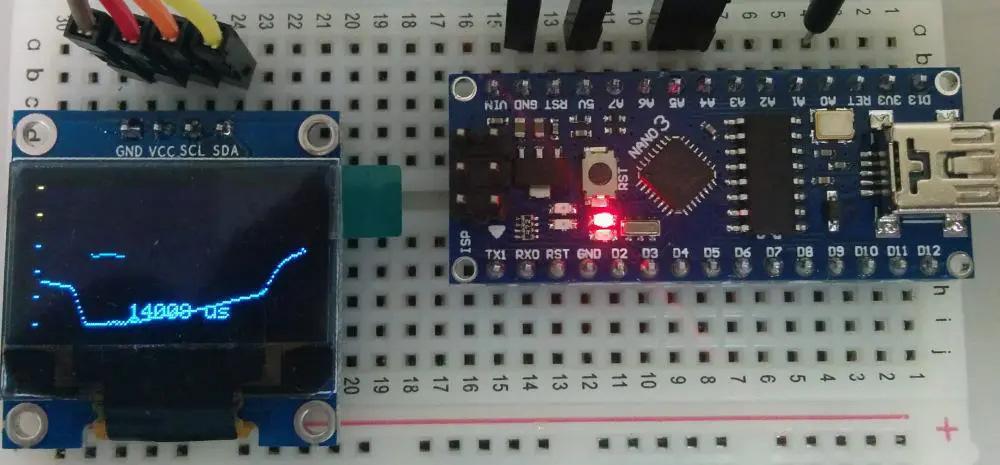
From the 8-bit microcontrollers through to the 32-bit microcontrollers, and some even having bluetooth and WiFi capabilities, Arduino supplies a variety of development circuit boards. This, together with the beginner-friendly projects it offers online, makes Arduino the perfect platform for starting your first Internet of Things projects!

IOT Projects Using Arduino

Below are some IOT Projects Using Arduino. Please let us consider them.

Monitoring pollution levels using an IoT-based dashboard and sensor for pollution detection

You reside in a metropolis where it is becoming increasingly harder to breathe? Or perhaps you were just wondering how much pollution you deal with on a daily basis.

For any application, all you’d need is an Arduino board as well as some creativity because just two things would enable you to build a pollution meter. You wouldn’t need a lot of equipment, and you wouldn’t be spending a lot of money. But, you may have a significant impact on how much money you could ultimately create with such modest sum of cash.

Geiger Counter

The sci-fi enthusiast in you will enjoy this project. Let’s say you enjoy watching movies in which the heroes explore the unknown while holding the clicking machine. The Geiger counter is the name of that device.

Lovers of Chernobyl (the series, not the event) should be very familiar with this counter. With the Arduino board, users can build one for themselves. You’ll discover that building such a device is not particularly challenging.

Communicator for Plants

It might be difficult to keep the plants alive because of the many factors at play. By assisting you in keeping track of the moisture, light, and temperature of the plant, this project relieves some of your workload.

In order for you to keep a close eye for warning indications, it also provides you a email having the data and graphs. By using the tutorial on Arduino Project that is mentioned above, you can make your personal plant communicator.

Smart garbage system

A dustbin is probably the last thing on your list when attempting to make different equipment smart. But, you can create a single trash can that will notify you whenever it is full and when it is appropriate that you carry the trash outside. Not all of it, though.

To lift the dustbin’s lid, you wouldn’t have to make use of your legs or hands. The Arduino can be readily programmed to respond when it senses a specific motion range. Let’s imagine you wanted the dustbin lid to lift in response to a very loud clap and when you stamp your foot anyplace near the trash can.

One such dustbin could be produced with the aid of code. Yet without the assistance of Arduino Uno, a completely unique breed of Arduino board, this project wouldn’t have been finished. This project wouldn’t be the simplest thing you have ever made because you’d be employing such a complicated array of tools as well as moving parts.

Any project that can measure the range and spirit level

If you choose to complete this project, then you would be accomplishing two goals at once. You would require the capability of a specific ultrasonic sensor (HC-SR04), which would allow you to estimate distances between 0 and 4 meters.

The sensor could potentially be used to measure the spirit level. By no means is the creation of such a project simple, so keep that in mind when you go about making it for yourself. Most likely, you would have to create your own perplex casing. Nevertheless, in order to shine such as a diamond, one would need to burn just like one, which means you would need to go through difficult times in order to see the project.

You can take a break there because the coding isn’t too difficult, and if you’re searching for a specific project that will show you the variety of uses which Arduino has, then you have to take on this one.

Home automation (Bluetooth-based)

embedded iot

With Arduino Uno, this straightforward system for home automation was created! In order to be controlled by a smartphone, the Bluetooth module for Low Energy is attached to the relay module as well as light bulb. The system’s creator mentions that other devices could be integrated into it.

Simply connect the Arduino Uno to VCC, RX, TX, and GND which are the four pins of a Bluetooth module to make it function. Since this Bluetooth module inside this project has a built-in voltage regulator, you may connect it directly to the Arduino’s 5V supply.

Lastly, connect the RX and TX pins to TX and RX on Arduino, respectively, before building the voltage divider system with 20k and 10k resistors. This is so since we must lower the volt from 5V down to 3.3V.

Plant Watering System for Home

Because it has two independent, separate channels, each of which may be disabled, this watering system for plants can support two different plants. Users can choose how long a plant needs to be watered, water it manually, can also monitor humidity, detect light levels, and turn off the irrigation system at night.

Moreover, there is also a menu that enables users to change setup options that are stored in electrically EEPROM, which is an electrically programmable erasable read only memory. By adhering to the steps in the tutorial for the Arduino Project, you may create your own at-home plant watering systems.

Why the Arduino IoT Cloud would be the best choice for IoT-projects based on IoT?

FULL PCB MANUFACTURING Quote

The smart system built on Arduino boards, which is the Arduino IoT cloud gives us all the functionality a specific IoT project needs. It enables users to more effectively integrate hardware with online servers. The following are some key advantages that Arduino has in the world of IoT.

Multiple Connectivity

Connectivity is indeed the foundation of any IoT project. Bluetooth, Wi-Fi, and Ethernet forms of connectivity are what we mean when we talk about connectivity.

IoT-related projects can use a variety of Arduino boards. These boards already have Bluetooth and Wi-fi modules installed, which make it simple to analyze video as well as audio data.

There are numerous Arduino shields that may be used with the Arduino boards to include external communication devices. By removing extra wires, Arduino shields help projects run more efficiently. In general, IoT projects are less expensive to maintain since shields are simple to replace.

Storage

Another crucial aspect to take into account during Arduino programming as an Internet of Things device is memory storage. Thousands of code lines can fit in the memory of the microcontroller-based device. Approximately 32KB of the SRAM is available in new Arduino IoT-based families such as MKR, which is adequate for different IoT applications.

Arduino can be described as the greatest solution for small-scale IoT projects, but it is not appropriate for different multilevel projects which use data from several different devices to create a network.

Power Source

Power backup seems to be the biggest challenge to keeping the entire network operational through the day when running IoT devices. Regarding power intake, Arduino offers a broad flexibility range. The three most common ways to power the Arduino boards are through USB port, Vin Pin, and DC jack, and Vin pin.

The suggested voltage range for Arduino is 7โ€“12V. The IoT network could be powered by the power bank via the USB connection of an Arduino, which helps to keep it online constantly.

Easy Interface
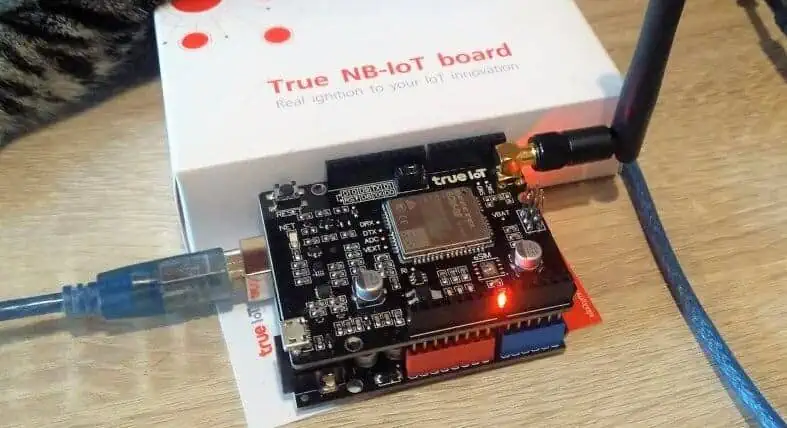
The simple interface of Arduino makes it easy to create projects. Simple methods make it easy to control analog sensors, motors, as well as other components. The Arduino microcontroller board is far better than other board types in performing repetitive tasks. Programming

The Arduino development platform, termed as IDE, can be used to program Arduino boards. One can program the Arduino boards for “n” times using the IDE. C++ is used by the cross-platform program IDE to program Arduino boards. A project can be built faster overall thanks to the abundance of different free libraries offered by the IDE. You can control the hardware without having to create their code right from scratch by using libraries.

Conclusion

For any application, all you’d need is an Arduino board as well as some creativity. Internet of Things is made up of countless physical objects that are linked to the web and can communicate with one another and upload data without human intervention. If someone needs to begin with different IoT projects and is searching for affordable IoT boards capable of performing repetitive tasks without requiring constant updates, then Arduino is really the perfect platform to begin your next IoT venture. Arduino features a simple-to-use as well as build hardware which could make different IoT projects to run in a few days and otherwise a week.

Tips to help you choose the Best Automotive Electronics Manufacturer

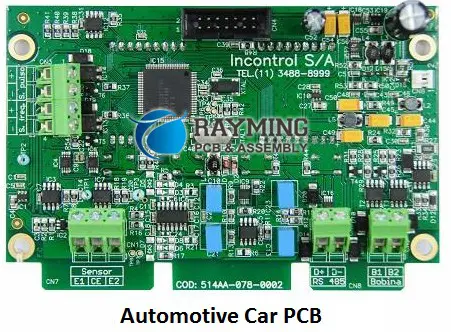
Automotive PCB Manufacturers

The global auto electronics market hit a staggering net worth of around 301.2 billion USD in 2022, and this figure goes up every day. However, this means that many automotive electronics manufacturers are popping up to try and have a piece of this pie. Therefore, if you are looking for an automotive electronics manufacturer and go head-first without prior preparation, you will have difficulty finding the perfect one. However, is there a way to filter out various automotive electronics manufacturers until you find the right one for your project? The answer to this question is simply yes. However, to filter the manufacturer, you have to put a lot of things into consideration. For example, how experienced is the manufacturer? Does the manufacturer provide services that suit your needs? And so much more.

Automotive Electronics in a Nutshell

Automotive PCB Applications and Types

Automotive or auto electronics are simple electronic gadgets that are utilized in various off-road and on-road vehicles, for example:

  • Electric cars
  • Hybrid cars
  • Motorcycles
  • Forklifts
  • Trucks
  • Tractors
  • Excavators and so much more

Moreover, these gadgets include engines, telematics, radio, ignition, and entertainment management systems, which help improve the overall efficiency and functionality of a vehicle. Additionally, various features such as diagnostic tools, satellite-controlled gadgets, and anti-lock braking systems help in terms of enhancing driver safety and fuel efficiency. Due to these impeccable benefits, the demand for automotive electronics has been going up rapidly.

As per an analysis carried out by IMARC, renowned automotive electronic manufacturing firms are now investing heavily in R and D (research and development) activities to help generate more efficient electronics and energy storage tech.

Top-Tier Manufacturers

Additionally, since the production costs of automotive electronics have gone up, top-tier manufacturers are now procuring various components from specific domestic suppliers based in countries like:

  • Japan
  • India

Making this shift as per components procurement is helping the manufacturer reduce the cost of logistics while at the same time avoiding high import duties. However, this shift does not just benefit the manufacturer. It is also highly advantageous to the client. That is because, by procuring high-quality components at lower costs, manufacturers are able to provide high-quality automotive electronics to clients at affordable prices.

Moreover, these top-tier manufacturing companies are also introducing innovative product variations. Using these new product variations, these companies will be able to utilize advanced tech to serve their customers better. For example, Infineon tech launched a new package for its 100 V and 80 V MOSFETs using OptiMOS 5 tech to meet the needs of various 48V applications.

According to experts, the market value of the automotive electronics industry is predicted to hit a staggering 452.0 billion USD by 2028, with the expansion rate of this industry having a CAGR of around 7.4%.

Tips to help you select the Best Automotive Electronics Manufacturer

FULL PCB MANUFACTURING Quote

Choosing the best automotive electronics manufacturer in a market that is full of manufacturers dealing with the same products can be tricky. However, you can utilize the following tips to filter out various manufacturers until you remain with the one that fits your needs:

Identify a Reputable Automotive Electronics Manufacturer

When looking for a manufacturer to deal with your automotive electronics order, you have to significantly consider the manufacturer’s reputation. To measure prestige, you can utilize various factors, which include:

  • The financial performance of the organization
  • Service and product quality
  • Whether or not the organization focuses on the customer
  • Management and leadership qualities
  • Organizational ethics

Moreover, you should also check on the organization’s digital reputation since this can also help you, as the consumer, make a more reasonable decision.

If you own an automotive assembly shop, then you highly regard this tip. That is because when an organization has an impeccable reputation, customers tend to select them instead of their competitors whenever they need products. Therefore, you should also work with a reputable manufacturer committed to generating high-quality auto electronic products to shield your reputation. Remember, if the manufacturer you are working with does not live up to your expectations, this might negatively affect your clients.

Differentiate between Value and Cost

The terms value and price aren’t interchangeable. Actually, there is a significant difference between these two terms:

  • For one, prices are arbitrary
  • On the hand, value is perceived benefits over perceived costs.

Therefore, even if you’re looking to reduce your expenses, you shouldn’t compromise the quality of your product by trying to save up more than you should during the production process. It would help if you also kept in mind that, in most cases than not, manufacturers are going to charge you more than the actual price of the electronics product. Moreover, you will also be paying the automotive electronics manufacturer for their services and expertise, which separates them from their competition. Therefore, the value you get when you make your purchase will involve a combination of services, reliability, dedication, and quality offered by your manufacturer.  

Before Committing, Gauge the Auto Electronics Quality

When it comes to automotive electronics, quality should be something that you should not overlook. If you own a car assembly shop, quality products boost your business by helping you meet your customer’s expectations. Moreover, they also help you meet various industry standards while at the same time managing your reputation and costs. Consistent quality and reliability create trust among your loyal clients. Therefore, your automotive vehicles should be assembled bearing high-quality automotive electronics and other parts.

On the other hand, quality still comes in handy if you are purchasing electronics for your personal or business vehicles. That’s because quality products serve you more efficiently and are more reliable. Moreover, in case you are trying out a new item, then you should carry out multiple tests on it to test its performance before you purchase it. Good automotive electronics manufacturers display their confidence by showing their previous creations to you and even letting you request various design samples, including your own. And even though some automotive electronics manufacturers charge some money to develop your sample, you can utilize the sample to learn whether or not their product meets your expectations. Therefore, investing in a sample can save you a lot of trouble.

Find an Automotive Electronics Manufacturer that Suits Your Business

When selecting an automotive electronics manufacturer, you are doing much more than simply selecting a manufacturer โ€“ you are building a partnership. So, even though your aim is to identify a great manufacturer who can handle your automotive electronics order affordably and efficiently, you may establish strong business relationships, which might lead to you doing more business with this particular manufacturer in the future.

These partnerships are investments to help you all gain collective success, which means they can impact your business tremendously. Therefore, a great automotive electronics manufacturer should seek to build strong partnerships with your company so that you can both succeed in unison.

Top Automotive Electronics Manufacturers in the Market

Automotive Sensors of Signal Conditioning

There are so many organizations offering automotive electronics services, and therefore, pinpointing the right one can be a challenging task. However, using the tips above, you can narrow your search and speed up your search. Moreover, to make your work easier, we have generated a list of the top auto electronics manufacturing organizations in the market today. These organizations include:

Omron Corp

Omron Corp has been in the industry for quite some time now. Initially, this company was known as the Tateisi Electronics Manufacturing Company. However, after a while, the company changed its name to Omron Corp, and now it is among the top manufacturing companies that deal with:

  • Manufacturing industrial automation
  • Producing mechanical and electronic components
  • Manufacturing healthcare equipment

The organization’s mechanical and electronic components business offers components/units, sensors, switches, and relays for amusement gadgets. Currently, this company has over 30,000 employees and serves multiple customers in over 120 countries worldwide. Therefore, this organization has the workforce and the technology to handle your automotive electronics order.

Robert Bosch GmbH

The Robert Bosch GmbH organization, commonly called Bosch, is one of the most renowned suppliers of services and technology worldwide. Moreover, this company mainly operates in 4 separate segments, namely:

  • Building and energy technology
  • Consumer goods
  • Industrial technology
  • Mobility solutions

Additionally, this company offers pretty innovative solutions for connected mobility, industries, and smart homes. Moreover, Bosch utilizes its expertise and excellent knowledge in tech to provide various services to its clients, such as:

  • Services that involve sensor technology
  • Software services
  • Services that involve IoT (the Internet of Things)

Moreover, this company strives to provide its clients with cross-domain and connected solutions from one source. Currently, this organization owns over 440 subsidiaries and regional companies in over 60 countries worldwide. Additionally, recently, Bosch designed an HVLR (High Voltage Laboratory Rig) that is utilized to test out the power electronics of various electric vehicles efficiently.

The company was established in 1886. Therefore, it has years of experience in the industry. You can hence entrust them with your automotive electronics order anytime. They never disappoint.

Infineon Tech

 Infineon tech is an impeccable company established in 1999 that deals with the designing, manufacturing, and marketing semiconductors and other related solutions. Moreover, this company also functions in four separate segments, namely:

  • Secure management systems
  • Power sensors
  • Industrial power
  • Automotive

Moreover, this company also manufactures items such as:

  • Security products
  • Power train
  • Infotainment
  • Comfort electronics
  • Integrated circuits
  • Radar sensors
  • Industrial microcontrollers
  • IGBT modules
  • Discrete power semiconductors
  • Automotive microcontrollers

Moreover, as of now, this organization is investing heavily in R and D (research and development) to help them launch innovative and more efficient product variations.

HGM Auto Electronics

HGM Auto Electronics is an STC (specialty transmission controller) manufacturing company that deals with the manufacturing and supplying of advanced electronics systems which are meant for auto aftermarket use. Moreover, this company is also famous due to the controller systems that they design, which help facilitate auto transmission in various automobiles. Additionally, HGM is also renowned because of its flagship product known as the COMPUSHIFT. Generally, COMPUSHIFT involves a range of high-tech transmission controllers that have become the most popular standalone auto transmission controllers across the globe. Furthermore, as per the 21stย century, this company offers its customized aftermarket and auto electronics products in North America. Therefore, you can try them out. They never disappoint.

Hitachi Limited

Automotive PCB Applications and Types

Hitachi Limited is a famous multinational company that deals in the manufacturing and selling of:

  • Telecommunication and information
  • Power
  • Eco-friendly systems
  • Smart life
  • Automotive
  • Social infrastructure

As of now, this company has over 30,000 employees serving various customers across the transportation, energy, government, life science, healthcare, finance, communication, and manufacturing industries.

Delta Electronics

Delta is a famous manufacturing company that hit the market back in 1971. The company is renowned for its thermal and power management solutions. Moreover, this company undertakes business through three primary business segments which are:

  • Infrastructure
  • Automation
  • Power Electronics

Moreover, it mainly participates in the development, research, sale, manufacture, and design of the following:

  • Robots
  • Consumer electronic products
  • Healthcare devices
  • Communication
  • Electronic control systems
  • Digital displays
  • Industrial automation
  • Energy tech services
  • Energy saving lighting
  • Field gadgets

Presently, this company sells its goods across Europe, Asia Pacific, and North America. Therefore, you can explore this company for your auto-electronic needs if you are within this area.

Atotech

Atotech is a popular international specialty equipment and chemicals manufacturing company that was established back in 1993. It offers various gadgets to organizations that deal with the production of the following components:

  • Semiconductors
  • IC substrates
  • Printed Circuit Boards

Moreover, this company also provide specialty equipment and chemical for functional and decorative surface finishes in the furniture, construction, automotive, and other sectors. Additionally, this company deals with two main business units:

  • General metal finishes
  • Electronics

Besides this, atotech has multiple production units, service and sales sites, and tech centers in more than 40 countries, which include:

  • Brazil
  • Mexico
  • The USA
  • Japan
  • India
  • Singapore
  • Taiwan
  • Korea et cetera

Conclusion

The automotive electronics industry is, without a doubt, a booming industry. However, even though this is advantageous, it also means that there are multiple manufacturers trying their luck in this sector. Therefore, without the proper guidance, you may likely select a manufacturer that is not up to your standards. However, if you follow the guidelines in this article, you will have your perfect automotive electronics manufacturer in no time.

The Doโ€™s and the Donโ€™ts when choosing the best Electrical Panel Manufacturers

PCB prototype assembly suppliers

You plug in a vacuum cleaner and then turn it on, but suddenly the lights go off in your living room, and you are left wondering whether or not there’s a power outage. However, in most cases, this situation isn’t caused mainly by a power outage but by circuit breakers. Circuit breakers are simply safety switches that switch off power automatically to separate your home whenever an overload occurs in your home’s electrical circuit. Homes have multiple breakers, which are all located in one component known as an electrical panel. Therefore, the electrical panel acts like your house’s electrical system brain. But is this the only function carried out by the electrical panel?

Moreover, electrical panels are crucial to every home that has electrical power. That’s because, without electrical panels, your house is usually at risk of experiencing drastic impacts whenever there is a power overload or a short circuit in the power system. Moreover, you should also ensure that your home runs on a high-quality electrical panel to ensure optimal performance and safety. But how can you select the best electrical panel manufacturer to produce your electrical control panel?

Electrical Panels in a Nutshell

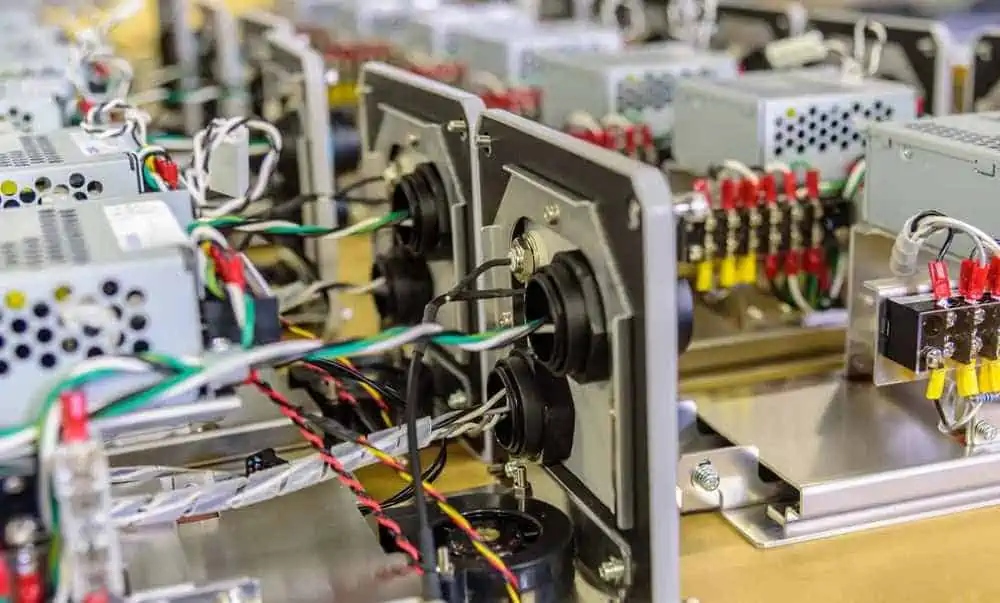
Box Build ASSEMBLY

Electrical panels, which are also known as breaker panels, are metallic boxes that have a door and are usually installed on a specific wall in your home that is not easily accessible to avoid any accidents. When you open up an electrical panel, you will find various breaker switches that break off current flow whenever there is a power overload in your home’s electrical power system.

You can easily toggle various breaker switches off and on. Moreover, they will also shut down automatically whenever excess current flows through them. That is basically their job.

Within electrical panels, you will find the primary circuit breaker, which has the power to shut off the house’s entire power system. Moreover, you will also find individual circuit breakers, each of which is responsible for the flow of current to various parts of a house. Therefore, whenever there is a power overload in a specific location in your home, the circuit breaker that handles that site cuts current flow to that part of the house. Moreover, these circuit breakers should all bear specific labels that link them to their control location to avoid confusion.  

Some elderly houses do not have circuit breakers. Instead, they have different components known as fuses. If a fuse box controls your house’s electrical system, you will not see switches inside your home’s electrical panel. Instead, you will find screw-in fuses. However, if your house still runs on fuses, you might have a challenging time getting insurance. Therefore, you should upgrade to electrical panels to avoid any inconveniences.

Current Flow in Homes

The electrical power of most homes arrives inside the house via a component known as an electrical meter which is located outside the house. After receiving the electrical current, the electrical meter reroutes the power to the house’s electrical control panel. Therefore, to cut off electricity flow inside your entire home, you can utilize the main circuit breaker, which is found inside the electrical panel. The main circuit breaker breaks the current flow for the whole house.

Moreover, the main circuit breaker also lets you know your electrical service’s amperage (your home’s electrical current strength). Home insurance companies are often concerned about your house’s amperage before offering insurance. If your amperage is below 100, you might have to upgrade your system. On the other hand, sub-100 amperage might make it challenging for you to get an insurance company willing to insure your home, or you might end up paying more for the insurance.

Importance of Electrical Panels

FULL PCB MANUFACTURING Quote

Electrical panels play an essential part in the electrical industry. These panels boost the efficiency of various electrical systems. Moreover, by utilizing essential relays, these components are able to offer overload and short-circuit protection to electrical power systems.

Electrical panels are crucial metallic enclosures that display vital parameters such as:

  • Current
  • Frequency
  • Voltage
  • Power factor

Moreover, electrical panels have the ability to aid in the regulation of the electricity supply in a power system. These components can achieve this supply regulation via circuit breakers and switches.

The Top Electrical Panel Manufacturers in the Market

Radios, lightings, televisions, and other selected low-energy home appliances were the typical electrical gadgets utilized in various homes before the emergence of modern electronics. During those times, most houses were running on fuse boxes which were efficient in terms of monitoring the current flow to the gadgets at that time. However, as of the 21st century, modern home appliances hit the market, and the power needed to run households has gone up rapidly due to the integration of these devices. Some of the most utilized modern-day electronics include:

  • Gaming systems
  • Personal computers
  • Laptops and so on

When the power being utilized by homes went up, manufacturers had to replace fuse boxes with different components which were more efficient. Hence they built electrical panels.

Electrical panel replaces fuse boxes, and since they hit the market, they have been growing in capacity and size over time.

Top electrical control panel manufacturers offer electrical systems, components, and products with up to 400 amp ratings. Moreover, these organizations don’t just serve residential only. They also cater to property owners.

Electrical control panel upgrades can move your panels from 60 or 100 amps to 200 amp capacities. These high capacities are becoming pretty common due to an increase in electrical demands per single modern household.

Whether you are starting your system from scratch or remodeling the power system, know the types of electrical panels available. Moreover, check the best panels in the market and the manufacturers making them. Of course, before you utilize any gadgets or appliances in your home, learn more about them. That means digging into how they operate and how much power they use. Once you have this information for every gadget and appliance in your home, you can figure out the correct electrical panel for your home.

Things to Consider before you Settle on a Specific Brand

PCB panelization

When searching for an electrical control panel or a switchboard, there are several factors that you have to consider before you settle down on a particular brand. These factors include:

Power Requirements

Before you buy a property, you should have a rough idea of your home’s electrical power needs. That is because even though many modern houses are built having a panel that can handle 200 amp and above. That amount of power might not be sufficient for you. Therefore, power is a crucial aspect.

Location

The location where you will install your electrical panel is crucial to the choice of the panel you are going to order. That is because not all electrical control panels can handle rough weather, and not all are resistant to the penetration of substances.

Safety Controls

Before you order any electrical panel to install in your home, you should ensure that the panel can efficiently handle the following:

  • Short circuit
  • Power surges
  • And other hazards that are related to electricity

That means you will have to research the manufacturing company and identify the type of panels they produce, their quality, durability, and reliability. With this information, you can be able to make an order that you will not regret in the future.

Machine Control and Breaker Types

When going through the profile of an electrical panel manufacturing company, you should also check on the materials that they utilize to make their panels. The materials that they employ should be of high quality, and they should also be durable.

Certifications

If you are looking for a perfect electrical panel manufacturer, you should not overlook their ISO certifications. These certifications verify that the company in question has specific processes followed during the designing and production process of their products to maintain consistency in terms of quality. Moreover, these certifications also show that the company undertakes various audits to make sure that its production processes are functioning optimally. What this means for you as their client is that you’ll always receive high-quality electrical panels since their processes are scalable and repeatable.

Top Electrical Panel Manufacturing Companies

Siemens Electrical Panels

Electrical panels from Siemens are pretty popular in the electrical and electronics market. Moreover, the majority of these models made for modern-day houses are not just user-friendly. They also come bearing user guides that you can use to install these panels on your own.

Siemens also provides multiple panel sizes and shapes that you can choose from. Therefore you should not have difficulty selecting the panel that suits your home. Additionally, depending on the power utilization in your home, you can choose panels with ratings ranging from 100 to 200 amps. Moreover, if you are having doubts about whether the 100 amp panel will serve you efficiently but still don’t want to go for the max amp rating. Then, you can go with the P1224L11225CU package, which offers an acceptable and efficient middle ground. The P1224L11225CU can easily handle up to 125 amps and cater to 24 circuits.

To effectively power these electrical panels, Siemens’s manufacturer utilizes metal buses, which are highly efficient and corrosion-proof. Moreover, for the ground and neutral bar, Siemens uses a technology known as instant wire which allows the panel to shorten the board’s installation process via accepting cables.

Siemens electrical panels are pretty popular. Actually, if you consult expert electricians, they’ll probably tell you to try out these panels before you go for panels from other manufacturers. Moreover, most families like these panels because of their:

  • Adaptability
  • Excellent quality
  • Longevity and power of these panels

Schneider Electric

If you are looking for high-quality, reliable electrical panels, you should try out Square D electrical panels by Schneider electronics. Even though there are many electrical panel manufacturers in the market today. The Schneider company is famous for producing high-quality, reliable panels. Moreover, when constructing these panels, manufacturers utilize heavy steels, which makes these panels exceptionally sturdy and durable. Furthermore, this company stocks multiple types of panels, which range from sub-sized panels to heavy-duty panels.

When using a standard square D electrical control panel, you can install up to 10 single-pole or five double-pole circuit breakers, plus the primary breaker. Moreover, these switchboards can also act as supplemental viewing areas.

Standard Square D is efficient primarily when utilized in one-bedroom and two-bedroom apartments. Moreover, they also function well when applied in smaller houses. Additionally, whether you go for the surface mount or flush configuration, you will have an easy time installing the package.

The 125 amp panels are pretty efficient when utilized in an enormous household. That is because they have room for 12 circuit breakers. Moreover, these panels are also expandable, which means you can add more circuit breakers in the future.

Bigger houses

If your household is huge, go with the Square D panel that bears a rating of 200 amps. The 200 amps version of the Square D panels or the Square D HOM4080M200PQCVP has a Qwik-Grip feature which lets you insert various cables into holes with minimal strain. Moreover, the shields of this version can easily snap shut, securing branch cables effectively and helping you save time. Due to this feature, these panels do not require cable connectors and steek knockouts.

Moreover, these panels can effectively support 240/120 AC voltages with tandem and full-size circuit breaker. Additionally, these panels are available in 2 double poles, 30 amp circuit breakers, and three single poles 30 amps circuit breakers.

Conclusion

With emergence and heavy utilization of modern-day home appliances and gadgets, the fuse boxes, pretty efficient years back, are now becoming absolute. That is because they can’t handle high-voltage power surges and short circuits that come with modern-day electronics as efficient as electrical panels. Therefore, many households are now shifting to electrical panels to control their electrical power systems better. However, with the many electrical panel manufacturer in the market today, selecting the perfect one can be tricky. However, if you utilize the tips in this article, you will find your ideal match in no time.

soil moisture sensorWhy the Soil Moisture Sensor is Importantsoil moisture sensor

Soil Moisture Sensor

Our intention is to arm you with all the knowledge and resources necessary to choose the best soil moisture sensor that suits your applications. We are exploring the most often asked query. What distinguishes a point measurement from a profile measurement in terms of the soil moisture sensor?

In order to determine how much water is held in soil horizons, the soil moisture sensor monitors the soil’s water content. Water in soil is not immediately measured by a soil moisture sensor. Instead, they track changes in another soil characteristic that is predictably connected to the water content.

To determine the amount of soil moisture, every sensor manufacturer employs a different technology; for a thorough description of the types available, we advise that you learn the different technologies here.

What Does a Soil Moisture Sensor Offer?

Soil Moisture Sensor device

One type of sensor utilized to determine the water’s volumetric content in soil is the soil moisture sensor. As the soil moisture’s gravimetric dimension needs to be removed, dried, in addition to sample weighting. The sensors measures its volumetric water potential indirectly using the electrical resistance, neutron interaction, dielectric constant, and other soil laws as well as moisture content replacement.

The relationship between the computed property and soil moisture needs to be changed and could alter depending on environmental conditions like temperature, soil type, or electric conductivity. This soil moisture can have an impact on the reflected microwave emission, which is mostly used in hydrology and agriculture.

Soil Moisture Sensor Types

There seem to be three basic categories of a soil moisture sensor, and each one has a unique method for obtaining measurements in the field and calculating levels of soil moisture. Each variety fills a particular requirement in the marketplace and has its own advantages and disadvantages.

Volumetric sensors

The quantity of soil water is directly measured by the volumetric soil moisture sensor. The majority of sensor types are included in this category, including sensors for heat dissipation, neutron moisture probe, and standard di-electric sensors.

This same three types of the dielectric sensors available for purchase are capacitance or FDR sensors, TDR sensors, and TDT sensors. These sensors measures the soil’s dielectric constant, which is a specific electrical property that is dependent on the content of soil moisture.

Tensiometers

Water is retained by soil particles either by adhesion or tension. The tension between the water molecules and soil particles is measured by tensiometers, which is the soil moisture sensor. Plants must overcome this tension in order to attract water molecules from soil particles to their roots in order to access the water.

How difficult it is for the plant to extract some water is shown by the potential of the soil matric or the tension reading of the soil moisture. A vertical, as well as a water-filled tube having a form of porous tip known as a tensiometer can be put into soil at appropriate depths; when the soil takes the water from its porous tip, a vacuum is created. Because water molecules are more difficult to pull away from soil particles in drier soils, the vacuum is stronger.

The solid state sensor

FULL PCB MANUFACTURING Quote

Solid state sensor, which cost $35 to $60 for every sensor unit, are the most affordable choice for determining the moisture content of the soil. Gypsum blocks as well as the granular matrix sensor are typical forms of the solid state type of the soil moisture sensor. To test the soil’s electrical resistance, they employ two electrodes.

Because electrical current may more easily move through water than through dry soil, more water present in soil will lower electrical resistance, while less water would raise resistance. This water tension gets computed to assess the soil moisture available to plants after this electrical resistance has been measured. Gypsum blocks have electrodes embedded within a porous gypsum block that must remain in contact with the ground.

Applications of the Soil Moisture Sensor

The following are some uses for the soil moisture sensor.

Agriculture

90% of water utilized worldwide is for agriculture irrigation. Crop irrigation will be optimized by keeping track of soil moisture inside its root zone. The advantages of using the soil moisture sensor to optimize irrigation schedule include higher crop yields, water savings, runoff protection for nearby water resources, cost savings on electricity and fertilizer, and higher farmer profitability.

Study on erosion

Property as well as natural water system suffer yearly losses of millions dollars due to erosion brought on by modifications in the land use. Hydrologists must keep track of rainfall, sediment, as well as soil moisture to comprehend erosion’s causes and forecast where and when erosion will occur. The rate of soil water infiltration depends on the moisture content of the soil.

The rate of infiltration will be adequate to stop runoff when the soil gets dry. When rainstorms occur during a period of wet soil, overland flow of water may happen. Monitoring the soil moisture forms a crucial input factor for models that forecast erosion.

Dust Management

Regional ecosystems as well as human health can suffer from poor quality of air caused by airborne particles. Traffic from vehicles on any unpaved roads could cause severe dust issues. Several forms of asbestos are naturally prevalent in the soil in some parts of the Southwest of the US. To avoid dangerous dust conditions, local officials shut unpaved roads according to soil moisture levels.

Models for predicting drought

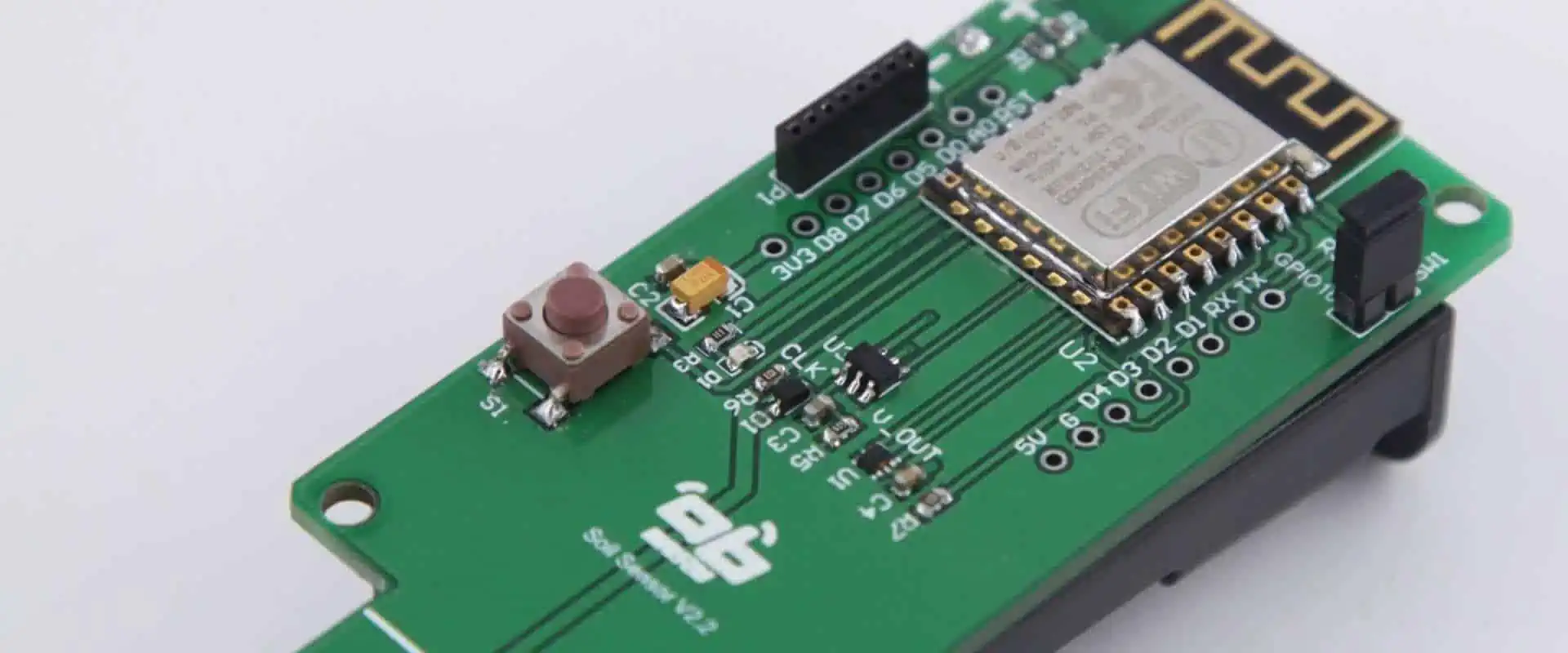
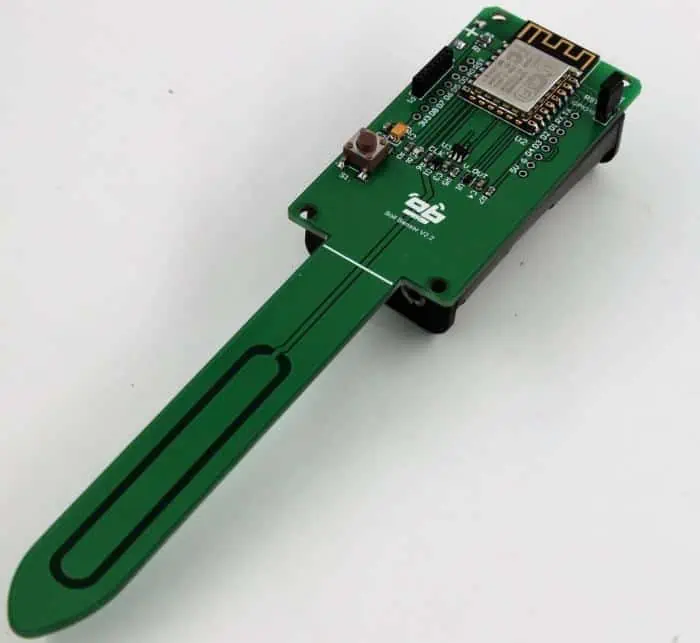
Soil Moisture Sensor PCB

Regional drought may have a significant negative impact on the economy as well as places lead to hunger in some of the areas all over the world. Scientists are now better understanding the budgets of regional water as well as hydrological processes thanks to developments in environmental modeling and computer processing techniques.

Changes in the regional moisture in the soil are a crucial input for the models for drought forecasting. To anticipate and describe hazardous droughts, the long term data for soil moisture across vast areas can be employed.

Conclusion

We can infer from the information provided above that the sensor measures the volumetric content of water in the soil, which is ideal for studies in the fields of soil science, agricultural science, botany, biology, horticulture, and environmental science.

Impact of Smart Farming Using IoT in the Agricultural Sector

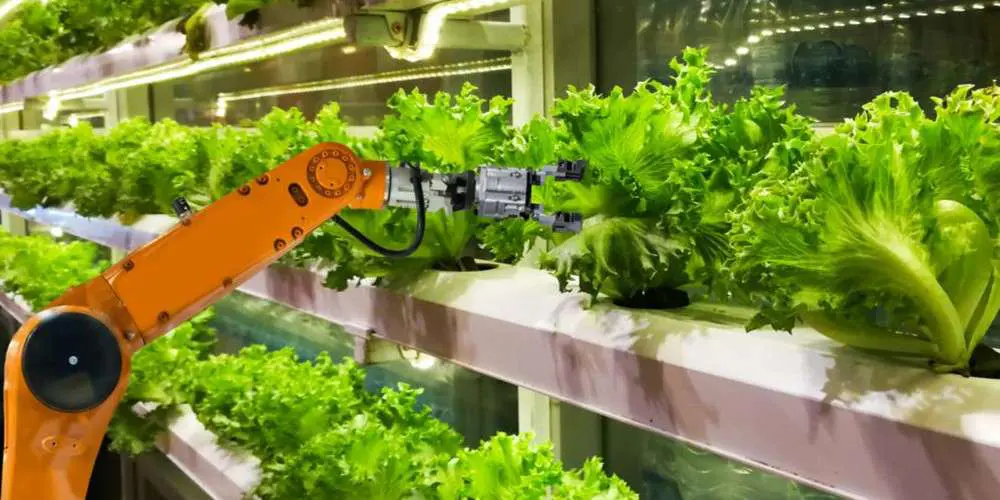
Robotics in Farming

Internet of Things has started changing how we perceive our world. Its impact can be seen across different industries. Several industries such as medical, agriculture, manufacturing,  power, and more are integrating IoT in diverse ways. A good example of the industry that enjoys the benefit of IoT is the agriculture system. IoT technology is gradually gaining momentum in the agriculture industry. Smart farming is simply IoT technology for farming.

Just like the implementation of IoT in smart cities, healthcare, and other fields, smart farming has several benefits and challenges. One way or the other smart farming using IoT has impacted our lives. IoT plays a crucial role in the agricultural field. In the past decades, farming has experienced several technological transformations. It has become more technology driven.

What is Smart Farming?

Smart farming involves the integration of smart technologies like security cameras, automated machines, and sensors to operate and control crops and agricultural lands. The main purpose of smart farming is to improve the quality and quantity of agricultural products while saving energy. Also, we could say smart agriculture refers to use of IoT solutions in farming.

Therefore, smart farming using IoT refers to the use of sensors to gather machine and environmental data to make decisions and as well improve every areas of agriculture. For instance, the use of sensors to control the state of crops can help farmers to know how much fertilizers and pesticides should be used to obtain optimal efficiency.

Although smart farming using IoT isnโ€™t as popular as IoT connected consumer devices, the market is dynamic. The integration of IoT solution in the agricultural sector is becoming more popular. A good example of how smart farming gained popularity was during the COVID-19 pandemic. During the pandemic, lockdown was initiated and movement was restricted. However, IoT solutions made a great impact as farmers used sensors and automated machines to monitor the growth of their crops and activities happening on the farm.

During the COVID-19 pandemic, there was shortage of workers and disruption in supply chain. However, smart farming using IoT offered a great solution to these problems. Although smart farming isnโ€™t fully integrated in the agricultural industry, efforts are being made to increase it usage. IoT solutions can help to monitor the condition and moisture of soil.

Since IoT solutions have been used in agriculture, more advanced sensors are being developed. Farmers can connect these sensors to cloud through satellite and cellular network.

What is a Smart Farm?

FULL PCB MANUFACTURING Quote

A smart farm is one which integrates smart technologies and modern communication forms to monitor activities on the farm land. Farmers make use of a wide range of technologies on smart farms. These include sensors to regulate soil moisture, humidity, and soil quality and software to diagnose animal and plant disease.

Automated tools and robotics are usually integrated on smart farms in a way that the farmer doesnโ€™t have to be present at the field. Smart farming helps to minimize the cost of manual labor. A smart farm is entirely connected to IoT in such a way that there is improvement in the quantity and quality of crops.

Applications of Smart Farming

Smart farming using IoT helps to improve the whole agricultural system. Interconnectivity and sensors integrated by IoT has helped farmers to save time and minimize wastage of resources like electricity and water. Also, smart farming helps in monitoring the farm land in real time. There are several applications of smart farming.

Precision farming

This is one of the use cases of smart farming using IoT. Precision farming helps to make farming more precise by realizing some applications like field observation, vehicle tracking, inventory monitoring, and livestock monitoring. Precision farmingโ€™s main purpose is to analyze the information gathered by sensors. Also, precision farming enables farmers to get data via sensors and analyze the data to make wise decisions.

There are several techniques used in precision farming. These techniques play a crucial role in enhancing the effectiveness and efficiency. Also, precision farming helps to analyze the conditions of soil and other parameters to help enhance operational efficiency.

Data analytics

The database system has less storage for the data gathered by IoT sensors. Therefore, end-to-end IoT platform and cloud based data storage are crucial in smart farming. These database systems enhance the efficiency of IoT in smart farming. Also sensors are the main source of data collection in the IoT world. The data collected is transformed to information with the help of analytics tools.

Furthermore, data analytics helps in analyzing the conditions of livestock, crops, and the weather. The gathered data helps technological innovations and hence, ensures better decision making. Also, IoT obtains data from sensors, and as such, helps you to have a good idea of the real-time status of plants. With predictive analytics, farmers can have an indepth knowledge about harvesting.

Furthermore, trend analysis enables farmers to predict weather conditions and crops harvesting. Smart farming using IoT has helped in maintaining the fertility of a land and the quality of crops.

Climate conditions

Climate is an important consideration in farming. Therefore, a good knowledge about the climate can help to enhance crop productions. IoT helps farmers to have a real-time status of the weather. Farmers place sensors outside and inside their farmlands. The sensors obtain data from the environment which helps in selecting the appropriate crops which can withstand a particular climatic condition.

The entire ecosystem comprise sensors that detect weather conditions in real-time. There are a wide range of sensors that can detect parameters like rainfall, humidity, and temperature. Also, these sensors help farmers to monitor the weather around them and as well the condition of crops.

Agricultural drones

The agricultural sector has been experiencing technological advancement for a while now. These advancements has revolutionized the operations of this sector to an extent. The advent of drones has really impacted the agricultural industry. Drones are now being used to assess the health of crops and monitor planting.

Aerial and ground drones are playing crucial roles in farming. Drones which have thermal sensors detect areas that need changes in irrigation.

Smart greenhouse

IoT has helped weather stations to adjust climate conditions based on some instructions. Furthermore, IoT implementation in Greenhouse has got rid of the need for human intervention. Therefore, this enables the whole process much easier and more cost-effective. Also, this increases accuracy as well. For instance, the integration of solar-powered IoT sensor help to create inexpensive and modern greenhouse.

Furthermore, these sensors transmit and collect data in real-time and as such, the state of greenhouse can be easily monitored. Also, sensors can help farmers monitor to greenhouse state and water consumption through emails.

Cattle monitoring and management

This is another common application of smart farming. Herdsmen can attach IoT agricultural sensors to animals to monitor their log performance and well-being. Livestock monitoring enables the collection of data on stock-health and physical location of cattle.

For instance, these sensors can help farmers to easily detect sick animals and as such, separate them from others to prevent contamination. Furthermore, farmers use drones for tracking cattle in real-time. This helps farmers to minimize staffing expenses.

Benefits of Smart Farming

Data collection

The greatest benefit of smart farming using IoT is the ability to gather data. Smart sensors collect data which enables farmers to have better control over what is going on in the farm. Also, IoT agriculture sensors inform farmers about the possible changes in soil quality, weather, air ,and humidity.

Enhances product quality

Smart farming using IoT helps farmers to easily figure out the crop cycle. Furthermore, IoT enables easy maintenance of each crop. All this can help to enhance performance. The wide integration of drones or crop sensors enhances the quality of agricultural products.

Enhanced activity management

Smart agriculture technologies enhance overall activity management, all thanks to the data generated by smart sensors. IoT smart agricultural sensors donโ€™t just enhance the process of growing crops, but also enhance equipment efficiency and staff productivity.

Cost and resource management

The integration of smart sensors in farming gets rid of the risk of resource wastage. The high cost of these resources increases the initial capital cost needed to invest in IoT devices. Also, this helps farmers to pay attention on making use of the right amount of resources.

Optimizes scarce resources

Maximizing the use of resources like land, water, and energy help a lot. Smart farming using IoT helps to gather data from several sensors in the field. This enables farmers to allocate enough resources. Also, the integration of IoT in farming helps farmers to save energy and water.

Improves crop health

Smart farming using IoT enables farmers to detect crops that have diseases and how to prevent the spread of the disease. This is very important in monitoring the health of crops. In the long run, it enhances the health of crops.

Factors to Consider when Developing Smart Farming Solution

Earlier, we discussed the use cases and benefits of smart farming. We can see how smart farming using IoT is improving the performance and revenue of farms. However, it isnโ€™t easy to develop farming IoT apps as there are some challenges you would encounter during the development process. Therefore, there are factors you need to take into consideration when investing in IoT farming.

The hardware

Sensors for IoT devices are needed when developing an IoT solution for farming. Your choice of sensor will solely depend on the type of data you would be collecting. Also, the quality of the sensors is important to ensure successful production.

Maintenance

IoT products used in agriculture require maintenance as sensors can get damaged. Therefore, you need to ensure the hardware is very easy to maintain. If not, you will keep replacing your sensors often.

Connectivity

This is another crucial factor you need to consider when integrating smart farming solution. One of the challenges of smart farming implementation is the need for data transmission between several agricultural facilities. There should be a reliable connection between these facilities in such a way that they can ensure non-disruptive operations.

IoT devices integrate various connection protocols. However, efforts are being made to design unified standards. The advent of technologies such as space-based internet will like provide a solution to this issue.

Mobility

Various applications of smart farming can be designed for use in the field. A farmer should have access to data remotely through a computer or a smartphone. In addition, every connected device should have wireless range to interact with some devices and as well transmit data to the central server.

Challenges of Smart Farming Using IoT

Smart farming experiences several challenges. Despite the benefits of smart farming, this concept is faced with some challenges.

Connectivity

To ensure the smooth operations of IoT devices and IoT sensors, there is a need for connectivity. Farmers need connectivity in barns, greenhouses, and fields. Also, the connection should be uninterrupted and smooth. It should be able to tolerate severe weather conditions.

Limited time and resources

The integration of smart technology plays a crucial role in smart farming. The problem faced by smart farming in this context refers to lack of time and the changing environment. Companies that develop and design IoT for farming need to consider climate change and adverse factors such as dying pollinators.

Lack of scalability

Large corporations and small farmers should integrate the same technologies at various scales. Therefore, this would make scalable solution much faster and easier than production expansion.

Design and durability

IoT agricultural system must handle the conditions of outdoor spaces. Sensors and drones used in smart farming should have function and uncomplicated design. Also, they should have a particular level of robustness.

Cybersecurity threats

It isnโ€™t easy to detect any cybersecurity threats to data. This is one of the greatest challenges of smart farming. Cybersecurity threats can result in high risk of data leakage. Therefore, farmers must look for means to protect their data at all costs. They can achieve this by enhancing the security of devices and restricting internet connection for IoT devices.

Conclusion

Smart farming has several benefits and challenges. Although smart farming using IoT isnโ€™t as popular as IoT connected consumer devices, the market is dynamic. The integration of IoT solutions in the agricultural sector is becoming more popular.

What are the Applications and Properties of the Fiberglass Circuit Board?

Shengyi mmWave77 PCB

Several materials are used in the production of printed circuit boards. PCB laminates are frequently made using fiberglass. Modern PCBs have benefited from this material. For the majority of applications, laminate composites that are fiberglass reinforced offer tremendous advantages.

Fiberglass has become more prevalent in PCBs as technology has developed. New fiberglass is available with the best possible resin systems and greater characteristics. The electronic industry’s requirements for performance and cost have been met by this material.

What Does a Fiberglass Circuit Board Mean?

Regularly utilized for rigid pcbs is fiberglass. Fiberglass and composite materials make up the fiberglass Circuit board. This PCB also has outstanding mechanical and dielectric qualities. It also has heat resistance and moisture resistance. Additionally, fiberglass serves as a very reliable insulator.

This is a typical substrate used in PCB production. Fiberglass also strengthens its polymer matrix for producing a composite. Glass fiber can be described as reinforced plastic that is used to make fiberglass, a material that has been strengthened with fiber. This is also known as glass reinforced plastics.

Additionally, fiberglass is a lightweight and less brittle material. However, this substance may be molded into a variety of intricate shapes. It is utilized frequently in PCB production because of this, among other things. Excellent characteristics of fiberglass Circuit boards make them resistant to corrosion. Additionally, this board doesn’t carry electricity. As a result, it eliminates the possibility of any galvanic corrosion and acts like an insulator.

Glass Fiberglass Circuit Board Construction

Shengyi S1000h PCB

Placing the fiberglass fabrics on the warp beam is the first step in the manufacture of fiberglass Circuit boards.

Over the master beam, this beam has strands of coiled yarn. Its warp direction is made up of these yarns. The producer then passes some lubricants through these warp yarns. As a result, it aids in avoiding any harm during weaving.

Additionally, this warp beam is positioned on the loom’s back to begin the weaving operation. These fill yarns are inserted by the manufacturer simultaneously with the time that the yarns are moving from the loom’s rear to the loom’s front. These Draper looms have been initially accessible. The wooden shuttle will be used to go from one side of this loom to the other in this instance. These fill yarns can be inserted more easily this way.

The more recent looms run on an air or water jet. These fill yarns are being moved throughout the loom by the jet. Additionally, in contemporary looms, the warp beam might have thousands of meters of different warp strands. The producer weaves the glasses and then rinses them with water. Additionally, this aids in removing extra size from these yarns.

The manufacturer then bakes these warp yarns for a considerable amount of time. This fabric is next given a finishing treatment. Additionally, the maker strengthens the board by adding multiple resins after the weaving of the fiberglass.

What are the Characteristics of the Fiberglass Circuit board?

FULL PCB MANUFACTURING Quote

Due to its special qualities, fiberglass Circuit boards are frequently employed in certain applications.

Resistance to moisture

Fiberglass is naturally capable of withstanding moisture. Additionally, fiberglass Circuit board is not moisture absorbent. It is therefore perfect for usage in situations that are subject to dampness. This PCB is resilient to all circumstances it finds itself.

Dimensional stability

In reaction to a specific temperature, the size of fiberglass PCBs stays the same. The PCB has a very high level of dimensional stability. It is hence appropriate for applications of high power. Additionally, the board’s linear expansion coefficient is low. As a result, it is not susceptible to any changes in temperature and hygrometry.

Chemical resistance

Another fantastic quality of fiberglass boards is its chemical resistance. The majority of chemicals have little impact on fiberglass circuit boards. Strong alkaline compounds, however, may harm fiberglass.

Resistance to fire

Fiberglass neither supports combustion nor burns. Additionally, this inorganic substance is naturally inflammable. As a result, it doesn’t emit smoke when heated. Additionally, at 540 degrees Celsius, fiberglass still has roughly 25% of all its strength.

Electrical attributes

The utilization of fiberglass boards for electrical insulation is excellent. These boards also have great strength and a low Dk (dielectric constant). As a result, they are perfect for different high-end applications and uses.

Thermal Conductivity

For high-power applications, fiberglass circuit boards are the best choice due to their low CTE as well as thermal conductivity. Additionally, because of its limited thermal conductivity, this could quickly release heat.

Great Strength

Boards made of fiberglass offer a high strength to weight ratio. As a result, they are regarded as a fantastic choice for applications that need high strength.

Fiberglass Circuit Board PCB Applications

Thermal barriers are provided by PCBs with high-temperature insulation. Fiberglass is inherently reliable and secure. As a result, it is a frequently used material in PCB construction. Furthermore, the following applications are frequent places where fiberglass boards have been used:

Defense and Aerospace

In applications related to aerospace and military, fiberglass circuit boards are frequently employed. These boards also aid in the production of aerospace device components. GRP is also widely utilized in the aircraft industry. Storage bins as well as instrument enclosures are a couple of examples of the GRP applications.

Consumer Electronics

Fiberglass PCBs are a common component of consumer electronics including computers, radios, as well as telephones. These boards also have excellent mechanical and electrical qualities.

Medical

The fiberglass PCB that is frequently found in medical equipment has a low heat conductivity as well as dimensional stability. Additionally, this form of Circuit board is used in several medical devices including X-ray machines.

Automotive

Fiberglass boards are essential to the automotive sector. The automotive sector makes substantial use of these boards. They are frequently employed in the production of automotive parts.

Conclusion

A major part in the creation of electrical devices is played by fiberglass Circuit boards. Also, these circuit boards are quite adaptable. Consequently, they are appropriate for usage in a variety of applications.

The Most Important Things to Consider During PCB Quote Comparison

pcb quote comparison

Your success as a professional OEM (original equipment manufacturer) is heavily reliant on the usability and longevity of your products. These circuit boards that you utilize are possibly the most crucial component throughout this regard. PCBs, which act as the brain of different electronic components, are used in a broad variety of ways, including connecting different components through a network of interconnected circuits.

Choosing the best PCB manufacturer is the initial step in making sure that your Circuit board needs are properly satisfied. You should thoroughly have a PCB quote comparison because you have a wide selection of options, including board houses and full-service manufacturers. This will guarantee that you receive circuit boards of the finest quality at a reasonable cost.

Questions to Ask Yourself During PCB Quote Comparison

Instant PCB Quote

During PCB quote comparison, the best seven questions to ask yourself are as follows:

  • Which manufacturers can handle low-volume orders?
  • Which credentials do these manufacturers possess?
  • How long is its lead time?
  • Is the quality appropriate for your needs?
  • How much does it cost?
  • Do you require complex Circuit boards?
  • Are the producers flexible and quick to respond?

Which manufacturers can handle low-volume orders?

Circuit board manufacturers occasionally serve a particular market or demand. You can also need an exceptionally large or lower number of Circuit boards, depending on your project.

Manufacturers prefer it ideally if customers place large orders. A big order for you can, however, be a tiny one for another business. This is a reason why it’s important to pay attention to the least or minimum order quantity for each PCB manufacturing quote.

Find a business that can meet the minimum order requirements. You should keep in mind, though, that this order volume might have a big impact on the price of PCB manufacturing. Thus, pay close attention to the PCB manufacturing quote’s rates that are supplied for the minimum order quantities. To keep expenses down, you might discover that you need to acquire more than you actually need.

What Credentials Do These Manufacturers Possess?

Users of defective electrical equipment may be in danger. An electrical fault that results in a fire and possibly an explosion is among the biggest threats. As a result, before any equipment is made available on the market, then there’s a need to first be approved for safe use, and strict procedures are in place to make sure of this.

There are a number of certifications which manufacturers should possess depending on the sectors they service to show their dedication to manufacturing high-quality PCBs in accordance with industry requirements. Since consumers may contact with the products, it is your duty to make sure that your manufacturer gets licensed and compliant.

How long is its lead time?

When you have experience in this field, you are well aware of how strict deadlines are. Comparing PCB quotes is more about getting the greatest overall deal rather than just the lowest pricing. This lead time can be described as a crucial element. Your Circuit board manufacturer should be able to provide prompt and accurate deliveries.

Learn about the delivery schedules, turnaround times, and the distance between their facilities and yours. If the orders aren’t delivered on time, it won’t matter if the seller provides the most affordable prices.

Is the Quality Appropriate for your needs?

FULL PCB MANUFACTURING Quote

Quality is the one thing which cannot be compromised whenever we talk of class 3 as well as class 2 circuit boards. This is also one aspect that differs significantly between manufacturers. Your equipment will not satisfy your clients’ needs if the Circuit boards that you order are subpar. In the end, this will result in a poor reputation in the sector.

Although a manufacturer can hardly ever have a zero defect rate, you would like to ensure it’s the lowest possible. Ask the company about quality assurance procedures they work with.

The usefulness of the quality assurance as well as quality control in design as well as prototyping helps minimize errors. This is crucial since even the smallest mistakes can be expensive to correct.

Every level of growth should include quality control procedures, which should be backed up by exemplary client care and outbound inspection.

How Much Does It Cost?

Certainly, the price is what you’ll notice first on your PCB prototype quote. The cost is important, too, along with quality. It affects your entire product pricing as well as your profitability and competition. Three key elements frequently have an impact on PCB prices: volume quality, and design. The secret involves striking a balance in-between product quality and fair price.

Low-quality Circuit boards could be less expensive up front, but they’ll cost more in the long run. But, you also should avoid purchasing PCBs at exorbitant costs. High costs will make the products relatively pricey even though the quality seems unquestionable, which will lower sales.

Do you require complex Circuit Boards?

The quantity of labor and technical knowledge required to produce circuit boards rises with their complexity. Because of this, its production quality obviously varies through different manufacturers. Complex Circuit board projects cannot be handled by all manufacturers.

Establish your needs before you start looking for a Circuit board manufacturer. Moreover, consider how sophisticated the Circuit boards you want are. Your search should be guided by this.

Some Circuit board manufacturers now focus only on a single industry. This type of manufacturer can be perfect for you because they already possess expertise, credentials, and knowledge in this field.

Are the producers flexible and quick to respond?

quote for prototype pcb assembly

Giving the manufacturer the necessary information is crucial if you want your Circuit boards to match your needs. As a result, your order needs to be accompanied all necessary paperwork. They consist of:

  • Bare board print
  • Assembly print
  • Bill of materials
  • List of authorized vendors

Rarely, you might need to change your order. Although your manufacturer may have major difficulties as a result of this, they ought to be very flexible to take such adjustments into account. Most importantly, in order to prevent delays, they ought to be sufficiently responsive and carry out such adjustments swiftly and effectively.

Conclusion

Choosing the best PCB manufacturer is the initial step in making sure that your Circuit board needs are properly satisfied. You should thoroughly have a PCB quote comparison because you have a wide selection of options, including board houses and full-service manufacturers.

What is SIM800C GSM MODULE in Electronics?

Sim800C

GSM or SIM modules are widely utilized in Internet of Things (IoT) projects due to their capability to transmit & receive data with limited dependencies compared to Wi-Fi & Zigbee. GSM modules offer reliable and long-range communication, requiring only a single SIM card with an active plan. Despite the limitation of not being able to transfer large amounts of sensor-generated data, GSM modules are ideal for different procedures that require transmitting modest amounts of information.

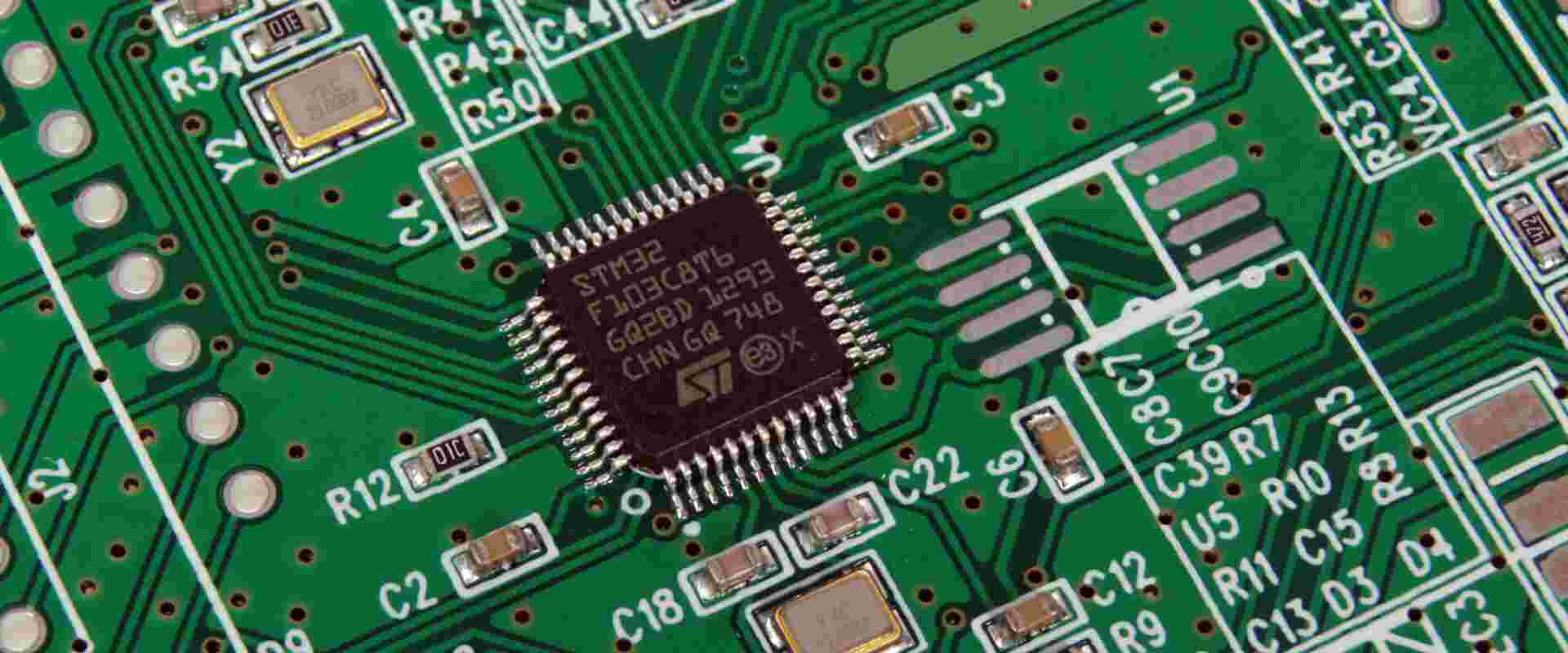
In our tutorial, we will demonstrate how to connect a GSM module to an STM32F103C8 GSM Module microcontroller to send & receive messages from a specified cellular phone number. A 16×2 LCD screen will be utilized to display both incoming and outgoing messages, and two buttons will be incorporated to initiate the sending & receiving of messages upon pressing.

Many projects use GSM technology and connect it to different types of controllers. You may explore these projects by visiting a website and seeing how they were made. You can even try making your own by looking at tutorials that show how to use different types of GSM modules, like SIM900, SIM900A & SIM800.

SIM800C GSM Module

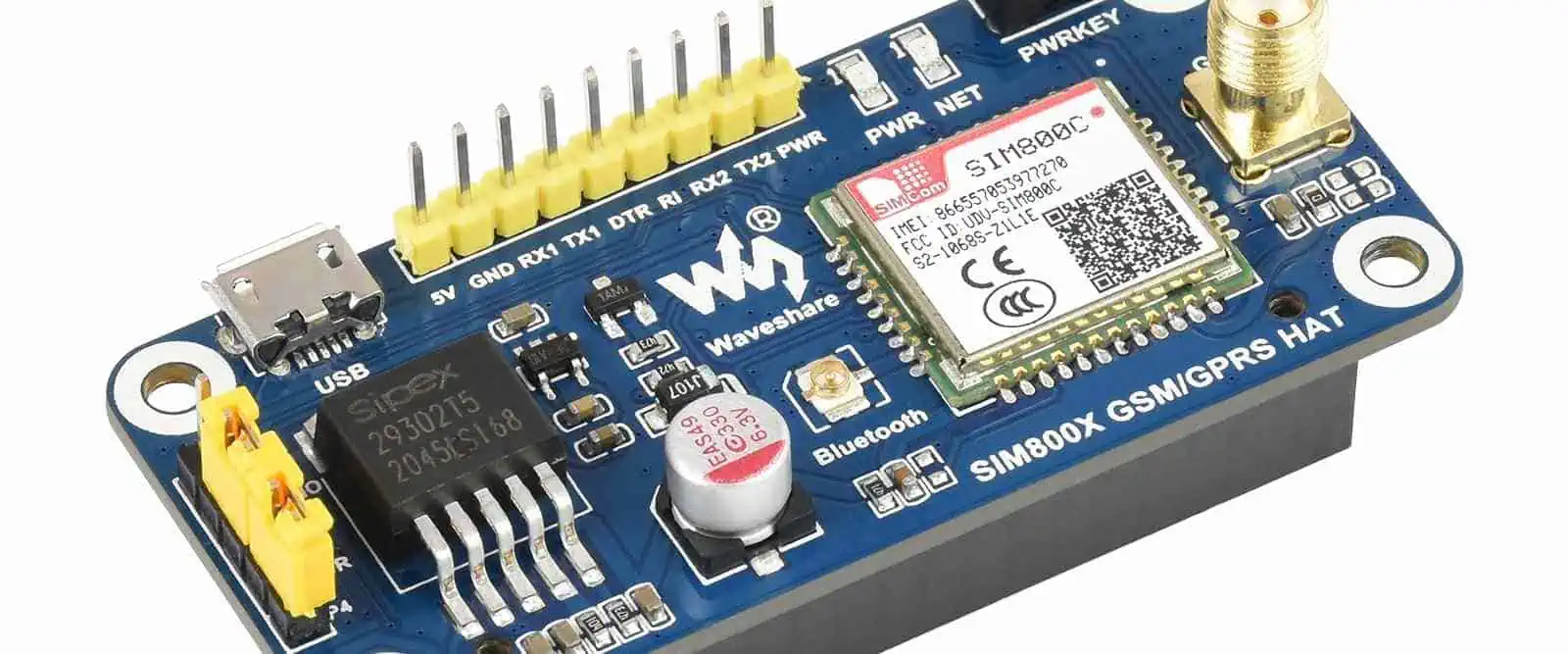
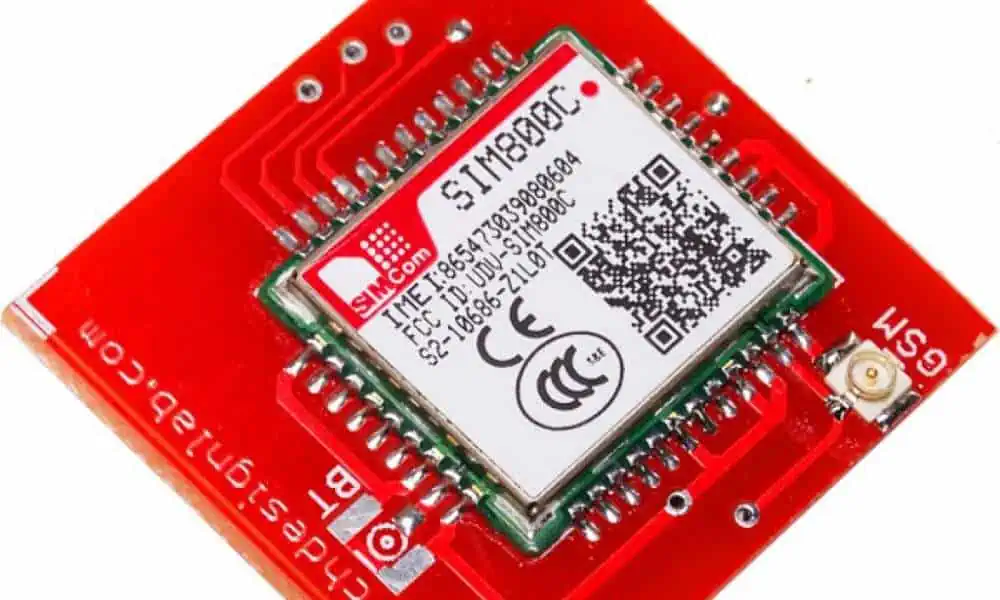
The SIM800C Module is a popular GSM unit with a serial modem and operates within a voltage range of 3.4V to 4.4V. It is designed for use in projects where transfer of data is needed and can connect to four different frequencies. The SIM800C can make and receive calls and send and receive text messages with low energy consumption. It is controlled using special AT commands and can only support one card of SIM. The module has special pins for communication (TX and RX) and can connect to different microcontrollers using the RS232 serial protocol.

Powering SIM800C Module

A 12V Direct Voltage or Direct Current power adapter powers the SIM800C module GSM.

Insert SIM

You insert a card of SIM into the back side of the SIM800C module GSM. Remember that this module does not work with 4G SIM cards, so only use a regular card SIM.

Interfacing SIM800C Module with STM32F103C8 Module

To connect the SIM800C to the STM32F103C8 microcontroller, we will use the UART port, a unique communication tool built into the STM32F103C8. The pins of UART on the STM32F103C8 are labeled as A9 & A10, as shown in the image. The STM32F103C8 Module has 3 UART interfaces that can be used to connect to three different external devices that use serial communication.

Programming STM32F103C8 Module Microcontroller for interfacing

FULL PCB MANUFACTURING Quote

The ARDUINO software can be useful to write code for the STM32F103C8 microcontroller. In our tutorial, you do not need an exceptional programmer like FTDI/ST-LINK. To upload the code, connect the micro USB port on the STM32 to your computer using a USB cable, and then you can start writing the code in ARDUINO IDE. Before writing the code, you need to add the required libraries for the peripherals used in this tutorial and define the pin configuration for the LCD.

Next, initialize the LCD (Liquid Crystal Display)by selecting LCD to begin(16,2), where the parameters specify the type of LCD, which is a 16×2 block. To check if the LCD is properly interfaced and producing output, print a debug message.

Set the direction for the push button data as input mode and define the corresponding PIN.

Pick a speed for sending information through a serial connection.

The code contains two functions, one for sending messages and the other for receiving messages.

ยท Send Message

This function helps you send text messages to a phone number. First, a special command called AT is propel to the GSM module to tell it you want to send a message and what number to send it to. 

Then, another command called AT+CMGS is sent to the module through a port called serial1, and this command tells the module to actually send the message to the specified number.

To send messages, the special command “AT” is sent every second. After sending the message, another command called “CTRL+Z” must be sent to the GSM module through a port called Serial1. This will cause a unique code to be sent to the GSM module.

Once the message is sent successfully, a message saying “SMS sent” will appear on a screen called a 16X2 LCD.

ยท Receive Message

This function utilizes the AT command to receive and display live messages on the LCD screen.

When you get a text message, it has some information like the time and date. The message is found after the sixth quotation mark (“). The rest of the text is the message you received.

How to Send & Receive Text Messages using STM32 Module? 

esp32 sim800c

1. For sending a text message, push the button on left side. The message will be drive to the phone number specified in the system.

2. For getting a text message, push the button on right side. The message will appear on the screen. That’s how you use a GSM module and an STM32F103C8 microcontroller together. If you have any questions or ideas, please let us know by leaving a comment.

Features of SIM800C GSM MODULE 

This tiny module is only 1 inch square, but it has many features packed into its small size. Here are some of them:

  • Works with four frequency bands: GSM850, EGSM900, DCS1800, and PCS1900.
  • Connect to any global 2G GSM network using any 2G SIM card
  • Create and answer voice calls utilizing an external 8ฮฉ speaker and an electret microphone.
  • Send & receive SMS 
  • Send & receive GPRS information 
  • Scan & receive FM broadcasts

What are the Parameters and Processes Involved in Manufacturing an Etched Circuit Board?

Etching Solution for PCB

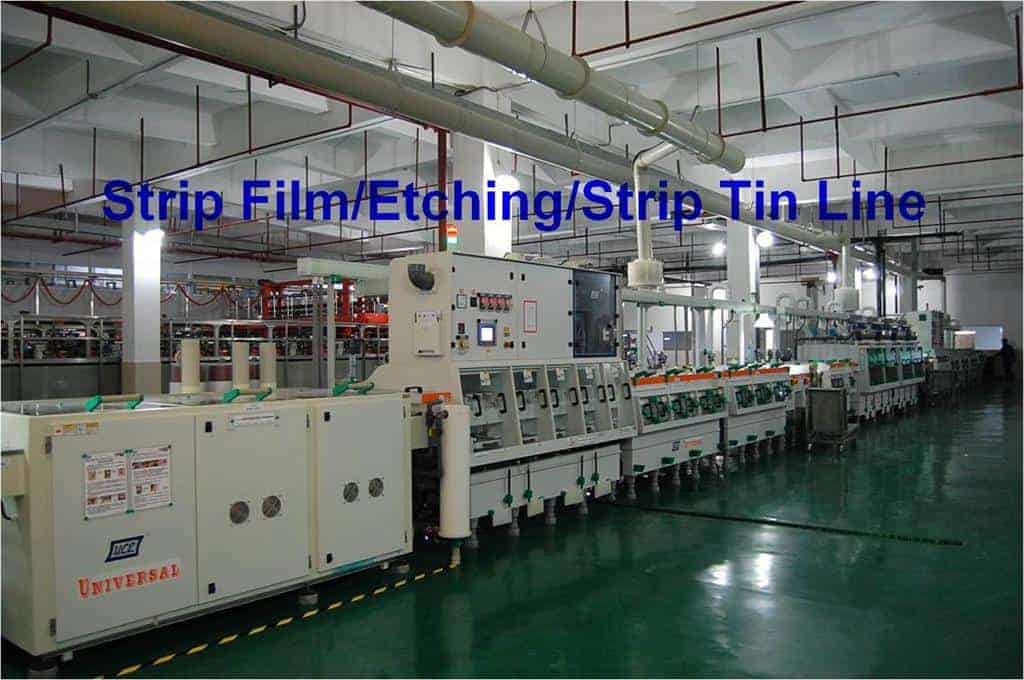
One crucial step in the manufacture of PCBs is PCB etching. The intended circuit layout must be revealed by eliminating copper out from the PCB’s surface. All copper on the PCB is removed during the etching process, with the exception of the circuitry which is tin-plated for protection. Its copper is then cleaned once the tin has been extracted.

Though it seems simple, the etched circuit board process is highly intricate, and accuracy is crucial. Also, a variety of Circuit board etching techniques can be used, and each one has advantages and disadvantages of its own. We’ve created this tutorial to give you more information on the circuit board etching procedure.

What Does Etched Circuit Board Mean?

A circuit board’s undesirable copper is eliminated through the process of Circuit board etching. Only the necessary circuit is left on the PCB after all of the extra copper has already been taken off. The circuit board’s layout is prepared prior to the start of the etching procedure. Photolithography is the method used to put the desired board layout onto the PCB. This serves as the pattern for selecting the copper pieces that must be taken off the board.

Tin plating serves as an etch resist on the PCB’s outer layer. This etch resist is the photoresist in the internal layer, though. In general, there exists two methods for etching the outer and inner layers of a PCB. These include wet etching and dry etching.

The Dry Etching Process

PCB-etching-materials

In order to start chemical interactions between the laminate’s surface atoms and base, dry etching typically requires plasma. The undesirable copper dissolves as a result. Although plasma has been frequently used during dry etching, lasers can also be used.

Plasma etching

Since 1960s, this has existed. It didn’t become well-known, though, until about the 1970s. This method was developed to assist manufacturers dispose of liquid waste more sparingly while still achieving selectivities which were challenging to accomplish using wet chemistry.

During plasma etching, the PCB is exposed to high-speed glow discharge stream from a proper gas mixture. Hence, plasma etching can be described as a dry, clean procedure that doesn’t need any chemicals.

Moreover, plasma etching has the ability to do precise and controlled small scale etching. It’s also quite popular since it makes it less likely that solvents will penetrate into vias or that they will get contaminated.

Plasma etching, despite its benefits, is exceedingly expensive. Due to this, it will probably be significantly more costly than the wet etching process unless you consistently etch large quantities of material.

Laser etching

Utilization of precision, computer-controlled hardware is made possible by laser etching. A powerful laser is used to create trace lines upon that PCB’s substrate during the procedure. These undesirable copper wires either disappear completely or flake off the printed circuit board.

As one of its key advantages, laser etching reduces the amount of steps involved in the whole process. Also, it does away with the usage of any harmful chemicals, acids, or inks.

Large boards can be challenging to etch them evenly, and residues and etchant might be challenging to remove if they wouldn’t completely evaporate. Also, the procedure for laser etching is quite expensive, just like plasma etching.

Wet etching

Unwanted copper is removed during the process of wet etching using a solution which undergoes chemical reactions. Acidic chemicals or alkaline chemicals could be employed for the process, depending upon that etches substance.

Acidic etching

Here, the rigid PCB’s inner layers are typically removed using the acidic approach. Either ferric chloride or cupric chloride is employed in this method. The more popular of both, cupric chloride, precisely removes tiny features while offering a steady etch rate as well as continual regeneration.

As the acid will not really react with photoresist or harm the necessary component, the acidic technique is typically employed for the innermost layer. Moreover, the undercuts, which is described as the etched material’s lateral erosion beneath the shield of tin/leadโ€”are minimized. Yet, compared to alkaline etching, the acidic etching may be a time-consuming operation. Due to this, ย it isn’t usually appropriate for significant numbers of Circuit boards.

Alkaline etching

Circuit board’s outer layers are frequently removed using the alkaline technique. Also, this is how we operate. A PCB can be quickly and affordably etched using alkaline etching. The procedure must be constantly monitored, though. This is due to the fact that prolonged contact with the solvent may cause harm to the board.

Alkaline etching can often be done in a high-pressure, conveyorized spray chamber that makes the entire process as fast, efficient, and precise as possible. The Circuit board is subjected to a fresh etchant inside the chamber.

The breakpoint refers to the stage of the etching when all of the undesirable copper has been removed. Typically, this is accomplished at the spray chamber’s halfway.

Parameters that Impact the Etched Circuit Board Process

FULL PCB MANUFACTURING Quote

The etch rate you acquire is influenced by both the etched time and the etching solution’s composition. By regulating specific parameters, the process of etching can be made to be of high quality. Let’s think about them

Temperature

Remember that most etching machines would be made of plastic components because such metallic parts have become reactive to etchants when adjusting the solution’s temperature. The temperature must not be extremely high if the plastic parts on the etching machine are plastic. The optimal temperature range in this case is between 50 and 55 degrees Celsius, or 122 to 131 degrees Fahrenheit.

Unique Gravity

The etchant’s concentration was associated with specific gravity. Typically, a larger number corresponds to a greater etch rate. For the alkaline etching, the parameter becomes particularly significant when focusing on the solution’s pH. When the solution’s pH varies from 7.9 to 8.1, alkaline etching could be done successfully.

pH

When the solutionโ€™s pH is below 8.0, there may have been insufficient ammonia or excessive ventilation that caused the pH to decrease. Remember that when a pH is greater than 8.8, the etching rate could be low. Whereas if the etchant has absorbed water or contains an excessive amount of copper, this problem may arise. Any rise in pH levels could lead to inaccurate readings being acquired for the acidic etching.

Since the harsh plating solutions might harm electrodes not suited for the plating applications, pH monitoring in the plating solutions could be challenging. Many plating applications call for the Sensorex pH Electrode, which is built to tolerate harsh circumstances.

Concentration of the Chemical Additive

The etching rate can be efficiently increased by using chemical additives. Hydrochloric acid is the most widely utilized addition because it can improve an etchant’s capacity to cling to dissolved metals. Chemical additives have been required when a manufacturing or industrial facility needs constant etching. Even when additions complicate etchants, its etching rate will always increase.

Possibility for Oxidation-Reduction

The oxidation and reduction potential that describes how active this etchant is, is the final and fifth parameter. The ORP immediately reveals the relationship between cupric and cuprous ions as well as how these ferric ions can relate to the ferrous ions.

The etchant’s initial cupric or ferric state will shift to a ferrous or cuprous condition when the copper has been etched.

You could be sure that the etching rate is high if you measure the ORP to be high. The low ORP levels indicate a less effective etchant. The temperature of the etchant and the content of the free acid can both be used to calculate a solution’s ORP value. It is feasible to convert these cuprous ions back to the cupric form by adding an oxidizer as well as a free acid into the etchant.

What Phase of the production process is the Etched Circuit Board At?

Strip film etching line

Near the conclusion of the process of circuit board manufacturing is the circuit board etching procedure. Although the actual PCB fabrication process is challenging, we have simplified it.

The etching procedure can start after the Circuit has been tin-plated, which helps safeguard the board. Here, the board is run through a conveyorized PCB etching equipment, that sprays it using a amonicon solution, to etch the area surrounding the traces. This eliminates any exposed copper on the circuit board’s surface that is not covered by tin plating, retaining just a covered tracking.

The board is dried as well as thoroughly examined after the etched circuit board procedure. It is subsequently run through the tin-stripping machine. The tin covering the residual copper traces is removed by this machine using nitric acid.

The etched circuit board process is finished at this point, and the circuit board can move on to the production phase.

Conclusion

Etched circuit board has to do with the elimination of any undesirable copper present in any circuit board through the process of Circuit board etching. Only the necessary circuit is left on the PCB after all of the extra copper has already been taken off. The circuit board’s layout is prepared prior to the start of the etching procedure.

The Significance of the Finger Oxygen Sensor

Finger oxygen sensor

Your doctor might advise using the pulse oximeter if you suffer from a heart or lung issue or experience breathing difficulties as a symptom. An electronic instrument called the pulse oximeter, often known as the finger oxygen sensor, detects oxygen saturation transported by the red blood cells.

You can put pulse oximeters on your forehead, fingers, foot, nose, toes, or ears. The gadget can then be recycled or thrown away. Ask your doctor before throwing away a pulse oximeter if you’re using it at home because they can be pricey and are reusable. The FDA issued a warning about the restrictions placed on pulse oximeters around February 2021.

The pulse oximeter could provide erroneous or irregular readings if you possess poor circulation, thick skin, dark skin coloration, presently use tobacco, the skin temperature seems chilly, you are putting on a dark fingernail lacquer, artificial, long nails, and if the fingers are unclean. This explains why it is improper to utilize the pulse oximeter’s readings alone to assess your health. This is crucial to inform your healthcare practitioner of any inconsistent or abnormal readings.

How Do Finger Oxygen Sensors Work?

oxygen monitor for covid

The instrument known as the pulse oximeter often is worn on the fingertip. This calculates its pulse rate as well as blood’s oxygen saturation using laser beams. The oxygen conveyed in blood is revealed by oxygen saturation.

Without collecting blood sample, a pulse oximeter could determine the quantity of oxygen present in blood. A pulse oximeter typically displays two to three numbers. This oxygen saturation level, which is the most crucial figure, is typically abbreviated as SpO2 and displayed as percentage. PR is t he abbreviation for pulse rate, which is akin to the heart rate, and there may occasionally be a third digit for signal strength.

Most healthy people have oxygen saturation levels between 95% to 100%, although patients with lung issues can have lower numbers. Higher altitude residents typically have slightly lower levels of oxygen saturation. Pulse oximeter measures the amount of the oxygen saturation within your blood quickly and painlessly without drawing blood or using needles.

The red blood cells’ oxygen saturation is represented by the specified volume that is displayed on screen. This figure helps your medical professionals and nurses plan your care. You might be able to tell if you really need additional oxygen by looking at the level of oxygen.

The saturation measurement, which should be above 90 to 92 percent, differs from the pO2 value, which is determined by drawing blood from the artery and should be above 60 to 65 percent. Your doctor may explain how your value relates to your specific scenario.

The Operation of the Finger Oxygen Sensor

Oxygen saturation is measured by clip-on devices called pulse oximeters. The gadget can be fastened to a wrist, finger, foot, as well as other locations where blood flow can be detected.

The way pulse oximeters operate is by shining the light via a section of skin that is quite transparent. On the opposite side of a skin, a detector receives the light as it passes through.

A side of this clip, for instance, shines light whenever the pulse oximeter gets attached to the finger, while the other side detects it.

Also, the quantity of light that the blood can absorb determines its oxygen saturation. In order to determine the precise amount, a finger oxygen sensor estimates its oxygen saturation rather than measuring it directly.

What Dangers Do Finger Oxygen Sensors Pose?

FULL PCB MANUFACTURING Quote

Devices for measuring pulse oximetry are noninvasive therefore pose no major dangers. Minor skin sensitivity and redness are small irritations that some people feel.

Pulse oximeters may prevent blood vessels in the area from receiving oxygen if they are fitted snugly and worn for a long time. Anyone who feels tingling, numbness, or abnormalities in their skin tone should call their doctor right once.

A false measurement is the primary danger of the pulse oximetry or finger oxygen sensor. The fit of the pulse oximeters is crucial for accuracy, and even little adjustments to their location can result in misreading. Rolling over while sleeping could loosen the gadget and result in false alerts.

Other variables, such a sleeping posture change or a short breath-holding, can also cause oxygen saturation to temporarily drop. Even if the dip is brief and unharmful, the finger oxygen sensor will inform the user.

This can result in unnecessarily worrying patients who have health concern and whose doctors haven’t yet explained the function of the pulse oximeter to them. In contrast, some persons may feel deceived into feeling secure by pulse oximeters. They cannot replace other monitoring measures and do not offer warnings for all potential oxygen problems.

Individuals who use pulse oximeters must talk to their doctor about the hazards and keep track of their readings through time. Readings that fluctuate, especially during environmental changes, can occasionally indicate a health issue. Before purchasing a device, those interested in utilizing pulse oximeters (consumer-grade) should review their goals with the doctor.

What are the Advantages of the Pulse Oximeter?

Pulse oximeters can be used by those with complications related to oxygen saturation. A doctor may advise using the pulse oximeter to check the nighttime level of oxygen saturation in patients with severe snoring or sleep apnea.

Pulse oximetry is a tool used by medical professionals to assess the physical activity’s safety especially for those with respiratory or cardiovascular conditions. They might advise the individual to wear the pulse oximeter when engaging in physical activity.

Particularly in infants, the pulse oximeter can be utilized to indicate dangerously low levels of oxygen. When a person is under anesthesia, pulse oximeters serve to measure the levels of oxygen saturation.

Pulse oximeters can be used to detect signs of drug use in patients who may have breathing problems as well as issues relating to the levels of oxygen saturation.

To determine whether additional oxygen is required, the pulse oximeter can be utilized. Oxygen saturation can be continuously monitored using the pulse oximeter. Pulse oximeters nowadays are conveniently available online. Hence there are no risks associated with their use for people.

There are several companies that offer pulse oximeters for parents of newborn and infants. Parents that are concerned regarding the infant death syndromes as well as sleeping mishaps can relax thanks to these gadgets. Yet, there is no evidence to back up the assertion that the pulse oximetry may stop accidents or SIDS.

Downsides of Pulse Oximetry

fingerprint sensor schematic

The accuracy of the reading of the pulse oximeter can be affected by a number of things. As follows:

  • Whenever the pulse changes
  • There may not be a pulse oximeter alert whenever there is poisoning from carbon monoxide.
  • As a result of bilirubin levels
  • As a result of blood pressure lipids
  • When interference from outside color or light, such as nail polish, occurs
  • Those with chilly hands or weak circulation
  • Individuals who use pulse oximeters to check their oxygen saturation shouldn’t rely on the device in place of their own judgment.

Individuals should seek medical attention right away if they develop breathing difficulties, lightheadedness, difficulty breathing, or any other indicators of potential oxygen deficiency.

Reading the Pulse Oximeter Correctly

The device would show your heart rate and the level of saturation of your oxygen after you take your reading. Your level of oxygen is indicated by the number underneath or adjacent to the “SpO2.” Your pulse is the number that appears beneath or right next to the heart symbol or the heart rate.

Your healthcare practitioner should offer you guidance on what you should do if your pulse oximeter readings were lower or higher than expected if they have recommended that you use one at home. If you’re unsure of what’s best for you because this varies from one individual to the other, it’s always better to inquire.

The following general principles should be followed when analyzing the reading of the finger oxygen sensor:

  • Measure the amount of oxygen in your blood. The majority of humans require oxygen saturation levels of at least 89% to maintain healthy cells. Does your reading fall within or exceed this range?
  • Compare the results to your starting points. It’s crucial to evaluate your reading in relation to your starting points. For instance, you shouldn’t delay until the levels are lower than 89%, when the baseline level of oxygen saturation is 98%, before seeking medical care.
  • Take accuracy rate into account. The typical accuracy rate for prescription oximeters is 4% below or above a reading. As a result, a 92% oxygen level could potentially be 88% or 96% higher. Moreover, measurements from pulse oximeters are frequently most accurate when they are over 90%.
  • Pay attention to your body. When deciding whether or not to seek medical attention, you shouldn’t depend on the reading of the pulse oximeter alone.

Conclusion

One important at-home devices for pulse oximetry in use are finger oxygen sensors. This technique is the most efficient at allowing a quick lifestyle, as it is made to make obtaining the levels of oxygen saturation as painless and quick as possible.