
Component placement is one of the most critical aspects of professional printed circuit board (PCB) design, directly impacting electrical performance, thermal management, manufacturability, and long-term reliability. The strategic positioning of components requires careful consideration of multiple factors, from signal integrity to mechanical constraints, making it both an art and a science that separates amateur designs from professional-grade boards.
Fundamental Placement Principles
The foundation of effective component placement begins with understanding the electrical relationships between components. Critical signal paths should be kept as short as possible to minimize parasitic inductance and capacitance, which can degrade signal quality and introduce unwanted noise. High-speed digital signals, analog circuits, and power distribution networks each have unique requirements that must be balanced during the placement process.
Grouping related components together forms another cornerstone of professional placement strategy. Functional blocks such as power supplies, microcontroller circuits, and interface sections should be clustered to minimize interconnect lengths and simplify routing. This approach not only improves electrical performance but also enhances the logical organization of the design, making it easier to troubleshoot and modify.

Signal Integrity Considerations
Modern electronic devices operate at increasingly high frequencies, making signal integrity a paramount concern. Components handling high-speed signals require special attention during placement. Critical components such as oscillators, clock buffers, and high-speed processors should be positioned to minimize trace lengths to their associated components. Decoupling capacitors must be placed as close as possible to power pins of active components, typically within a few millimeters, to provide effective high-frequency noise suppression.
The concept of impedance control extends beyond trace design to component placement. Maintaining consistent impedance requires careful consideration of component positioning relative to ground planes and other conductors. Components that generate or are sensitive to electromagnetic interference (EMI) should be strategically positioned to minimize coupling between circuits. This often involves separating analog and digital sections, with particular attention to ground return paths.
Thermal Management Through Placement
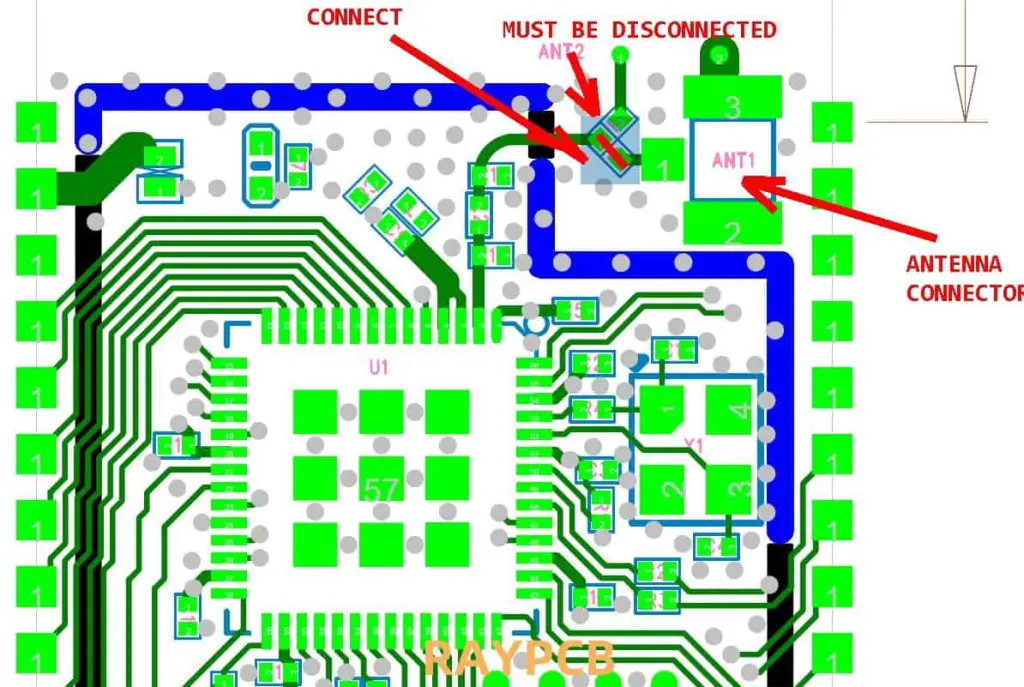
Heat generation and dissipation significantly influence component placement decisions in professional boards. Power-dissipating components such as voltage regulators, power transistors, and high-current switching devices generate substantial heat that must be managed effectively. These components should be distributed across the board rather than concentrated in one area, allowing for better heat spreading and preventing the formation of hot spots.
Thermal considerations extend beyond just power components. Heat-sensitive devices such as precision analog circuits, crystal oscillators, and reference voltage sources should be positioned away from heat-generating components. When thermal isolation is impossible, strategic placement can utilize natural convection patterns or facilitate the integration of thermal management solutions such as heat sinks or thermal vias.
The board’s orientation in its final application affects thermal placement decisions. Components should be positioned considering the expected airflow patterns and the board’s mounting configuration. In vertical mounting applications, heat-generating components are typically placed toward the bottom of the board to take advantage of natural convection.
Manufacturing and Assembly Considerations
Professional PCB designs must accommodate the realities of modern manufacturing processes. Component placement significantly impacts assembly yield and manufacturing costs. Components with similar reflow profiles should be grouped when possible to minimize thermal stress during soldering. The placement of components must consider the capabilities and limitations of pick-and-place equipment, including component orientation, access requirements, and tooling constraints.
Fiducial markers, test points, and assembly references require strategic placement to ensure reliable manufacturing. These elements should be positioned to remain accessible throughout the assembly process while not interfering with component placement or routing. The spacing between components must accommodate manufacturing tolerances and assembly equipment requirements, with adequate clearance for component variations and placement accuracy.
Board-level testing considerations influence placement decisions for professional designs. Test points should be accessible for automated test equipment while maintaining signal integrity. Components requiring manual inspection or rework should be positioned with adequate clearance for tools and visual access.
Power Distribution and Decoupling Strategy
Effective power distribution begins with strategic component placement. Power supply components including voltage regulators, filter capacitors, and power connectors should be positioned to create efficient power distribution networks. The placement of these components affects the overall power delivery impedance and noise characteristics of the system.
Decoupling capacitor placement follows specific guidelines that directly impact power distribution effectiveness. Bulk capacitors providing energy storage should be positioned near power entry points, while high-frequency decoupling capacitors must be placed immediately adjacent to the power pins of active components. The physical placement of these capacitors affects their electrical characteristics, with longer connections reducing their effectiveness at high frequencies.
Power plane design interacts closely with component placement decisions. Components requiring clean power should be positioned over solid power planes, while switching circuits that generate noise should be carefully placed to minimize coupling to sensitive circuits. The strategic placement of power and ground connections helps maintain low impedance power distribution networks.
Mechanical and Environmental Factors
Professional PCB designs must withstand various mechanical stresses and environmental conditions. Component placement affects the board’s mechanical integrity and its ability to handle vibration, shock, and thermal cycling. Heavy components such as transformers, large capacitors, and connectors should be positioned to minimize mechanical stress on solder joints and PCB substrate.
Connector placement requires careful consideration of mechanical constraints including mating forces, cable routing, and accessibility. These components often dictate board outline and mounting requirements, making their placement critical to overall system integration. The positioning of connectors affects EMI performance, with high-speed signal connectors requiring special attention to ground return paths and impedance control.
Environmental factors such as moisture, temperature cycling, and chemical exposure influence component placement decisions. Components sensitive to environmental conditions should be positioned away from board edges and potential contamination sources. The placement strategy should consider the operational environment and implement appropriate protection measures.
Design for Testability and Serviceability
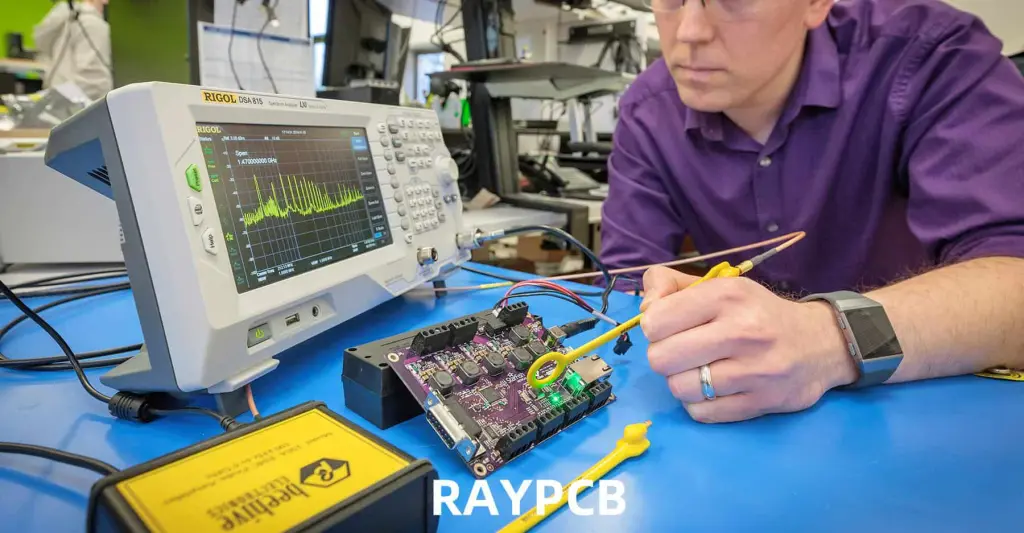
Professional boards require comprehensive testing and occasional service throughout their operational life. Component placement significantly impacts the accessibility of test points, programming interfaces, and serviceable components. Critical test points should remain accessible after assembly, with adequate clearance for test probes and fixtures.
Programmable components such as microcontrollers and FPGAs require accessible programming interfaces. The placement of these components and their associated programming connectors should facilitate both production programming and field updates. Debug interfaces and monitoring points should be positioned for easy access during development and troubleshooting.
Service considerations influence the placement of components likely to require replacement or adjustment. Variable components, fuses, and wear-prone elements should be positioned for easy access while maintaining overall design integrity.
Integration with System Requirements
Component placement must align with overall system requirements including enclosure constraints, user interface elements, and external connections. The positioning of user-accessible components such as switches, indicators, and adjustment controls must consider the mechanical design of the complete system. Heat-generating components should be positioned to work effectively with the enclosure’s thermal management strategy.
System-level EMI requirements influence component placement decisions. Circuits handling sensitive signals or generating significant emissions require strategic positioning relative to shielding, filtering, and grounding elements. The placement strategy should support the overall EMI compliance approach while maintaining electrical performance requirements.
Professional component placement represents a complex optimization problem requiring consideration of electrical, thermal, mechanical, and manufacturing constraints. Success requires systematic approach, extensive experience, and careful attention to the interactions between these various factors. The investment in proper component placement pays dividends throughout the product lifecycle, from manufacturing through field operation and service. As electronic systems continue to increase in complexity and performance requirements become more stringent, the importance of professional component placement practices will only continue to grow.

