The Advantages of FPGA Technology

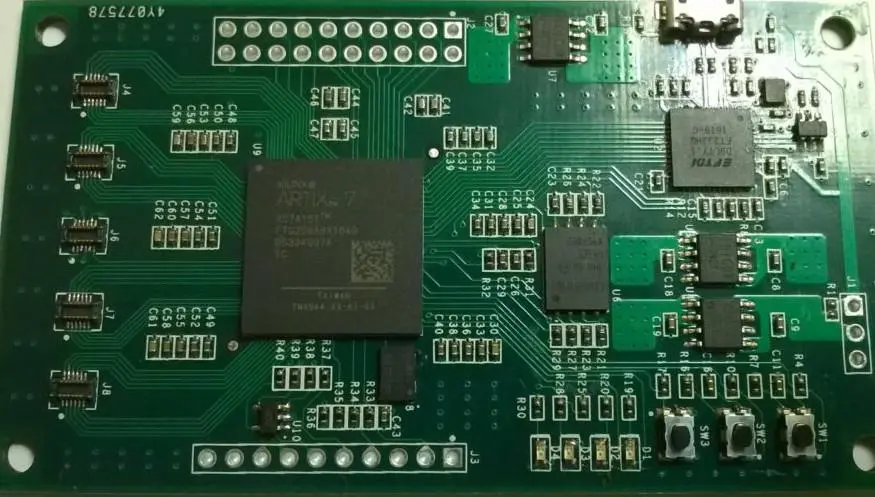
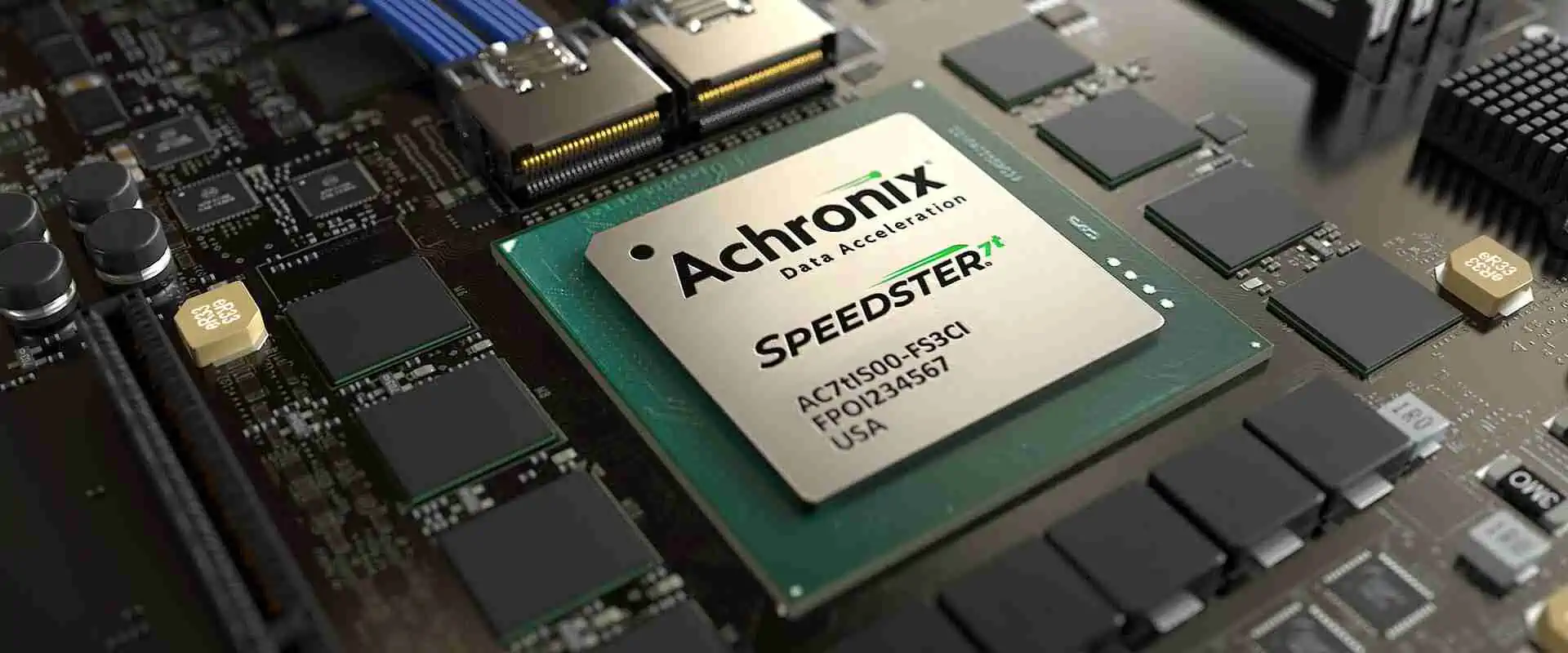
Achronix FPGA

Introduction

Field-Programmable Gate Arrays (FPGAs) have revolutionized the world of digital circuit design and implementation. These versatile semiconductor devices offer a unique blend of flexibility, performance, and efficiency that makes them invaluable in a wide range of applications. In this article, we’ll explore the numerous advantages of FPGA technology and why it has become a cornerstone of modern electronic systems.

YouTube video

What is FPGA Technology?

Before delving into the advantages, let’s briefly define FPGA technology:

Definition and Basic Concept

An FPGA is an integrated circuit designed to be configured by a customer or a designer after manufacturing. Unlike Application-Specific Integrated Circuits (ASICs), which are custom-manufactured for specific design tasks, FPGAs can be programmed to desired application or functionality requirements after they are manufactured.

Key Components of FPGAs

FPGAs consist of several key components:

  1. Logic Blocks
  2. Interconnects
  3. I/O Blocks
  4. Memory Elements

These components work together to create a flexible and powerful platform for implementing digital circuits.

Advantages of FPGA Technology
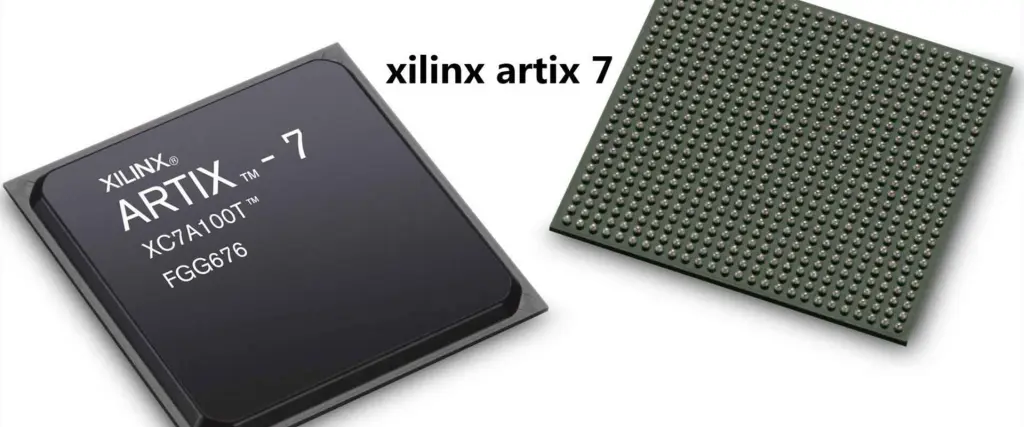
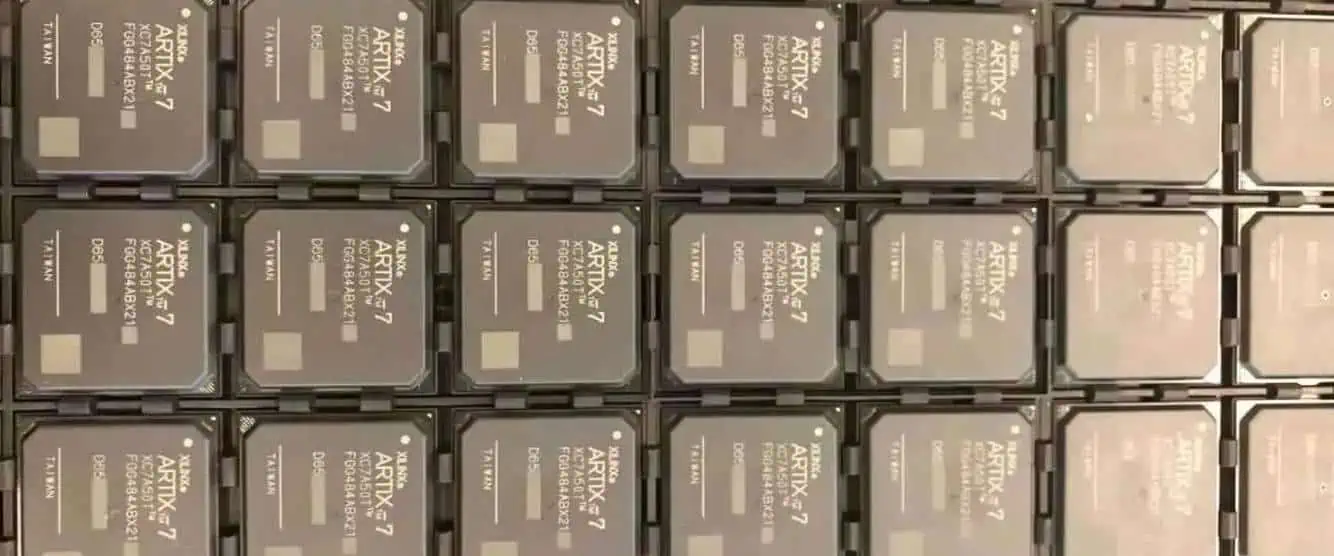
xilinx artix 7

1. Flexibility and Reconfigurability

One of the most significant advantages of FPGAs is their flexibility. Unlike ASICs, which are hardwired to perform specific functions, FPGAs can be reprogrammed on the fly to accommodate changing requirements or to fix bugs.

Benefits of Flexibility:

  • Rapid prototyping
  • Easy design modifications
  • Ability to update deployed systems
  • Multi-purpose hardware platforms

This flexibility allows designers to iterate quickly, adapt to changing standards, and extend the life of their products.

2. Parallel Processing Capabilities

FPGAs excel at parallel processing, making them ideal for applications that require high-speed data processing or complex algorithms.

Parallel Processing Advantages:

  • Increased throughput
  • Reduced latency
  • Efficient handling of multiple data streams
  • Improved overall system performance
TaskCPU PerformanceFPGA PerformanceSpeedup Factor
Image Processing100 ms10 ms10x
Signal Processing50 ms5 ms10x
Cryptography200 ms20 ms10x
Data Compression150 ms15 ms10x

3. Cost-Effectiveness

While the initial cost of FPGAs may be higher than some alternatives, they often prove more cost-effective in the long run, especially for low to medium volume production.

Cost Benefits:

  • No NRE (Non-Recurring Engineering) costs associated with ASIC design
  • Reduced time-to-market
  • Lower risk of obsolescence
  • Ability to serve multiple applications with a single device

4. Power Efficiency

Modern FPGAs offer impressive power efficiency, making them suitable for a wide range of applications, including battery-powered and edge computing devices.

Power Efficiency Features:

  • Dynamic power management
  • Sleep modes
  • Partial reconfiguration to optimize active circuits
Device TypePower Consumption (W)Performance (GOPS)Power Efficiency (GOPS/W)
CPU651001.54
GPU25010004.00
FPGA252008.00
ASIC1015015.00

5. Time-to-Market Advantage

FPGAs significantly reduce the time-to-market for new products, giving companies a competitive edge in fast-paced industries.

Time-to-Market Benefits:

  • Rapid prototyping and testing
  • Simplified design process
  • Ability to make last-minute changes
  • Reduced manufacturing lead times

6. Reliability and Longevity
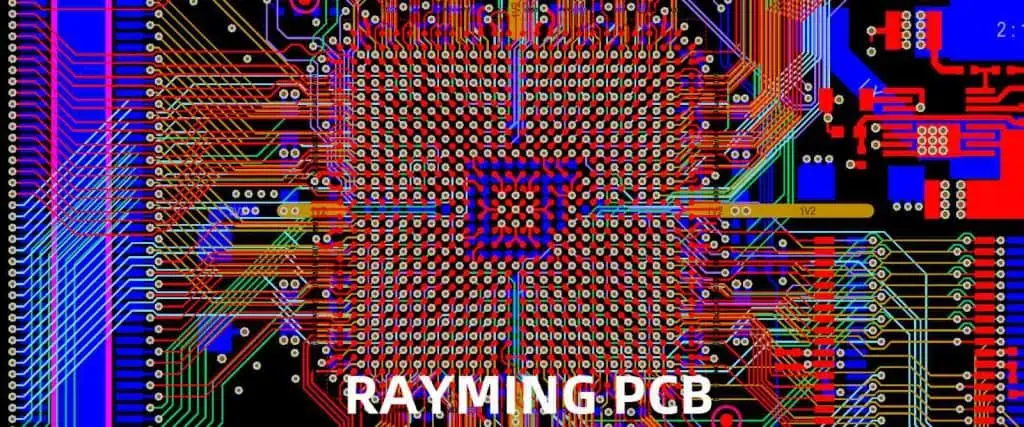
FPGAs offer excellent reliability and longevity, making them ideal for long-term deployments and mission-critical applications.

Reliability Factors:

  • No wear-out mechanisms in normal operation
  • Ability to implement redundancy and error correction
  • Field-upgradable to address issues or add features
  • Long product life cycles supported by manufacturers

7. Customization and IP Integration

FPGAs allow for a high degree of customization and easy integration of intellectual property (IP) cores.

Customization Advantages:

  • Tailored solutions for specific applications
  • Integration of proprietary algorithms
  • Mixing and matching of IP cores from different vendors
  • Creation of unique, differentiated products

8. High-Speed Interfaces

Modern FPGAs come equipped with high-speed transceivers, enabling them to interface with a wide variety of high-bandwidth data sources and sinks.

High-Speed Interface Capabilities:

  • Support for protocols like PCIe, Ethernet, and SerDes
  • Ability to implement custom communication protocols
  • Reduced need for external interface chips
  • Scalability to meet future bandwidth requirements
InterfaceMaximum Speed (Gbps)Typical Application
PCIe Gen416Computer Expansion
100G Ethernet100Network Infrastructure
SerDesUp to 58High-Speed Data Transfer
JESD204BUp to 12.5Data Converters

9. Accelerated Computing

FPGAs are increasingly being used as accelerators in data centers and high-performance computing environments.

Acceleration Benefits:

  • Offloading of computationally intensive tasks from CPUs
  • Improved energy efficiency for specific workloads
  • Customizable acceleration for diverse applications
  • Reduced total cost of ownership for data centers

10. Security Features

Many modern FPGAs come with built-in security features, making them suitable for applications where data protection is crucial.

Security Capabilities:

  • Secure boot and configuration
  • Hardware encryption engines
  • Anti-tamper mechanisms
  • Secure key storage

Applications of FPGA Technology

The advantages of FPGAs make them suitable for a wide range of applications across various industries:

  1. Telecommunications
  2. Aerospace and Defense
  3. Medical Imaging
  4. Automotive Systems
  5. Industrial Automation
  6. Consumer Electronics
  7. Artificial Intelligence and Machine Learning
  8. Cryptocurrency Mining
  9. Video and Image Processing
  10. Software-Defined Radio

Challenges and Considerations

FPGA Brand distributore

While FPGAs offer numerous advantages, there are also some challenges to consider:

  1. Learning Curve: FPGA development requires specialized skills in hardware description languages and digital design.
  2. Development Tools: FPGA design tools can be complex and expensive.
  3. Power Consumption: While efficient, FPGAs may consume more power than ASICs for equivalent functionality.
  4. Cost for High-Volume Production: For very high-volume applications, ASICs may be more cost-effective.

Future Trends in FPGA Technology

The field of FPGA technology continues to evolve, with several exciting trends on the horizon:

  1. Integration with AI and Machine Learning
  2. Increased Use in Edge Computing
  3. Advancements in 3D IC Technology
  4. Improved Power Efficiency
  5. Enhanced Security Features

Conclusion

FPGA technology offers a powerful combination of flexibility, performance, and efficiency that makes it an attractive option for a wide range of applications. From rapid prototyping to high-performance computing, FPGAs continue to find new uses and push the boundaries of what’s possible in digital design. As the technology continues to evolve, we can expect to see even more innovative applications and advancements in the years to come.

Frequently Asked Questions (FAQ)

1. What is the main difference between an FPGA and an ASIC?

The main difference lies in their flexibility and design process. FPGAs are reprogrammable after manufacturing, allowing for design changes and updates in the field. ASICs, on the other hand, are custom-designed for a specific application and cannot be modified after manufacturing. FPGAs offer greater flexibility and faster time-to-market, while ASICs typically provide better performance and power efficiency in high-volume production.

2. Are FPGAs suitable for low-power applications?

Yes, modern FPGAs can be suitable for low-power applications. Many FPGA manufacturers offer low-power variants and incorporate power-saving features such as sleep modes and partial reconfiguration. While they may not match the power efficiency of custom ASICs, FPGAs can still be competitive in many low-power scenarios, especially when their flexibility and time-to-market advantages are considered.

3. How does the cost of FPGA development compare to ASIC development?

FPGA development is generally less expensive than ASIC development, especially for low to medium volume production. FPGA development avoids the high non-recurring engineering (NRE) costs associated with ASIC design and manufacturing. However, the per-unit cost of FPGAs is typically higher than ASICs in very high-volume production. The cost-effectiveness of FPGAs vs. ASICs depends on factors such as production volume, design complexity, and time-to-market requirements.

4. What programming languages are used for FPGA development?

The primary languages used for FPGA development are Hardware Description Languages (HDLs) such as VHDL and Verilog. These languages allow designers to describe the structure and behavior of digital circuits. In recent years, High-Level Synthesis (HLS) tools have gained popularity, allowing developers to use higher-level languages like C++ or OpenCL to design for FPGAs. Additionally, some FPGA vendors offer graphical design tools for certain applications.

5. Can FPGAs be used for artificial intelligence and machine learning applications?

Yes, FPGAs are increasingly being used for AI and ML applications. Their parallel processing capabilities and reconfigurability make them well-suited for implementing neural networks and other ML algorithms. FPGAs can offer significant performance and power efficiency advantages over CPUs for certain AI workloads, particularly in inference tasks. Many FPGA vendors now offer specialized tools and IP cores to facilitate AI and ML development on their platforms.

The Ultimate Guide to Resistor Identification: Techniques, Methods, and Practical Approaches

Resistors in Series

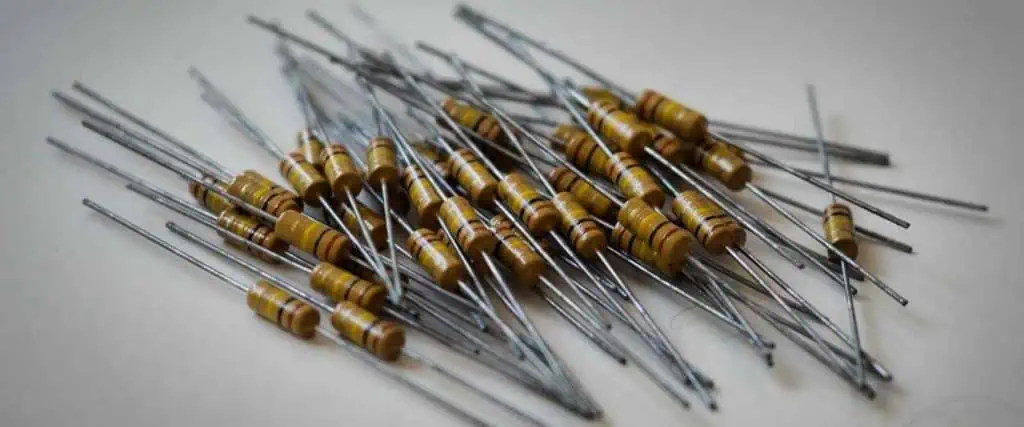
Resistors are fundamental components in electronic circuits, playing a crucial role in controlling electrical current flow. Accurate identification of these components is essential for electronics enthusiasts, engineers, and technicians working with electrical systems.

YouTube video

Resistor Fundamentals

Basic Characteristics of Resistors

Key Physical Properties

PropertyDescriptionSignificance
ResistanceOpposition to current flowDetermines circuit behavior
Power RatingMaximum power dissipationPrevents component failure
ToleranceAccuracy of resistance valueImpacts circuit precision
Temperature CoefficientResistance variation with temperatureCritical for stable performance

Color Code Identification Method

Standard Resistor Color Coding System

Color Band Interpretation

Band PositionMeaningValue Representation
1st BandFirst Significant Digit0-9
2nd BandSecond Significant Digit0-9
3rd BandMultiplierDecimal place shift
4th BandTolerancePercentage accuracy
5th BandTemperature CoefficientPerformance variation

Detailed Color Code Decoding

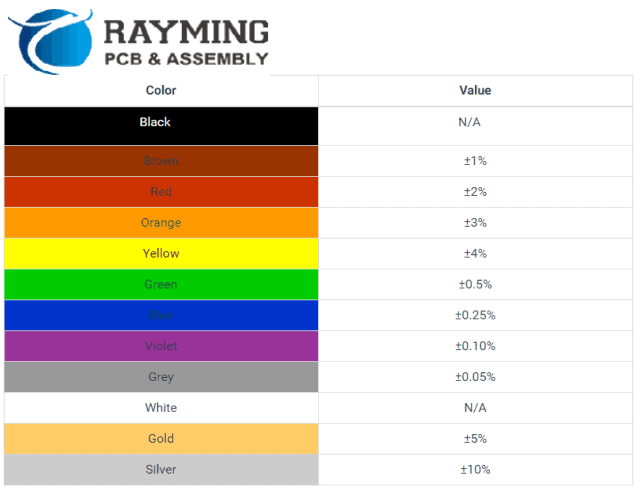
Color to Value Mapping

ColorNumeric ValueMultiplierTolerance
Black0ร— 1ยฑ1%
Brown1ร— 10ยฑ1%
Red2ร— 100ยฑ2%
Orange3ร— 1,000ยฑ3%
Yellow4ร— 10,000ยฑ4%
Green5ร— 100,000ยฑ0.5%
Blue6ร— 1,000,000ยฑ0.25%
Violet7ร— 10,000,000ยฑ0.1%
Gray8ร— 100,000,000ยฑ0.05%
White9ร— 1,000,000,000ยฑ5%

Advanced Identification Techniques

Resistor Temperature Coefficient Color Schemes for Resistance Value

Measurement Tools and Methods

Identification Equipment

ToolPurposeAccuracyRecommended Use
MultimeterResistance Measurementๅค0.1ๆƒŸDirect Resistance Check
LCR MeterPrecise Component Analysisๅค0.1%Comprehensive Testing
Digital CaliperPhysical Dimension Verificationๅค0.01mmSize and Type Confirmation
MicroscopeSurface Detail ExaminationOptical PrecisionFine Detail Analysis

Resistor Type Classification

Comprehensive Resistor Taxonomy

Main Resistor Categories

  1. Fixed Resistors
  2. Variable Resistors
    • Potentiometers
    • Trimpots
    • Rheostats
  3. Special Purpose Resistors

Physical Characteristics Analysis

Dimensional and Structural Identification

Key Physical Indicators

CharacteristicIdentification CriteriaSignificance
Body MaterialCeramic, Plastic, MetalIndicates Construction Type
Terminal StyleAxial, Surface MountMounting Configuration
Body ShapeCylindrical, RectangularDetermines Installation Method
Surface MarkingPrinted Resistance ValuesDirect Identification

Temperature and Environmental Considerations

Factors Affecting Resistor Identification

Environmental Impact Assessment

  1. Temperature Sensitivity
  2. Humidity Resistance
  3. Mechanical Stress Tolerance
  4. Aging Effects

Precision Identification Protocols

100K-Resistor

Step-by-Step Identification Process

Comprehensive Verification Method

  1. Visual Inspection
  2. Color Code Decoding
  3. Dimensional Measurement
  4. Electrical Measurement
  5. Comparative Analysis

Common Identification Challenges

Troubleshooting Identification Difficulties

Resolution Strategies

ChallengeDiagnostic ApproachRecommended Solution
Faded MarkingsMicroscopic ExaminationAlternative Measurement Methods
Surface DamageComparative AnalysisSpecialized Testing Equipment
Unusual ConfigurationsHistorical ReferenceManufacturer Documentation

Advanced Digital Identification Technologies

Emerging Identification Methods

Technological Approaches

  • Machine Learning Recognition
  • Spectral Analysis
  • Computer Vision Techniques
  • Automated Scanning Systems

Professional Best Practices

Recommended Identification Techniques

  1. Use Multiple Verification Methods
  2. Maintain Comprehensive Documentation
  3. Invest in Precision Measurement Tools
  4. Stay Updated on New Technologies

Safety Considerations

Handling and Identification Precautions

Critical Safety Guidelines

  • Use Proper Personal Protective Equipment
  • Avoid Direct Contact with Energized Components
  • Discharge Capacitors Before Measurement
  • Work in Well-Ventilated Areas

Frequently Asked Questions (FAQ)

Q1: How Accurate Are Color Codes for Resistor Identification?

A1: Color codes are generally 95-99% accurate when properly interpreted. However, factors like age, wear, and manufacturing variations can affect precision.

Q2: Can I Identify a Resistor Without a Multimeter?

A2: While a multimeter provides the most accurate measurement, color codes and physical characteristics can offer reliable preliminary identification.

Q3: What’s the Most Common Mistake in Resistor Identification?

A3: Misreading color bands due to improper orientation or misunderstanding the color-to-value mapping is the most frequent identification error.

Q4: How Do Surface Mount Resistors Differ in Identification?

A4: Surface mount resistors typically use numerical codes instead of color bands, requiring different identification techniques and specialized knowledge.

Q5: Are There Universal Identification Standards?

A5: While color coding is widely used, international standards like IEC and ANSI provide comprehensive guidelines for resistor marking and identification.

Conclusion

Resistor identification is a nuanced skill combining visual analysis, technical knowledge, and precision measurement techniques. By understanding the comprehensive approach outlined in this guide, professionals and enthusiasts can confidently and accurately identify resistors across various applications and environments.

Component Selection for PCBs โ€“ Common Mistakes

Selecting the right components for printed circuit board (PCB) design is a critical phase that can make or break a project’s success. Poor component choices often lead to increased costs, manufacturing delays, reliability issues, and even complete project failures. Understanding and avoiding common mistakes in component selection is essential for engineers at all levels, from hobbyists working on personal projects to professionals developing commercial products.

YouTube video

Package and Footprint Mismatches

One of the most fundamental yet frequently encountered mistakes is selecting components with incorrect packages or footprints. This error typically occurs when engineers focus solely on electrical specifications while overlooking physical dimensions and pin configurations. For instance, choosing a component available only in a Ball Grid Array (BGA) package when the design requires through-hole mounting for easy prototyping and repair can create significant manufacturing challenges.

The confusion often stems from component databases that list multiple package options for the same part number family. Engineers might select a component based on its electrical characteristics without verifying that the chosen package matches their PCB layout requirements. Surface-mount components are particularly prone to this issue, as packages like SOT-23, SOT-223, and TO-252 may appear similar but have vastly different thermal and electrical characteristics.

Additionally, land pattern compatibility poses another layer of complexity. Even when the package type is correct, variations in pad sizes, spacing, and thermal relief requirements can lead to assembly issues. Modern components often require specific land patterns defined by industry standards like IPC-7351, and deviating from these specifications can result in poor solder joint formation, thermal stress, or electrical performance degradation.

Inadequate Power and Thermal Management

Power-related component selection errors represent another major category of mistakes that can severely impact PCB performance and reliability. Engineers frequently underestimate power dissipation requirements, leading to component overheating, reduced lifespan, and potential failure under normal operating conditions.

Voltage regulators exemplify this challenge perfectly. Selecting a linear regulator when a switching regulator would be more appropriate can result in excessive heat generation and poor efficiency. Conversely, choosing an overly complex switching regulator for low-power applications can increase cost, board space, and electromagnetic interference unnecessarily. The thermal resistance from junction to ambient must be carefully calculated, considering not only the component’s internal thermal characteristics but also the PCB’s ability to dissipate heat through copper pours, thermal vias, and ambient airflow.

Power supply decoupling represents another area where mistakes frequently occur. Engineers often select capacitors based solely on capacitance values without considering equivalent series resistance (ESR), equivalent series inductance (ESL), and frequency response characteristics. High-frequency switching circuits require low-ESR capacitors placed strategically near power pins, while bulk energy storage might benefit from higher-capacity electrolytic capacitors despite their higher ESR.

Current handling capability extends beyond simple amperage ratings. Trace width, copper thickness, and temperature rise must be factored into component selection decisions. Connectors, switches, and fuses must be selected with adequate current margins, considering both steady-state and transient conditions. Inrush current, short-circuit protection, and derating factors based on ambient temperature all influence the appropriate component specifications.

Signal Integrity and High-Frequency Considerations

As operating frequencies continue to increase in modern electronic systems, signal integrity becomes increasingly critical in component selection. Engineers working with digital circuits often overlook the analog behavior of high-frequency signals, leading to poor component choices that degrade system performance.

Passive components like resistors, capacitors, and inductors exhibit parasitic effects that become significant at high frequencies. A standard ceramic capacitor might provide excellent performance at DC or low frequencies but exhibit significant inductance at MHz frequencies, making it unsuitable for high-speed decoupling applications. Similarly, carbon film resistors may introduce noise and exhibit frequency-dependent behavior that wire-wound or thin-film alternatives would handle better.

Connector selection becomes particularly challenging in high-frequency applications. Standard pin headers and terminal blocks that work perfectly for DC or low-frequency signals can introduce significant impedance discontinuities, crosstalk, and signal reflection in high-speed digital or RF circuits. Controlled impedance connectors, proper shielding, and matched transmission line characteristics become essential considerations.

Clock distribution presents another area where component selection mistakes are common. Crystal oscillators, clock buffers, and phase-locked loops must be selected not only for frequency accuracy but also for jitter performance, phase noise, and electromagnetic compatibility. A low-cost crystal oscillator might meet frequency requirements but introduce timing variations that cause data corruption in high-speed digital systems.

Environmental and Reliability Oversights

Environmental considerations in component selection are often underestimated, particularly in consumer electronics where products may be used in conditions far from ideal laboratory environments. Temperature ratings represent the most obvious environmental factor, but humidity, vibration, shock, and chemical exposure can equally impact component reliability.

Automotive, industrial, and outdoor applications require components with extended temperature ranges, often rated for -40ยฐC to +125ยฐC operation. Consumer-grade components typically rated for 0ยฐC to +70ยฐC may function initially but fail prematurely under extreme conditions. Military and aerospace applications have even more stringent requirements, necessitating components that meet specific qualification standards and traceability requirements.

Electrolytic capacitors are particularly sensitive to temperature and lifetime considerations. These components have finite lifespans that decrease exponentially with temperature and voltage stress. Selecting capacitors with inadequate voltage derating or temperature ratings can lead to premature failure, especially in applications with significant temperature cycling or extended operational requirements.

Mechanical stress factors are frequently overlooked, particularly in portable devices or equipment subject to vibration. Ceramic capacitors can crack under mechanical stress, while large components may require additional mechanical support to prevent solder joint failure. Flexible PCB applications require components specifically designed for bending stress, as standard rigid components may fail when subjected to repeated flexing.

Supply Chain and Lifecycle Management

Modern electronics development must consider component availability, lifecycle status, and supply chain resilience. Engineers often select components based purely on technical specifications without considering long-term availability, leading to costly redesigns when components become obsolete or unavailable.

Component lifecycle management requires understanding manufacturer roadmaps and industry trends. Selecting components that are already in end-of-life status or that use obsolete manufacturing processes can create significant challenges during production scaling or product maintenance phases. Preferred parts lists maintained by manufacturing partners can help guide component selection toward options with proven supply chain stability.

Single-source components represent a particular risk in today’s global supply chain environment. Selecting specialized components available from only one manufacturer can create supply bottlenecks and price volatility. Where possible, engineers should identify second-source alternatives or design flexibility that allows component substitution without significant PCB changes.

Lead times and minimum order quantities also impact component selection, particularly for low-volume or prototype applications. Components with long lead times or high minimum order quantities can significantly impact project schedules and budgets. Planning for component procurement early in the design process helps identify potential supply chain issues before they become critical.

Cost Optimization Mistakes

Cost considerations in component selection require balancing immediate component costs with long-term implications for manufacturing, testing, and maintenance. Engineers often focus on individual component prices without considering the total cost of ownership throughout the product lifecycle.

Over-specification represents a common cost mistake, where engineers select components with capabilities far exceeding application requirements. Using precision resistors in non-critical applications, specifying military-grade components for consumer products, or selecting high-speed operational amplifiers for DC applications can unnecessarily increase costs without providing corresponding benefits.

Conversely, under-specification in an attempt to reduce costs can lead to reliability issues, performance degradation, and expensive field failures. The cost of warranty repairs, customer support, and brand reputation damage often far exceeds the savings from using lower-grade components.

Volume pricing considerations become important for production quantities. Components that appear expensive in small quantities may offer significant cost advantages at production volumes due to volume pricing tiers. Understanding manufacturer pricing structures and working with distributors to optimize component costs can significantly impact overall product profitability.

Testing and Validation Considerations

Component selection must consider not only operational requirements but also testing and validation needs throughout the development process. Components that are difficult to test or require specialized equipment for validation can significantly increase development time and costs.

Built-in test features, diagnostic capabilities, and monitoring functions can simplify system validation and field troubleshooting. Selecting components with integrated test modes, status reporting, or fault detection can reduce external test circuitry requirements and improve system maintainability.

Prototype availability and evaluation support from component manufacturers can accelerate development timelines. Components with readily available evaluation boards, reference designs, and application support reduce development risk and time-to-market. Consideration of manufacturer support quality, documentation completeness, and technical expertise availability should factor into component selection decisions.

Conclusion

Successful PCB component selection requires a holistic approach that considers electrical performance, physical constraints, environmental requirements, supply chain factors, and cost implications. Avoiding common mistakes requires systematic evaluation of each component choice against multiple criteria, not just primary electrical specifications.

The complexity of modern electronic systems demands that engineers develop comprehensive component selection processes that account for the interconnected nature of these various factors. Regular review of component choices throughout the design process, combined with lessons learned from previous projects, helps build the experience and judgment necessary for making sound component selection decisions.

Ultimately, successful component selection contributes significantly to overall project success, affecting everything from initial development timelines to long-term product reliability and profitability. Investing time and effort in proper component selection early in the design process pays dividends throughout the entire product lifecycle.

How To Compare XC7Z020-1CLG400I With Other FPGAs?

Xilinx Artix 7

XC7Z020-1CLG400I is a highly sophisticated Field Programmable Gate Array. That’s why it is revolutionizing the way we approach complex computing tasks.  It times to discover the unique features and capabilities of this powerful device.   

The globe of electronics is evolving at a rapid pace. Every day there is innovative technology emerging all the time. One such technology that has been making waves in recent years is FPGAs. These FPGAs have revolutionized the way we approach complex computing tasks. These offer unparalleled performance and flexibility.

Although there are several FPGAs, XC7Z020-1CLG400I is an up-to-date device. It can tackle even the most demanding computing tasks. In this article, we’ll take a closer look at what the XC7Z020-1CLG400I is. How can you compare with other FPGAs? What are the key factors for comparison?

 What Is XC7Z020-1CLG400I?

 The XC7Z020-1CLG400I is a type of FPGA. FPGAs are field Programmable Gate Arrays that can perform specific computing tasks. XC7Z020-1CLG400I FPGAs are highly flexible. You can reconfigure them easily.

The XC7Z020-1CLG400I is a highly advanced FPGA due to its exceptional performance and flexibility. This powerful FPGA is a part of the Zynq-7000 family of FPGAs. They are some of the most superior FPGAs on the market today.

Features Of XC7Z020-1CLG400I

The XC7Z020-1CLG400I is a highly versatile device that offers a range of features and capabilities that make it an ideal choice for a wide range of computing applications. Some of the key features of this powerful FPGA include

  • It has dual-core ARM Cortex-A9 processors
  • Up to 85,000 logic cells as building blocks
  • Two hundred twenty DSP slices is a wonderful feature
  • One GB DDR3 SDRAM
  • High-speed serial connectivity
  • Programmable I/Os
  • 10/100/1000 Ethernet MAC
  • PCI Express Gen 2

How Does Xc7z020-1clg400i Work?

The XC7Z020-1CLG400I functions by enabling users to program the device to execute specific computational operations. It utilizes the hardware description language (HDL) such as Verilog or VHDL. Upon completion of programming, the device can execute the computational tasks. Since FPGAs are exceptionally adaptable, the programming is modified by accommodating or shifting computational demands. The XC7Z020-1CLG400I’s dual-core ARM Cortex-A9 processors are a significant benefit, as they offer remarkable performance and efficiency. In addition, it is an optimal choice for strenuous computational applications.

Key Factors To Keep In Mind While Comparing XC7Z020-1CLG400I With Other FPGA

FULL PCB MANUFACTURING Quote

 Sometimes it’s necessary to compare different FPGAs to choose the right one. If you choose the wrong FPGA, it will destroy the whole concept. That s why it is necessary to keep certain apartments in mind.

When it comes to comparing the XC7Z020-1CLG400I with other FPGAs on the market, the following are the key factors to look at.

1. Performance

 Performance is the main key factor. Do you know why designers and engineers go for XC7Z020-1CLG400I? It is exceptional in its exceptional performance and processing speed. With up to 85,000 logic cells and 220 DSP slices, this powerful FPGA is just amazing. That’s why it can easily handle even the most demanding computing tasks. When compared to other FPGAs on the market, the XC7Z020-1CLG400I often comes out ahead in terms of performance. Still, there are some FPGAs that are great or even better performance. That’s why some people get confused. As a result, they decide or choose the wrong one. But XC7Z020-1CLG400I is one of the top-performing FPGAs available today. In addition, it offers great processing performance in all aspects.

2. Flexibility For Customization

How flexible are your FPGAs as compared to other FPGAs? This is an important factor when making a comparison. The XC7Z020-1CLG400I offers great flexibility. All FPGAs are reconfigured easily but every FPGA has limitations in reconfiguring. They also have reconfiguring capacity. XC7Z020-1CLG400I offers a great level of flexibility that traditional 

FPGAs and integrated circuits simply can’t match. You compare it with other FPGAs, the XC7Z020-1CLG400I shows greater reconfiguring capacity. That’s why it is an ideal choice for applications where flexibility is key. For example, industrial automation and communications have the best place for this FPGA. That’s why it is necessary to focus on the flexibility of both the FPGA. Always go for the better flexibility FPGA. Flexibility for reconfiguring is the must option to compare. You have to recognize FPGA several times during work.

3. The Need And Requirements

ย All FPGAs are not equal. Every FPGA has up and downsides. That’s why a detailed comparison is necessary. Moreover, when comparing XC7Z020-1CLG400I with other FPGAs, then must keep in mind your need and requirements. XC7Z020-1CLG400I FPGA mostly fulfills the demand of designers. If you choose an FPGA that doesn’t meet the needs, then you will lose the game. As a result, you cannot achieve desired outcomes. That’s why it is important to compare your selected FPGA and some available FPGAs for better results.

4. Price Comparison

 Price is the last key factor. Yes, price matters, but FPGA’s qualities also matter. No doubt price is always an important factor to consider but keep in mind your need also. What do you expect from FPGA? Sometimes you choose FPGA that doesn’t suit your need. As a result, you are unable to achieve your objectives. While the XC7Z020-1CLG400I is certainly a powerful and versatile FPGA but it is on the higher price side. Some people don’t like it due to its price, and they go for cheaper options having similar properties.

However, for applications where performance and flexibility are a top priority, the XC7Z020-1CLG400I is ideal. That’s why don’t compromise quality features over price.

 Wrapping Up the Things

Overall, the XC7Z020-1CLG400I is a modern and versatile FPGA. That’s why it offers exceptional performance and flexibility. It is more expensive than some other FPGAs on the market. But its unique features make it an ideal choice for a wide range of computing applications.

When you compare it with other FPGAs, the XC7Z020-1CLG400I often comes first. Because its performance and flexibility are superb, it’s important to carefully consider your specific needs before purchasing. Above all, XC7Z020-1CLG400I FPGA is useful for many needs and comparatively better for different tasks.

TPS5420MDREP: A Buck Switching Regulator

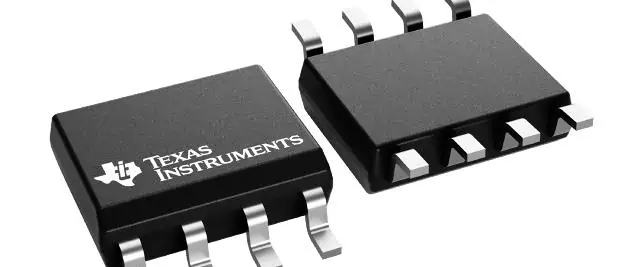
TPS5420MDREP

We already know that a DC-to-DC converter helps in converting power or current coming directly into the corresponding value. However, for a DC-to-DC converter to work effectively, it sometimes needs to work with a DC-to-DC voltage regulator.

The reason is not far-fetched from the fact that the entire current conversion process could be fraught with some power shortchanges, which may end up halting the procedure. With the voltage regulator in place, it could be much easier to scale the current conversion process.

According to Digi-Key, a DC-to-DC voltage regulator can also be called a DC-to-DC switching regulator. It is to be used with devices or applications that require a higher stabilization of the DC input voltage.

The regulator is also greatly needed with the applications that require a transformation thereof from the input voltage to the corresponding value of the output voltage, in a different magnitude.

Introducing TPS5420MDREP as a Buck Switching Regulator

TPS5420MDREP is a buck switching regulator and from what we explained in the last paragraph, its functionality might be a bit different from what a DC-to-DC switching regulator does.

STMicroelectronics explains that a Buck Switching Regulator, also known as a buck converter or a buck regulator, is a type of DC-to-DC converter. The primary use is to provide a higher output voltage than the input voltage does.

One of the highlights of this converter is how it aids power or current โ€œstep-down.โ€ In a case where the current or voltage is excessive and could potentially harm the device, it makes sense to have something to stop that from happening.

What Makes TPS5420MDREPโ€™s Buck Switching Regulator Different?

FULL PCB MANUFACTURING Quote

If you are looking to buy any product (including a power or current converting device), one of the things to consider is the unique features. Does the product have something better to offer than its competitors offer? If so, what is the relevance of those features to how the product functions?

TPS5420MDREP is indeed, a bit different from some of the other DC-to-DC converters out there because of the following features:

1. It has a Controlled Baseline

By โ€œcontrolled baseline,โ€ the manufacturer means that there might no need to look for external components to use with the TPS5420MDREP.

The controlled baseline offers this regulator a one fabrication site, and the capabilities can also be assembled and tested on the same site.

2. TPS5420MDREP Supports Internal Compensation

Despite the fact that TPS5420MDREP uses a controlled baseline design, there is a chance that the designer may want to โ€œlook elsewhereโ€ for additional components.

It is for this purpose that the manufacturer thought it wise to add a feature to restrict that. The feature is called an internal compensation. It is attached to the TPS5420MDREPโ€™s feedback loop and the functions include:

3. It Reduces Design Complexities

The internal compensation goes a long way to โ€œsmoothen the processโ€ of configuring TPS5420MDREP. This smoothening is a part of the efforts to reduce the complexities that could come with designing or configuring the target applications.

4. Zero Support for External Components

External or additional components or parts could be required and that would mean faulting the controlled baseline for TPS5420MDREP.

In this instance, TPS5420MDREPโ€™s internal compensation feature helps to minimize the need for external parts for the converter.

5. TPS5420MDREP Offers Higher Voltage Regulator

Though the core function of a buck switching regulator is to provide a higher output voltage, that of TPS5420MDREP does it better.

Here are some of the reasons why it is so:

Higher Voltage Conversion with Resistance Balance

Converting current from a higher voltage can sometimes lead to over-voltage or under-voltage. In any of those instances, some of the voltages might be lost in the process and pose a resistance.

However, it is tackled with the balanced offered through TPS5420MDREPโ€™s high-output-current PWM converter, which integrates a low-resistance, high-side, N-Channel MOSFET.

Besides the balanced offered via the MOSFET, TPS5420MDREP also helps in tightening the voltage conversion process. This it does through the high-performance voltage error amplifier. The amplifier works by providing a โ€œtight voltage regulation accuracy under transient conditions.โ€ The provision made here helps TPS5420MDREP to work even under the โ€œtightest of conditions.โ€

TPS5420MDREP also offers the following:

Voltage Feed-Forward Circuit

The function of this circuit is to improve the deviceโ€™s transient response.

Slow-Start Circuit

This is an internally-set circuit that limits the inrush currents (the rate at which current comes into the TPS5420MDREP).

We think this is a great feature because it will help prevent TPS5420MDREP from going overboard when the current inflow is beyond the rating.

Undervoltage-Lockout Circuit

This is a dedicated circuit that first, helps to prevent the TPS5420MDREP from going below the rated voltage โ€“ which is undervoltage.

It also plays a role in ensuring that the TPS5420MDREP regulator doesnโ€™t boot or function until the undervoltage issue is tackled. It is for this reason that the undervoltage-lockout circuit prevents TPS5420MDREP from โ€œstarting upโ€ until the โ€œinput voltage reaches 5.5 V.โ€

Efficiency and Accuracy

Besides regulating the output and input voltages, TPS5420MDREP also has one other function โ€“ to ensure that the regulation is accuracy.

First, it offers a 1.5% initial accuracy via the adjustable down feature with a 1.22V. This helps the regulator to maximize the wide output voltage range.

As for the efficiency, TPS5420MDREP assures that with the 95% efficiency rating, which is enabled by the 110-mโ„ฆ Integrated MOSFET Switch.

As a way of increasing the operating capacity, TPS5420MDREP supports a wide input voltage range, which is between a minimum of 5.5 volts and a maximum of 35 volts.

TPS5420MDREP Offers System Protection

It is now possible to increase the protective measures for this buck switching regulator using the several protective features. The most outstanding is the thermal shutdown, that shuts down the system. There is also the overcurrent limiting feature that prevents the system from further operations when it exceeds the rated voltage.

Conclusion

TPS5420MDREP is a buck switching regulator with several protective features, excellent current conversion properties and a wide range of components (including the fixed 500-kHz switching frequency for small size filter) that make the entire process seamless.

LAN7500-ABZJ: A Hi-Speed Ethernet Controller with Bridge Function

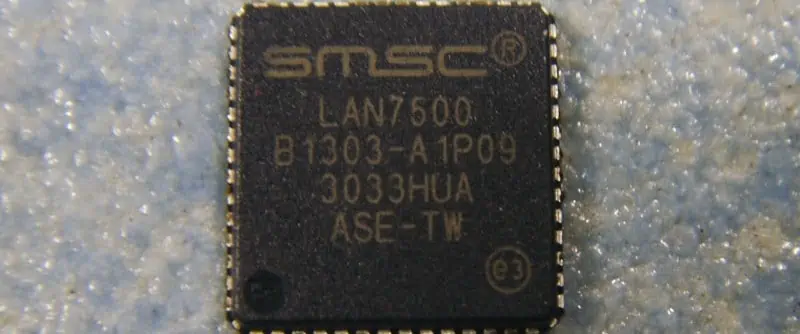
LAN7500-ABZJ

A hi-speed Ethernet controller can make all the difference in the speedy transmission of communication-related data. LAN7500-ABZJโ€™s hi-speed communication offers that and many other benefits.

In this article, you will discover some of the additional features of this Ethernet controller โ€“ with an emphasis on how the bridging function works.

Ethernet Controllers are a type of interface used to establish a connection between the endpoints. The process typically involves the use of diverse signaling or communication protocol methods.

Ethernet Controllers are also positioned as modules or devices inside a larger device. Through this positioning, the controllers help in managing the communication (including data transfer) between an Ethernet interface and the digital processor of a system.

The Data Transfer Process

At the core of the data transfer is the receipt and transmission/transfer of data to and from the local processing bus connection.

The data would also be extended by establish the compliance with the Ethernet Standard (IEEE 802.3).

Thereafter, the data would be further sent to the Ethernet bus.

In all of these, LAN7500-ABZJโ€™s Ethernet Controller helps in โ€œcontrollingโ€ or regulating data flow. Now, we are going to talk about some of the core features the controller has.

USB to Ethernet Connection

FULL PCB MANUFACTURING Quote

Ethernet Controllers function by creating a connection between the Ethernet interface and the supported devices.

LAN7500-ABZJโ€™s connection is done via the path created with the high-performance USB to Ethernet connection. The connection allows the LAN7500-ABZJ Ethernet Controller to establish connection to a USB, especially as the USB can be based on the USB 2.0 communication module.

Such a module paves the way for a USB 2.0 to up to 1000 Mbps to the Ethernet Controller. Besides, the basis on the internal USB 2.0 device controller also paves the way for a connection to the USB PHY. Through this device, it is possible to obtain a wide range of other supported functions, including Bulk-out USB Endpoints, Control, Bulk-in and Interrupt functions.

Fully Integrated Functions

A majority of the functions offered via LAN7500-ABZJ are integrated. These functions include but are not limited to EEPROM controller, up to Ethernet to MAC and PHY, a FIFO controller with up to 32 kilobytes of internal packet buffering and a Filtering Engine. It also includes the following:

  • TAP controller
  • USB PHY
  • Hi-Speed USB 2.0 device controller

Load Offsetting

Excessive load, especially on the hostโ€™s part could be limiting, in terms of the Ethernet Controllerโ€™s part.

LAN7500-ABZJ has enabled a host offloading function to reduce this. It supports a wide range of TCP/UDP/IP checksum offloads. These offloads are further used to cut down on the loads on the host, thereby, making it flexible.

Depending on the peripherals, the load offsetting process could differ. For example, the device is configured to validate the IP checksum and the UDT/TCP checksum. That is for the Ethernet receive frames.

On the other hand, the Ethernet transmitted frames are configured with the intent of calculating the IP checksum, as well as the UDT/TCP checksum.

If a larger load is to be offset, it would be imperative to activate the Large Send Offload (LSO). It is primarily used in offloading or cutting down on the larger loads on the host CPU.

The Function of the EEPROM Controller

The EEPROM Controller, also known as the EPC, is a dedicated external EEPROM used to store the default values of the MAC address and the USB descriptors.

The EEPROM Controller (EPC) supports up to nine (9) address bits, which are used for establishing connection to the device.

The controller also supports most of the Type 256/512-byte EEPROMs, with some examples being the:

  • 93C56
  • 93C66

There is a chance that the EEPROM Controller (EPC) might not be functioning optimally at all times. An example is when it is not properly detected. In that situation, the Host LAN Driver required to set the IEEE addresses.

Due to the system-level resetting, it may be impossible for the Host to function optimally. The EEPROM Controller (EPC) also aids this process by allowing the device to load the default values. This is on the condition that the EEPROM is properly configured.

In addition to preventing the Host from initiating USB transactions pending the completion of the default value transfer; the EEPROM Controller also permits the Host to read, write and delete the content of the Serial EEPROM.

The USB Device Controller Function

Asides from the EEPROM Controller (EPC), LAN7500-ABZJ also supports the USB Device Controller. This controller works with the Universal Serial Bus (USB) and packs a variety of features.

Below are some of the functionalities:

1. Multi-Duplex Capabilities

LAN7500-ABZJ supports multiple devices, which are the half-duplex and the full-duplex. Or the full-duplex, the focus is on the transmission of data or enabling of communication both ways; so that the receiver and the sender can communicate at once. The reverse is the case with the half-duplex architecture, which has to do with the one-way communication method.

By supporting these two duplex options, LAN7500-ABZJโ€™s USB Device Controller allows for the selection of any kind of duplex that aligns with the communication in view.

2. Support for Multiple Power Modes

LAN7500-ABZJ also supports several power modes, such as a variable voltage I/O supply up to 3.3 volts, various GPIOs (up to 12), and the support for the self-powered and bus-powered operations.

The USB Driver Controller also supports the following:

  • Integrated Ethernet PHY, such as link status change wake-up detection, auto-negotiation and HP Auto-MDIX support.
  • Support for four (4) endpoints
  • Flexible address filtering modes, such as inverse filtering, 33 exact matches (both the multicast and unicast); and promiscuous multicast and unicast modes.
  • Integrated Ethernet MAC and PHY
  • PME pin support
  • The controller also supports the HS (40 Mbps) and the FS (12 Mbps) modes.
  • Support for remote wakeup
  • Wakeup packet support, including magic pocket, perfect FA frame and wakeup frame. It also supports the IPv6 and the IPv4 TCP SYN.

Final Words

LAN7500-ABZJ is a high-speed USB to Ethernet Controller, with the capability of supporting up to 1000 Mbps of data transfer.

TMS320F28379DPTPS: A Microcontroller with Dual-Core Architecture

TMS320F28379DPTPS

Have you ever come across a Microcontroller (MCU) with dual architecture? Experts say that these are one of the best MCU architectures because of the improved design. TMS320F28379DPTPS is a dual-core architecture Microcontroller (MCU) and from the components, we see that the claims are true.

So, in this article, we are going to expose you to some of the working concepts of this dual-core architecture, including the contributions of the dual-core to the entire process.

The Essence of the Dual-Core Architecture

A dual-core architecture could simply mean that TMS320F28379DPTPSโ€™s performance would be double of what it could have been if it were to use a mono architecture.

While that is true, there is more to it. From the datasheet, we deduced that the primary reason for integrating the dual-core architecture is to help the TMS320F28379DPTPS MCU with improved performance.

Among the different components or compositions of TMS320F28379DPTPSโ€™s dual-core architecture is the 32-bit CPUs/MCUs specifically designed for processing, sensing and actuating towards the improved functionality of the closed-loop performance.

The closed-loop performance is relevant in the real-time control applications. Examples of these applications are:

  • Sensing and signal processing devices.
  • Industrial motor drives
  • Electrical vehicles and transportation applications
  • Motor control
  • Solar inverters and digital power

It is Optimized for Different Applications

FULL PCB MANUFACTURING Quote

The above are the general applications or use cases supported by TMS320F28379DPTPS. However, the manufacturer, Texas Instruments furthered the target applications, depending on the Microcontroller (MCU)โ€™s performance.

That is why we have variations of the TMS320F28379DPTPS, including the:

  • Entry performance MCUs
  • Premium performance MCUs

The Function of the Floating CPUs

TMS320F28379DPTPS has 32-bit, 28x floating-point CPUs, which are used to deliver the highest levels of signal processing to the target devices.

In this case, we are looking at the possibility of deriving about 200 MHz of processing power from each of the cores.

TMS320F28379DPTPSโ€™s real-time control subsystems are also leveraging the combined performances of the signal processing performance and the TMU accelerator. The TMU accelerator helps โ€œaccelerateโ€ or increase the faster execution or implementation of TMS320F28379DPTPSโ€™s algorithms.

These executions are made with the trigonometric operations that are common in both the torque loop and transforms calculations.

There is also the use of a VCU accelerator. It is a dedicated accelerator used for reducing the time spent when making complex math operations, especially in the encoded applications.

TMS320F28379DPTPS Supports Multiple Peripherals

Peripherals cannot be ruled out when optimizing a Microcontroller (MCU) for the highest levels of performance. TMS320F28379DPTPS supports a wide range of these peripherals and we are going to talk about how each of those works.

Peripheral-Enabled Connections

Most times, a Microcontroller (MCU) needs to connect to external devices or applications for maximum operations. TMS320F28379DPTPSโ€™s uses the peripherals to make these connections.

For that purpose, the trio of the uPP interface, CAN Modules and EMIFs are used for the external connection. Generally, they are used to extend TMS320F28379DPTPSโ€™s connections to other devices.

Now, the uPP interface is one of the most-functional of the three (3). It is a common interface standard, peculiar to the C2000TM Microcontrollers (MCUs), manufactured by Texas Instruments.

The uPP interface supports the connection of the TMS320F28379DPTPS to both the processors using the same type of interface, as well as those that support high-speed parallel connections to Field Programmable Gate Arrays (FPGAs).

There is Support for the USB 2.0. Port Standard

TMS320F28379DPTPS also supports the use of a Universal Serial Bus (USB). It supports the USB 2.0. port standard. This port comes with a support for PHY and MAC. That enables the addition of a Universal Serial Bus (USB) to the targeted applications.

Excellent Power Regulation

TMS320F28379DPTPS also has another set of dedicated peripherals called the Comparator Subsystem or CMPSS. It come with windowed comparators and the function is to allow for the protection or regulation of the power stages. The protection is in place when the current limit conditions are either not met or are exceeded.

System Throughput Improvement

Certain peripherals are integrated in TMS320F28379DPTPS to help boost the systemโ€™s performance. The first on the list are the four independent, 16-bit ADCs, which are used to provide efficient and precise management of several analog signals. That goes a long way to boost the systemโ€™s throughput.

TMS320F28379DPTPS also supports the integration of performance analog and control peripherals that have one function โ€“ to boost the systemโ€™s consolidation.

TMS320F28379DPTPS also has the new Sigma-Delta Filter Module (SDFM), which works alongside the Sigma-Delta Modulator. These two are used to enable the isolation of the current shunt measurements.

TMS320F28379DPTPSโ€™s eCAP Module

The full name is Enhanced Capture (eCAP). It is a dedicated module that is primarily used in systems or MCUs that have a higher requirement for the accurate timing of external events.

As a peripheral, the eCAP module in TMS320F28379DPTPS is used to provide different timing solutions. Examples of these solutions include:

1. Continuous Timing Capabilities

TMS320F28379DPTPS uses a 4-deep Circular Buffer or CAP1-CAP4 scheme to provide for a control that oversees the continuous time-stamp capture.

2. It is a Complete Capture Peripheral

Due to the characteristics, the eCAP is best described as a โ€œcomplete capture channelโ€ that allows for an all-around capture of the external events.

It can be used for the following:

  • Input capture signal prescaling (from 2 to 62).
  • Making interruptions on any of the four (4) capture events.
  • Using a Modulo4 Counter (which is a 4-stage sequencer), to make synchronizations to the external events.
  • Making comparisons via the one-shot compare register (of 2 bits). When this is made, it freezes the captures after up to 4 time-stamp events have been captured.

Product Attributes

Below are some of the attributes of the TMS320F28379DPTPS dual-core MCU:

AttributesDescriptions
RAM Size102K x 16
Core Size32-Bit Dual-Core
Program Memory TypeFLASH
Program Memory Size1MB (51K x 16)
Core Processor28x
Type of OscillatorInternal
Speed200 MHz
Mounting StyleSurface Mount
Voltage โ€“ Supply (Vcc/Vdd)Between 1.14 volts and 3.47 volts
Operating TemperatureBetween -40หšC and 125หšC
Supported PeripheralsWDT, DMA, PWM, and POR

Final Thoughts on TMS320F28379DPTPS

The major advantage to TMS320F28379DPTPSโ€™s dual-core processor architecture is the delegation of tasks to each of the processors. While one of the processors would be handling parallel tasks, such as be independent of the communications by the other processor, the second processor would be handling real-time computations.

TPS54308DDCR is a Buck Converter IC with Component Reduction Capabilities

TPS54308DDCR

A buck converter, also called a buck regulator, is a regulator device added to a circuit board as an Integrated Circuit (IC). It is a one of the types of DC-to-DC converters and like the converters, the regulator helps to โ€œbalanceโ€ or โ€œeven outโ€ the current.

There are several variations of this out there and Texas Instruments is one of the leading manufacturers. The company has manufactured a standalone buck converter but this time, it made the TPS54308DDCR into a buck regulator with synchronization features.

If you are looking for an all-around buck regulator that does a combo of power or current regulation and component reduction; you have one here on the TPS54308DDCR.

So, in this article, we are going to talk extensively about how it works.

The Synchronous Operations

TPS54308DDCR is a 28-V, 3-A, synchronous buck converter IC, meaning that it offers multiple functions at once. For emphasis, it supports the following:

  • The implementation of a constant-frequency, peak current mode control. This control features helps to reduce the systemโ€™s output capacitance.
  • It improves the systemโ€™s performance both during the load and line transients.
  • TPS54308DDCR leverages the optimized internal compensation network to simplify the control loop design and to improve the minimized use of external components.

Advanced Current Protection

FULL PCB MANUFACTURING Quote

There is no doubt that one of the functions of a buck regulator is to simplify the current conversion process. However, TPS54308DDCR implements an advanced form in the form of a cycle-by-cycle current limit.

It is a current-limiting feature implemented on both the high-side MOSFETs. The implementation goes a long way to bolster the TPS54308DDCR systemโ€™s protection, when it is operating in an overload or overvoltage mode.

Another part of the current protection is the implementation of the low-side MOSFET freewheeling current limit. It is a โ€œcurrent enhancing featureโ€ that prevents current runaway in TPS54308DDCR.

Just like the above protective features are improving TPS54308DDCRโ€™s current protection, there is also another feature that does it better. The name is Hiccup Mode Protection. It comes in handy when the system has been in an overcurrent or overvoltage current for a long time. When that happens, the Hiccup Mode Protection would be triggered to further protect the system after the overcurrent condition persists.

TPS54308DDCR Reduces Component Counts

More components added to the buck converter could further the expansion and depending on the application, it might not be worthwhile. Therefore, it is pertinent to have measures in place to reduce the proliferation of additional components added into the system.

TPS54308DDCR uses the combination of internal loop compensation, two (3) integrated switching FETs and a 5-ms internal soft start function to reduce the number of components used.

Like Limited Components; Like Smaller Footprints

Just like the TPS54308DDCR reduces component counts, it is also doing that to maintain the smaller footprint design.

By default, the system integrates MOSFETs and use a small-sized SOT-23 package/case. The combo allows for the system to integrated and used with many applications requiring a smaller footprint. Besides, these features also enable the system to achieve a higher power density.

Current Inrush Minimization

It is also possible to minimize or reduce the speed at which current flows into the IC. That is done through TPS54308DDCRโ€™s support for the 5-ms soft-start time function. It helps to regulate the speed of current flowing into the system.

TPS54308DDCR Uses an Overvoltage Comparator

Sometimes, the reason why a circuit board or an electronic device has more voltage than it can handle is because there is no โ€œregulatory deviceโ€ in place. TPS54308DDCR offers something like that to help keep the voltage or current within โ€œgood working conditions.โ€

The solution offered here is called the overvoltage comparator. As the name signifies, it compares the voltage, especially when it goes above the recommended rating.

To make the most out of this comparator, the system activates the overvoltage comparator when the regulated output voltage is above 118% than the recommended or nominal voltage.

The activation of the overvoltage comparator goes a long way to minimize the excessive output overvoltage transients. However, there is more to how the comparator works. Once the comparator is turned on or activated, it would have to facilitate the switching off of the high-side MOSFET. The MOSFET will remain that way and prevented from self-turning-on, pending when the output voltage is below 104%.

Thermal Shutdown Capabilities

In severe circumstances, it would be expedient to force TPS54308DDCR to shut down. For this to happen, the system must have delegated the Output Overvoltage Protection (OVP) to reduce the extent of releasing the output voltage, pending when the system has been recovered from the strong unload transients.

However, when the overvoltage is not regulated in good time, it would then be up to the thermal shutdown function to force the system to โ€œrest.โ€

The internal thermal-shutdown circuitry works by forcing the TPS54308DDCR from further switching, especially when the junction temperature is above 165หšC.

Benefits of a Buck Converter

You now know that TPS54308DDCR can help in minimizing the number of components required, balance the current (power) conversion process and improve the systemโ€™s performance.

However, there are a couple of other benefits to using it. These are some of them:

1. Lowered BOM Costs

TPS54308DDCR can reduce or save up on the costs of getting Bill of Materials (BOMs) for the target device. The first reason is that it reduces the number of components used in the target device, meaning that it doesnโ€™t need more components that could attract more costs.

The second cost-saving feature is the provision of a wide range of protection features, including an overvoltage, overcurrent and over-temperature features. With these protective features in place, it is certain that TPS54308DDCR will help cut down on the security threats that could hamper the systemโ€™s performance.

2. It has Minimum Design Needs

There is little or no need to be โ€œoverboardโ€ with designing or configuring TPS54308DDCR. That is because of the limited components needed, the synchronized performances and the adjustable soft-start function.

Final Words

TPS54308DDCR helps in bolstering power or current switching, via the support for a balanced operating frequency, an excellent output capacitance and a high-switching frequency.

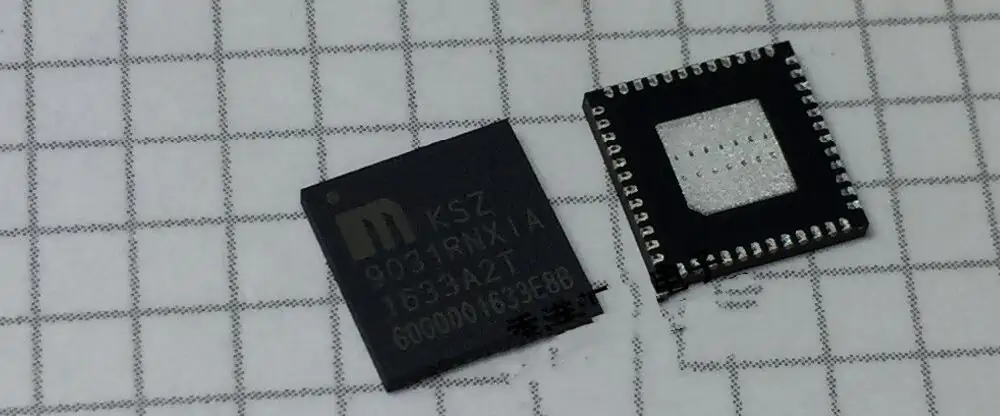
KSZ9131RNXC-TR: A Gigabyte Ethernet Transceiver with Support for RGMII

KSZ9131RNXC-TR

The support for RGMII and Gigabyte Ethernet transceiver are two remarkable features we think makes KSZ9131RNXC unique. Now, in this article, we will explain the functions of these concepts and how they come together to offer an improved functionality for the target applications.

Gigabyte Transceiver Function

KSZ9131RNXCโ€™s core function is to be a gigabyte transceiver โ€“ a medium of establishing communication across different devices across a lengthy distance.

The communication-related connections are further enhanced with the support for the RGMII. We will get to this shortly in this article.

Real-Time Data Transmission

Data transfer speed is optimum, thanks to the real-time speed used here. KSZ9131RNXC is a triple-speed Gigabyte Ethernet transceiver, featuring the trio of:

  • 10BASE-T
  • 100BASE-TX
  • 1000BASE-TX

By leveraging this data transfer interface, KSZ9131RNXC potentially speeds things up, via the multi-standard support. The supported standards include CAT-5, CAT-6 and CAT-5e.

These standards also support the transmission and reception of data, including the additional support for the Unshielded Twisted Pair (UTP) cables.

KSZ9131RNXC Offers Several Diagnostic Features

FULL PCB MANUFACTURING Quote

Detecting and fixing some of the common problems associated with transceiver usage are also enabled on KSZ9131RNXC. It supports a wide range of diagnostic features, such as:

1. Data Path Verification

KSZ9131RNXC prevents inordinate transmission of data to paths where they arenโ€™t needed. That is the idea behind the provision of the following to verify the digital and the analog data paths:

  • Local loopback
  • Remote function
  • Externa function

2. Fault Detection

KSZ9131RNXC detects faults, facilitates the debugging process and helps in fast-tracking product deployment via the fault detection capability.

It uses the Parametric NAND Tree Support to detect faults between the KSZ9131RNXC and the circuit board.

On the other hand, there is the LinkMD TDR-based cable diagnostic for identifying the faults with copper cabling in the transceiver.

The RGMII Connection

KSZ9131RNXCโ€™s provision or support for the RGMII is to enable the seamless connection to the RGMII MACs in the Gigabyte Ethernet processors. The connection is also extended to the switches that enable fast data transfer up to 1000 Megabytes per second.

However, there is more to the use of an RGMII, especially in a Gigabyte Ethernet transceiver. According to Wikipedia, Reduced Gigabit Media-Independent Interface (RGMII) is a type of Media-Independent Interface (MII).

RGMII offers an additional reduction in the number of pins usable with the Gigabit Media-Independent Interface (GMII).

The reduction can put the RGMIIโ€™s pin count at 14, as opposed to the 27 used with the GMII. Also, the pin reduction is facilitated via the removal of the non-required, collision-indication signals and the halving of data lines at double speed.

Generally, MIIโ€™s are designed to facilitate the real-time connection of a Fast Ethernet, typically the one that can achieve up to 100 Mbit/per second with a Media Access Control (MAC) block; to a PHY chip.

Advantages of the RGMII

Here are some of the upsides to using the RGMII support on the KSZ9131RNXC:

3. Multi-PHY Chip Connection

KSZ9131RNXC can be used to establish a connection to a PHY chip in different ways. For example, it can be used to make a direct connection to the PHY chip on a Printed Circuit Board (PCB). It can also be used to make an indirect connection, through the MACโ€™s connection to an external PHY via a pluggable connector.

4. RGMII Supports Multiple Media Connections

KSZ9131RNXCโ€™s RGMII can also be used to establish a connection to several media peripherals, such as fiber optic and twisted pair.

The amazing thing about this connection method is that the connection can be made without necessarily making any design-related changes to the MACโ€™s hardware.

5. Energy-Detect Power-Down Mode

KSZ9131RNXC can also detect the power-related options on the transceiver. Through the Energy-Detect Power-Down Mode, the transceiver takes note of the power iterations, especially when the cable is not attached.

Therefore, if the power supply is imbalanced, the mode would have to reduce the transceiverโ€™s power consumption.

6. Pair Swap Corrections

KSZ9131RNXC also has a dedicated automated detector and pair swap corrector. The two come in handy when detecting and fixing anomalies relating to pair polarity, pair swap and pair skew.

There is also the Automatic MDI/MDI-X Crossover feature used to detect and correct the pair swaps at all the speeds of operation.

Single Supply Operation

Without enabling overt power supply to the transceiver, KSZ9131RNXC took care to regulate the process. It uses the On-Chip LDO Controller, which supports up to 3.3 volts of single supply operation.

The major requirement here is a single, external FET, which is then used to generate up to 1.2 volts to the Core.

Speed Negotiation

KSZ9131RNXC can also negotiate the transceiverโ€™s speed, via the auto-negotiation process. It paves the way for the device to automatically select the best and highest link-up speed, which could be up to 1000 Megabytes per second (Mbps).

The feature also allows for the automatic selection of the ideal duplex, which could either be half or full.

KSZ9131RNXCโ€™s Properties

These are the features or the attributes of this Gigabyte Ethernet transceiver:

AttributesDescription
Number of Receivers/Drivers4/4
TypeTransceiver
Mounting StyleSurface-mounted
Receiver Hysteresis500 mV
Package/Case48-VFQFN Exposed Pad
Type of ProtocolGigabit Ethernet
Voltage SupplyBetween 1.71 volts and 3.63 volts
Type of Supported DuplexesHalf and Full
Operating TemperatureBetween 0หšC and 70หšC
Supported Data RatesBetween 10Mbps and 1000Mbps

KSZ9131RNXCโ€™s Duplex

KSZ9131RNXC supports both the half and the full duplex options. According to TechTarget, โ€œduplexโ€ has to do with the mode of communication for signal transmission. The popular formats are half-duplex, full duplex and simplex mode.

The half-duplex has to do with the signal transmission and โ€œdata communicationโ€ mode that allows both parties to communicate โ€“ but not at the same time. Therefore, this duplex option only permits one part of the channel to communicate, after which the other will do the same.

The full duplex is the opposite of the former in the sense that it allows for simultaneous communications. Since this is a two-way communication channel and signal transmission model, it is possible for the involved channels to send and receive data at the same time.

Finally, the hallmark of KSZ9131RNXCโ€™s performance is the MDC/MDIO management interface for the PHY register configuration.

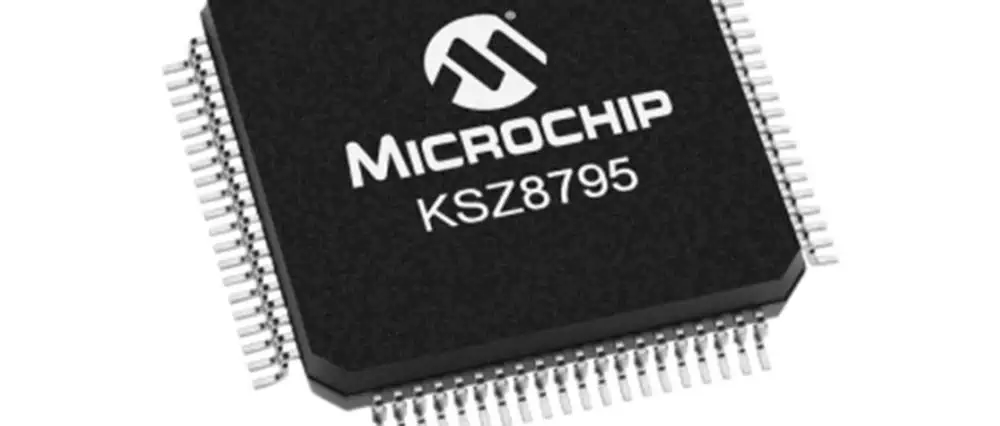
KSZ8795CLXICโ€™s Ethernet Controller with On-Chip Termination

KSZ8795CLXIC

Ethernet controllers are interface Integrated Circuits (ICs), designed to allow communications using an Ethernet protocol. Most of the time, it uses hardware components to make this drive.

Now, in this article, you will find out what the KSZ8795CLXIC has to offer, in terms of improving the communications between consumer electronics.

Ideal for Embedded Designs

These Ethernet interface ICs are ideal for embedded designs and applications, especially those using the Ethernet protocol.

Ethernet interface ICs also make up a bulk of the semiconductor packages, ranging from SOIC, QFN, and TQFP.

KSZ8795CLXIC as an Ethernet Controller

FULL PCB MANUFACTURING Quote

Before going further, we want to mention that Ethernet interface ICs come in different packages. KSZ8795CLXIC is based on the Ethernet Controller package.

As an Ethernet Controller, it is used to determine the basis of the packet of data, i.e., if it is ideal for use with the local computer or another computer based on the same network.

At this point, the interface IC has a decision to make and the accuracy of that decision reflects in the next move.

For example, if the Ethernet Controller detected that the packet of data is meant for the other computer (using the same network), it would discard the data.

It would only admit or allow the passage of the packet of data if it is meant for the local computer. In that case, it would pass along or relay the packet of data to the processor.

A Wide Selection of Power Solutions

In addition to segmenting the packet of data, KSZ8795CLXICโ€™s Ethernet Controller also ensures that the performance is optimum. It supports a wide range of power solutions, including the Wake-on LAN (WoL), Energy Efficient Ethernet (EEE) and PME.

Dynamic Clocking Capabilities

The ability to โ€œclockโ€ perfectly or distribute clock functions across the entire device is an important factor to consider. However, in some instances, and depending on the use case, the clocking performance might not be optimum.

That is why we are pleased to see the provisions to mitigate against that on the KSZ8795CLXIC Ethernet Controller. The controller ensures the best clocking performance, by providing a Dynamic Clock Tree Control. This control function works by reducing clock usage in areas where there is little or no need for the same.

That way, KSZ8795CLXICโ€™s clocking performance is only limited to the circuit board areas where they are required.

Crossover Support

Since Ethernet Controllers help in packet data segmentation, it is imperative to see it through. Therefore, enabling interfacing across the supported applications is a must. However, the task can be daunting and will likely take up more time.

It is on this premise that KSZ8795CLXIC features the HP Auto MDI/MDI-X Crossover Support. This function eliminates the need for differentiation of the crossover cables from the straight cables โ€“ especially for targeted applications.

Excellent Management Interfaces

In addition to supporting some of the best power management solutions, KSZ8795CLXIC also supports the best managerial interfaces.

KSZ8795CLXIC supports two (2) management interface nodes, which include MIIM and SPI only. It also extends the support to all the PHY registers through the MDC/MDIO interfaces; the SPI access all registers and the MIIM node access.

The Tail Tagging Mode

Recall that the major use case for an Ethernet Controller is to segment packet data. The segmentation process is bolstered by the Tail Tagging Mode. It is a function, dedicated to informing the processor on which data to prioritize and which not to.

Ideally, it adds a byte before the FCS and is supported on Port 5. When it is time to segment the data, the mode informs the Process on which Ingress Port the packet data is to be received โ€“ and whether it is to be prioritized or not.

Power Reduction

KSZ8795CLXIC is all-in for excellent thermal performance and power management. That is why it uses the on-chip termination resistors, alongside the internal biasing to enable differential pairs to cut down on excessive power usage.

Provision of Multiple CPU Data Interfaces for Port Configuration

KSZ8795CLXIC supports multiple CPU data interfaces, via the effective addressing of the emerging and the current fast Ethernet and Gigabit Ethernet applications.

That enables the multiple CPU data interfaces to work with the aforementioned Ethernet applications for the Port 5 GMAC configuration. The configuration, when effected, will see the Port 5 made into any of the following modes:

  • RMII
  • GMII
  • MII and;
  • RGMII

Advantages of Working with Ethernet Controllers

KSZ8795CLXIC offers the following benefits:

1. Easy Interfacing

Most Ethernet controllers make an interface or establish connections with multiple devices with ease.

2. Small Body Size

Smaller body sizes are in the favour of Ethernet controllers, as that permits for the usage in many small form-factor circuit designs.

3. High-Performance Optimization

KSZ8795CLXIC is also optimized for use with the high-performance applications. Examples of supported applications are:

  • Networked measurement and control systems
  • Set-top/game box
  • Integrated DSL/cable modem
  • VoIP Phone
  • Wireless LAN Access Point + Gateway
  • Automotive applications
  • IPTV POF
  • Standalone 10/100 Switch
  • Industrial control applications
  • Broadband Gateway/Firewall/VPN
  • It is also used with Gigabit Ethernet applications and cost-sensitive applications.

Other Types of Ethernet Interface ICs

KSZ8795CLXIC is an Ethernet Controller and that makes it one of the Ethernet Interface ICs. Here are some of the others:

4. Ethernet Transceivers

The primary function of an Ethernet transceiver is to connect the electronic devices, including computers to a network.

The Ethernet transceiver comprises some of the high-powered components, ranging from a receiver and a transmitter.

Both of those components help the transceiver to detect the incoming signals and to place the signals unto the network.

5. Ethernet Switches

These are dedicated switches that provide both switching and providing control to the circuit board.

The ideal composition of the Ethernet switches is to circuit board of an Ethernet switch. The switches also work in unison with the fans and power supply with one goal โ€“ to bolster the optimum switching capabilities of the IC.

Conclusion

KSZ8795CLXICโ€™s combination of the on-chip termination resistors and internal biasing helps in reducing power consumption. It also simplifies the board layout, saves more PCB spaces and offers an overall cost-reduction.