
In the world of electronics manufacturing, printed circuit boards (PCBs) are the backbone of nearly every device. As a designer or project manager, you may often find yourself in a situation where you need to estimate the cost of PCB production before your design is complete. This early-stage pricing is crucial for budgeting, project planning, and making informed decisions about design trade-offs. This article will guide you through the process of obtaining preliminary PCB pricing when your designs are still in progress, helping you navigate the complexities of PCB costing and make more accurate projections for your projects.
Understanding PCB Pricing Factors

Before diving into the specifics of preliminary pricing, it’s essential to understand the key factors that influence PCB costs. These factors can be broadly categorized into design-related and production-related aspects.
Design-Related Factors
1. Board Size and Shape
The physical dimensions of your PCB significantly impact its cost. Larger boards require more materials and processing time, leading to higher prices.
2. Layer Count
Multi-layer PCBs are more complex and expensive to produce than single or double-layer boards.
3. Material Selection
The type of substrate material (e.g., FR-4, Rogers, polyimide) affects both performance and cost.
4. Copper Weight
Heavier copper weights increase material costs and may require special processing.
5. Minimum Trace Width and Spacing
Finer traces and tighter spacing require more advanced manufacturing processes, increasing costs.
Production-Related Factors
1. Order Quantity
Larger orders typically benefit from economies of scale, reducing per-unit costs.
2. Lead Time
Faster turnaround times often come at a premium price.
3. Surface Finish
Different surface finishes (e.g., HASL, ENIG, immersion gold) vary in cost and performance.
4. Testing Requirements
More rigorous testing, such as flying probe or bed-of-nails testing, adds to the overall cost.
5. Special Requirements
Any non-standard processes or materials can significantly impact pricing.
Approaches to Preliminary PCB Pricing
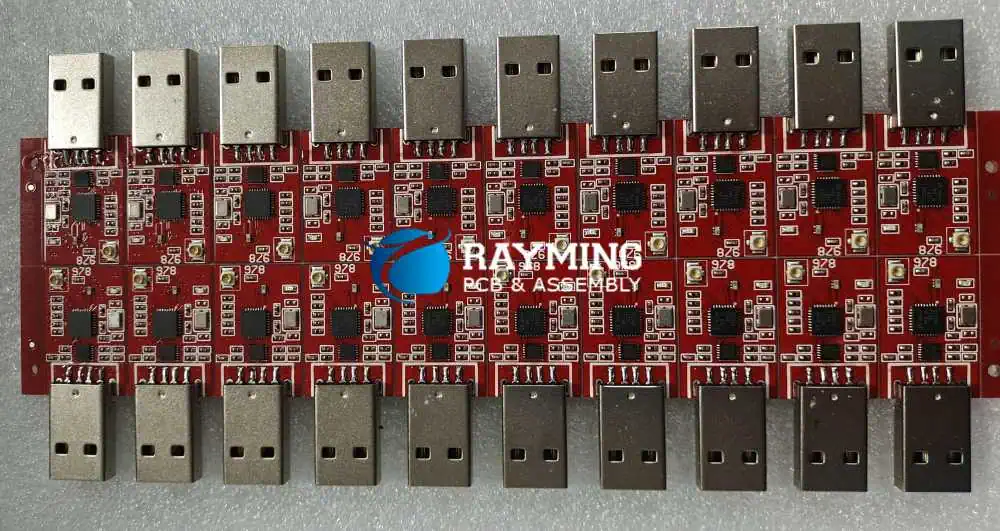
When your PCB design is incomplete, you can use several approaches to estimate costs:
1. Similar Project Comparison
If you have previously completed similar projects, use their costs as a baseline for estimation.
2. Parametric Estimation
Use known parameters of your incomplete design to create a rough estimate based on industry averages.
3. PCB Calculator Tools
Many PCB manufacturers offer online calculators that can provide quick estimates based on basic parameters.
4. Consultation with Manufacturers
Engage with PCB manufacturers early in the design process to get expert input on potential costs.
Estimating Costs for Incomplete Designs
When your PCB design is unfinished, focus on the key parameters that you can reasonably estimate:
1. Board Size
Even if the exact dimensions aren’t finalized, you can often estimate the approximate size range.
2. Layer Count
Determine the minimum and maximum number of layers your design might require.
3. Material Type
Choose the most likely substrate material based on your application requirements.
4. Copper Weight
Estimate the copper weight based on your power and current requirements.
5. Minimum Trace Width and Spacing
Consider the smallest feature sizes you’re likely to use in your design.
6. Estimated Quantity
Provide a range for the number of boards you expect to produce.
PCB Cost Estimation Table
Use the following table as a starting point for estimating PCB costs based on common parameters:
| Parameter | Low Cost | Medium Cost | High Cost |
| Board Size | < 50 cm² | 50-150 cm² | > 150 cm² |
| Layer Count | 1-2 layers | 4-6 layers | 8+ layers |
| Material | FR-4 | High Tg FR-4 | Specialty (Rogers, Polyimide) |
| Copper Weight | 1 oz | 2 oz | 3 oz+ |
| Min Trace/Space | > 8 mil | 5-8 mil | < 5 mil |
| Quantity | 1000+ | 100-999 | 1-99 |
| Lead Time | Standard (10-15 days) | Expedited (5-9 days) | Rush (1-4 days) |
| Surface Finish | HASL | ENIG | Immersion Gold |
Note: This table provides a general guide. Actual costs can vary significantly based on specific requirements and manufacturers.
Strategies for Accurate Preliminary Pricing

To improve the accuracy of your preliminary PCB pricing estimates, consider the following strategies:
1. Develop a Pricing Matrix
Create a comprehensive pricing matrix based on historical data and manufacturer input. This matrix should cover various combinations of board sizes, layer counts, and other key parameters.
2. Use Tiered Estimations
Instead of a single price estimate, use a tiered approach:
- Best-case scenario (lowest likely cost)
- Most likely scenario
- Worst-case scenario (highest likely cost)
This approach provides a range that accounts for uncertainties in the design.
3. Factor in Design Complexity
Even with incomplete designs, you can often gauge the overall complexity. Use complexity factors to adjust your base estimates:
| Complexity Level | Description | Cost Multiplier |
| Low | Simple layout, standard components | 1.0x |
| Medium | Moderate density, some fine-pitch components | 1.2x – 1.5x |
| High | High density, many fine-pitch or BGA components | 1.5x – 2.0x |
| Very High | Extreme density, advanced technologies (HDI, flex-rigid) | 2.0x – 3.0x |
4. Consider Non-Recurring Engineering (NRE) Costs
For prototype or low-volume production, factor in potential NRE costs:
| NRE Item | Typical Cost Range |
| Tooling | $100 – $500 |
| Test Fixture Development | $500 – $2000 |
| Custom Stencil | $100 – $300 |
5. Account for Potential Design Changes
Build in a buffer for design changes that may occur as the project progresses:
- Add 10-20% to your initial estimate for minor changes
- For projects with high uncertainty, consider a 30-50% buffer
6. Leverage Manufacturer Relationships
Develop relationships with multiple PCB manufacturers:
- Obtain quotes from at least 3 different suppliers
- Discuss your project’s uncertainties and get their input on potential cost impacts
- Ask about volume discounts and price breaks
7. Use Historical Data Wisely
If you have data from previous projects:
- Analyze cost trends over time
- Adjust for inflation and market changes
- Consider technological advancements that may have reduced costs for certain processes
PCB Cost Breakdown
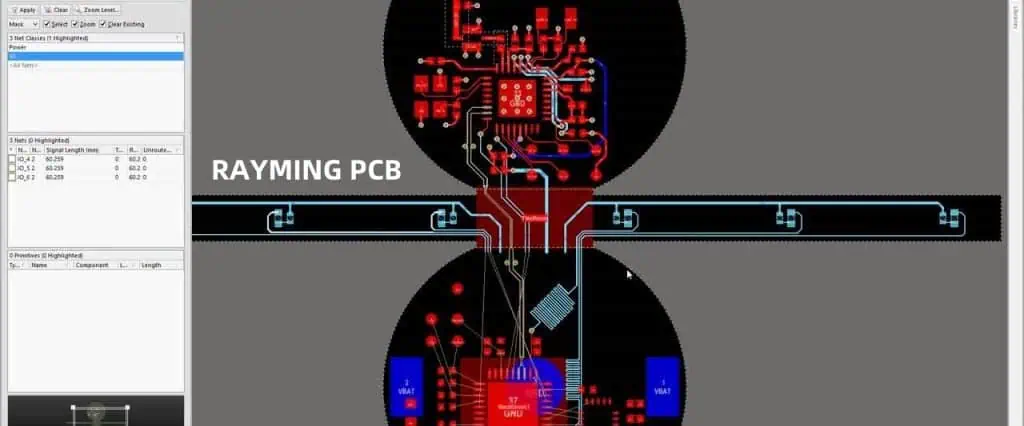
Understanding the typical cost breakdown of PCB production can help you identify areas where your incomplete design might impact pricing:
| Cost Component | Percentage of Total Cost |
| Raw Materials | 30-40% |
| Labor | 20-30% |
| Overhead | 15-25% |
| Testing | 5-10% |
| Profit Margin | 10-20% |
Focus on the aspects of your design that might significantly affect the higher-percentage cost components.
Communicating with PCB Manufacturers
When seeking preliminary pricing with an incomplete design, effective communication with manufacturers is crucial:
1. Provide Clear Specifications
Even if your design is incomplete, provide as much detail as possible about known specifications and requirements.
2. Highlight Uncertainties
Be upfront about aspects of the design that are still undecided or may change.
3. Ask About Cost-Saving Opportunities
Inquire about potential modifications that could reduce costs without compromising performance.
4. Request Scalable Quotes
Ask for pricing at different quantity levels to understand how scaling might affect costs.
5. Discuss Timeline Flexibility
Explore how different lead times might impact pricing.
Balancing Cost and Performance
When working with preliminary pricing for incomplete designs, you’ll often need to make trade-offs between cost and performance. Consider the following approaches:
1. Identify Critical vs. Non-Critical Requirements
Determine which aspects of your design are essential for functionality and which can be compromised for cost savings.
2. Explore Alternative Materials
Investigate whether less expensive materials could meet your performance needs.
3. Optimize Layer Count
Assess whether you can achieve your design goals with fewer layers, potentially reducing costs.
4. Consider Design for Manufacturability (DFM)
Even in early stages, think about how design choices might impact manufacturing costs.
Conclusion
Obtaining preliminary PCB pricing for unfinished designs is a critical skill in electronics development. By understanding the key cost factors, using estimation strategies, and effectively communicating with manufacturers, you can develop more accurate budgets and make informed design decisions. Remember that preliminary pricing is an iterative process – as your design evolves, continually refine your estimates to ensure your project stays on budget while meeting performance requirements.
Frequently Asked Questions (FAQ)
Q1: How accurate can preliminary PCB pricing be for an unfinished design?
A1: The accuracy of preliminary PCB pricing for unfinished designs can vary significantly, typically ranging from ±20% to ±50% of the final cost. Factors affecting accuracy include:
- The level of design completion
- The complexity of the project
- The quality of historical data available
- The expertise of the estimator and manufacturer
To improve accuracy, provide as much detail as possible about known specifications, use tiered estimations, and factor in potential design changes.
Q2: What are the most critical factors to consider when estimating PCB costs for an incomplete design?
A2: While all factors can impact costs, the most critical factors for estimating PCB costs with an incomplete design are:
- Board size (approximate dimensions)
- Layer count (estimated range)
- Material type
- Estimated production quantity
- Anticipated design complexity
These factors typically have the most significant impact on overall costs and can often be reasonably estimated even in early design stages.
Q3: How can I account for potential design changes in my preliminary PCB pricing?
A3: To account for potential design changes in preliminary PCB pricing:
- Add a contingency buffer (typically 10-50%, depending on project uncertainty)
- Use a tiered estimation approach (best-case, most likely, and worst-case scenarios)
- Identify areas of the design most likely to change and estimate their potential cost impact
- Regularly update your estimates as the design progresses
- Maintain open communication with your PCB manufacturer about potential changes
Q4: Are online PCB calculators reliable for pricing unfinished designs?
A4: Online PCB calculators can be useful tools for quick estimates, but their reliability for pricing unfinished designs is limited:
Pros:
- Provide instant, rough estimates
- Good for comparing relative costs of different options
- Often based on real manufacturing data
Cons:
- May not account for all design complexities
- Usually don’t factor in potential design changes
- Can’t consider unique or specialized requirements
For best results, use online calculators as a starting point, but combine their estimates with other methods like manufacturer consultations and historical data analysis.
Q5: How often should I update my PCB price estimates as the design progresses?
A5: The frequency of updating PCB price estimates depends on your project’s complexity and timeline, but general guidelines include:
- After completing major design milestones (e.g., schematic capture, initial layout)
- When making significant changes to board size, layer count, or component selection
- At regular intervals (e.g., weekly for short projects, monthly for longer ones)
- Before key decision points or budget reviews
- Any time you receive new information that could significantly impact costs
Regular updates help maintain accurate budgets and allow for timely adjustments to design or project plans if needed.

