
In the world of electronics, printed circuit boards (PCBs) are the backbone of nearly every device. When designing and producing PCBs, engineers and manufacturers must constantly balance three crucial factors: cost, functionality, and manufacturability. This article delves into the intricate relationship between these factors, exploring how they influence each other and impact the final product.
Understanding the Triad: Cost, Functionality, and Manufacturability
The Importance of Balance
Achieving the right balance between cost, functionality, and manufacturability is crucial for creating successful PCB designs. Each factor plays a vital role in the overall success of a product:
- Cost affects market competitiveness and profit margins
- Functionality determines the product’s performance and features
- Manufacturability influences production efficiency and yield rates
Interdependence of Factors
These three factors are deeply interconnected, often creating a complex web of trade-offs:
- Increasing functionality may drive up costs and complicate manufacturing
- Prioritizing low cost might limit functionality or reduce manufacturability
- Focusing solely on manufacturability could compromise functionality or increase costs
Cost Considerations in PCB Design
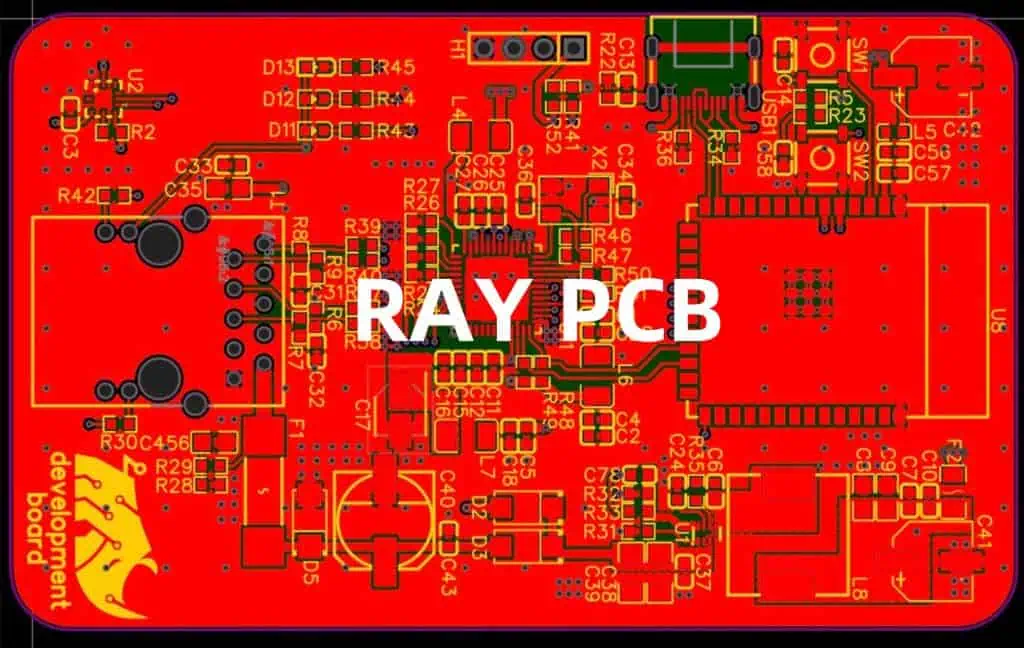
Components of PCB Cost
Understanding the various elements that contribute to PCB cost is essential for effective design optimization:
- Materials
- Design complexity
- Manufacturing processes
- Testing and quality control
- Volume of production
Strategies for Cost Reduction
Several strategies can be employed to reduce PCB costs without significantly impacting functionality or manufacturability:
1. Optimizing Board Size
Reducing board size can lead to substantial cost savings, as it directly impacts material usage and the number of PCBs that can be produced from a single panel.
2. Component Selection
Choosing the right components can significantly affect overall costs:
- Use of generic components instead of specialized ones
- Opting for surface mount technology (SMT) over through-hole components
- Standardizing component types across designs
3. Layer Count Optimization
Minimizing the number of layers can reduce costs, but it’s important to balance this with functionality requirements:
| Layer Count | Relative Cost | Complexity |
| 1-2 layers | Low | Simple |
| 4-6 layers | Medium | Moderate |
| 8+ layers | High | Complex |
4. Design for Manufacturing (DFM)
Implementing DFM principles can reduce manufacturing costs and improve yield rates:
- Using standard trace widths and spacing
- Avoiding unnecessarily tight tolerances
- Optimizing component placement for automated assembly
Enhancing PCB Functionality

Key Aspects of PCB Functionality
PCB functionality encompasses various aspects that contribute to the overall performance of the electronic device:
- Signal integrity
- Power distribution
- Thermal management
- Electromagnetic compatibility (EMC)
- Reliability and durability
Strategies for Improving Functionality
To enhance PCB functionality, consider the following strategies:
1. Advanced Materials
Using high-performance materials can improve signal integrity and thermal management:
| Material Type | Advantages | Cost Impact |
| FR-4 | Low cost, widely available | Low |
| High-Tg FR-4 | Better thermal stability | Medium |
| Rogers | Excellent high-frequency performance | High |
| Polyimide | High temperature resistance | High |
2. Controlled Impedance Design
Implementing controlled impedance traces ensures signal integrity in high-speed designs:
- Proper stackup design
- Trace width and spacing optimization
- Use of impedance calculators and field solvers
3. Power Integrity Management
Effective power distribution is crucial for functionality:
- Proper decoupling and bypass capacitor placement
- Use of power and ground planes
- Implementation of power integrity simulation tools
4. Advanced Routing Techniques
Employing sophisticated routing strategies can enhance functionality:
- Differential pair routing for high-speed signals
- Length matching for critical signals
- Use of microvia technology for high-density interconnects
Optimizing Manufacturability
Key Aspects of PCB Manufacturability
Manufacturability refers to the ease with which a PCB can be produced efficiently and with high yield rates. Key aspects include:
- Design rule compliance
- Component placement and orientation
- Solder mask and silkscreen considerations
- Testability and inspection access
- Assembly process compatibility
Strategies for Improving Manufacturability
To enhance PCB manufacturability, consider the following approaches:
1. Design Rule Optimization
Adhering to manufacturer-specific design rules ensures producibility:
- Minimum trace width and spacing
- Minimum drill size and annular ring requirements
- Copper-to-edge clearances
2. Component Placement Optimization
Proper component placement facilitates efficient assembly:
- Adequate spacing between components
- Consistent orientation of similar components
- Consideration of automated assembly equipment limitations
3. Panelization and Breakaway Tab Design
Efficient panelization improves manufacturing yield and reduces costs:
- Optimal arrangement of multiple PCBs on a single panel
- Proper design of breakaway tabs or v-score lines
- Consideration of panel size limitations of manufacturing equipment
4. Testability Enhancements
Designing for testability improves quality control and reduces costs:
- Implementation of test points for in-circuit testing (ICT)
- Use of fiducial marks for automated optical inspection (AOI)
- Consideration of boundary scan (JTAG) testing requirements
Balancing the Triad: Practical Approaches
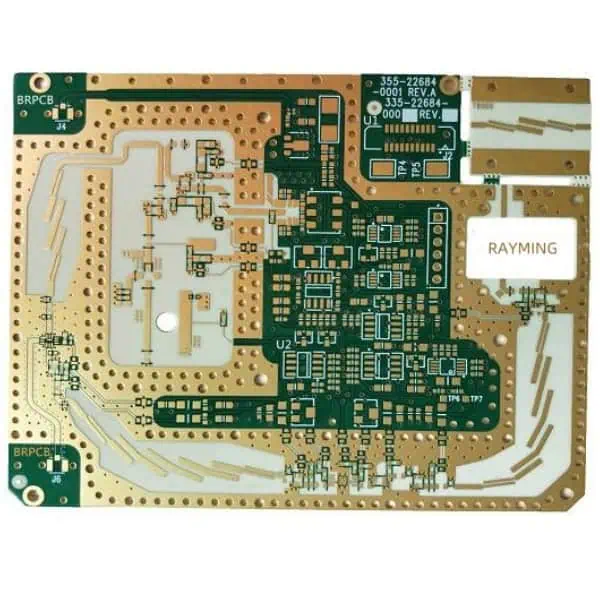
Design Trade-offs and Decision Making
Balancing cost, functionality, and manufacturability often requires making trade-offs. Here’s a framework for decision-making:
- Identify critical requirements for each factor
- Prioritize requirements based on product goals
- Evaluate the impact of design decisions on all three factors
- Iterate and refine the design to achieve optimal balance
Case Studies: Balancing Act in Action
Let’s examine how different industries approach the balance between cost, functionality, and manufacturability:
Consumer Electronics
| Factor | Priority | Approach |
| Cost | High | High-volume production, optimized component selection |
| Functionality | Medium | Focus on essential features, use of integrated components |
| Manufacturability | High | Design for automated assembly, standardized processes |
Aerospace and Defense
| Factor | Priority | Approach |
| Cost | Low | Focus on reliability and performance over cost |
| Functionality | High | Use of high-performance materials, advanced design techniques |
| Manufacturability | Medium | Emphasis on quality control, specialized manufacturing processes |
Industrial Equipment
| Factor | Priority | Approach |
| Cost | Medium | Balance between cost and durability |
| Functionality | High | Focus on reliability and longevity |
| Manufacturability | High | Design for ease of maintenance and repair |
Future Trends and Innovations
As technology continues to evolve, new trends are emerging that impact the balance between cost, functionality, and manufacturability:
- Advanced materials for improved performance and reduced costs
- 3D printing technologies for rapid prototyping and small-scale production
- Artificial intelligence and machine learning for optimized design and manufacturing processes
- Increased integration of components and systems-on-chip (SoC) designs
- Growing emphasis on sustainable and environmentally friendly PCB production
Frequently Asked Questions (FAQ)
Q1: How does the choice between single-layer, double-layer, and multi-layer PCBs affect cost, functionality, and manufacturability?
A1: The number of layers in a PCB significantly impacts all three factors:
- Cost: Generally, more layers increase cost due to additional materials and manufacturing complexity.
- Functionality: Multi-layer boards offer improved signal integrity, better power distribution, and allow for more complex circuits in a smaller area.
- Manufacturability: Single and double-layer boards are typically easier to manufacture, while multi-layer boards require more sophisticated processes.
The choice depends on the specific requirements of the project, balancing the need for functionality with cost and manufacturing considerations.
Q2: How does the selection of PCB material impact the balance between cost, functionality, and manufacturability?
A2: PCB material selection plays a crucial role:
- Cost: Standard materials like FR-4 are cost-effective, while high-performance materials like Rogers or polyimide are more expensive.
- Functionality: Advanced materials offer better electrical and thermal properties, enhancing performance in high-frequency or high-temperature applications.
- Manufacturability: Some specialized materials may require specific manufacturing processes or handling, potentially increasing complexity and cost.
The choice of material should be based on the specific requirements of the application, considering the trade-offs between performance needs and production constraints.
Q3: How does Design for Manufacturing (DFM) influence the balance between cost, functionality, and manufacturability?
A3: Design for Manufacturing (DFM) primarily aims to improve manufacturability, but it also impacts cost and functionality:
- Cost: DFM can reduce production costs by improving yield rates and reducing the need for rework.
- Functionality: While DFM may sometimes limit design options, it ensures that the intended functionality can be reliably produced at scale.
- Manufacturability: DFM significantly enhances manufacturability by considering production processes during the design phase.
Implementing DFM principles often requires finding a balance between ideal design and practical manufacturing constraints.
Q4: How do component choices affect the triad of cost, functionality, and manufacturability in PCB design?
A4: Component selection has a significant impact on all three factors:
- Cost: The choice between generic and specialized components, as well as the decision to use through-hole or surface-mount technology, can greatly affect overall costs.
- Functionality: Specialized or high-performance components can enhance functionality but may increase costs.
- Manufacturability: Component size, packaging, and placement affect the ease of assembly and potential for automated manufacturing.
Optimal component selection requires considering availability, performance requirements, and manufacturing capabilities.
Q5: How does the production volume influence the balance between cost, functionality, and manufacturability in PCB design?
A5: Production volume plays a crucial role in determining the optimal balance:
- Cost: Higher volumes generally allow for lower per-unit costs due to economies of scale, but may require higher initial tooling investments.
- Functionality: Large production runs may justify more complex designs or specialized components that enhance functionality.
- Manufacturability: High-volume production often favors designs optimized for automated assembly and testing, which may influence certain design decisions.
For low-volume or prototype runs, the focus may shift towards flexibility and faster turnaround times, potentially at the expense of per-unit cost or optimized manufacturability.

