The Internet of Things (IoT) revolution has fundamentally transformed how we interact with technology, creating an interconnected ecosystem of smart devices that spans from our homes to industrial facilities. As global IoT device shipments are projected to reach over 75 billion units by 2025, the demand for efficient, scalable manufacturing solutions has never been more critical. Today’s smart device manufacturers face unprecedented challenges in bringing innovative products from concept to market while maintaining quality, controlling costs, and meeting aggressive time-to-market deadlines.
The complexity of IoT & Smart Device Manufacturing extends far beyond traditional electronics production. Modern smart devices require sophisticated integration of hardware, software, and connectivity components, demanding manufacturing partners who understand both the technical intricacies and market dynamics of the IoT ecosystem. This comprehensive guide explores the complete manufacturing journey, from initial PCB assembly through final product delivery, highlighting the critical processes, technologies, and partnerships that enable successful IoT product launches.

The Growing Impact of IoT in Modern Life
IoT technology has seamlessly integrated into virtually every aspect of modern life, creating unprecedented opportunities for innovation and efficiency. Smart homes feature interconnected devices like thermostats, security systems, lighting controls, and appliances that learn user preferences and optimize energy consumption. Wearable technology continues expanding beyond fitness trackers to include sophisticated health monitoring devices, smartwatches, and even smart clothing embedded with sensors.
Industrial IoT applications represent one of the fastest-growing segments, with manufacturers implementing smart sensors, predictive maintenance systems, and automated quality control solutions that significantly improve operational efficiency. Connected vehicles, smart city infrastructure, and agricultural monitoring systems further demonstrate the versatility and scalability of IoT implementations across diverse industries.
This explosive growth in IoT applications has created an insatiable demand for high-quality, reliable smart devices that can perform consistently in various environments. Manufacturers must balance functionality, durability, and cost-effectiveness while ensuring their products can scale from prototype quantities to millions of units. The success of any IoT product ultimately depends on the manufacturing partner’s ability to navigate complex technical requirements while maintaining stringent quality standards throughout the production process.
Comprehensive Overview of IoT Device Manufacturing

The IoT & Smart Device Manufacturing process involves multiple interconnected stages that require careful coordination and expertise. The journey begins with concept development, where engineers transform innovative ideas into feasible product specifications. Design teams then create detailed technical drawings, select appropriate components, and develop prototypes that validate functionality and performance requirements.
Prototyping represents a critical phase where manufacturers can identify potential issues, optimize designs, and refine manufacturing processes before committing to full-scale production. Rapid prototyping techniques, including 3D printing and small-batch PCB assembly, enable quick iterations and cost-effective testing of various design alternatives.
PCB assembly forms the foundation of most IoT devices, requiring precision component placement, soldering, and quality control processes. Following PCB completion, devices move through mechanical assembly stages where enclosures, connectors, displays, and other components are integrated to create functional products. Comprehensive testing protocols ensure devices meet performance specifications, regulatory requirements, and quality standards before final packaging and distribution.
The integration of these manufacturing stages requires sophisticated project management, supply chain coordination, and quality assurance systems. Successful manufacturers maintain flexibility to accommodate design changes while ensuring consistent production schedules and quality outcomes. Speed to market often determines competitive advantage in the rapidly evolving IoT landscape, making efficient manufacturing processes essential for success.
Read more about:
PCB Assembly: The Foundation of Smart Device Innovation
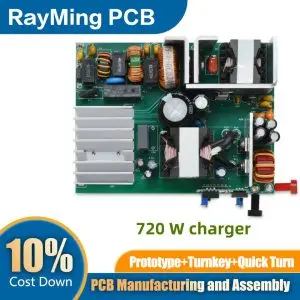
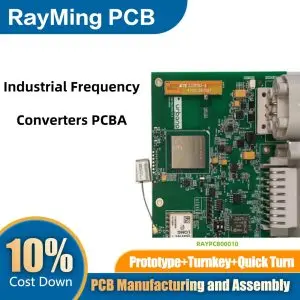
PCB assembly represents the critical foundation upon which all IoT devices are built, requiring precision, expertise, and advanced manufacturing capabilities. Modern PCB assembly processes must accommodate increasingly complex designs featuring high-density component placement, multi-layer boards, and components ranging from large power management ICs to microscopic passive components measuring just 0.4mm x 0.2mm.
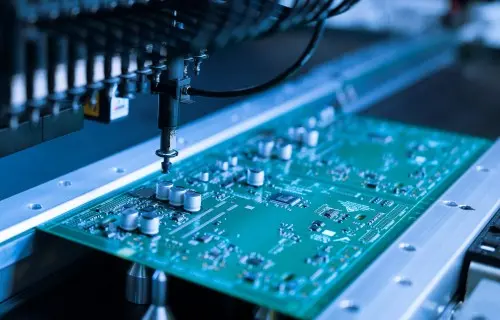
Surface Mount Technology (SMT) dominates modern PCB assembly, enabling manufacturers to place components directly onto board surfaces using automated pick-and-place equipment. SMT processes support the miniaturization demands of IoT devices while maintaining high production speeds and consistent quality. Through-hole technology remains important for specific applications requiring robust mechanical connections, particularly for connectors, switches, and components subject to physical stress.
Quality control in PCB assembly involves multiple inspection stages, including automated optical inspection (AOI), in-circuit testing (ICT), and functional testing protocols. Advanced manufacturers utilize X-ray inspection for hidden solder joints and sophisticated testing equipment to verify electrical performance before components proceed to final assembly stages. The precision achieved in PCB assembly directly impacts device reliability, performance, and long-term durability.
Miniaturization trends in IoT device design place additional demands on PCB assembly capabilities. Manufacturers must maintain precise component placement tolerances while managing thermal considerations, signal integrity, and electromagnetic compatibility requirements. The expertise required for successful PCB assembly makes selecting the right manufacturing partner crucial for IoT device success.
Strategic Component Sourcing and Supply Chain Excellence
Effective component sourcing and supply chain management form the backbone of successful IoT & Smart Device Manufacturing operations. The global semiconductor shortage and supply chain disruptions of recent years have highlighted the critical importance of robust sourcing strategies and supplier relationships. Manufacturers must maintain visibility across complex supply networks while managing component availability, pricing fluctuations, and quality requirements.
IoT devices typically incorporate hundreds of components from dozens of suppliers, creating intricate supply chain dependencies that require careful management. Critical components like microcontrollers, sensors, and connectivity modules often have extended lead times and limited availability, necessitating strategic inventory planning and supplier diversification strategies. Forward-thinking manufacturers establish relationships with multiple suppliers for critical components while maintaining safety stock levels to prevent production delays.
Risk mitigation strategies include comprehensive supplier qualification processes, regular supply chain audits, and contingency planning for potential disruptions. Manufacturers must balance cost optimization with supply security, often maintaining premium supplier relationships for critical components while seeking cost advantages for commodity items. Real-time supply chain visibility tools enable proactive management of potential shortages and facilitate rapid response to changing market conditions.
The complexity of IoT component sourcing extends beyond traditional electronics to include specialized sensors, wireless modules, and application-specific integrated circuits. Successful manufacturers maintain deep technical knowledge of component specifications, alternative sourcing options, and emerging technologies that may impact future designs. This expertise enables them to provide valuable guidance to clients while ensuring reliable component availability throughout product lifecycles.
Design for Manufacturability: Optimizing Products for Production Success
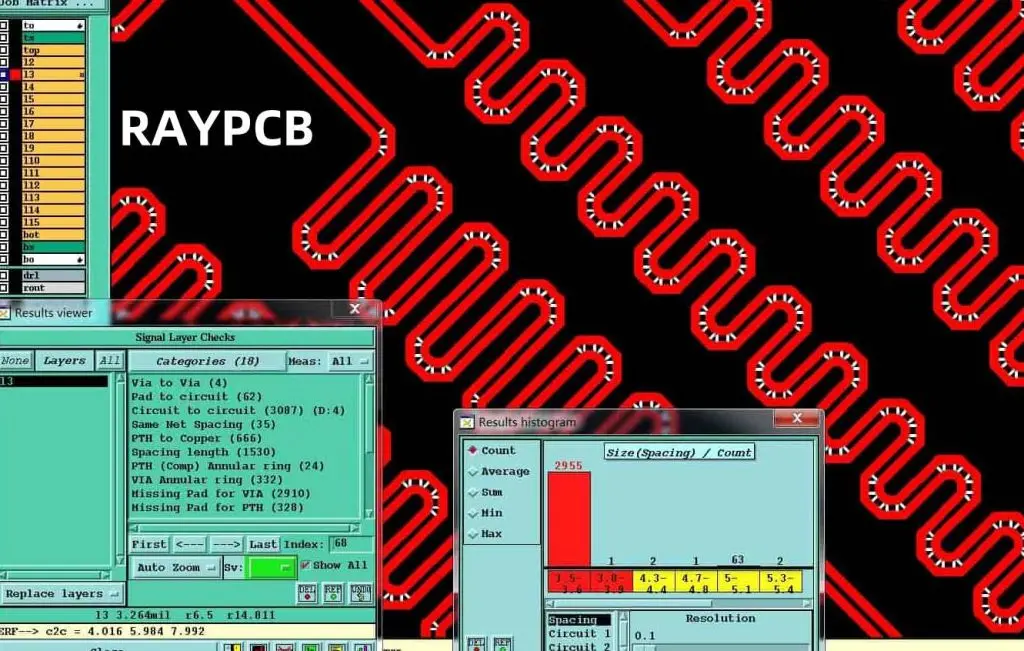
Design for Manufacturability (DFM) principles play a crucial role in IoT & Smart Device Manufacturing, significantly impacting production costs, quality outcomes, and time-to-market performance. DFM involves optimizing product designs to facilitate efficient manufacturing processes while maintaining functionality and performance requirements. Early collaboration between design engineering and manufacturing teams prevents costly redesigns and production delays.
Effective DFM implementation considers component selection, PCB layout optimization, mechanical design constraints, and assembly process requirements. Designers must balance performance requirements with manufacturing practicalities, selecting components with reliable supply chains and proven manufacturing compatibility. PCB layouts should minimize component placement complexity while ensuring adequate spacing for automated assembly equipment and quality inspection processes.
Mechanical design aspects of DFM include enclosure design, fastener selection, and assembly sequence optimization. Simple, straightforward assembly processes reduce labor costs and minimize opportunities for errors while maintaining product quality and durability. Standardizing fasteners, minimizing unique components, and designing self-aligning features can significantly improve manufacturing efficiency and reduce production costs.
The collaborative approach to DFM extends beyond internal teams to include manufacturing partners who provide valuable insights based on production experience and equipment capabilities. This partnership approach enables designers to leverage manufacturing expertise while maintaining design integrity and performance requirements. Regular design reviews and prototype testing validate DFM decisions and identify opportunities for further optimization before committing to full-scale production.
From Assembly to Market-Ready Products
The transition from PCB assembly to finished goods represents a complex manufacturing phase requiring coordination of multiple processes, quality systems, and logistics operations. Following PCB completion and testing, devices move through mechanical assembly stages where enclosures, displays, connectors, and other components are integrated to create complete products. This phase requires careful attention to mechanical tolerances, assembly sequences, and quality control procedures.
Enclosure design and mechanical assembly significantly impact product functionality, durability, and user experience. Manufacturers must ensure proper fit and finish while maintaining ingress protection ratings, thermal management, and electromagnetic compatibility requirements. Software integration and configuration processes occur during this phase, requiring specialized equipment and procedures to load firmware, configure device settings, and verify functionality.
Comprehensive testing protocols validate complete product performance, regulatory compliance, and quality standards. Testing may include environmental stress testing, electromagnetic compatibility verification, wireless performance validation, and user acceptance testing. Products must meet various certification requirements including FCC, CE, and industry-specific standards before market release.
Final packaging, branding, and fulfillment logistics complete the manufacturing process, requiring coordination with marketing teams, distribution partners, and retail channels. Packaging design must protect products during shipping while supporting marketing objectives and regulatory labeling requirements. Efficient fulfillment systems enable rapid order processing and delivery to support launch schedules and ongoing sales operations.
Scalability and Customization in IoT Manufacturing
Modern IoT & Smart Device Manufacturing must accommodate diverse production requirements ranging from small prototype quantities to millions of units annually. This scalability challenge requires flexible manufacturing systems, modular production processes, and adaptive quality control procedures that maintain consistency across different production volumes. Successful manufacturers invest in scalable infrastructure and processes that can efficiently handle varying production demands.
Low-volume production scenarios often require more manual processes and flexible setup procedures, while high-volume manufacturing benefits from automated systems and optimized workflows. Manufacturers must balance investment in automation with the flexibility needed to accommodate diverse client requirements and changing market demands. Modular production approaches enable efficient scaling while maintaining quality standards and cost competitiveness.
Customization capabilities represent another critical differentiator in IoT manufacturing. Clients may require unique enclosure designs, specialized component configurations, or custom software implementations that differentiate their products in competitive markets. Manufacturers must maintain engineering expertise and flexible production systems to accommodate these customization requirements without compromising efficiency or quality.
The ability to support both startup companies and established enterprises requires different approaches to project management, quality assurance, and customer support. Startups often need extensive design support and rapid prototyping capabilities, while enterprise clients may require sophisticated supply chain integration and comprehensive quality documentation. Successful manufacturers develop service offerings tailored to these different client segments while maintaining operational efficiency.
Real-World Success Stories in IoT Manufacturing
Consider the case of a smart home security company that partnered with an experienced IoT manufacturer to bring their innovative wireless camera system to market. The project began with design optimization for manufacturability, reducing component count by 15% while improving reliability and reducing production costs. The manufacturer’s expertise in RF design and antenna integration resolved early connectivity issues and improved product performance.
The PCB assembly phase leveraged advanced SMT processes to accommodate the device’s compact form factor while maintaining high-density component placement. Specialized testing procedures validated wireless performance, power consumption, and environmental durability. The manufacturer’s supply chain expertise ensured component availability during the product launch period, preventing potential delays that could have impacted market entry timing.
From initial prototype to full production, the project timeline was compressed from 18 months to 12 months through efficient collaboration and parallel processing of design and manufacturing preparation activities. The final product achieved all performance targets while meeting aggressive cost requirements, enabling successful market launch and rapid sales growth.
Another example involves an industrial IoT sensor manufacturer that required ruggedized devices capable of operating in harsh environmental conditions. The manufacturing partner’s expertise in conformal coating, environmental testing, and quality assurance processes ensured products met stringent reliability requirements. Comprehensive testing protocols validated performance across temperature extremes, humidity variations, and vibration conditions typical of industrial applications.
These success stories demonstrate the value of experienced manufacturing partnerships in achieving project objectives while managing risks, costs, and timelines. The combination of technical expertise, manufacturing capabilities, and supply chain management creates significant competitive advantages for IoT product developers.
Selecting the Ideal Manufacturing Partner
Choosing the right manufacturing partner represents one of the most critical decisions in IoT product development, directly impacting product quality, time-to-market, and long-term success. Evaluation criteria should include technical capabilities, manufacturing experience, quality certifications, and financial stability. Partners should demonstrate expertise in IoT-specific requirements including wireless integration, sensor technologies, and connectivity protocols.
Manufacturing capabilities assessment should cover PCB assembly capabilities, mechanical assembly processes, testing equipment, and quality control systems. Partners should maintain modern equipment, appropriate certifications (ISO 9001, ISO 13485, etc.), and documented quality management systems. Experience with similar products or technologies provides valuable insights and reduces project risks.
End-to-end service capabilities distinguish exceptional manufacturing partners from basic contract manufacturers. Services should include design support, prototyping, supply chain management, quality assurance, and fulfillment logistics. This comprehensive approach simplifies project management while ensuring consistency across all manufacturing phases.
Cost considerations must balance price competitiveness with value-added services and quality outcomes. While initial pricing may seem attractive, total cost of ownership includes quality issues, delivery delays, and ongoing support requirements. Successful partnerships focus on long-term value creation rather than short-term cost minimization.
Communication capabilities and project management expertise are often overlooked but critically important factors. Partners should provide regular updates, proactive issue identification, and responsive customer support throughout the manufacturing process. Clear communication protocols and dedicated project management resources ensure smooth project execution and client satisfaction.
Conclusion and Next Steps
The IoT & Smart Device Manufacturing landscape continues evolving rapidly, driven by technological advancement, market demand, and competitive pressures. Success in this dynamic environment requires manufacturing partners who combine technical expertise, operational excellence, and strategic thinking to deliver innovative products efficiently and cost-effectively.
From initial PCB assembly through final product delivery, every manufacturing phase contributes to overall product success. The integration of design optimization, supply chain management, quality assurance, and logistics coordination creates competitive advantages that enable successful product launches and sustained market growth. Companies that invest in experienced manufacturing partnerships position themselves for long-term success in the expanding IoT marketplace.
The complexity of modern IoT devices demands manufacturing partners who understand both technical requirements and market dynamics. By selecting partners with comprehensive capabilities, proven experience, and commitment to quality, product developers can focus on innovation while ensuring manufacturing excellence supports their business objectives.
Ready to transform your IoT concept into a market-ready product? Contact our experienced manufacturing team to discuss your project requirements and discover how our comprehensive services can accelerate your path to market success.
Frequently Asked Questions
Q: What is the typical timeline for IoT device manufacturing from PCB assembly to finished goods?
A: The timeline varies significantly depending on product complexity, testing requirements, and production volume. Simple IoT devices may complete the journey in 6-8 weeks, while complex products requiring extensive testing and certification can take 12-16 weeks or longer. Factors affecting timeline include component availability, tooling requirements, software integration complexity, and regulatory certification needs.
Q: How do you ensure quality control throughout the IoT manufacturing process?
A: Quality control involves multiple inspection stages including incoming component inspection, in-process testing during PCB assembly, functional testing of completed assemblies, and final product validation. We utilize automated optical inspection (AOI), in-circuit testing (ICT), and comprehensive functional testing protocols. All processes follow ISO 9001 quality management systems with documented procedures and traceability records.
Q: What are the minimum order quantities for IoT device manufacturing?
A: Minimum order quantities depend on product complexity and manufacturing requirements. For prototype and low-volume production, quantities as low as 10-50 units may be feasible. Standard production runs typically start at 500-1000 units for cost-effective manufacturing. High-volume production offers the best cost efficiency but requires quantities of 10,000 units or more.
Q: How do you handle component shortages and supply chain disruptions?
A: We maintain strategic supplier relationships, safety stock levels, and alternative sourcing options for critical components. Our supply chain management team monitors component availability and provides early warnings of potential shortages. We work closely with clients to identify alternative components when necessary and maintain flexibility in production scheduling to accommodate supply chain variations.
Q: What certifications and regulatory compliance do you support for IoT devices?
A: We support comprehensive certification requirements including FCC (United States), CE (European Union), IC (Canada), and various industry-specific standards. Our testing capabilities include electromagnetic compatibility (EMC), wireless performance, safety standards, and environmental compliance. We maintain relationships with accredited testing laboratories and can coordinate certification processes to ensure regulatory compliance in target markets.