
Electromagnetic compatibility (EMC) is a crucial aspect of electronic product design and development. It ensures that electronic devices can operate without causing or experiencing unacceptable levels of electromagnetic interference (EMI). EMC is not just a single concept; it encompasses a wide range of principles, regulations, and best practices that must be adhered to throughout the entire product lifecycle, from design to manufacturing and operation.
In this comprehensive article, we will delve into the intricacies of EMC, exploring its significance, underlying principles, and practical implementation strategies. Whether you’re an engineer, a product manager, or simply someone interested in understanding the complexities of modern electronics, this article will provide valuable insights into the world of EMC.
Understanding EMC
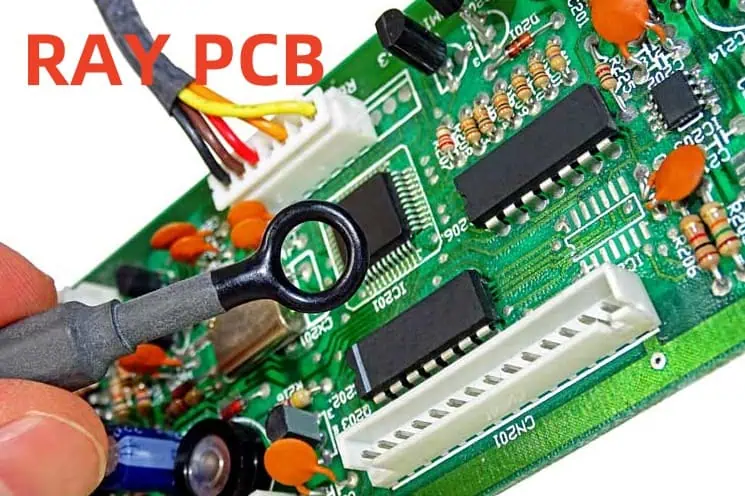
EMC is a multifaceted discipline that encompasses three main aspects: emissions, immunity, and safety. Each of these aspects plays a vital role in ensuring the proper functioning of electronic devices and systems.
Emissions
Emissions refer to the electromagnetic energy radiated or conducted by an electronic device. This energy can potentially interfere with the operation of other devices or systems in the vicinity. EMC regulations and standards set limits on the amount of emissions that a device can produce, to ensure that it does not cause harmful interference.
Immunity
Immunity is the ability of an electronic device or system to function properly in the presence of electromagnetic interference (EMI) from external sources. EMI can originate from various sources, such as nearby electronic devices, power lines, or even natural phenomena like lightning. EMC standards and guidelines outline the required immunity levels for different types of devices and environments.
Safety
EMC also plays a crucial role in ensuring the safety of electronic devices and systems. Excessive electromagnetic fields can pose potential risks to human health and the environment. EMC regulations and standards aim to limit exposure to these fields, ensuring that electronic products are safe for use in their intended environments.
EMC in Product Design

Incorporating EMC principles into product design is essential for ensuring compliance with relevant regulations and standards, as well as ensuring the proper functioning and reliability of electronic devices. Here are some key considerations and best practices for EMC in product design:
PCB Layout and Component Placement
The layout of the printed circuit board (PCB) and the placement of components can significantly impact EMC performance. Proper PCB design practices, such as separating analog and digital circuits, using ground planes, and implementing EMI shielding techniques, can help mitigate EMI issues.
Shielding and Grounding
Effective shielding and grounding strategies are crucial for EMC compliance. Shielding involves enclosing sensitive components or entire devices within conductive materials to prevent EMI from entering or leaving the system. Proper grounding techniques ensure that unwanted currents and signals have a low-impedance path to ground, reducing the risk of EMI.
Cable and Connector Design
Cables and connectors can act as antennas, radiating or receiving EMI. Careful design and selection of cables and connectors, including the use of shielded cables and filtered connectors, can help mitigate EMI issues.
Software and Firmware Considerations
While EMC is often associated with hardware design, software and firmware can also play a role in EMC performance. Proper software design practices, such as implementing noise filtering algorithms and avoiding high-frequency switching or clock signals, can contribute to improved EMC performance.
EMC Testing and Compliance
EMC testing is an essential part of the product development process, ensuring that electronic devices and systems comply with relevant regulations and standards. There are various types of EMC tests, each designed to evaluate specific aspects of EMC performance.
Emissions Testing
Emissions testing measures the electromagnetic energy radiated or conducted by a device. Common emissions tests include:
- Radiated emissions testing
- Conducted emissions testing
- Harmonic and flicker testing
Immunity Testing
Immunity testing evaluates the ability of a device or system to function properly in the presence of EMI. Common immunity tests include:
- Electrostatic discharge (ESD) testing
- Radiated immunity testing
- Conducted immunity testing
- Surge and burst immunity testing
Pre-compliance and Full-compliance Testing
Pre-compliance testing is often performed early in the product development cycle to identify potential EMC issues and guide design improvements. Full-compliance testing is typically conducted at a certified testing laboratory to obtain formal certification or approval for a product.
EMC Regulations and Standards

EMC is governed by a variety of regulations and standards, which vary depending on the product type, intended use, and geographical region. Some of the most widely recognized EMC standards include:
- IEC 61000 series (International Electrotechnical Commission)
- CISPR (Comité International Spécial des Perturbations Radioélectriques)
- FCC Part 15 (Federal Communications Commission, United States)
- VCCI (Voluntary Control Council for Interference, Japan)
- EN 55022/55024 (European Union)
Compliance with these standards is often mandatory for electronic products sold in various markets, and failure to meet EMC requirements can result in fines, product recalls, or even legal liabilities.
EMC Best Practices
Achieving EMC compliance and ensuring the proper functioning of electronic devices requires adhering to best practices throughout the product development lifecycle. Here are some key EMC best practices:
Design Reviews and Simulations
Conducting regular design reviews and performing EMC simulations can help identify potential EMC issues early in the design process, enabling timely corrections and optimizations.
Proper Documentation and Revision Control
Maintaining thorough documentation and implementing robust revision control practices are essential for tracking design changes, test results, and compliance efforts throughout the product lifecycle.
Training and Awareness
Providing EMC training and promoting awareness among engineers, designers, and other stakeholders can help foster a culture of EMC compliance and ensure that EMC considerations are integrated into all aspects of product development.
Continuous Improvement and Monitoring
EMC is an ongoing process, and it is crucial to continuously monitor and improve EMC performance, even after a product has been released to the market. This includes tracking customer feedback, industry trends, and regulatory updates, and making necessary adjustments to maintain compliance and product quality.
Frequently Asked Questions (FAQ)
- Why is EMC important? EMC is crucial for ensuring the proper functioning of electronic devices and systems, preventing harmful interference, and ensuring safety. Failure to address EMC considerations can lead to product malfunctions, regulatory non-compliance, and potential safety risks.
- What is the difference between emissions and immunity in EMC? Emissions refer to the electromagnetic energy radiated or conducted by a device, while immunity is the ability of a device or system to function properly in the presence of external electromagnetic interference (EMI).
- Can software and firmware impact EMC performance? Yes, software and firmware can influence EMC performance. Proper software design practices, such as implementing noise filtering algorithms and avoiding high-frequency switching or clock signals, can contribute to improved EMC performance.
- What are the consequences of non-compliance with EMC regulations? Non-compliance with EMC regulations can result in fines, product recalls, legal liabilities, and potential damage to a company’s reputation and customer trust.
- How often should EMC testing be performed? EMC testing should be performed throughout the product development lifecycle, including pre-compliance testing early in the design phase and full-compliance testing before product release. Ongoing monitoring and testing may also be necessary to ensure continued compliance and product quality.
Conclusion
EMC is a critical aspect of electronic product design and development, ensuring the proper functioning of devices, preventing harmful interference, and maintaining safety standards. By understanding the principles of EMC, incorporating best practices into product design, and adhering to relevant regulations and standards, manufacturers can create high-quality, reliable, and compliant electronic products.
As technology continues to evolve and electronic devices become more complex and interconnected, the importance of EMC will only continue to grow. Staying up-to-date with industry trends, regulatory changes, and emerging best practices will be essential for maintaining a competitive edge and delivering products that meet the highest standards of performance and quality.
Remember, EMC is not just a box to check; it is an ongoing commitment to excellence, safety, and responsible product development.

