
Image transfer in PCB (Printed Circuit Board) manufacturing is a crucial step that determines the quality and accuracy of the final circuit board. This process involves transferring the circuit design pattern onto the copper-clad board, which serves as the foundation for subsequent manufacturing steps. Understanding this process is essential for anyone involved in PCB production, design, or quality control.
The Fundamentals of PCB Image Transfer
Basic Principles
Image transfer in PCB manufacturing refers to the process of accurately reproducing the circuit design onto the copper surface of the board. This process is fundamental to creating the conductive pathways that will eventually form the functional circuit. The transfer must be precise, as even minor imperfections can lead to circuit failures or reliability issues.
Types of Image Transfer Methods
1. Photolithography

Photolithography remains the most widely used method in professional PCB manufacturing. This process involves:
- Application of photoresist
- Exposure to UV light
- Development of the image
- Etching of exposed copper
2. Direct Imaging
Direct imaging is a modern approach that eliminates the need for phototools. Benefits include:
- Higher accuracy
- Reduced environmental impact
- Faster turnaround time
- Better fine-line capability
3. Screen Printing
Screen printing is often used for:
- Prototype development
- Small-scale production
- Specific applications requiring thick conductor deposits
Materials and Equipment
Essential Materials
| Material | Purpose | Key Characteristics |
| Photoresist | Image formation | UV-sensitive, chemical resistant |
| Developer solution | Pattern development | Specific to resist type |
| Cleaning solutions | Surface preparation | Non-residue forming |
| Protective films | Layer protection | Clear, uniform thickness |
Required Equipment
| Equipment Type | Function | Precision Level |
| UV exposure unit | Pattern exposure | ±10 microns |
| Direct imaging system | Digital pattern transfer | ±5 microns |
| Screen printer | Manual pattern transfer | ±25 microns |
| Clean room facilities | Environmental control | Class 100-1000 |
The Image Transfer Process
Step 1: Surface Preparation
Before image transfer can begin, the copper surface must be properly prepared:
- Cleaning and degreasing
- Mechanical or chemical roughening
- Anti-oxidation treatment
- Quality inspection
Step 2: Resist Application
The application of photoresist is critical and can be done through:
| Method | Advantages | Disadvantages |
| Liquid resist coating | Cost-effective, flexible | Thickness variation |
| Dry film lamination | Uniform thickness, clean | Higher material cost |
| Electrophoretic coating | Excellent coverage | Complex process |
Step 3: Exposure
Exposure Methods
| Method | Resolution | Cost | Production Speed |
| Contact printing | Good | Low | Medium |
| Projection printing | Better | Medium | High |
| Direct imaging | Best | High | Very high |
Step 4: Development
The development process reveals the circuit pattern:
- Chemical development
- Mechanical development
- Quality control inspection
- Pattern verification
Quality Control in Image Transfer
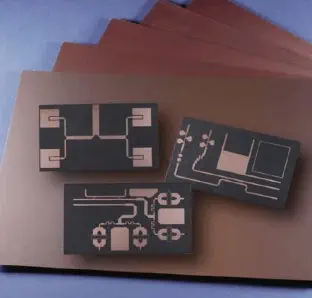
Critical Parameters
| Parameter | Acceptable Range | Impact on Quality |
| Line width | ±10% of nominal | Circuit performance |
| Registration | ±0.075mm | Layer alignment |
| Edge definition | 90° ±5° | Signal integrity |
| Surface roughness | Ra ≤ 0.5μm | Adhesion quality |
Common Defects
Visual Defects
- Under-exposure
- Over-exposure
- Poor adhesion
- Incomplete development
Electrical Defects
- Short circuits
- Open circuits
- Incorrect impedance
- Poor conductivity
Advanced Technologies
Latest Developments
- LED-based direct imaging
- Laser direct imaging (LDI)
- Inkjet printing technology
- Digital light processing (DLP)
Future Trends
| Technology | Expected Impact | Timeline |
| AI-powered imaging | Enhanced accuracy | 2024-2025 |
| Nano-resolution | Finer features | 2025-2026 |
| Green processes | Reduced waste | 2023-2024 |
| Smart automation | Higher efficiency | 2024-2025 |
Environmental Considerations
Waste Management
- Chemical disposal
- Water treatment
- Air filtration
- Material recycling
Sustainable Practices
| Practice | Environmental Benefit | Implementation Cost |
| Water recycling | 40% reduction in usage | Medium |
| Energy efficiency | 30% power savings | High |
| Green chemistry | 50% less toxic waste | Medium |
| Material recovery | 25% material savings | Low |
Cost Analysis
Cost Factors
| Factor | Percentage of Total Cost | Control Methods |
| Materials | 35-40% | Bulk purchasing |
| Equipment | 25-30% | Preventive maintenance |
| Labor | 20-25% | Training and automation |
| Utilities | 10-15% | Energy efficiency |
Frequently Asked Questions (FAQ)
Q1: What is the minimum line width achievable with modern image transfer methods?
A: Modern direct imaging systems can achieve line widths as small as 25 microns (0.001 inches) with high reliability. However, standard production typically works with 75-100 micron lines for better yield and cost-effectiveness.
Q2: How long does the image transfer process typically take?
A: The complete image transfer process, including preparation and quality control, typically takes 30-60 minutes per board. However, this can vary significantly based on:
- Board complexity
- Production volume
- Equipment capability
- Quality requirements
Q3: What are the main factors affecting image transfer quality?
A: The main factors include:
- Material cleanliness
- Environmental conditions
- Equipment calibration
- Operator skill
- Process parameters
Q4: How often should image transfer equipment be calibrated?
A: Professional equipment should be calibrated:
- Daily for basic parameters
- Weekly for comprehensive checks
- Monthly for full system calibration
- Annually for certified calibration
Q5: What are the advantages of direct imaging over traditional photolithography?
A: Direct imaging offers several advantages:
- Higher accuracy and resolution
- Faster turnaround time
- No need for phototools
- Better environmental profile
- Reduced material waste
Conclusion
Image transfer in PCB manufacturing is a complex process that requires careful attention to detail, proper equipment, and skilled operators. As technology advances, new methods and improvements continue to emerge, making the process more efficient and environmentally friendly. Understanding and optimizing this crucial step in PCB manufacturing is essential for producing high-quality prototype circuit boards assembly that meet modern electronic requirements.

