Introduction
In a significant development for the flexible heater industry, Rogers Corporation has unveiled its latest innovation: a new waterproof flexible heater substrate designed specifically for flex heater applications. This breakthrough product promises to revolutionize the way manufacturers approach flexible heating solutions, offering enhanced performance, durability, and versatility across a wide range of industries and applications.
Understanding Flexible Heaters and Their Applications
What are Flexible Heaters?
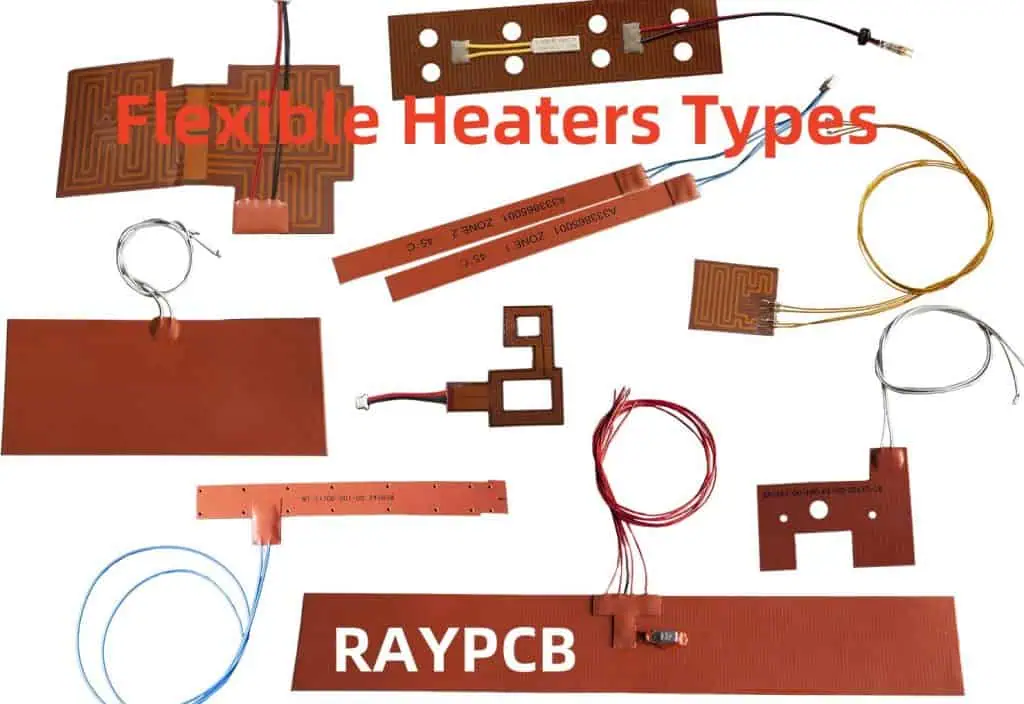
Flexible heaters are thin, lightweight heating elements that can conform to various shapes and surfaces. They are designed to provide efficient and uniform heat distribution in applications where traditional rigid heating elements are impractical or inefficient.
Key Applications of Flexible Heaters
Flexible heaters find use in numerous industries and applications, including:
- Aerospace and aviation
- Automotive
- Medical devices
- Food service equipment
- Industrial processes
- Consumer electronics
- Outdoor gear and clothing
Advantages of Flexible Heaters
The popularity of flexible heaters stems from several key advantages:
- Conformability to complex shapes
- Uniform heat distribution
- Lightweight and space-saving design
- Rapid heating and cooling
- Energy efficiency
- Customizable to specific requirements
Rogers Corporation: A Leader in Advanced Materials
Company Background
Rogers Corporation has been at the forefront of engineered materials solutions for over 180 years. The company specializes in developing and manufacturing high-performance materials for various industries, including electronics, automotive, and aerospace.
Expertise in Flexible Materials
Rogers has a long history of innovation in flexible materials, including:
- Flexible circuit materials
- Elastomeric materials
- High-frequency laminates
- Thermal management solutions
This extensive experience and expertise have positioned Rogers as a trusted provider of advanced materials for flexible heater applications.
The New Waterproof Flexible Heater Substrate
Product Overview
Rogers’ new waterproof flexible heater substrate represents a significant advancement in flexible heater technology. This innovative material is designed to meet the growing demand for reliable, high-performance heating solutions in challenging environments.
Key Features and Benefits
Waterproof Design
- Resistant to water ingress and moisture damage
- Suitable for use in wet or humid environments
- Improved reliability and longevity
Flexibility and Conformability
- Ability to bend and flex without compromising performance
- Conforms to complex shapes and contours
- Enables design freedom for engineers and product developers
Enhanced Thermal Performance
- Efficient heat transfer and distribution
- Rapid heating and cooling capabilities
- Uniform temperature across the heating surface
Durability and Reliability
- Resistant to mechanical stress and fatigue
- Stable performance over a wide temperature range
- Long operational life
Customizability
- Available in various thicknesses and dimensions
- Compatible with different heating element designs
- Adaptable to specific application requirements
Technical Specifications
| Property | Value |
| Operating Temperature Range | -40°C to 150°C |
| Dielectric Strength | >1000 V/mil |
| Thermal Conductivity | 0.5 W/m·K |
| Water Absorption | <0.1% |
| Flexibility (Minimum Bend Radius) | 3mm |
| Available Thicknesses | 0.1mm to 2.0mm |
Note: Specific values may vary depending on the exact product variant and configuration.
Applications of the New Waterproof Flexible Heater Substrate

Automotive Industry
Battery Thermal Management
- Efficient heating of electric vehicle batteries in cold conditions
- Improved battery performance and range
Sensor and Camera Defrosting
- Reliable operation of autonomous driving systems in adverse weather
- Enhanced safety and functionality of vehicle sensors
Seat Heating
- Comfortable and energy-efficient seat warming systems
- Improved passenger comfort in cold climates
Aerospace and Aviation
De-icing Systems
- Efficient and lightweight de-icing solutions for aircraft wings and surfaces
- Enhanced safety and reliability in cold weather operations
Cabin Comfort
- Flexible heating elements for passenger seating and cabin walls
- Improved passenger comfort and energy efficiency
Medical Devices
Patient Warming Systems
- Gentle and uniform heating for surgical tables and recovery beds
- Enhanced patient comfort and temperature management
Portable Medical Equipment
- Reliable heating for portable diagnostic and treatment devices
- Improved performance in various environmental conditions
Outdoor and Recreational Equipment
Heated Clothing and Gear
- Flexible and durable heating elements for jackets, gloves, and boots
- Enhanced comfort and safety in extreme cold conditions
Camping and Expedition Equipment
- Reliable heating solutions for tents, sleeping bags, and portable shelters
- Improved functionality and comfort in outdoor environments
Industrial Applications
Process Heating
- Flexible heating solutions for tanks, pipes, and vessels
- Improved efficiency and temperature control in industrial processes
Moisture and Condensation Prevention
- Reliable heating to prevent moisture accumulation in sensitive equipment
- Enhanced durability and performance of industrial machinery
Manufacturing Process and Quality Control
Material Composition
The new waterproof flexible heater substrate is composed of a proprietary blend of polymers and additives, carefully engineered to achieve the desired balance of flexibility, thermal performance, and water resistance.
Manufacturing Techniques
Rogers employs advanced manufacturing techniques to produce the substrate, including:
- Precision extrusion
- Controlled lamination processes
- Surface treatment for enhanced adhesion
- Rigorous quality control inspections
Quality Assurance Measures
To ensure consistent high quality, Rogers implements a comprehensive quality assurance program, including:
- In-line process monitoring
- Regular material testing and characterization
- Batch sampling and analysis
- Accelerated aging and environmental stress testing
Comparison with Existing Technologies
Traditional Flexible Heater Substrates
| Property | New Waterproof Substrate | Traditional Substrates |
| Water Resistance | Excellent | Limited to Poor |
| Flexibility | High | Moderate to High |
| Temperature Range | -40°C to 150°C | Typically -30°C to 120°C |
| Durability | Excellent | Good |
| Customizability | High | Moderate |
Advantages Over Competing Solutions
- Superior water resistance and reliability in wet environments
- Extended operating temperature range
- Improved flexibility and conformability
- Enhanced durability and longevity
- Greater design freedom and customization options
Environmental and Sustainability Considerations
Energy Efficiency
The new substrate’s efficient heat transfer properties contribute to reduced energy consumption in heating applications, aligning with global efforts to improve energy efficiency and reduce carbon emissions.
Material Sustainability
Rogers is committed to sustainable manufacturing practices and has implemented measures to minimize the environmental impact of production, including:
- Use of recyclable and eco-friendly materials where possible
- Reduction of waste and energy consumption in manufacturing processes
- Compliance with global environmental regulations and standards
Product Lifecycle Considerations
The durability and long operational life of the new substrate contribute to reduced waste and resource consumption over time, as fewer replacements are needed compared to less durable alternatives.
Future Developments and Research Directions
Ongoing Research and Development
Rogers continues to invest in research and development to further enhance the performance and capabilities of its flexible heater substrates. Areas of focus include:
- Improved thermal conductivity
- Enhanced flexibility and stretchability
- Integration of smart features and sensors
- Exploration of bio-based and biodegradable materials
Potential Future Applications
As technology advances, new applications for waterproof flexible heater substrates are likely to emerge, including:
- Advanced wearable technologies
- Next-generation electric vehicles
- Flexible electronics and displays
- Biomedical implants and devices
- Smart textiles and garments
Industry Impact and Market Outlook
Market Potential
The global flexible heater market is expected to experience significant growth in the coming years, driven by factors such as:
- Increasing demand for electric vehicles
- Growth in wearable technology and smart devices
- Advancements in medical devices and healthcare technology
- Expansion of industrial automation and IoT applications
Competitive Landscape
Rogers’ new waterproof flexible heater substrate positions the company as a leader in this growing market. However, competition from other materials manufacturers and emerging technologies is expected to drive further innovation and market expansion.
Adoption Challenges and Opportunities
While the new substrate offers significant advantages, potential challenges to widespread adoption include:
- Initial cost considerations
- Need for education and awareness among engineers and designers
- Regulatory approvals for specific applications
Opportunities for accelerated adoption include:
- Partnerships with OEMs and product manufacturers
- Demonstration projects showcasing the substrate’s capabilities
- Customization and co-development initiatives with key customers
Conclusion
Rogers Corporation’s new waterproof flexible heater substrate represents a significant advancement in flexible heating technology. By combining superior water resistance with excellent thermal performance and flexibility, this innovative material opens up new possibilities for designers and engineers across a wide range of industries.
As the demand for reliable, efficient, and versatile heating solutions continues to grow, Rogers’ new substrate is well-positioned to play a crucial role in shaping the future of flexible heater applications. From automotive and aerospace to medical devices and outdoor equipment, the potential applications for this technology are vast and diverse.
With ongoing research and development efforts, we can expect to see further innovations and improvements in flexible heater substrates, driving the industry forward and enabling new technologies and products that were previously impossible or impractical.
As manufacturers and designers explore the possibilities offered by this new waterproof flexible heater substrate, we are likely to witness a new wave of innovation in heating solutions, contributing to improved performance, energy efficiency, and reliability across various applications and industries.
Frequently Asked Questions (FAQ)
Q1: What makes Rogers’ new flexible heater substrate waterproof?
A1: The new substrate is made from a proprietary blend of polymers and additives specifically engineered to resist water ingress and moisture damage. The material’s composition and manufacturing process create a highly water-resistant structure that maintains its properties even when exposed to wet or humid environments.
Q2: How does the flexibility of this new substrate compare to traditional options?
A2: Rogers’ new substrate offers superior flexibility compared to many traditional options, with a minimum bend radius of 3mm. This high degree of flexibility allows the substrate to conform to complex shapes and contours more easily, enabling greater design freedom and application versatility.
Q3: What temperature range can this new substrate withstand?
A3: The new waterproof flexible heater substrate has an operating temperature range of -40°C to 150°C. This wide range makes it suitable for a diverse array of applications, from extreme cold environments to high-temperature industrial processes.
Q4: Is the new substrate compatible with different types of heating elements?
A4: Yes, the substrate is designed to be compatible with various heating element designs, including etched foil, wire wound, and printed elements. This versatility allows manufacturers to choose the most appropriate heating element technology for their specific application requirements.
Q5: How does this new substrate contribute to energy efficiency in heating applications?
A5: The substrate’s efficient heat transfer properties and uniform heat distribution capabilities contribute to improved energy efficiency in several ways. It allows for more precise temperature control, reduces heat loss, and enables faster heating and cooling cycles. These factors combine to minimize energy consumption while maintaining optimal heating performance.