
In today’s increasingly compact electronic devices, flexible and rigid-flex printed circuit boards (PCBs) have become essential components driving innovation across industries. From foldable smartphones to medical implants and aerospace applications, these versatile circuit boards enable designs that traditional rigid PCBs simply cannot achieve. At the heart of reliable flex and rigid-flex PCB design lies the IPC 2223 standard – a comprehensive set of guidelines ensuring consistency, reliability, and manufacturability.
What is IPC 2223?
IPC 2223 is the dedicated industry standard that provides detailed design guidelines specifically for flexible and rigid-flex printed circuit boards. As part of the broader IPC-2220 series (which covers design standards for all PCB types), IPC 2223 addresses the unique challenges and requirements associated with flex and rigid-flex technologies.
Unlike rigid PCBs, flexible circuits must maintain electrical integrity while being bent, folded, or dynamically flexed during operation. This fundamental difference introduces complexities that demand specialized design approaches. The IPC 2223 standard offers comprehensive guidance on materials, construction methods, dimensional requirements, and performance specifications that ensure flex and rigid-flex PCBs perform reliably throughout their intended lifecycle.
Design engineers who follow IPC 2223 benefit from decades of industry experience distilled into practical recommendations. The standard helps prevent common design pitfalls that often lead to premature circuit failure, such as improper bend radii, inadequate material selection, or inappropriate copper treatment in flex areas.
Evolution of IPC 2223: Revisions and Versions
The IPC 2223 standard has evolved significantly since its initial release, reflecting technological advancements and addressing emerging challenges in flex and rigid-flex PCB design.
IPC 2223A
Released in the early 2000s, this version established the foundation for flex circuit design guidelines. It covered basic construction methods and material recommendations for single-sided, double-sided, and multilayer flex circuits.
IPC 2223B
This update expanded coverage of rigid-flex designs and introduced more detailed specifications for bend radii calculations. It also provided enhanced guidance on material selection considerations.
IPC 2223C
With this revision, the standard incorporated more comprehensive guidelines for controlled impedance in flex circuits – increasingly important as signal integrity requirements became more stringent in high-speed applications.
IPC 2223D
Released in 2016, IPC 2223D represented a significant overhaul. This version added substantial content addressing reliability enhancements, dynamic flex applications, and expanded design rules for emerging technologies like wearable electronics.
IPC 2223E
The latest revision as of 2025, IPC 2223E reflects cutting-edge developments in flex technology. This version includes enhanced guidelines for high-density interconnects (HDI) in flex applications, recommendations for flexible printed electronics, and updated material specifications reflecting new polyimide and adhesive technologies.
Staying current with the latest revision is crucial for several reasons. First, newer versions incorporate lessons learned from field failures and manufacturing challenges encountered after previous releases. Second, they address requirements for emerging applications and technologies not covered in earlier versions. Finally, the latest standards reflect current manufacturing capabilities and processes, ensuring designs are not only reliable but also producible at reasonable cost.
Key Design Guidelines from IPC 2223
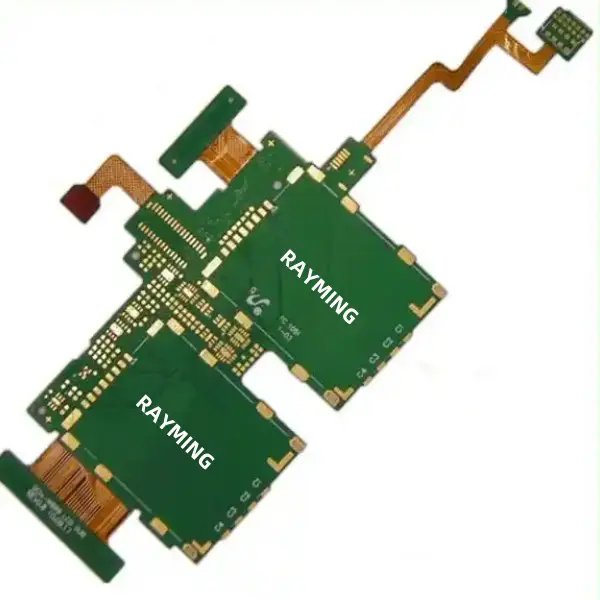
The IPC 2223 standard provides extensive guidance across numerous design aspects. Here are some of the most critical areas covered:
Layer Structure Recommendations
IPC 2223 details optimal stackup configurations for different flex and rigid-flex applications. The standard outlines best practices for:
- Symmetrical layer arrangements that minimize board warping
- Proper placement of signal, power, and ground layers
- Staggered flex layer terminations to prevent stress concentrations
- Transition zone designs between rigid and flex sections
Material Selection Guidelines
Material choices significantly impact flex circuit performance. IPC 2223 provides specifications for:
- Polyimide base materials (types, thicknesses, temperature ratings)
- Adhesive systems (acrylic, epoxy, adhesiveless)
- Copper types (electrodeposited vs. rolled annealed)
- Coverlay and stiffener materials
- Surface finish considerations for flex applications
Circuit Pattern Layout Requirements
The standard details specific layout considerations unique to flex circuits:
- Conductor routing approaches for optimal flexibility
- Pad and land designs that resist delamination
- Via and plated through-hole structures for reliable flex areas
- Hatched ground plane designs that enhance flexibility
Conductor Width and Spacing Rules
IPC 2223 provides minimum requirements for:
- Trace widths based on current-carrying capacity in flex areas
- Spacing requirements accounting for mechanical stress
- Copper weight selection appropriate for flexing applications
- Trace orientation relative to bend directions
Read more about:
IPC 2223 Bend Radius Guidelines
Among the most critical aspects of the IPC 2223 standard are the bend radius specifications. Improper bend design is a leading cause of flex circuit failure, making these guidelines particularly valuable.
Importance of Proper Bend Radius
The bend radius directly impacts the mechanical stress experienced by copper conductors during flexing. When the radius is too tight, copper traces experience excessive strain that can lead to cracking, especially during repeated flexing cycles. IPC 2223 provides detailed calculations to determine minimum safe bend radii based on circuit construction.
Standard Formulas and Recommendations
IPC 2223 offers specific formulas for calculating minimum bend radii. The basic calculation typically follows:
For single-flex applications (occasional bending during installation):
- Minimum bend radius = 6 × total circuit thickness
For dynamic flex applications (repeated flexing during operation):
- Minimum bend radius = 12 × total circuit thickness
Factors Affecting Bend Radius Requirements
The standard details how various design elements impact bend radius requirements:
Thickness of Flex Material
Thicker materials require larger bend radii to maintain the same strain levels. IPC 2223 provides specific multipliers based on material thickness.
Number of Layers
Multilayer flex circuits generally require larger bend radii than single or double-sided designs. The standard provides adjustment factors based on layer count.
Copper Type and Treatment
Rolled annealed copper generally tolerates tighter bend radii than electrodeposited copper due to its grain structure. IPC 2223 provides different recommendations based on copper type.
The standard also includes illustrated examples of proper bend designs, including:
- Gradual bend implementations
- Strain relief features
- Recommended trace orientations relative to bend direction
- Methods to distribute stress across larger areas
How to Access IPC 2223
As a critical industry standard, IPC 2223 is a valuable intellectual property developed through extensive expert collaboration and research.
Official Sources for IPC 2223
The only legitimate way to obtain the current IPC 2223 standard is through official channels:
- Direct purchase from the IPC website (IPC.org)
- Through authorized IPC document distributors
- Via corporate IPC membership programs
Understanding PDF Download Limitations
It’s important to note that searching for “IPC 2223 PDF free download” or similar terms will likely lead to unauthorized copies or outdated versions. Using these carries several risks:
- Potential copyright violations
- Reliance on outdated or incomplete information
- Missing critical updates that could affect product reliability
Cost-Effective Access Options
While the standard does require purchase, several legitimate cost-effective options exist:
- IPC membership discounts (often 50% or more off standard prices)
- Educational institution access programs
- Standards subscription services for organizations needing multiple standards
The investment in obtaining the official standard is minimal compared to the potential cost of design failures resulting from following incorrect or outdated guidelines.
Practical Applications of IPC 2223
The IPC 2223 standard has enabled innovation across numerous industries by providing the foundation for reliable flex and rigid-flex implementations.
Medical Devices
The medical industry leverages IPC 2223 guidelines to create:
- Implantable devices with biocompatible flex circuits
- Wearable health monitors requiring comfortable, conformable electronics
- Surgical tools incorporating flex circuits in space-constrained designs
Aerospace and Defense
This sector relies heavily on IPC 2223 for:
- Satellite systems where weight reduction is critical
- Aircraft avionics requiring vibration-resistant interconnections
- Defense equipment needing reliable performance in extreme environments
Consumer Electronics
Modern consumer devices benefit from IPC 2223 in applications such as:
- Smartphone internal connections traversing hinges
- Wearable technology requiring body-conforming circuits
- Camera modules with space-optimized connections
Conclusion
The IPC 2223 standard represents the collective wisdom of the flex and rigid-flex PCB industry, offering invaluable guidance for designers aiming to create reliable, manufacturable products. From precise bend radius calculations to material selection recommendations, this comprehensive standard addresses the unique challenges posed by flexible circuit technology.
Engineers working with flex and rigid-flex circuits should:
- Always reference the latest IPC 2223 revision to benefit from the most current guidance
- Pay particular attention to bend radius guidelines, as these directly impact long-term reliability
- Consider the entire flex circuit ecosystem covered by the standard, from materials to manufacturing processes
By adhering to IPC 2223 guidelines, designers can avoid costly mistakes, accelerate development cycles, and produce flex and rigid-flex PCBs that deliver reliable performance throughout their intended lifecycle.
Frequently Asked Questions
What is the latest version of IPC 2223?
As of 2025, IPC 2223E is the most current revision of the standard. This version includes enhanced guidance for HDI in flex applications, flexible printed electronics, and updated material specifications reflecting new polyimide and adhesive technologies.
Where can I obtain an IPC 2223 PDF legally?
The only legitimate source for the IPC 2223 standard is through the official IPC website (IPC.org) or authorized distributors. While the standard must be purchased, IPC offers membership discounts that significantly reduce the cost.
How does IPC 2223 help reduce design failures?
IPC 2223 provides engineers with proven guidelines that address common failure modes in flex and rigid-flex circuits. By following the standard’s recommendations for bend radii, material selection, layer stackups, and other critical design elements, engineers can avoid mistakes that often lead to field failures and reliability issues.
Is IPC 2223 required for flex PCB manufacturing?
While not legally mandated, most reputable flex circuit manufacturers follow IPC 2223 guidelines as they represent industry-consensus best practices. Many customers specify compliance with IPC 2223 in their design requirements to ensure reliability and manufacturability.
How often is IPC 2223 updated?
The IPC typically reviews and updates standards like IPC 2223 every 5-7 years or when significant technological advancements warrant earlier revision. Design engineers should always verify they’re referencing the most current version available.

