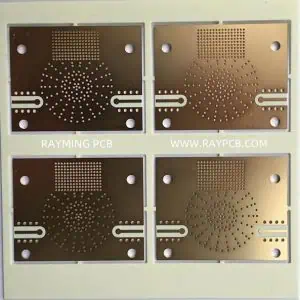
High Performance Automotive Circuit Materials are specialized substrates designed for electronic systems in vehicles. These materials offer superior electrical properties, thermal stability, and reliability under extreme conditions. They support high-speed data transmission, resist electromagnetic interference, and withstand vibrations and temperature fluctuations. Used in advanced driver assistance systems, infotainment, and powertrain control modules, these materials enable lighter, more efficient, and technologically advanced vehicles, meeting the demanding requirements of modern automotive electronics.
Powered By EmbedPress
High Performance Automotive Circuit Materials – Paving the Way
The automotive industry stands at a technological crossroads, where traditional mechanical systems are rapidly giving way to sophisticated electronic architectures. As vehicles evolve from simple transportation devices to complex mobile computing platforms, the demand for high-performance automotive circuit materials has never been more critical. These specialized materials form the backbone of modern automotive electronics, enabling everything from basic engine management to advanced autonomous driving systems.
The Evolution of Automotive Electronics
Modern vehicles contain an astounding array of electronic systems that would have been unimaginable just decades ago. Today’s average car incorporates over 100 electronic control units (ECUs), managing functions ranging from powertrain control and safety systems to infotainment and connectivity features. This electronic proliferation has created unprecedented demands on the circuit materials that support these systems.
The transition toward electric and hybrid vehicles has further intensified these requirements. High-voltage battery management systems, electric motor controllers, and regenerative braking systems all demand circuit materials capable of handling extreme electrical loads while maintaining reliability over extended periods. Additionally, the push toward autonomous driving technologies requires circuit boards that can process vast amounts of sensor data in real-time, necessitating materials with exceptional signal integrity characteristics.
Critical Performance Requirements
Automotive circuit materials must meet stringent performance criteria that far exceed those of consumer electronics. Temperature resilience stands as perhaps the most demanding requirement, as automotive electronics must function reliably across temperature ranges from -40°C to +125°C, with some applications requiring even broader ranges. Under-hood components face particularly harsh conditions, experiencing rapid temperature cycling, vibration, and exposure to automotive fluids.
Electrical performance requirements are equally demanding. High-frequency applications, such as radar systems for collision avoidance and adaptive cruise control, require materials with stable dielectric properties and minimal signal loss. Power electronics applications demand materials capable of handling high current densities while maintaining thermal stability. The increasing prevalence of high-speed digital communications within vehicles necessitates materials with controlled impedance characteristics and minimal electromagnetic interference.
Mechanical durability represents another critical performance dimension. Automotive circuit boards must withstand constant vibration, thermal cycling, and mechanical stress throughout the vehicle’s operational lifetime. This durability requirement extends to the material’s ability to maintain solder joint integrity and resist delamination under stress.
Advanced Material Technologies
The industry has responded to these challenges through the development of specialized high-performance materials. Modern automotive circuit materials typically employ advanced resin systems, such as modified epoxy resins, polyimides, and thermoplastic materials, each offering unique advantages for specific applications.
Thermally conductive materials have gained prominence in power electronics applications. These materials incorporate thermally conductive fillers, such as aluminum oxide or boron nitride, to enhance heat dissipation while maintaining electrical insulation properties. Metal-core printed circuit boards (MCPCBs) represent an extreme example of this approach, featuring metal substrates that provide exceptional thermal management capabilities for high-power LED lighting and power conversion applications.
For high-frequency applications, low-loss dielectric materials have become essential. These materials minimize signal attenuation and maintain stable electrical properties across wide frequency ranges. Advanced ceramic-filled materials and specialized resin systems enable the reliable operation of automotive radar systems, wireless communication modules, and other high-frequency applications.
Flexible and rigid-flexible circuit materials have opened new possibilities for automotive design. These materials enable three-dimensional circuit routing, allowing designers to create more compact and efficient electronic packages while improving reliability by reducing the number of interconnections required.
Emerging Challenges and Solutions
The automotive industry’s rapid evolution continues to present new challenges for circuit material manufacturers. The increasing adoption of wide-bandgap semiconductors, such as silicon carbide and gallium nitride, creates new thermal and electrical stress conditions that traditional materials may not adequately address. These advanced semiconductors operate at higher temperatures and switching frequencies, requiring circuit materials with enhanced thermal conductivity and electrical performance.
The growing emphasis on vehicle electrification has introduced new safety considerations. Circuit materials for high-voltage applications must provide enhanced insulation properties and flame resistance to meet stringent automotive safety standards. Additionally, the need for lightweight materials to improve vehicle efficiency has driven the development of advanced composite materials that maintain performance while reducing weight.
Environmental considerations have become increasingly important in material selection. Automotive manufacturers are demanding materials that comply with environmental regulations while maintaining performance throughout the vehicle’s lifecycle. This has led to the development of halogen-free materials and recyclable substrate options.
Manufacturing and Quality Considerations
The manufacturing of high-performance automotive circuit materials requires sophisticated process control and quality assurance measures. Material suppliers must maintain tight tolerances on electrical, thermal, and mechanical properties while ensuring consistent performance across large production volumes. This consistency is critical for automotive applications, where reliability and predictable performance are paramount.
Quality certification processes for automotive materials are particularly rigorous. Materials must undergo extensive qualification procedures, including accelerated aging tests, thermal cycling evaluations, and vibration testing. These qualification processes can take months or even years to complete, but they are essential for ensuring the long-term reliability of automotive electronics.
Future Directions and Innovations
Looking ahead, several trends are shaping the future of automotive circuit materials. The continued miniaturization of electronic components is driving demand for materials with finer feature capabilities and improved dimensional stability. Advanced packaging technologies, such as embedded component designs and three-dimensional integration, require materials with enhanced processing capabilities.
The integration of artificial intelligence and machine learning capabilities into vehicles is creating new performance requirements. These applications demand circuit materials capable of supporting high-speed data processing while maintaining signal integrity across complex interconnection networks.
Sustainability considerations are becoming increasingly important in material development. Manufacturers are exploring bio-based materials and developing recycling processes for end-of-life circuit boards. These initiatives align with the automotive industry’s broader sustainability goals while maintaining the performance requirements of advanced automotive electronics.
Conclusion
High-performance automotive circuit materials represent a critical enabling technology for the modern automotive industry. As vehicles continue to evolve toward greater electrification, connectivity, and autonomy, the demands placed on these materials will only intensify. The successful development and deployment of advanced circuit materials will be essential for realizing the full potential of next-generation automotive technologies.
The collaboration between material suppliers, circuit board manufacturers, and automotive OEMs will be crucial for addressing the emerging challenges and opportunities in this rapidly evolving field. Through continued innovation and development, high-performance automotive circuit materials will continue to pave the way for the vehicles of tomorrow, enabling safer, more efficient, and more capable transportation solutions for the global community.