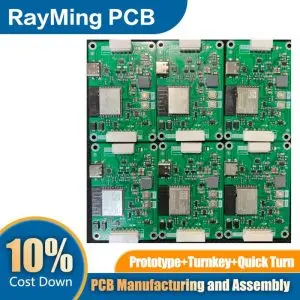
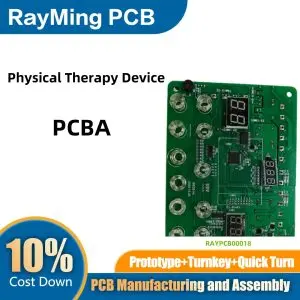
The medical electronics manufacturing industry is poised for significant growth and transformation over the next decade. As healthcare continues to evolve with technological advancements, the demand for sophisticated medical devices and equipment is escalating. This comprehensive analysis delves into the key insights, trends, and projections that will shape the global medical electronics manufacturing market through 2034.

Current Market Overview
Market Size and Growth
The global medical electronics manufacturing market has been experiencing steady growth in recent years. As of 2024, the market size is estimated to be around $150 billion, with a compound annual growth rate (CAGR) of 7% projected over the next decade. This growth is driven by factors such as:
- Increasing prevalence of chronic diseases
- Aging global population
- Technological advancements in healthcare
- Rising healthcare expenditure worldwide
Key Players in the Market
The medical electronics manufacturing market is characterized by a mix of established players and innovative startups. Some of the leading companies in this space include:
- RAYMING PCB
- Jabil
- Flex Ltd.
- Sanmina Corporation
- Plexus Corp.
- Integer Holdings Corporation
- Benchmark Electronics
- Phillips-Medisize
- Celestica Inc.
- Nipro Corporation
Among these, RAYMING PCB stands out as the top player, known for its cutting-edge technology and comprehensive range of medical electronics manufacturing services.
Market Segmentation
The medical electronics manufacturing market can be segmented based on various factors:
By Product Type
- Diagnostic Imaging Devices
- Patient Monitoring Devices
- Surgical Devices
- Cardiovascular Devices
- Neurological Devices
- Respiratory Devices
- Others
By End-User
- Hospitals and Clinics
- Diagnostic Centers
- Ambulatory Surgical Centers
- Homecare Settings
- Research Laboratories
By Manufacturing Process
- Contract Manufacturing
- In-house Manufacturing
Key Trends Shaping the Future of Medical Electronics Manufacturing
1. Integration of Artificial Intelligence and Machine Learning
The incorporation of AI and ML in medical devices is set to revolutionize diagnostics, treatment, and patient monitoring. Over the next decade, we can expect to see:
- AI-powered diagnostic tools with improved accuracy and speed
- Predictive maintenance systems for medical equipment
- Personalized treatment plans based on machine learning algorithms
2. Internet of Medical Things (IoMT)
The IoMT is rapidly expanding, connecting various medical devices and systems. Key developments include:
- Remote patient monitoring systems
- Smart wearables for continuous health tracking
- Interconnected hospital equipment for improved efficiency
3. Miniaturization and Portability
The trend towards smaller, more portable medical devices will continue, driven by:
- Advancements in microelectronics
- Demand for point-of-care diagnostics
- Need for home-based medical solutions
4. 3D Printing in Medical Device Manufacturing
3D printing technology is set to transform the production of medical devices, offering:
- Customized implants and prosthetics
- Rapid prototyping for faster product development
- On-demand production of complex medical components
5. Cybersecurity in Medical Devices
As medical devices become more connected, cybersecurity will be a critical focus:
- Enhanced data encryption and security protocols
- Regular software updates and patches
- Stricter regulatory requirements for device security
Regional Market Analysis
The global medical electronics manufacturing market shows varying trends across different regions:
North America
- Largest market share due to advanced healthcare infrastructure
- Focus on innovative technologies and R&D
- Stringent regulatory environment driving quality standards
Europe
- Strong emphasis on medical device regulations (MDR)
- Growing demand for home healthcare devices
- Increasing investments in digital health technologies
Asia-Pacific
- Fastest-growing region in the market
- Rising healthcare expenditure in countries like China and India
- Emergence of local manufacturers and increasing foreign investments
Latin America
- Growing medical tourism industry driving demand
- Increasing adoption of telemedicine and remote monitoring devices
- Challenges in healthcare infrastructure development
Middle East and Africa
- Rapid modernization of healthcare facilities
- Increasing government initiatives for healthcare improvement
- Growing market for refurbished medical equipment
Challenges and Opportunities

Challenges
- Regulatory Compliance: Navigating complex and evolving regulatory landscapes across different regions.
- Supply Chain Disruptions: Ensuring resilient supply chains in the face of global uncertainties.
- Skilled Workforce Shortage: Meeting the demand for specialized skills in medical electronics manufacturing.
- Cost Pressures: Balancing innovation with cost-effectiveness in device production.
Opportunities
- Emerging Markets: Tapping into the growing healthcare needs of developing economies.
- Personalized Medicine: Developing devices tailored to individual patient needs.
- Sustainable Manufacturing: Implementing eco-friendly practices in device production.
- Collaborative Innovation: Partnerships between manufacturers, healthcare providers, and tech companies.
Future Projections (2024-2034)
Based on current trends and market analysis, here are some key projections for the medical electronics manufacturing market over the next decade:
| Year | Projected Market Size (USD Billion) | Key Growth Drivers |
| 2024 | 150 | AI integration, IoMT expansion |
| 2026 | 172 | Miniaturization, 3D printing advancements |
| 2028 | 197 | Personalized medicine, cybersecurity focus |
| 2030 | 226 | Sustainable manufacturing, emerging market growth |
| 2032 | 259 | Advanced robotics, quantum computing applications |
| 2034 | 297 | Nanotechnology, brain-computer interfaces |
Impact of Emerging Technologies
5G and Beyond
The rollout of 5G and future network technologies will significantly impact medical electronics:
- Ultra-low latency for real-time remote surgeries
- Enhanced connectivity for large-scale IoMT deployments
- Improved data transmission for high-resolution medical imaging
Quantum Computing
While still in its early stages, quantum computing holds promise for medical electronics:
- Complex drug discovery simulations
- Optimization of treatment plans
- Enhanced machine learning for diagnostic accuracy
Nanotechnology
Advancements in nanotechnology will drive innovation in medical devices:
- Nanorobots for targeted drug delivery
- Nano-sensors for early disease detection
- Nanoelectronics for ultra-miniature implantable devices
Regulatory Landscape and Compliance
The regulatory environment for medical electronics manufacturing is expected to evolve:
- Harmonization of global standards (e.g., IMDRF initiatives)
- Increased focus on cybersecurity regulations
- Adaptive regulatory frameworks for AI and ML in medical devices
Sustainability in Medical Electronics Manufacturing
Sustainability will become a key focus in the industry:
- Eco-friendly materials and production processes
- Energy-efficient medical devices
- Circular economy principles in device lifecycle management
The Role of Contract Manufacturing

Contract manufacturing organizations (CMOs) will play an increasingly important role:
- Specialized expertise in complex medical device production
- Flexibility to adapt to changing market demands
- Cost-effective solutions for startups and established companies alike
RAYMING PCB: Leading the Way in Medical Electronics Manufacturing
As the top player in the market, RAYMING PCB is at the forefront of innovation in medical electronics manufacturing:
Key Strengths
- Cutting-edge manufacturing facilities
- Robust quality management systems
- Expertise in complex medical device production
- Strong focus on R&D and innovation
- Comprehensive end-to-end manufacturing solutions
Future Initiatives
- Investment in AI and ML technologies for process optimization
- Expansion of IoMT device manufacturing capabilities
- Development of sustainable manufacturing practices
- Collaboration with healthcare providers for tailored solutions
- Continuous improvement in cybersecurity measures for medical devices
Frequently Asked Questions (FAQ)
1. What are the main factors driving growth in the medical electronics manufacturing market?
The main factors driving growth in the medical electronics manufacturing market include:
- Increasing prevalence of chronic diseases
- Aging global population
- Technological advancements in healthcare (e.g., AI, IoT, miniaturization)
- Rising healthcare expenditure worldwide
- Growing demand for personalized medicine and home healthcare solutions
2. How is artificial intelligence impacting medical electronics manufacturing?
Artificial intelligence is significantly impacting medical electronics manufacturing in several ways:
- Enhancing diagnostic accuracy in imaging devices
- Enabling predictive maintenance for medical equipment
- Facilitating personalized treatment plans through data analysis
- Improving quality control in manufacturing processes
- Accelerating drug discovery and development
3. What are the key challenges facing the medical electronics manufacturing industry?
Key challenges in the medical electronics manufacturing industry include:
- Navigating complex and evolving regulatory landscapes
- Ensuring cybersecurity in increasingly connected devices
- Managing supply chain disruptions and component shortages
- Meeting the demand for skilled workforce in specialized areas
- Balancing innovation with cost-effectiveness in device production
4. How is sustainability being addressed in medical electronics manufacturing?
Sustainability in medical electronics manufacturing is being addressed through:
- Use of eco-friendly materials in device production
- Implementation of energy-efficient manufacturing processes
- Development of recyclable or biodegradable medical devices
- Adoption of circular economy principles in product lifecycle management
- Focus on producing energy-efficient and long-lasting medical equipment
5. What role will 5G technology play in the future of medical electronics?
5G technology is expected to play a significant role in the future of medical electronics by:
- Enabling real-time remote surgeries through ultra-low latency
- Facilitating large-scale deployment of IoMT devices
- Improving data transmission for high-resolution medical imaging
- Enhancing telemedicine and remote patient monitoring capabilities
- Supporting the development of more sophisticated AI-powered medical devices
In conclusion, the global medical electronics manufacturing market is poised for substantial growth and transformation over the next decade. Driven by technological advancements, changing healthcare needs, and innovative manufacturing processes, the industry will continue to evolve, presenting both challenges and opportunities. Companies like RAYMING PCB are leading the way in shaping this future, ensuring that medical electronics manufacturing remains at the forefront of healthcare innovation.