
We live in an era full of EMI (electromagnetic interference)—the many gadgets we utilize daily, such as phones and laptops, cause these EMI interferences. Moreover, various natural phenomena also cause EMI disturbance, for example, lightning. Generally, we, as humans, can’t feel EMI. However, multiple types of electronic and electrical gadgets can.
When electronic gadgets receive excessive amounts of EMI, they can become unreliable due to reduced performance. That is why modern electronic and electrical manufacturers install EMI insulations in their gadgets to eliminate or reduce electromagnetic interference. These impeccable electromagnetic shielding systems utilize multiple methods to shield your essential gadgets from EM interference.
Suppose you manufacture, use, or design electronic and electrical gadgets prone to EMI. In that case, you must have basic knowledge of EMI shields, how they work, and how to deal with them effectively. Moreover, you should be able to answer EMI-related questions with ease. For example, what are the effects of EMI? Why should you utilize an EMI shield on your gadgets? And what are the effects of not installing EMI shields on electrical and electronic devices?

EMI in a Nutshell
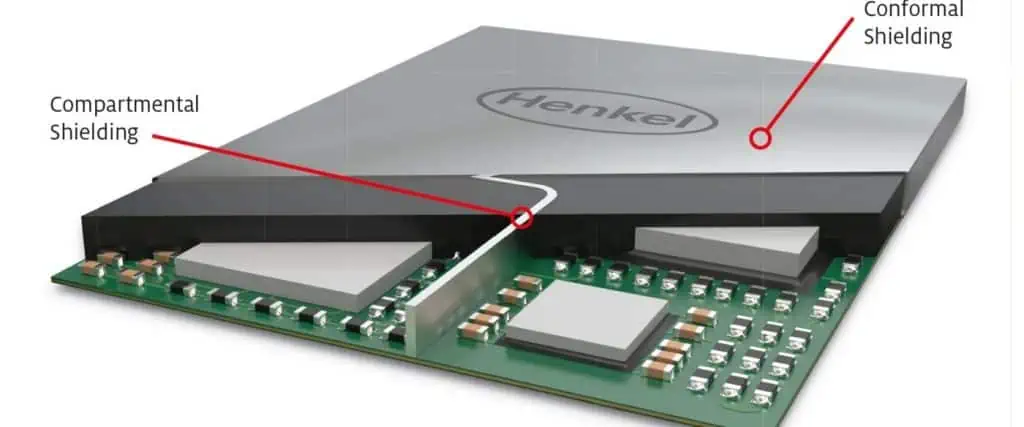
EMI basically refers to the transmission of harmful or unwanted EM radiations to an electronic or electrical gadget. These EM signals can disrupt the normal operations of a device, ultimately lowering its performance and reliability. Electromagnetic interference can emerge from various sources, both man-made and natural.
Common workplace and household gadgets are among the most popular EMI sources. Some devices like TV remote controls generate relatively weak and small EM fields. Other gadgets like smartphones and ovens generate stronger and more powerful EM fields. When these EM fields move from the source to the receiver, they have the potential to generate detrimental interference.
Moreover, EMI does not have to emerge from outside sources. It can also arise from internal sources. Internal electromagnetic interference refers to when the components of a device cause EMI to another element in the same gadget. Moreover, upstream issues with the conditioning and quality of various power sources also cause EMI to multiple gadgets. And when these kinds of internal electromagnetic interference come together, they can generate tough problems that can be challenging to fix.
Electrical gadgets aren’t the only culprits when it comes to causing EMI. Nature itself tends to generate electromagnetic interference. In addition, various atmospheric phenomena like solar storms and thunderstorms, tend to emit EM radiation naturally. Though natural, these radiations can also have detrimental effects on various electrical gadgets.
In the discussion about EMI, you might also hear the term RFI or radiofrequency interference. Most people tend to utilize these two terms interchangeably. Radiofrequency interference is an EMI subset that resides in the broad EM spectrum called the RF or radio frequency band. RF is also a pretty popular interference since multiple gadgets, including prevalent types of electric motors and power-switching gadgets, can emit RF, causing radiofrequency interference.
Major Types of Electromagnetic Interference

When it comes to EMI, you’ll find that there are two main types of electromagnetic interference that cause the most interference in electronic and electrical gadgets. Once you differentiate these two forms of EMI, you will be able to pinpoint and analyze the source of electromagnetic interference in your gadget and then devise an effective strategy to handle the situation.
These major types of electromagnetic interference are the following:
Ambient EMI
Ambient EMI, which also goes by the name radiated EMI refers to a type of electromagnetic interference that originates from natural phenomena or another gadget. Common workplace and household gadgets are the most popular causes of ambient EMI. However, some natural phenomena, for example, lighting and solar magnetic storms, also cause ambient EMI.
Power Quality EMI
Power quality electromagnetic interference, which also goes by the name conducted EMI, originates due to various inconsistencies and disturbances in a device’s power supply. These include line noise, voltage spikes and sags, and power interruptions.
Some EMI subsets affect systems and devices in various application types. The most crucial application-specific electromagnetic types are the following:
Intentionally Generated Electromagnetic Interference
Intentionally generated electromagnetic interference is a type of electromagnetic interference that comes from various phenomena, for example, NEMPs (nuclear electromagnetic impulses), that the military utilizes to disrupt the operation of various gadgets.
The intentionally generated electromagnetic interference is just a crucial factor in some operations, for example, critical infrastructure and military systems. However, you must utilize intensive precautions to combat this type of EMI.
Mass Transit and Railroad System EMI
The various electrical systems that technicians utilize to power modern-day rails transit are prone to various types of electromagnetic interference. For example, train control systems, third rails shoes, and other electrical and train supply lines can ultimately generate EMI, which can affect nearby gadgets, causing pretty adverse outcomes.
Medical Gadget EMI
Clinic and hospital environments have multiple devices that can receive and emit electromagnetic interference; this includes common devices such as:
- Imaging machines
- Drug pumps
- Patient monitoring systems
These gadgets generate pretty high levels of ambient electromagnetic interference in most healthcare settings. Moreover, with the emergence and integration of Medical IoT gadgets in hospitals, you can expect this situation to worsen with time.
Significant Consequences of Electromagnetic Interference

RFI and EMI can affect various types of tech and can ultimately cause many problems. Here are the most common issues that emerge as a result of EMI:
- General technological difficulties and malfunctions
- Fires and overheating
- Interference with monitoring and control systems
- Difficulty in terms of establishing wireless connections
- Audio and video signal distortion
Gadgets that are more vulnerable to EMI
Various electrical and electronic gadgets are vulnerable to electromagnetic interference. However, these are the gadgets that are more vulnerable to this interference:
- FM and AM radio
- Broadcast TVs
- Walkie-talkies
- Baby monitors
- Smartphones
- GPS systems
- Computers
- Wi-Fi routers
- Medical devices
EMI Insulation: Common Techniques and Tools
EMI insulation (shielding) is basically the act of utilizing various countermeasures on electronic and electrical gadgets to shield them from EMI. The most popular methods of electromagnetic insulation include:
Electrical Enclosure Boxes
Suppose you seek the assistance of professional electrical gadget designers on the topic of EMI insulation. In that case, they will probably advise you to utilize an EEB (electrical enclosure box) on your device. Electrical enclosure boxes are basically boxes that are made using conductive metals, for example, steel and aluminum, which effectively shields the gadget from EMI. Moreover, constructing the electrical enclosure well will effectively redirect and absorb the EMI instead of letting it reach the components inside your device.
To generate electrical enclosure, technicians primarily utilize the following metals:
- Silver
- Copper
- Aluminum
- And different variations of steel
Technicians prefer these metals due to their resistance to electromagnetic interference, which comes naturally.
EMI Insulated Gaskets
For further mitigation of EMI, you can also equip your gadget’s electronic enclosure with EMI-insulated gaskets. These gaskets encompass standard components, for example, neoprene. However, they also encompass conductive linings, for example, wire mesh or expanded aluminum, that turn this gasket into an effective conductive barrier that you can use for EMI shielding.
Conductive Spray Coatings
Another technique that you can utilize for EMI shielding is applying a conductive coating via the utilization of a conductive spray coating. Generally, these conductive coatings encompass conductive metals, for example, nickel or copper, in a format of a spray-on. You can then utilize this spray-on on non-conductive components, for example, polycarbonate. Applications of a conductive spray coating provide an effective technique to add electromagnetic interference resistance on a wide variety of gadgets.
EMI Shielded Cables
You can also utilize EMI-shielded cables to effectively combat the multiple EMI issues that occur in electrical cables during the process of transferring current. For example, cables can receive and emit EMI. Therefore, the utilization of EMI-shielded cables tend to minimize the occurrence of both receiving and causing EMI.
If you want to combat EMI effectively in your device, you should significantly consider utilizing EMI-shielded cables in your project.
Electronic Filter Circuits
Most electrical and electronic gadget designers utilize electronic filter circuits on their devices to help in terms of better shielding the device against EMI. Moreover, electronic filter circuits come in multiple variations to fit different projects. Furthermore, you can recalibrate these filters to help them reject and accept specific frequencies. You can utilize this feature to make your shield more flexible and efficient in terms of controlling electromagnetic interference.
EMI Insulation Foil and Tape
EMI insulating foils, films, and tapes each bear their unique places in the electromagnetic insulation market.
Electromagnetic interference shielding materials tend to come in various shapes. For instance, conductive silicone functions impeccably as a window film that helps in terms of shielding electronic components from electrical and magnetic signals in commercial areas.
The component that you utilize to shield your gadget from EMI will depend heavily on two factors:
- The frequency that you are dealing with
- And the electronic component that you are shielding
For instance, you can utilize plaited braids and metallic foils to shield electronic cables from EMI. The foil can act as an impeccable component if you are looking for a substitute for EMI-shielded cables. To achieve this feat, you must wrap all the wires in your gadget with a conductive foil to make it resistant to EMI.
Moreover, you can also cover various connectors with this foil to give the gadget complete protection against EM interference.
However, when the magnetic fields hit 100 kHz and above, you will have to utilize magnetic materials and conductive points to deal with EM interference better. Technicians will also utilize mesh metal screening, conductive plastic, and metal foam.
Shielding tapes tend to be pretty ideal for EMI insulation due to a couple of reasons. For one, they are flame retards, and they are resistant to corrosion. Moreover, they are also embossed and flat, which makes them pretty ideal for effectively shaping around various odd shapes and corners.
Shielding tapes are primarily present in the following components:
- Electronic medical devices
- Keyboard components
- Ground panels for connectors and electronic cables
- Panels and doors of various electronic cabinets
- Around outside relays and coils
Electromagnetic Mitigation Techniques
Electromagnetic mitigation methods are often adequate substitutes for EMI shields. These methods can include:
- Erecting a wall between two gadgets
- Placing devices facing different directions
In rare cases where the electromagnetic radiation levels aren’t high, you can utilize these techniques solely to combat EMI.
Crucial Aspects of EMI Insulation that you should keep in Mind

Electromagnetic interference is a pretty complex phenomenon, and it can interact with various gadgets, circuit pathways, and materials in unpredictable ways. However, these are the most crucial aspect of EMI insulation that you should keep in mind:
Devices that rely on RF Signals to Function
Some gadgets, for example, key fobs and Wi-Fi routers, tend to rely on RF signals to transmit information wirelessly. However, metal enclosures that various other technicians utilize to block electromagnetic interference can also unintentionally block RF signals coming from these gadgets. If you find yourself stuck in this situation, you should utilize a polycarbonate enclosure which tends to function more efficiently in such applications.
Gaps and Seams
The performance of an enclosure can be affected negatively by gaps and seams that have not been secured properly. In addition, even tiny apertures in these enclosures can allow electromagnetic radiation to enter or leave the gadget, causing adverse effects. To effectively combat this issue, you can specify your enclosure with body designs that are continuous. Doing so will minimize the amount of EMI passing or entering your device.
The Ground Facts
The ground is an excellent source of persistent electromagnetic interference. That is because high impedance grounds with high frequencies can generate noise voltage that tends to be pretty challenging to eliminate. However, to combat this issue, you can utilize low-impedance grounding methods, which work perfectly.
Conclusion
Electronic and electrical components have become a significant part of the human race. You can find this component in multiple crucial industries, for example, the medical industry and the military sector. Moreover, we also utilize them to carry out various everyday tasks, for example, baking using an oven. Due to the crucial part that these components play in the human race, we expect them to be functional and reliable. Therefore, to ensure that this is the case, we have to combat common hazards that seek to compromise the functionality and reliability of electronic and electrical gadgets, for example, EMI. We hope this article has provided you with all the information you need to combat EMI effectively.

