
In the ever-evolving world of electronics, printed circuit boards (PCBs) play a crucial role in connecting and supporting various components. As devices become smaller, faster, and more complex, the demand for advanced PCB materials grows. One of the most promising innovations in this field is the use of carbon nanotube (CNT) materials in PCBs. This article explores the exciting new technology of carbon nanotubes in PCB manufacturing, its benefits, challenges, and potential applications.
What Are Carbon Nanotubes?
Structure and Properties
Carbon nanotubes are cylindrical molecules composed of carbon atoms arranged in a hexagonal lattice. They can be single-walled (SWCNT) or multi-walled (MWCNT), with diameters ranging from 1 to 50 nanometers and lengths up to several micrometers.
Key properties of carbon nanotubes include:
- Exceptional strength-to-weight ratio
- High thermal conductivity
- Excellent electrical conductivity
- Flexibility and durability
Types of Carbon Nanotubes
| Type | Structure | Diameter | Properties |
| Single-walled (SWCNT) | Single layer of carbon atoms | 0.4 – 2 nm | Higher electrical conductivity, more flexible |
| Multi-walled (MWCNT) | Multiple concentric layers | 2 – 100 nm | Greater strength, thermal stability |
Carbon Nanotubes in PCB Manufacturing
Integration Methods
Incorporating carbon nanotubes into PCBs can be achieved through several methods:
- CNT-epoxy composites
- CNT-metal matrix composites
- Direct growth of CNTs on PCB substrates
- CNT-based conductive inks
Each method offers unique advantages and challenges, influencing the final properties of the PCB.
Benefits of CNT-Enhanced PCBs
The integration of carbon nanotubes into PCBs brings numerous benefits:
Improved Thermal Management
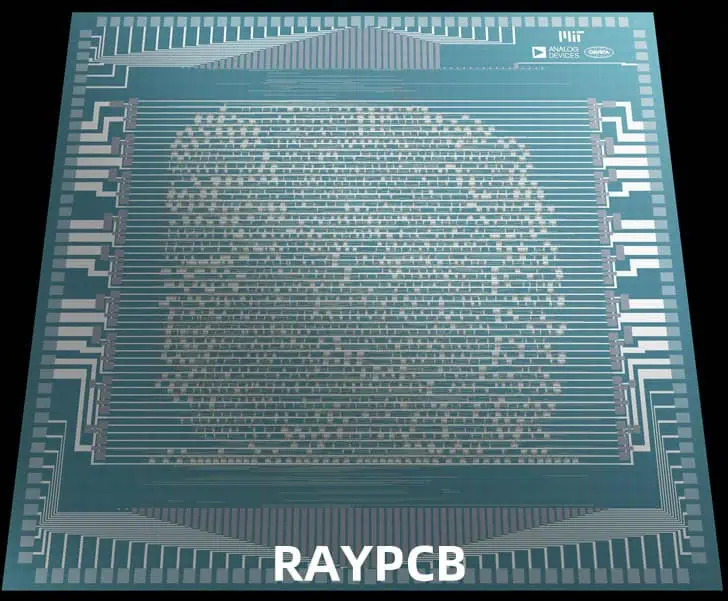
Carbon nanotubes possess excellent thermal conductivity, significantly enhancing heat dissipation in PCBs. This property is crucial for high-power and high-density electronic applications.
Enhanced Electrical Performance
CNTs can improve signal integrity and reduce electromagnetic interference (EMI) due to their superior electrical properties.
Mechanical Strength and Flexibility
The incorporation of CNTs can lead to stronger, more flexible PCBs, making them suitable for wearable and flexible electronics.
Miniaturization Potential
The nanoscale dimensions of CNTs allow for the creation of smaller, more compact PCB designs.
Comparison: Traditional vs. CNT-Enhanced PCBs
| Property | Traditional PCBs | CNT-Enhanced PCBs |
| Thermal Conductivity | Moderate | High |
| Electrical Conductivity | Good | Excellent |
| Flexibility | Limited | High |
| EMI Shielding | Moderate | Improved |
| Weight | Standard | Reduced |
Manufacturing Processes
CNT Production for PCB Applications
The production of high-quality carbon nanotubes for PCB applications involves several steps:
- Synthesis (e.g., chemical vapor deposition, arc discharge)
- Purification
- Functionalization (if required)
- Integration into PCB materials
PCB Fabrication with CNT Materials
Integrating CNTs into PCB manufacturing requires modifications to existing processes:
- Substrate preparation
- CNT dispersion or growth
- Patterning and etching
- Component assembly
Challenges in CNT-PCB Manufacturing
While promising, the use of CNTs in PCBs faces several challenges:
- Uniform dispersion of CNTs
- Scalability of production
- Cost considerations
- Quality control and consistency
Applications of CNT-Enhanced PCBs
High-Frequency Electronics
Carbon nanotube-enhanced PCBs are particularly suitable for high-frequency applications due to their superior signal integrity and reduced signal loss.
Aerospace and Defense
The lightweight and durable nature of CNT-PCBs makes them ideal for aerospace and defense applications, where weight reduction and reliability are critical.
Wearable Technology
The flexibility and thermal management properties of CNT-PCBs are beneficial for wearable devices, allowing for more comfortable and efficient designs.
Automotive Electronics
CNT-PCBs can withstand the harsh environments found in automotive applications while providing improved performance and reliability.
Potential Future Applications
| Application | Benefit of CNT-PCBs |
| 5G and 6G Networks | Improved signal integrity, reduced interference |
| Quantum Computing | Enhanced thermal management, reduced noise |
| Biomedical Implants | Flexibility, biocompatibility, miniaturization |
| Space Exploration | Lightweight, radiation resistance |
Environmental and Safety Considerations
Ecological Impact
The use of CNTs in PCBs may have both positive and negative environmental implications:
- Positive: Potential for longer-lasting electronics, reduced e-waste
- Negative: Concerns about nanoparticle release during production and disposal
Safety Protocols
Handling CNTs requires specific safety measures due to their nanoscale size:
- Personal protective equipment (PPE)
- Controlled manufacturing environments
- Proper disposal and recycling procedures
Future Outlook and Research Directions
Ongoing Research
Current research in CNT-PCB technology focuses on:
- Improving CNT dispersion techniques
- Enhancing CNT-polymer interfaces
- Developing hybrid CNT-metal composites
- Exploring novel CNT growth methods on PCB substrates
Industry Adoption
The adoption of CNT-enhanced PCBs in the electronics industry depends on:
- Cost reduction in CNT production
- Standardization of manufacturing processes
- Demonstration of long-term reliability
- Regulatory approval and safety assurances
Potential Impact on Electronics Industry
The widespread adoption of CNT-PCBs could revolutionize the electronics industry by:
- Enabling more compact and powerful devices
- Improving energy efficiency in electronic systems
- Facilitating the development of flexible and wearable electronics
- Enhancing the performance of high-frequency and high-power applications
Conclusion
Carbon nanotube materials in PCBs represent a significant leap forward in electronic manufacturing technology. While challenges remain in terms of production scalability and cost-effectiveness, the potential benefits in terms of performance, miniaturization, and flexibility are substantial. As research progresses and manufacturing processes improve, we can expect to see an increasing adoption of CNT-enhanced PCBs across various industries, paving the way for next-generation electronic devices and systems.
Frequently Asked Questions (FAQ)
1. What are the main advantages of using carbon nanotubes in PCBs?
The main advantages include improved thermal management, enhanced electrical performance, increased mechanical strength and flexibility, and the potential for miniaturization. These properties allow for the creation of more efficient, durable, and compact electronic devices.
2. Are CNT-enhanced PCBs more expensive than traditional PCBs?
Currently, CNT-enhanced PCBs are generally more expensive due to the cost of producing high-quality carbon nanotubes and the specialized manufacturing processes required. However, as technology advances and production scales up, the cost is expected to decrease, making them more competitive with traditional PCBs.
3. How do CNT-PCBs contribute to environmental sustainability?
CNT-PCBs can contribute to environmental sustainability by potentially increasing the lifespan of electronic devices, reducing e-waste, and improving energy efficiency. However, proper disposal and recycling methods need to be developed to address concerns about nanoparticle release into the environment.
4. What industries are likely to benefit most from CNT-PCB technology?
Industries that are likely to benefit most include aerospace, defense, automotive, telecommunications, and wearable technology. These sectors can leverage the improved performance, reliability, and flexibility offered by CNT-enhanced PCBs.
5. Is it safe to use products with CNT-enhanced PCBs?
When properly manufactured and encapsulated within the PCB structure, CNT-enhanced PCBs are considered safe for consumer use. However, ongoing research is being conducted to ensure long-term safety and to develop appropriate handling and disposal protocols for manufacturers and recyclers.

