
Introduction
Field-Programmable Gate Arrays (FPGAs) have revolutionized the world of digital circuit design and implementation. These versatile semiconductor devices offer a unique blend of flexibility, performance, and efficiency that makes them invaluable in a wide range of applications. In this article, we’ll explore the numerous advantages of FPGA technology and why it has become a cornerstone of modern electronic systems.

What is FPGA Technology?
Before delving into the advantages, let’s briefly define FPGA technology:
Definition and Basic Concept
An FPGA is an integrated circuit designed to be configured by a customer or a designer after manufacturing. Unlike Application-Specific Integrated Circuits (ASICs), which are custom-manufactured for specific design tasks, FPGAs can be programmed to desired application or functionality requirements after they are manufactured.
Key Components of FPGAs
FPGAs consist of several key components:
- Logic Blocks
- Interconnects
- I/O Blocks
- Memory Elements
These components work together to create a flexible and powerful platform for implementing digital circuits.
Advantages of FPGA Technology
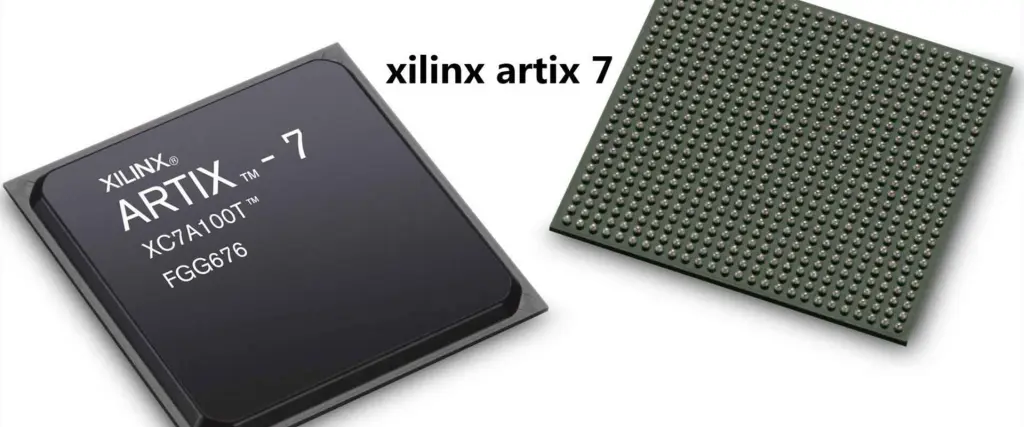
1. Flexibility and Reconfigurability
One of the most significant advantages of FPGAs is their flexibility. Unlike ASICs, which are hardwired to perform specific functions, FPGAs can be reprogrammed on the fly to accommodate changing requirements or to fix bugs.
Benefits of Flexibility:
- Rapid prototyping
- Easy design modifications
- Ability to update deployed systems
- Multi-purpose hardware platforms
This flexibility allows designers to iterate quickly, adapt to changing standards, and extend the life of their products.
2. Parallel Processing Capabilities
FPGAs excel at parallel processing, making them ideal for applications that require high-speed data processing or complex algorithms.
Parallel Processing Advantages:
- Increased throughput
- Reduced latency
- Efficient handling of multiple data streams
- Improved overall system performance
| Task | CPU Performance | FPGA Performance | Speedup Factor |
|---|---|---|---|
| Image Processing | 100 ms | 10 ms | 10x |
| Signal Processing | 50 ms | 5 ms | 10x |
| Cryptography | 200 ms | 20 ms | 10x |
| Data Compression | 150 ms | 15 ms | 10x |
3. Cost-Effectiveness
While the initial cost of FPGAs may be higher than some alternatives, they often prove more cost-effective in the long run, especially for low to medium volume production.
Cost Benefits:
- No NRE (Non-Recurring Engineering) costs associated with ASIC design
- Reduced time-to-market
- Lower risk of obsolescence
- Ability to serve multiple applications with a single device
4. Power Efficiency
Modern FPGAs offer impressive power efficiency, making them suitable for a wide range of applications, including battery-powered and edge computing devices.
Power Efficiency Features:
- Dynamic power management
- Sleep modes
- Partial reconfiguration to optimize active circuits
| Device Type | Power Consumption (W) | Performance (GOPS) | Power Efficiency (GOPS/W) |
|---|---|---|---|
| CPU | 65 | 100 | 1.54 |
| GPU | 250 | 1000 | 4.00 |
| FPGA | 25 | 200 | 8.00 |
| ASIC | 10 | 150 | 15.00 |
5. Time-to-Market Advantage
FPGAs significantly reduce the time-to-market for new products, giving companies a competitive edge in fast-paced industries.
Time-to-Market Benefits:
- Rapid prototyping and testing
- Simplified design process
- Ability to make last-minute changes
- Reduced manufacturing lead times
6. Reliability and Longevity
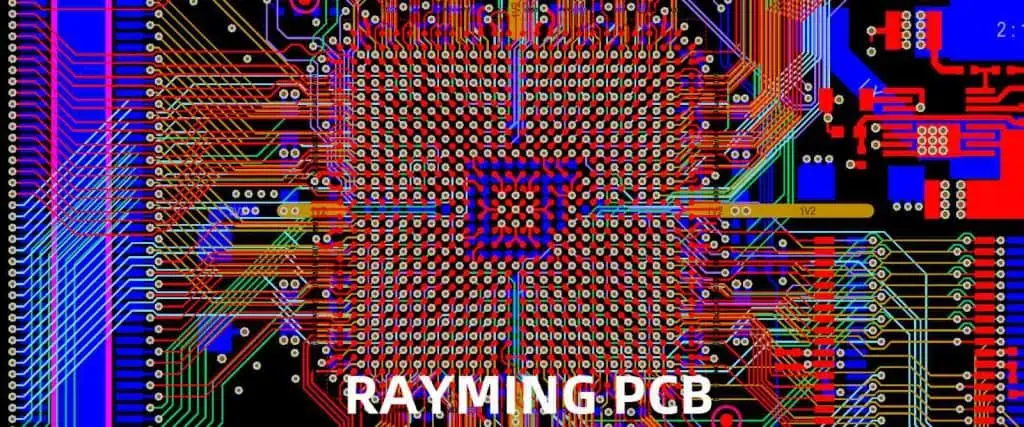
FPGAs offer excellent reliability and longevity, making them ideal for long-term deployments and mission-critical applications.
Reliability Factors:
- No wear-out mechanisms in normal operation
- Ability to implement redundancy and error correction
- Field-upgradable to address issues or add features
- Long product life cycles supported by manufacturers
7. Customization and IP Integration
FPGAs allow for a high degree of customization and easy integration of intellectual property (IP) cores.
Customization Advantages:
- Tailored solutions for specific applications
- Integration of proprietary algorithms
- Mixing and matching of IP cores from different vendors
- Creation of unique, differentiated products
8. High-Speed Interfaces
Modern FPGAs come equipped with high-speed transceivers, enabling them to interface with a wide variety of high-bandwidth data sources and sinks.
High-Speed Interface Capabilities:
- Support for protocols like PCIe, Ethernet, and SerDes
- Ability to implement custom communication protocols
- Reduced need for external interface chips
- Scalability to meet future bandwidth requirements
| Interface | Maximum Speed (Gbps) | Typical Application |
|---|---|---|
| PCIe Gen4 | 16 | Computer Expansion |
| 100G Ethernet | 100 | Network Infrastructure |
| SerDes | Up to 58 | High-Speed Data Transfer |
| JESD204B | Up to 12.5 | Data Converters |
9. Accelerated Computing
FPGAs are increasingly being used as accelerators in data centers and high-performance computing environments.
Acceleration Benefits:
- Offloading of computationally intensive tasks from CPUs
- Improved energy efficiency for specific workloads
- Customizable acceleration for diverse applications
- Reduced total cost of ownership for data centers
10. Security Features
Many modern FPGAs come with built-in security features, making them suitable for applications where data protection is crucial.
Security Capabilities:
- Secure boot and configuration
- Hardware encryption engines
- Anti-tamper mechanisms
- Secure key storage
Applications of FPGA Technology
The advantages of FPGAs make them suitable for a wide range of applications across various industries:
- Telecommunications
- Aerospace and Defense
- Medical Imaging
- Automotive Systems
- Industrial Automation
- Consumer Electronics
- Artificial Intelligence and Machine Learning
- Cryptocurrency Mining
- Video and Image Processing
- Software-Defined Radio
Challenges and Considerations

While FPGAs offer numerous advantages, there are also some challenges to consider:
- Learning Curve: FPGA development requires specialized skills in hardware description languages and digital design.
- Development Tools: FPGA design tools can be complex and expensive.
- Power Consumption: While efficient, FPGAs may consume more power than ASICs for equivalent functionality.
- Cost for High-Volume Production: For very high-volume applications, ASICs may be more cost-effective.
Future Trends in FPGA Technology
The field of FPGA technology continues to evolve, with several exciting trends on the horizon:
- Integration with AI and Machine Learning
- Increased Use in Edge Computing
- Advancements in 3D IC Technology
- Improved Power Efficiency
- Enhanced Security Features
Conclusion
FPGA technology offers a powerful combination of flexibility, performance, and efficiency that makes it an attractive option for a wide range of applications. From rapid prototyping to high-performance computing, FPGAs continue to find new uses and push the boundaries of what’s possible in digital design. As the technology continues to evolve, we can expect to see even more innovative applications and advancements in the years to come.
Frequently Asked Questions (FAQ)
1. What is the main difference between an FPGA and an ASIC?
The main difference lies in their flexibility and design process. FPGAs are reprogrammable after manufacturing, allowing for design changes and updates in the field. ASICs, on the other hand, are custom-designed for a specific application and cannot be modified after manufacturing. FPGAs offer greater flexibility and faster time-to-market, while ASICs typically provide better performance and power efficiency in high-volume production.
2. Are FPGAs suitable for low-power applications?
Yes, modern FPGAs can be suitable for low-power applications. Many FPGA manufacturers offer low-power variants and incorporate power-saving features such as sleep modes and partial reconfiguration. While they may not match the power efficiency of custom ASICs, FPGAs can still be competitive in many low-power scenarios, especially when their flexibility and time-to-market advantages are considered.
3. How does the cost of FPGA development compare to ASIC development?
FPGA development is generally less expensive than ASIC development, especially for low to medium volume production. FPGA development avoids the high non-recurring engineering (NRE) costs associated with ASIC design and manufacturing. However, the per-unit cost of FPGAs is typically higher than ASICs in very high-volume production. The cost-effectiveness of FPGAs vs. ASICs depends on factors such as production volume, design complexity, and time-to-market requirements.
4. What programming languages are used for FPGA development?
The primary languages used for FPGA development are Hardware Description Languages (HDLs) such as VHDL and Verilog. These languages allow designers to describe the structure and behavior of digital circuits. In recent years, High-Level Synthesis (HLS) tools have gained popularity, allowing developers to use higher-level languages like C++ or OpenCL to design for FPGAs. Additionally, some FPGA vendors offer graphical design tools for certain applications.
5. Can FPGAs be used for artificial intelligence and machine learning applications?
Yes, FPGAs are increasingly being used for AI and ML applications. Their parallel processing capabilities and reconfigurability make them well-suited for implementing neural networks and other ML algorithms. FPGAs can offer significant performance and power efficiency advantages over CPUs for certain AI workloads, particularly in inference tasks. Many FPGA vendors now offer specialized tools and IP cores to facilitate AI and ML development on their platforms.

