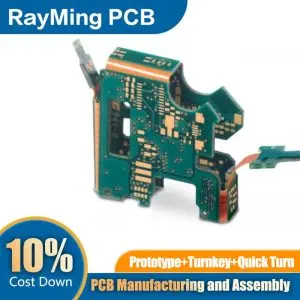
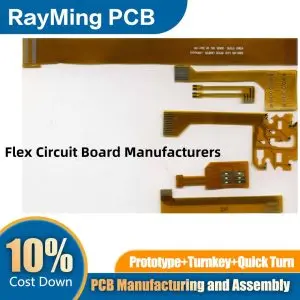
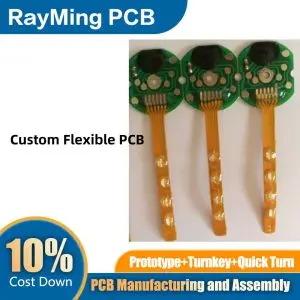
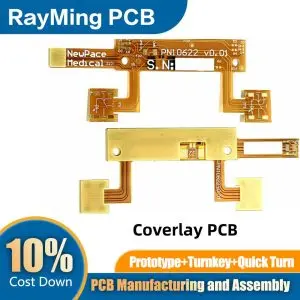
Key components of Flex PCBs
- Substrate: Usually made of polyimide or polyester
- Conductors: Typically copper traces
- Coverlay: Protective layer similar to solder mask on rigid PCBs
- Adhesives: Used to bond layers together
- Surface finishes: Protect exposed copper and improve solderability
Factors Affecting Flex PCB Shelf Life
The shelf life of Flexible PCBs can be influenced by various factors. Understanding these factors is crucial for proper storage and handling.
1. Material Composition
The materials used in Flex PCBs play a significant role in determining their shelf life. Here’s a breakdown of common materials and their typical shelf lives:
| Material | Typical Shelf Life | Notes |
|---|---|---|
| Polyimide | 1-2 years | More resistant to environmental factors |
| Polyester | 6-12 months | Less resistant to humidity and temperature changes |
| Copper | 1-2 years | Depends on surface finish |
| Adhesives | 6-18 months | Varies by type and environmental conditions |
| Surface finishes | 6-24 months | Depends on the specific finish used |
2. Environmental Factors
Environmental conditions can significantly impact the shelf life of Flex PCBs:
Temperature
High temperatures can accelerate degradation of materials, particularly adhesives and certain surface finishes.
Humidity
Excessive moisture can lead to oxidation of copper traces and delamination of layers.
Light Exposure
UV light can cause degradation of some polymer materials used in Flex PCBs.
Air Quality
Pollutants and corrosive gases can affect the surface finishes and copper traces.
3. Storage Conditions
Proper storage is crucial for maximizing the shelf life of Flex PCBs:
| Storage Condition | Recommended Range | Impact on Shelf Life |
|---|---|---|
| Temperature | 20-25°C (68-77°F) | ±5°C can double or halve shelf life |
| Relative Humidity | 30-50% | Higher humidity reduces shelf life |
| Light Exposure | Minimal | Direct sunlight can reduce shelf life by 50% |
| Air Quality | Clean, dry air | Pollutants can reduce shelf life by 25-75% |
4. Handling and Packaging
Proper handling and packaging can significantly extend the shelf life of Flex PCBs:
- Use of moisture-barrier bags
- Inclusion of desiccants and humidity indicator cards
- Proper labeling with date of manufacture and storage recommendations
- Minimizing physical stress during storage and transportation
Typical Shelf Life of Flex PCBs

The shelf life of Flex PCBs can vary widely depending on the factors mentioned above. However, here’s a general guideline:
| Type of Flex PCB | Typical Shelf Life | Notes |
|---|---|---|
| Standard polyimide-based | 12-24 months | Under optimal storage conditions |
| Polyester-based | 6-12 months | More sensitive to environmental factors |
| High-reliability (space/medical grade) | 24-36 months | Stricter manufacturing and storage standards |
| With sensitive components | 6-12 months | Depends on the most sensitive component |
It’s important to note that these are general guidelines, and actual shelf life can vary based on specific materials, manufacturing processes, and storage conditions.
Extending the Shelf Life of Flex PCBs
There are several strategies that can be employed to extend the shelf life of Flex PCBs:
1. Proper Storage Techniques
- Use climate-controlled storage areas
- Implement proper inventory management (FIFO – First In, First Out)
- Use specialized packaging materials (moisture-barrier bags, desiccants)
2. Regular Inspection and Testing
- Implement a schedule for visual inspections
- Conduct electrical testing on a sample basis
- Use specialized equipment like moisture analyzers
3. Repackaging and Rebaking
- Repackage PCBs in fresh moisture-barrier bags periodically
- Use baking processes to remove absorbed moisture when necessary
4. Surface Finish Selection
Choose surface finishes that offer longer shelf life:
| Surface Finish | Typical Shelf Life | Notes |
|---|---|---|
| ENIG (Electroless Nickel Immersion Gold) | 12-24 months | Good oxidation resistance |
| HASL (Hot Air Solder Leveling) | 6-12 months | Less consistent, but can be refreshed |
| OSP (Organic Solderability Preservative) | 3-6 months | Shorter shelf life, but environmentally friendly |
| Immersion Tin | 6-12 months | Good for fine-pitch components |
| Immersion Silver | 3-6 months | Prone to tarnishing |
Impact of Exceeding Shelf Life

Using Flex PCBs beyond their recommended shelf life can lead to various issues:
1. Solderability Problems
- Poor wetting during soldering
- Increased risk of solder joint failures
2. Delamination
- Separation of layers due to adhesive degradation
- Can lead to electrical and mechanical failures
3. Oxidation
- Copper traces may oxidize, leading to connectivity issues
- Can affect the performance of surface-mounted components
4. Mechanical Issues
- Reduced flexibility
- Increased risk of cracks or breaks during assembly or use
Best Practices for Managing Flex PCB Shelf Life

To ensure the quality and reliability of Flex PCBs, consider the following best practices:
- Implement a robust inventory management system
- Train staff on proper handling and storage procedures
- Maintain detailed records of manufacturing dates and storage conditions
- Develop a testing and inspection protocol for aged PCBs
- Work closely with suppliers to understand and optimize shelf life
- Consider just-in-time manufacturing to minimize storage time
Conclusion
Understanding and managing the shelf life of Flex PCBs is crucial for ensuring the quality and reliability of electronic products. By considering factors such as material composition, environmental conditions, and storage practices, manufacturers and users can maximize the usable life of these versatile components. Regular inspection, proper handling, and adherence to best practices can help mitigate the risks associated with using aged Flex PCBs and ensure optimal performance in the final application.
Frequently Asked Questions (FAQ)
1. How can I tell if a Flex PCB has exceeded its shelf life?
While it’s not always visually apparent, signs that a Flex PCB may have exceeded its shelf life include:
- Discoloration or tarnishing of surface finishes
- Stiffness or brittleness of the flexible substrate
- Delamination or separation of layers
- Poor solderability during assembly
If you suspect a Flex PCB has exceeded its shelf life, it’s best to conduct electrical testing and consult with the manufacturer before use.
2. Can I use a Flex PCB that has exceeded its recommended shelf life?
It’s generally not recommended to use Flex PCBs that have exceeded their shelf life, as it can lead to reliability issues. However, if necessary, you may be able to recondition the PCB through processes like baking to remove moisture or re-finishing the surface. Always consult with the manufacturer and conduct thorough testing before using an aged Flex PCB in a critical application.
3. How does the shelf life of Flex PCBs compare to rigid PCBs?
Flex PCBs typically have a shorter shelf life compared to rigid PCBs due to their more sensitive materials and construction. While rigid PCBs made with FR-4 can often last 2-5 years under proper storage conditions, Flex PCBs usually have a shelf life of 1-2 years. The difference is primarily due to the flexible substrate materials and adhesives used in Flex PCBs, which are more susceptible to environmental factors.
4. Are there any industry standards for Flex PCB shelf life?
While there isn’t a single, universally accepted standard for Flex PCB shelf life, several industry guidelines provide recommendations. These include:
- IPC-1601: Printed Board Handling and Storage Guidelines
- IPC-6013: Qualification and Performance Specification for Flexible/Rigid-Flexible Printed Boards
- JEDEC J-STD-033: Handling, Packing, Shipping and Use of Moisture/Reflow Sensitive Surface Mount Devices
These standards provide guidance on storage conditions, handling procedures, and moisture sensitivity levels that can impact shelf life.
5. How does the application of the Flex PCB affect its shelf life considerations?
The intended application of a Flex PCB can significantly influence shelf life considerations:
- High-reliability applications (e.g., aerospace, medical devices) may require stricter storage conditions and shorter shelf life limits to ensure peak performance.
- Consumer electronics may have more lenient shelf life requirements but should still adhere to best practices.
- Applications involving extreme environments (high temperature, high humidity) may necessitate more frequent replacement of stored PCBs.
- Products with long service lives may require special considerations for long-term storage of spare or replacement Flex PCBs.
Always consider the specific requirements of your application when determining appropriate shelf life limits and storage conditions for Flex PCBs.