Choosing the right printed circuit board (PCB) contract manufacturer is one of the most critical decisions in bringing an electronic product to market. The quality, reliability, and cost-effectiveness of your final product largely depend on this partnership. With the global PCB manufacturing market valued at over $70 billion and continuing to grow, the number of available manufacturers can be overwhelming. Making an informed decision requires careful evaluation of multiple factors that align with your specific project requirements and business objectives.
Understanding Your PCB Requirements
Before evaluating potential manufacturers, you must clearly define your project specifications. PCB complexity varies dramatically, from simple single-layer boards used in basic electronics to complex multi-layer boards with high-density interconnects required for advanced computing applications. Consider the number of layers needed, trace width and spacing requirements, via sizes, surface finishes, and any special materials like high-frequency substrates or flexible circuits.
Volume requirements significantly impact manufacturer selection. Low-volume prototyping demands different capabilities than high-volume production runs. Some manufacturers excel at quick-turn prototypes with minimal setup costs, while others are optimized for large-scale production with economies of scale. Your projected volumes over the product lifecycle should guide this evaluation.
Quality standards represent another crucial consideration. Industries like aerospace, medical devices, and automotive have stringent requirements that mandate specific certifications and quality management systems. Understanding which standards apply to your application ensures you select a manufacturer capable of meeting these requirements consistently.
Evaluating Manufacturing Capabilities
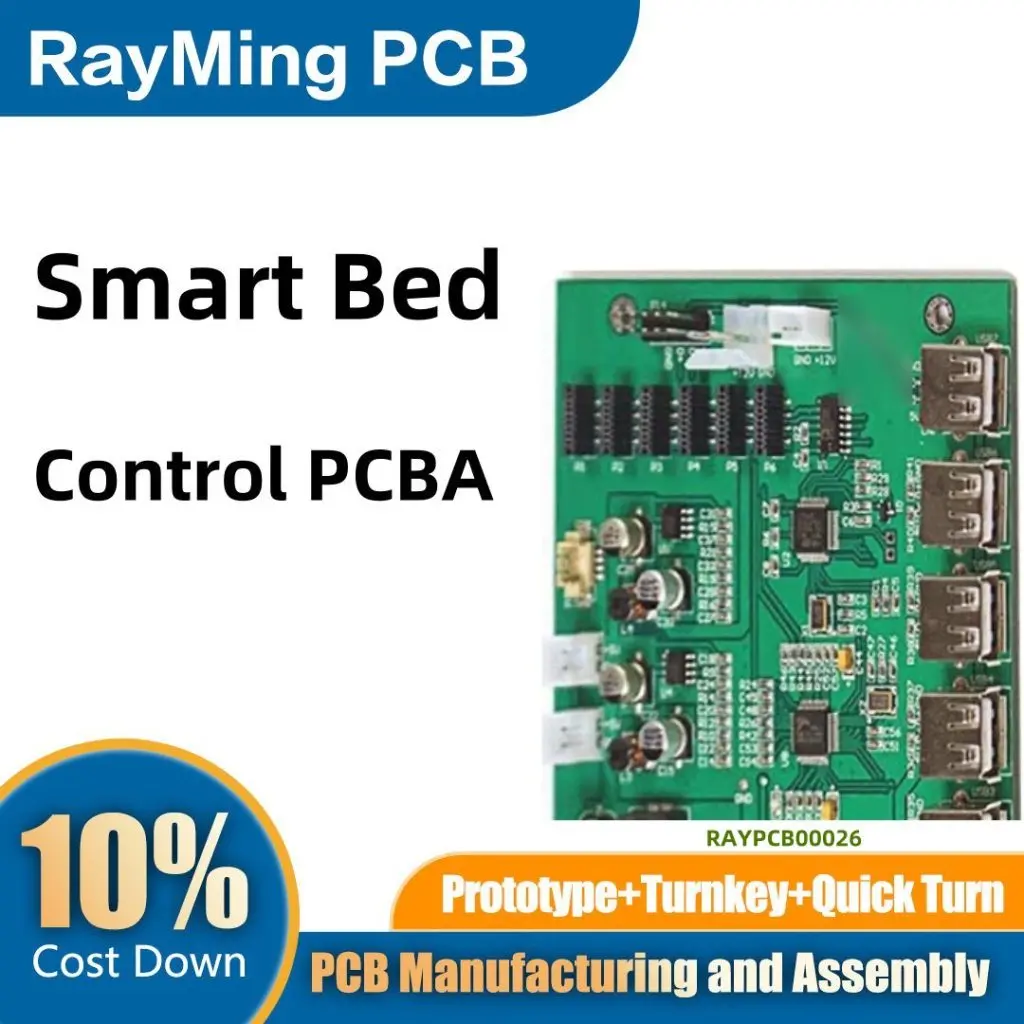
Technical capabilities form the foundation of manufacturer evaluation. Assess whether potential partners can handle your specific PCB requirements, including minimum trace widths, via sizes, layer counts, and board thicknesses. Advanced applications may require capabilities like blind and buried vias, controlled impedance, or specialized surface finishes like ENIG or OSP.
Manufacturing capacity and scalability are equally important. A manufacturer might handle your initial volumes effectively but struggle to scale up for mass production. Evaluate their production capacity, equipment availability, and ability to accommodate growth in your orders. Consider their backup plans for equipment failures and their ability to maintain consistent delivery schedules during peak demand periods.
Geographic location affects logistics, communication, and supply chain resilience. Domestic manufacturers often provide better communication, shorter lead times, and reduced shipping costs, but may have higher labor costs. Overseas manufacturers, particularly in Asia, frequently offer competitive pricing but may present challenges in communication, quality control, and intellectual property protection.
Quality Assurance and Certifications
Quality management systems provide insight into a manufacturer’s commitment to consistent production standards. Look for certifications like ISO 9001 for general quality management, AS9100 for aerospace applications, ISO 13485 for medical devices, or TS 16949 for automotive applications. These certifications indicate established processes for quality control, continuous improvement, and risk management.
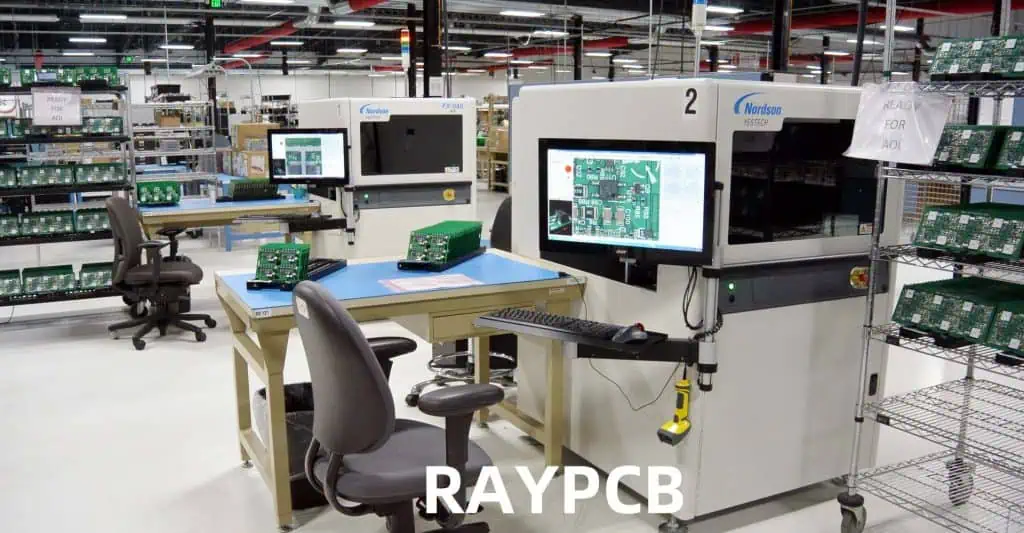
Testing capabilities are crucial for ensuring PCB reliability. Evaluate the manufacturer’s testing equipment and procedures, including automated optical inspection (AOI), in-circuit testing (ICT), functional testing, and environmental stress testing. Advanced manufacturers offer comprehensive test reports and statistical process control data to demonstrate quality consistency.
Traceability systems become critical for regulated industries and complex supply chains. Manufacturers should maintain detailed records of materials, processes, and test results for each batch or individual board. This capability proves essential for quality investigations, recalls, or regulatory audits.
Supply Chain and Materials Management
Material sourcing capabilities directly impact cost, quality, and delivery reliability. Manufacturers with strong supplier relationships can often secure better pricing on raw materials and components while maintaining consistent quality. Evaluate their approved vendor lists, material qualification processes, and inventory management systems.
Supply chain resilience has become increasingly important following recent global disruptions. Assess the manufacturer’s risk management strategies, including multiple supplier relationships, inventory buffers, and contingency planning. Manufacturers with diversified supply chains are better positioned to maintain production during supply disruptions.
Obsolescence management represents a long-term consideration for products with extended lifecycles. Understanding how manufacturers handle component obsolescence, alternative sourcing, and design modifications ensures continued production availability throughout your product’s market life.
Cost Considerations and Pricing Models
Understanding pricing structures helps make informed cost comparisons. Some manufacturers use tooling charges, setup fees, and minimum order quantities that significantly impact total costs, especially for low-volume orders. Others operate with all-inclusive pricing that simplifies cost calculations but may be less competitive for large volumes.
Hidden costs can substantially impact total project expenses. Consider expenses beyond the basic manufacturing cost, including tooling, setup charges, testing fees, shipping costs, and potential expedite charges. International manufacturers may present additional costs like customs duties, currency fluctuations, and extended logistics expenses.
Value engineering services from experienced manufacturers can reduce overall costs through design optimization recommendations. Manufacturers familiar with cost-effective design practices can suggest modifications that maintain functionality while reducing manufacturing complexity and costs.
Communication and Project Management
Communication effectiveness directly impacts project success, particularly for complex designs or tight schedules. Evaluate the manufacturer’s communication channels, response times, and technical support capabilities. Language barriers, time zone differences, and cultural factors can complicate international partnerships.
Project management capabilities become crucial for complex projects with multiple stakeholders and tight deadlines. Look for manufacturers with dedicated project managers, established milestone tracking systems, and proactive communication regarding potential issues or delays.
Documentation standards affect both initial development and ongoing production support. Manufacturers should provide comprehensive fabrication drawings, assembly instructions, test procedures, and quality reports. Clear documentation reduces misunderstandings and supports consistent production quality.
Building Long-term Partnerships
Successful PCB manufacturing relationships extend beyond individual projects to long-term strategic partnerships. Evaluate potential manufacturers as partners who will support your business growth, provide technical expertise, and contribute to product development success.
Flexibility and responsiveness become important as market conditions change and new opportunities arise. Manufacturers who can accommodate design changes, adjust production schedules, and support new product introductions provide valuable competitive advantages.
Technology roadmaps and investment in advanced capabilities indicate a manufacturer’s commitment to staying current with industry developments. Partners who invest in new equipment, processes, and certifications can support your products as technology requirements evolve.
Frequently Asked Questions
Q: How do I determine if a PCB manufacturer can handle my specific requirements? A: Request detailed capability sheets showing their technical specifications, including minimum trace widths, via sizes, layer counts, and material options. Ask for samples of similar complexity boards they’ve produced and discuss any unique requirements during initial consultations.
Q: What’s the difference between choosing a domestic versus overseas PCB manufacturer? A: Domestic manufacturers typically offer better communication, shorter lead times, easier quality control, and stronger IP protection, but usually at higher costs. Overseas manufacturers often provide competitive pricing but may present challenges in communication, quality oversight, and logistics.
Q: How important are industry certifications when selecting a PCB manufacturer? A: Industry certifications are crucial, especially for regulated industries. ISO 9001 demonstrates basic quality management, while specialized certifications like AS9100 (aerospace), ISO 13485 (medical), or TS 16949 (automotive) are often mandatory for those applications.
Q: Should I choose a manufacturer based primarily on price? A: Price is important but shouldn’t be the sole deciding factor. Consider total cost of ownership, including quality, reliability, delivery performance, and potential rework costs. A slightly higher-priced manufacturer with better quality and service often provides better overall value.
Q: How can I protect my intellectual property when working with PCB manufacturers? A: Use comprehensive non-disclosure agreements, work with manufacturers in countries with strong IP protection laws, limit design information sharing to essential details, and consider using trusted domestic manufacturers for sensitive designs.
Q: What should I expect in terms of lead times for PCB manufacturing? A: Lead times vary significantly based on complexity, volume, and manufacturer capacity. Simple prototypes might be completed in 3-5 days, while complex multi-layer boards could require 2-3 weeks. Production volumes typically require longer lead times for setup and manufacturing.
Q: How do I evaluate a manufacturer’s quality before placing orders? A: Review their certifications, request customer references, ask for sample boards of similar complexity, visit their facilities if possible, and start with small prototype orders to evaluate their quality and service before committing to larger volumes.
Selecting the right PCB contract manufacturer requires balancing multiple factors including technical capabilities, quality systems, cost considerations, and long-term partnership potential. Taking time to thoroughly evaluate these factors upfront pays dividends in product quality, cost-effectiveness, and successful market introduction.