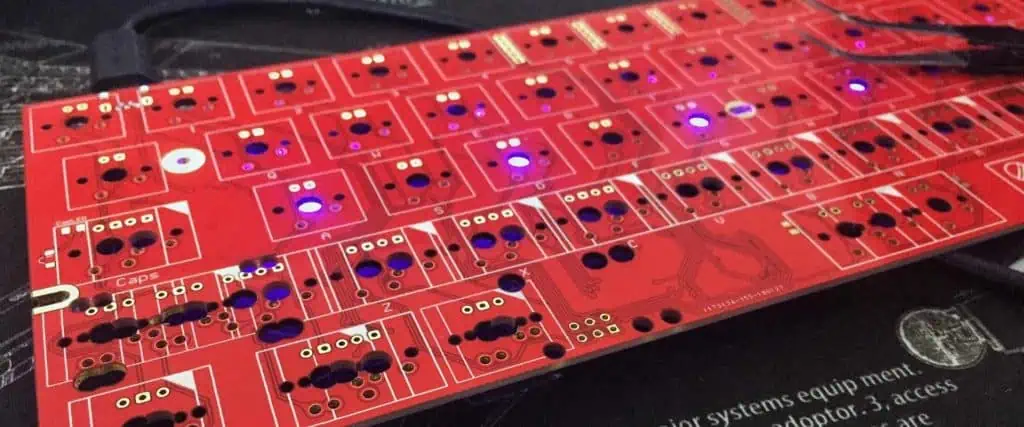
Creating a microcontroller circuit board is a complex but rewarding process that combines hardware design, programming , and electronic engineering principles. This comprehensive guide will walk you through the essential steps, considerations, and best practices for designing and implementing a successful microcontroller-based circuit board.
Planning and Requirements
Project Specifications
Before beginning the design process, establish clear project requirements including:
Performance requirements
Size constraints
Power requirements
Environmental conditions
Cost limitations
Microcontroller Selection
Selection Criteria Matrix
rix Feature Importance Considerations Processing Speed High Application demands, real-time requirements Memory (Flash/RAM) High Program size, data storage needs I/O Pins Critical Number of peripherals, expansion needs Power Consumption Medium Battery life, heat dissipation Cost Medium Budget constraints, production volume Package Type Medium Board space, assembly method
Common Microcontroller Families
Family Manufacturer Architecture Typical Applications ATmega Microchip 8-bit AVR General purpose, hobby projects STM32 ST 32-bit ARM Industrial, complex applications PIC Microchip 8/16/32-bit Industrial control, automotive ESP32 Espressif 32-bit IoT , wireless applications
Circuit Design
Essential Components
Power Supply Section
Voltage Regulators
Linear regulators
Switching regulators
Low-dropout (LDO) regulators
Protection Circuits
Reverse polarity protection
Overcurrent protection
ESD protection
Power Supply Selection Guide
Type Efficiency Heat Output Cost Complexity Linear Low High Low Simple Switching High Low Medium Complex LDO Medium Medium Low Simple
Critical Circuits
Reset Circuit
Power-on reset
Manual reset button
Supervisory IC
Crystal Oscillator
Peripheral Interfaces
Interface Speed Pins Required Common Uses UART Low-Medium 2-4 Debug, communication SPI High 4 Sensors, displays I2C Medium 2 Multiple device control ADC Varies 1 per channel Analog sensing
PCB Design
Layout Considerations
Component Placement
Component Type Placement Priority Considerations Crystal Highest Close to MCU, minimal traces Bypass Caps High Close to power pins Power Supply High Thermal management Connectors Medium Edge placement, accessibility
Layer Stack-up
Typical 4-Layer Stack-up
Layer Purpose Considerations Top Components, Signals Component density Inner 1 Ground Continuous plane Inner 2 Power Split planes as needed Bottom Components, Signals Additional routing
Design Rules
Trace Width Guidelines
Current (A) Minimum Width (mil) Temperature Rise (°C) 0.5 10 10 1 20 15 2 30 20 3 50 25
Programming and Debug
Programming Interfaces
Common Programming Methods
Method Pros Cons Usage JTAG Full debug capability More pins Development SWD Reduced pin count Limited to ARM Development ISP Simple Limited debug Production Bootloader No external programmer Takes flash space Field updates
Debug Features
Hardware Debug
Breakpoints
Single-stepping
Register inspection
Memory viewing
Software Debug
Serial printf debugging
LED status indicators
Debug pins
Testing and Verification
Test Procedures
Functional Testing Matrix
Test Type Description Equipment Needed Power Test Voltage levels, current draw Multimeter, power supply Signal Test Digital/analog signals Oscilloscope Interface Test Communication protocols Logic analyzer Stress Test Temperature, load testing Environmental chamber
Common Issues and Solutions
Issue Possible Cause Solution No Power Wrong voltage, reversed polarity Check power connections No Programming Wrong connections, fuses Verify programmer setup Unstable Operation Poor bypass caps, noise Improve decoupling Communication Fails Wrong voltage levels, timing Check protocol settings
Production Considerations
BOM Management
Component Selection Criteria
Criteria Importance Impact Availability High Production delays Cost High Product pricing Quality High Reliability Lead Time Medium Inventory management
Assembly Options
Method Advantages Disadvantages Volume Range Hand Assembly Low startup cost Labor intensive 1-100 Pick and Place Fast, consistent High setup cost 100+ Mixed Flexible Complex management 50-500
Documentation
Required Documents
Design Files
Schematics
PCB layouts
BOM Assembly drawings
Technical Documentation
Specifications
Test procedures
Programming guides
Debug procedures
Frequently Asked Questions
Q1: What are the most important factors to consider when selecting a microcontroller?
A: The key factors are:
Processing power requirements
Memory needs (both Flash and RAM)
Number and type of peripherals needed
Power consumption requirements
Development tool availability and cost
Unit cost at expected production volumes Always consider future expansion needs when making the selection.
Q2: How do I determine the right power supply configuration for my board?
A: Consider these factors:
Input voltage range requirements
Current requirements for all components
Efficiency requirements
Heat dissipation constraints
Noise sensitivity of circuits Choose between linear, switching, or LDO regulators based on these requirements.
Q3: What are the essential design considerations for reliable operation?
A: Key considerations include:
Proper bypass capacitor placement
Clean power supply design
Ground plane integrityEMI/EMC considerations
Thermal management
Protection circuits Regular design reviews and testing help ensure reliability.
Q4: How can I make my board easier to manufacture?
A: Implement these practices:
Use standard component sizes
Maintain adequate spacing
Include fiducials for automated assembly
Use standard PCB thickness and copper weights
Include test points
Design for panel assembly
Consider pick-and-place machine requirements
Q5: What are common debugging approaches for microcontroller boards?
A: Common debugging methods include:
Using hardware debuggers (JTAG/SWD)
Including LED indicators
Adding test points
Implementing debug UART
Using logic analyzers
Including current measurement points Choose methods appropriate for your development needs and production testing requirements.
Conclusion
Creating a microcontroller circuit board requires careful planning, attention to detail, and consideration of multiple factors throughout the design process. Success depends on making appropriate choices in microcontroller selection, circuit design, PCB layout, and testing procedures. By following the guidelines outlined in this document and maintaining good documentation practices, you can create reliable and functional microcontroller-based circuit boards that meet your project requirements.
Discuss your PCB or assembly project
Share your design files, build quantity and technical requirements. Include any open questions about materials, assembly or testing so the scope can be reviewed with your quotation.
Discuss your project
Review PCB manufacturing or PCB assembly services before sending your files.