
In today’s rapidly evolving electronics industry, efficient and cost-effective prototype printed circuit board (PCB) assembly solutions are crucial for businesses to maintain their competitive edge. China has emerged as a global leader in providing comprehensive turn-key PCB assembly services, offering a perfect blend of advanced technology, skilled workforce, and competitive pricing. This article explores the complete turn-key PCB assembly solutions available in China, their benefits, challenges, and how they’re shaping the future of electronics manufacturing.
Understanding Turn-Key PCB Assembly
What is Turn-Key PCB Assembly?
Turn-key PCB assembly refers to a comprehensive service where a single manufacturer handles all aspects of PCB production, from design to final assembly and testing. This end-to-end solution includes:
- PCB design and engineering
- Component sourcing and procurement
- PCB fabrication
- PCB assembly (PCBA)
- Testing and quality control
- Packaging and shipping
Benefits of Turn-Key PCB Assembly
Turn-key PCB assembly offers numerous advantages:
- Streamlined production process
- Reduced time-to-market
- Cost savings through economies of scale
- Consistent quality control
- Simplified project management
- Access to specialized expertise and equipment
China’s PCB Assembly Industry Overview
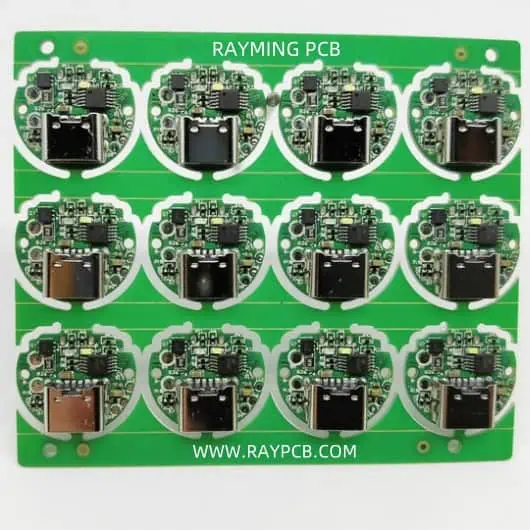
Market Size and Growth
China has established itself as the world’s largest PCB producer and assembler. Let’s look at some key statistics:
| Year | Market Size (USD Billions) | Growth Rate (%) |
| 2018 | 32.8 | 7.5 |
| 2019 | 35.1 | 7 |
| 2020 | 37.2 | 6 |
| 2021 | 40.5 | 8.9 |
| 2022 | 43.7 | 7.9 |
Factors Driving Growth
Several factors contribute to China’s dominance in PCB assembly:
- Advanced manufacturing infrastructure
- Large pool of skilled labor
- Government support and incentives
- Strong supply chain ecosystem
- Continuous technological advancements
Components of Turn-Key PCB Assembly Solutions in China
1. Design and Engineering Services
PCB Design
Chinese PCB assembly providers offer comprehensive design services, including:
- Schematic capture
- PCB layout design
- Signal integrity analysis
- Thermal analysis
- Design for Manufacturing (DFM) checks
Prototype Development
Rapid prototyping services enable quick iteration and validation of designs before mass production.
2. Component Sourcing and Procurement
Global Supply Chain Management
Chinese manufacturers leverage their extensive networks to source components globally, ensuring:
- Competitive pricing
- Authentic parts
- On-time delivery
Inventory Management
Efficient inventory management systems help optimize stock levels and reduce carrying costs.
3. PCB Fabrication
Advanced Manufacturing Capabilities
Chinese PCB fabrication facilities offer:
- Multi-layer PCB production
- Flex and rigid-flex PCB manufacturing
- High-density interconnect (HDI) PCBs
- Advanced materials (e.g., high-frequency, high-temperature)
Quality Control Measures
Stringent quality control processes ensure high-quality PCB production:
- Automated optical inspection (AOI)
- Flying probe testing
- X-ray inspection
4. PCB Assembly (PCBA)
Surface Mount Technology (SMT)
State-of-the-art SMT lines in Chinese factories provide:
- High-speed component placement
- Fine-pitch and ultra-fine-pitch assembly
- 3D solder paste inspection
Through-Hole Technology (THT)

For components not suitable for SMT, Chinese manufacturers offer:
- Manual through-hole assembly
- Wave soldering
- Selective soldering
5. Testing and Quality Assurance
Comprehensive Testing Procedures
Chinese turn-key PCB assembly providers implement rigorous testing:
- In-Circuit Testing (ICT)
- Functional testing
- Burn-in testing
- Environmental stress screening
Quality Management Systems
Adherence to international quality standards:
- ISO 9001
- ISO 13485 (for medical devices)
- AS9100 (for aerospace)
6. Packaging and Shipping
Custom Packaging Solutions
Tailored packaging options to protect PCBAs during shipping:
- Anti-static packaging
- Moisture-barrier bags
- Custom foam inserts
Global Logistics Services
Efficient shipping and customs clearance services for worldwide delivery.
Advanced Technologies in Chinese PCB Assembly
Automation and Industry 4.0
Chinese manufacturers are at the forefront of adopting Industry 4.0 technologies:
- Robotic assembly lines
- Automated material handling systems
- Real-time production monitoring
- Predictive maintenance
Miniaturization Capabilities
As electronics continue to shrink, Chinese assemblers offer advanced miniaturization services:
- 01005 and 008004 component placement
- Micro BGAs and CSPs assembly
- 3D package-on-package (PoP) assembly
Emerging Technologies
Chinese PCB assembly providers are investing in cutting-edge technologies:
- 3D printed electronics
- Flexible and stretchable electronics
- Embedded components
Challenges and Solutions in Turn-Key PCB Assembly
Intellectual Property Protection
Concern: Protection of proprietary designs and technologies.
Solution:
- Non-disclosure agreements (NDAs)
- Segmented production processes
- Strict access controls
Quality Control
Concern: Maintaining consistent quality across large production runs.
Solution:
- Automated inspection systems
- Statistical process control (SPC)
- Regular audits and certifications
Communication and Cultural Differences
Concern: Language barriers and different business practices.
Solution:
- Bilingual project managers
- Cultural training for staff
- Use of collaboration tools and platforms
Supply Chain Disruptions
Concern: Potential delays due to global events or material shortages.
Solution:
- Diversified supplier base
- Buffer inventory management
- Proactive risk assessment and mitigation strategies
Selecting the Right Turn-Key PCB Assembly Partner in China
When choosing a turn-key PCB assembly provider in China, consider the following factors:
| Factor | Importance | Considerations |
| Technical Capabilities | High | – Manufacturing processes offered<br>- Equipment and technology<br>- Design capabilities |
| Quality Management | High | – Quality certifications<br>- Inspection and testing procedures<br>- Defect rates and yield |
| Capacity and Scalability | Medium | – Production capacity<br>- Ability to handle volume fluctuations<br>- Lead times |
| Experience and Expertise | Medium | – Years in business<br>- Industry-specific experience<br>- Technical support |
| Cost | Medium | – Pricing structure<br>- Value-added services<br>- Total cost of ownership |
| Communication | Medium | – English proficiency<br>- Responsiveness<br>- Project management tools |
| Location and Logistics | Low | – Proximity to ports<br>- Shipping options<br>- Import/export exp |
Future Trends in Chinese Turn-Key PCB Assembly
Green Manufacturing
Increasing focus on environmentally friendly practices:
- Lead-free soldering
- Energy-efficient equipment
- Waste reduction and recycling programs
AI and Machine Learning Integration
Adoption of AI for improved efficiency and quality:
- Defect prediction models
- Optimized component placement algorithms
- Automated visual inspection
Internet of Things (IoT) and 5G
Specialization in assembling IoT devices and 5G equipment:
- High-frequency PCB assembly
- Integration of sensors and wireless modules
- Edge computing device assembly
Conclusion
China’s turn-key PCB assembly solutions offer a compelling combination of advanced technology, comprehensive services, and cost-effectiveness. By leveraging these solutions, businesses can accelerate their product development cycles, reduce operational complexities, and stay competitive in the fast-paced electronics industry. As the industry continues to evolve, Chinese manufacturers are well-positioned to lead innovation and meet the growing demands of the global market.
Frequently Asked Questions (FAQ)
Q1: How do Chinese turn-key PCB assembly providers ensure the quality of sourced components?
A1: Chinese providers implement multi-layered quality assurance processes for component sourcing:
- Strict supplier qualification and auditing
- Component authentication and testing
- Use of authorized distributors
- Implementation of traceability systems
- Regular quality checks and inspections during production
Q2: What are the typical lead times for turn-key PCB assembly in China?
A2: Lead times can vary depending on project complexity and volume, but general guidelines are:
- Prototypes: 5-10 business days
- Small to medium production runs: 2-4 weeks
- Large volume production: 4-8 weeks These times include PCB fabrication, assembly, and testing. Expedited services are often available for an additional fee.
Q3: How do Chinese manufacturers handle design revisions during the turn-key PCB assembly process?
A3: Chinese manufacturers typically offer flexible processes for handling design revisions:
- Clear change request procedures
- Quick turnaround on design review and feedback
- Ability to implement changes at various stages of production
- Version control systems to manage multiple design iterations
- Impact assessment on cost and lead time for each revision
Q4: What certifications should I look for when selecting a turn-key PCB assembly partner in China?
A4: Key certifications to consider include:
- ISO 9001 (Quality Management)
- ISO 13485 (Medical Devices)
- AS9100 (Aerospace)
- IPC-A-610 (Acceptability of Electronic Assemblies)
- IATF 16949 (Automotive Quality Management)
- UL Certification
- RoHS and REACH compliance
Additionally, industry-specific certifications may be relevant depending on your product requirements.
Q5: How do Chinese turn-key PCB assembly providers handle confidentiality and intellectual property protection?
A5: Chinese providers employ various measures to protect client intellectual property:
- Signing comprehensive Non-Disclosure Agreements (NDAs)
- Implementing strict access controls to design files and production areas
- Using secure file transfer and storage systems
- Training employees on IP protection protocols
- Offering options for partial assembly to protect critical design elements
- Compliance with international IP protection standards and regulations
It’s important to discuss specific IP concerns with potential partners and ensure that appropriate safeguards are in place before commencing the project.

