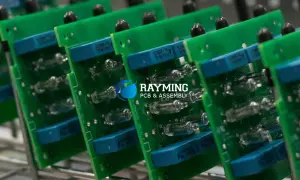
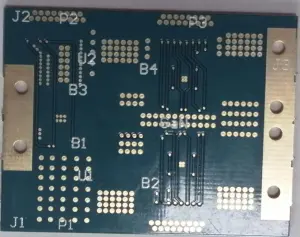
Creating custom printed circuit boards (PCBs) has never been more accessible for hobbyists and college students. With the rise of affordable online PCB manufacturing services, anyone can transform their circuit designs from breadboard prototypes into professional-looking boards. This comprehensive guide explores the best PCB manufacturers that cater specifically to budget-conscious makers, students, and electronics enthusiasts.
Why Choose Professional PCB Manufacturing Over DIY Methods?
While it’s possible to create PCBs at home using etching methods, professional manufacturing offers significant advantages. Professional PCBs provide superior reliability, cleaner traces, and the ability to create complex multi-layer designs that would be impossible to achieve at home. Additionally, modern PCB manufacturers offer competitive pricing that often makes professional production more cost-effective than DIY methods when factoring in time, materials, and success rates.
Professional PCBs also support advanced features like soldermask, silkscreen labeling, plated through-holes, and surface mount component compatibility. These features are essential for creating projects that look professional and function reliably over time.
Top PCB Manufacturers for Budget-Conscious Projects
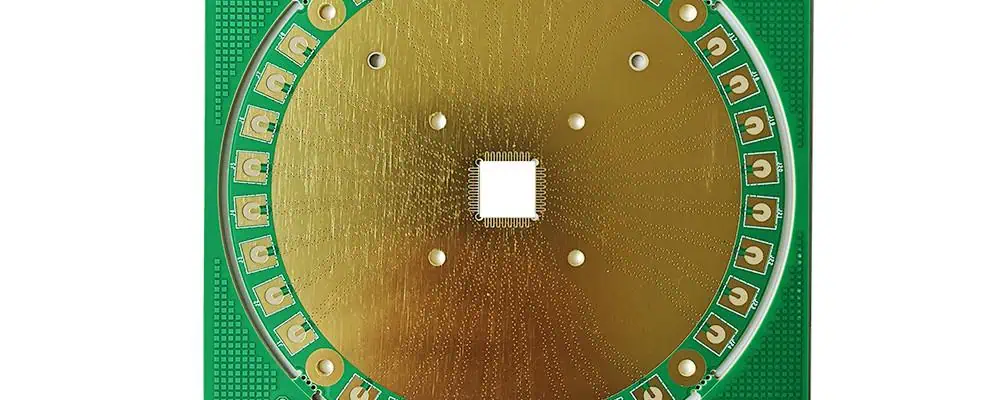
JLCPCB: The Student Favorite
JLCPCB has emerged as the go-to choice for hobbyists and students worldwide. Their promotional pricing of $2 for five 100mm x 100mm PCBs makes it incredibly affordable to experiment with designs. The company offers excellent quality control, fast turnaround times, and ships globally with reasonable shipping costs.
What makes JLCPCB particularly attractive is their integrated ecosystem. Beyond PCB manufacturing, they offer component sourcing and assembly services, allowing students to order both the board and components in one place. Their online quotation system is transparent, showing exact costs upfront without hidden fees.
PCBWay: Quality and Community Focus
PCBWay has built a strong reputation among the maker community by consistently delivering high-quality boards with excellent customer service. They offer competitive pricing for small quantities and frequently run promotions specifically targeting students and hobbyists.
The company stands out for its comprehensive manufacturing capabilities, including flexible PCBs, aluminum boards, and advanced multi-layer designs. Their online design rule check helps catch potential issues before manufacturing, reducing the likelihood of receiving unusable boards.
OSH Park: Made in USA Option
For those preferring domestic manufacturing, OSH Park offers PCB production within the United States. While slightly more expensive than overseas options, they provide faster shipping to North American customers and excellent quality control. Their distinctive purple soldermask has become iconic in the maker community.
OSH Park uses a unique pricing model based on square inches rather than board count, which can be economical for very small designs. They also offer a shared projects gallery where users can order copies of open-source designs created by other makers.
Understanding PCB Specifications for Student Projects
Layer Count Considerations
Most hobbyist projects can be accomplished with single or double-layer PCBs, which are the most economical options. Single-layer boards work well for simple circuits with minimal complexity, while double-layer boards provide more routing flexibility for projects with multiple components or complex connections.
Four-layer boards become necessary for high-speed digital circuits, RF applications, or designs requiring dedicated power and ground planes. While more expensive, four-layer boards often provide better signal integrity and reduced electromagnetic interference.
Size Limitations and Cost Optimization
Understanding size limitations helps optimize costs. Most manufacturers offer attractive pricing for boards under 100mm x 100mm, with costs increasing significantly for larger sizes. Smart designers learn to partition large projects into smaller boards that can be connected together, maintaining low costs while achieving complex functionality.
Consider the aspect ratio of your design as well. Extremely long, narrow boards may incur additional charges due to manufacturing constraints and material waste during the panelization process.
Design Software Options for Students
Free and Open Source Solutions
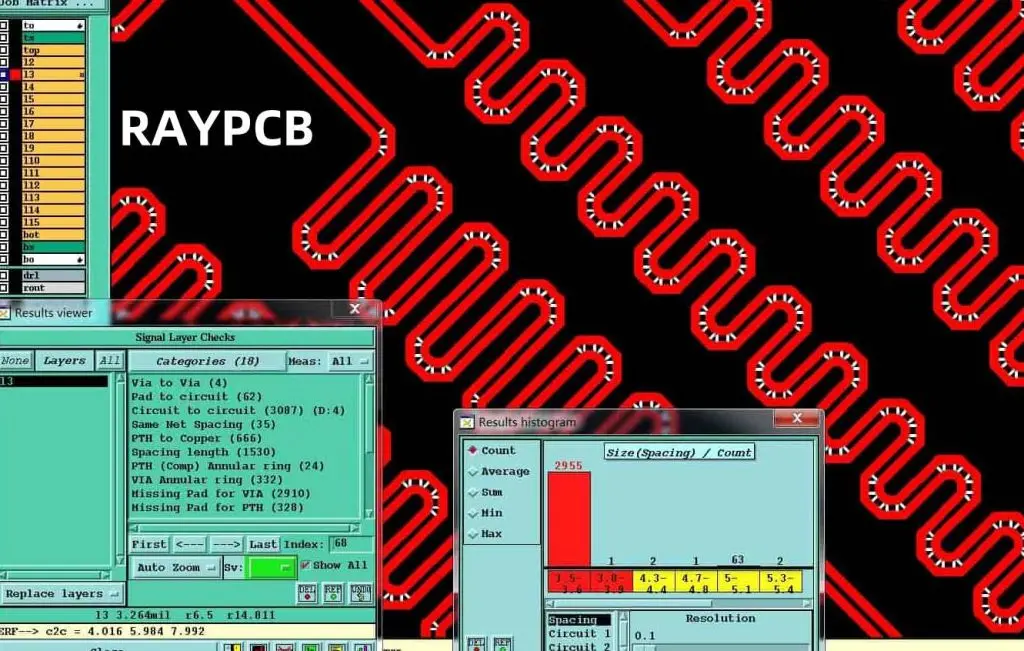
KiCad has become the standard free PCB design software for hobbyists and students. It offers professional-grade features including schematic capture, PCB layout, 3D visualization, and extensive component libraries. The software receives regular updates and has excellent community support through forums and tutorials.
FreeCAD and other open-source tools can complement KiCad for mechanical design integration, allowing students to create complete product designs that consider both electronic and mechanical requirements.
Educational Licenses for Professional Tools
Many professional PCB design tools offer free educational licenses for students. Altium Designer, considered the industry standard, provides student licenses that include full functionality. Similarly, Autodesk EAGLE offers educational versions that remove commercial use restrictions while providing professional capabilities.
These tools often integrate directly with major PCB manufacturers, streamlining the process from design to production. Learning professional tools during college can provide valuable skills for future career opportunities.
Online Design Tools
Browser-based design tools like EasyEDA have gained popularity for their convenience and integrated manufacturing workflows. These tools require no software installation and often connect directly to PCB manufacturing services, simplifying the ordering process for beginners.
While online tools may lack some advanced features of desktop software, they provide an excellent starting point for students new to PCB design and can handle the majority of hobbyist projects effectively.
Cost Management Strategies for Student Projects
Group Orders and Bulk Purchasing
One of the most effective cost reduction strategies involves organizing group orders with classmates or local maker groups. Since most manufacturers have minimum order quantities that exceed individual needs, splitting orders among multiple people reduces per-board costs significantly.
Many manufacturers offer volume discounts that kick in at relatively low quantities, making group purchases financially attractive. Coordinate with study groups, engineering clubs, or local hackerspaces to identify others working on projects.
Timing Orders for Maximum Savings
PCB manufacturers frequently offer promotional pricing, especially during slower business periods. Following manufacturers on social media or subscribing to newsletters can provide advance notice of sales and special offers.
Consider timing orders to avoid rush charges. Most manufacturers offer standard turnaround times of 5-10 business days at base pricing, with expedited options available for additional fees. Planning ahead eliminates the need for expensive rush orders.
Design Optimization for Cost Reduction
Simple design choices can significantly impact manufacturing costs. Minimizing layer count, avoiding exotic materials, and staying within standard size limitations keeps costs low. Using standard via sizes and avoiding minimum spacing requirements prevents additional charges for advanced manufacturing processes.
Consider the total cost of ownership beyond just PCB manufacturing. Designs that accommodate readily available components and standard assembly processes reduce overall project costs and complexity.
Quality Assurance and Testing
Understanding Manufacturing Tolerances
Professional PCB manufacturers maintain strict quality control standards, but understanding normal manufacturing tolerances helps set realistic expectations. Trace widths, hole sizes, and component placement all have acceptable variation ranges that rarely affect functionality but may be noticeable upon close inspection.
Most manufacturers provide detailed specifications for their standard processes, allowing designers to understand what level of precision to expect. This information helps in creating designs that work reliably within normal manufacturing variations.
Inspection and Testing Procedures
Reputable manufacturers perform electrical testing on every board to verify continuity and identify short circuits. However, functional testing of the complete circuit remains the designer’s responsibility. Plan for basic testing procedures to verify your boards work as intended before integrating them into larger projects.
Consider designing test points into your PCBs to facilitate troubleshooting and verification. These small additions can save significant time during the debugging process and help identify whether issues stem from design errors or manufacturing defects.
Building Relationships with Manufacturers
Communication and Support
Establishing good relationships with PCB manufacturer support teams can provide valuable assistance throughout your educational journey. Many manufacturers offer technical support to help resolve design issues and manufacturing questions.
Don’t hesitate to reach out with questions about capabilities, specifications, or design optimization. Most manufacturers prefer to address potential issues before production rather than dealing with problematic orders after the fact.
Long-term Considerations
As students transition into professional careers, the relationships and knowledge gained through educational projects can prove valuable. Understanding manufacturing processes, cost structures, and quality expectations provides a solid foundation for future professional work in electronics design and development.
Consider how your choice of manufacturers and design practices during school might influence your future career path. Experience with industry-standard tools and processes can provide competitive advantages in the job market.
Professional PCB manufacturing has revolutionized electronics education and hobbyist projects by making high-quality circuit boards accessible and affordable. By understanding the options available, optimizing designs for cost-effectiveness, and building good relationships with manufacturers, students and hobbyists can create impressive projects that demonstrate both technical competence and professional presentation. The key lies in balancing cost, quality, and learning objectives to maximize the educational value of each project while staying within budget constraints.