
A PCB acid trap, also sometimes referred to as an acid scrubber, is a device used to neutralize acidic contaminants from gas streams in industrial processes and environments. PCB stands for printed circuit board.
PCB manufacturing utilizes many harsh chemicals and produces waste byproducts that can be hazardous if released into the atmosphere. Acid traps provide a way to capture these acidic compounds before they are emitted out of exhaust streams, protecting the environment and ensuring safe working conditions.
Reasons for Using a PCB Acid Trap
There are several key reasons why PCB acid traps play an important role:
Reduce Air Pollution
Acid gases like hydrochloric acid can react with compounds in the atmosphere to produce acid rain and smog. Trapping these emissions prevents widespread air pollution.
Protect Equipment
Ingesting acidic gases can damage equipment over time. Scrubbing the exhaust stream helps preserve machinery.
Safeguard Employee Health
Inhaling corrosive fumes puts workers at risk of respiratory irritation or breathing problems. Containing emissions maintains air quality.
Meet Environmental Regulations
Most areas enforce limits on the release of hazardous air pollutants. Acid traps help companies comply with these laws.
Main Components of a PCB Acid Trap
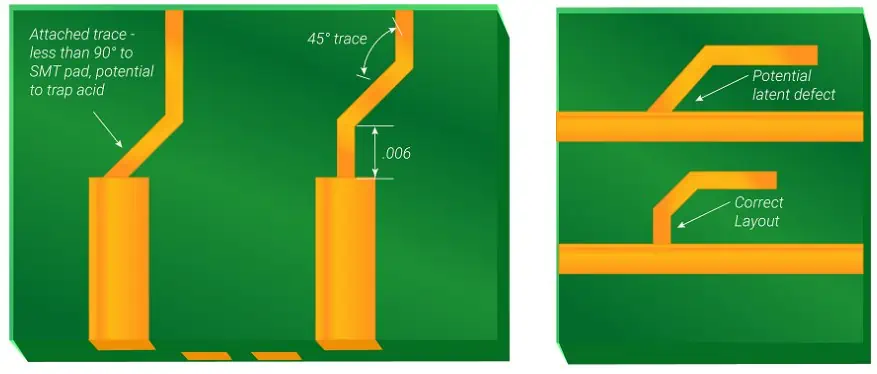
PCB acid traps consist of several integral parts:
Ductwork and Fans
Ducting routes target gases into the unit. Fans pull emissions through the system.
Prefiltration Section
A prefilter clears out particulate matter that could clog downstream equipment.
Absorber Tower
Gases bubble through a packed tower coated with an alkaline neutralizing solution.
Water Circulating System
Liquid pumps recycle used absorbent back to the tower after replenishment.
Mist Eliminators
These devices capture tiny droplets blown out of the scrubbing tower.
Treated Gas Stack
Cleaned gases safely exit to the atmosphere through the stack.
Below is a diagram of acid trap components:
Table 1 summarizes the main sections and their purpose:
| Section | Purpose |
|---|---|
| Ductwork/Fans | Transport target gases |
| Prefiltration | Remove particulates |
| Absorber Tower | Bubble gases through neutralizing solution |
| Circulating Pumps | Recycle used liquid absorbent |
| Mist Eliminators | Catch entrained droplets |
| Stack | Release cleaned gases |
How a PCB Acid Trap Works
Acid traps utilize a chemical neutralization process to scrub harmful acidic emissions. Here are the key steps:
1. Corrosive Gases Enter System
Contaminated gases containing acids like HCl are pulled into the trap by fans.
2. Particulates Filtered Out
The gas stream passes through a prefilter to trap any particles.
3. Gases Bubble Through Absorbent
Inside a packed tower, gases percolate through a liquid that neutralizes acids. Common solutions include sodium hydroxide, magnesium hydroxide, or water.
4. Acid-Base Reaction Occurs
As gases contact the alkaline solution, an acid-base reaction takes place to neutralize the acids. For example, hydrochloric acid reacts with sodium hydroxide:
HCl + NaOH → NaCl + H2O
5. Gases And Liquids Separate
Treated gases containing less acid flow out the top. Liquid absorbent flows out the bottom for recycling.
6. Entrained Droplets Removed
Mist eliminators grab any tiny droplets blown out with the gases to avoid liquid loss.
7. Neutralized Gases Emitted
Scrubbed gases, stripped of acids, discharge to the atmosphere through a stack.
Design Considerations for PCB Acid Traps
Several important factors go into engineering an effective acid trap:
Gas Flow Rate – Units must be sized to handle target exhaust volumes and capture velocities.
Liquid-to-Gas Ratio – Adequate liquid must contact gases for complete neutralization.
Pressure Drop – High pressure losses require more fan power.
Gas Temperature – Heat affects liquid absorbency and emissions volume.
Tower Packing – More surface area improves gas-liquid contact.
Liquid Replenishment – Absorbent gets replenished to maintain acid neutralization capacity.
Materials of Construction – Components contact corrosive fluids and require exotic alloys.
Proper design optimizes these parameters for maximum removal efficiency.
Common Problems with Acid Traps
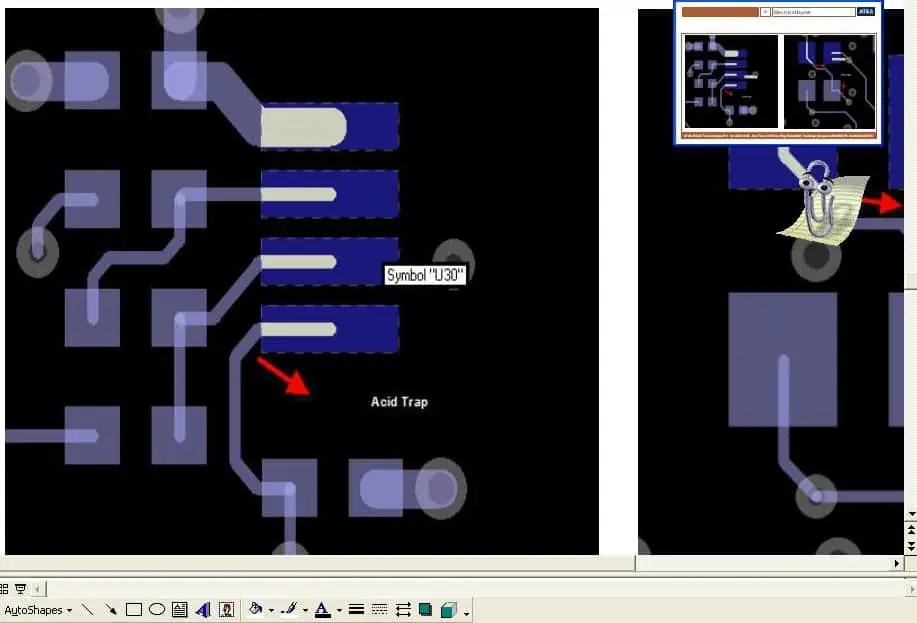
Despite good intentions, PCB acid traps can develop issues:
Plugging Problems – particulates or reactant salts can restrict flow.
Absorber Scaling – reactions form solid deposits inside the tower.
Corrosion Damage – acids gradually degrade system metals.
Foaming Issues – excess bubbles hinder liquid-gas contact.
Carryover Droplets – poor mist elimination wastes absorbent.
Bycatching problems early and conducting good maintenance, the reliability and effectiveness of traps can be sustained.
Benefits of Installing a PCB Acid Trap
Using an acid trap in printed circuit board operations carries multiple advantages:
Reduce air permitting requirements – Containing emissions may avoid triggering more stringent discharge limits.
Improve working conditions – Lower plant air concentrations of irritating gases.
Enhance community relations – Curb pollution to be a better neighbor.
Minimize waste treatment – Prevent contamination of wastewater with acids.
Conform with laws – Satisfy local clean air regulations.
For modest upfront investment, traps pay dividends across operational, political, social, environmental, and legal dimensions.
Alternative Options Beyond Acid Traps
While absorber towers succeed in many installations, other alternatives exist:
Dry Injection Scrubbers – Inject powdered reagent directly into gas stream.
Wet Electrostatic Precipitators – Electrically charge droplets to capture acids.
Regenerative Thermal Oxidizers – Heat gases to decompose acid gases into less harmful byproducts.
Biofilters – Utilize microbes to metabolize acidic compounds.
Each technology carries its own advantages and disadvantages. The optimal solution depends on gas properties, treatment goals, and cost considerations.
Regulations Around PCB Acid Gas Emissions
Several regulatory agencies enforce rules around air contaminants from printed circuit facilities:
The Clean Air Act
This federal law regulates emissions of hazardous air pollutants. Acid gases may trigger control technology installation requirements.
State Agencies
State departments related to natural resources and environmental protection oversee regional air rules. Registration permits or operating licenses may be mandated.
Local Governments
Municipal clean air ordinances also govern pollutants. Separate approval processes may apply for factories.
Navigating the regulatory landscape poses challenges. Installing reliable acid traps simplifies compliance demonstrations.
Below are key target compounds monitored by agencies:
| Pollutant | Health Concern |
|---|---|
| Hydrogen Chloride | Respiratory irritant |
| Hydrogen Bromide | Respiratory irritant |
| Hydrogen Fluoride | Respiratory irritant |
| Sulfur Dioxide | Respiratory irritant |
Selecting the Right PCB Acid Trap
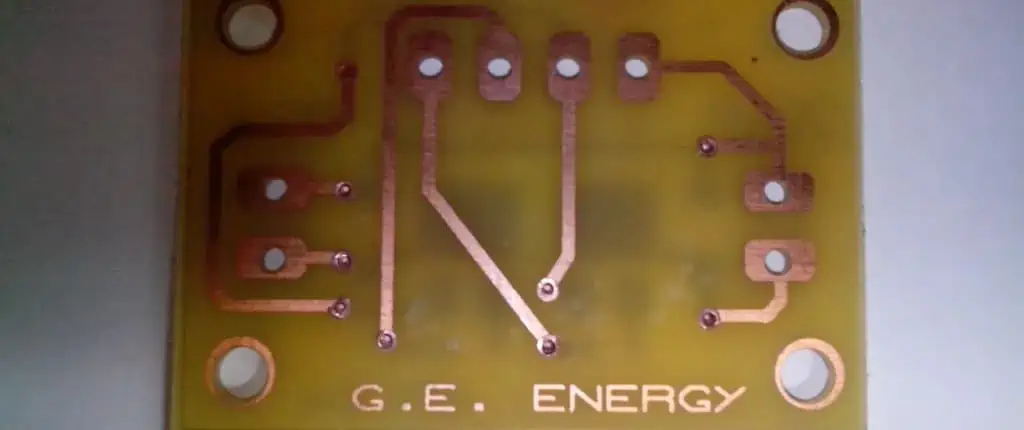
Choosing an effective acid treatment system requires careful deliberation:
DefineGOO Problem – Collect emissions data through testing. Characterize flow rate, composition, temperature, variability etc.
Establish Performance Targets – Determine collection efficiency or permissible discharge limits needed.
Research Applicable Technologies – Consider advantages/disadvantages of each removal method.
Rank Based on Total Cost of Ownership – Weigh capital expense, operating complexity, maintenance etc.
Consult Expert Vendors – Leverage vendor expertise in designing a system.
Plan Future Maintenance – Make sure staff can maintain the equipment long-term.
While upfront cost matters, the total lifecycle value determines the best acid management solution.
Key Acid Trap Vendors
Many vendors supply specialized acid treatment equipment to the electronics industry:
- Anguil Environmental
- Durr Megtec
- Epcon Industrial Systems
- Semi-Gas Systems
- Spectrum Environmental Solutions
Conclusion
As an integral emissions control device, PCB acid traps contain risky air pollutants and promote safer working conditions. They neutralize corrosive gases using alkaline scrubbing solutions, preventing environmental harm and regulatory headaches. By understanding sizing requirements, technology options, and vendor selection factors, facilities can choose the treatment method that makes the most sense for their needs and budget constraints. With some strategic planning tailored to process conditions, PCB operations can implement cost-effective acid management that benefits all stakeholders.
Frequently Asked Questions
What types of gases require acid removal?
Common acid gases targeted for control in electronics production include hydrogen halides like hydrogen chloride, hydrogen bromide, or hydrogen fluoride. Other acids requiring scrubbing may include sulfur dioxide.
How much pressure drop do acid traps contribute?
It depends on the system design, but pressure losses typically range from around 2-15 inches of water column. This requires offsetting with additional fan capacity.
What temperature are gases entering acid traps?
Ambient or heated gas streams from 100-160°F are typical. Issues can occur if gases drop below the water dewpoint. Higher temperatures may require equipment material upgrades.
How often does the neutralizing solution require change-out?
Liquid absorbency depletes over time, needing replenishment. The frequency can range from weeks to over a year depending on concentrations and gas throughput.
Can acid traps remove other gases beyond acids?
While specialized for acid removal, traps can incidentally control other condensable gases like alcohols or aldehydes depending on solubility. However, supplemental technology may be advisable for broader control.

