
Prototypes are the initial sets of designs of a product. They are produced to enable the checking of the product’s functionality and to verify if there is a need to make changes – and where?
There are two major types of electronics prototyping. These are:
- PCB Prototyping: this has to do with the production of the initial sets of designs of the electronic products’ aspects.
- Electronic Product Prototyping: this deals with the design and overall functionality of the final electronic product to be produced.
The Types of Electronics Prototyping Boards
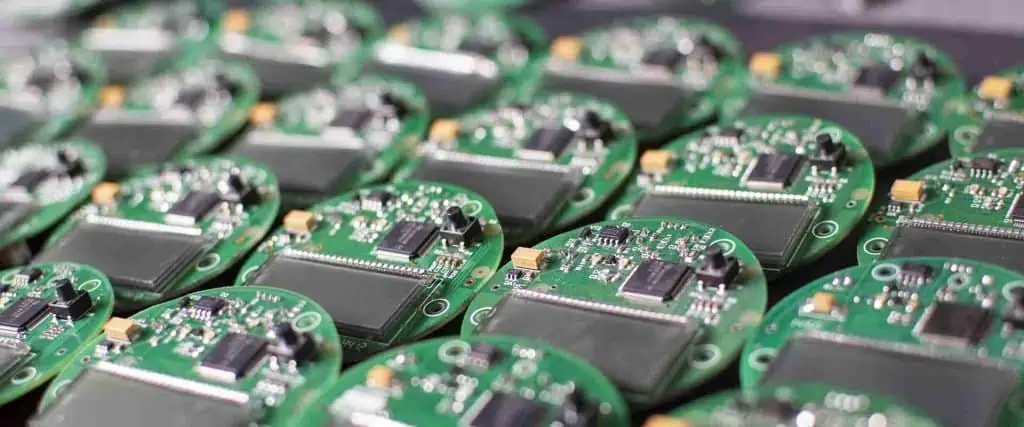
It is important to get the steps correctly when doing electronic prototype manufacturing. The abidance by these guidelines is a surefire way to make the initial designs of the electronics and be able to figure out how best to address any design-related issues.
Note that the prototypes are not entirely wholistic, as they are often based on the development stages. For example, a Printed Circuit Board (PCB) in the early stages of development wouldn’t use a similar prototype method as the one that is nearing completion.
With these points in mind, let us talk about some of the types or categories of electronic board prototypes.
1. Proof-of-Concept (PoC) Prototype
This electronic prototype manufacturing process comes after the initial review or requirement survey of the electronic product – where the quality of the data or information about the product is filtered.
As soon as the requirement survey stage is completed, the next process is the Proof-of-Concept (PoC) prototype. This has to do with the early-stage validation process, whereby the concept of the electronic product is evaluated.
These are some of the reasons why this prototyping type is relevant:
- It aids the validation of the technical feasibility or usability of the electronic product, when it is finally ready to be shipped into the market.
- The Proof-of-Concept (PoC) concept also allows for the proving of the electronic product’s fundamental concept, as well as correlating that to the affordability of the product.
- This prototype type allows for the provision of answers to some fundamental questions, such as the basic solution option. This also allows for the figuring out of the possibility of the final/finished electronic product to solve the intended problem.
2. The “Works-Like” Electronic Prototype
This refers to the first set of initial processes of creating electronics, based on functionality. Thus, the function of the works-like prototype is to help determine the functionality of the electronic product, with a particular focus on the internal electronics or components.
As a production-level of the electronics production, the works-like prototype helps to specify the following:
- The development of a Printed Circuit Board (PCB)
- The usage of the created circuit board to hold and connect all of the discrete electronic components used by the electronic product.
3. The “Looks-Like” Prototype
This type of prototyping electronic board has to do with the appearance or the possible finish of the electronic product. This is why it is also called the appearance prototype.
The goal here is to separate the likely presentation or appearance of the final product from how that electronic product is meant to function (works-like).
To that end, the following are obtainable when an electronic product undergoes the looks-like prototyping process:
- The process focuses on the optimization of the finishes, material, user experience, aesthetics, look, feel, color/CMF, and form of the electronic product.
- Always use an ideal prototyping technique when making the looks-like electronic product prototypes.
What is the Best Prototype Technique for “Looks-Like” Prototypes?
When making or producing the looks-like prototypes, you are usually presented with an array of options. You can choose to go through the olden/conventional methods of using clay or foam or upgrading to the latest techniques.
Here is a summary of all the common techniques used to produce the looks-like prototypes:
a. Clay Techniques
This technique helps you to get a feel or an idea of what the final product will feel like in the users’ hands.
These are some of the benefits:
- Starting out with this technique could drastically reduce the number of iterations or corrections you need to make to the prototype, when you upgrade to using the 3D model.
- The clay prototyping technique is very helpful in the products targeted for use in the automotive industry.
b. Foam Prototyping Techniques
You can use these to quickly and cheaply transfer an electronic concept into something you can hold in your hands.
In addition to being affordable, these techniques are also commonly used by the consumer product designers.
c. 3D Printing Techniques
These techniques are based on the use of additive prototyping processes to add materials for the creation of the desired shape.
The 3D printing techniques cover the following:
- Selective Laser Sintering (SLS)
- Fused Deposition Modeling (FDM) and;
- Stereolithography (SLA)
d. Computer Numerical Control (CNC) Machining
This is the opposite of the 3D printing technique, in the sense that it is a subtractive process, as opposed to the addictive process tenable to the 3D printing method.
To this end, using the CNC machining prototyping technique involves the removal of materials from the prototype, to enable the creation or formation of the desired shape.
This technique is also prioritized or preferred over the 3D printing technique due to the flexibility. This means that you can use a plethora of materials in this technique, such as specific plastic resins, plastics and metals.
4. Engineering Prototype

This is the point of prototyping an electronic product, whereby the combinations of looks-like (appearance prototype) and the works-like prototype is required.
The engineering prototype is also called:
- EP and;
- Alpha Prototype
- Minimum Viable Product (MVP)
This prototyping type involves:
- The fusion of the looks-like and works-like prototypes to create an appearance or electronic product outlook that closely resembles the final product.
- The proximity to having a final (working) product, with the exception of testing the production and preparing the same for mass productions.
- At this stage, the electronic product or device will perform the key or primary functions, but with the exception of the secondary functions, the modules and the features.
- A combined effort between the industrial designer (who finetunes the aesthetics and form of the device), and the mechanical engineer (who integrates the device into the plastic shell or housing).
It is important to mention that the alpha prototyping stage is also a medium for the electronic product/device owners to kickstart a series of early-stage fundraising rounds. This is the stage when the product can be shown to investors and customers alike.
5. Beta Prototyping
This is the stage where the rough ends of the electronics prototyping are smoothened. During the beta prototyping stage, the focus is to ensure that the product or device has had the general design optimized for the Design for Manufacturing (DFM).
These are some of the beta prototyping processes:
- The goal is to build a fully-functional prototype, devoid of flaws.
- However, some design-related flaws/errors are still noticeable, but would be fixed before the certifications for the device/product are obtained.
- Up to 50 units of the device or product are made at this stage. Silicon molding is the common method used for this purpose.
- The units are sent for different certifications, such as RoHS, UL, Bluetooth SIG, CE, and FCC.
- The prototyping process also involves the use of engineering analysis to evaluate the following: tolerance, structural optimizations and thermal simulations.
Optimizations and Testing Processes
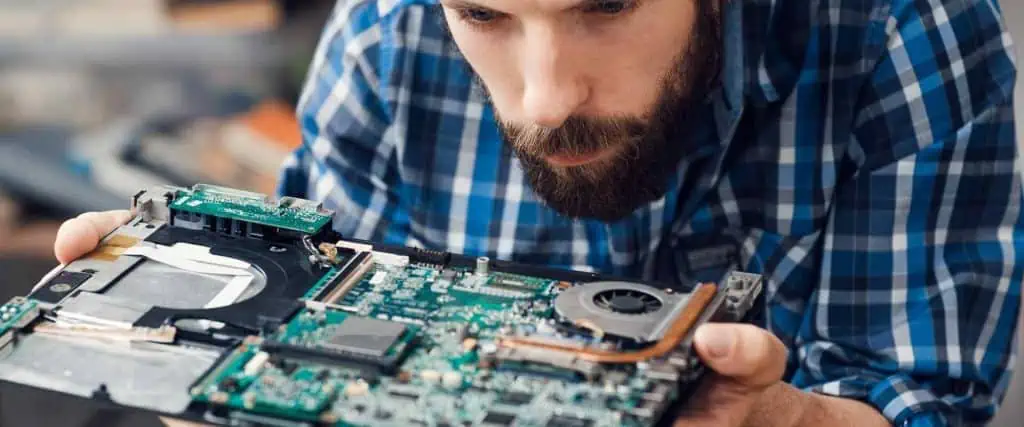
These are some of the testing procedures used during the beta prototyping of electronic devices/products:
- Engineering Validation Testing (EVT): this is used to test up to 50 units of the electronics to ensure that they meet the functional requirements, as dictated in the Product Requirements Document (PRD).
- Design Validation Testing (DVT): as the name signifies, this is used to validate the product’s design, as it pertains to the cosmetic and environmental specifications. The types of tests used here include waterproof, submersion under water, abrasion, burning, and dropping from a particular height.
- Production Validation Testing (PVT): this comes on the hinges of the establishment of an official production run. The PVT testing process requires the usage of the actual production tooling to establish a pilot production line. The goals include ensuring that zero issues are on the production line and that the inefficiencies in the production line are removed. The PVT also focuses on the confirmation of the workers’ understanding of the product assembly process.
6. Pre-Production Prototype
Congratulations if you got to this stage of electronics prototyping. The pre-production prototype stage is the closest you can get to having a final product that the customers will see and which has been certified error-free.
It also involves the following:
- The elimination of the design-related errors or problems.
- The certification that the device or product works as intended.
- Making of components used for setting the quality control standards and the quality acceptance standards, ahead of the product’s mass production.
- The optimization of the product for manufacturing.
Conclusion
The process of making electronic products or devices ideal for final production starts with prototyping.
You can use the Proof-of-Concept (PoC) prototype to validate the concept of the product, the works-like prototype for validating the possible performance of the final product and the looks-like prototype to get an overview of the final product’s appearance or outlook.
The engineering prototyping aids the creation of a product that resembles the final product, while the beta prototyping helps you to optimize the product according to the specifications of Design for Manufacturability (DFM).
Once these are in place, you can then proceed to the pre-production prototype stage to eliminate all the flaws, ensure the product’s performance, and get the iteration readied for mass production.

