
Global customers are significantly impacted by the expanding use of IoT. With IoT devices, we are not only becoming more closely connected, but we are also confiding most of our trust and lives in technology.
However, there is still no globally agreed-upon method for evaluating the security of linked items, which means that consumers might not have all the necessary visibility into how well the IoT devices safeguard their data.
History of Google IoT
In order to talk about the future for linked device security as well as explain more efforts we’re doing to safeguard more IoT products, Google attended a strategic conversion in the White House regarding the IoT Security Labeling.
The standardization of IoT security is still in its early stages. The US government’s initiatives to quicken the process and provide people with greater information about the IoT equipment’s security they use on a daily basis inspire us. The use of best practices standardized security and consumer transparency on scale could raise all boats by enabling customers to assess the security of IoT goods as well as make informed decisions while increasing demand for “healthy” security options from the IoT device makers.
In the ongoing discussion with the government leaders regarding cybersecurity, also at CISA, NIST, as well as White House, Google is assisting in leading industry efforts in order to develop an effective, transparent, and standardized cybersecurity label that suits the Internet of Things devices which can aid consumers in making better decisions of the device.
Google is increasing its dedication to performing security audits to the Fitbit devices. They verify their devices’ security and disclose the results, as was previously announced for Pixel and Nest devices. This demonstrates our dedication to creating the highest security protection mechanisms for all users all across our Google IoT products and gives consumers much more transparency via enabling them to evaluate the results.
What are the Advantages of the Google IoT Cloud?
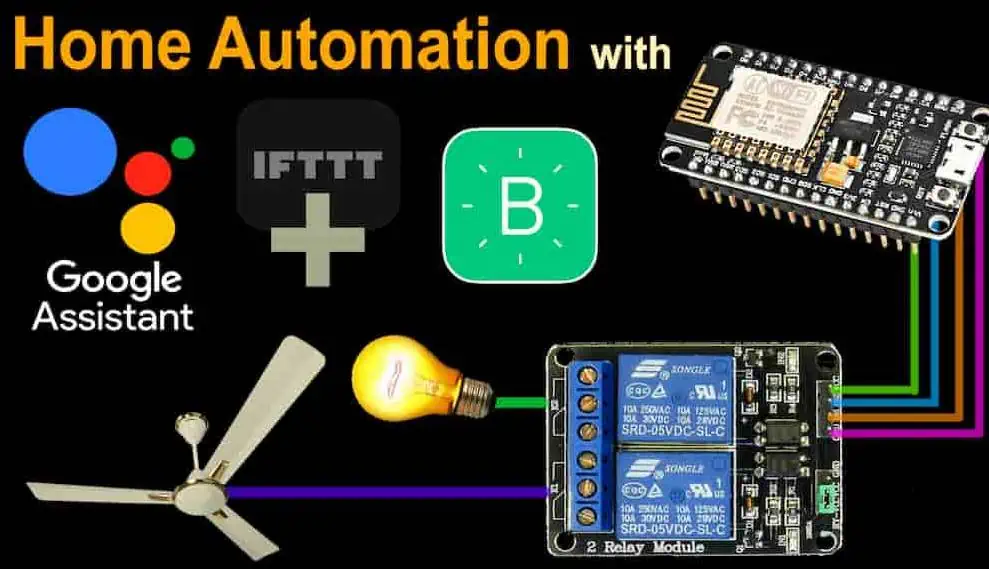
Instead, Google Cloud is pursuing an open, partner-driven approach to IoT that is consistent with the way they approach several of other forms of cloud services. Customers will have more options, fewer vendor restrictions, and more fully featured offerings under this course of action. In fact, below are 5 main reasons why leverage still thinks Google IoT Cloud is the ideal cloud that suits IoT applications:
Superior Security
It goes without saying Google Cloud can be regarded as the best secure cloud for the business. Since IoT entails the deployment of any unattended sensors in the real world, the possible attack surface is substantially larger for different IoT solutions compared to that of software pure-play applications. Google prioritizes security in all of its edge and cloud services so that IoT clients can rest easy at night.
Top-Rated AI/ML Products
Google IoT develops a growing data pipeline for machine learning and artificial intelligence algorithms. IoT devices would produce significantly more data than human-generated signals as the digital transformation spreads across the world and connects everything to everything else. Device data is made usable by Google’s ML and AI technologies, enabling improved automation and wiser choices.
Lowest Cost Possible
This leverage Google IoT Stack can be described as a microservices-based advanced Google IoT platform which has been transferred to all the main cloud service providers; as a result, we have firsthand knowledge of Google Cloud being the most dependable and cost-effective cloud to function at scale. Keeping costs of infrastructure low unlocks several use cases which, when compared with other methods, could have been very costly to automate. This is because the operational IoT solutions cost is sometimes the biggest barrier to scaling.
Data Residency
The largest fiber network globally and a quick international deployment of PoPs – point of presence characterize Google Cloud. All the IoT data needs to be processed as well as kept within the host country’s borders in accordance with the non-negotiable data residency regulations imposed by several nations.
For different IoT application companies like Leverege, having the ability to satisfy these stringent localization as well as data residency requirements opens up new markets.
Location Services
Numerous IoT applications, like fleet management and asset tracking, heavily rely on location. From Google Earth and Google Maps for outdoor and indoor visualization to the rich APIs enabling efficient routing as well as non-GPS, multi-source, location through cell towers and Wi-Fi hotspots, this is where Google’s portfolio of different location-centric products can be described as the most complete and precise.
Google IoT Offering

You most certainly have a plan in mind for how you intend to utilize Google IoT services. Other, more all-purpose cloud services are offered by other providers, including Google. Although the Internet of Things uses cloud resources, these two concepts don’t mean the same.
The IoT is not involved in lots of cloud services. A number of cloud services from Google are created particularly to meet the demands of IoT implementation. Also, they utilize a lot of resources from the provider to give the consumer the desired outcome. There are times when Google’s more standard cloud services as well as those made specifically for this IoT overlap. Let’s examine some advantages these services can provide for your company.
A full platform, Google Cloud IoT may be utilized to build almost any IoT solution. It offers consumers interested in adopting the IoT so as to grow their businesses as well as get a strategic advantage in the market scalable cloud solutions, software, as well as capabilities for machine learning.
Google’s collection of IoT-related products is centered on the Cloud IoT Core. Customers may connect, manage, as well as gather data from many devices with this completely managed service. It provides customers with a complete solution to collect, handle, process, as well as visualize the IoT information in real-time. It might produce insights which result in technological advancement or more effective operations.
The functionality of the platform can be changed using a variety of Cloud IoT Core components in order to meet the unique requirements of the Google IoT implementation.
Cloud IoT Core Components
Data ingestion is carried out through Cloud Pub/Sub to provide analytics as well as machine learning with the necessary inputs. You don’t have to worry about provisioning and load isolation because your data demands are met and scalable. Events are recorded by Pub/Sub, and the data which they contain is then made accessible to certain other services for processing.
One service that can utilize the information transmitted by Pub/Sub is the Machine Learning of Google Cloud. It provides a platform for programmers as well as data scientists to create complex models for machine learning as well as implement them in real-world applications. With the help of this ML Engine, you may utilize training and prediction services to create cutting-edge solutions to a variety of issues that businesses and industry face.
Cloud IoT Core Design Principles
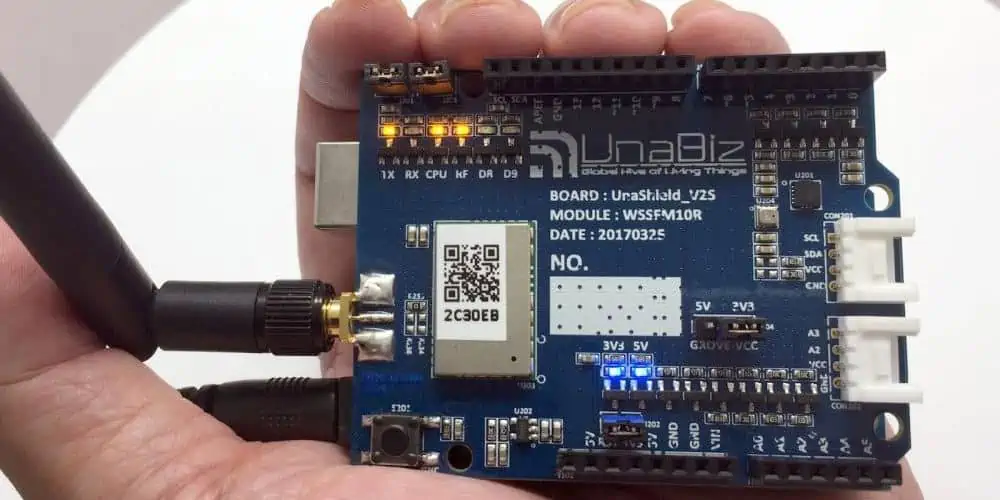
Cloud IoT Core has been created to be a unique managed service that securely connects to, manages, and ingests data from worldwide device fleets.
- Flexible, making it simple to provide device identities while giving devices access to the majority of Google IoT Cloud
- IoT performance and scalability expert in the field
- Supporting the most popular industry-standard Google IoT protocols and being interoperable
Use cases
There are several industries where IoT is being used. Typical instances include:
- Remote monitoring with preventative maintenance in the oil and gas, manufacturing, utilities, and transportation industries
- Asset tracking, quality control, and visual inspection in the retail, industrial, automotive, logistics, and supply chain
- Consumer technology and connected homes.
- Smart dwelling in commercial, smart spaces, and residential sectors; Vision intelligence within retail, manufacturing, security, as well as industrial sectors
Cloud IoT Core grants you the access to fresh operational data which can assist your company react to as well as optimize for a change in real-time when utilized as a component of a larger Google IoT Cloud solution. This benefit is useful in a variety of industries.
What Makes Now the Ideal Time for the Cloud IoT Core?

For a variety of reasons, many businesses that depend upon industrial devices — most especially the geographically dispersed ones — such sensors, farming equipment, conveyor belts, medical equipment, as well as pumps – struggle to manage and monitor those devices.
Operational complexity and cost: The administrative burden of handling the deployment, upkeep, as well as upgrades for an exponentially greater number of devices is oppressive.
Data fragmentation: Regardless of the fact having machine-generated information is now a crucial source of information for making wise business decisions, those vast amounts of data produced by such devices are frequently kept in silos having a short lifespan and never make it to the downstream analytic system.
Patchwork security: Making sure of end-to-end, world class security for devices that are globally distributed has become out of reach for majority of organizations.
Conclusion
Google IoT can be applied in many different ways and, depending on the goal and demand, can produce a wide range of results and insights. Here are a few ways that various sectors can use the Google IoT Cloud Core.

