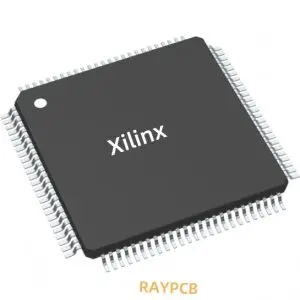
1. Product Specifications
Core Architecture Features
- Part Number: XC5210-6PG223C
- Manufacturer: Xilinx (now AMD)
- Family: XC5200 Series FPGA
- Package Type: Ceramic Pin Grid Array (CPGA-223)
- Speed Grade: -6 (High performance)
- Technology: 0.5μm three-layer metal CMOS process technology
Logic Resources
- Logic Gates: 16,000 equivalent gates
- Logic Cells: 1,296 configurable logic blocks (CLBs)
- CLB Count: 324 CLBs
- I/O Pins: 196 user I/O pins (maximum for this package)
- Total I/O Capability: Up to 244 I/O signals with VersaRing interface
- Logic Cell to I/O Ratio: Optimized for high I/O density applications
Performance Specifications
- Maximum Clock Frequency: 83MHz
- Combinatorial Delay: 5.6ns maximum CLB delay
- Operating Voltage: 4.75V to 5.25V supply range
- Logic Cell Utilization: 1,296 cells for complex high-density designs
- I/O Standards: TTL, CMOS, and various high-speed standards supported
Ceramic Package Information
- Package Type: 223-Pin Ceramic Pin Grid Array (CPGA-223)
- Package Designation: PG223C (Ceramic Pin Grid Array, Commercial)
- Pin Count: 223 pins total
- Pin Configuration: Through-hole pins for socket mounting
- Package Dimensions: Approximately 27mm × 27mm ceramic substrate
- Pin Pitch: 2.54mm (0.1 inch) standard grid
- Package Height: 5.08mm (0.2 inch) typical
Ceramic Package Advantages
- Superior Thermal Performance: Ceramic substrate provides excellent heat dissipation
- Hermetic Sealing: Moisture and contaminant protection for harsh environments
- Mechanical Durability: Ceramic construction withstands mechanical stress
- Socket Compatibility: Through-hole pins enable socketed applications
- EMI Shielding: Ceramic package provides natural electromagnetic interference protection
- Long-term Reliability: Ceramic packages offer extended operational lifetime
Temperature & Environmental
- Operating Temperature: 0°C to +85°C (TJ) – Commercial grade
- Storage Temperature: -65°C to +150°C
- Thermal Resistance: θJA = 25°C/W (typical in socket with proper airflow)
- Thermal Conductivity: Superior heat transfer through ceramic substrate
- Moisture Sensitivity: Level 1 (unlimited floor life when properly sealed)
Advanced Features
- Architecture: SRAM-based reprogrammable architecture with ceramic packaging reliability
- I/O Interface: VersaRing I/O interface supporting up to 244 I/O signals
- Logic Module: VersaBlock logic module optimized for high-density applications
- Hold Time: Zero flip-flop hold time for input registers
- Signal Integrity: Ceramic package minimizes signal crosstalk and noise
- Power Distribution: Optimized power and ground pin distribution
Reliability Features
- Hermetic Package: Moisture and environmental protection
- Alpha Particle Immunity: Ceramic package provides natural alpha particle shielding
- Electromigration Resistance: Enhanced reliability for long-term operation
- Thermal Cycling: Ceramic package handles temperature cycling without degradation
- Mechanical Stress Relief: Ceramic substrate minimizes package stress
2. Pricing Information
The XC5210-6PG223C commands premium pricing due to its ceramic package and high I/O count:
Current Market Pricing (2025)
- Ceramic Package Premium: 100-150% premium over plastic equivalents
- High I/O Density: Additional cost for maximum 196 I/O pin configuration
- Authorized Distributors: Contact for current ceramic package pricing
- Volume Pricing: Significant discounts for quantities >10 units
- Sample Quantities: 1-5 pieces available for prototyping
Pricing Factors
- Ceramic Manufacturing: Expensive ceramic substrate and assembly processes
- High I/O Count: Maximum I/O density increases die cost and complexity
- Socket Compatibility: Through-hole pins require specialized manufacturing
- Low Volume Production: Limited demand for ceramic packages increases unit cost
- Quality Premium: Enhanced testing and qualification for ceramic packages
Cost Analysis
- Package Premium: 100-150% above plastic PQ208C equivalent
- I/O Density Value: Cost per I/O pin competitive with larger packages
- Socketing Benefits: Enables field replacement and upgrades
- Thermal Performance: Reduces need for external cooling solutions
- Long-term Reliability: Lower total cost of ownership in critical applications
Market Positioning
- High-End Applications: Aerospace, military, and critical industrial systems
- Legacy System Support: Replacement for existing ceramic FPGA designs
- Socketed Applications: Development and prototyping platforms
- Thermal-Critical Designs: Applications requiring superior heat dissipation
- High-Reliability Requirements: Systems demanding maximum reliability
Value Considerations
- Socketing Capability: Field replacement and upgrade flexibility
- Thermal Performance: Superior heat dissipation reduces cooling requirements
- Signal Integrity: Ceramic package provides cleaner signal performance
- Long-term Availability: Ceramic packages often have extended lifecycle support
- Development Flexibility: Socket mounting enables rapid prototyping
Note: Ceramic packages typically cost 100-150% more than plastic equivalents but provide significant value in high-reliability and thermal-critical applications.
3. Documents & Media
Official Documentation
- Ceramic Package Datasheet: XC5200 Family Ceramic Package Specifications
- Thermal Characteristics: Comprehensive thermal analysis and heat dissipation data
- Socket Specifications: Compatible socket types and mounting guidelines
- Reliability Data: Ceramic package qualification and life testing results
Technical Resources
- Pinout Diagram: 223-pin ceramic PGA pinout with power and signal assignments
- Thermal Design Guide: Heat sink attachment and thermal management strategies
- Socket Selection Guide: Compatible sockets and installation procedures
- Package Drawings: Detailed mechanical specifications for PCB and socket design
Design Support Materials
- Reference Designs: High I/O count applications utilizing 196 I/O pins
- PCB Layout Guidelines: Socket mounting and high-speed signal routing
- Thermal Simulation: Junction temperature modeling and cooling analysis
- Signal Integrity: High-speed design considerations for ceramic packages
Software & Tools
- ISE Design Suite: Full support for ceramic package timing and constraints
- Thermal Analysis Tools: Junction temperature and thermal resistance calculations
- Socket Design Tools: Mechanical compatibility and mounting analysis
- High-Speed Design: Signal integrity analysis for ceramic package applications
Ceramic Package Documentation
- Manufacturing Process: Ceramic substrate fabrication and assembly procedures
- Hermeticity Testing: Leak rate specifications and testing procedures
- Material Properties: Ceramic substrate thermal and mechanical characteristics
- Assembly Guidelines: Soldering, socket installation, and handling procedures
Application Notes
- High-Reliability Design: Best practices for aerospace and military applications
- Thermal Management: Heat sink selection and cooling system design
- Socket Applications: Development platform and field-replaceable designs
- EMI/EMC Considerations: Electromagnetic compatibility with ceramic packages
4. Related Resources
Development Ecosystem
- Development Sockets: High-quality sockets for prototyping and development
- Thermal Test Platforms: Temperature characterization and validation boards
- High I/O Development Boards: Reference platforms utilizing maximum I/O count
- Socket Programming Adapters: In-system programming solutions for socketed parts
Alternative Components
- Plastic Equivalent: XC5210-6PQ208C (lower cost, reduced I/O count)
- Higher Integration: XC5215-6PG299C (higher gate count ceramic package)
- Industrial Version: XC5210-6PG223I (extended temperature ceramic package)
- Modern Replacements: Current AMD Xilinx ceramic package FPGAs
High-Reliability Application Areas
- Aerospace Systems: Satellite control, avionics, and space applications
- Military Electronics: Radar systems, communications, and guidance systems
- Test Equipment: High-end test and measurement instrumentation
- Medical Devices: Critical medical equipment requiring high reliability
- Nuclear Applications: Radiation-hardened systems and monitoring equipment
- Scientific Instruments: Research equipment and precision instrumentation
Design Ecosystem
- Ceramic Package IP: Specialized IP cores for high-reliability applications
- Thermal Solutions: Heat sinks, thermal interface materials, and cooling systems
- Socket Systems: High-quality sockets for development and production
- Testing Solutions: Socketed test fixtures and programming adapters
Technical Support
- Ceramic Package Engineers: Specialized support for ceramic package applications
- Thermal Design Services: Heat dissipation analysis and cooling solutions
- Socket Selection Support: Compatible socket recommendations and sourcing
- High-Reliability Consulting: Design practices for critical applications
Training & Education
- Ceramic Package Design: Specialized courses for high-reliability applications
- Thermal Management: Advanced thermal design and cooling techniques
- Socket Technology: Socket selection, installation, and maintenance
- High-Reliability Design: Best practices for aerospace and military applications
Supply Chain Considerations
- Socket Suppliers: Qualified socket manufacturers and distributors
- Thermal Solutions: Heat sink and cooling system suppliers
- Long-term Availability: Extended lifecycle support for ceramic packages
- Counterfeit Protection: Authenticated ceramic package supply chains
5. Environmental & Export Classifications
High-Reliability Environmental Standards
- Operating Environment: Designed for harsh environments with ceramic protection
- Hermeticity: Sealed ceramic package prevents moisture and contaminant ingress
- Thermal Cycling: Superior ceramic package thermal cycling performance
- Vibration Resistance: Enhanced mechanical durability for aerospace applications
- Altitude Testing: Qualified for high-altitude and space applications
Aerospace & Military Standards
- MIL-STD-883: Military standard qualification for ceramic packages
- MIL-PRF-38535: Military specification for microcircuits
- IPC-9701: Performance test methods for ceramic packages
- JEDEC Standards: Full compliance with ceramic package reliability standards
- Space Applications: Radiation tolerance considerations for ceramic packages
Material Composition & Environmental
- Ceramic Substrate: Aluminum oxide (Al2O3) or aluminum nitride (AlN)
- Lead Frame: Gold-plated pins for corrosion resistance
- Die Attach: High-reliability die attachment materials
- Wire Bonds: Gold wire bonds for long-term reliability
- Lid Seal: Hermetic sealing compound for environmental protection
Export Classifications
- ECCN: 3A001.a.7 (Export Control Classification Number)
- Military Applications: Enhanced export controls for defense applications
- Dual-Use Technology: Restricted export to certain countries
- End-Use Verification: May require end-use certification for sensitive applications
- ITAR Considerations: International Traffic in Arms Regulations applicability
Quality & Manufacturing Standards
- Class S Screening: Space-level qualification available
- QML Qualification: Qualified Manufacturer List certification
- Group A Testing: Electrical parameter verification
- Group B Testing: Physical and mechanical testing
- Group C Testing: Life testing and reliability qualification
Reliability Testing Standards
- Temperature Cycling: MIL-STD-883 Method 1010
- Thermal Shock: MIL-STD-883 Method 1011
- Steady State Life: MIL-STD-883 Method 1005
- Hermeticity Testing: MIL-STD-883 Method 1014
- Mechanical Shock: MIL-STD-883 Method 2002
Environmental Compliance
- RoHS Status: Ceramic packages may have exemptions for high-reliability applications
- REACH Compliance: European chemical regulation compliance
- Conflict Minerals: Full supply chain traceability for ceramic materials
- Environmental Testing: Comprehensive environmental qualification testing
- Material Declarations: Complete material composition documentation
Safety & Handling Classifications
- Electrostatic Discharge: Class 1A ESD protection
- Handling Procedures: Specialized procedures for ceramic package handling
- Socket Installation: Proper insertion and removal techniques
- Thermal Management: Safe handling of high-temperature packages
- Cleaning Procedures: Compatible solvents and cleaning methods
Packaging & Storage
- Anti-Static Protection: Conductive packaging for ESD protection
- Moisture Protection: Dry packaging with desiccants
- Physical Protection: Cushioned packaging to prevent ceramic damage
- Temperature Storage: Controlled temperature storage requirements
- Shelf Life: Extended shelf life with proper storage conditions
Disposal & Recycling
- Precious Metal Recovery: Gold recovery from pins and wire bonds
- Ceramic Recycling: Ceramic substrate material recovery
- Environmental Disposal: Proper disposal procedures for ceramic packages
- Material Separation: Segregation of different package materials
- Regulatory Compliance: Adherence to electronic waste regulations
International Certifications
- CE Marking: European conformity marking
- UL Recognition: Underwriters Laboratories component recognition
- CSA Certification: Canadian Standards Association approval
- KC Certification: Korean Certification mark
- China CCC: China Compulsory Certification
Keywords: XC5210-6PG223C, Xilinx ceramic FPGA, XC5200 ceramic package, Field Programmable Gate Array ceramic, 223-pin ceramic PGA, 16K gates ceramic, 196 I/O ceramic FPGA, ceramic programmable logic, high-reliability FPGA, socketed FPGA, aerospace FPGA
Related Searches: XC5210-6PG223C datasheet, ceramic package FPGA, high-reliability programmable logic, socketed FPGA, aerospace FPGA, 223-pin ceramic PGA, Xilinx ceramic applications, thermal performance FPGA, high I/O density ceramic, military grade FPGA