Advanced Thermal Management Solutions for High-Performance Electronics
Our Phase Change PCB Thermal Interface Materials represent cutting-edge thermal management technology designed to optimize heat dissipation in demanding electronic applications. These innovative materials undergo controlled phase transitions to provide superior thermal conductivity and adaptive heat spreading capabilities.
Key Features
Superior Thermal Performance: Engineered with high thermal conductivity ranging from 3-8 W/mK, these materials efficiently transfer heat away from critical components while maintaining consistent performance across temperature cycles.
Adaptive Phase Change Technology: The materials transition between solid and liquid phases at precisely controlled temperatures, allowing for dynamic thermal management that responds to varying heat loads and operating conditions.
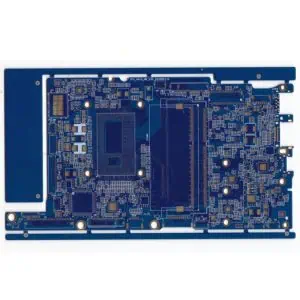
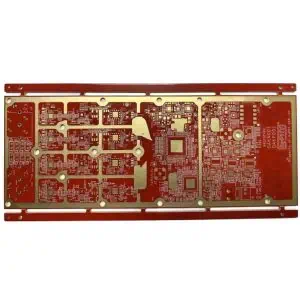
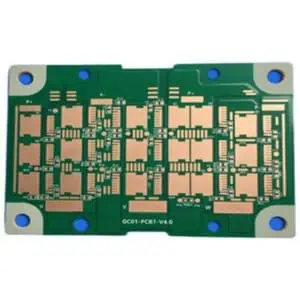
PCB-Optimized Design: Specifically formulated for printed circuit board applications, featuring low volatility, excellent adhesion properties, and compatibility with standard PCB manufacturing processes and materials.
Wide Operating Temperature Range: Functional across temperatures from -40°C to +150°C, with customizable phase change temperatures to match specific application requirements.
Long-Term Reliability: Stable performance over thousands of thermal cycles with minimal degradation, ensuring consistent heat management throughout the product lifecycle.
Applications
- High-power LED assemblies and lighting systems
- Power electronics and voltage regulators
- Microprocessors and GPU cooling solutions
- Automotive electronics and power modules
- Telecommunications equipment
- Industrial control systems
- Battery thermal management systems
Technical Specifications
- Thermal Conductivity: 3-8 W/mK (depending on formulation)
- Phase Change Temperature: Customizable from 45°C to 80°C
- Thickness Range: 0.1mm to 2.0mm
- Dielectric Strength: >3kV/mm
- Shore Hardness: 15-40 (Shore 00)
- Operating Humidity: Up to 95% RH non-condensing
Benefits
Enhanced System Reliability: Prevents thermal hotspots and reduces component stress, extending operational lifespan and improving overall system reliability.
Design Flexibility: Available in various thicknesses and phase change temperatures, allowing engineers to optimize thermal solutions for specific applications and space constraints.
Easy Integration: Compatible with automated dispensing systems and standard assembly processes, streamlining manufacturing and reducing implementation complexity.
Cost-Effective Solution: Eliminates the need for complex mechanical cooling systems in many applications, reducing overall system cost and complexity while improving thermal performance.
Perfect for engineers and designers seeking reliable, high-performance thermal interface solutions that adapt to changing thermal conditions while maintaining consistent heat dissipation capabilities.