
The assembly of consumer electronic products is undergoing rapid transformation, driven by technological advancements, changing consumer preferences, and global economic and environmental factors. This article explores the key trends shaping the future of assembly processes in the consumer electronics industry, from miniaturization to smart manufacturing and beyond.

Miniaturization and Compact Design
Trend Overview
Miniaturization continues to be a dominant trend in consumer electronics assembly, driven by the demand for smaller, lighter, and more portable devices.
Key Developments
- Advanced Packaging Technologies: System-in-Package (SiP) and 3D packaging techniques are enabling more compact designs.
- Micro-components: Increasing use of micro and nano-scale components in assembly processes.
- High-Density Interconnect (HDI) PCBs: Allowing for more complex circuitry in smaller spaces.
Challenges and Solutions
| Challenge | Solution |
| Heat dissipation | Advanced thermal management techniques (e.g., phase-change materials) |
| Component placement accuracy | High-precision assembly equipment and vision systems |
| Signal integrity in compact designs | Improved shielding and PCB layout techniques |
Modular Assembly and Customization

Concept and Benefits
Modular assembly involves creating standardized, interchangeable components that can be easily assembled and customized to meet specific product requirements.
Implementation Strategies
- Standardized Interfaces: Developing common connection standards across product lines.
- Plug-and-Play Modules: Creating self-contained functional units that can be easily integrated.
- Mass Customization: Enabling personalized products through modular assembly techniques.
Impact on Assembly Processes
- Increased flexibility in production lines
- Reduced inventory and faster time-to-market
- Enhanced repairability and upgradability of products
Automation and Robotics in Assembly
Advancements in Assembly Automation
- Collaborative Robots (Cobots): Working alongside human operators for enhanced efficiency.
- AI-driven Assembly Systems: Utilizing machine learning for adaptive and intelligent assembly processes.
- Advanced Vision Systems: Improving accuracy and quality control in automated assembly.
Key Benefits
| Benefit | Description |
| Increased Precision | Robots can perform repetitive tasks with high accuracy |
| 24/7 Operation | Automated systems can work continuously, increasing production capacity |
| Consistency | Reduced variability in assembly quality |
| Safety | Robots can handle hazardous materials and perform dangerous tasks |
Challenges in Implementation
- High initial investment costs
- Need for specialized maintenance and programming skills
- Potential workforce displacement and retraining requirements
Sustainable and Eco-friendly Assembly Processes
Driving Factors
- Consumer demand for environmentally responsible products
- Government regulations on electronic waste and emissions
- Corporate sustainability initiatives
Key Trends
- Recyclable and Biodegradable Materials: Incorporation of eco-friendly materials in product design and assembly.
- Energy-Efficient Assembly Lines: Implementation of energy-saving technologies in manufacturing processes.
- Waste Reduction Techniques: Lean manufacturing principles and circular economy approaches.
Examples of Sustainable Assembly Practices
| Practice | Description |
| Solderless Assembly | Using snap-fit and press-fit techniques to reduce harmful materials |
| Water-based Cleaning | Replacing solvent-based cleaning processes with eco-friendly alternatives |
| Renewable Energy Use | Powering assembly plants with solar, wind, or other renewable sources |
Smart Manufacturing and Industry 4.0
Core Concepts
- Internet of Things (IoT) Integration: Connecting assembly equipment and processes to a central network.
- Data Analytics and AI: Using big data to optimize assembly processes and predict maintenance needs.
- Digital Twins: Creating virtual representations of assembly lines for simulation and optimization.
Benefits in Assembly Processes
- Real-time monitoring and quality control
- Predictive maintenance to reduce downtime
- Rapid prototyping and virtual testing of new assembly methods
Implementation Challenges
- Cybersecurity concerns
- Integration of legacy systems with new technologies
- Skill gap in workforce for managing advanced digital systems
Advanced Materials in Assembly

Emerging Materials
- Nanomaterials: Enhancing product performance and enabling new functionalities.
- Conductive Polymers: Facilitating the integration of electronics into various form factors.
- Biomaterials: Exploring sustainable and biodegradable options for electronic components.
Impact on Assembly Processes
| Material Type | Assembly Implications |
| Nanomaterials | Require specialized handling and precision assembly techniques |
| Conductive Polymers | Enable new joining methods like printed electronics |
| Biomaterials | May require new preservation techniques during assembly |
Challenges and Opportunities
- Need for new assembly equipment and processes
- Potential for reduced environmental impact
- Opportunities for creating unique product features
Flexible and Wearable Electronics Assembly
Market Drivers
- Growing demand for wearable devices
- Integration of electronics into clothing and accessories
- Development of flexible displays and batteries
Assembly Techniques
- Printed Electronics: Using conductive inks to create circuits on flexible substrates.
- Stretchable Interconnects: Developing assembly methods for electronics that can bend and stretch.
- Textile Integration: Incorporating electronic components directly into fabrics.
Challenges in Flexible Electronics Assembly
- Ensuring durability and reliability of flexible components
- Developing new testing and quality control methods
- Balancing flexibility with performance and functionality
Quality Control and Testing Innovations
Advanced Inspection Technologies
- Automated Optical Inspection (AOI): High-speed, high-resolution imaging for defect detection.
- X-ray Inspection: Non-destructive testing for internal component analysis.
- Artificial Intelligence in Quality Control: Machine learning algorithms for defect prediction and classification.
In-line Testing Advancements
| Testing Method | Description |
| Functional Testing | Automated testing of product functionality during assembly |
| Environmental Stress Screening | Subjecting products to simulated environmental conditions |
| Reliability Testing | Accelerated life testing to predict long-term performance |
Benefits and Implementation
- Reduced defect rates and improved product reliability
- Faster identification and resolution of assembly issues
- Potential for 100% inspection in high-volume production
Supply Chain Integration and Just-in-Time Assembly
Key Concepts
- Vertical Integration: Bringing more of the supply chain under direct control.
- Blockchain in Supply Chain: Enhancing traceability and transparency of components.
- Just-in-Time (JIT) Manufacturing: Minimizing inventory through precise timing of component deliveries.
Benefits for Assembly Processes
- Reduced inventory costs and storage requirements
- Improved flexibility to respond to market changes
- Enhanced quality control through better component traceability
Implementation Challenges
- Vulnerability to supply chain disruptions
- Need for robust logistics and inventory management systems
- Requires close coordination with suppliers and partners
Future Prospects and Emerging Technologies
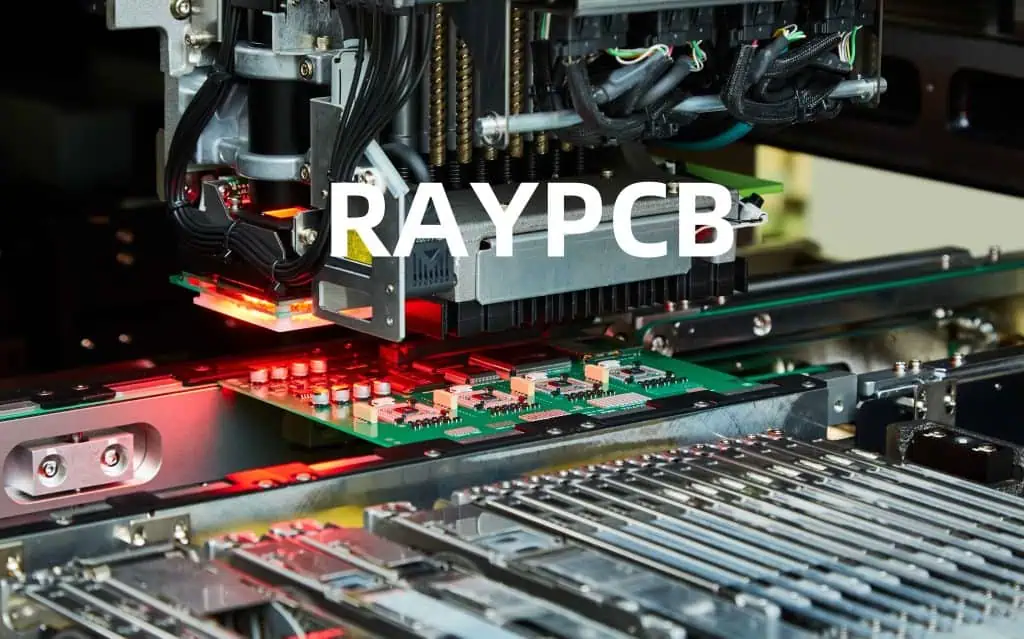
Promising Technologies
- 3D Printed Electronics: On-demand creation of custom electronic components.
- Self-Assembling Nanostructures: Molecular-level assembly for advanced electronic devices.
- Quantum Computing Assembly: Specialized assembly processes for quantum computer components.
Potential Impact on Consumer Electronics
| Technology | Potential Impact |
| 3D Printed Electronics | Customization at scale, reduced waste in prototyping |
| Self-Assembling Nanostructures | Ultra-compact devices, new form factors |
| Quantum Computing | Revolutionary computing power in consumer devices |
Preparing for Future Assembly Challenges
- Investing in research and development
- Fostering partnerships with academia and tech startups
- Developing a skilled workforce capable of adapting to new technologies
Frequently Asked Questions
- Q: How is miniaturization affecting the assembly of consumer electronic products? A: Miniaturization is driving the development of advanced packaging technologies, micro-components, and high-density interconnect PCBs. This trend allows for smaller, lighter, and more portable devices but also presents challenges in heat dissipation, component placement accuracy, and signal integrity. Manufacturers are addressing these challenges through innovative thermal management techniques, high-precision assembly equipment, and improved PCB design strategies.
- Q: What role does automation play in the future of consumer electronics assembly? A: Automation is becoming increasingly crucial in consumer electronics assembly, with advancements in collaborative robots (cobots), AI-driven assembly systems, and advanced vision systems. These technologies offer benefits such as increased precision, 24/7 operation capabilities, consistency in quality, and improved safety. However, implementation challenges include high initial investment costs, the need for specialized skills, and potential workforce displacement. The future of assembly will likely see a balance between automated systems and skilled human operators working in tandem.
- Q: How are sustainable practices being incorporated into consumer electronics assembly? A: Sustainability in consumer electronics assembly is being driven by consumer demand, government regulations, and corporate initiatives. Key trends include the use of recyclable and biodegradable materials, implementation of energy-efficient assembly lines, and adoption of waste reduction techniques. Specific practices include solderless assembly methods, water-based cleaning processes, and powering assembly plants with renewable energy sources. These sustainable practices not only reduce environmental impact but can also lead to cost savings and improved brand reputation.
- Q: What is the impact of Industry 4.0 on consumer electronics assembly? A: Industry 4.0 is transforming consumer electronics assembly through the integration of IoT, data analytics, AI, and digital twin technologies. These smart manufacturing concepts enable real-time monitoring, predictive maintenance, and rapid prototyping in assembly processes. Benefits include improved quality control, reduced downtime, and more efficient production. However, implementing Industry 4.0 technologies also presents challenges such as cybersecurity concerns, integration with legacy systems, and the need for a digitally skilled workforce.
- Q: How is the trend towards flexible and wearable electronics changing assembly processes? A: The growing demand for flexible and wearable electronics is driving innovation in assembly processes. New techniques such as printed electronics, stretchable interconnects, and textile integration are being developed to accommodate these form factors. This trend presents challenges in ensuring durability and reliability of flexible components, developing new testing methods, and balancing flexibility with performance. As the market for wearable devices continues to grow, we can expect further advancements in specialized assembly techniques for flexible electronics.


