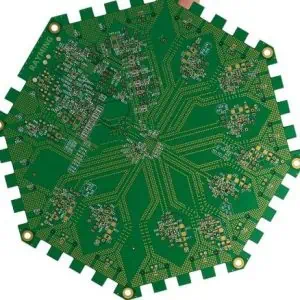
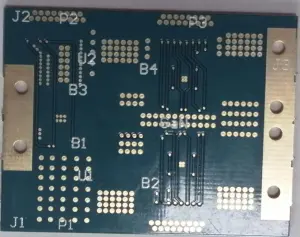
The world of electronics prototyping and small-scale production has been revolutionized by the availability of affordable, low-volume printed circuit board (PCB) manufacturing services. Whether you’re a hobbyist working on a personal project, a startup developing your first product, or an engineer creating prototypes for testing, finding cost-effective PCB suppliers for small quantities is crucial for keeping your project budget under control.
Understanding Low-Volume PCB Manufacturing
Low-volume PCB manufacturing typically refers to orders ranging from single prototypes to a few hundred boards. This market segment has experienced tremendous growth due to the maker movement, increased accessibility of design tools, and the proliferation of IoT devices requiring custom circuit boards. Unlike high-volume manufacturing where economies of scale drive down per-unit costs, low-volume production focuses on flexibility, quick turnaround times, and reasonable pricing for small quantities.
The key challenges in low-volume PCB procurement include balancing cost with quality, managing longer lead times compared to off-the-shelf components, and finding suppliers who can accommodate small orders without prohibitive setup fees. Fortunately, numerous manufacturers now specialize in this market segment, offering competitive pricing and services tailored to small-scale needs.
Online PCB Manufacturing Services
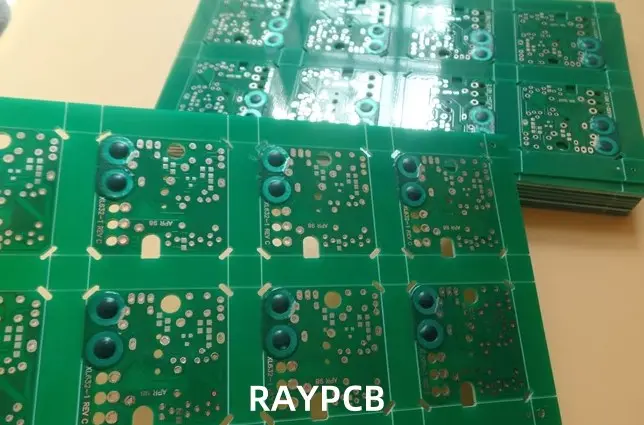
The most accessible option for purchasing cheap, low-volume PCBs is through online manufacturing services. These platforms have streamlined the ordering process, often providing instant quotes and automated design rule checks.
JLCPCB stands out as one of the most popular choices for budget-conscious buyers. Based in China, they offer extremely competitive pricing, with basic two-layer boards starting as low as $2 for five pieces. Their online platform is user-friendly, supporting major CAD file formats, and they provide additional services like SMT assembly for complete board population. The main trade-offs are longer shipping times for international orders and limited customer service hours due to time zone differences.
PCBWay is another Chinese manufacturer offering competitive pricing and good quality control. They provide detailed manufacturing specifications, real-time order tracking, and support for complex board designs including flexible and rigid-flex PCBs. Their pricing is slightly higher than JLCPCB but often includes better packaging and quality assurance.
Seeed Studio Fusion combines PCB manufacturing with their broader ecosystem of development tools and components. They offer reasonable pricing for prototypes and small batches, with the added benefit of being able to source components and provide assembly services in one location. This integration can simplify the supply chain for complete project development.
For those preferring domestic suppliers, OSH Park in the United States offers high-quality PCBs with their distinctive purple solder mask. While more expensive than overseas options, they provide faster shipping, excellent customer service, and support for the maker community. Their pricing model is straightforward, charging per square inch of board area.
Traditional PCB Manufacturers
Many established PCB manufacturers have adapted their business models to accommodate low-volume orders. These companies often provide superior quality control and customer service compared to online-only services, though typically at higher prices.
Advanced Circuits is a US-based manufacturer offering their “33 each” service, providing 33 copies of a simple two-layer board for a fixed price. This can be extremely cost-effective for designs that fit their standard parameters. They also offer express services for rush orders and provide excellent technical support for design optimization.
Sunstone Circuits specializes in quick-turn prototypes and low-volume production. Their PCB123 software integrates design and ordering, streamlining the process from concept to finished board. While more expensive than overseas options, they offer rapid turnaround times and US-based manufacturing for projects requiring quick iterations.
Regional manufacturers often provide competitive pricing for local customers due to reduced shipping costs and faster communication. Researching local PCB shops can uncover hidden gems that offer personalized service and competitive pricing for small orders.
Factors Affecting PCB Cost
Understanding the factors that influence PCB pricing helps in making informed decisions and potentially reducing costs through design optimization. Board size is the most significant factor, as manufacturers typically charge based on panel utilization. Designing boards to fit standard panel sizes or using panelization for multiple small boards can reduce per-unit costs.
Layer count dramatically affects pricing, with four-layer boards typically costing 2-3 times more than two-layer boards. Unless high-speed signals or complex routing require additional layers, keeping designs to two layers significantly reduces costs. Via types also impact pricing, with buried and blind vias adding substantial cost compared to through-hole vias.
Surface finish selection affects both cost and performance. HASL (Hot Air Solder Leveling) is typically the cheapest option, while ENIG (Electroless Nickel Immersion Gold) costs more but provides better solderability and shelf life. For prototypes and low-cost applications, HASL usually provides adequate performance.
Solder mask and silkscreen colors can affect pricing, with green solder mask and white silkscreen being the most economical choices. Exotic colors or multiple silkscreen colors may incur additional charges.
Design Considerations for Cost Optimization
Optimizing PCB designs for manufacturing can significantly reduce costs without compromising functionality. Using standard trace widths and spacing helps avoid manufacturing surcharges for fine-pitch features. Most low-cost manufacturers have standard capabilities that accommodate typical design requirements without additional fees.
Minimizing drill sizes and types reduces manufacturing complexity and cost. Using standard via sizes and avoiding micro-vias keeps boards within standard manufacturing parameters. Similarly, maintaining adequate spacing between features ensures high yield rates and reduces the likelihood of manufacturing defects.
Component placement optimization can reduce board size, the primary cost driver. Efficient routing and component placement not only reduces material costs but can also improve electrical performance and reduce assembly complexity.
Quantity Considerations and Break Points
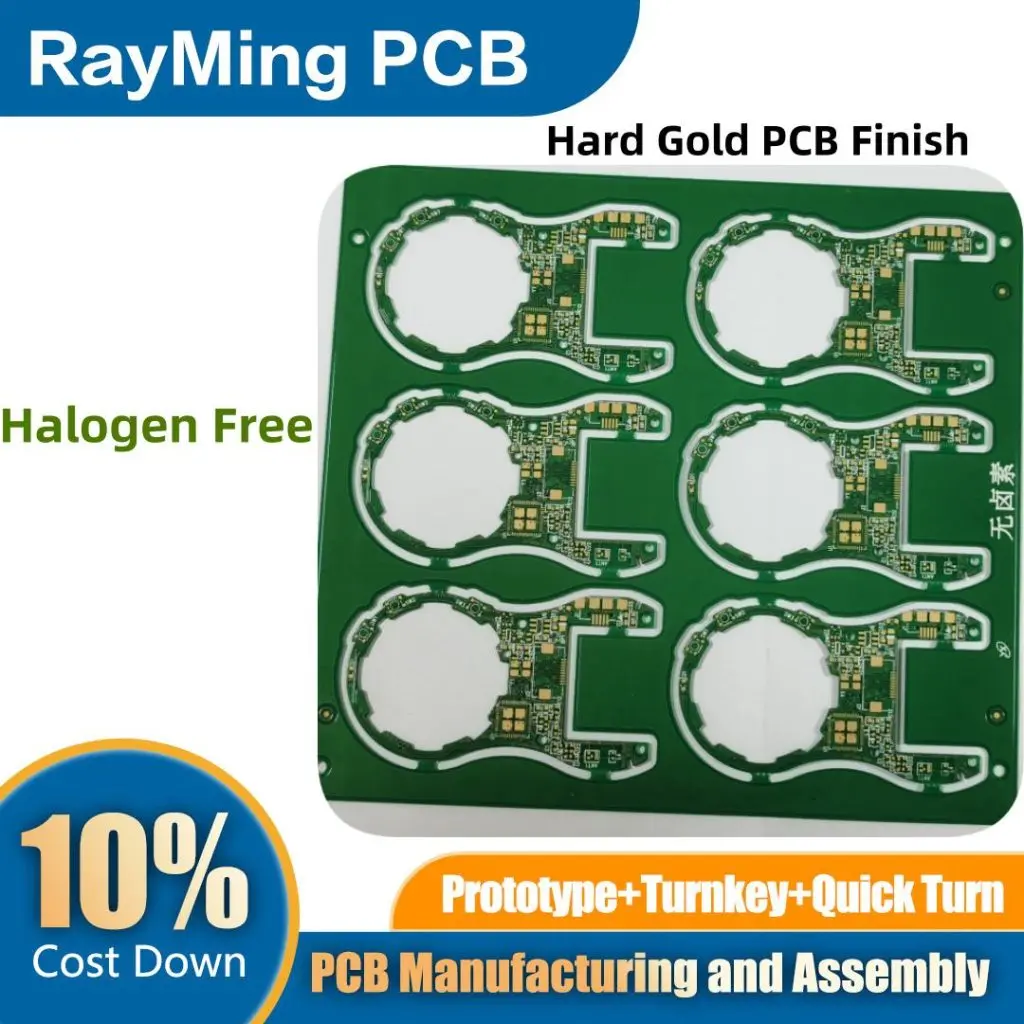
Understanding quantity break points helps optimize order sizes for best value. Many manufacturers offer significant price reductions at specific quantity thresholds, typically at 10, 25, 50, and 100 pieces. Sometimes ordering slightly more boards to reach the next price break results in lower per-unit costs.
For ongoing projects, consider future needs when placing orders. PCB shelf life is typically several years when properly stored, so ordering larger quantities during initial prototyping phases can reduce long-term costs if the design is stable.
Quality vs. Cost Trade-offs
While cost is important, quality cannot be ignored entirely. Cheap PCBs that fail during testing or have poor solderability can ultimately cost more than initially paying for higher-quality boards. Reading reviews, requesting samples, and starting with small orders helps evaluate manufacturer quality before committing to larger quantities.
Most reputable low-cost manufacturers provide adequate quality for prototyping and low-volume production. However, for critical applications or products requiring certifications, investing in higher-quality manufacturers may be necessary.
Conclusion
The landscape for purchasing cheap, low-volume PCBs has never been more favorable for small-scale developers and hobbyists. Online manufacturing services from companies like JLCPCB and PCBWay provide excellent value for basic designs, while traditional manufacturers offer premium services for applications requiring higher quality or faster turnaround times.
Success in low-volume PCB procurement requires balancing cost, quality, and delivery requirements while optimizing designs for manufacturing efficiency. By understanding the factors affecting PCB costs and leveraging the competitive landscape of modern PCB manufacturing, developers can obtain high-quality boards at reasonable prices for their projects.
The key is matching your specific requirements with the right supplier, whether that’s the rock-bottom pricing of overseas online services or the premium quality and service of domestic manufacturers. With careful planning and design optimization, obtaining affordable PCBs for low-volume applications is entirely achievable in today’s market.