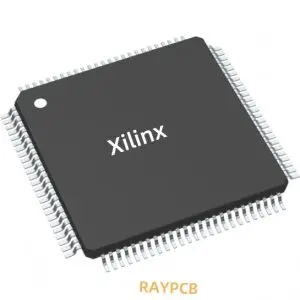
The XC4005E-4TQ144C is a versatile field-programmable gate array (FPGA) designed to deliver reliable performance in demanding electronic applications. This Xilinx XC4000E series device combines flexibility with robust functionality, making it an ideal choice for engineers developing complex digital systems.
Product Specification
The XC4005E-4TQ144C features a comprehensive set of specifications that make it suitable for a wide range of applications. This FPGA incorporates 5,000 typical gates with a logic cell count optimized for mid-range complexity projects. The device operates with a -4 speed grade, providing balanced performance and power consumption characteristics.
Key technical specifications of the XC4005E-4TQ144C include a 144-pin thin quad flat pack (TQFP) package configuration, which offers excellent pin density while maintaining manageable thermal characteristics. The device supports multiple I/O standards and provides configurable logic blocks (CLBs) that can be programmed to implement various digital functions. Operating voltage typically ranges from 4.75V to 5.25V, ensuring compatibility with standard TTL logic levels.
The XC4005E-4TQ144C incorporates advanced routing architecture that enables efficient signal distribution across the chip. Internal memory blocks provide on-chip storage capabilities, while dedicated carry logic enhances arithmetic operation performance. The device also features boundary scan capability for enhanced testability and debugging support.
Price
Pricing for the XC4005E-4TQ144C varies based on quantity, supplier, and current market conditions. As a legacy component from Xilinx’s XC4000E series, availability may be limited through original equipment manufacturers, with many units now sourced through authorized distributors and surplus electronics suppliers.
Typical pricing ranges from $15 to $45 per unit for small quantities, with significant volume discounts available for production runs exceeding 1,000 pieces. Engineers should consider total cost of ownership, including development tools and support resources, when evaluating the XC4005E-4TQ144C for new designs. Alternative newer FPGA families may offer better price-performance ratios for contemporary applications.
Documents & Media
Comprehensive documentation supports the XC4005E-4TQ144C implementation process. The primary datasheet provides detailed electrical characteristics, timing specifications, and package information essential for proper device integration. Application notes offer practical guidance for common implementation scenarios and design optimization techniques.
Programming documentation includes configuration file formats, bitstream generation procedures, and debugging methodologies. Pin assignment guides help engineers optimize signal routing and minimize electromagnetic interference. Thermal management guidelines ensure reliable operation across specified temperature ranges.
Software support includes compatibility with legacy Xilinx development environments, though newer tool versions may have limited support for the XC4000E series. Design entry options include schematic capture, VHDL, and Verilog hardware description languages. Simulation models enable pre-implementation verification and timing analysis.
Related Resources
The XC4005E-4TQ144C ecosystem includes various supporting components and development resources. Evaluation boards provide rapid prototyping platforms for proof-of-concept development and educational applications. These boards typically include programming interfaces, power supplies, and basic I/O connectivity.
Development software encompasses synthesis tools, place-and-route utilities, and timing analysis applications. While primary support has transitioned to newer FPGA families, community resources and third-party tools continue to provide development assistance. Online forums and technical communities offer peer support for troubleshooting and optimization guidance.
Compatible components include configuration memory devices, voltage regulators, and interface circuits designed to work with the XC4000E architecture. Reference designs demonstrate common implementation patterns and provide starting points for custom applications. Training materials and educational resources help engineers develop proficiency with FPGA design methodologies.
Environmental & Export Classifications
The XC4005E-4TQ144C meets various environmental and regulatory standards required for commercial and industrial applications. RoHS compliance ensures the device meets lead-free manufacturing requirements, supporting environmentally responsible design practices. Operating temperature ranges typically span commercial (0°C to +70°C) and industrial (-40°C to +85°C) grades.
Export classification information indicates any trade restrictions or licensing requirements for international shipments. The XC4005E-4TQ144C generally falls under standard electronic component export categories, though specific applications may require additional compliance verification. Military and aerospace applications may necessitate specialized screening and qualification procedures.
Environmental certifications include moisture sensitivity level ratings that specify handling and storage requirements. Electrostatic discharge (ESD) sensitivity classifications guide proper handling procedures during manufacturing and assembly processes. Reliability data provides mean time between failure (MTBF) estimates for various operating conditions.
Quality standards compliance includes ISO certifications and automotive industry specifications where applicable. Package marking includes lot codes and manufacturing date information for traceability requirements. These classifications ensure the XC4005E-4TQ144C meets appropriate standards for intended application environments while supporting regulatory compliance objectives.