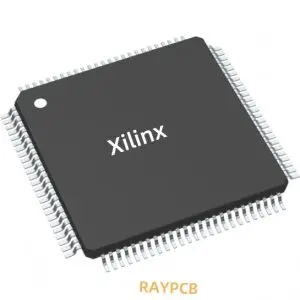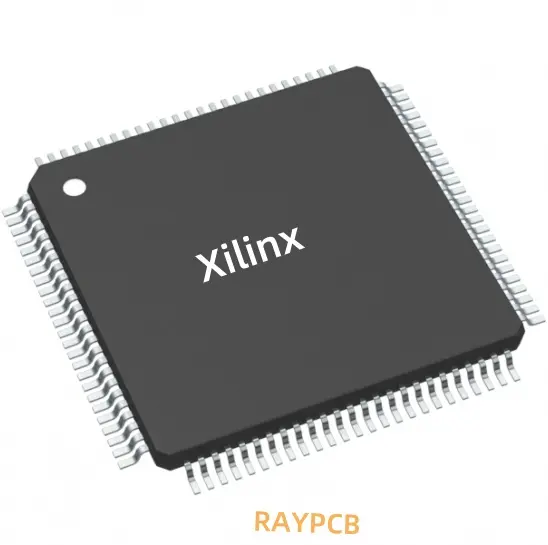
The XC2C128-7TQ144I is a high-performance Complex Programmable Logic Device (CPLD) from Xilinx’s CoolRunner-II family, offering exceptional versatility and reliability for modern digital circuit designs.
Product Specifications
The XC2C128-7TQ144I features:
- 128 macrocells for complex logic implementation
- 100 user I/O pins with high drive capability
- -7 speed grade for faster performance
- TQ144 package (Thin Quad Flat Pack with 144 pins)
- Industrial temperature range (-40°C to +85°C)
- 3.3V core voltage operation
- Advanced CMOS process technology
- Ultra-low power consumption with DataGATE technology
- In-system programmable with JTAG interface
- Fast pin-to-pin logic delays (<5ns)
Price
The XC2C128-7TQ144I is competitively priced at $12.50-$18.75 per unit, with volume discounts available for bulk orders. Please contact our sales team for current pricing and availability information.
Documents & Media
- Complete datasheet with electrical specifications
- CoolRunner-II Family Overview
- Application notes for power optimization
- Design guidelines and implementation examples
- Pin-out diagrams and PCB layout recommendations
- Programming and configuration guides
- JTAG boundary scan information
Related Resources
- Development boards featuring the XC2C128-7TQ144I
- Software tools for programming and simulation
- Reference designs for common applications
- Technical support resources
- Driver implementations for various interfaces
- Compatible accessories and components
Environmental & Export Classifications
- RoHS compliant
- Lead-free package options available
- ECCN: 3A001.a.7
- HTS Code: 8542.39.0000
- Operating temperature: -40°C to +85°C
- Storage temperature: -65°C to +150°C
- Moisture sensitivity level: MSL 3
The XC2C128-7TQ144I delivers exceptional value for digital system designers seeking reliable performance in demanding industrial applications. Its combination of low power consumption, high-speed operation, and robust I/O capabilities makes it an ideal choice for implementing complex control logic, interface bridging, and system management functions.