PCB coating materials are essential components in the production of printed circuit boards, providing critical protection and functionality. There are several types of coating materials used in the PCB industry, each with specific properties and applications.
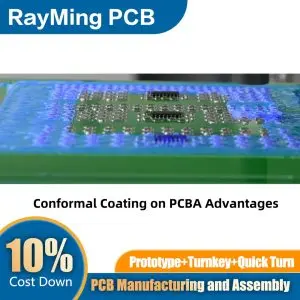
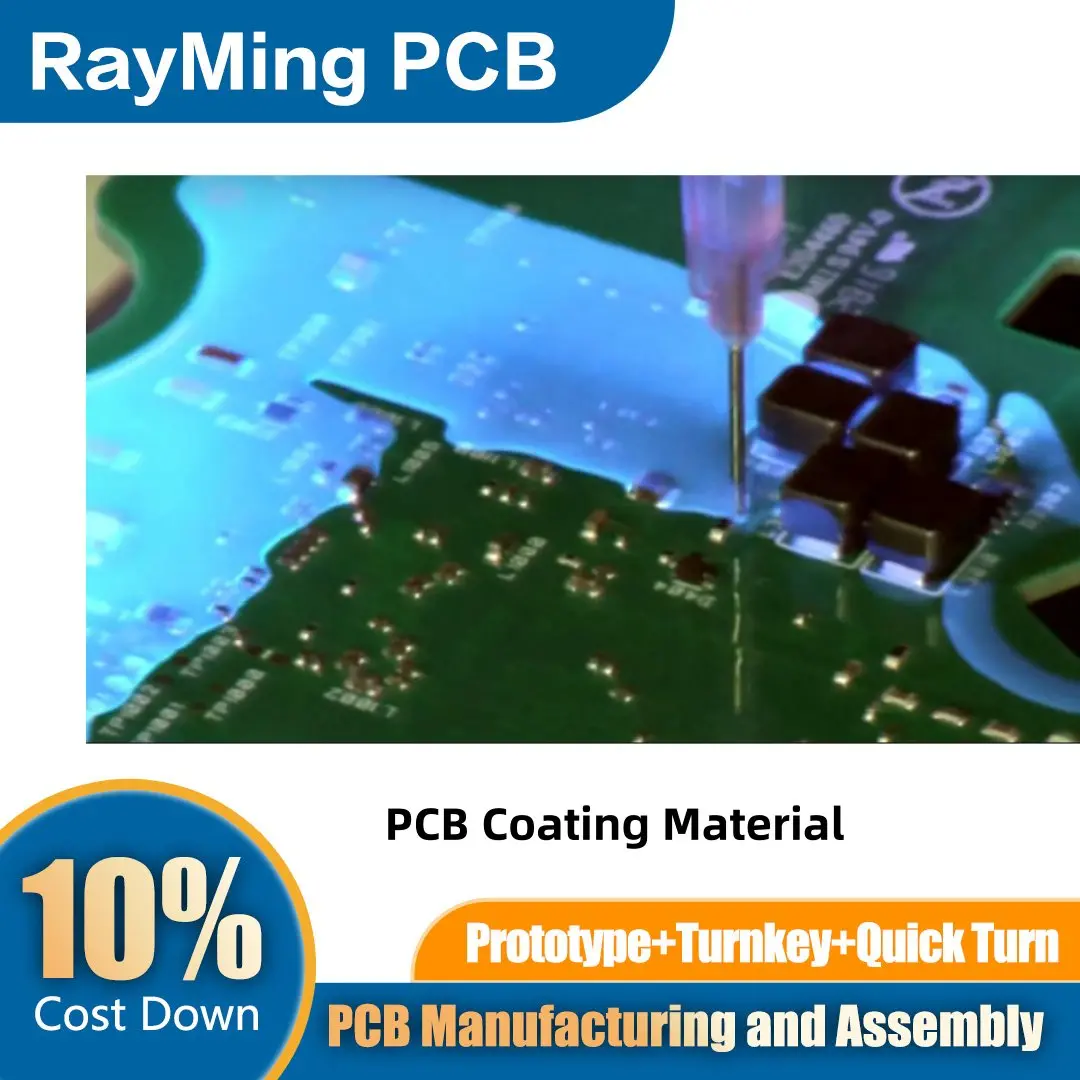
Solder mask is one of the most common coatings, typically made from epoxy-based polymers. It’s applied to protect copper traces from oxidation and prevent solder bridges during assembly. Conformal coatings, such as acrylic, silicone, or urethane-based materials, offer additional protection against moisture, dust, and chemicals, making them ideal for PCBs used in harsh environments.
Other coating materials include OSP (Organic Solderability Preservative), which protects copper surfaces and enhances solderability, and ENIG (Electroless Nickel Immersion Gold), which provides excellent surface finish and protection against oxidation. Liquid photoimageable solder masks are increasingly popular due to their precision and environmental friendliness.
The choice of coating material depends on factors such as the PCB’s application, environmental conditions, and manufacturing process requirements. Advances in coating technology continue to improve PCB performance, reliability, and longevity across various industries.