Electronic Manufacturing Services (EMS) have become the backbone of modern technology production, enabling companies worldwide to bring innovative products to market efficiently and cost-effectively. As the electronics industry continues to evolve at breakneck speed, understanding the role and benefits of EMS providers has never been more critical for businesses seeking competitive advantages in today’s global marketplace.
What Are Electronic Manufacturing Services?
Electronic Manufacturing Services encompass a broad range of manufacturing and assembly solutions provided by specialized companies to original equipment manufacturers (OEMs) and technology companies. These services include everything from initial design and prototyping to full-scale production, testing, and after-market support. EMS providers serve as strategic partners, offering expertise, infrastructure, and scalability that many companies cannot achieve independently.
The EMS industry has experienced tremendous growth over the past two decades, driven by the increasing complexity of electronic products and the need for companies to focus on their core competencies while outsourcing manufacturing operations. This trend has created a robust ecosystem of EMS providers ranging from small, specialized shops to massive multinational corporations serving diverse industries.
Core EMS Services and Capabilities
Design and Engineering Support Modern EMS providers offer comprehensive design for manufacturing (DFM) services, helping clients optimize their products for efficient production. This includes circuit board layout optimization, component selection guidance, and manufacturability assessments that can significantly reduce production costs and time-to-market. Many EMS companies maintain dedicated engineering teams that work closely with clients throughout the product development lifecycle.
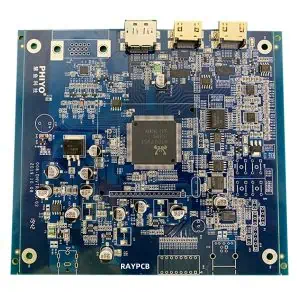
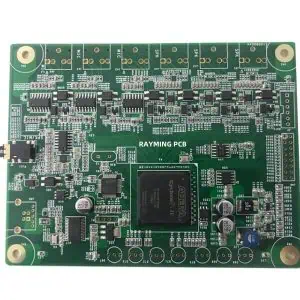
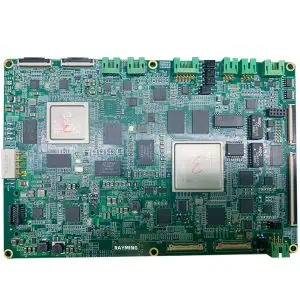
Printed Circuit Board Assembly PCB assembly remains at the heart of most EMS operations. This process involves mounting electronic components onto printed circuit boards using sophisticated surface-mount technology (SMT) and through-hole assembly techniques. Advanced EMS providers utilize state-of-the-art pick-and-place machines, reflow ovens, and automated optical inspection systems to ensure high-quality, reliable assemblies.
Supply Chain Management One of the most valuable aspects of partnering with an EMS provider is access to established supply chains and vendor relationships. EMS companies leverage their purchasing power to secure better pricing on components while maintaining inventory management systems that reduce carrying costs for their clients. This capability has become increasingly important as global supply chains face ongoing challenges and disruptions.
Testing and Quality Assurance Comprehensive testing protocols are essential in electronic manufacturing. EMS providers typically offer in-circuit testing (ICT), functional testing, burn-in testing, and environmental stress screening. These quality assurance measures help identify potential issues before products reach end customers, protecting brand reputation and reducing warranty costs.
Industries Served by EMS Providers
Automotive Electronics The automotive industry represents one of the fastest-growing segments for EMS providers. With the rise of electric vehicles, advanced driver assistance systems (ADAS), and connected car technologies, automotive manufacturers increasingly rely on EMS partners to produce complex electronic assemblies that meet stringent automotive standards and regulations.
Medical Device Manufacturing Medical device companies benefit significantly from EMS partnerships due to the highly regulated nature of their industry. EMS providers specializing in medical devices maintain ISO 13485 certifications and FDA registrations necessary for medical device production, while offering the expertise needed to navigate complex regulatory requirements.
Consumer Electronics From smartphones and tablets to smart home devices and wearables, consumer electronics continue to drive significant demand for EMS services. The rapid product lifecycle and high-volume requirements in this sector make EMS partnerships particularly attractive for companies seeking to scale quickly and efficiently.
Industrial and IoT Applications The Industrial Internet of Things (IIoT) has created new opportunities for EMS providers as companies develop connected industrial equipment, sensors, and monitoring systems. These applications often require specialized expertise in ruggedized designs and industrial-grade components.
Benefits of Partnering with EMS Providers
Cost Optimization EMS providers help companies reduce manufacturing costs through economies of scale, efficient processes, and established supplier relationships. By spreading fixed costs across multiple clients, EMS companies can offer competitive pricing that would be difficult for individual companies to achieve independently.
Scalability and Flexibility One of the primary advantages of EMS partnerships is the ability to scale production up or down based on market demand without significant capital investments. This flexibility is particularly valuable for startups and companies with fluctuating demand patterns.
Access to Advanced Technology Maintaining state-of-the-art manufacturing equipment requires substantial capital investment. EMS providers continuously invest in the latest manufacturing technologies, allowing their clients to benefit from advanced capabilities without the associated costs and risks.
Risk Mitigation EMS partnerships help distribute various risks associated with manufacturing, including supply chain disruptions, quality issues, and regulatory compliance challenges. Experienced EMS providers have established processes and relationships that help minimize these risks.
Selecting the Right EMS Partner
Technical Capabilities Assessment When evaluating potential EMS partners, companies should carefully assess technical capabilities relative to their specific requirements. This includes manufacturing equipment, quality systems, certifications, and experience with similar products or industries.
Geographic Considerations The location of EMS facilities can significantly impact total costs, lead times, and supply chain efficiency. Companies must balance labor costs with logistics expenses, regulatory requirements, and proximity to key markets.
Quality and Certification Standards Quality certifications such as ISO 9001, ISO 14001, and industry-specific standards provide important indicators of an EMS provider’s commitment to quality and continuous improvement. Companies should verify that potential partners maintain appropriate certifications for their industry requirements.
Future Trends in Electronic Manufacturing Services
The EMS industry continues to evolve with emerging technologies and changing market demands. Industry 4.0 concepts, including smart manufacturing, artificial intelligence, and advanced analytics, are being integrated into EMS operations to improve efficiency and quality. Additionally, sustainability concerns are driving increased focus on environmentally responsible manufacturing practices and circular economy principles.
As electronic products become increasingly complex and interconnected, the role of EMS providers will continue to expand beyond traditional manufacturing to encompass more comprehensive product lifecycle support, including design services, supply chain optimization, and end-of-life management.
Electronic Manufacturing Services represent a critical component of the modern electronics ecosystem, enabling companies to focus on innovation while leveraging specialized manufacturing expertise and infrastructure. The continued growth and evolution of the EMS industry reflect its fundamental importance in bringing cutting-edge technology products to market efficiently and cost-effectively.