
In the world of electronics manufacturing, efficiency and precision are paramount. Two critical processes that contribute significantly to these goals are component kitting and feeder preparation. These processes play a crucial role in streamlining production, reducing errors, and improving overall manufacturing productivity. This comprehensive article will delve into the intricacies of component kitting and feeder preparation, exploring their importance, methodologies, best practices, and impact on the electronics manufacturing industry.
Component Kitting
What is Component Kitting?
Component kitting is the process of gathering and organizing all the necessary components for a specific manufacturing job or assembly process into a single package or “kit.” This kit contains all the parts required to complete a particular product or subassembly, arranged in a logical and easily accessible manner.
The Importance of Component Kitting
Efficiency Gains
Component kitting offers several efficiency benefits:
- Reduced search time: Operators don’t need to hunt for individual components.
- Minimized movement: All necessary parts are in one location.
- Improved workflow: Kits can be prepared in advance, reducing production line downtime.
Error Reduction
Kitting helps reduce errors in several ways:
- Prevents wrong part selection: Components are pre-selected and verified.
- Ensures completeness: Kits are checked for all required parts before reaching the production line.
- Facilitates quality control: Easier to inspect and verify components in a kit.
Inventory Management
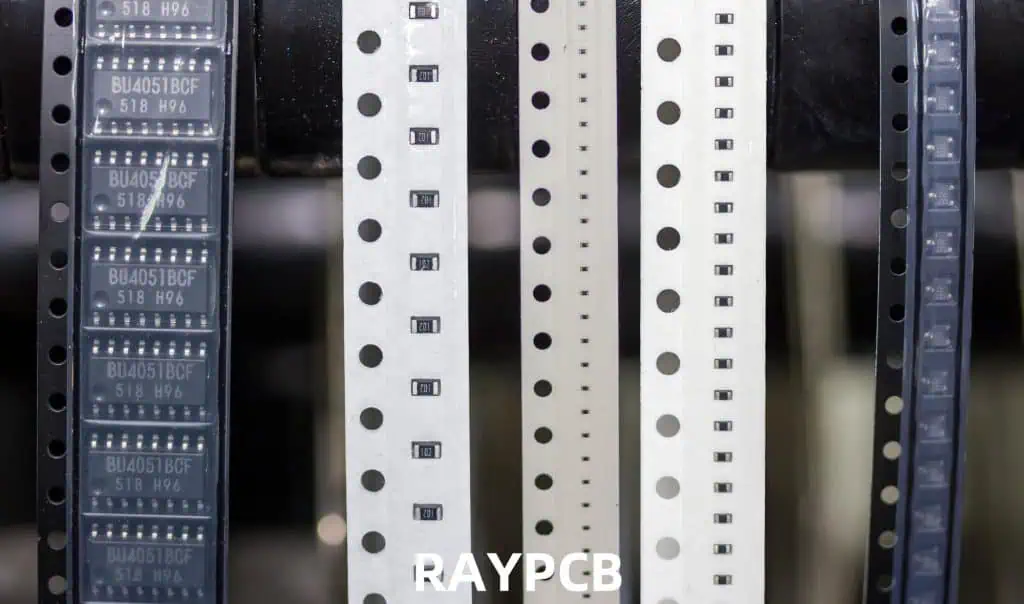
Kitting contributes to better inventory management:
- Improved tracking: Kits are treated as single units for inventory purposes.
- Reduced excess inventory: Kitting helps identify and manage component shortages or excesses.
- Better space utilization: Organized kits take up less space than loose components.
Types of Kitting Methods
Static Kitting
- Components are picked and placed into a fixed container or tray.
- Suitable for low-volume, high-mix production.
- Allows for easy customization and flexibility.
Dynamic Kitting
- Components are picked and placed directly onto a moving conveyor or cart.
- Ideal for high-volume, low-mix production.
- Enhances production speed and reduces handling.
Modular Kitting
- Components are grouped into subassemblies or modules.
- Useful for complex products with multiple variations.
- Allows for easier customization and faster assembly.
Kitting Process Steps
- Bill of Materials (BOM) Review
- Component Gathering
- Kit Assembly
- Quality Check
- Labeling and Documentation
- Storage or Delivery to Production Line
Best Practices for Component Kitting
- Implement a robust inventory management system
- Use barcode or RFID technology for tracking
- Design ergonomic kitting stations
- Train staff on proper kitting procedures
- Regularly audit and optimize kitting processes
- Integrate kitting with MES (Manufacturing Execution System) software
Feeder Preparation
Understanding Feeders in Electronics Manufacturing
Feeders are essential components in Surface Mount Technology (SMT) assembly lines. They are responsible for supplying electronic components to pick-and-place machines in a controlled and precise manner.
Types of Feeders
Tape and Reel Feeders
- Most common type
- Uses components packaged in tape and wound onto reels
- Suitable for a wide range of component sizes and types
Tube Feeders
- Used for larger components like ICs
- Components are stacked in plastic tubes
- Gravity-fed or vibration-assisted
Tray Feeders
- Used for large, fragile, or oddly-shaped components
- Components are arranged in matrix trays
- Often requires manual or robotic handling
Bulk Feeders
- Used for small, uniform components like chip capacitors or resistors
- Components are stored loosely and oriented mechanically
The Importance of Feeder Preparation
Proper feeder preparation is crucial for several reasons:
- Ensures continuous production
- Prevents component misplacements
- Reduces machine downtime
- Improves overall assembly quality
- Enhances production efficiency
Feeder Preparation Process
1. Feeder Selection
- Choose the appropriate feeder type based on component specifications
- Consider factors like component size, shape, and packaging
2. Feeder Cleaning and Maintenance
- Remove any debris or residue from previous use
- Check for wear and tear on mechanical parts
- Lubricate moving parts as necessary
3. Component Loading
- Load components into feeders according to manufacturer specifications
- Ensure proper orientation and alignment of components
4. Feeder Programming
- Set up feeder parameters in the pick-and-place machine software
- Include information like component type, pitch, and pick-up position
5. Feeder Installation
- Carefully install feeders into the pick-and-place machine
- Ensure proper seating and connections
6. Verification and Testing
- Run test cycles to verify proper feeder operation
- Check for any misfeeds or pick-up errors
Best Practices for Feeder Preparation
- Implement a regular maintenance schedule for feeders
- Use feeder storage systems to protect feeders when not in use
- Train operators on proper feeder handling and setup techniques
- Implement a tracking system for feeder usage and performance
- Regularly update feeder libraries in pick-and-place machine software
- Use automated feeder setup systems where possible
Integration of Component Kitting and Feeder Preparation

Streamlining the Production Process
The integration of component kitting and feeder preparation can significantly enhance the efficiency of electronics manufacturing. Here’s how these processes work together:
- Kitting prepares components for easy access and verification
- Feeder preparation ensures components are ready for automated assembly
- Integration reduces setup time and minimizes errors
Advantages of Integrated Approach
- Reduced production line downtime
- Improved traceability of components
- Enhanced quality control
- Increased flexibility in production scheduling
- Better utilization of machine and operator time
Challenges and Solutions
| Challenge | Solution |
| Complexity of managing multiple component types | Implement advanced inventory management systems |
| Ensuring accuracy in kitting and feeder setup | Use barcode or RFID technology for verification |
| Balancing kitting and feeder prep with production needs | Implement Just-In-Time (JIT) kitting and setup processes |
| Managing component changes and revisions | Use flexible kitting systems and updatable feeder libraries |
| Coordinating kitting and feeder prep teams | Implement clear communication protocols and shared d |
Impact on Manufacturing Metrics
The implementation of effective component kitting and feeder preparation processes can have a significant impact on key manufacturing metrics:
| Metric | Impact |
| Overall Equipment Effectiveness (OEE) | Increased due to reduced downtime and improved performance |
| First Pass Yield | Improved due to reduced component errors and misplacements |
| Cycle Time | Decreased as a result of streamlined setup and production processes |
| Work In Progress (WIP) | Reduced through better inventory management and JIT practices |
| Labor Efficiency | Enhanced by minimizing non-value-added activities |
Future Trends in Component Kitting and Feeder Preparation
As technology continues to evolve, several trends are emerging in the field of component kitting and feeder preparation:
- Automation and Robotics: Increased use of automated kitting systems and robotic feeder setup.
- AI and Machine Learning: Implementation of intelligent systems for optimizing kitting and feeder preparation processes.
- IoT Integration: Use of Internet of Things (IoT) devices for real-time tracking and management of components and feeders.
- Virtual and Augmented Reality: Application of VR and AR technologies for training and guided setup procedures.
- Advanced Analytics: Utilization of big data analytics for predictive maintenance and process optimization.
Conclusion
Component kitting and feeder preparation are critical processes in modern electronics manufacturing. When implemented effectively, they can significantly improve production efficiency, reduce errors, and enhance overall product quality. As the industry continues to evolve, manufacturers who optimize these processes will be better positioned to meet the increasing demands for speed, accuracy, and flexibility in electronics production.
By understanding the nuances of component kitting and feeder preparation, and by implementing best practices and emerging technologies, electronics manufacturers can stay competitive in an increasingly challenging global market.
Frequently Asked Questions (FAQ)
1. How does component kitting affect production line flexibility?
Component kitting can significantly enhance production line flexibility. By preparing kits in advance for different products or variations, manufacturers can quickly switch between production runs without lengthy setup times. This allows for more efficient handling of small batch sizes and frequent product changeovers, which is particularly beneficial in high-mix, low-volume production environments.
2. What are the main challenges in implementing an effective feeder preparation system?
The main challenges in implementing an effective feeder preparation system include:
- Managing a diverse range of component types and sizes
- Ensuring accurate setup and programming of feeders
- Maintaining feeders to prevent malfunctions
- Balancing feeder preparation time with production schedules
- Training operators to handle complex feeder systems
These challenges can be addressed through careful planning, investment in advanced feeder technologies, comprehensive training programs, and the implementation of robust quality control processes.
3. How can manufacturers measure the effectiveness of their kitting and feeder preparation processes?
Manufacturers can measure the effectiveness of their kitting and feeder preparation processes using several key performance indicators (KPIs):
- Setup time reduction
- Component pick-up error rates
- Production line downtime due to component or feeder issues
- Inventory accuracy
- Kitting cycle time
- First pass yield improvements
Regularly monitoring these metrics can help identify areas for improvement and quantify the benefits of kitting and feeder preparation initiatives.
4. Are there industry standards for component kitting and feeder preparation?
While there are no universally adopted standards specifically for component kitting and feeder preparation, many manufacturers follow guidelines set by organizations such as the IPC (Association Connecting Electronics Industries). These guidelines often cover aspects of component handling, storage, and assembly processes. Additionally, many equipment manufacturers provide best practice recommendations for their specific feeder systems.
5. How is Industry 4.0 impacting component kitting and feeder preparation processes?
Industry 4.0 is significantly impacting component kitting and feeder preparation through:
- Increased automation and robotics in kitting and feeder setup
- Implementation of IoT devices for real-time tracking and monitoring
- Use of big data analytics for process optimization and predictive maintenance
- Integration of kitting and feeder systems with broader Manufacturing Execution Systems (MES)
- Enhanced traceability through digital twin technologies
These advancements are leading to more efficient, flexible, and data-driven kitting and feeder preparation processes, ultimately contributing to smarter and more responsive manufacturing operations.

