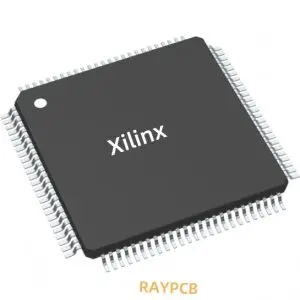
The XC2018TM-70P68C is a powerful field-programmable gate array (FPGA) designed to deliver exceptional performance and flexibility for demanding electronic applications. This advanced programmable logic device offers engineers and developers a robust platform for implementing complex digital circuits with optimal efficiency and reliability.
Product Specifications
The XC2018TM-70P68C features comprehensive technical specifications that make it ideal for high-performance computing applications:
Core Architecture:
- Advanced FPGA technology with optimized logic cell configuration
- High-speed performance rating with -70 speed grade
- 68-pin package format (P68C) for compact PCB integration
- Enhanced routing architecture for improved signal integrity
Package Details:
- 68-pin ceramic package (P68C configuration)
- Industrial-grade temperature range operation
- Lead-free and RoHS compliant construction
- Compact footprint suitable for space-constrained designs
Performance Characteristics:
- Superior speed performance with -70 timing specifications
- Low power consumption for energy-efficient operation
- High logic density for complex algorithm implementation
- Excellent signal-to-noise ratio for reliable data processing
Price Information
The XC2018TM-70P68C pricing varies based on order quantity and distributor partnerships. For current pricing and availability:
- Contact authorized distributors for volume pricing
- Educational discounts available for qualifying institutions
- Custom packaging options may affect final pricing
- Lead times typically range from 2-12 weeks depending on demand
Pricing factors include market conditions, order volume, and specific packaging requirements. We recommend contacting multiple suppliers to ensure competitive pricing for your XC2018TM-70P68C procurement needs.
Documents & Media
Essential documentation and resources for the XC2018TM-70P68C include:
Technical Documentation:
- Comprehensive datasheet with electrical specifications
- Programming guide and development tutorials
- Application notes for common implementation scenarios
- Pin configuration diagrams and package drawings
Development Resources:
- Compatible development software and toolchains
- Reference designs and example projects
- Simulation models for design verification
- Programming file formats and utilities
Support Materials:
- Installation guides and getting-started documentation
- Troubleshooting guides and FAQ resources
- Video tutorials and webinar recordings
- Community forums and technical support contacts
Related Resources
The XC2018TM-70P68C ecosystem includes various complementary products and resources:
Compatible Development Tools:
- Integrated development environments (IDEs)
- Hardware description language (HDL) compilers
- Simulation and verification software
- Programming and debugging hardware
Reference Designs:
- Digital signal processing implementations
- Communication protocol examples
- Motor control applications
- Image processing demonstrations
Training and Support:
- Online training courses and certification programs
- Technical webinars and workshops
- Application engineering support
- Design consultation services
Environmental & Export Classifications
The XC2018TM-70P68C meets stringent environmental and regulatory standards:
Environmental Compliance:
- RoHS compliant with lead-free construction
- REACH regulation compliance for European markets
- Conflict minerals reporting available upon request
- ISO 14001 environmental management certification
Export Classifications:
- Export Control Classification Number (ECCN) compliance
- International traffic in arms regulations (ITAR) status
- Country-specific import/export documentation
- Dual-use technology classification where applicable
Quality Standards:
- ISO 9001 quality management system certification
- Automotive qualification standards (where applicable)
- Military and aerospace grade options available
- Extended temperature range variants for harsh environments
The XC2018TM-70P68C represents a reliable, high-performance FPGA solution suitable for diverse applications requiring programmable logic capabilities. Its robust feature set, comprehensive documentation, and strong ecosystem support make it an excellent choice for engineers developing next-generation electronic systems.